Curved Gaming Monitors
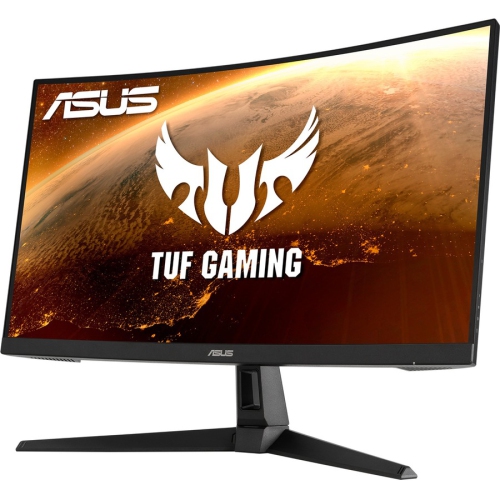
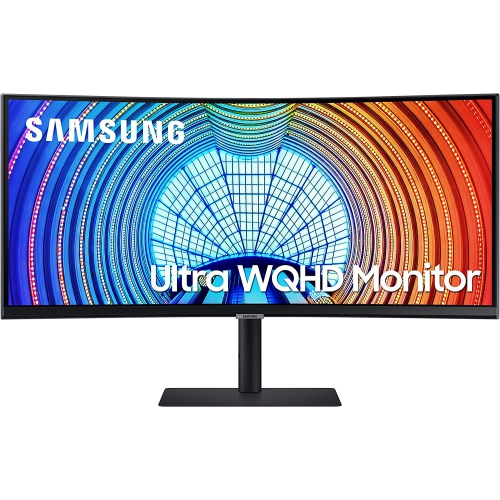
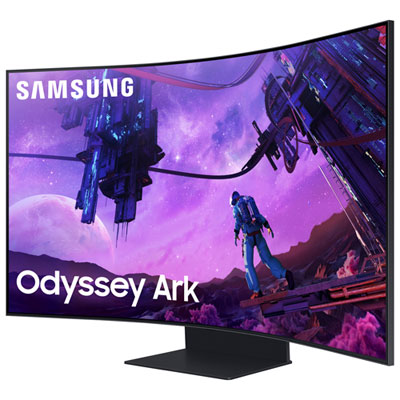
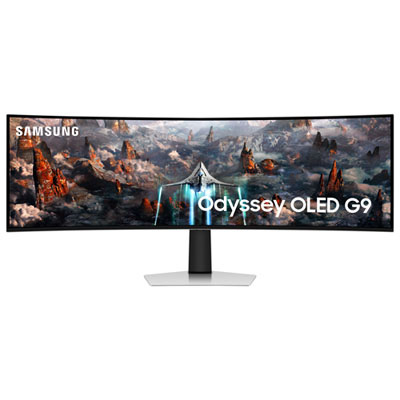
Curved Gaming Monitors deliver a more immersive and engaging experience for gamers looking to elevate their setup. With a design that wraps around your field of vision, these monitors help you stay focused during fast-paced action and expansive in-game environments. Explore a variety of screen sizes, resolutions, and refresh rates to find the perfect fit for your gaming space. Whether upgrading your current display or building a new battlestation, Curved Gaming Monitors offer options to suit every style and budget.


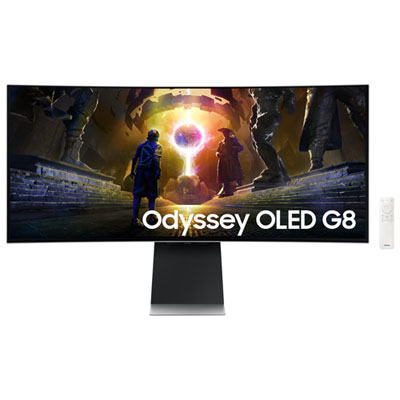
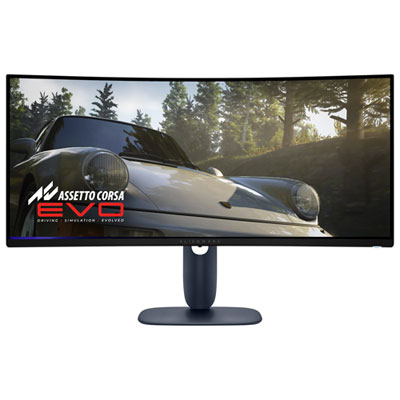
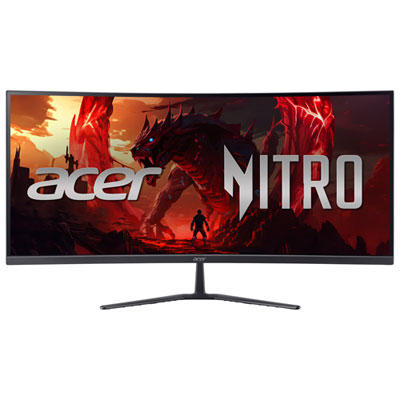
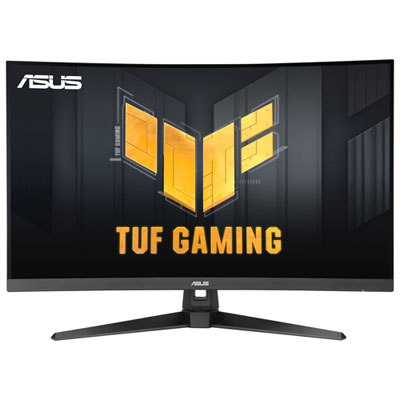
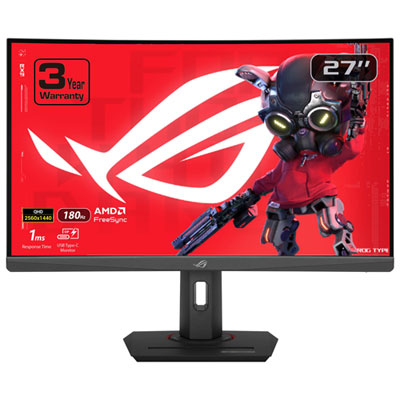
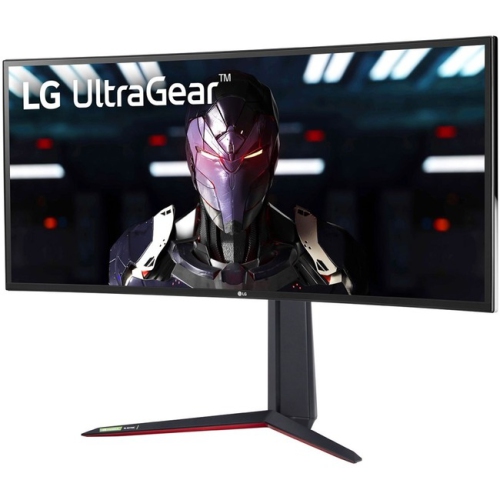

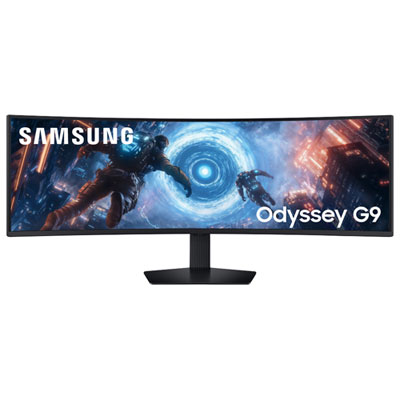
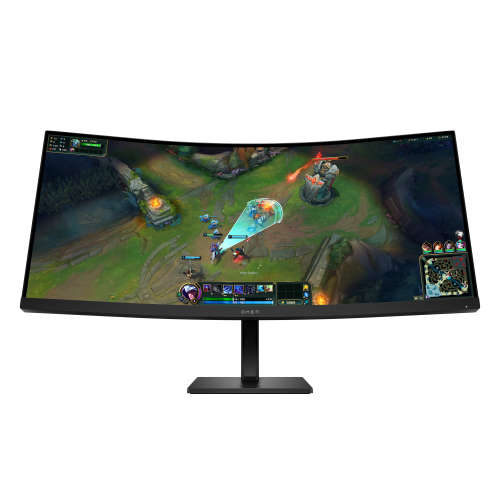
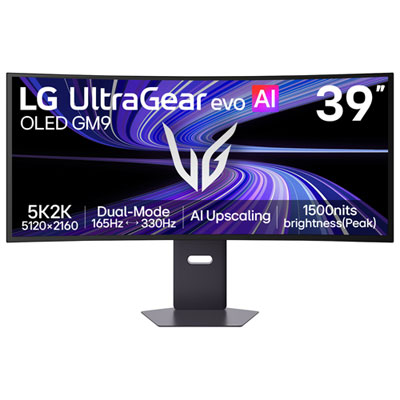
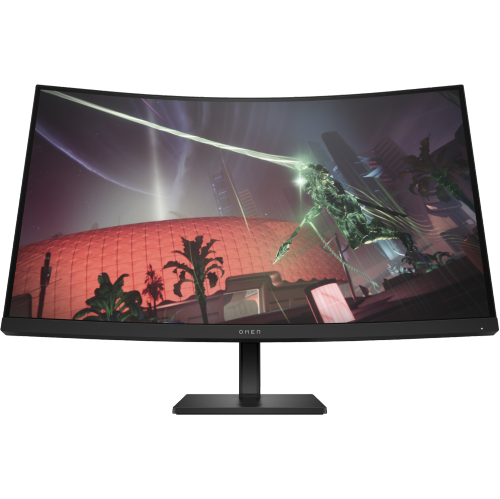
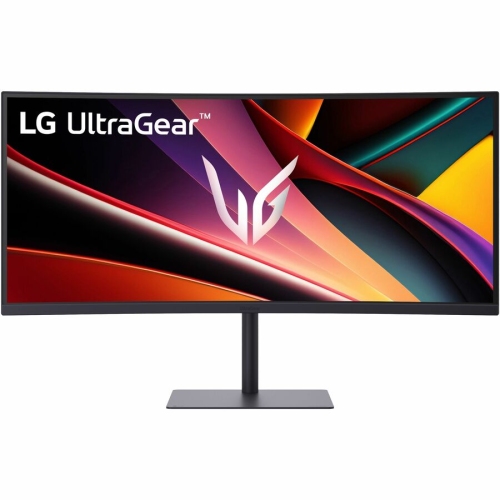
Immersive displays built for smooth gaming and creative work
Choosing the right curved gaming monitor involves considering a few key factors to match your gaming style and space. Resolution is a top priority for many—higher resolutions like QHD or 4K deliver crisp, lifelike images, which can make a dramatic difference in visually rich games. Screen curvature is measured in terms of radius (like 1800R or 1500R), with a lower number indicating a more pronounced curve. Gamers who sit closer to their monitors often prefer a steeper curve for a more enveloping effect, while those with larger desks or who multitask may opt for a gentler arc. Refresh rate is another crucial detail; competitive gamers may gravitate toward monitors with 144Hz or even 240Hz refresh rates for the smoothest experience. Connectivity options—such as HDMI, DisplayPort, and USB hubs—ensure compatibility with gaming PCs, consoles, and peripherals. For those who enjoy sharing their setup with friends or streaming content, curved monitors can double as impressive entertainment screens, making them a versatile addition to any room. These monitors also make thoughtful gifts for students heading back to school, recent graduates setting up their first apartment, or anyone looking to enhance their home office or gaming den as the weather shifts and indoor activities become more appealing.
Beyond gaming, curved monitors have found a place in creative and professional environments, where their immersive design can enhance productivity and comfort. Artists, designers, and video editors often appreciate the way a curved display can make detailed work more intuitive, especially when managing multiple windows or timelines. If your needs extend beyond gaming into creative pursuits, you may want to explore specialized options such as Curved Monitors for Graphic Design, which offer features tailored to colour accuracy and workflow efficiency. Whether you’re upgrading your setup for the latest game releases, preparing for a season of cozy indoor gaming, or seeking a versatile monitor that transitions seamlessly from work to play, curved gaming monitors deliver a captivating and comfortable viewing experience that stands out in any setting.
FAQ
What are the benefits of using a curved gaming monitor?
Curved gaming monitors provide a more immersive viewing experience by wrapping the screen around your field of vision. This design can reduce distortion at the edges, minimize glare, and help you feel more engaged in your games.
How does a curved monitor enhance gaming compared to a flat monitor?
A curved monitor enhances gaming by creating a wider perceived field of view, which can make gameplay feel more realistic. The curvature helps keep all parts of the screen at a consistent distance from your eyes, reducing eye strain during long sessions.
Are curved gaming monitors suitable for multi-monitor setups?
Yes, curved gaming monitors can be used in multi-monitor setups. When arranged side by side, they can create an even more immersive panoramic display, ideal for simulation games or multitasking.
Do curved gaming monitors support high refresh rates and fast response times?
Many curved gaming monitors are designed with gamers in mind and offer high refresh rates and fast response times. These features help deliver smooth visuals and reduce motion blur during fast-paced action.
What types of panel technology are commonly used in curved gaming monitors?
Curved gaming monitors often use VA (Vertical Alignment) or IPS (In-Plane Switching) panels. VA panels typically offer better contrast ratios and deeper blacks, while IPS panels provide wider viewing angles and more accurate color reproduction.
Top selling and popular products
-
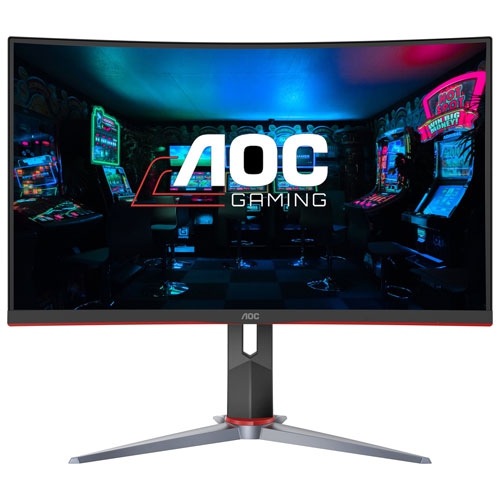 Your price for this item is $275
-
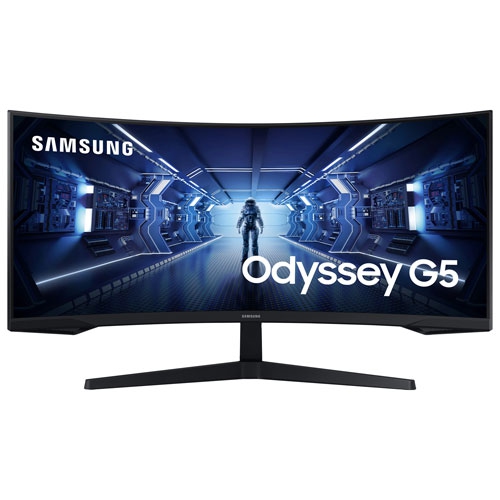 Your price for this item is $559.68
-
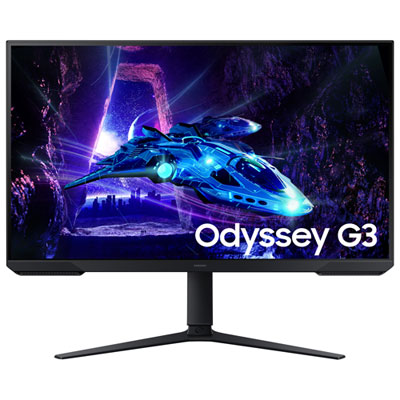 Your price for this item is $209.95
-
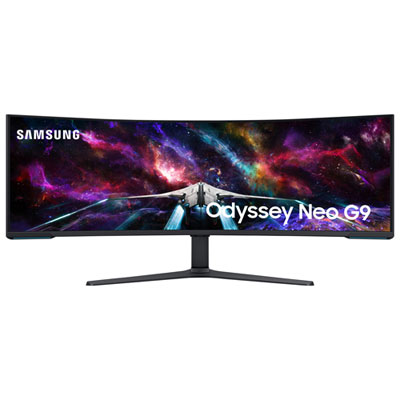 Your price for this item is $3299.99
-
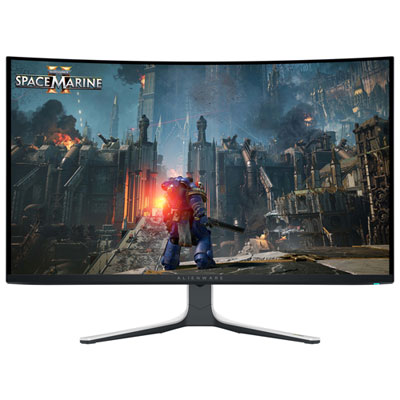 Your price for this item is $1349.99
-
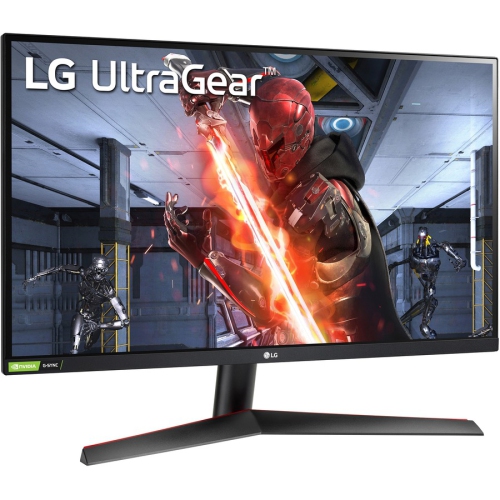 Your price for this item is $554.68
-
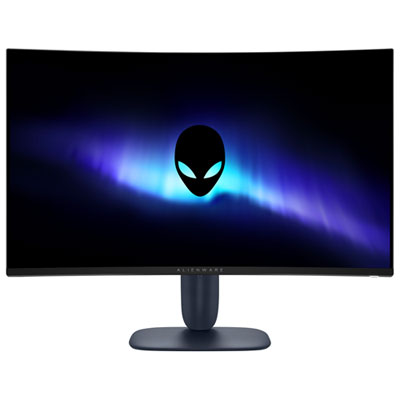 Your price for this item is $339.95
-
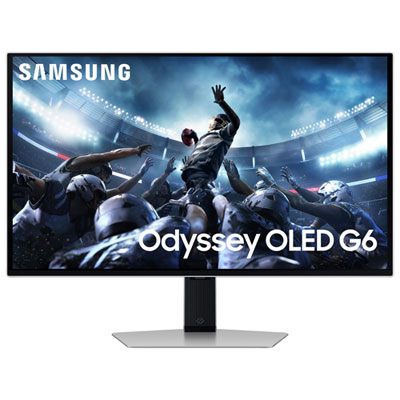 Your price for this item is $1199.99