Cyber Monday Deals Coming Soon
Our Cyber Monday Sale returns in December 2026. In the meantime, shop our current top deals below.

Cyber Monday Deals On Cameras Camcorders
Get ready to capture all of life's unforgettable moments with incredible Cyber Monday deals on cameras and camcorders. Whether you're a photography enthusiast or looking to upgrade your current equipment, Best Buy Canada has you covered. With a wide selection of quality cameras and camcorders, you'll find the perfect device to help you document every adventure, milestone, and cherished memory. From DSLRs and mirrorless cameras to action cams and professional-grade camcorders, our Cyber Monday deals are sure to make your photography dreams come true. Don't miss out on these amazing discounts and get ready to unleash your creativity behind the lens. Remember, our Low Price Guarantee means you can shop confidently knowing that you'll find the best price at Best Buy, all year round. We encourage you to check our website frequently for the most up-to-date information on our latest offers and savings opportunities.
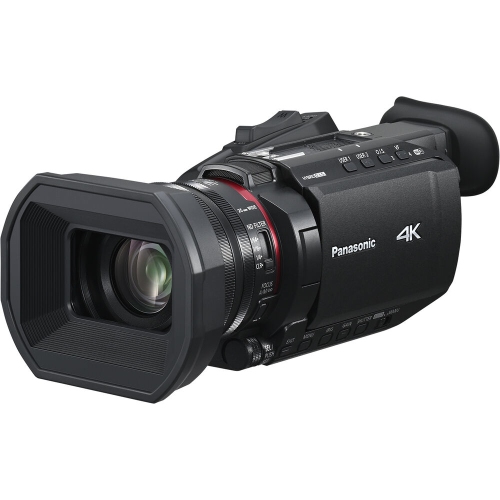
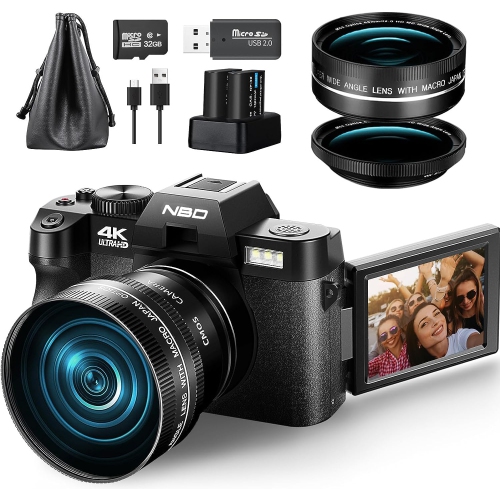
Why cameras and camcorders suit different shooting styles
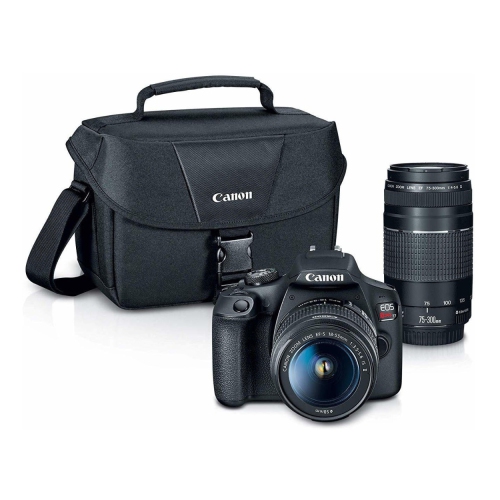
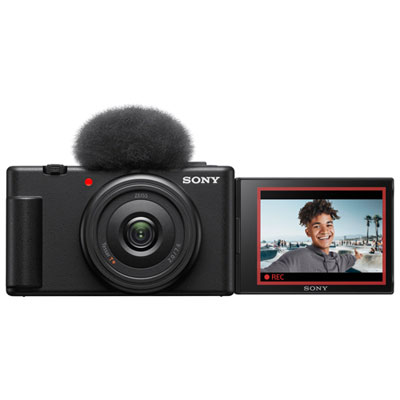
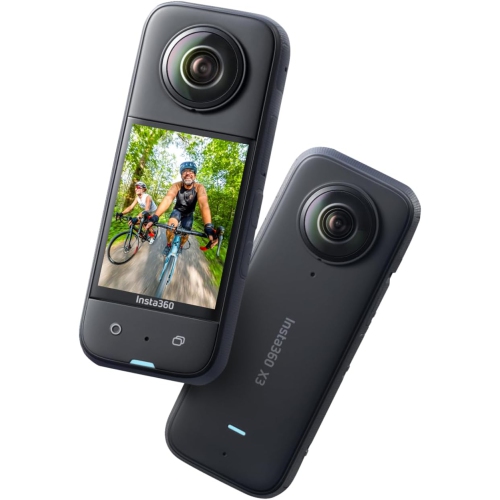
Image quality comes from several parts of a camera working together, rather than from a single specification. Sensor size, lens quality, focus accuracy, and image processing all influence how a photograph or video looks. A higher megapixel count can leave more room for cropping still images, but it does not automatically produce cleaner detail in a dim room or sharper results when a subject moves. Lens characteristics have a similarly practical effect. A wider view can fit a group around a table or show the layout of a room, while a longer focal length brings a distant subject closer in the frame. Optical zoom changes framing through the lens; digital zoom generally crops or processes the image, which can reduce visible detail. For portraits, a lens with a wider maximum aperture can help separate a face from the background, though the result also depends on distance and sensor size. Stabilization can reduce the effects of hand movement, but it cannot prevent blur caused by a fast-moving subject. Video brings its own considerations. Full HD and 4K describe recording resolution, while frame rate affects how motion appears and whether footage can be slowed down smoothly during editing. Higher-resolution recording can provide more detail and cropping flexibility, but it also demands more storage and may require more capable editing equipment. For a long performance or interview, recording duration, battery capacity, and heat-management limits can matter as much as resolution. Sound deserves equal attention: built-in microphones are convenient, while compatible external microphones can help capture clearer speech when placed closer to the speaker. Microphone inputs and headphone monitoring are useful features for interviews and narrated videos, but they are not standard on every device. A screen that tilts or turns can make low-angle shots and self-recording more comfortable. Wi-Fi or Bluetooth connectivity may simplify certain transfers or remote controls, depending on the device and compatible software. These differences become tangible in everyday use, such as keeping a presenter in focus, preserving natural skin tones, or hearing a quiet voice clearly over background chatter.
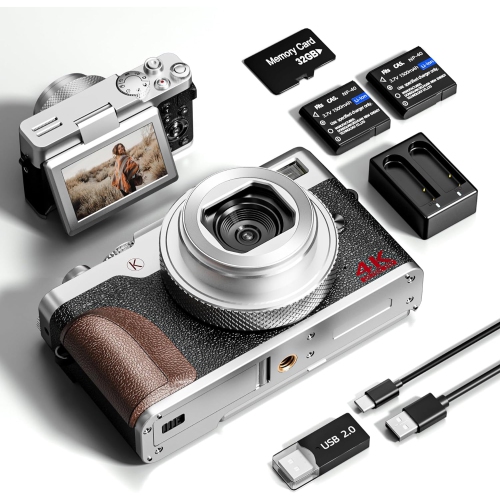
Handling, construction, and care shape how enjoyable cameras and camcorders are to use over time. A substantial grip can make a camera easier to hold steadily, but the total weight of the body and lens matters during a long outing. Camcorders often use a hand strap and a side-opening screen to support recording at chest or eye level, while smaller cameras may rely more on a wrist strap or neck strap for security. Button placement, touchscreen responsiveness, and readable menus all affect how quickly settings can be changed when a moment is passing. Bodies may use reinforced plastics, metal alloys, or a combination of materials; sturdiness also depends on the design of hinges, doors, mounts, and moving parts. Sealing against dust and moisture should not be confused with waterproofing, and any water-use rating applies only under the manufacturer’s stated conditions. A padded case helps protect equipment from knocks in transit, while lens caps reduce accidental contact with exposed glass. Gentle cleaning with suitable lens-care materials helps preserve optical surfaces without scratching coatings. Interchangeable-lens equipment benefits from careful lens changes and protected storage, since dust on a sensor can become visible in photographs. Batteries, chargers, and memory cards are part of the everyday setup rather than afterthoughts. Card capacity affects how much footage or how many photographs can be stored, and write-speed requirements depend on the recording format. A tripod can support consistent framing for a presentation, product demonstration, or group portrait, while a spare battery can reduce interruptions during a lengthy session. Cameras and camcorders can also make thoughtful gifts for people with a clear interest in documenting their lives or developing a creative skill. A beginner may appreciate approachable controls and comfortable handling more than an extensive set of advanced features. An experienced photographer may place greater importance on compatibility with an existing lens collection, while a video creator may prioritize audio connections and dependable focus tracking. Equipment that suits its recipient’s habits is more likely to become part of everyday life, whether it is used to photograph handmade projects, record family stories, document a trip, or build a portfolio of creative work.
Top selling and popular products
-
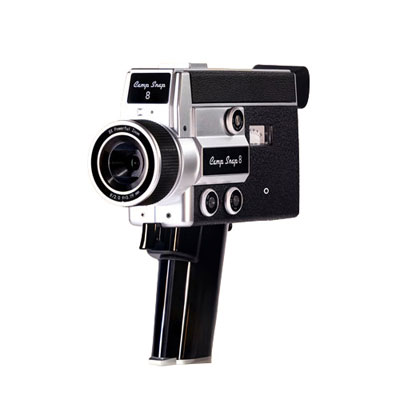 Your price for this item is $199.99
-
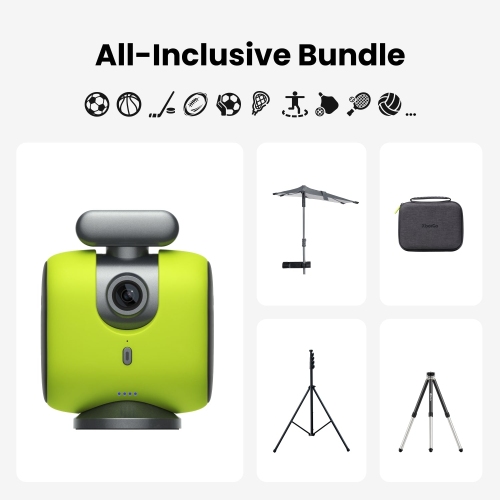 Your price for this item is $859.99
-
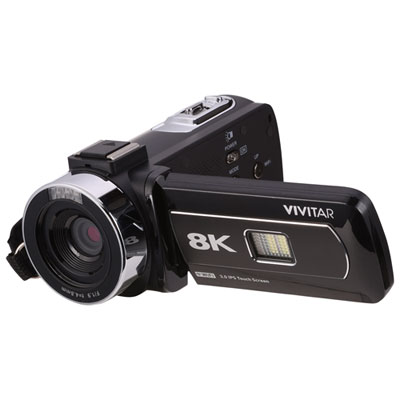 Your price for this item is $249.99
-
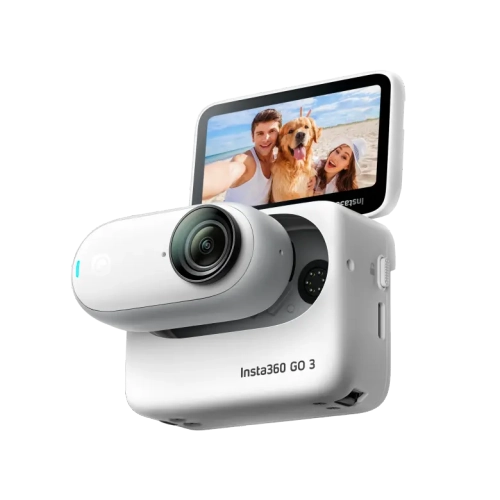 Your price for this item is $512.68
-
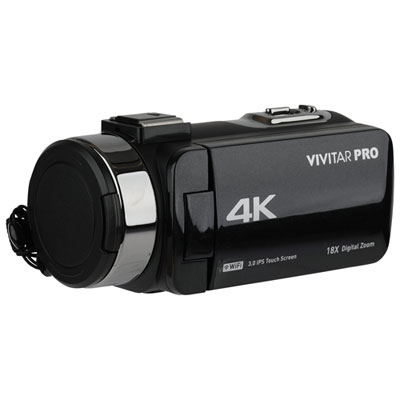 Your price for this item is $199.99
-
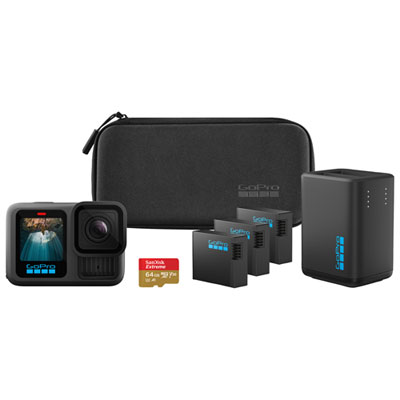 Your price for this item is $679.97
-
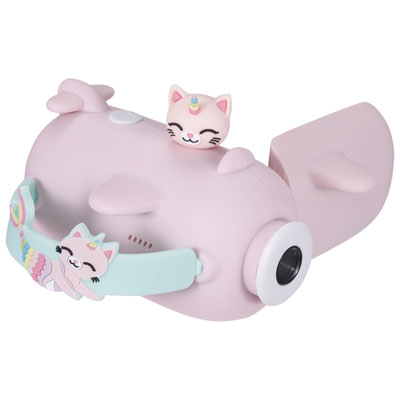 Your price for this item is $69.99
-
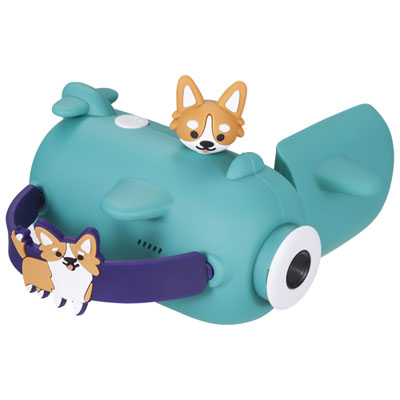 Your price for this item is $69.99