Cyber Monday Deals Coming Soon
Our Cyber Monday Sale returns in December 2026. In the meantime, shop our current top deals below.

Cyber Monday Deals On Fitness Trackers
Get ready to conquer your fitness goals with unbeatable Cyber Monday deals on fitness trackers. Whether you're a seasoned athlete or just starting your fitness journey, this is the perfect time to upgrade your workout routine. Discover incredible discounts on a wide range of fitness trackers that can help you monitor your steps, track your heart rate, analyze your sleep patterns, and so much more. With these amazing Cyber Monday deals, you can stay motivated and take your fitness game to the next level without breaking the bank. Don't miss out on these exclusive offers—shop now and make every step count! Remember, our Low Price Guarantee means you can shop confidently knowing that you'll find the best price at Best Buy, all year round. We encourage you to check our website frequently for the most up-to-date information on our latest offers and savings opportunities.
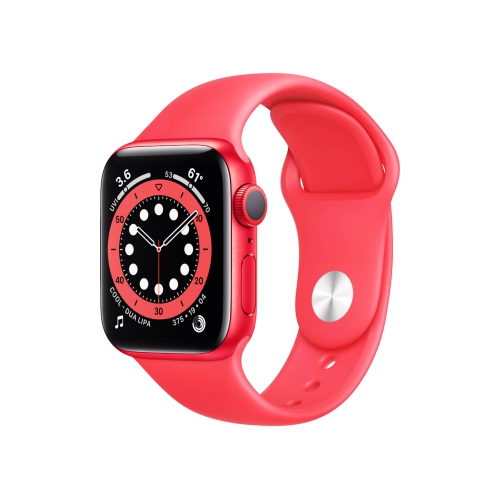
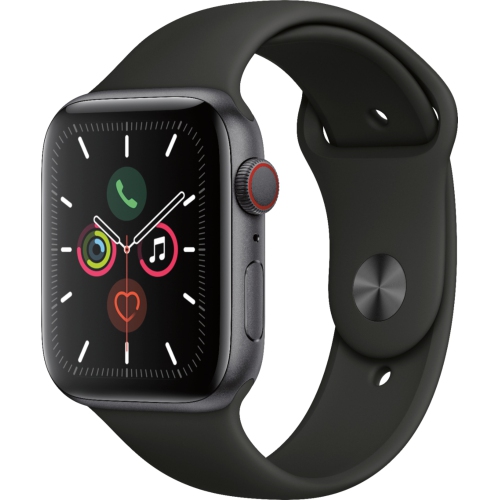

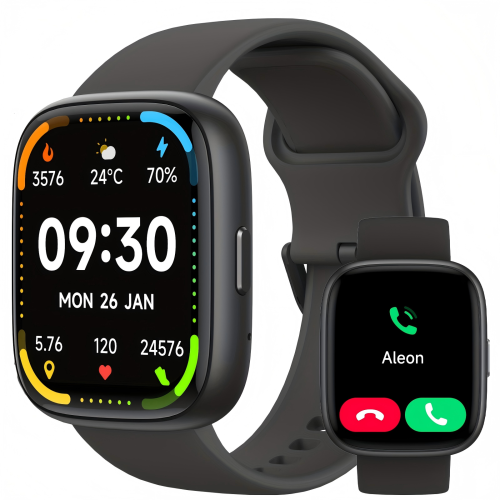
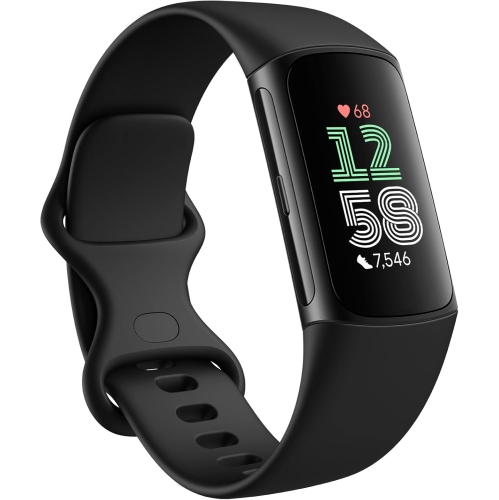
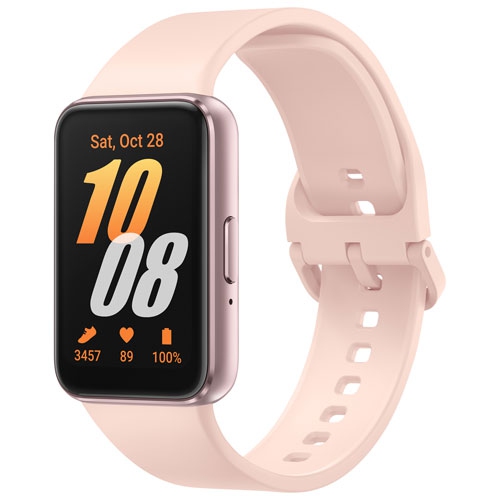
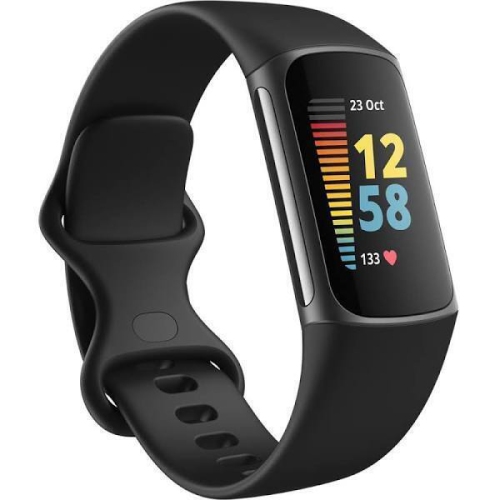
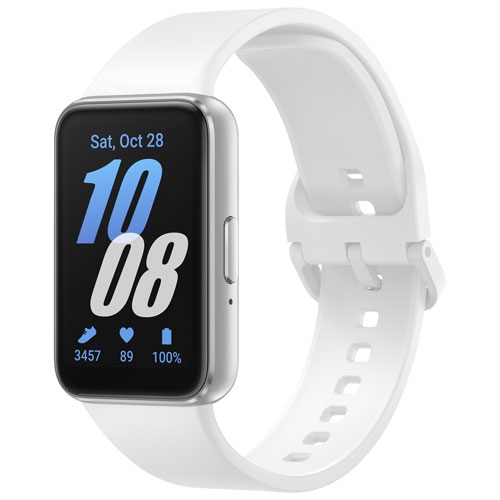
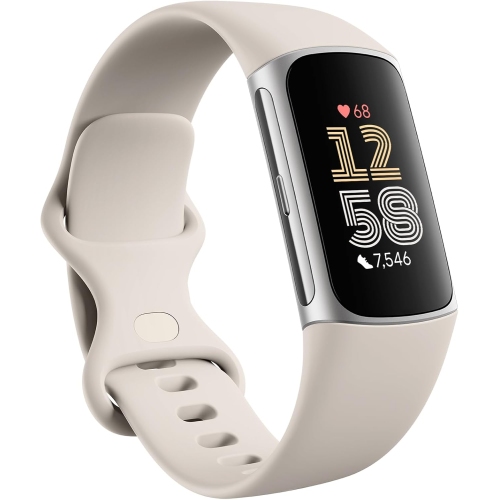

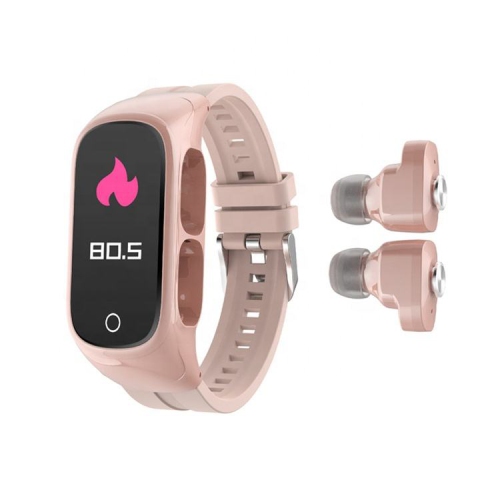
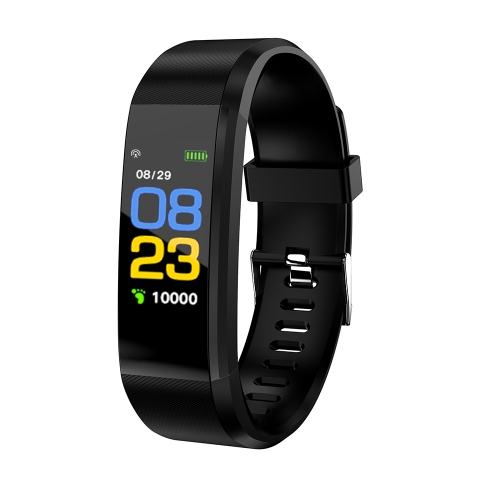

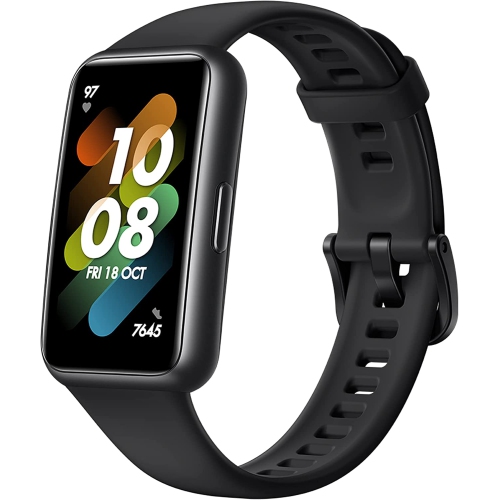
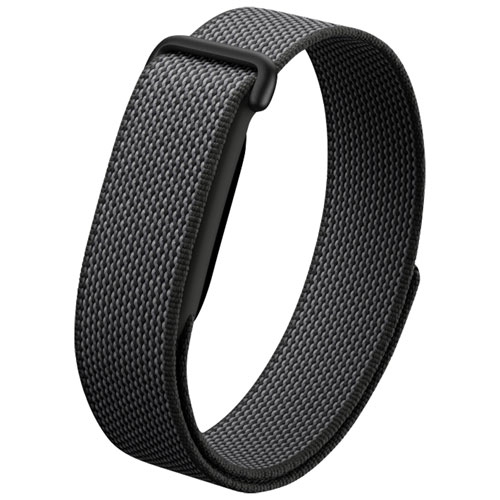

A clearer picture of daily activity on your wrist
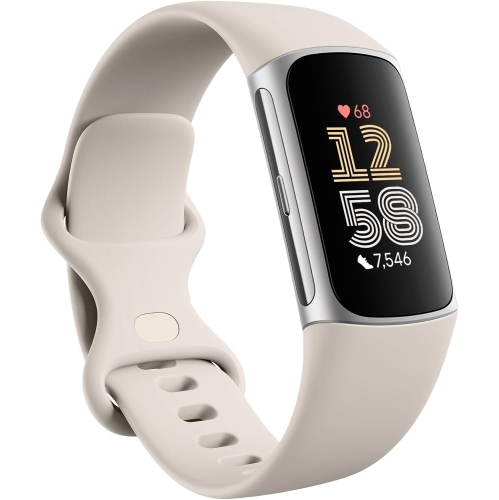
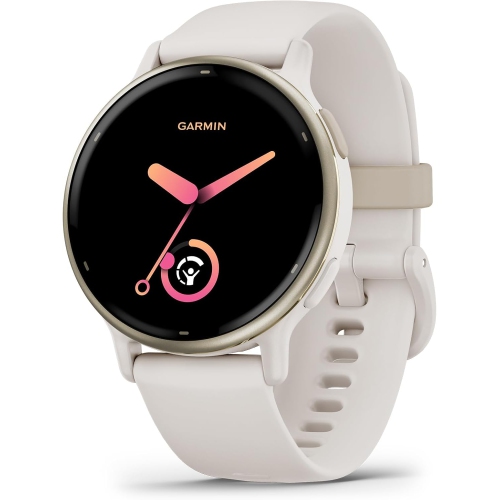
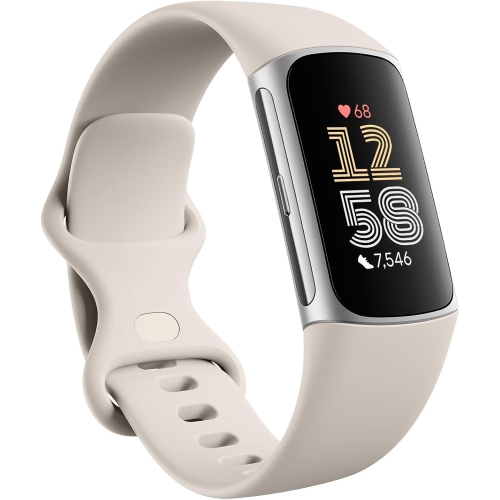
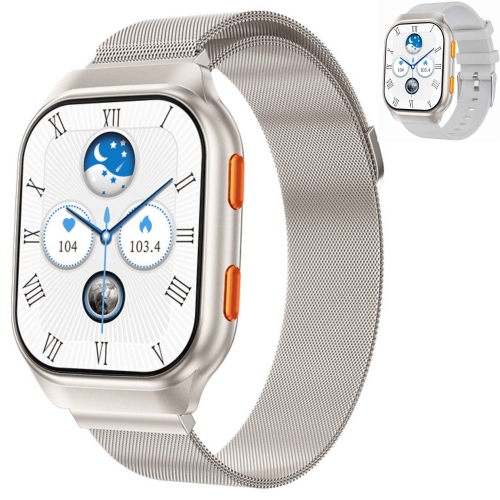
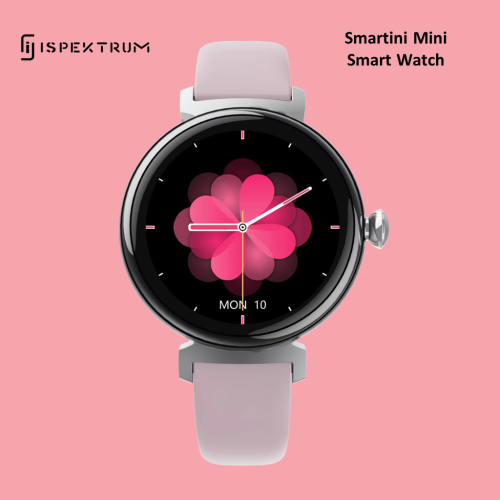
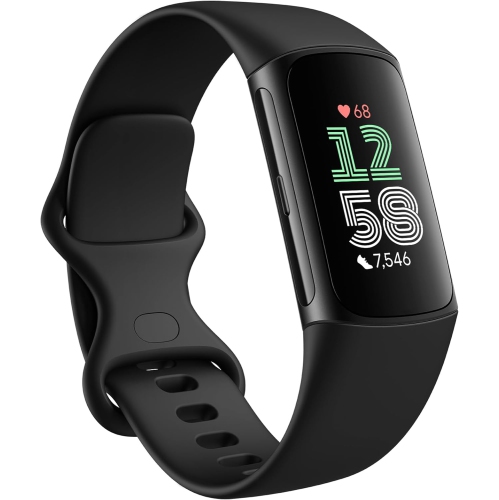
Comfort is central to fitness tracker design because these devices often stay on the wrist well beyond a workout. Lightweight cases and flexible silicone or similar polymer bands are common choices for activity-focused wearables, offering a practical feel during exercise and straightforward cleaning afterwards. Depending on the tracker, interchangeable bands may introduce woven fabrics, leather, or metal into the design, each with a different balance of softness, weight, breathability, and care requirements. A band suited to a sweaty gym session may feel different from one chosen mainly for office wear, and some materials are better kept away from prolonged moisture. Wrist size, adjustment range, and clasp design all affect how naturally a tracker sits through typing, lifting weights, or sleeping. A secure fit helps keep the sensors in contact with the skin, but the band should not leave the wrist feeling pinched or restrict movement. For someone with smaller wrists, a narrower case can feel less intrusive against a sleeve or beside the hand during exercises that bend the wrist. Larger displays can make workout information easier to read at a glance, while smaller screens keep the overall profile more discreet. Touch controls, physical buttons, and display brightness also influence how a device feels in use, particularly when hands are damp or quick adjustments are needed between sets. Durability depends on the case, screen, band attachments, and stated resistance ratings rather than appearance alone. A water-resistant tracker is not automatically suitable for swimming, showering, or exposure to hot water; the manufacturer’s permitted uses remain important. Even a swimming-rated device may have restrictions around diving, water pressure, or certain water activities. Regular care helps maintain comfort as well as the condition of the wearable. Sweat and residue can collect beneath a band, so cleaning according to the manufacturer’s directions and allowing the tracker and skin to dry can reduce buildup. Charging contacts should also be clean and dry before connecting power. Replaceable straps can be useful when a band wears out or when different activities call for a different feel, provided the replacement matches the device’s attachment system.
Fitness trackers can suit a wide range of routines without requiring an ambitious training plan. Someone who spends much of the day seated may value movement reminders and an easy-to-read daily activity total, while a regular gym visitor may prefer accessible workout controls and a clear session summary. A walker might use distance and pace estimates to compare familiar routes, and a recreational runner may place more emphasis on GPS and readable exercise screens. For people interested in overnight wear, a comfortable band and enough battery charge through the night matter as much as the sleep features themselves. Supported sleep tracking can estimate sleep duration and patterns, offering a useful record of habits, but it does not replace a clinical assessment or diagnose a sleep condition. The same distinction applies to heart rate and other wellness measurements: they are tools for personal awareness, not a substitute for medical advice. Companion apps add value by organising readings into daily, weekly, or longer-term views, making it easier to notice how routines differ between a busy workday and a day with more time for movement. Some apps also offer optional memberships, so the distinction between included features and membership-based tools deserves attention. Notification settings can keep a tracker helpful rather than distracting, allowing supported calls, messages, or reminders to appear on the wrist while limiting unnecessary interruptions. Privacy preferences matter too, particularly when syncing health-related information, sharing activity with friends, or using location-based features. As a gift, a fitness tracker can be a thoughtful match for someone who has expressed an interest in walking, exercise, or wearable technology. Phone compatibility, wrist measurements, readable controls, and the recipient’s preferred style are more useful considerations than assuming everyone wants the most detailed tracking experience. A straightforward device may be just right for a person who wants fewer distractions, while richer activity summaries may appeal to someone who enjoys reviewing workout patterns. For another fitness-focused collection, visit the Labour Day Sale on Fitness Trackers page.
Top selling and popular products
-
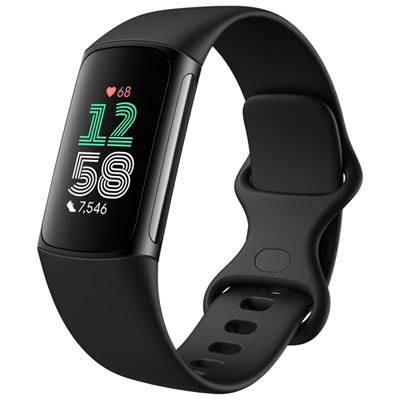 Your price for this item is $219.99
-
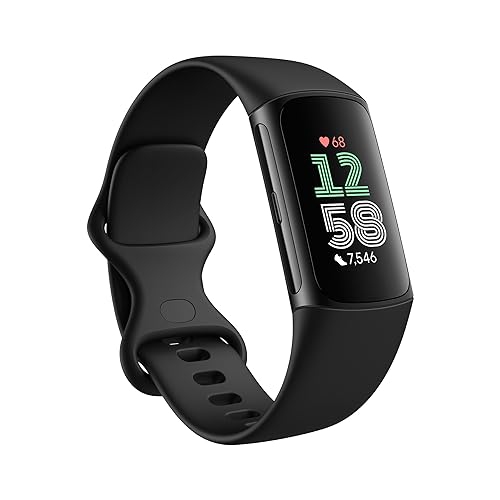 Your price for this item is $199.99
-
 Your price for this item is $199.99
-
 Your price for this item is $325
-
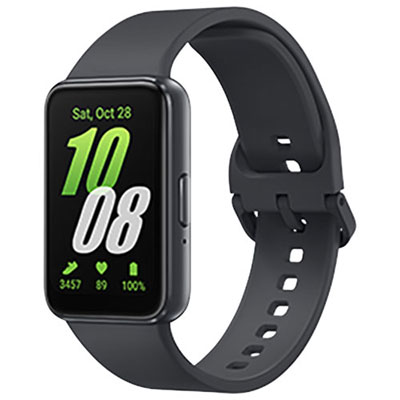 Your price for this item is $79.99
-
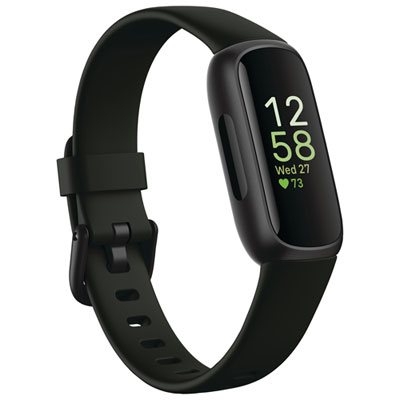 Your price for this item is $129.99
-
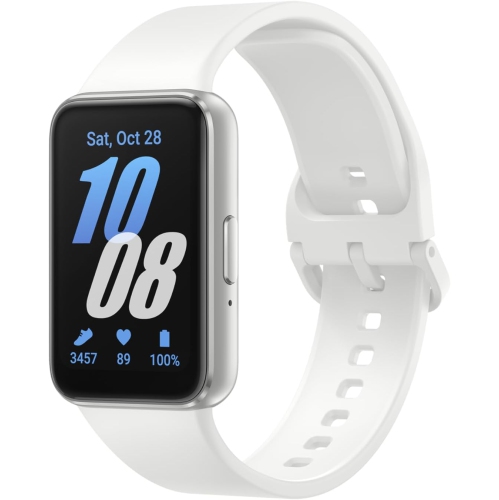 Your price for this item is $89
-
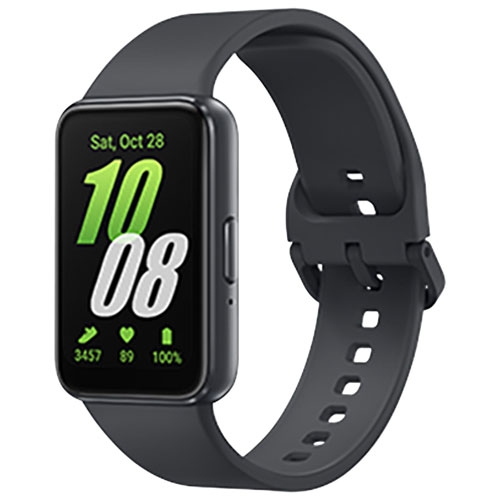 Your price for this item is $64.95