Black And White Executive Desks
Whether you're looking to add a little style to your home office or you're in the market for a new desk for your home office, there are many options available. A good desk should be functional and durable while also being stylish and unique. Here are some great options available today.
Sort
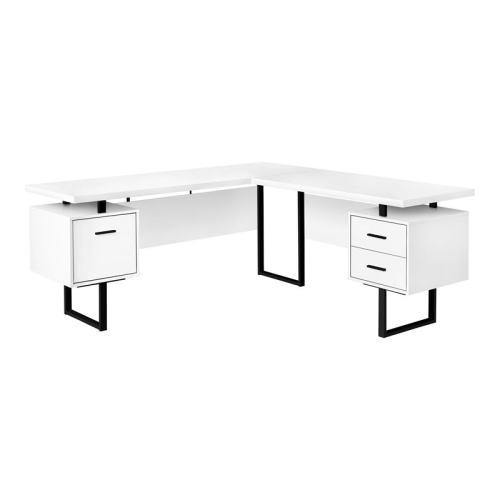
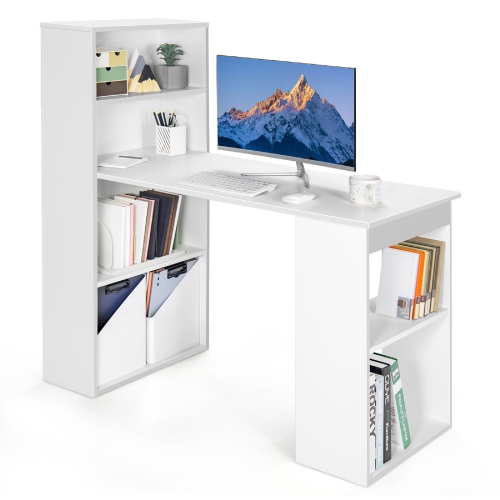

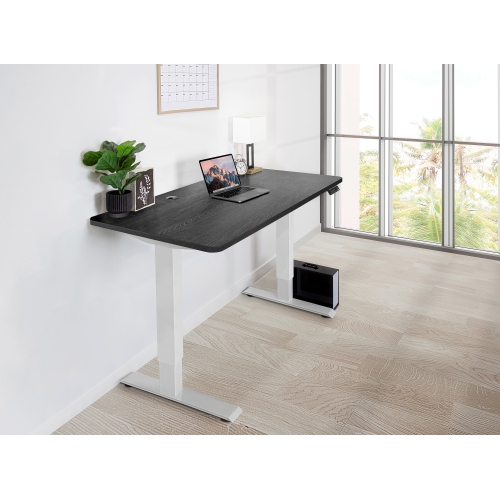
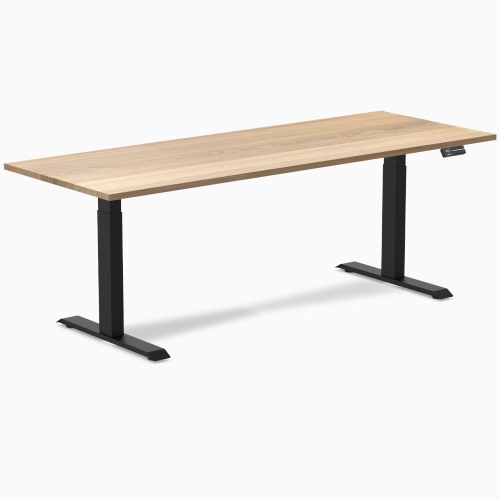
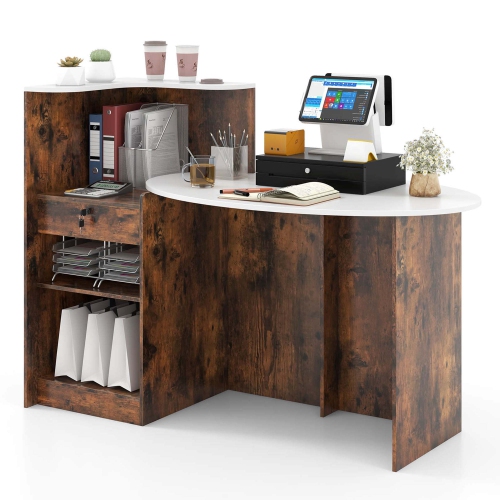
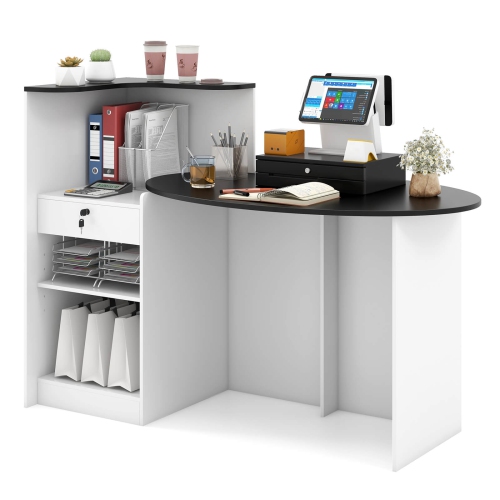
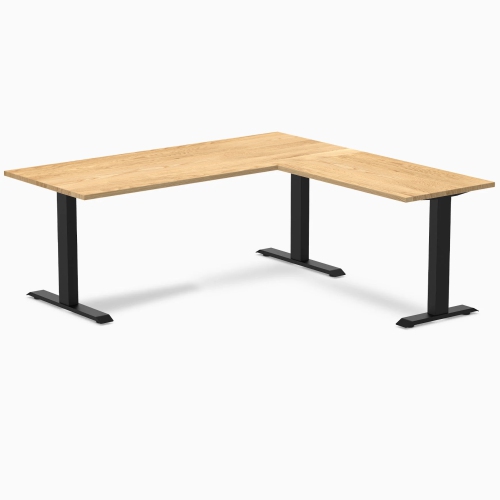
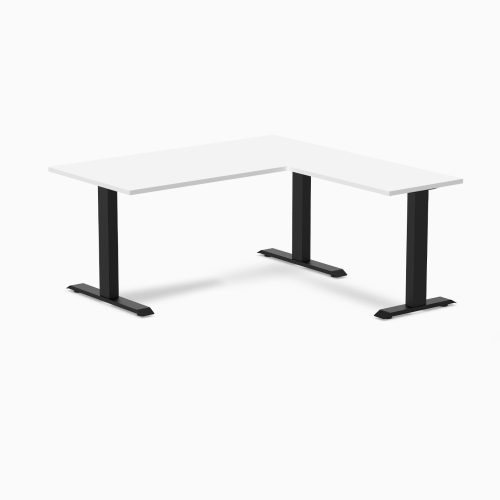
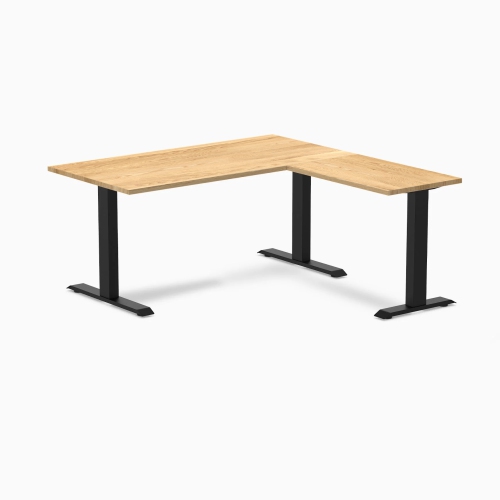
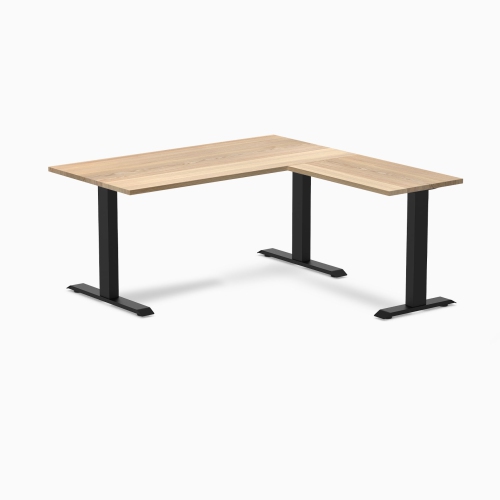
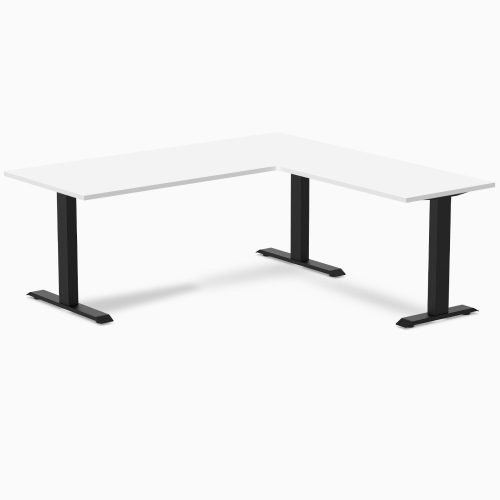
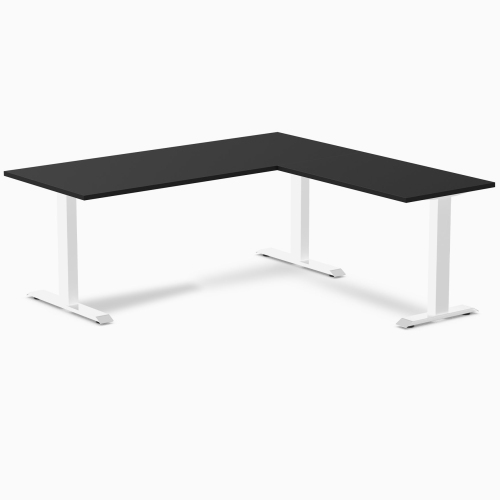
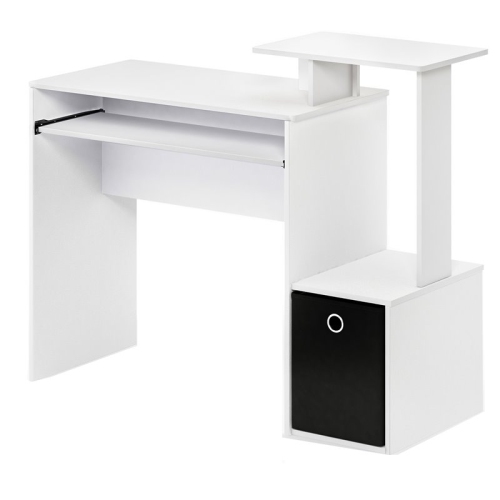
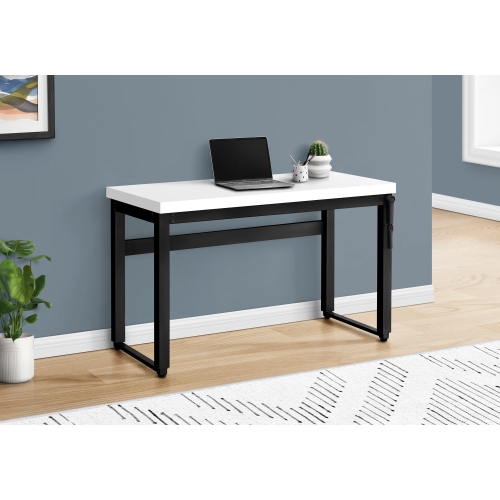
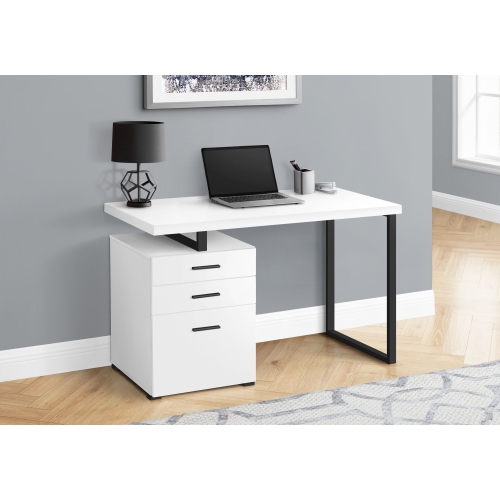
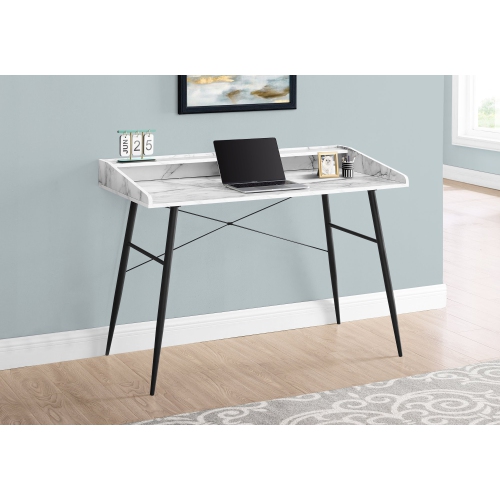
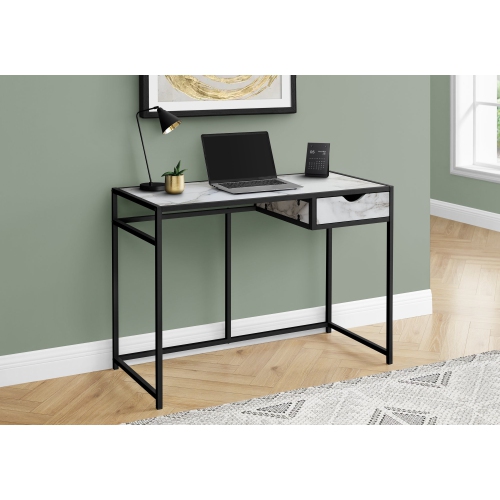
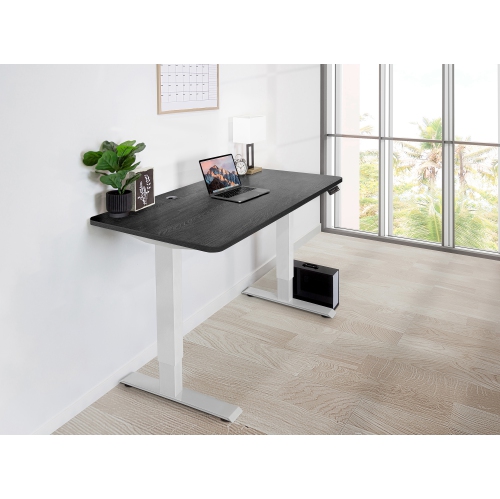
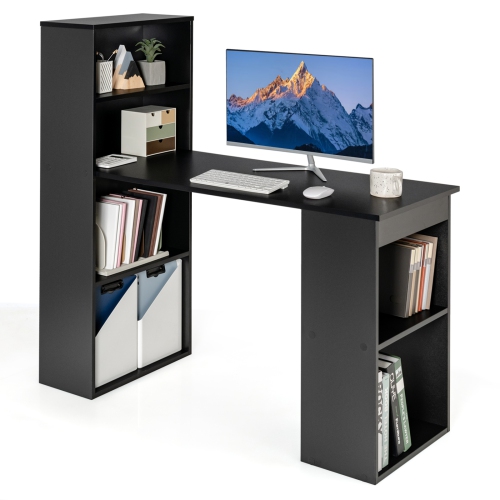
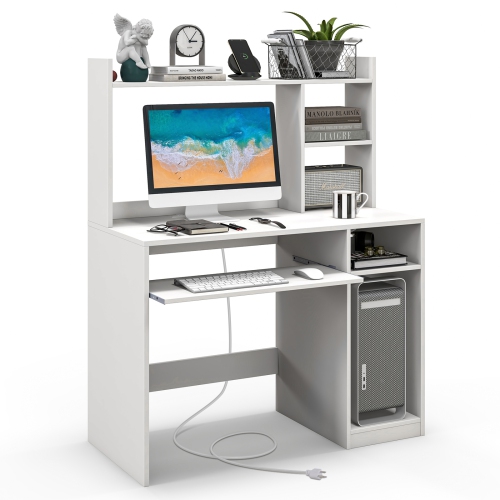
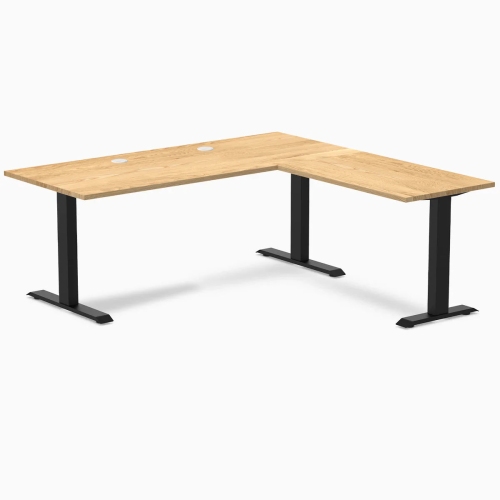
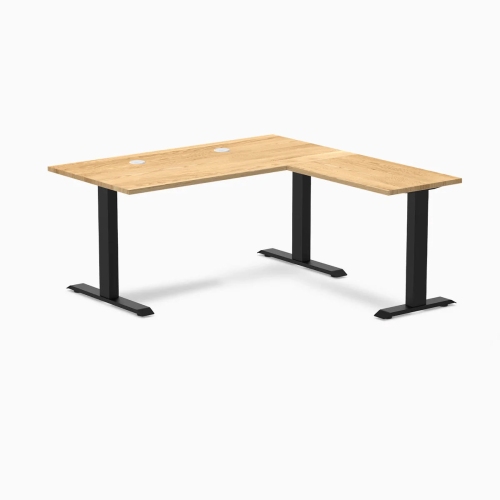
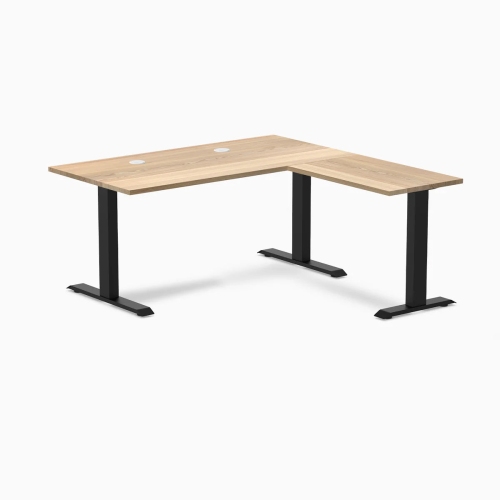
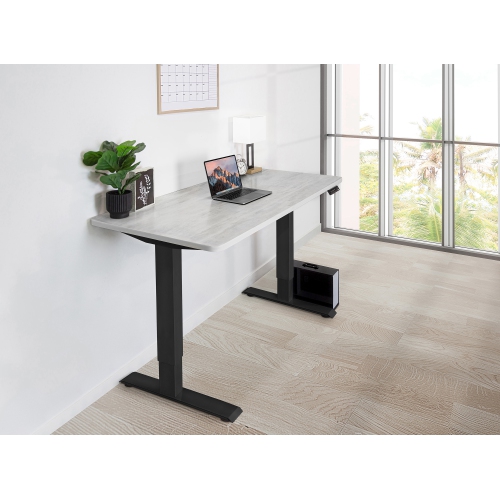
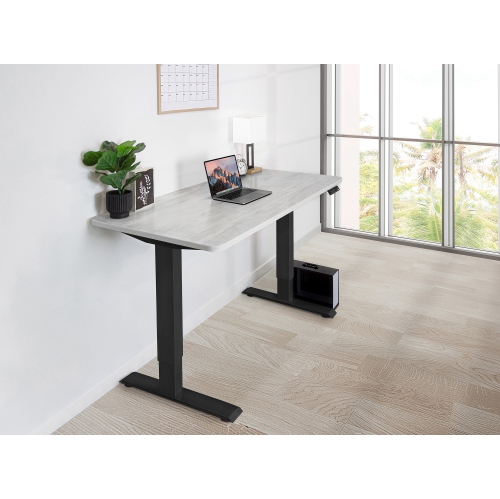
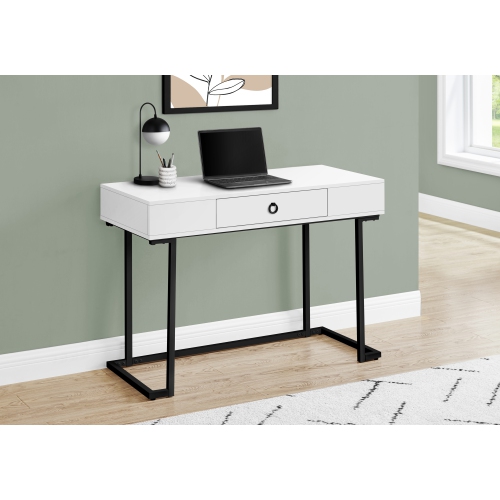
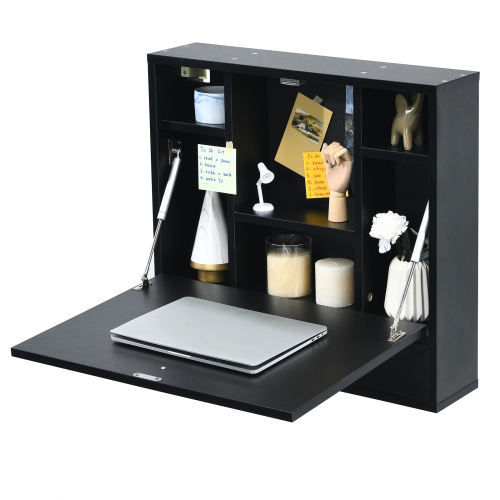

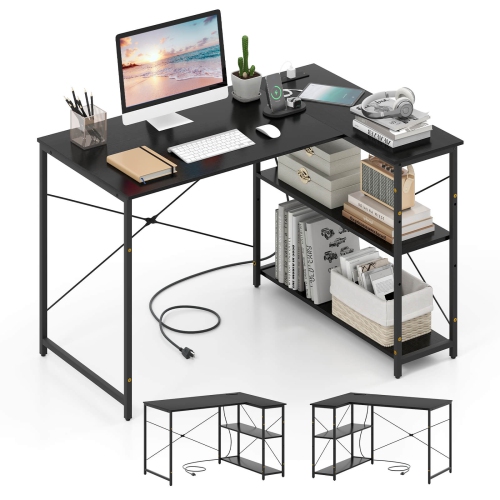
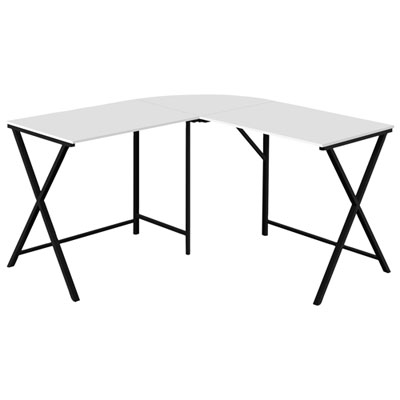
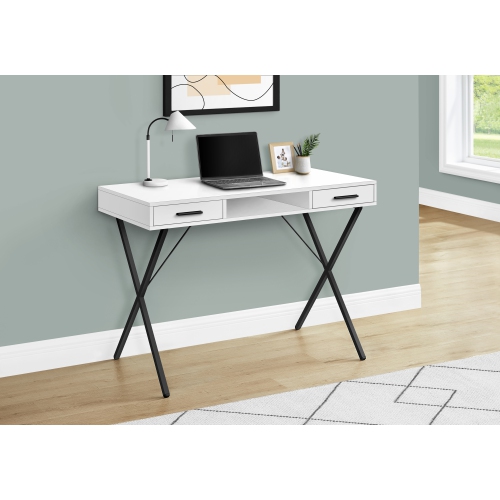
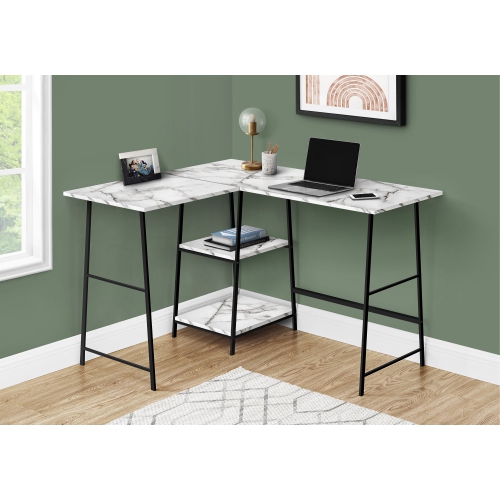
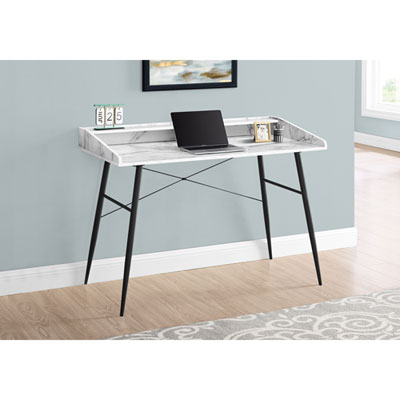
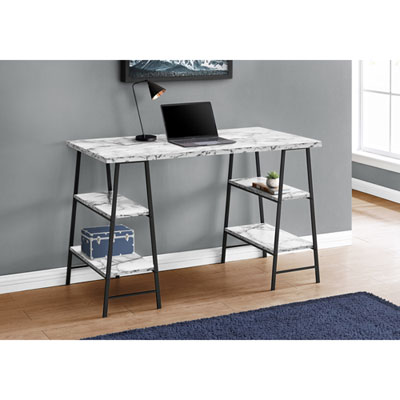
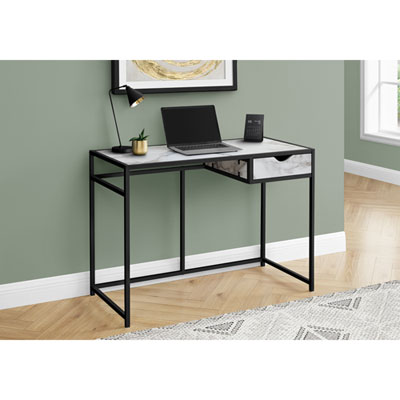
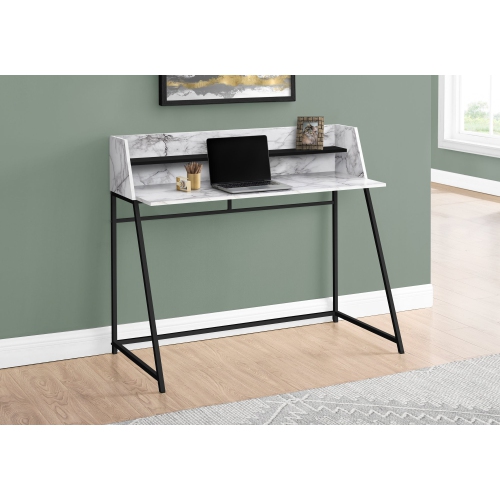
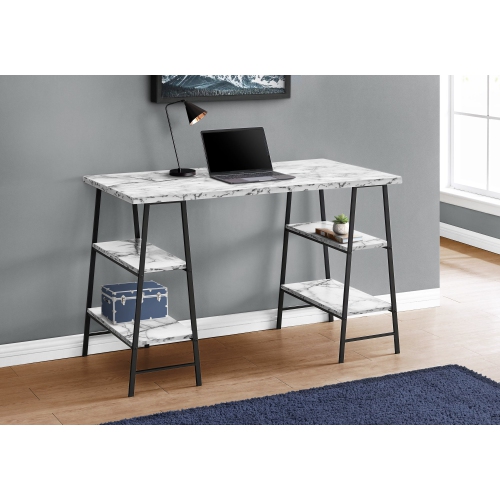
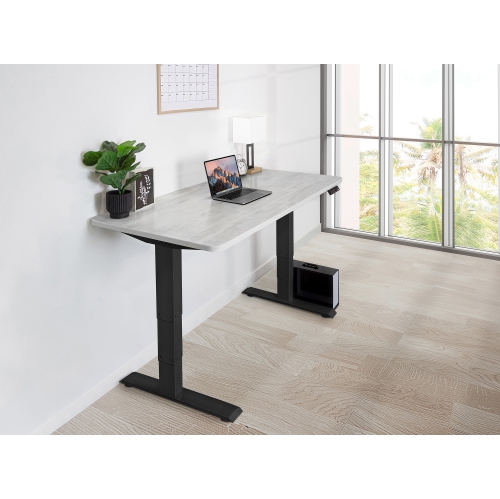
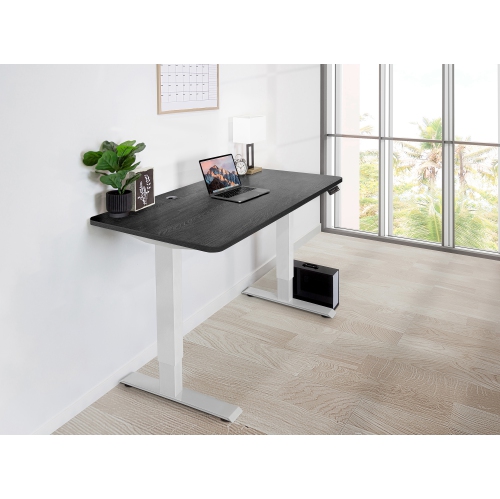
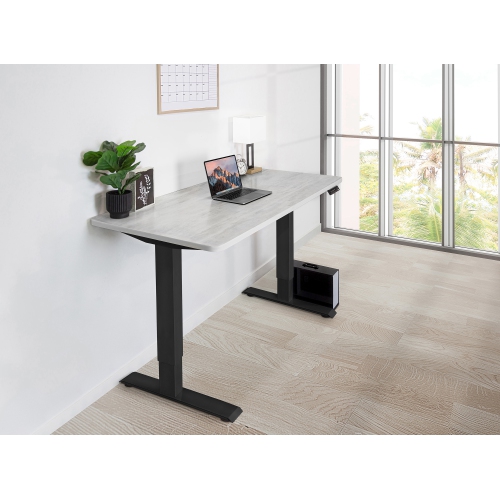

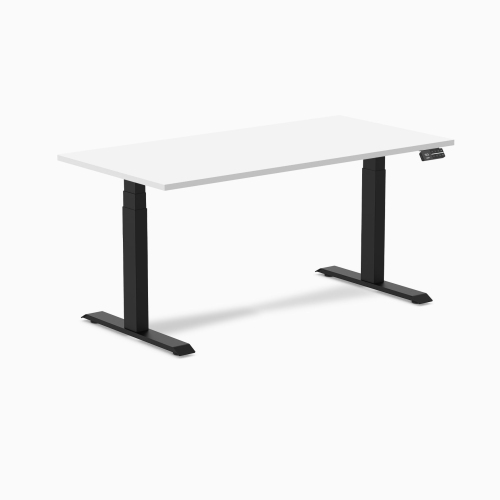
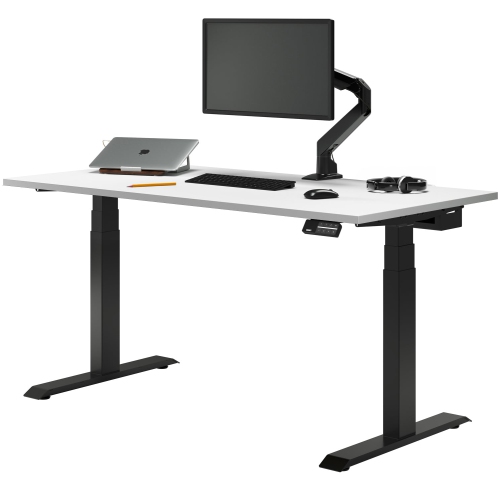
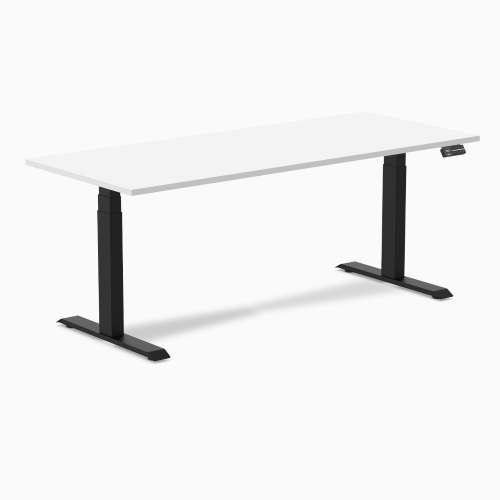
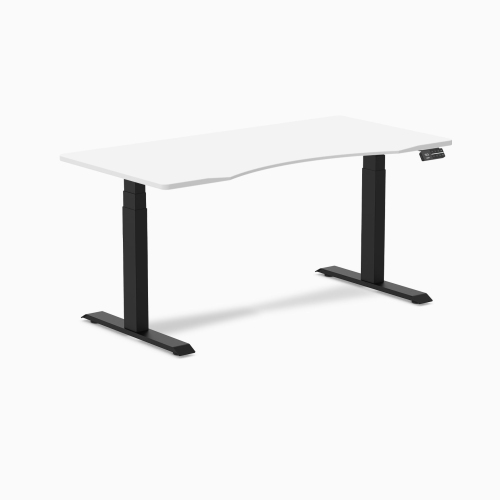
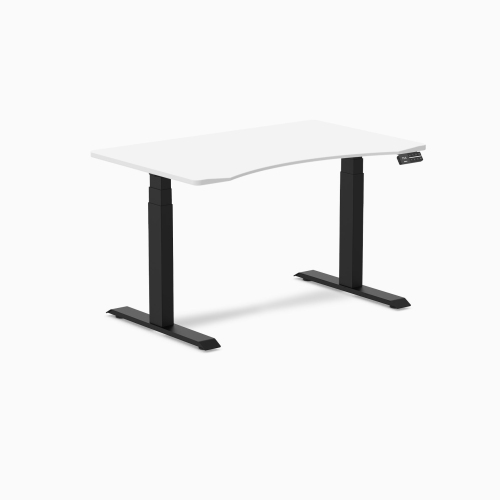
A striking contrast with space to spread out
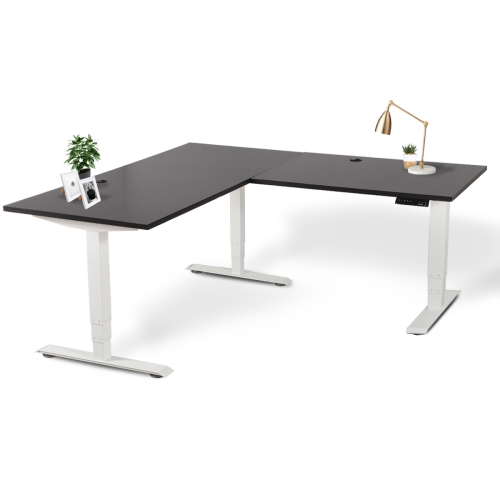
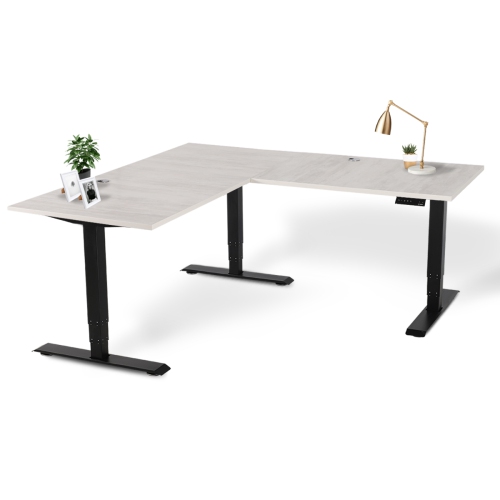
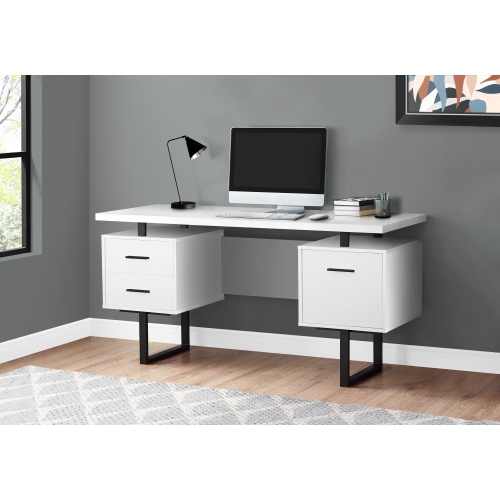
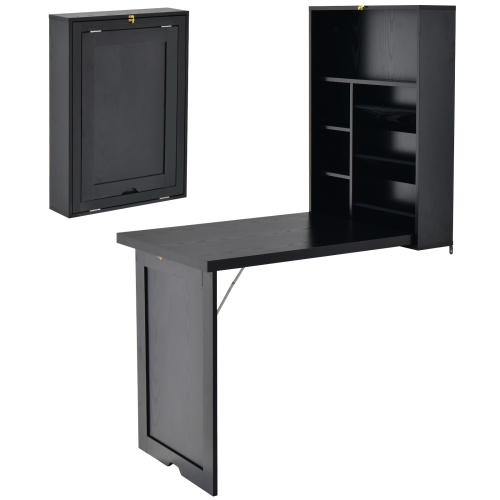
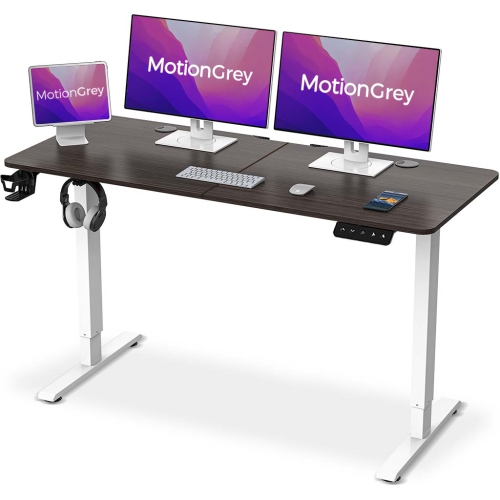
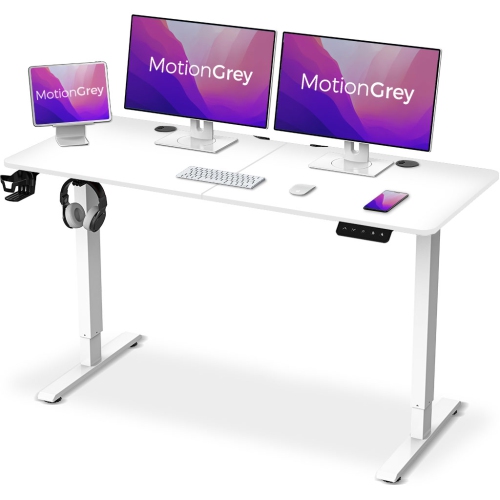
Black and white executive desks bring a distinct contrast to an office: the visual weight of a dark frame or cabinet balanced by the brightness of a pale work surface. The pairing works with wood flooring, neutral walls, metal shelving, and upholstered office chairs, making it easy to build a cohesive workspace without matching every finish exactly. An executive desk generally offers a more substantial work area and a stronger visual presence than a compact writing desk, often with space for computer equipment, documents, and integrated storage. The term describes a style and intended use rather than a fixed size or set of features, so dimensions and construction matter more than the label alone. Many larger executive desks measure approximately 60 to 72 inches wide and 24 to 36 inches deep, although smaller and larger configurations also exist. That footprint can suit a home office, a private workplace office, or a shared room where one surface needs to support several kinds of work. A consultant might use the extra width to keep a laptop beside an open folder, while someone working with spreadsheets may prefer room for two monitors and a full-size keyboard. A white top with black supports can feel visually lighter than a fully enclosed desk, while a black desktop paired with white drawer units creates a more grounded appearance. Matte finishes tend to soften reflections; glossy surfaces add a sharper contrast but may make fingerprints and reflected light more noticeable. For rooms that call for the same colour pairing in a less substantial format, Black And White Desks includes the broader desk category. Within an executive-style workspace, the appeal is both practical and visual: enough surface area to spread out comfortably, paired with a restrained palette that looks at home beside everyday office equipment, books, and personal touches.
The shape and proportions of a black and white executive desk influence how comfortably it fits into daily routines. A rectangular desk offers a straightforward layout against a wall or facing into a room, with a continuous surface for monitors, a task lamp, and frequently used supplies. An L-shaped executive desk adds a return that can separate computer work from paperwork, leaving space to review printed documents without moving the keyboard each time. The return may sit on the left or right, and only some designs allow that orientation to be changed during assembly. This distinction matters in a room where a doorway, window, or radiator limits placement. A desk that looks well proportioned along an empty wall can feel crowded once a chair is pulled out and drawers are open, so the usable footprint extends beyond the desktop. Space behind the chair, clearance beside nearby furniture, and an unobstructed route through the room all contribute to an office that is pleasant to use. Desktop depth deserves particular attention with larger monitors: a shallow surface may leave little space between the screen, keyboard, and front edge, especially when the monitor has a broad stand. Monitor arms can free some of that surface, but their clamps need a compatible desktop thickness and a clear attachment point underneath. Storage also changes the experience of using the desk. File drawers can keep working documents close at hand, provided they support the paper size being used; letter and legal files do not necessarily fit the same drawer arrangement. Smaller drawers suit pens, charging cables, and stationery, while cupboards can conceal bulkier supplies. Open compartments keep reference materials visible but leave their contents on display. Built-in cable openings help route cords away from the main work area, though their position should suit the equipment layout and access to wall outlets. For long working sessions, generous knee space and a desk height that works with an adjustable chair are more useful than extra storage that restricts movement.
Materials and construction help determine how a black and white executive desk feels, wears, and responds to routine care. Laminate over engineered wood is a common construction, offering a consistent surface in solid colours and a finish that is generally easy to wipe clean. Melamine-faced panels are also widely used, while painted finishes, wood veneer, metal framing, and glass components each bring different textures and care requirements. The quality of the edges is especially important on a desk used every day: neatly finished edges make contact with forearms more comfortable and help protect the underlying panel from moisture. A steel base can provide firm support, but overall stability also depends on the frame design, joints, assembly, and floor beneath it. Levelling feet are useful on slightly uneven floors, and published weight limits should account for monitors, books, and other equipment rather than just the computer itself. Drawers benefit from smooth-running hardware and secure alignment, particularly when they hold frequently accessed files. On larger desks, well-supported tops help distribute weight across the span. For routine cleaning, a soft cloth and a cleaner approved for the surface are usually a better choice than abrasive pads or harsh chemicals. Spills should be wiped up promptly, especially around seams, cable openings, and exposed edges. A desk mat can reduce wear beneath a keyboard and mouse, while a coaster helps prevent moisture rings from a glass or mug. Black surfaces may show dust and fingerprints more readily, and white surfaces can make ink marks or colour transfer more visible, so the balance of finishes has a practical side as well as a decorative one. Delivery and assembly deserve space in the planning, too: large desktops and storage pedestals need a clear route through entrances, hallways, and stairs. Once positioned, a well-fitted executive desk can support focused work, study, household paperwork, and video meetings without requiring the room to feel formal. The strongest fit combines a comfortable work surface, accessible storage, and a black and white finish that complements the space rather than overwhelming it.
The shape and proportions of a black and white executive desk influence how comfortably it fits into daily routines. A rectangular desk offers a straightforward layout against a wall or facing into a room, with a continuous surface for monitors, a task lamp, and frequently used supplies. An L-shaped executive desk adds a return that can separate computer work from paperwork, leaving space to review printed documents without moving the keyboard each time. The return may sit on the left or right, and only some designs allow that orientation to be changed during assembly. This distinction matters in a room where a doorway, window, or radiator limits placement. A desk that looks well proportioned along an empty wall can feel crowded once a chair is pulled out and drawers are open, so the usable footprint extends beyond the desktop. Space behind the chair, clearance beside nearby furniture, and an unobstructed route through the room all contribute to an office that is pleasant to use. Desktop depth deserves particular attention with larger monitors: a shallow surface may leave little space between the screen, keyboard, and front edge, especially when the monitor has a broad stand. Monitor arms can free some of that surface, but their clamps need a compatible desktop thickness and a clear attachment point underneath. Storage also changes the experience of using the desk. File drawers can keep working documents close at hand, provided they support the paper size being used; letter and legal files do not necessarily fit the same drawer arrangement. Smaller drawers suit pens, charging cables, and stationery, while cupboards can conceal bulkier supplies. Open compartments keep reference materials visible but leave their contents on display. Built-in cable openings help route cords away from the main work area, though their position should suit the equipment layout and access to wall outlets. For long working sessions, generous knee space and a desk height that works with an adjustable chair are more useful than extra storage that restricts movement.
Materials and construction help determine how a black and white executive desk feels, wears, and responds to routine care. Laminate over engineered wood is a common construction, offering a consistent surface in solid colours and a finish that is generally easy to wipe clean. Melamine-faced panels are also widely used, while painted finishes, wood veneer, metal framing, and glass components each bring different textures and care requirements. The quality of the edges is especially important on a desk used every day: neatly finished edges make contact with forearms more comfortable and help protect the underlying panel from moisture. A steel base can provide firm support, but overall stability also depends on the frame design, joints, assembly, and floor beneath it. Levelling feet are useful on slightly uneven floors, and published weight limits should account for monitors, books, and other equipment rather than just the computer itself. Drawers benefit from smooth-running hardware and secure alignment, particularly when they hold frequently accessed files. On larger desks, well-supported tops help distribute weight across the span. For routine cleaning, a soft cloth and a cleaner approved for the surface are usually a better choice than abrasive pads or harsh chemicals. Spills should be wiped up promptly, especially around seams, cable openings, and exposed edges. A desk mat can reduce wear beneath a keyboard and mouse, while a coaster helps prevent moisture rings from a glass or mug. Black surfaces may show dust and fingerprints more readily, and white surfaces can make ink marks or colour transfer more visible, so the balance of finishes has a practical side as well as a decorative one. Delivery and assembly deserve space in the planning, too: large desktops and storage pedestals need a clear route through entrances, hallways, and stairs. Once positioned, a well-fitted executive desk can support focused work, study, household paperwork, and video meetings without requiring the room to feel formal. The strongest fit combines a comfortable work surface, accessible storage, and a black and white finish that complements the space rather than overwhelming it.
Top selling and popular products
-
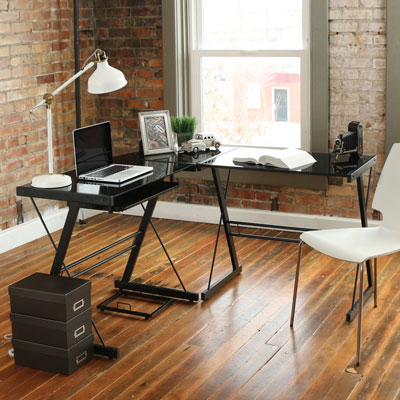 Your price for this item is $304.99
 -
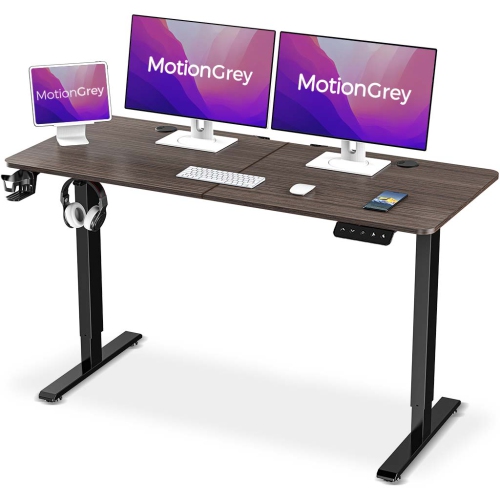 Your price for this item is $93.99
 -
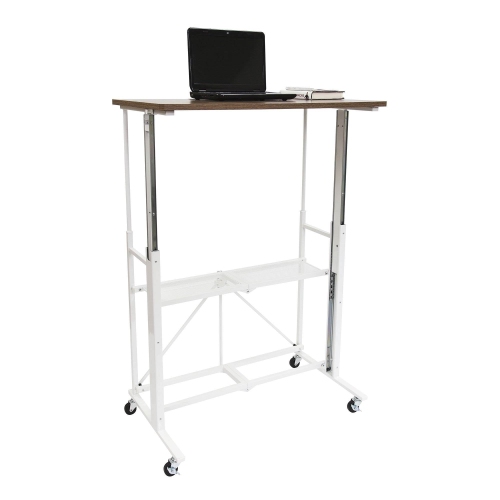 Your price for this item is $248.99
 -
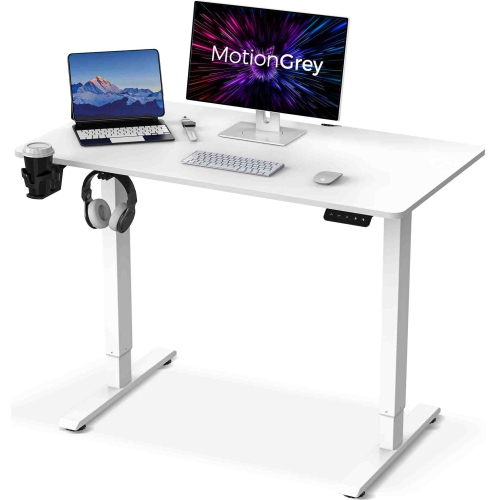 Your price for this item is $83.99
 -
 Your price for this item is $108.99
 -
 Your price for this item is $94.99
 -
 Your price for this item is $74.97
 -
 Your price for this item is $83.95
Discover more categories related to Black And White Executive Desks
Top Collections:
Pokemon Centers, Kindle Devices, Best Budget Office Chairs, Apple iPhones 16, Best Laptops for Writers, iPhone 15 Apple, Canon G7X Cameras, Refurbished Apple Laptops, Alarm Clock, Motorola Razr Phones
Some products may be subject to Environmental Handling Fees
(EHF) depending on your province.
Learn more about EHFs.