Executive Desks Black
Upgrade your workspace with these sleek and sophisticated black executive desks. These elegant pieces are designed to make a statement in any office setting, combining functionality with a touch of luxury. Whether you're a busy professional looking for a spacious work surface or an entrepreneur in search of a commanding presence, this collection of black executive desks has something to suit every taste and requirement.
Sort
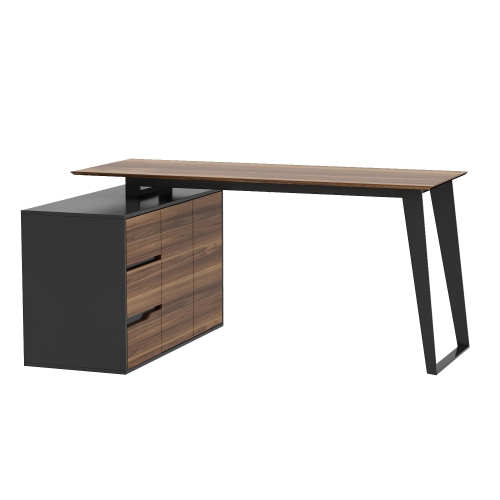
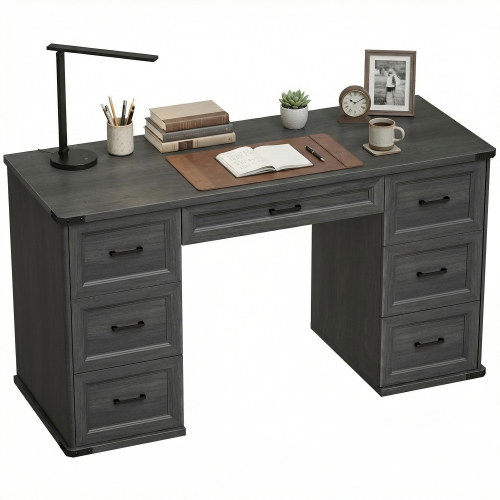
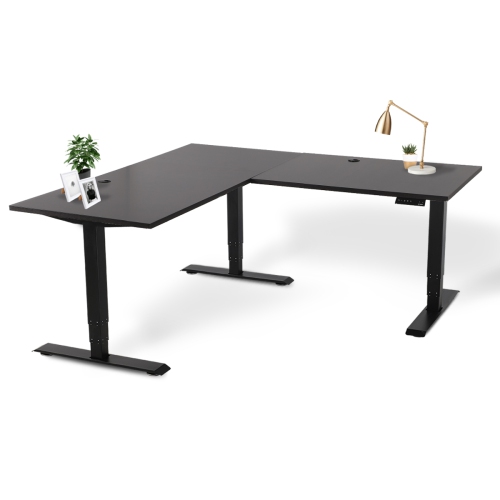
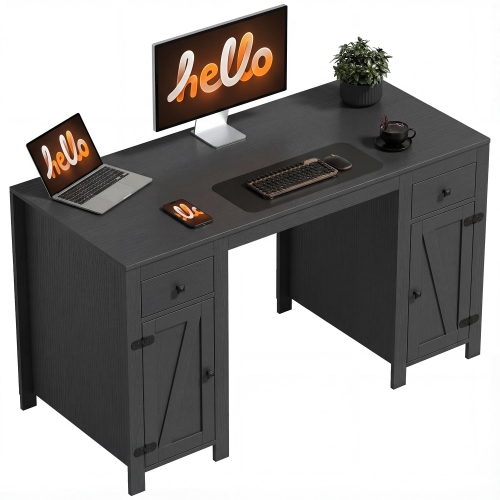
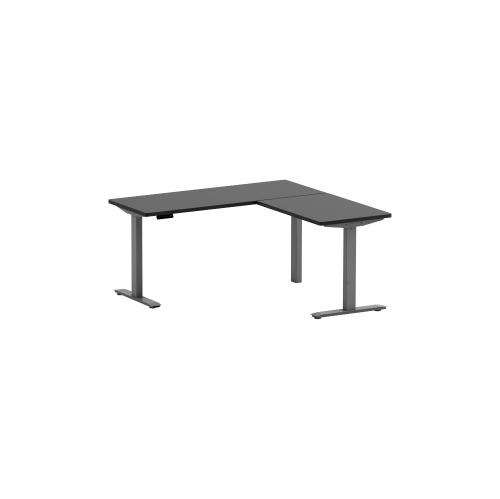
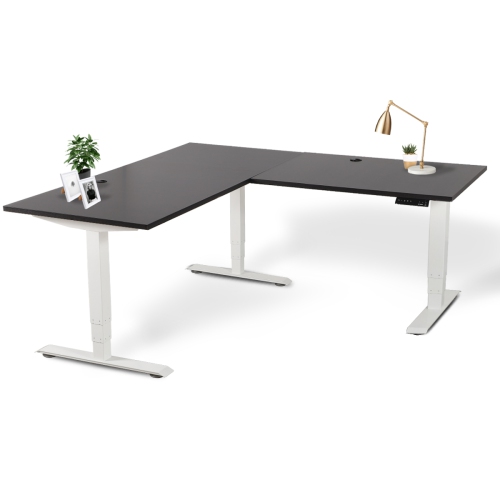
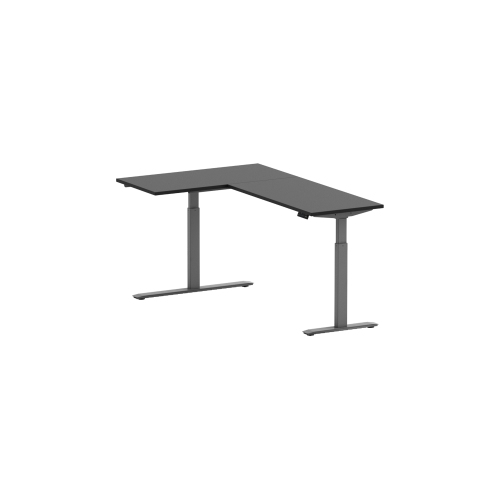
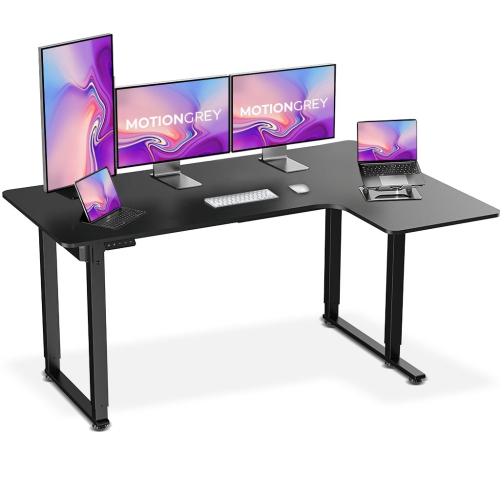
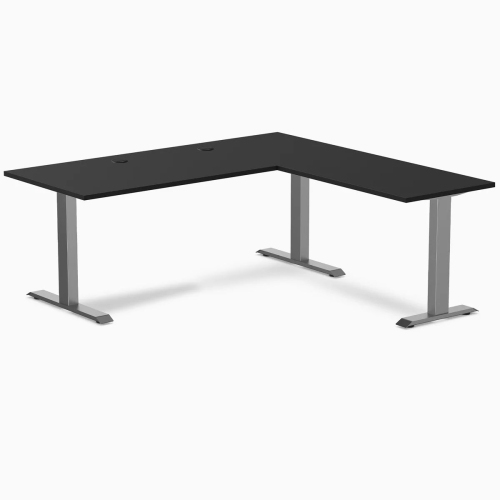
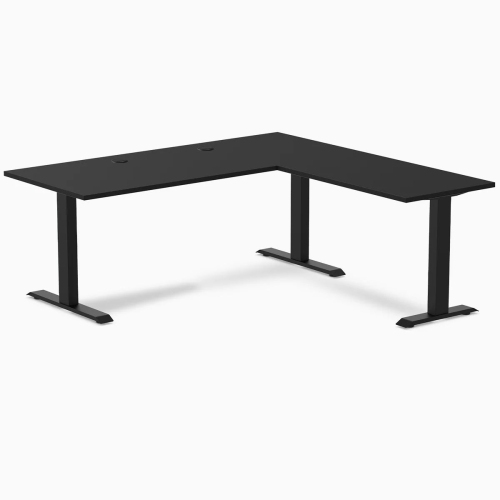
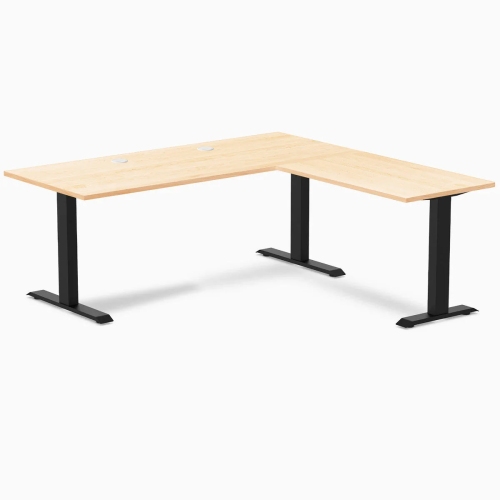
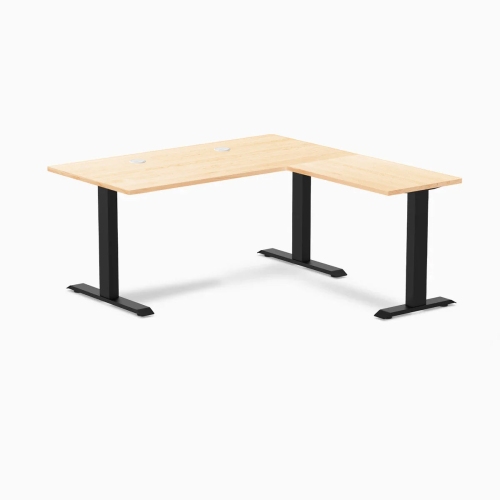

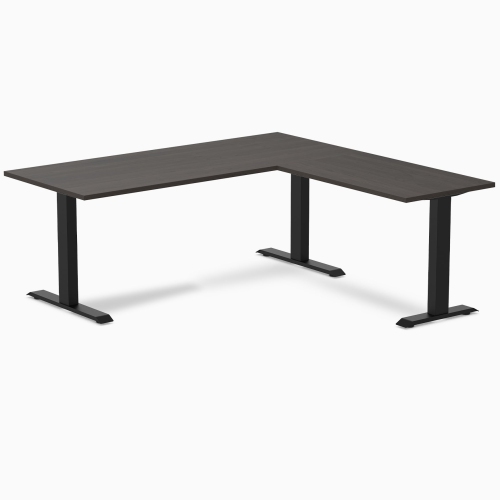
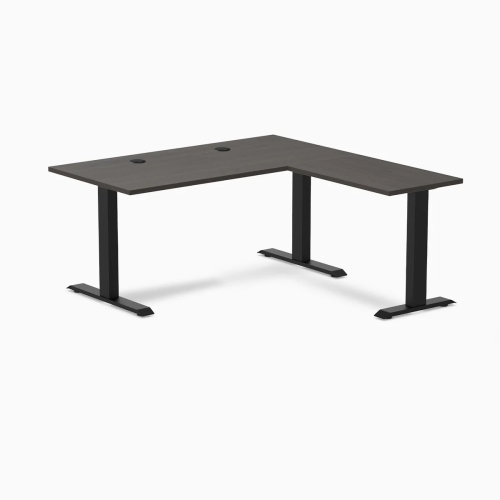
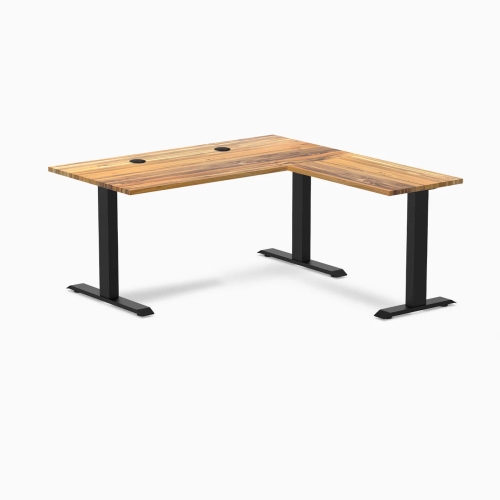
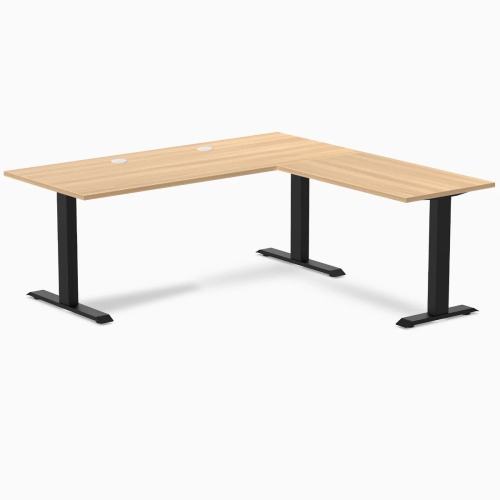
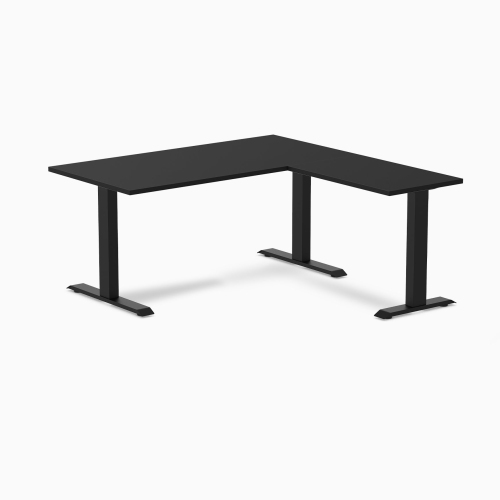
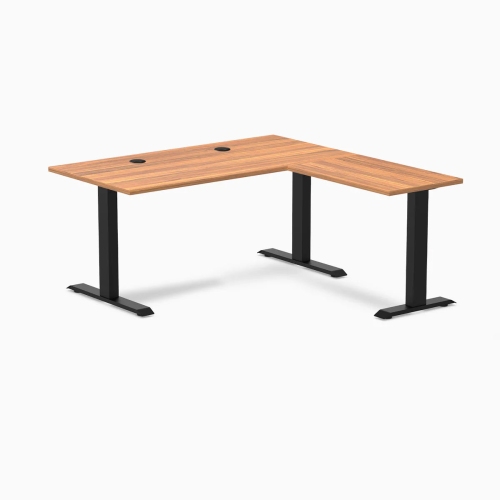
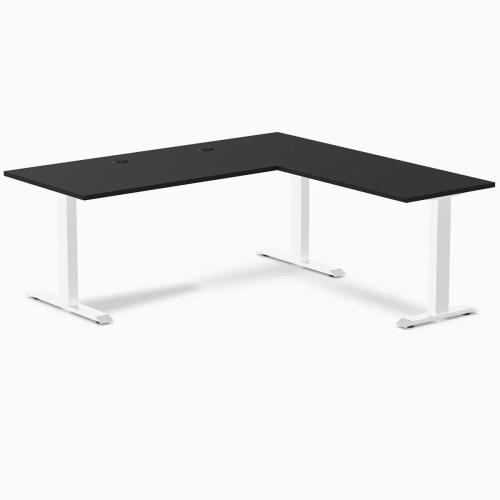
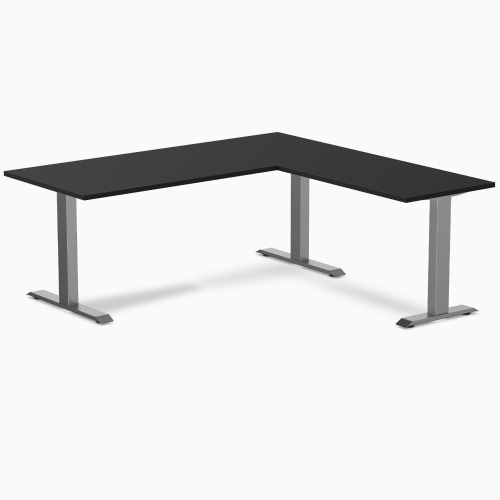
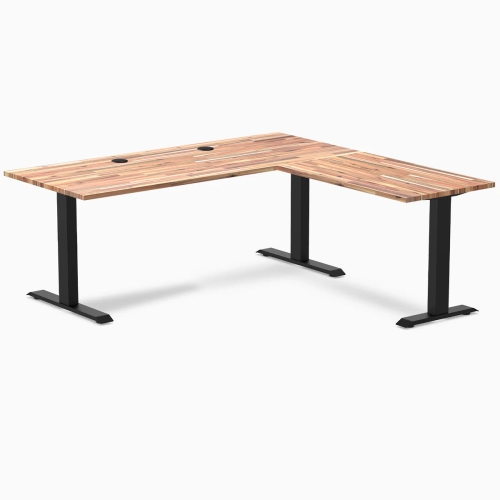
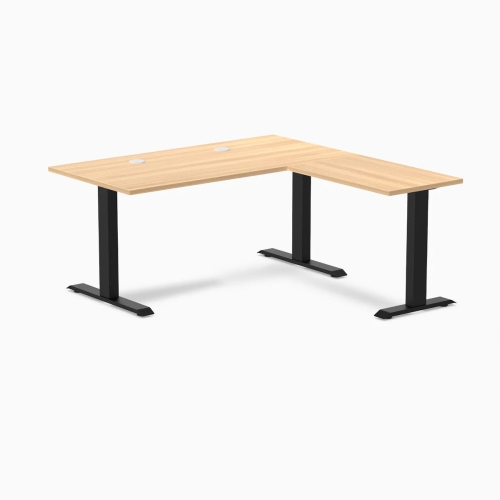
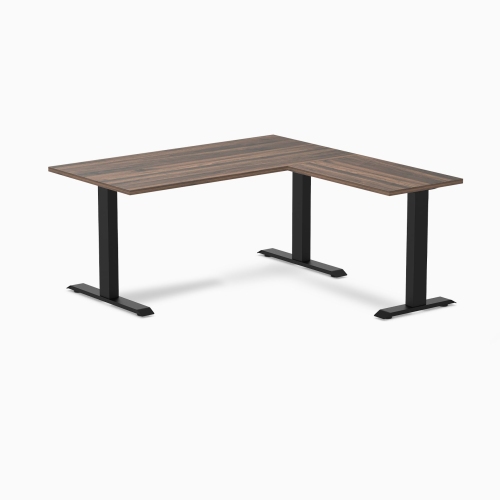
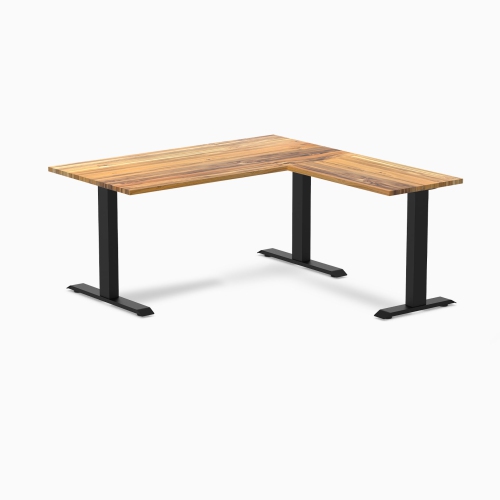
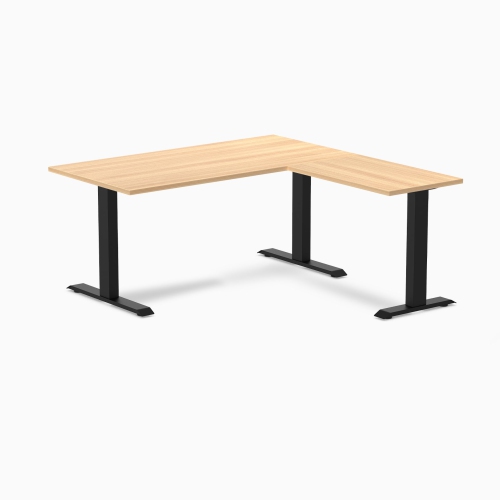
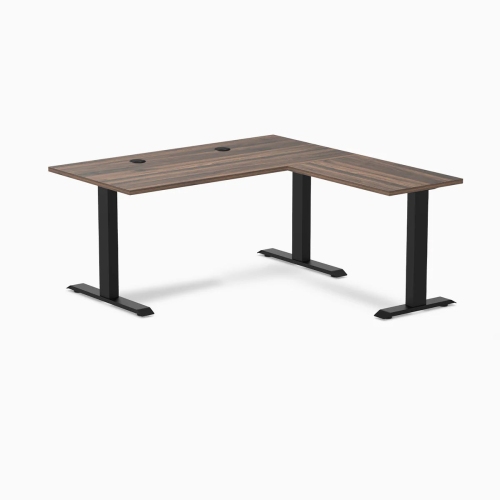
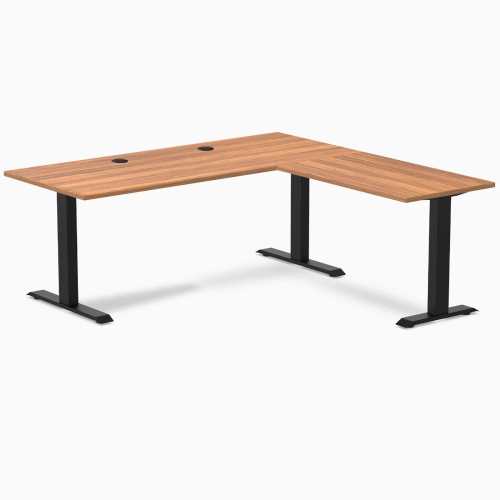
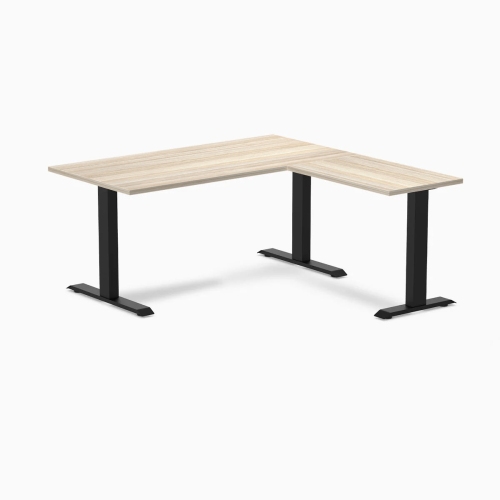
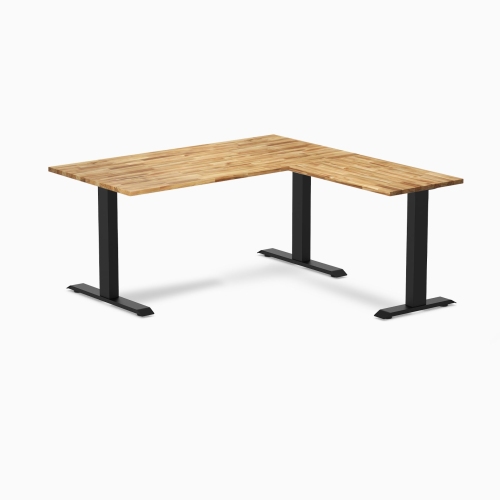
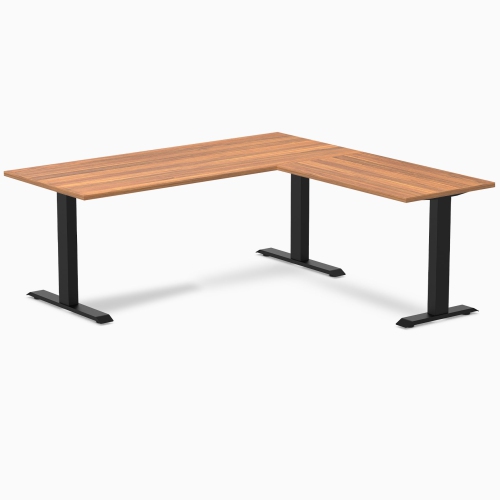
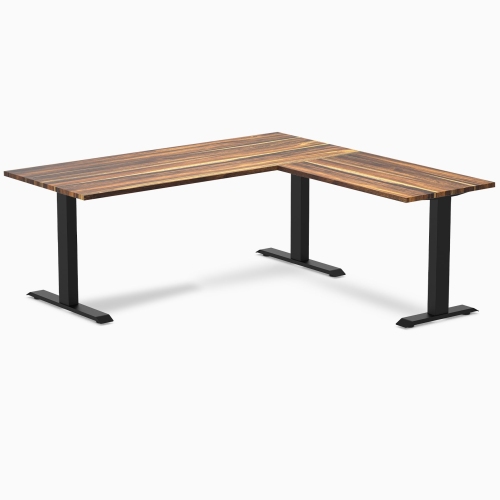
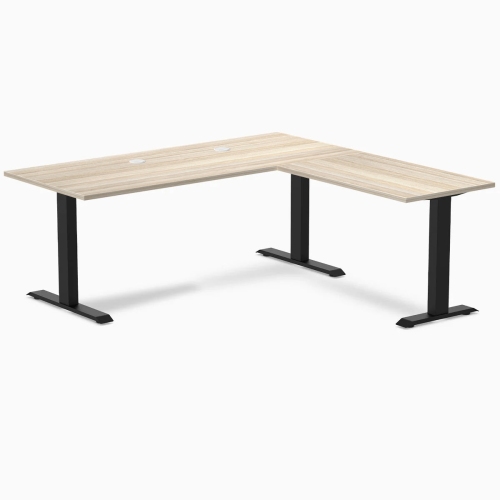
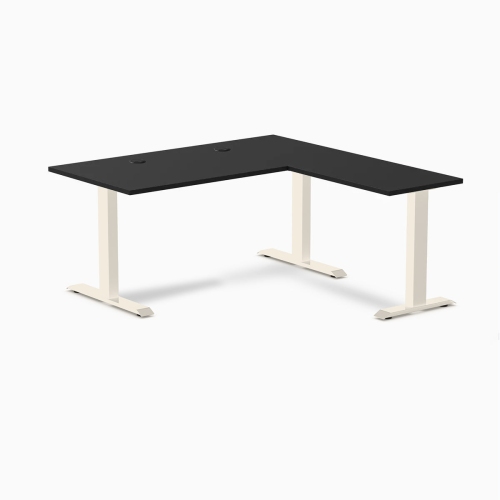
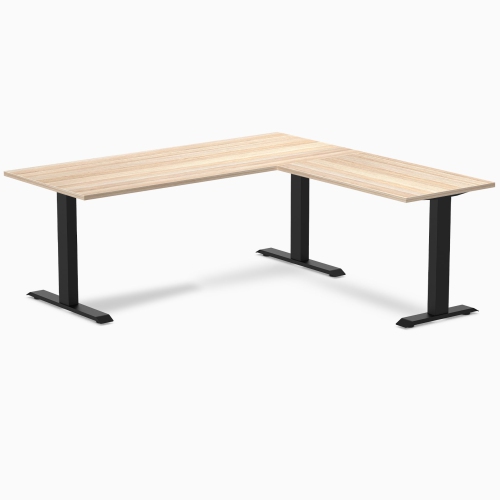
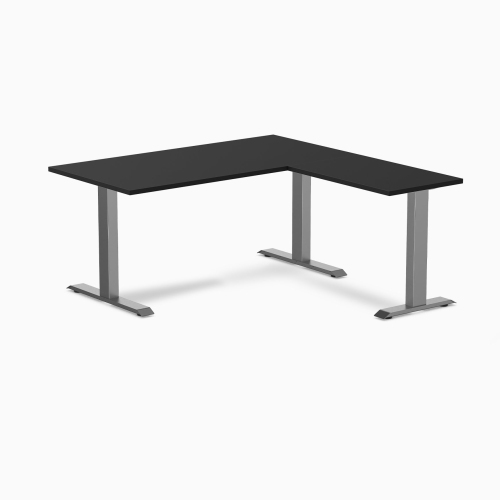
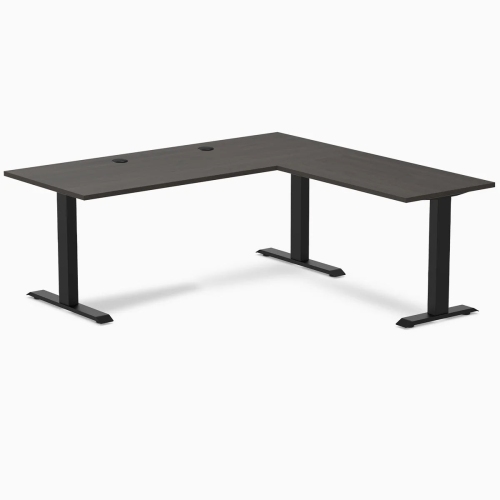
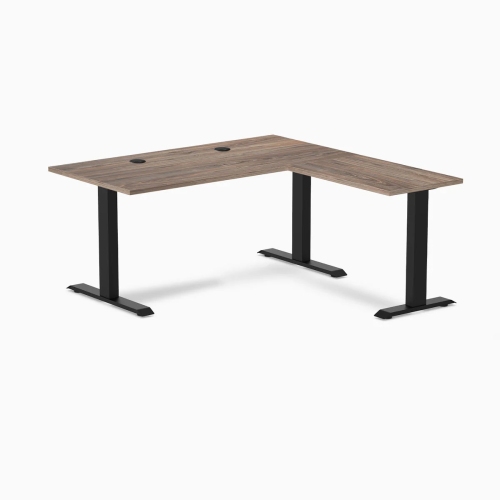
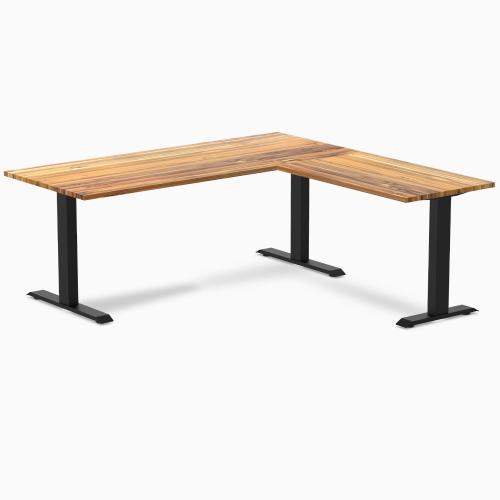
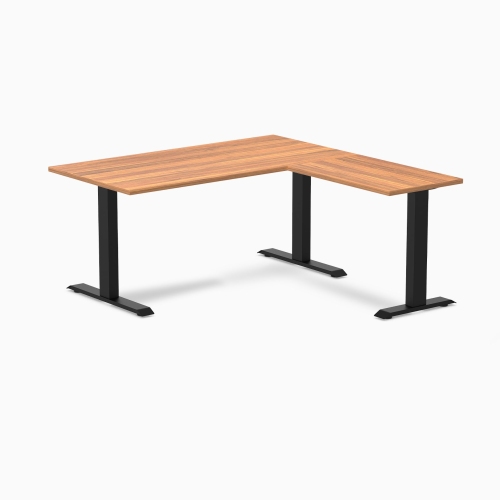
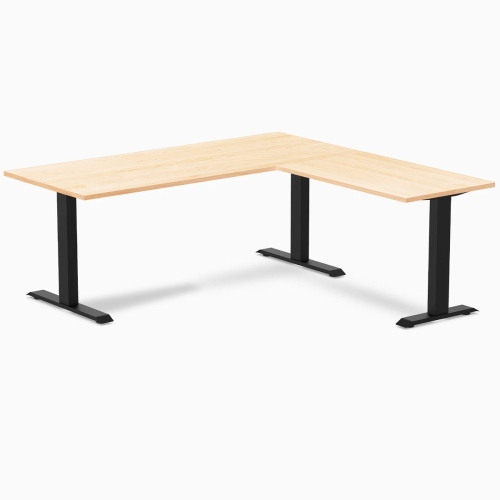
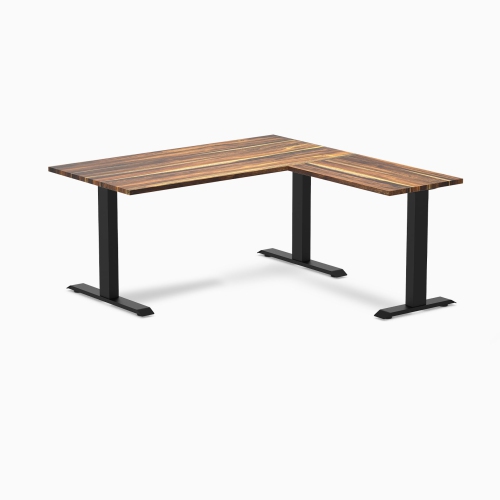
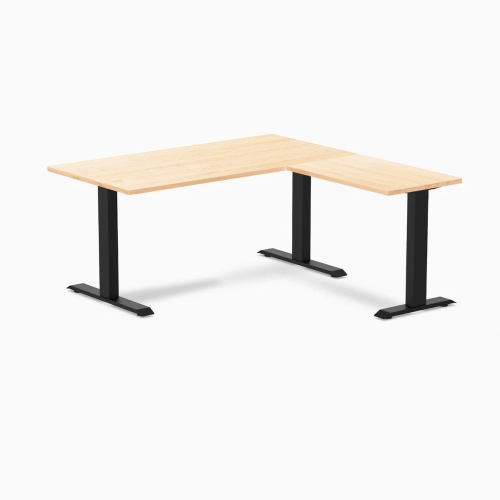
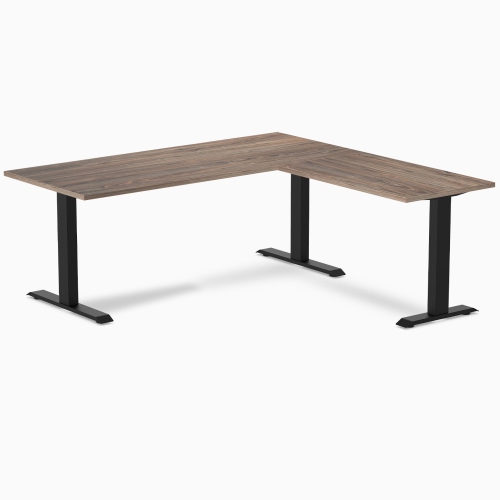
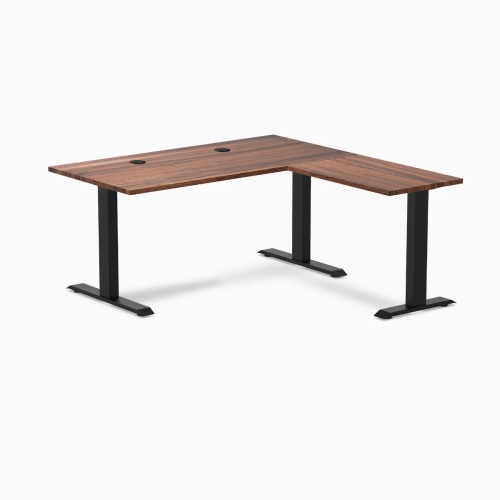
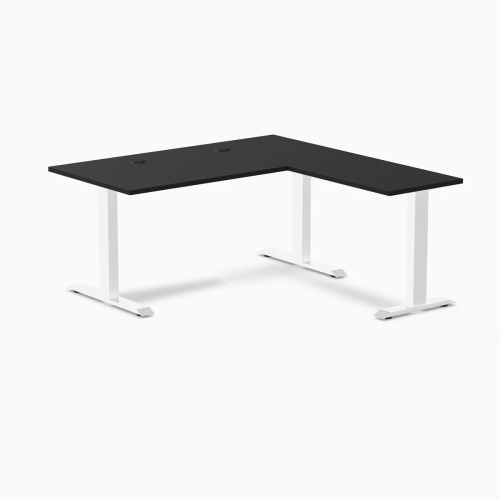
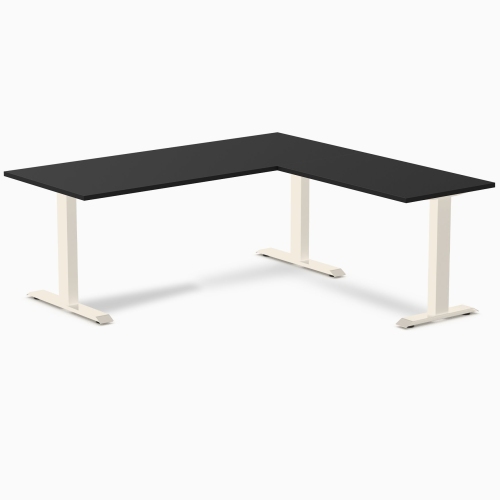
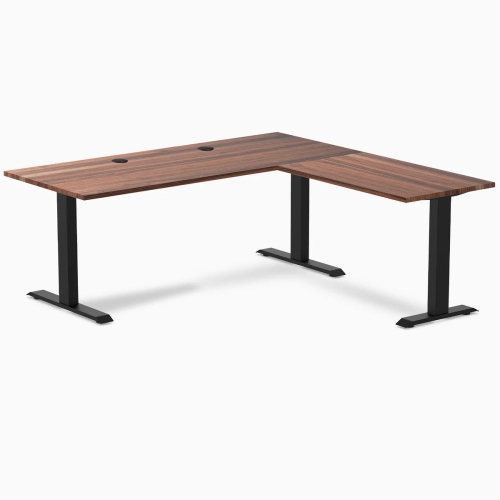
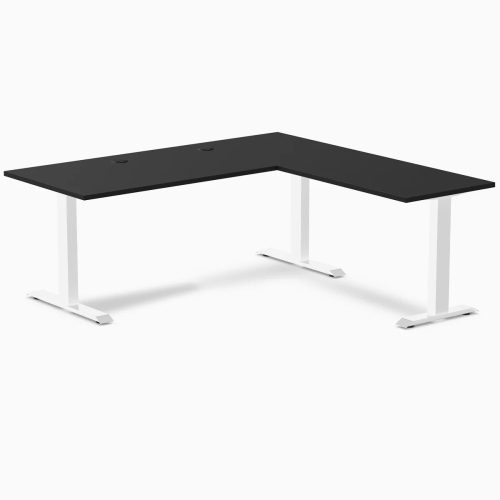
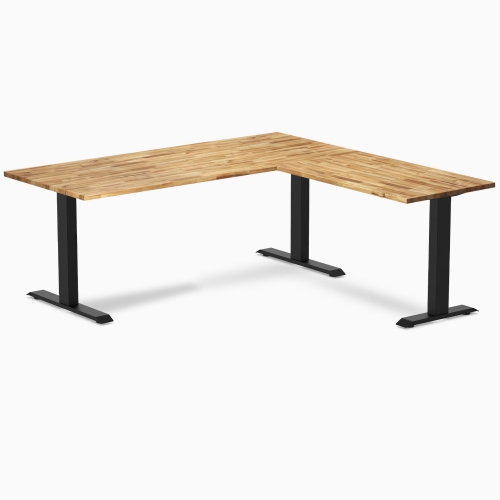
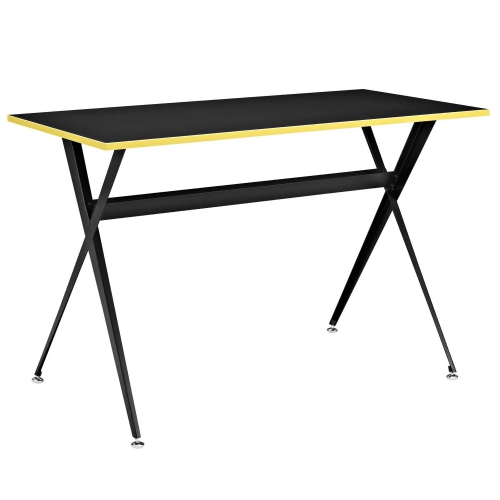
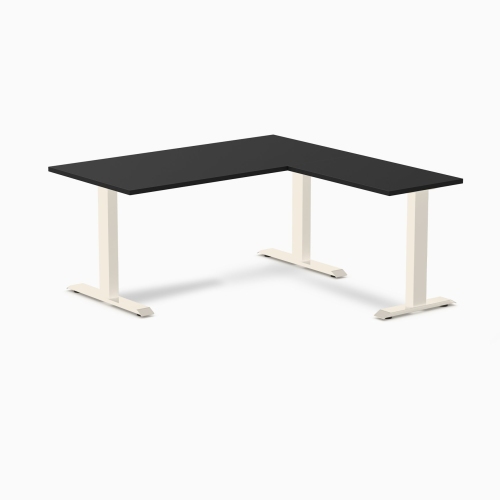
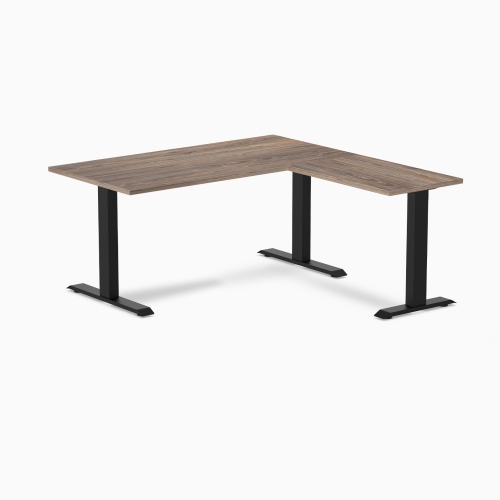
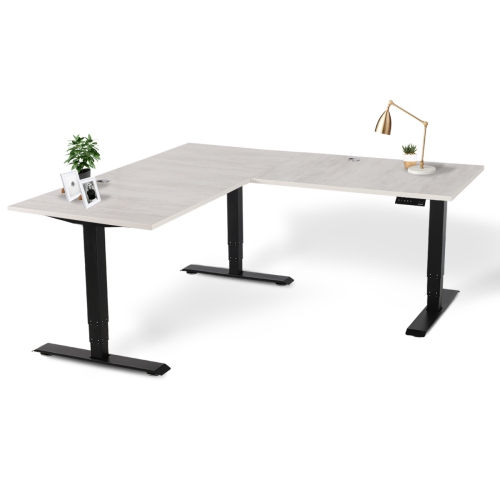
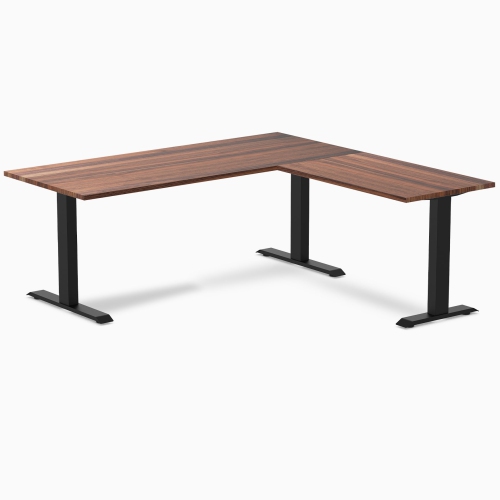
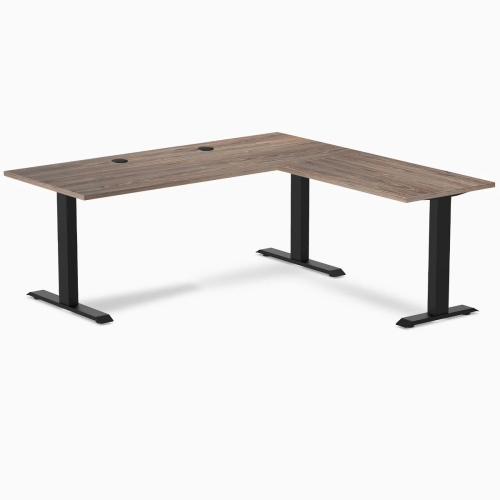
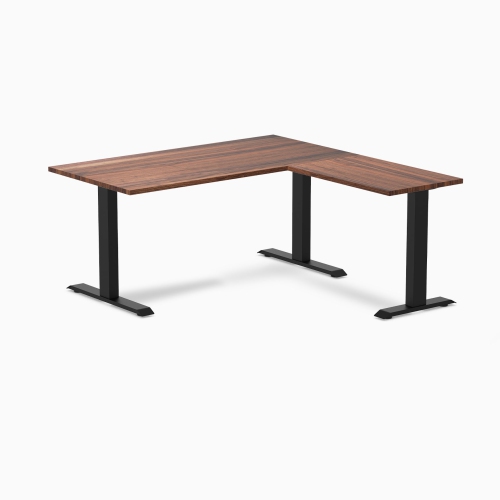
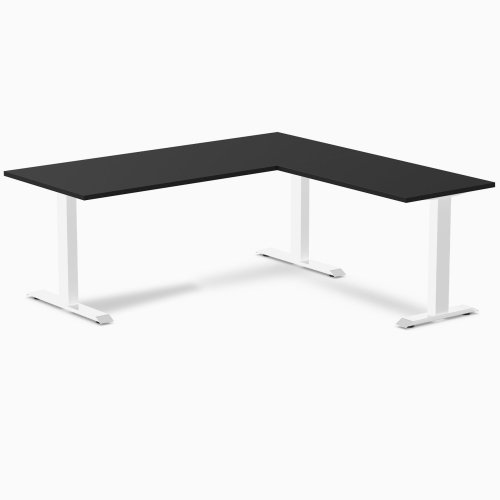
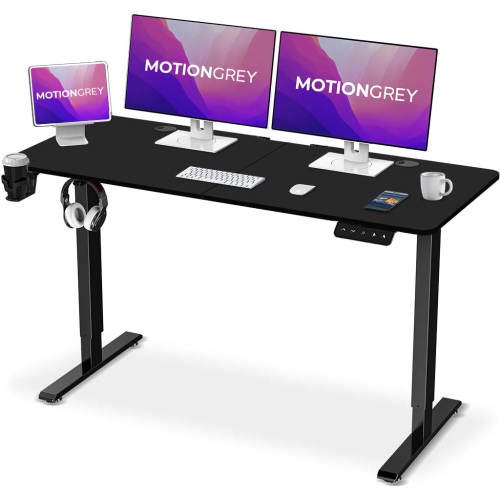
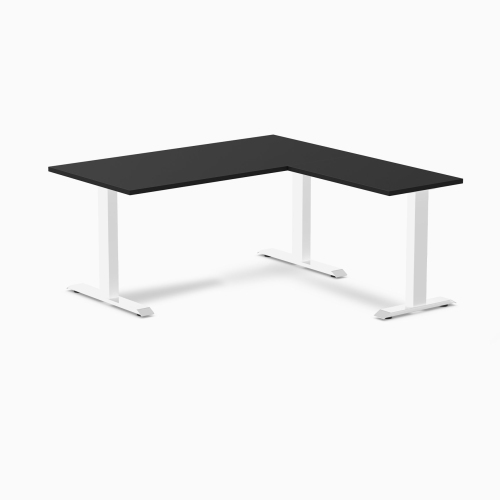
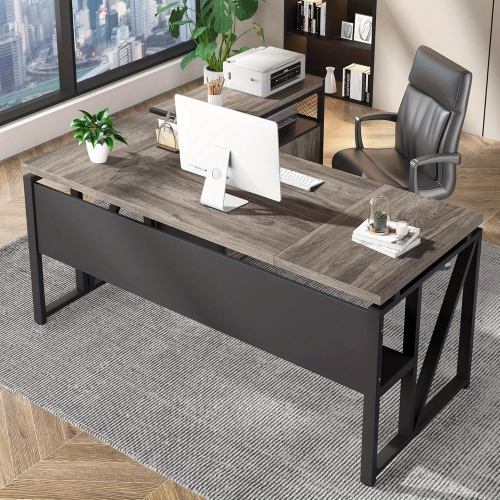
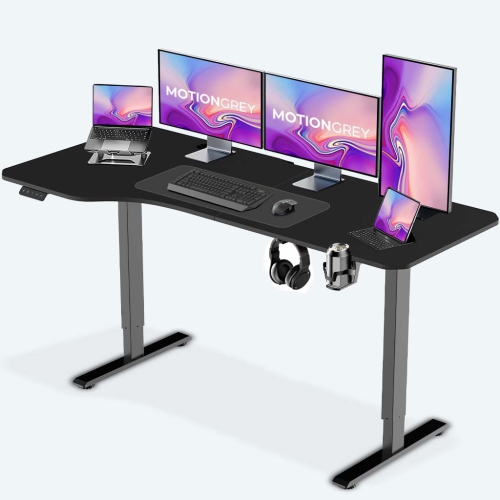
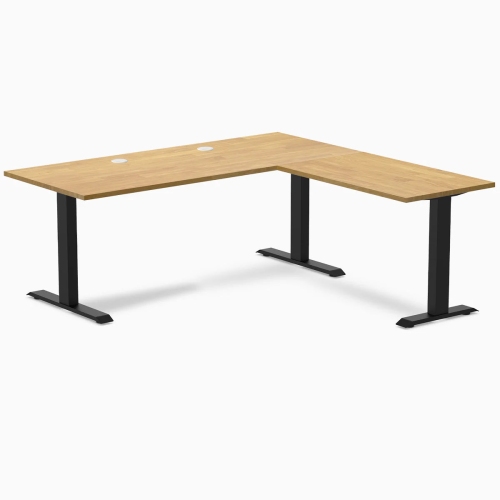
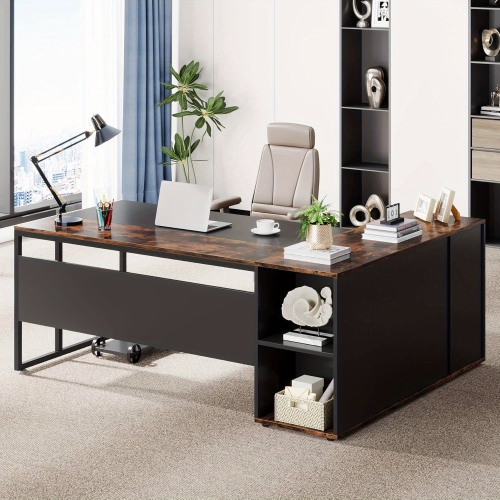
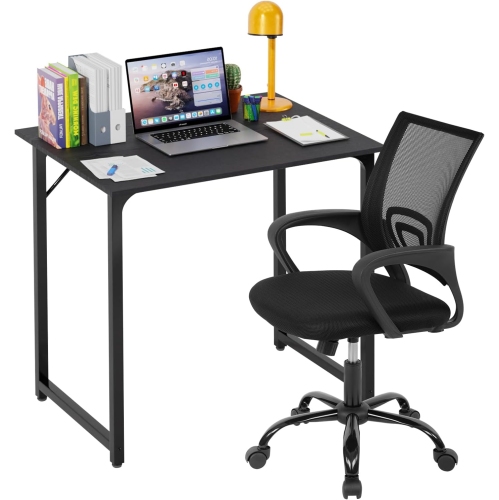
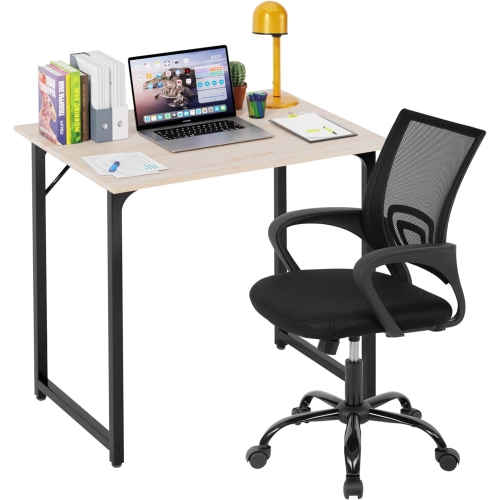
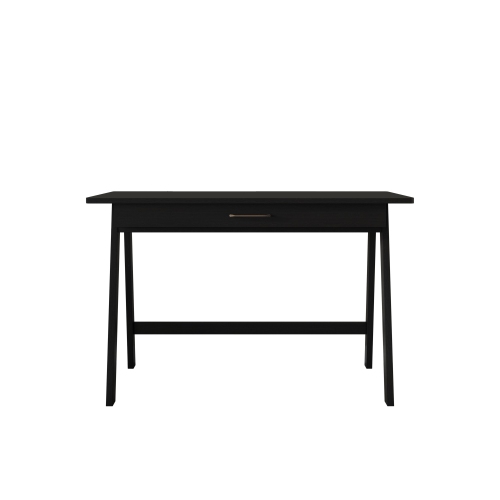
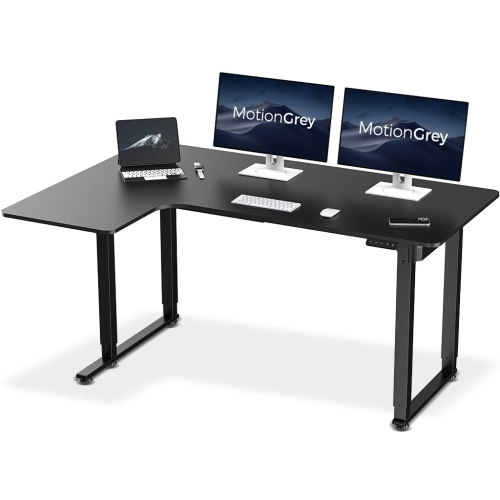
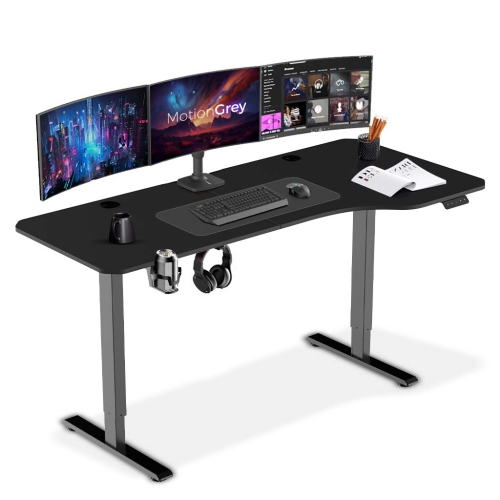
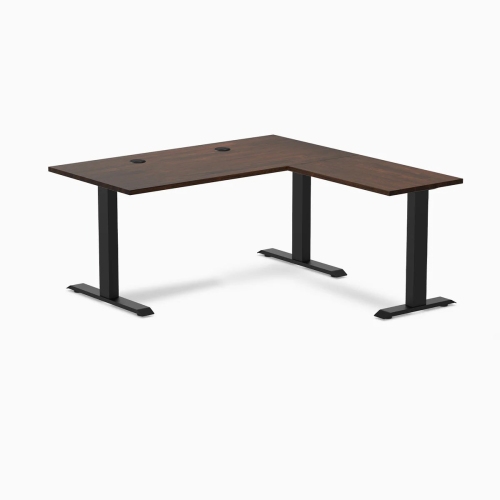
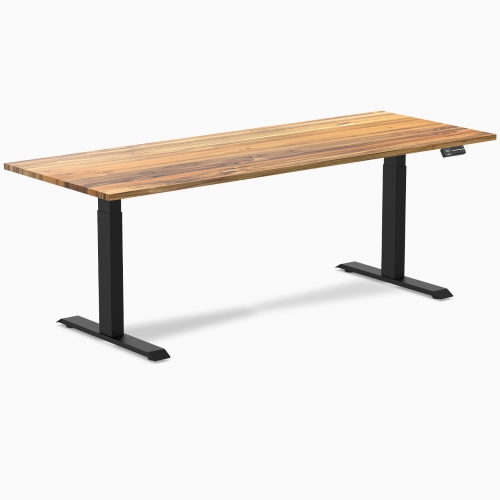
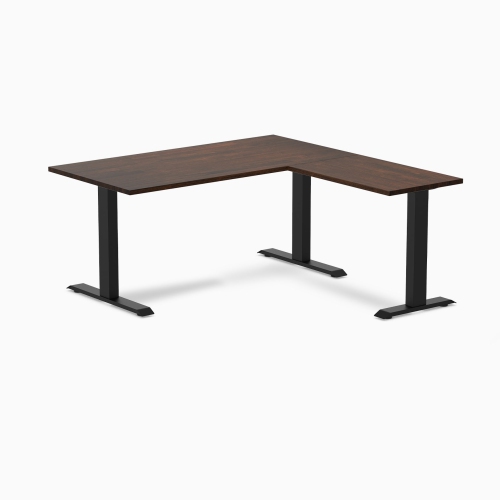
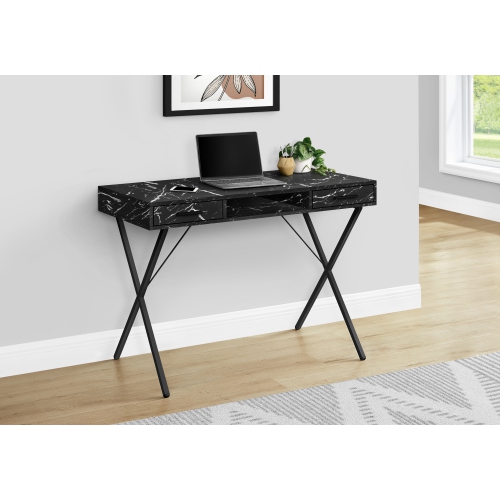
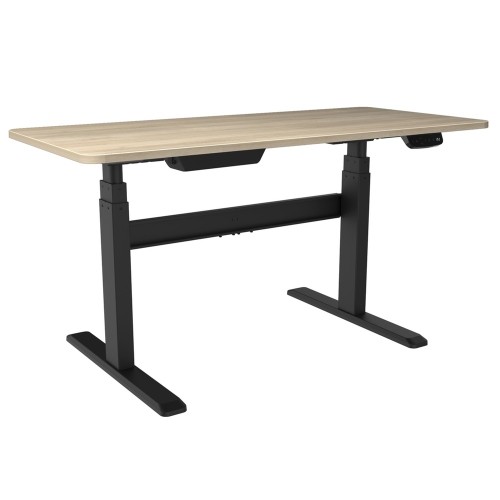
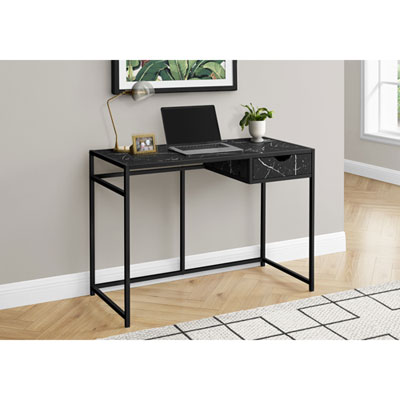
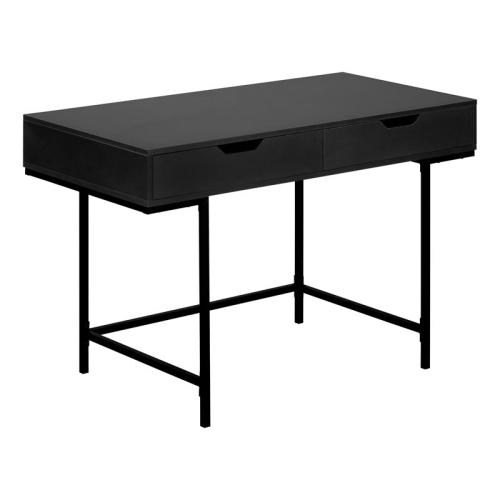
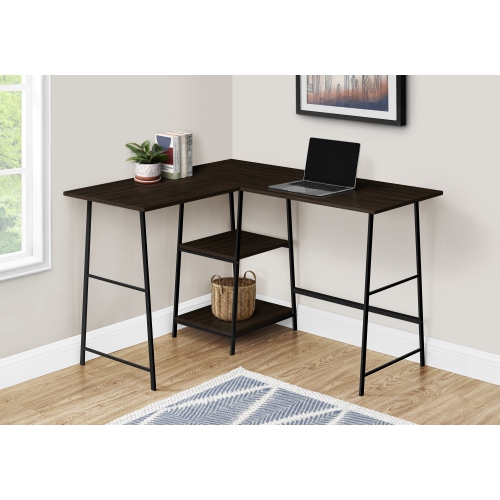
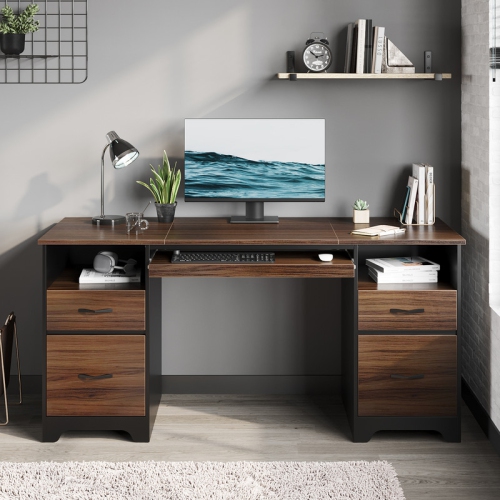
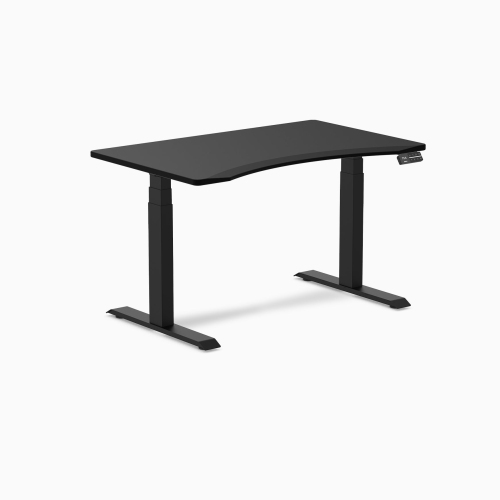
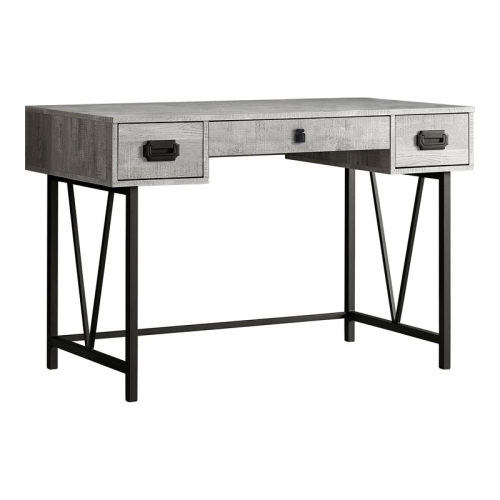
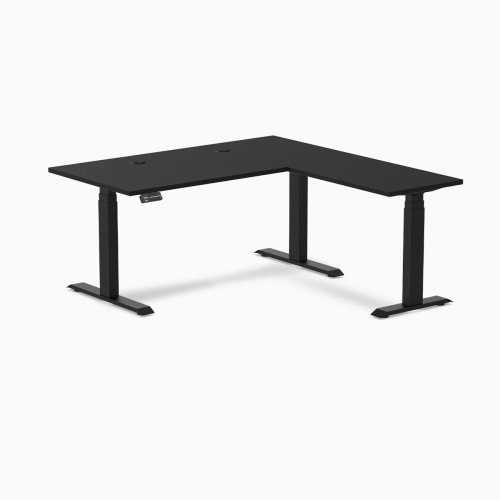
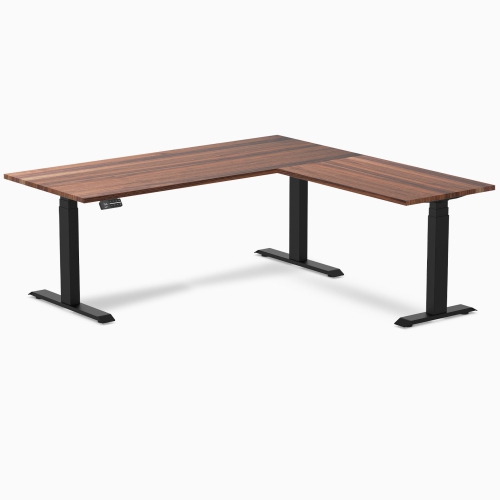
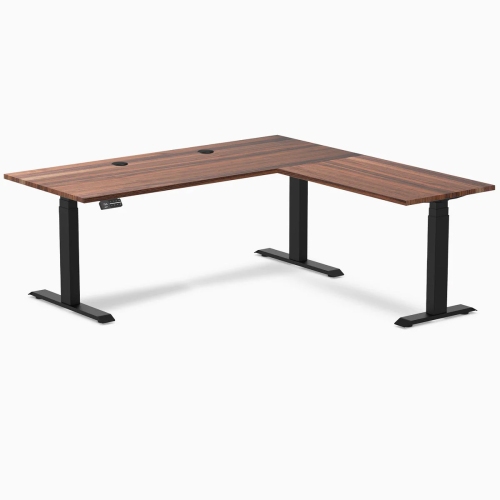
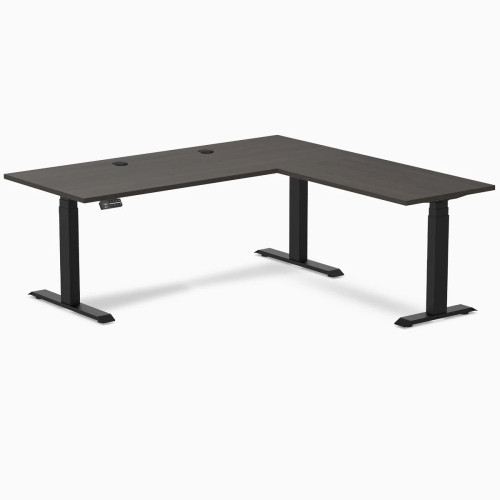
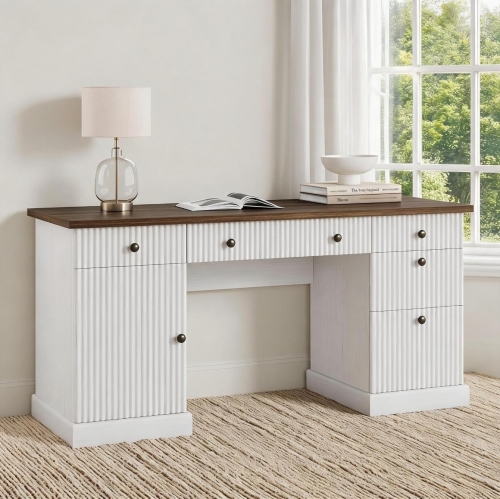

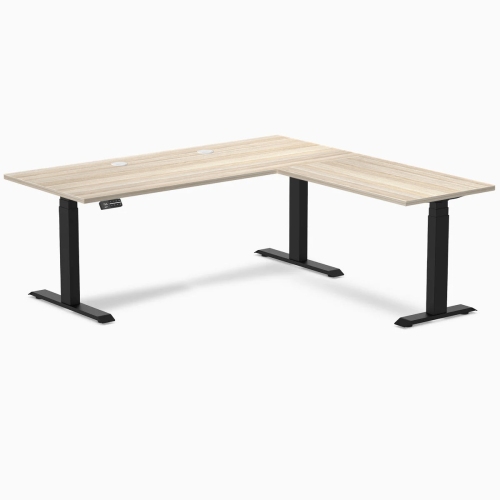
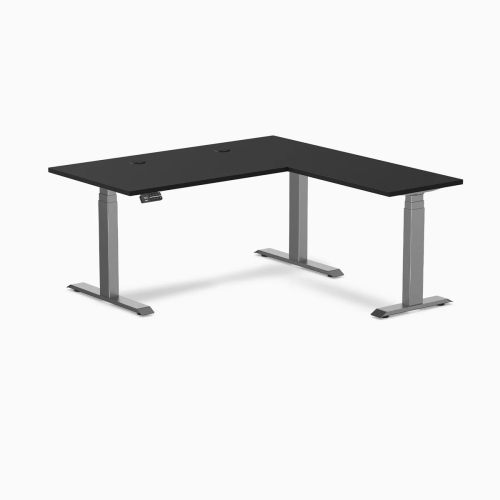
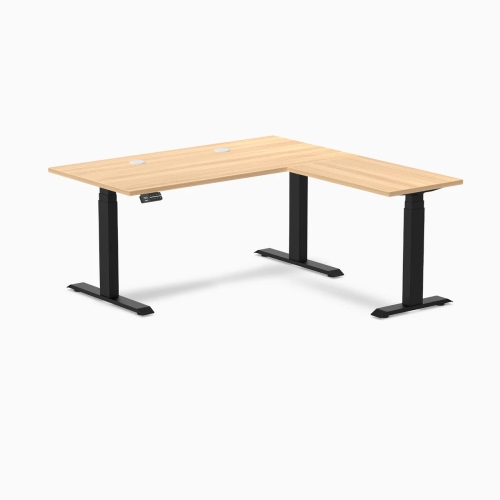
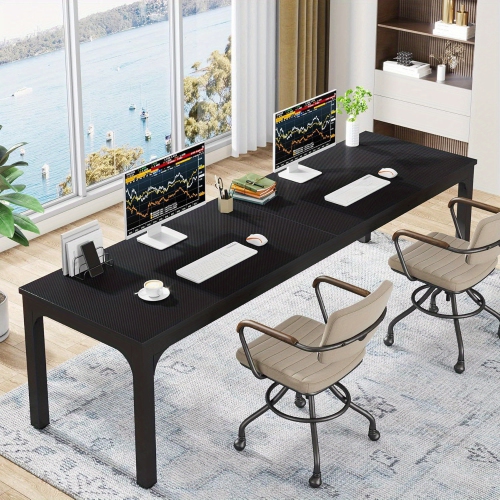
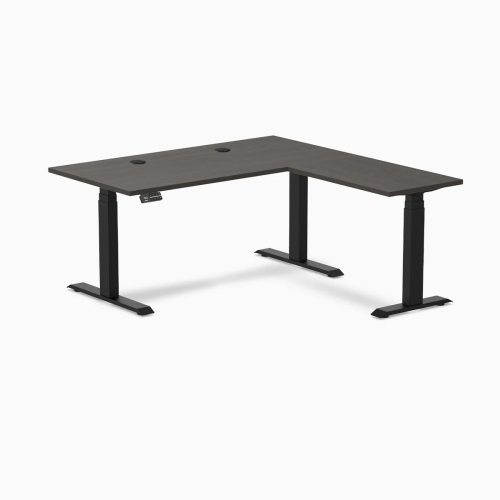
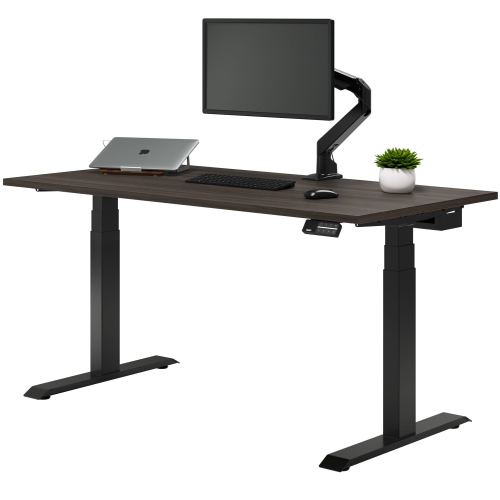
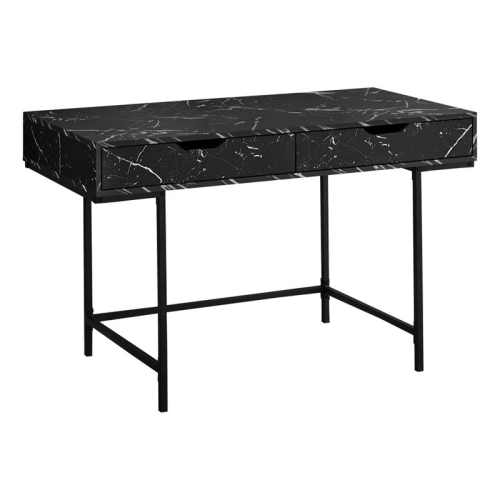
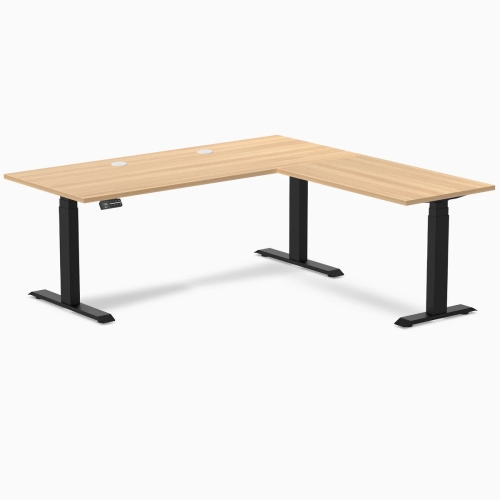
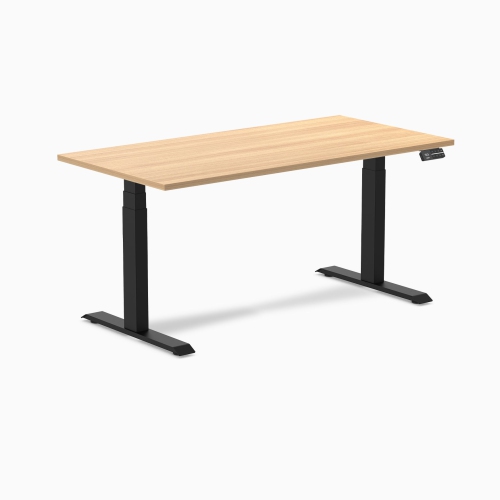
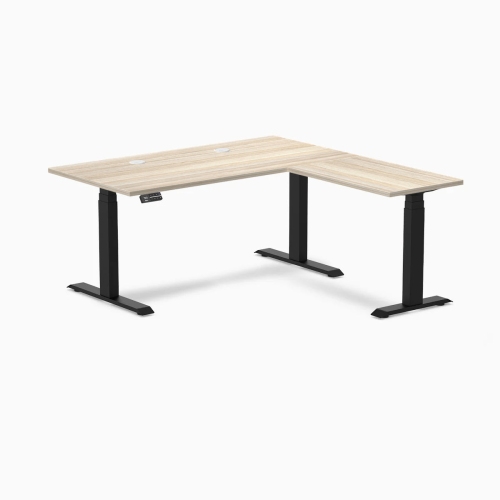
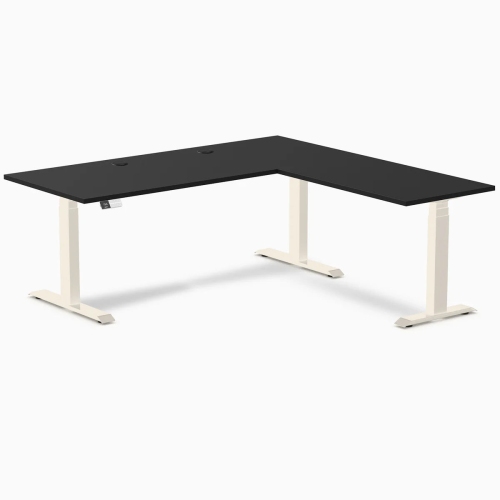
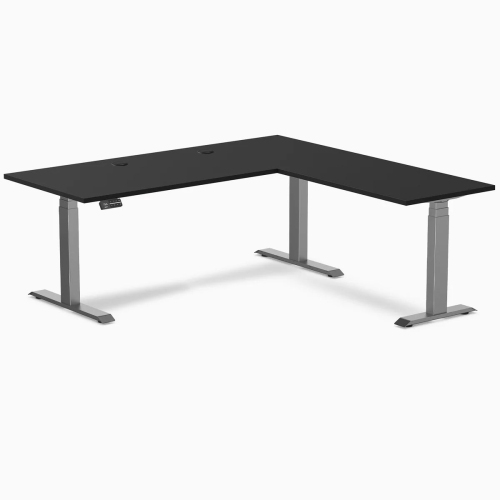
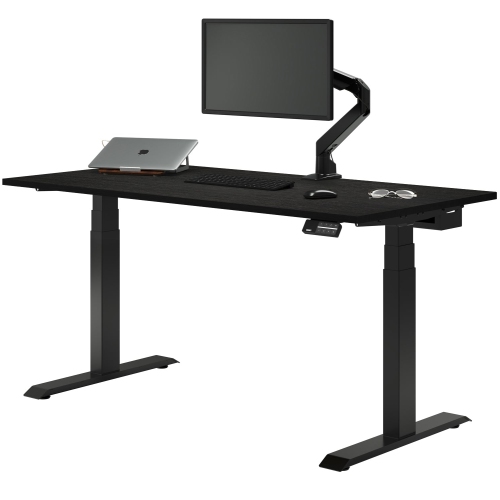
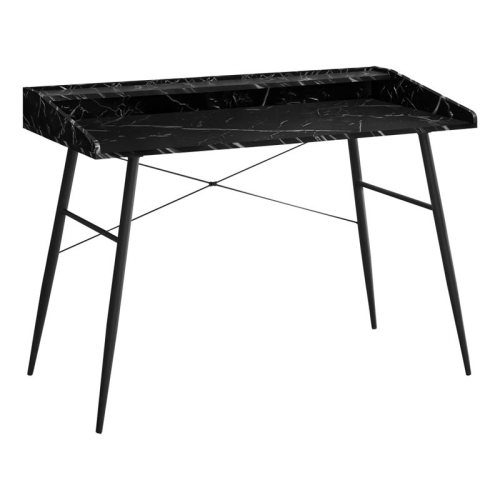
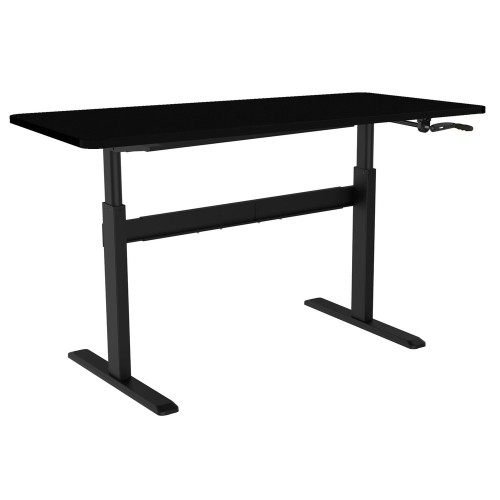
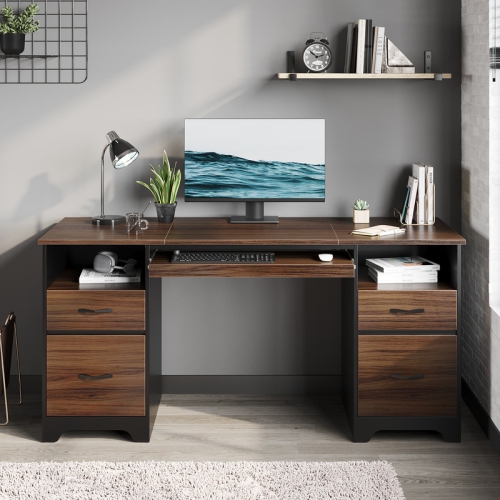
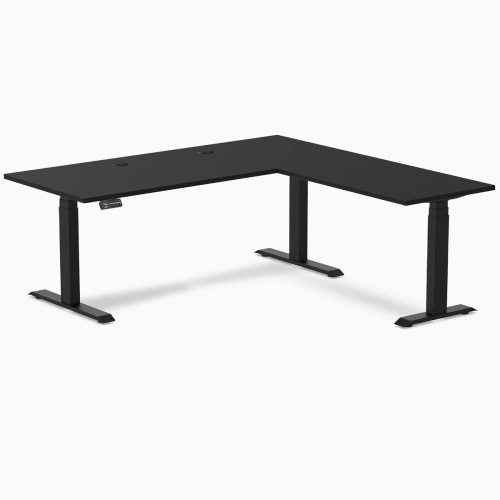
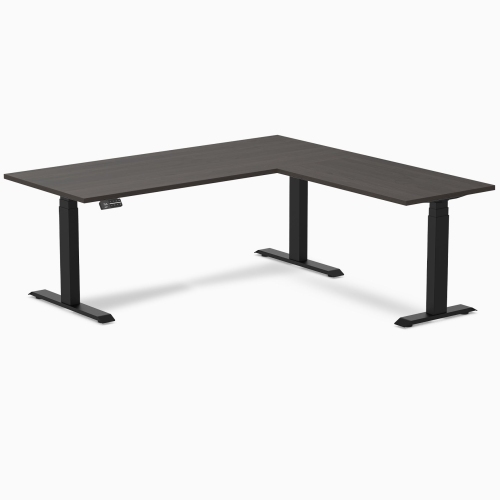
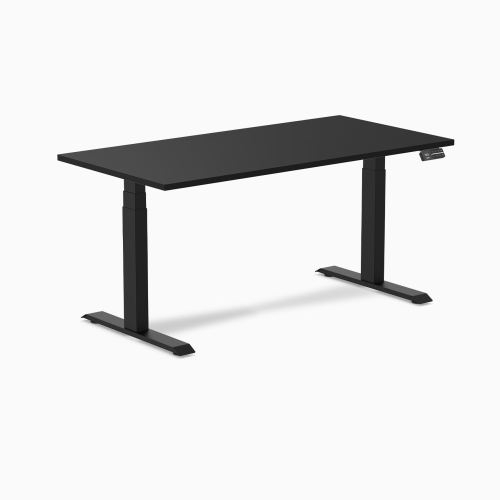
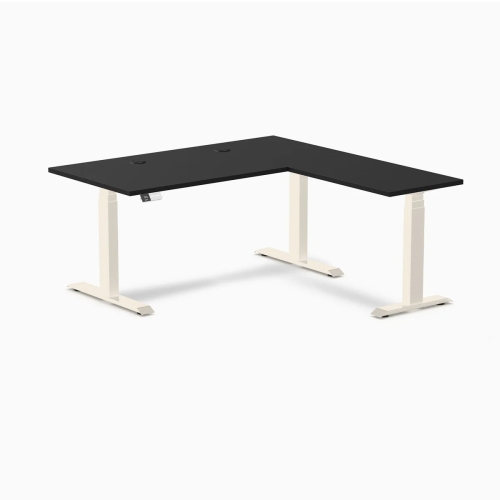
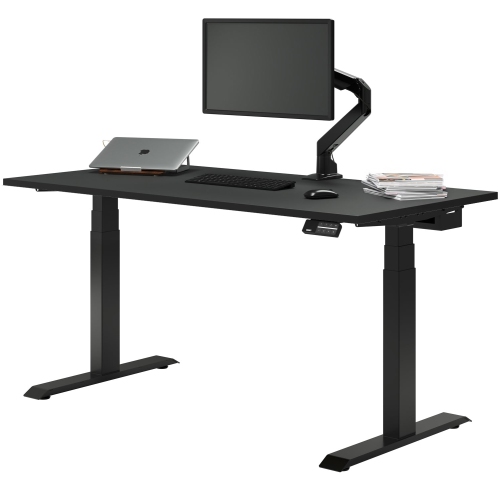

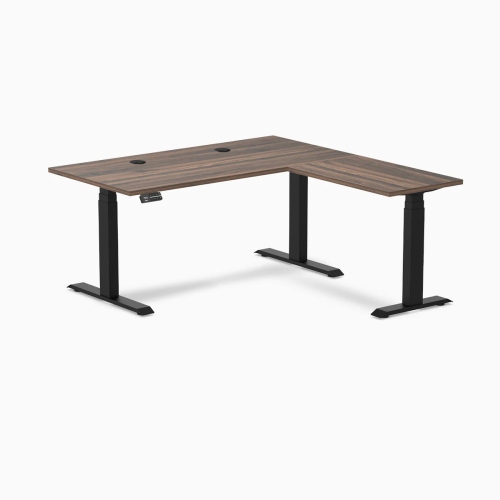
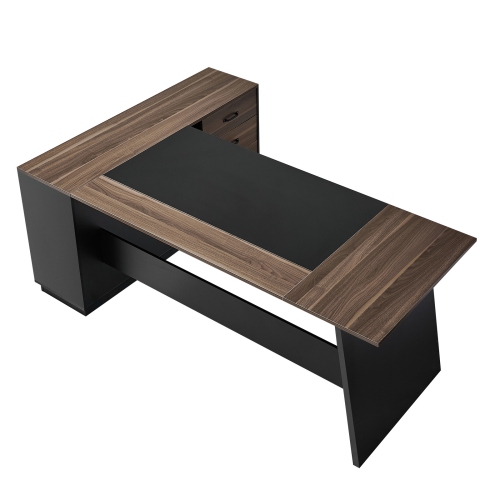
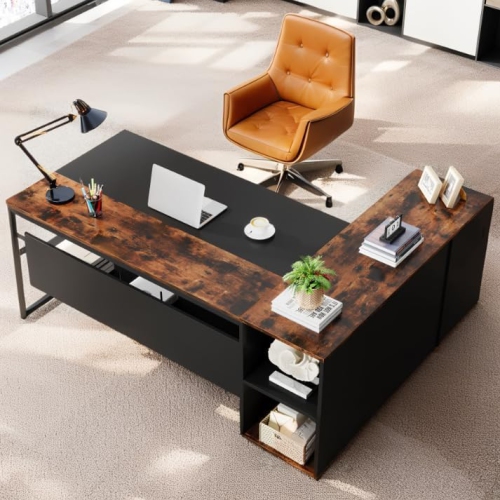
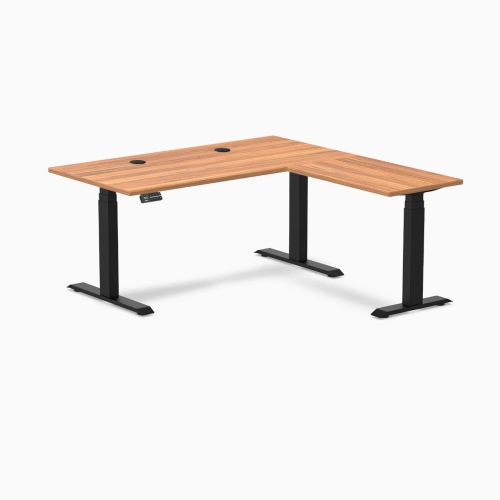
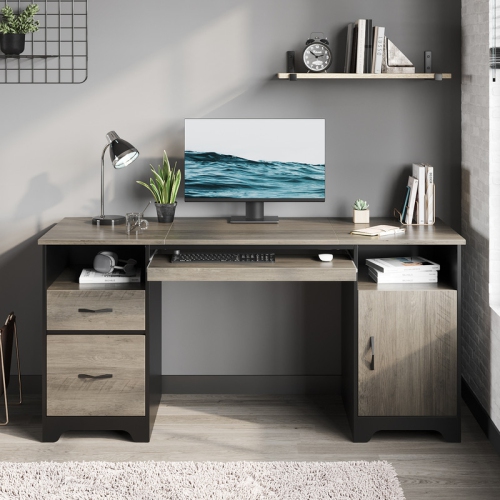
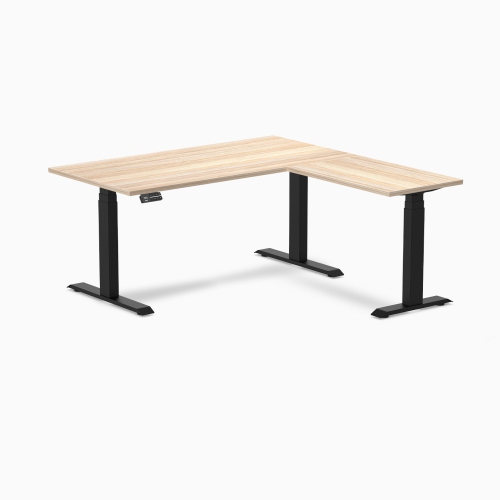
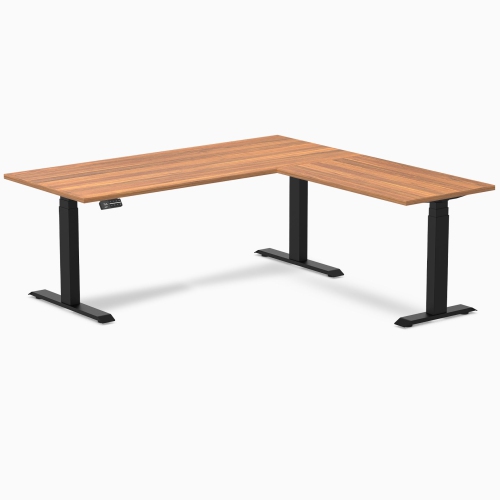
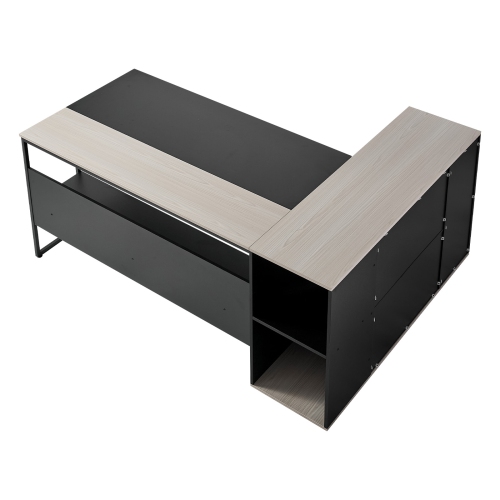
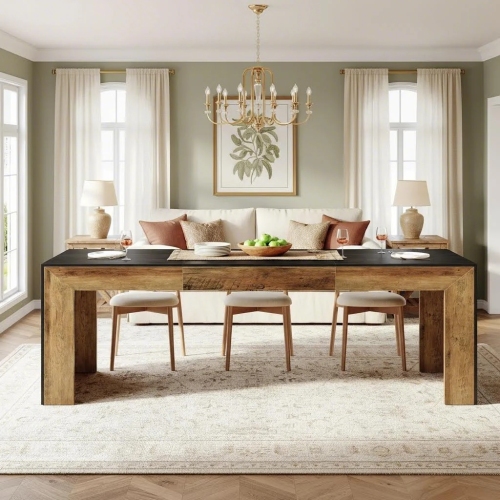
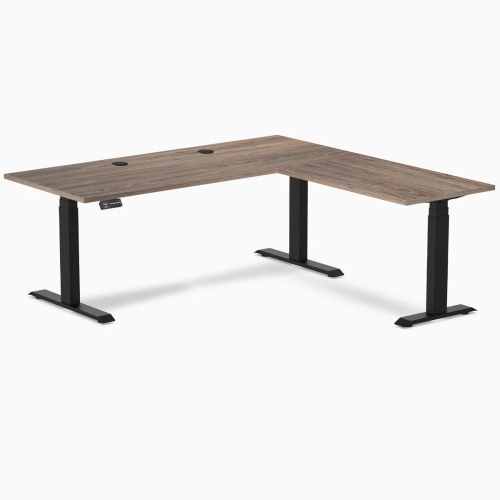
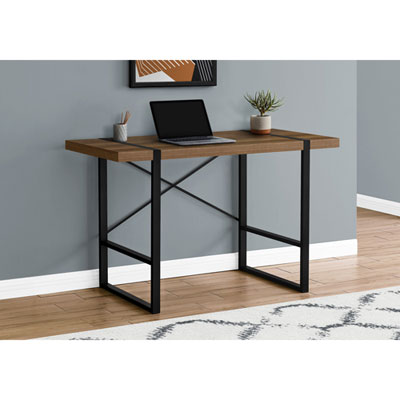
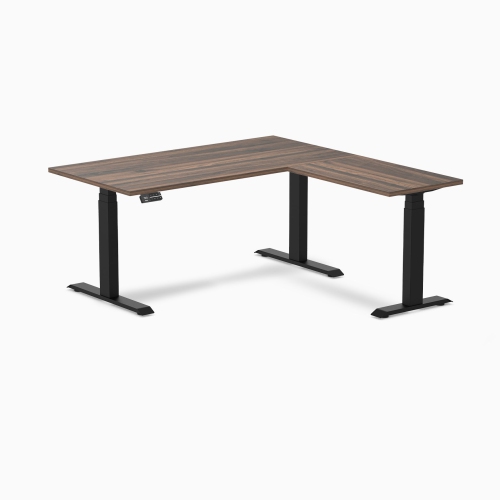
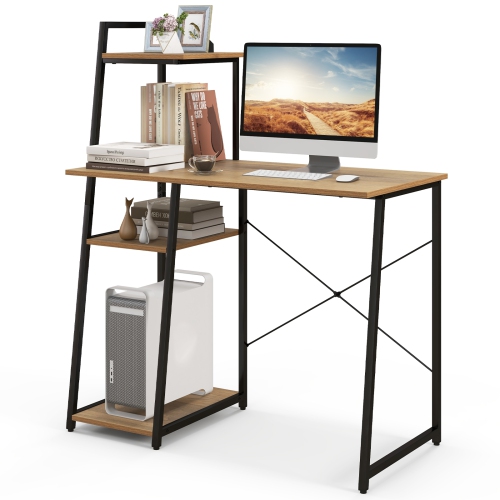
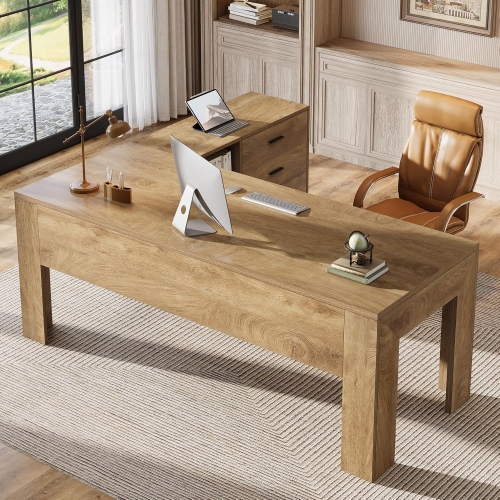
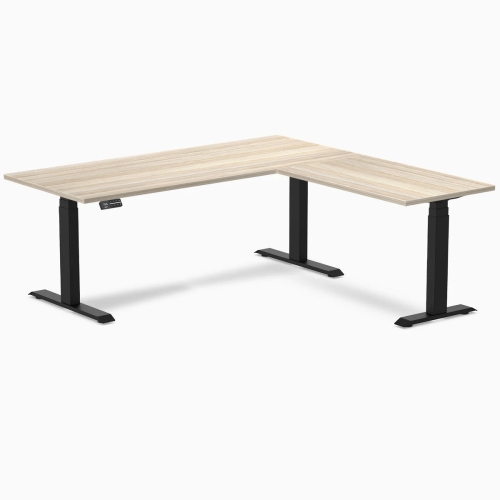
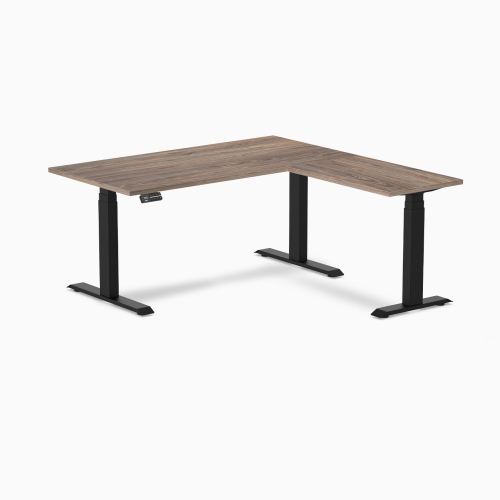
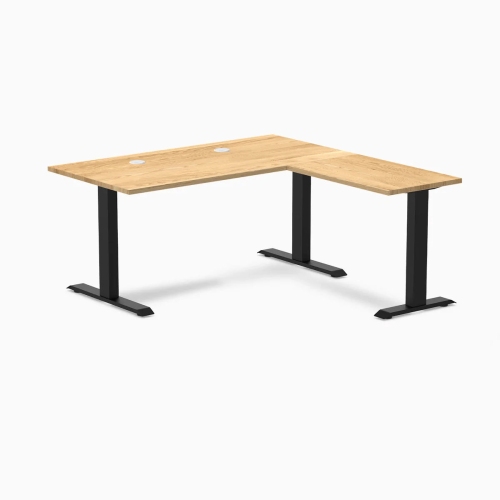
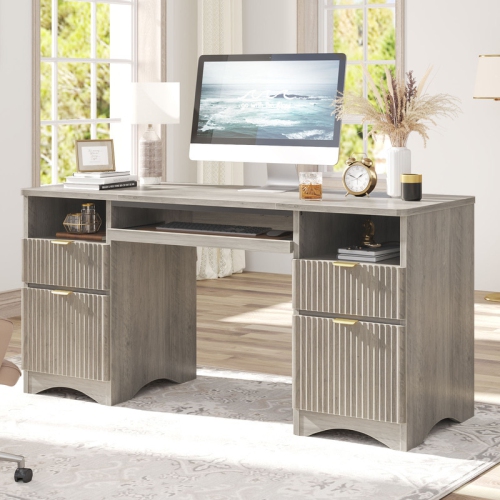
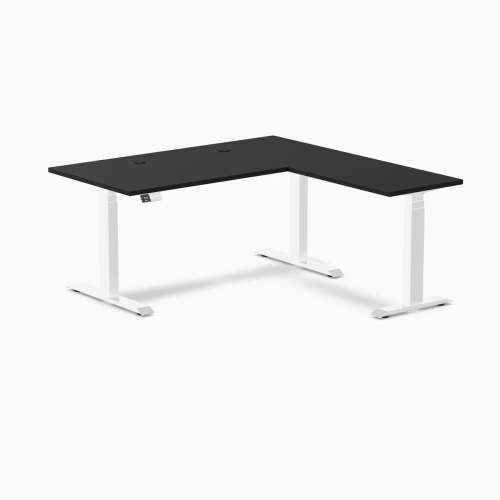
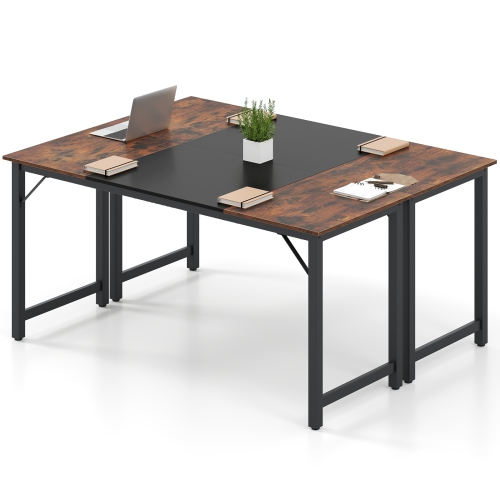
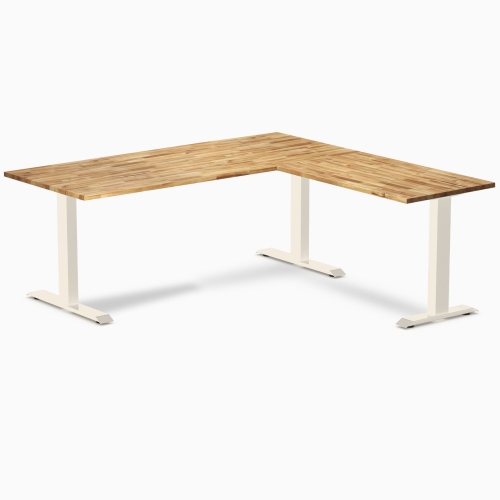
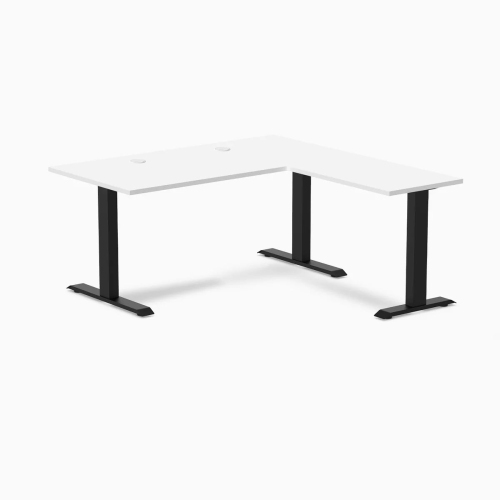
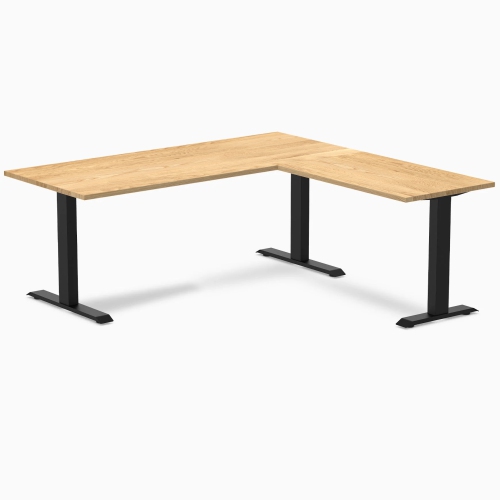
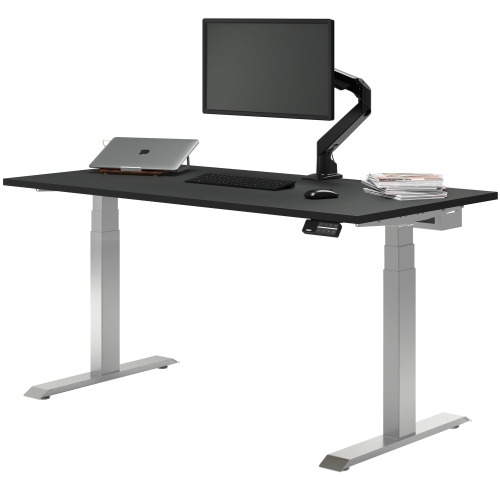
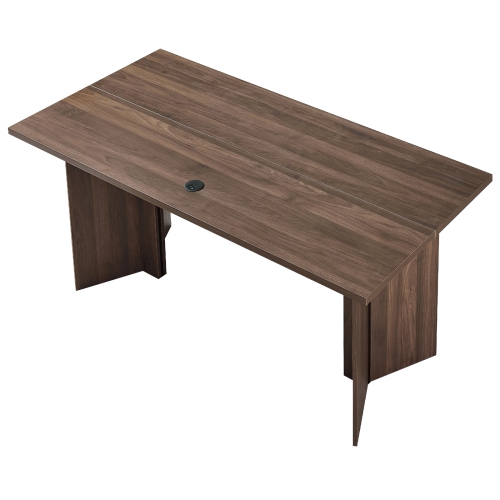
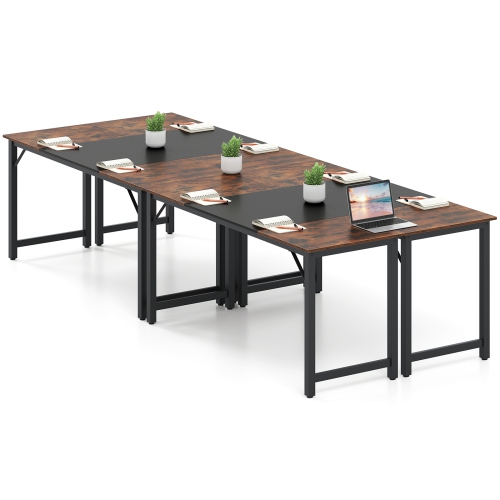
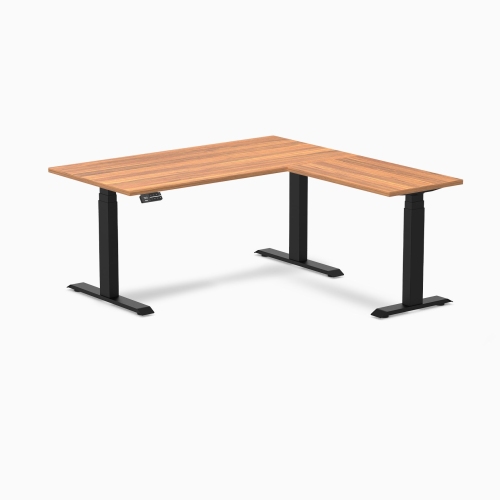
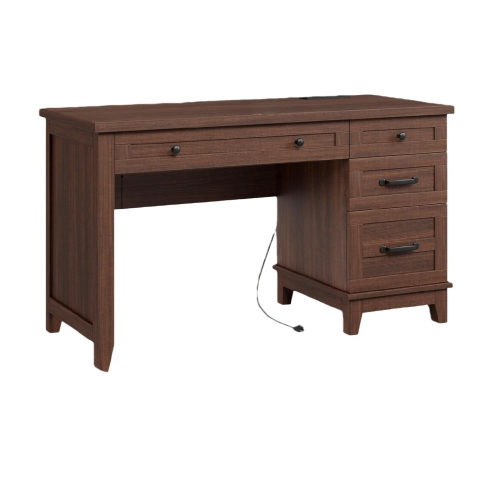
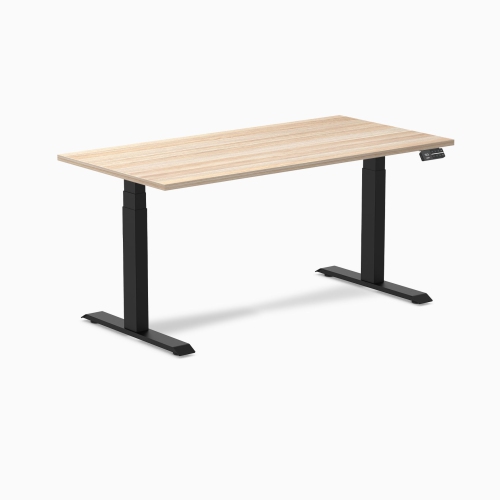
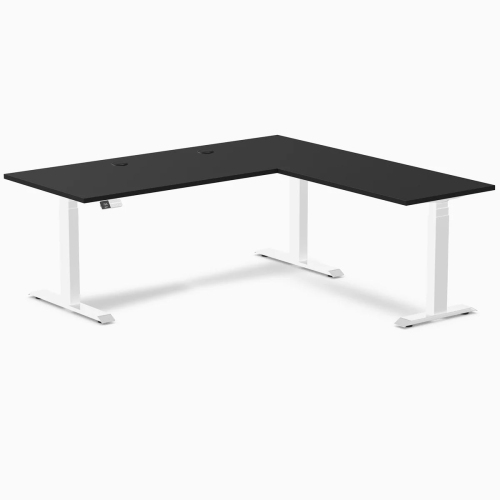
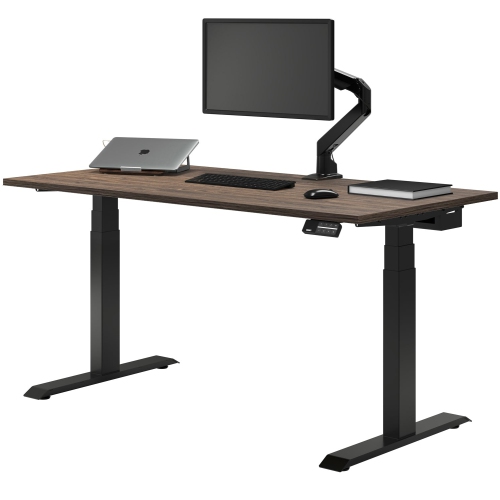
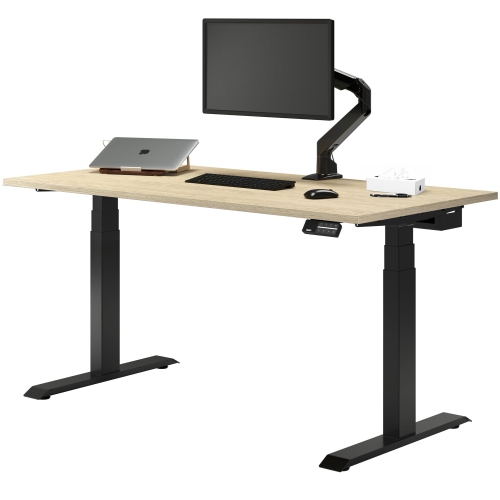
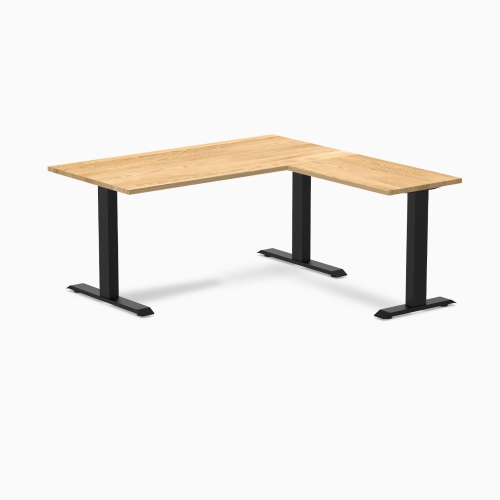
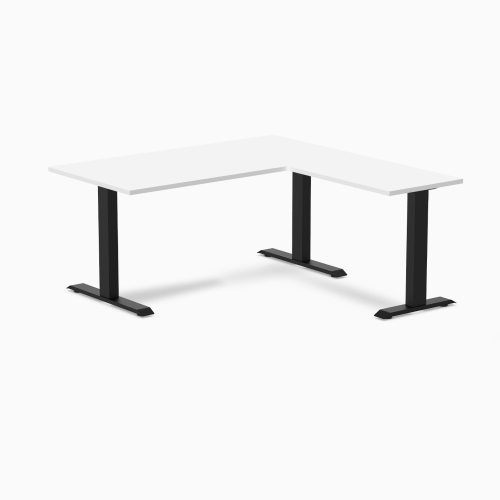
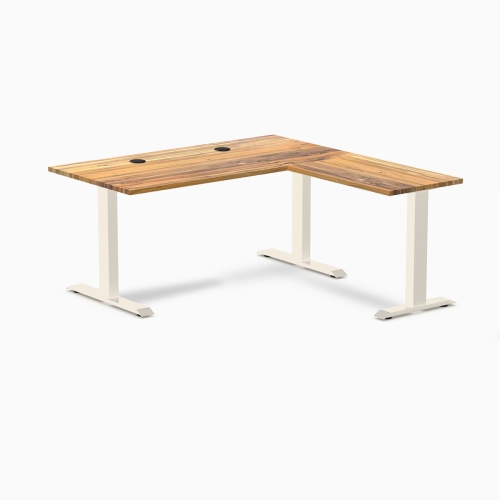
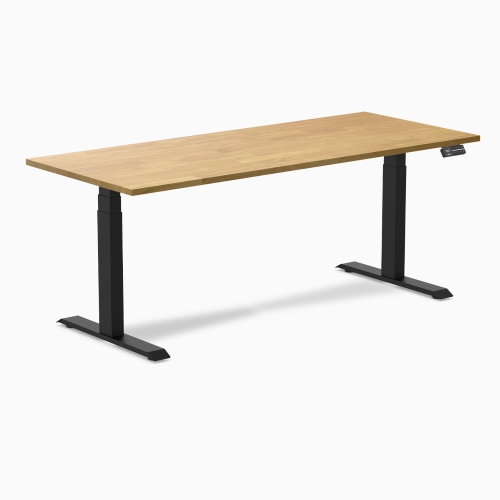
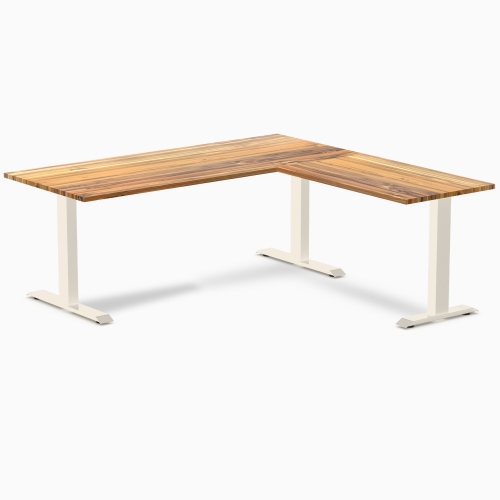
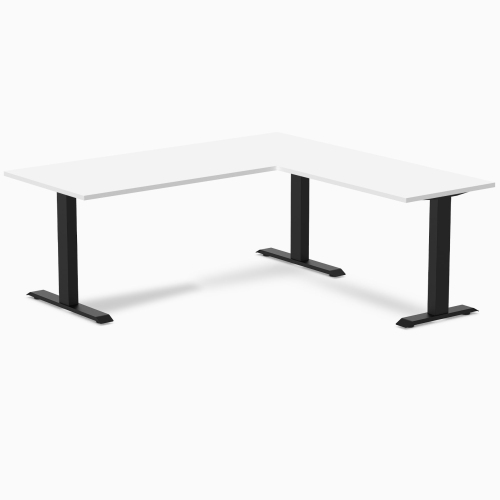

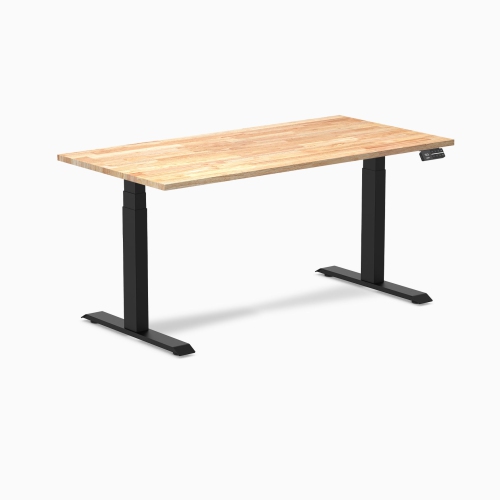
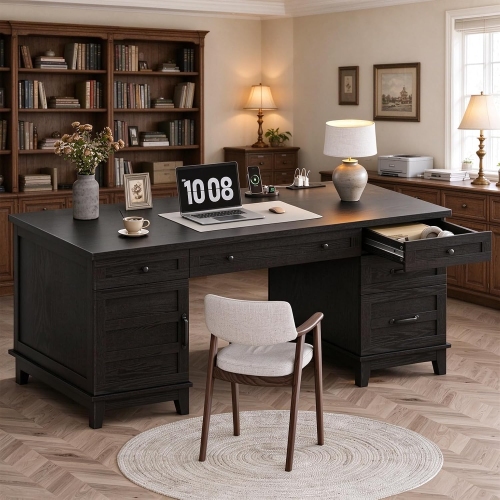

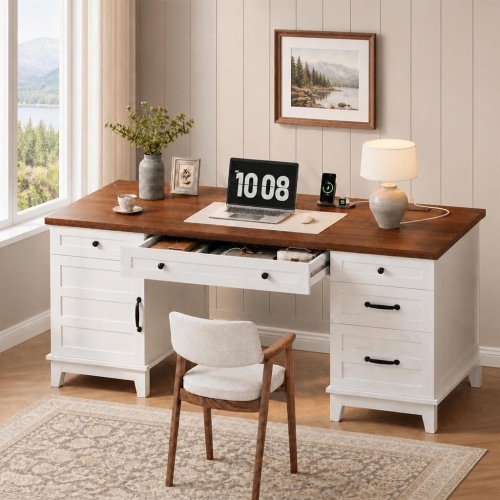
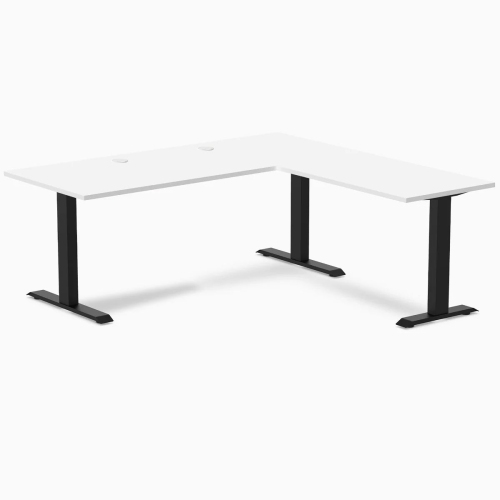
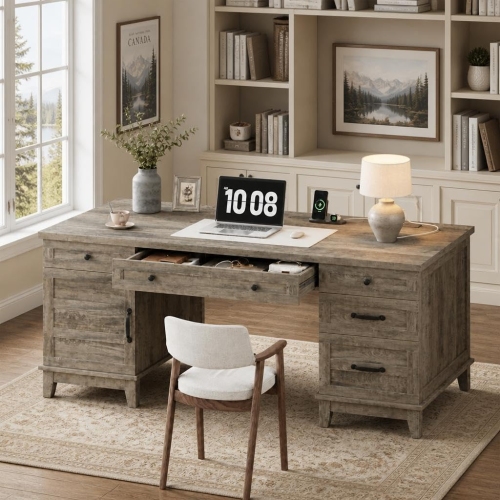
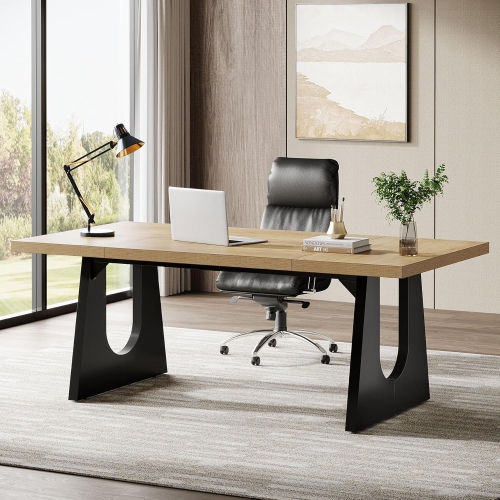
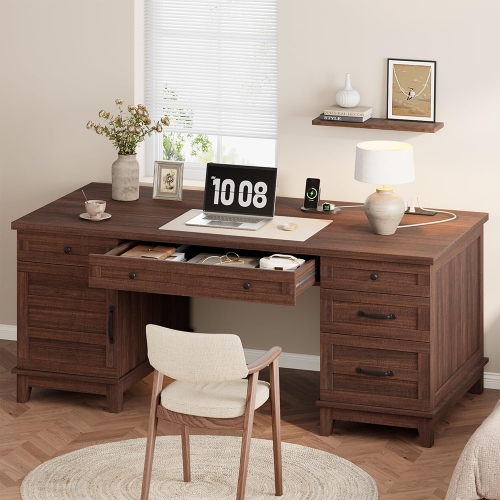
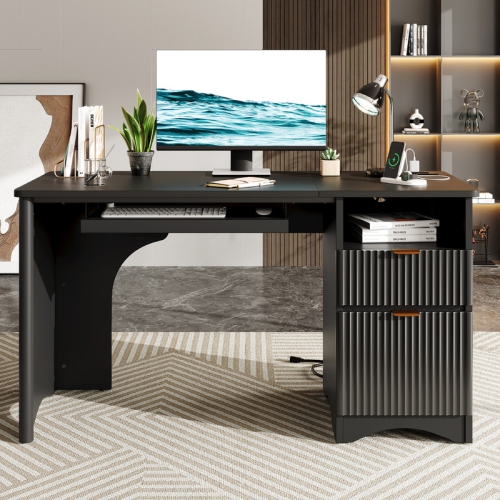
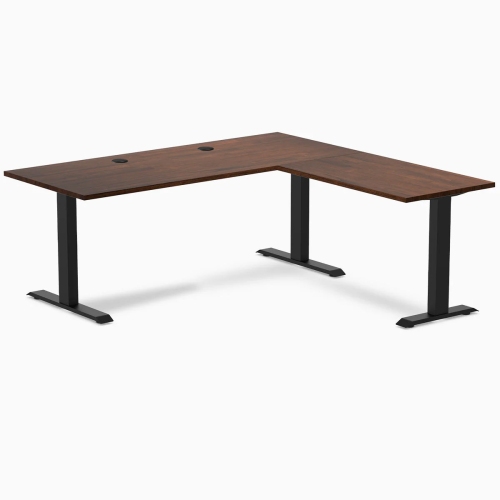
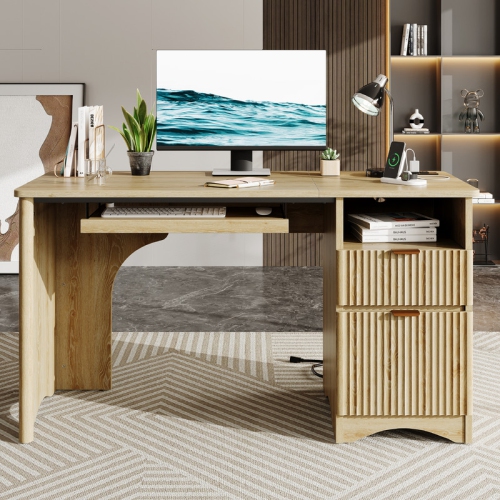
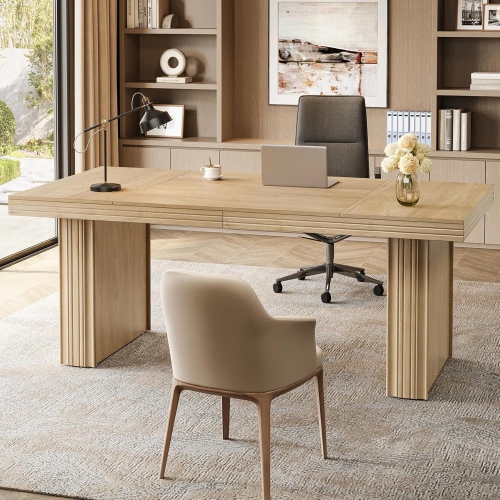
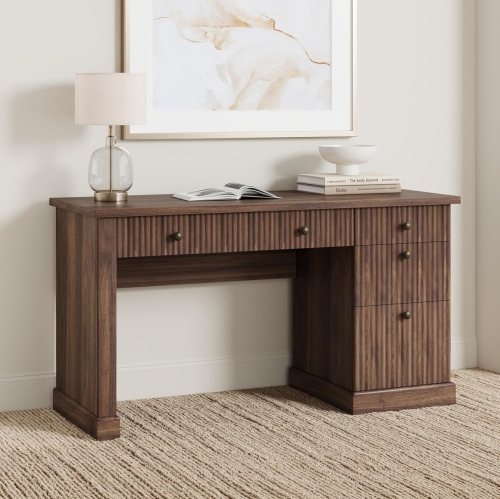
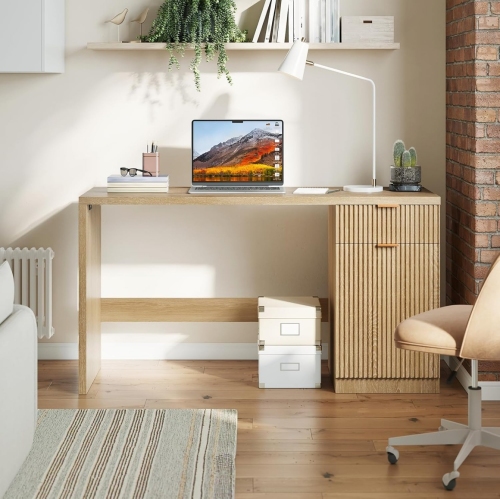
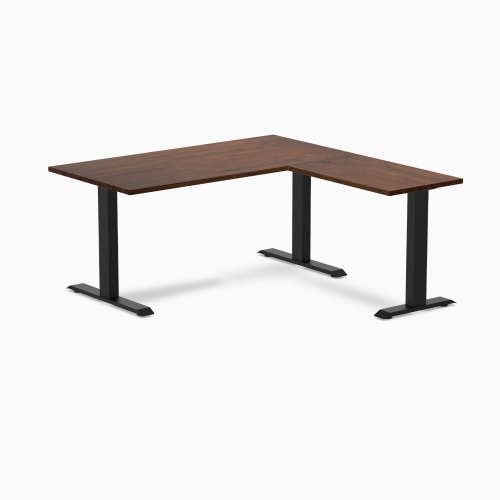
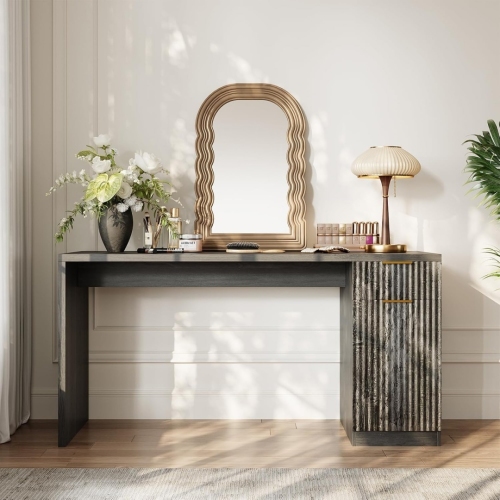
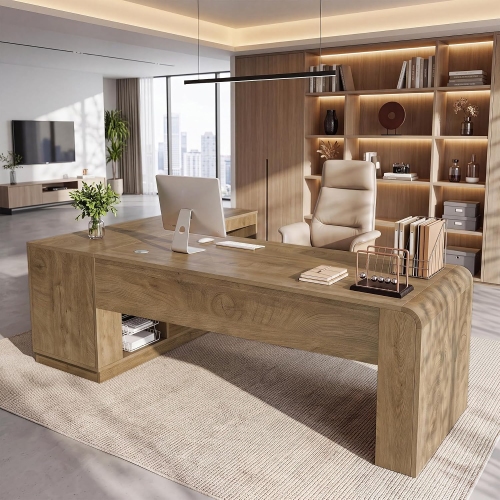
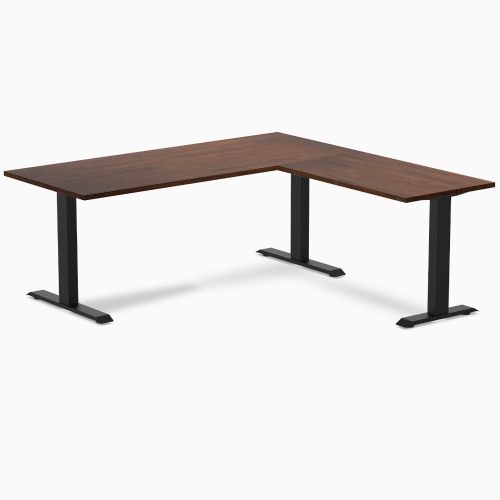


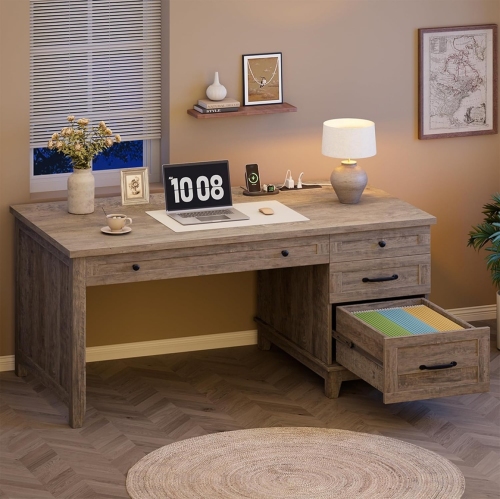
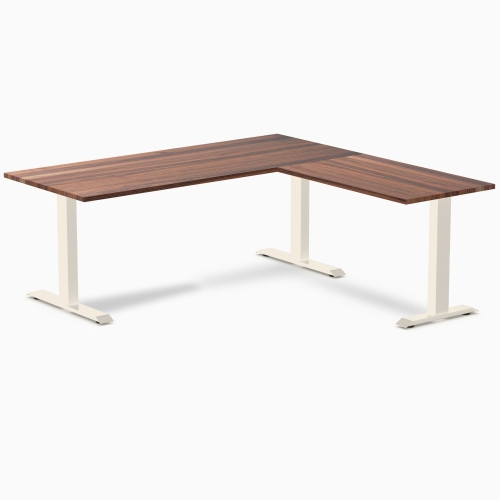
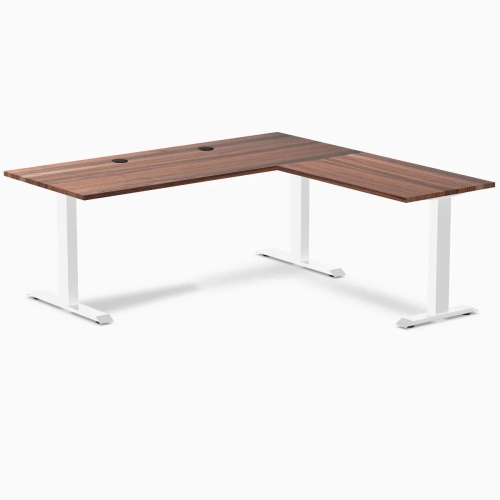
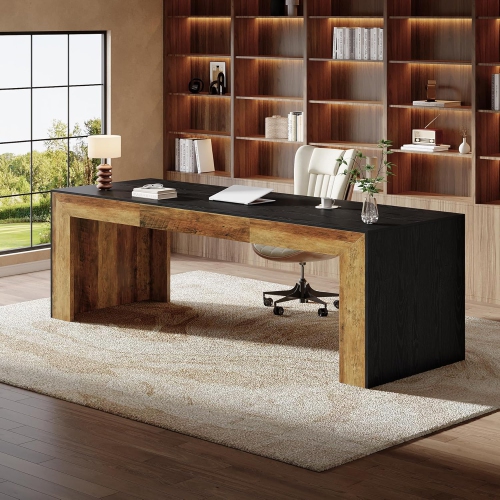
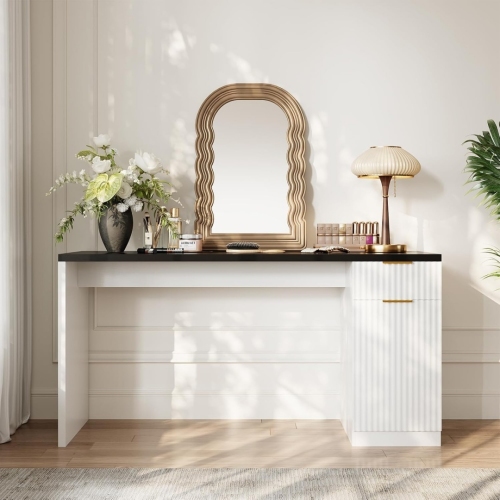
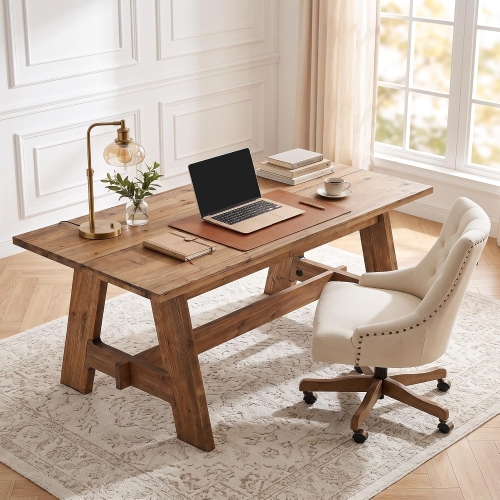
A generous work surface with a polished presence
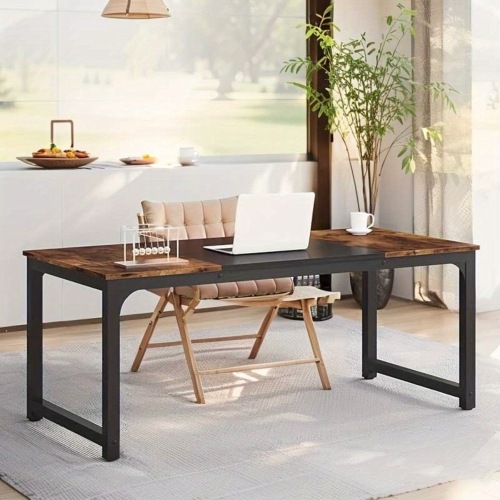
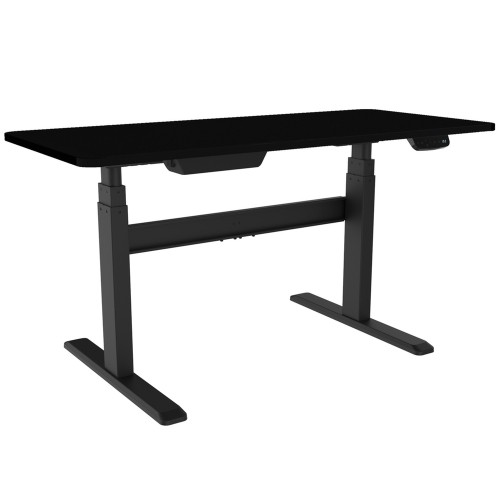
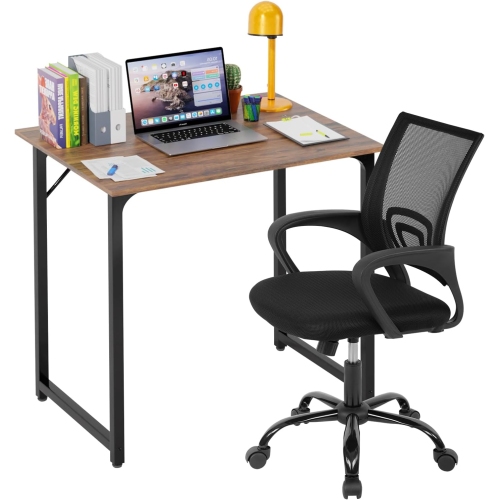
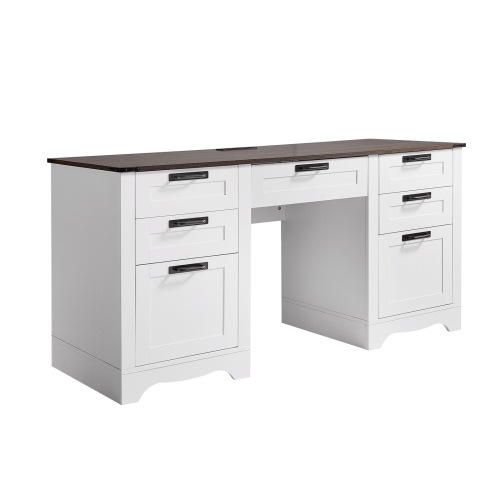
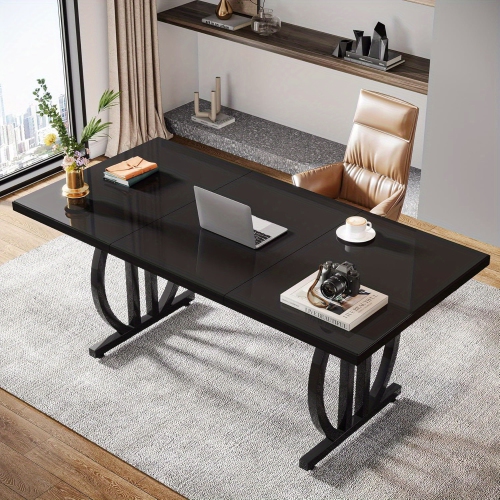
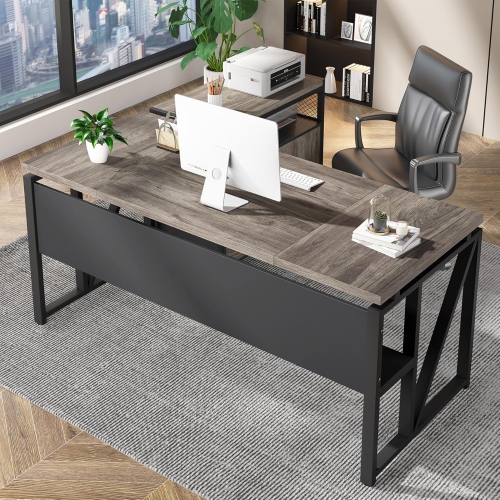
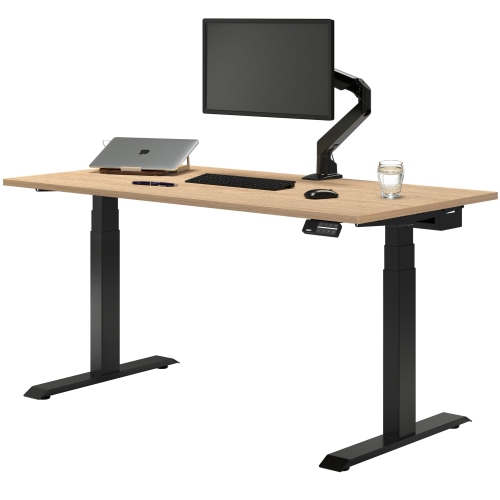
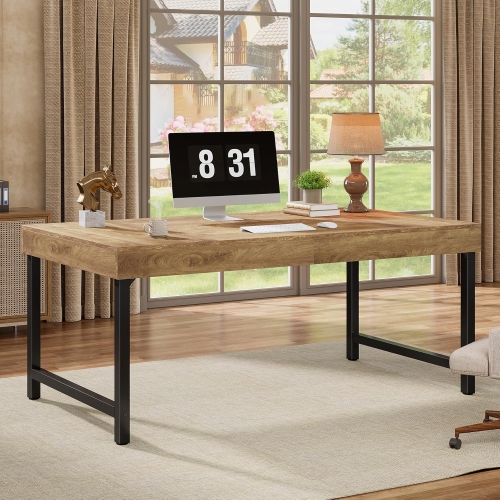
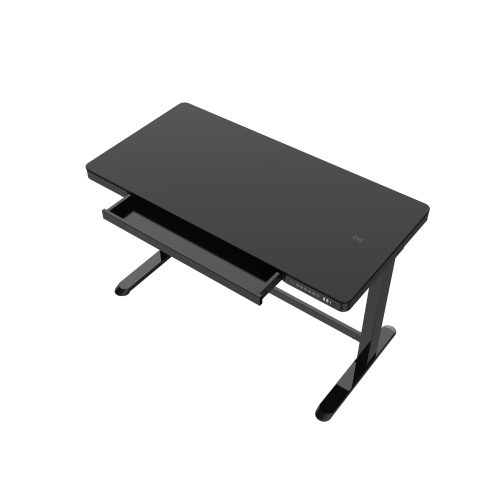
Black executive desks bring a substantial work surface, a polished appearance, and practical organization to home offices, private offices, and shared professional spaces. The executive style generally emphasizes a generous desktop and a more substantial profile than a compact writing desk, often with integrated drawers, a pedestal base, or a coordinating storage section. A black finish gives this larger piece of furniture a cohesive look, whether the design features traditional panelled fronts, clean contemporary lines, or an open metal frame. Against a light wall, a black desk creates a clear focal point; alongside wood shelving or upholstered seating, it adds contrast without introducing another strong colour. Matte finishes tend to have a softer appearance, while glossy surfaces reflect more light and may make fingerprints more noticeable. Materials influence both the look and the day-to-day experience. Engineered wood with a laminate surface can provide a consistent finish suited to routine office use, while wood veneer brings natural grain beneath a stained or painted appearance. Solid wood construction has its own character and care requirements, and metal supports can give a large desktop a slimmer, more open profile. The quality of the surface coating, edge treatment, connections, and drawer hardware matters alongside the material itself. A desk used for a laptop and occasional paperwork has different demands from one supporting multiple monitors, reference books, and frequent client meetings. For managers, consultants, business owners, and people working from home, an executive desk can serve as the centre of a full working day rather than simply a place to set a computer. A broad top leaves room for a document beside a keyboard, a notebook within reach, and a clear area for reviewing plans. Black also works well with varied office accessories, from brushed metal lamps to pale wood organizers, allowing the workspace to feel coordinated without every furnishing sharing the same finish. Desks with finished backs are especially useful away from a wall, where the rear panel is visible from an entrance or a visitor’s chair.
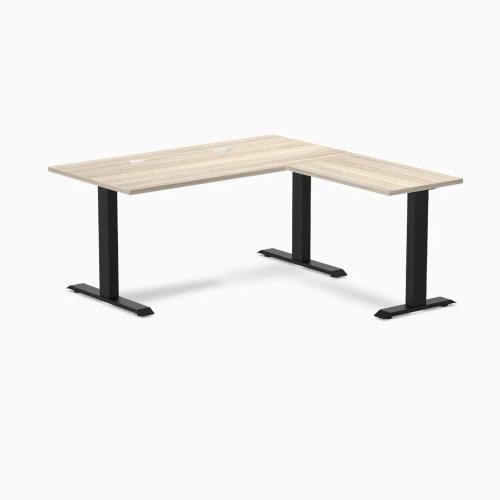
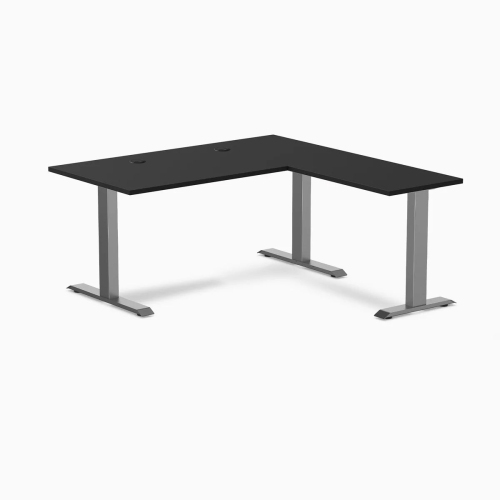
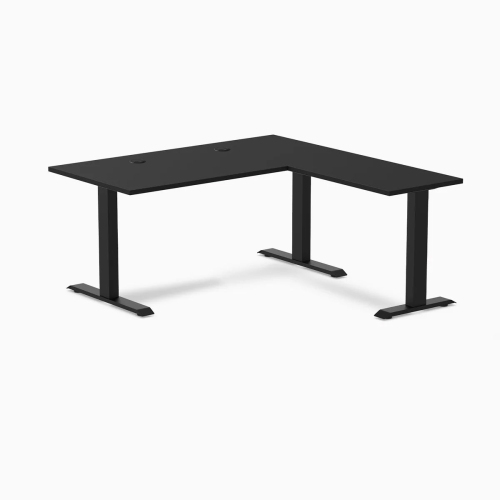
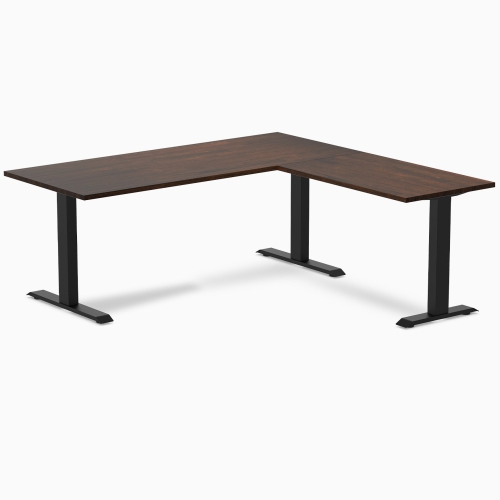
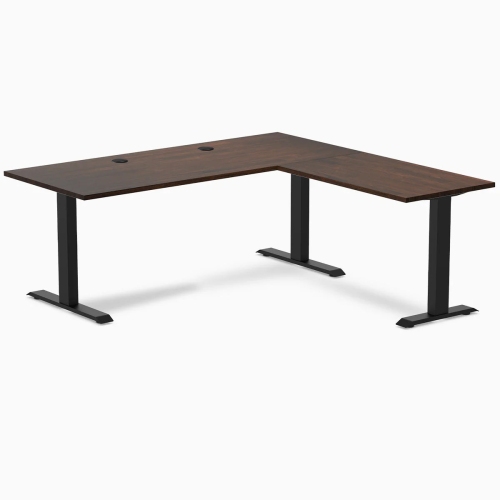
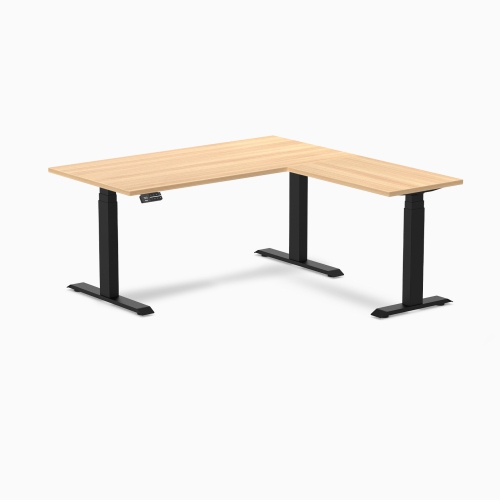
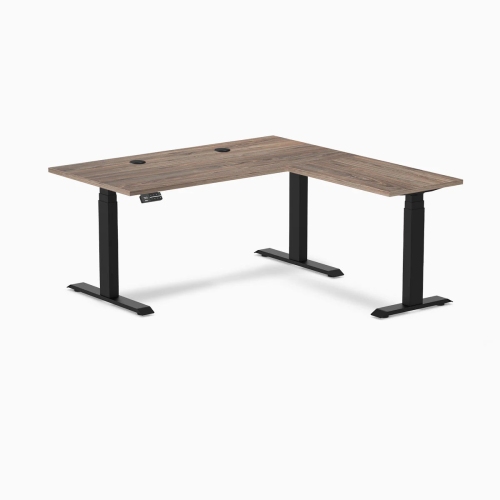
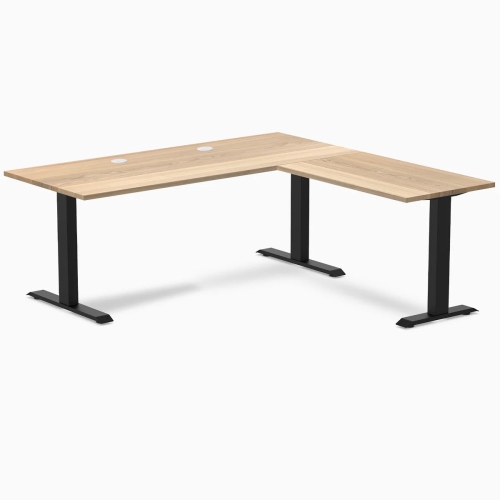
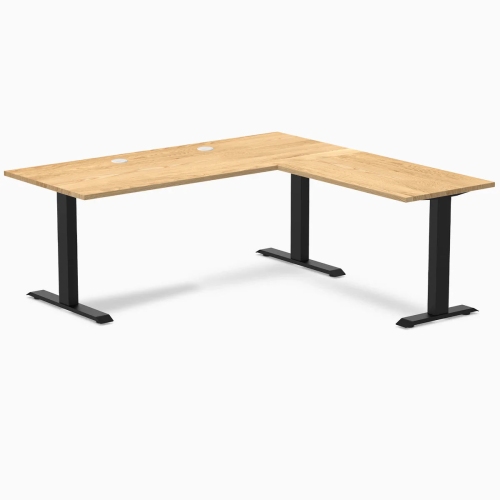
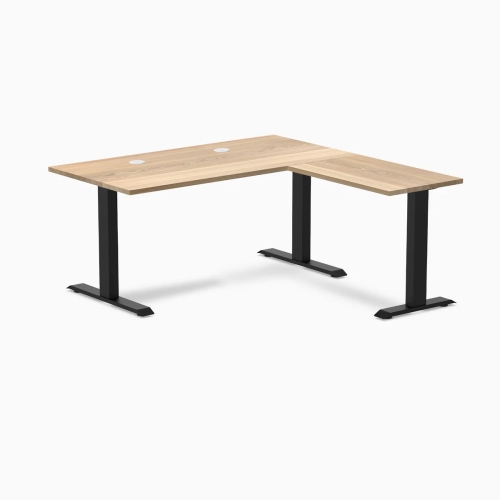
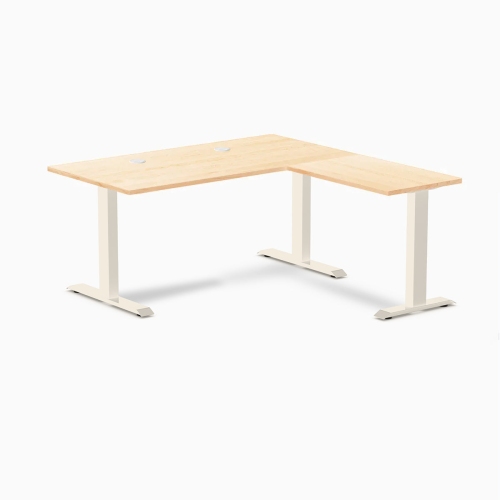
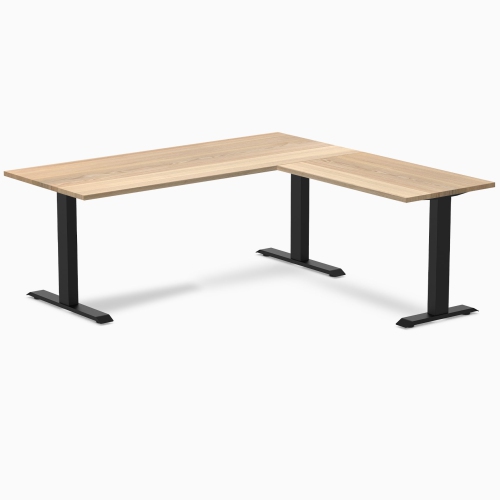
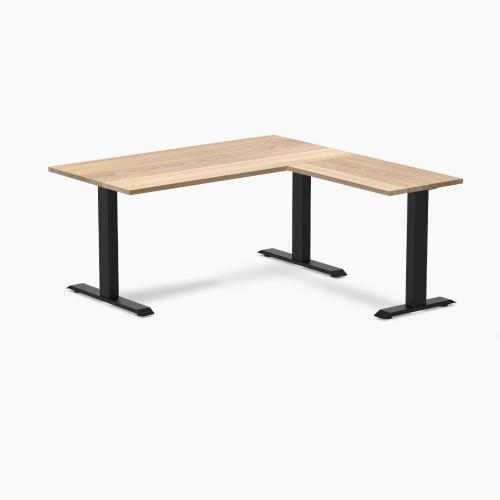
Size and configuration determine how comfortably a black executive desk fits the room and the work taking place in it. Many full-size executive designs measure approximately 60 to 72 inches wide and 30 to 36 inches deep, although dimensions vary considerably and compact, extended, and multi-section layouts fall outside those ranges. Overall measurements matter more than the desktop alone: projecting drawer handles, an attached cabinet, or a return can change the space needed. There also needs to be room for the chair to move back, drawers to open fully, and people to pass without squeezing between furniture. In a dedicated office, a rectangular desk can anchor the room while leaving space for separate filing storage or seating opposite the work surface. A corner or multipurpose room can benefit from Black L Shaped Executive Desks, which provide adjoining surfaces for separating computer work from paperwork. A reversible return offers flexibility when the desk needs to suit a left- or right-hand layout, but not every L-shaped design can be assembled both ways. U-shaped configurations provide more wraparound workspace and storage, with a larger footprint that calls for careful attention to access and movement. Desktop depth affects monitor placement, particularly with larger screens, while usable width determines whether two monitors can sit alongside a writing area. Storage also changes how much legroom remains beneath the desk. Pedestal drawers keep stationery and documents close, but their position should leave enough knee space for the person using the desk to sit centred at the keyboard. File drawers need to accommodate the intended paper size, especially where both letter and legal documents are used. A keyboard tray can free desktop space when its height and width suit the user’s setup. Cable grommets, routing channels, and accessible openings help manage cords without leaving them stretched across the work surface. Where a design includes power outlets or charging ports, their placement should suit the equipment and leave cables clear of moving drawers. For monitor arms, the desktop thickness, rear edge, underside clearance, and stated load limits are important compatibility details.
The everyday appeal of a black executive desk depends as much on its construction and upkeep as on its silhouette. A stable base, well-supported desktop, and securely fitted joints help the desk feel solid while typing, writing, or opening a loaded drawer. Drawer glides influence how smoothly storage operates, and safety stops help prevent drawers from being pulled out unintentionally during normal use. Lockable compartments can be useful for limiting casual access to documents or office supplies, though a desk lock is not a substitute for purpose-built secure storage. Weight capacity deserves attention across the desktop, shelves, and drawers rather than just at the desk as a whole. Heavy equipment concentrated near an unsupported edge places different demands on a surface than a lighter setup spread evenly across it. Assembly quality matters, too: a large desk may arrive in several sections, and an uneven floor or loosely fitted connection can affect alignment. Access through doorways, stairwells, and tight turns is part of the fit, particularly for substantial desktop panels and attached storage units. Once in use, black finishes benefit from simple, consistent care because dust, fingerprints, and pale scratches can stand out against the dark surface. A soft cloth and cleaning method approved for the finish are generally more suitable than abrasive pads or harsh cleaners. Spills should be wiped up promptly, especially around seams and exposed edges, and a coaster or desk pad can help protect frequently used areas. Dragging a monitor stand, printer, or storage box across the top can damage the finish even when the desk feels sturdy. Felt pads beneath accessories can reduce surface marks, while lifting equipment when repositioning it avoids unnecessary abrasion. Direct sunlight may affect some finishes over time, so placement near a window deserves consideration. For a workspace used throughout the day, the most useful executive desk is one whose surface area, storage, and proportions support the actual routine: comfortable computer placement, paperwork that stays accessible, and enough clear space to finish one task before beginning the next.
Top selling and popular products
-
 Your price for this item is $97.99
-
 Your price for this item is $89.99
-
 Your price for this item is $84.99
-
 Your price for this item is $97.99
-
 Your price for this item is $649
-
 Your price for this item is $749
-
 Your price for this item is $649
-
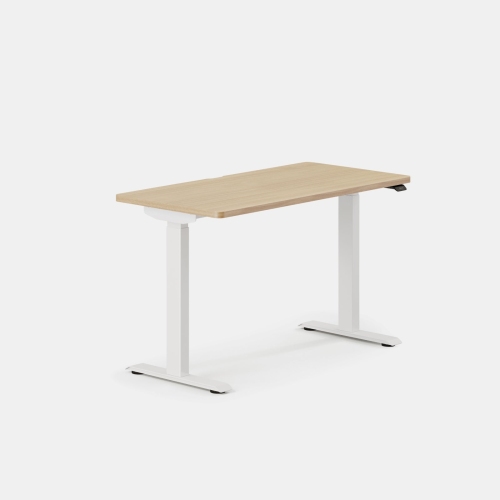 Your price for this item is $749
Discover more categories related to Executive Desks Black
Top Collections:
Best Black Friday Deals This Year, Best Black Friday Deals On Electronics, Kindle Devices, Pokemon Centers, Best Black Friday Deals On Apple Products, Best Cameras for Sports Photography, Dyson Airwrap, Pokémon 30th Celebration Cards, Apple iPhone 17 Pro, Canon G7X Cameras
Some products may be subject to Environmental Handling Fees
(EHF) depending on your province.
Learn more about EHFs.