Adjustable Children's Desks
An adjustable children's desk offers multiple benefits for a child's physical and cognitive development. It can promote good posture, reduce the risk of back and neck pain, and allow for a comfortable and ergonomic learning environment. Here are some of the adjustable children's desks that we offer:
Sort


A workspace that fits your child as they grow
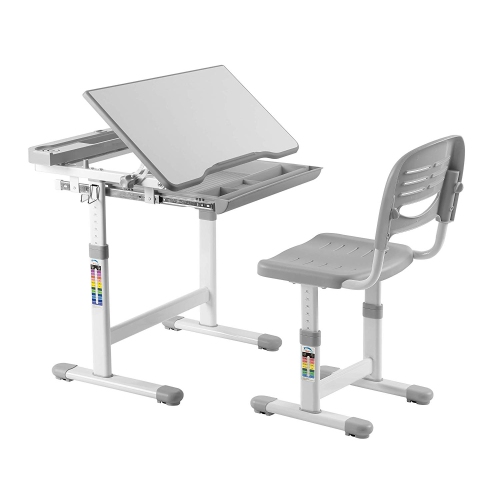
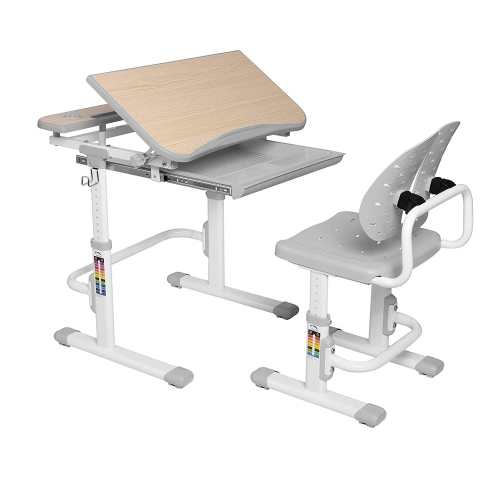
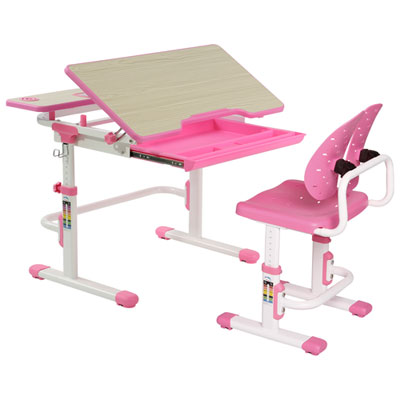
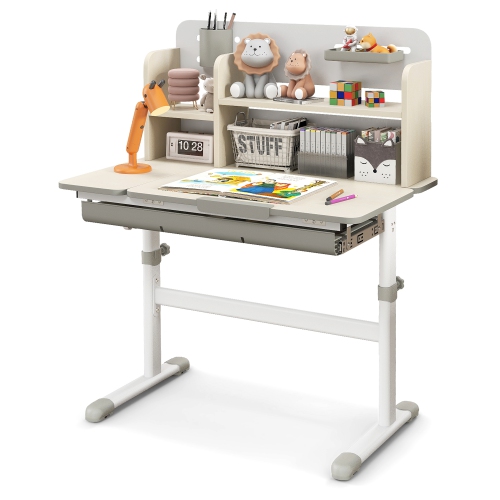
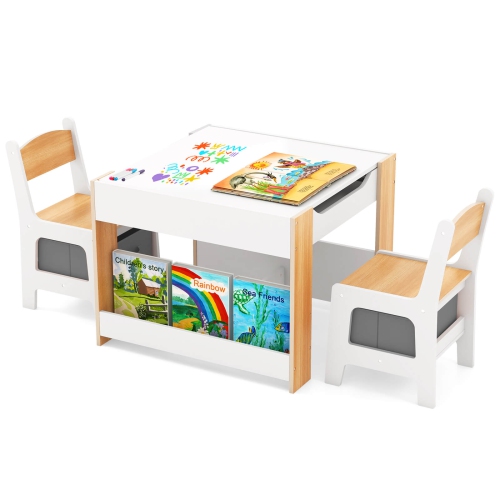
Adjustable children's desks are workspaces with a desktop height that can be changed to suit a child's size, helping the same desk accommodate growth and different seated activities. They provide a dedicated place for homework, reading, drawing, puzzles, and creative projects, whether that means practising letters or spreading out a workbook beside a pencil case. Depending on the design, adjustment may involve preset height positions, a hand crank, or another mechanism operated according to the manufacturer's instructions. Some designs also include an adjustable desktop angle, storage, or a coordinating chair, but these features vary rather than being standard across the category. The most useful fit comes from considering the desk and chair together: a child should be able to sit with supported feet, relaxed shoulders, and forearms resting comfortably near desktop level without reaching upward or hunching forward. A height-adjustable desk does not automatically make an unsuitable chair comfortable, so seat height, back support, and room beneath the desktop matter as much as the desk's adjustment range. For a younger child, a footrest may help when the chair needs to be raised to reach the work surface, provided the setup remains stable and appropriate for their size. Older children may need more legroom and enough usable surface for larger notebooks, a keyboard, or school materials. In a bedroom, playroom, or shared family space, the desk's footprint also affects how easily the child can pull out the chair and move around it. A compact desktop can suit drawing and short assignments, while a wider surface offers room to keep an open book beside a writing area. Measuring the space with the chair pulled back, rather than only measuring the desk itself, gives a clearer sense of how the setup will work in everyday use. The result is a defined activity area that fits both the child and the room without crowding nearby furniture.
A tilting desktop adds another way to adapt an adjustable children's desk to the task at hand. Where this feature is included, an angled surface can bring a page closer to a comfortable viewing position for reading or drawing, while a flatter setting is generally more practical for building projects, puzzles, and activities involving loose pieces. Available tilt angles and adjustment methods differ, and the surface needs to lock securely in the intended position. A book ledge or retaining lip can help stop paper and reading materials from sliding, although its placement should leave enough room for comfortable writing. Some layouts combine a tilting section with a fixed section, giving a child somewhere level to place a pencil cup or other supplies. Storage can be equally useful: a shallow drawer keeps crayons and erasers within reach, an open shelf holds frequently used books, and a side hook may provide a place for a school bag if its stated capacity allows. These details work best when they do not reduce knee clearance or make the desk awkward to approach. Materials influence both the appearance and the feel of the workspace. Metal frames can provide a firm support structure, while desktops may use solid wood, engineered wood, or laminated panels, each with its own care requirements. Rounded edges and smoothly finished surfaces are worth noting where children rest their arms or move around the desk. A low-gloss finish may help limit distracting reflections from a nearby lamp or window, but lighting placement still plays an important role. Colour can help the desk blend into a shared room or give a child a workspace that feels distinctly theirs. Families comparing adjustable designs with other comfort-focused options can also explore Ergonomic Children’s Desks. Across these options, useful features are those that support the child's actual routine, whether that is keeping drawing paper flat, setting out a school reading assignment, or moving supplies out of the way before starting a new project.
Durability in an adjustable children's desk depends on more than the desktop material. A stable base, secure connections, and an adjustment mechanism that holds its setting all contribute to how the desk performs through repeated use. The manufacturer's recommended age range, height range, and weight limits provide a more reliable starting point than assuming every children's desk will suit the same ages. An adult should handle assembly and any adjustments that require supervision, keeping fingers clear of moving joints and following the supplied instructions. Anti-pinch features, where included, do not replace careful operation. Drawers should open and close without interfering with the seated child, and cords from a task light or learning device need a route that avoids the adjustment mechanism and walking space. A desk is intended as a work surface, not a step or climbing frame; heavy objects and hanging bags also need to stay within the stated limits. Everyday care is usually straightforward when matched to the finish. Spills are best wiped up promptly, pencil marks and craft residue should be treated with an approved cleaning method, and excess moisture should not be left around panel edges or hardware. A protective mat can be useful for messy art activities, provided it does not interfere with a tilting surface or cover an adjustment control. Periodic checks for loosened fasteners and changes in stability help keep the workspace ready for use, particularly after moving it to another room. Adjustable children's desks can suit early learners, primary school pupils, and older children whose height and activities fall within the design's specifications. They can also make a thoughtful gift for a child beginning school or gaining a dedicated homework area, with room measurements and caregiver preferences helping determine a suitable fit. Beyond schoolwork, a desk can become the place where a child sketches a comic, sorts a collection, or writes a card. Enough space for those everyday interests, paired with suitable adjustment and simple upkeep, makes the workspace useful as routines develop.
Top selling and popular products
-
 Your price for this item is $199.99
-
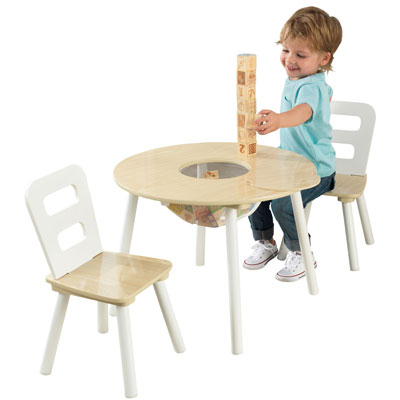 Your price for this item is $109.99
-
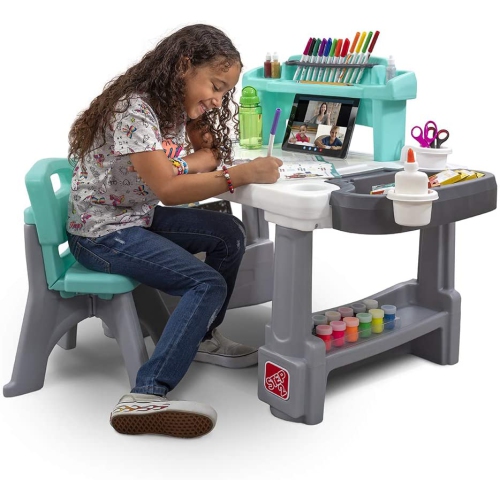 Your price for this item is $395.66
-
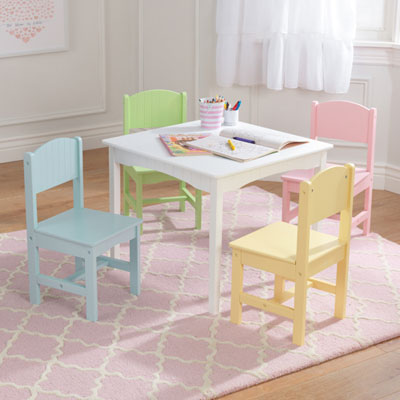 Your price for this item is $165.98
-
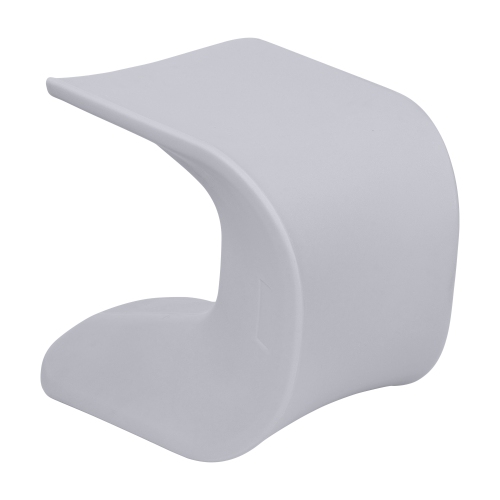 Your price for this item is $174.99
-
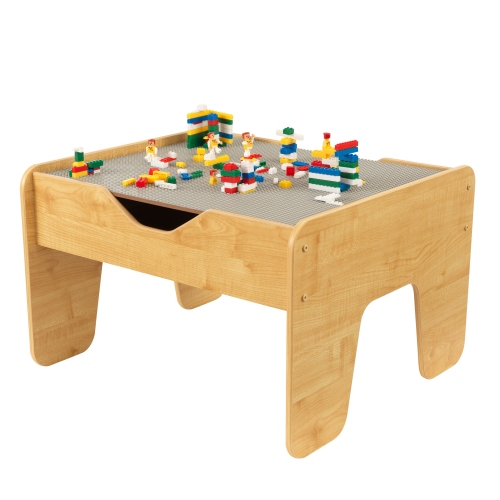 Your price for this item is $89.99
-
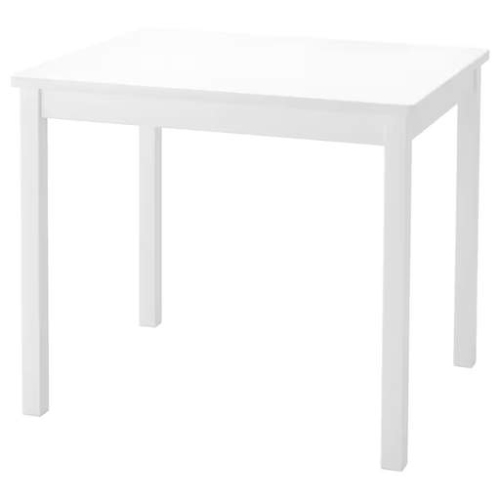 Your price for this item is $96.99
-
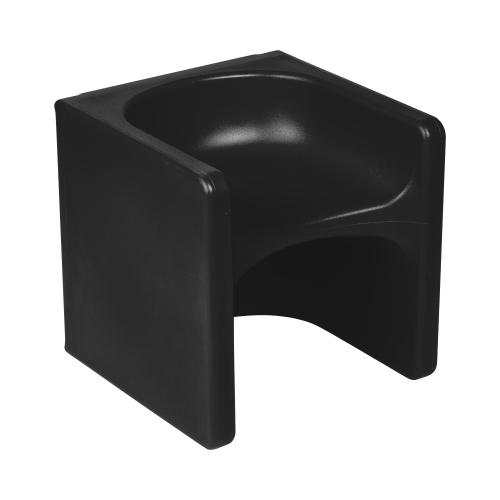 Your price for this item is $124.99
Discover more categories related to Adjustable Children's Desks
Top Collections:
Pokemon Centers, Best Cameras for Sports Photography, Kindle Devices, Samsung Galaxy Phones, Canon G7X Cameras, Pokémon 30th Celebration Cards, Refurbished Apple Laptops, iPhone 15 Apple, Laptops for Students, Budget Smartphones
Some products may be subject to Environmental Handling Fees
(EHF) depending on your province.
Learn more about EHFs.