Ergonomic Children’s Desks
Discover a range of ergonomic children’s desks designed to promote comfort and support healthy posture during study sessions and creative activities. Our selection features a variety of styles and sizes to suit different age groups and preferences, ensuring that young learners can stay focused and productive while maintaining proper ergonomic positioning. Whether for homeschooling or homework time, these desks are crafted with quality materials and thoughtful design elements to provide a comfortable workspace for children to thrive in.
Sort
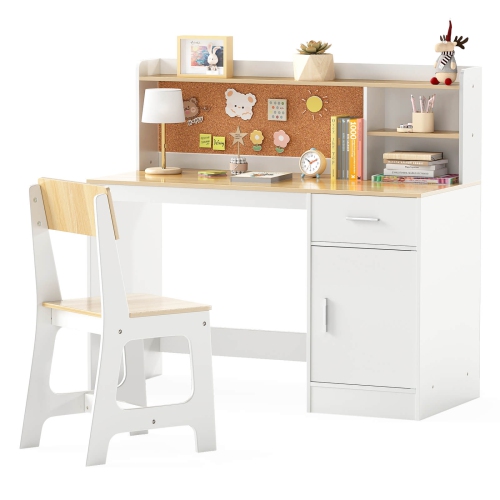
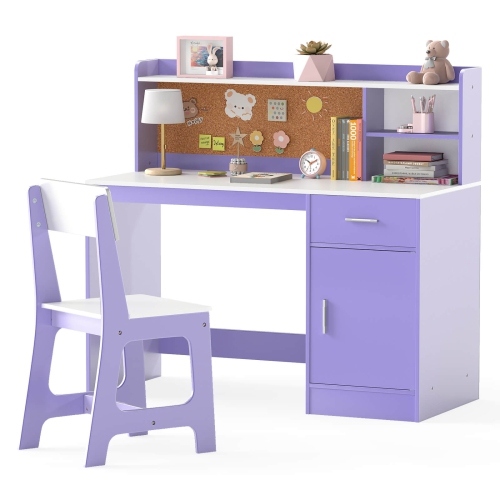
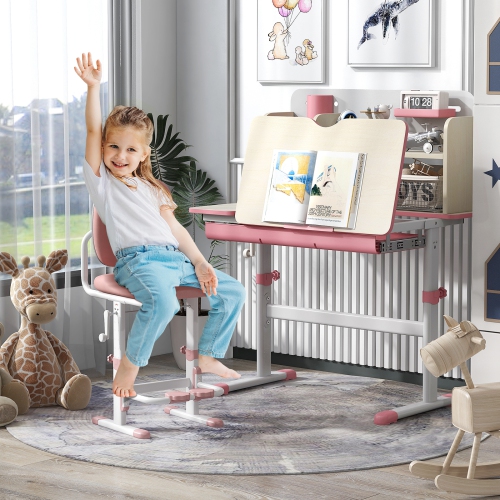
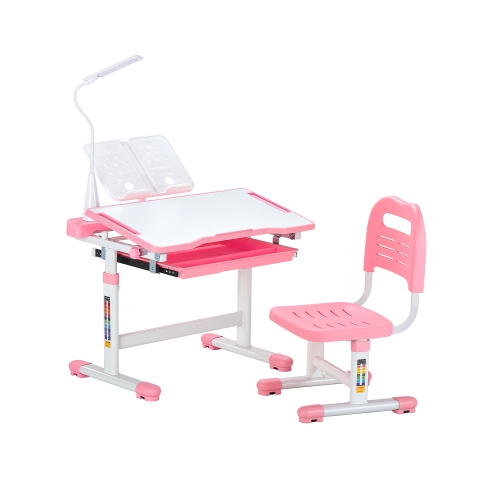
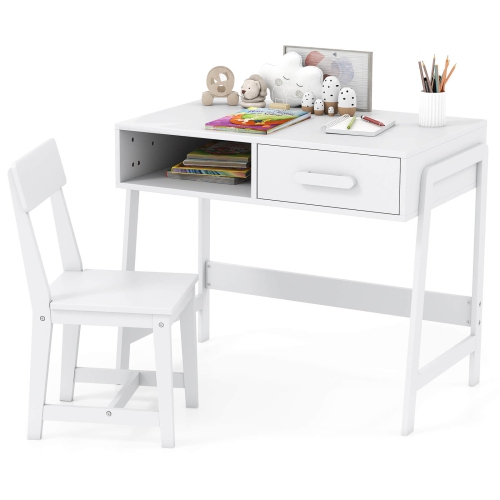
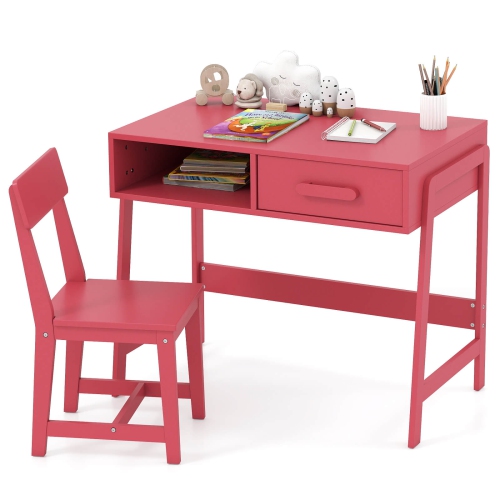
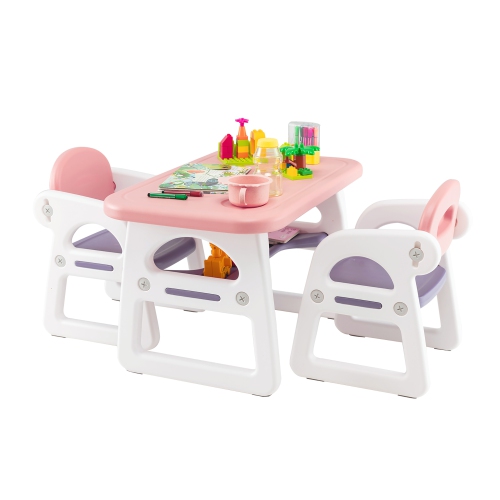
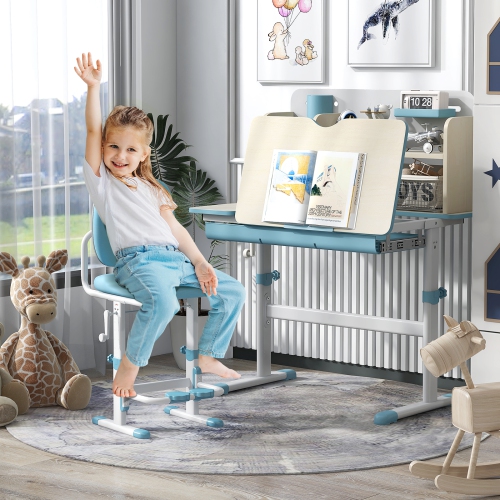
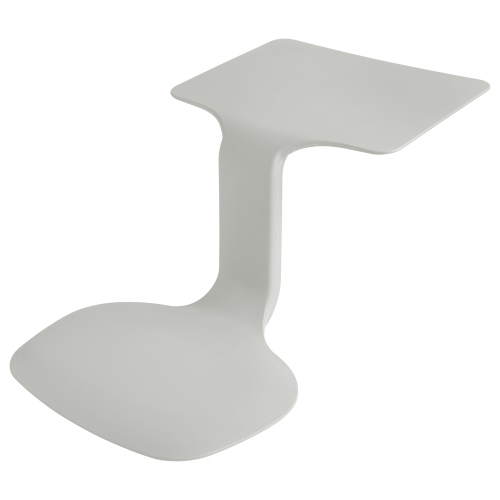
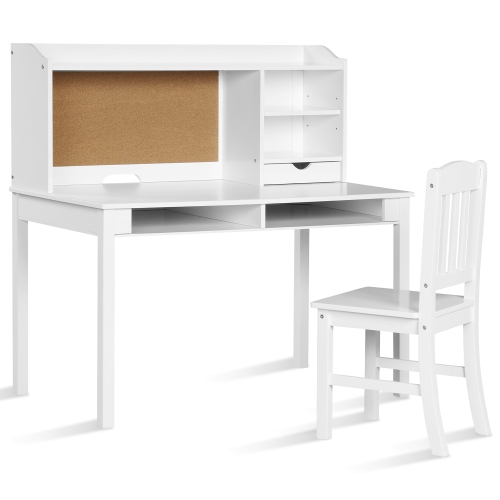
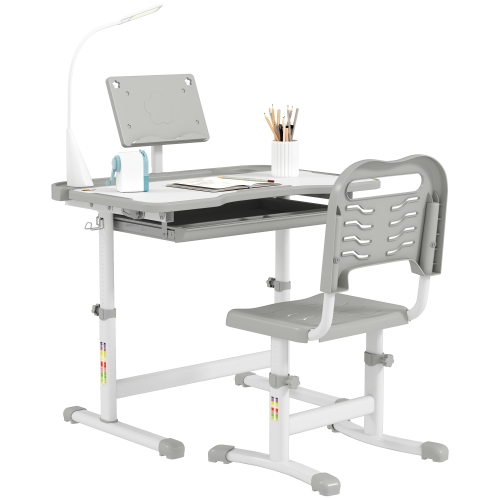
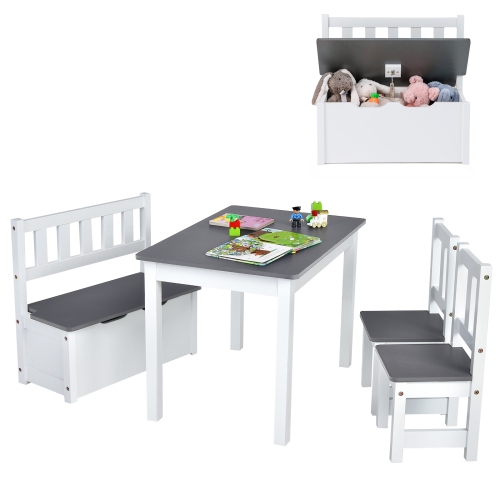
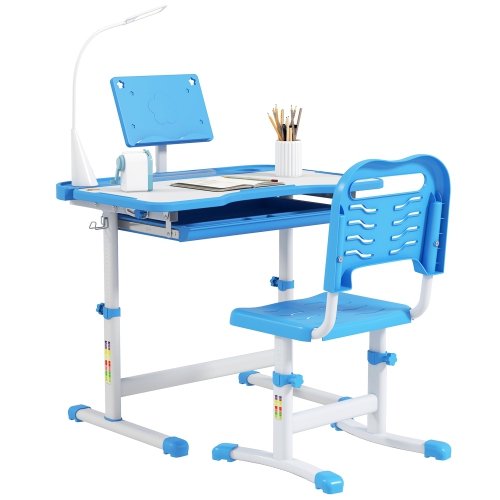
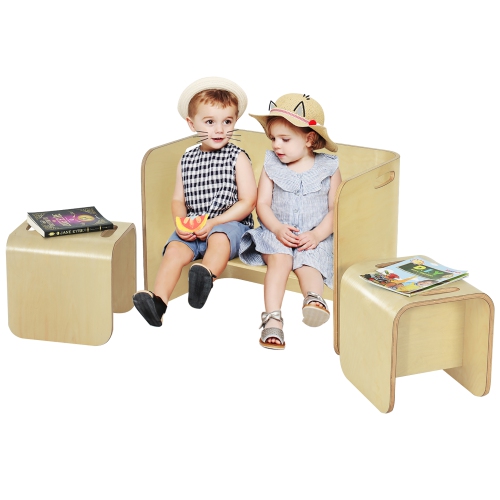
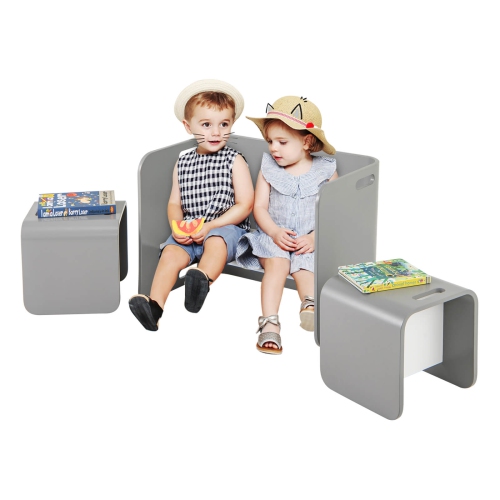
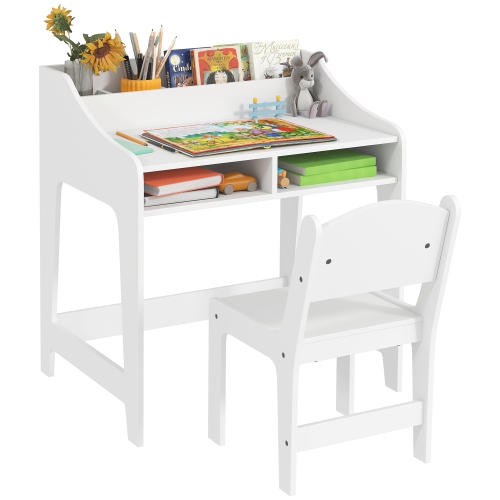
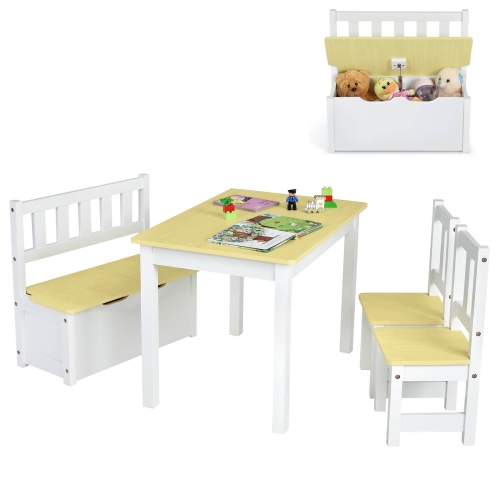
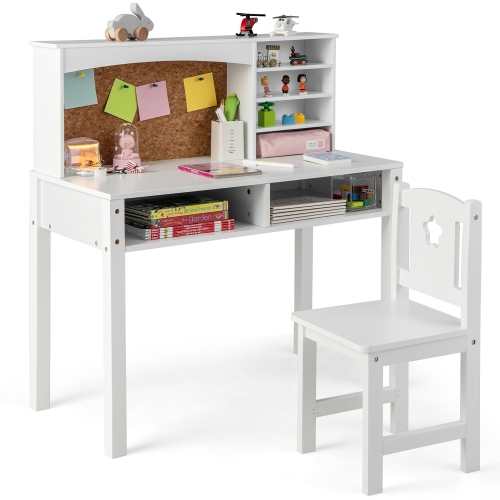
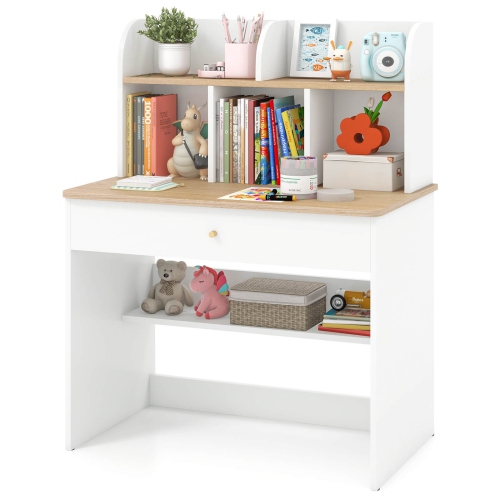
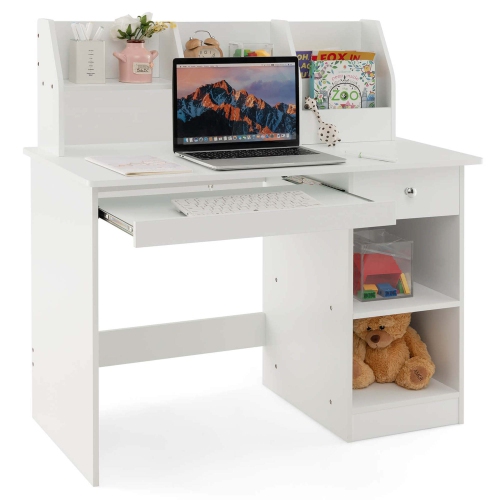
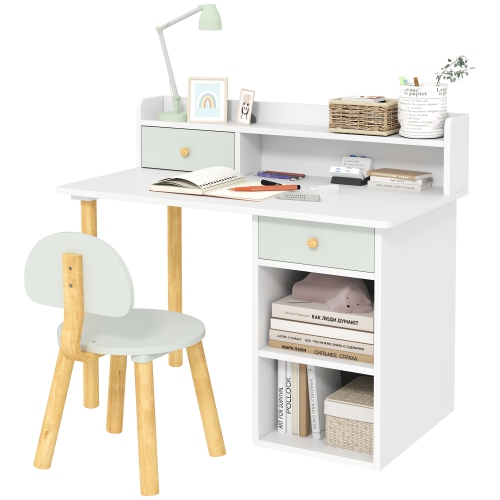
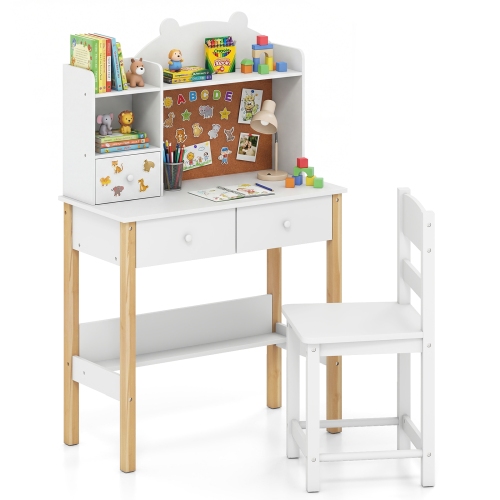
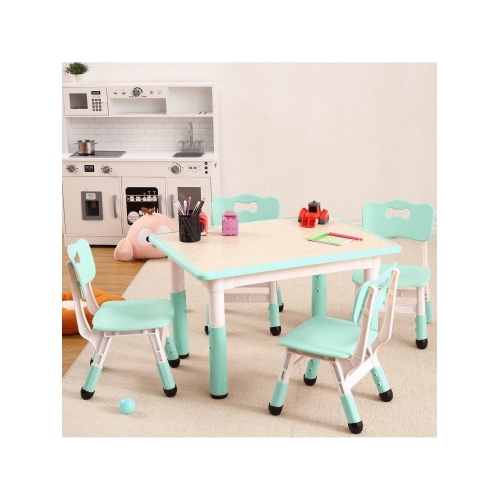
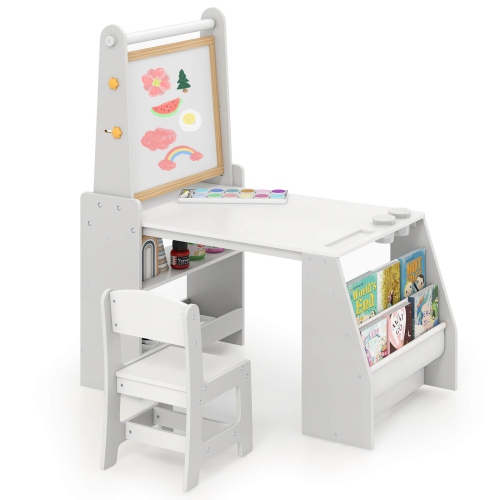
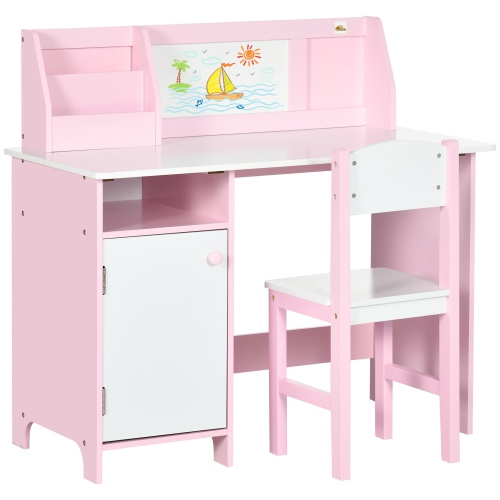
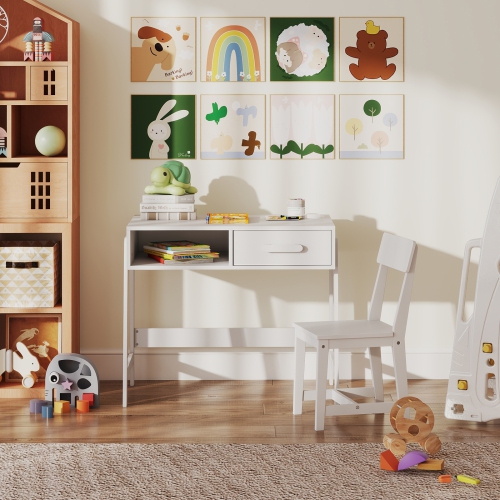
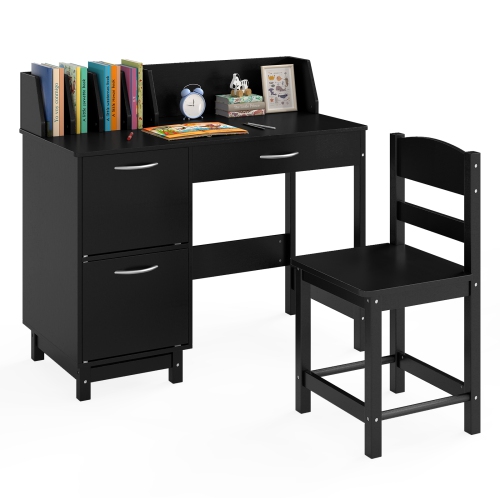
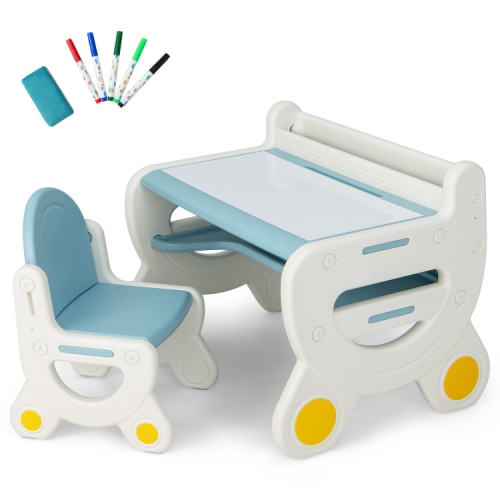
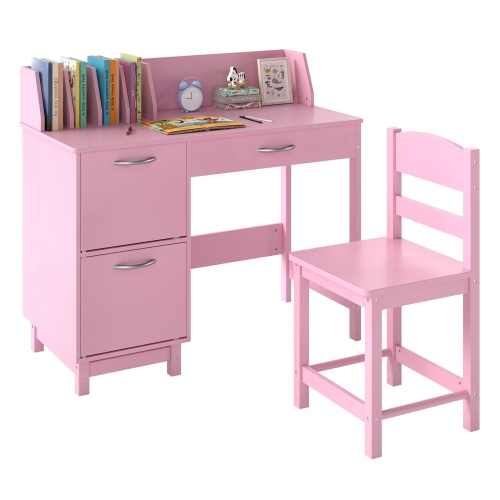
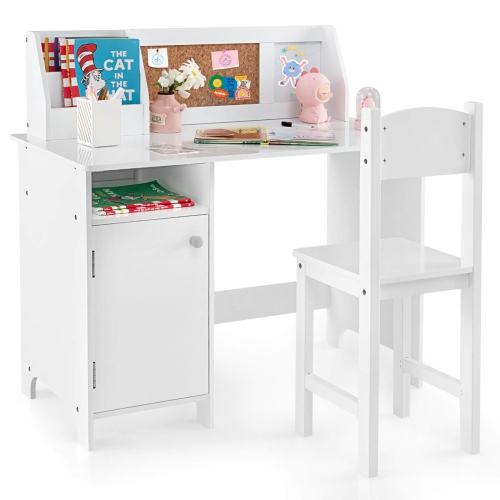
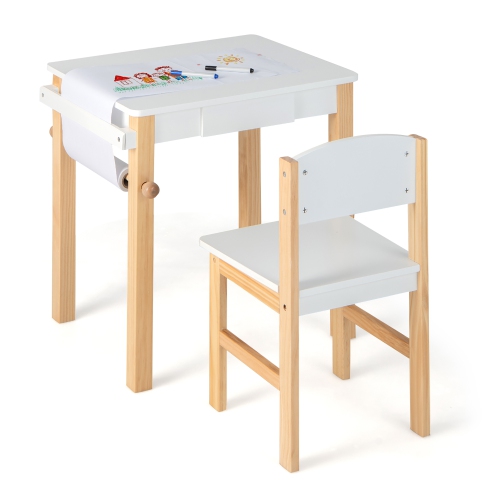
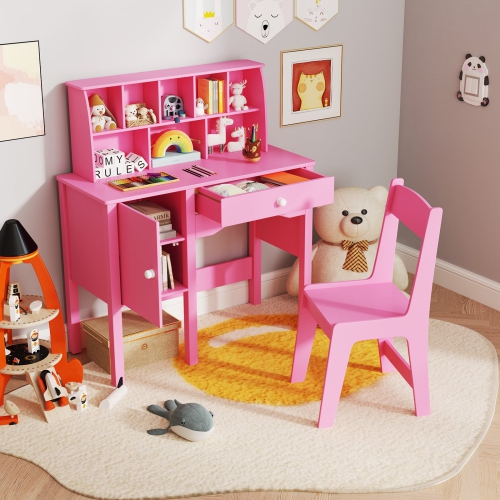
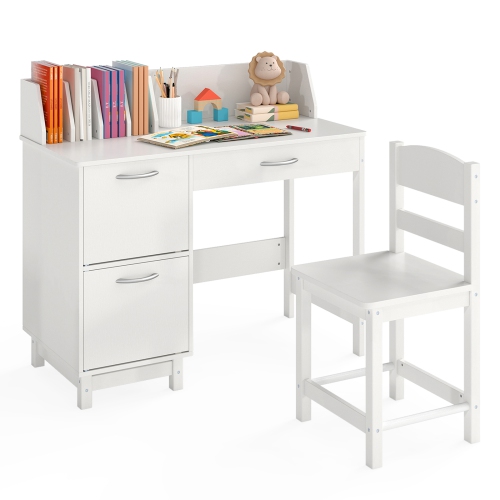
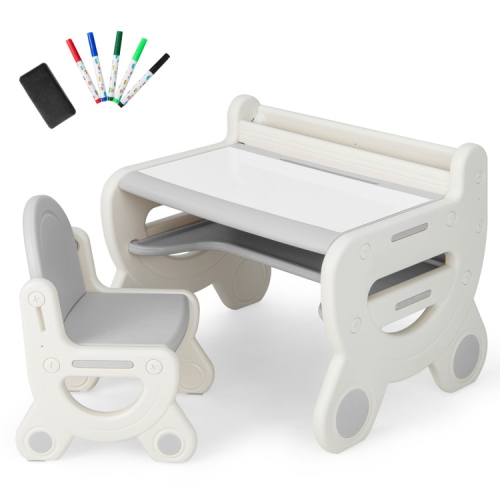
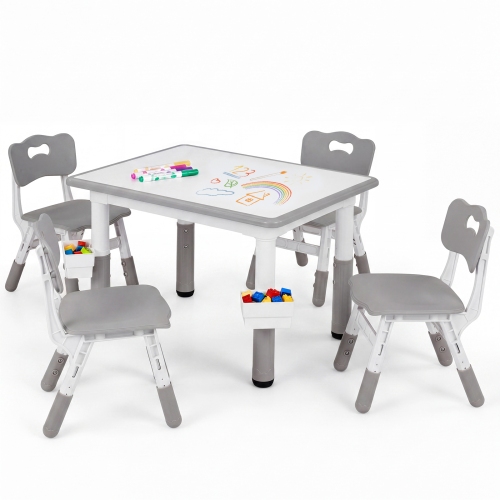
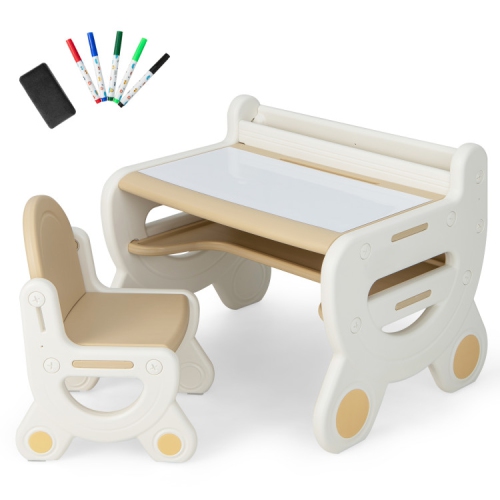
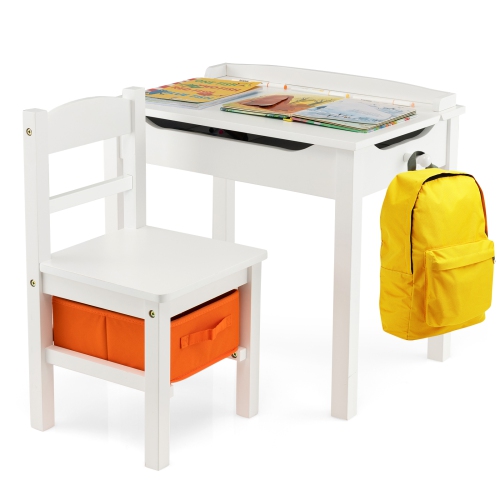
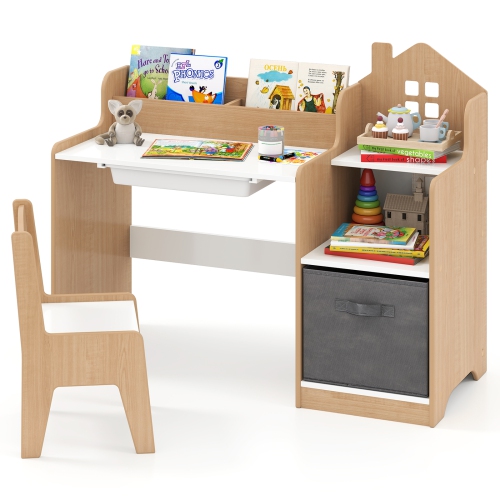
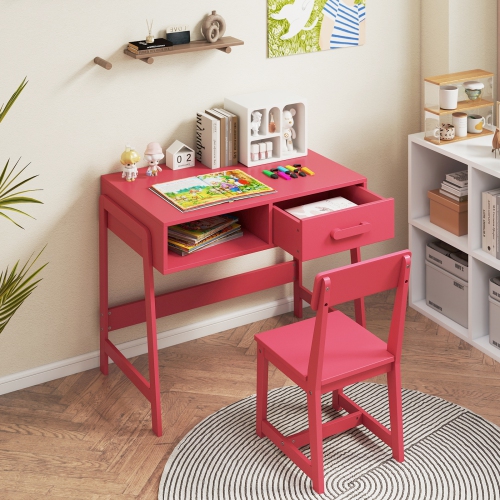
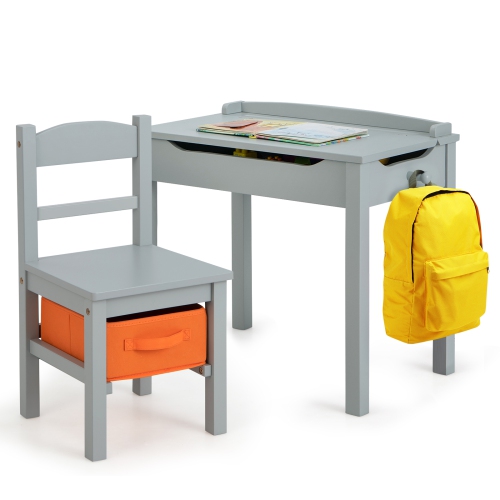
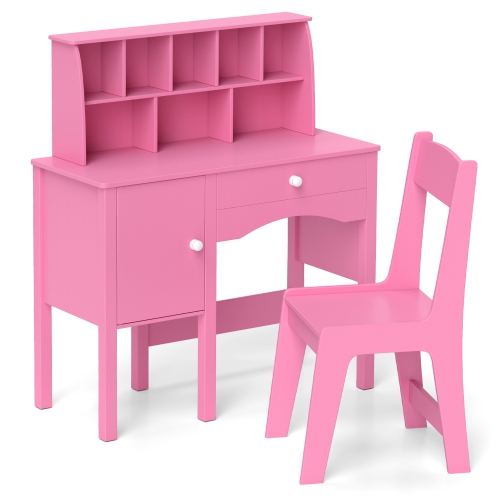
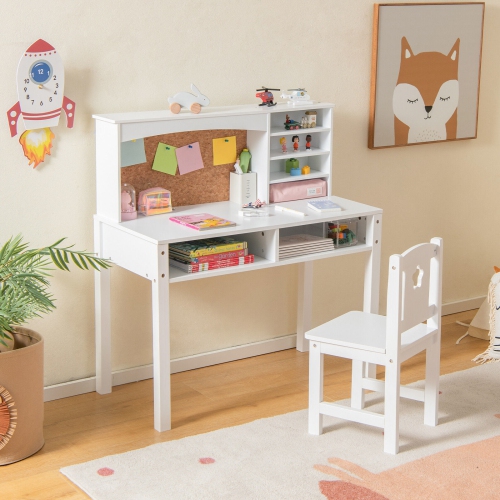
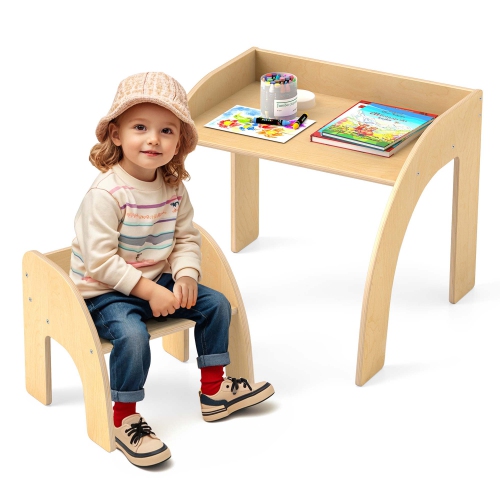

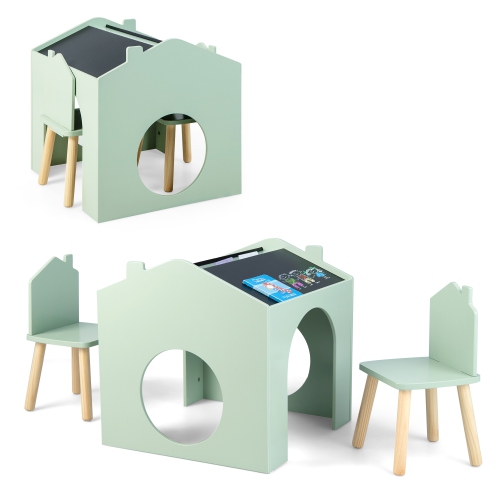
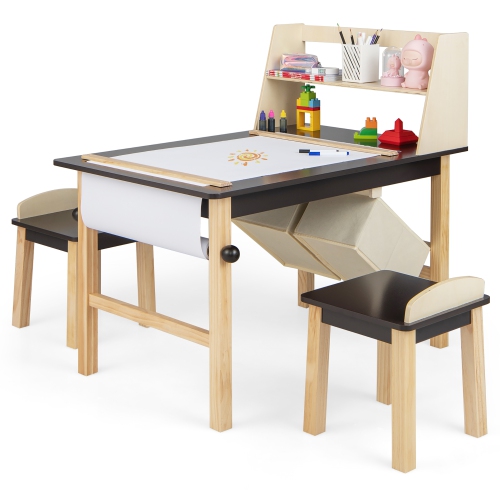
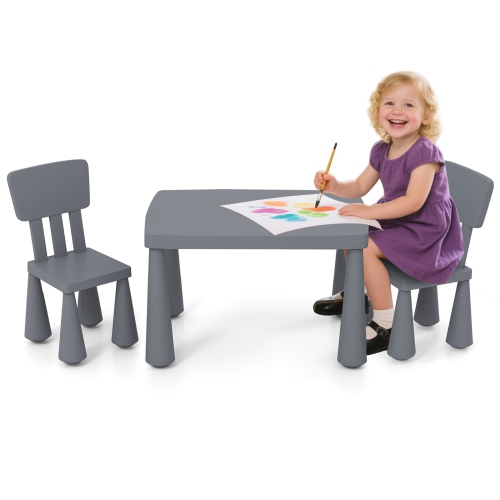
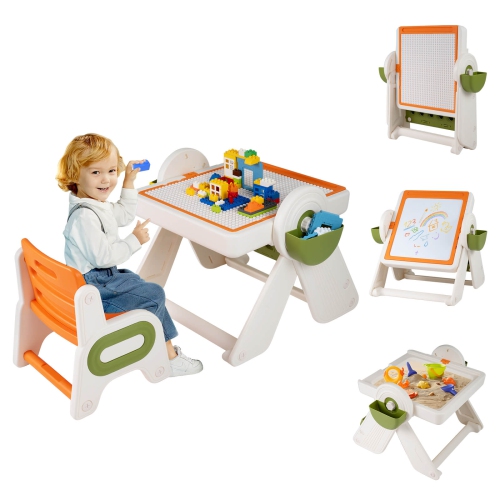
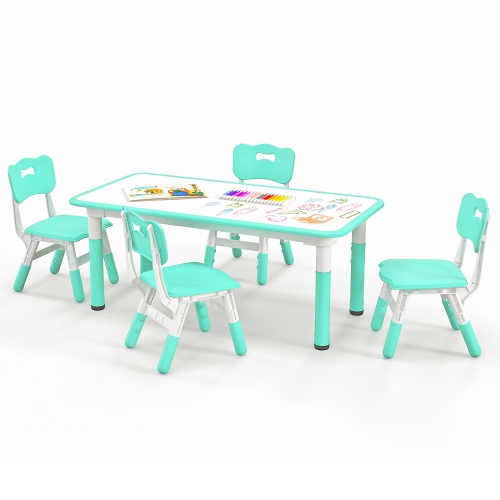
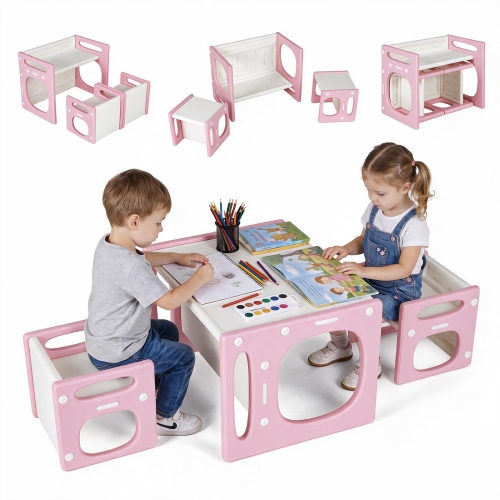
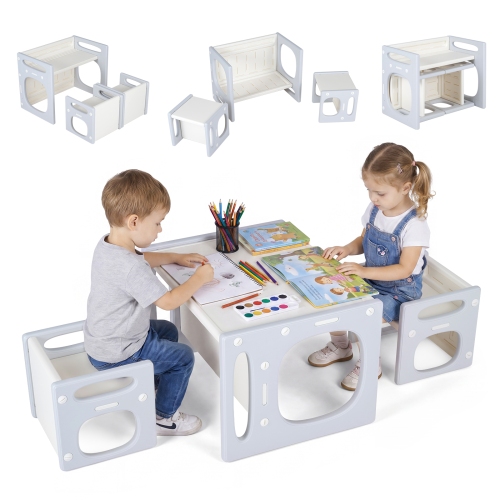
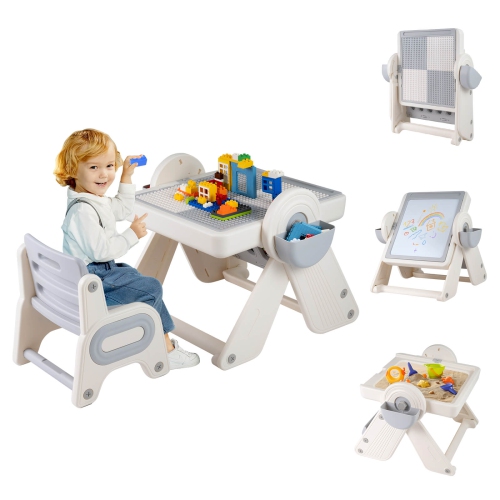
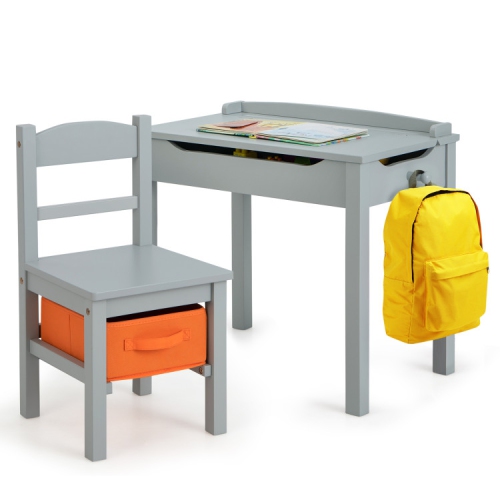
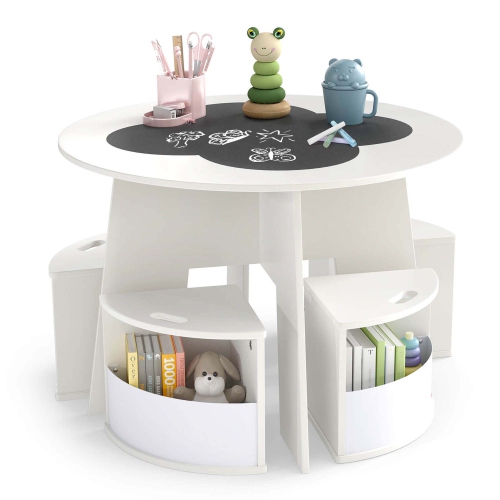
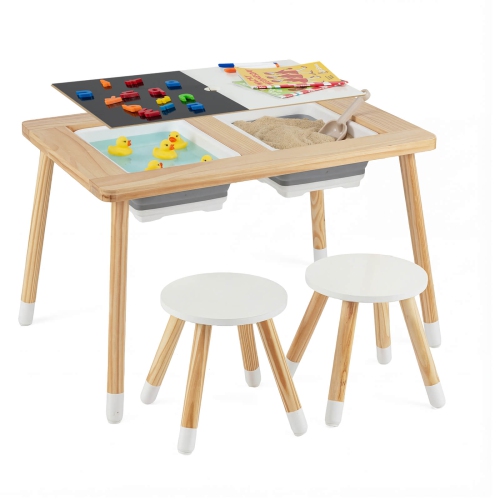
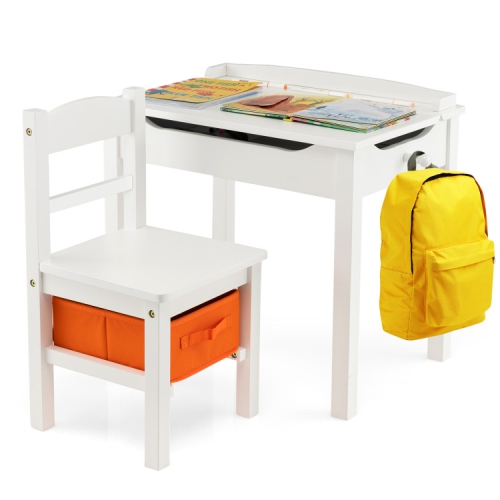
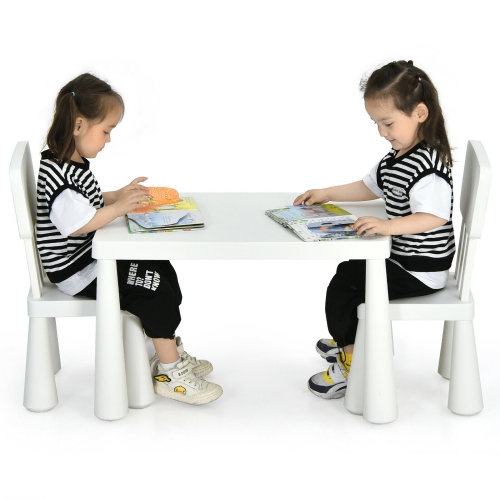
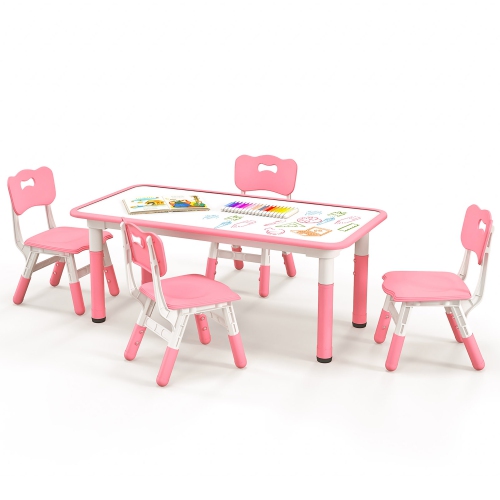
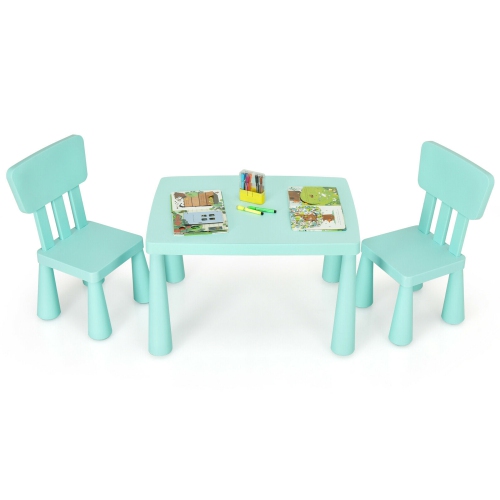

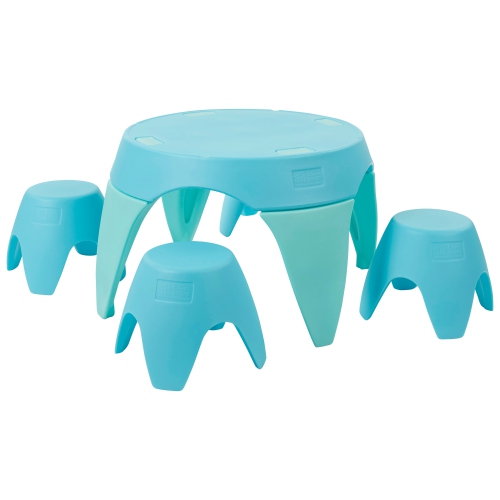
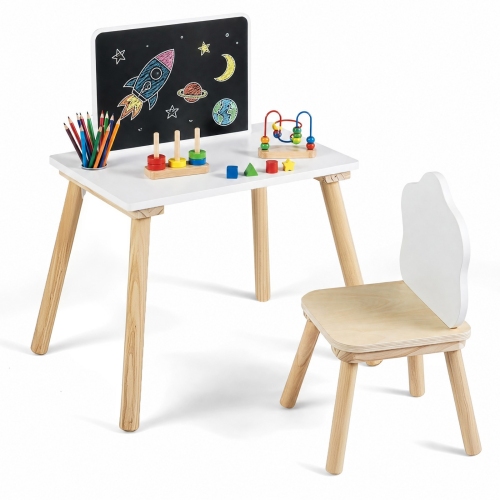

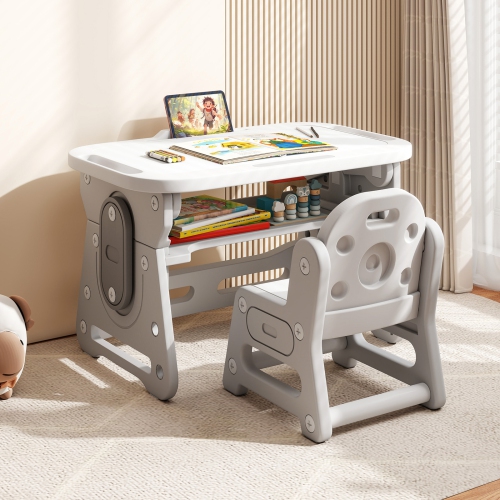
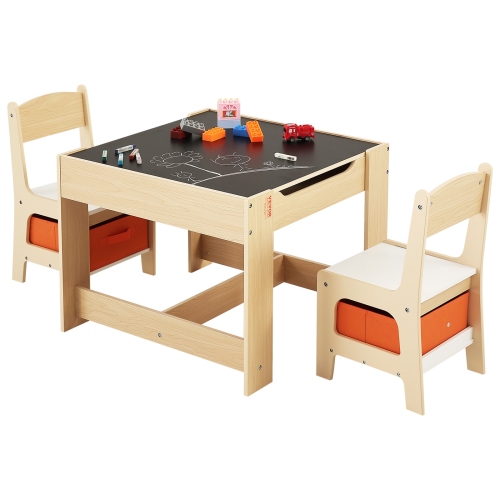
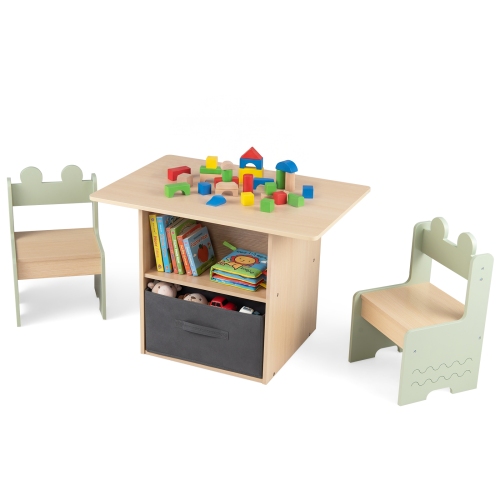
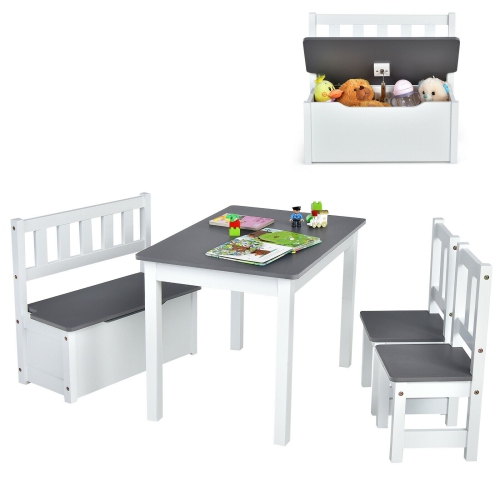
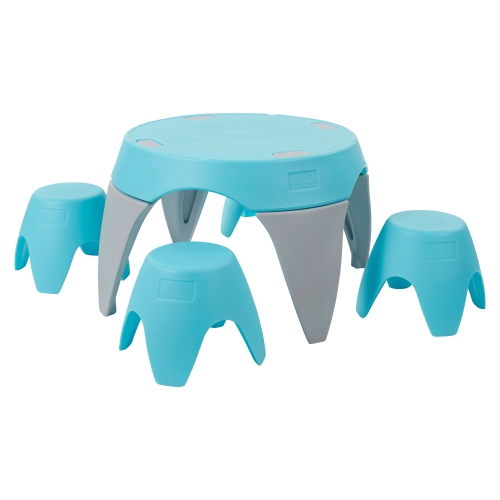

A growing workspace for learning, creativity and everyday routines
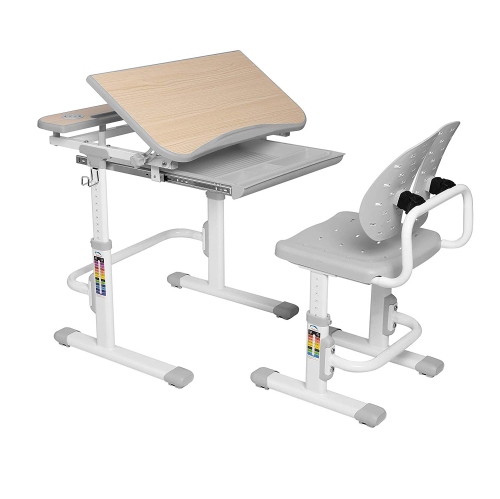
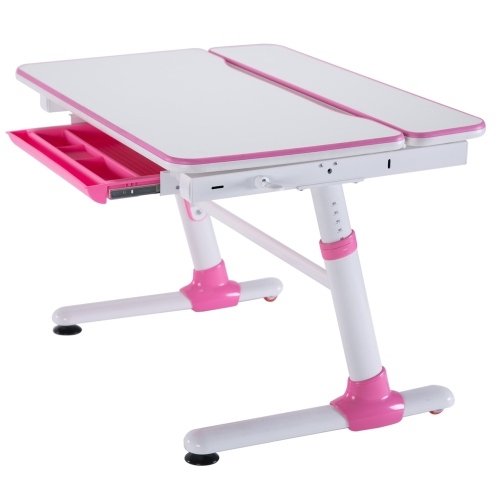
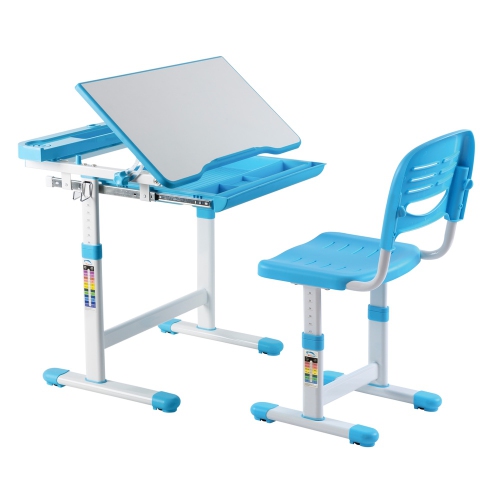
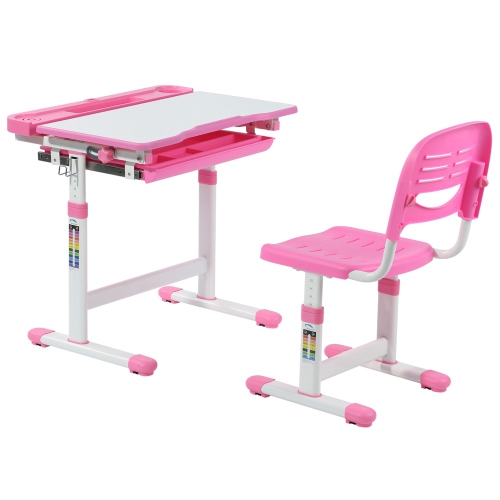
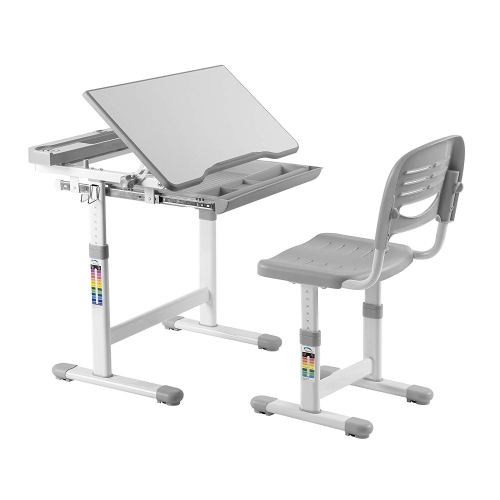
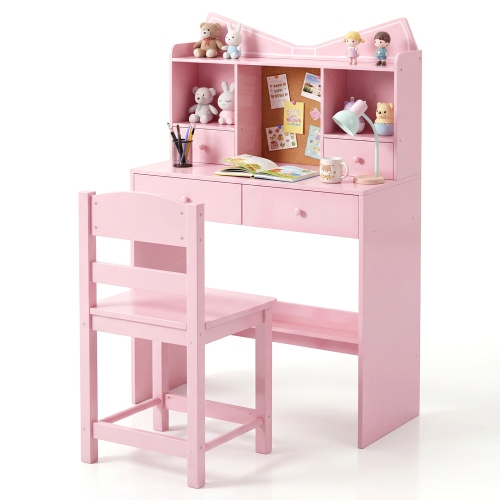
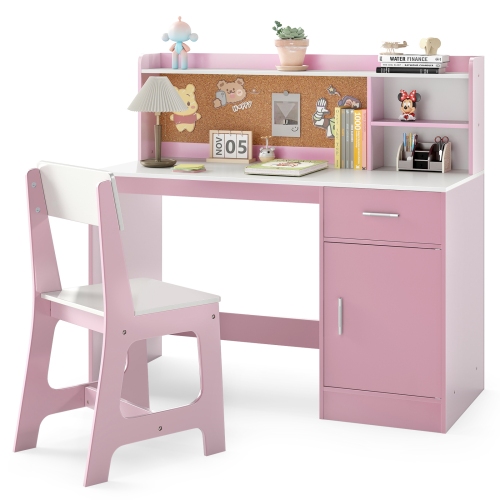
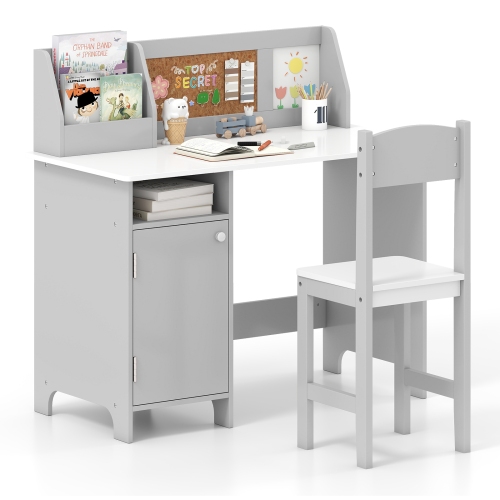
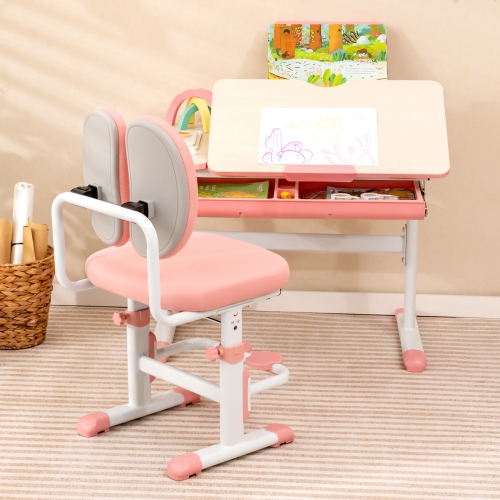
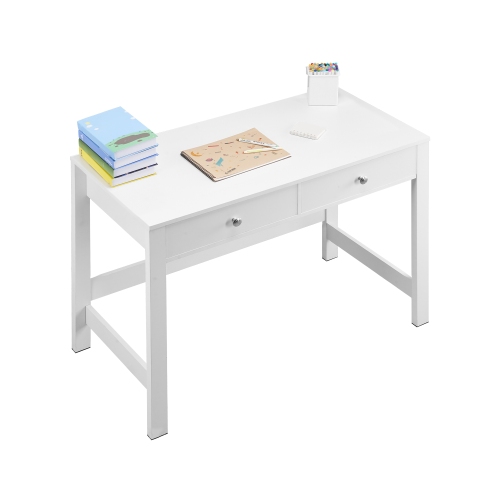
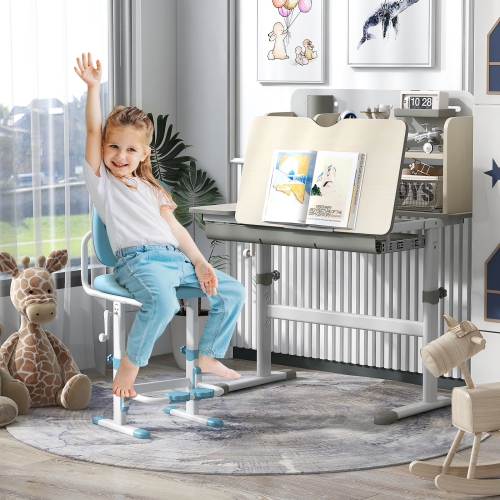
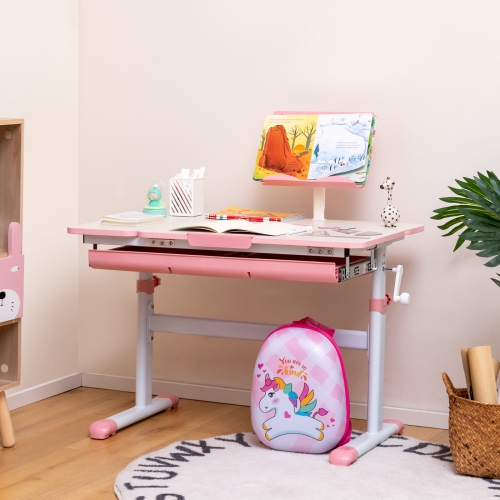
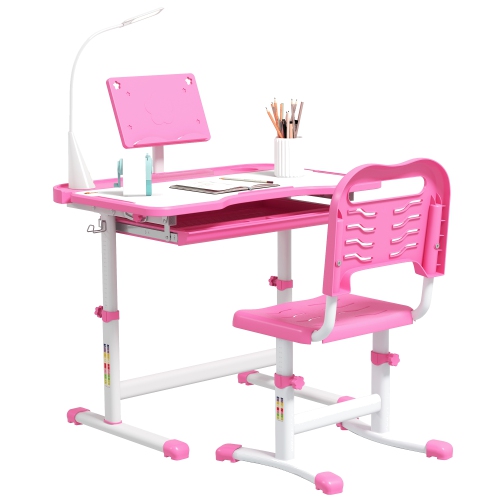
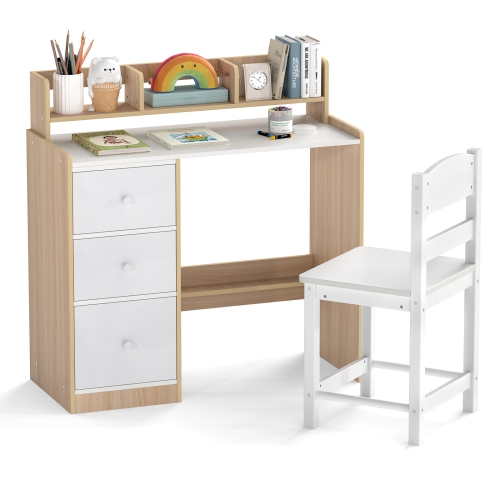
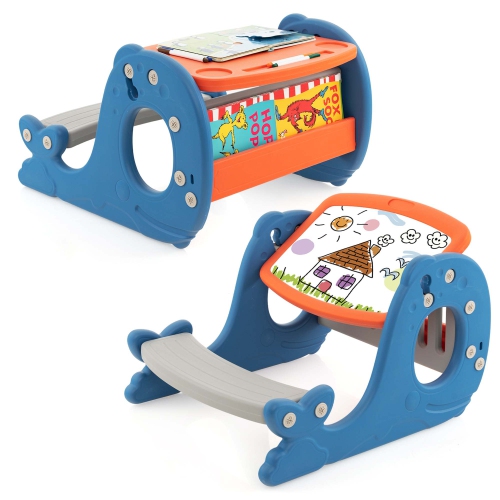
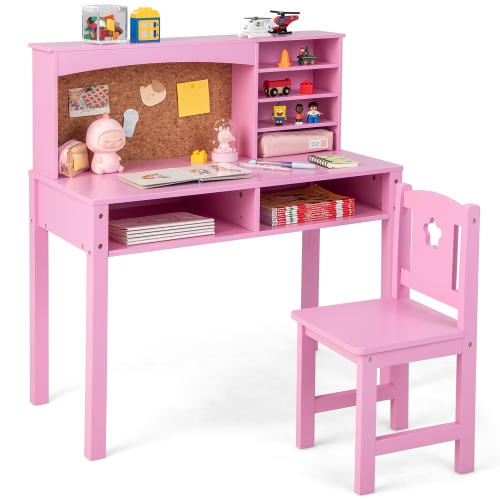
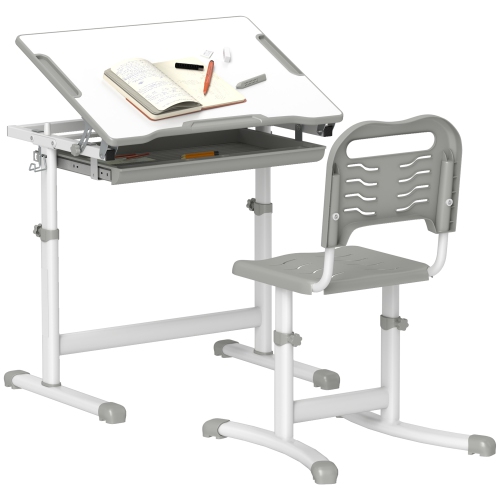
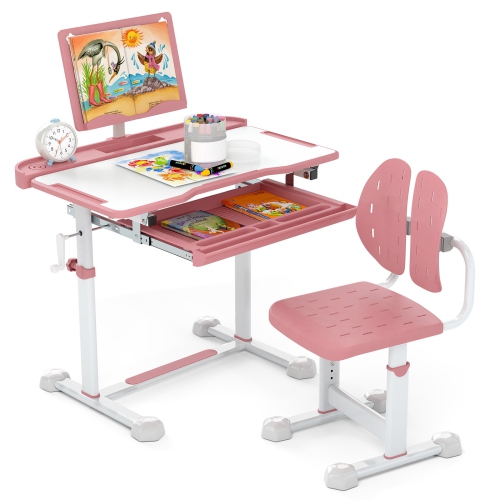
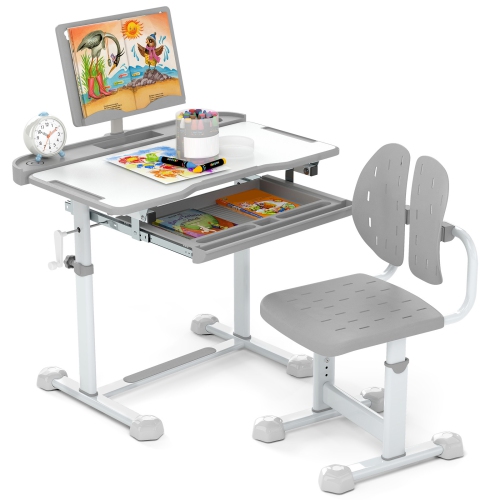
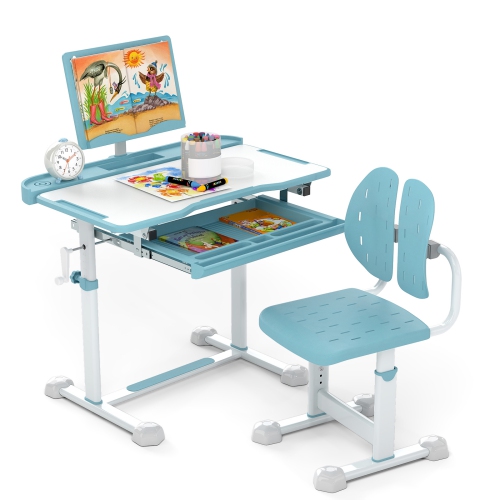
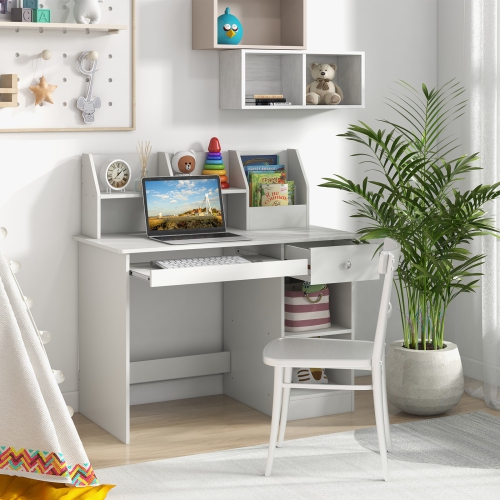
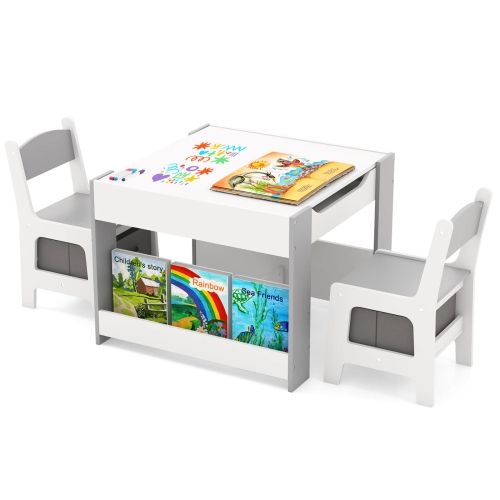
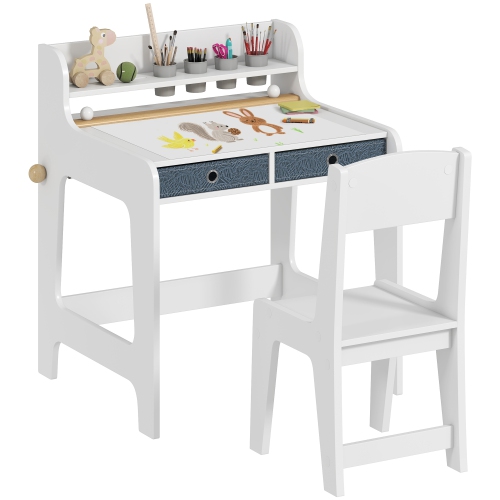
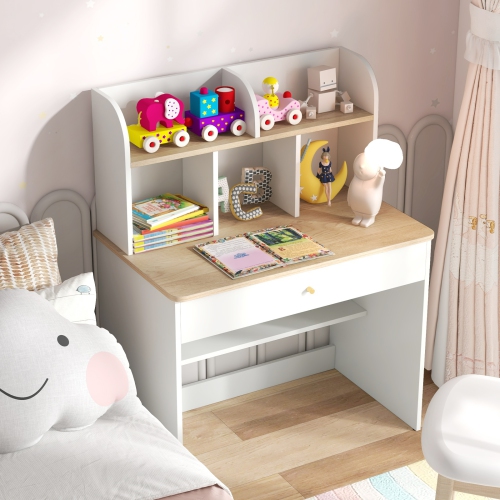
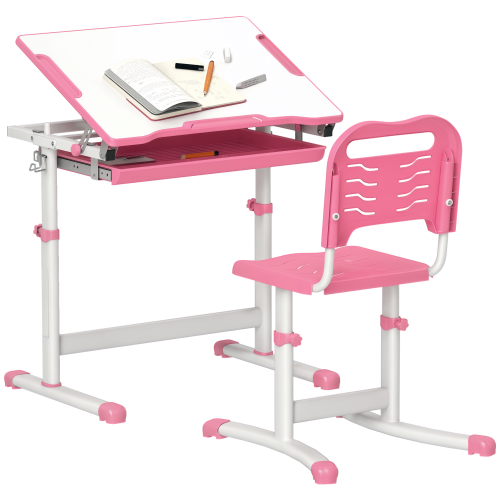
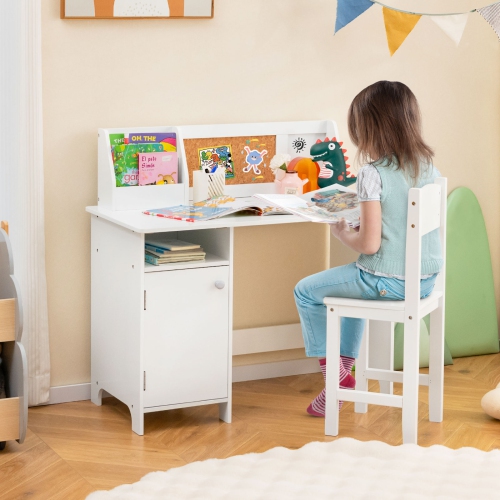
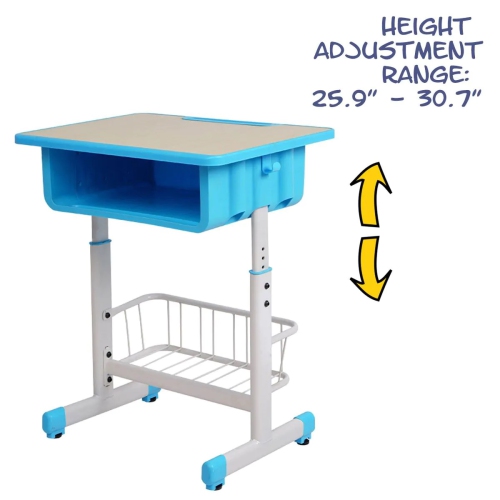
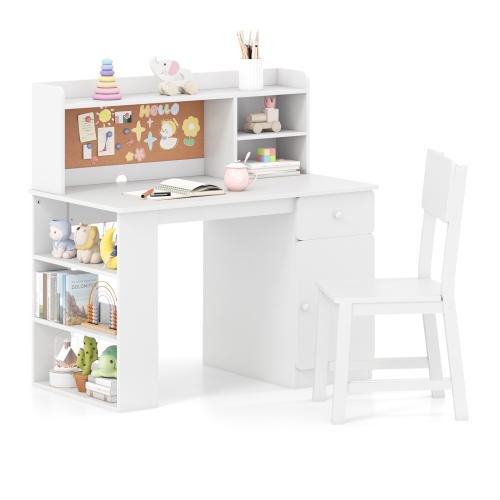
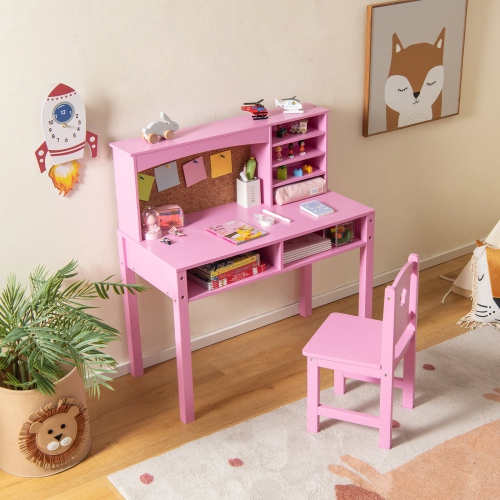
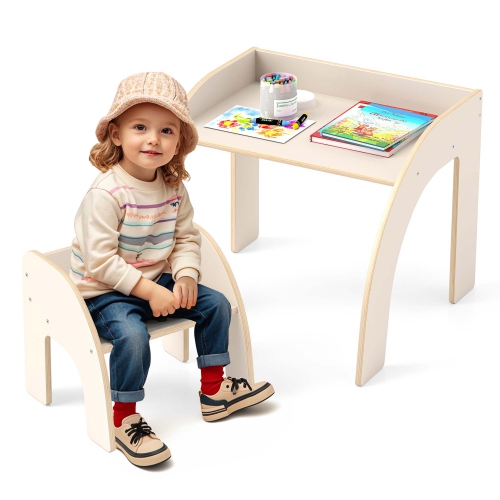
Ergonomic children’s desks are designed to create a comfortable, adaptable place for reading, writing, drawing, building and other focused activities at home. Unlike a standard table that may quickly become too low or too high, an ergonomic desk can often be adjusted as a child grows, helping keep the work surface at a more suitable height for their arms and shoulders. Height-adjustable frames may use hand cranks, locking knobs or other simple mechanisms, allowing parents and caregivers to set up a workstation that suits a child’s size. A desk that is correctly positioned can make it easier for a child to sit with relaxed shoulders, keep both feet supported and bring books or paper to a comfortable viewing distance. These desks can be useful for children in preschool and elementary school, as well as older children who need a dedicated place for homework, art projects, reading or computer-based learning. They may also be thoughtful gifts for birthdays, back-to-school milestones or a new study area, particularly when a child is ready to take greater ownership of their daily routines. When shopping for ergonomic children’s desks, consider the child’s current height, the desk’s adjustment range and how easily an adult can make changes. A growing child may use the same desk for several years, so look for a sturdy frame, a work surface with enough room for books and supplies, and controls that are straightforward to operate. If you are comparing different configurations, Adjustable Children's Desks can help you find options built around changing height requirements and flexible study spaces.
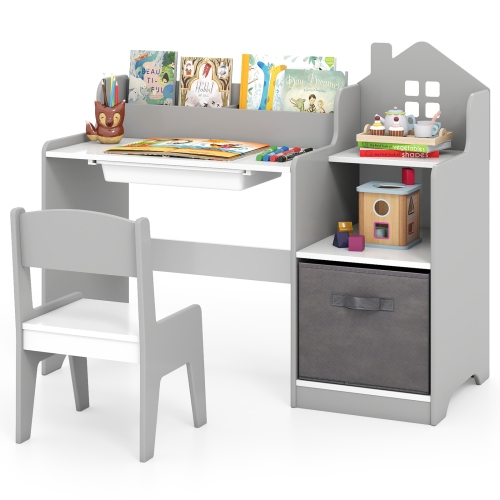
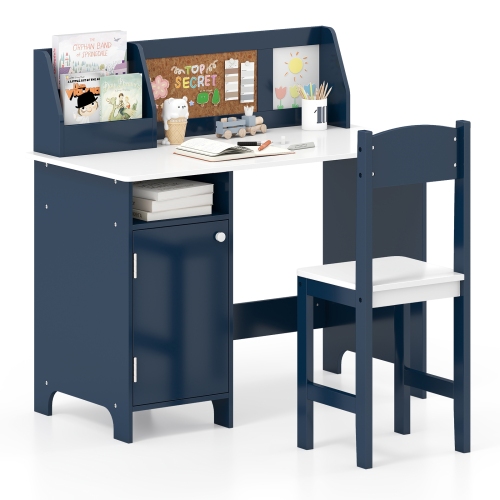
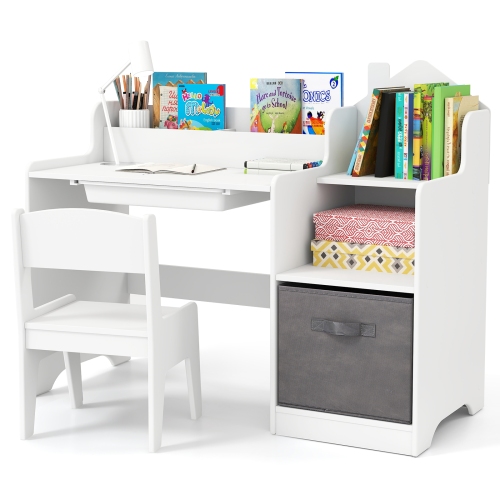
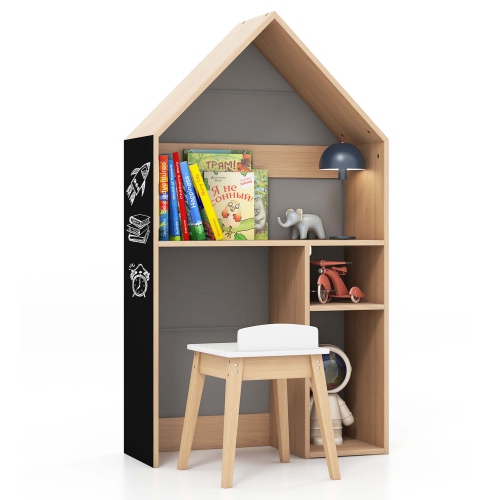
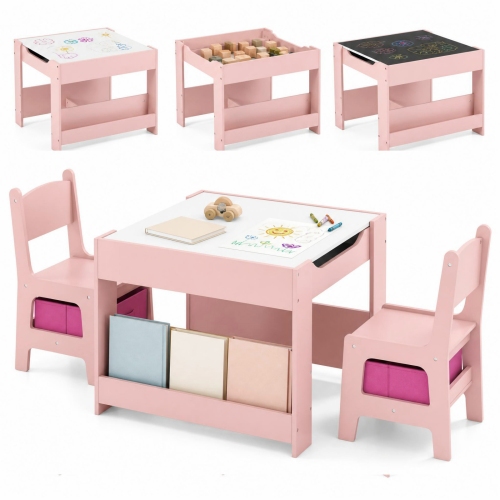
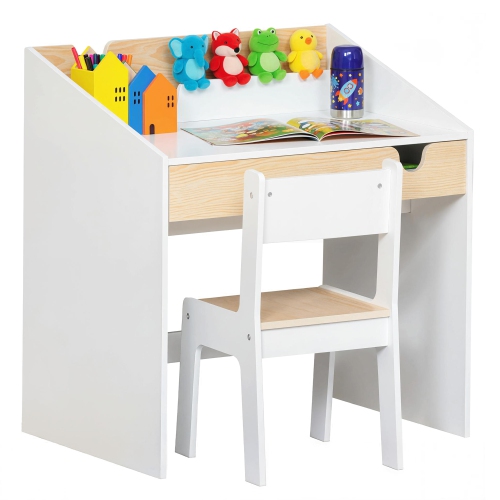
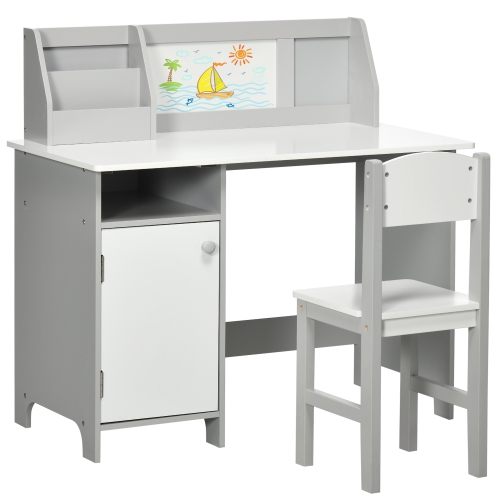
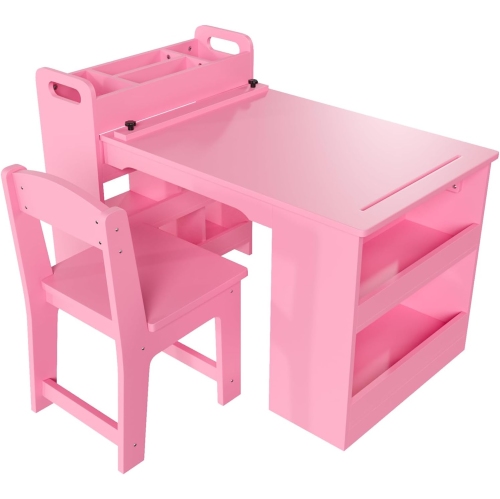
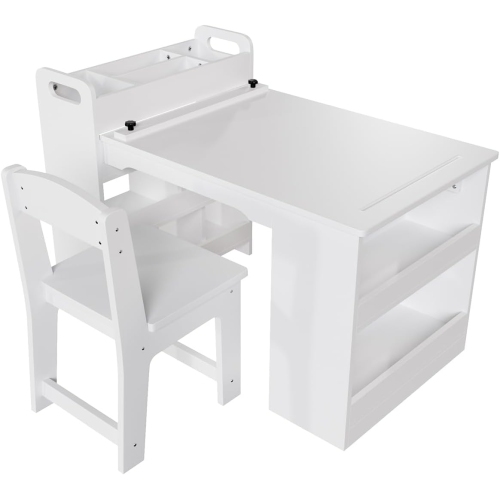
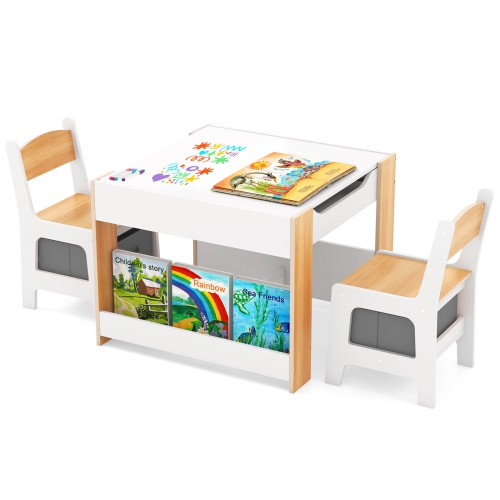
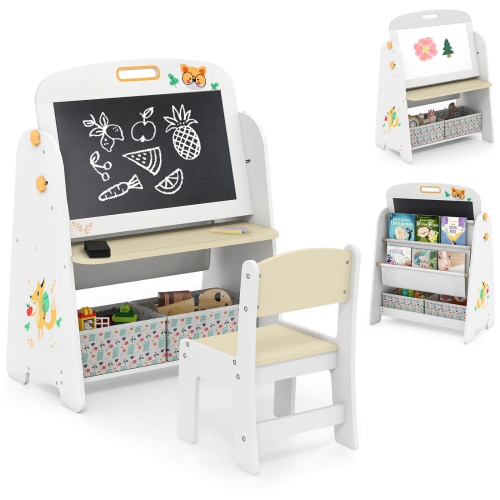
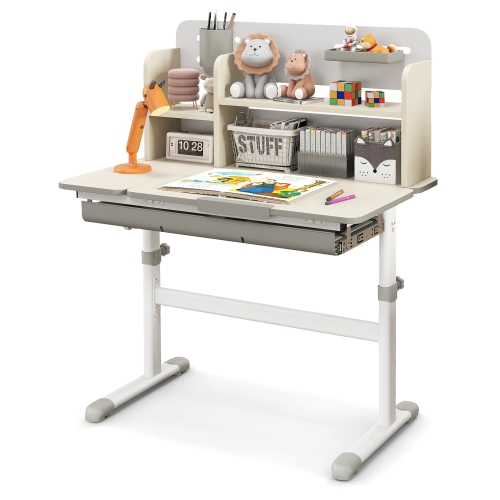
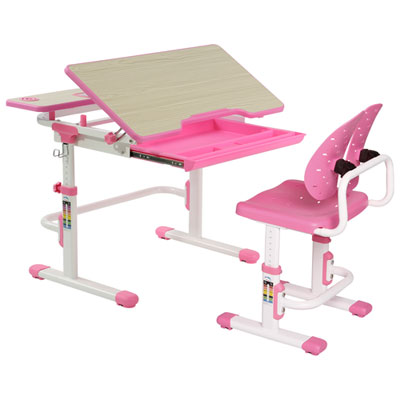
A tilting desktop is another feature that can make an ergonomic children’s desk more versatile. A flat surface may work well for handwriting, colouring or using a tablet, while a gentle angle can bring a book, workbook or drawing pad into a more natural position. Some desks offer several tilt settings, with surfaces that can be adjusted from level to a steeper angle for reading, sketching or detailed craft work. A book stand or raised ledge may help keep pages open and visible, while a pencil groove, cup holder or side hook can keep frequently used items within reach without taking over the main work area. Storage is especially valuable in a child’s room, where loose markers, notebooks and small building pieces can easily spread across the floor. Look for drawers, shelves, compartments or bag hooks that match the way the desk will be used. A child who enjoys drawing may need room for paper, crayons and an art pad, while a student completing homework may benefit from space for binders, reference books and a school bag. Safety details also deserve close attention. Rounded corners can help reduce sharp edges around an active workspace, and anti-pinch spacers or protected adjustment points may help keep small fingers away from moving sections. Check the recommended age and weight limits, review the assembly instructions and place the desk on a stable, level surface. A height-adjustable chair with a supportive backrest can complement the desk, but the two pieces do not always need to be purchased as a set. The key is to create a coordinated position where the child can sit comfortably, keep their materials close and change activities without having to twist, reach or lean awkwardly.
The best location for an ergonomic children’s desk depends on the child’s routine and the space available. A quiet corner of a bedroom can provide a personal homework station, while a shared family room may make it easier for younger children to receive help with reading or schoolwork. Natural light can be pleasant during the day, although the desk should be positioned to reduce glare on paper or a screen. During the warmer part of the year, the same surface may be used for crafts, puzzles, journalling or summer learning, and during the cooler months it can become a dependable spot for school assignments, reading and indoor hobbies. Keep the area practical by leaving enough room for the chair to move in and out, opening drawers and adjusting the desktop. A small desk lamp can provide additional illumination when daylight fades, and a nearby storage bin can make tidying up easier at the end of an activity. Before choosing a desk, measure the available floor area and check the product dimensions, including the depth when the desktop is tilted. Think about whether the desk will be used for a laptop, monitor, drawing board or only traditional school supplies, since each activity calls for a different amount of surface space. Children often move quickly between homework and creative play, so a flexible desk with durable materials, intuitive adjustments and accessible storage can fit naturally into everyday life. With the right setup, an ergonomic children’s desk becomes more than a place to complete assignments: it can be a familiar little station where stories are read, inventions are sketched, spelling words are practised and new interests take shape.
A tilting desktop is another feature that can make an ergonomic children’s desk more versatile. A flat surface may work well for handwriting, colouring or using a tablet, while a gentle angle can bring a book, workbook or drawing pad into a more natural position. Some desks offer several tilt settings, with surfaces that can be adjusted from level to a steeper angle for reading, sketching or detailed craft work. A book stand or raised ledge may help keep pages open and visible, while a pencil groove, cup holder or side hook can keep frequently used items within reach without taking over the main work area. Storage is especially valuable in a child’s room, where loose markers, notebooks and small building pieces can easily spread across the floor. Look for drawers, shelves, compartments or bag hooks that match the way the desk will be used. A child who enjoys drawing may need room for paper, crayons and an art pad, while a student completing homework may benefit from space for binders, reference books and a school bag. Safety details also deserve close attention. Rounded corners can help reduce sharp edges around an active workspace, and anti-pinch spacers or protected adjustment points may help keep small fingers away from moving sections. Check the recommended age and weight limits, review the assembly instructions and place the desk on a stable, level surface. A height-adjustable chair with a supportive backrest can complement the desk, but the two pieces do not always need to be purchased as a set. The key is to create a coordinated position where the child can sit comfortably, keep their materials close and change activities without having to twist, reach or lean awkwardly.
The best location for an ergonomic children’s desk depends on the child’s routine and the space available. A quiet corner of a bedroom can provide a personal homework station, while a shared family room may make it easier for younger children to receive help with reading or schoolwork. Natural light can be pleasant during the day, although the desk should be positioned to reduce glare on paper or a screen. During the warmer part of the year, the same surface may be used for crafts, puzzles, journalling or summer learning, and during the cooler months it can become a dependable spot for school assignments, reading and indoor hobbies. Keep the area practical by leaving enough room for the chair to move in and out, opening drawers and adjusting the desktop. A small desk lamp can provide additional illumination when daylight fades, and a nearby storage bin can make tidying up easier at the end of an activity. Before choosing a desk, measure the available floor area and check the product dimensions, including the depth when the desktop is tilted. Think about whether the desk will be used for a laptop, monitor, drawing board or only traditional school supplies, since each activity calls for a different amount of surface space. Children often move quickly between homework and creative play, so a flexible desk with durable materials, intuitive adjustments and accessible storage can fit naturally into everyday life. With the right setup, an ergonomic children’s desk becomes more than a place to complete assignments: it can be a familiar little station where stories are read, inventions are sketched, spelling words are practised and new interests take shape.
Top selling and popular products
-
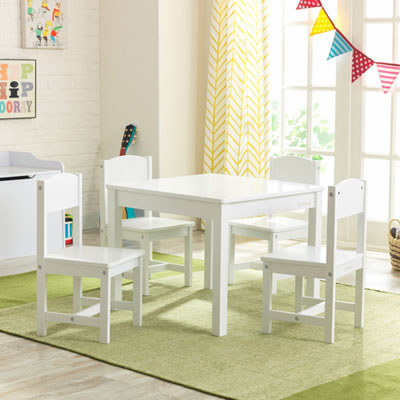 Your price for this item is $199.99
 -
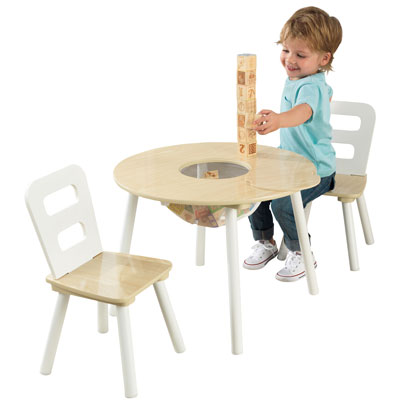 Your price for this item is $109.99
 -
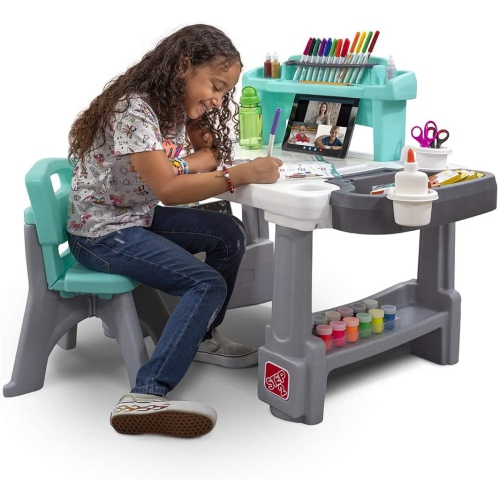 Your price for this item is $395.66
 -
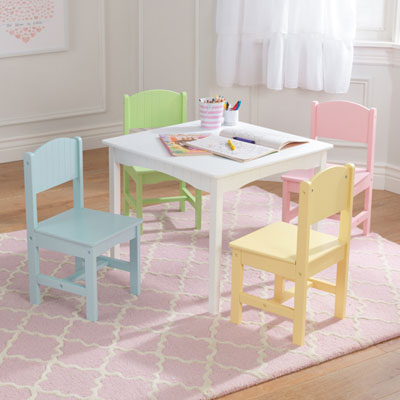 Your price for this item is $165.98
 -
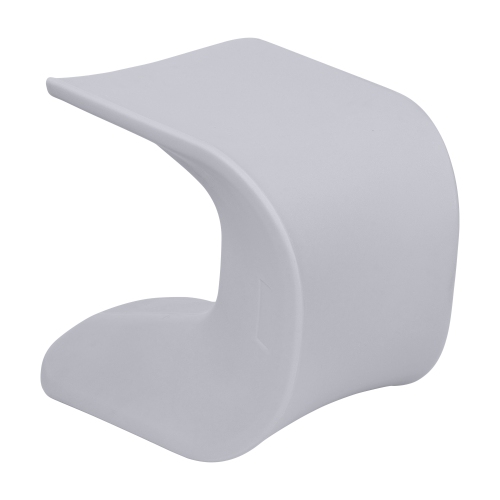 Your price for this item is $174.99
 -
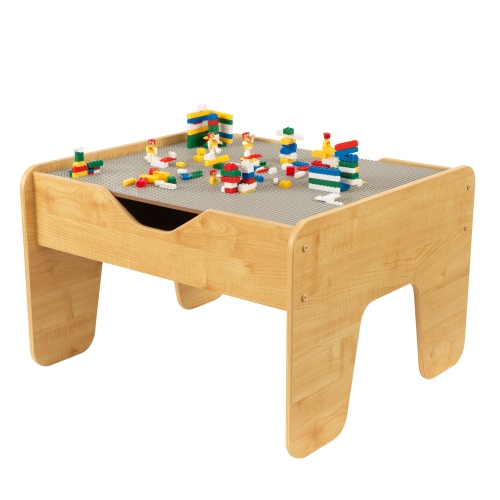 Your price for this item is $89.99
 -
 Your price for this item is $96.99
 -
 Your price for this item is $124.99
Discover more categories related to Ergonomic Children’s Desks
Top Collections:
Pokemon Centers, Best Cameras for Sports Photography, Kindle Devices, Samsung Galaxy Phones, Canon G7X Cameras, Pokémon 30th Celebration Cards, Refurbished Apple Laptops, iPhone 15 Apple, Laptops for Students, Budget Smartphones
Some products may be subject to Environmental Handling Fees
(EHF) depending on your province.
Learn more about EHFs.