Desks Under $100
If you're looking for a new desk but don't want to spend a lot of money, you've come to the right place. These desks are both stylish and functional and won't break your budget.
Sort
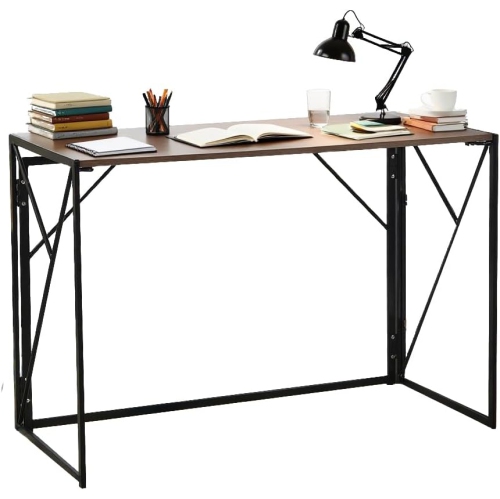

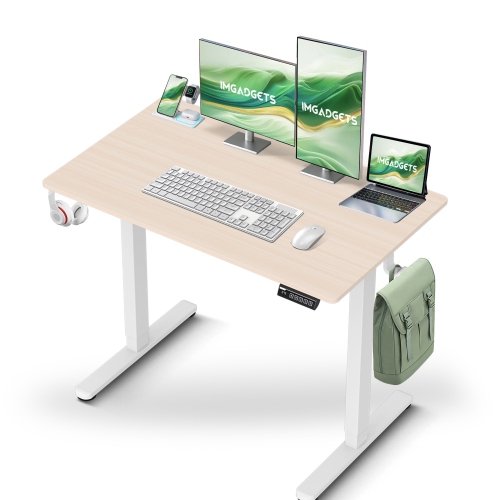
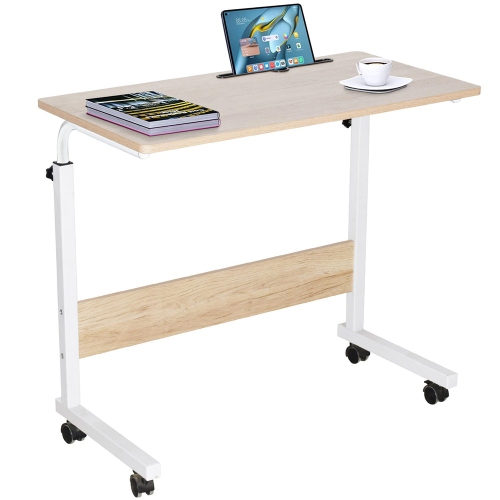
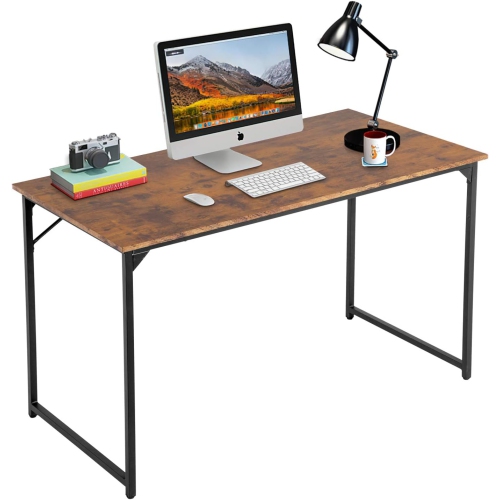
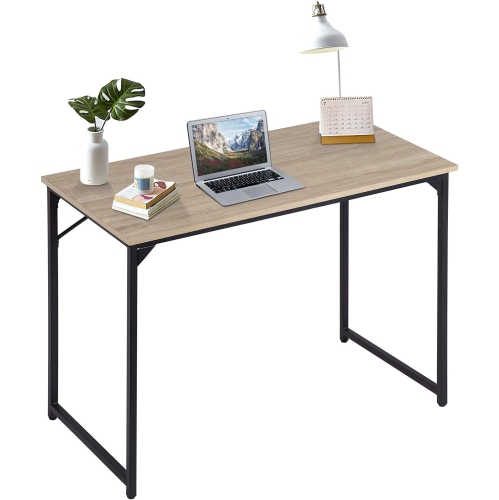
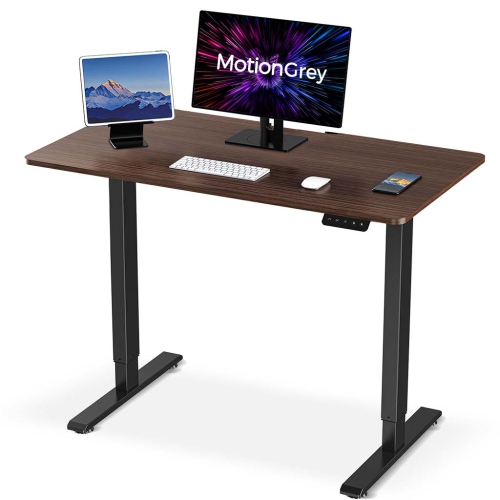

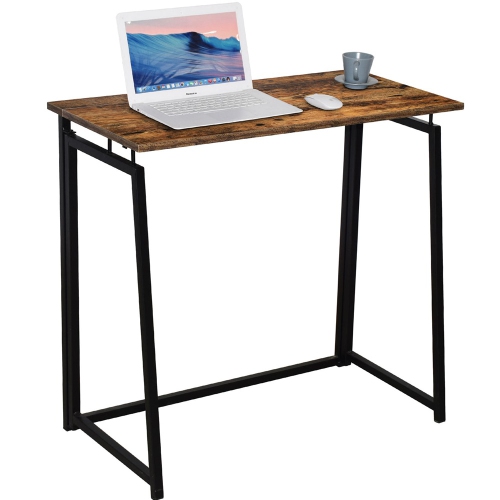
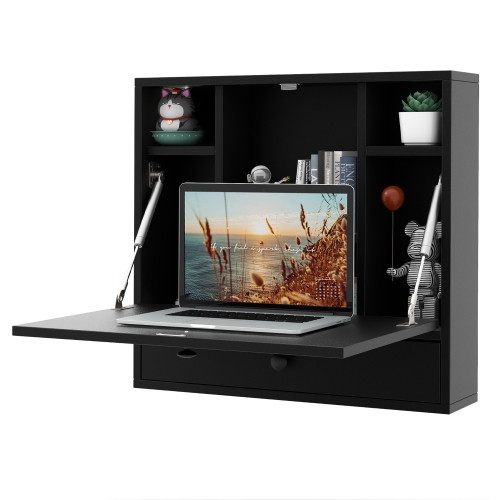
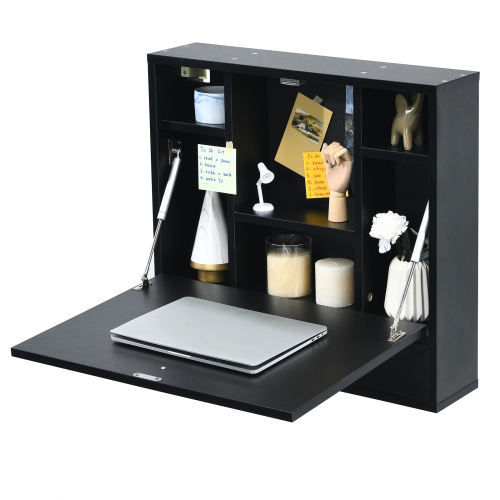
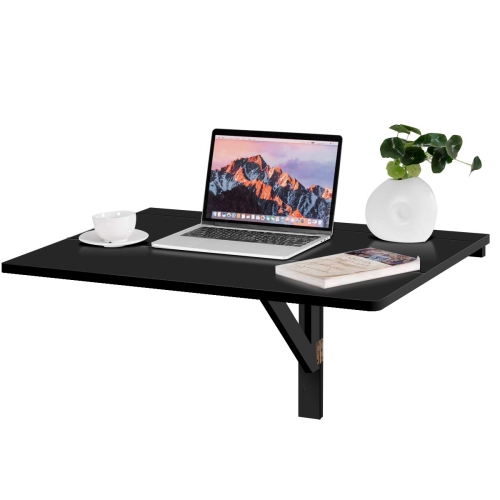
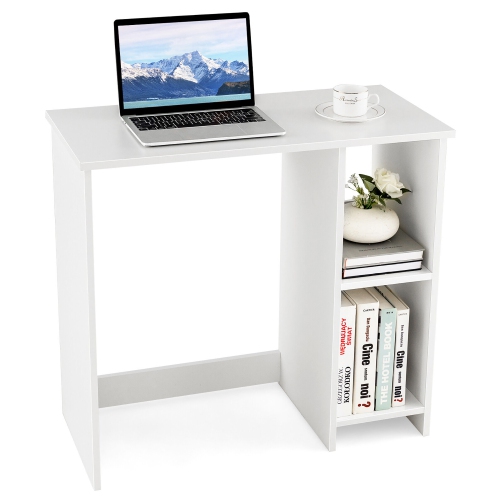
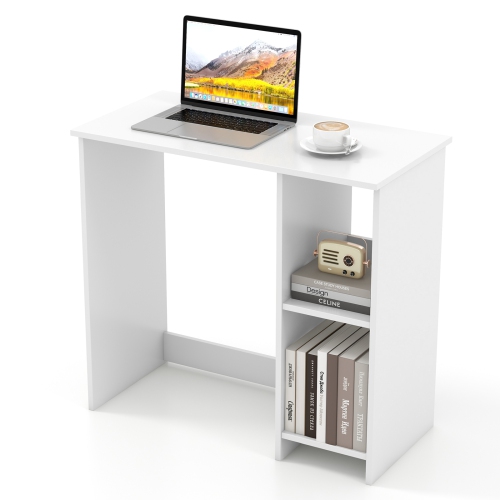
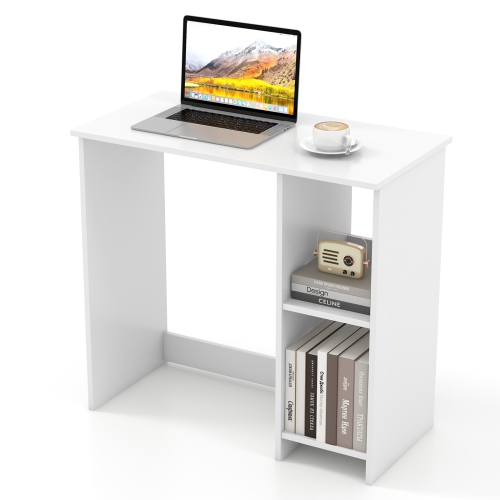
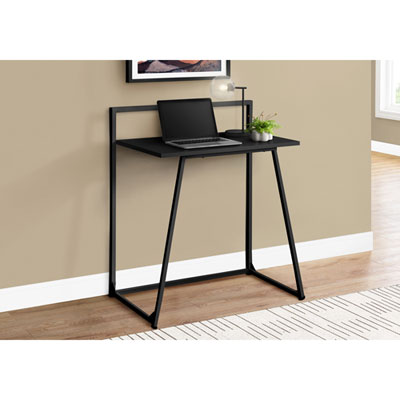
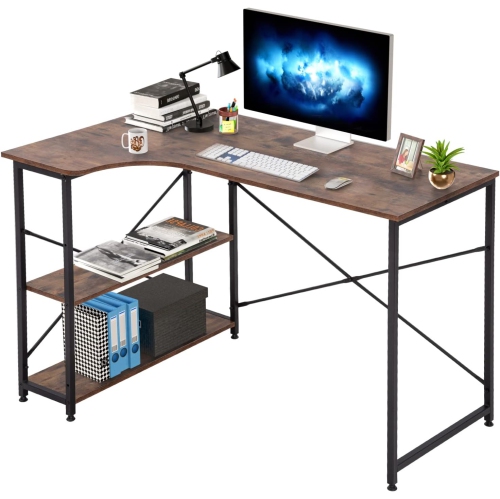
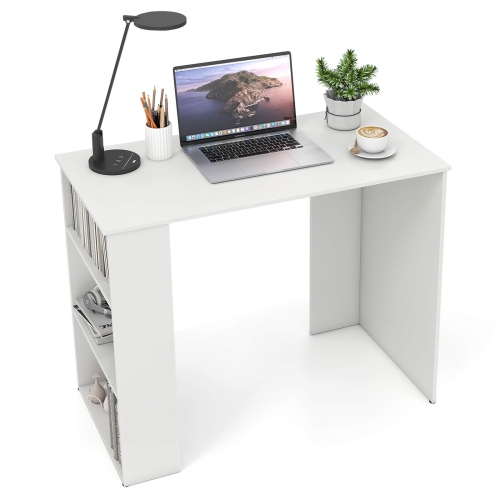
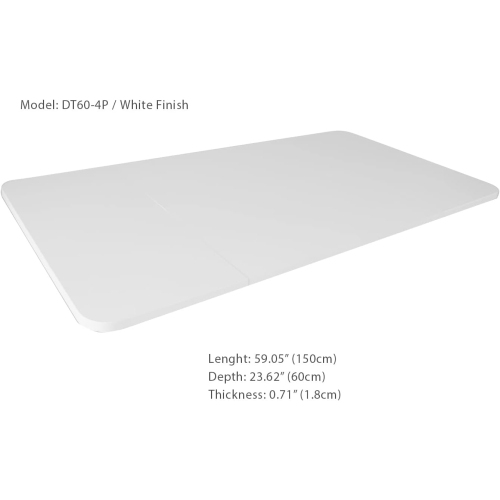
A desk that fits your work and your room
A desk gives everyday tasks a place of their own, whether that means opening a laptop before work, spreading out class notes, or keeping household paperwork off the dining table. Simple writing desks and compact computer desks are well suited to bedrooms, shared living areas, student housing, and smaller home offices, where a practical work surface matters more than an elaborate setup. An open design can leave a room feeling less crowded, while a desk with a drawer or shelf provides a place for notebooks, charging cables, and other small essentials. The most useful size depends on what happens at the desk each day. A laptop and a notebook need less space than a monitor, separate keyboard, mouse, and reference books, and a shallow desktop can feel tight once everything is in place. Width affects how much can sit side by side; depth affects the distance between the user and a screen, as well as room for forearms and writing materials. Overall measurements also need to work with the room itself. A desk that fits neatly along a wall still needs clearance for a chair to pull out, a nearby door to open, and someone to pass behind it. In a bedroom, that might mean leaving a clear route between the bed and wardrobe rather than filling every available gap. Legroom is just as important as the desktop: drawers, shelves, and support bars can reduce the usable space underneath. A comfortable arrangement allows feet to rest on the floor or a footrest, shoulders to stay relaxed, and elbows to sit near desktop height. For children and teens, matching the desk with an appropriately sized, adjustable chair helps the space remain useful as their needs change. Rounded corners may also be worth considering when the desk sits beside a busy walkway or becomes a regular homework spot in a shared room.
Materials and construction influence how a desk feels in daily use, how it handles wear, and how much attention its surface needs. Engineered wood is often used for desktops and storage panels, commonly finished with laminate, melamine, or another protective covering. These surfaces can provide a smooth area for writing and are generally straightforward to wipe clean, although exposed edges and joins need protection from standing moisture. A spilled drink is best dealt with promptly using the care method specified by the manufacturer; soaking a surface or leaving a damp cloth on it can cause damage. Coasters and a desk mat can help limit water rings, pen marks, and scuffs from frequently moved accessories. Wood and wood veneer have their own care requirements, while metal frames may have painted or powder-coated finishes that should be protected from scratches. Stability depends on more than the material alone. The frame design, secure connections, desktop supports, and level placement all contribute to a desk that feels steady when typing or writing. Adjustable feet, where included, can help compensate for small differences in floor level, but they do not replace correct assembly. Weight limits are another practical detail, particularly when a desk will hold a desktop computer, several books, or other heavier equipment. The stated capacity and any separate limits for shelves or drawers should match the intended setup, with weight distributed as directed. A monitor arm also needs a compatible desktop thickness and construction; a clamp should not be assumed suitable for every surface. For flat-pack furniture, having enough floor space to lay out the panels and hardware makes assembly easier to manage. Following the supplied sequence, keeping fixings organised, and using the specified tools helps avoid misaligned parts or damaged fasteners. After the desk is in place, occasional checks for loose connections, gentle cleaning, and lifting rather than dragging it during a move can help preserve both the furniture and the flooring beneath it. Any supplied wall restraints should be installed according to the instructions.
Different routines call for different kinds of desk space. A student may value a clear stretch of desktop for a textbook beside a laptop, while someone working from home might need room for a keyboard, mouse, and a screen positioned at a comfortable viewing height. A small writing desk can also serve as a quiet place for journalling, sketching, or sorting mail, without turning the whole room into an office. For setups centred on a laptop or desktop computer, Computer Desks Under $100 offers a more focused way to browse desks for that purpose. Built-in storage is useful when it suits the task rather than simply adding compartments. A shallow drawer can keep pens and sticky notes close at hand, while an open shelf can hold frequently used folders; neither should crowd knees or force an awkward sitting position. Cable placement deserves similar attention. Access to a wall outlet, space behind the desktop for plugs, and a route that keeps cords away from chair wheels can make a modest workstation much easier to use. Daylight can make a work area pleasant, but placing a screen directly opposite a bright window may create glare. A desk lamp helps with handwritten work and reading during shorter days, provided there is enough surface space for its base. Finishes can help the desk settle into a shared room: lighter tones may blend with pale walls, darker surfaces can create a defined work corner, and visible wood grain can add warmth alongside fabric seating. A desk can also be a thoughtful gift for a student or someone setting up a first apartment, especially when room measurements and the recipient’s routine are known beforehand. The best fit is a desk that supports those ordinary moments comfortably, from an evening assignment to a morning of focused work, while leaving enough room for the rest of daily life.
Materials and construction influence how a desk feels in daily use, how it handles wear, and how much attention its surface needs. Engineered wood is often used for desktops and storage panels, commonly finished with laminate, melamine, or another protective covering. These surfaces can provide a smooth area for writing and are generally straightforward to wipe clean, although exposed edges and joins need protection from standing moisture. A spilled drink is best dealt with promptly using the care method specified by the manufacturer; soaking a surface or leaving a damp cloth on it can cause damage. Coasters and a desk mat can help limit water rings, pen marks, and scuffs from frequently moved accessories. Wood and wood veneer have their own care requirements, while metal frames may have painted or powder-coated finishes that should be protected from scratches. Stability depends on more than the material alone. The frame design, secure connections, desktop supports, and level placement all contribute to a desk that feels steady when typing or writing. Adjustable feet, where included, can help compensate for small differences in floor level, but they do not replace correct assembly. Weight limits are another practical detail, particularly when a desk will hold a desktop computer, several books, or other heavier equipment. The stated capacity and any separate limits for shelves or drawers should match the intended setup, with weight distributed as directed. A monitor arm also needs a compatible desktop thickness and construction; a clamp should not be assumed suitable for every surface. For flat-pack furniture, having enough floor space to lay out the panels and hardware makes assembly easier to manage. Following the supplied sequence, keeping fixings organised, and using the specified tools helps avoid misaligned parts or damaged fasteners. After the desk is in place, occasional checks for loose connections, gentle cleaning, and lifting rather than dragging it during a move can help preserve both the furniture and the flooring beneath it. Any supplied wall restraints should be installed according to the instructions.
Different routines call for different kinds of desk space. A student may value a clear stretch of desktop for a textbook beside a laptop, while someone working from home might need room for a keyboard, mouse, and a screen positioned at a comfortable viewing height. A small writing desk can also serve as a quiet place for journalling, sketching, or sorting mail, without turning the whole room into an office. For setups centred on a laptop or desktop computer, Computer Desks Under $100 offers a more focused way to browse desks for that purpose. Built-in storage is useful when it suits the task rather than simply adding compartments. A shallow drawer can keep pens and sticky notes close at hand, while an open shelf can hold frequently used folders; neither should crowd knees or force an awkward sitting position. Cable placement deserves similar attention. Access to a wall outlet, space behind the desktop for plugs, and a route that keeps cords away from chair wheels can make a modest workstation much easier to use. Daylight can make a work area pleasant, but placing a screen directly opposite a bright window may create glare. A desk lamp helps with handwritten work and reading during shorter days, provided there is enough surface space for its base. Finishes can help the desk settle into a shared room: lighter tones may blend with pale walls, darker surfaces can create a defined work corner, and visible wood grain can add warmth alongside fabric seating. A desk can also be a thoughtful gift for a student or someone setting up a first apartment, especially when room measurements and the recipient’s routine are known beforehand. The best fit is a desk that supports those ordinary moments comfortably, from an evening assignment to a morning of focused work, while leaving enough room for the rest of daily life.
Top selling and popular products
-
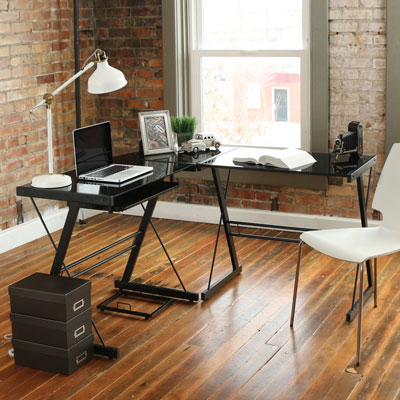 Your price for this item is $304.99
 -
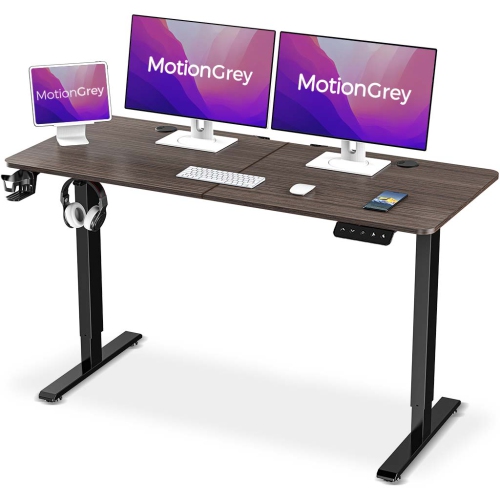 Your price for this item is $93.99
 -
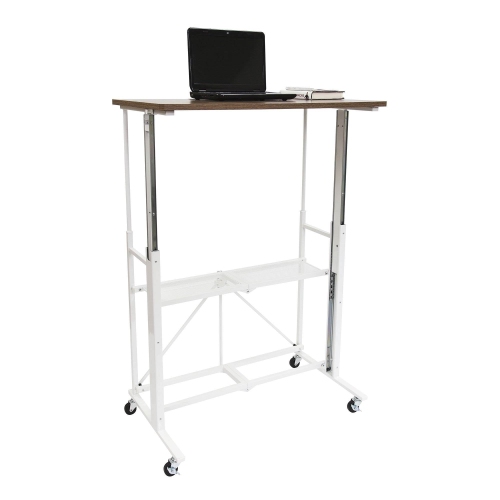 Your price for this item is $248.99
 -
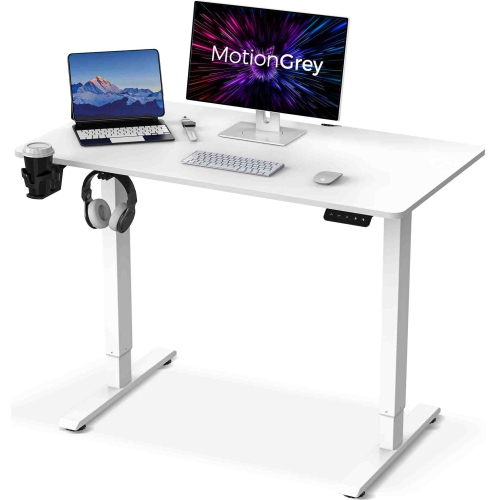 Your price for this item is $83.99
 -
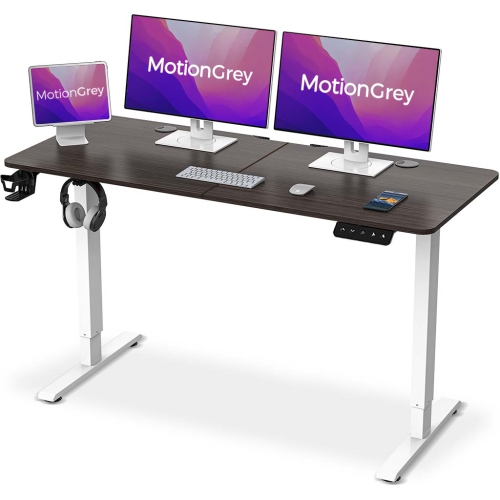 Your price for this item is $108.99
 -
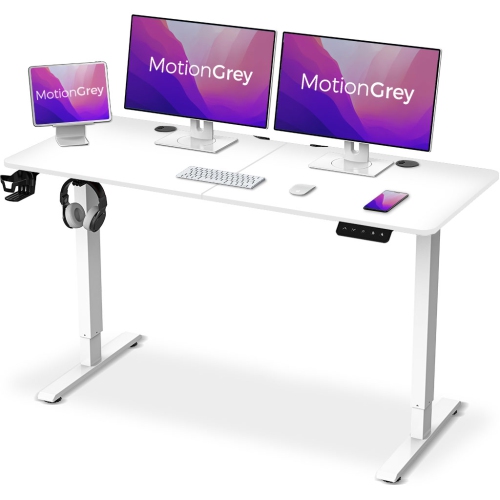 Your price for this item is $94.99
 -
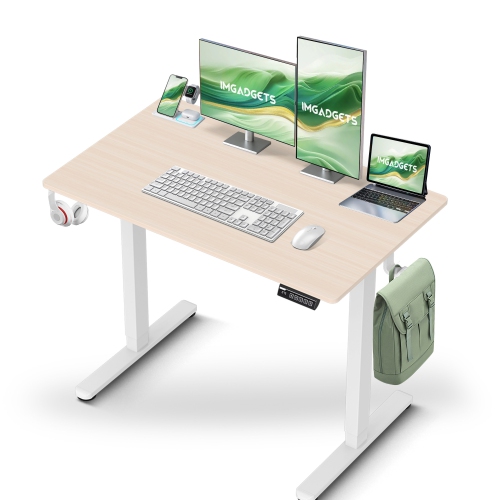 Your price for this item is $74.97
 -
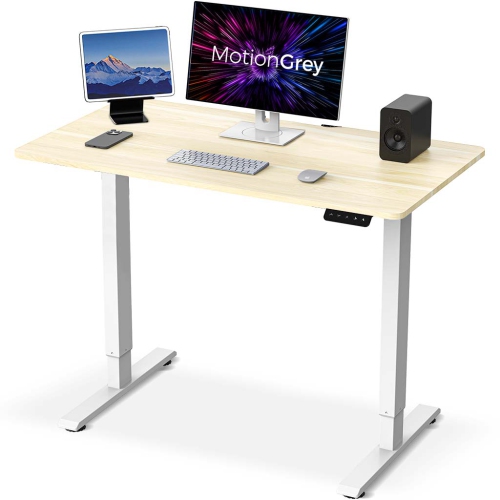 Your price for this item is $83.95
Discover more categories related to Desks Under $100
Top Collections:
Pokemon Centers, Kindle Devices, Best Budget Office Chairs, Apple iPhones 16, Best Laptops for Writers, iPhone 15 Apple, Canon G7X Cameras, Refurbished Apple Laptops, Alarm Clock, Motorola Razr Phones
Some products may be subject to Environmental Handling Fees
(EHF) depending on your province.
Learn more about EHFs.