Computer Desks Under $100
If you're looking for a new computer desk, but don't want to spend a lot of money, you'll find plenty of options that are sturdy and functional. These desks will fit your needs and keep your space looking tidy. Here are some great options for computer desks under $100.
Sort
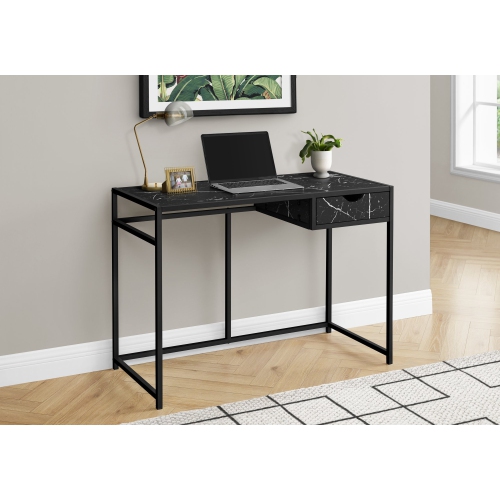
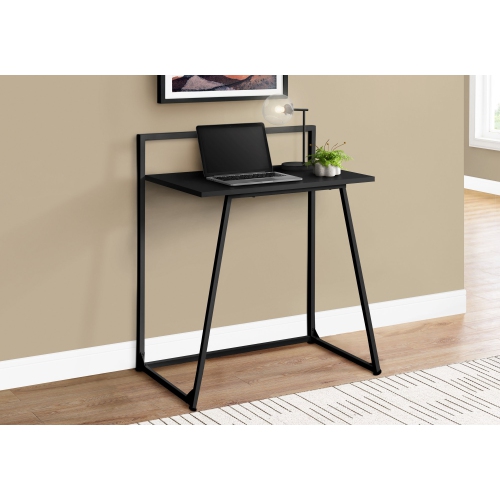
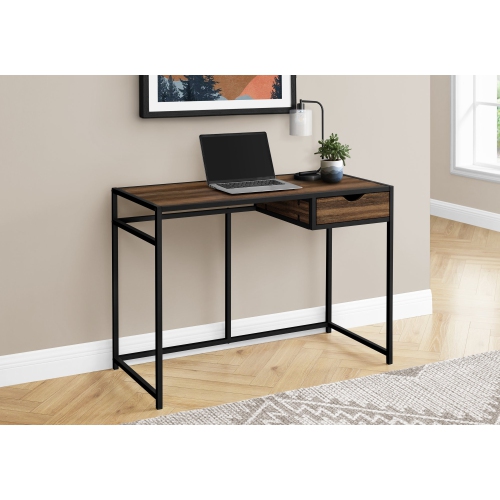
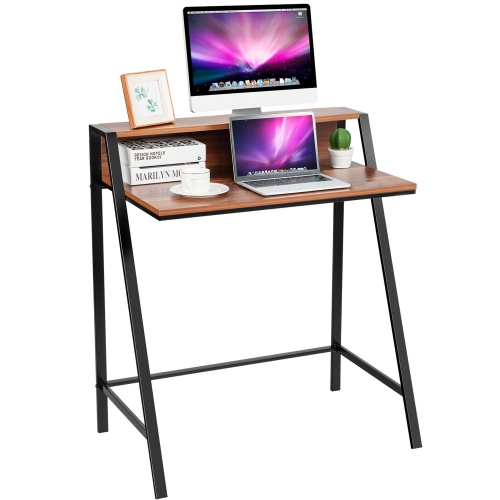
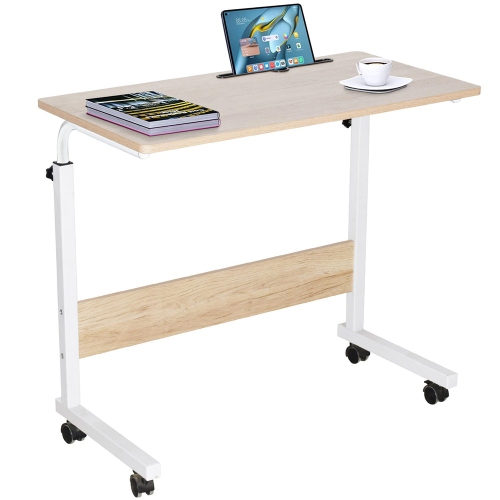
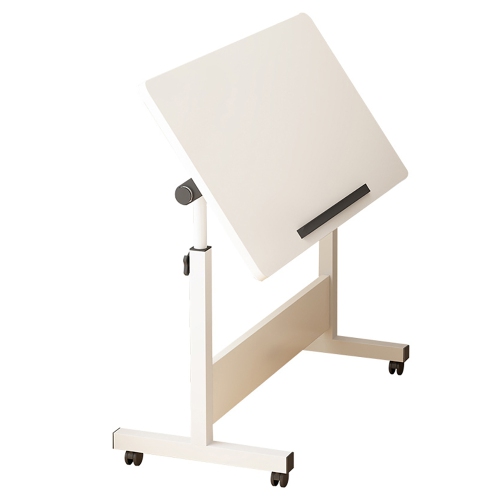
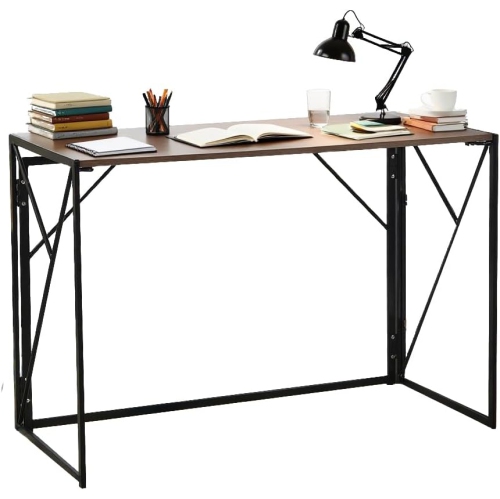
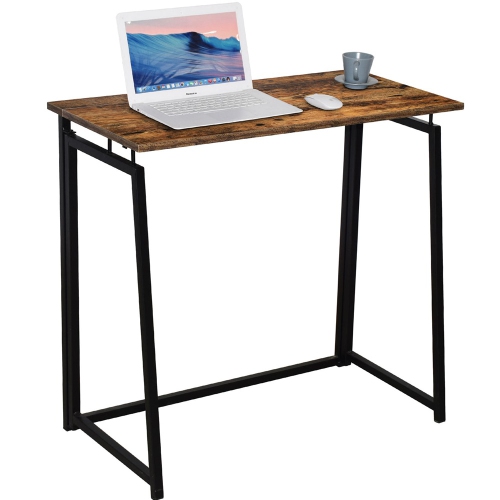

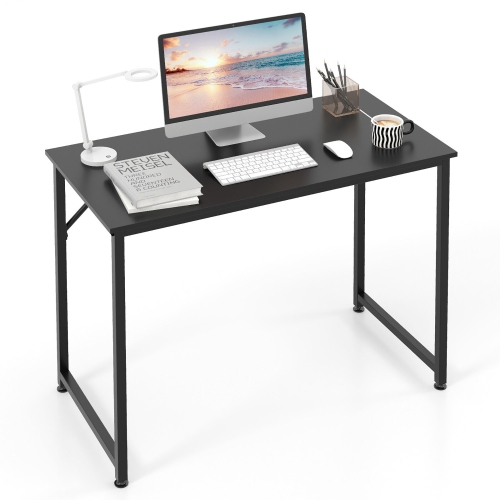
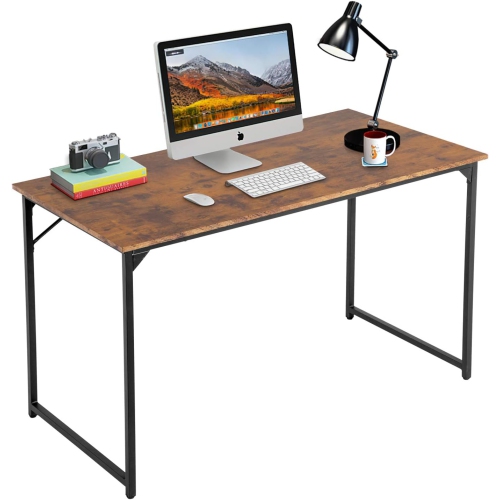
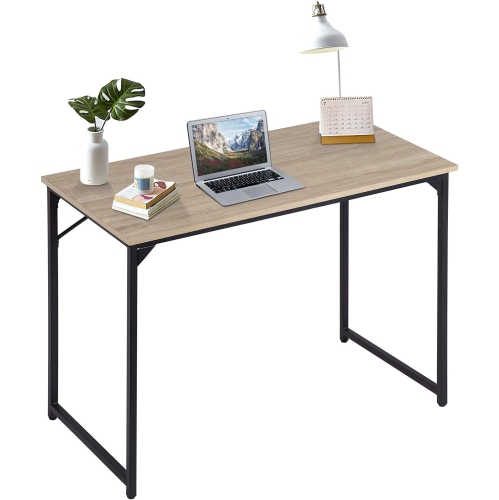
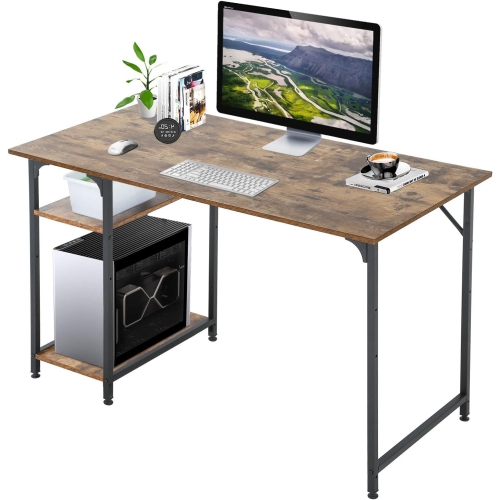
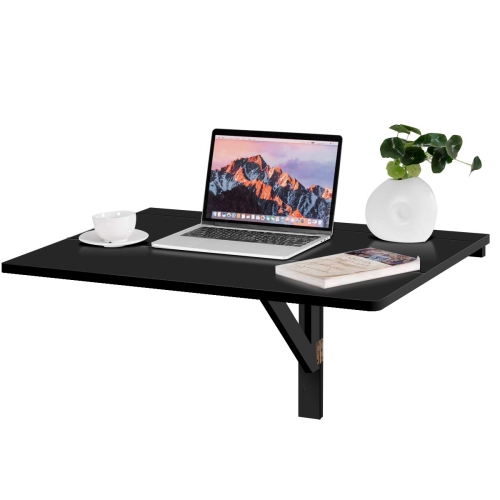
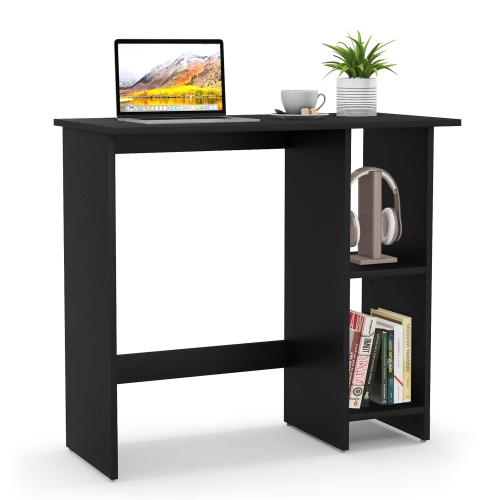
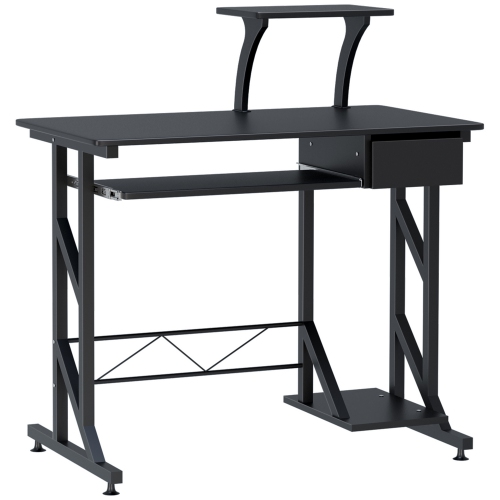
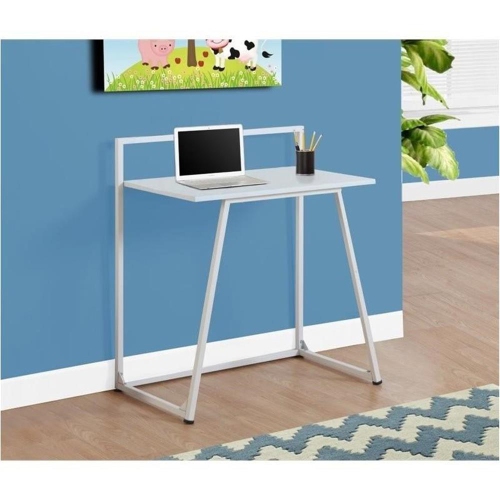
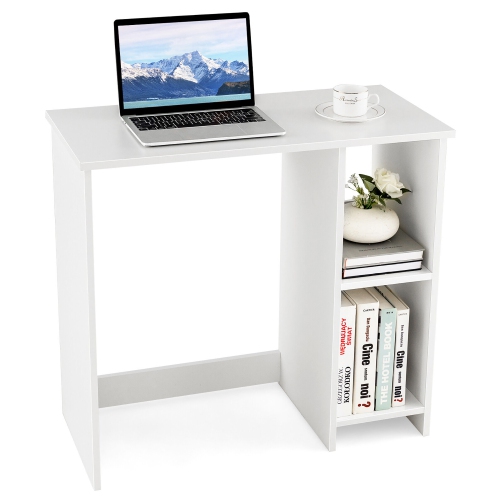

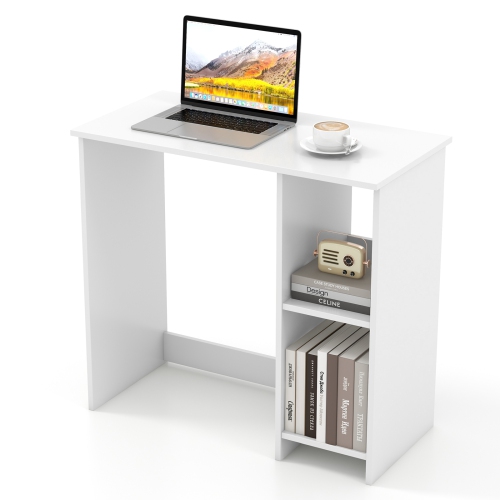
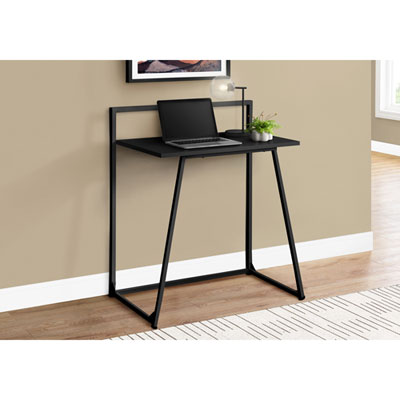
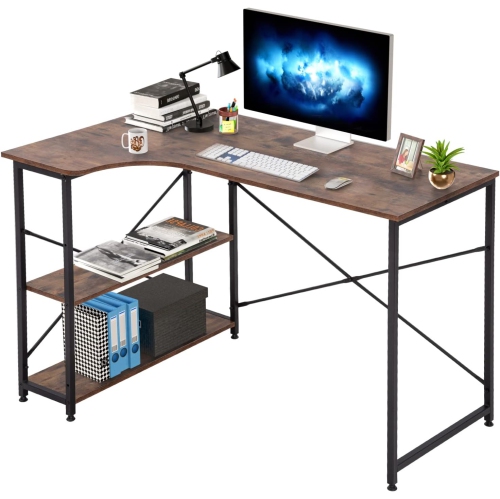
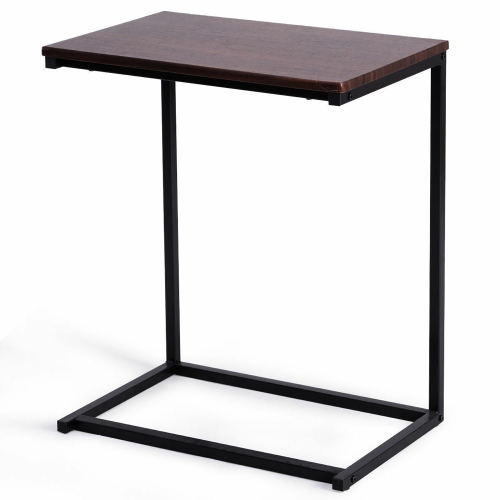
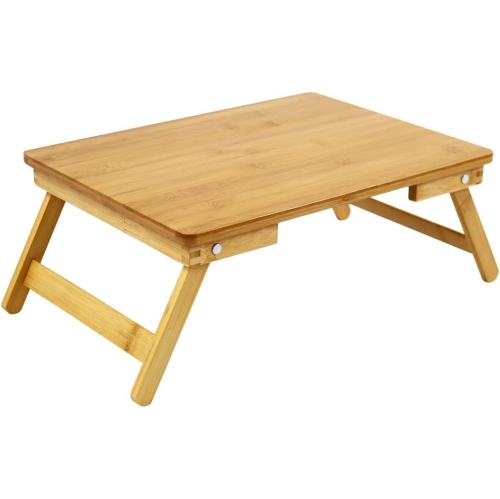
A dedicated workspace without a separate home office
Computer desks create a dedicated place for work, study, and everyday tasks without needing a separate home office. A simple desk can turn an unused stretch of wall into a spot for answering emails, give a student room to spread out notes beside a laptop, or keep a family computer off the dining table. The most useful design depends on what needs to fit on the surface and how the surrounding room is used. A laptop and notebook need less space than a monitor, full-size keyboard, mouse, and speakers, while a desktop computer also needs a suitable location for its tower. Width determines how much equipment can sit side by side, but depth matters just as much: a shallow top may fit neatly into a bedroom yet leave little room between a screen and the front edge. For a clearer sense of fit, mark the proposed desk footprint on the floor with removable tape and allow additional space to pull out a chair. Doors, drawers, and nearby cupboards should still open freely once someone is seated. In shared living spaces, an open frame can keep the desk from looking bulky, while a design with storage can help contain the small essentials that otherwise spread across a room. Straight desks are easy to position against a wall, and compact corner designs may make use of an awkward nook, provided their full footprint leaves enough room to move. A desk intended mainly for occasional paperwork can have different proportions from one used for several hours of coursework or remote work. Thinking through an ordinary session—the laptop open, a drink set safely aside, a notebook within reach—helps establish how much usable surface is actually needed. For students moving into a first apartment, people setting up a small workspace, or households adding a second study area, a straightforward computer desk can give daily routines a more settled place.
Materials and construction affect how a computer desk feels in use, how it handles everyday wear, and how much care it needs. Engineered wood, including particleboard and medium-density fibreboard, is commonly used for desktops and storage panels, often with a laminate, melamine, or other decorative finish. These surfaces can offer a consistent colour or wood-look pattern, though their resistance to scratches and moisture varies. Coated metal frames can provide a slim profile, while panel-sided designs give the workspace a more enclosed appearance. Stability depends on the complete structure rather than one material alone: frame connections, cross-bracing, fasteners, and level contact with the floor all contribute. Adjustable feet, where included, can help compensate for minor floor unevenness, but they do not replace correct assembly. Load capacity is another important consideration, especially when placing a monitor, desktop tower, or stack of books on the desk. Weight should stay within the manufacturer's stated limits for the desktop and any individual shelves, with heavier equipment positioned as directed. A monitor arm needs particular attention because its clamp concentrates force in a small area; the desktop's material, thickness, edge shape, and any underside supports must be compatible with the mounting hardware. Routine care is usually uncomplicated, but the instructions for the specific finish should take priority. A soft cloth, prompt attention to spills, and protection beneath drinks help preserve the surface. Excess moisture around seams and exposed edges can damage some wood-based panels, so soaking the desktop is best avoided. A desk mat can reduce wear from repeated mouse movements and provide a smoother writing area. During assembly, leave enough room to lay out the panels, follow the stated tightening sequence, and use wall restraints wherever the manufacturer requires them. If the desk needs to move later, lifting it with assistance rather than dragging it helps protect the joints and flooring. These practical details matter in a workspace that may handle everything from morning emails to an evening assignment.
Comfort and organization come from the way a desk works with the rest of the setup. Desk height should suit both the user and the chair, allowing relaxed shoulders and a comfortable keyboard position without forcing the elbows outward or upward. The space underneath needs to accommodate knees and feet, not just the chair itself. A low shelf, drawer unit, or crossbar can reduce that clearance even when the desktop looks generously sized. For longer computer sessions, screen placement also deserves attention: the display should be easy to read without leaning forward or continually tilting the head. A laptop stand paired with a separate keyboard and mouse can make positioning more flexible, as long as the surface has enough depth for the arrangement. Storage is most useful when it matches what is actually used. A shallow drawer can hold pens, charging cables, and a headset, while an open shelf may suit notebooks or a small printer if its dimensions and weight limit are appropriate. Neither should crowd out essential legroom. Cable openings, clips, or trays, where provided, help route cords away from feet and chair wheels; power adapters and computer vents still need unobstructed airflow. Locating the desk near a suitable outlet can also reduce the need to run cords across a walkway. Appearance matters when the workspace shares a bedroom or living room. Pale finishes can blend with light walls, wood-look surfaces add visual warmth, and black desks can coordinate with dark shelving, monitor frames, and other furniture. A finish that repeats an existing room colour often feels more integrated than one chosen in isolation. For a gift marking the start of post-secondary studies or a move into a new home, confirming the recipient's room measurements and equipment needs makes the choice more personal and useful. The strongest fit is a desk that leaves enough room to work, keeps essentials close, and feels at home in the space around it.
Materials and construction affect how a computer desk feels in use, how it handles everyday wear, and how much care it needs. Engineered wood, including particleboard and medium-density fibreboard, is commonly used for desktops and storage panels, often with a laminate, melamine, or other decorative finish. These surfaces can offer a consistent colour or wood-look pattern, though their resistance to scratches and moisture varies. Coated metal frames can provide a slim profile, while panel-sided designs give the workspace a more enclosed appearance. Stability depends on the complete structure rather than one material alone: frame connections, cross-bracing, fasteners, and level contact with the floor all contribute. Adjustable feet, where included, can help compensate for minor floor unevenness, but they do not replace correct assembly. Load capacity is another important consideration, especially when placing a monitor, desktop tower, or stack of books on the desk. Weight should stay within the manufacturer's stated limits for the desktop and any individual shelves, with heavier equipment positioned as directed. A monitor arm needs particular attention because its clamp concentrates force in a small area; the desktop's material, thickness, edge shape, and any underside supports must be compatible with the mounting hardware. Routine care is usually uncomplicated, but the instructions for the specific finish should take priority. A soft cloth, prompt attention to spills, and protection beneath drinks help preserve the surface. Excess moisture around seams and exposed edges can damage some wood-based panels, so soaking the desktop is best avoided. A desk mat can reduce wear from repeated mouse movements and provide a smoother writing area. During assembly, leave enough room to lay out the panels, follow the stated tightening sequence, and use wall restraints wherever the manufacturer requires them. If the desk needs to move later, lifting it with assistance rather than dragging it helps protect the joints and flooring. These practical details matter in a workspace that may handle everything from morning emails to an evening assignment.
Comfort and organization come from the way a desk works with the rest of the setup. Desk height should suit both the user and the chair, allowing relaxed shoulders and a comfortable keyboard position without forcing the elbows outward or upward. The space underneath needs to accommodate knees and feet, not just the chair itself. A low shelf, drawer unit, or crossbar can reduce that clearance even when the desktop looks generously sized. For longer computer sessions, screen placement also deserves attention: the display should be easy to read without leaning forward or continually tilting the head. A laptop stand paired with a separate keyboard and mouse can make positioning more flexible, as long as the surface has enough depth for the arrangement. Storage is most useful when it matches what is actually used. A shallow drawer can hold pens, charging cables, and a headset, while an open shelf may suit notebooks or a small printer if its dimensions and weight limit are appropriate. Neither should crowd out essential legroom. Cable openings, clips, or trays, where provided, help route cords away from feet and chair wheels; power adapters and computer vents still need unobstructed airflow. Locating the desk near a suitable outlet can also reduce the need to run cords across a walkway. Appearance matters when the workspace shares a bedroom or living room. Pale finishes can blend with light walls, wood-look surfaces add visual warmth, and black desks can coordinate with dark shelving, monitor frames, and other furniture. A finish that repeats an existing room colour often feels more integrated than one chosen in isolation. For a gift marking the start of post-secondary studies or a move into a new home, confirming the recipient's room measurements and equipment needs makes the choice more personal and useful. The strongest fit is a desk that leaves enough room to work, keeps essentials close, and feels at home in the space around it.
Top selling and popular products
-
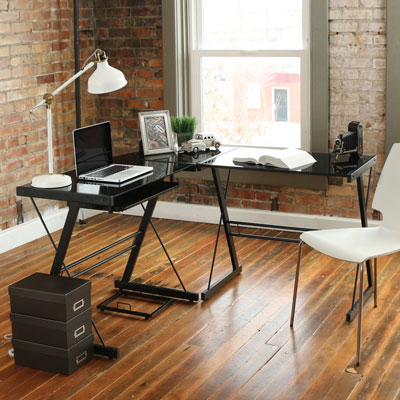 Your price for this item is $304.99
 -
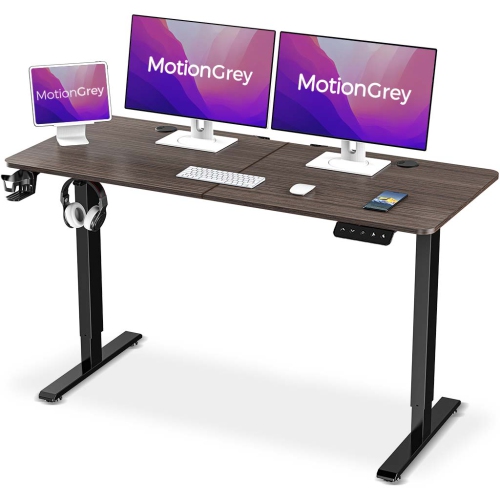 Your price for this item is $93.99
 -
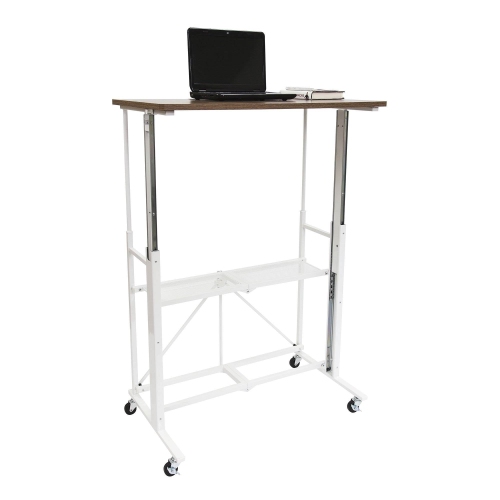 Your price for this item is $248.99
 -
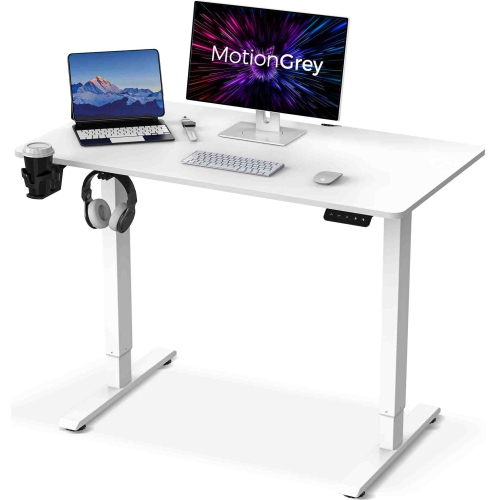 Your price for this item is $83.99
 -
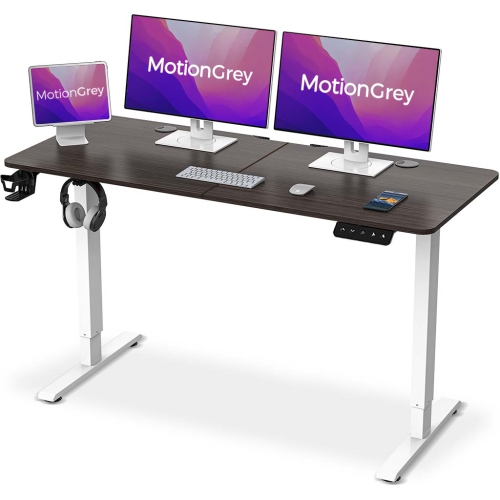 Your price for this item is $108.99
 -
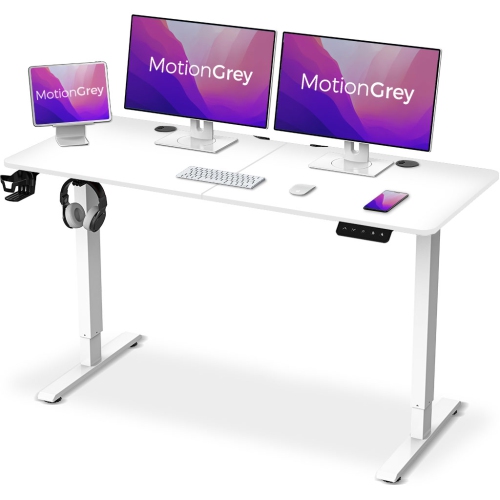 Your price for this item is $94.99
 -
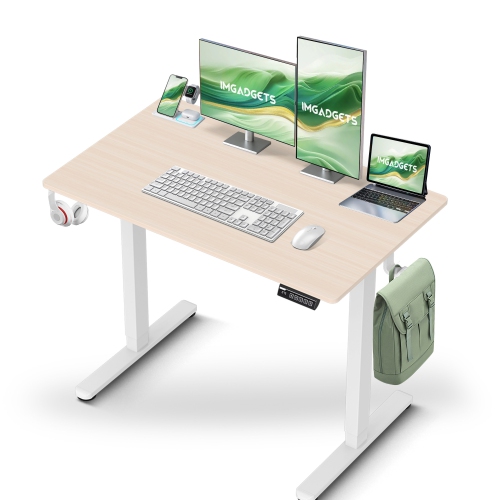 Your price for this item is $74.97
 -
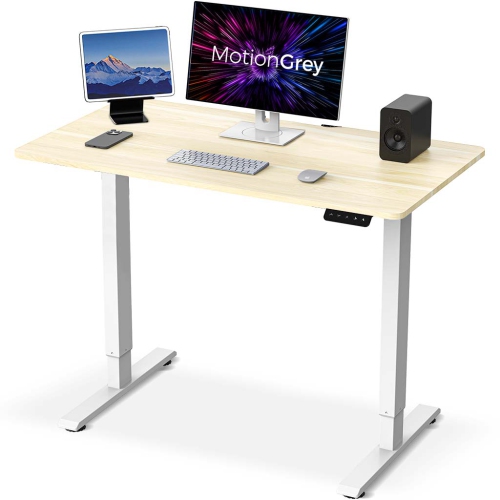 Your price for this item is $83.95
Discover more categories related to Computer Desks Under $100
Top Collections:
Pokemon Centers, Kindle Devices, Best Budget Office Chairs, Apple iPhones 16, Best Laptops for Writers, iPhone 15 Apple, Canon G7X Cameras, Refurbished Apple Laptops, Alarm Clock, Motorola Razr Phones
Some products may be subject to Environmental Handling Fees
(EHF) depending on your province.
Learn more about EHFs.