Tall Desks
A tall desk is a great way to maximize your workspace and keep your home office looking tidy. Whether you're working from home or in an office cubicle, a tall desk can help you fit more stuff into less space. Here are some of our favorites.
Sort
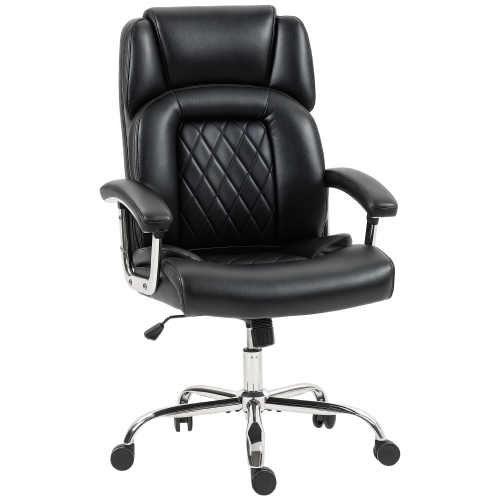
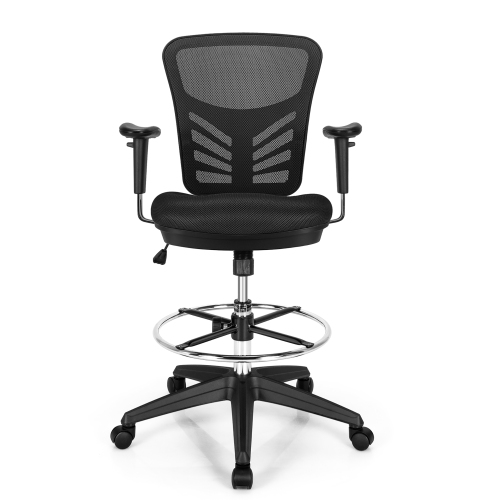
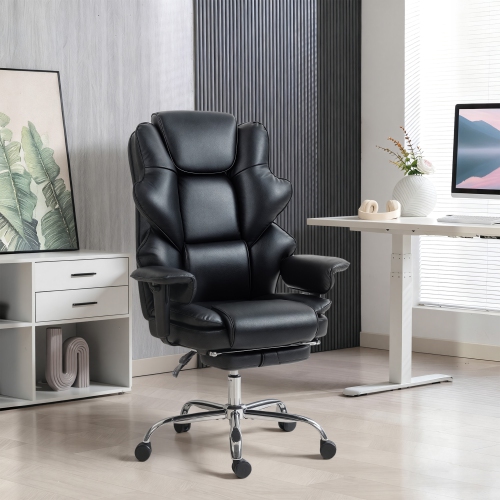
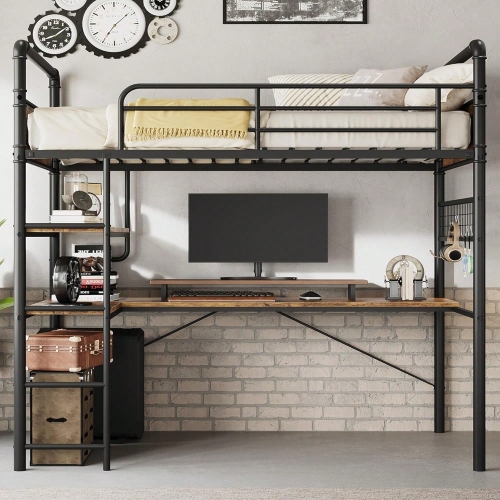

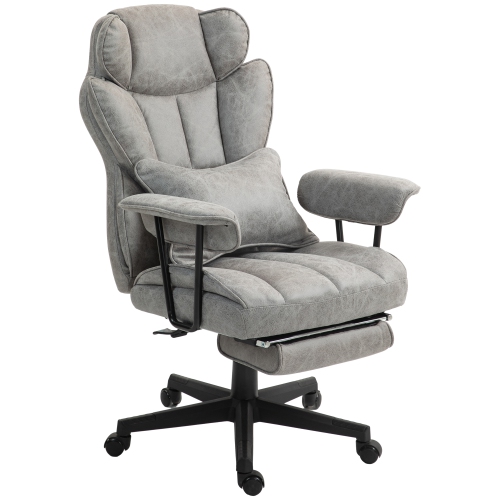
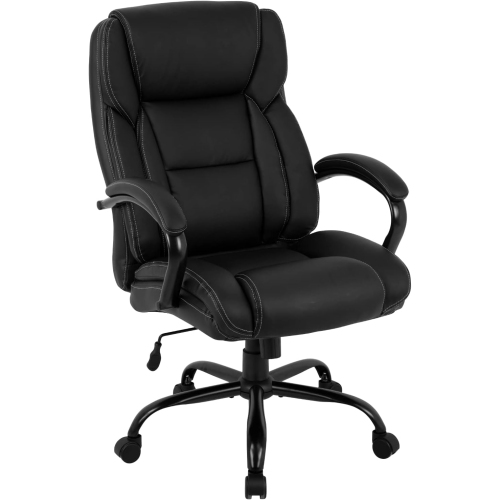
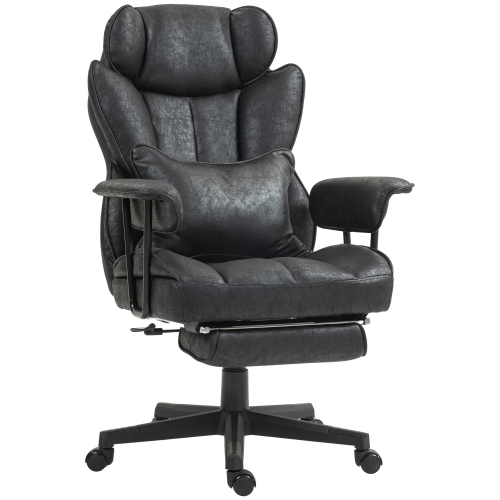
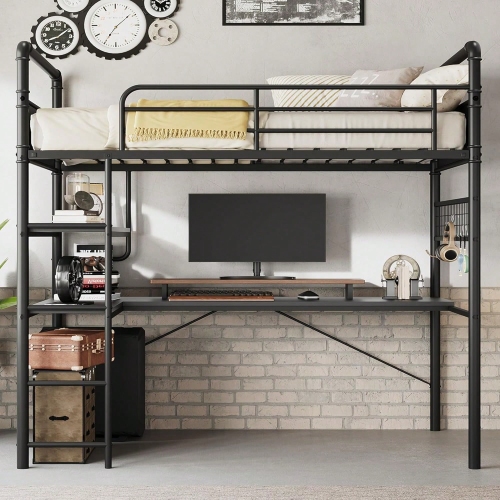
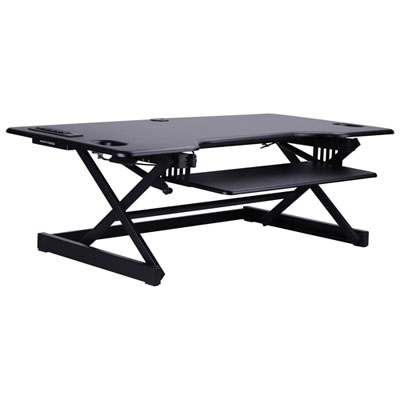
The right desk height depends on how you work
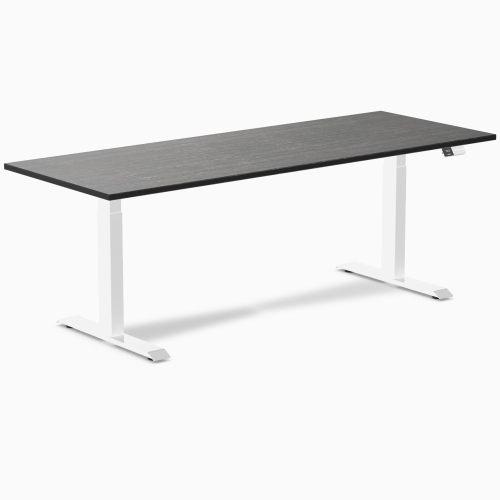
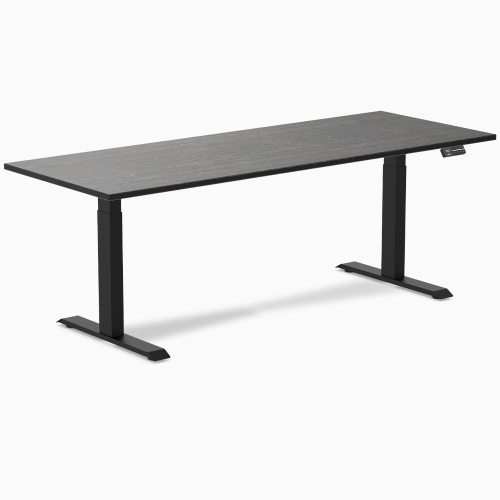
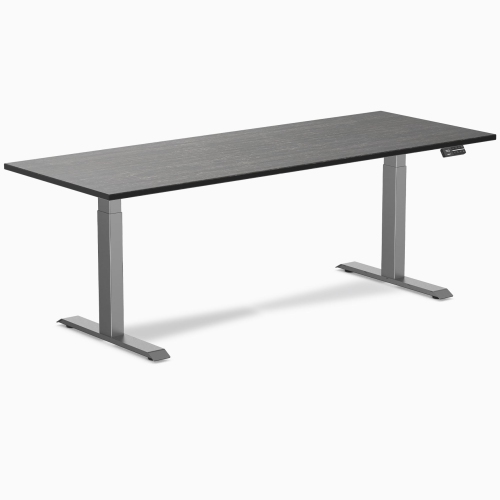
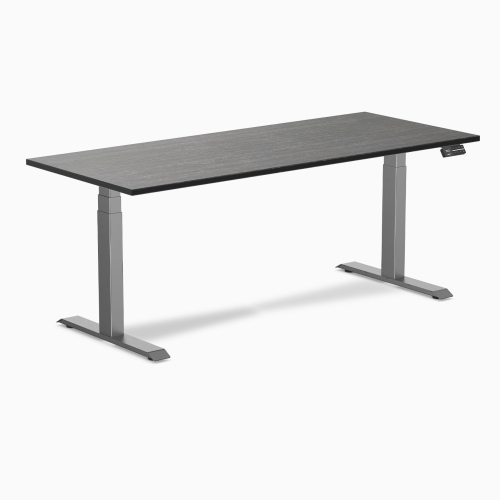
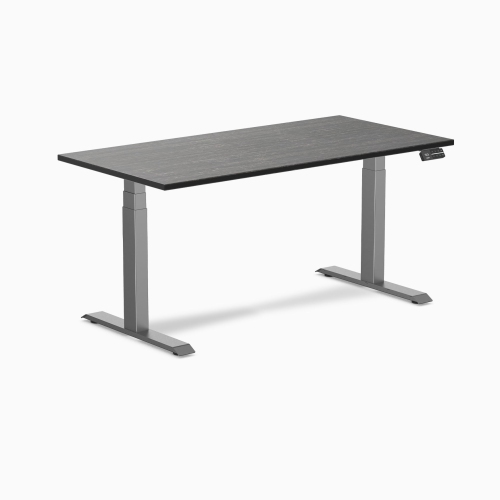
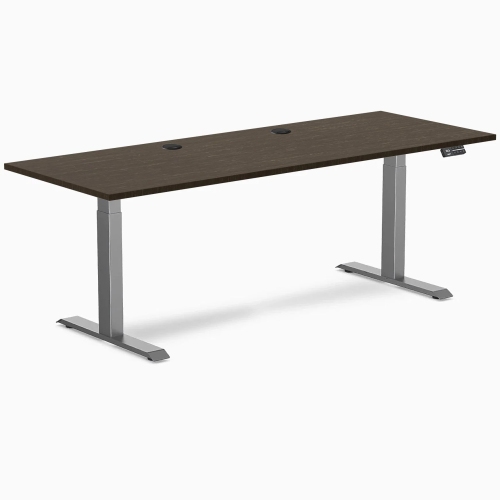
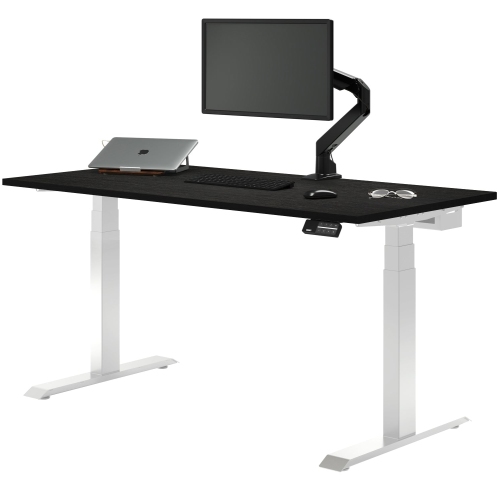
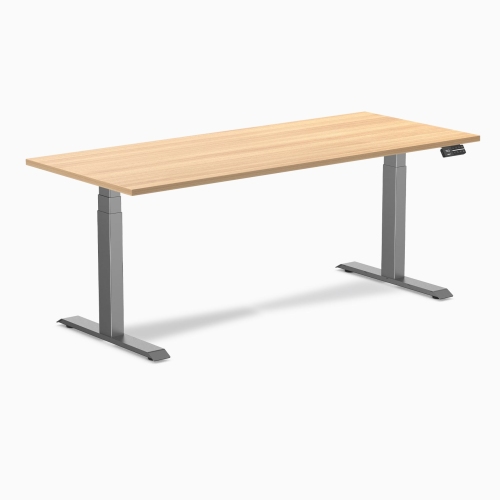
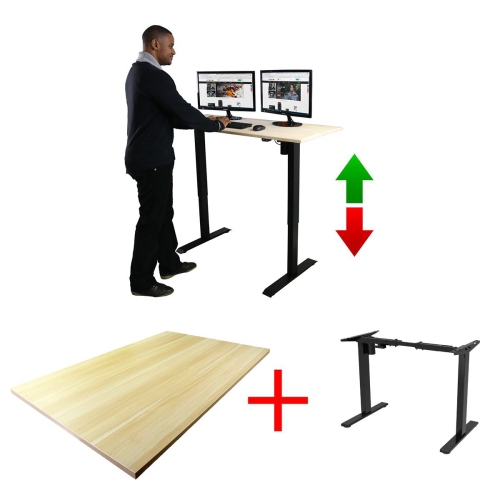
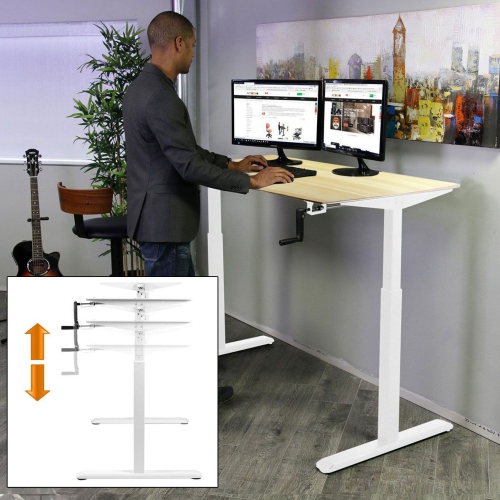
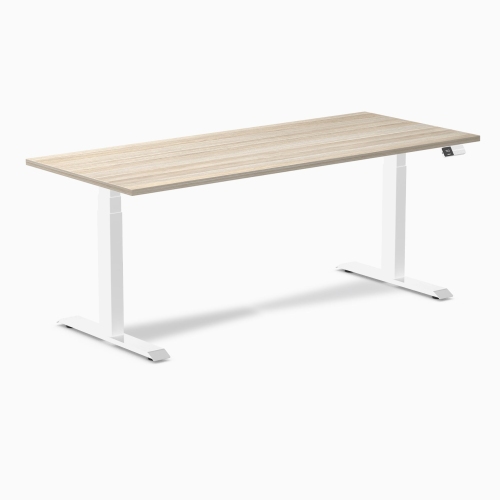
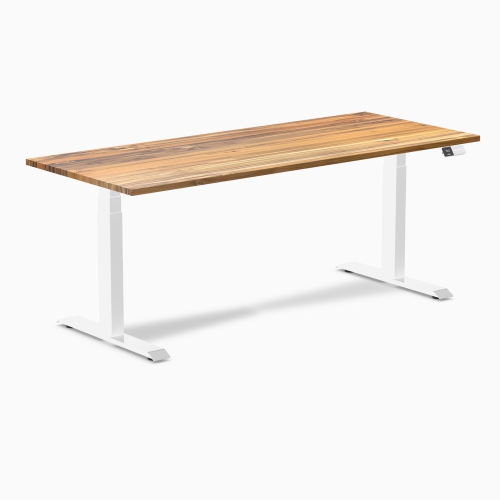
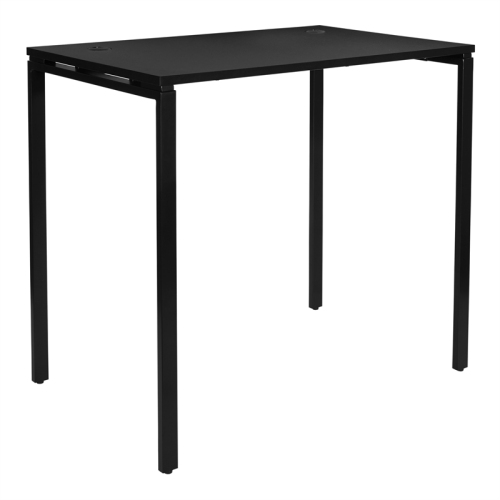
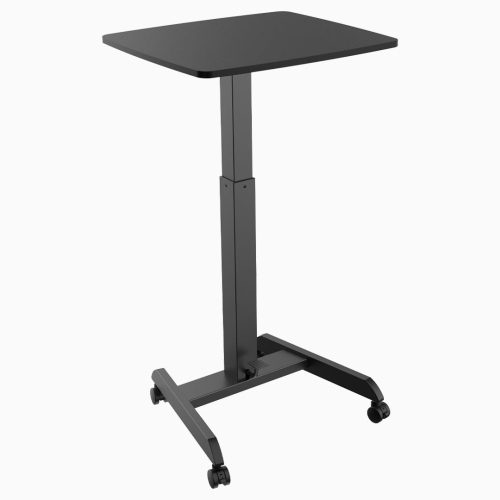
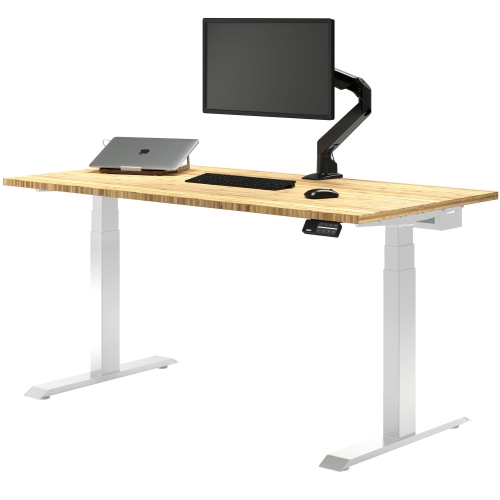
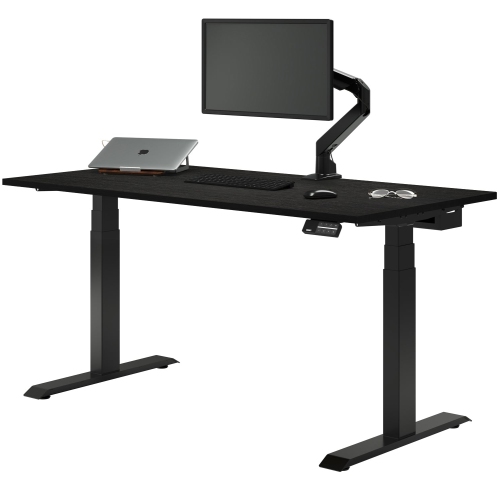
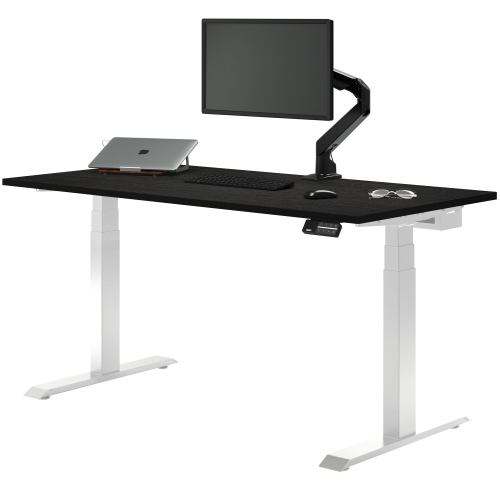
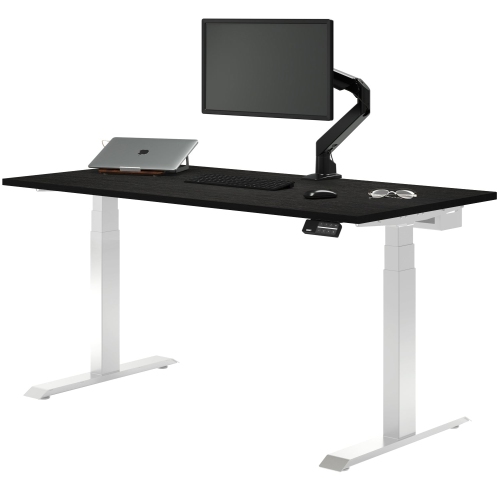
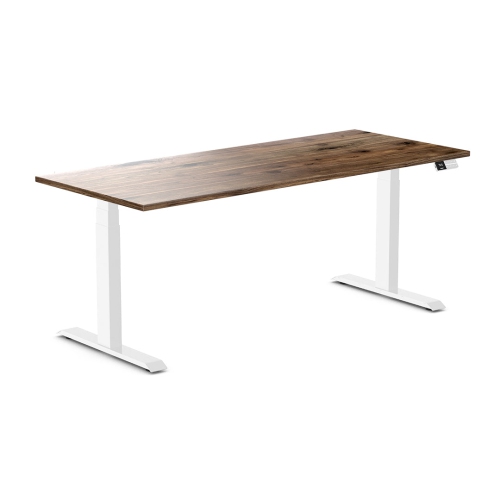
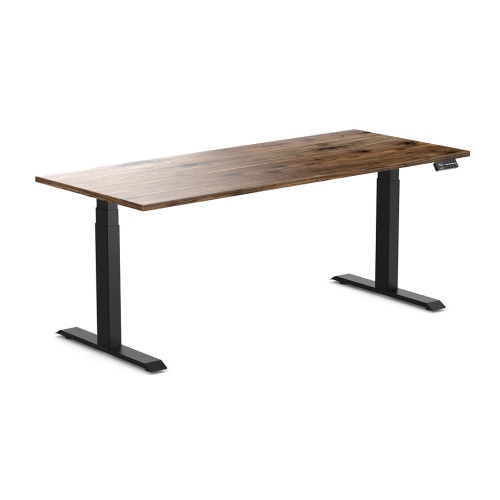
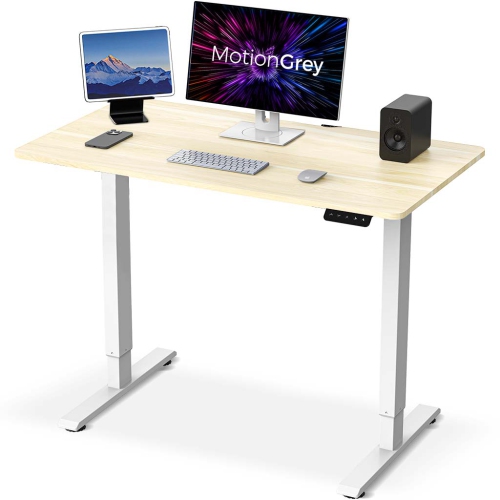
Tall desks provide a higher work surface than a conventional seated desk, making them useful for standing tasks, taller users, and workspaces that need more flexibility. The category includes fixed-height standing desks and height-adjustable desks, but the two serve different routines. A fixed-height design keeps its surface at one level and can suit a dedicated standing workstation, a shared project area, or a place to review paperwork between other tasks. A sit-stand desk moves through a range of heights, allowing the same surface to support seated computer work and standing activities. Manual mechanisms may use a crank or another adjustment system, while electric designs raise and lower the desktop using powered lifting columns. For someone who switches positions several times throughout the day, easy-to-reach controls and saved height settings can make those changes more convenient. A tall desk is not automatically a good fit for a tall person, however: the useful measurement is the desktop height relative to the user’s elbows, rather than the desk’s name or overall appearance. For keyboard work, the surface should allow relaxed shoulders, elbows close to the body, and wrists in a neutral position. Some taller adults may need a standing surface around 48 to 50 inches high, but body proportions, footwear, and the task all affect the appropriate height. Measuring standing elbow height provides a better starting point than choosing by stature alone. The lowest setting matters just as much when the desk will also be used while seated, especially in a shared home office. Students, remote workers, designers, and people who alternate between screen work and hands-on tasks may all find a higher or adjustable surface useful. Standing is best treated as another working position, not a requirement to remain upright all day; a desk that supports comfortable changes of position is often more practical than one chosen solely for its maximum height.
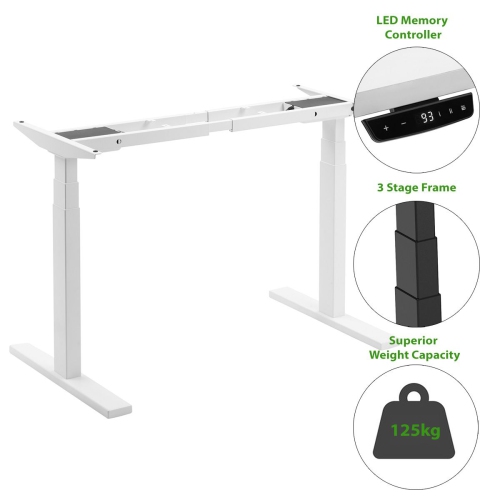
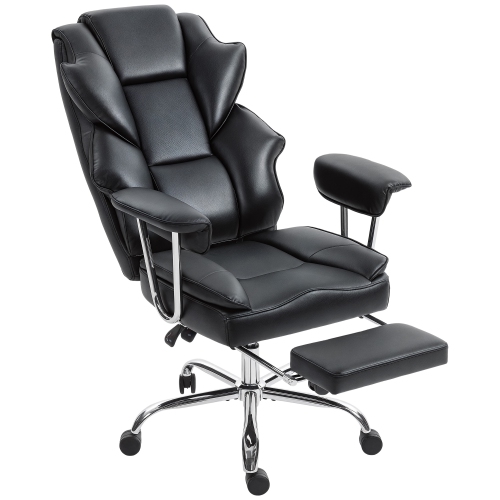
The footprint of a tall desk needs to work with both the room and the equipment placed on it. Desktop width determines how comfortably a keyboard, mouse, notebook, and monitor can sit together, while depth affects screen placement and the space left for forearms and paperwork. A shallow surface may fit neatly against a wall but leave a large display too close for comfortable viewing. With two monitors, a separate keyboard, and a laptop stand, usable surface area becomes especially important. Monitor arms can free up room underneath the screens, though their clamps need a compatible desktop thickness and a suitable mounting area. The weight of the monitors, arm, computer, speakers, and other equipment should all count towards the desk’s stated load limit. For adjustable designs, check whether the manufacturer distinguishes lifting capacity from stationary capacity, since the desk must safely move its usual working load. Stability also deserves attention at the height where the desk will actually be used. A desk that feels firm at its lowest setting may move more noticeably when extended, particularly with a heavy screen mounted towards the rear edge. Frame rigidity, foot dimensions, desktop size, assembly quality, and level flooring all influence that movement; the number of lifting-column stages alone does not guarantee steadiness. Beneath the surface, sufficient knee and leg clearance helps prevent drawers, support bars, or storage units from interfering with a seated position. A fixed tall desk paired with a drafting chair needs a chair with an appropriate seat-height range and a supportive footrest, rather than an ordinary office chair raised beyond a comfortable fit. In tighter rooms, Compact Desks offer another way to think about floor space, although a smaller footprint does not necessarily provide the standing height a user needs. Allow room for the chair to move back, doors to open, and the desktop to travel without hitting shelves or window ledges.
Materials and construction shape how a tall desk looks, feels, and holds up to daily use. Steel frames are common in adjustable designs because they can provide a rigid base, while wood desktops add visible grain and a warmer appearance. Solid wood can develop marks and respond to changes in indoor humidity; veneered surfaces offer a wood finish over a core but need protection from deep scratches that could pass through the thin top layer. Laminate and other coated engineered-wood surfaces are often straightforward to wipe clean, though exposed edges and seams should be protected from spills. A matte surface may make reflections less distracting near a screen, while rounded desktop edges can feel more comfortable where forearms rest during typing or writing. Care should follow the manufacturer’s directions, with a soft cloth, prompt spill cleanup, and cleaning products suited to the finish. Excess water around seams, controls, or motor housings can cause damage. Coasters and desk mats help protect frequently used areas, and lifting equipment rather than dragging it reduces the chance of scratches. For adjustable desks, cable management is part of everyday usability: power cords and display cables need enough slack for the full travel range without dangling where feet or chair wheels can catch them. A tray mounted beneath the desktop can keep a power bar and adapters together, provided it does not obstruct knees or moving components. Nearby drawers and cabinets should remain clear throughout adjustment, and any collision-detection feature should be treated as a safeguard rather than a substitute for checking the space. Assembly instructions, fastener checks, and accessible support information also matter for long-term ownership, particularly when the desk carries valuable equipment. In daily use, the most suitable tall desk makes ordinary tasks feel uncomplicated: there is room to spread out a document beside the keyboard, the screen stays steady during typing, and changing position does not require rearranging the entire workspace. Matching height range, surface dimensions, materials, and adjustment style to those everyday habits creates a more useful workstation than choosing on appearance alone.
The footprint of a tall desk needs to work with both the room and the equipment placed on it. Desktop width determines how comfortably a keyboard, mouse, notebook, and monitor can sit together, while depth affects screen placement and the space left for forearms and paperwork. A shallow surface may fit neatly against a wall but leave a large display too close for comfortable viewing. With two monitors, a separate keyboard, and a laptop stand, usable surface area becomes especially important. Monitor arms can free up room underneath the screens, though their clamps need a compatible desktop thickness and a suitable mounting area. The weight of the monitors, arm, computer, speakers, and other equipment should all count towards the desk’s stated load limit. For adjustable designs, check whether the manufacturer distinguishes lifting capacity from stationary capacity, since the desk must safely move its usual working load. Stability also deserves attention at the height where the desk will actually be used. A desk that feels firm at its lowest setting may move more noticeably when extended, particularly with a heavy screen mounted towards the rear edge. Frame rigidity, foot dimensions, desktop size, assembly quality, and level flooring all influence that movement; the number of lifting-column stages alone does not guarantee steadiness. Beneath the surface, sufficient knee and leg clearance helps prevent drawers, support bars, or storage units from interfering with a seated position. A fixed tall desk paired with a drafting chair needs a chair with an appropriate seat-height range and a supportive footrest, rather than an ordinary office chair raised beyond a comfortable fit. In tighter rooms, Compact Desks offer another way to think about floor space, although a smaller footprint does not necessarily provide the standing height a user needs. Allow room for the chair to move back, doors to open, and the desktop to travel without hitting shelves or window ledges.
Materials and construction shape how a tall desk looks, feels, and holds up to daily use. Steel frames are common in adjustable designs because they can provide a rigid base, while wood desktops add visible grain and a warmer appearance. Solid wood can develop marks and respond to changes in indoor humidity; veneered surfaces offer a wood finish over a core but need protection from deep scratches that could pass through the thin top layer. Laminate and other coated engineered-wood surfaces are often straightforward to wipe clean, though exposed edges and seams should be protected from spills. A matte surface may make reflections less distracting near a screen, while rounded desktop edges can feel more comfortable where forearms rest during typing or writing. Care should follow the manufacturer’s directions, with a soft cloth, prompt spill cleanup, and cleaning products suited to the finish. Excess water around seams, controls, or motor housings can cause damage. Coasters and desk mats help protect frequently used areas, and lifting equipment rather than dragging it reduces the chance of scratches. For adjustable desks, cable management is part of everyday usability: power cords and display cables need enough slack for the full travel range without dangling where feet or chair wheels can catch them. A tray mounted beneath the desktop can keep a power bar and adapters together, provided it does not obstruct knees or moving components. Nearby drawers and cabinets should remain clear throughout adjustment, and any collision-detection feature should be treated as a safeguard rather than a substitute for checking the space. Assembly instructions, fastener checks, and accessible support information also matter for long-term ownership, particularly when the desk carries valuable equipment. In daily use, the most suitable tall desk makes ordinary tasks feel uncomplicated: there is room to spread out a document beside the keyboard, the screen stays steady during typing, and changing position does not require rearranging the entire workspace. Matching height range, surface dimensions, materials, and adjustment style to those everyday habits creates a more useful workstation than choosing on appearance alone.
Top selling and popular products
-
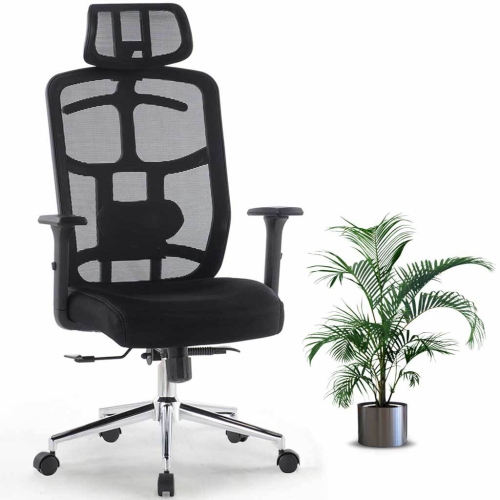 Your price for this item is $114.99
 -
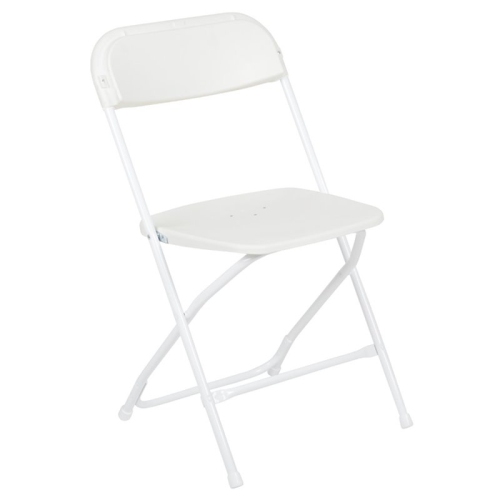 Your price for this item is $123
 -
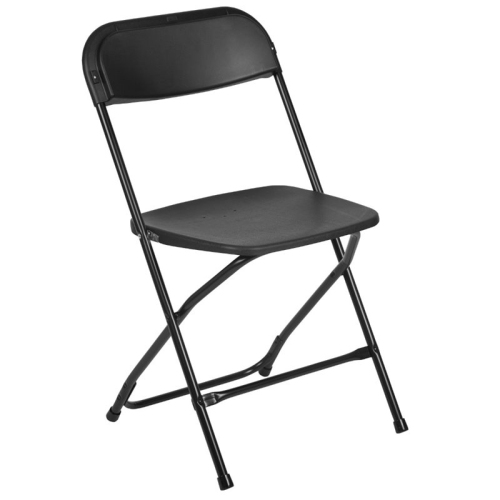 Your price for this item is $139.99
 -
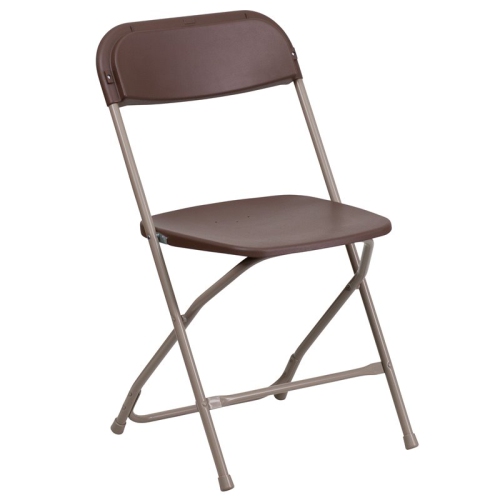 Your price for this item is $139.99
 -
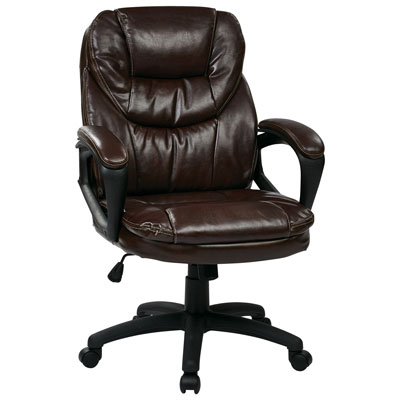 Your price for this item is $203.98
 -
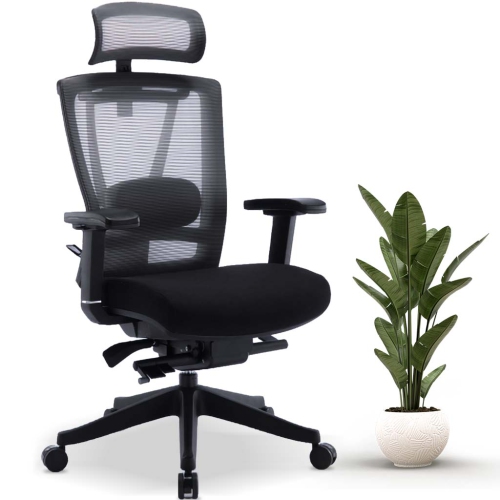 Your price for this item is $379.99
 -
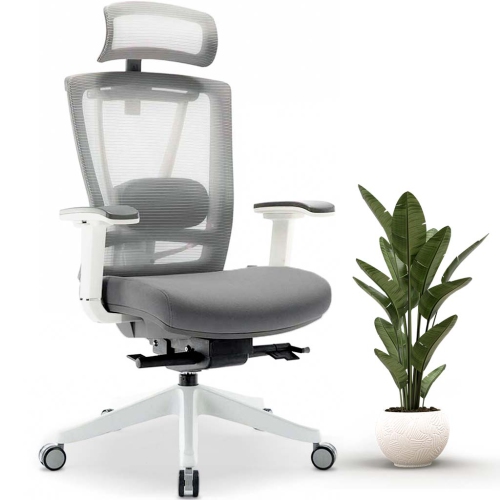 Your price for this item is $379.99
 -
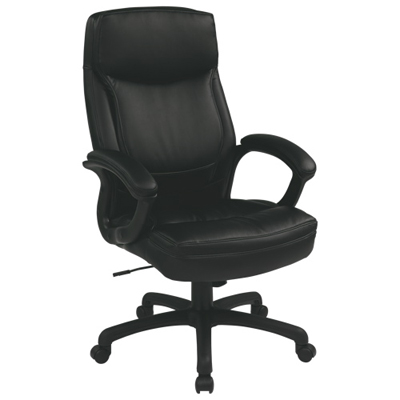 Your price for this item is $594.99
Discover more categories related to Tall Desks
Top Collections:
Pokemon Centers, Kindle Devices, Best Budget Office Chairs, Apple iPhones 16, Best Laptops for Writers, iPhone 15 Apple, Canon G7X Cameras, Refurbished Apple Laptops, Alarm Clock, Motorola Razr Phones
Some products may be subject to Environmental Handling Fees
(EHF) depending on your province.
Learn more about EHFs.