Tall Standing Desks
Elevate your workspace with tall standing desks, designed to enhance comfort and productivity. Whether you're setting up a home office or revamping your current setup, these desks offer the flexibility to seamlessly transition between sitting and standing positions. With a variety of styles and finishes available at Best Buy, you can find the perfect fit for any aesthetic while promoting a healthier posture. Explore the benefits of incorporating movement into your day and create an ergonomic environment that supports your work-life balance.
Sort

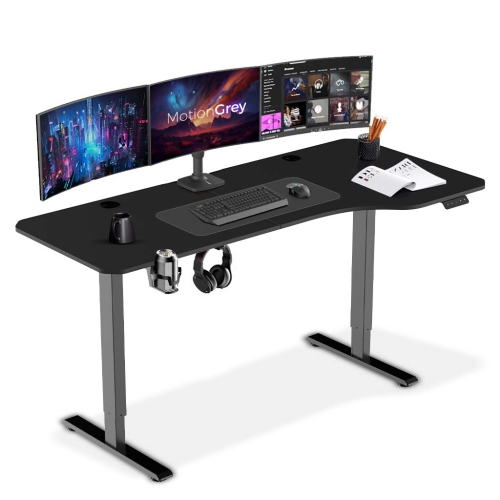
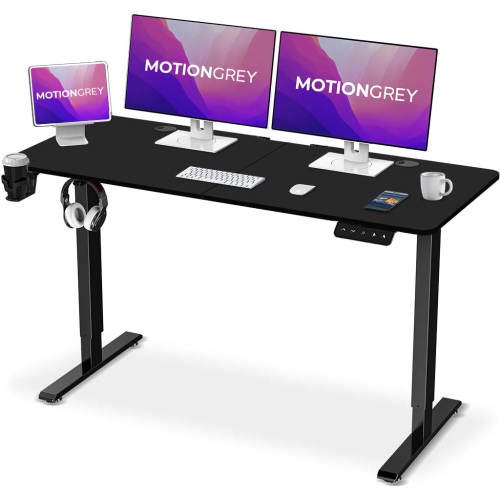
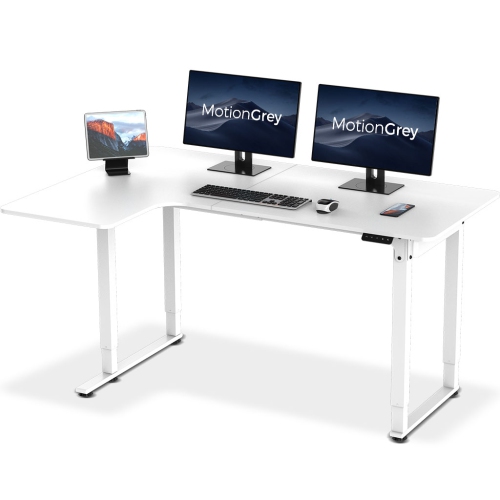
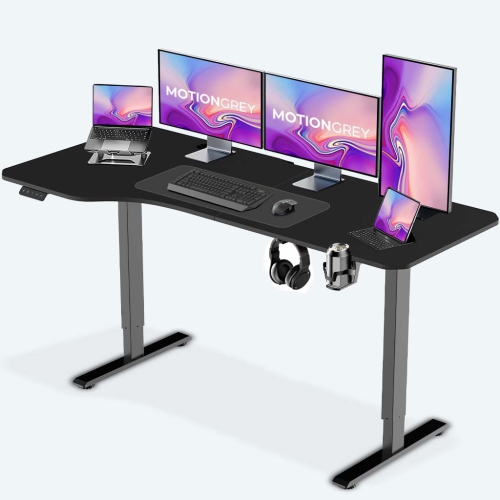
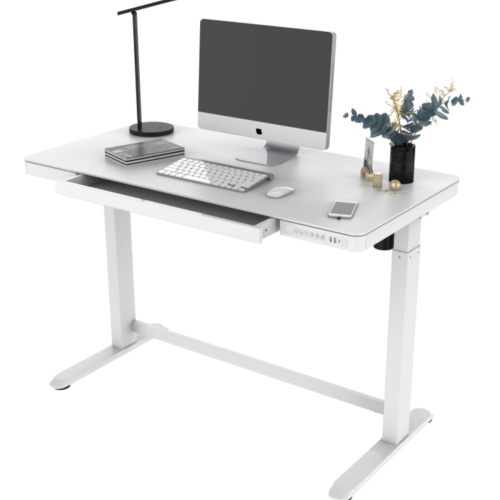
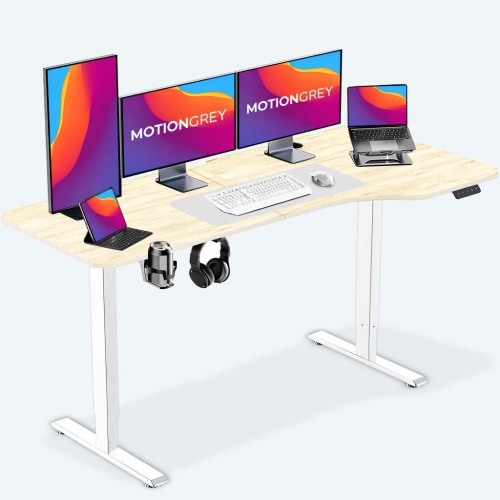
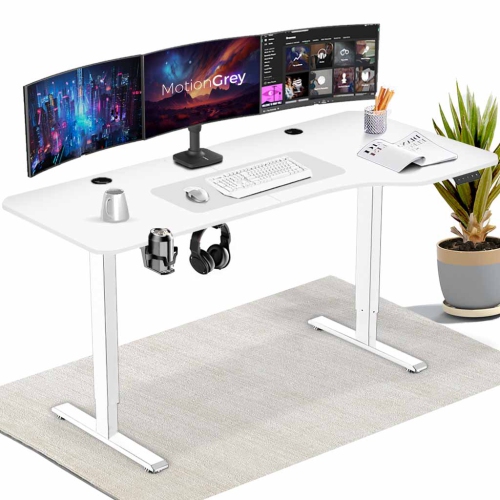
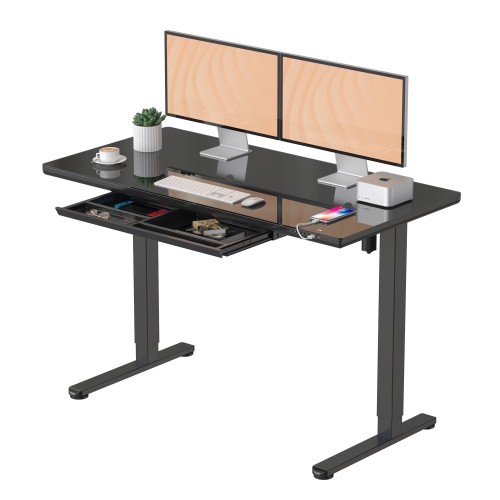
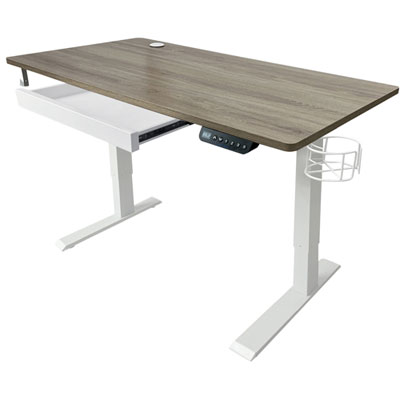
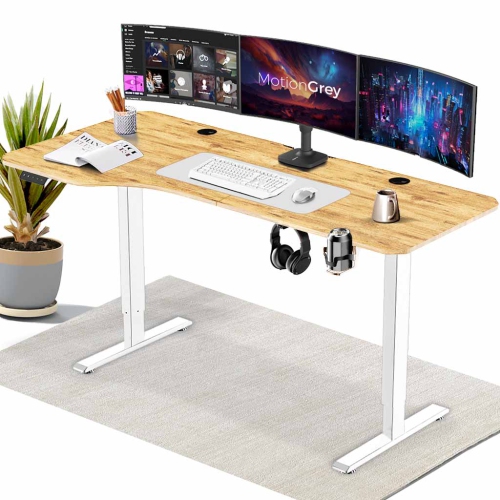
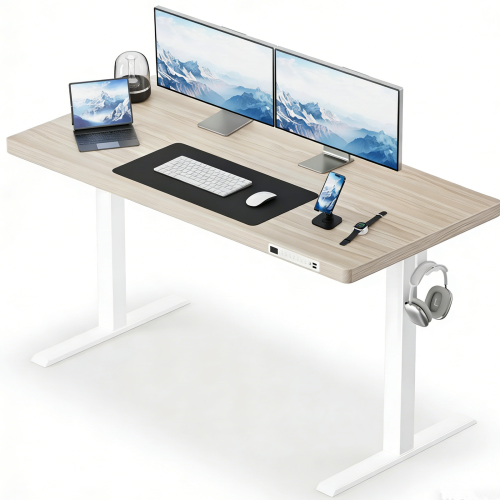
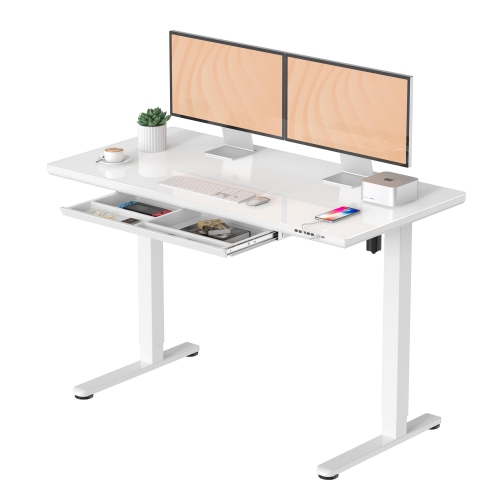
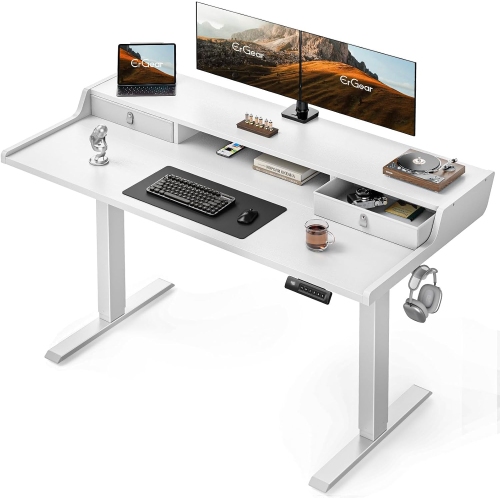
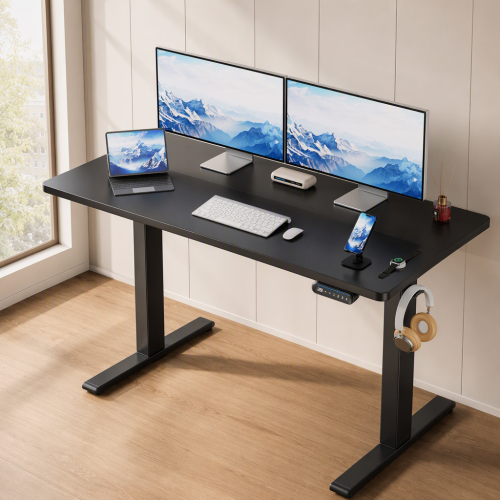
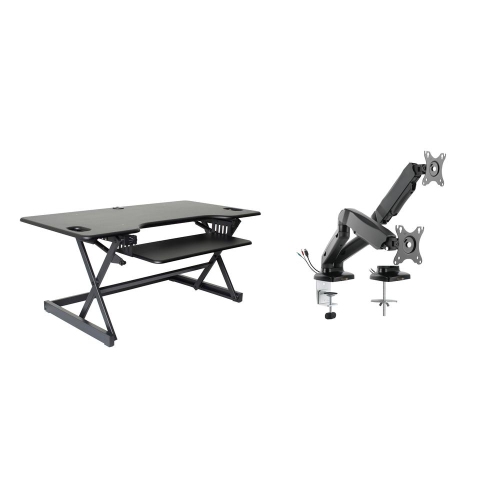
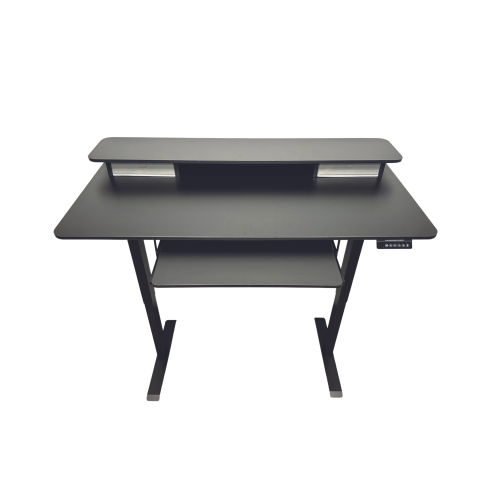
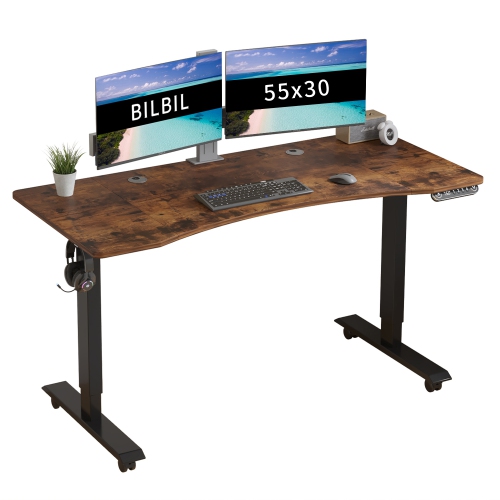
A comfortable workstation takes more than extra height
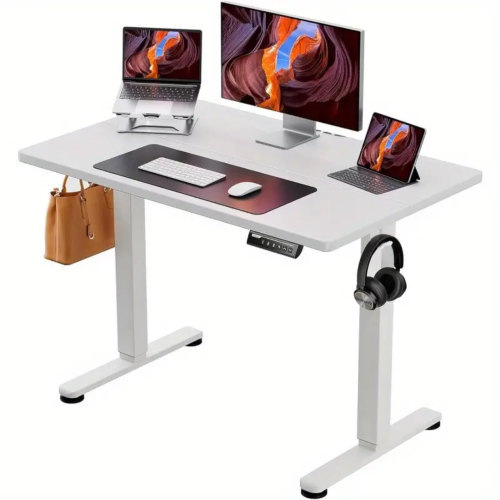
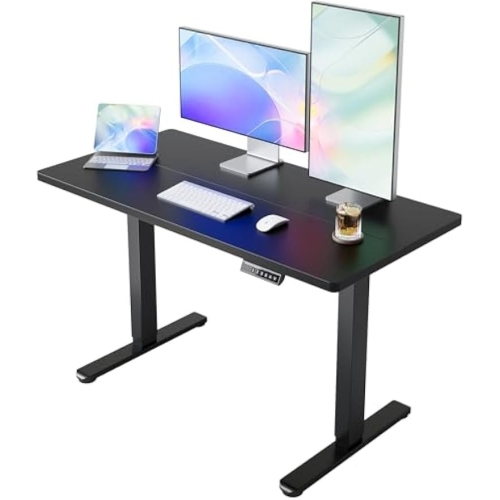
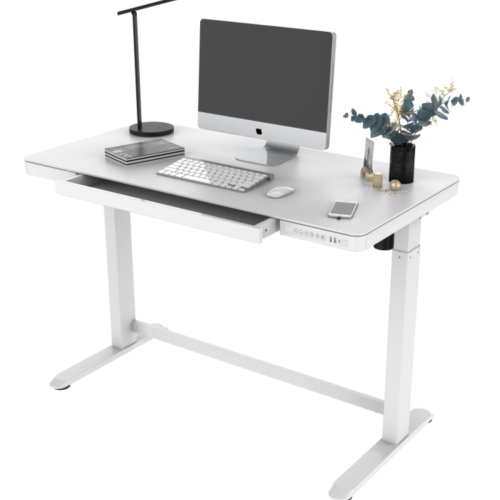
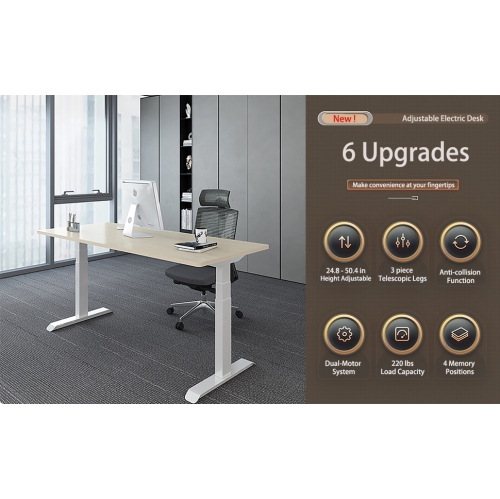
Tall standing desks provide a higher working surface for people who need more vertical space than a conventional desk offers. Some standard sit-stand desks stop at around 47 inches, while taller designs can reach approximately 48 to 52 inches or more, depending on the model. That extended range can be especially useful for people over 6 feet tall, although height alone does not determine the right fit. Arm length, footwear, desktop thickness, and the task being performed all influence where the surface should sit. For keyboard and mouse work, a comfortable starting point is a surface near standing elbow height, with shoulders relaxed, elbows close to the body, and wrists relatively straight. A desk that leaves someone shrugging their shoulders is too high for that setup; one that requires leaning forward may be too low. Maximum height is therefore an important specification, but so is the lowest setting, particularly when the desk will also be used while seated. Electric sit-stand desks make frequent changes more convenient, and programmable height settings can help return the desktop to familiar positions. Manual crank designs offer another way to adjust the surface, while fixed-height standing desks suit spaces where a consistently elevated work area is preferred. A tall desk can support everyday office tasks, online study, drawing, or reviewing paperwork, but those activities do not all call for the same working position. A laptop used on its own, for example, places the screen and keyboard close together. Raising the entire laptop to a comfortable viewing height also raises the keys, so an external keyboard and mouse can make a tall workstation more practical. The screen should remain easy to read without tipping the head back or bending the neck downward. A monitor arm or stand can help position the display independently of the desktop, especially for someone whose standing eye level is well above a standard monitor stand.
The construction of a tall standing desk matters most when the surface is raised. A frame that feels solid at sitting height may move more noticeably near its upper limit, so a broad base, secure connections, and a height range suited to the user all deserve attention. Steel frames are common, and stability depends on the overall design rather than the material alone. Manufacturer weight limits should account for the full setup, including the desktop when required by the specification, along with monitors, mounting arms, speakers, and other equipment. A dual-monitor workstation places different demands on a desk than a lightweight laptop arrangement, particularly when screens extend on adjustable arms. Desktop depth also affects comfort: enough space between the keyboard and display allows a more natural viewing distance, while a shallow surface can leave equipment crowded along the front edge. Width should accommodate daily tasks without overwhelming the room or blocking movement around the desk. Laminated and engineered wood tops offer a wide range of colours and finishes, while solid wood brings visible grain and may require more particular care. Smooth, gently finished edges can feel more comfortable against the forearms during long typing sessions. For monitor mounts, the thickness and construction of the top need to suit the clamp or mounting hardware; a rear cable tray or frame rail can sometimes occupy the same space. Cable management becomes especially important on a desk that travels through a large height range. Power cords and display cables need enough slack to reach the highest setting without pulling on sockets, while excess cable should stay clear of moving parts and feet. Clearance above the desk matters, too, especially beneath shelves or sloped ceilings. Routine care is usually straightforward: wipe surfaces with a soft cloth, address spills promptly, and follow the finish-specific cleaning instructions. Checking accessible fasteners as directed can help keep the frame secure, while a level floor gives the base a dependable foundation.
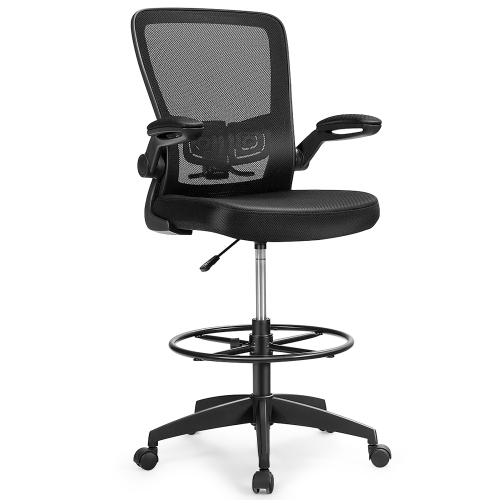
Tall standing desks work best as part of a workstation that makes changing position easy. Standing throughout an entire workday is not the goal; a useful setup allows sitting, standing, and short movement breaks without turning each change into a rearrangement of equipment. In a shared home office, a broad adjustment range can accommodate people of different heights, provided the desk reaches a suitable position for each person. In a compact workspace, storage that moves with the desktop can keep essentials close, although drawers and trays should leave enough room for knees when seated. A fixed-height desk needs a different seating arrangement from a desk that lowers to conventional seated height. Tall Office Chairs for Standing Desks can complement an elevated surface when their seat height and foot support suit both the desk and the person using it. Feet should rest securely on the floor or an appropriate support rather than hang unsupported, and armrests should not prevent the chair from moving close enough to the work surface. For standing tasks, a supportive mat may make a hard floor more comfortable, but its thickness changes the user’s position relative to the desktop and should be considered when setting the height. It should also sit securely without interfering with chair movement or creating a trip hazard. Controls are easier to use when they are within reach but clear of chair arms and nearby furniture. Where present, obstruction-detection features offer an added safeguard, not a substitute for keeping the desk’s travel path clear. For remote workers, students, designers, and anyone sharing time between screen work and hands-on tasks, the most useful tall desk is one that fits both the person and the room. Sufficient height, reliable support, practical surface space, and uncomplicated adjustments help make that fit feel natural through everyday use.
Top selling and popular products
-
 Your price for this item is $97.99
-
 Your price for this item is $89.99
-
 Your price for this item is $84.99
-
 Your price for this item is $97.99
-
 Your price for this item is $649
-
 Your price for this item is $749
-
 Your price for this item is $649
-
 Your price for this item is $649
Discover more categories related to Tall Standing Desks
Top Collections:
Best Black Friday Deals This Year, Best Black Friday Deals On Electronics, Kindle Devices, Pokemon Centers, Best Black Friday Deals On Apple Products, Best Cameras for Sports Photography, Dyson Airwrap, Pokémon 30th Celebration Cards, Apple iPhone 17 Pro, Canon G7X Cameras
Some products may be subject to Environmental Handling Fees
(EHF) depending on your province.
Learn more about EHFs.