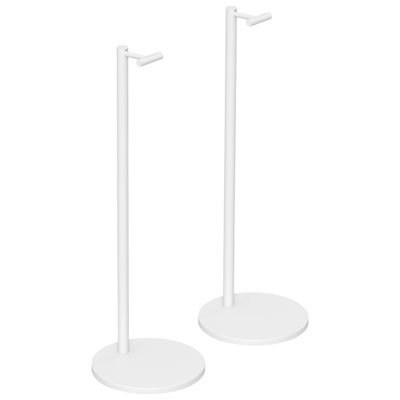
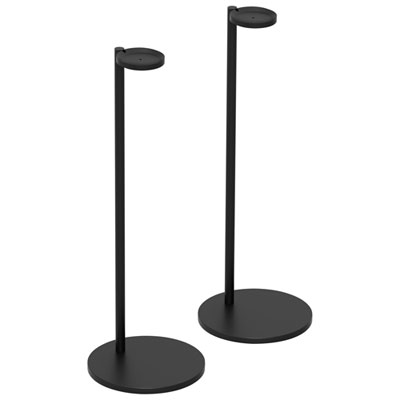
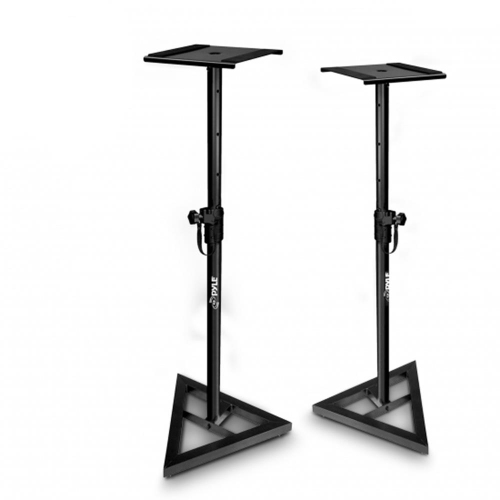
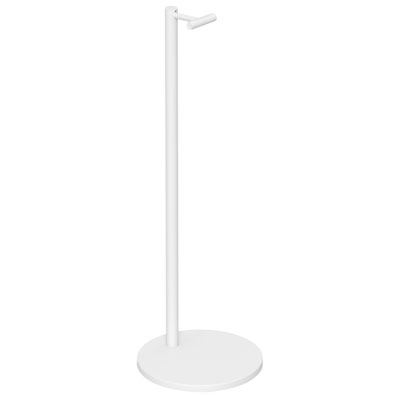
Desktop Speaker Stands

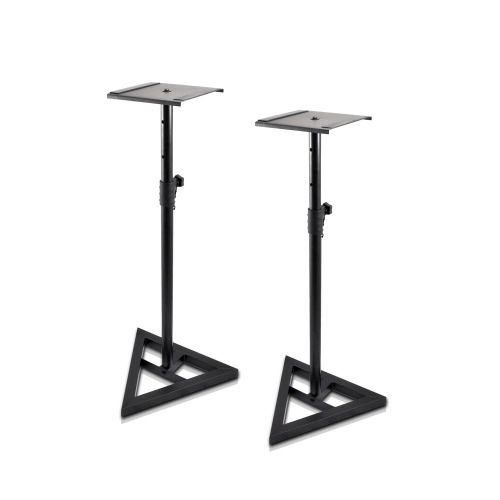
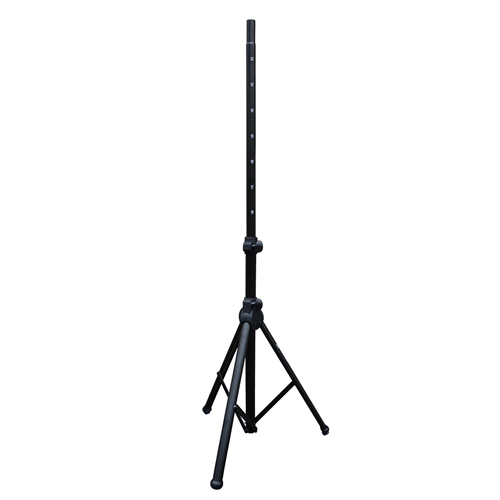
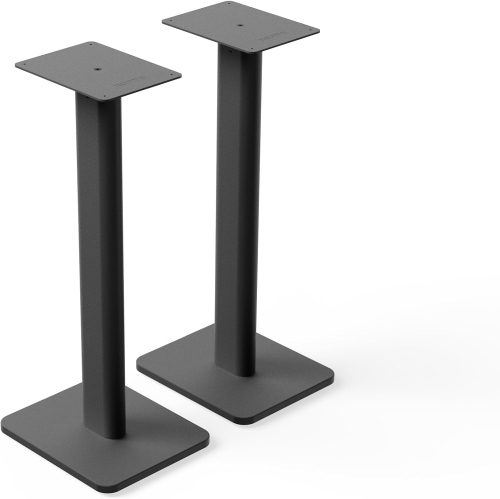
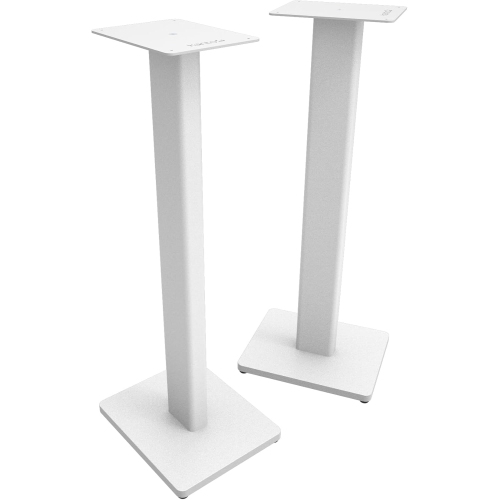
Browse desktop speaker stands to find a practical fit for your computer or desktop audio setup. Compare stand dimensions, weight capacity and speaker compatibility, keeping your available desk space and preferred listening position in mind.
Sort

Why speaker height and angle matter at your desk

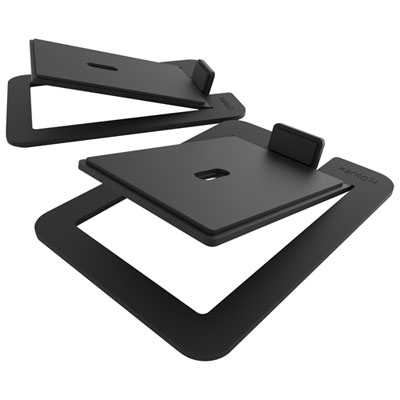
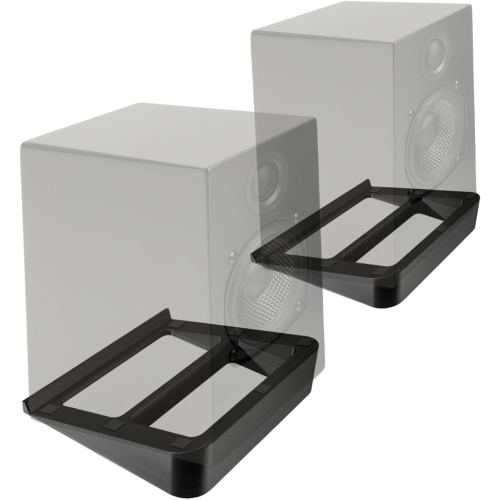
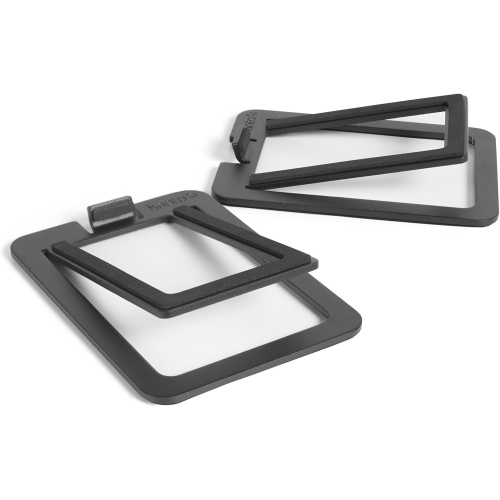
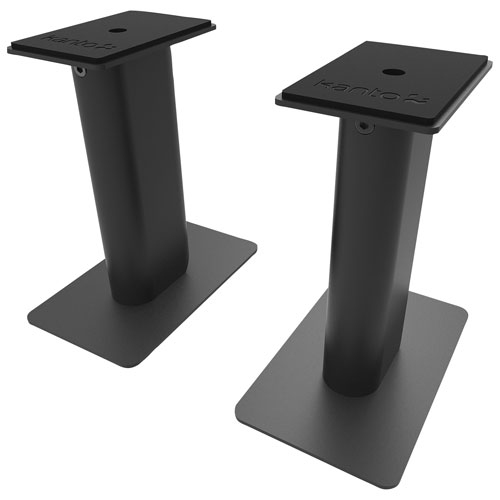
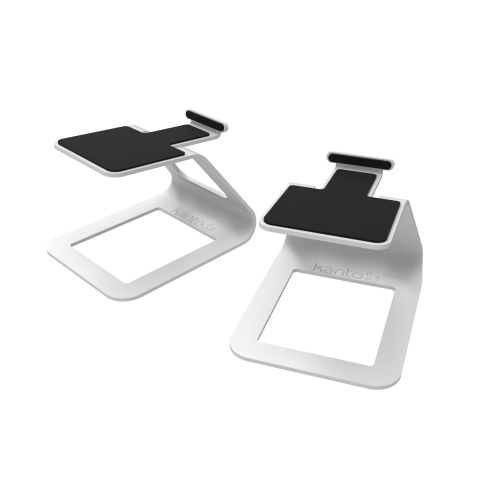
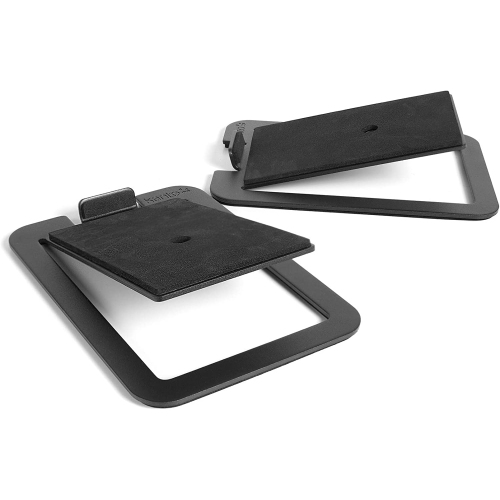
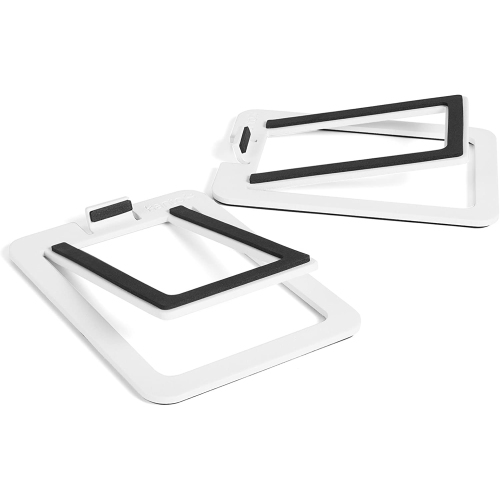
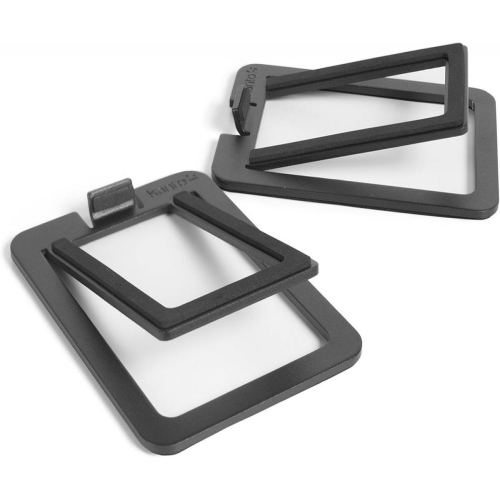
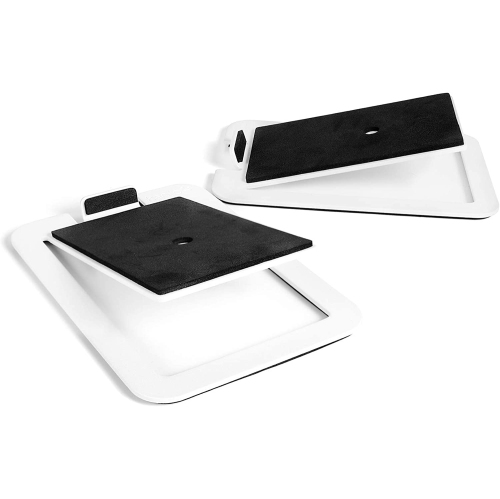
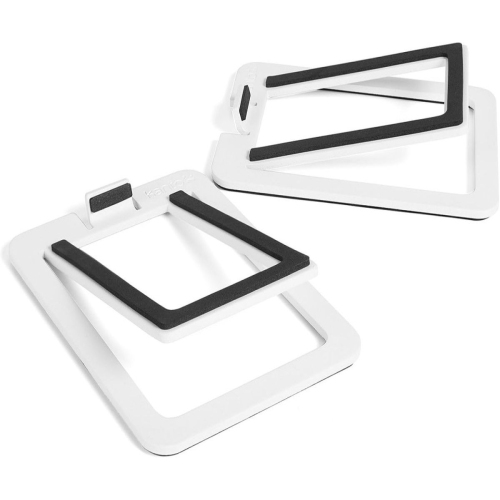
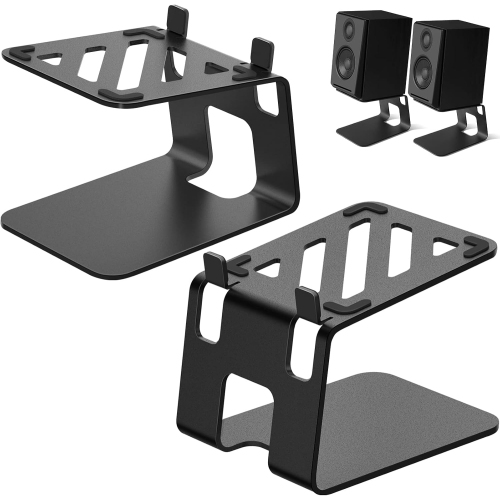
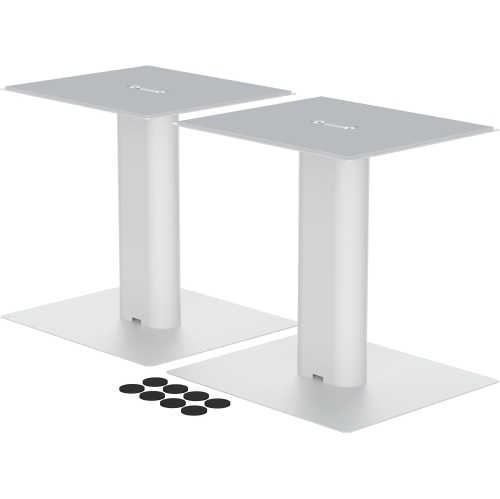
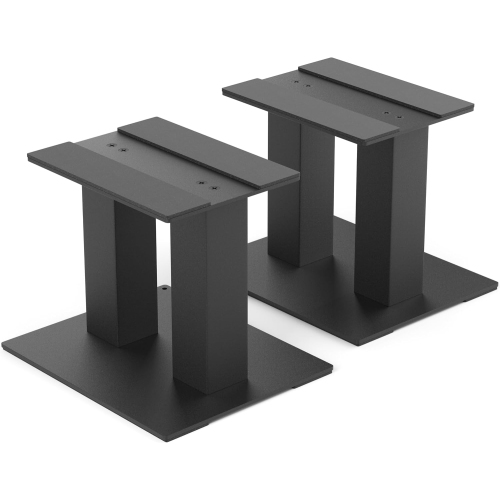
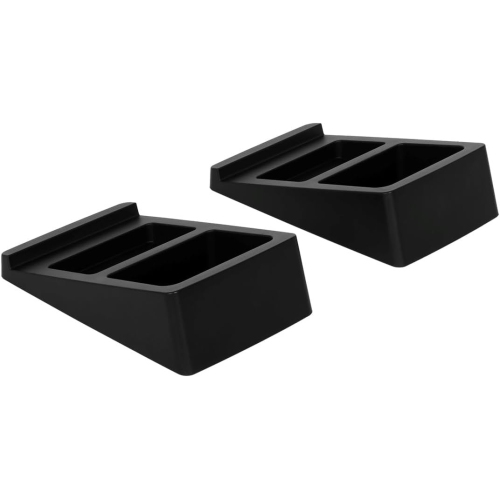
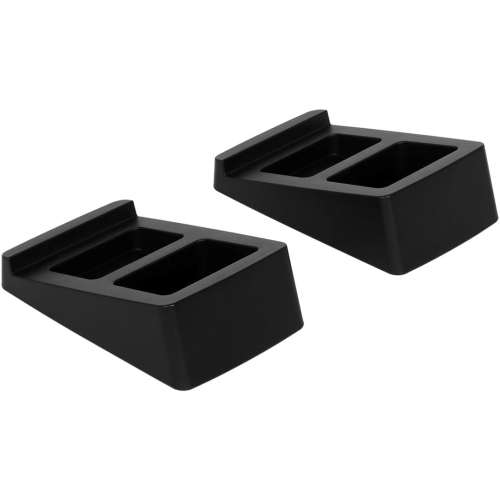
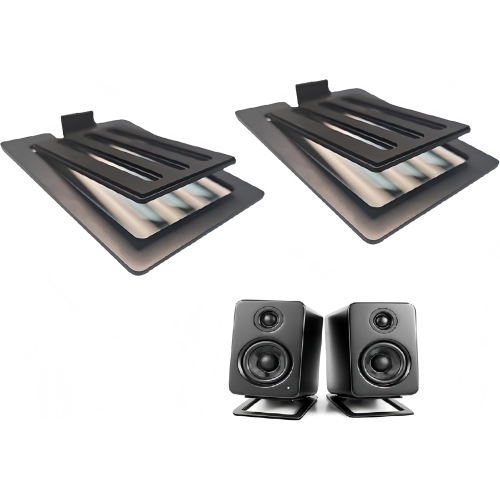
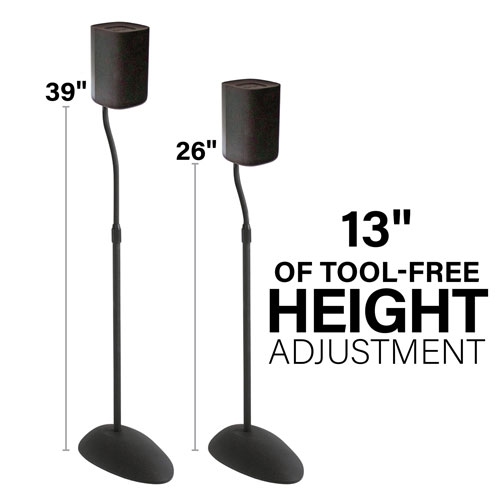
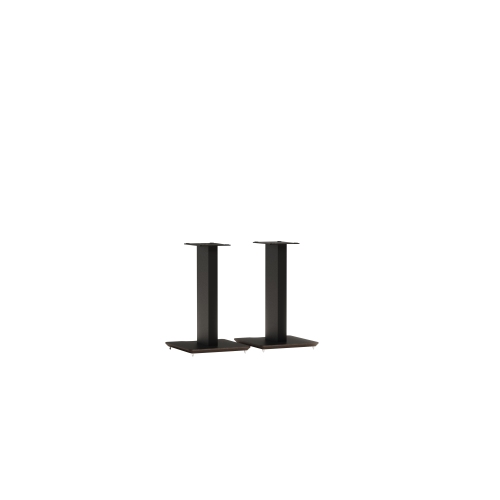
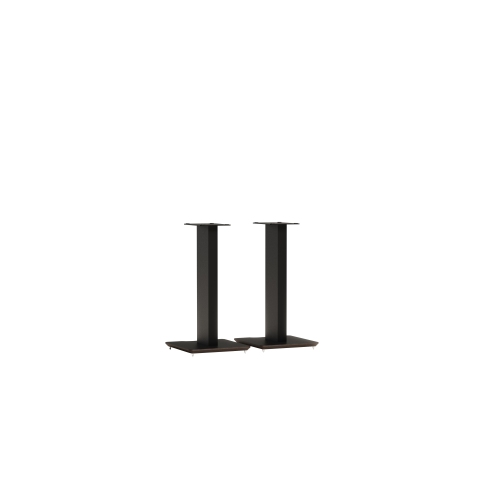
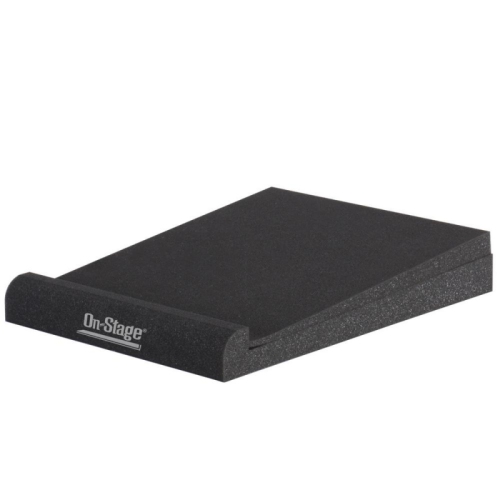
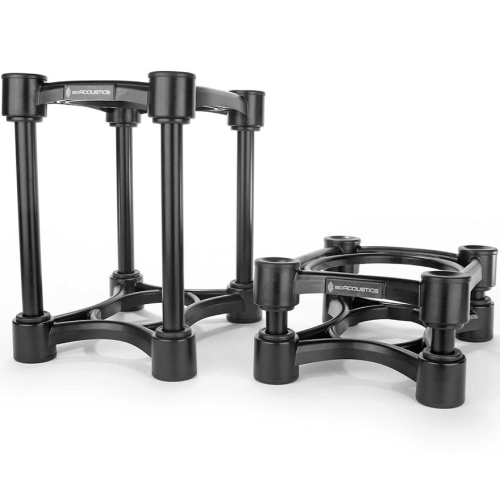
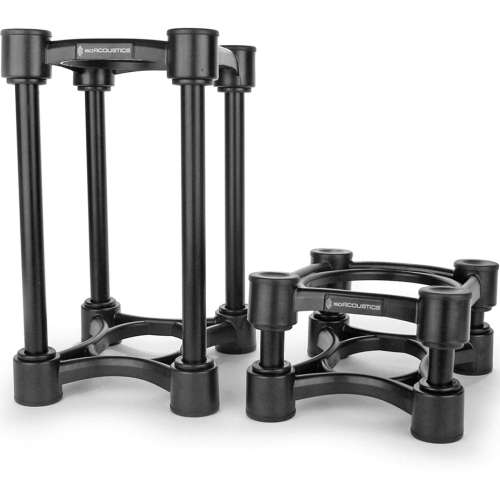
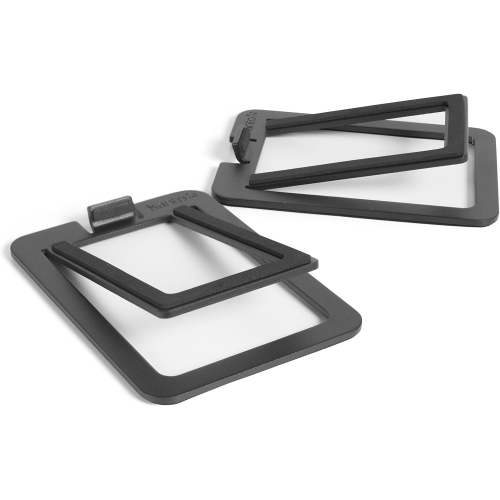
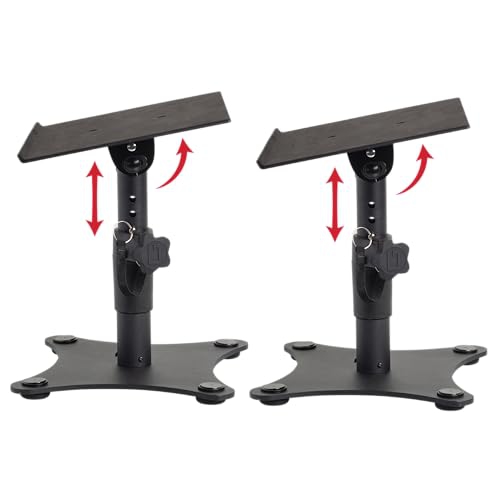
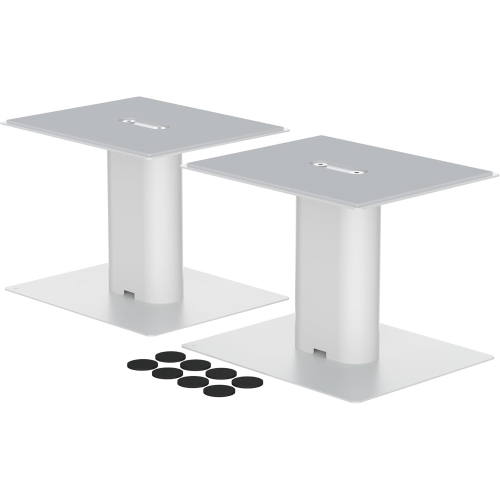
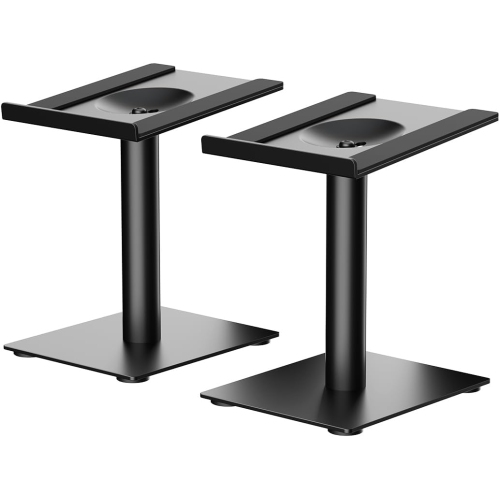
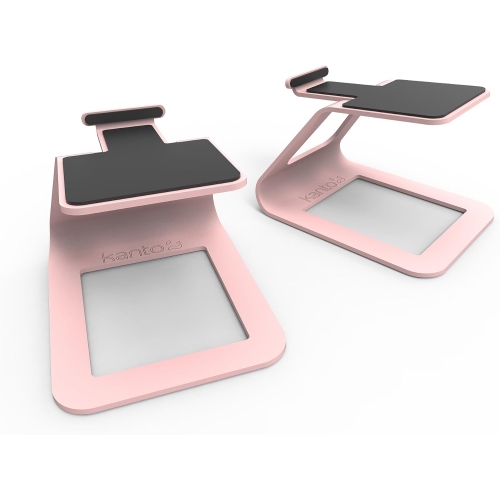
Desktop speaker stands raise or angle speakers towards seated ear level and, when fitted with suitable isolation pads, can help reduce vibrations passing into the desk. They give compact speakers, bookshelf speakers, and studio monitors a more deliberate place in a computer setup, whether the desk is used for music, gaming, video editing, or everyday work. A speaker sitting directly on a desktop may aim sound below the listener’s ears, especially when its high-frequency driver, or tweeter, is positioned near the keyboard. A tilted stand directs that sound upward, while a raised platform adds height without necessarily changing the speaker’s angle. Height-adjustable designs offer more flexibility when the same desk serves different activities or seating positions. The practical goal is to bring both speakers into a balanced relationship with the listening position: similar heights, comparable distances from the listener, and a clear path past the computer display. This positioning can make dialogue easier to follow and help instruments or game sounds feel more precisely placed, although results depend on the speakers, room, and surrounding surfaces. Isolation material can also limit some of the buzzing or resonance caused by contact with the work surface; it does not make a room soundproof or remove every source of vibration. For someone editing a podcast at a small desk, a pair of low-profile angled supports may provide a useful change without putting speakers above the display. For a music enthusiast with larger monitors, taller platforms may bring the tweeters closer to ear height while keeping the speaker cabinets clear of paperwork. Desktop speaker stands are useful wherever speakers need a stable, repeatable position rather than being moved around to make room for a mouse or notebook. Their value comes from combining appropriate placement with dependable support, not simply lifting speakers as high as possible.

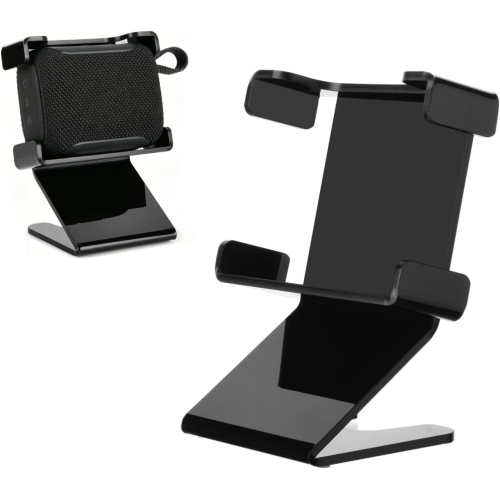
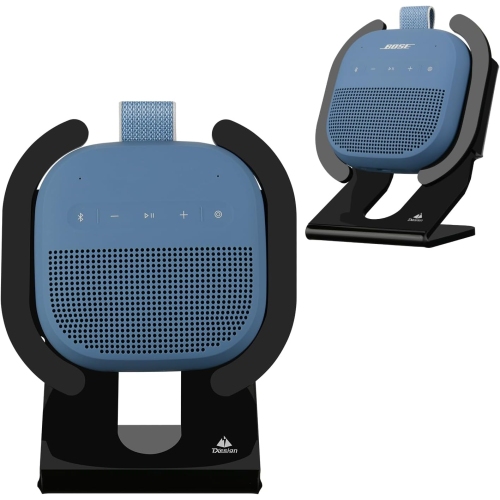
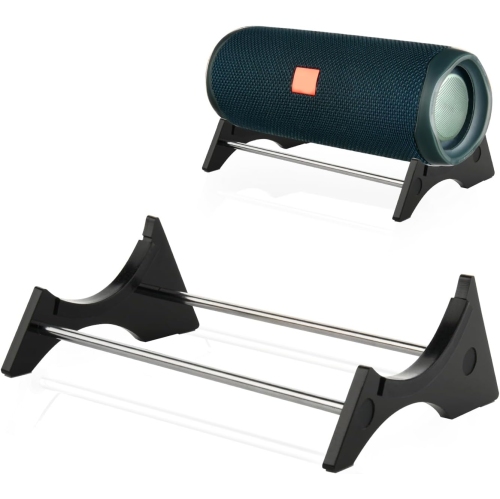
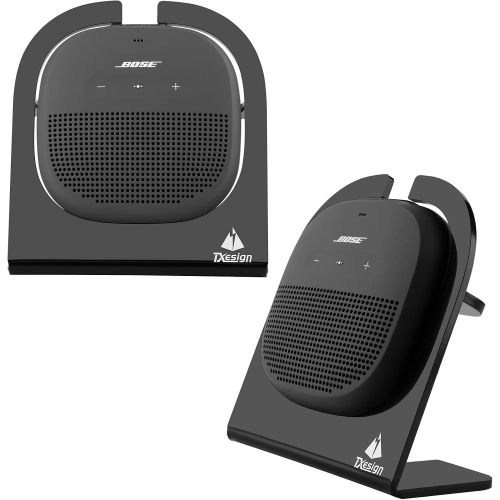
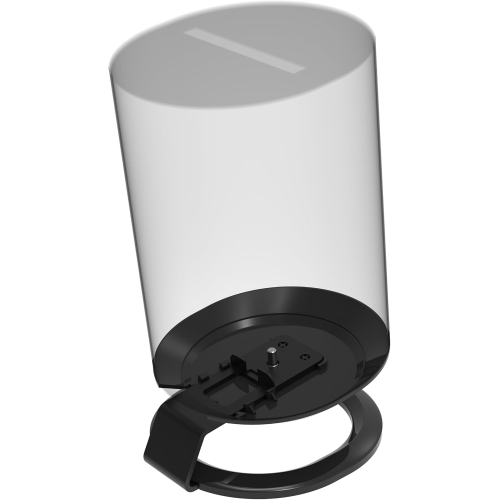
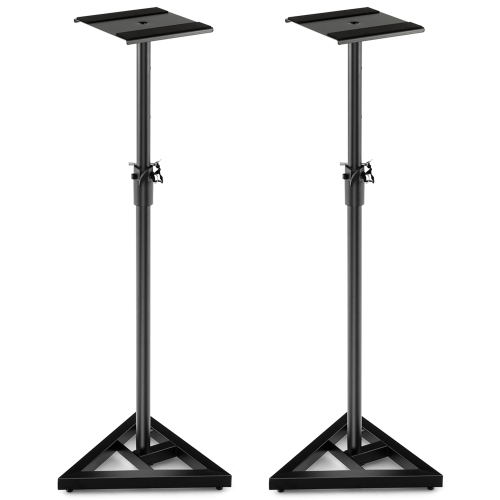
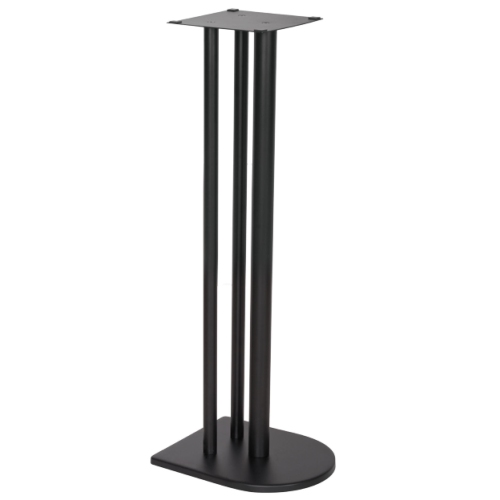
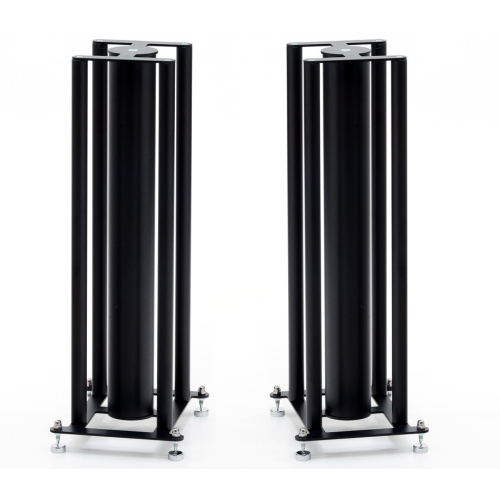
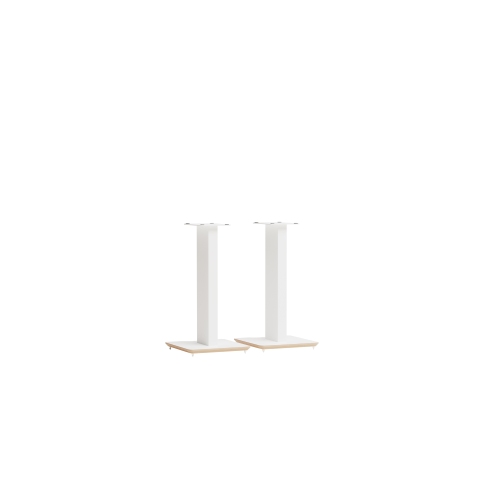
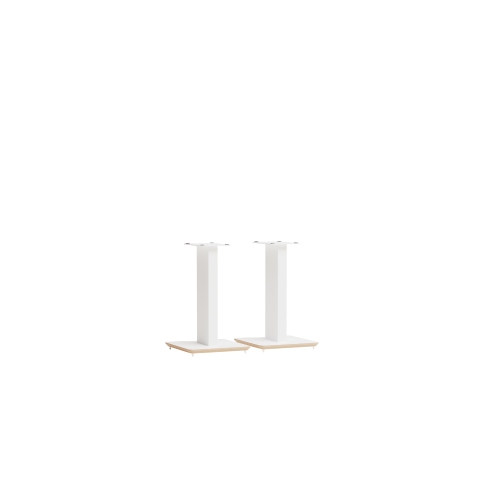
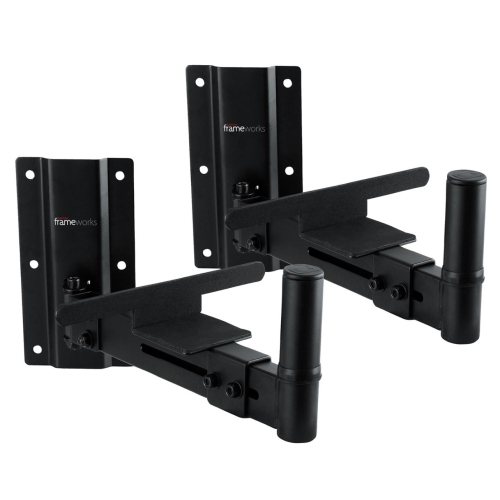
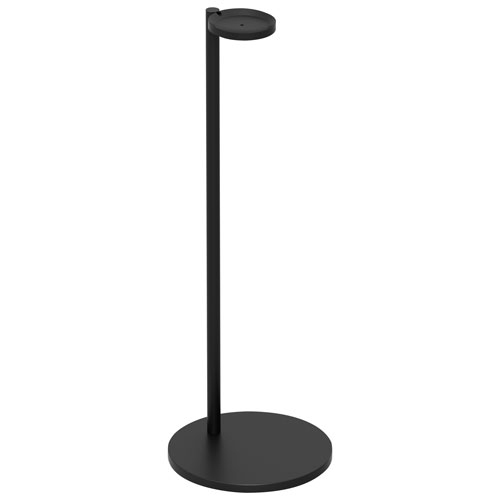
Fit involves more than checking whether a speaker will sit on the top plate. The stand’s load rating should meet or exceed the weight of each speaker, and the platform dimensions, support points, and retaining edges need to suit the cabinet’s shape. A small speaker can still be relatively heavy, while a wide cabinet may feel unsteady on a narrow platform even when it falls within the stated weight limit. For stands with adjustable height or tilt, the locking mechanism matters as much as the adjustment range: the speaker should remain secure at the chosen position without gradually slipping. Free-standing desktop speaker stands rest on the work surface and are straightforward to reposition when a setup changes. Low wedges suit compact arrangements, while raised designs may leave room underneath for small desk accessories, depending on their structure and clearance. Clamp-mounted stands attach to a compatible desk edge and can free up surface space, but they require the right desktop thickness, adequate edge clearance, and a surface built to accept the clamp’s pressure. Glass, hollow-core construction, bevelled edges, or an obstructed underside may make clamp mounting unsuitable. Materials influence both appearance and handling. Steel can provide reassuring weight and rigidity; aluminum often offers a lighter structure; wood and wood-based designs can coordinate with furniture. Stability still depends on the overall construction, base width, joints, and weight distribution rather than material alone. Rubber, silicone, or foam contact pads can help keep cabinets from sliding and reduce direct contact between hard surfaces. Those pads should support the speaker evenly without blocking vents, controls, or connections. Rear-facing ports and cables also need clearance, particularly when the desk sits close to a wall. A power connector or thick audio cable pressed against the wall can interfere with placement, so usable space includes the area behind the speaker as well as the stand’s footprint. Measuring the desk, speakers, and available height helps establish whether a stand will fit comfortably around the display and other equipment.

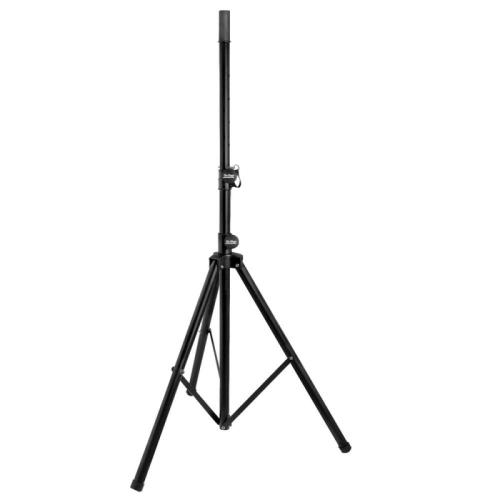
A well-integrated pair of stands should make the desk easier to use, not introduce new obstacles. On a narrow work surface, the base should leave enough room for comfortable keyboard and mouse movement, and speakers should not sit where a forearm or chair is likely to knock them. Cable-routing features can help keep power and audio leads away from moving monitor arms, drawer edges, and the desktop’s working area. Cables need enough slack for any permitted adjustment without pulling on the speaker or stand. Where speakers share a desk with a turntable or microphone, reducing direct mechanical contact can be helpful, but careful equipment placement remains important because stands cannot prevent every form of interference or feedback. For larger cabinets or a layout that positions speakers beside rather than on the desk, Bookshelf Speaker Stands offer a related category to consider, with attention to the same questions of support, height, and placement. Keeping desktop stands in good condition is generally straightforward: remove dust with a soft cloth, follow the manufacturer’s cleaning directions, and avoid soaking padded surfaces or using abrasive cleaners on painted finishes. Contact pads deserve an occasional check for compression, peeling, or trapped grit, especially after the speakers have been moved. Adjustable joints and clamps should also be checked periodically and tightened only as directed, since excessive force can damage hardware or the desktop. Durable construction is particularly useful for shared workspaces where equipment gets repositioned frequently, while a fixed-height design can suit a dedicated listening position that rarely changes. As a gift, desktop speaker stands can be a thoughtful addition for a gamer, home-recording enthusiast, or music lover who already has compatible speakers. Knowing the speaker dimensions, individual weight, desk layout, and preferred finish makes that choice more practical. The most successful pairing feels unobtrusive: speakers sit securely, sound is directed towards the listener, and the work surface remains comfortable for the tasks it handles every day.
FAQ

Some products may be subject to Environmental Handling Fees (EHF) depending on your province. Learn more about EHFs.