Halo Cut Diamond
Halo-cut diamonds are a type of diamond that has an imperfection known as a "halo." The halo is a band of color that encircles the stone. Halo diamonds are often more attractive because they catch the light in an interesting way. Here are some great options available.
Sort
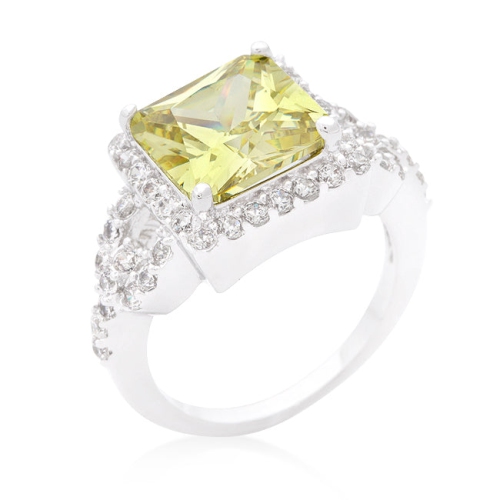


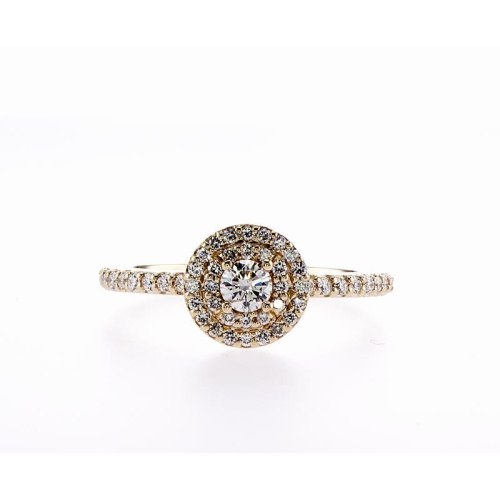


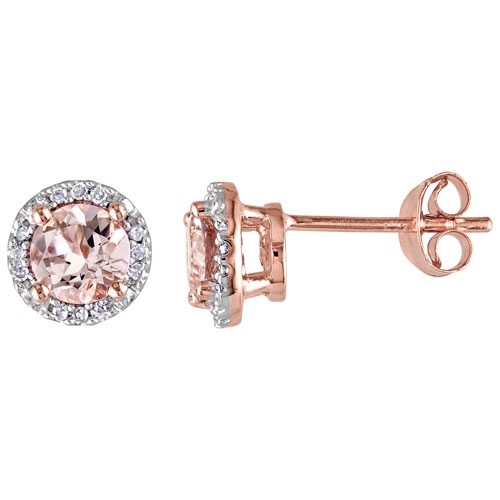

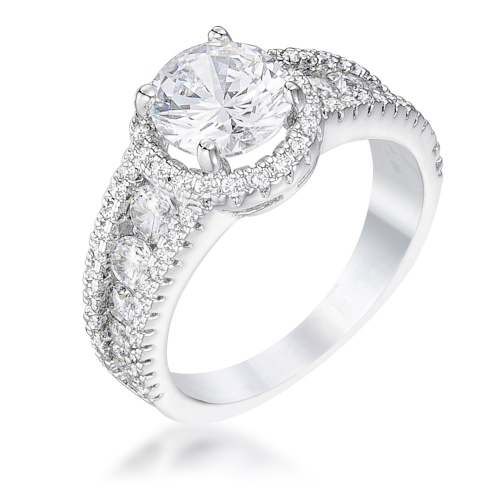


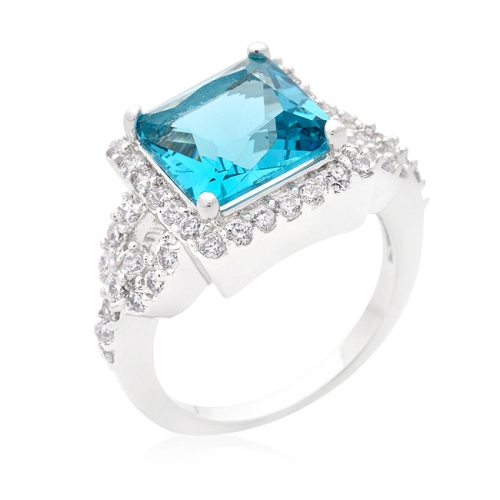
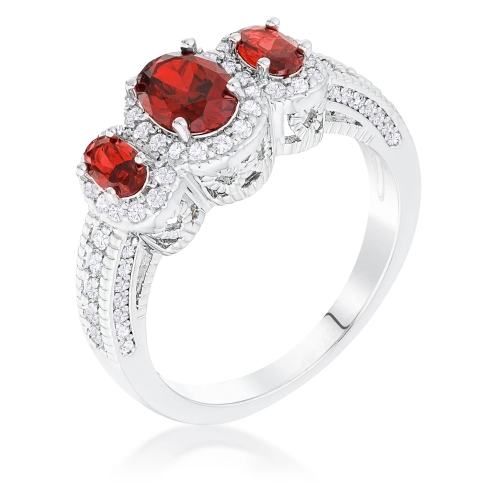


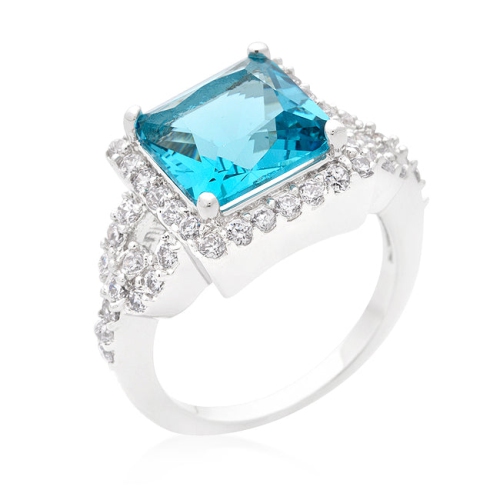

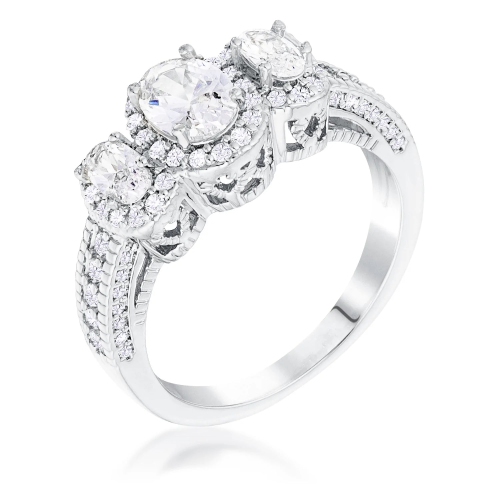


How halo settings shape a diamond’s appearance
A halo diamond design features a centre stone framed by smaller accent stones, creating a bright outline that follows or contrasts with the diamond’s shape. Although often called a halo cut diamond, the term describes the setting rather than a separate diamond cut. The centre diamond might be round, oval, cushion, pear, princess, emerald, or Asscher cut, with each shape giving the finished piece a different character. A round centre with a close-fitting halo has a balanced, circular appearance, while an oval or pear shape creates a longer silhouette. Square and rectangular diamonds bring more defined lines, softened or emphasized by the surrounding stones. The halo can make the centre diamond appear larger when viewed from above, but the effect depends on the proportions, spacing, and contrast between the stones; it does not change the diamond’s actual carat weight. A traditional halo sits visibly around the centre stone, while a hidden halo is positioned beneath it and is most noticeable from the side. Double halos add a second frame for a broader outline. A cathedral setting uses arches rising from the band to support the centre setting, and may incorporate a halo, but the terms describe different structural features. Small diamonds set closely together in pavé or micro-pavé arrangements give the frame a finely textured sparkle. These details appear in engagement rings as well as diamond earrings and pendants, where the same framing effect adds definition around a central stone. On the hand, a delicate halo can look like a fine border, while a wider frame becomes a more prominent part of the design. The visible ring of accents is the defining feature of Classic Halo Engagement Rings, allowing different centre shapes to share a familiar silhouette without looking identical. The relationship between the centre and its frame matters as much as either element alone: a closely matched outline feels cohesive, while a cushion-shaped halo around a round diamond creates a softer, more distinctive contour.
The character of halo diamond jewellery also comes from the metal, stone quality, and proportions of the setting. White gold and platinum create a pale backdrop that visually blends with colourless diamonds, while yellow and rose gold provide a warmer contrast around the stones. White gold is often finished with rhodium plating, which can wear over time and may need professional renewal to maintain its bright white appearance. Platinum develops a patina with wear, and polished gold surfaces can also show fine scratches through regular use. Gold karat describes the proportion of pure gold in an alloy, not the size or quality of the diamonds; the alloy composition also affects colour and wear characteristics. Any known sensitivity to nickel or other metals makes the full alloy composition relevant, especially for a ring worn daily. For the stones themselves, carat weight, colour, clarity, and cut provide different pieces of information. Total diamond weight may include both the centre diamond and every accent stone, so it should not be mistaken for the weight of the centre alone. A well-proportioned cut helps a diamond interact with light, while shape describes its outline. Step-cut emerald and Asscher diamonds tend to show broad flashes and an open, geometric pattern, unlike the smaller, more frequent flashes associated with many brilliant-cut shapes. Natural and laboratory-grown diamonds share the same fundamental crystal structure and are distinct from diamond simulants, such as cubic zirconia; clear descriptions help establish what each stone actually is. Fit and profile are equally practical considerations. A tall centre setting has a noticeable side view but may catch on knitted sleeves or gloves, while a lower profile can feel less intrusive during everyday tasks. A broader band occupies more space on the finger and may fit differently from a narrow band in the same stated size. For an engagement ring worn beside a wedding band, the height and shape of the setting determine whether the two bands sit flush, leave a gap, or need a contoured companion.
Halo diamond jewellery can mark an engagement, anniversary, graduation, or personal milestone, with the most suitable style reflecting how the recipient dresses and lives. Someone who favours small, understated jewellery may appreciate a narrow frame and plain band, while someone drawn to more visible sparkle may prefer accent stones extending along the shoulders. Halo stud earrings concentrate the detail close to the ear, and a pendant places the framed diamond at the neckline without the sizing considerations of a ring. Earring backings, pendant chain length, and clasp design affect comfort and ease of use just as ring size does. For gifts, familiar details such as the recipient’s usual metal colour, preferred necklace length, and tolerance for raised settings are often more useful than assuming that a larger outline is always better. Everyday care helps preserve both appearance and security. Diamonds resist scratching exceptionally well, but a hard knock can still chip a stone, particularly at a vulnerable edge or pointed corner. The surrounding halo is not a guarantee against damage, and its small settings need attention of their own. Rings are best removed before lifting weights, handling abrasive materials, or doing tasks that place force against the band. For routine cleaning, lukewarm water, a little mild dish soap, and a soft brush can loosen residue beneath the setting, provided the piece contains no materials requiring different care. Thorough rinsing and gentle drying help prevent a film from dulling the stones. Ultrasonic and steam cleaning are not suitable for every piece, especially where stones are loose, treated, or combined with more delicate gems. Separate storage reduces contact with other jewellery, and periodic professional inspection can identify worn claws or loose accent stones before they are lost. A halo’s appeal rests in the complete composition: the centre diamond, the fine surrounding sparkle, and a setting comfortable enough to become part of daily life.
Top selling and popular products
-
 Your price for this item is $369.99
-
 Your price for this item is $801.45
-
 Your price for this item is $133.2
-
 Your price for this item is $151.05
-
 Your price for this item is $123
-
 Your price for this item is $486.49
-
 Your price for this item is $135.75
-
 Your price for this item is $969
Discover more categories related to Halo Cut Diamond
Top Collections:
Pokemon Centers, Best Cameras for Sports Photography, Kindle Devices, Samsung Galaxy Phones, Canon G7X Cameras, Pokémon 30th Celebration Cards, Refurbished Apple Laptops, iPhone 15 Apple, Laptops for Students, Budget Smartphones
Some products may be subject to Environmental Handling Fees
(EHF) depending on your province.
Learn more about EHFs.