Halo Cut Rings
A halo cut ring is one of the most popular styles of wedding band. It's a classic design that has been around for decades and is available in a variety of materials. A halo cut is also known as the round cut, because it has a rounded edge. Here are some great options available.
Sort


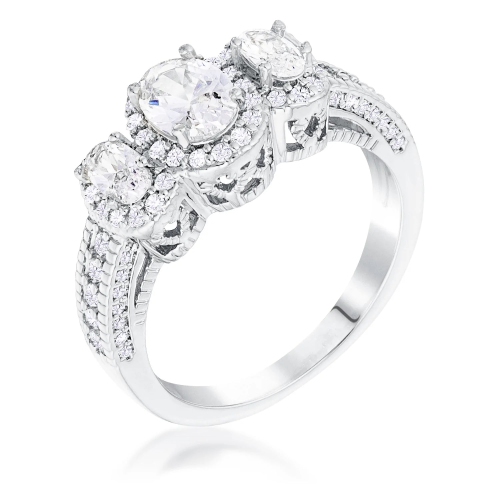

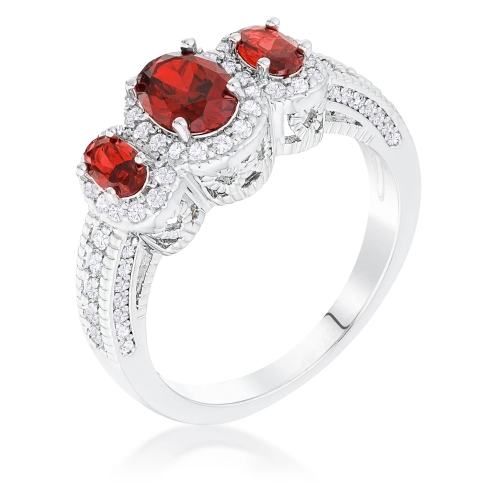


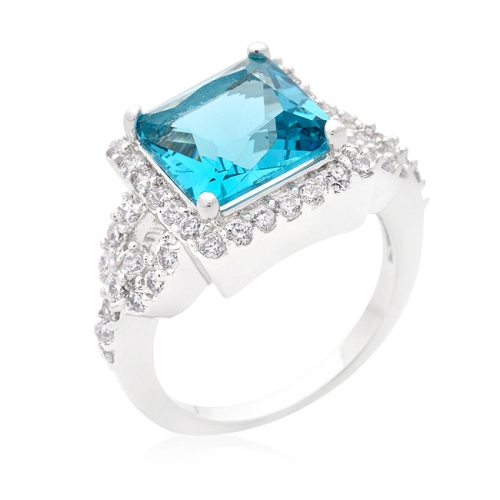


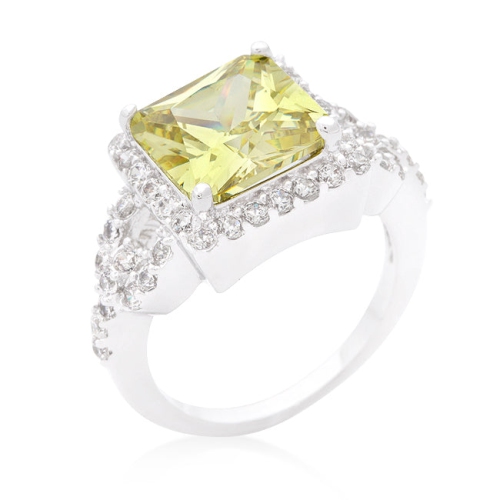


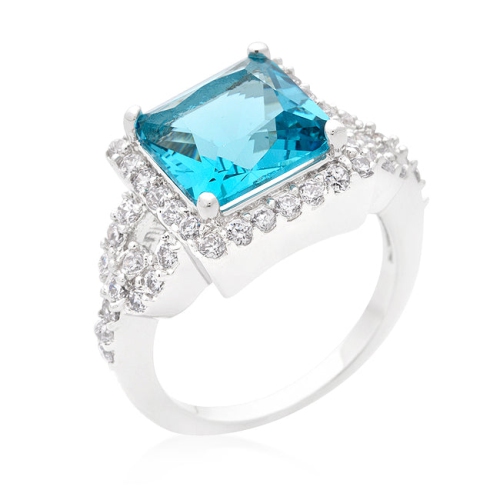


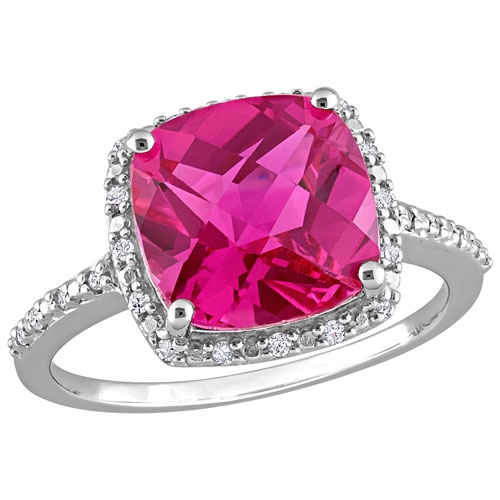


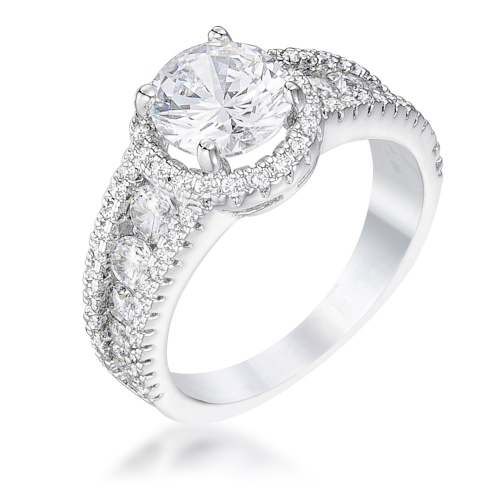


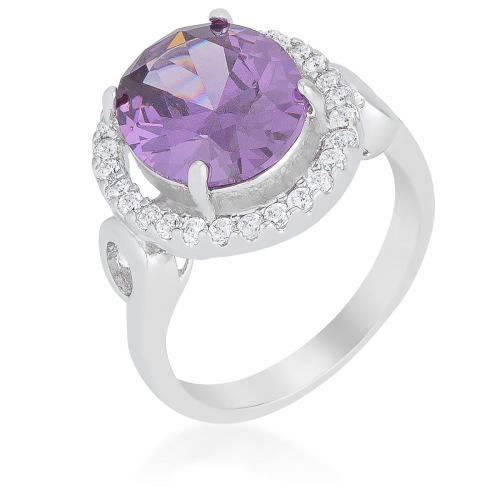
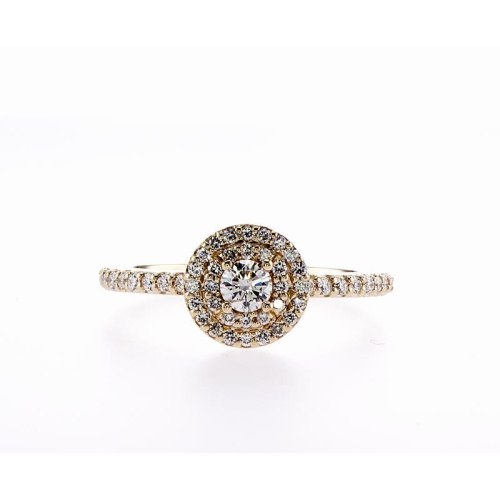


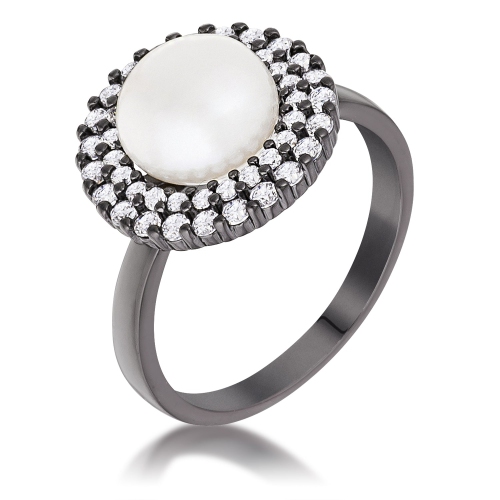


How a halo setting changes your centre stone’s appearance
Halo cut rings feature a centre gemstone framed by smaller accent stones, creating a bright outline that draws attention to the main stone’s shape. Despite the name, a halo is a setting style rather than a gemstone cut: the centre can be round, oval, cushion, pear, emerald, radiant, or another shape. The surrounding stones can make the centre appear larger when viewed from above, although the effect depends on their size, spacing, colour, and placement. A round halo has a balanced, symmetrical appearance, with a continuous border of sparkle around the centre. Cushion halos introduce softly rounded corners, lending a square or rectangular outline a gentler, sometimes vintage-inspired feel. Oval designs offer an elongated silhouette, while pear-shaped centres combine a rounded end with a distinct point. Emerald-cut stones have broad, step-like facets that produce flashes of light rather than the more scattered sparkle associated with brilliant cuts; a halo adds a contrasting texture around those clean lines. Radiant-cut centres bring a rectangular or square outline together with brilliant-style faceting. Single halos provide one frame of accent stones, while double halos create a wider, more layered face. A hidden halo sits beneath the centre stone, adding detail visible from the side without necessarily forming a border in the top view. Small accent stones may be held in pavé, micro-pavé, shared-prong, or other settings, each affecting the amount of visible metal and the appearance of the border. These details give halo rings a broad range of personalities, from delicate pieces with slim, polished bands to substantial designs with decorated shoulders and intricate galleries beneath the centre. Their appeal extends beyond engagement jewellery: a halo ring can mark an anniversary, celebrate a personal milestone, or serve as a dress ring worn simply for its colour and sparkle. The overall impression comes from the relationship between the centre, its frame, and the band, not from gemstone size alone.
Materials influence both the appearance of a halo ring and how it wears over time. Diamond centres and accents provide strong resistance to scratching, though diamonds can still chip if struck at a vulnerable edge. Natural and laboratory-grown diamonds share essentially the same chemical composition and physical properties; the distinction is their origin. Moissanite is a different gemstone known for its durability and pronounced rainbow flashes, while cubic zirconia is a diamond simulant that is more susceptible to surface wear with frequent use. Coloured centres, including sapphire, ruby, and other gemstones, create contrast against a pale halo, but their suitability for everyday wear varies with hardness, toughness, and any treatments they have received. A deep blue centre surrounded by bright accents creates a different mood from a colourless stone framed by matching accents, even when the ring’s outline is identical. Metal colour further changes that impression. Yellow gold gives the setting a warm frame, white gold and platinum create a pale backdrop, and rose gold adds a pink tone. Gold’s karat designation indicates its proportion of pure gold, but wear resistance also depends on the alloy and construction. White gold is often rhodium-plated, and that finish may need refreshing as it wears. Platinum is dense and develops a patina with use, while sterling silver can tarnish and benefits from care appropriate to both the metal and its stones. Plated rings require particular attention to cleaning and abrasion because their outer finish can wear through. Anyone with a known metal sensitivity should check alloy details rather than relying on colour alone; some white gold alloys, for example, contain nickel. For a ring worn daily, a well-supported centre, protected corners, and securely held accent stones matter as much as visual appeal. A slim band may look airy and delicate, but band thickness, setting construction, and the wearer’s activities help determine whether that design suits frequent wear.
Fit and proportions shape the experience of wearing a halo ring long after the first impression. Ring size is only one part of comfort: band width, the shape of the inner surface, and the weight of the setting also matter. A broad band can feel snugger than a narrow one in the same stated size, while a large, top-heavy halo may turn on the finger if the fit is too loose. The ring should pass over the knuckle with some resistance and sit comfortably at the base without pinching. A low-profile setting can be practical for someone whose hands are busy throughout the day, whereas a raised centre creates a more prominent side view and may leave room for a straight band beside it. That clearance is not guaranteed; the basket, prongs, and underside of the halo determine whether two rings sit together neatly or leave a gap. For a coordinated bridal look, Halo Wedding Rings offer a related style to consider alongside band shape and setting height. When a ring is a gift, the recipient’s usual jewellery provides useful clues: polished metal or detailed finishes, compact shapes or statement silhouettes, and familiar metal colours all help make the choice feel personal. Resizing possibilities should also be checked, particularly when accent stones extend around much of the band. Care is equally important because closely spaced stones and the underside of a halo can collect soap and lotion, dulling their appearance. Where the gemstone and setting permit, mild soap, lukewarm water, and a very soft brush can remove residue; rinsing in a bowl rather than over an open drain helps prevent loss. Ultrasonic and steam cleaning are not suitable for every gemstone, treatment, or setting. Separate storage helps prevent scratches and tangling with other jewellery, while removing the ring before lifting weights, handling cleaning chemicals, or doing hands-on household tasks reduces avoidable wear. A catching prong, an unusual rattle, or a visibly shifted stone calls for professional inspection before further wear. Periodic checks help keep the small details secure and the halo’s outline intact.
Top selling and popular products
-
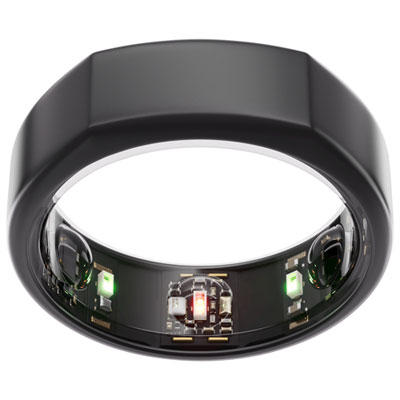 Your price for this item is $369.99
-
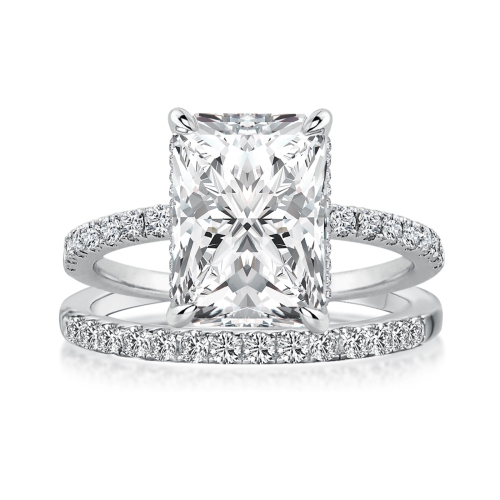 Your price for this item is $801.45
-
 Your price for this item is $133.2
-
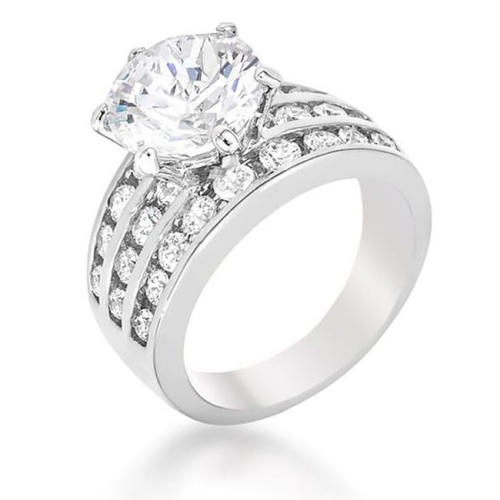 Your price for this item is $151.05
-
 Your price for this item is $123
-
 Your price for this item is $135.75
-
 Your price for this item is $486.49
-
 Your price for this item is $969
Discover more categories related to Halo Cut Rings

Top Collections:
Pokemon Centers, Best Cameras for Sports Photography, Kindle Devices, Samsung Galaxy Phones, Canon G7X Cameras, Pokémon 30th Celebration Cards, Refurbished Apple Laptops, iPhone 15 Apple, Laptops for Students, Budget Smartphones
Some products may be subject to Environmental Handling Fees
(EHF) depending on your province.
Learn more about EHFs.