Home Digital Piano
Looking to bring the joy of music into your home? These digital pianos are the perfect choice for beginners and experienced musicians alike. With their sleek design and advanced technology, these instruments offer a wide range of features that enhance your playing experience. Whether you're looking to learn the basics, compose your own music, or simply enjoy playing in your spare time, a home digital piano provides endless possibilities. Discover the convenience, versatility, and high-quality sound that comes with owning a digital piano, and take your musical journey to new heights.
Sort
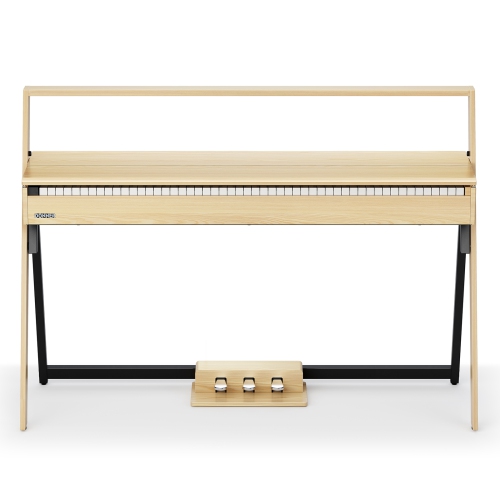
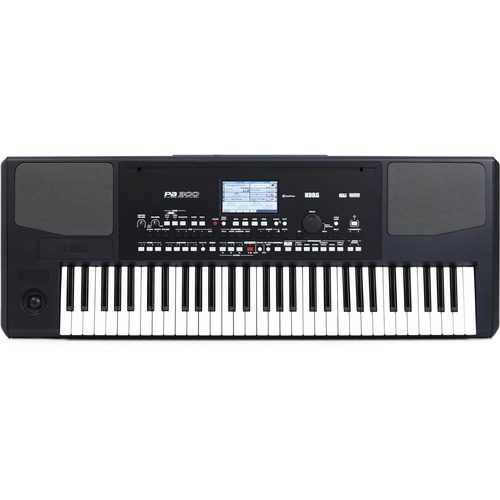

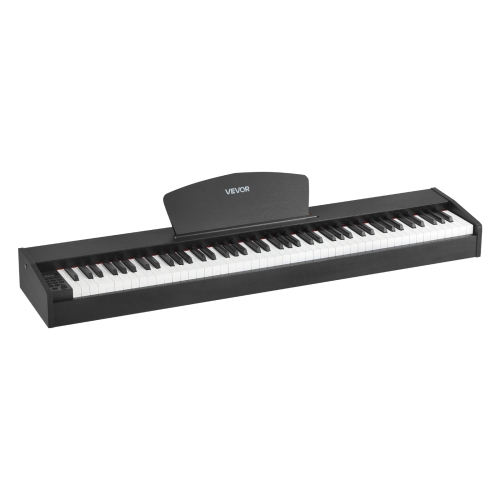
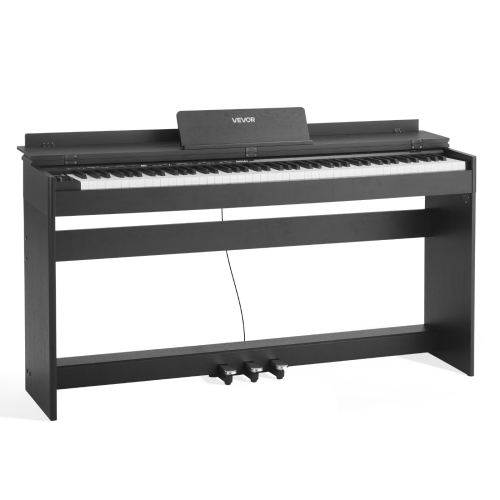
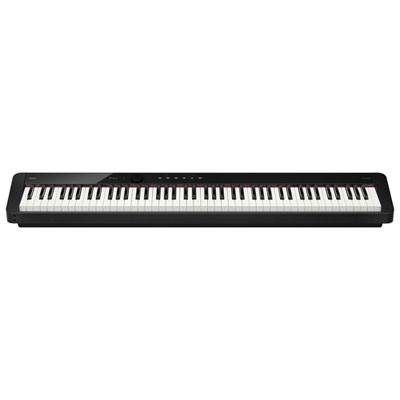
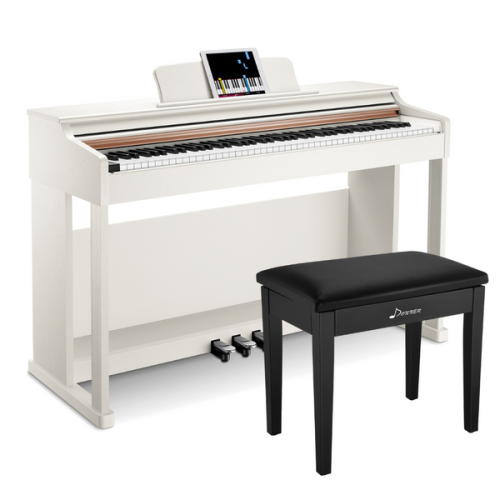
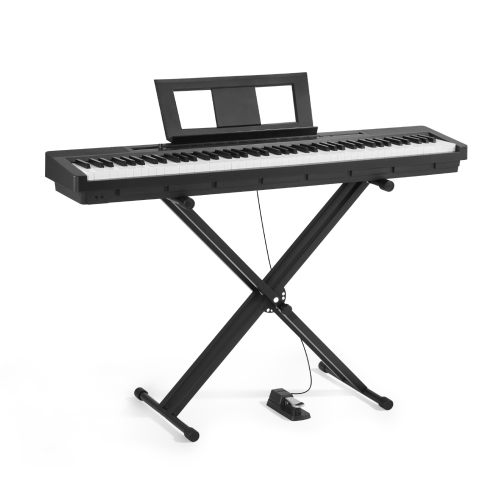
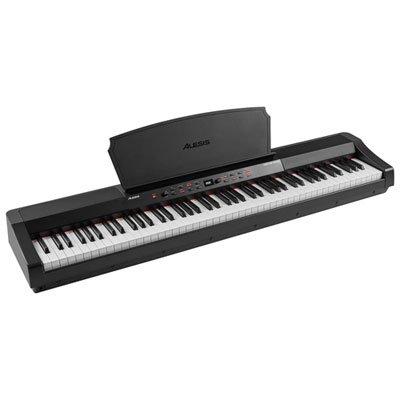
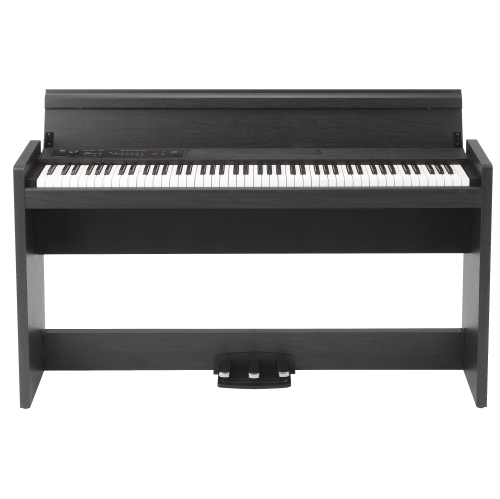
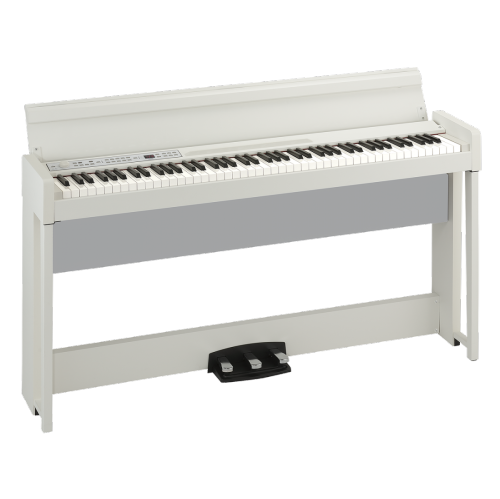
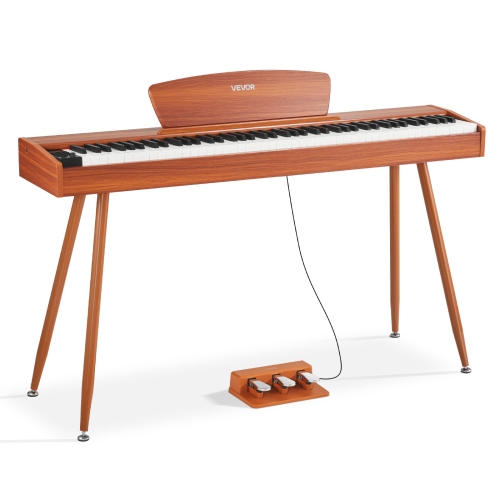
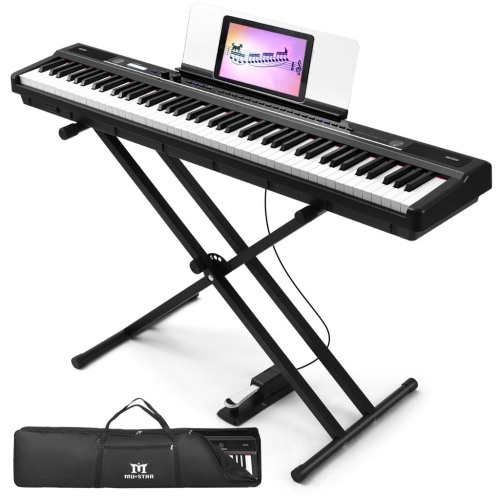
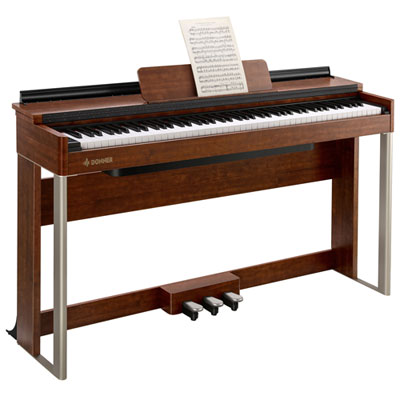
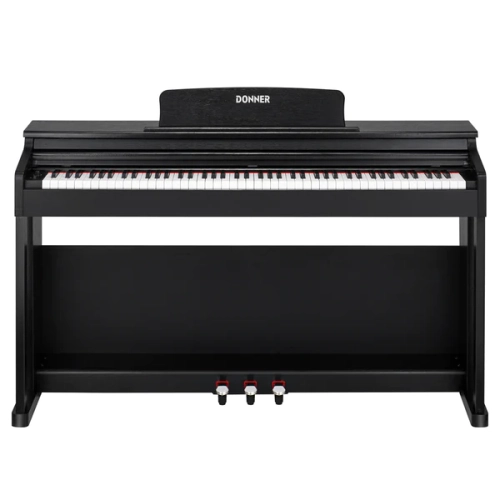
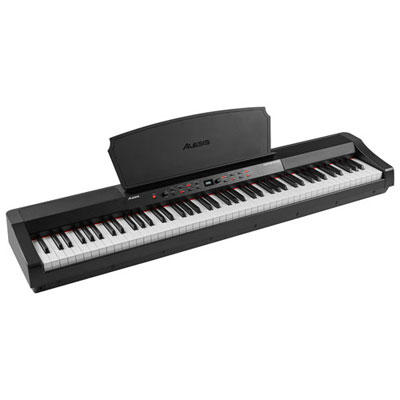
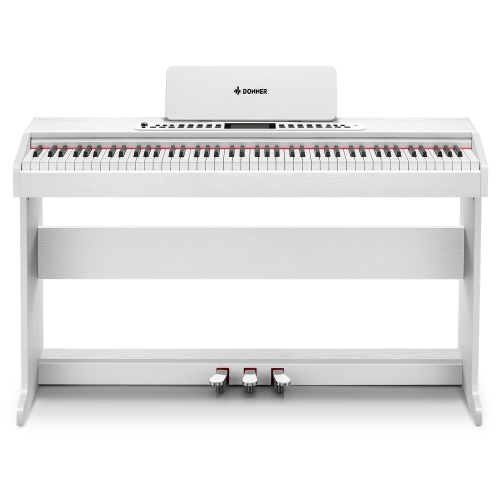
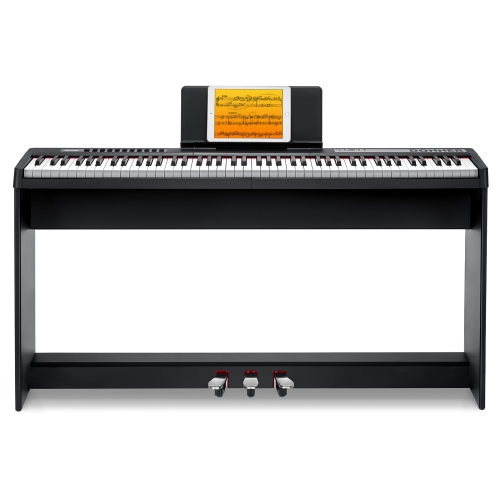
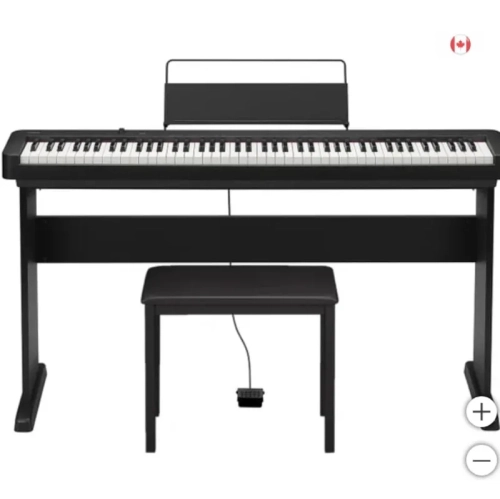
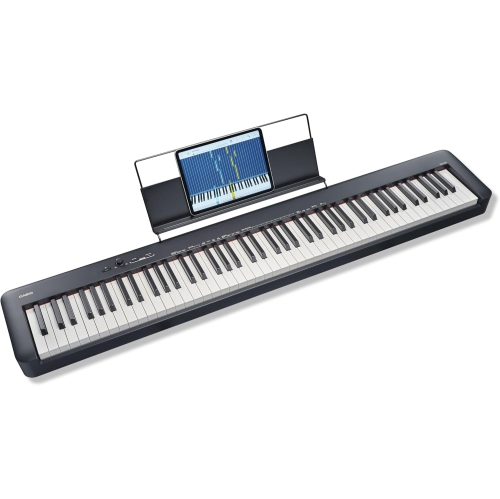
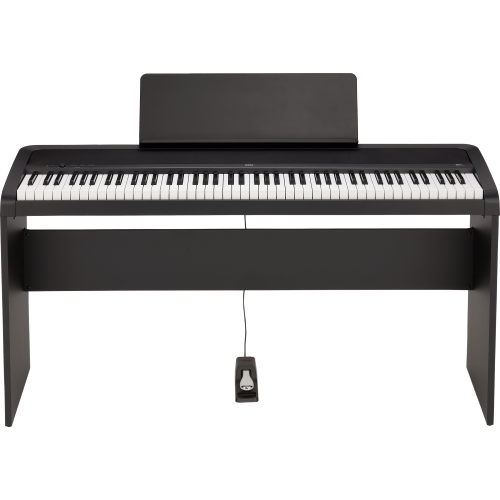
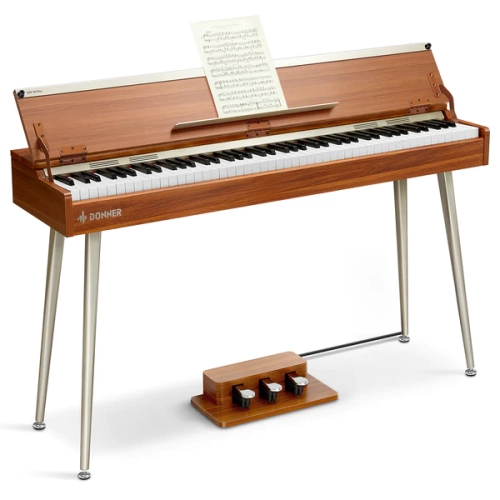
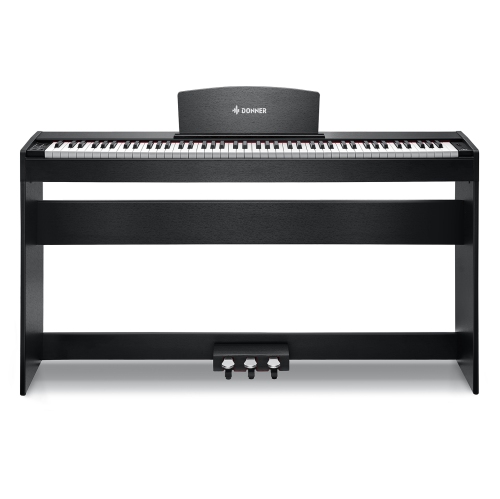
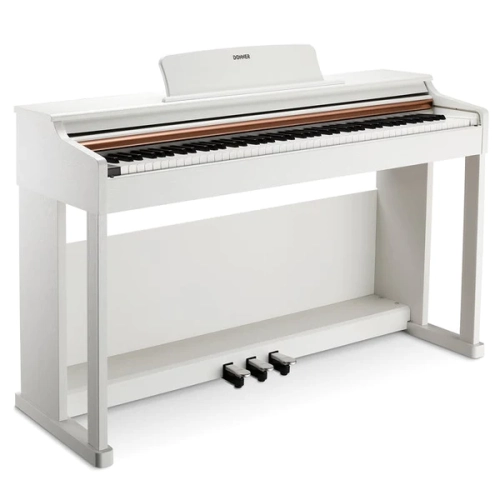

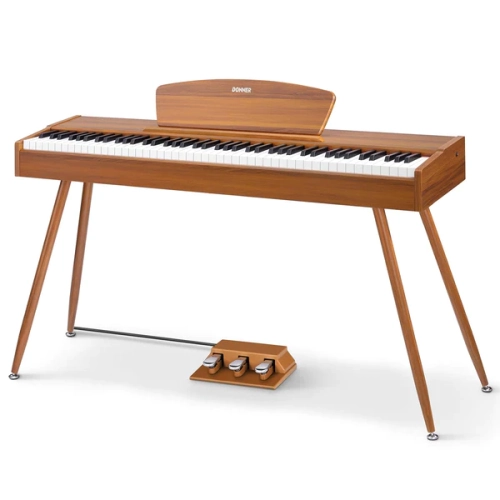
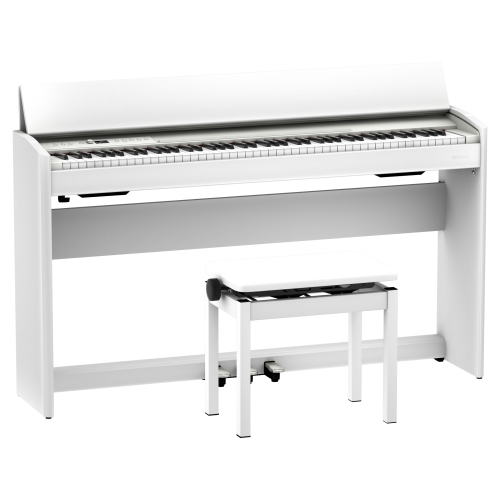
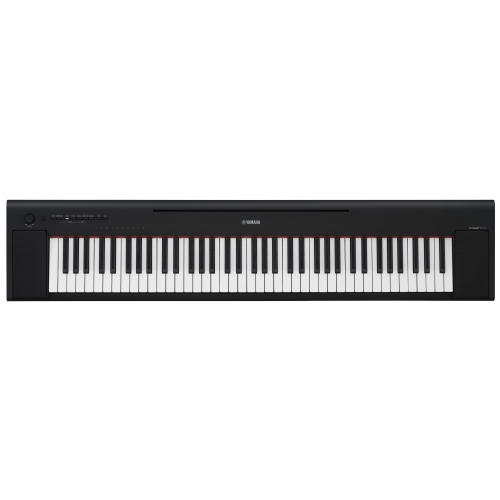
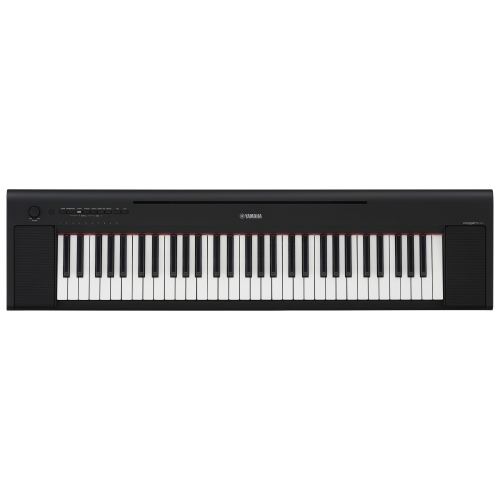
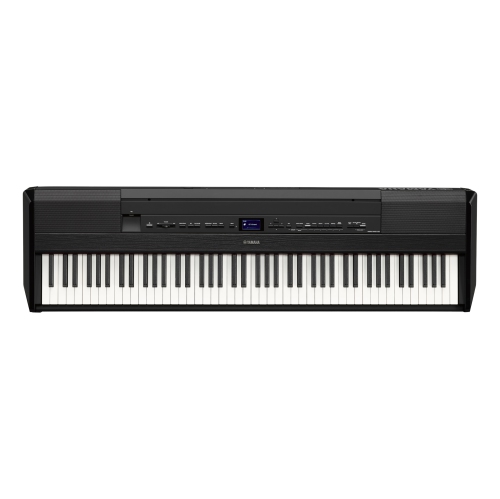
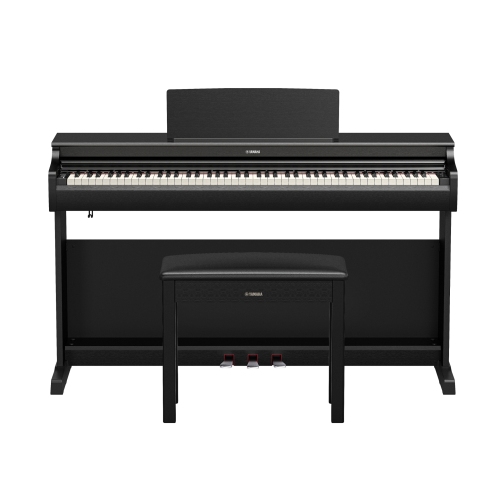
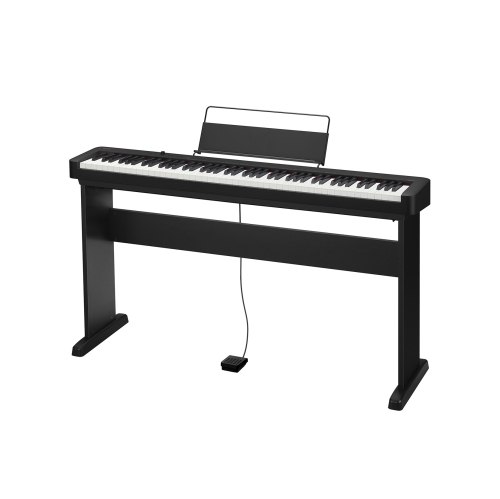
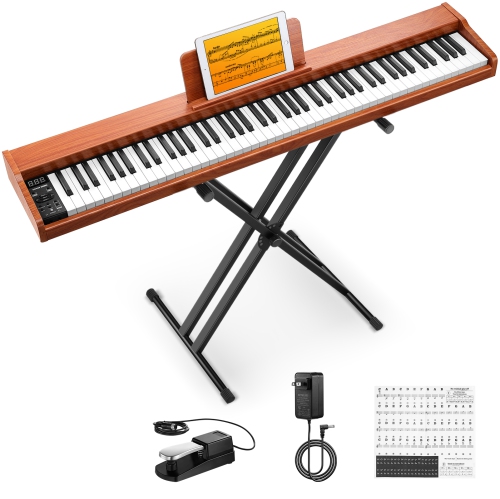
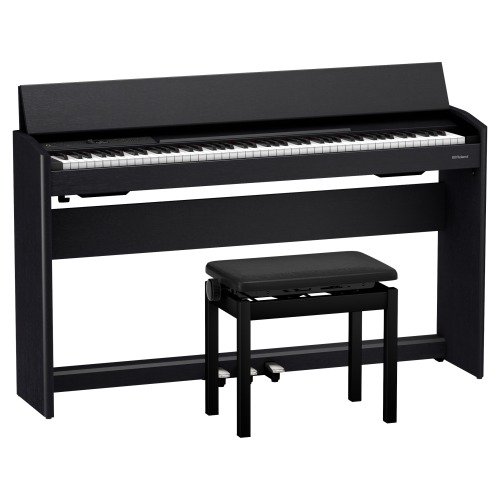
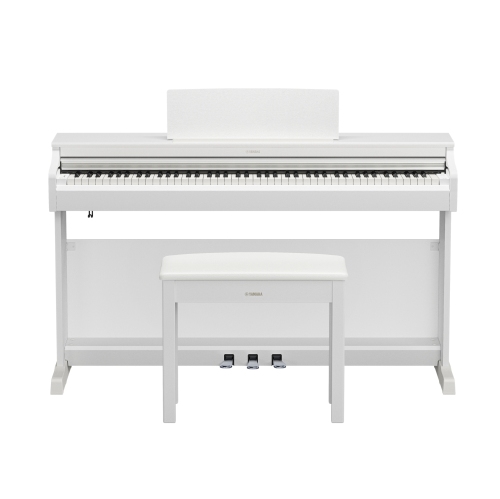

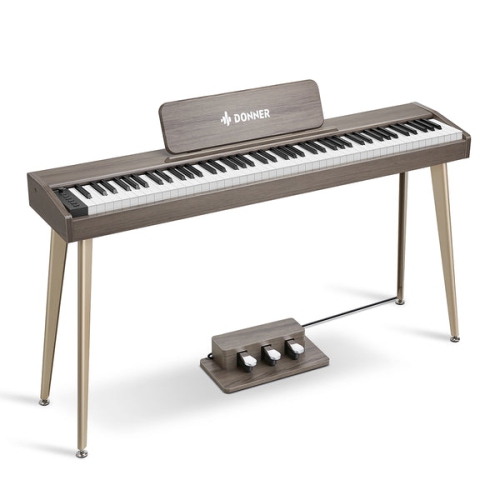
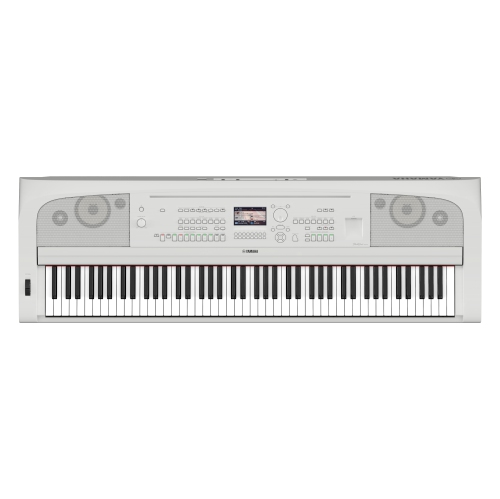
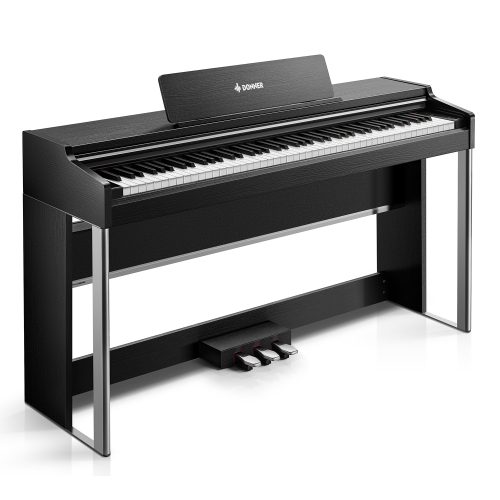
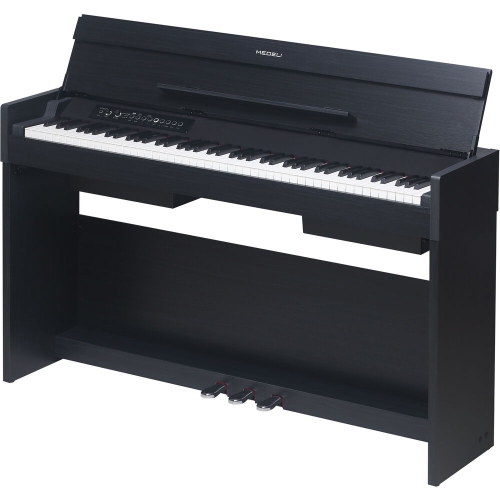
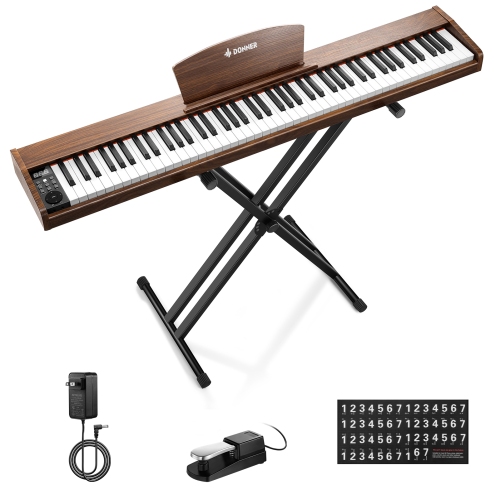
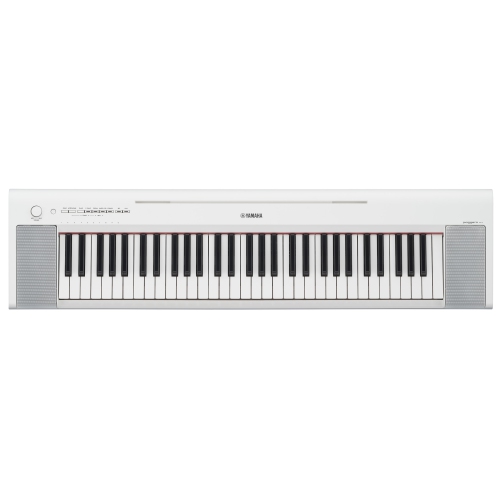
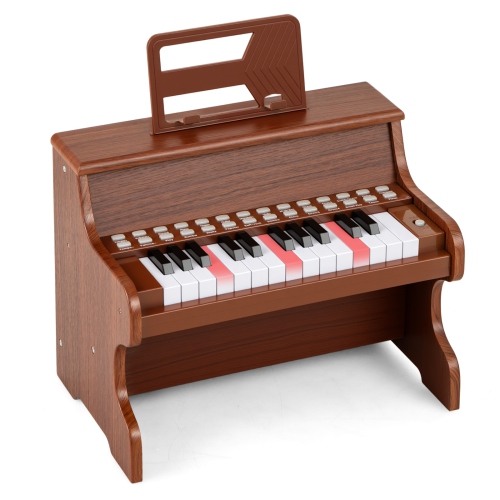
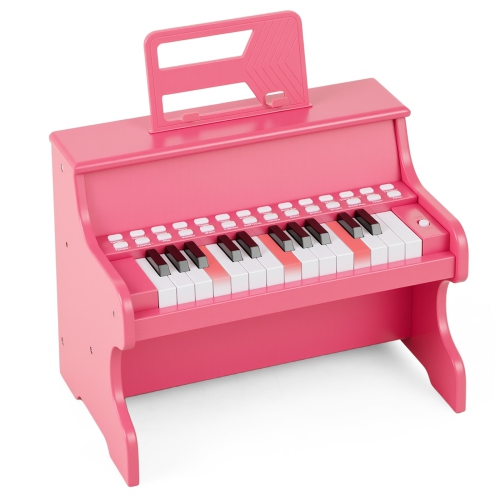
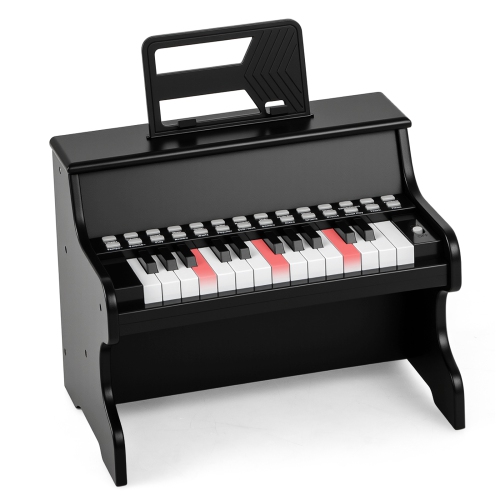

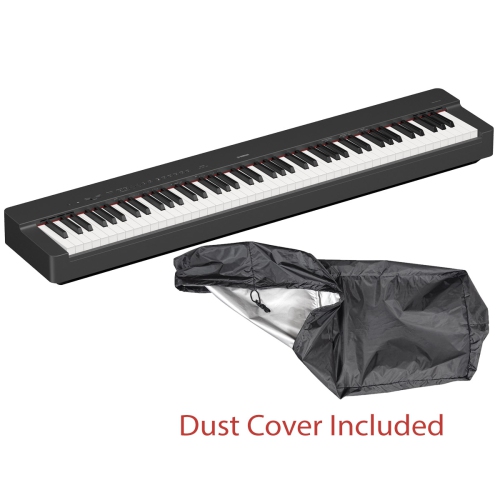
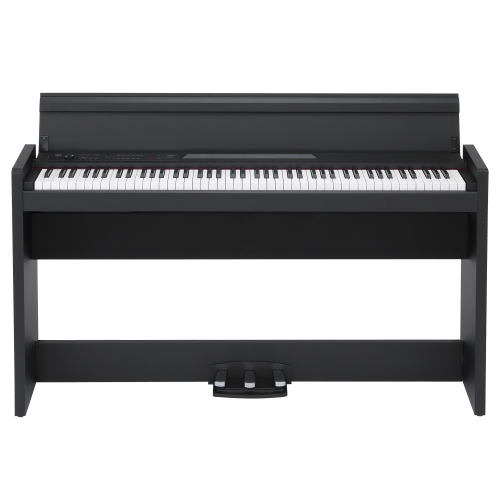
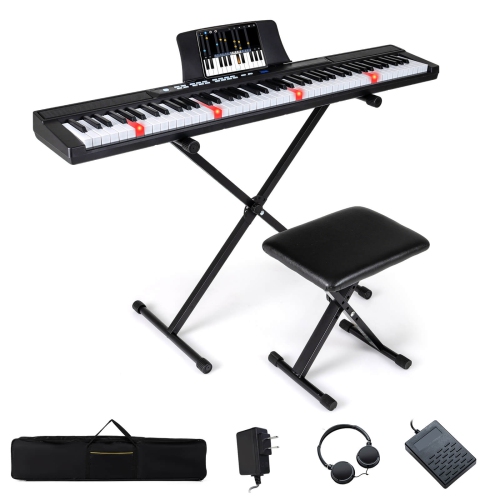
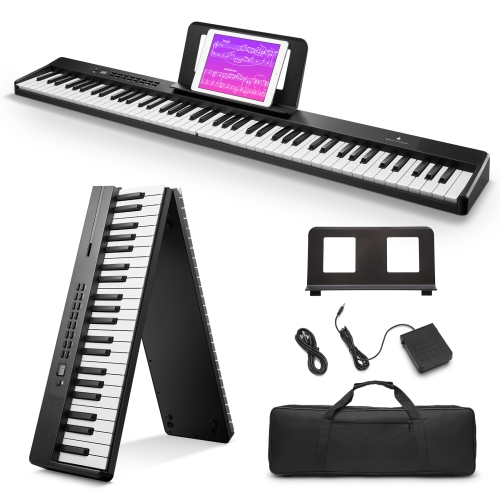
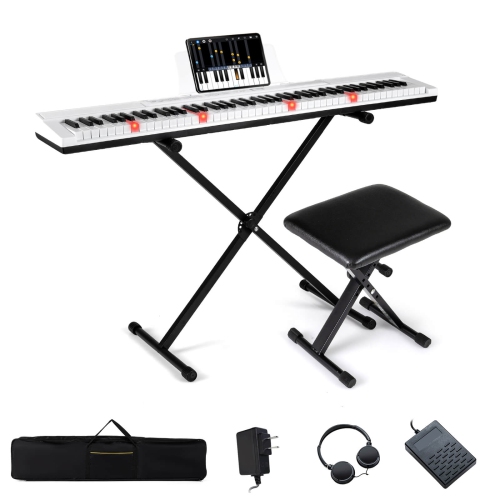

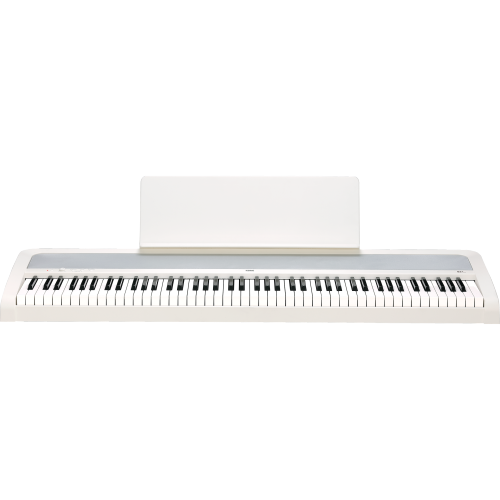
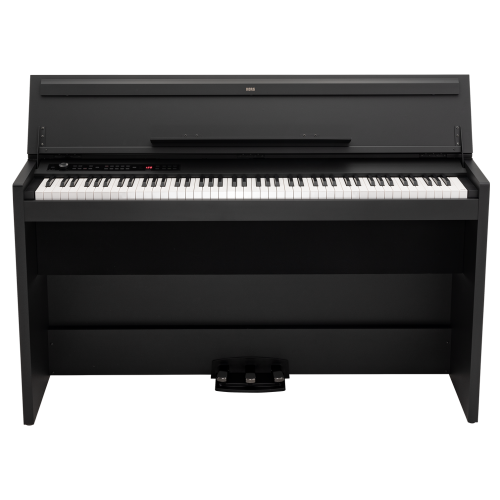
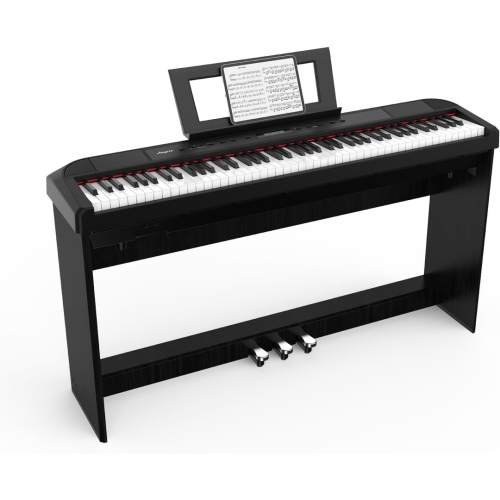
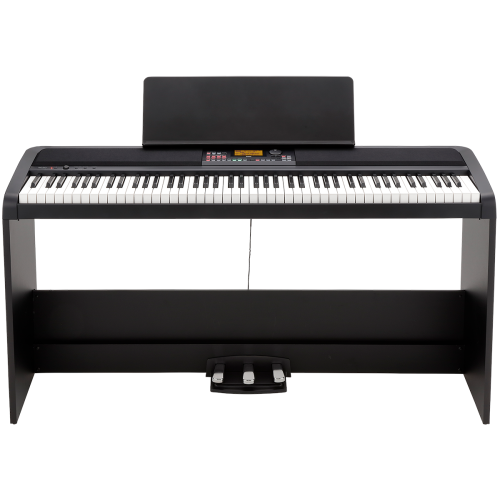
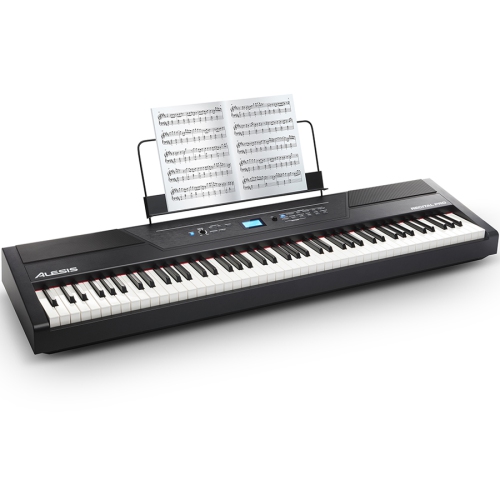
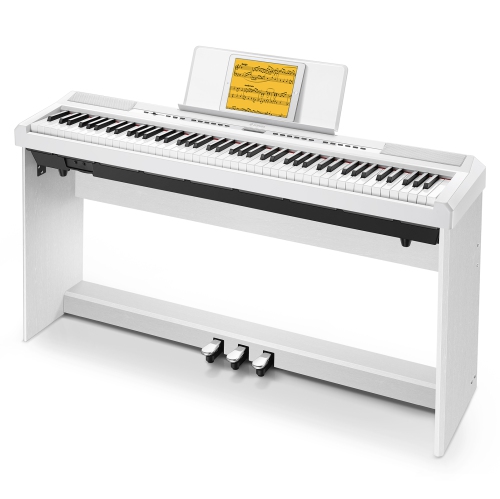
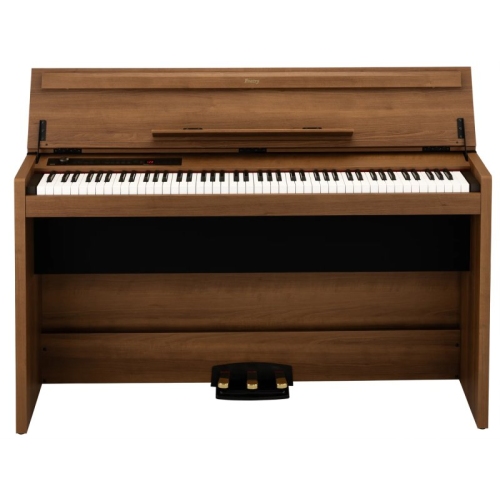
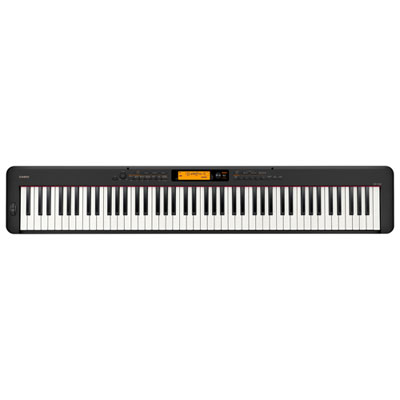
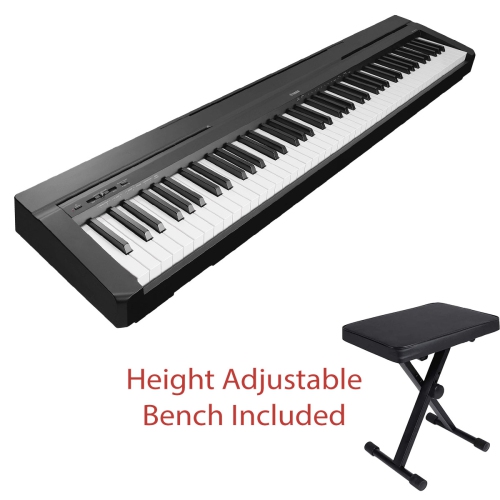
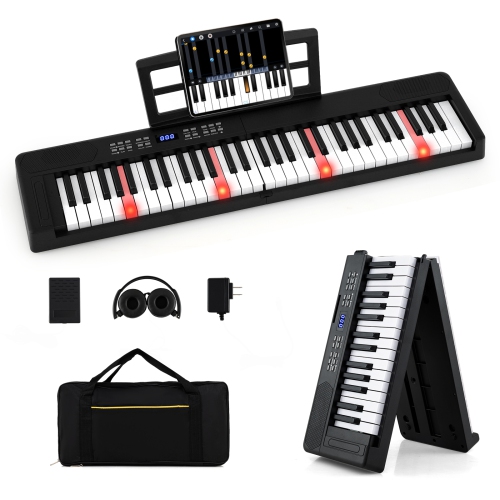
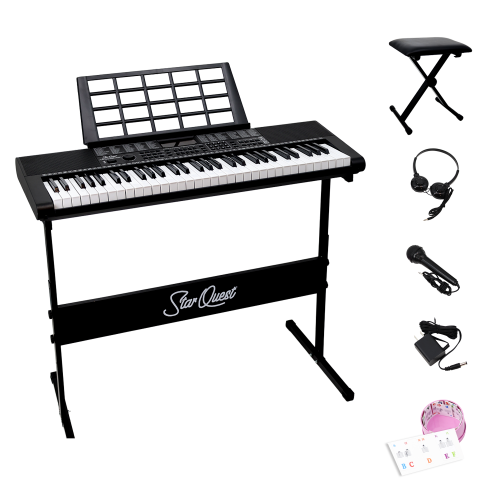
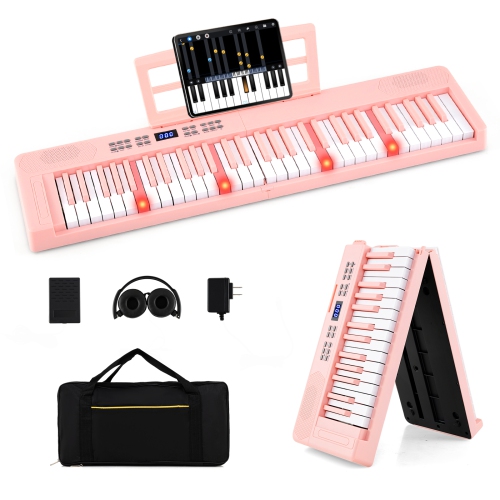
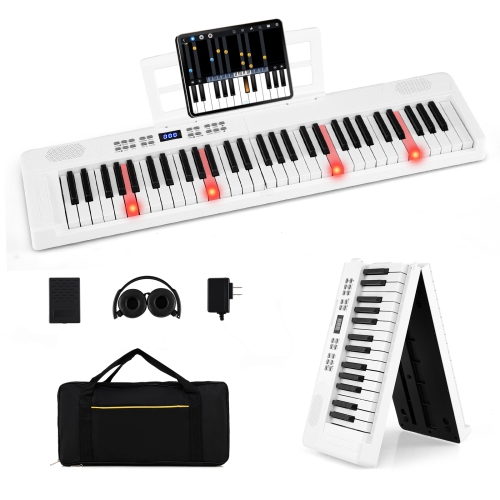
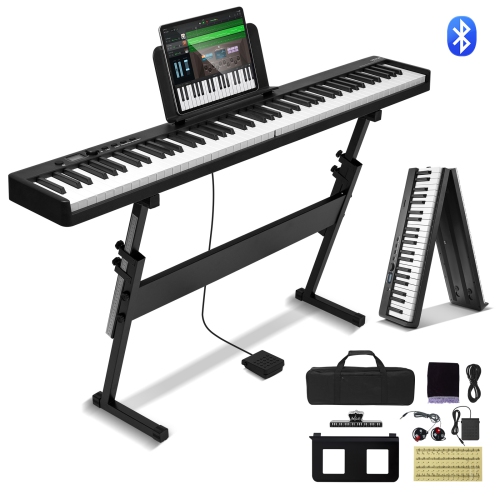
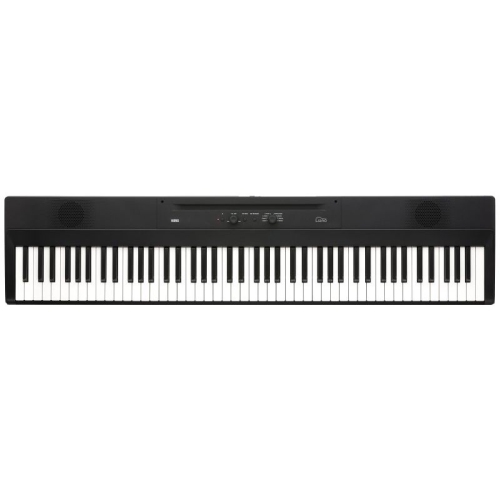
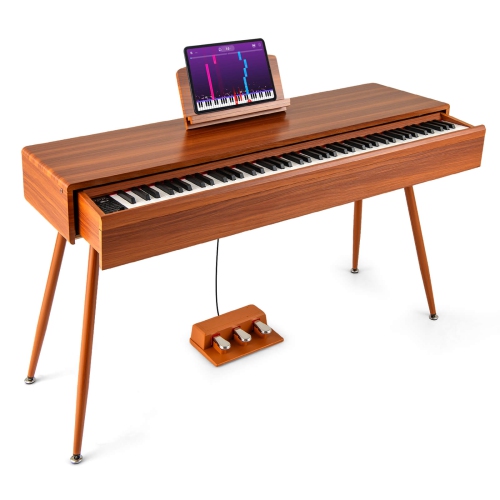
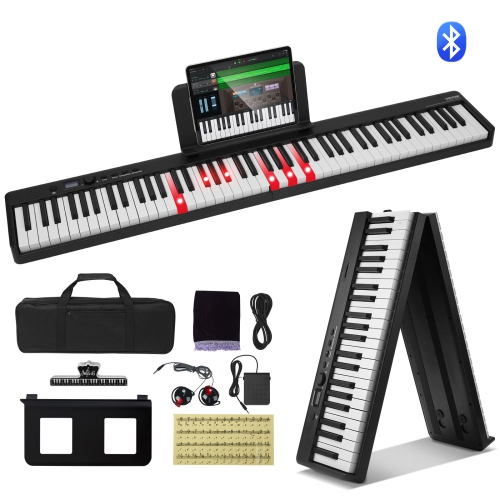
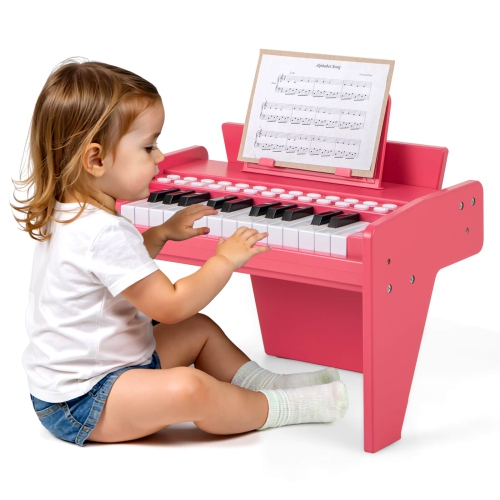
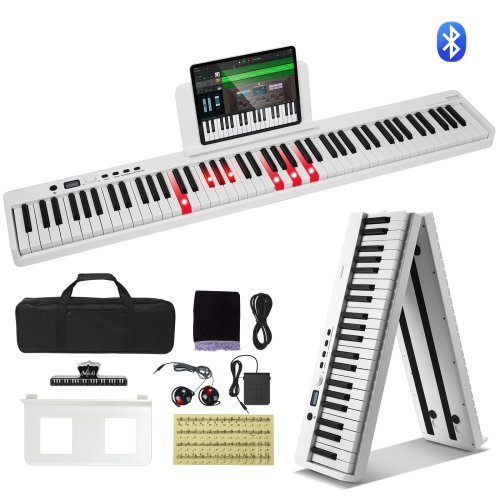
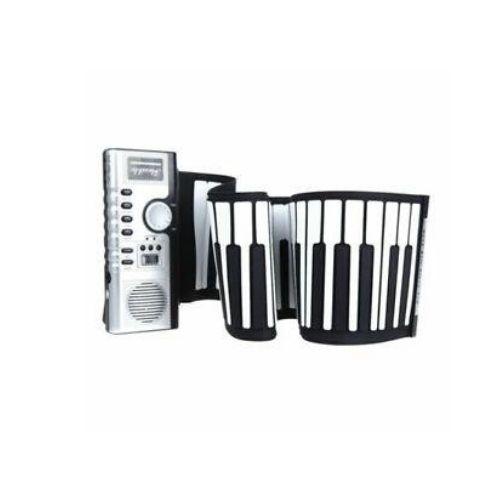
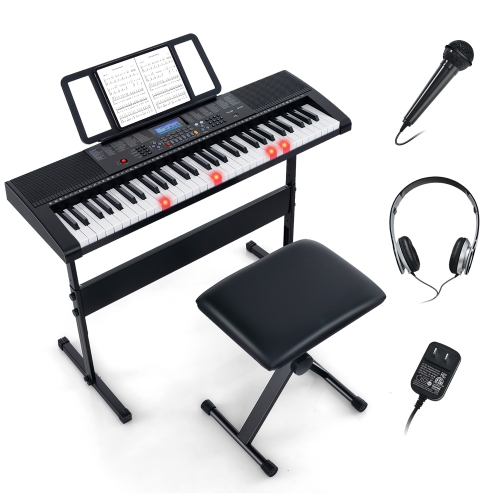
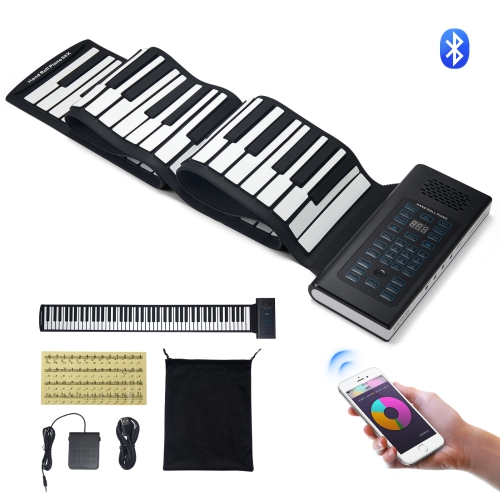
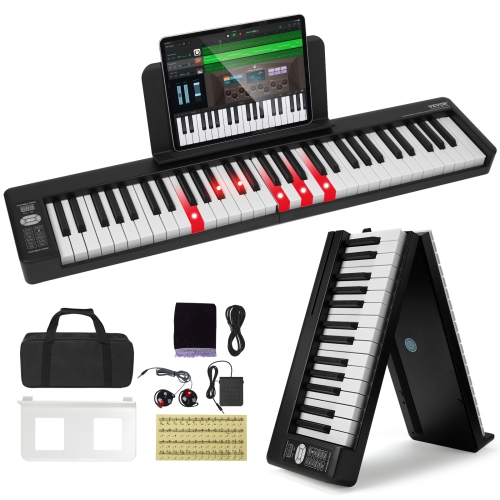
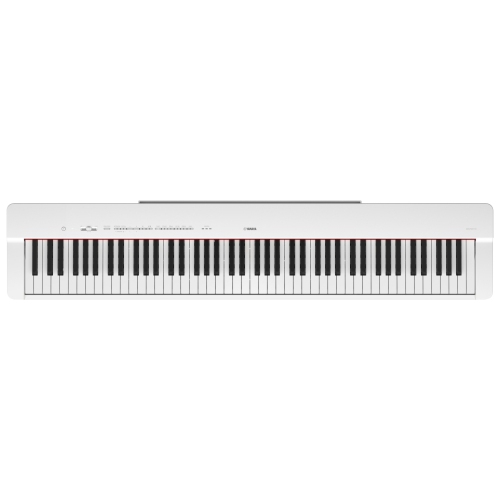
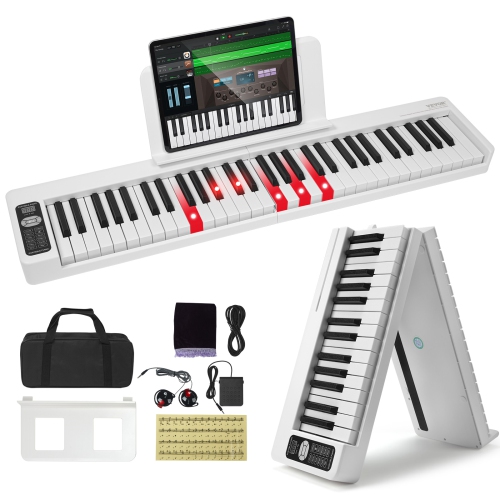
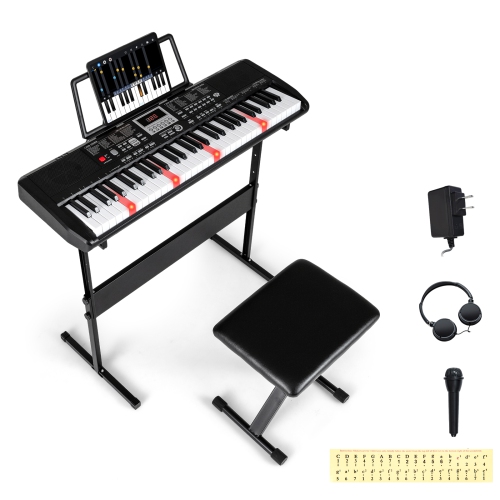
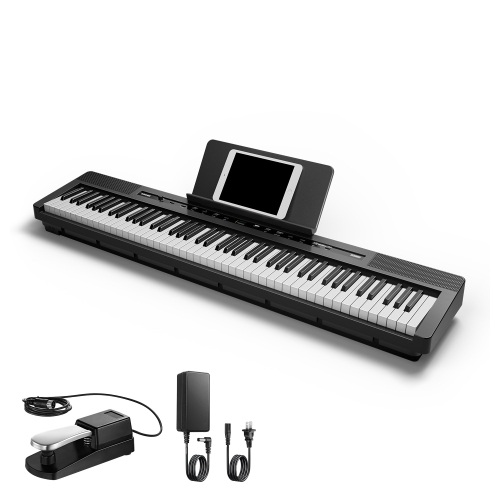
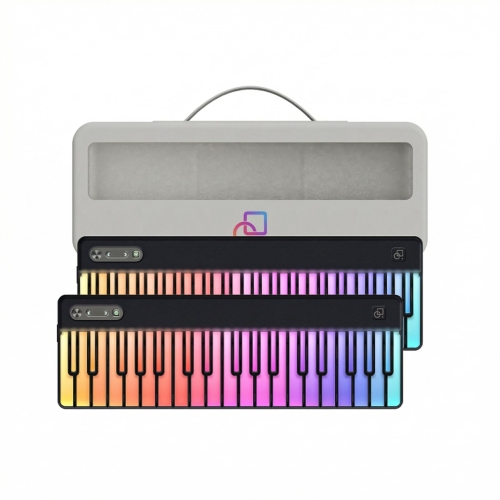
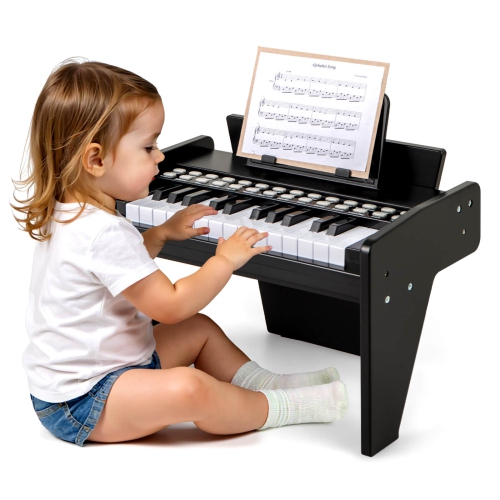
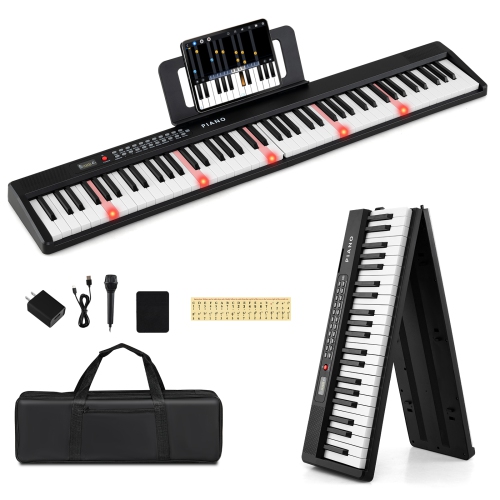
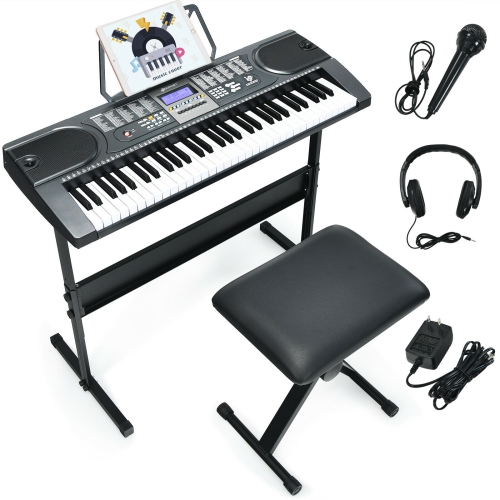
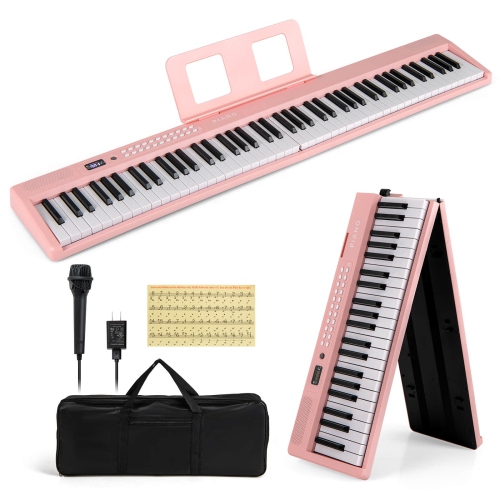
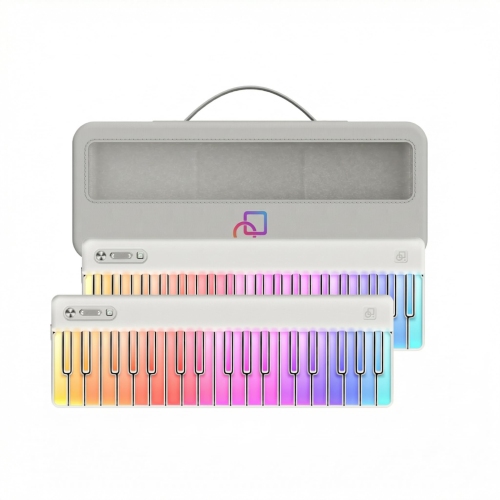
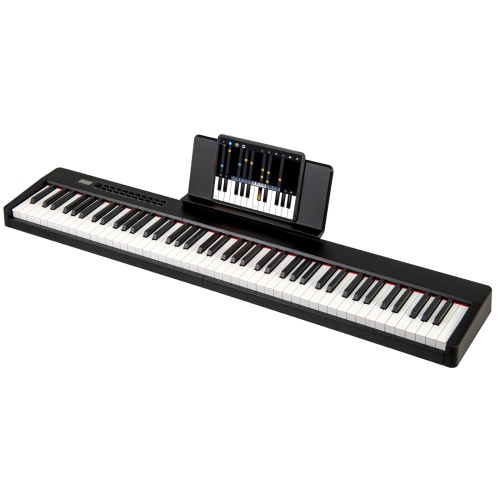
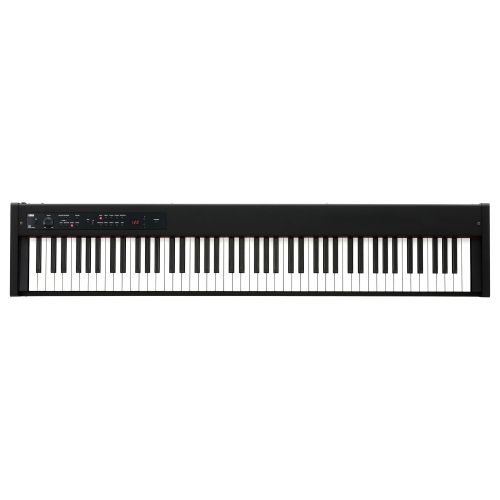
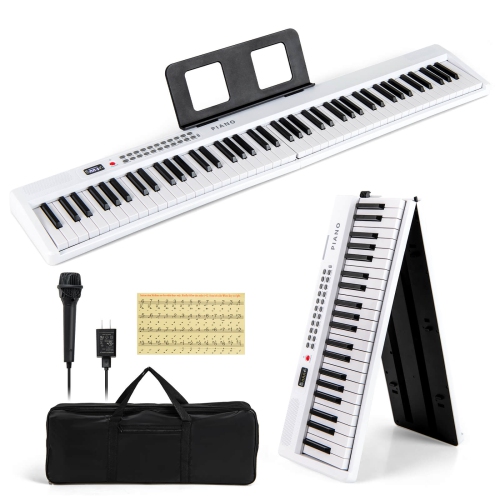
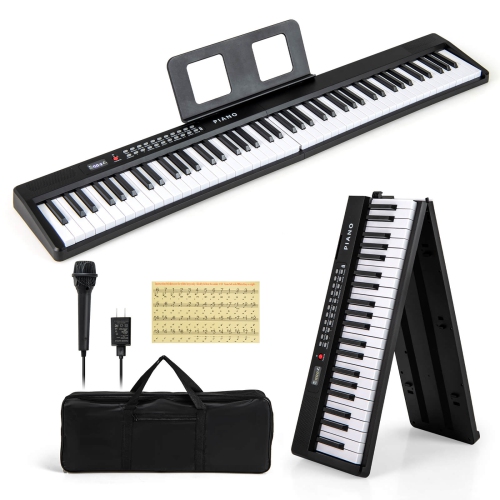
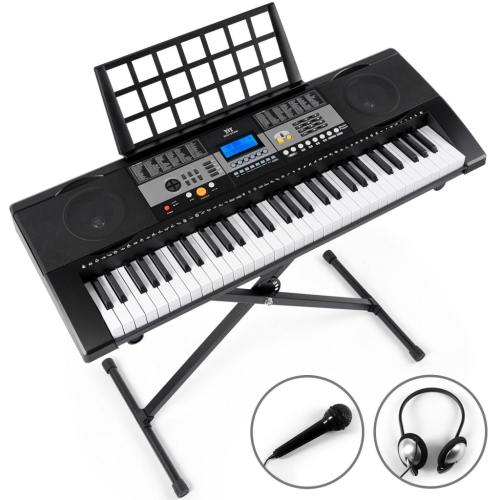
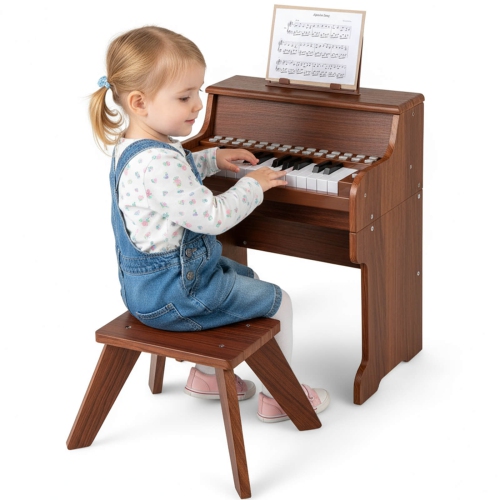
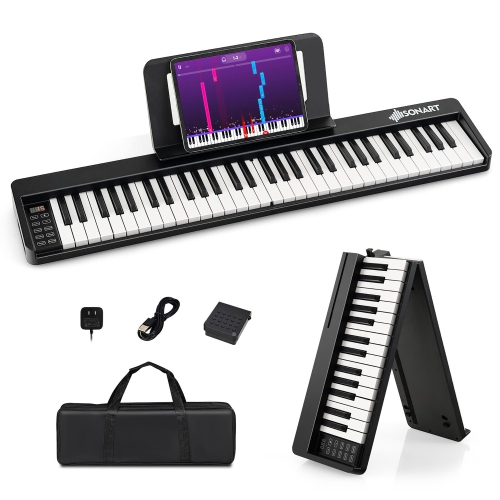
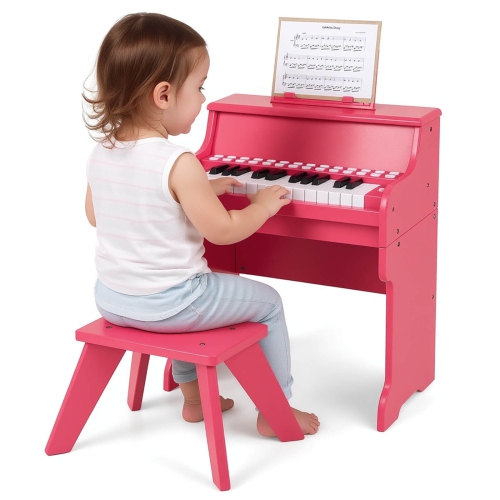
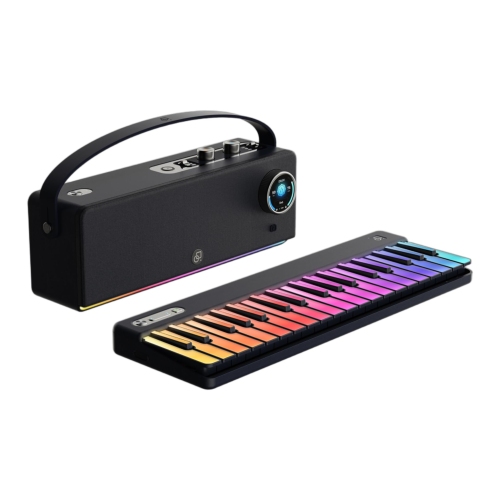
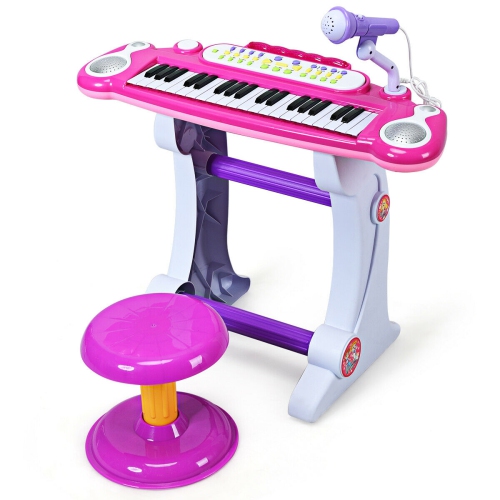
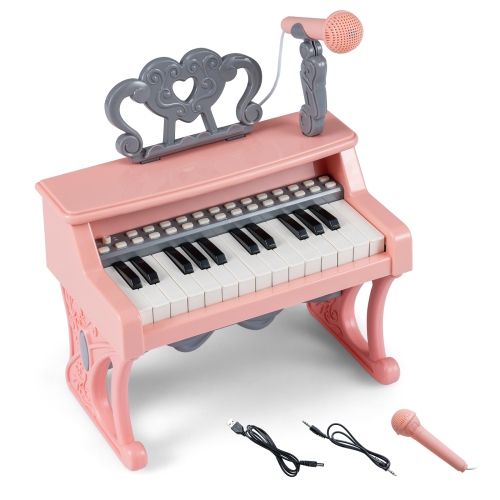
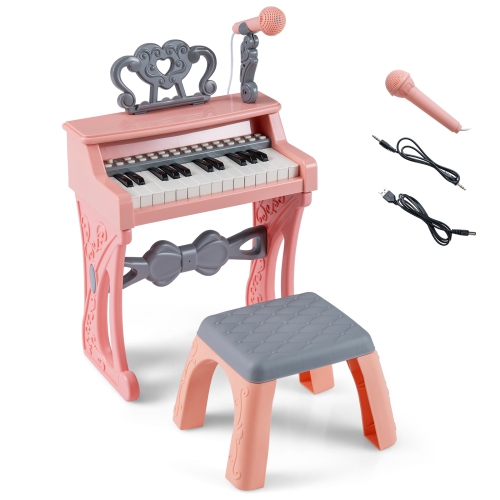
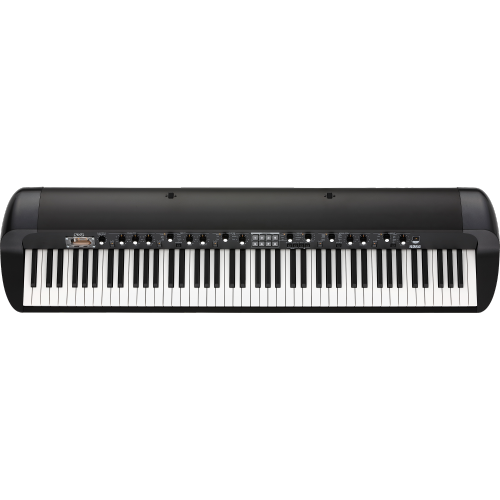
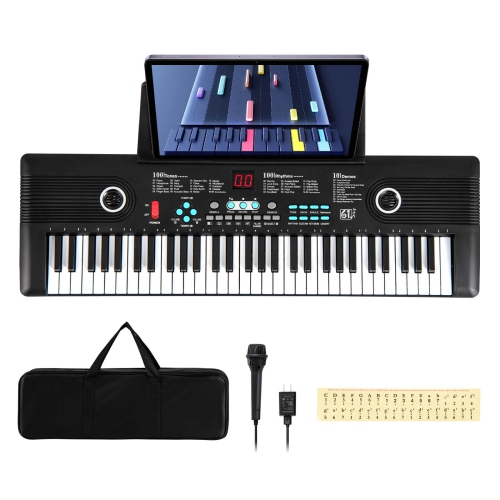
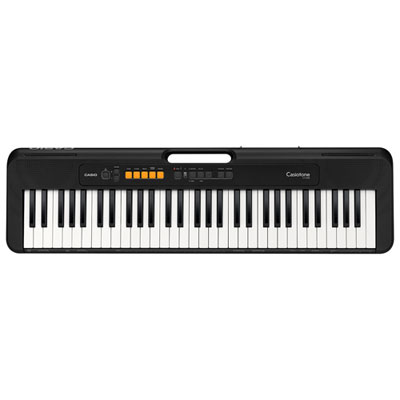
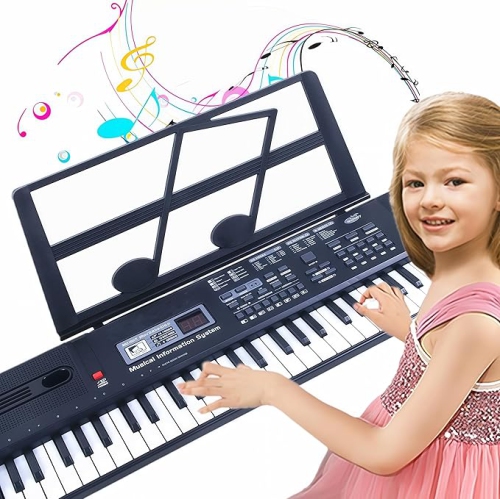
Weighted keys and quieter practice for shared spaces
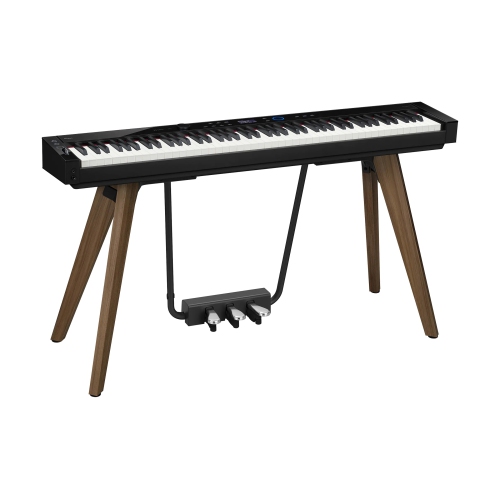
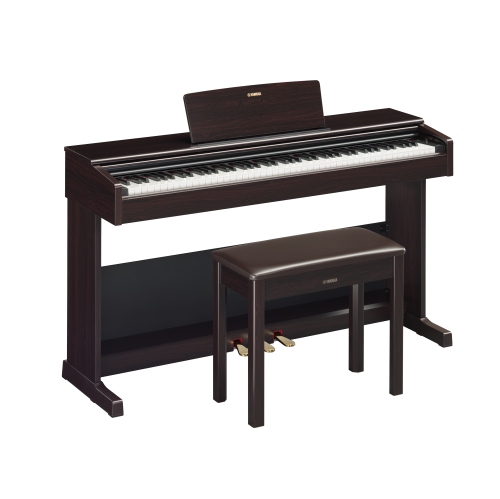
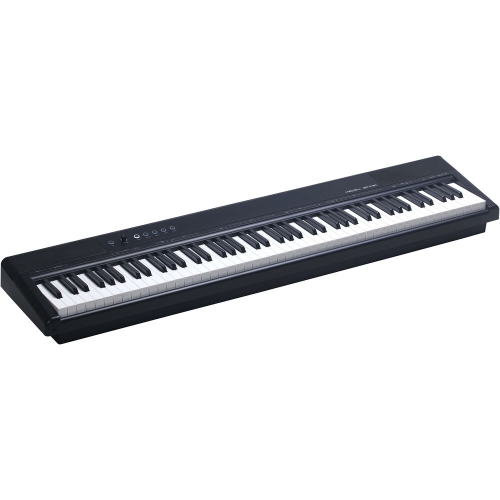
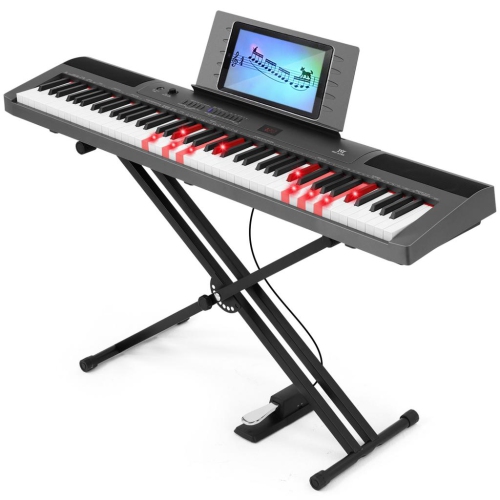
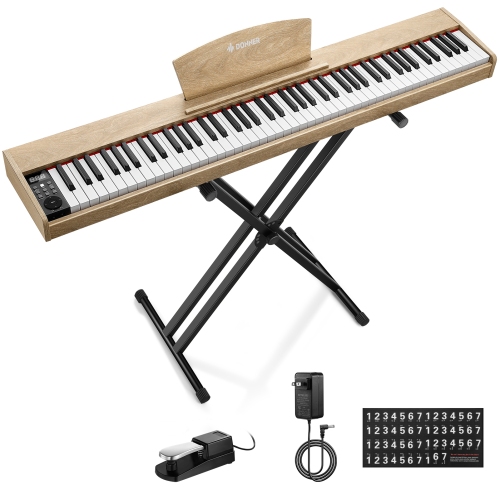
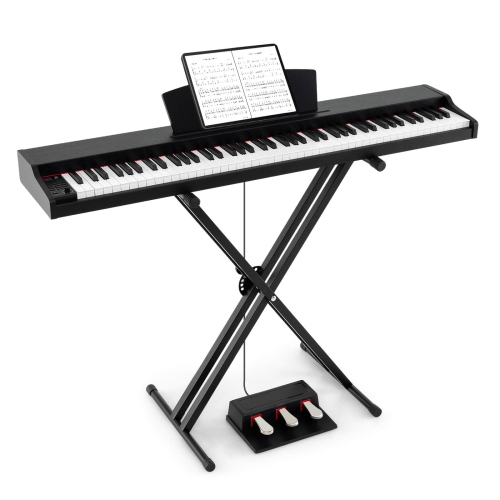
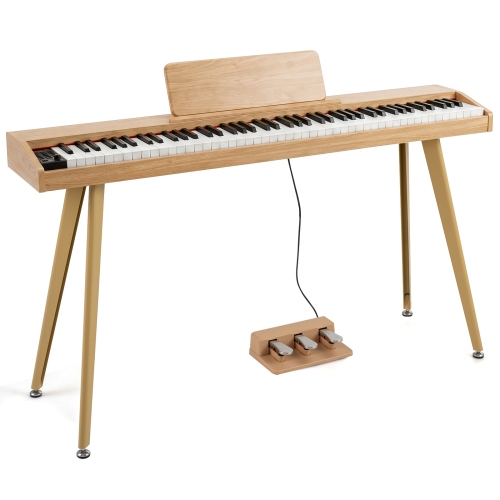
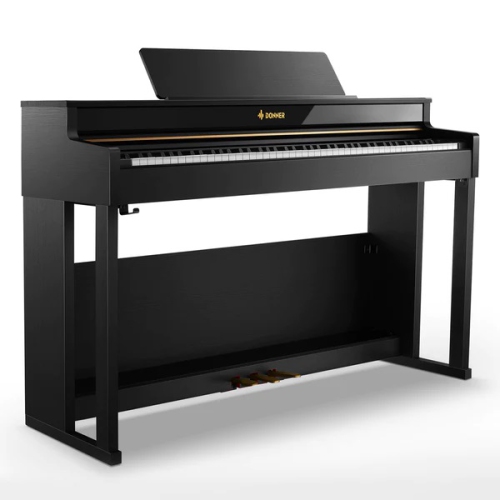
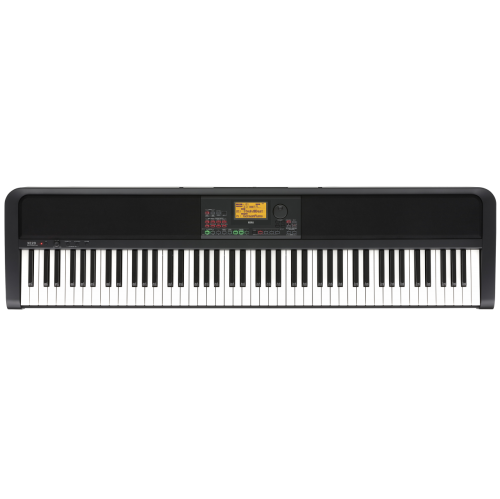
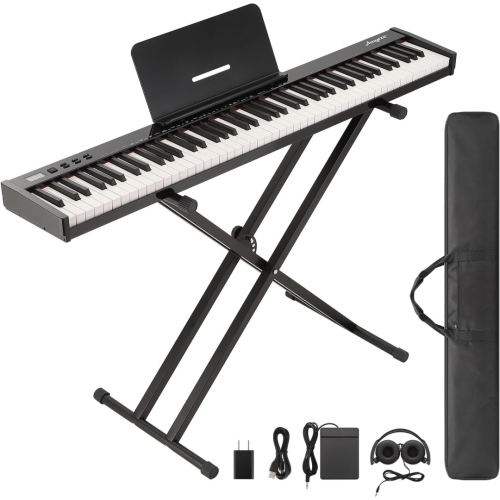
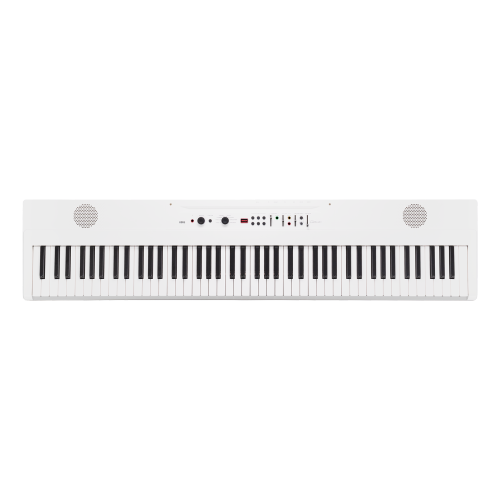
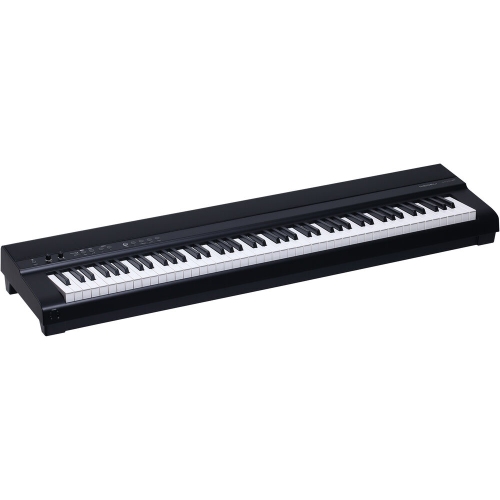
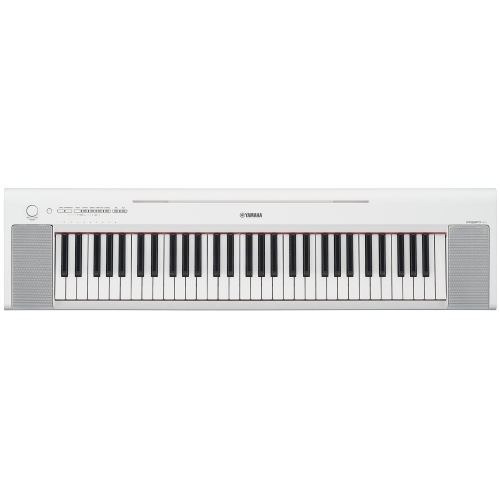
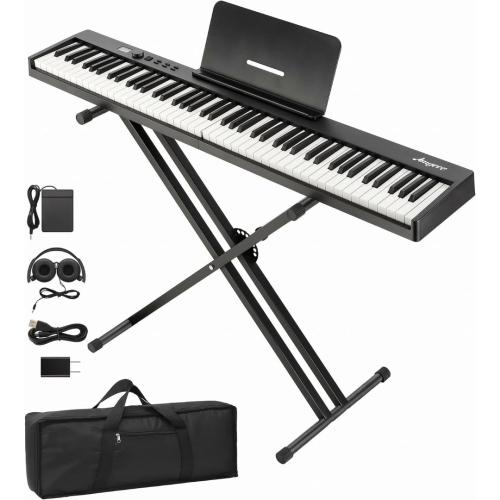
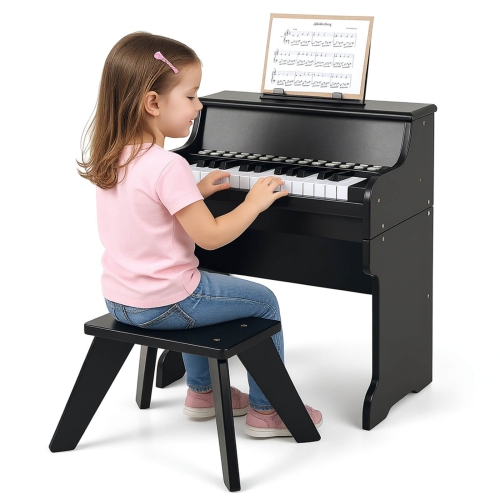
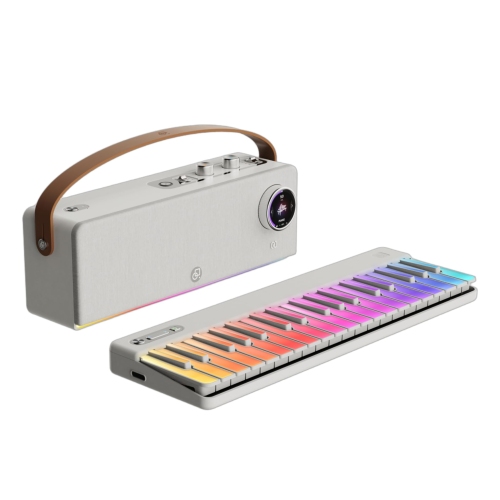
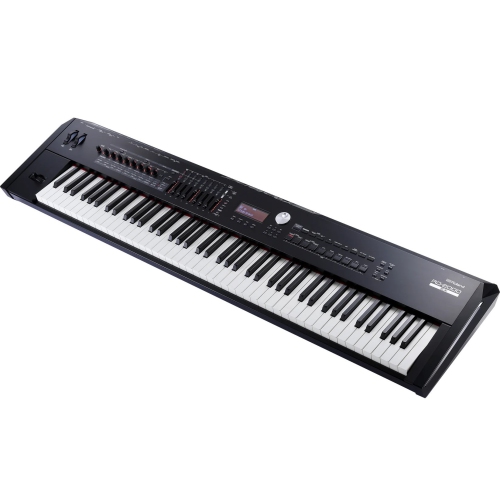
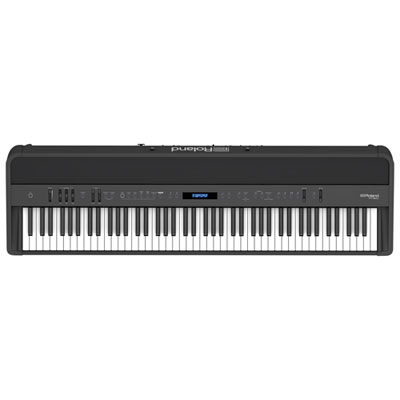
A home digital piano combines familiar piano-style playing with features that suit everyday life in a living room, bedroom, or dedicated music space. Many models have 88 full-size keys, weighted action, built-in speakers, and headphone connections, giving students and experienced players a practical way to play without the size and upkeep of an acoustic piano. Console designs often include a furniture-style cabinet and integrated pedal assembly, while portable designs can sit on a compatible stand and move more easily between rooms. Neither format alone determines the playing experience: the keyboard action, sound engine, speaker system, and stability of the setup all contribute. Weighted keys provide resistance under the fingers, while hammer action aims to reproduce more of the mechanical feel associated with an acoustic piano. Graded action generally makes lower notes feel heavier than higher notes, helping scales and chord patterns feel more familiar to players who also practise on an acoustic instrument. Touch sensitivity is a separate feature: it allows the sound to respond to how a key is struck, rather than simply changing the overall volume. Players interested in a more piano-like key response can explore the Hammer Digital Piano collection. Across home digital pianos, key surfaces may be smooth or lightly textured, and the balance between resistance and ease of movement matters during longer sessions. Cabinets commonly use engineered wood with a decorative finish, while portable housings often use moulded plastic to keep weight manageable. Black, white, and wood-look finishes offer different ways to coordinate with existing furniture without changing the instrument’s musical role. A slim cabinet may work well against a living room wall, while a portable arrangement can suit a multipurpose room. A child beginning lessons, an adult returning to familiar pieces, and a pianist working through demanding passages may value different details, but comfortable, predictable touch remains central to daily playing.
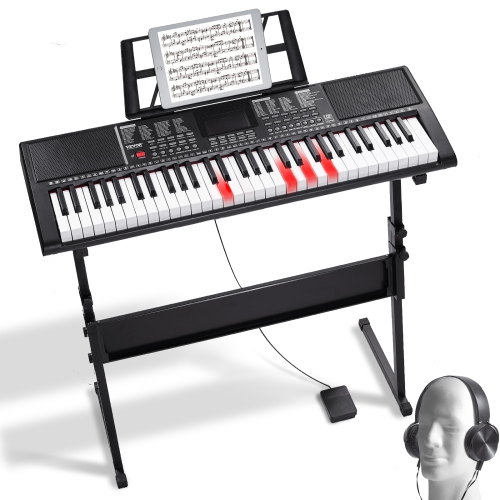
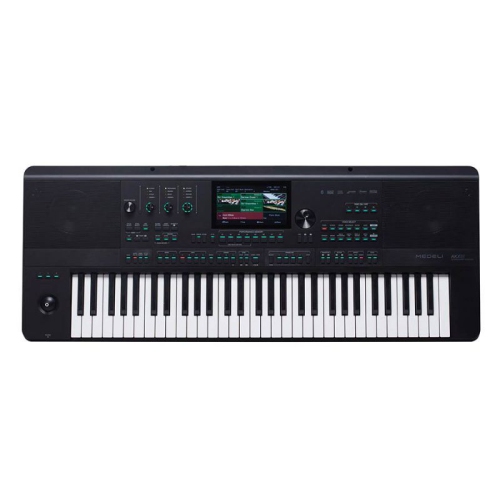
Sound and practice features make home digital pianos useful for everything from first melodies to expressive solo performances. Acoustic piano sounds are commonly created through recordings of real instruments, physical modelling, or a combination of approaches. The result depends on more than the number of sounds listed: smooth changes between soft and loud playing, convincing note decay, and natural responses to pedal use all shape the experience. Built-in speakers make casual playing straightforward, while headphones allow a student to repeat a difficult passage without filling a shared room with sound. The physical movement of weighted keys can still be audible, so headphone practice is quieter rather than completely silent. Two headphone connections, where supported, let a teacher and student listen together. An onboard metronome provides a steady reference for timing, and recording features can help a player hear uneven rhythms or follow progress through a piece. Some instruments offer a duet mode that divides the keyboard into two similar pitch ranges for side-by-side lessons; others provide split or layered sounds for playing bass with one hand or combining piano and strings. Pedal support also affects expression. A three-pedal setup may provide sustain, soft, and sostenuto functions, while half-pedalling support allows more gradual control of sustain when paired with a compatible pedal. Connectivity adds further possibilities, but the connection type matters. USB-MIDI can carry performance information to compatible music software without necessarily carrying the piano’s audio. USB audio support, audio outputs, and recording options vary by instrument. Bluetooth may support backing-track playback, MIDI communication, or both, rather than wireless headphone listening. Wired headphones are generally a straightforward option for avoiding noticeable wireless delay while playing. For app-based lessons or home recording, compatible devices, operating systems, cables, and connection functions determine how easily the piano fits into an existing setup. These details are especially relevant when lessons alternate between an instructor’s studio and independent practice at home.
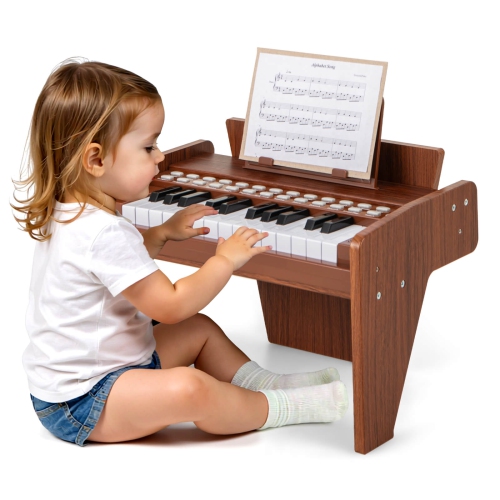
A comfortable home setup gives the instrument room to become part of an everyday routine. Overall width and depth matter, but so do space for a bench, clearance for a key cover, and enough room to sit without blocking a doorway or walkway. An adjustable bench helps accommodate different players, with a seat height that supports relaxed shoulders and forearms roughly level with the keys. Younger children may need additional foot support until they can reach the floor and pedals comfortably. A stable stand with an appropriate weight rating keeps a portable piano secure during energetic playing, while a compatible pedal unit helps prevent pedals from sliding away mid-piece. Furniture-style cabinets need careful assembly and secure fittings, particularly when several people share the instrument. Durable hinges, a dependable music rest, and accessible controls also make a difference over years of practice. Care is generally straightforward: a soft, dry cloth removes everyday dust, and any cleaning method should follow the manufacturer’s directions for the keys and cabinet finish. Liquids, abrasive cleaners, and objects resting on the keys can damage surfaces or internal components. A key cover or properly fitted dust cover helps protect the playing area between sessions, and tidy cable routing reduces accidental pulls on connections. Digital pianos do not require acoustic string tuning, although keys, pedals, speakers, and electronic components still need considerate handling. For shared households, an accessible headphone socket and easy-to-read controls make regular use more convenient. As a gift, a home digital piano can support a new student’s lessons, an adult’s return to music, or an experienced player’s need for a dedicated practice instrument. The most useful setup matches the recipient’s space, playing habits, and lesson requirements, with suitable seating, pedal support, and headphones contributing as much to everyday comfort as the piano itself.
Top selling and popular products
-
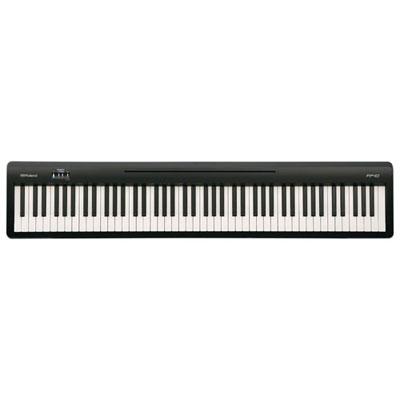 Your price for this item is $799.99
-
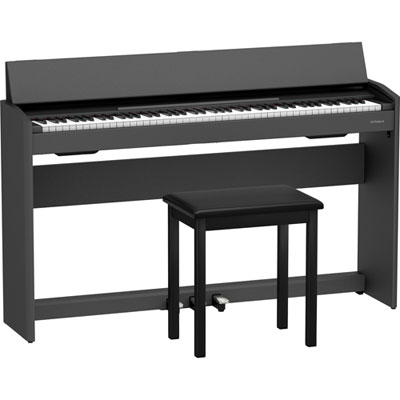 Your price for this item is $1699.99
-
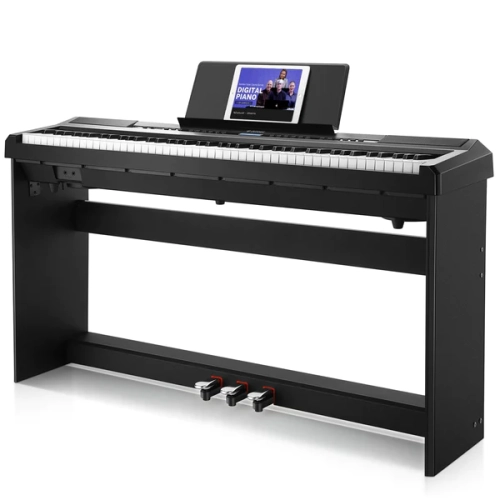 Your price for this item is $479.99
-
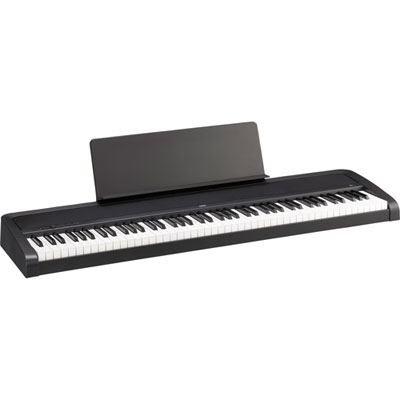 Your price for this item is $699.98
-
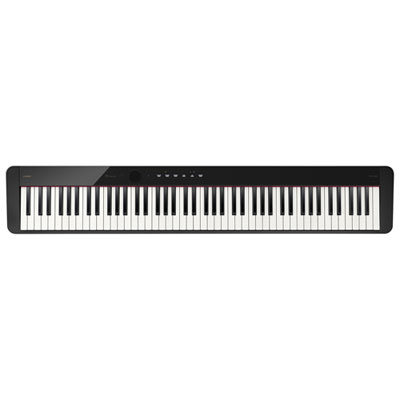 Your price for this item is $849.99
-
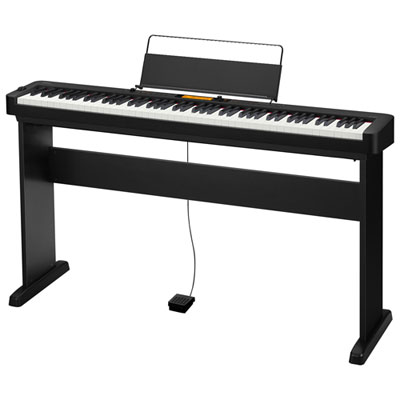 Your price for this item is $869.95
-
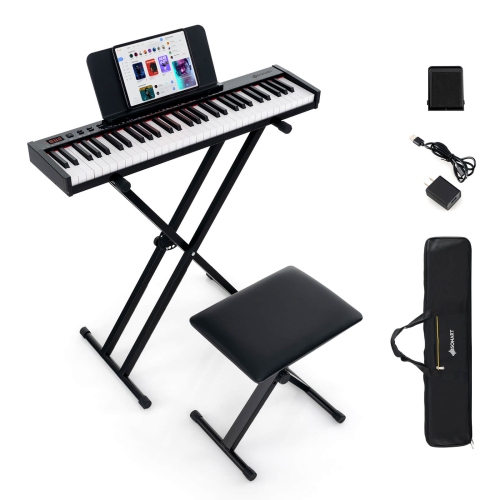 Your price for this item is $189.99
-
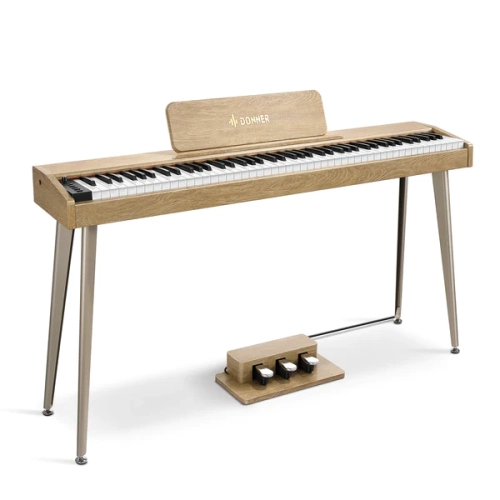 Your price for this item is $415.99
Discover more categories related to Home Digital Piano
Top Collections:
Pokemon Centers, Kindle Devices, Best Cameras for Sports Photography, Best Budget Office Chairs, Pokémon 30th Celebration Cards, Apple iPhones 16, Canon G7X Cameras, iPhone 15 Apple, Flip Phones, Samsung Galaxy Phones
Some products may be subject to Environmental Handling Fees
(EHF) depending on your province.
Learn more about EHFs.