Synth Keyboards Online

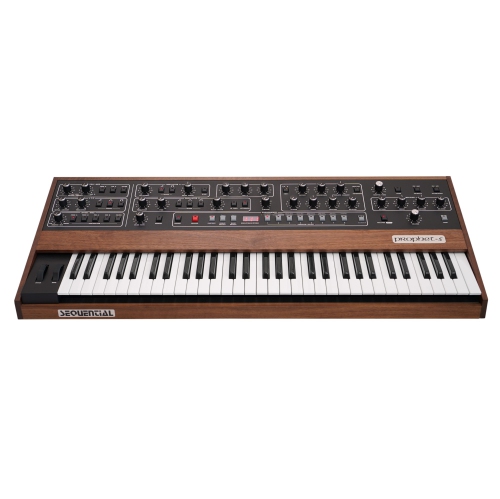
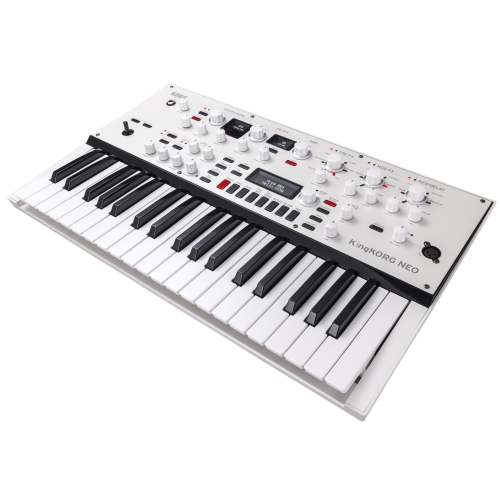
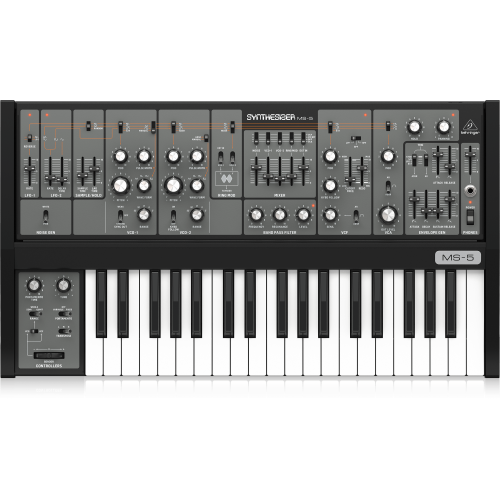
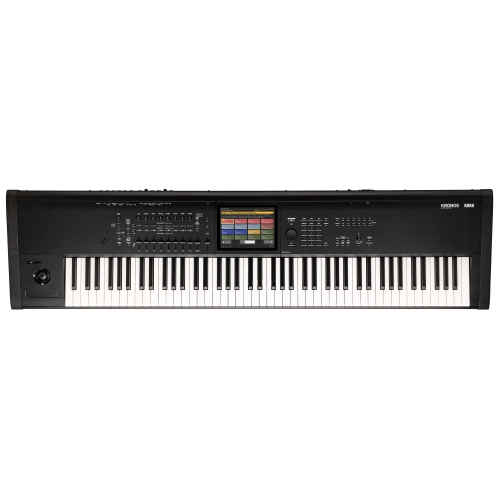
Shop synth keyboards online to find an instrument for creating sounds, playing melodies, and building musical arrangements. Compare synthesizer keyboards by key count, sound controls, and connectivity to find a setup that suits your playing style, available space, and music-making needs.
Read More

Sort

What sets a synth apart from other keyboards

Shopping for a synth keyboard online lets you compare instruments built for hands-on sound creation, melodic playing, and electronic music production. A synthesizer keyboard combines a playable keybed with a sound engine that can generate and shape tones, from deep bass and bright leads to layered pads and evolving textures. Unlike a digital piano, which typically centres on piano sounds and a familiar playing response, a synth often gives you more control over the character and movement of a sound. The distinction between a synthesizer and a MIDI controller is also important: a standalone synth has its own sound engine, while a controller generally needs compatible software or an external sound module to produce audio. Comparing those details can help you choose an instrument that suits your setup, whether you want to practise parts away from a computer, add expressive sounds to a home studio, or play with other musicians.

Sound design features are useful points of comparison because they influence both the tones you can create and how you interact with the instrument. Analogue synthesis shapes sound through circuitry, while digital synthesis can support a wide range of approaches, including frequency modulation, wavetable synthesis, and sample-based sounds. Neither approach determines how suitable a keyboard will be on its own; the controls, sound engine, and workflow matter together. Oscillators provide the starting tone, filters shape its frequency content, and envelopes control how it changes as a note begins, sustains, and fades. Modulation adds movement, while built-in effects can add space, depth, or distortion when included. Polyphony is another key specification: a monophonic synth plays one note at a time and can suit bass lines and leads, while a polyphonic instrument allows multiple notes for chords and overlapping passages. Preset storage, clearly labelled controls, and direct access to frequently used settings can be especially helpful for players who want to move between ready-made sounds and their own patches.

The keyboard layout and playing response deserve as much attention as the sound engine. Key count affects the instrument’s footprint and the range available without changing octaves, making a compact keyboard appealing for a small desk or portable setup and a larger keybed useful for two-handed parts. Mini keys and full-size keys feel different, and synth-action keys generally have a lighter response than the weighted keys associated with piano-focused instruments. Velocity sensitivity can translate playing strength into changes in volume or tone, depending on the patch, while aftertouch can add expression through pressure applied after a key is pressed. Pitch and modulation controls offer additional ways to shape a performance. Arpeggiators and sequencers, where included, can support repeating patterns and hands-on arrangement ideas, but their capabilities vary. Checking pattern length, editing controls, and synchronization options can help distinguish a simple performance aid from a feature suited to more involved music-making.

Connections and audio requirements help determine how a synth will fit into daily use. A built-in sound engine does not necessarily mean built-in speakers, so check whether you will need headphones, powered speakers, or another amplification setup. Audio outputs carry the instrument’s sound, while MIDI connections send performance and control information; a USB port may support MIDI without carrying audio. For computer-based production, compatibility with your music software and the possible need for an audio interface are worth checking before choosing. Pedal inputs, external audio inputs, and connections for other electronic instruments may also matter as your setup grows. Beginners may value accessible controls and useful presets, while experienced players may place more emphasis on modulation depth, expressive performance features, or integration with existing equipment. If the keyboard is a gift, the recipient’s available space, playing style, and current gear can be more useful selection criteria than the number of features alone. Reviewing dimensions, power requirements, and included accessories alongside the musical specifications helps you compare options with a clearer sense of what you will need to start playing.

Read More

FAQ

Some products may be subject to Environmental Handling Fees (EHF) depending on your province. Learn more about EHFs.