Casual Dining Tables
A casual dining table is a great way to add style and function to your home. This type of table is perfect for everyday use or for when you want to entertain a few guests at once. Here are some of the best casual dining tables available today.
Sort


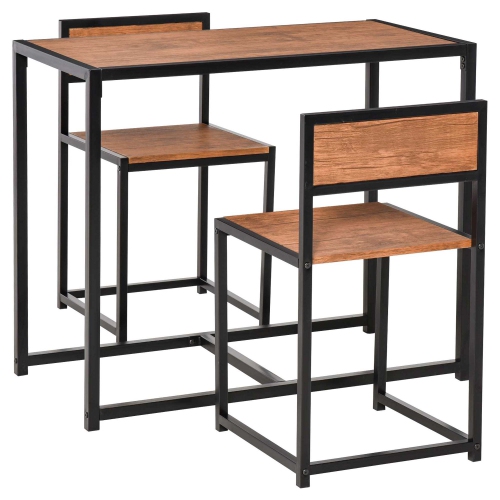
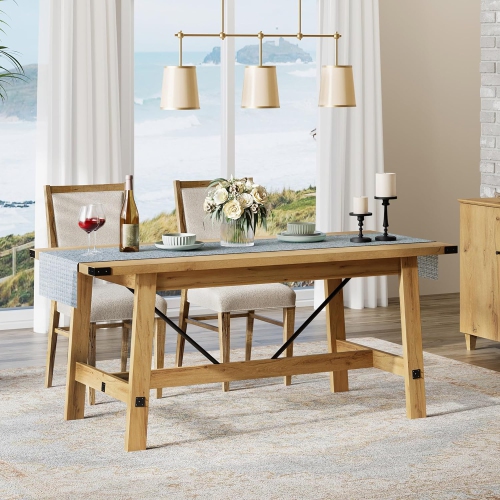
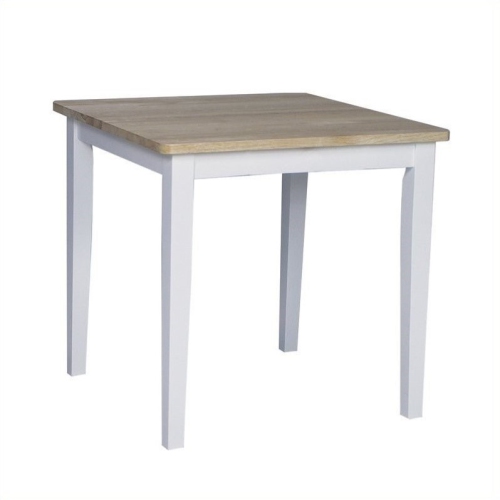
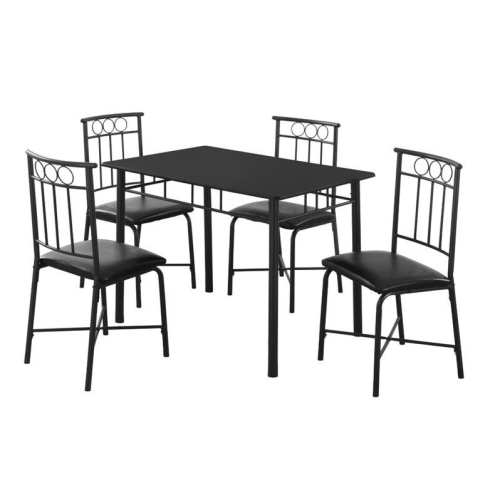
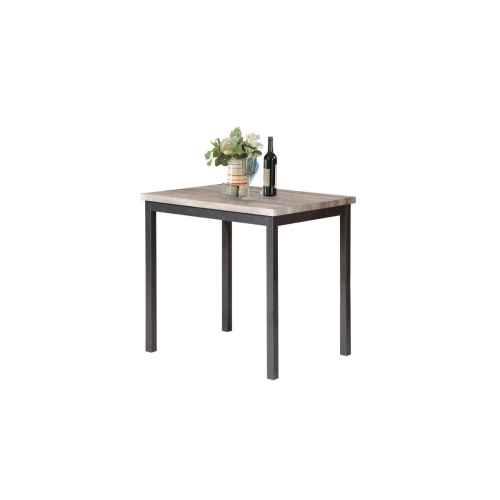
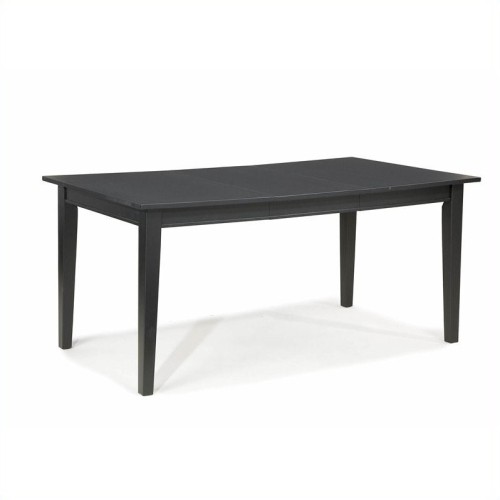
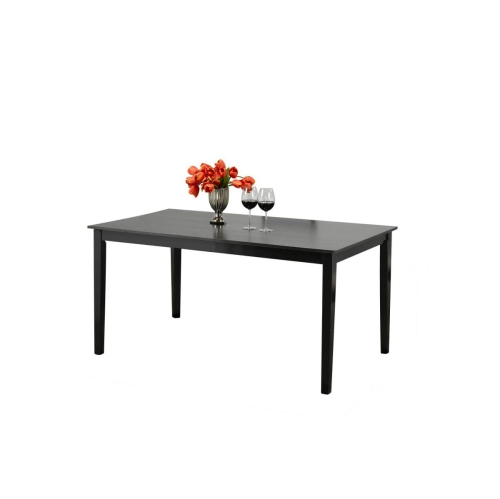
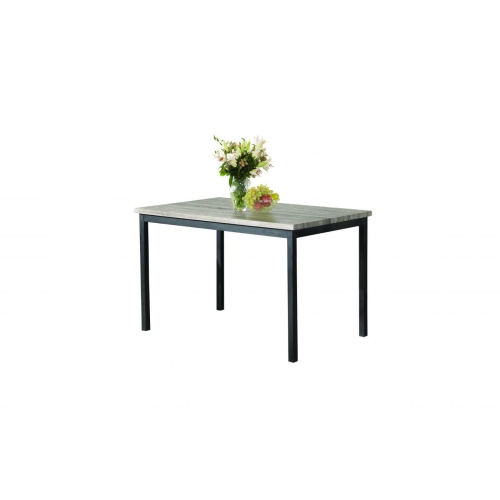
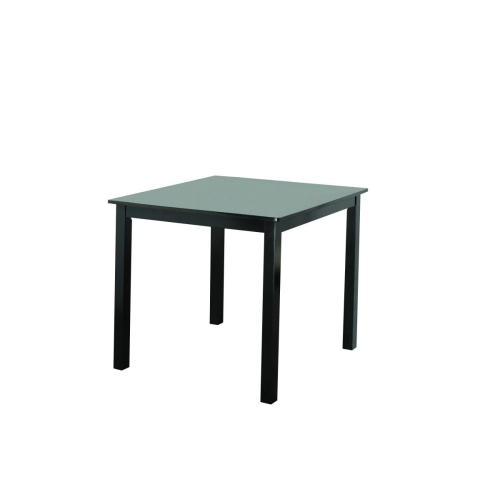
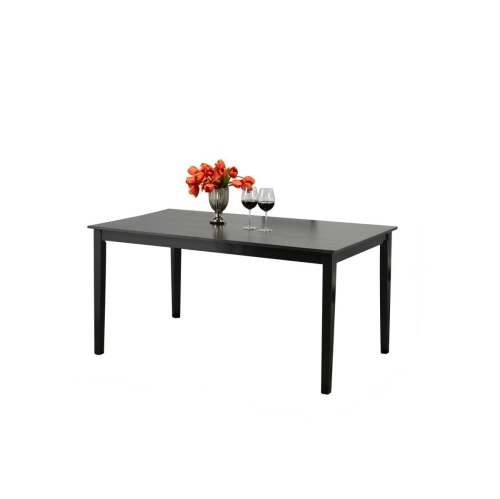
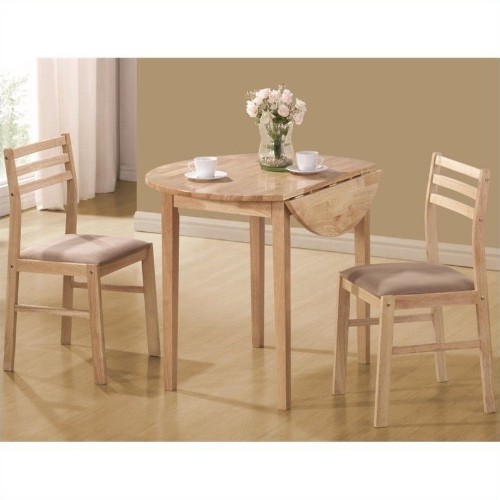
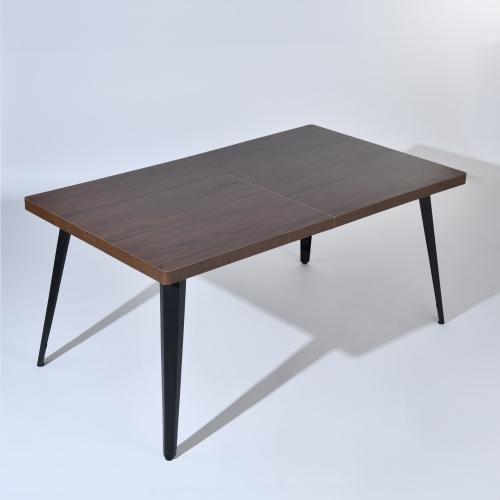
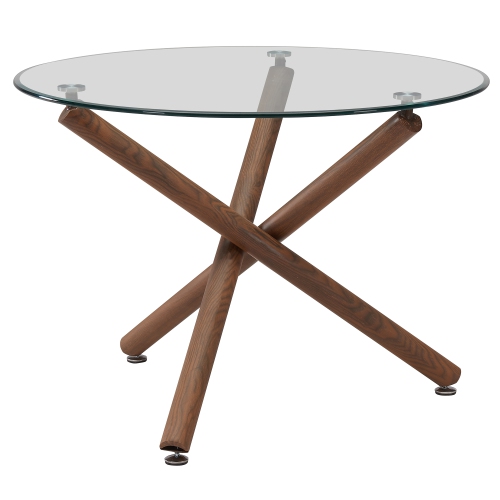
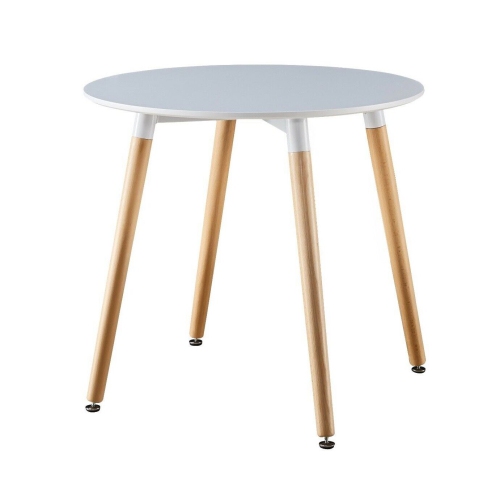
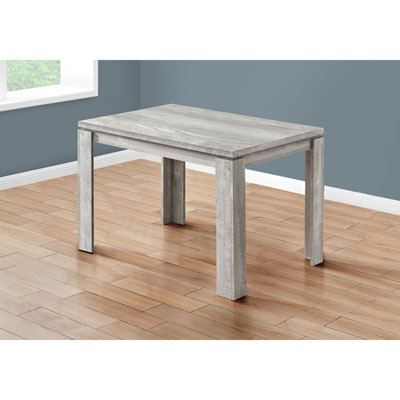
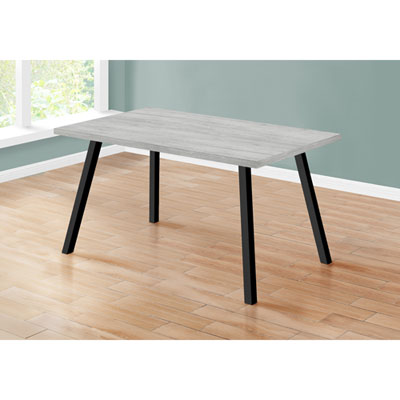
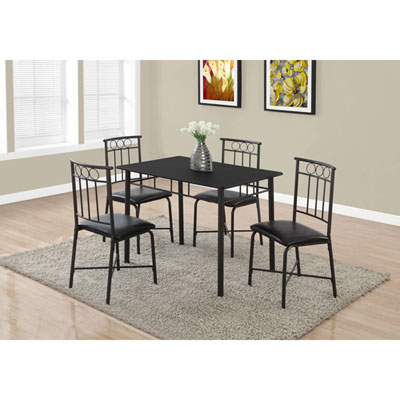
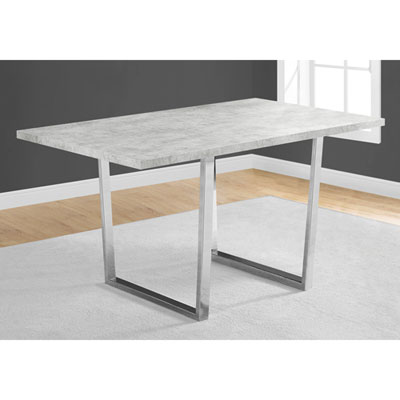
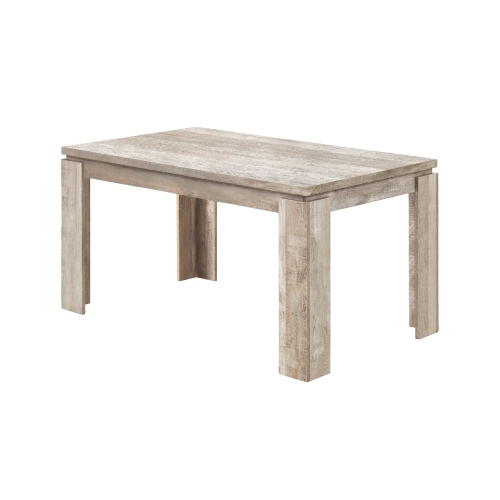
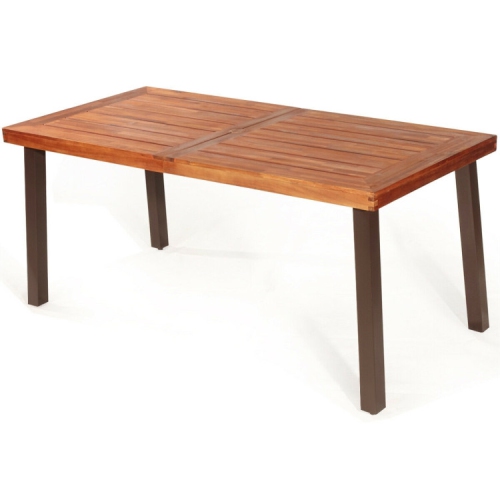
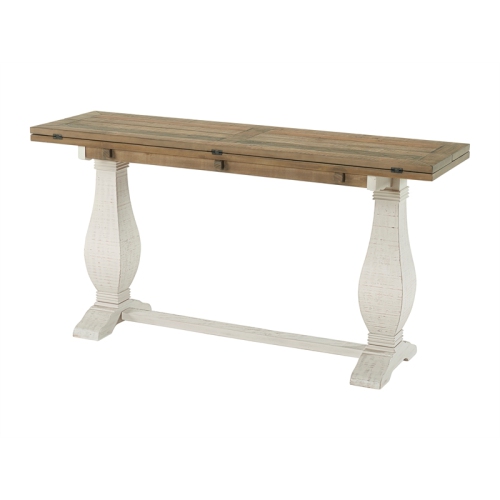
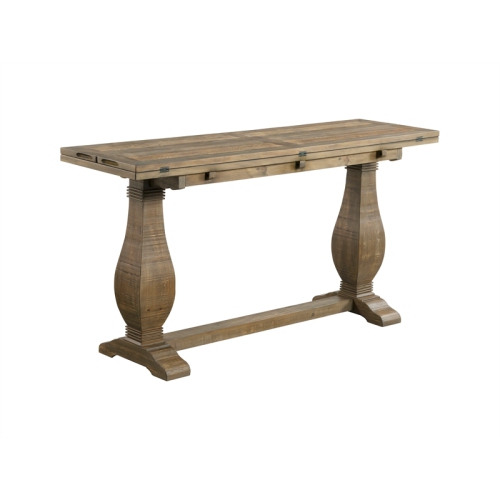
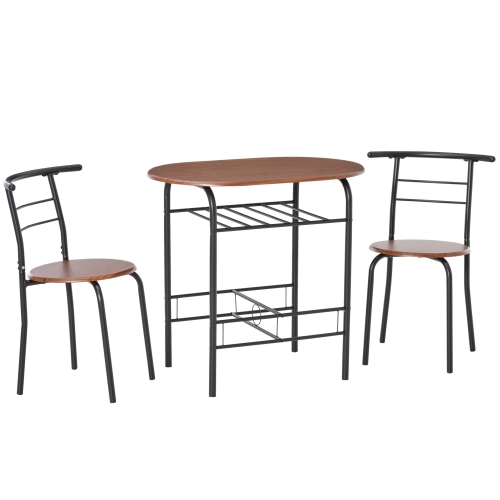
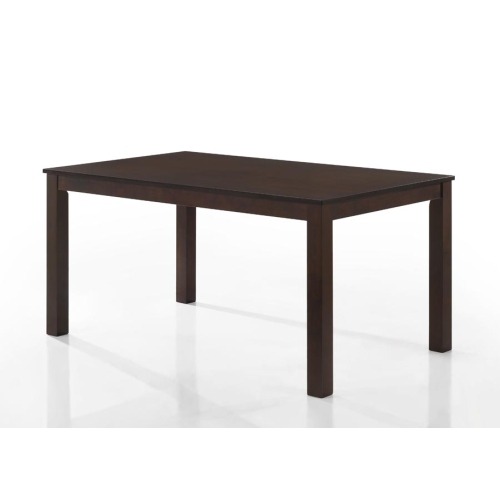

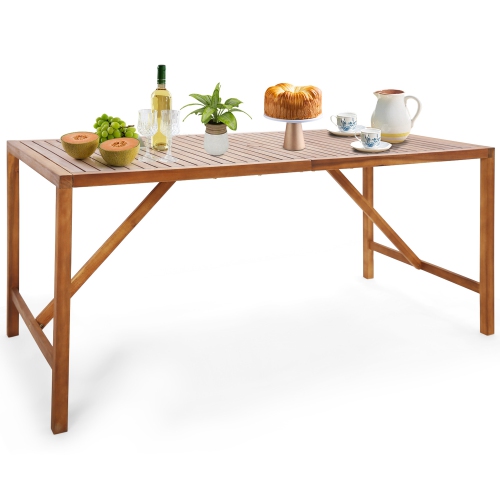
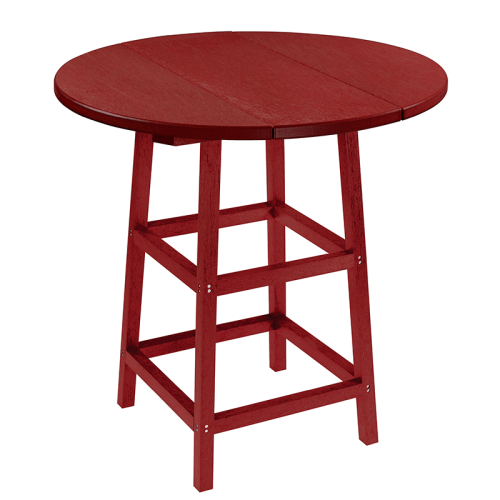
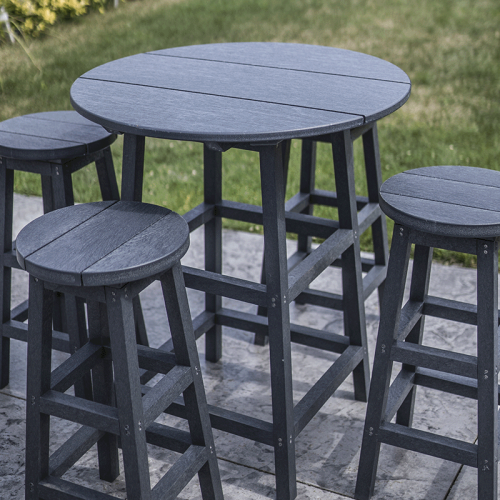
Comfortable seating starts with more than tabletop size
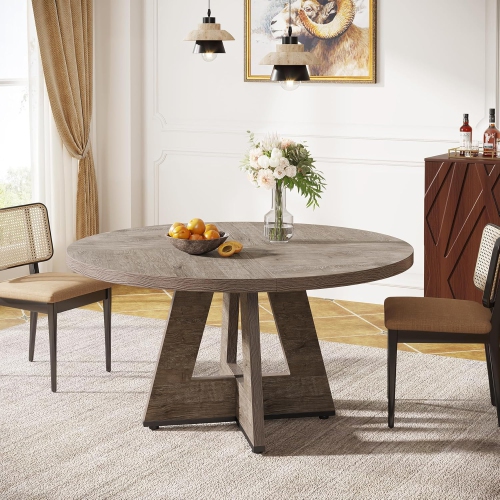
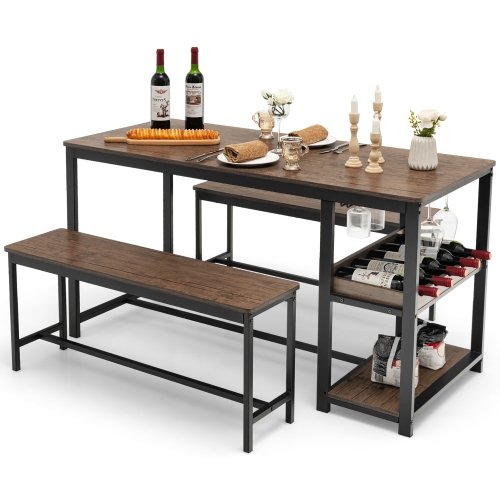
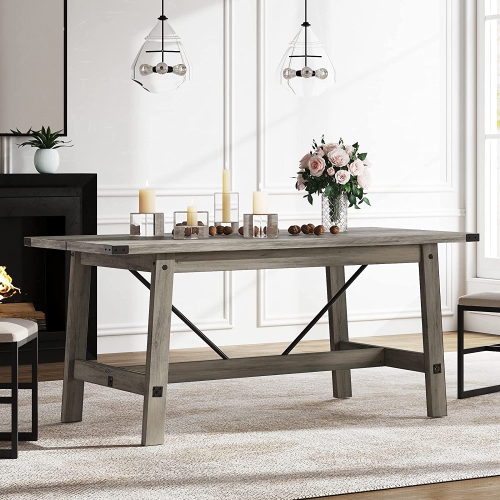
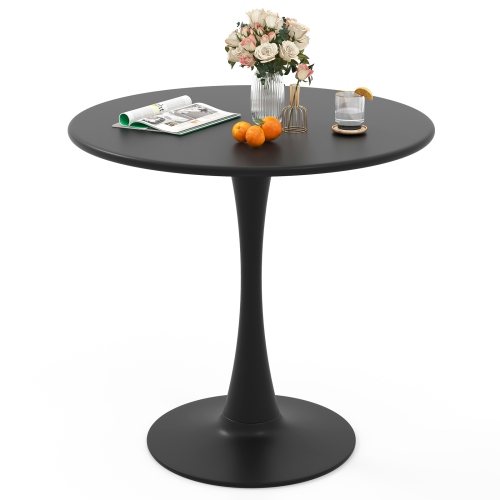
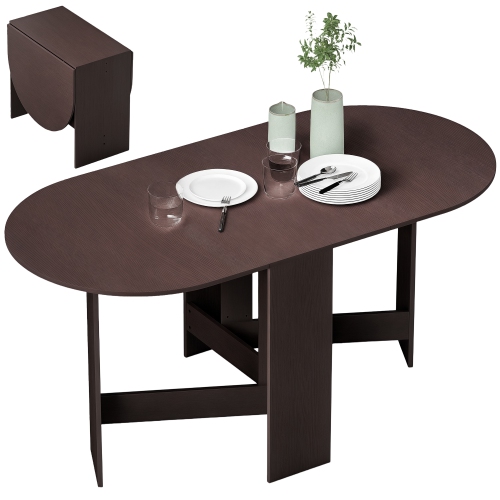
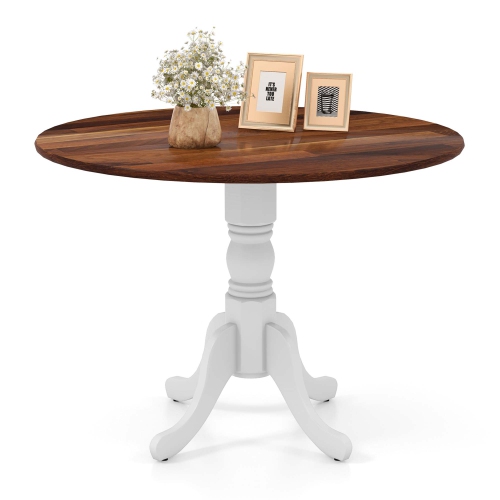
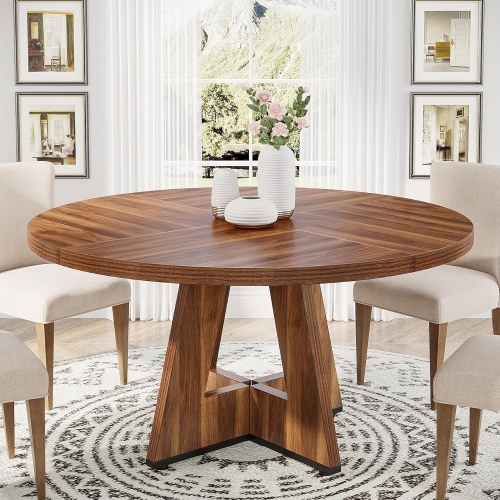
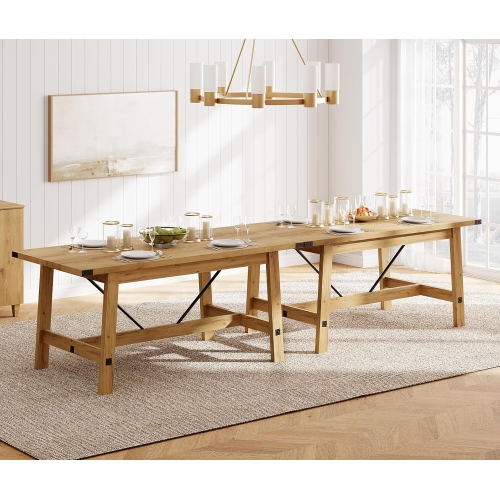
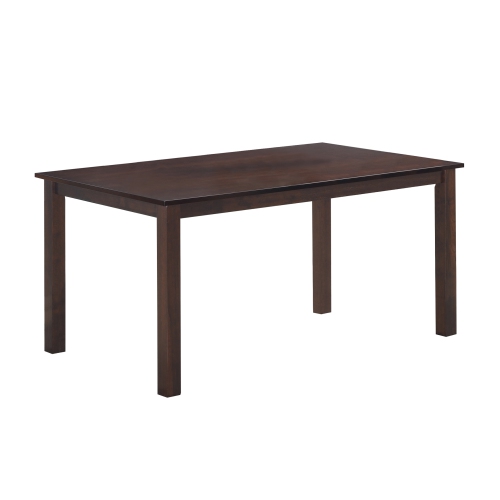
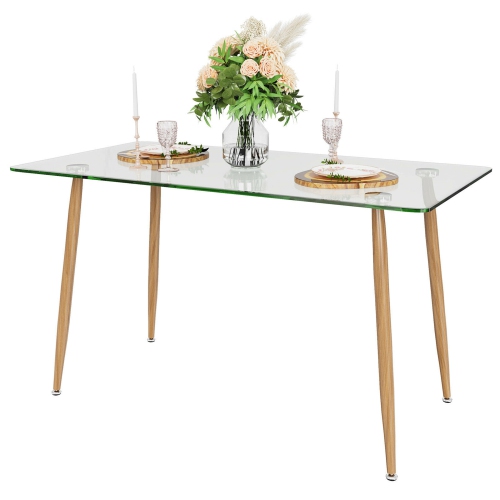
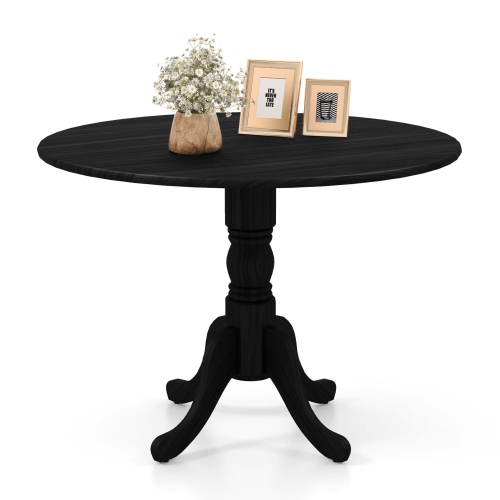
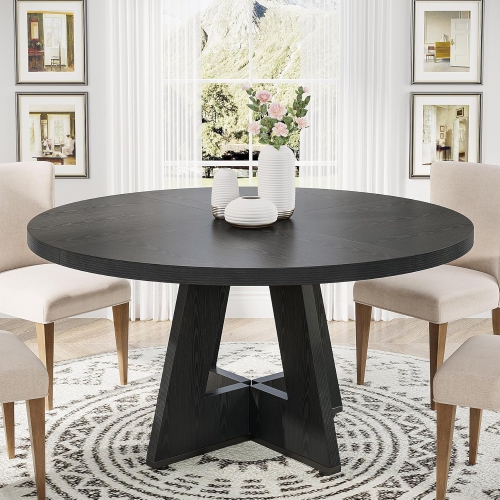
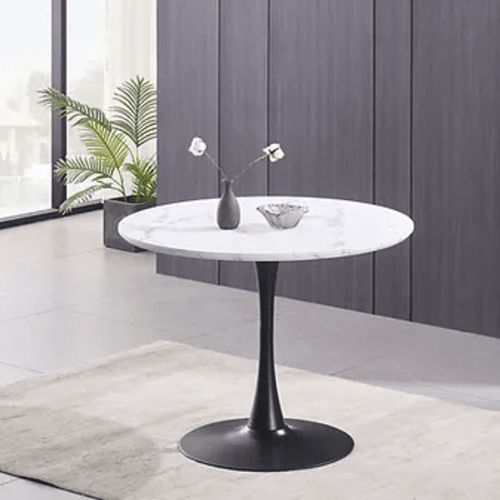
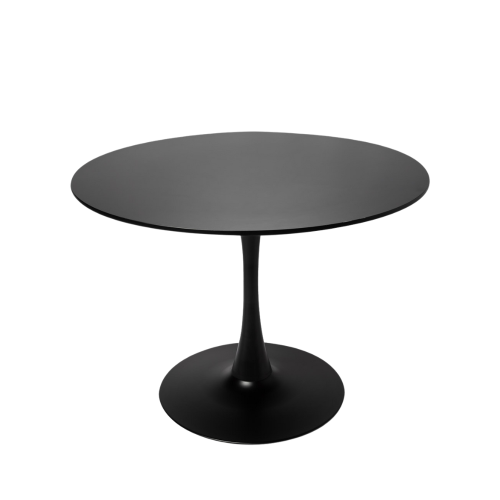
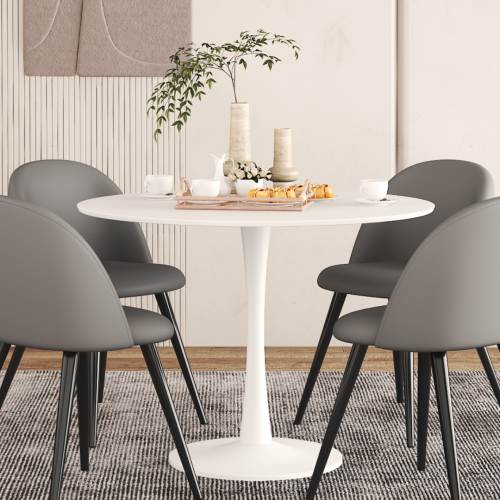
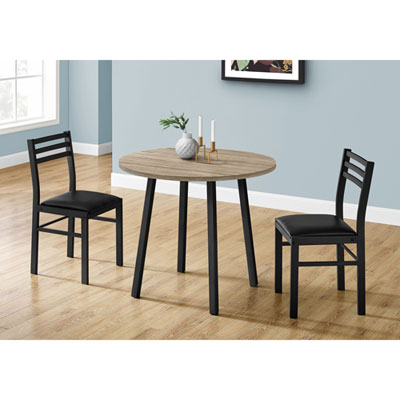
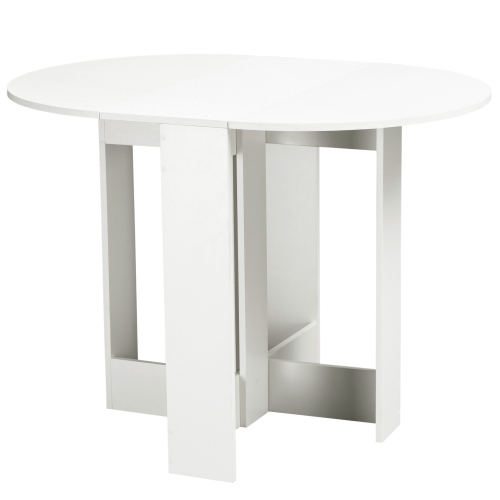
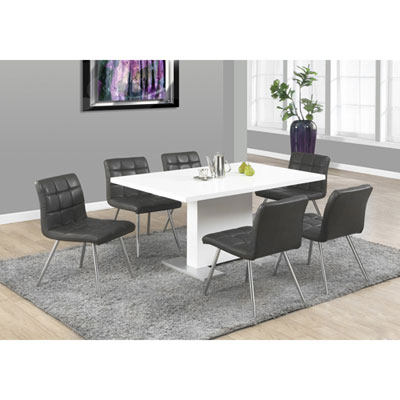
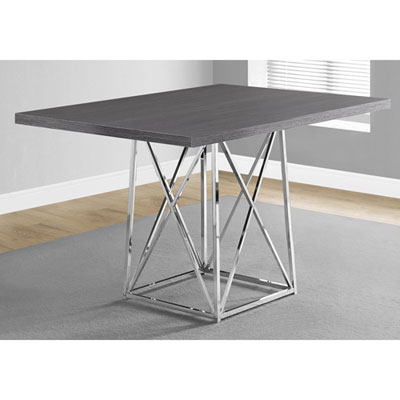
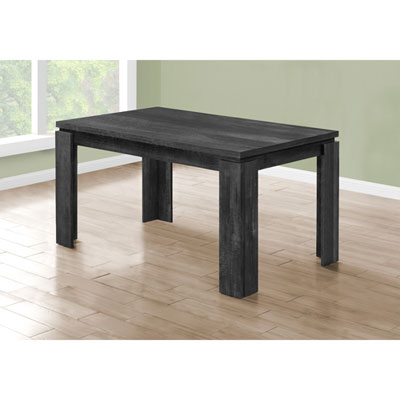
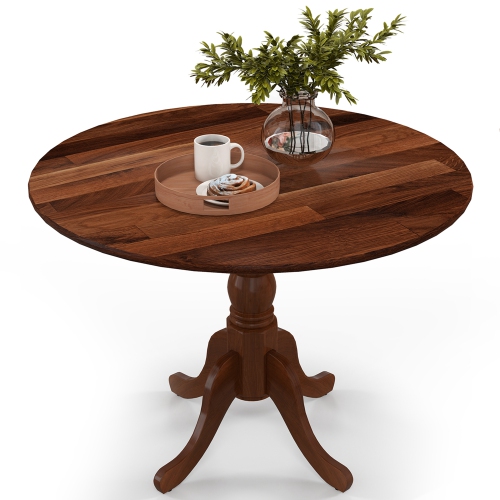
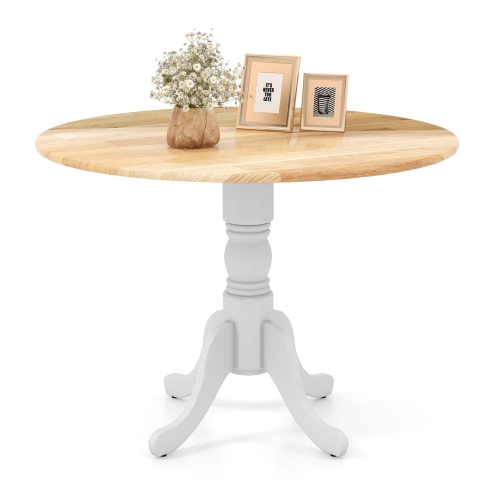
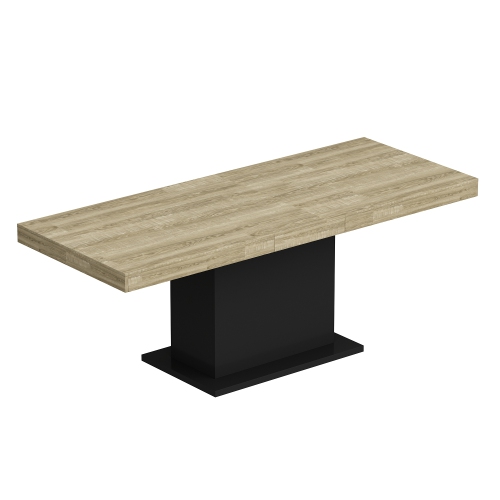
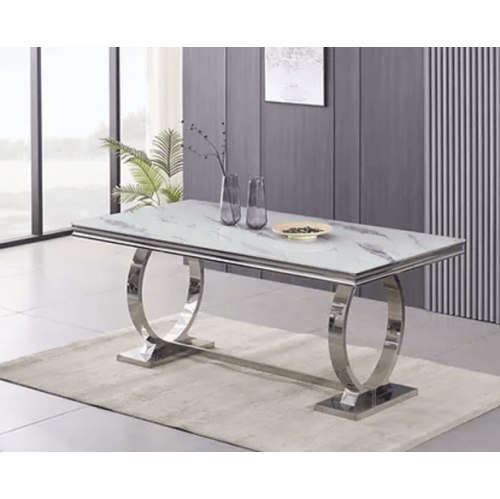
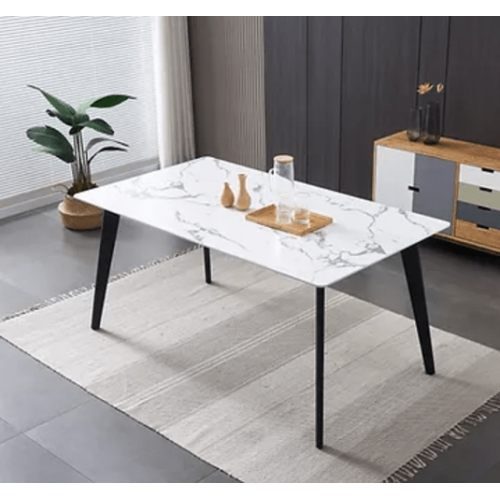
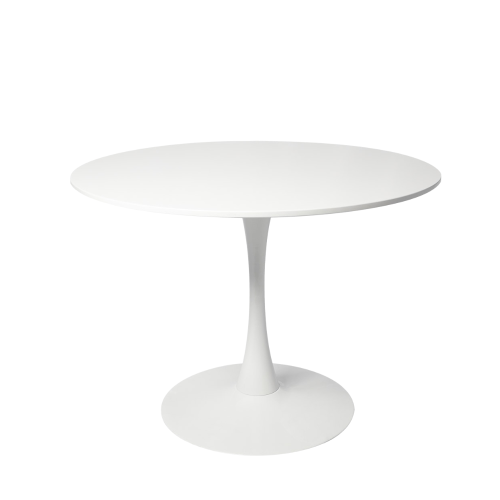
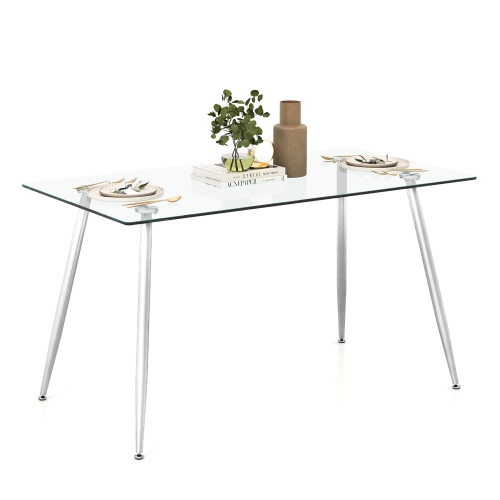
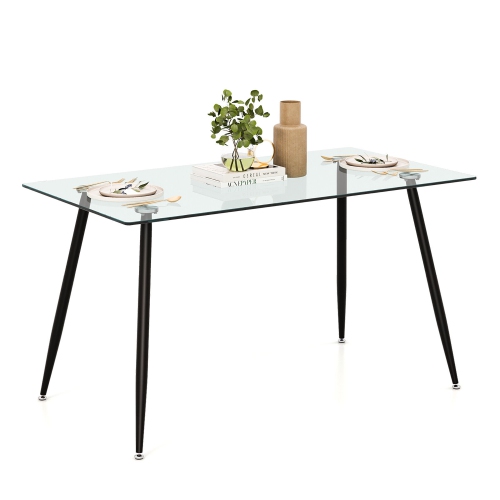
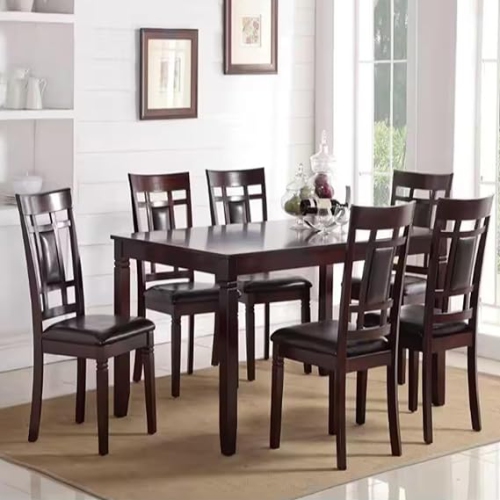
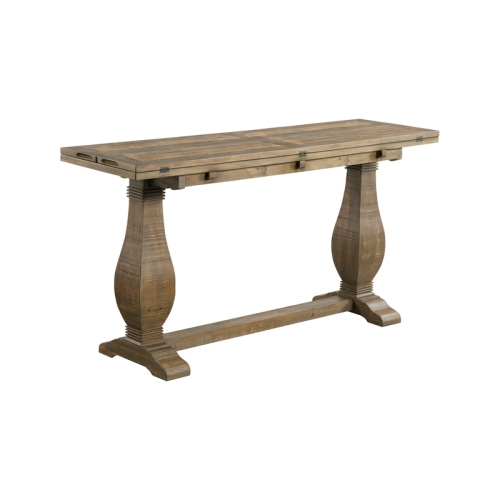
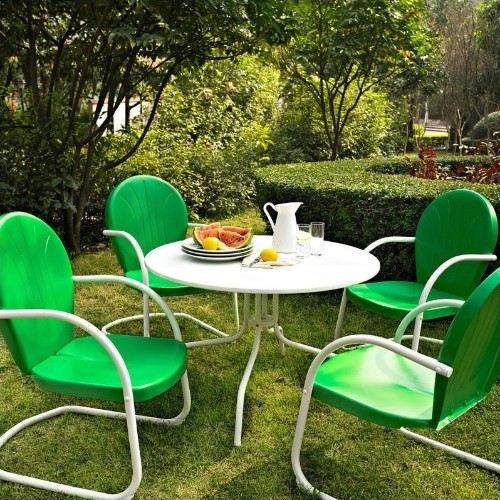
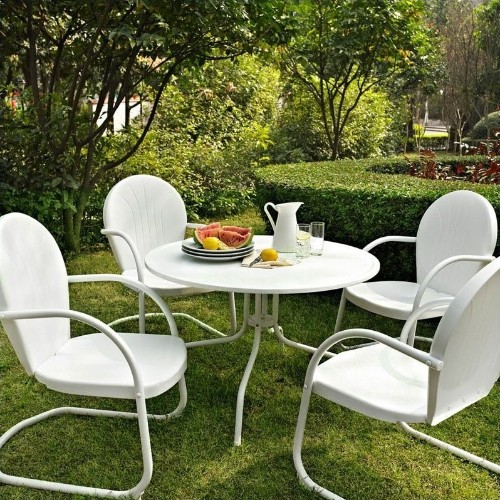
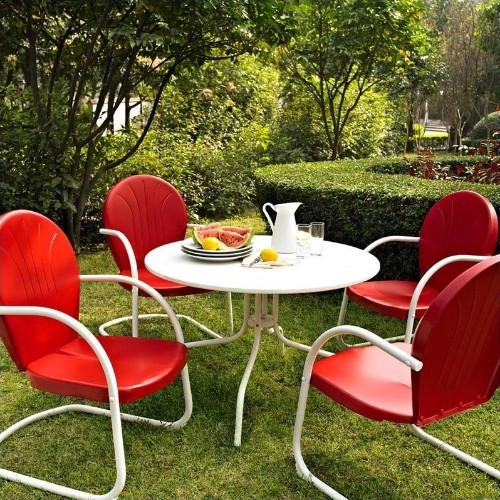
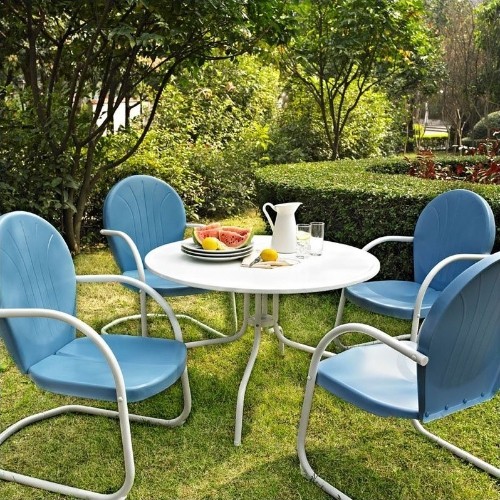
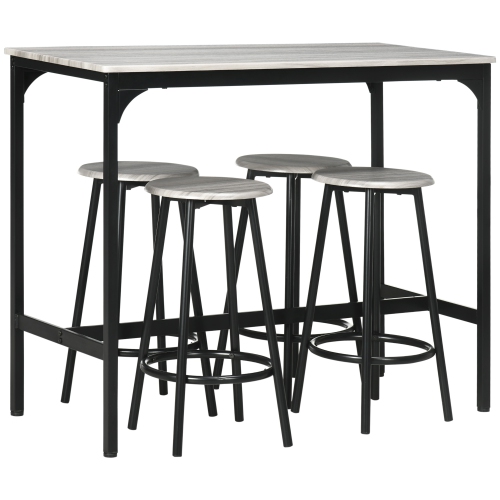
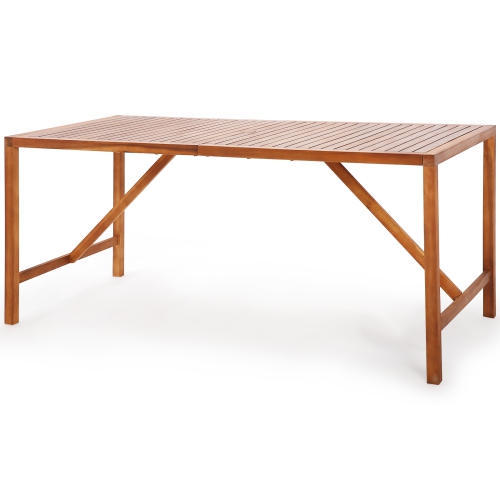
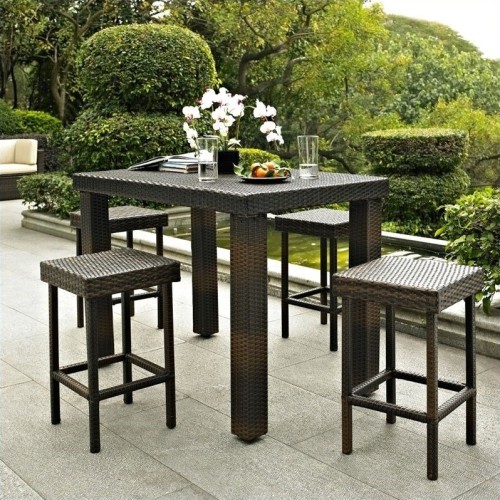
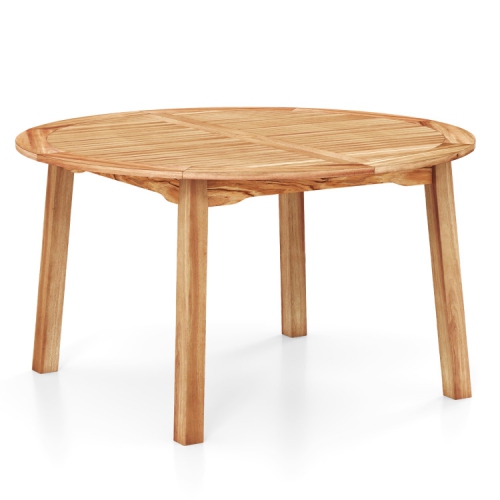
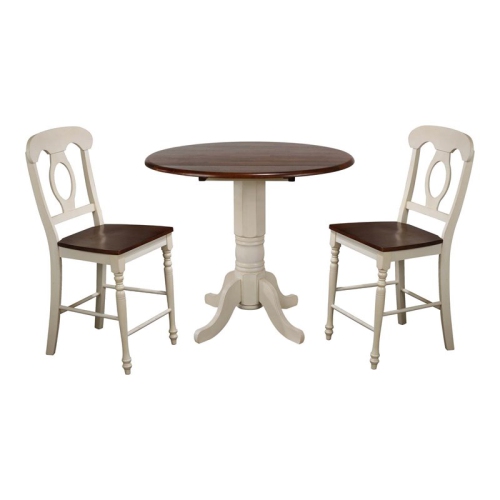
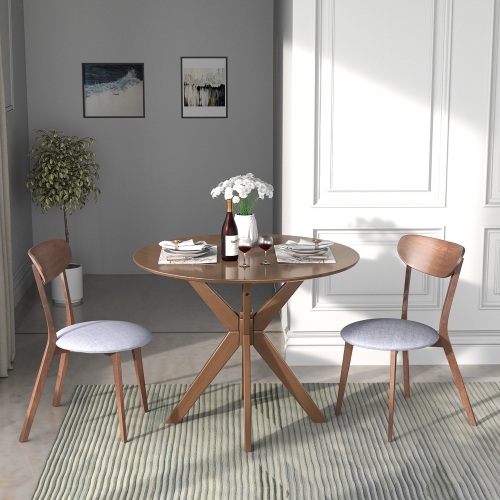
Casual dining tables make room for the meals and small routines that give a home its rhythm: breakfast before work, an afternoon snack with the kids, or a relaxed dinner that stretches into a board game. Their appeal lies in an easygoing balance of comfort, practicality, and style rather than a formal dining-room look. A table might anchor a separate eating area, tuck into a kitchen nook, or help define the dining space in an open-plan apartment. The right proportions depend as much on the room around the table as on the tabletop itself. Chairs need space to pull out, and people should be able to walk past without turning sideways, especially along a route between the kitchen and living room. About 36 inches of clearance between the table edge and nearby walls or furniture is a useful starting point, with more space helpful along busy walkways. Seating comfort also depends on leg placement and the width of the chairs. A table that looks spacious when empty may feel crowded once armchairs, serving bowls, and place settings are added. Allowing roughly 24 inches of table edge per person can help establish a comfortable everyday arrangement, though wider chairs may need more room. Round tables encourage conversation and can suit compact, roughly square spaces, while rectangular tables often sit naturally in longer rooms or alongside a bench. Oval shapes offer a longer surface with curved ends, and square tables can create a balanced setting for smaller households. A pedestal base may leave more flexibility for chairs, but its footprint still needs to leave room for feet. For couples, families, roommates, and people furnishing a first home, casual dining tables work best when their shape and size support ordinary days as comfortably as occasional company. During the cooler months, that might mean enough room for a shared pot of soup, a bread basket, and a few extra places without overwhelming the room.
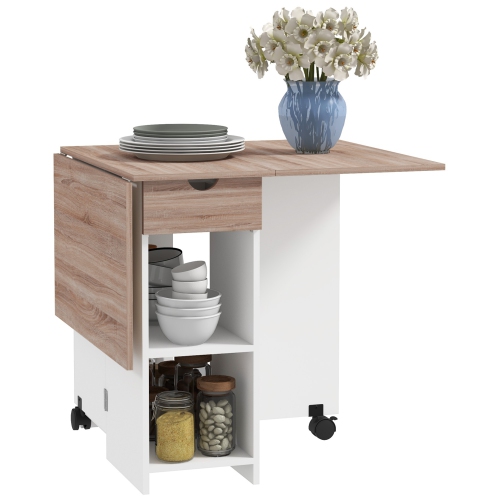
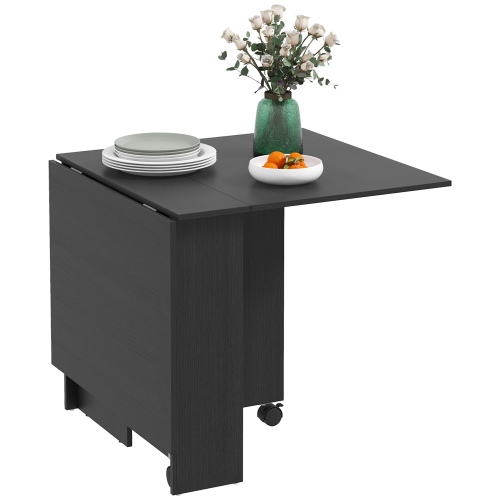
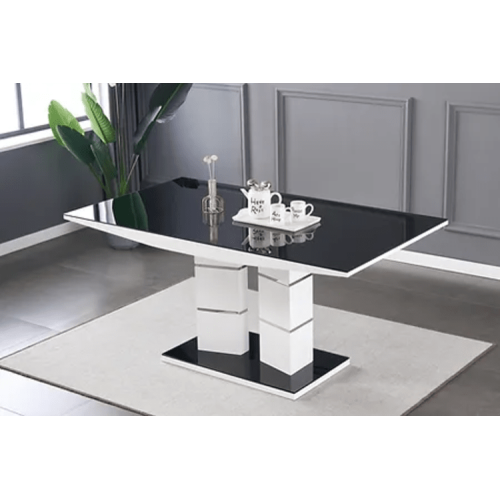
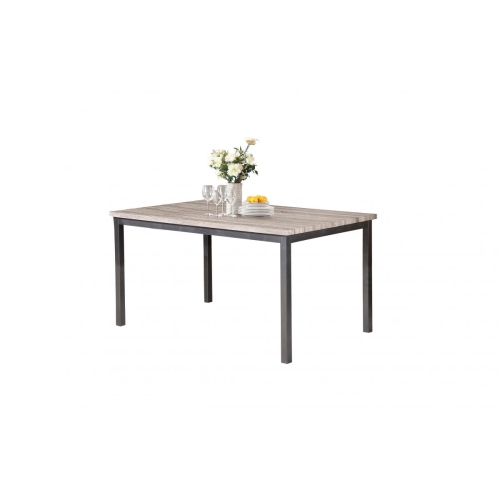
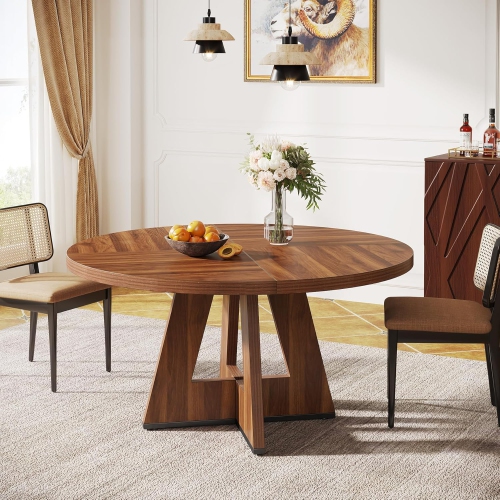
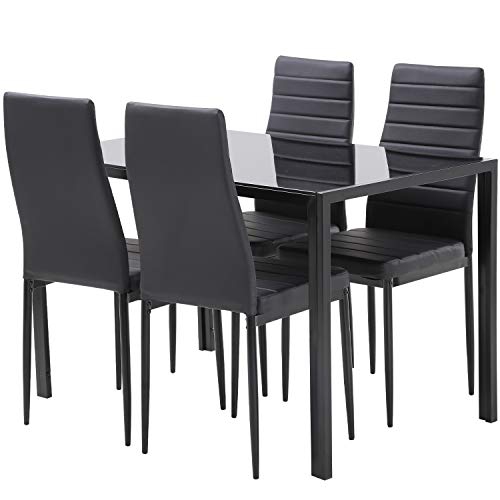
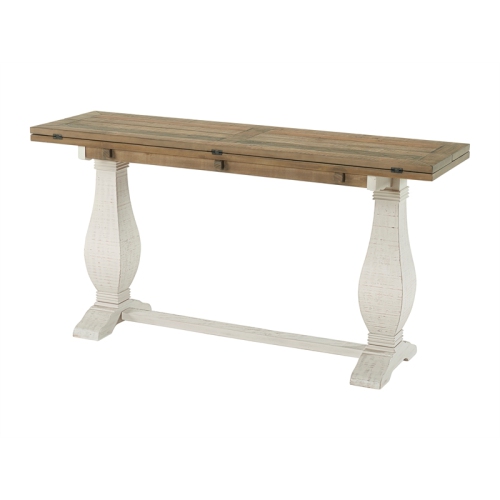
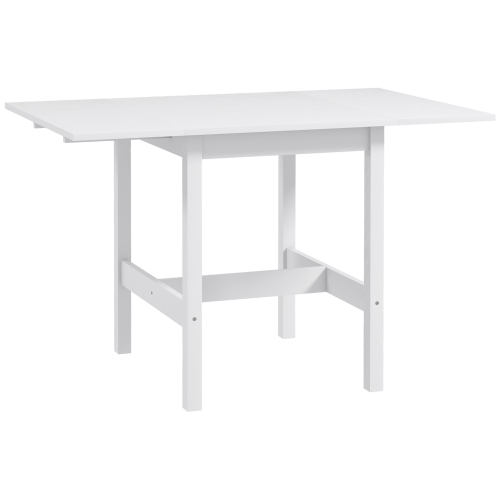
Materials influence both the character of casual dining tables and how they respond to daily use. Solid wood brings natural grain and variation, giving the surface a warmth that pairs easily with upholstered chairs, simple benches, or mixed seating. Different wood species and finishes vary in hardness and resistance to marks, so a wood tabletop is not automatically scratch-proof or suitable for direct contact with hot dishes. Some solid wood surfaces can be refinished, although that depends on their construction and finish. Wood veneer offers the appearance of real wood over a supporting core, often creating a consistent look across a broad tabletop; its thinner surface generally limits sanding and refinishing. Engineered wood with a laminate or other protective finish can provide a straightforward surface for everyday meals, but edges and seams still need protection from lingering moisture. Glass gives a dining area a lighter visual presence and lets a distinctive base remain visible, though fingerprints and smudges may show readily. Where glass is used, the tabletop specifications and edge treatment deserve attention, particularly in a busy household. Metal bases can introduce a clean, understated contrast to wood or glass, while their finish affects how easily scuffs and marks show. Stone and stone-look surfaces vary widely in weight, composition, and care requirements; a natural stone top may need sealing, while a manufactured surface may call for different precautions. Beyond the material, construction makes a noticeable difference. Secure joints, a stable base, and a well-supported top help a table feel steady when someone cuts food or leans forward in conversation. Extension leaves add flexibility for visiting friends or family, but the opening mechanism, support points, and storage needs matter just as much as the extra surface. A self-storing leaf can reduce the need for separate storage, while a removable leaf needs a protected place when not in use. Drop-leaf designs offer another way to adjust the footprint, provided the extended sections leave suitable support and legroom for the intended seating arrangement.
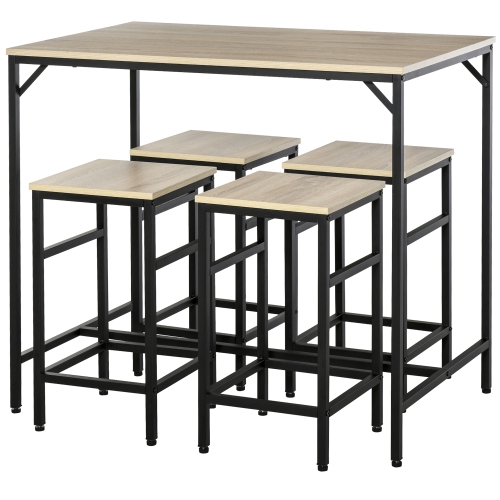
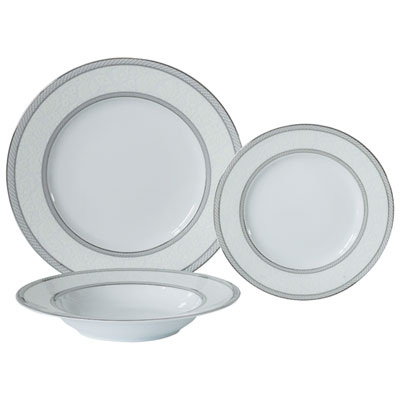
The most useful casual dining tables feel comfortable through an entire meal and remain manageable long after the dishes are cleared. Standard dining-height tables are typically around 28 to 30 inches tall, but the space between a chair seat and the underside of the table matters more than matching height labels alone. A deep apron beneath the tabletop can reduce thigh clearance, and chair arms may prevent seats from sliding neatly underneath. Counter-height tables create a more elevated eating area and require appropriately sized seating; they may be less convenient for young children or anyone who finds a higher seat difficult to use. For a table that doubles as a homework spot or occasional laptop surface, comfortable seating, adequate lighting, and an uncluttered place for legs become especially important. A washable mat can protect the finish during crafts, while a tray makes it easier to move stationery or puzzles aside before dinner. At mealtimes, placemats, coasters, and trivets help separate the surface from spills, condensation, and heat. Coordinating everyday dishes through Casual Dining Plate Sets can bring the setting together, whether the table has a pale wood finish, a dark top, or a simple metal base. Care should follow the table’s own instructions: prompt spill cleanup and a soft cloth are common starting points, while abrasive pads, harsh cleaners, and excessive water can damage some finishes. Direct sunlight and nearby heat sources can also affect certain materials over time. Felt pads beneath suitable accessories help limit surface scratches, and appropriate floor protectors can reduce marking when the table is moved. Large or heavy tables are easier to live with when delivery routes, doorways, and assembly space have been considered before they reach the dining area. With thoughtful proportions and care suited to its materials, a casual dining table can serve as a dependable place for everyday meals, shared tasks, and unhurried evenings at home.
Materials influence both the character of casual dining tables and how they respond to daily use. Solid wood brings natural grain and variation, giving the surface a warmth that pairs easily with upholstered chairs, simple benches, or mixed seating. Different wood species and finishes vary in hardness and resistance to marks, so a wood tabletop is not automatically scratch-proof or suitable for direct contact with hot dishes. Some solid wood surfaces can be refinished, although that depends on their construction and finish. Wood veneer offers the appearance of real wood over a supporting core, often creating a consistent look across a broad tabletop; its thinner surface generally limits sanding and refinishing. Engineered wood with a laminate or other protective finish can provide a straightforward surface for everyday meals, but edges and seams still need protection from lingering moisture. Glass gives a dining area a lighter visual presence and lets a distinctive base remain visible, though fingerprints and smudges may show readily. Where glass is used, the tabletop specifications and edge treatment deserve attention, particularly in a busy household. Metal bases can introduce a clean, understated contrast to wood or glass, while their finish affects how easily scuffs and marks show. Stone and stone-look surfaces vary widely in weight, composition, and care requirements; a natural stone top may need sealing, while a manufactured surface may call for different precautions. Beyond the material, construction makes a noticeable difference. Secure joints, a stable base, and a well-supported top help a table feel steady when someone cuts food or leans forward in conversation. Extension leaves add flexibility for visiting friends or family, but the opening mechanism, support points, and storage needs matter just as much as the extra surface. A self-storing leaf can reduce the need for separate storage, while a removable leaf needs a protected place when not in use. Drop-leaf designs offer another way to adjust the footprint, provided the extended sections leave suitable support and legroom for the intended seating arrangement.
The most useful casual dining tables feel comfortable through an entire meal and remain manageable long after the dishes are cleared. Standard dining-height tables are typically around 28 to 30 inches tall, but the space between a chair seat and the underside of the table matters more than matching height labels alone. A deep apron beneath the tabletop can reduce thigh clearance, and chair arms may prevent seats from sliding neatly underneath. Counter-height tables create a more elevated eating area and require appropriately sized seating; they may be less convenient for young children or anyone who finds a higher seat difficult to use. For a table that doubles as a homework spot or occasional laptop surface, comfortable seating, adequate lighting, and an uncluttered place for legs become especially important. A washable mat can protect the finish during crafts, while a tray makes it easier to move stationery or puzzles aside before dinner. At mealtimes, placemats, coasters, and trivets help separate the surface from spills, condensation, and heat. Coordinating everyday dishes through Casual Dining Plate Sets can bring the setting together, whether the table has a pale wood finish, a dark top, or a simple metal base. Care should follow the table’s own instructions: prompt spill cleanup and a soft cloth are common starting points, while abrasive pads, harsh cleaners, and excessive water can damage some finishes. Direct sunlight and nearby heat sources can also affect certain materials over time. Felt pads beneath suitable accessories help limit surface scratches, and appropriate floor protectors can reduce marking when the table is moved. Large or heavy tables are easier to live with when delivery routes, doorways, and assembly space have been considered before they reach the dining area. With thoughtful proportions and care suited to its materials, a casual dining table can serve as a dependable place for everyday meals, shared tasks, and unhurried evenings at home.
Top selling and popular products
-
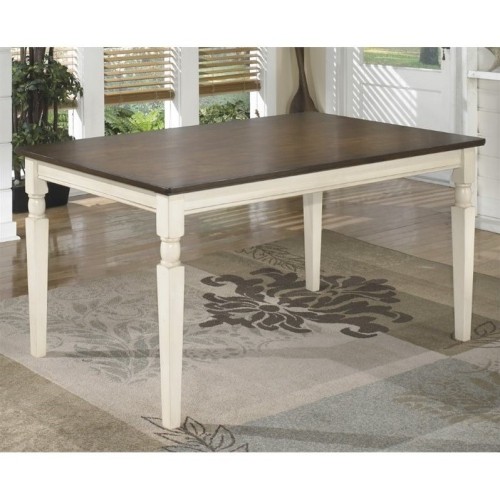 Your price for this item is $399
 -
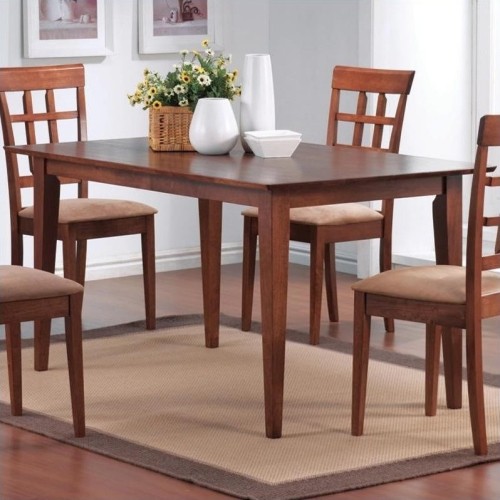 Your price for this item is $567.67
 -
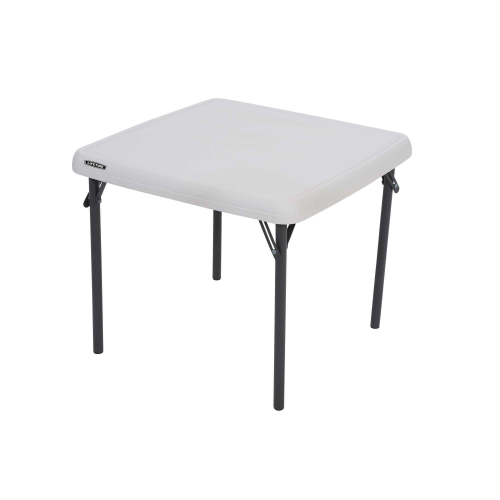 Your price for this item is $71.99
 -
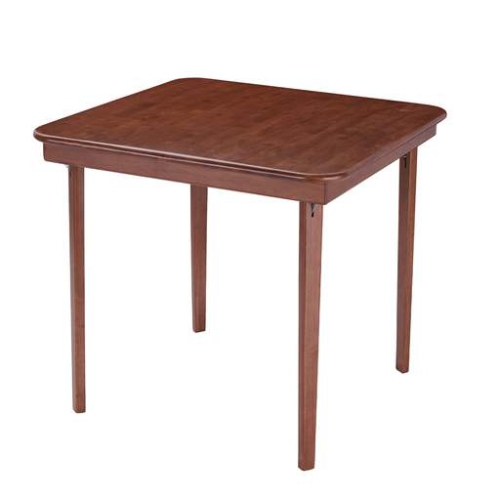 Your price for this item is $393.99
 -
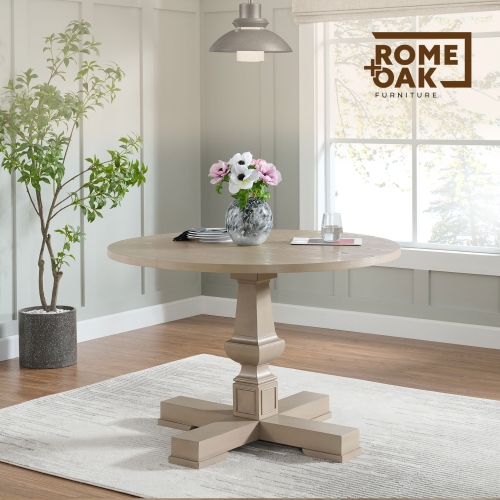 Your price for this item is $918.99
 -
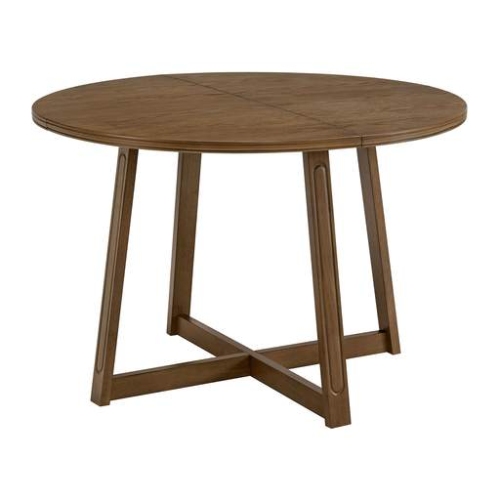 Your price for this item is $752.99
 -
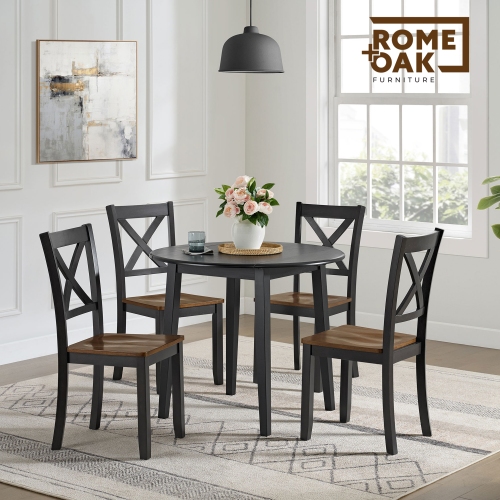 Your price for this item is $305.99
 -
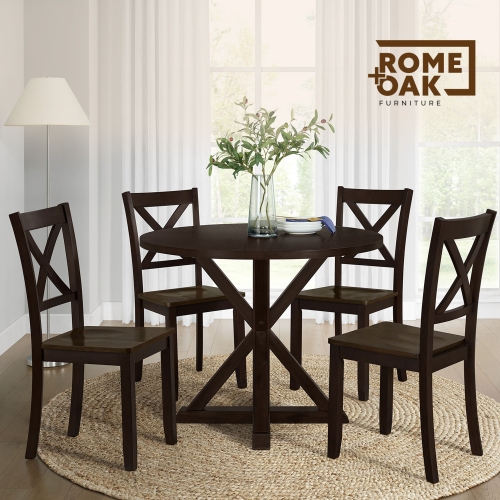 Your price for this item is $782.99
Discover more categories related to Casual Dining Tables
Top Collections:
Pokemon Centers, Kindle Devices, Best Budget Office Chairs, Apple iPhones 16, Best Laptops for Writers, iPhone 15 Apple, Canon G7X Cameras, Refurbished Apple Laptops, Alarm Clock, Motorola Razr Phones
Some products may be subject to Environmental Handling Fees
(EHF) depending on your province.
Learn more about EHFs.