Casual Dining Plate Sets
Casual Dining Plate Sets are the perfect addition to any kitchen or dining room, offering style and convenience for everyday meals and relaxed gatherings. Whether you're setting the table for a quick breakfast, family dinner, or a casual get-together with friends, these plate sets provide versatile options to suit your needs. Explore a variety of designs and sizes to complement your home décor and make every meal feel inviting. Find the ideal Casual Dining Plate Sets to elevate your dining experience with ease and comfort.
Sort





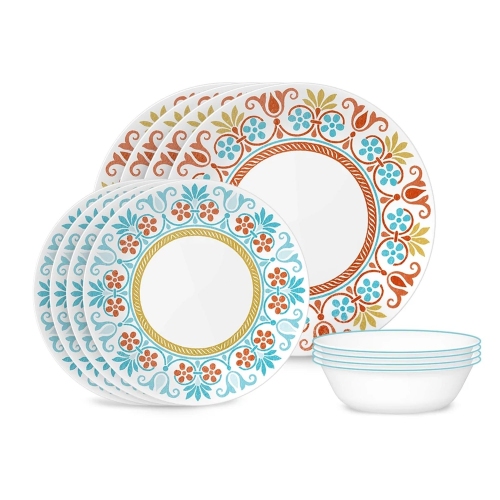
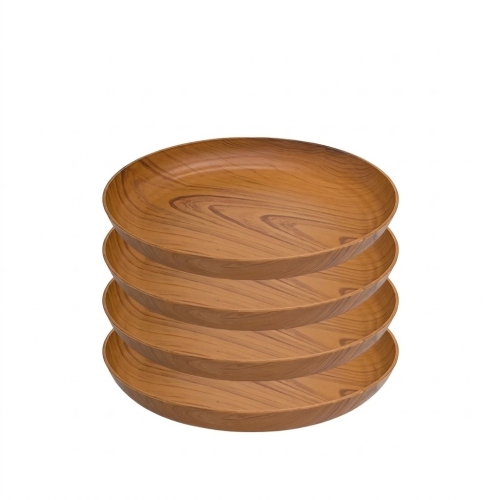

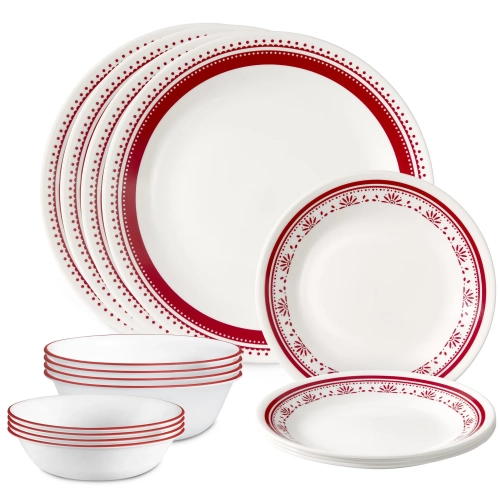
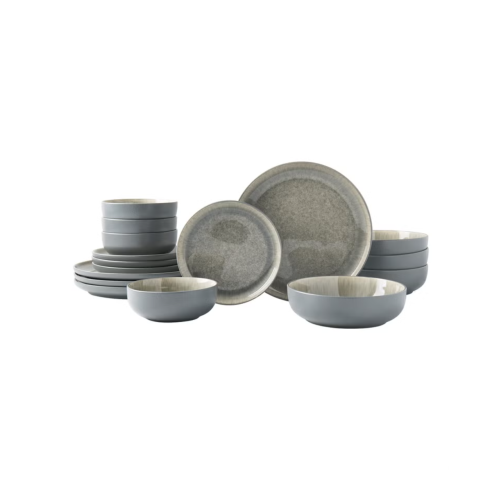
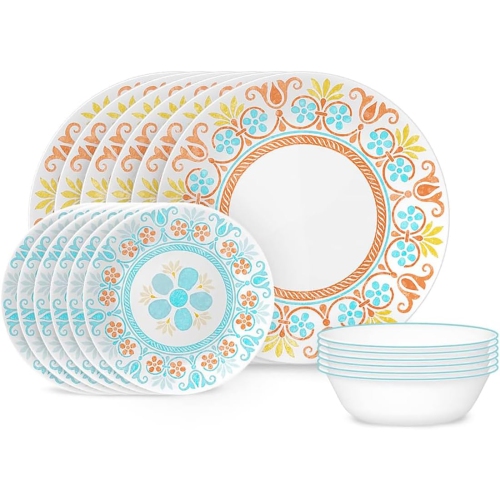
What fits your table might not fit your cupboard
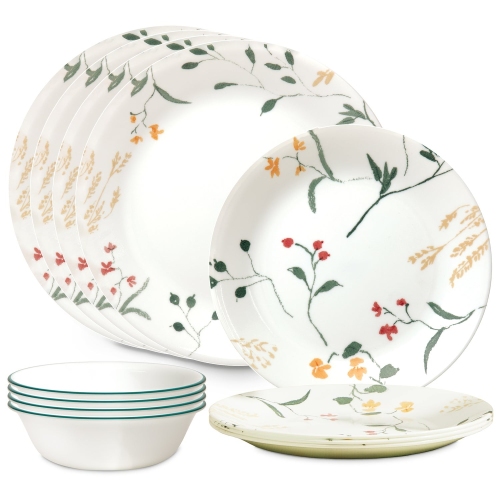
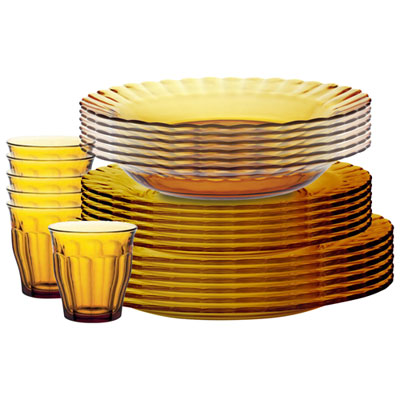
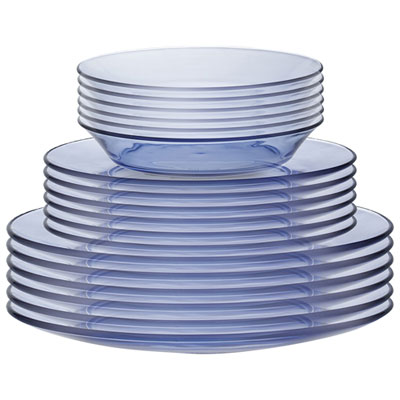
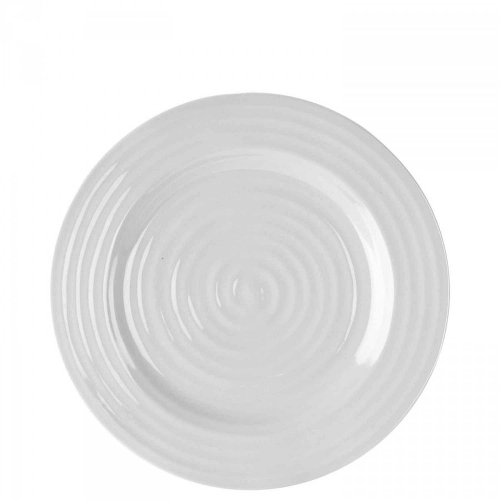
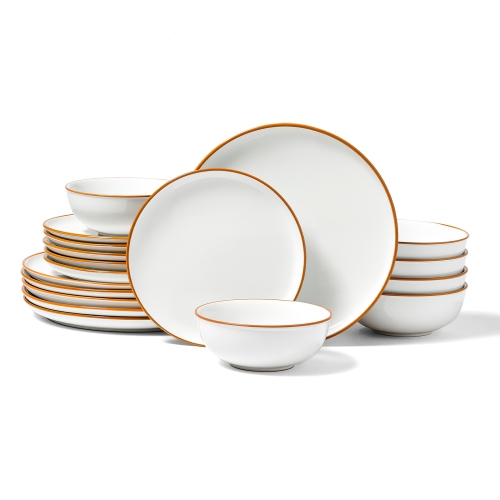
Casual dining plate sets give everyday meals a coordinated place setting without the formality of a full dinnerware service. Some sets contain only dinner plates, while others pair them with smaller plates for toast, salad or dessert. The piece count tells how many pieces are included, not necessarily how many people can sit down to dinner. A 12-piece set with three pieces per setting, for example, serves four, while a set of six matching dinner plates serves six. For a table that already has side plates and bowls, the Dinner Plate Sets page narrows the focus to full-size plates. Many dinner plates measure roughly 10 to 11 inches across, but the width of the flat centre matters as much as the overall diameter. A wide rim frames a meal nicely but leaves less room for fish, potatoes and greens to sit side by side. A plate with a gently raised edge gives saucy pasta or a spoonful of gravy somewhere to settle, while a broad, mostly flat surface makes it easier to cut a sandwich or serve a pair of tacos. Smaller plates can earn their cupboard space if they come out for breakfast, snacks and dessert, not just as part of a matching setting. At a compact table, a slightly smaller dinner plate can leave room for water glasses and a shared serving dish. Fit matters off the table, too: a plate that clears the cupboard door may still stand too tall in the lower dishwasher rack for the spray arm to turn freely. Square plates are worth measuring across the corners if cupboard space is tight. For a household that runs the dishwasher every couple of days, a few extra plates can be more practical than a set that covers exactly one meal.
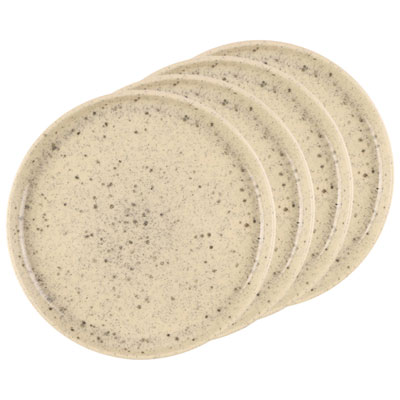
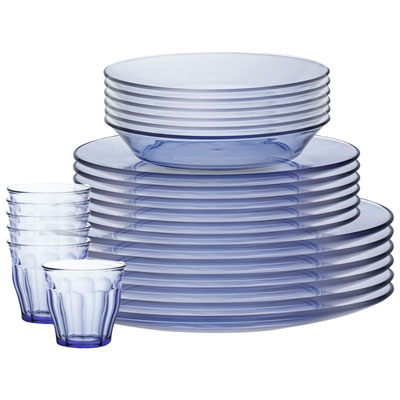
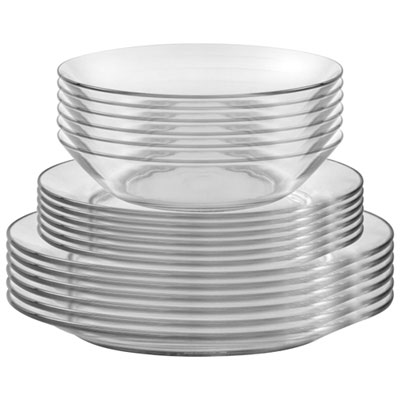
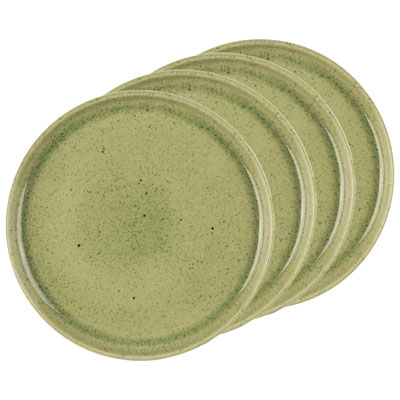
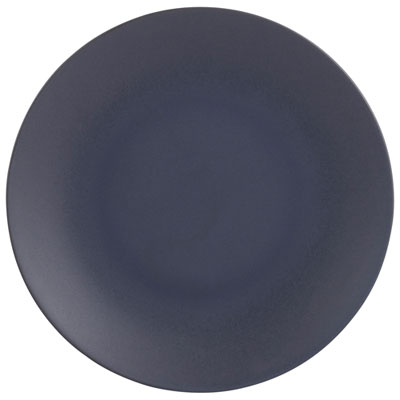
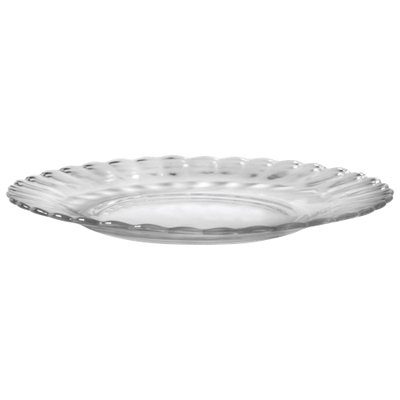
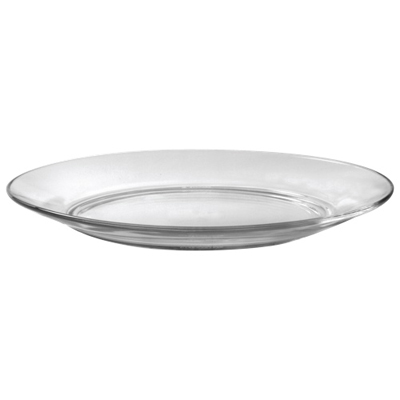
Material changes how a plate feels in the hand, how it stacks and how it holds up to daily handling. Stoneware often has a substantial feel and can have a glaze that varies slightly from plate to plate. That variation can look at home alongside mismatched mugs or serving bowls, although a deep profile or thick rim may make a stack of six taller than expected. Porcelain is typically dense and can have a thinner profile, making it a practical choice when shelf height is limited or a full stack needs to be carried from cupboard to table. Glazed earthenware often has a more pronounced texture or a hand-finished look, but it tends to chip more readily when edges knock together. Tempered glass can offer a slim profile and a smooth surface, though it can still break if dropped. Melamine is lightweight and more resistant to breakage than ceramic, which can make it useful for children’s meals or a table where plates get carried back and forth frequently. It is generally not suitable for the microwave, and dishwasher directions can vary. Even within one material, the shape and finish affect how a plate wears. An exposed, angular rim is more likely to knock against the sink or another plate than a softly rounded edge. Some matte glazes show grey marks from cutlery more readily than glossy finishes; these marks may be metal transfer rather than scratches through the glaze. A speckled finish can make small marks less noticeable, while a smooth, plain glaze gives patterned bowls or colourful serving pieces room to stand out. Plates do not all have to match to look intentional. Repeating a colour or rim shape can tie together an existing set and a new stack without replacing every piece in the cupboard.
Care is easiest when it suits the way the plates are used most days. A household that reheats leftovers on the plate should look for an explicit microwave-safe designation, even on ceramic dinnerware. Metallic trim is a reason to check the directions before reheating. Dishwasher-safe and microwave-safe are separate designations, and neither means a plate can go into the oven. Loading plates with a little space between them helps water reach the surfaces and limits contact between rims. A soft sponge and a brief soak are often enough to lift dried sauce without scrubbing the finish with an abrasive pad. If grey cutlery marks linger, a cleaner approved for the finish is a better choice than assuming a scouring powder will do no harm. Ceramic and glass plates can crack with abrupt changes in temperature, so avoid moving a hot plate straight into cold water. On open shelving, a low stack of matching plates is usually easier to lift and put away than a tall pile of mixed shapes that rock against one another. The same practical details make casual dining plate sets useful as housewarming gifts, particularly for someone furnishing a first apartment or combining two households. For a recipient with limited cupboard space, a compact set of full-size plates may be more useful than a larger assortment with several shapes to store. Someone who regularly hosts brunch might get more use from a mix of dinner and side plates, with the smaller ones doing double duty for pastries and slices of cake. A neutral glaze is easy to pair with flatware and bowls the recipient already owns, while a familiar favourite colour can make the gift feel more personal. The best fit shows up in ordinary routines: the plates stack neatly after washing, leave room for a serving bowl at the table and work just as well for a quick lunch as they do when friends stay for dinner.
Top selling and popular products
-
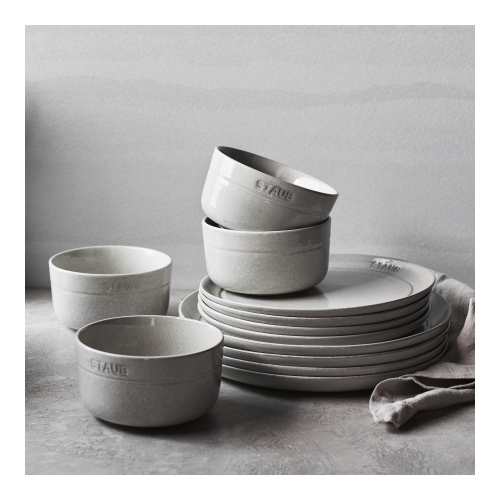 Your price for this item is $279.99
-
 Your price for this item is $279.99
-
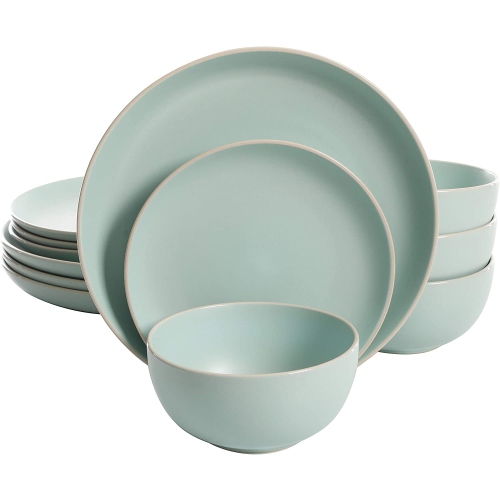 Your price for this item is $126.99
-
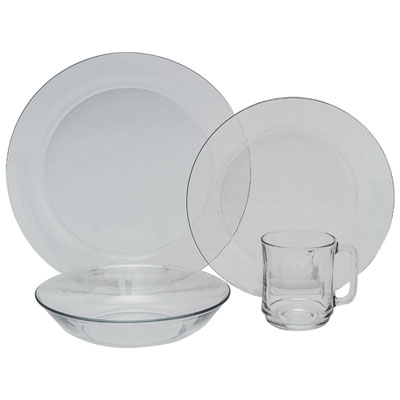 Your price for this item is $164.99
-
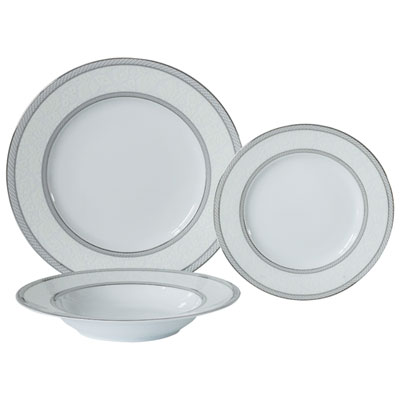 Your price for this item is $279.99
-
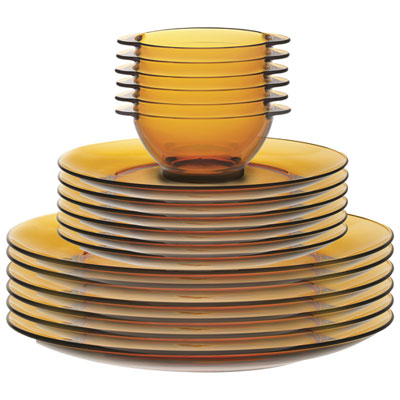 Your price for this item is $113.99
-
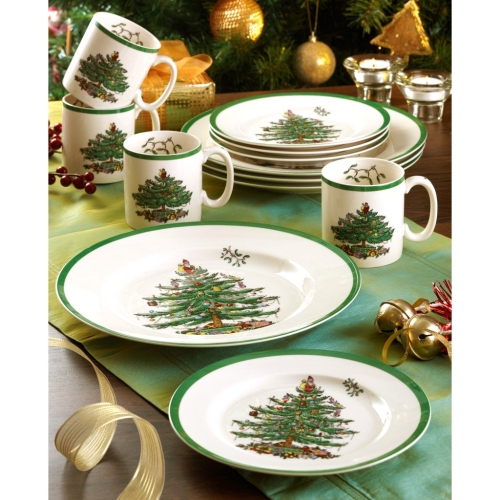 Your price for this item is $166.65
-
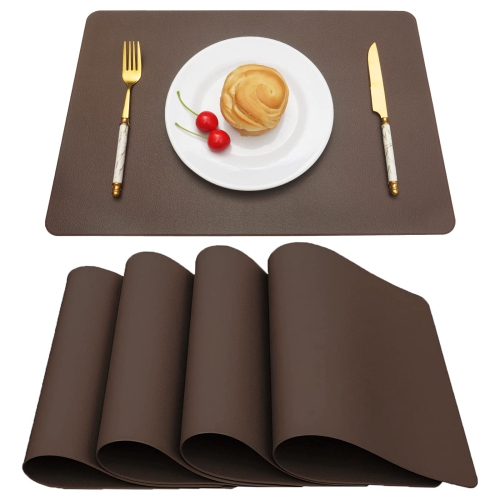 Your price for this item is $38.88
Discover more categories related to Casual Dining Plate Sets
Top Collections:
Best Black Friday Deals This Year, Best Black Friday Deals On Electronics, Kindle Devices, Best Black Friday Deals On Apple Products, Best Budget Office Chairs, Best Cameras for Sports Photography, Dyson Airwrap, Canon G7X Cameras, Best Laptops for Writers, Samsung Galaxy Phones
Some products may be subject to Environmental Handling Fees
(EHF) depending on your province.
Learn more about EHFs.