Dishwashers for Big Family
Dishwashers are a convenient way to clean your dishes without having to do the job by hand. If you're a family of five or more, it's time to consider a dishwasher with extra-large capacity. These machines can handle the largest of families and still look good doing it. Here are some of the options.
Sort
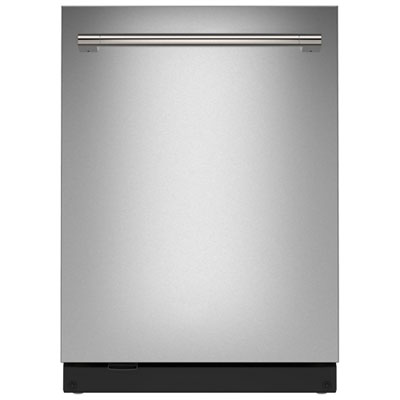
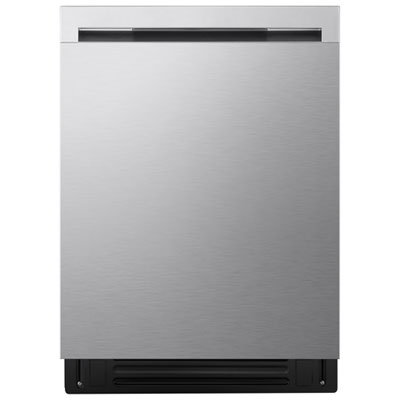
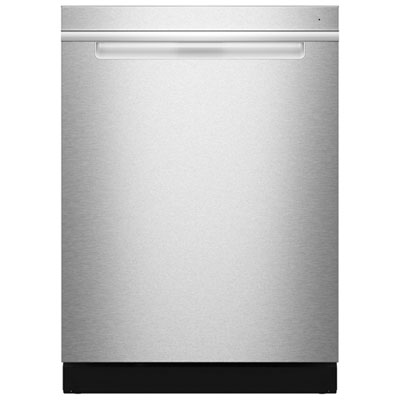
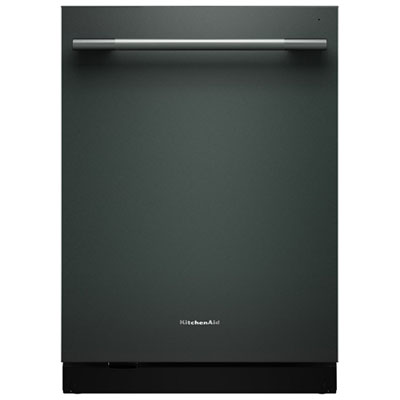
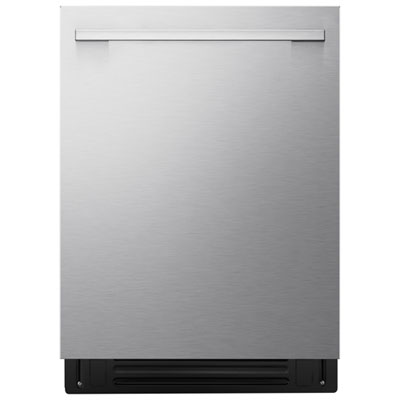
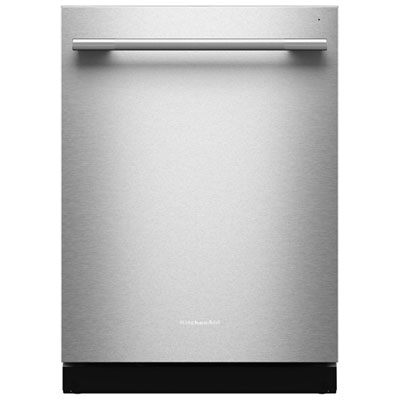
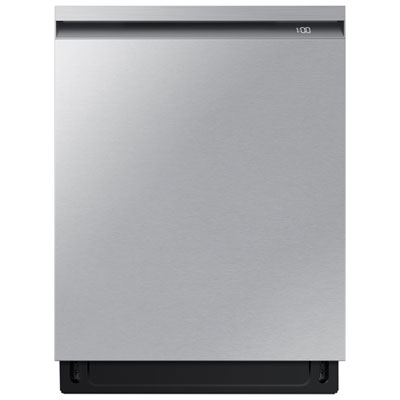
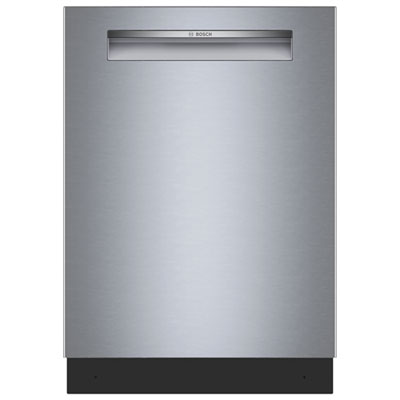
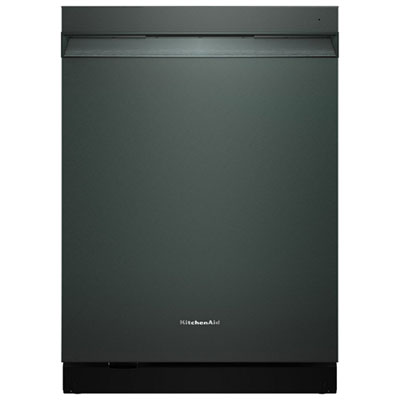
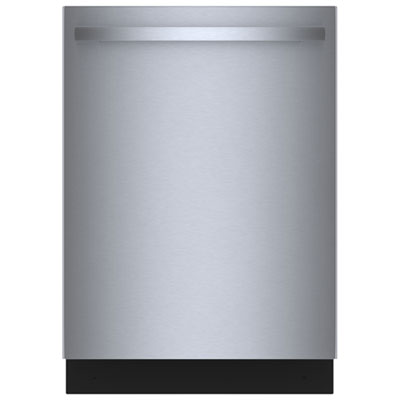
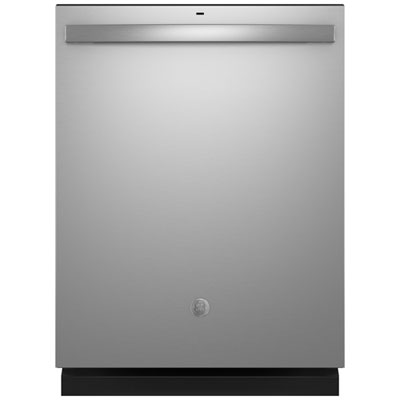
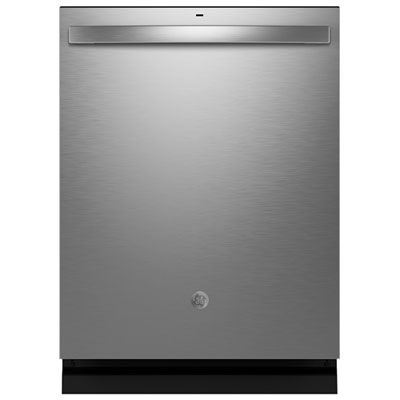
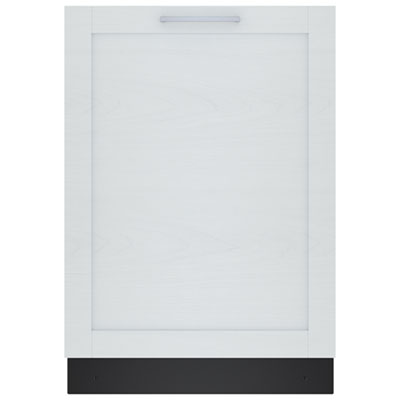
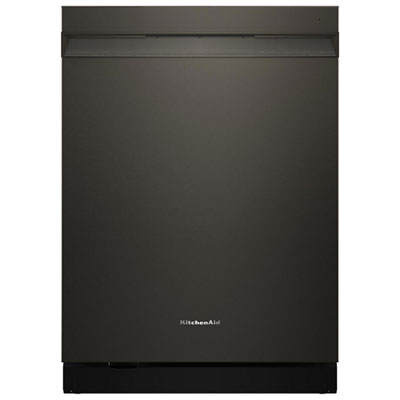
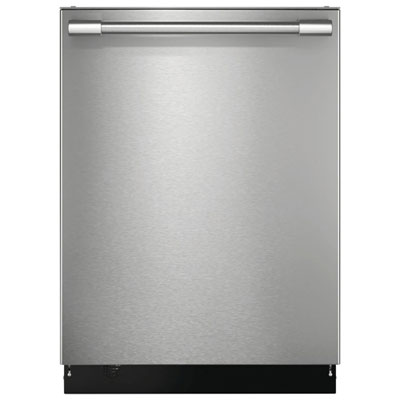
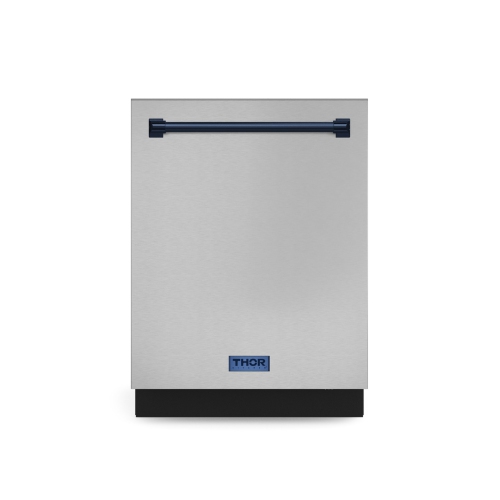
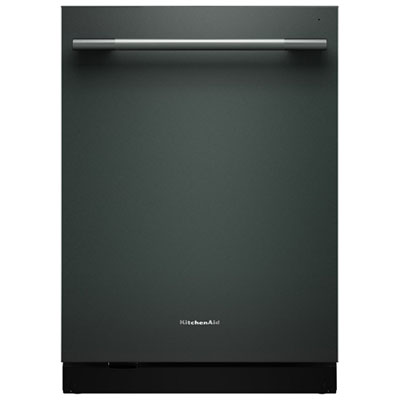
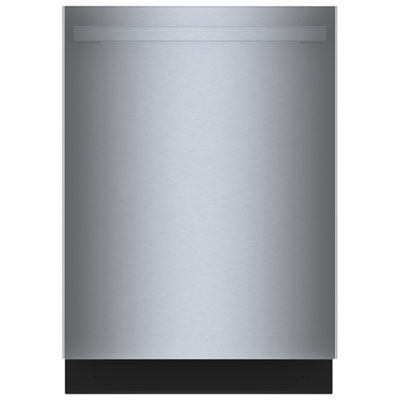
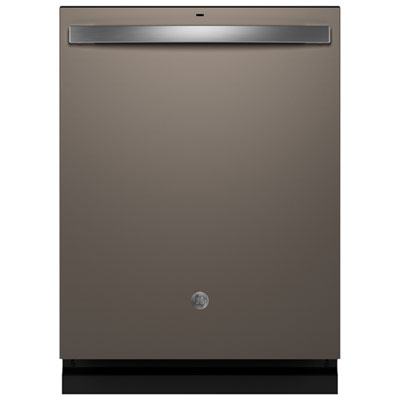

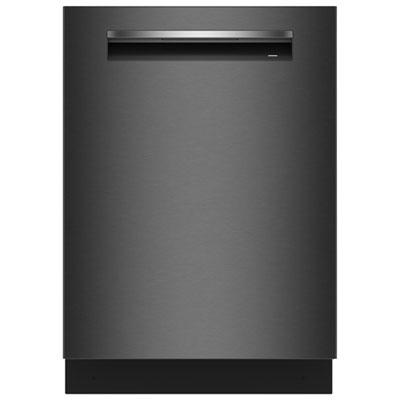
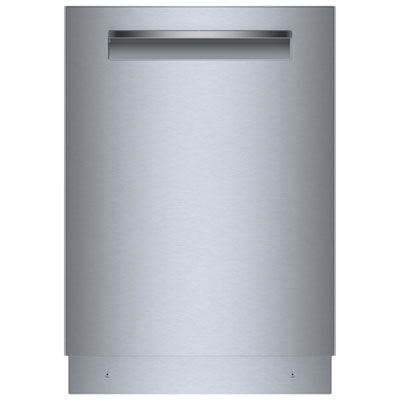
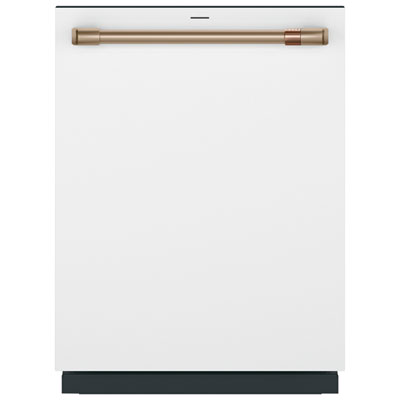
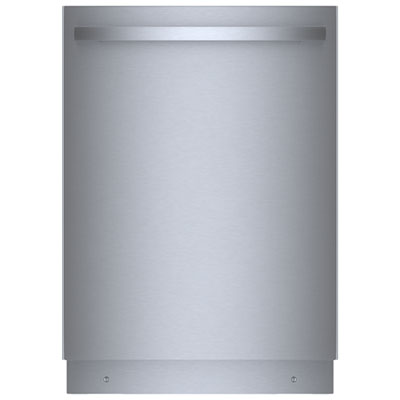
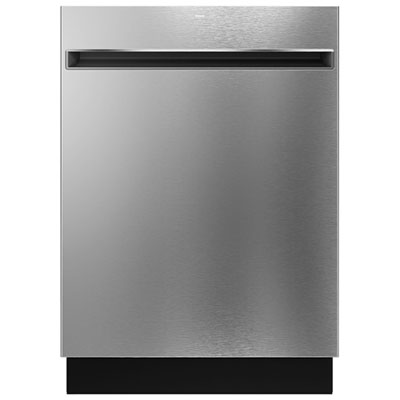
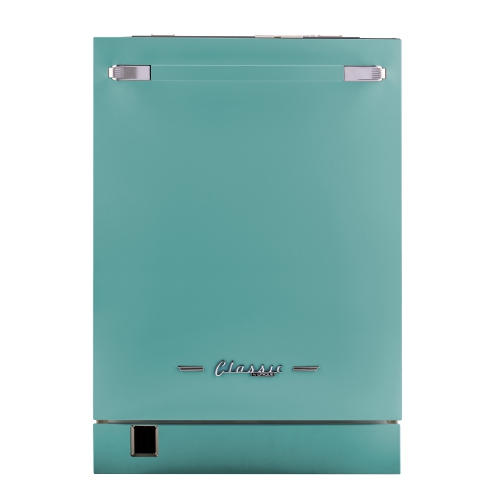

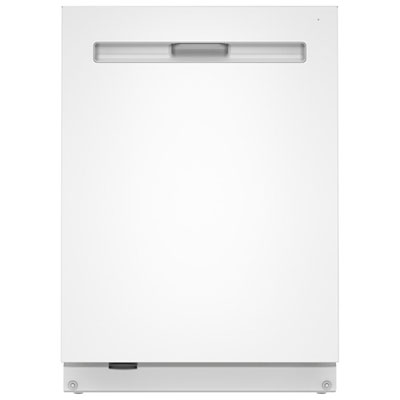
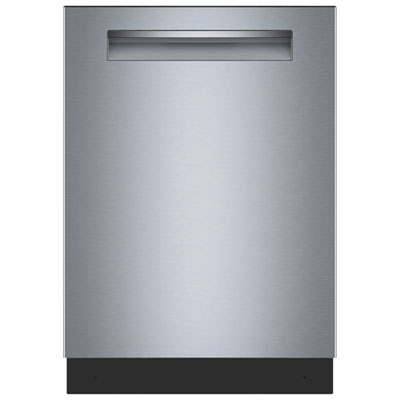
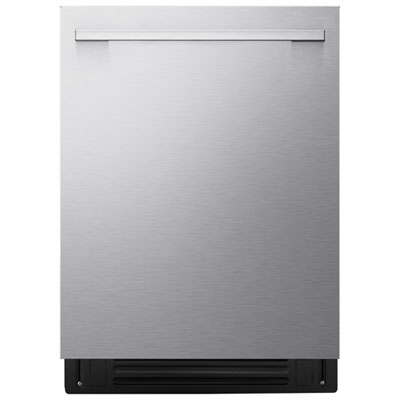
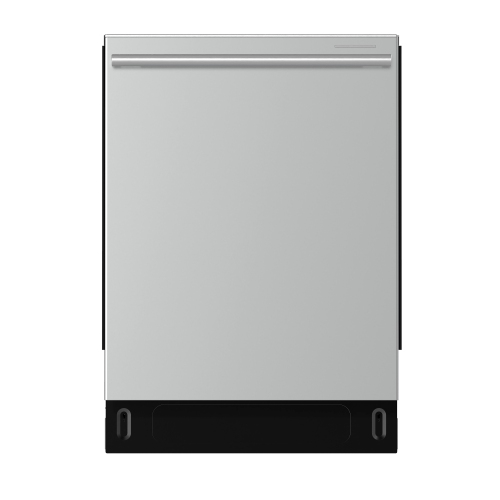
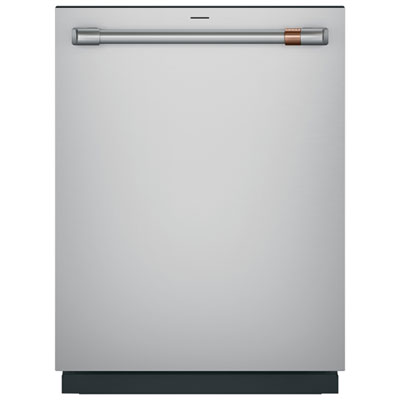
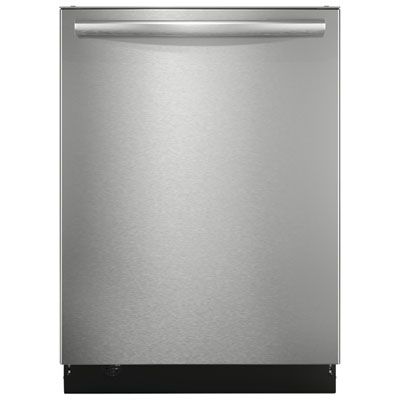
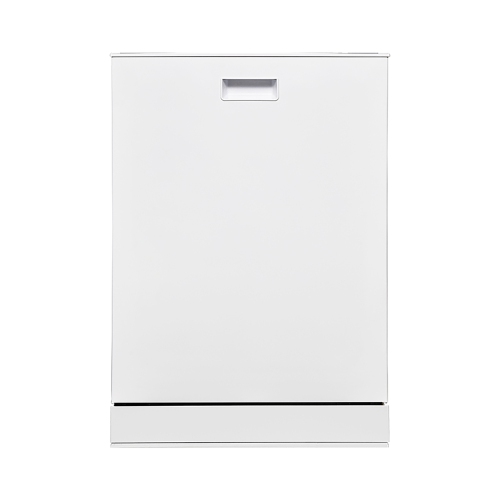
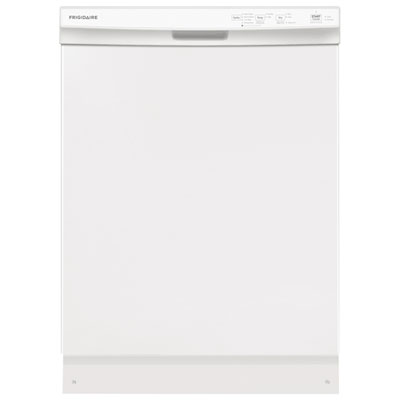
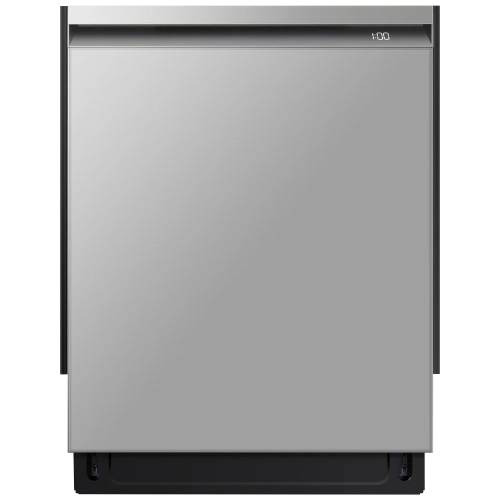
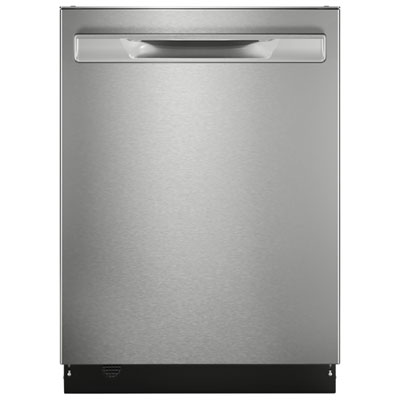
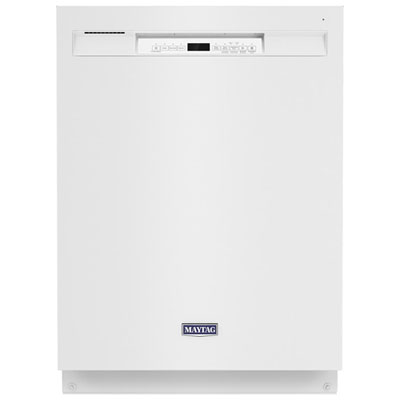
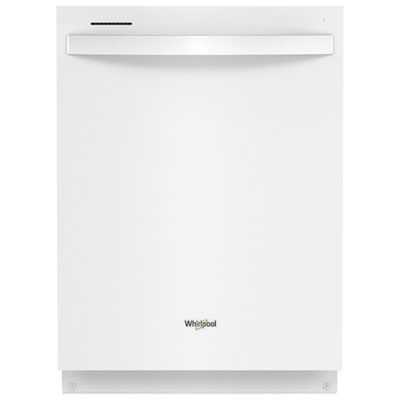
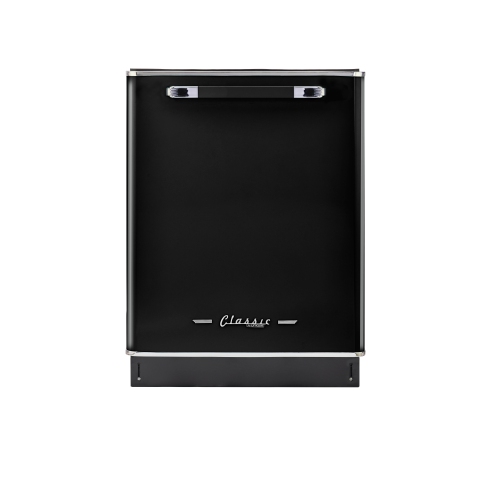
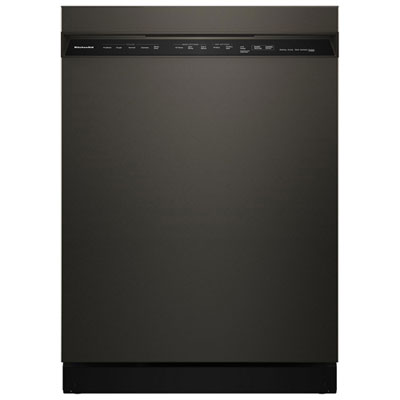
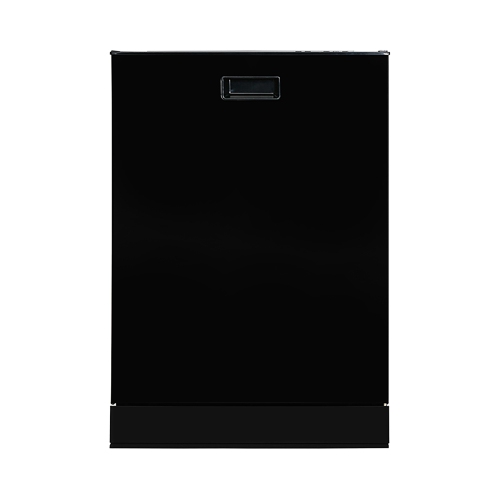

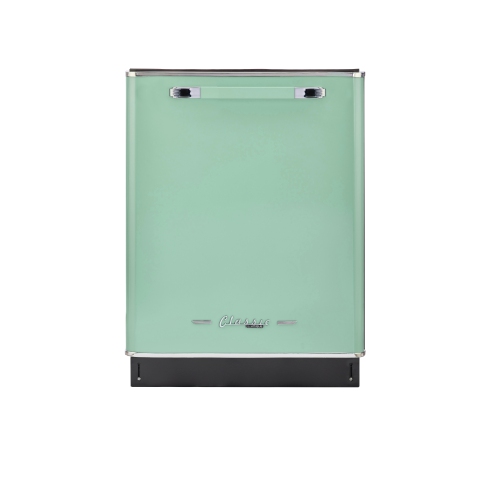
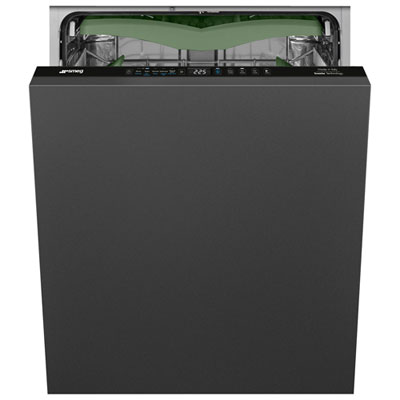
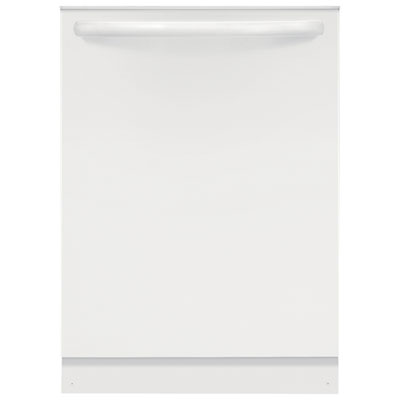
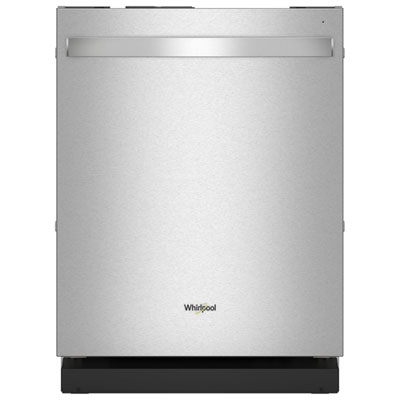
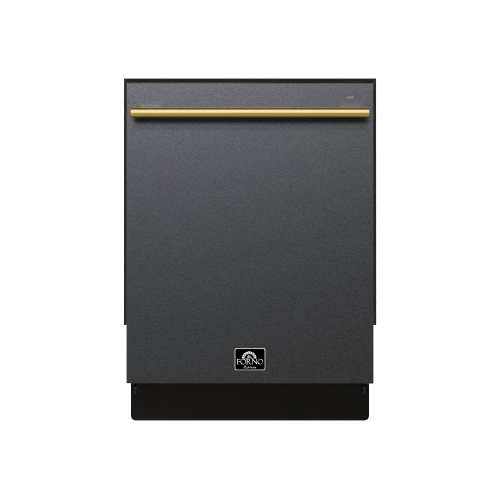
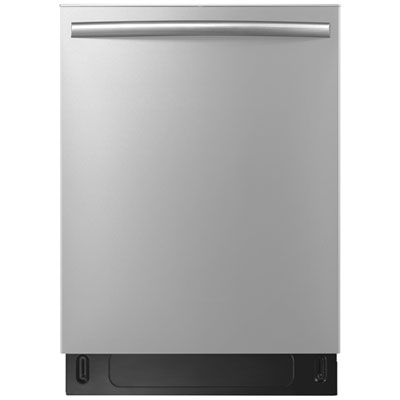
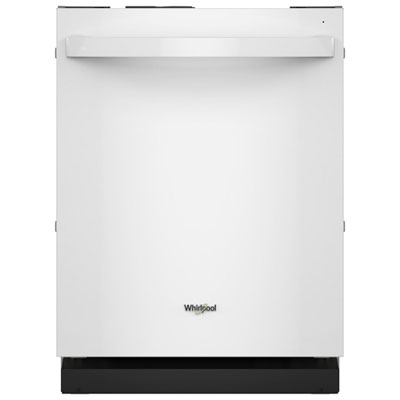
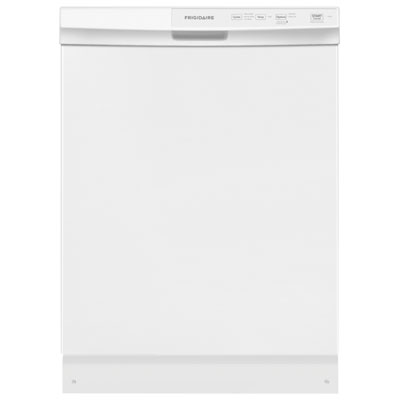


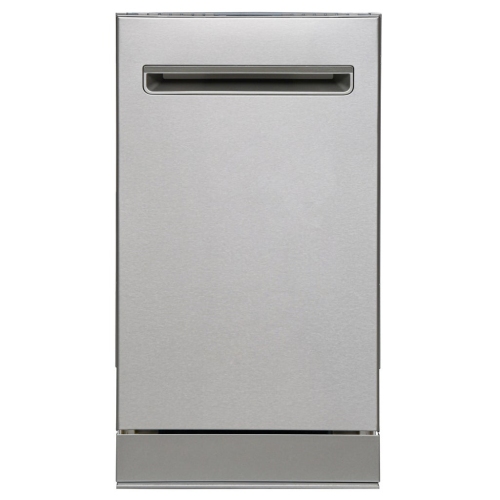
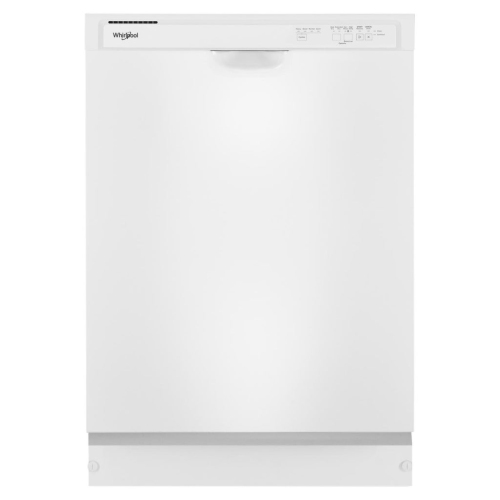
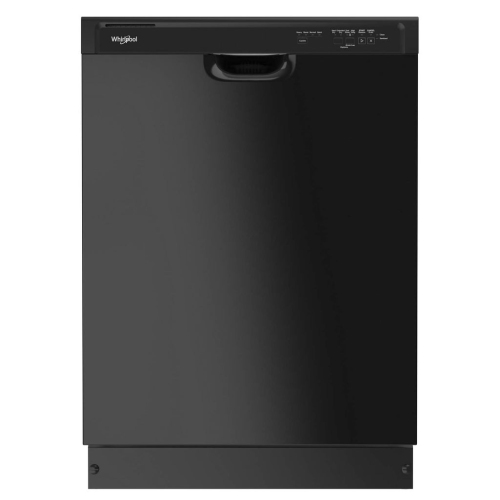

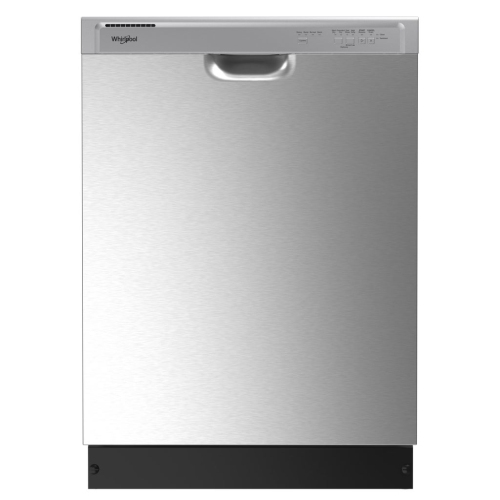
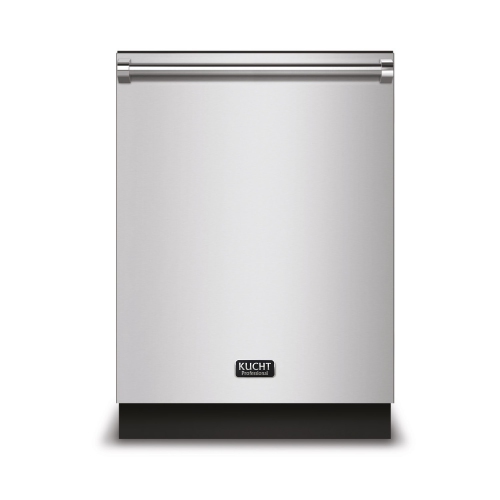
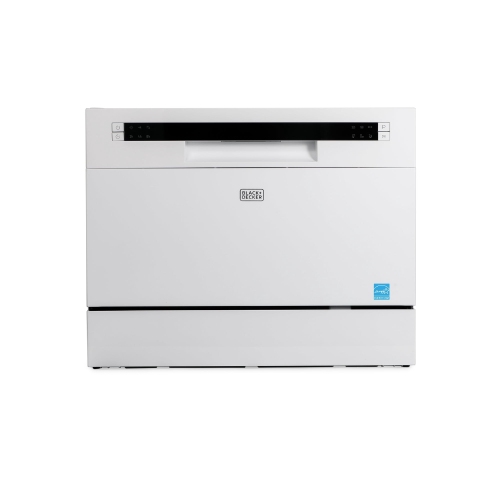
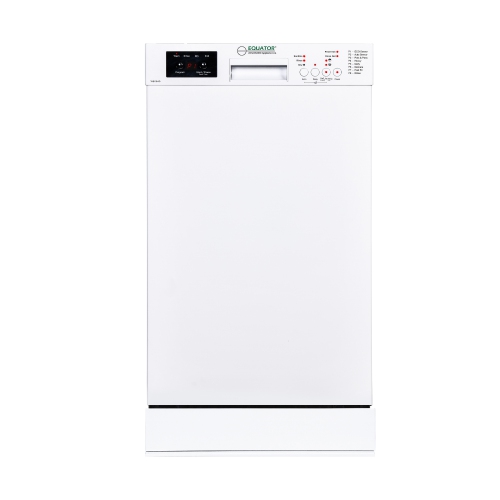
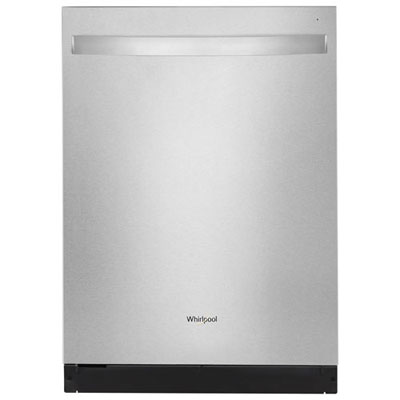
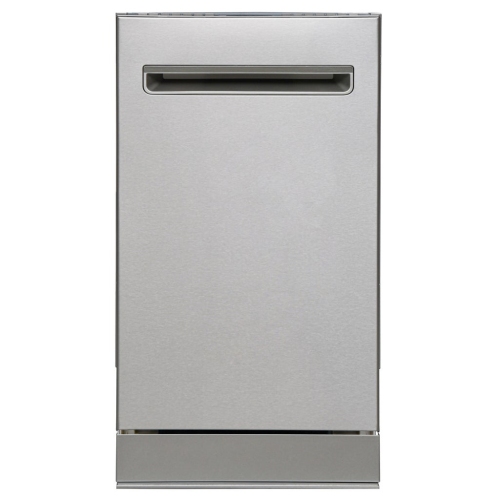
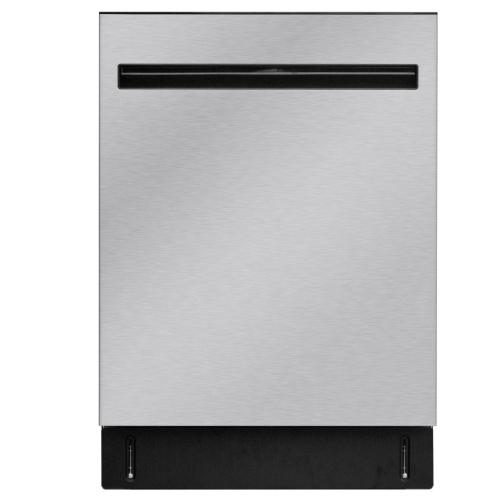
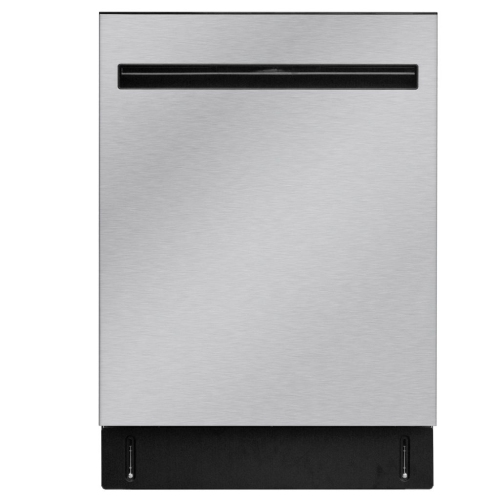
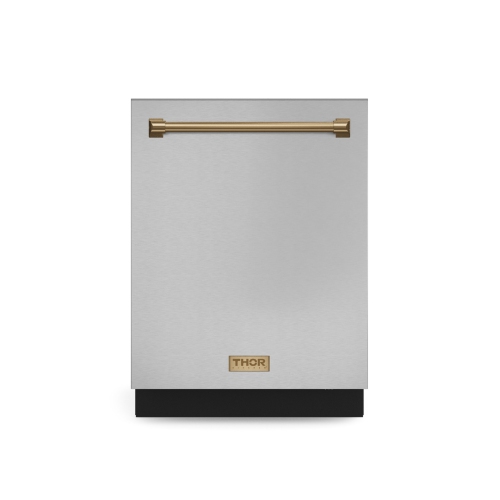
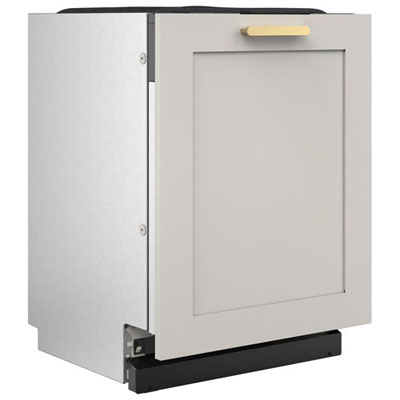
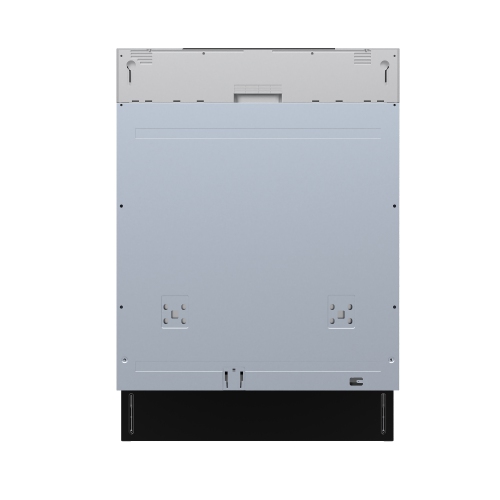
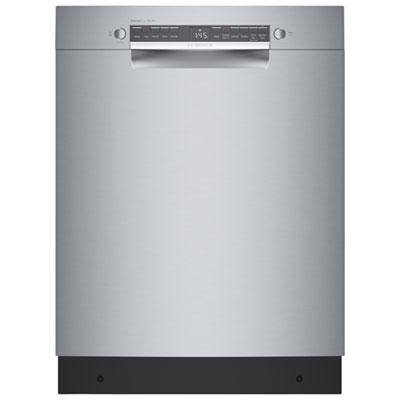
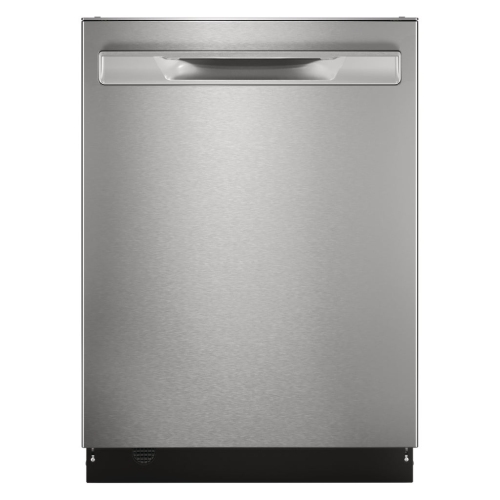
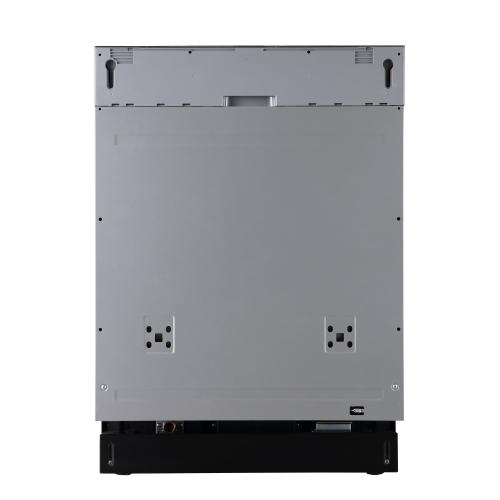
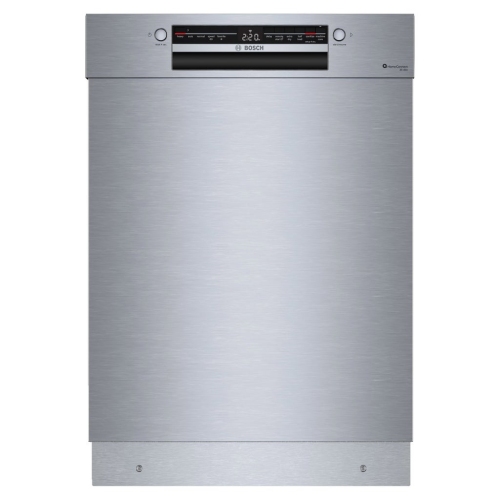
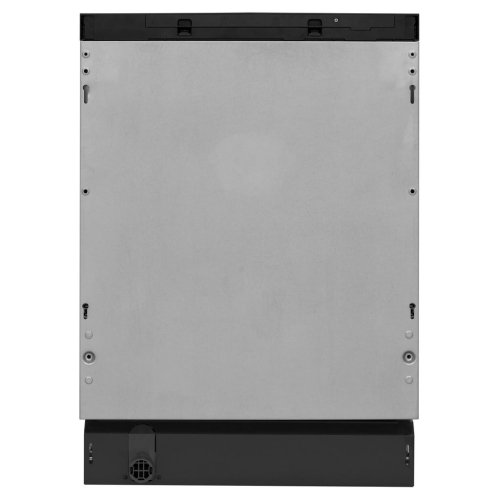
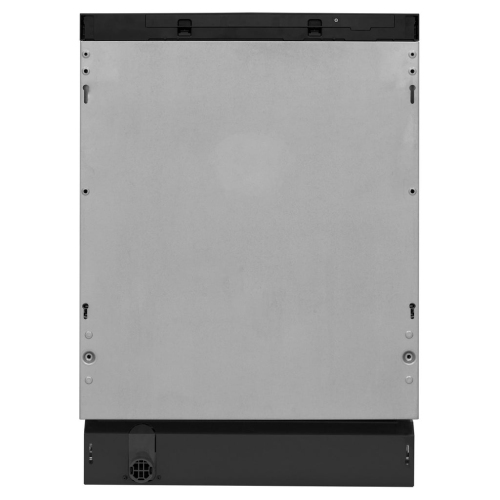
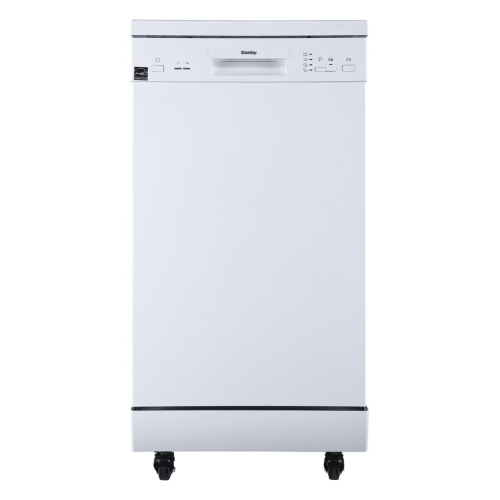
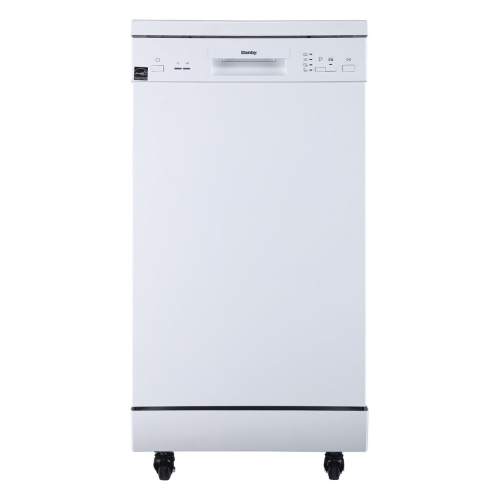
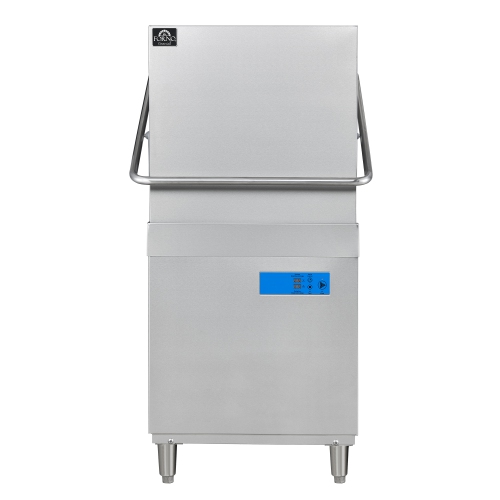
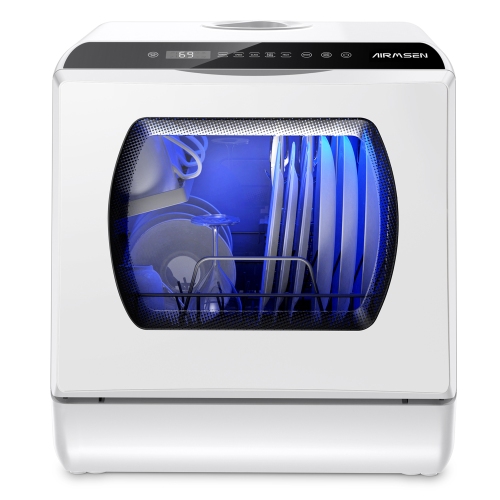
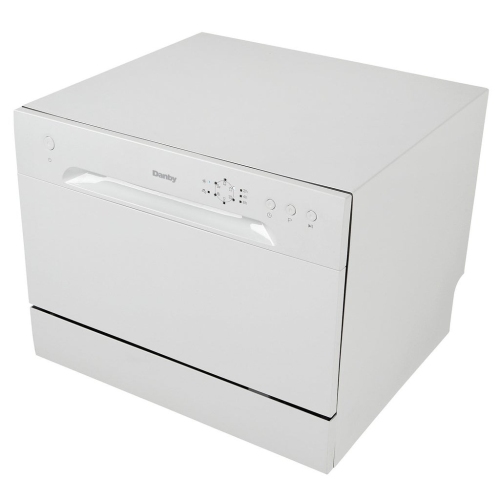
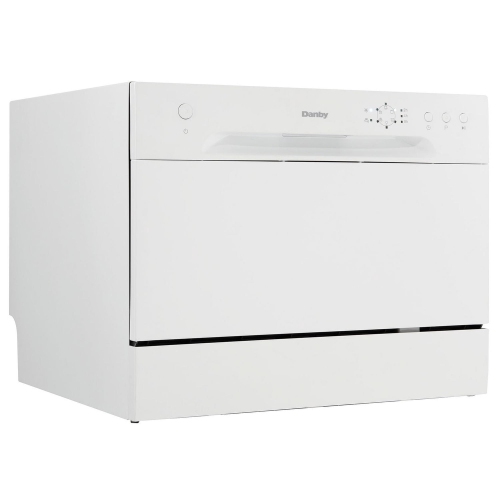
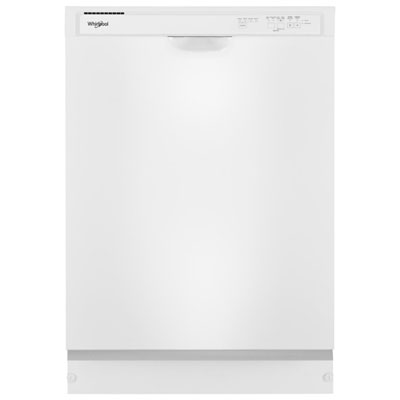
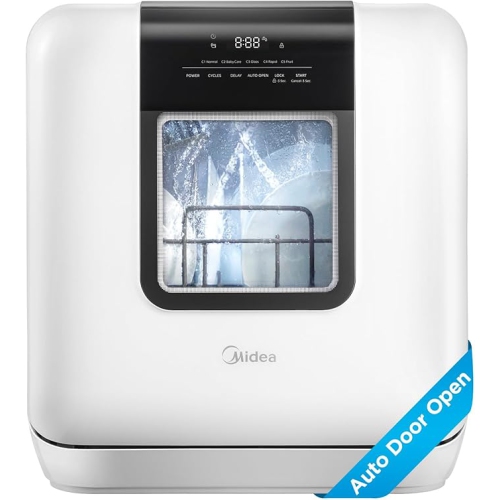
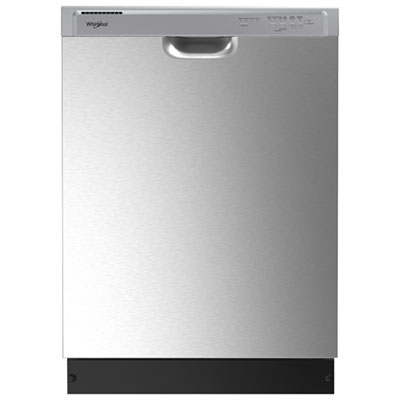
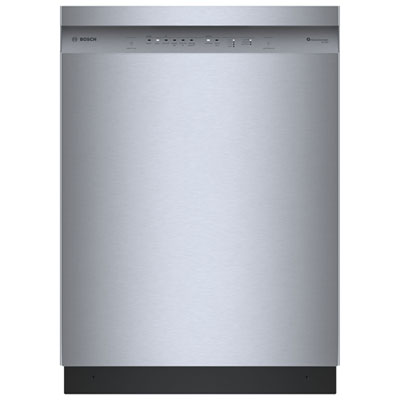
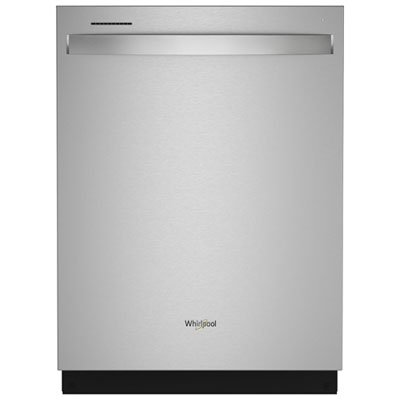
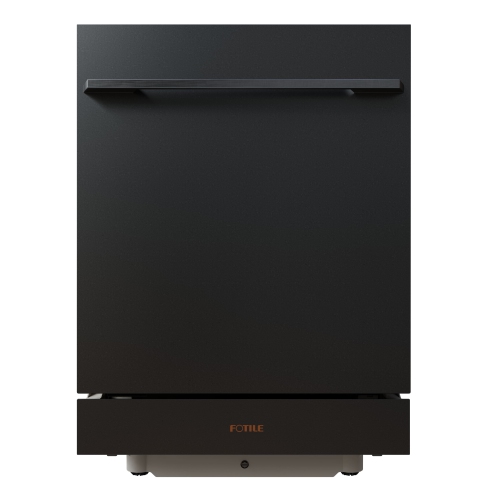
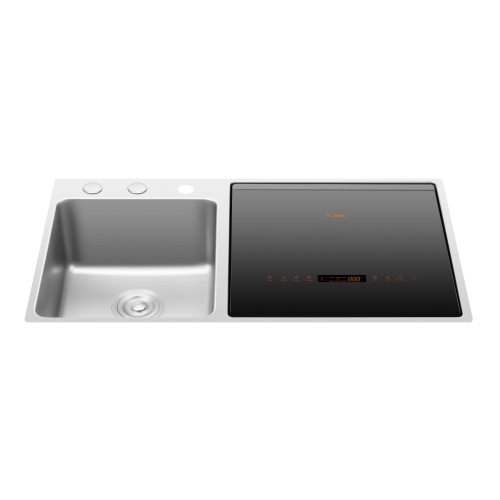
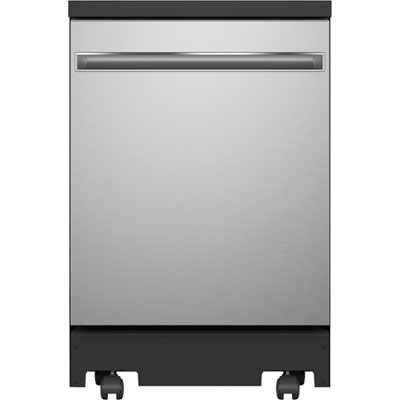
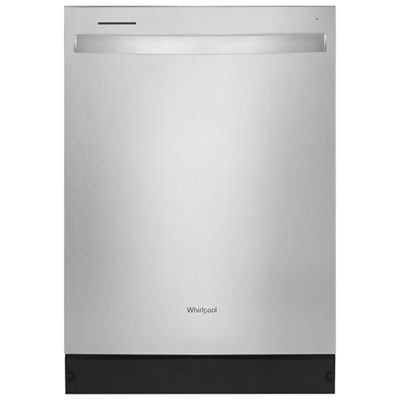
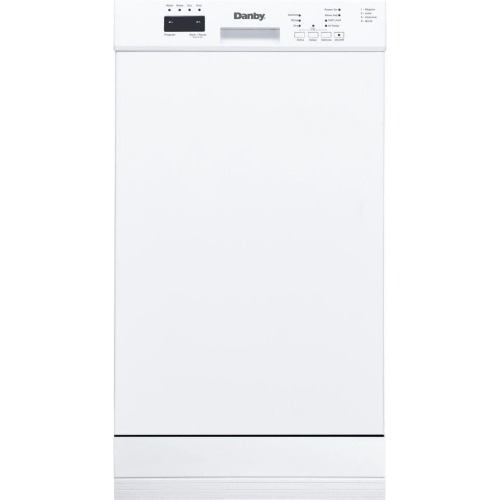


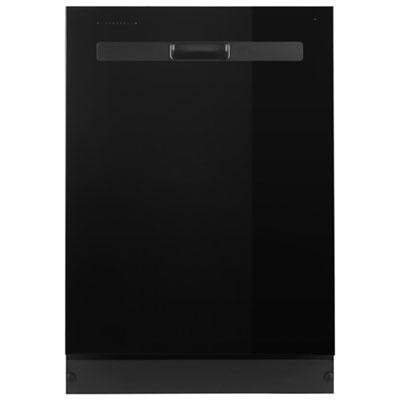
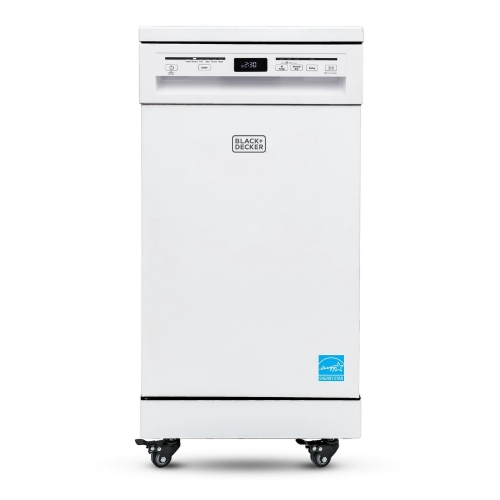
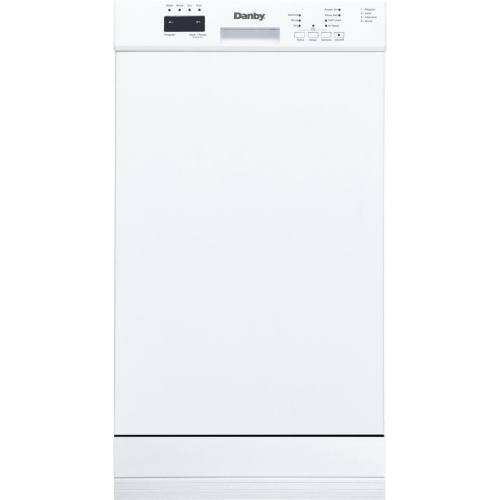
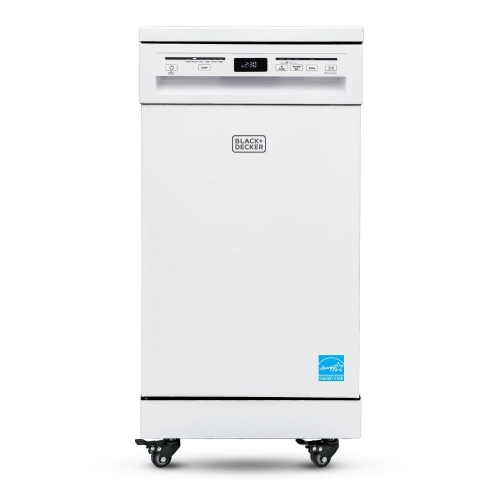
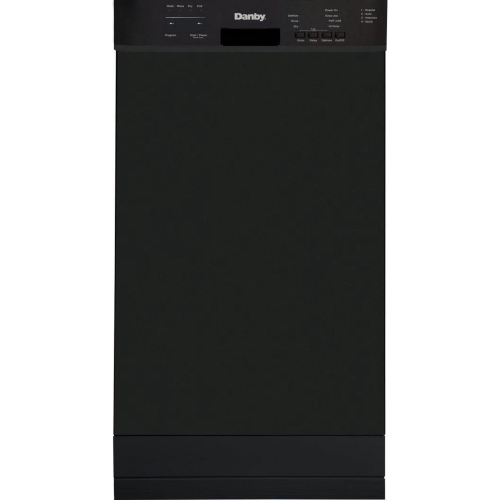
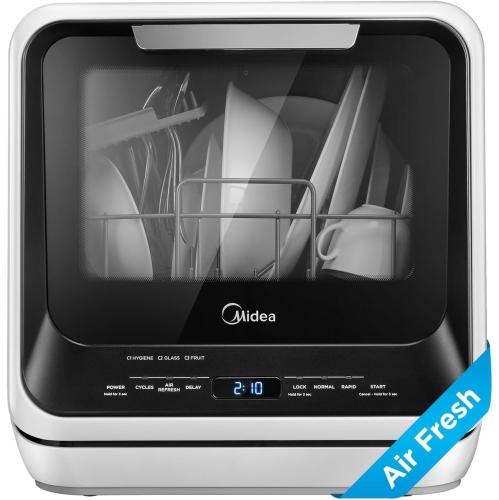
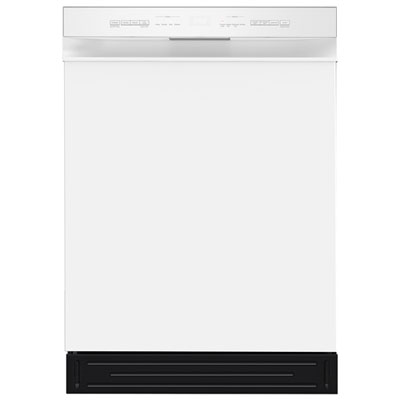
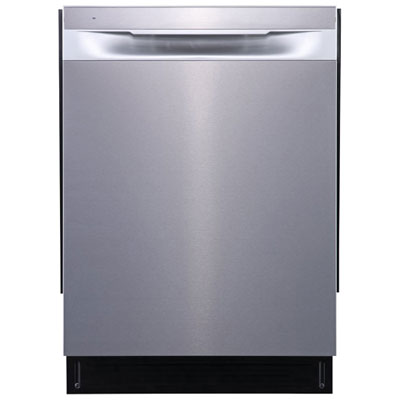

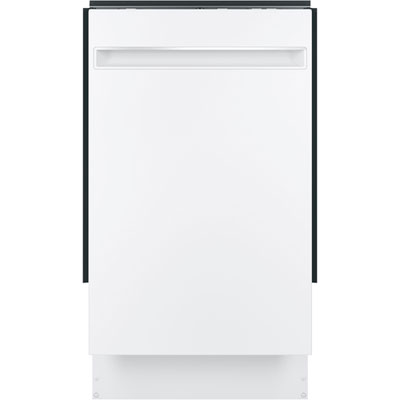
What to know about capacity, racks, cycles, and drying
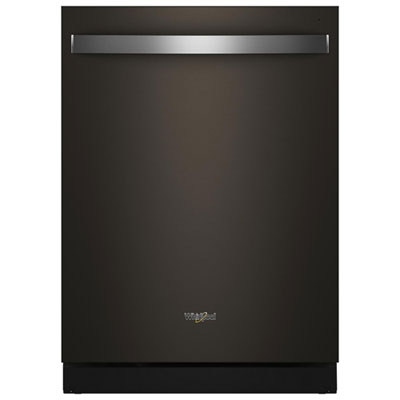
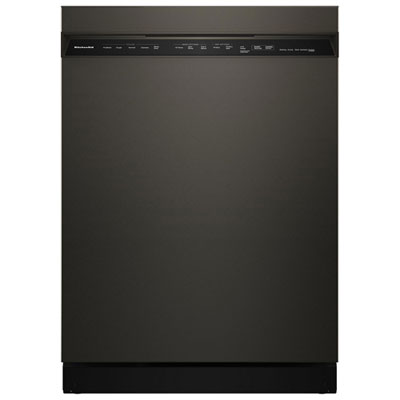
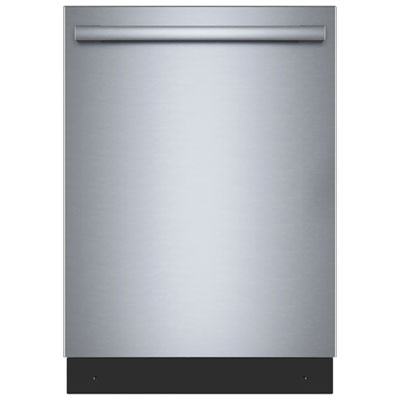
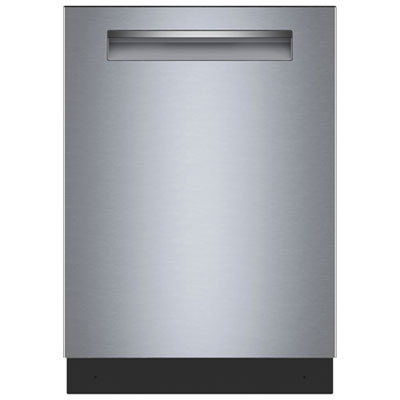
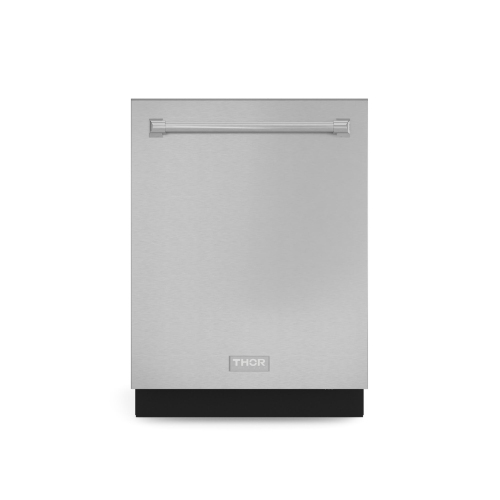
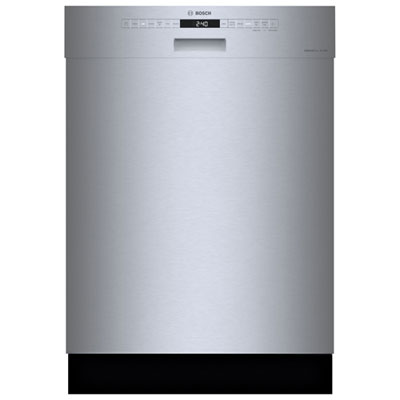
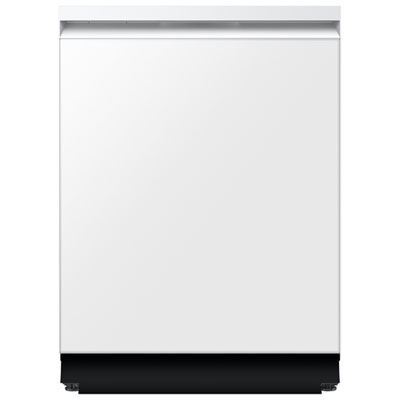
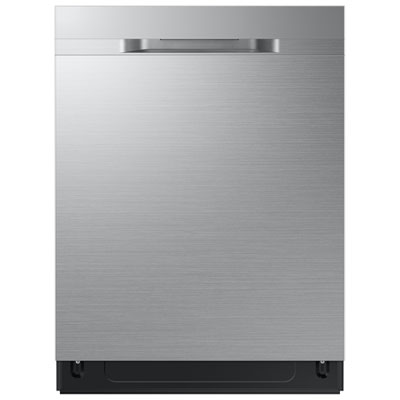
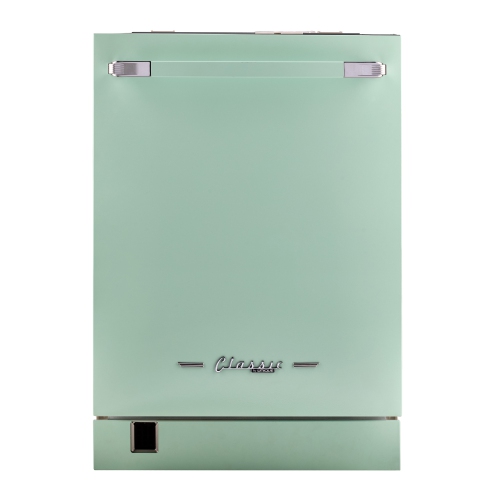
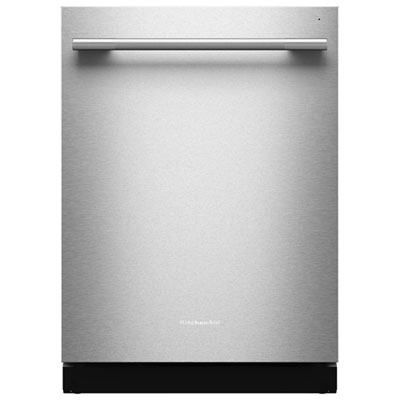
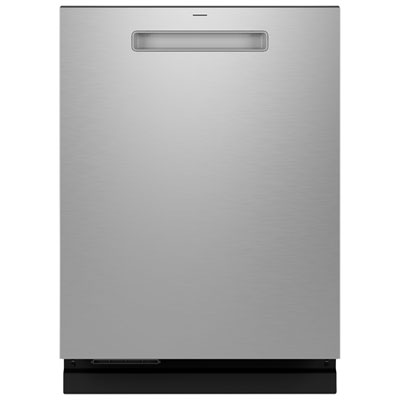
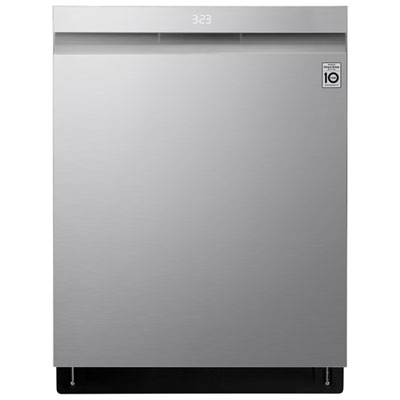
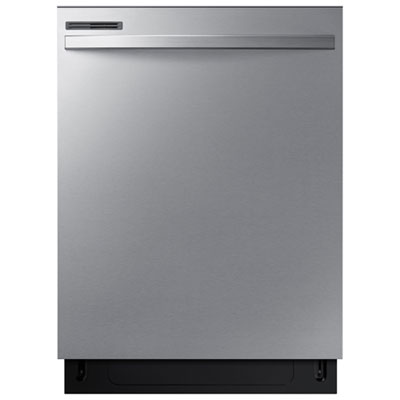
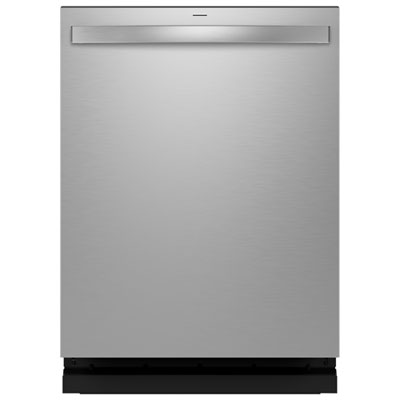
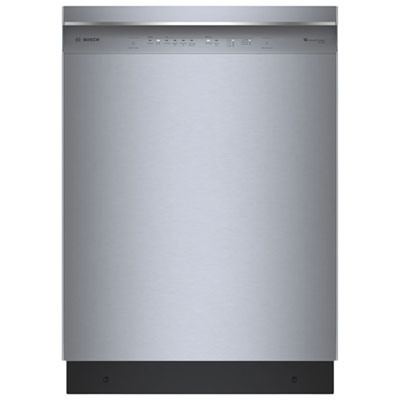
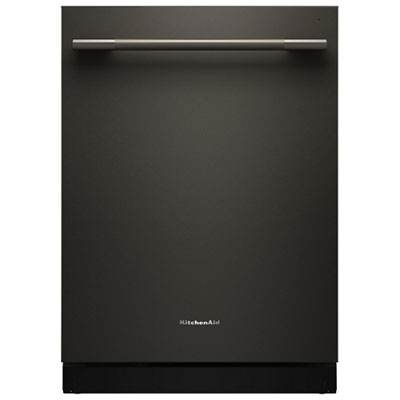
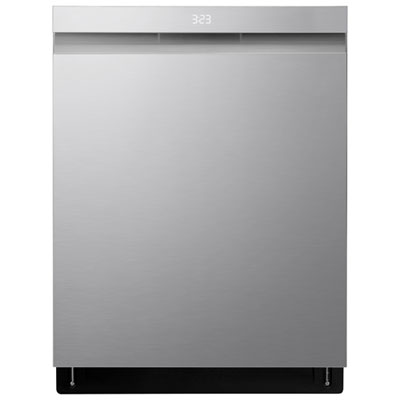
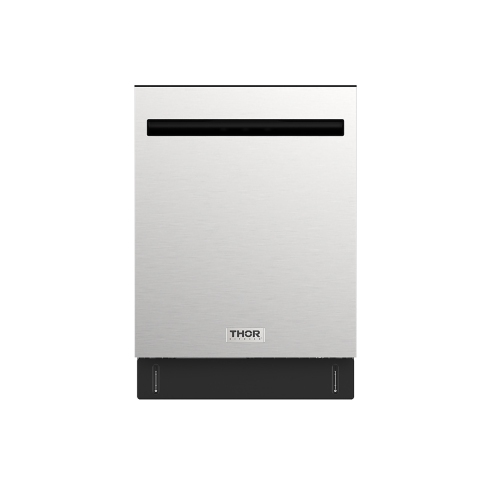
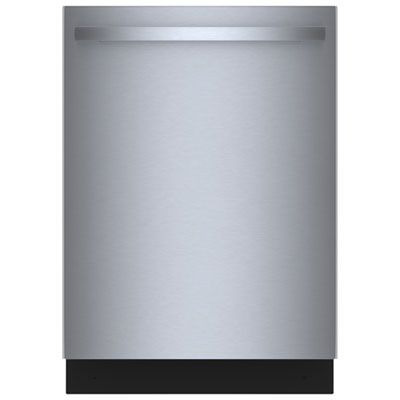
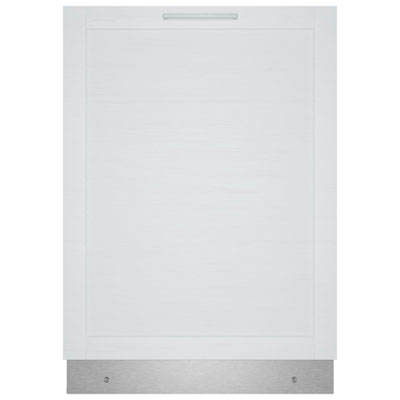
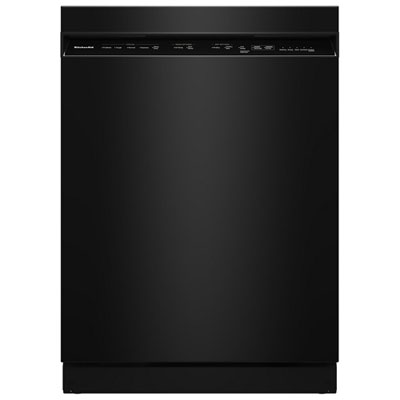
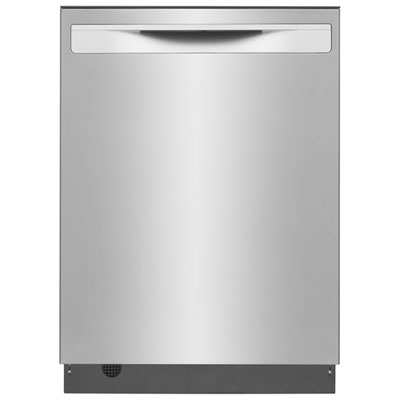
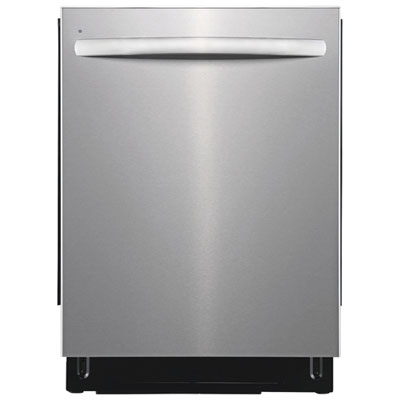
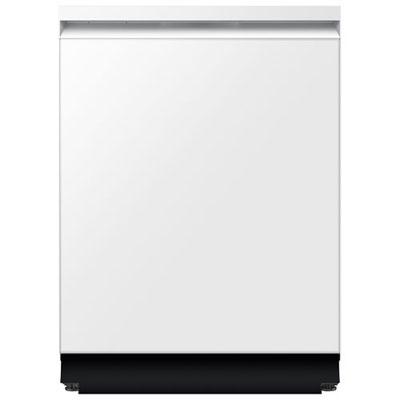
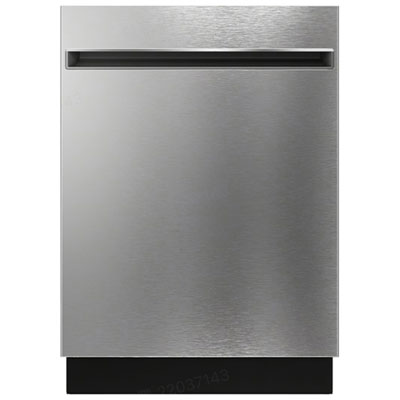
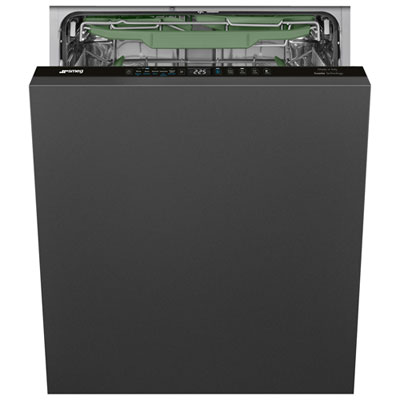
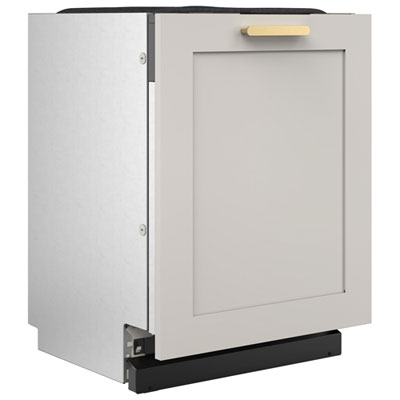
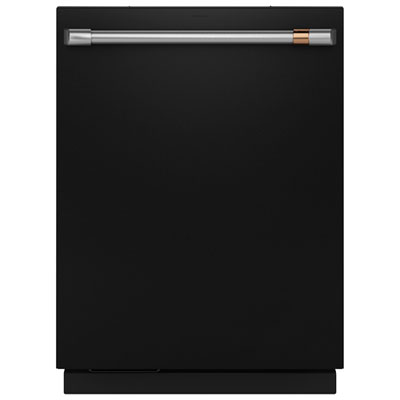
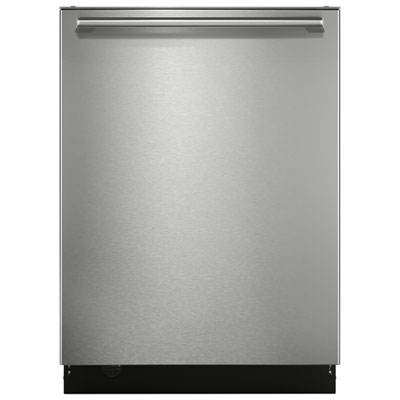
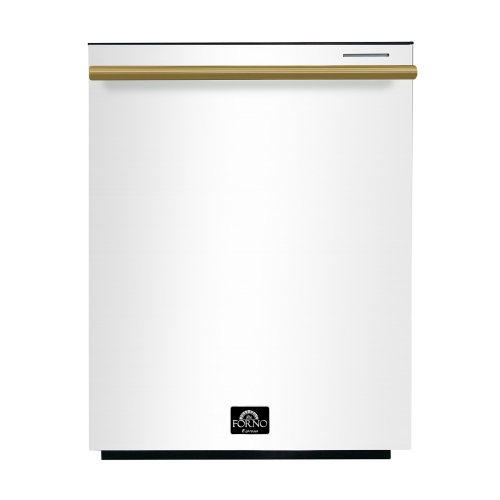
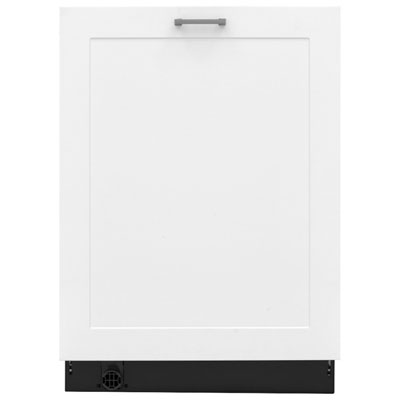
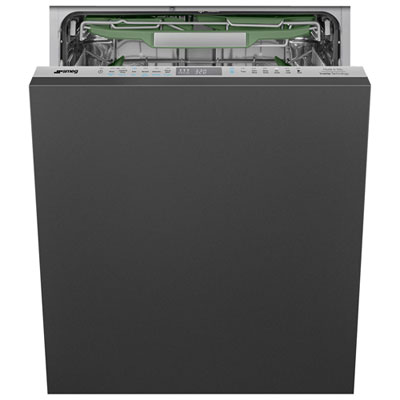
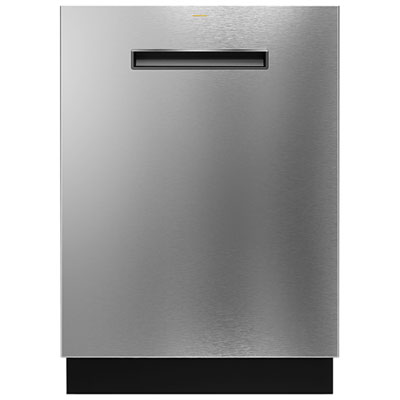
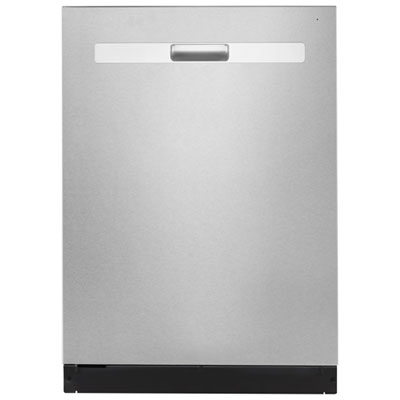
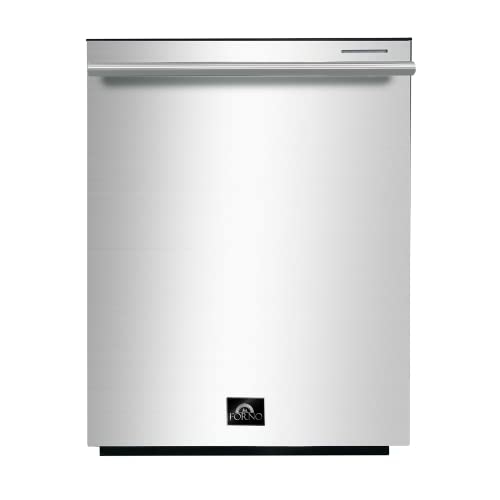
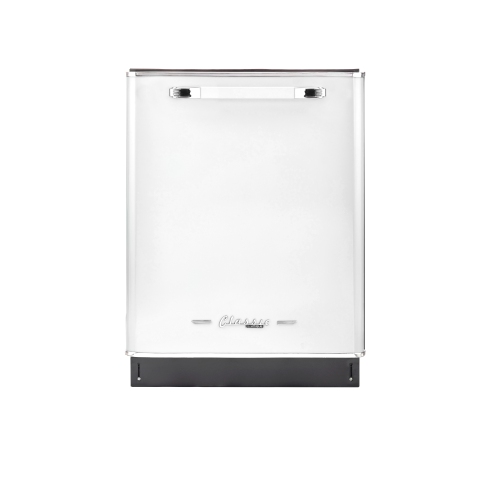
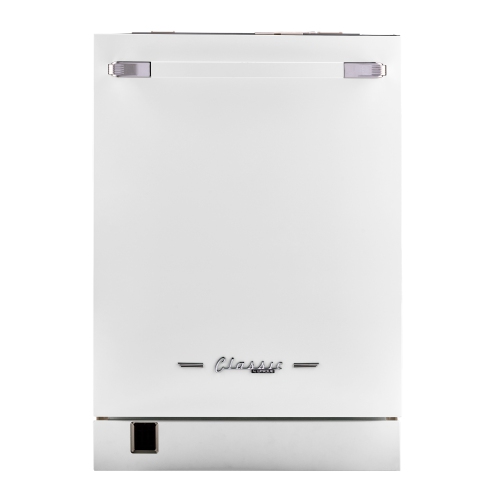
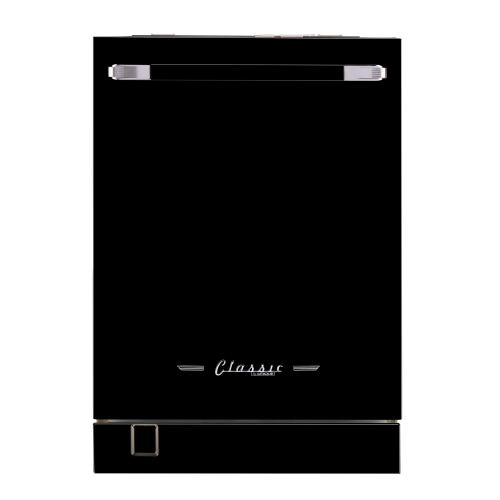
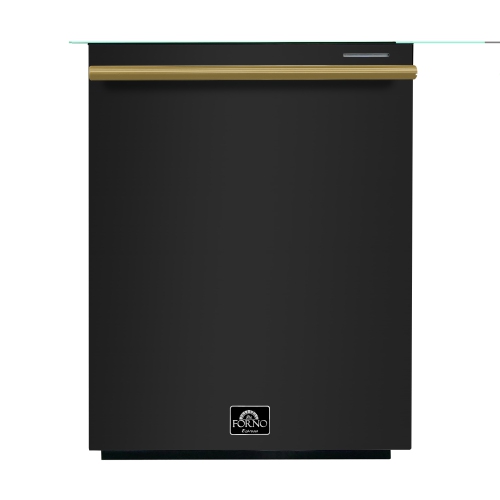
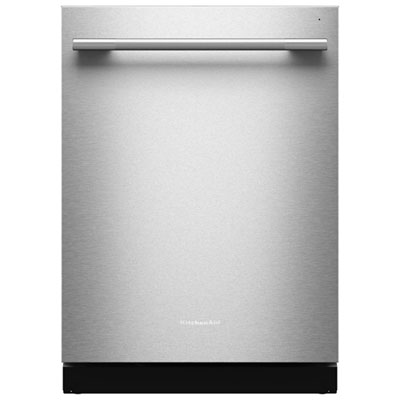
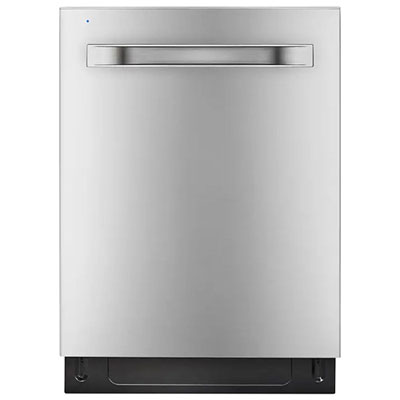
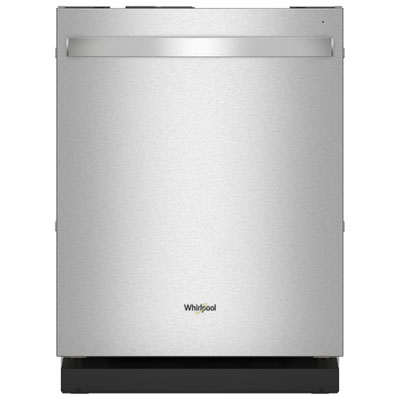
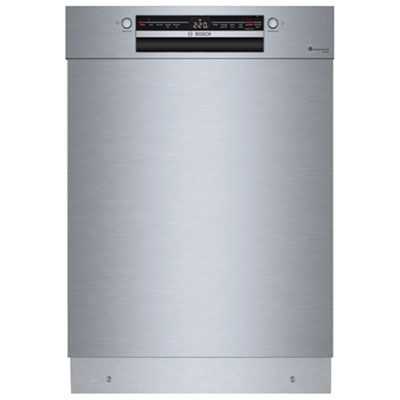
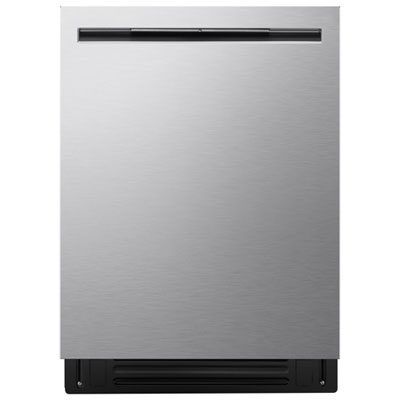
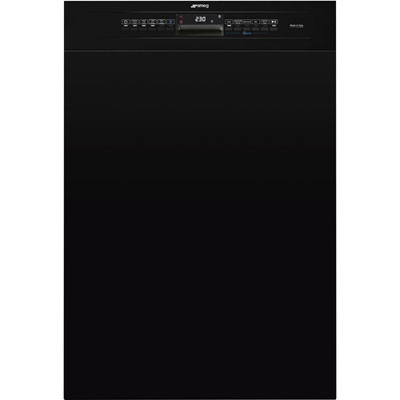
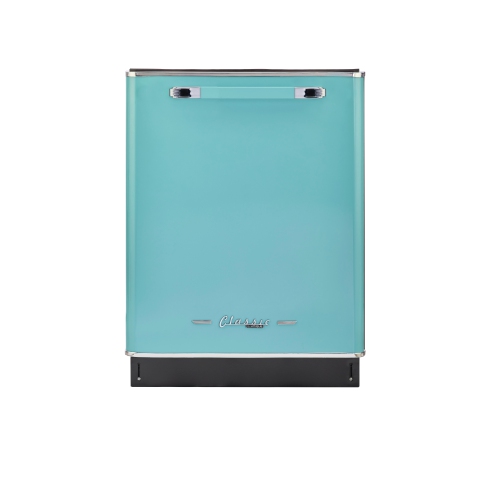
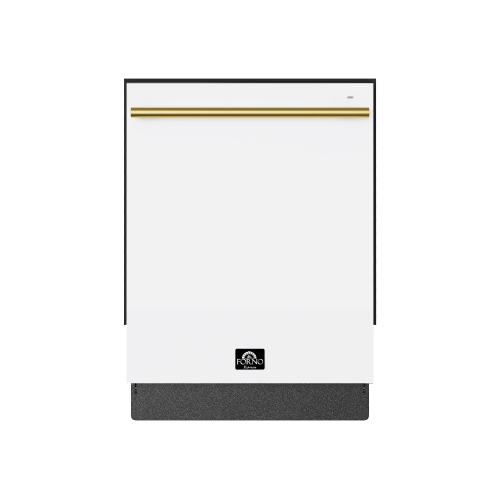
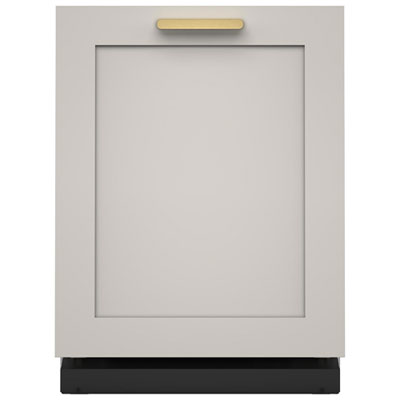
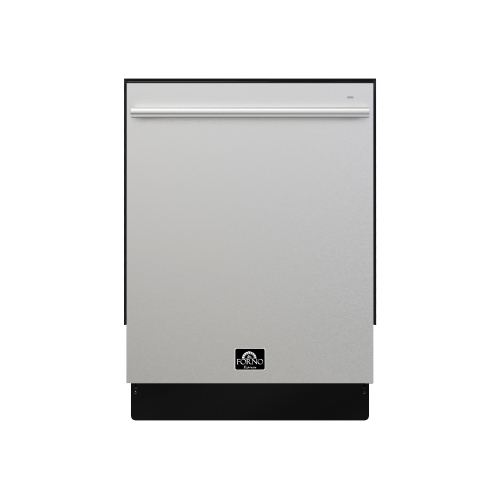
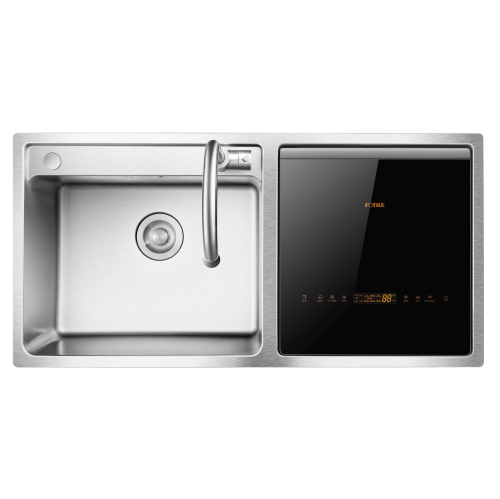
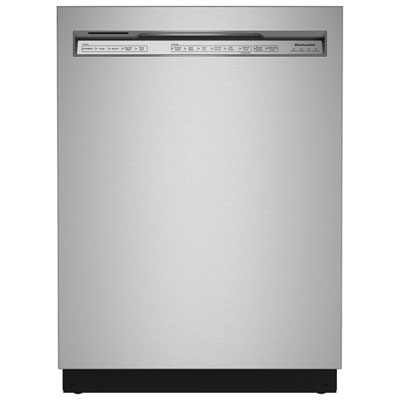
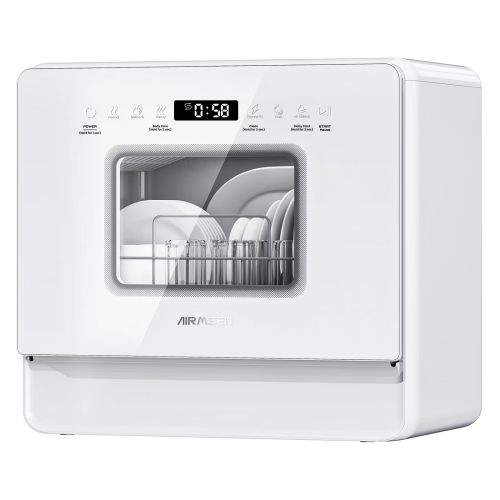
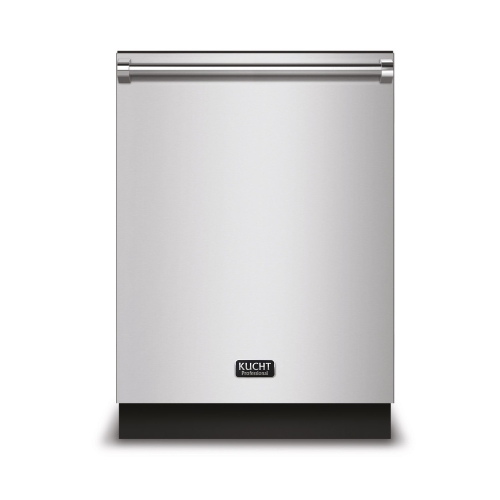
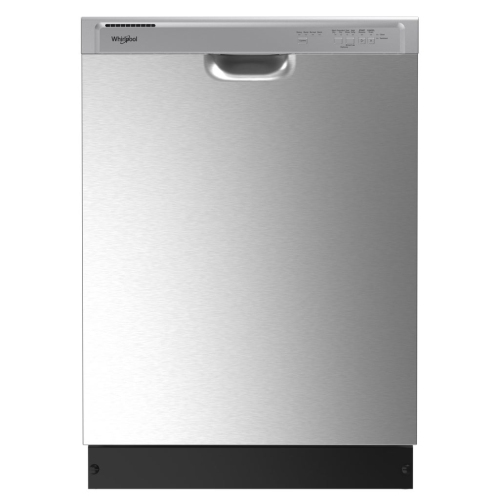
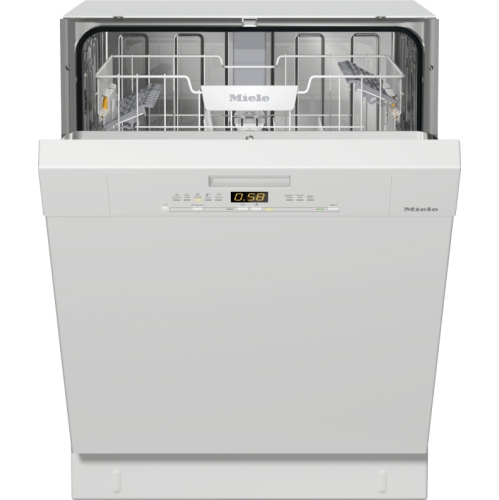
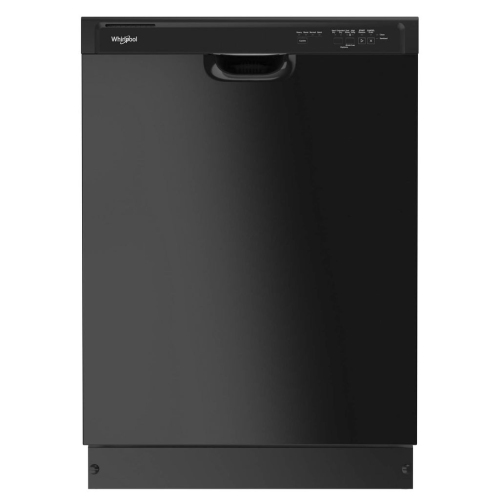
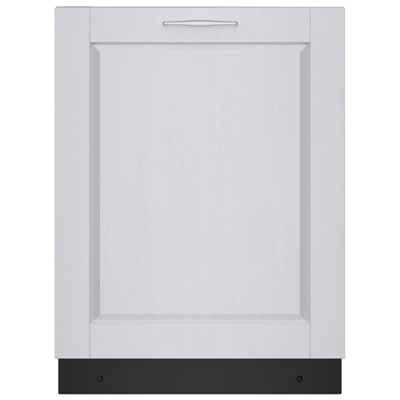
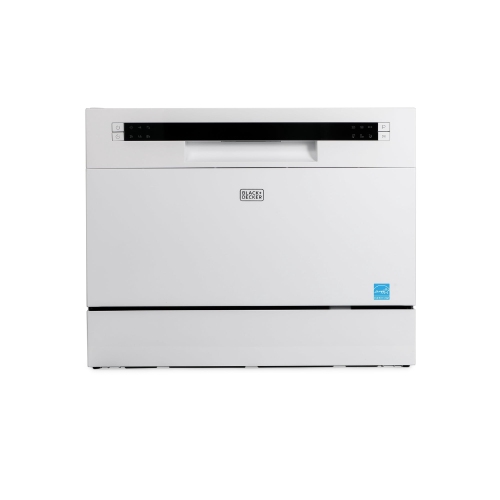
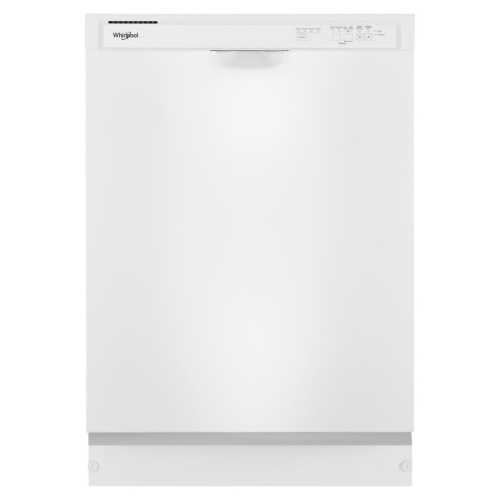
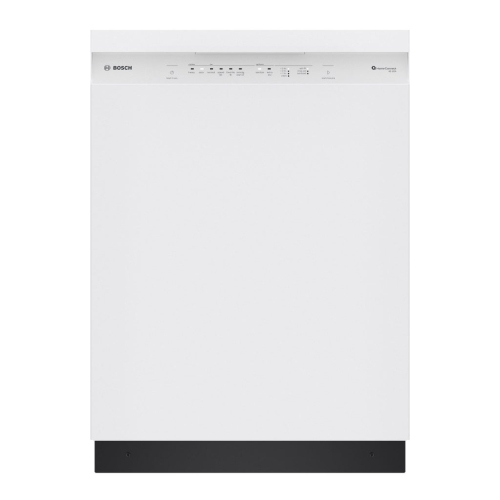
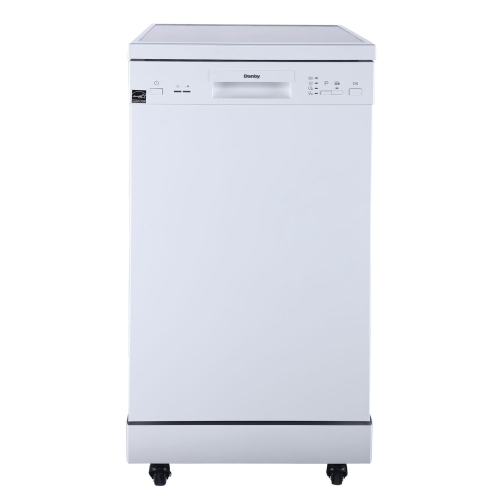
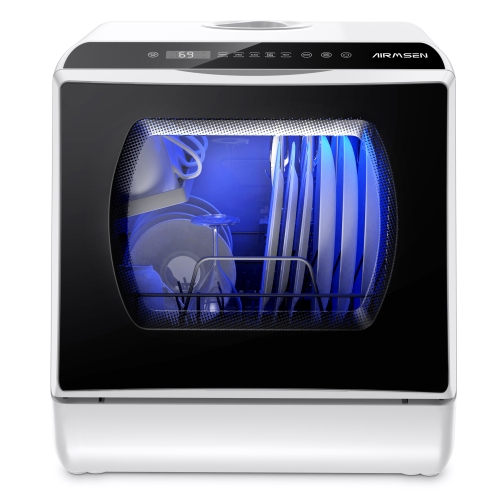
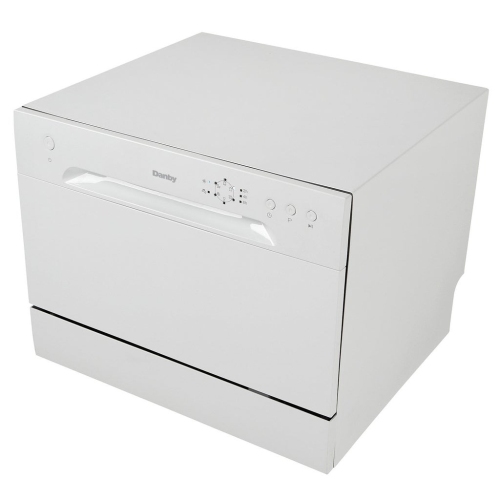
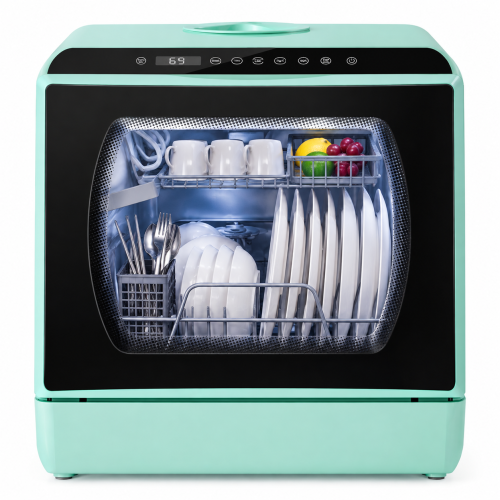
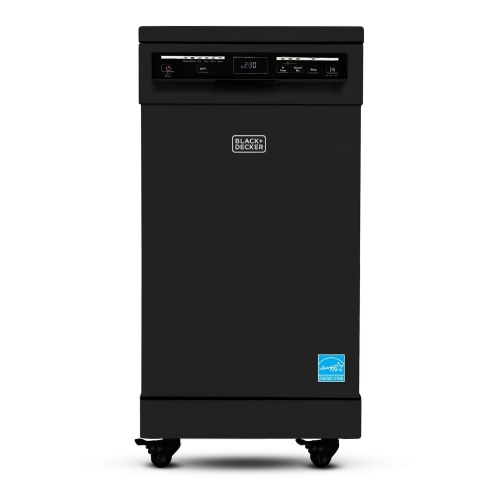
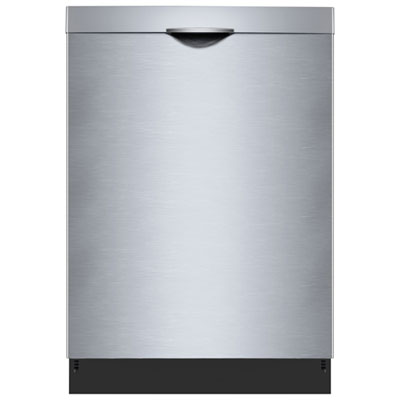
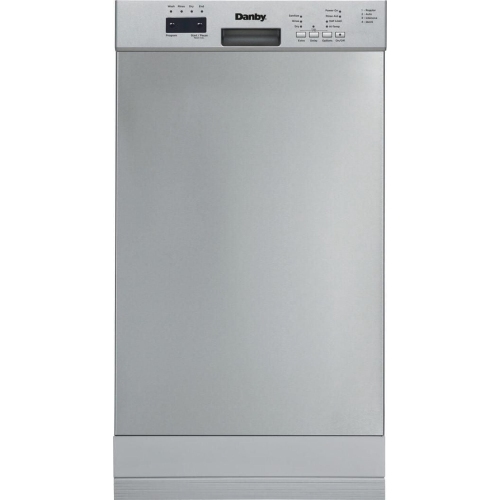
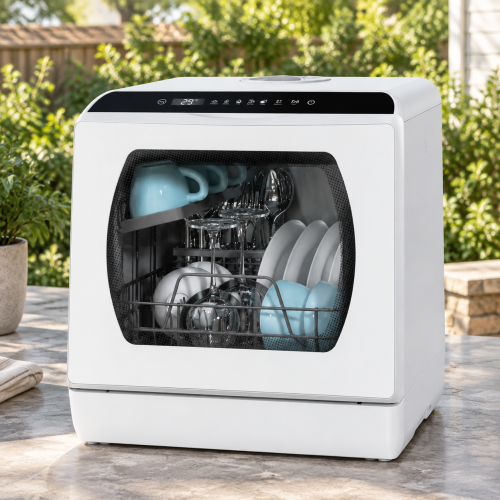
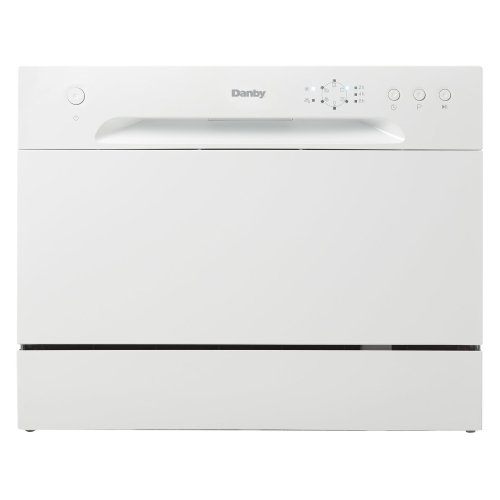
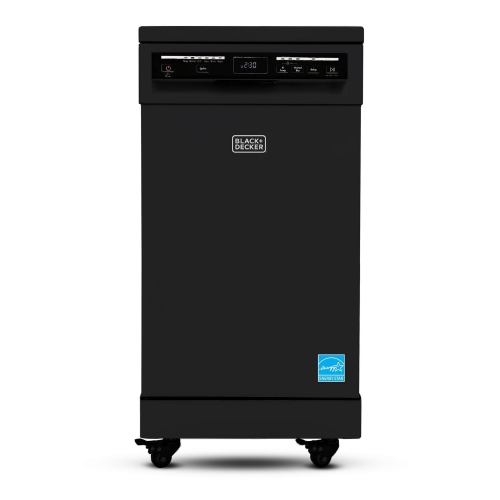
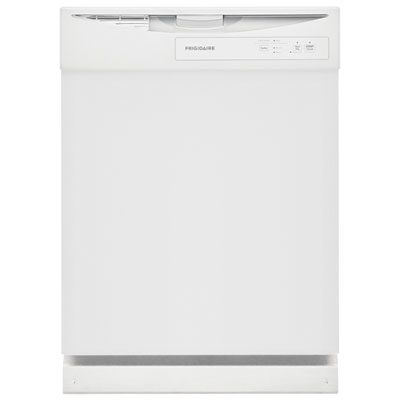
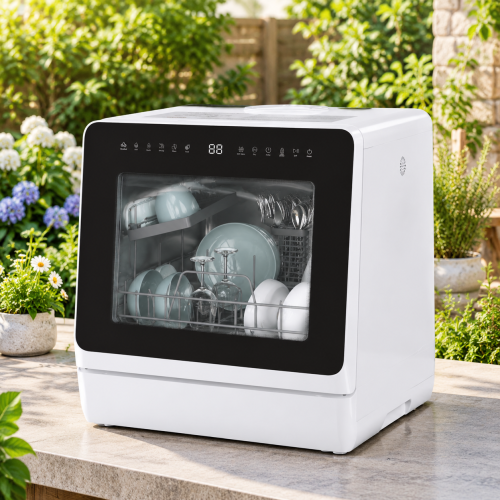
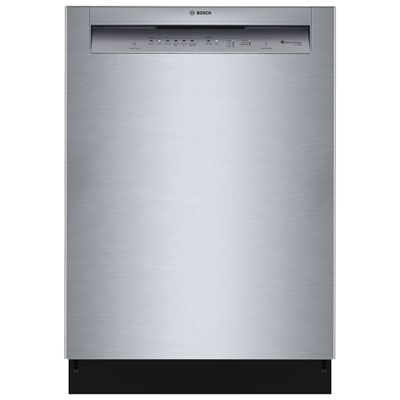
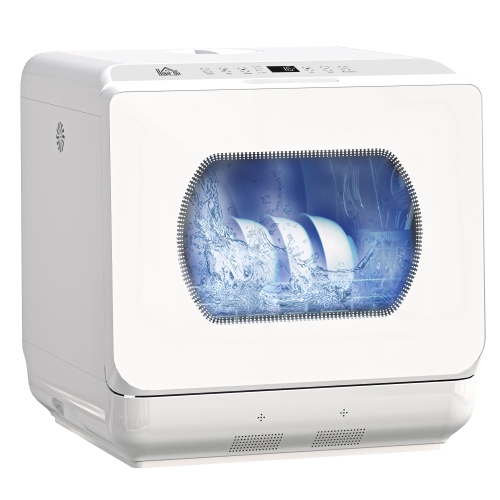
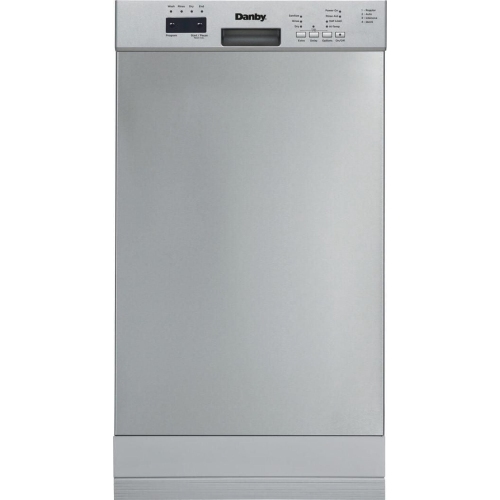
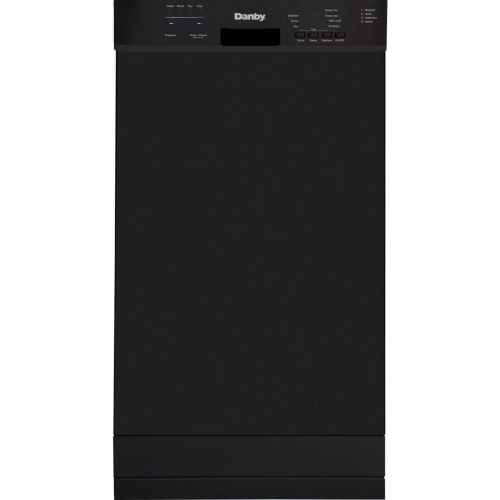
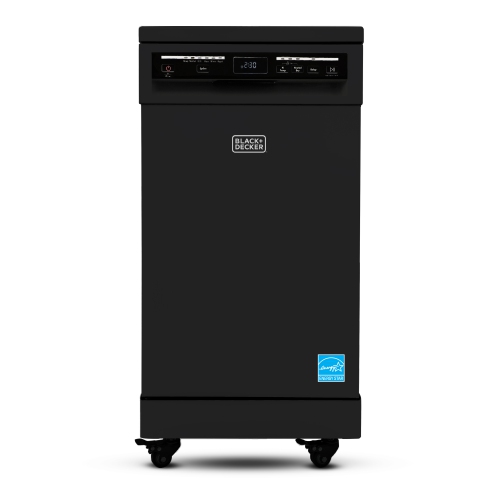
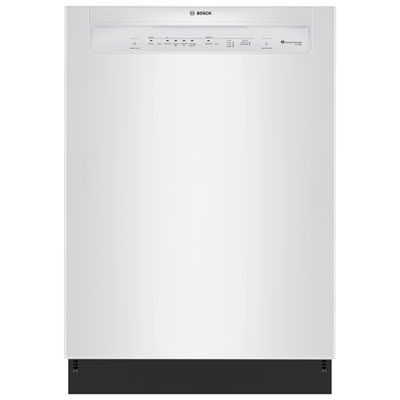
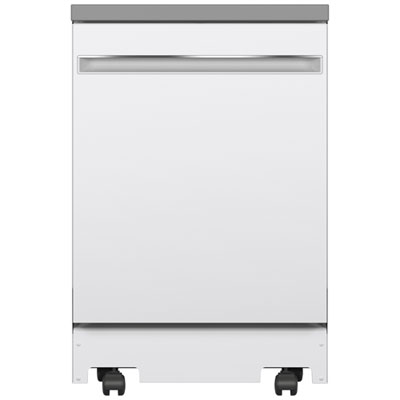
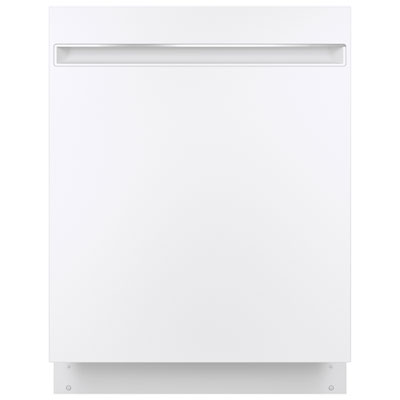
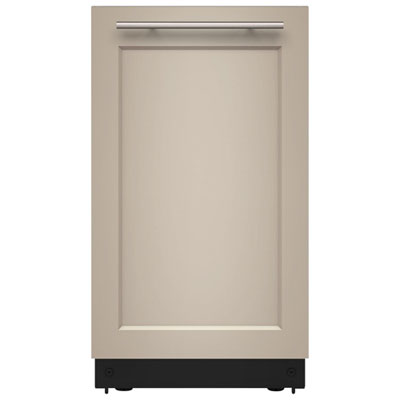
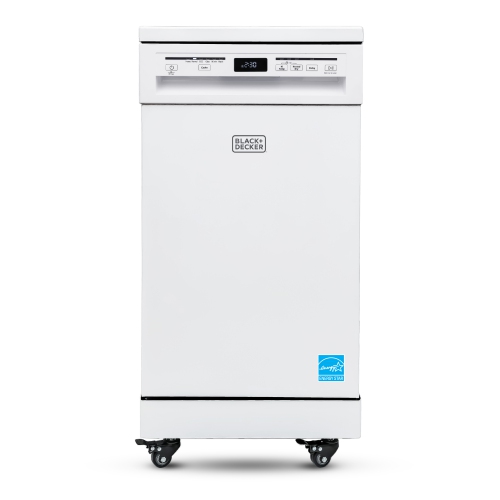
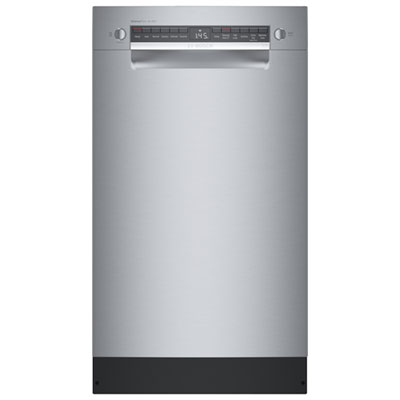
Choosing a dishwasher for a big family means looking beyond basic wash performance. In a busy household, the dishwasher may run after breakfast, again after school lunches and snacks, and once more after dinner, so capacity, flexibility, reliability, and drying performance all matter. A standard 24-inch built-in dishwasher is often the most practical starting point because it can offer room for approximately 15 to 16 place settings without requiring unusual cabinetry or a compact kitchen layout. This extra capacity is useful for families with several children, households that entertain often, or anyone who prefers to collect a full load rather than hand-wash oversized pots, lunch containers, and serving dishes throughout the day. When comparing Large Family Dishwashers, consider how the interior is arranged as carefully as the number of place settings listed in the specifications. Adjustable upper racks can create space for tall glasses, mixing bowls, or stemware, while fold-down tines make it easier to fit roasting pans, casserole dishes, and plates in different shapes. A flexible third rack is particularly useful in a family kitchen because it can hold cutlery, cooking utensils, small bowls, reusable containers, or shallow lids, freeing space below for dinnerware and cookware. Some third racks are flat and best suited to utensils, while deeper designs can accommodate cups and small bowls; choosing between them depends on what tends to pile up beside your sink. A stainless steel tub is another feature worth considering for frequent use, as it is designed for durability and can support quieter operation in open-concept kitchens. Noise ratings are helpful when the dishwasher runs during homework, movie time, or overnight, with quieter models better suited to homes where the kitchen is close to bedrooms or living areas. Controls may be positioned on the front for easy visibility or hidden along the top edge of the door for a streamlined appearance. Front controls can be convenient when checking the cycle at a glance, while top controls can help prevent accidental button presses from curious children. Look for a sturdy handle, smooth-gliding racks, and a door that opens and closes with a confident feel, since these small details become noticeable when the appliance is used every day.
Large-family dishwashers should also offer cycles and cleaning features that match the messes created by real family meals. Sensor-based or auto-wash cycles can adjust water use and wash time according to the soil level, making them useful when one load contains lightly used glasses and heavily soiled plates from a pasta dinner. Heavy-duty cycles are helpful for baked-on food, roasting pans, and cookware that has sat for a while, while quick cycles can handle a smaller load when clean dishes are needed before the next meal. A high-temperature or sanitize option may be valuable for baby bottles, lunch containers, cutting boards, and other items that benefit from an intensive rinse; always follow the care instructions for each item and look for certified sanitizing performance where applicable. Families who regularly wash plastic containers should pay close attention to drying technology. Heated drying, fan-assisted drying, auto-opening doors, or other advanced options can help reduce lingering moisture on lids, reusable bottles, and food storage containers, which often remain damp when placed on a rack. A filtration system helps capture food particles during the wash, while a hard-food disposer or similarly capable filtration design can be useful when pre-rinsing is not part of the household routine. Scraping large pieces of food into the bin is still recommended, but a dishwasher designed for everyday family debris can make cleanup less demanding after a crowded table. Loading technique also has a noticeable effect: place plates facing the spray arms, angle bowls so water can reach their interiors, avoid nesting spoons, and leave enough space between items for circulation. Large pans may fit best along the sides or back, while delicate glasses should be secured on the upper rack. Before choosing a model, measure the opening carefully, including height beneath the counter, width between cabinets, and available depth with the door open. Check whether the dishwasher connects to the existing water and electrical setup, and confirm that the finish works with nearby appliances. Fingerprint-resistant stainless steel can be convenient in a kitchen where small hands leave marks, while other finishes may coordinate with a darker or more traditional space. A large-capacity dishwasher can be a thoughtful housewarming or wedding gift for a growing family, particularly when paired with practical installation planning, but it is equally useful as a replacement for an older appliance that struggles with daily loads. During the warmer seasons, it can keep up with patio meals, sports bottles, and casual gatherings; during the cooler months, it can handle soup bowls, baking dishes, and the heavier cookware that comes with family dinners at home. Regular care helps maintain performance: clear the filter according to the manufacturer’s instructions, wipe the door seal, check the spray arms for blocked openings, and run a cleaning cycle when recommended. These habits can help prevent odours, maintain water pressure, and keep dishes coming out clean through the many routines of a full household.
Large-family dishwashers should also offer cycles and cleaning features that match the messes created by real family meals. Sensor-based or auto-wash cycles can adjust water use and wash time according to the soil level, making them useful when one load contains lightly used glasses and heavily soiled plates from a pasta dinner. Heavy-duty cycles are helpful for baked-on food, roasting pans, and cookware that has sat for a while, while quick cycles can handle a smaller load when clean dishes are needed before the next meal. A high-temperature or sanitize option may be valuable for baby bottles, lunch containers, cutting boards, and other items that benefit from an intensive rinse; always follow the care instructions for each item and look for certified sanitizing performance where applicable. Families who regularly wash plastic containers should pay close attention to drying technology. Heated drying, fan-assisted drying, auto-opening doors, or other advanced options can help reduce lingering moisture on lids, reusable bottles, and food storage containers, which often remain damp when placed on a rack. A filtration system helps capture food particles during the wash, while a hard-food disposer or similarly capable filtration design can be useful when pre-rinsing is not part of the household routine. Scraping large pieces of food into the bin is still recommended, but a dishwasher designed for everyday family debris can make cleanup less demanding after a crowded table. Loading technique also has a noticeable effect: place plates facing the spray arms, angle bowls so water can reach their interiors, avoid nesting spoons, and leave enough space between items for circulation. Large pans may fit best along the sides or back, while delicate glasses should be secured on the upper rack. Before choosing a model, measure the opening carefully, including height beneath the counter, width between cabinets, and available depth with the door open. Check whether the dishwasher connects to the existing water and electrical setup, and confirm that the finish works with nearby appliances. Fingerprint-resistant stainless steel can be convenient in a kitchen where small hands leave marks, while other finishes may coordinate with a darker or more traditional space. A large-capacity dishwasher can be a thoughtful housewarming or wedding gift for a growing family, particularly when paired with practical installation planning, but it is equally useful as a replacement for an older appliance that struggles with daily loads. During the warmer seasons, it can keep up with patio meals, sports bottles, and casual gatherings; during the cooler months, it can handle soup bowls, baking dishes, and the heavier cookware that comes with family dinners at home. Regular care helps maintain performance: clear the filter according to the manufacturer’s instructions, wipe the door seal, check the spray arms for blocked openings, and run a cleaning cycle when recommended. These habits can help prevent odours, maintain water pressure, and keep dishes coming out clean through the many routines of a full household.
Top selling and popular products
-
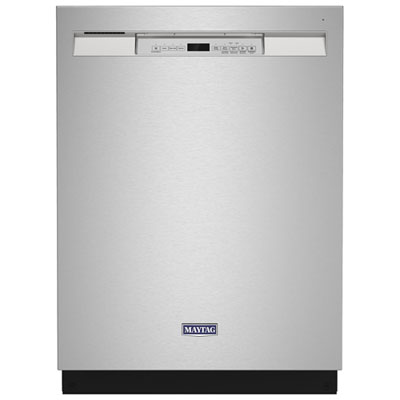 Your price for this item is $799.99
 -
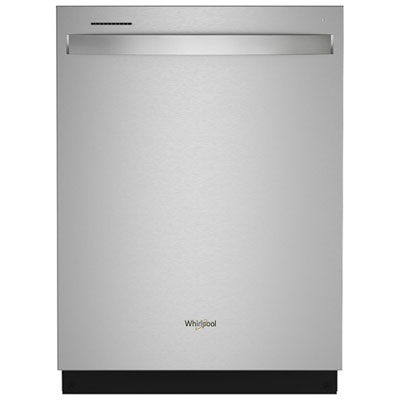 Your price for this item is $799.99
 -
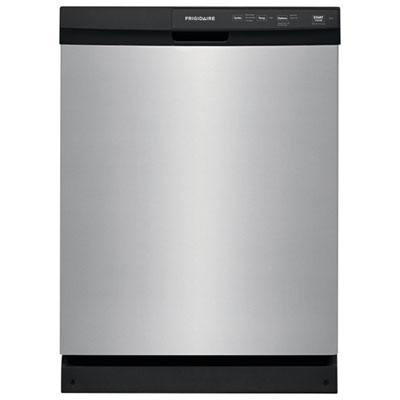 Your price for this item is $479.99
 -
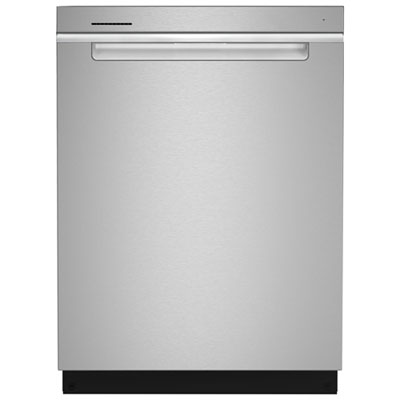 Your price for this item is $799.99
 -
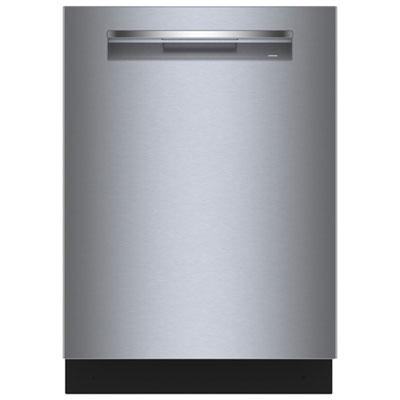 Your price for this item is $2599.99
 -
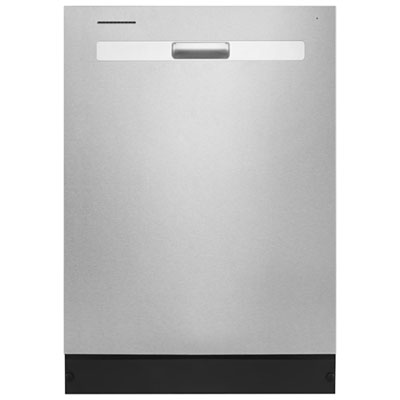 Your price for this item is $649.99
 -
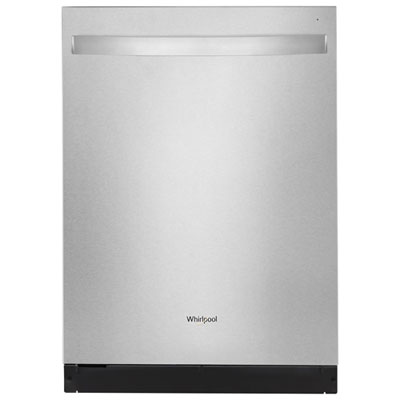 Your price for this item is $699.99
 -
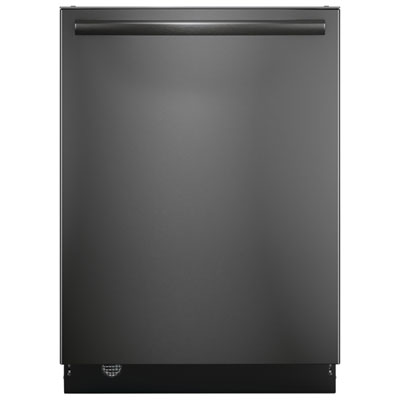 Your price for this item is $949.99
Discover more categories related to Dishwashers for Big Family

Top Collections:
Pokemon Centers, Best Cameras for Sports Photography, Kindle Devices, Samsung Galaxy Phones, Canon G7X Cameras, Pokémon 30th Celebration Cards, Refurbished Apple Laptops, iPhone 15 Apple, Laptops for Students, Budget Smartphones
Some products may be subject to Environmental Handling Fees
(EHF) depending on your province.
Learn more about EHFs.