Sink Dishwashers
A dishwasher is a kitchen appliance that cleans, rinses, and sanitizes dishes. It heats water to a precise temperature for sanitizing, and uses a variety of jets of water to clean different parts of dishes. Here are some great options available.
Sort
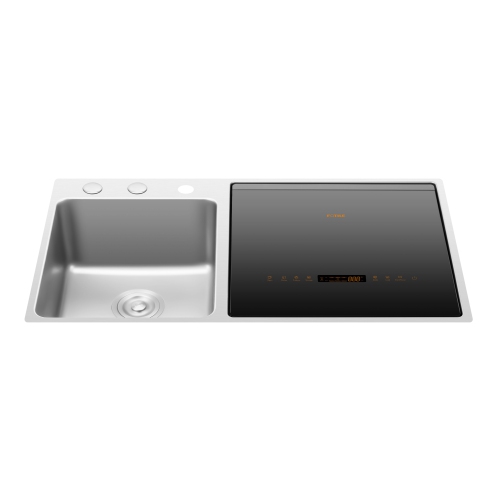
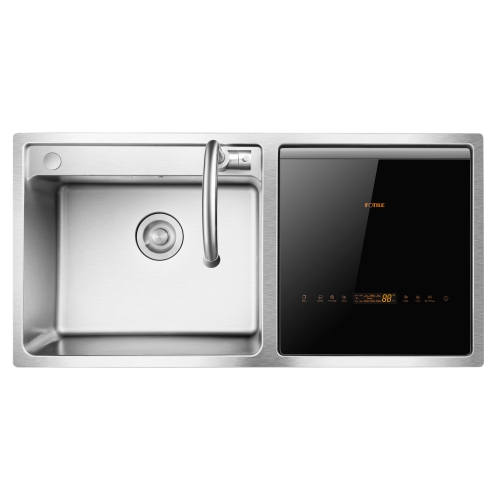


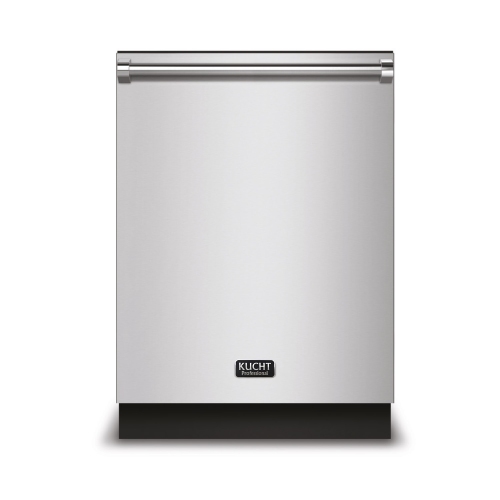

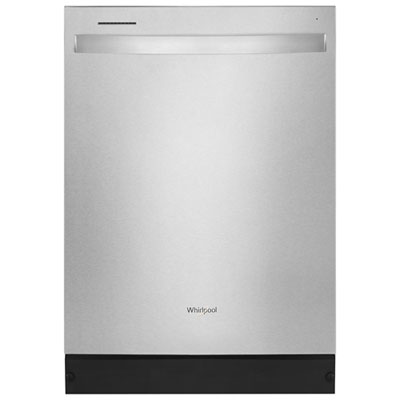

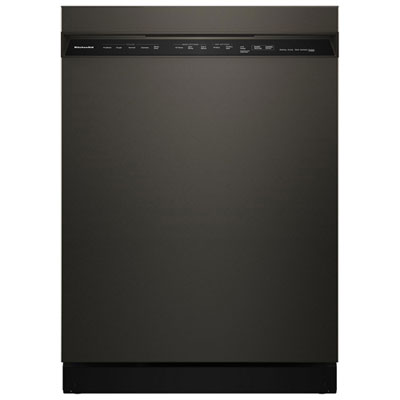

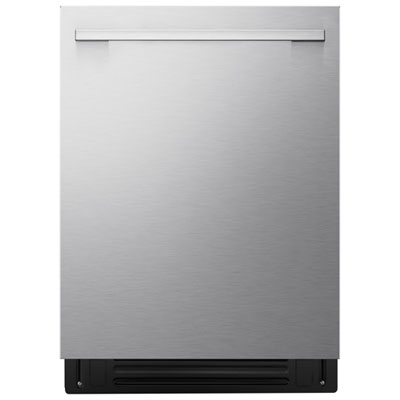

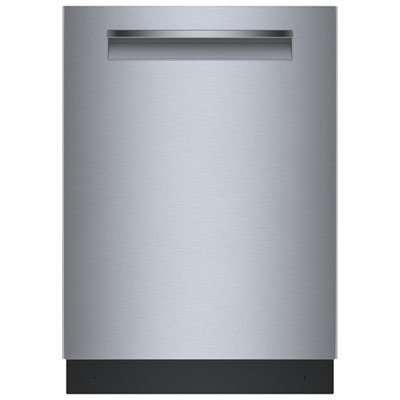
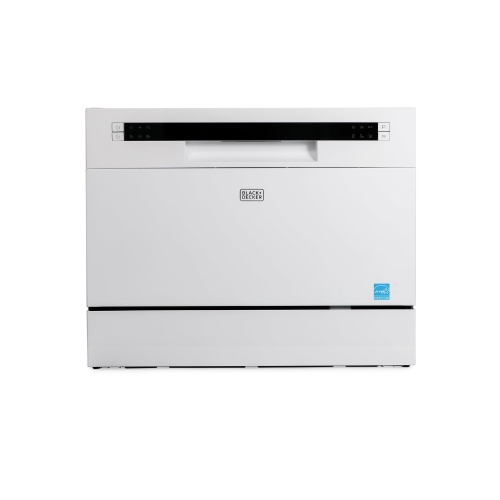

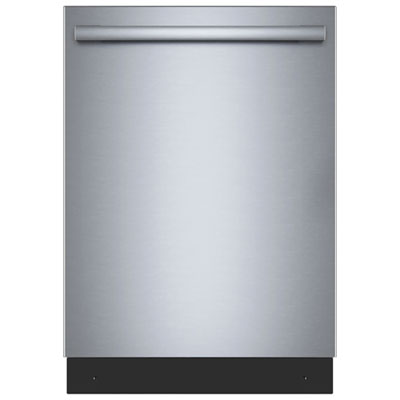
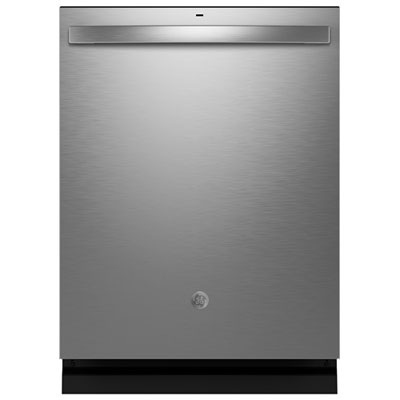
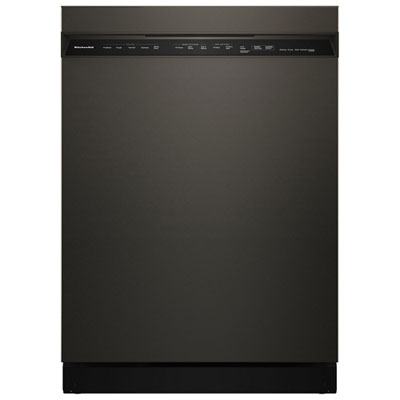
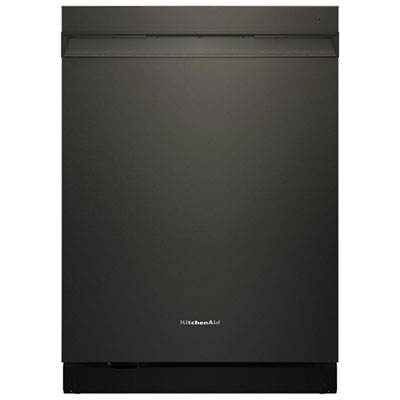
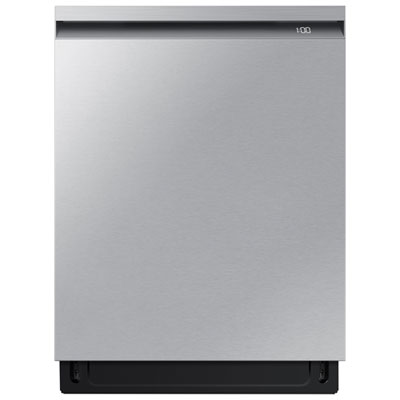
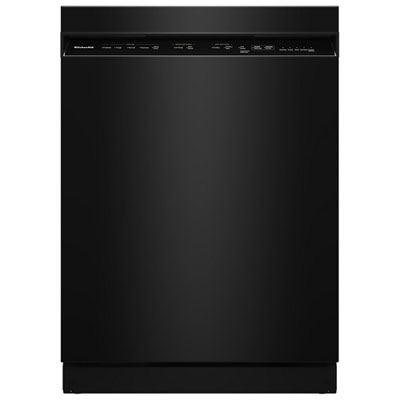
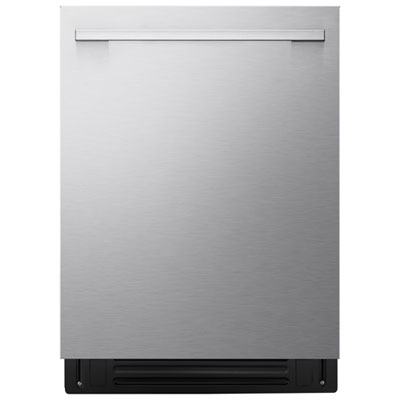

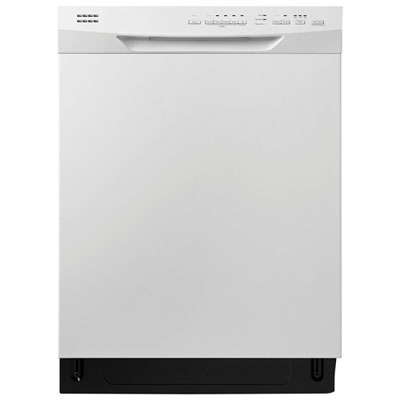

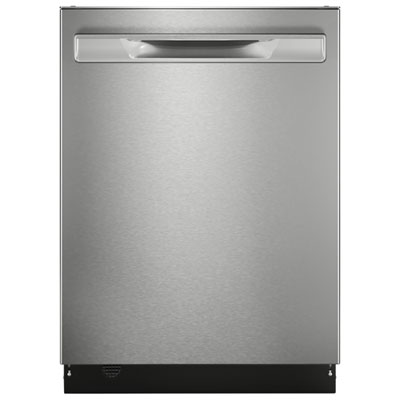
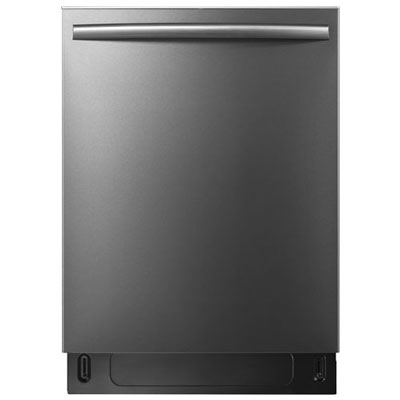
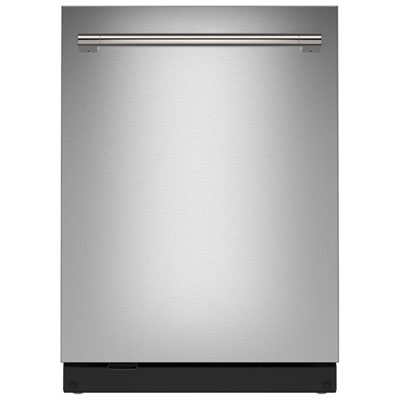
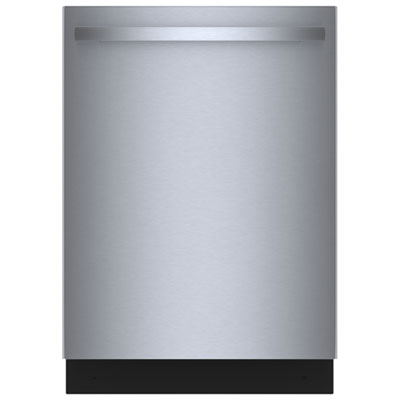
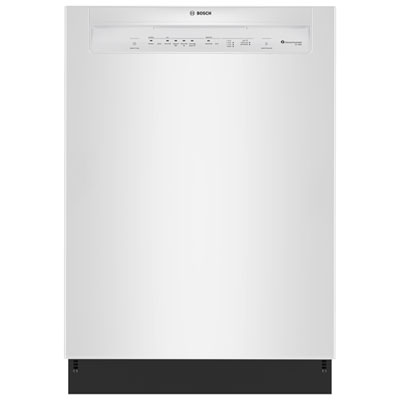
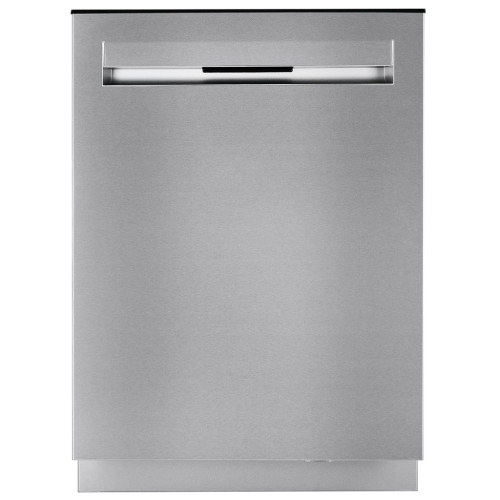
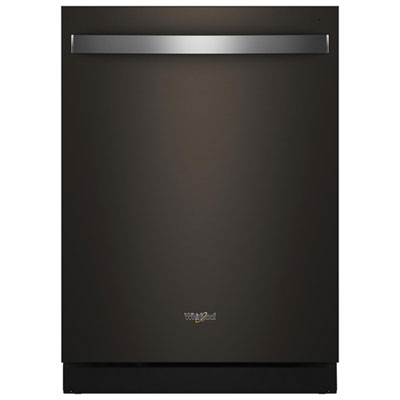
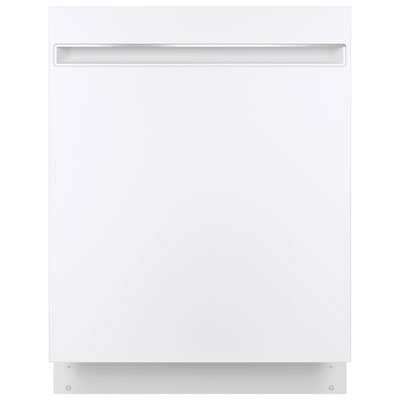
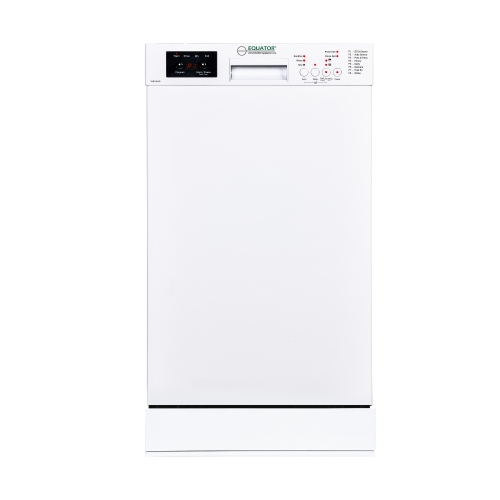

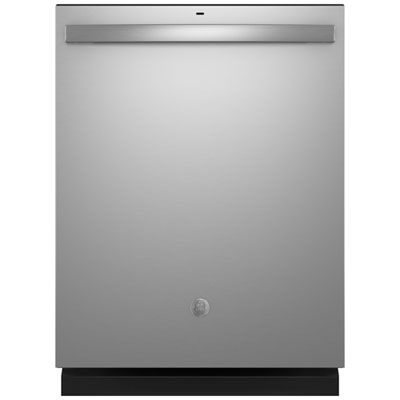
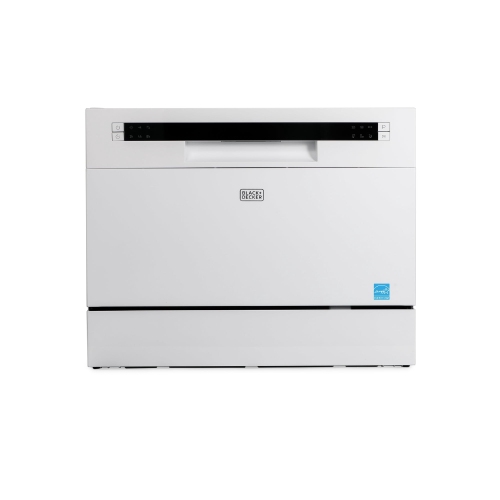

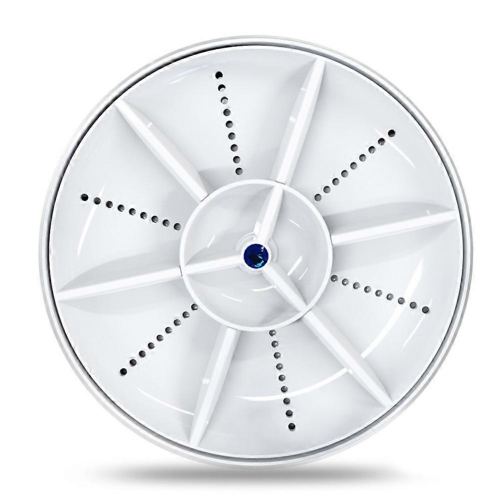
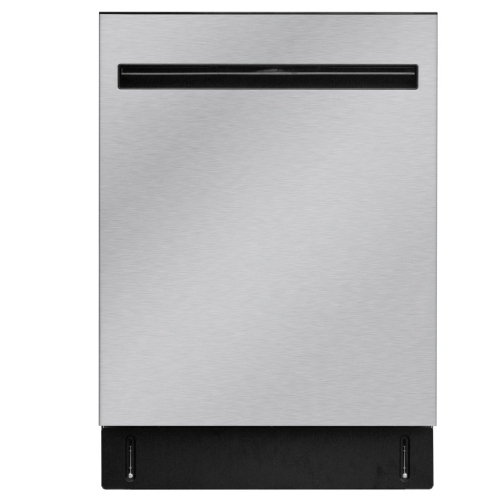
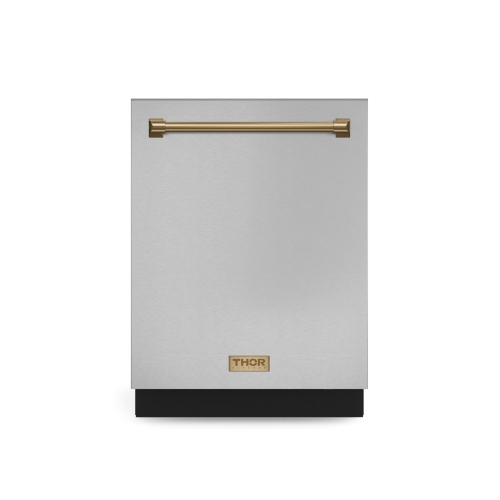

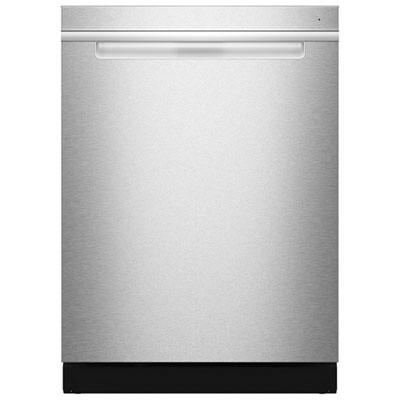
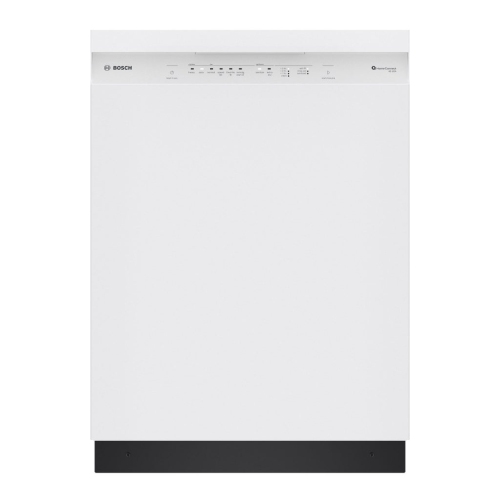
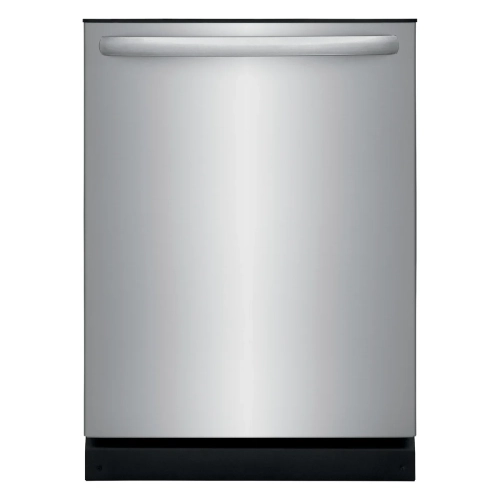
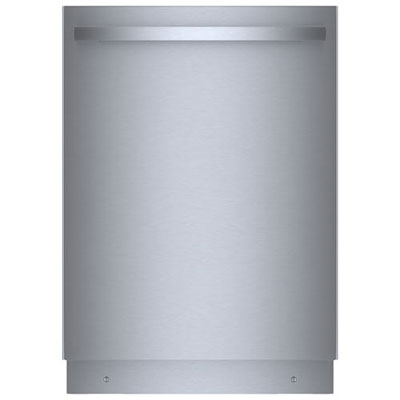

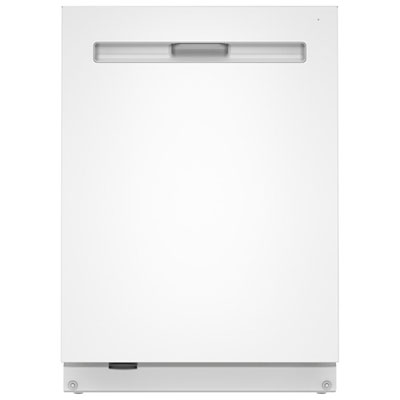
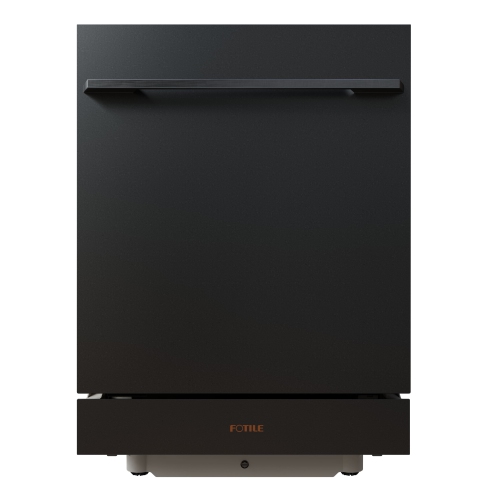
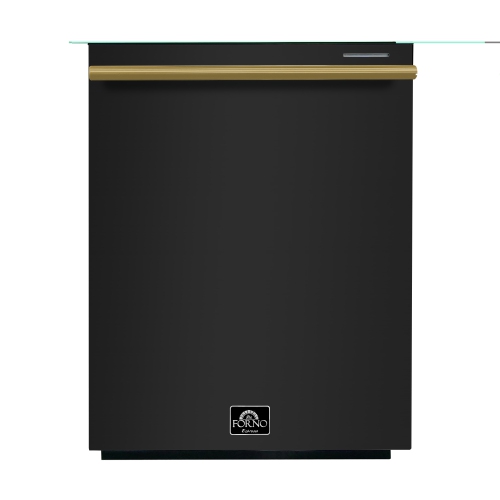
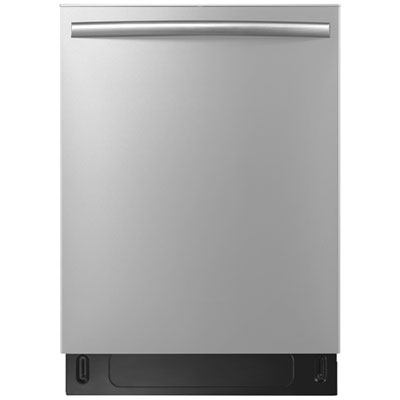
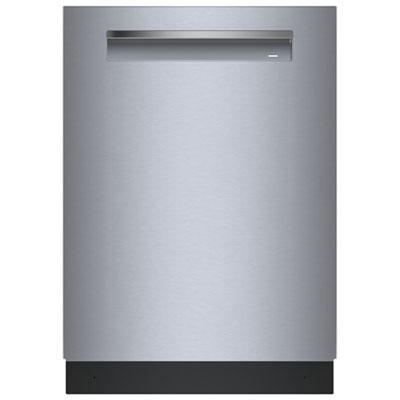


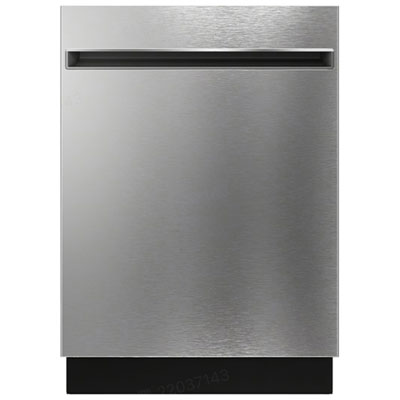
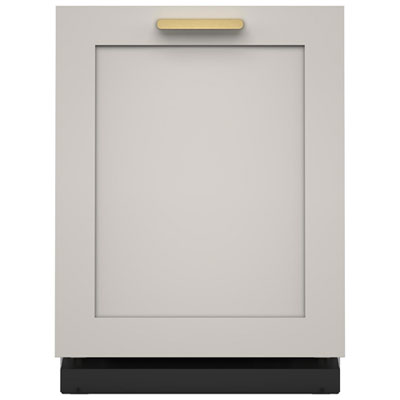
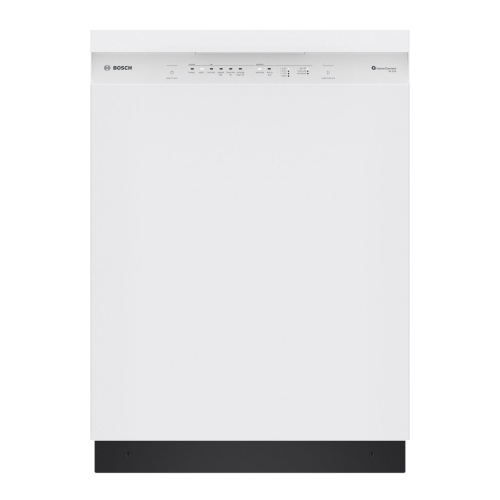
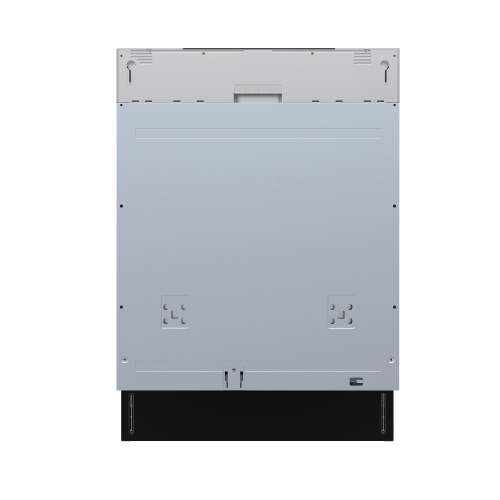


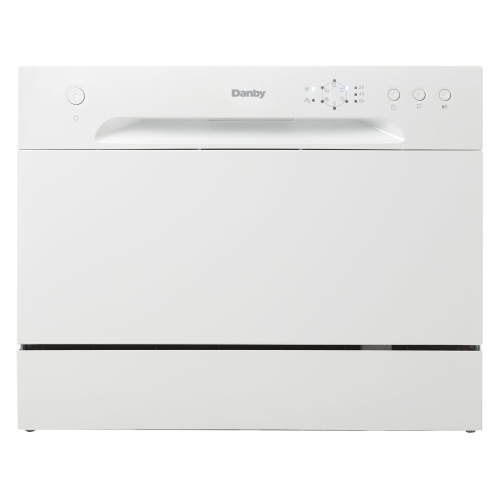
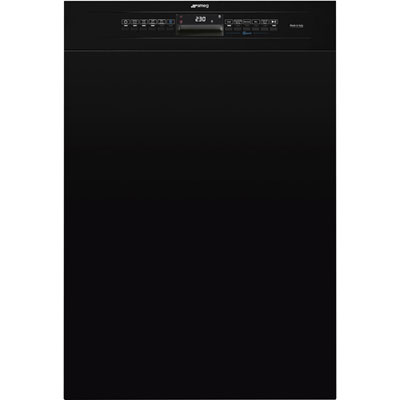
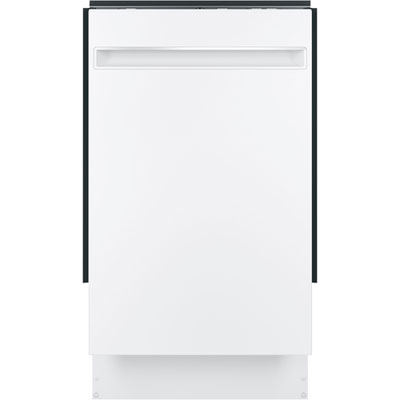


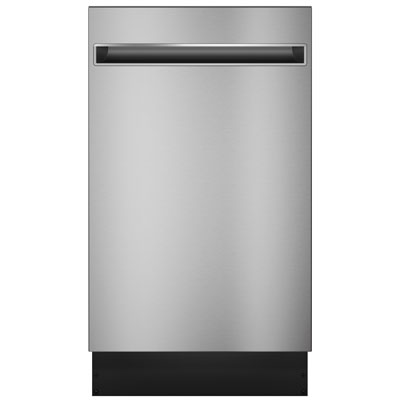
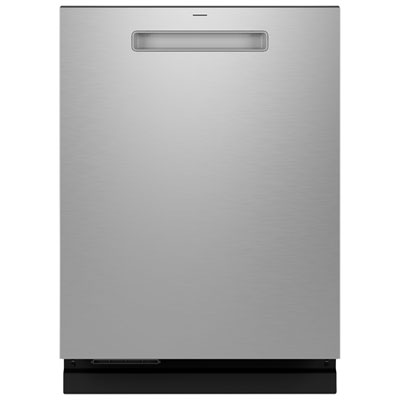


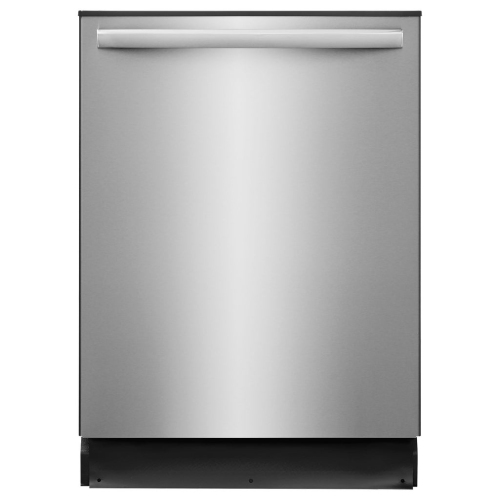

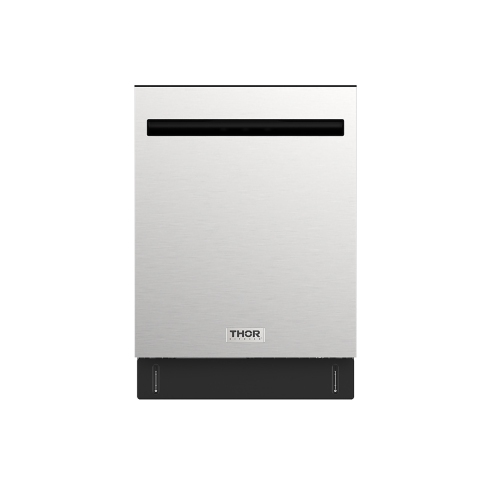
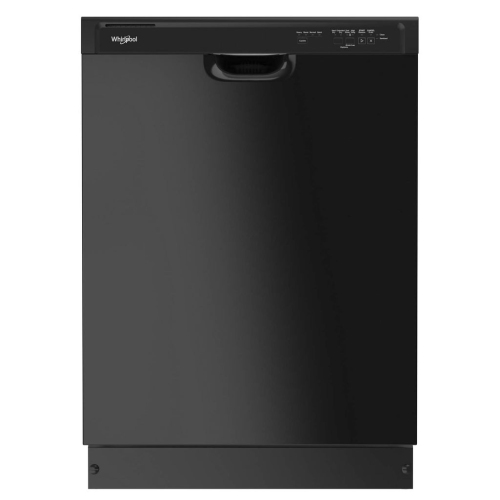
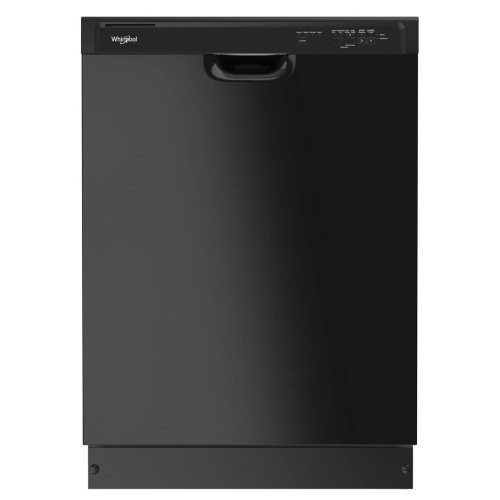
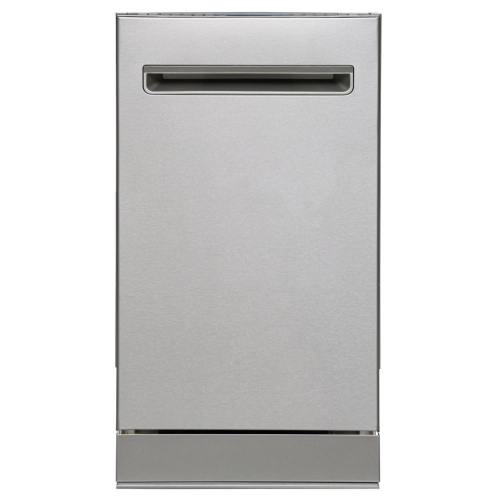
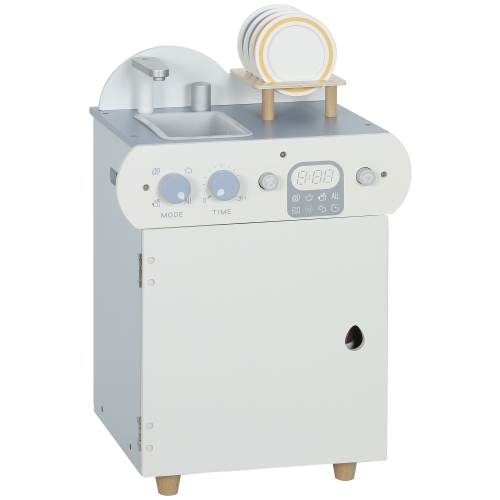
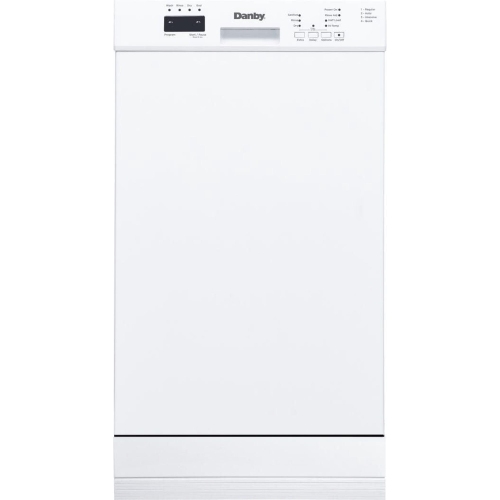

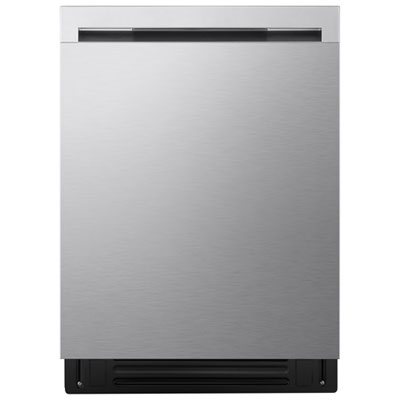
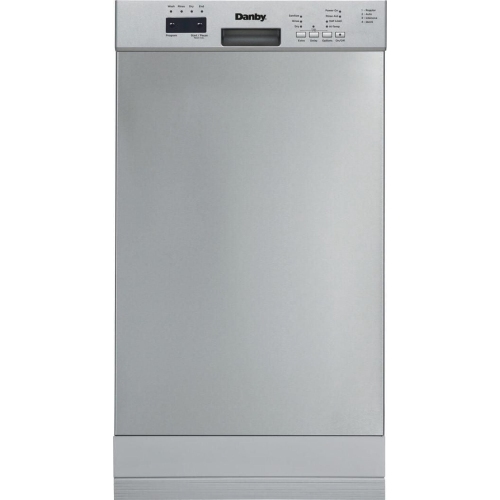
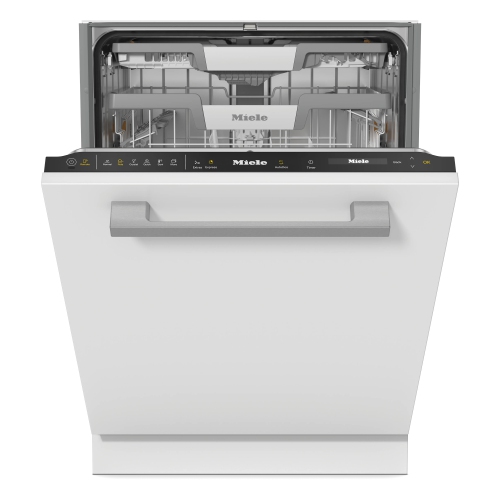
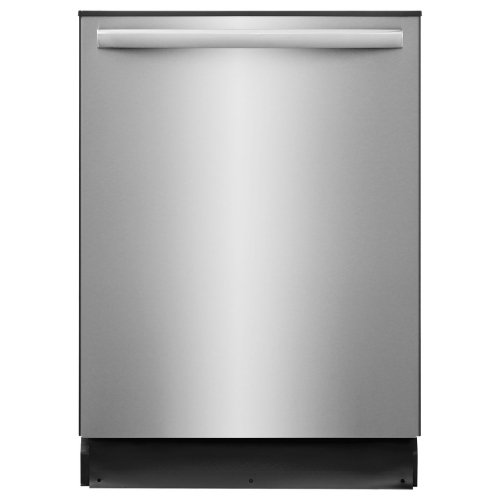
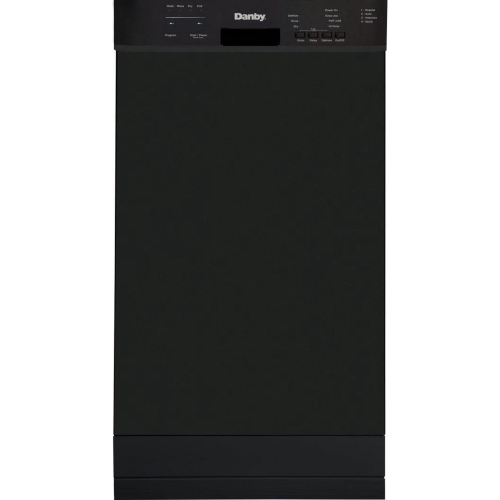

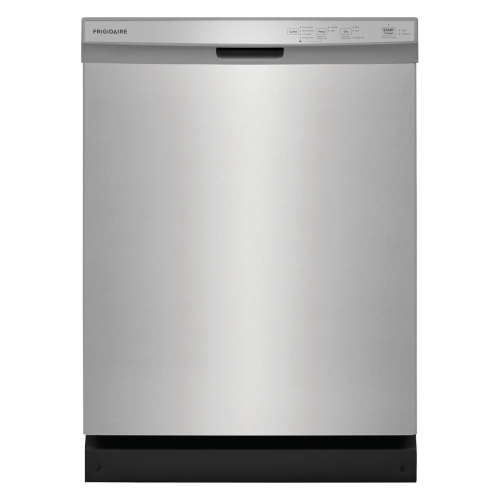
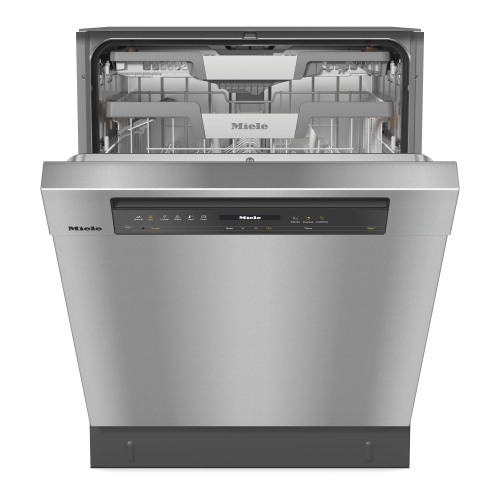

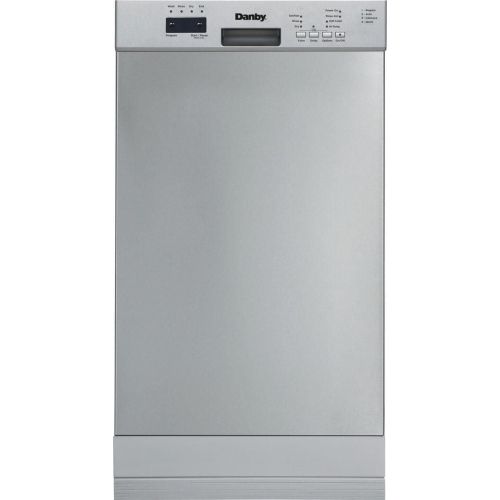
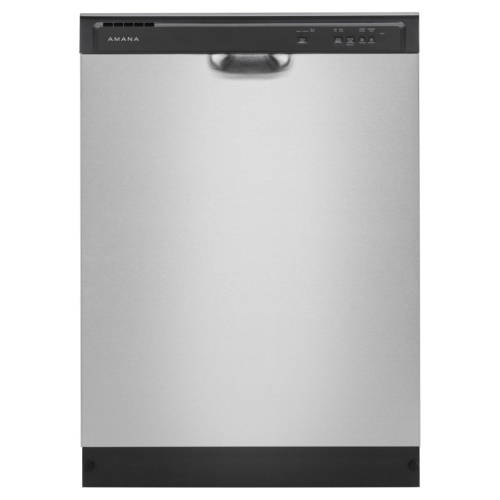
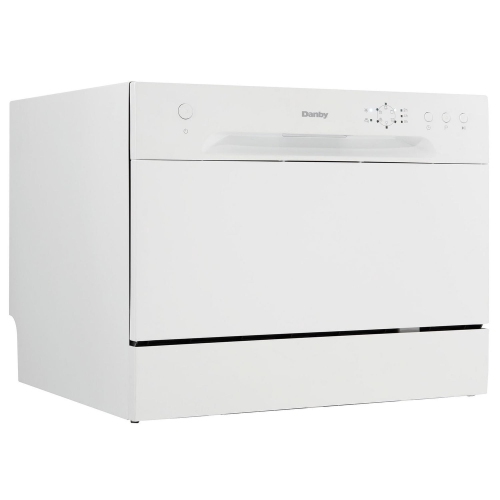
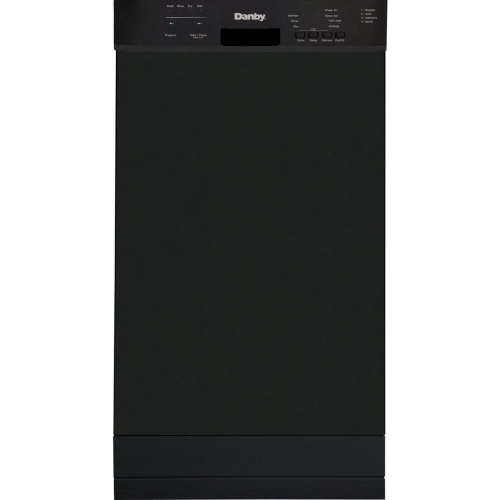

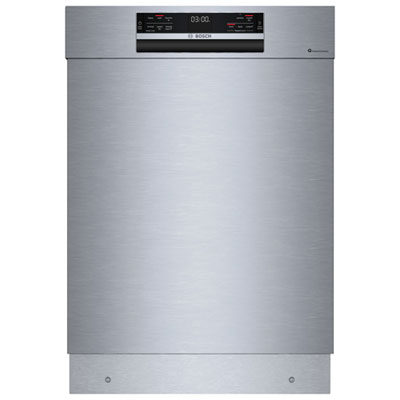

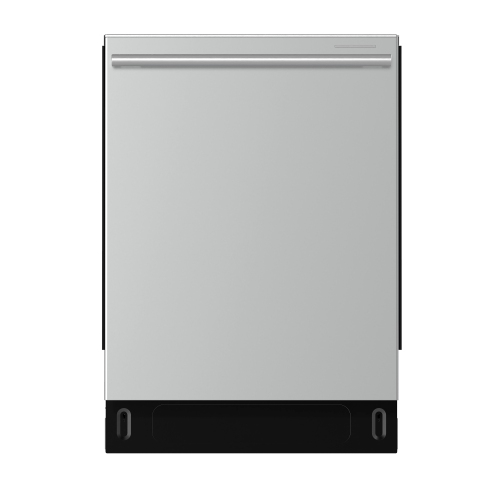

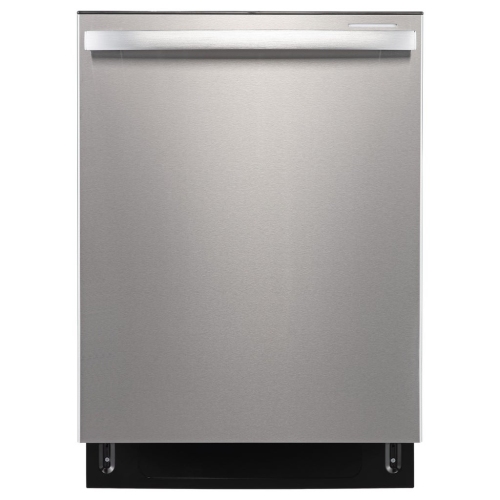
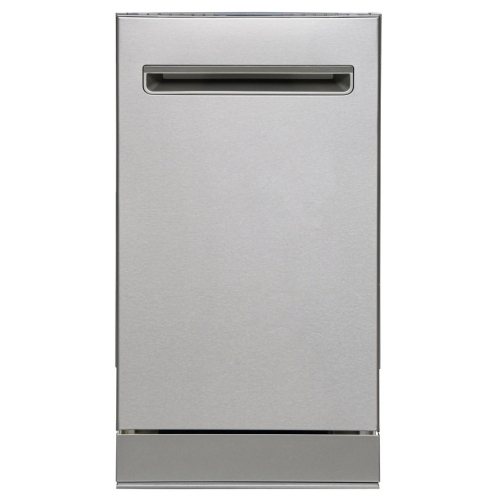

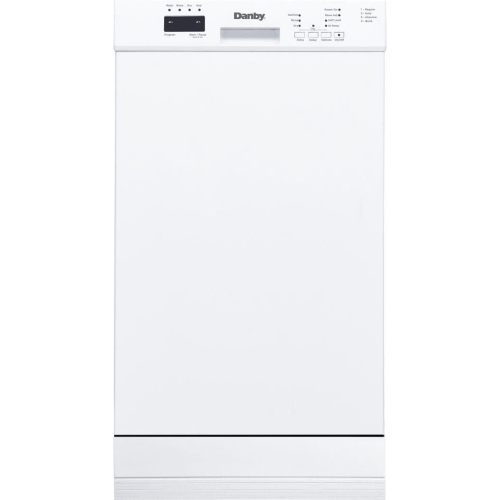
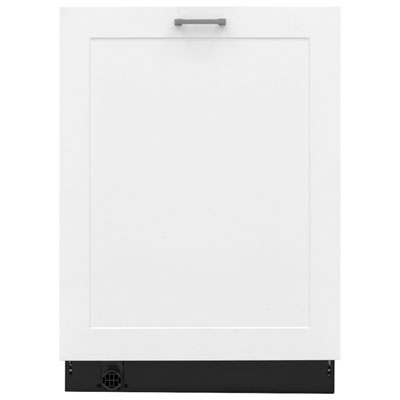
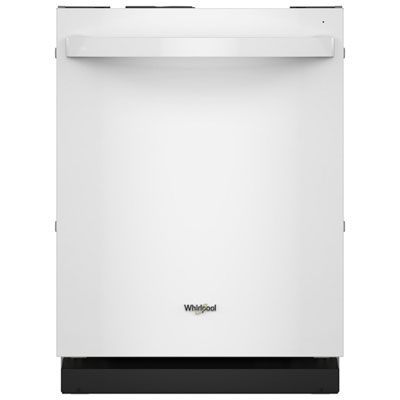
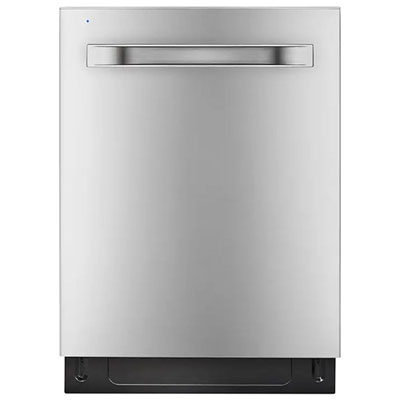
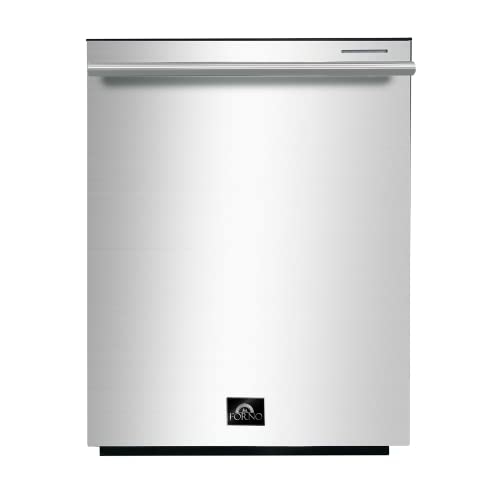
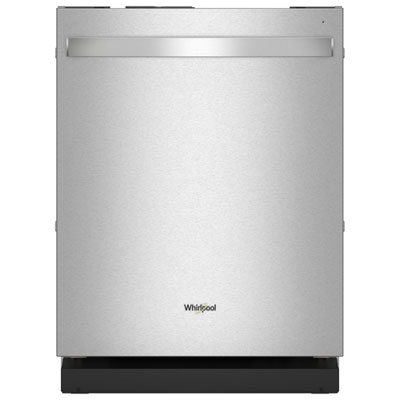
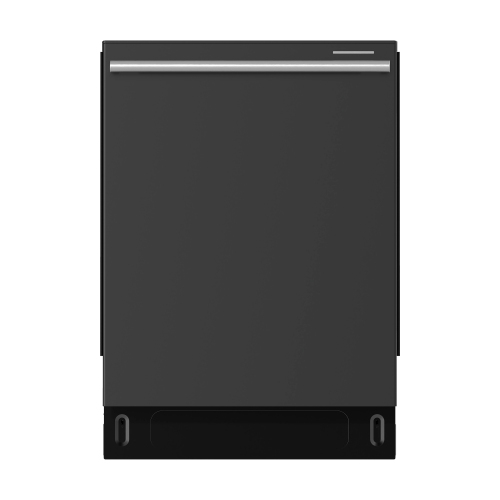
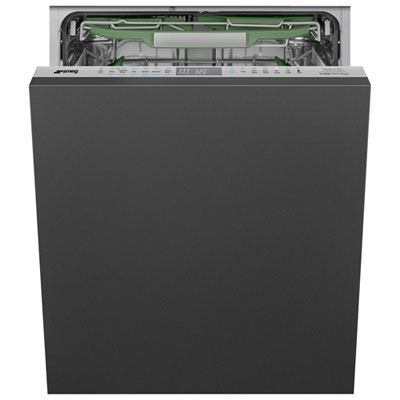

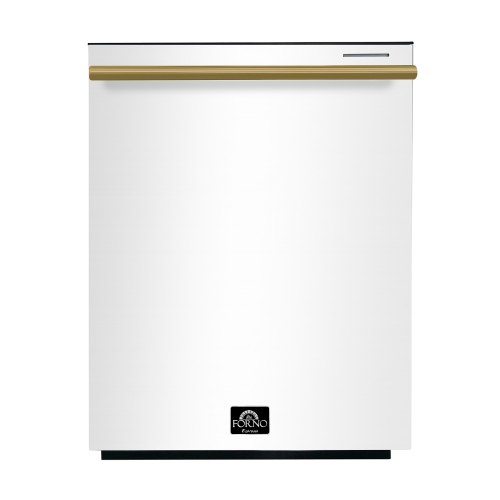

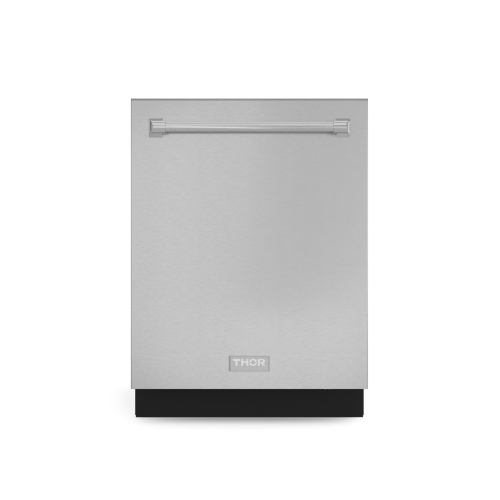
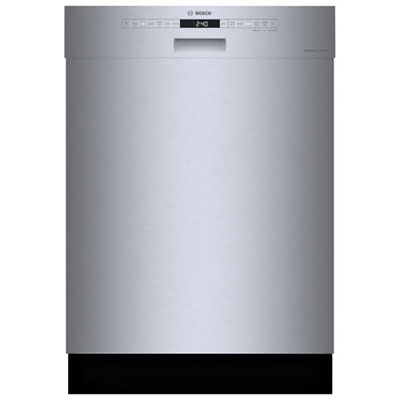
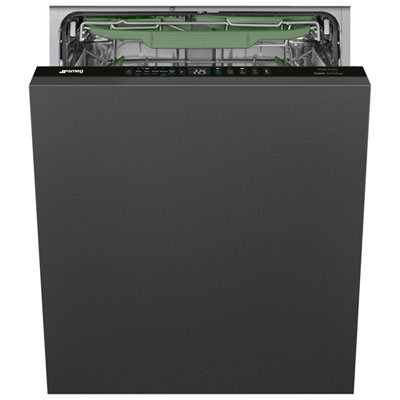

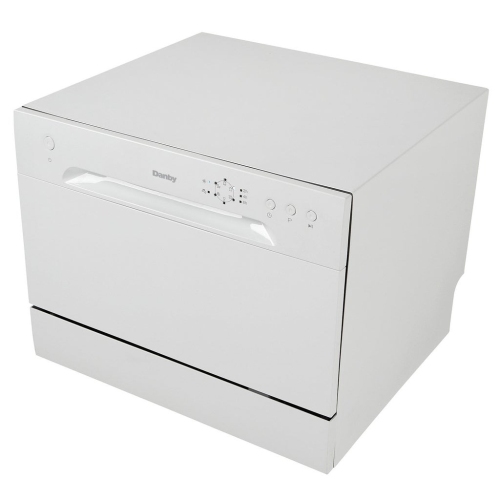
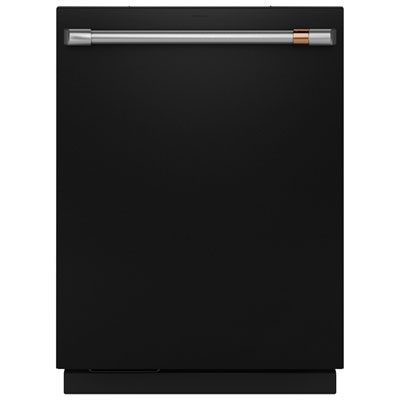

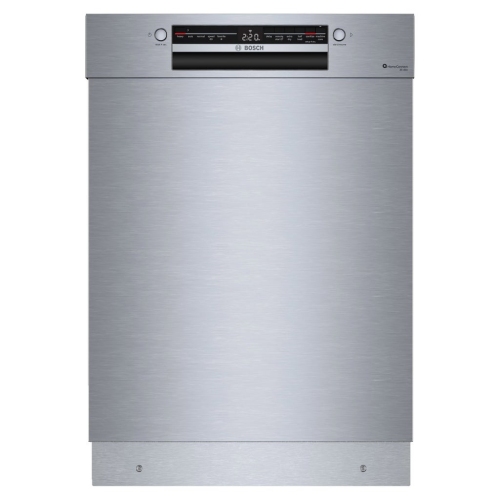
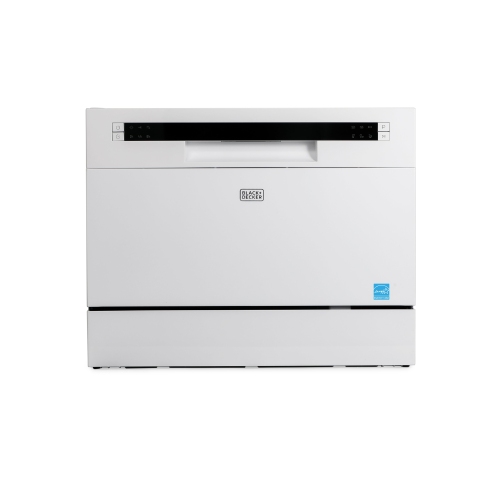
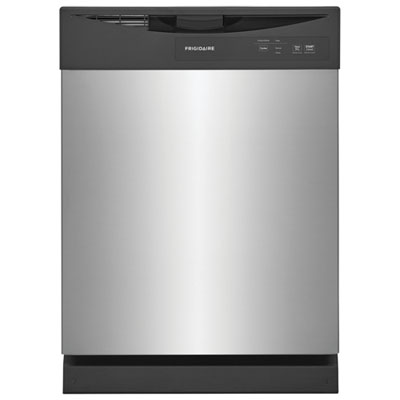
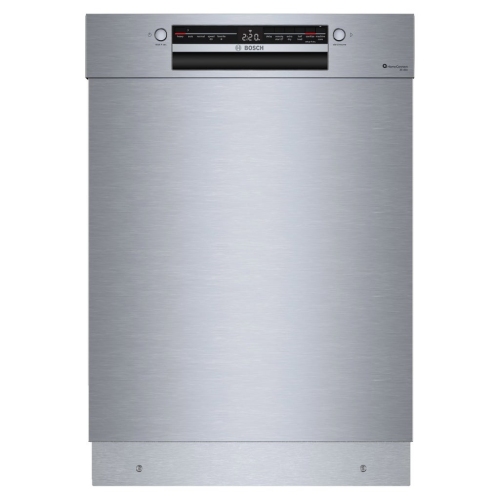
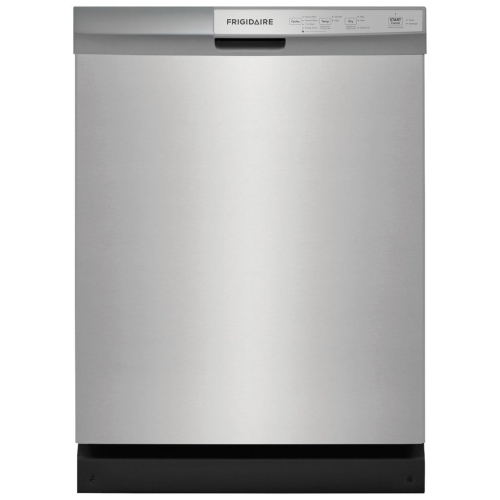
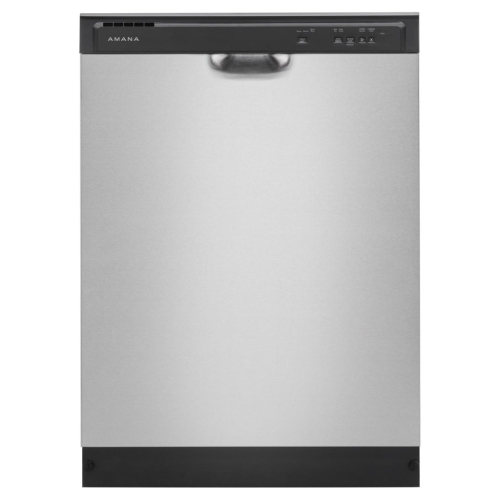
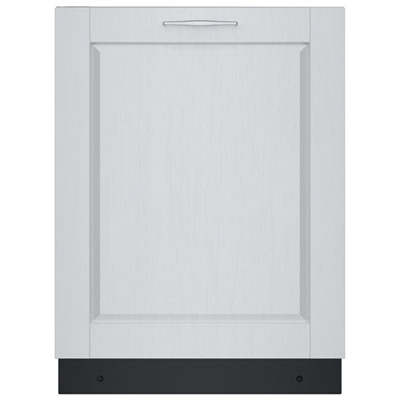
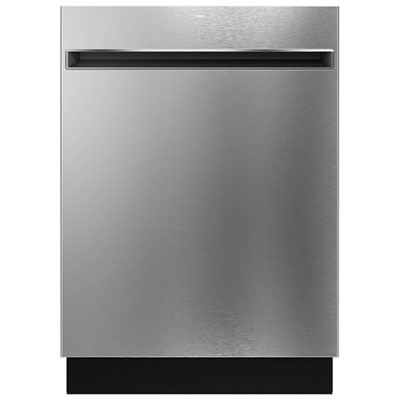
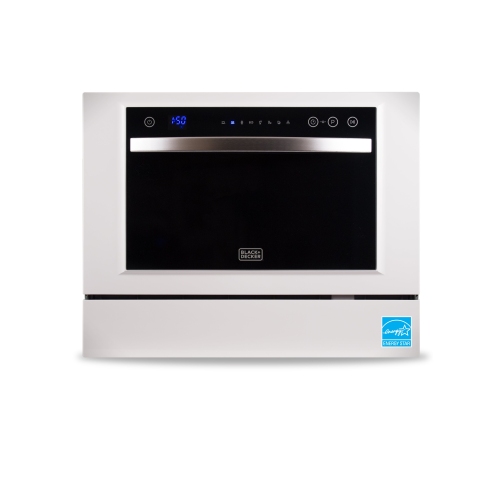
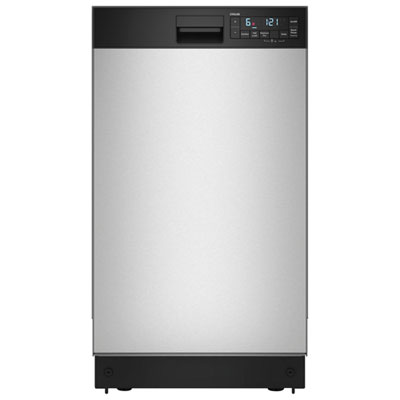


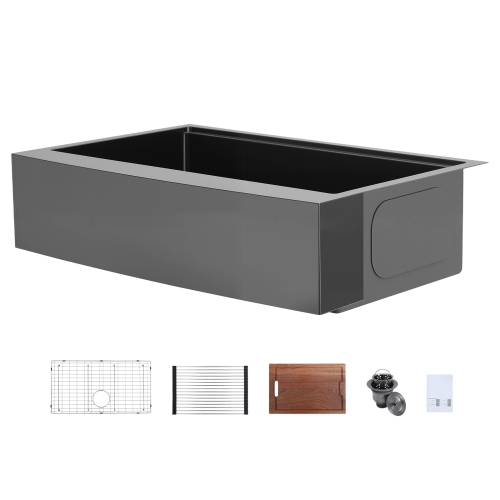
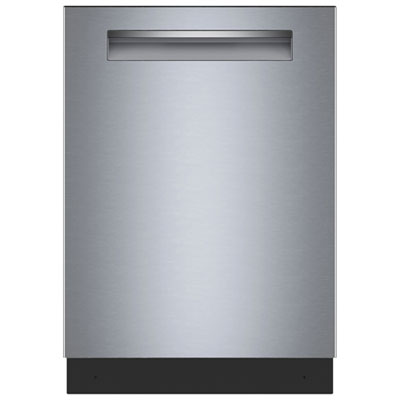


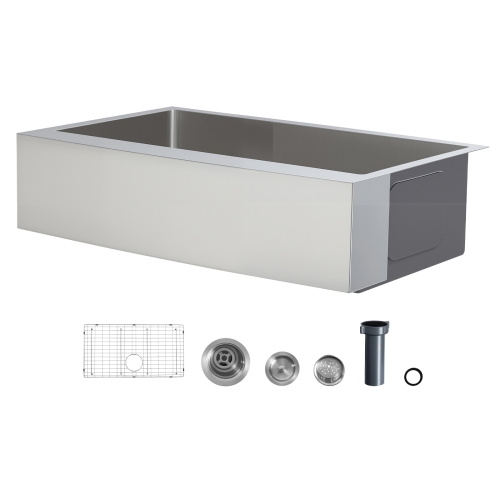

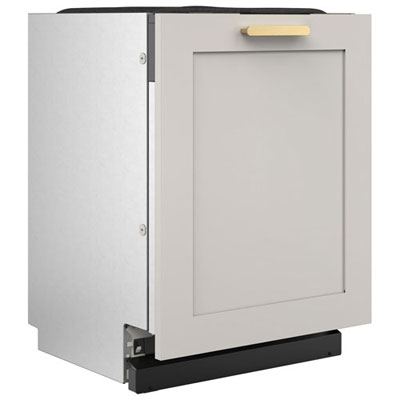

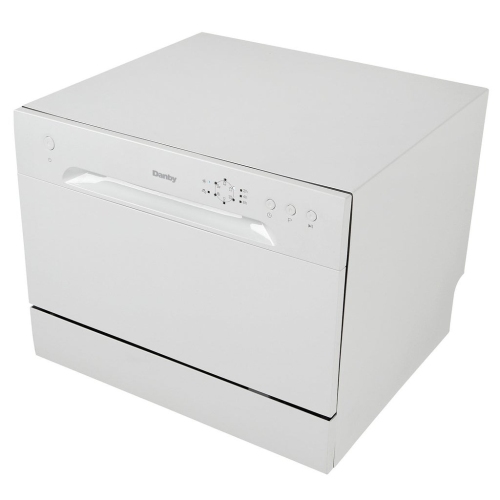
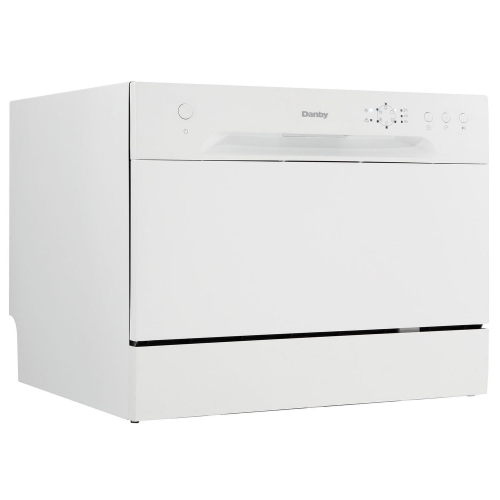
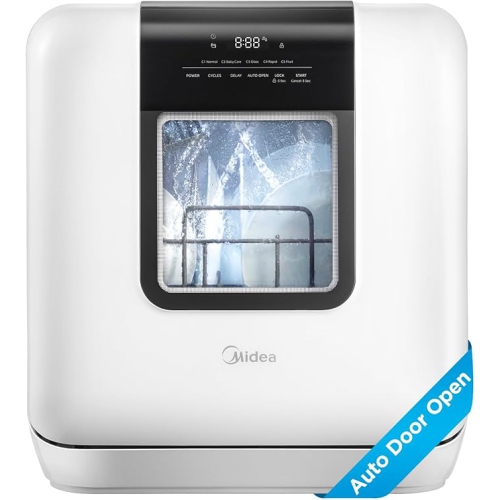
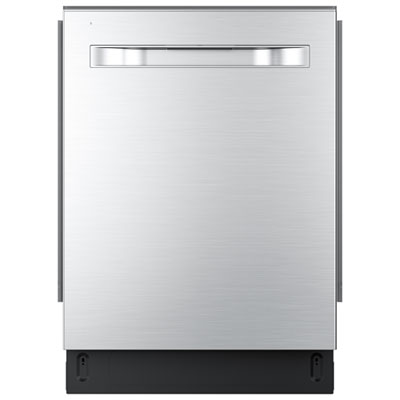
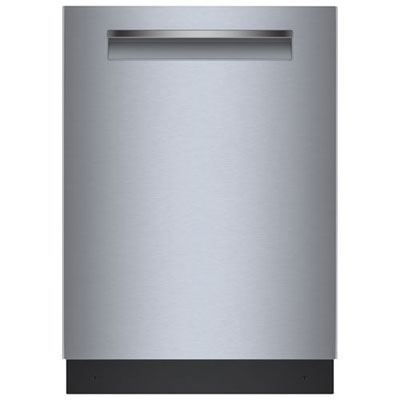


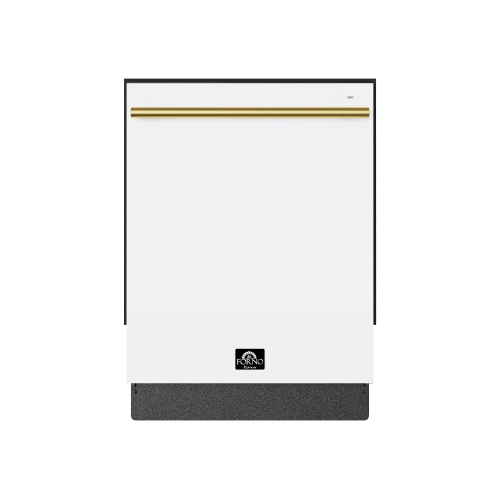
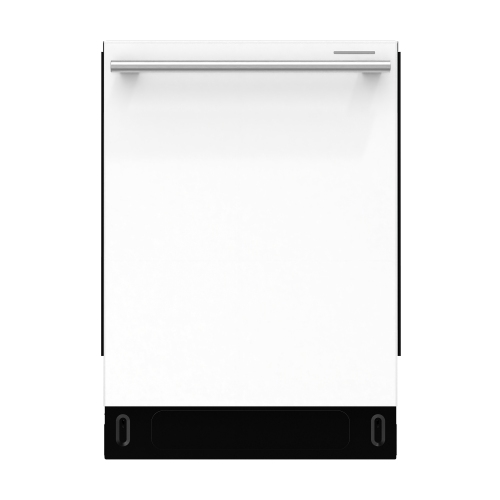

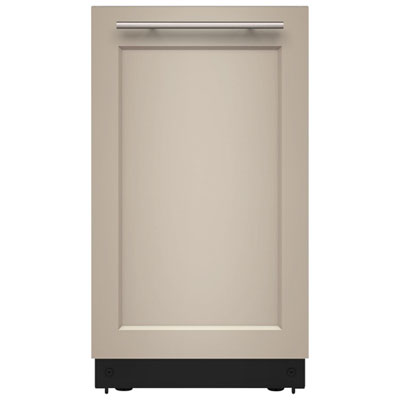


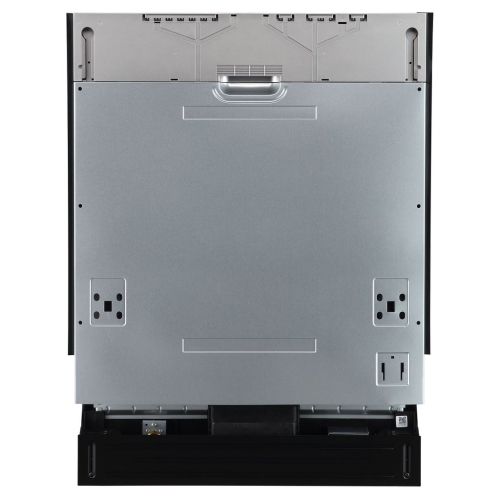
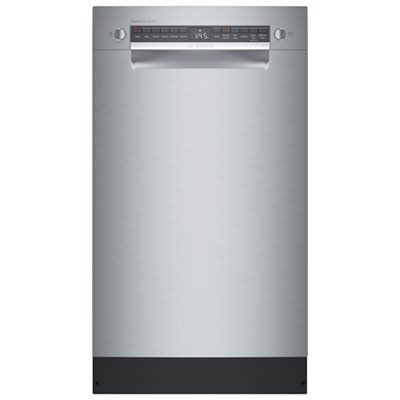
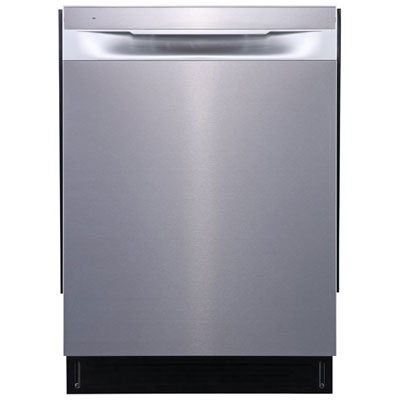
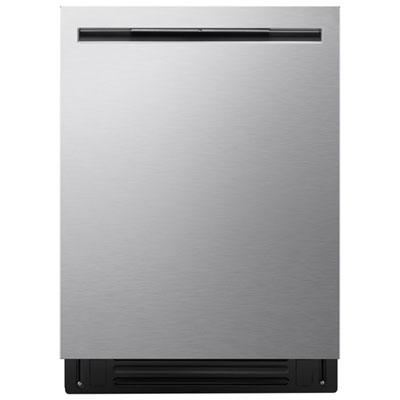
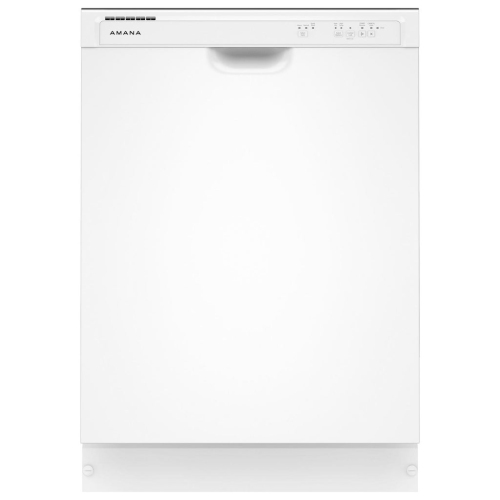
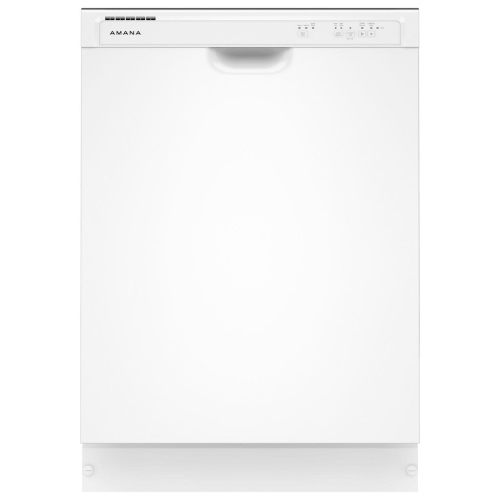

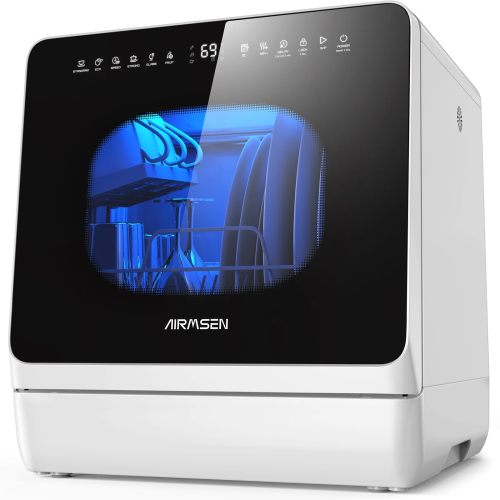


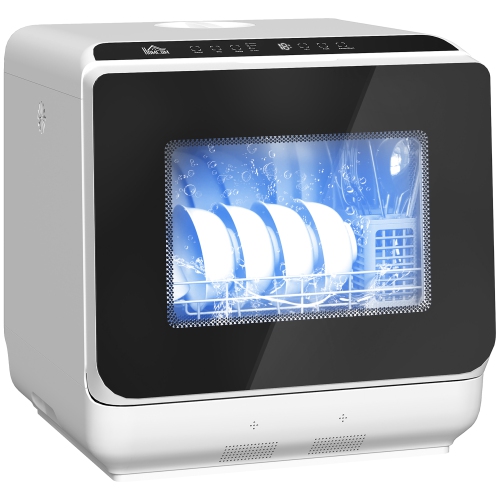

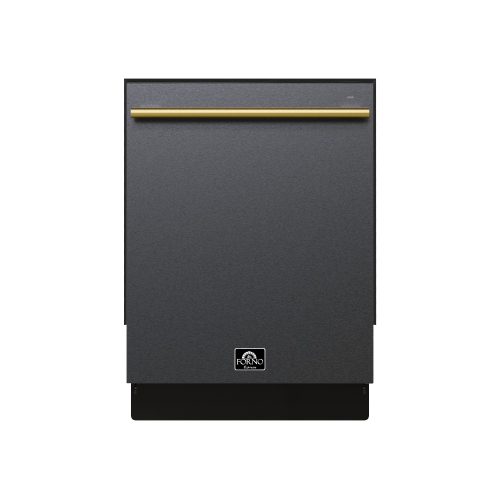
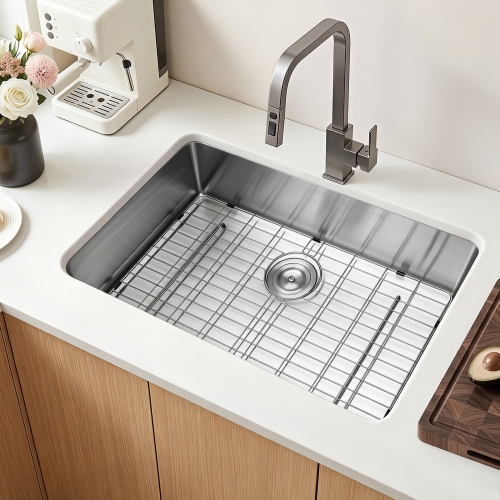
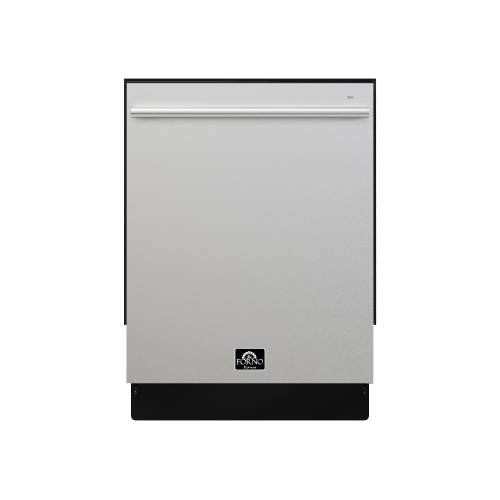
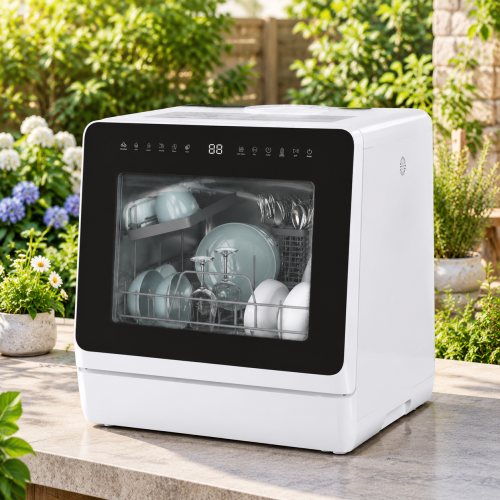

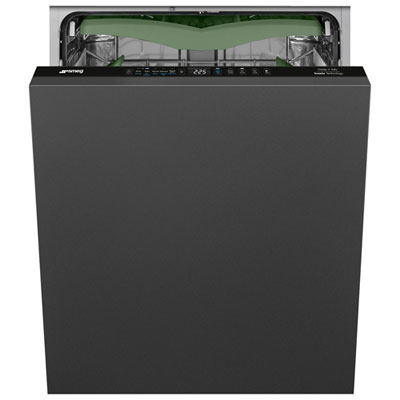
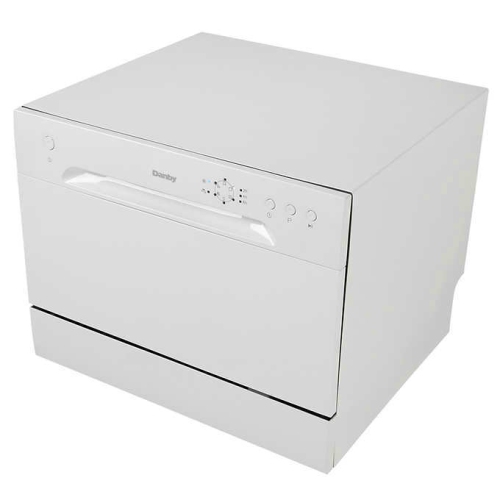

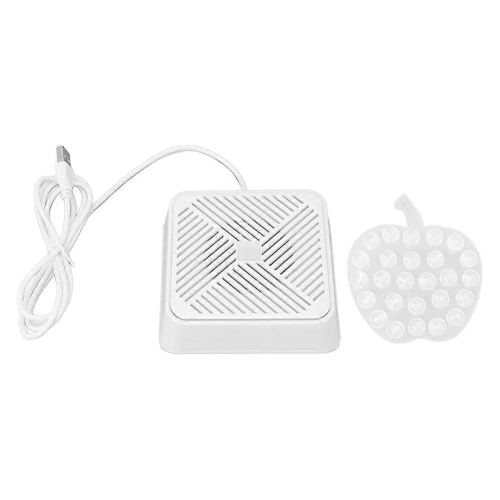
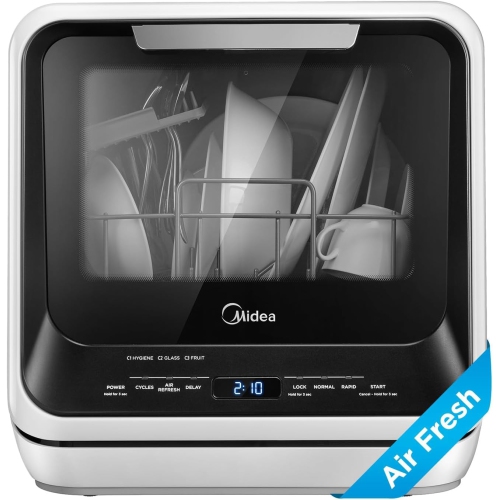
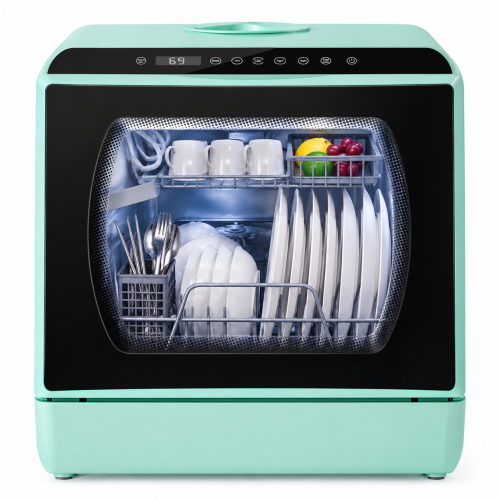
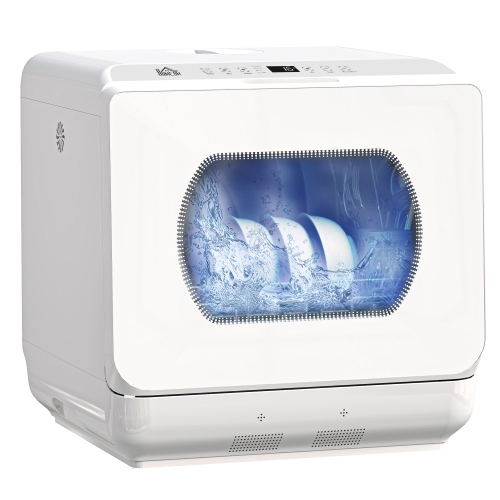
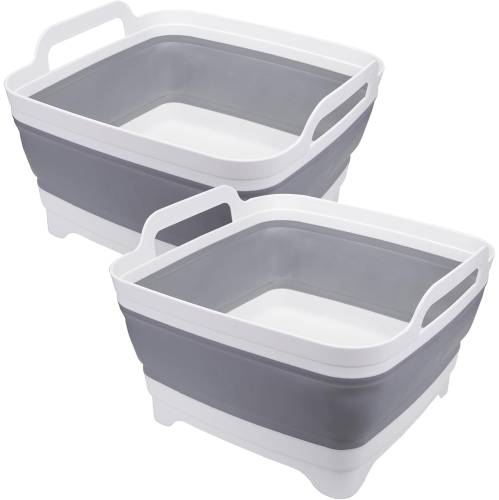
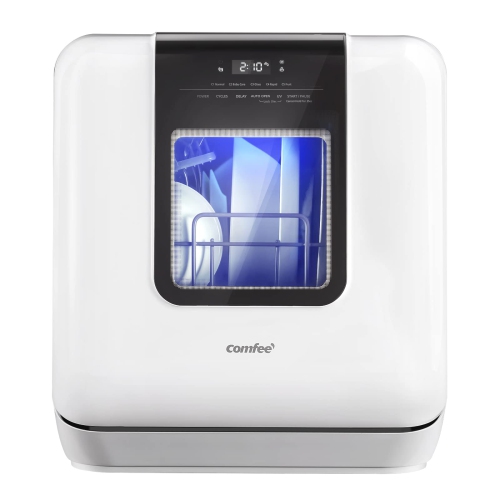

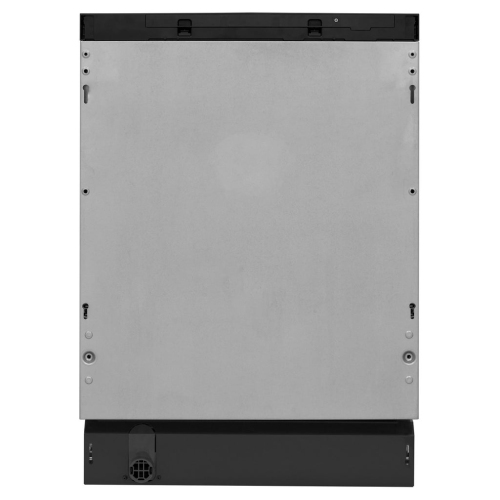

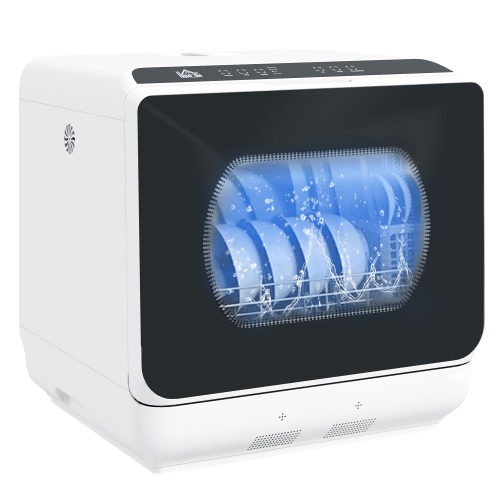
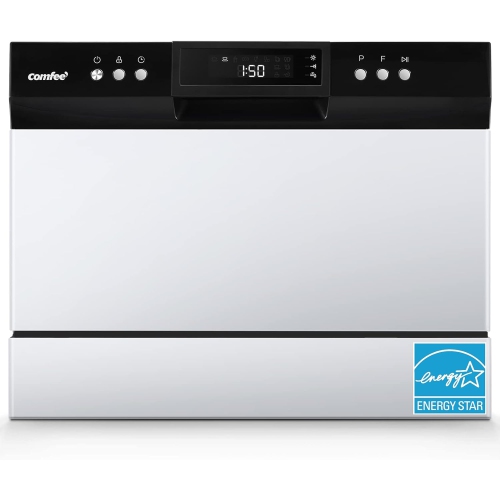
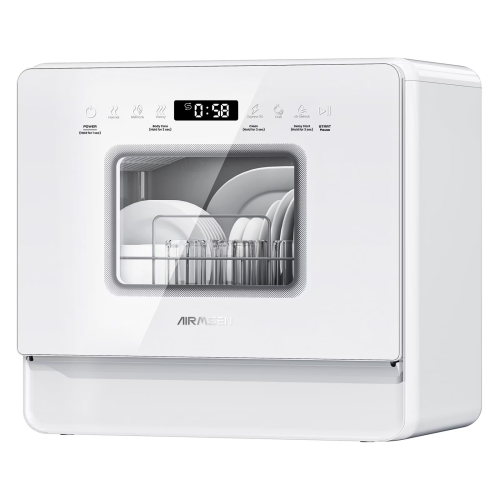
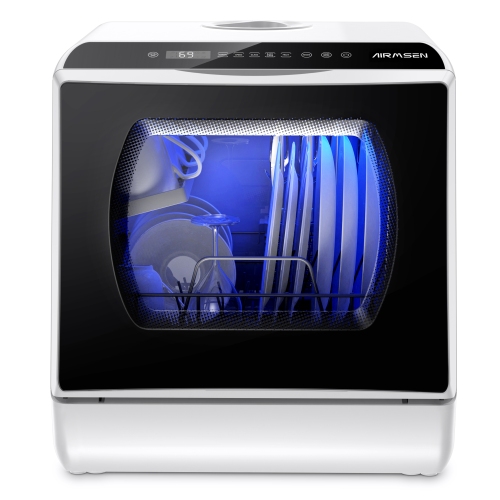

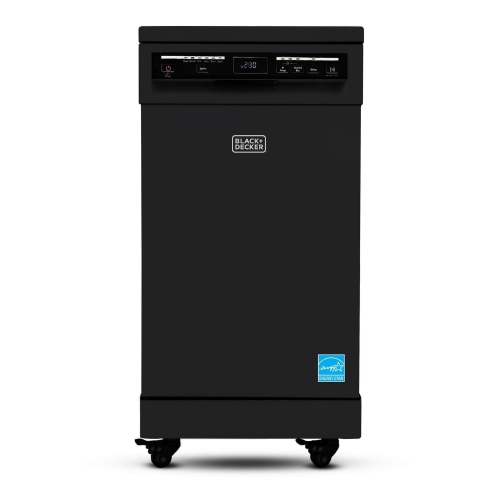
Counter height convenience for smaller loads and compact kitchens
Sink dishwashers bring together three useful kitchen functions in one compact, counter-height installation: a sink for everyday food preparation and washing, a dishwasher for cleaning a smaller load of dishes, and, in some configurations, a dedicated produce-washing function. Unlike a traditional front-loading dishwasher, an in-sink dishwasher is loaded from above, so plates, bowls, cups and cutlery can be placed directly into the wash compartment without opening a large door or bending down. This layout can be especially practical in kitchens where every inch of counter and cabinet space matters, including compact condos, laneway homes, secondary suites, recreational properties, offices and accessible kitchens. It may also suit households that prefer to run smaller loads throughout the day rather than wait for a full-size dishwasher to fill. The sink remains at a familiar working height, while the dishwasher section is positioned beside or within it for a streamlined setup. Depending on the configuration, the appliance may include separate controls for washing dishes, rinsing produce or using the sink independently. High-temperature cycles can help provide a thorough clean for suitable dishware, while timed programmes and straightforward controls make it easier to fit dishwashing into meal preparation and cleanup. Capacity is an important consideration: many in-sink models are designed for approximately three to four place settings, making them well suited to daily dishes from one or two people, breakfast and lunch cleanup, or a small evening meal. They are not generally intended to replace the capacity of a full-size dishwasher for large families, entertaining or bulky cookware. Dinner plates, mugs, glasses and utensils may fit comfortably, while oversized pots, baking sheets and tall pitchers may still need to be washed by hand. Checking the interior dimensions, rack layout and recommended dish sizes before purchase can help prevent surprises once the unit is installed.
Before choosing a sink dishwasher, measure the available counter area carefully and confirm the required cutout dimensions, cabinet clearance and sink configuration. These appliances are built into the countertop rather than simply placed beside a sink, so installation may involve cutting the counter and arranging dedicated water, drain and electrical connections. The surrounding cabinet structure must provide enough support, and the plumbing should be reviewed by a qualified installer before work begins. It is also worth checking whether the installation location allows the sink, faucet and dishwasher controls to be used comfortably together. A model that looks compact from the outside may still require clearance beneath the counter or access to specific connections, especially in older kitchens or spaces with unusual cabinet layouts. Consider the location of the drain, the position of the hot and cold water lines, the electrical outlet requirements and whether the countertop material can be modified safely. Noise level can matter in open-concept homes, studio apartments and workspaces where the kitchen is close to a living or sleeping area, so review the manufacturer’s sound information and cycle options. Look for a control panel that is easy to read from a standing position, a lid or door that opens smoothly, removable filters and an interior that can be wiped clean. A produce-washing compartment, where included, may be useful for rinsing fruits and vegetables before cooking, although it should not be treated as a substitute for following food-safety practices. Confirm the types of dishes and cookware approved for each cycle, as delicate glassware, wood, cast iron and certain plastics may require separate care. Capacity, installation requirements, cycle length, warranty coverage and access to service should all be weighed together rather than judged by the sink’s appearance alone. For shoppers comparing compact alternatives, Small Dishwashers may offer a useful reference point when deciding between an integrated sink design and a more conventional compact unit.
Sink dishwashers can be a practical choice for people who want easier access to dishwashing without giving up valuable floor or cabinet space. They may appeal to older adults, people with limited mobility, cooks who prefer a counter-height loading position, students furnishing a small apartment and homeowners planning a compact kitchen renovation. In an accessory suite or guest area, a combination sink and dishwasher can provide the convenience of a more complete kitchen while keeping the footprint modest. It can also be a thoughtful housewarming gift when the recipient is already planning a renovation and has confirmed that the countertop, cabinetry and plumbing can accommodate the installation; it is less suitable as an unexpected gift because the fit and connection requirements are highly specific. Daily use is generally straightforward: scrape dishes according to the instructions, load them without blocking the spray area, add the recommended detergent and select a cycle suited to the soil level and dishware. Keeping plates and bowls arranged with space between them helps water and detergent reach the surfaces, while cutlery should be positioned to avoid nesting. After a cycle, allow items to cool and dry before unloading, and leave the interior open briefly if recommended by the manufacturer. Routine care may include cleaning the filter, wiping the seals, checking the spray openings and removing food particles from the sink and drain area. Because the sink and dishwasher share an integrated installation, prompt attention to leaks, unusual sounds, drainage problems or control errors is important. Owners should keep installation documents and model information available for service, particularly where the unit is connected to custom cabinetry or a modified countertop. During the cooler months, these appliances can make everyday cleanup feel more manageable after preparing warm meals, baking or hosting a small gathering, while their compact format remains useful throughout the year. The best choice will balance the number of people in the household, typical dish loads, available counter space, installation budget and the types of dishes cleaned most often.
Top selling and popular products
-
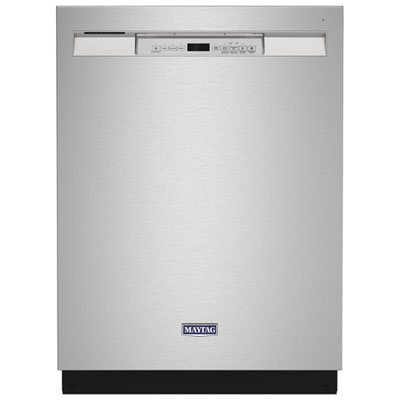 Your price for this item is $799.99
-
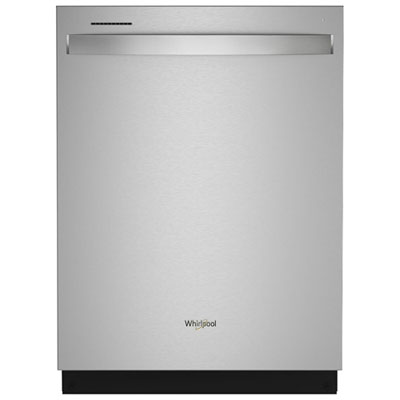 Your price for this item is $799.99
-
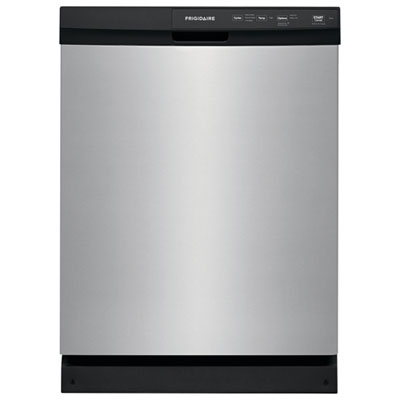 Your price for this item is $479.99
-
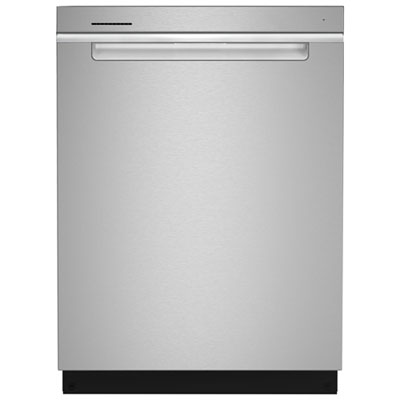 Your price for this item is $799.99
-
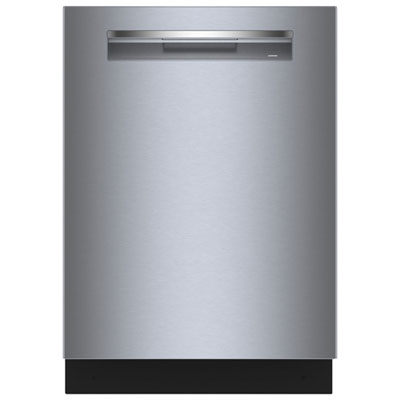 Your price for this item is $2599.99
-
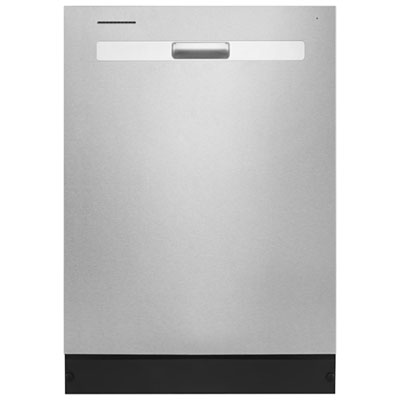 Your price for this item is $649.99
-
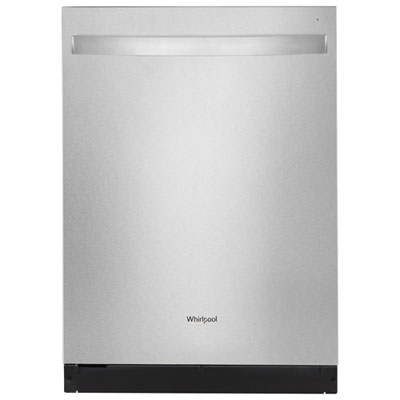 Your price for this item is $699.99
-
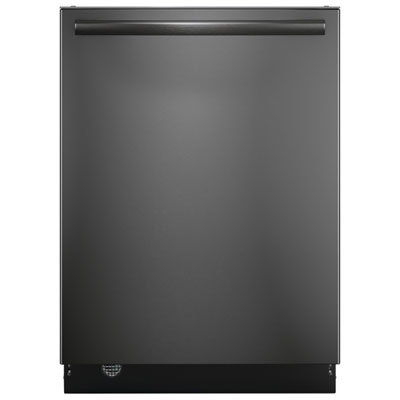 Your price for this item is $949.99
Discover more categories related to Sink Dishwashers



Top Collections:
Pokemon Centers, Best Cameras for Sports Photography, Kindle Devices, Samsung Galaxy Phones, Canon G7X Cameras, Pokémon 30th Celebration Cards, Refurbished Apple Laptops, iPhone 15 Apple, Laptops for Students, Budget Smartphones
Some products may be subject to Environmental Handling Fees
(EHF) depending on your province.
Learn more about EHFs.