Drinkware for Everyday Use
Whether you're sipping your morning coffee, staying hydrated throughout the day, or enjoying a refreshing beverage with friends, having reliable and practical drinkware is essential for everyday use. From sturdy water bottles and insulated tumblers to stylish mugs and versatile glassware, our wide selection of drinkware options ensures that you'll find the perfect fit for your lifestyle and preferences. With durable materials, innovative features, and a range of sizes and designs to choose from, our collection of drinkware guarantees both functionality and style, making every sip a delightful experience.
Sort












































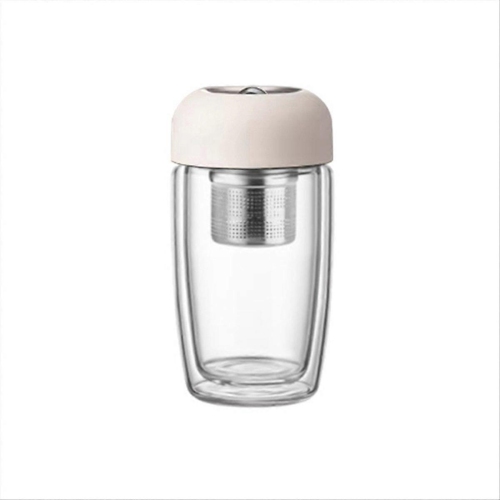
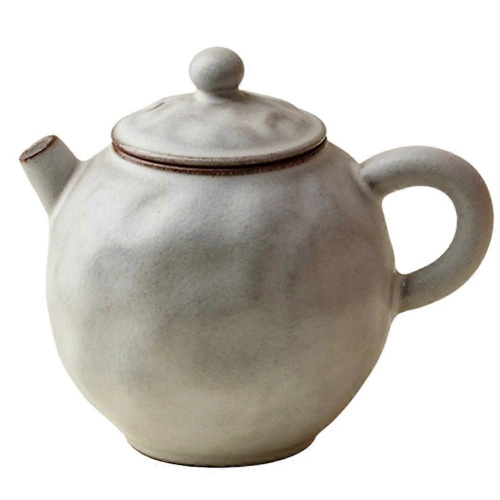
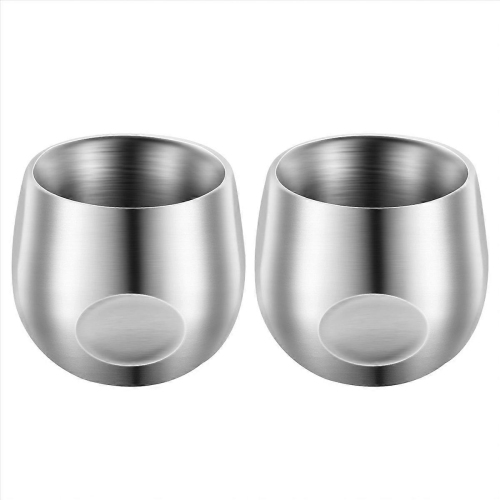


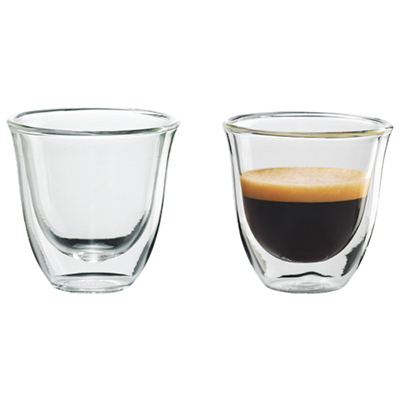
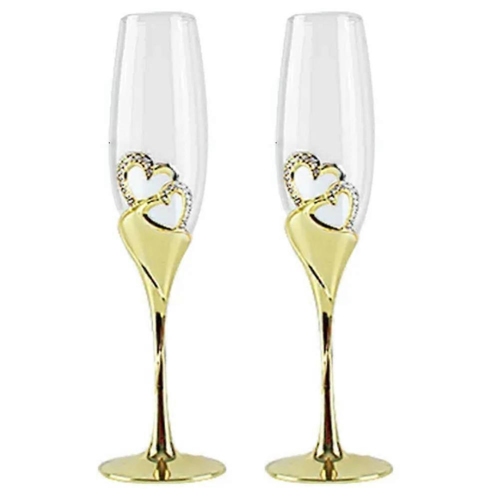

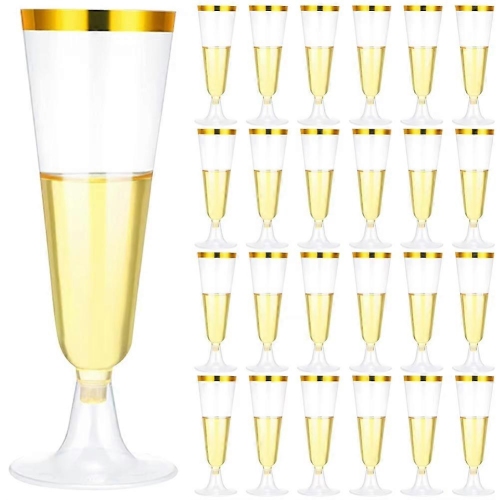
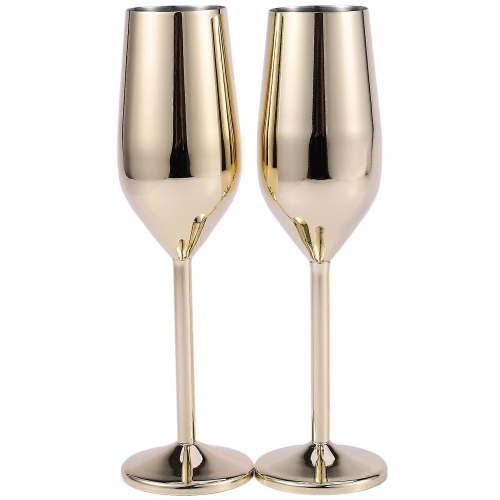
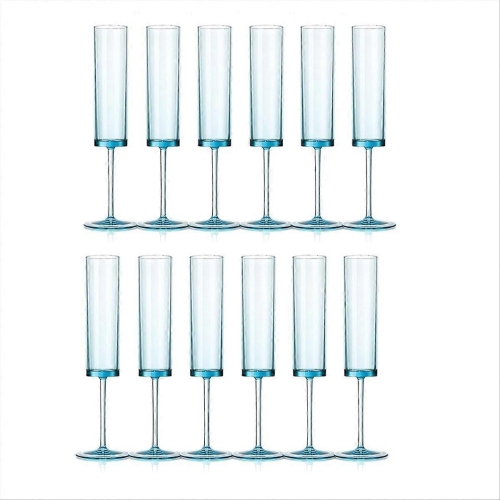
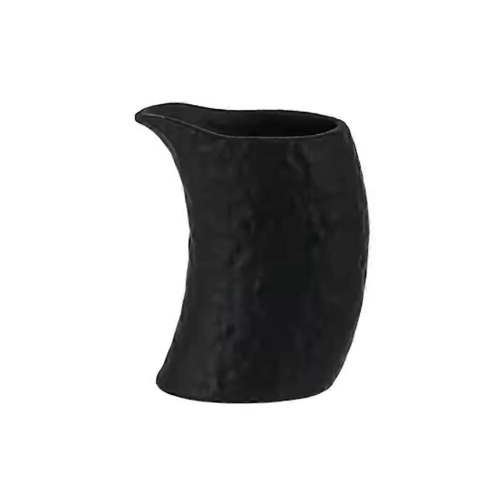

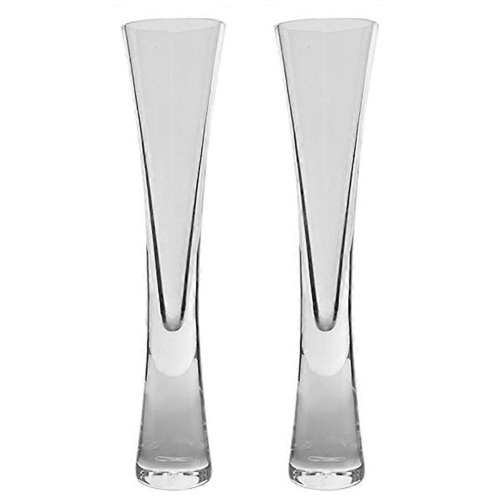
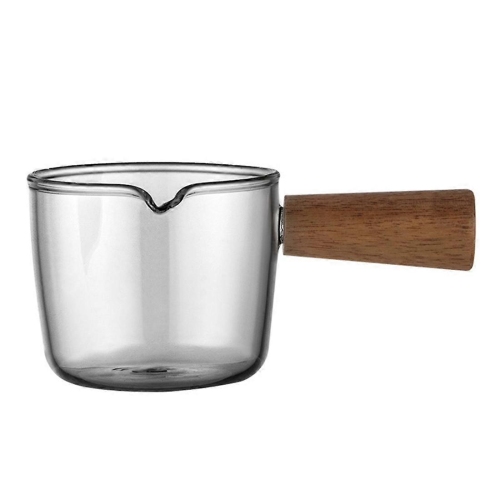
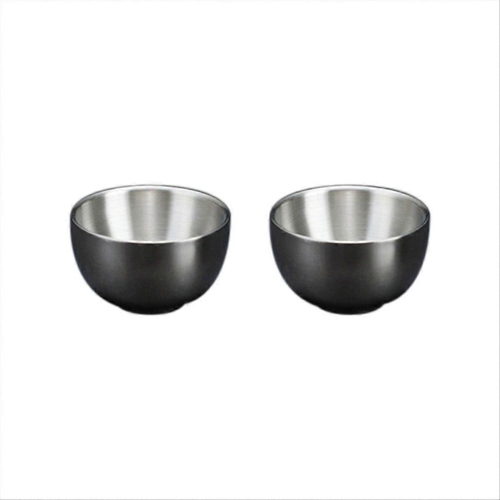

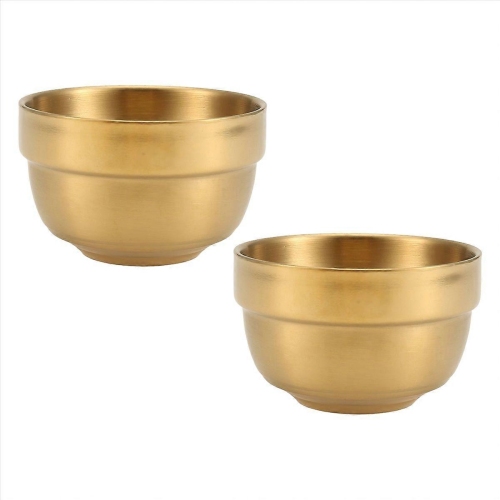
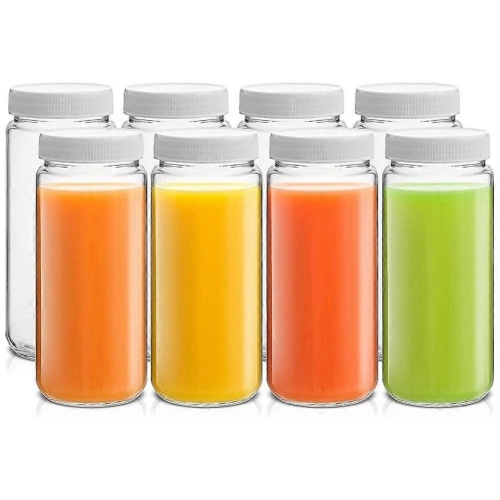
Why cup shape matters beyond how much it holds
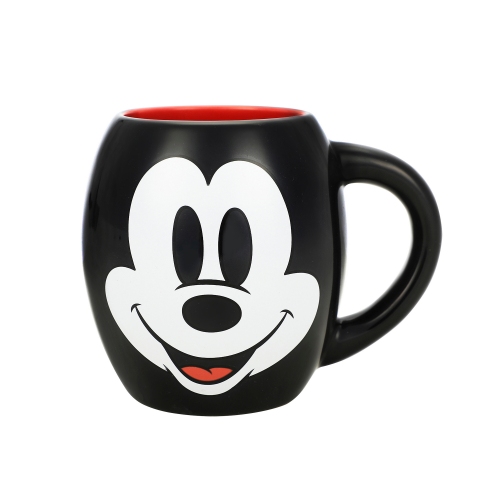
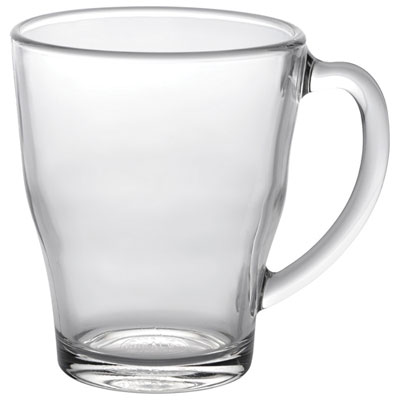
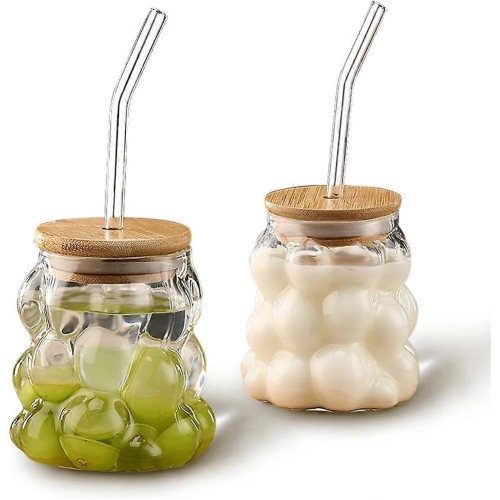
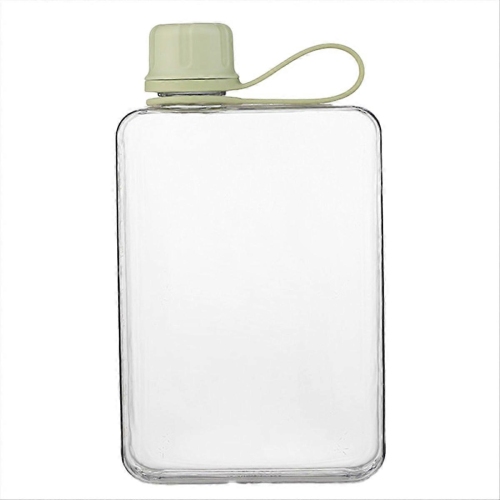
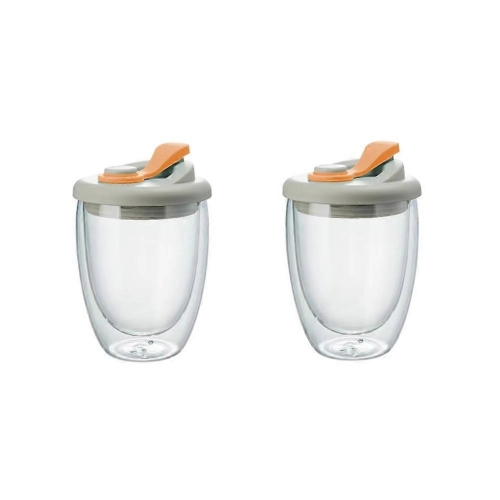
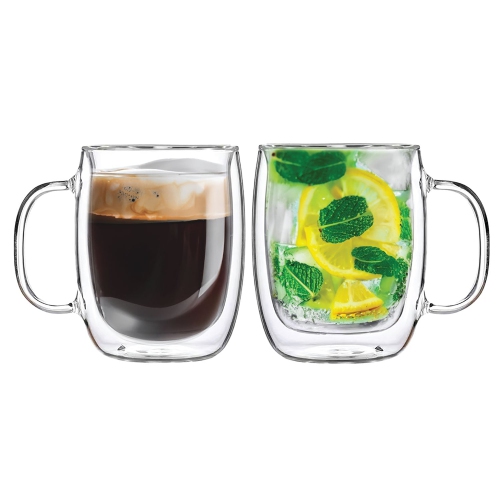
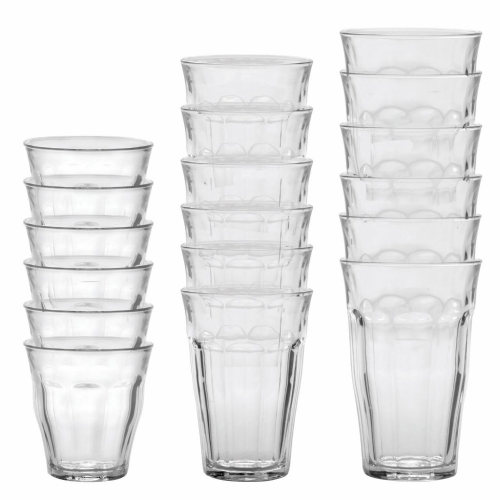
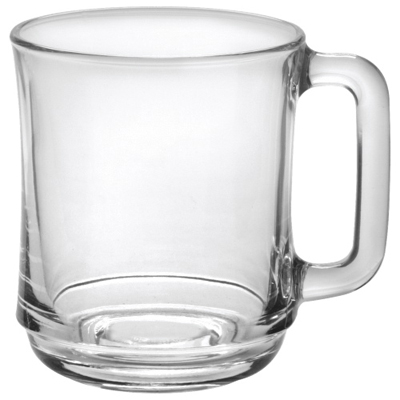
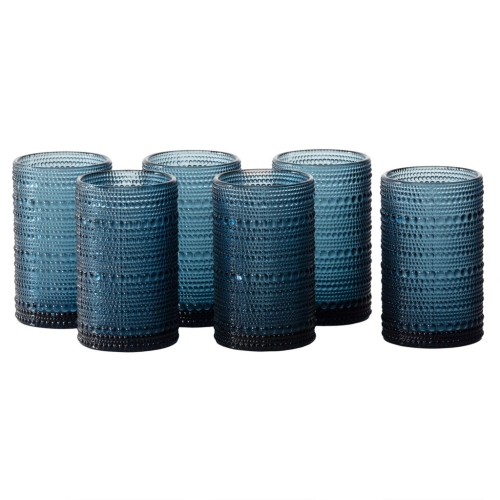
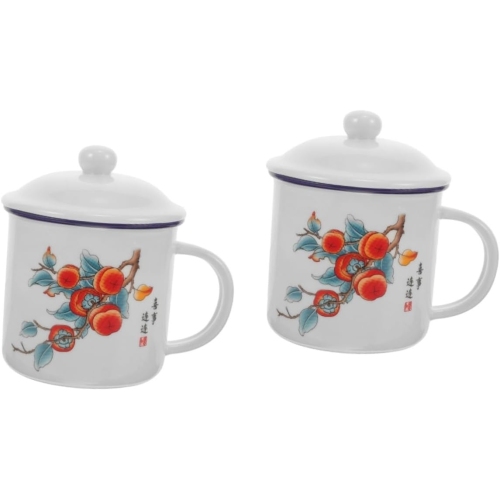
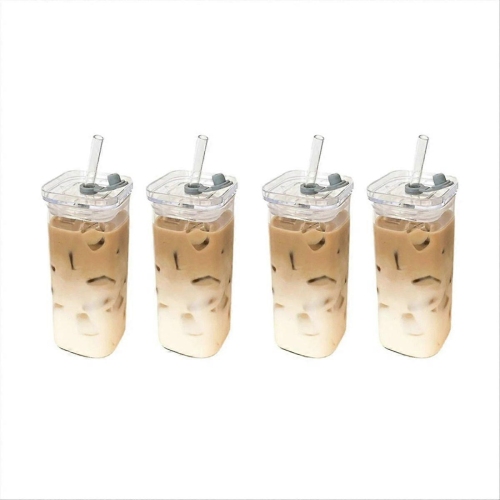
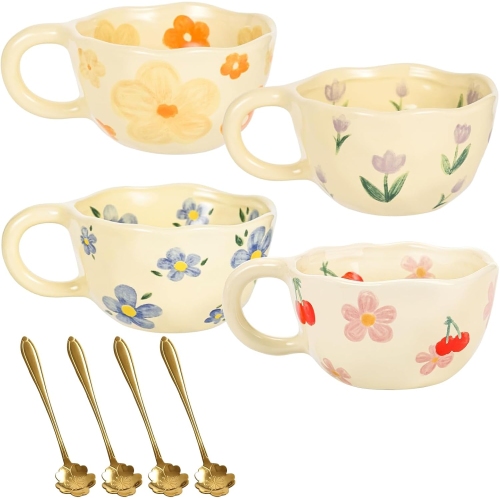
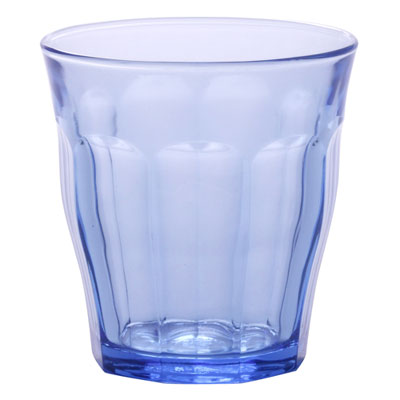
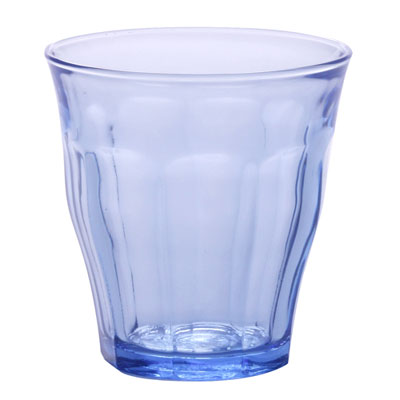
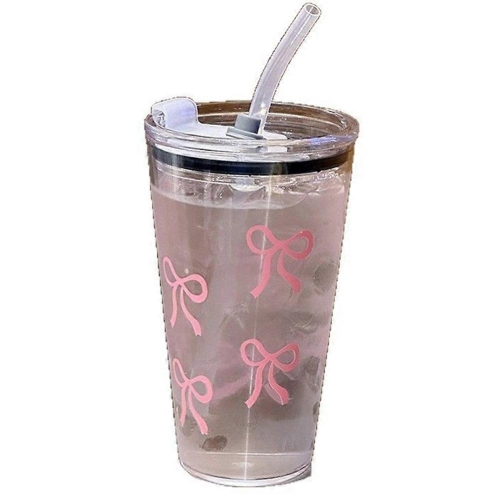
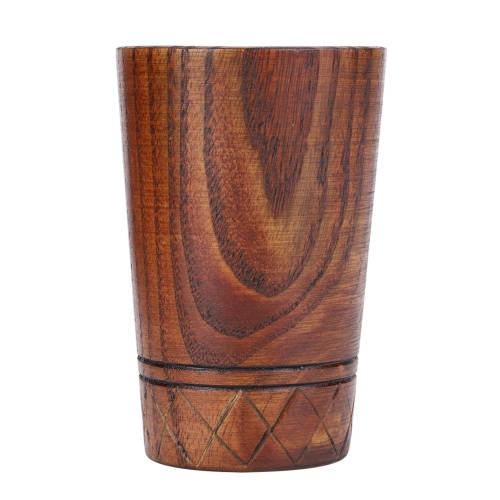
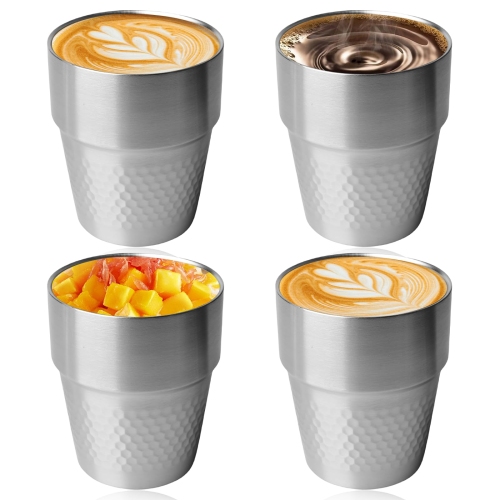
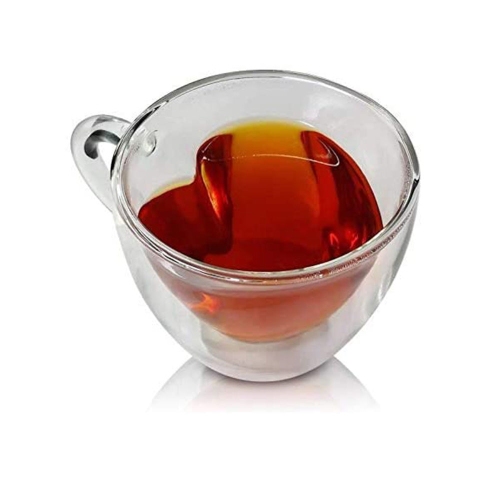
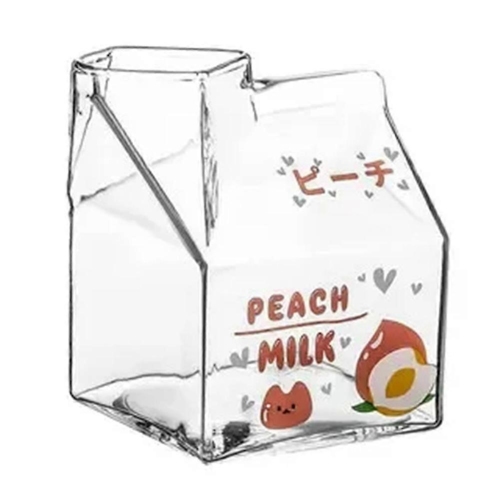
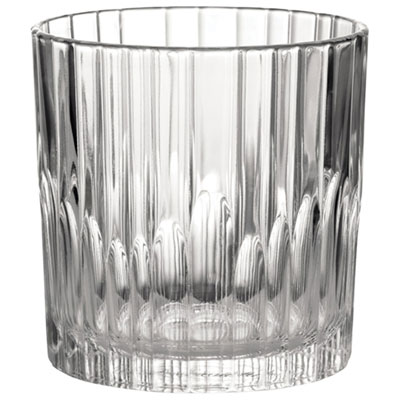
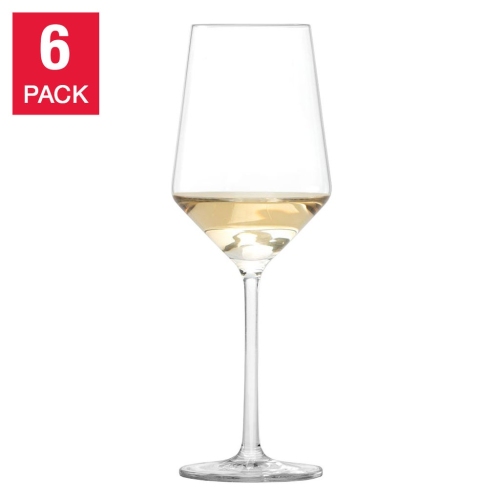
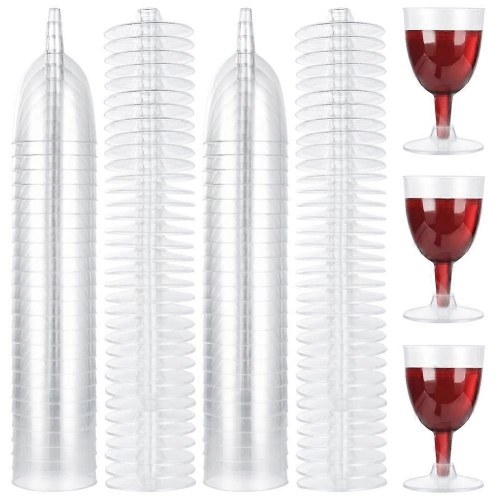
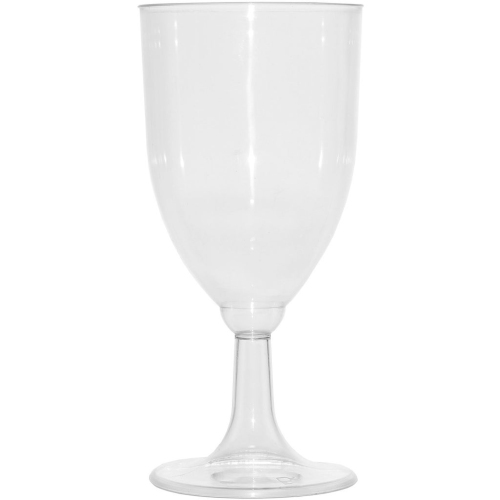
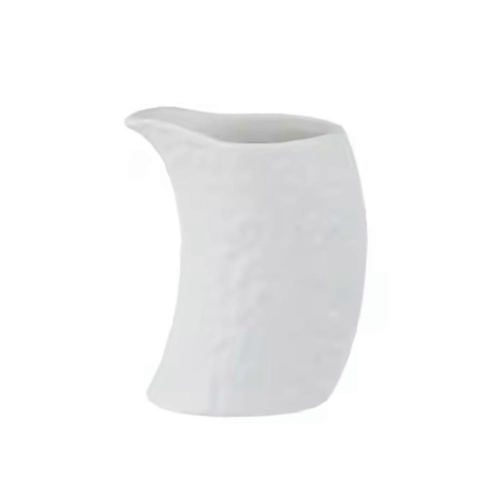
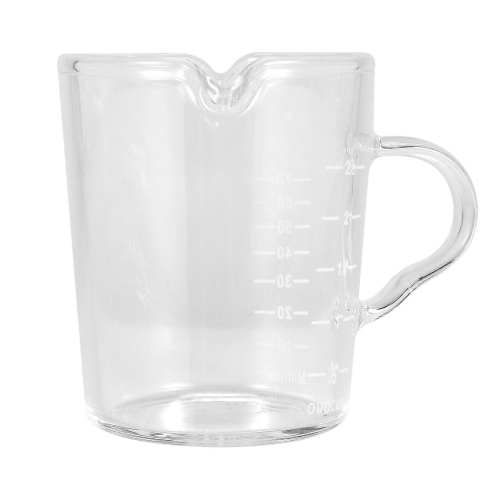
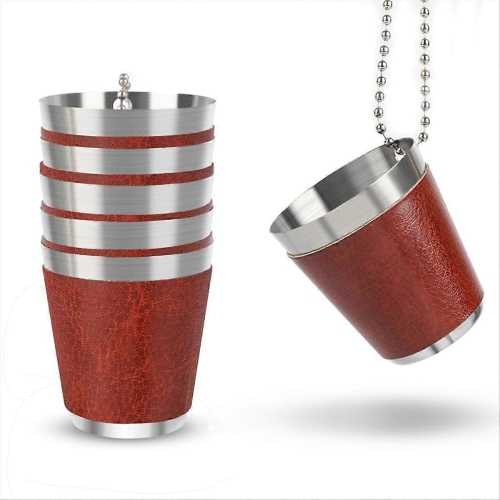
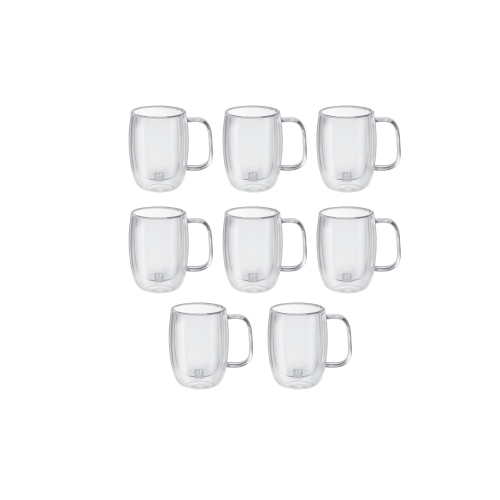
Drinkware for everyday use is made for the familiar moments that fill a day: a glass of water beside the bed, juice with breakfast, coffee at a desk, and drinks around the dinner table. The most useful everyday drinkware balances a comfortable grip, a stable base, manageable weight, and care requirements that fit the household. Drinking glasses, tumblers, mugs, and reusable cups each serve a slightly different purpose, so a practical collection often includes more than one shape or size. Short tumblers feel at home with water or a small serving of juice, while taller glasses leave space for ice without needing constant refills. Mugs with roomy handles give fingers a secure place to rest, and lidded cups can help limit splashes when moving between rooms. Capacity matters, but so do the proportions: a wide glass may hold plenty yet feel awkward in a smaller hand, while a narrow, tall shape may be easier to knock over on a crowded table. A gently tapered body, rounded rim, or textured surface can make a noticeable difference over repeated use. For shared meals, a consistent set creates a tidy place setting; for a busy household, a few distinct colours or shapes can make it easier to keep track of whose drink is whose. Clear glass lets the colour of a drink show through, tinted finishes add character, and simple silhouettes work alongside many styles of dinnerware. For a coordinated look with clean lines, Modern Drinkware offers a related style direction. Everyday pieces do not have to match perfectly to feel intentional. Similar heights, complementary colours, or a shared finish can tie a collection together while leaving room for different preferences. Enough drinkware for regular meals, plus a little flexibility when friends visit, can be more useful than a large collection of shapes reserved for rare occasions.
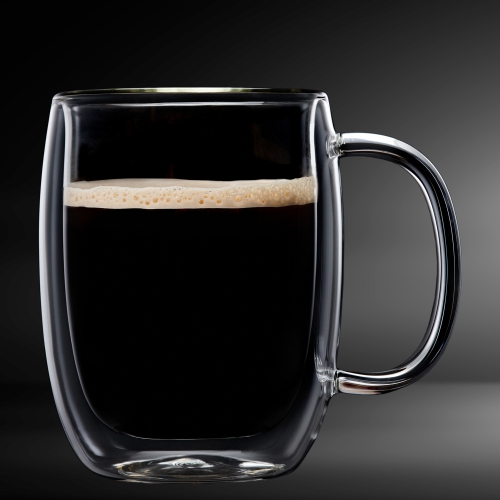
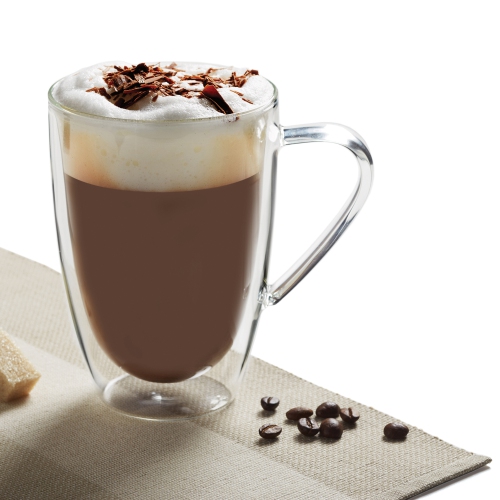
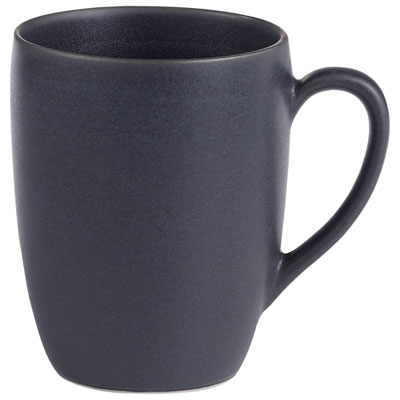
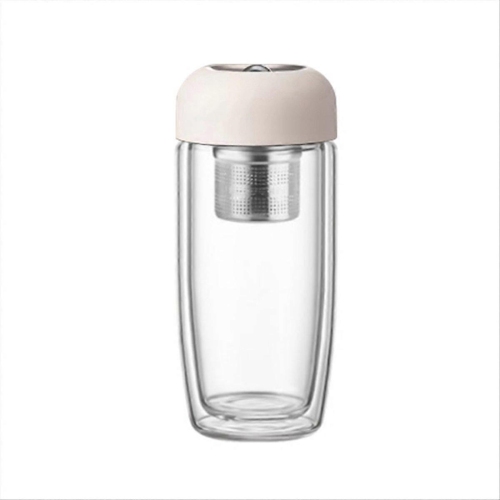
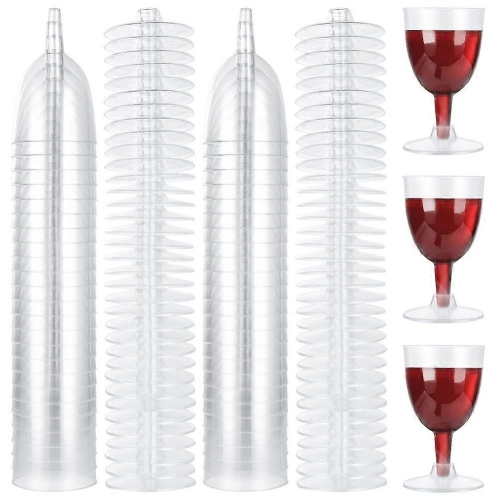
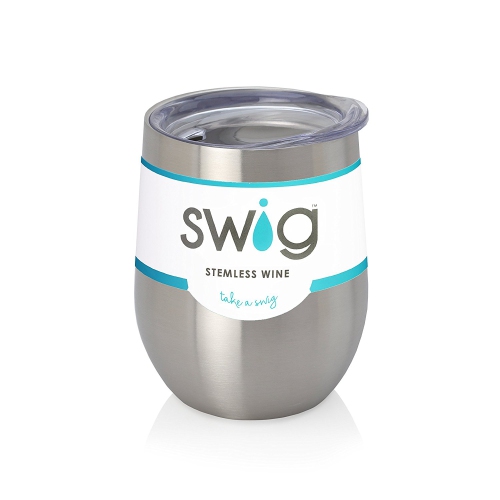
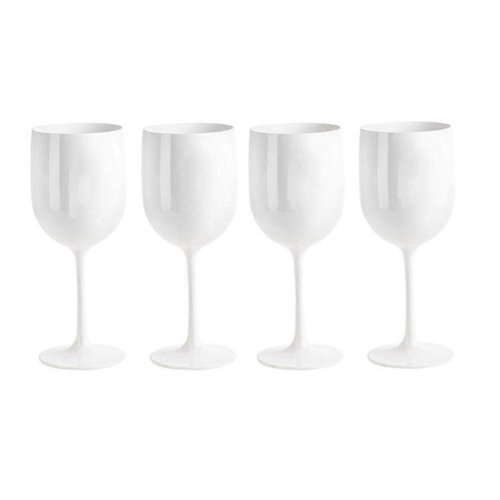
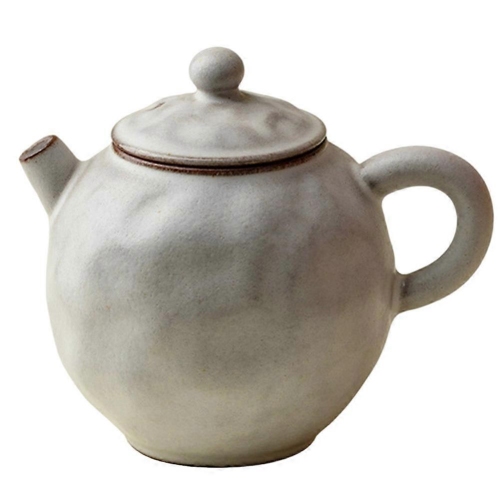
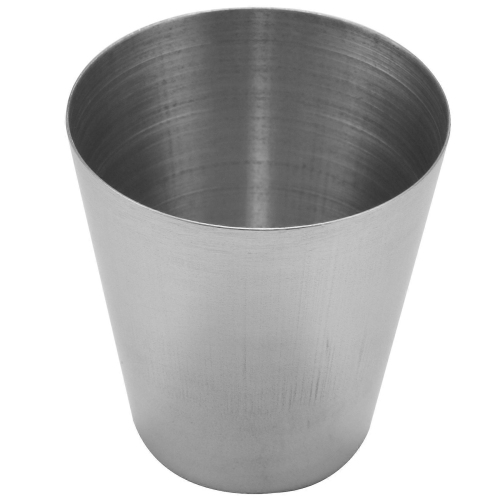
Material influences how drinkware feels, how it stands up to daily handling, and which beverages it can safely hold. Glass is a familiar choice for water, juice, and other table drinks because it provides a clear view of the contents and generally does not retain flavours. Tempered glass is treated for greater strength than comparable untreated glass, but it is not unbreakable, and a drinking glass should not be assumed suitable for hot liquids unless the manufacturer says so. Borosilicate glass is often used where resistance to temperature changes matters, though the stated use and care directions still apply. Ceramic and stoneware mugs bring a substantial feel to coffee or tea, with glazed surfaces that are usually straightforward to clean when maintained as directed. Their weight can feel reassuring on a desk, but may be less comfortable for someone who prefers a lighter cup. Stainless steel is useful when resistance to breakage is a priority, particularly for commuting, exercise, or regular movement between home and work. Double-wall insulated construction can help keep a drink at its intended temperature and reduce condensation on the exterior, although performance varies by design. Plastic and silicone drinkware can offer lighter alternatives for shared spaces or situations where broken glass would be difficult to manage. Not every material or finish is suitable for every beverage, dishwasher cycle, or microwave, so these details deserve attention rather than assumptions based on appearance. Durability also depends on construction. A well-balanced base, a securely attached handle, and a rim that feels smooth are meaningful everyday details. Thick glass may feel sturdy without necessarily being resistant to sudden temperature changes, while a thin wall can be pleasant to sip from but require gentler handling. For households with children, or for anyone with limited grip strength, weight and size can be just as important as resistance to breakage. A manageable cup that feels steady in the hand is often more practical than a larger vessel with features that go unused.
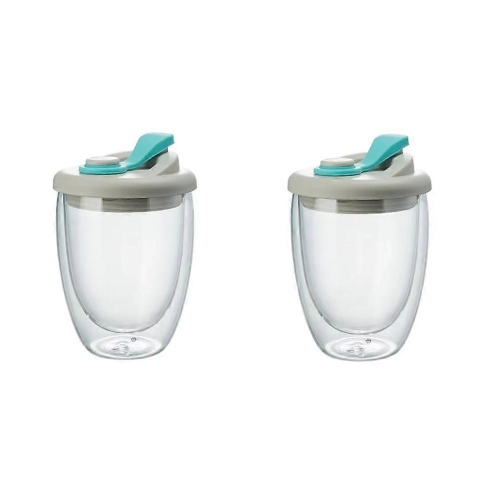
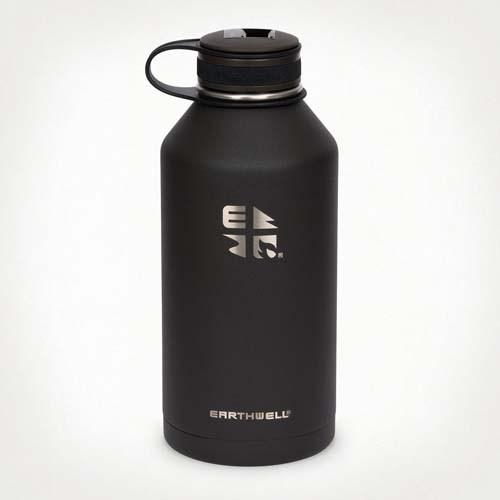
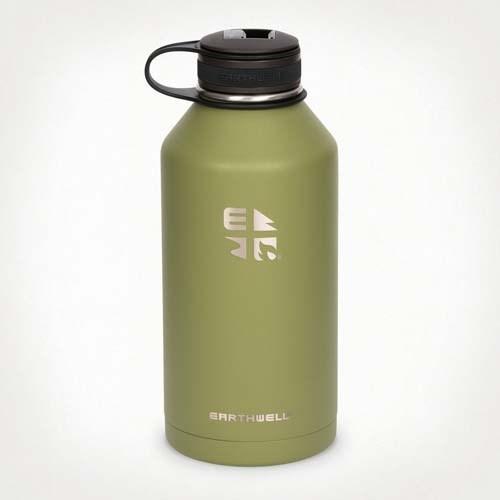
Fit and care determine whether drinkware becomes part of the daily routine or stays at the back of a cupboard. Stackable tumblers can make good use of a small kitchen, provided they are designed to nest without wedging together or putting pressure on delicate rims. Tall glasses need enough clearance on shelves and in the dishwasher, while wide mugs may take up more rack space than expected. For drinkware used away from the table, dimensions matter in a different way: the base needs to fit a vehicle’s cup holder, the body should sit securely in a bag pocket, and the lid should suit how the drink will be carried. A splash-resistant lid is not necessarily leakproof, so a cup intended to stand upright should not be treated like a sealed bottle. Straw lids are convenient for frequent sipping, but add parts that need thorough cleaning; open rims and simple lids often involve fewer pieces to wash. Dishwasher-safe construction can reduce daily effort, although lids, seals, coatings, and printed finishes may have separate care requirements from the main vessel. Removable gaskets and accessible openings make it easier to clean areas where residue collects. Washing soon after milky coffee, smoothies, or juice helps prevent dried-on residue, and letting all parts dry fully before reassembly keeps enclosed spaces from staying damp. Abrasive pads can scratch some surfaces, while sudden changes between hot and cold can damage certain glass and ceramic pieces. Chipped rims, cracked bodies, or damaged seals are reasons to stop using a piece or replace the affected part where appropriate. These practical details also make everyday drinkware a thoughtful gift for a first apartment, a housewarming, or someone setting up a workspace. A recipient who hosts dinner may appreciate versatile table glasses, while someone who carries coffee to work may value a comfortable grip and an easy-to-clean lid. The strongest choices reflect real habits: what the person drinks, where they drink it, how much storage they have, and how they prefer to wash up.
Top selling and popular products
-
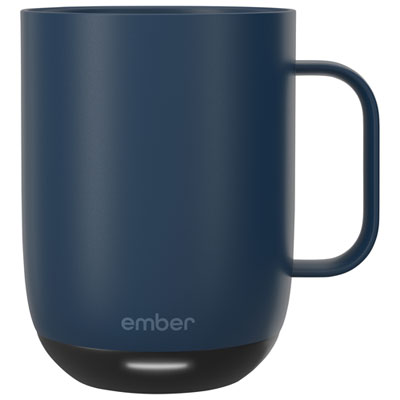 Your price for this item is $199.99
-
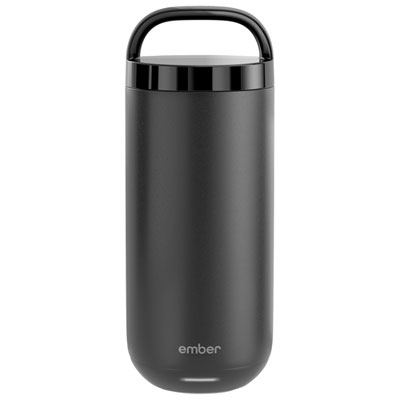 Your price for this item is $149.99
-
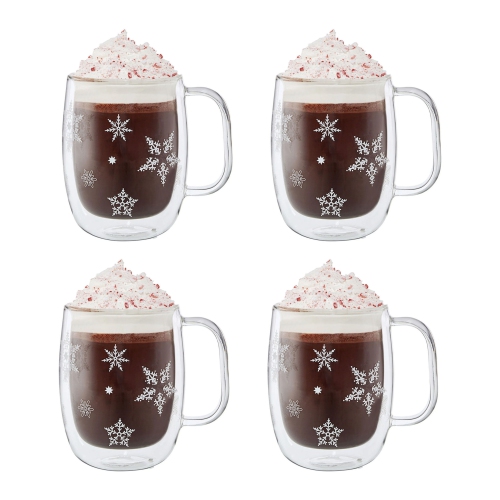 Your price for this item is $90.99
-
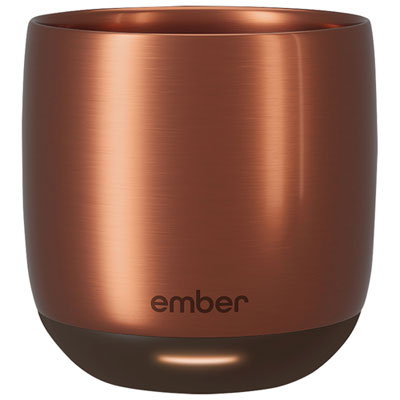 Your price for this item is $139.97
-
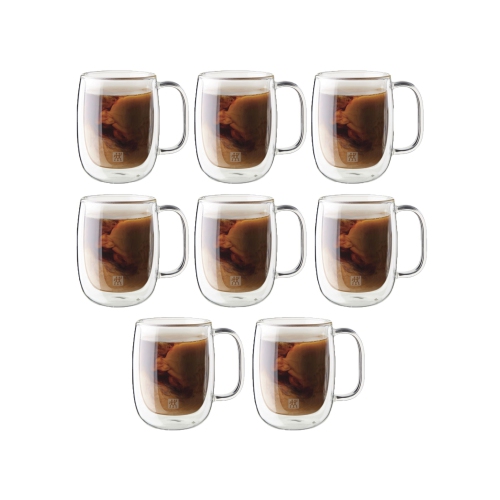 Your price for this item is $94.99
-
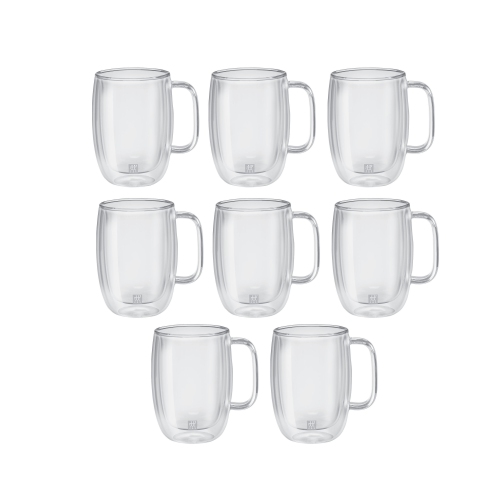 Your price for this item is $114.99
-
 Your price for this item is $114.99
-
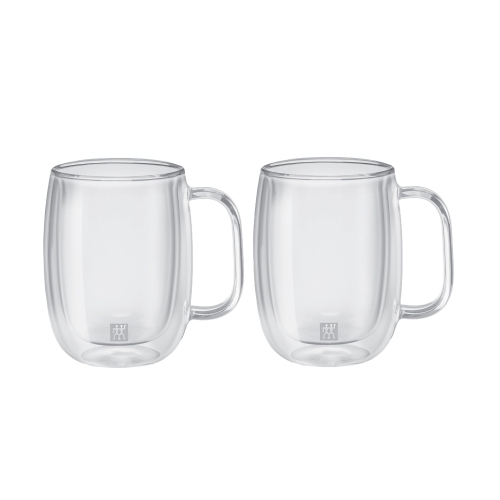 Your price for this item is $39.99
Discover more categories related to Drinkware for Everyday Use


Top Collections:
Pokemon Centers, Kindle Devices, Best Budget Office Chairs, Canon G7X Cameras, Apple iPhones 16, Samsung Galaxy Phones, Refurbished Apple Laptops, Laptops for Students, iPhone 15 Apple, Budget Smartphones
Some products may be subject to Environmental Handling Fees
(EHF) depending on your province.
Learn more about EHFs.