Weight Lifting Equipment List
Lifting weights is a great way to build strength and muscle. It's also a great way to get bulky. If you're looking to build some muscle and get fit, it's important to use the right equipment. Here's some of the best weight lifting equipment available.
Sort




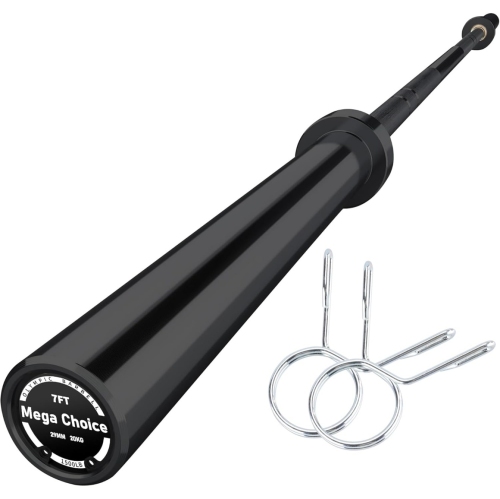
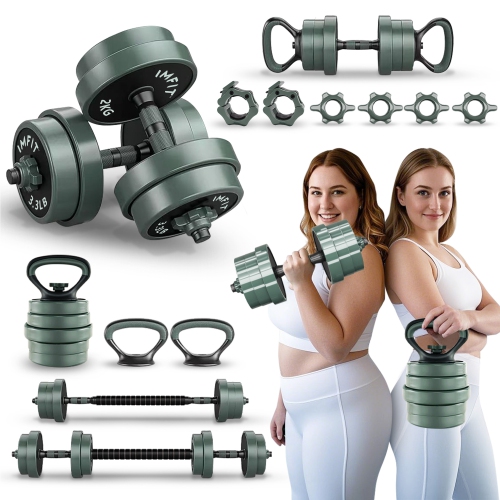
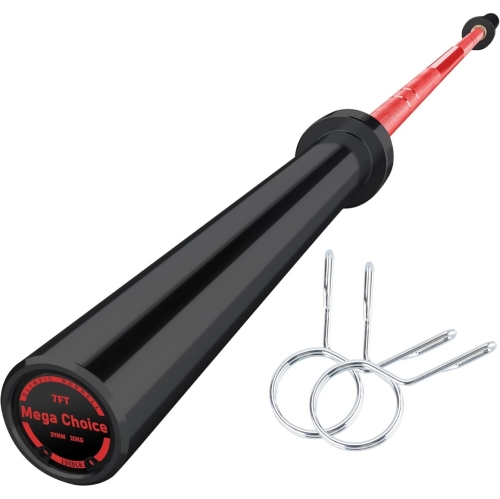
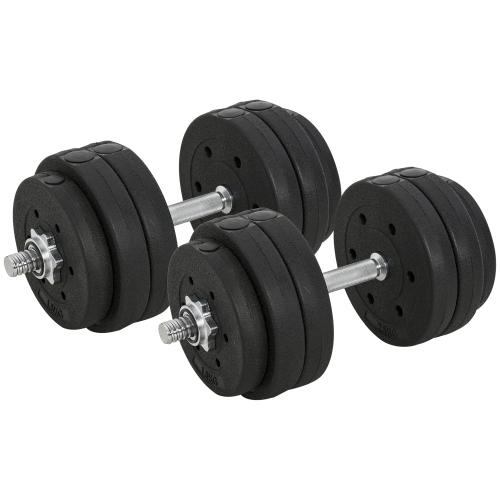
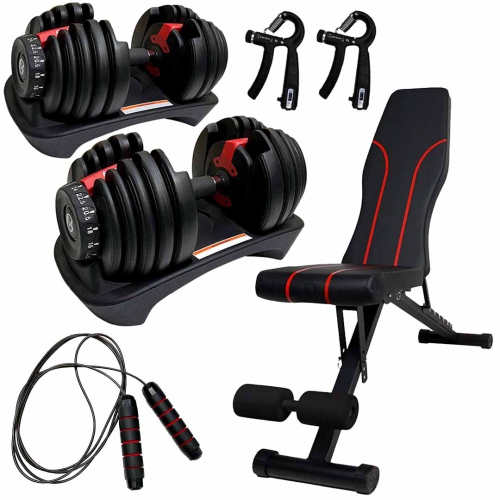

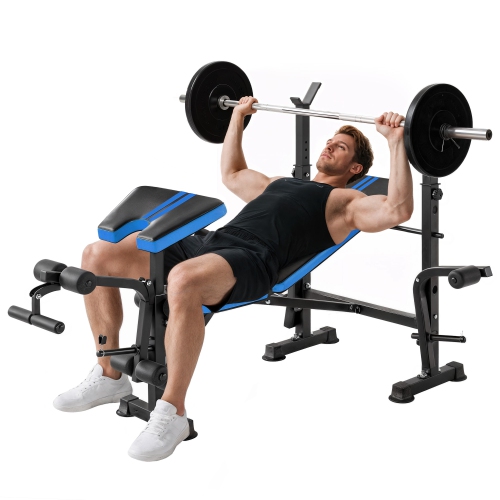
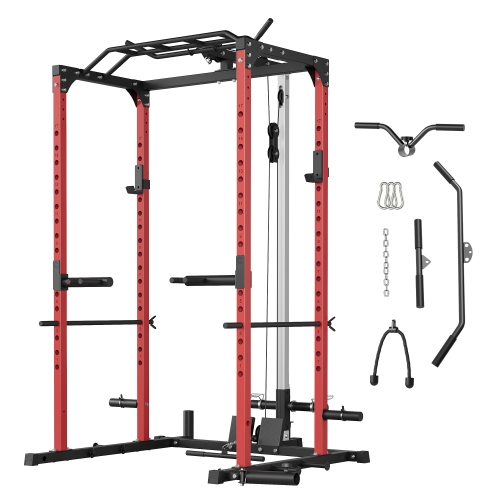
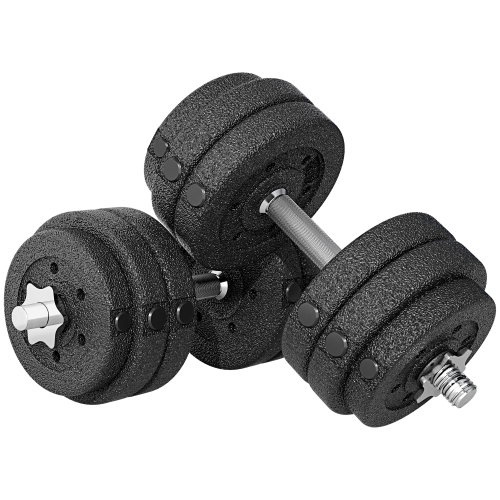

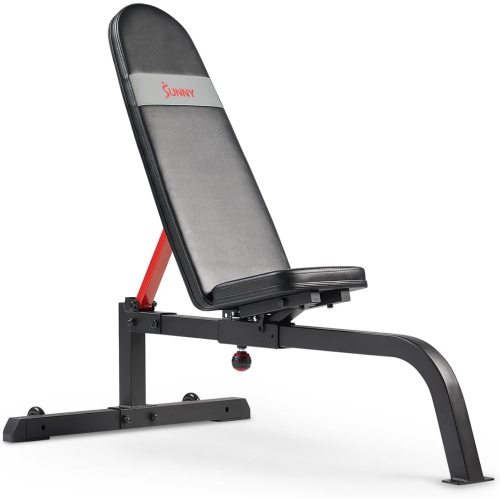

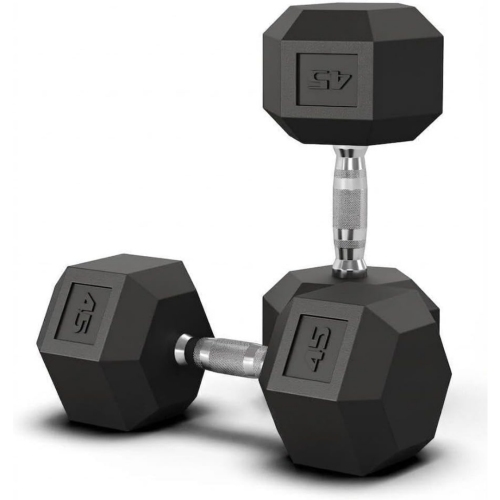

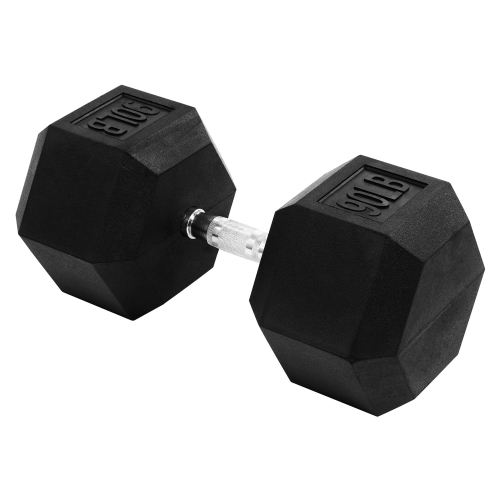
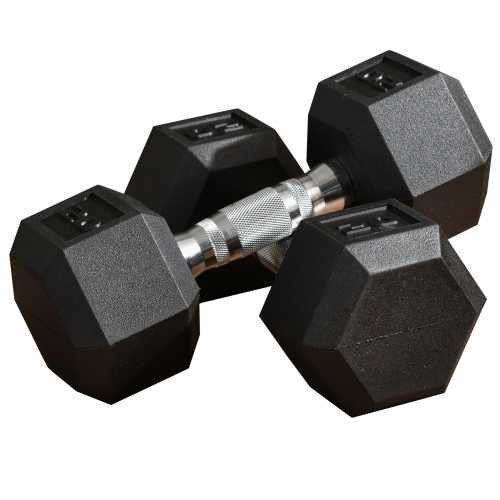



The essentials behind a well-rounded strength training setup
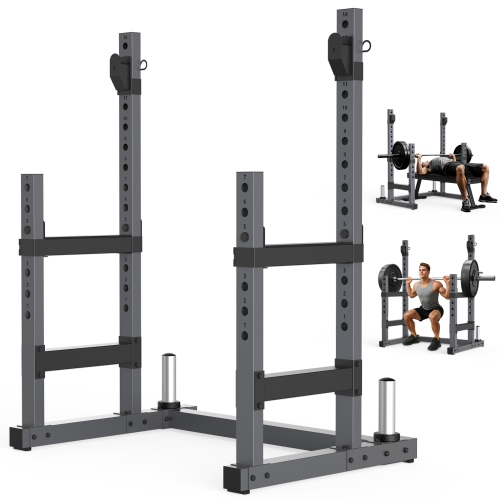
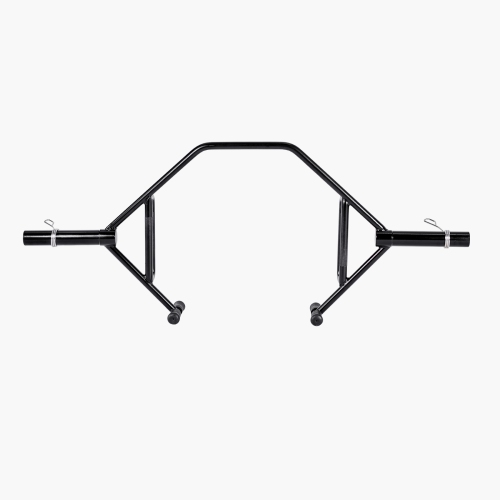
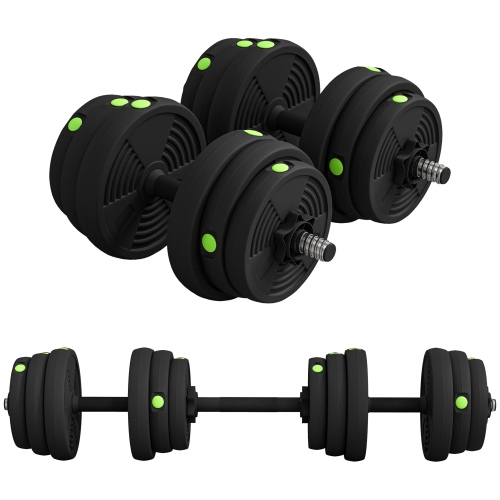
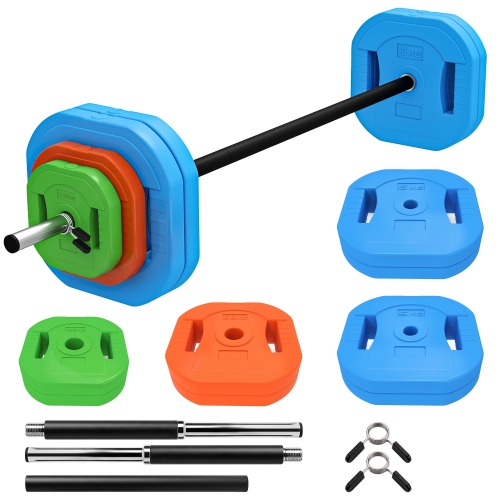
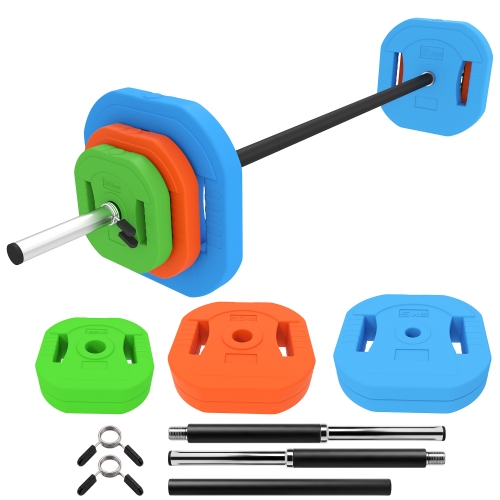
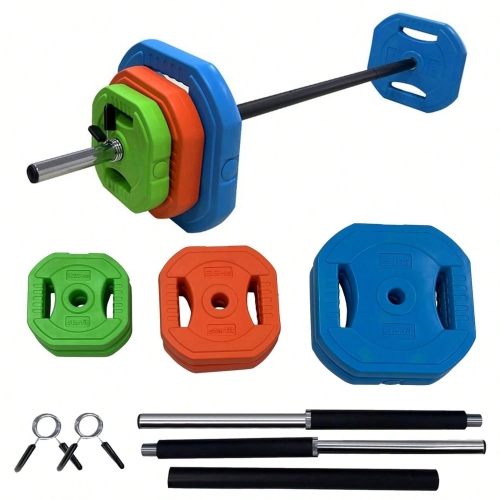
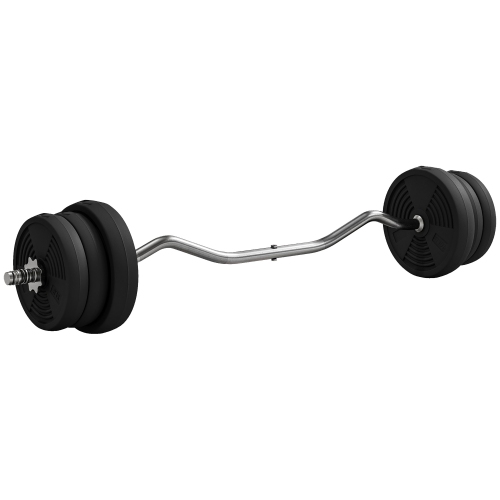
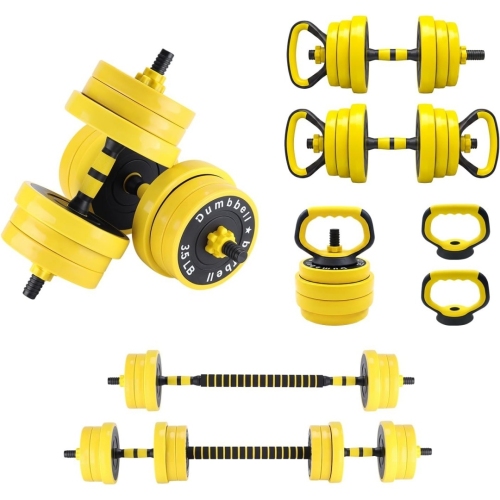
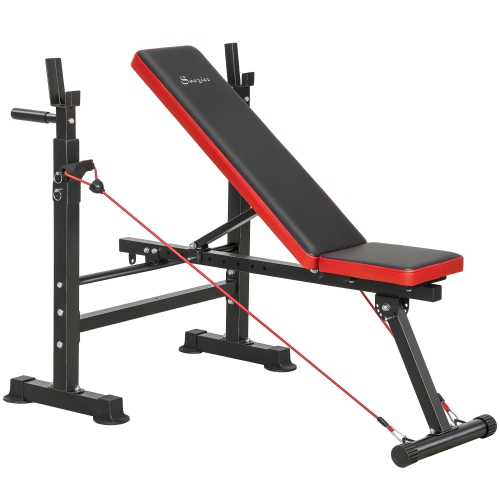
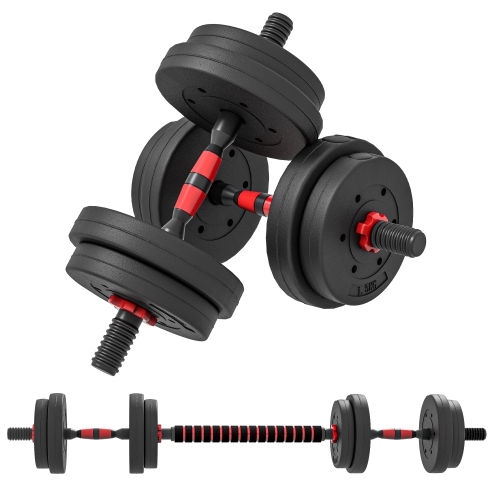
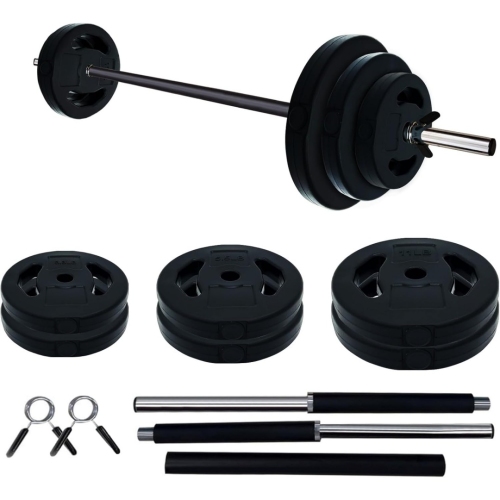
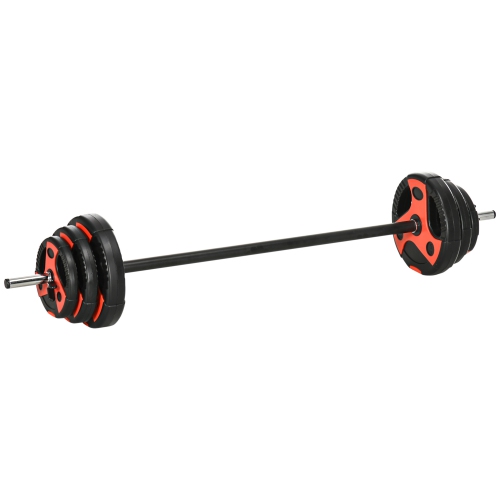
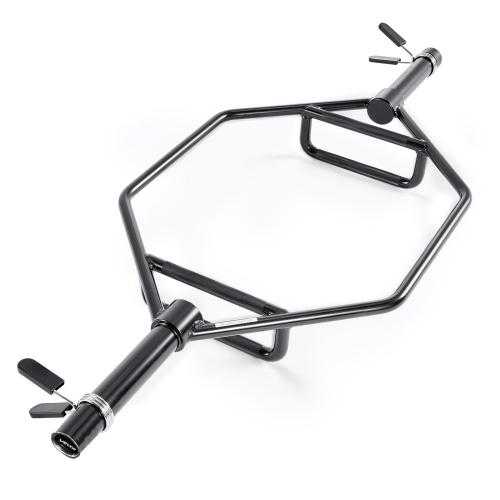
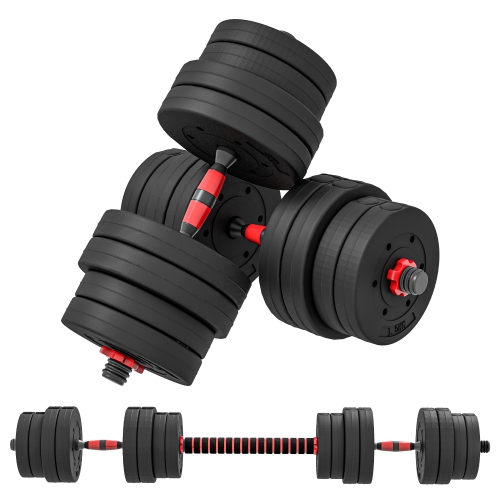
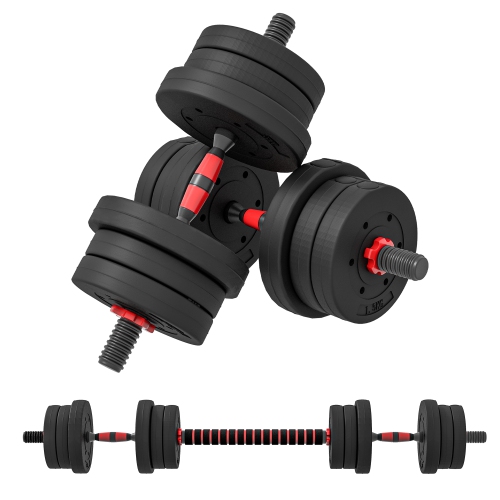
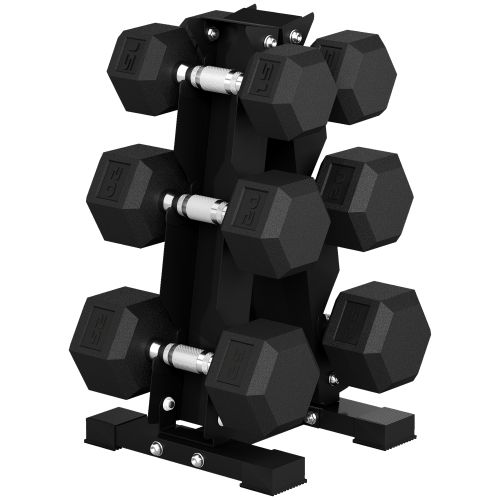
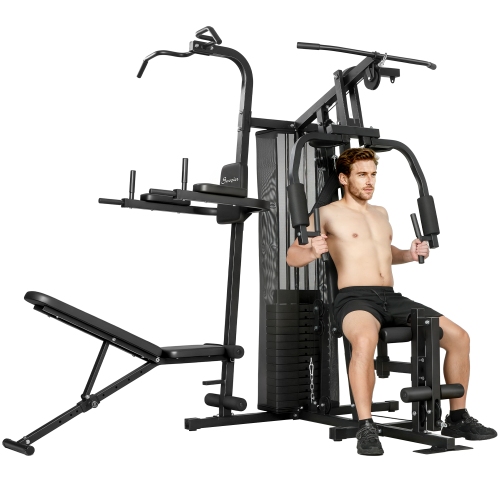
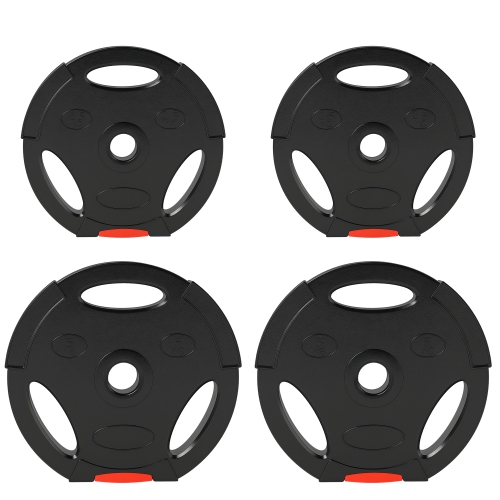
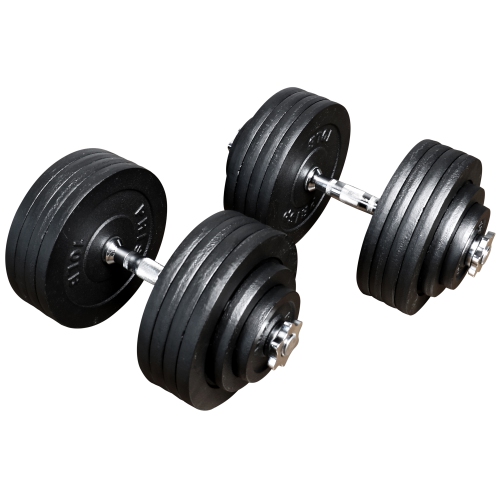
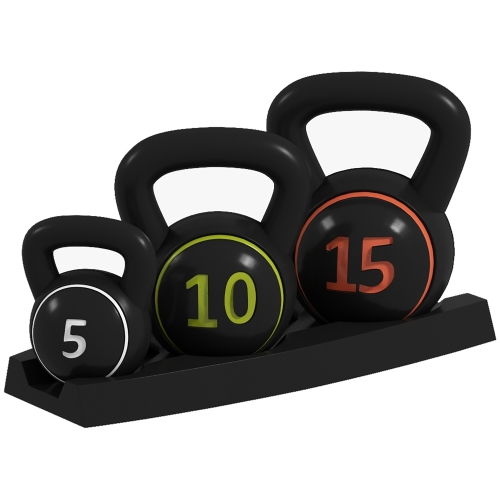
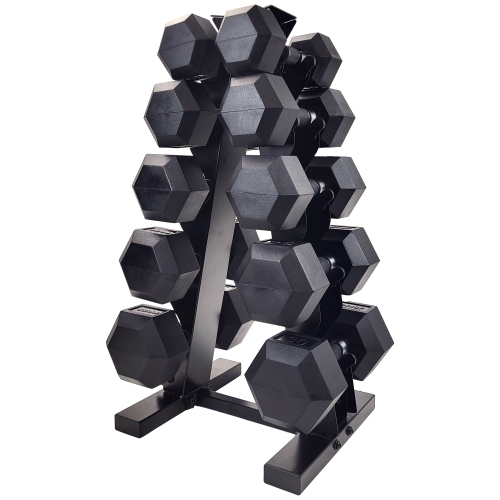
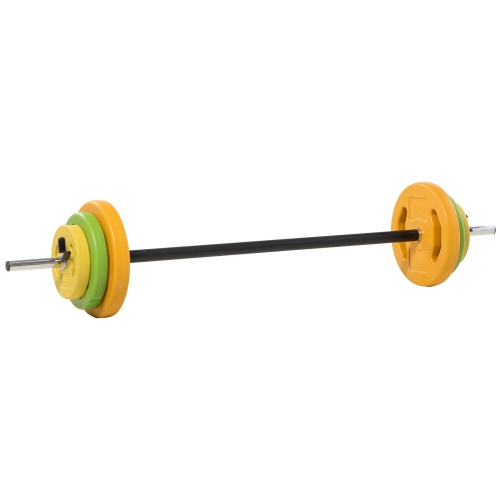
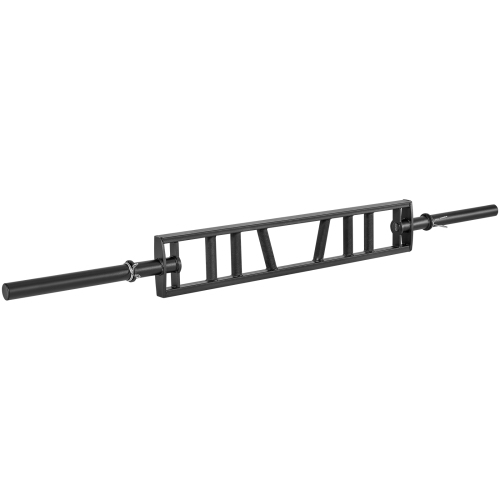
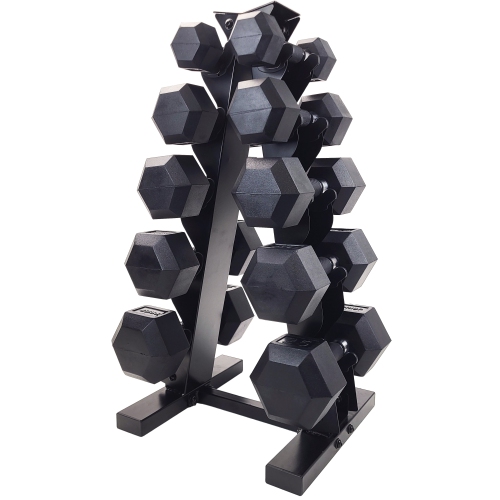
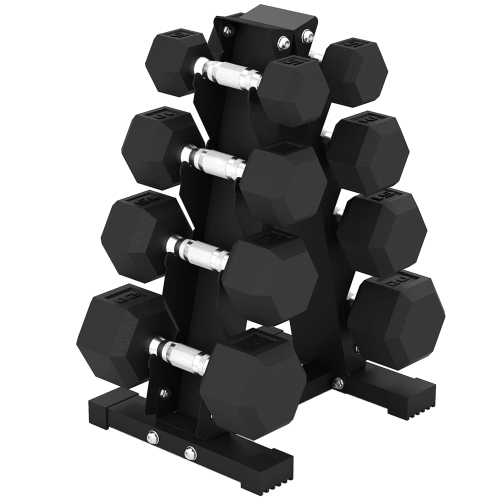
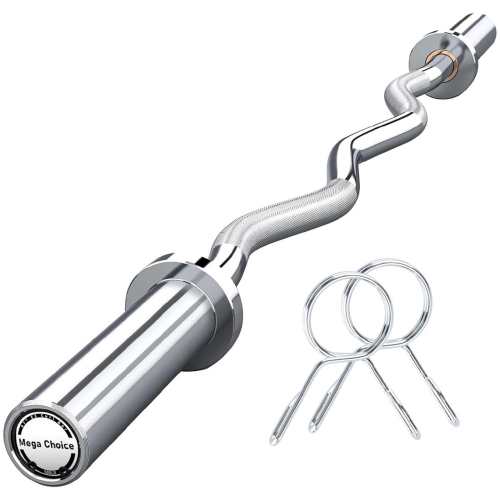
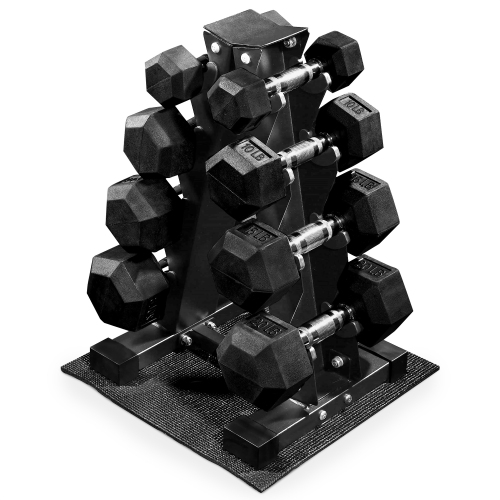
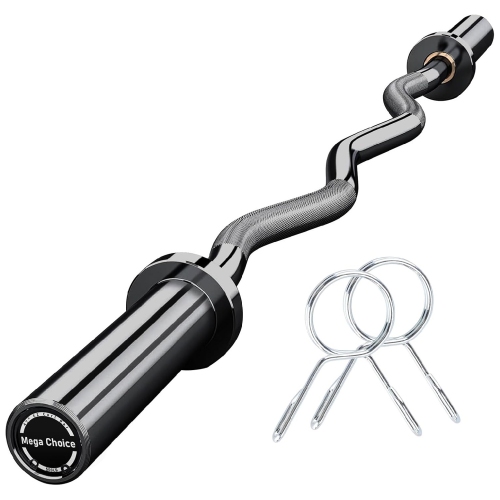
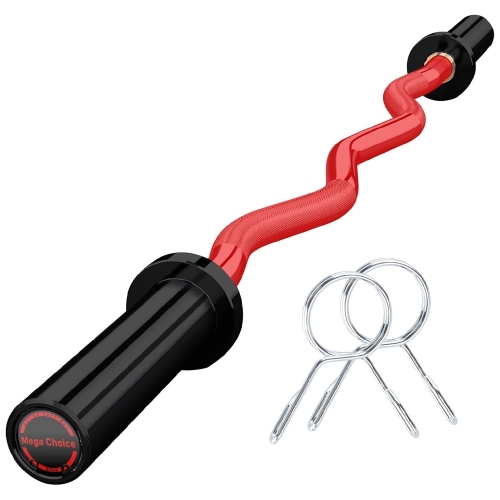
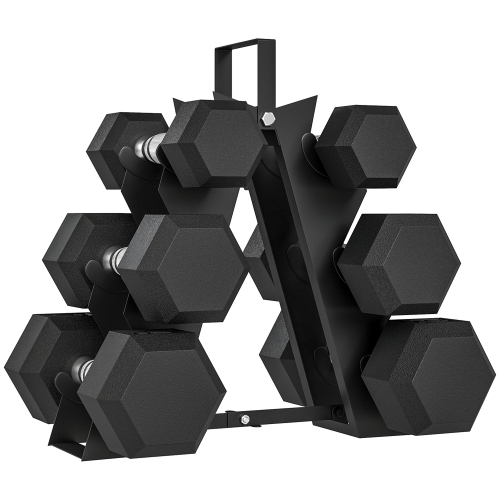
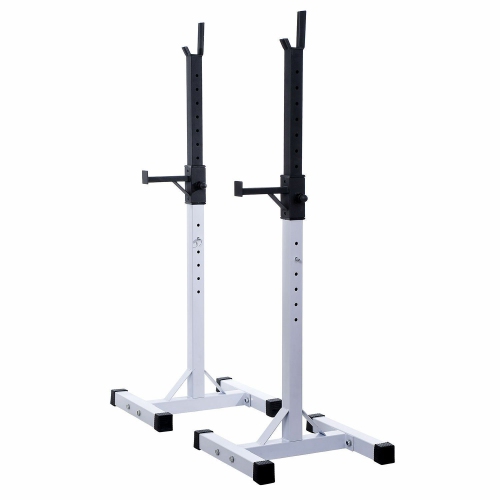
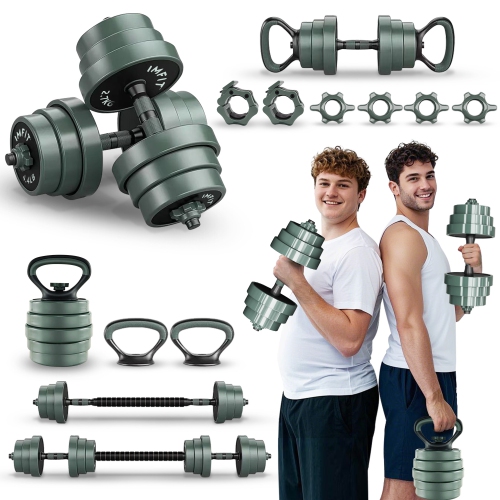
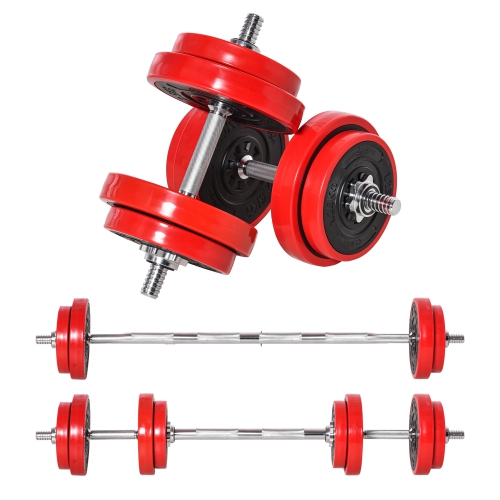
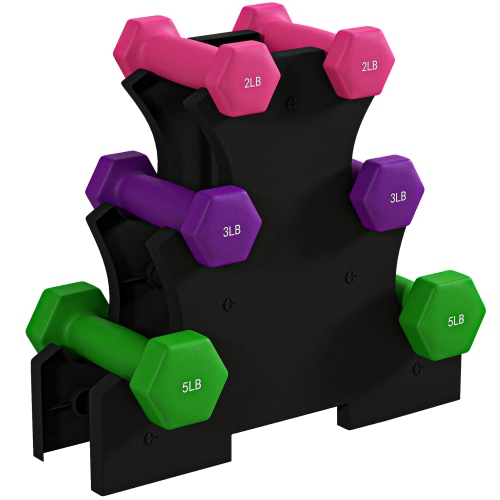
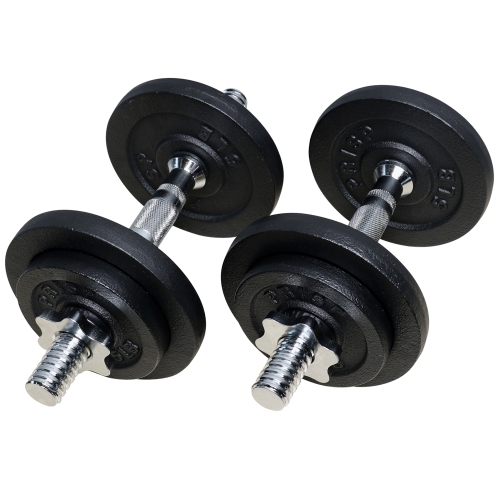
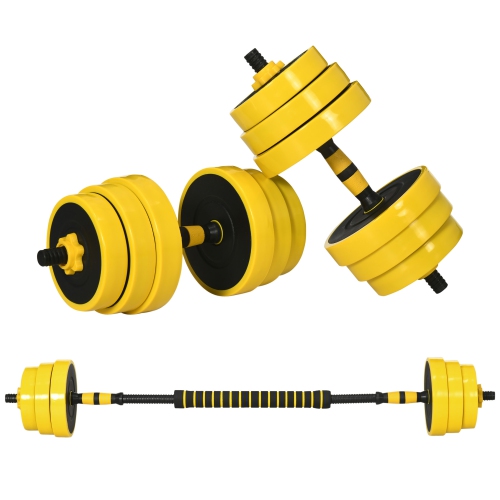
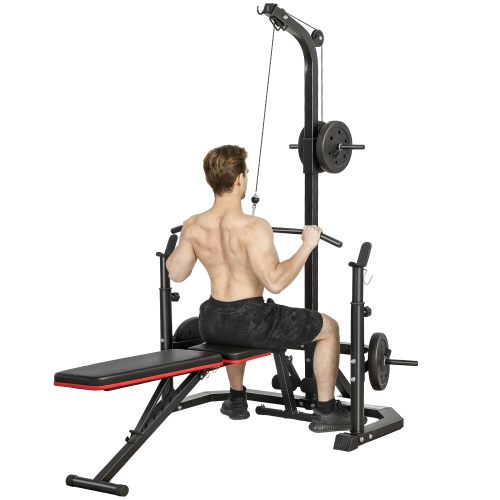
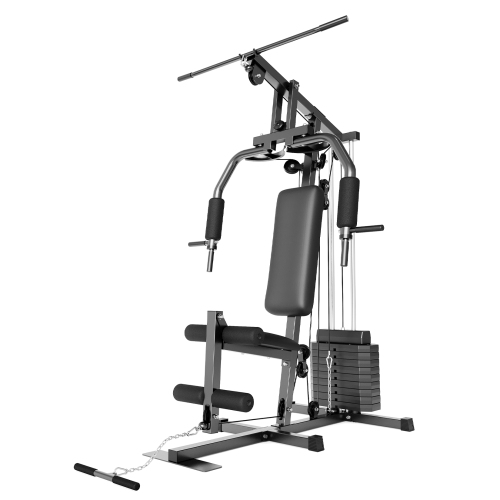
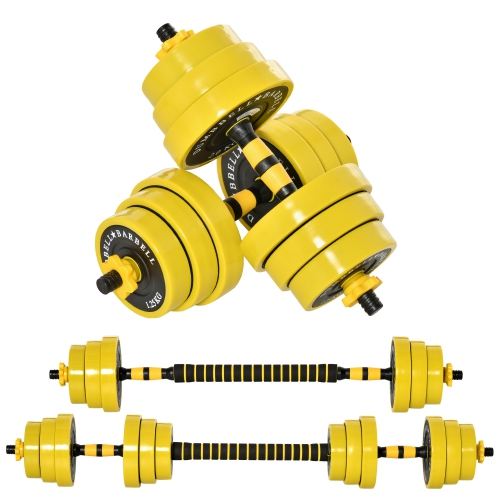
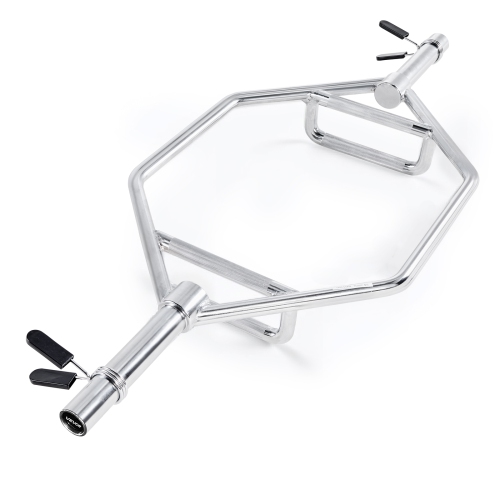
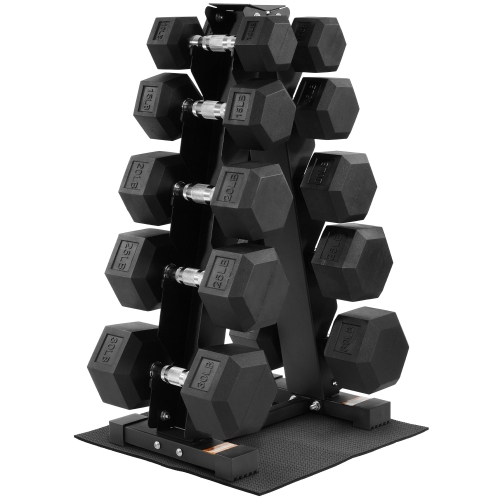
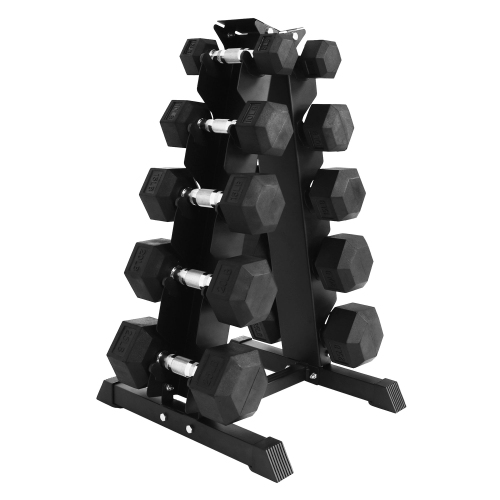
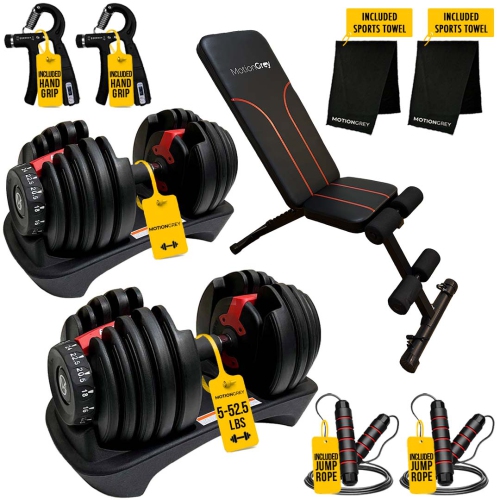
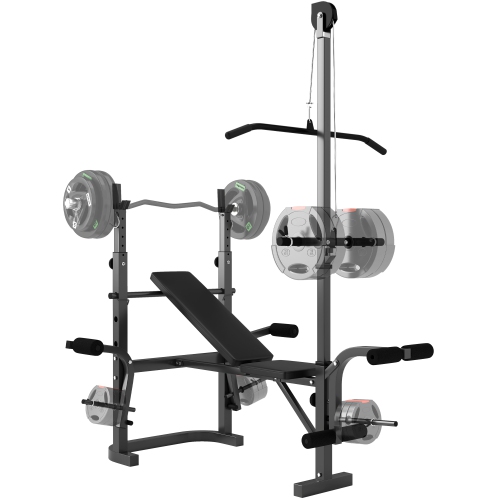
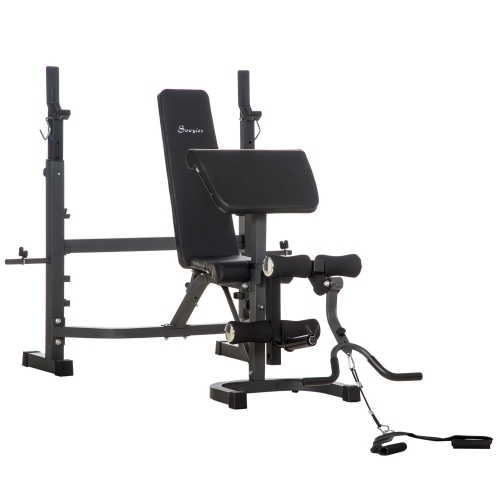
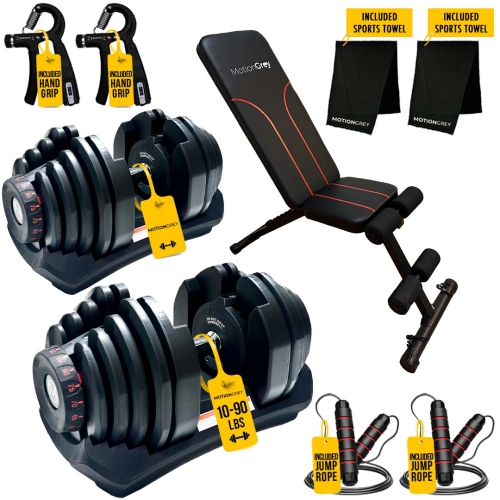
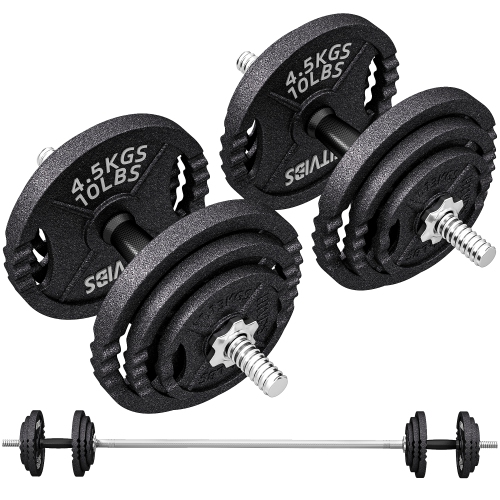
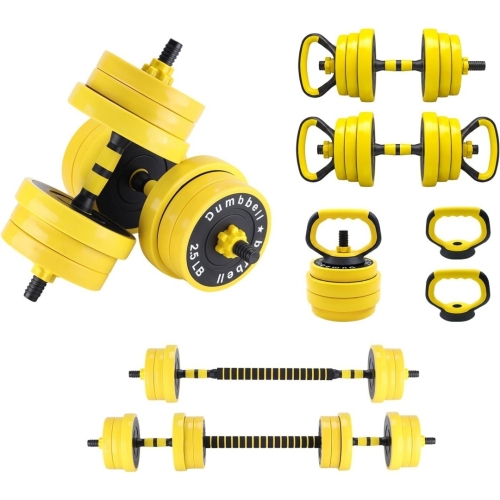
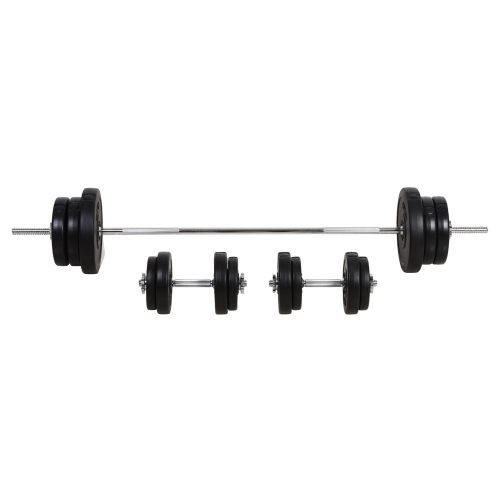
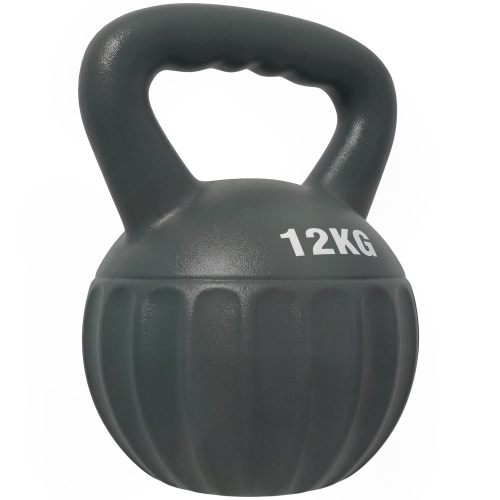
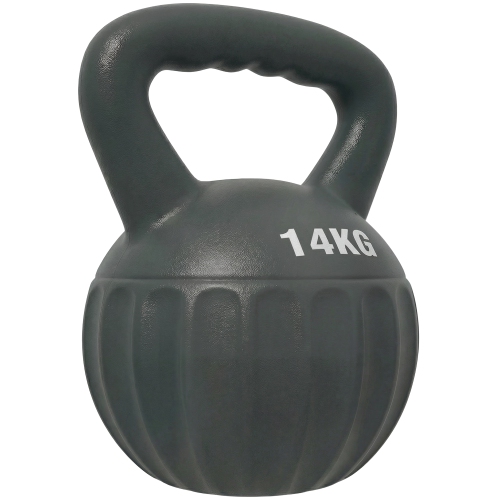
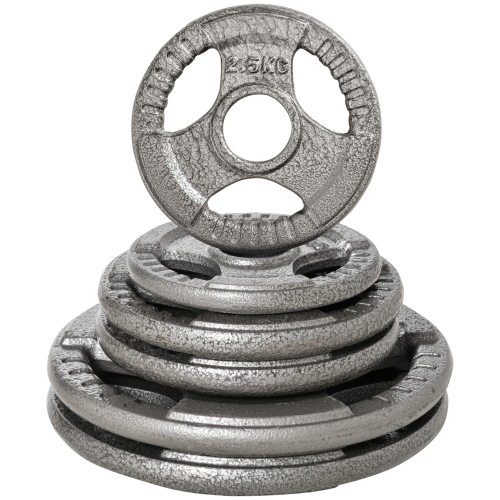
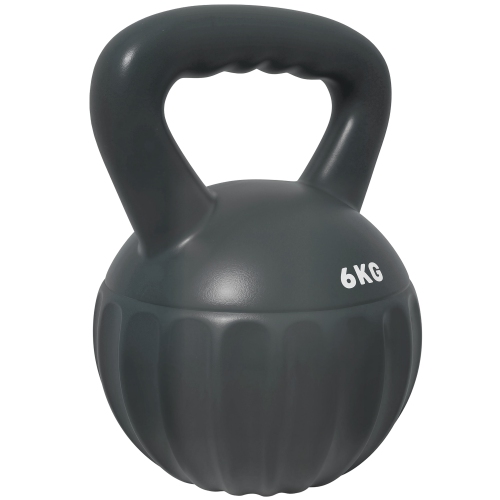
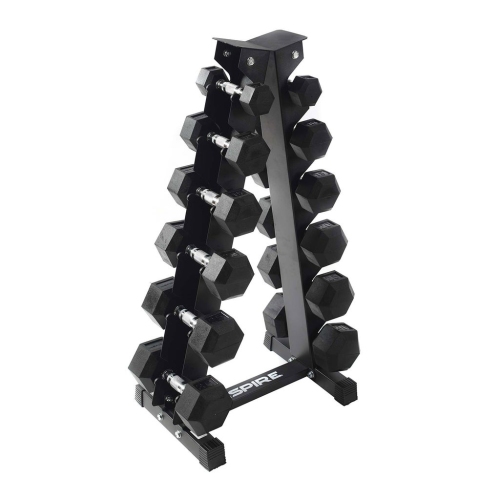
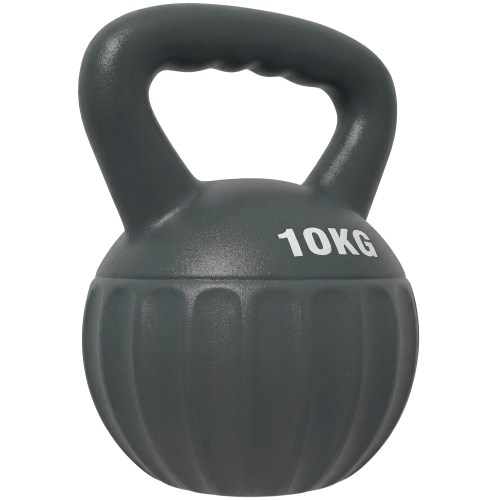
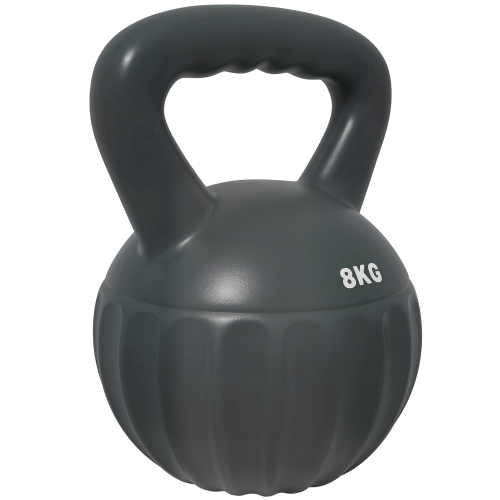
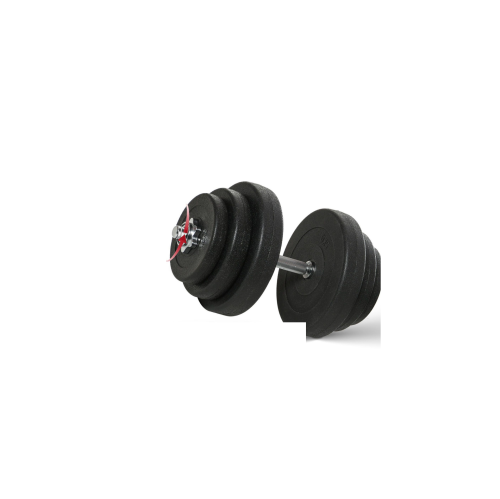
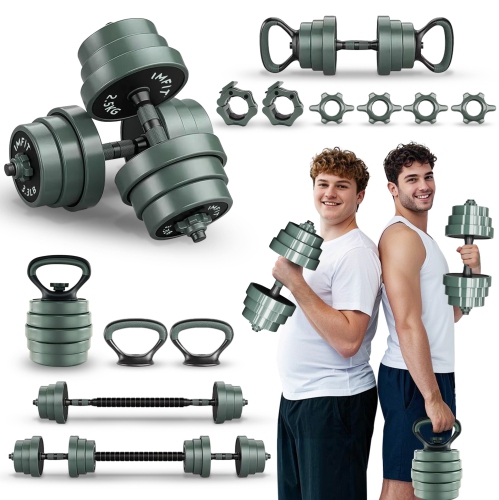
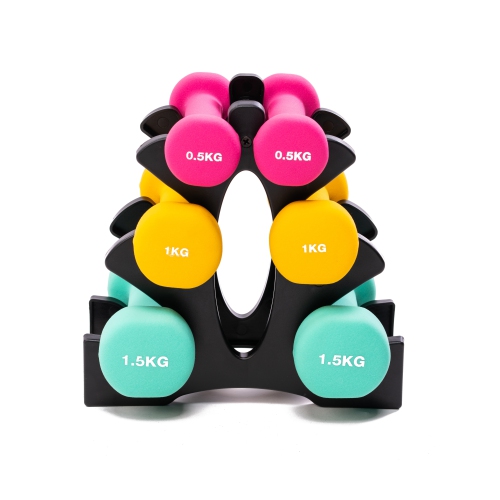
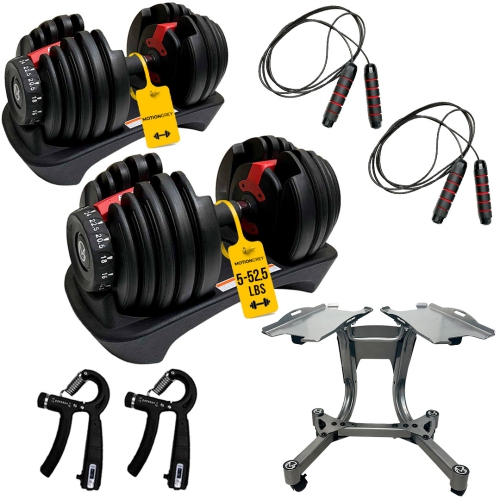
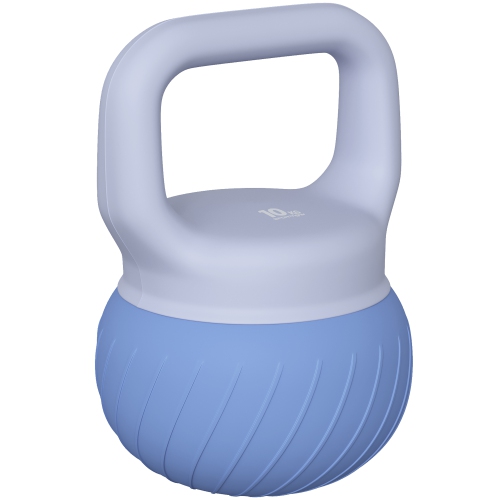
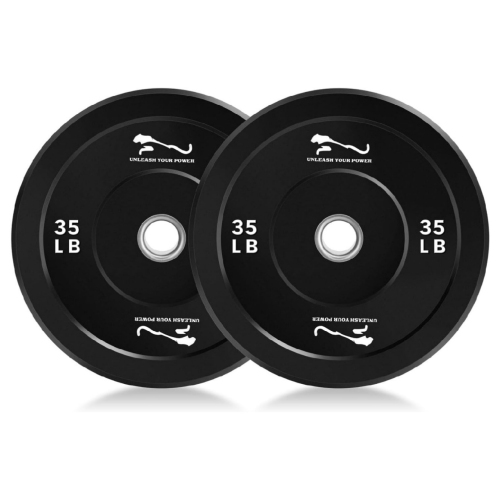
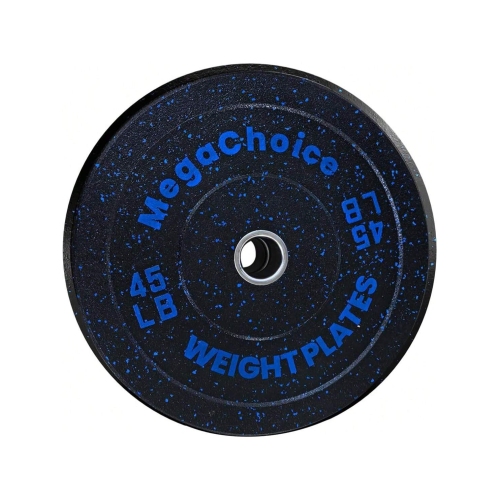
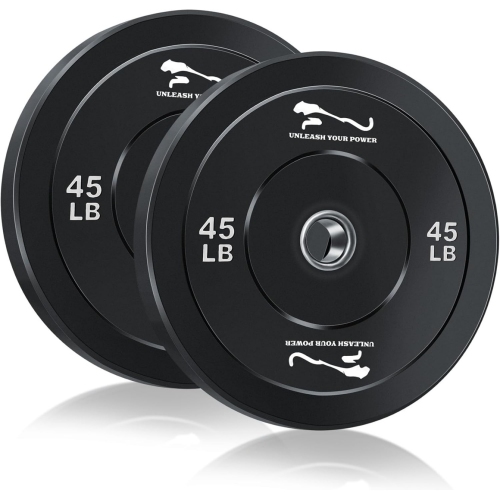
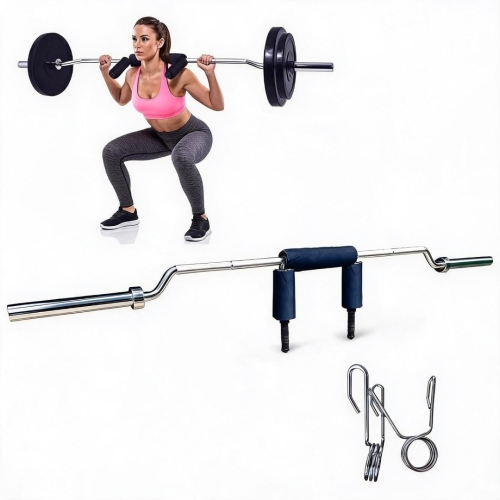
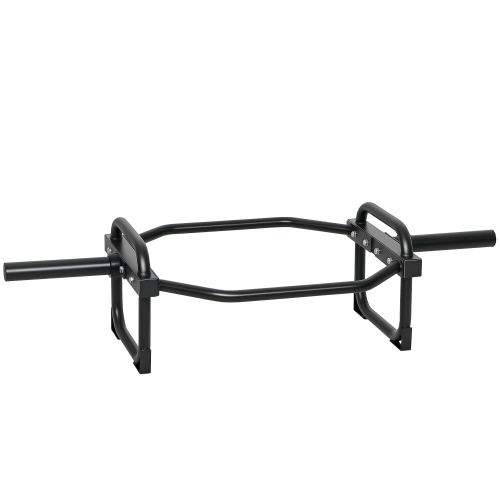
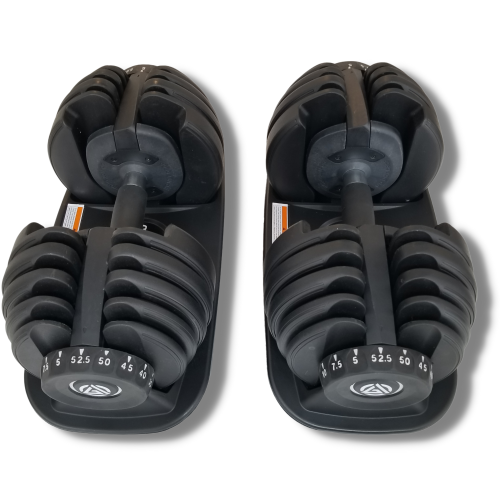
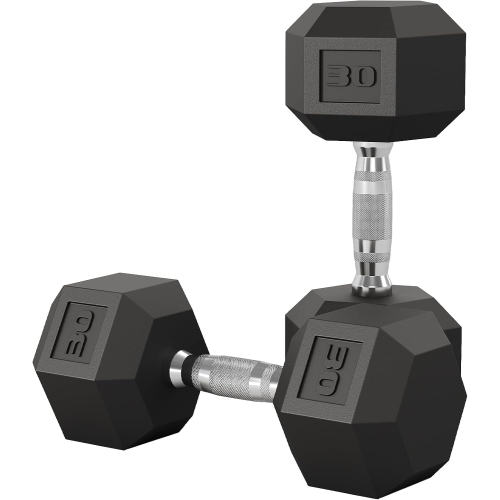
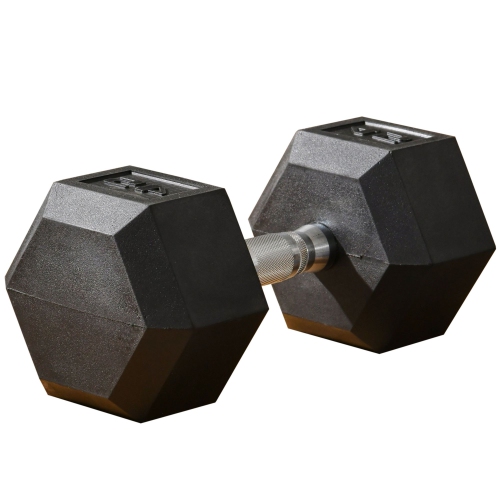
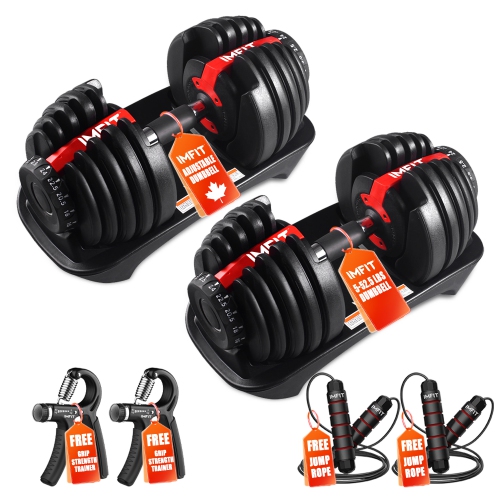
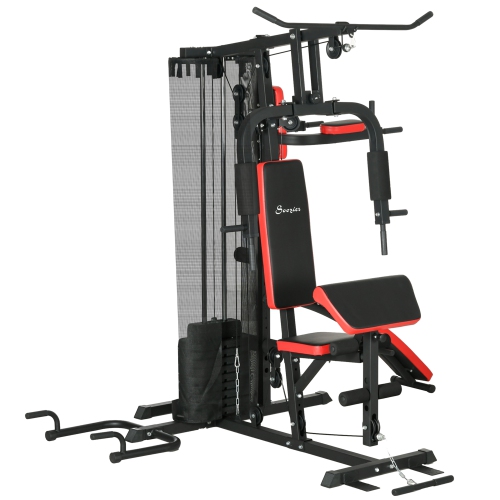
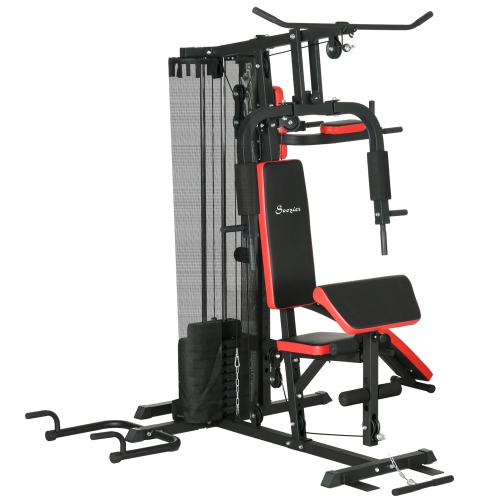
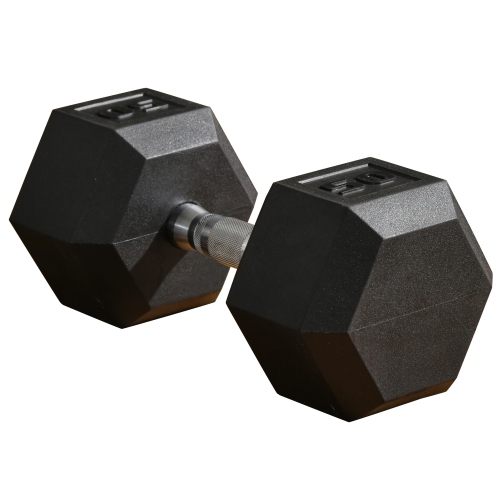
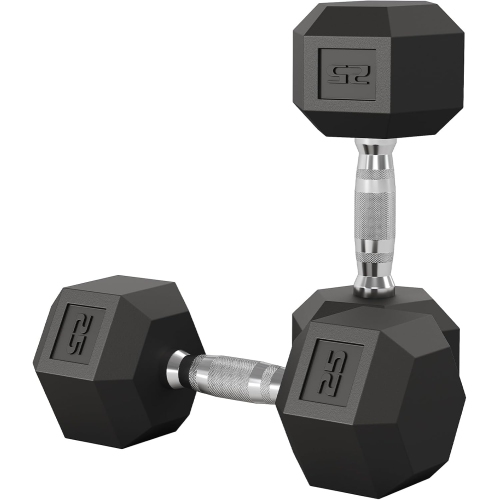
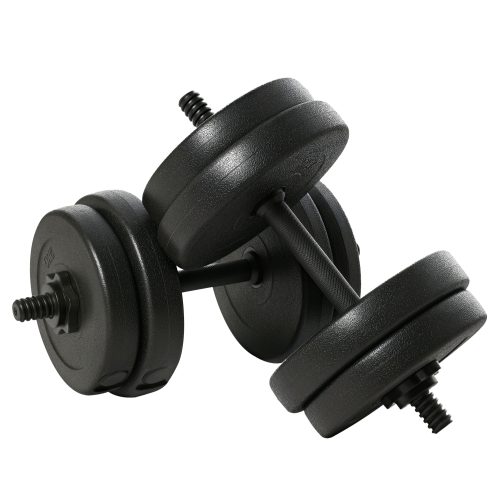
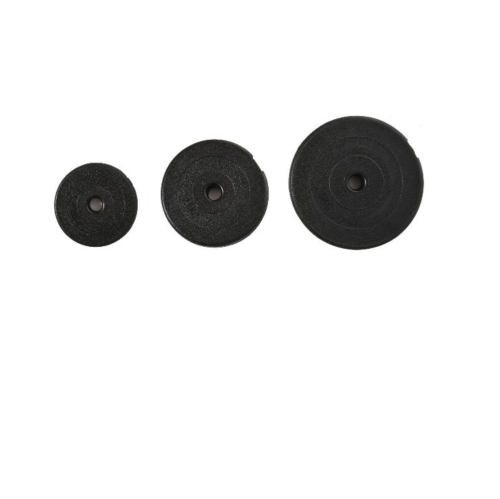
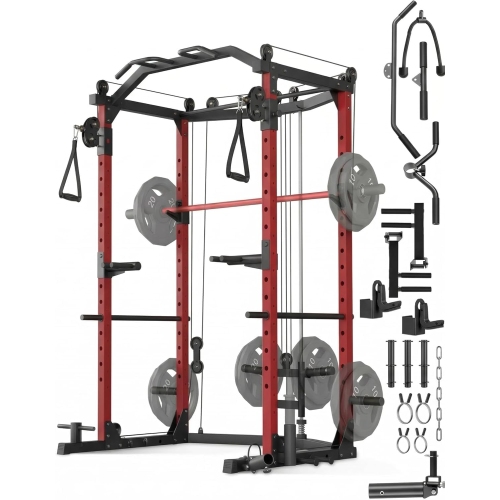
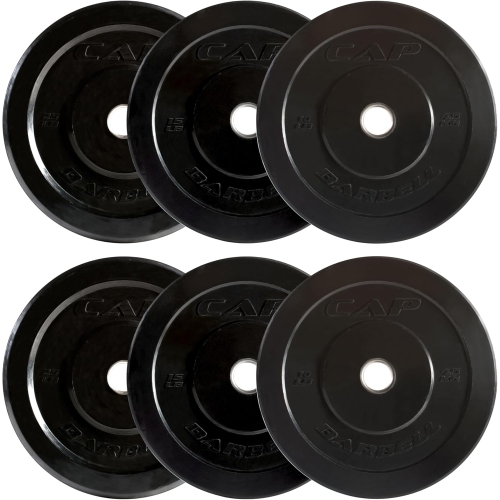
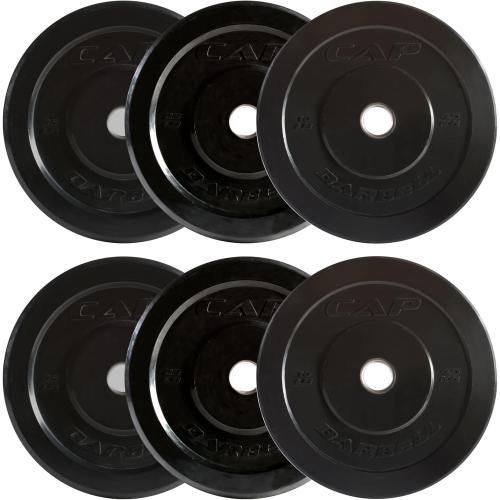
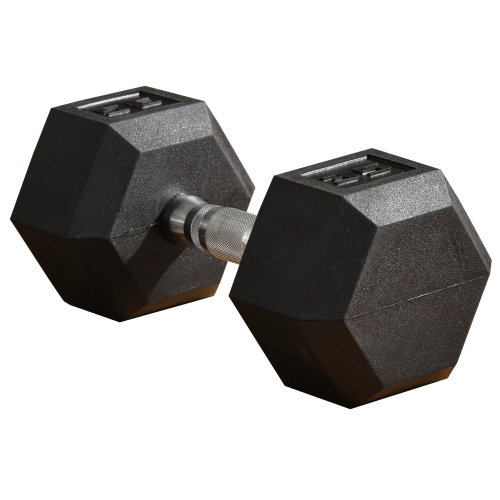
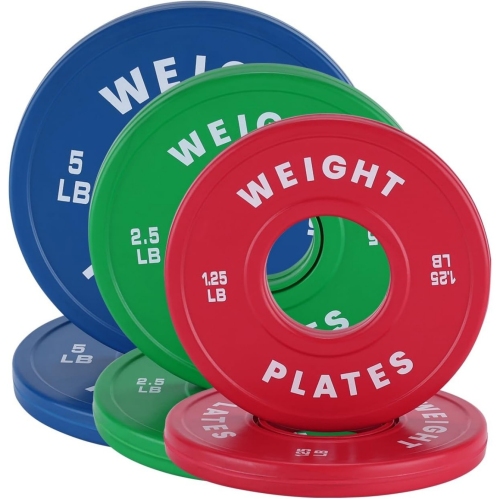
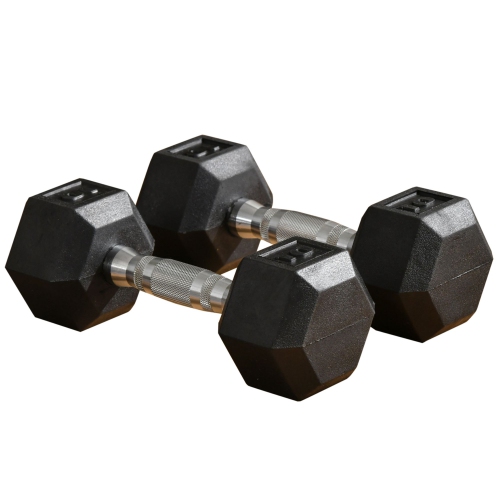
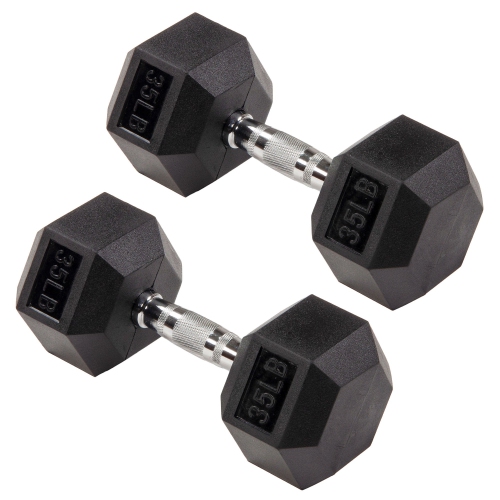
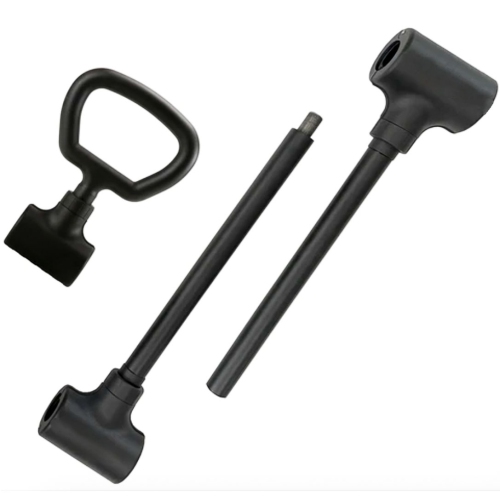
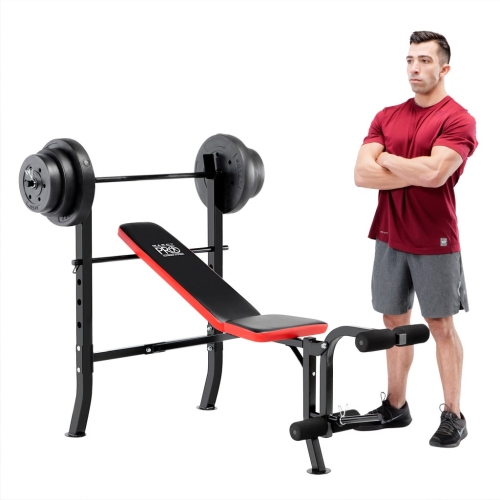
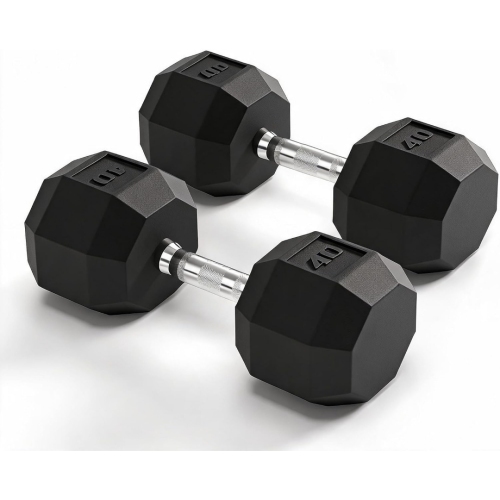
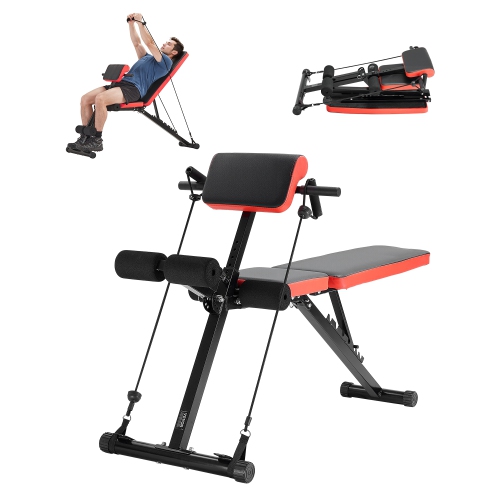
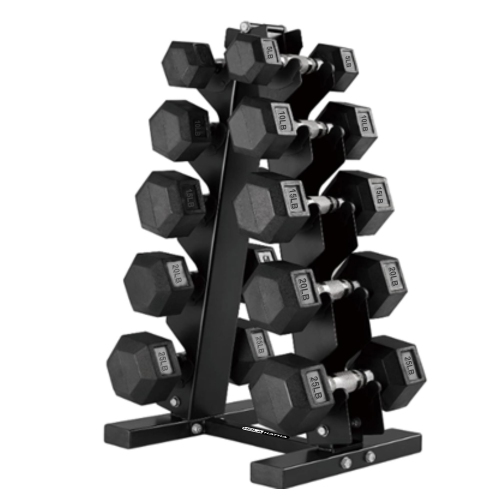
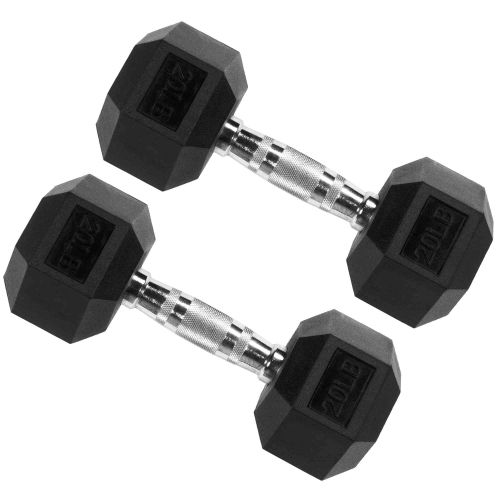
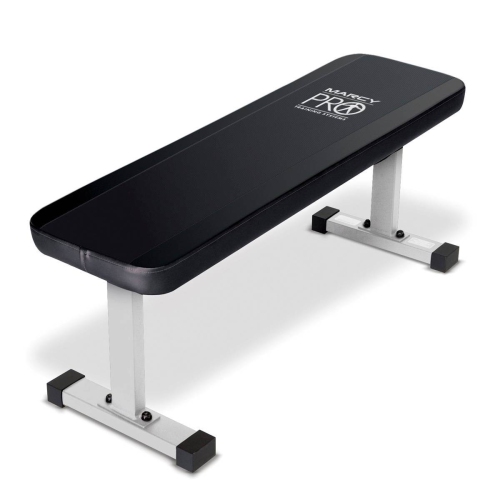
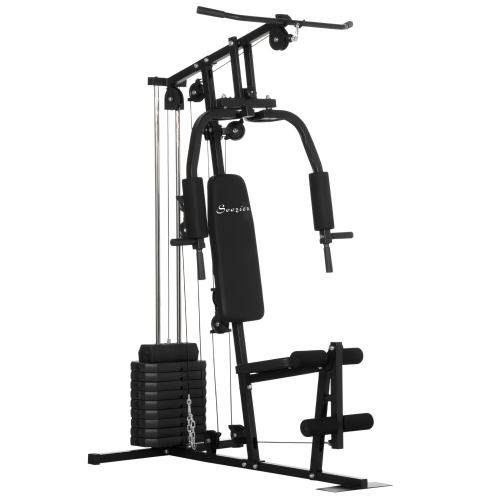
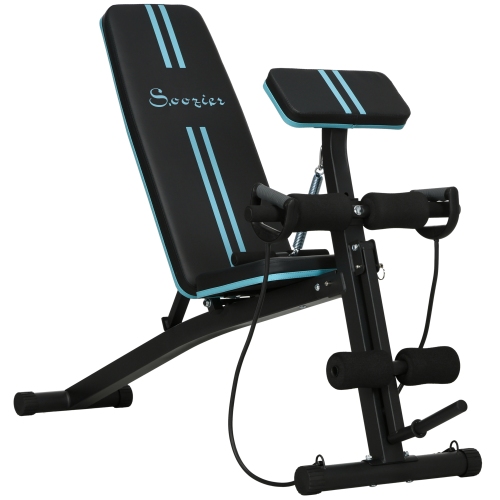
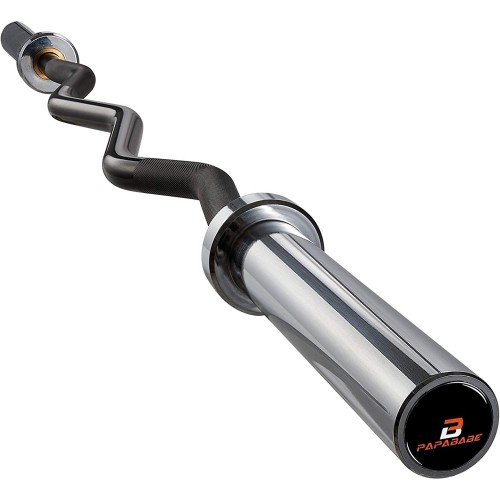
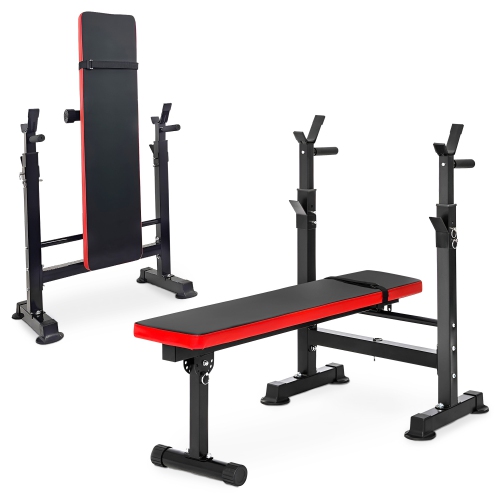
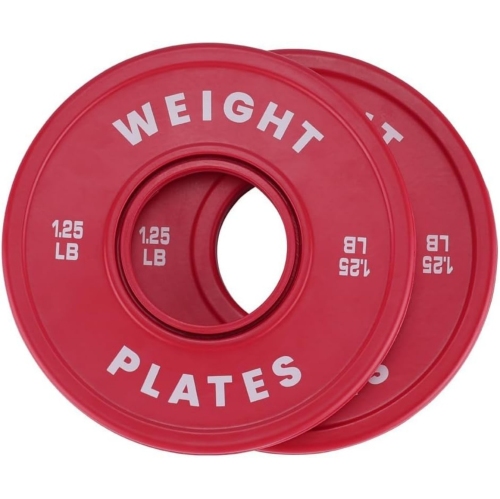
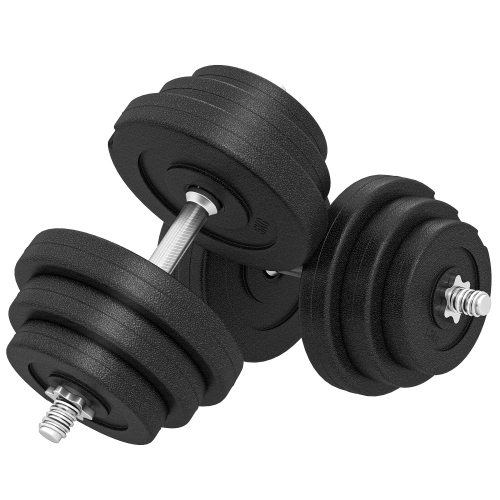
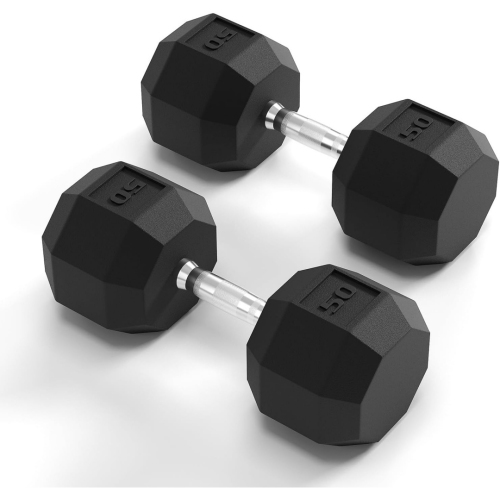
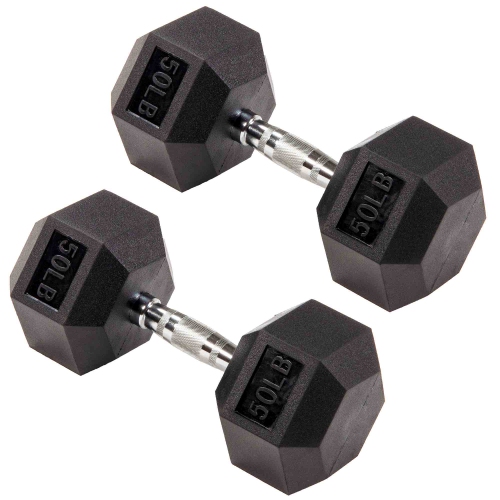
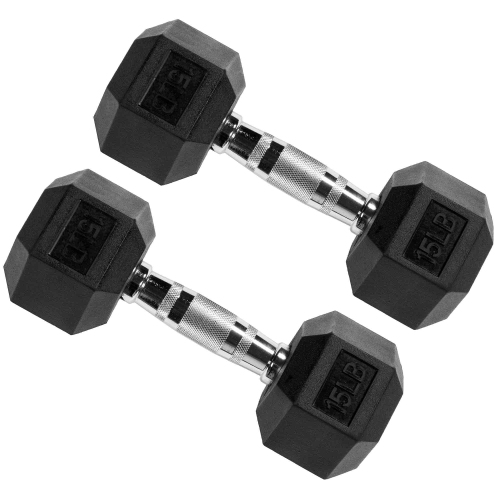
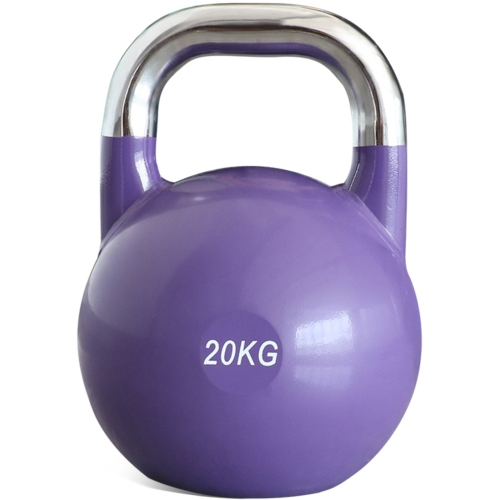
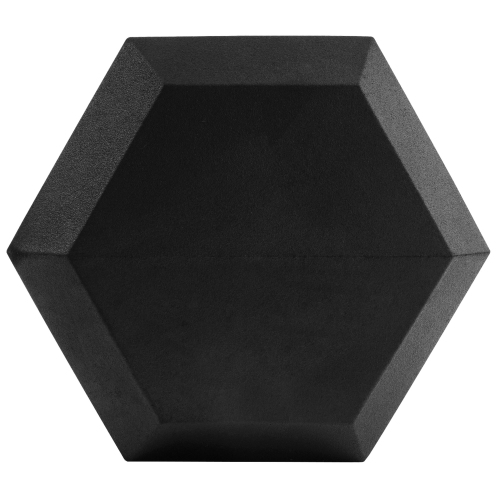
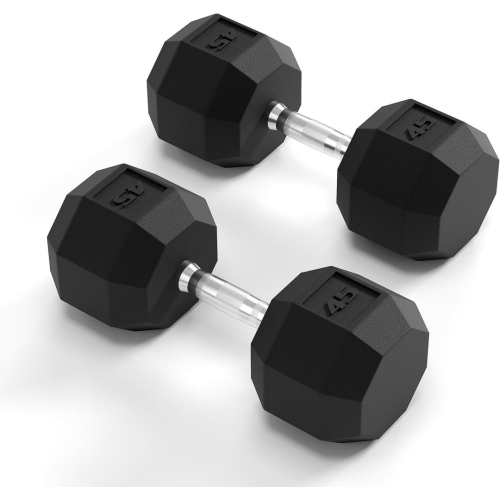
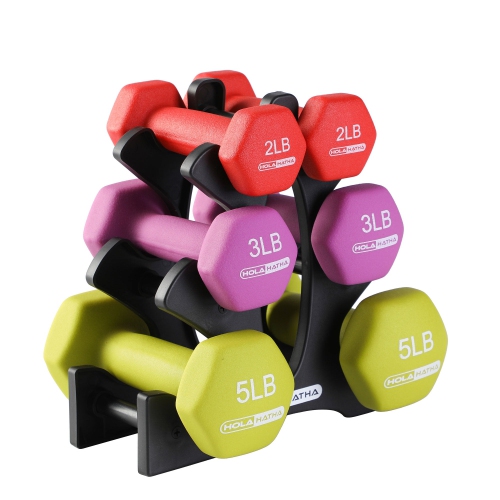
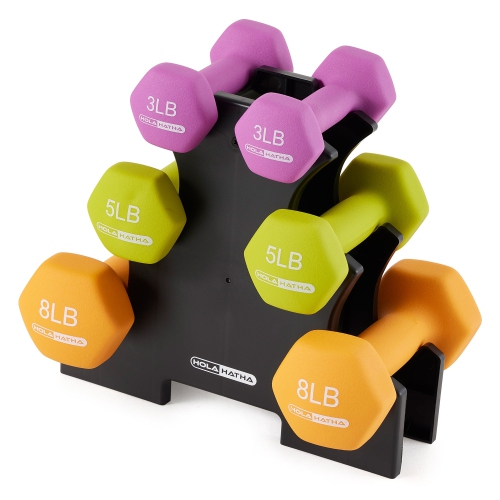
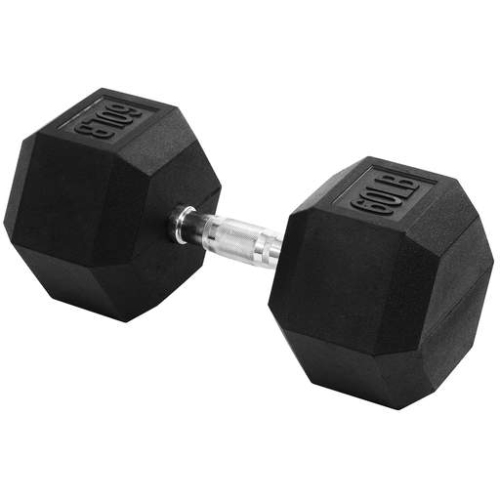
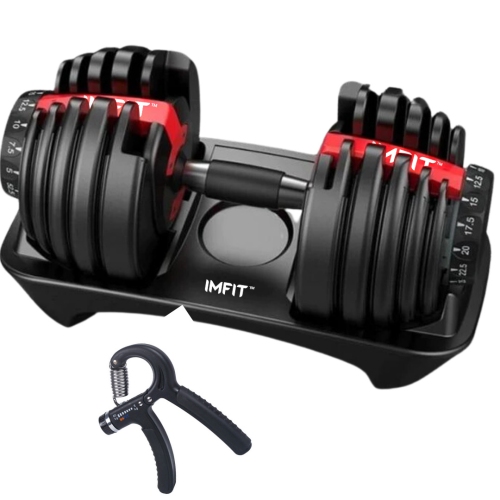
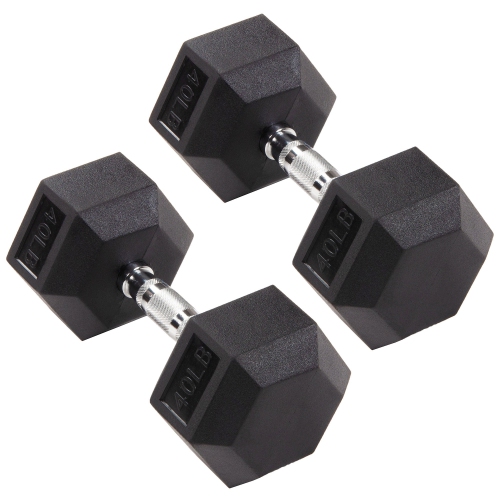
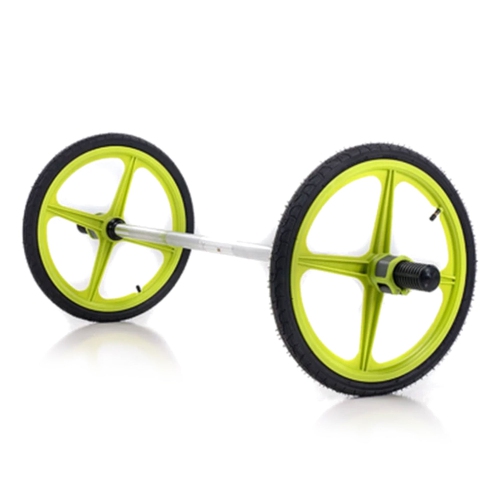
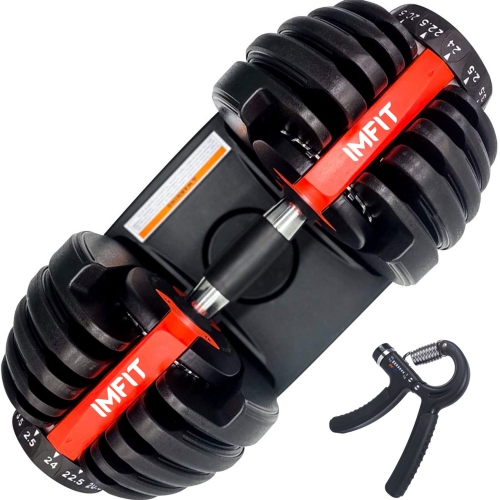
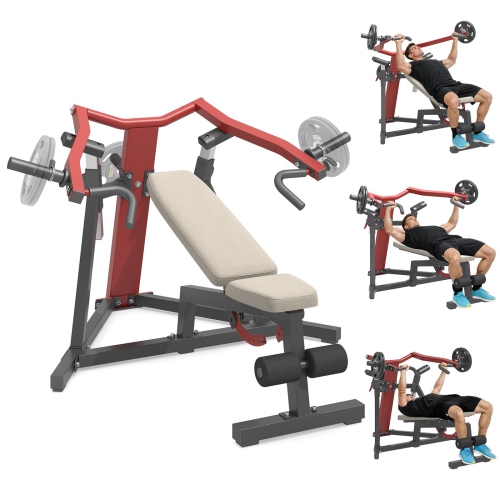
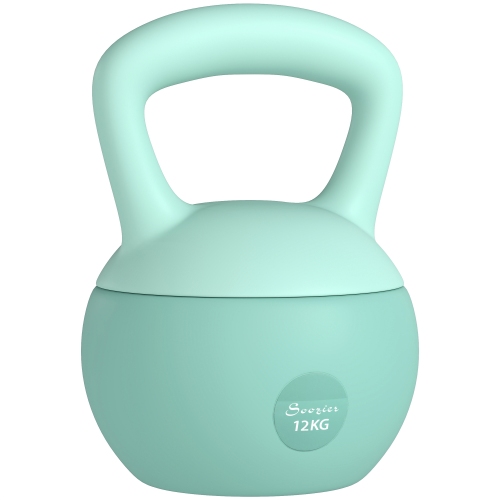
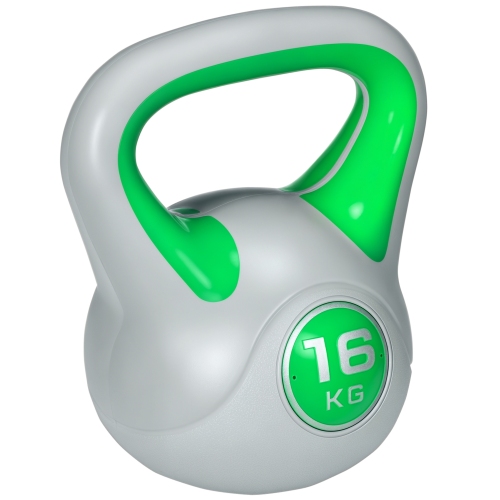
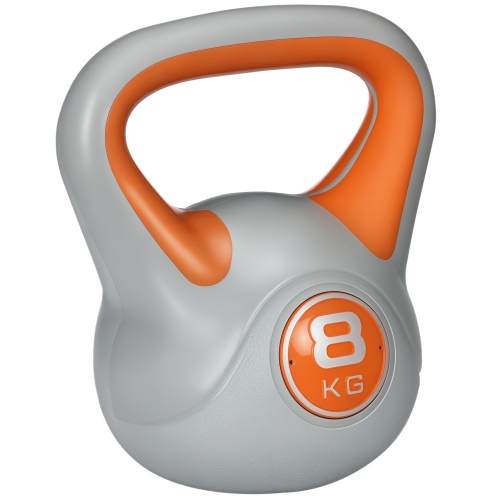
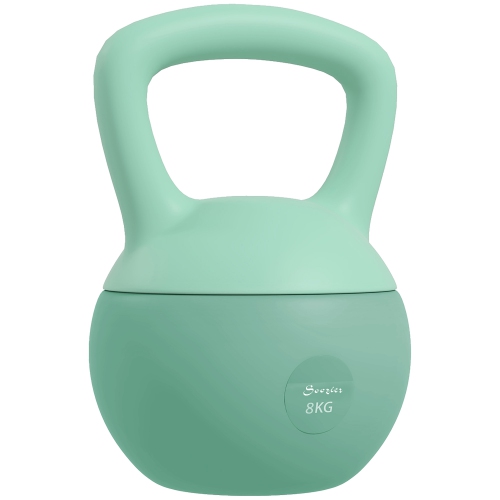
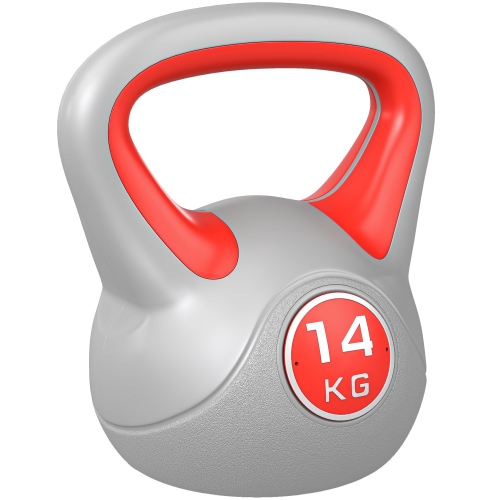
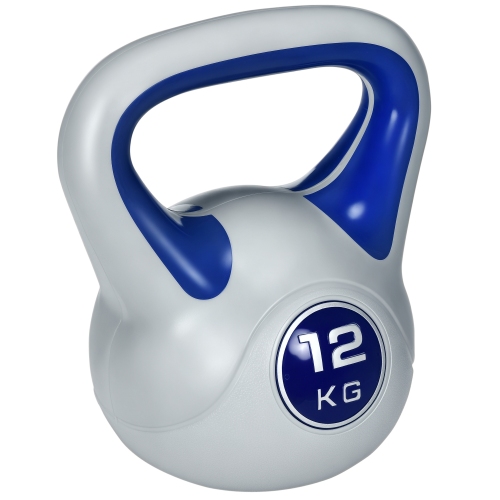
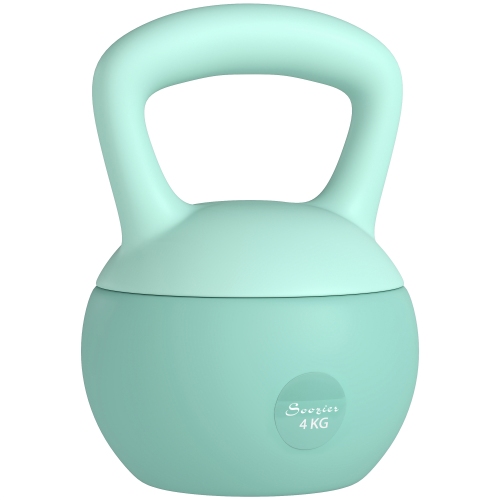
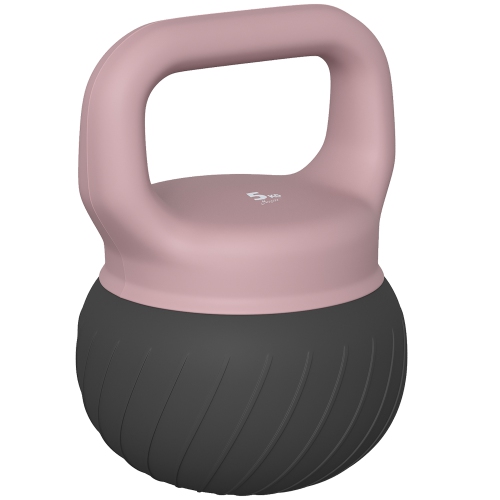
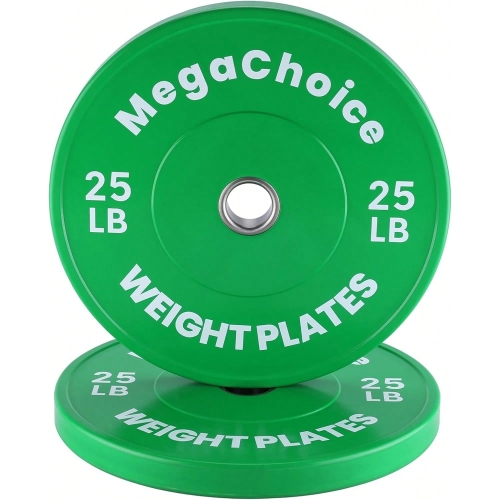
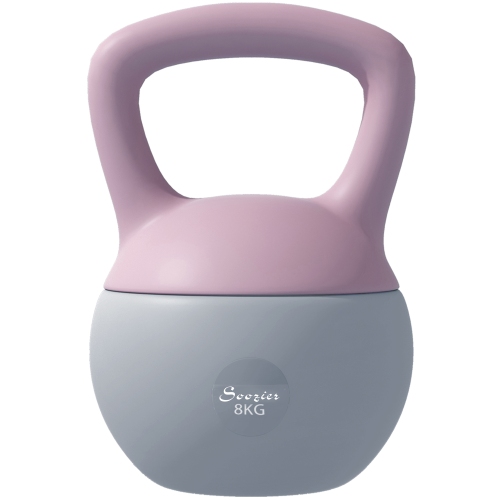
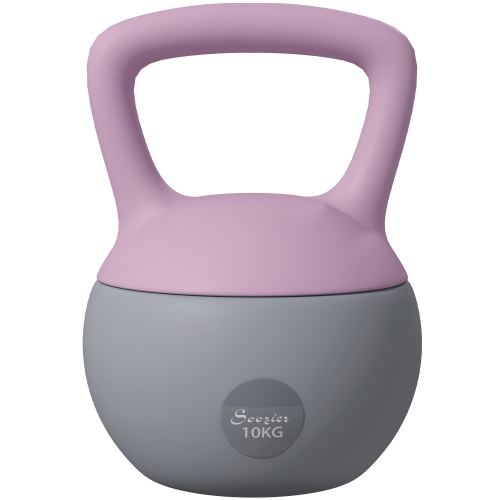
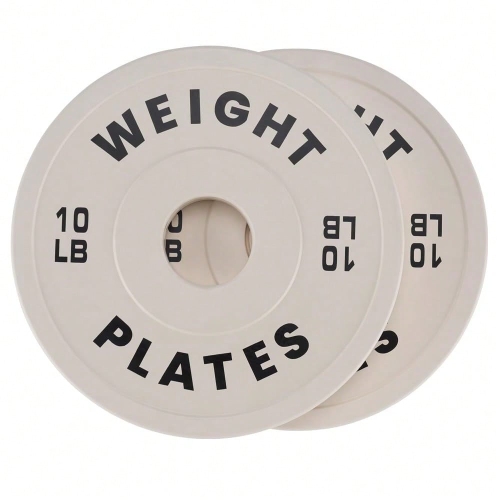
A weight lifting equipment list can help bring structure to a home gym, training room, or commercial fitness space by bringing together the essential tools for resistance training. Free weights are often the foundation: barbells support compound exercises such as squats, bench presses, overhead presses, and deadlifts, while dumbbells allow for single-arm or dual-arm movements that can help address strength differences between sides of the body. Kettlebells add another dimension with their offset handles and compact shape, making them useful for swings, goblet squats, carries, rows, and other dynamic exercises. Weight plates are used to load barbells and plate-loaded equipment, with different sizes making it easier to increase resistance gradually as strength develops. For many people, starting with a manageable selection of weights and adding to it over time is more practical than trying to build an entire gym at once. Adjustable equipment can also be useful when space is limited, particularly in a spare room, basement, or garage where every square foot needs to serve more than one purpose. Those who prefer bodyweight movements alongside weighted training may also appreciate browsing Body Weight Exercise Equipment for ways to round out a routine without relying on heavier loads for every exercise.
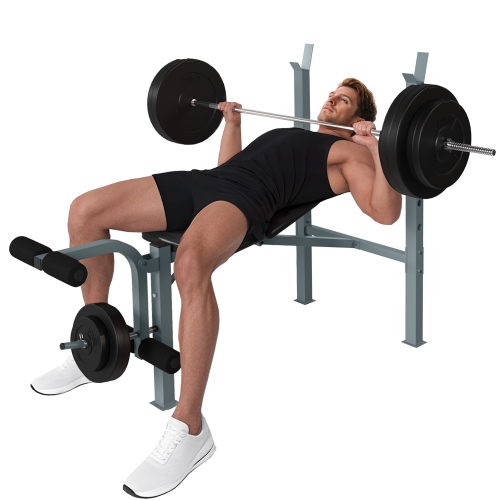
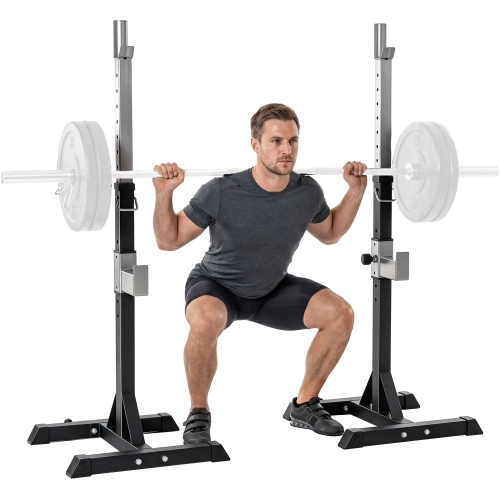
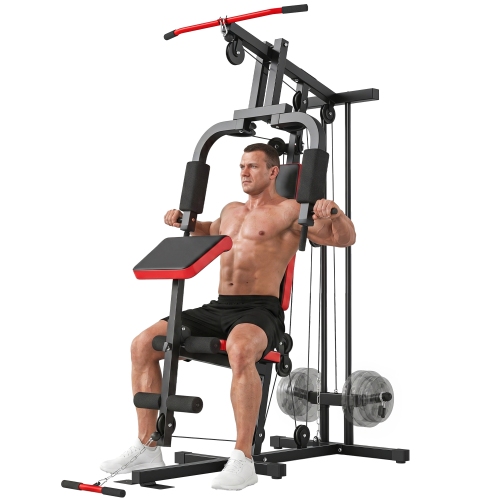
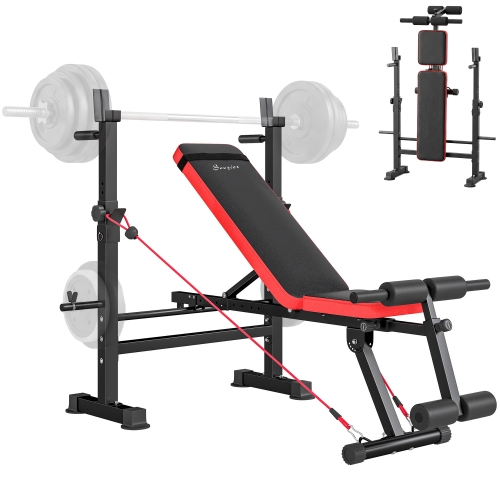
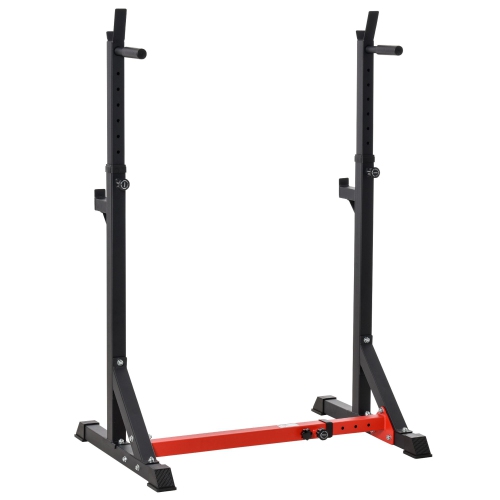
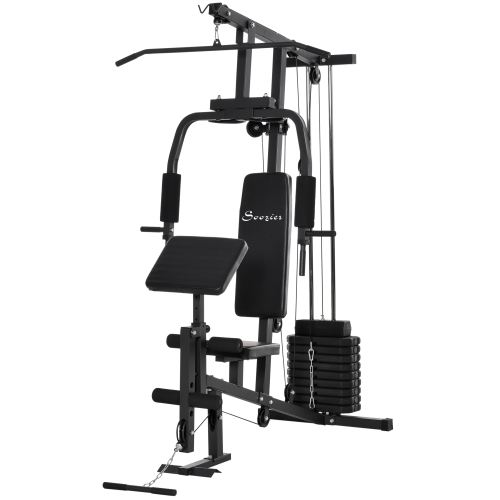
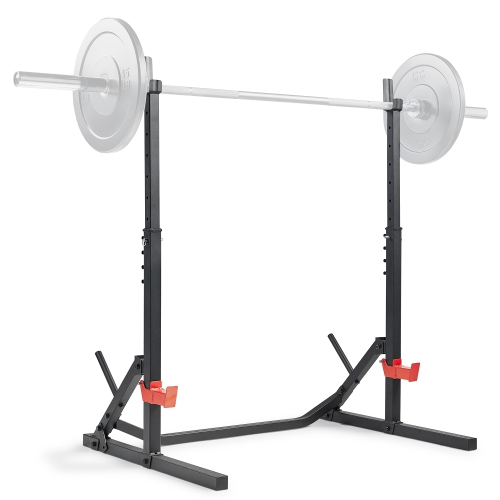
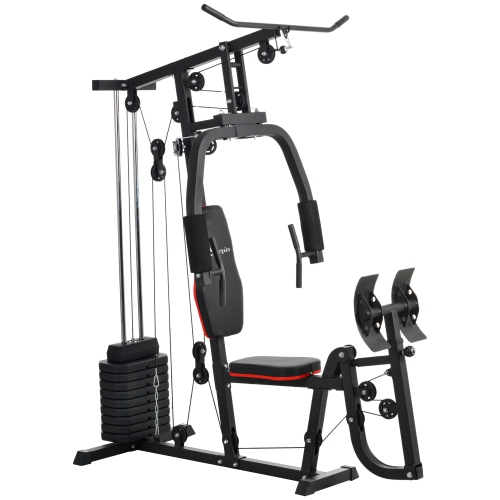
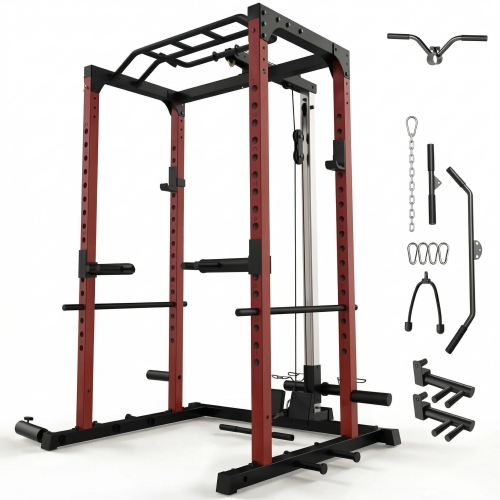
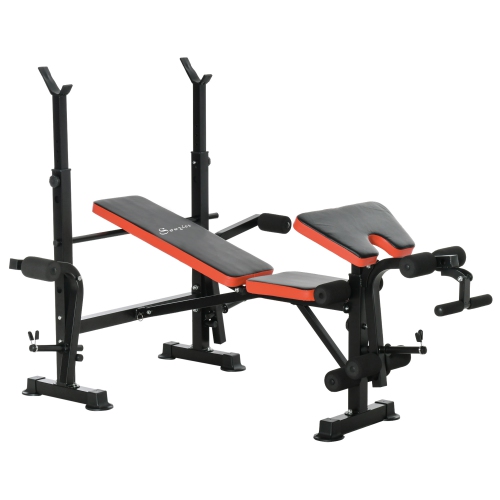
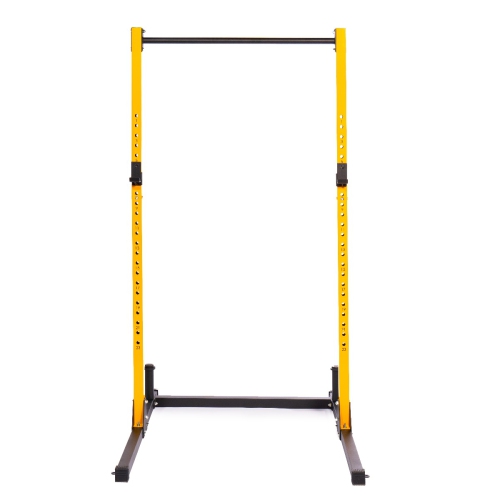
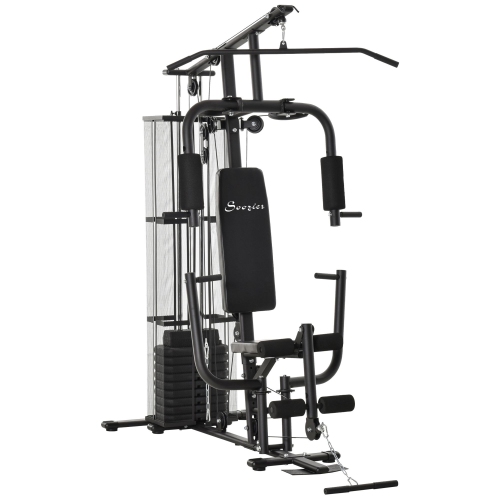
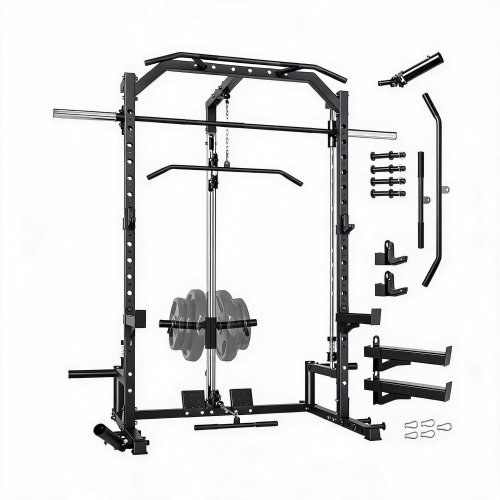
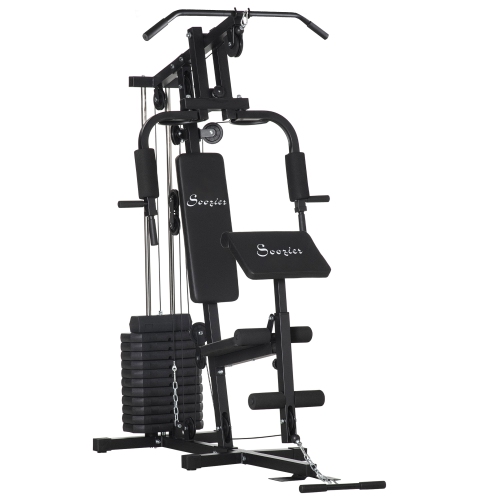
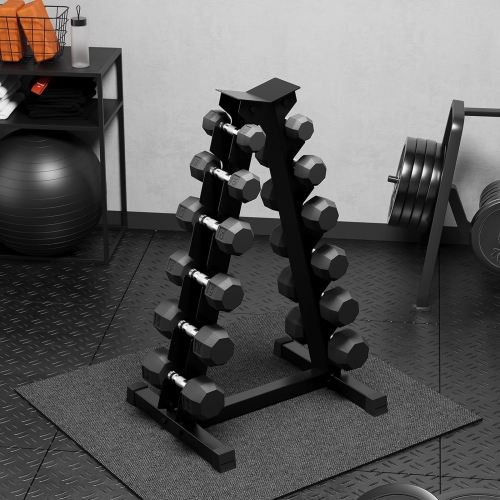
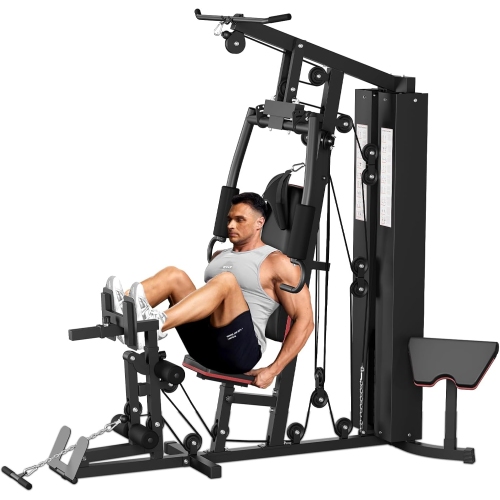
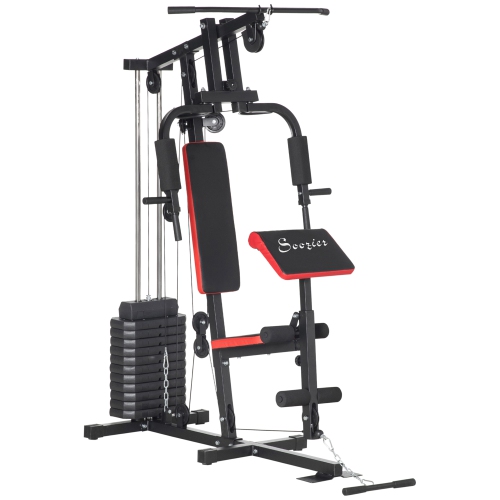
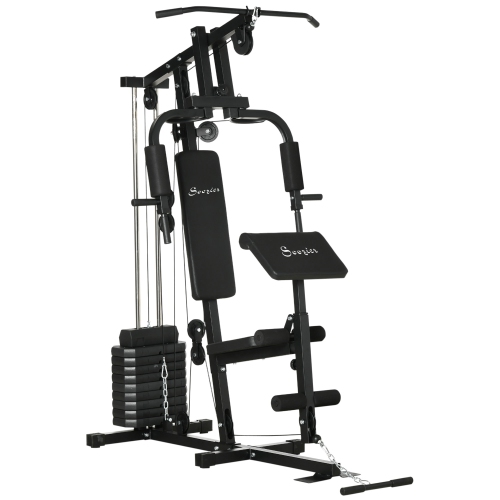
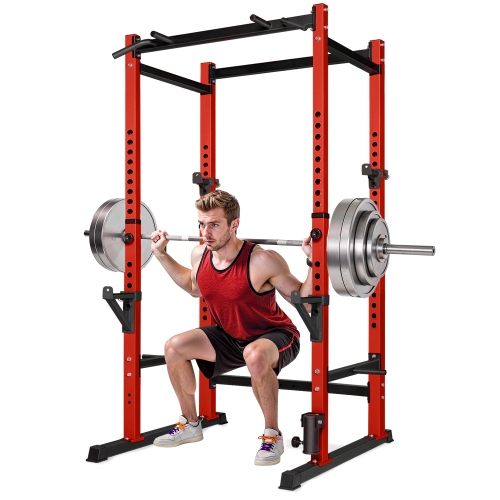
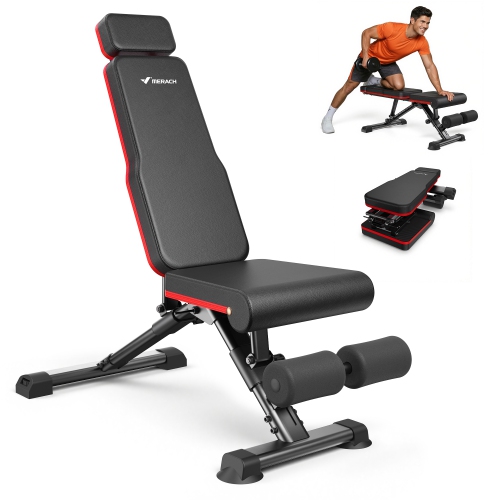
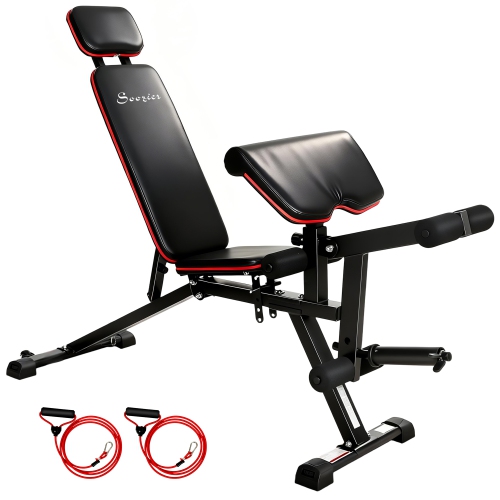
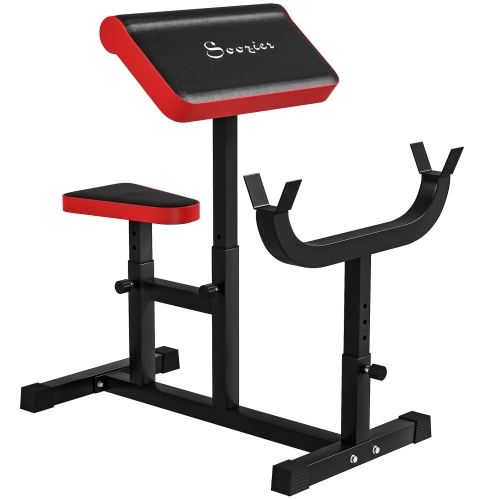
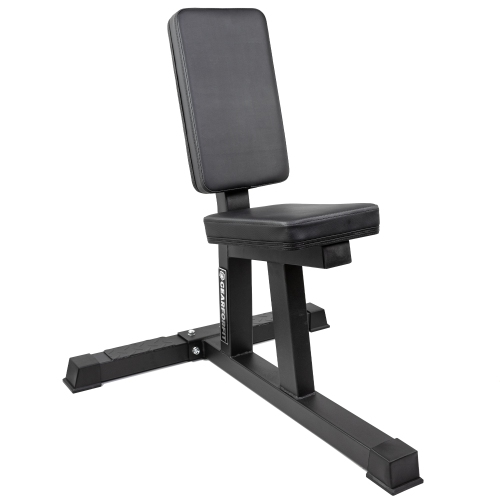
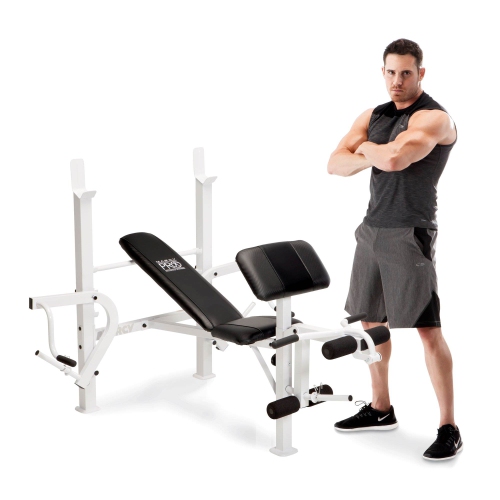
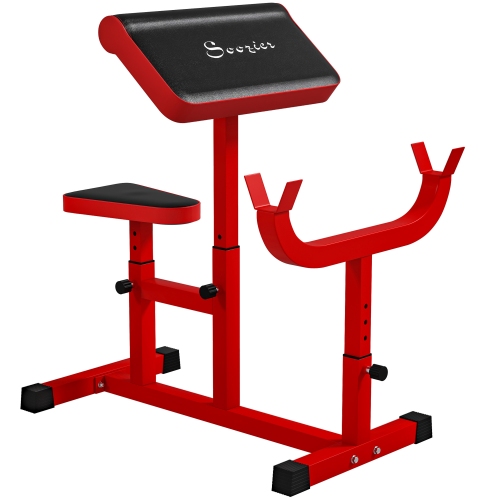
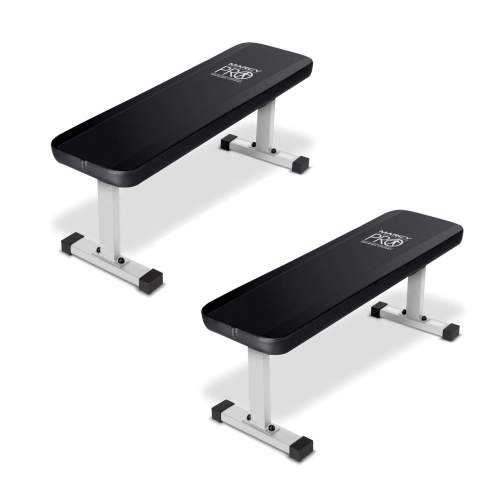
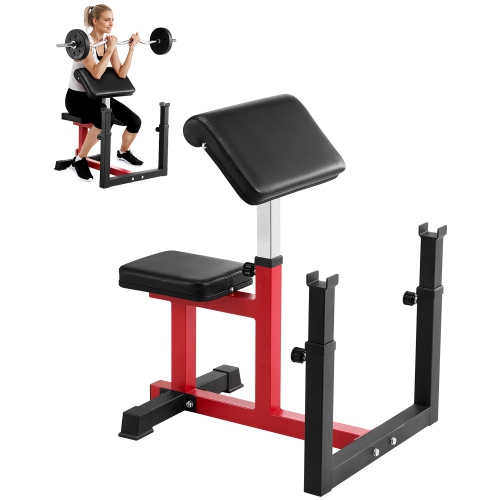
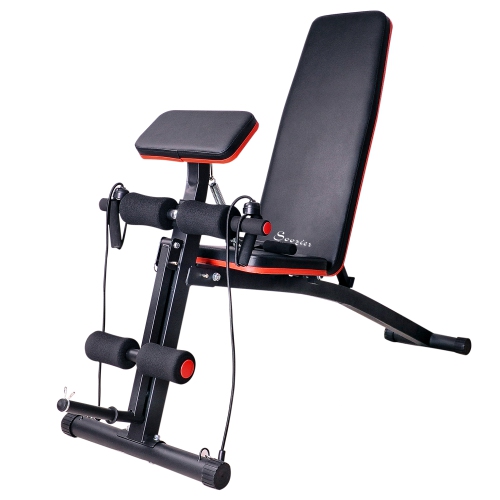
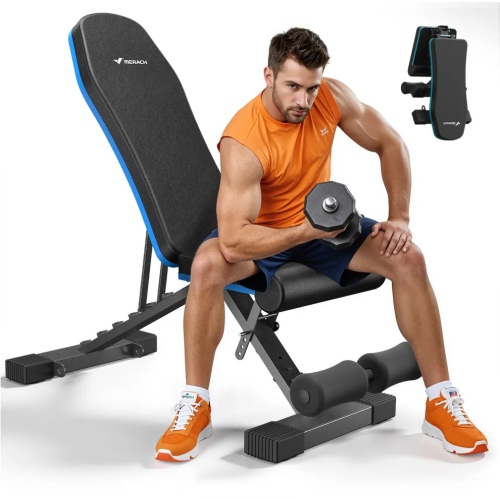
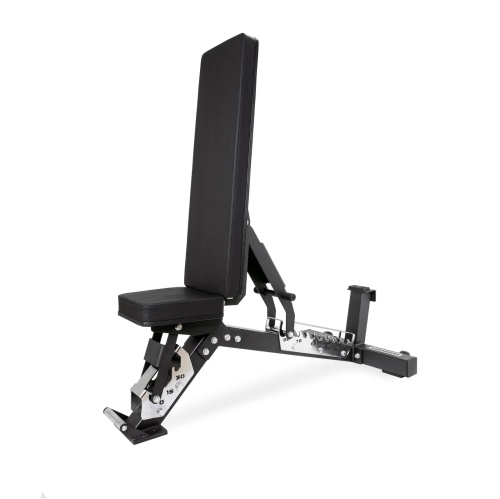
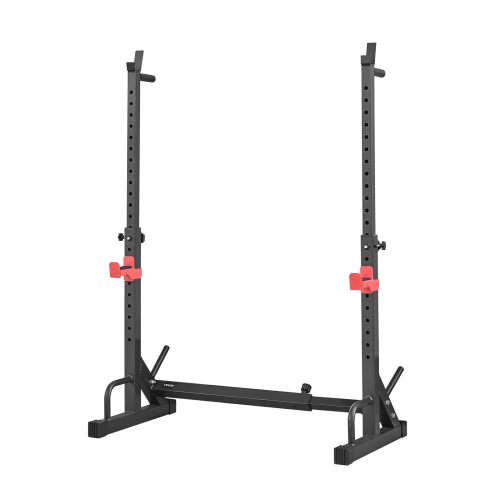
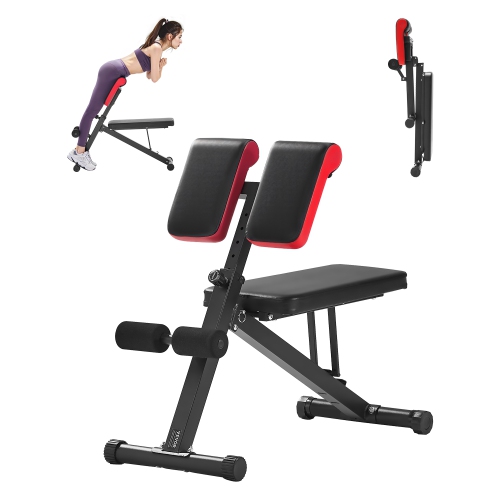
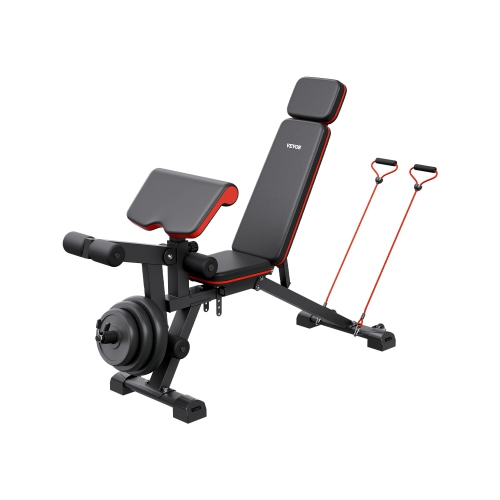
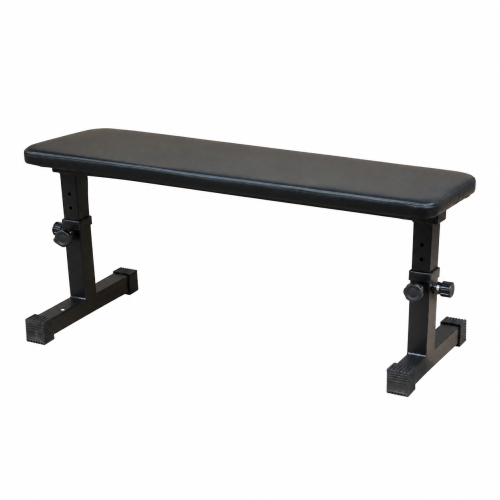
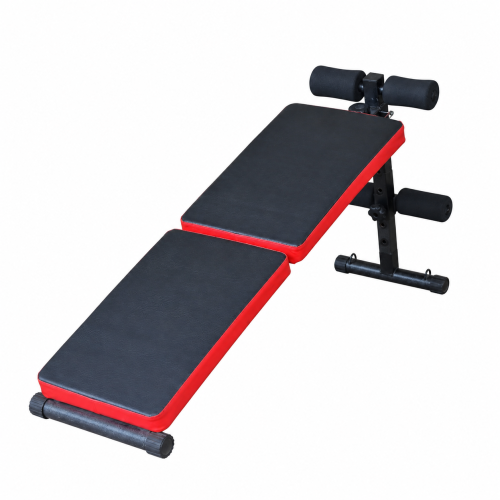
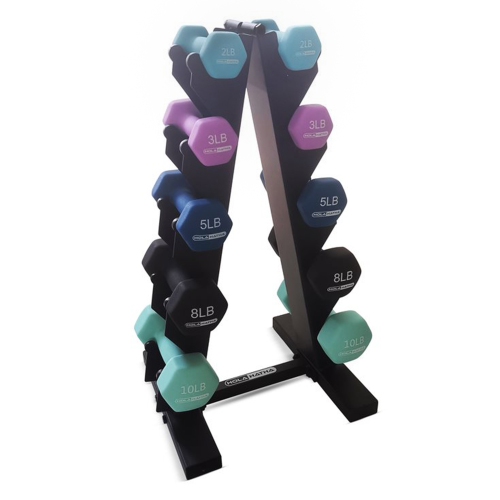
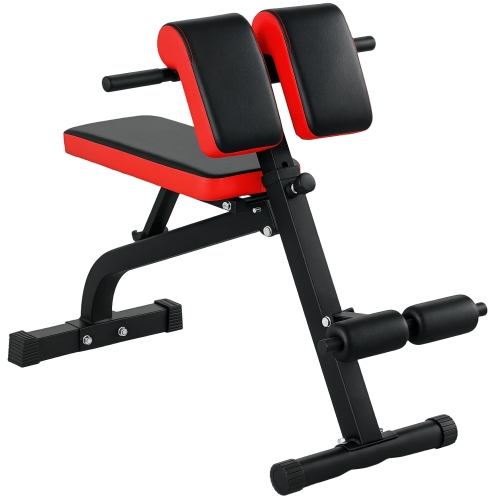
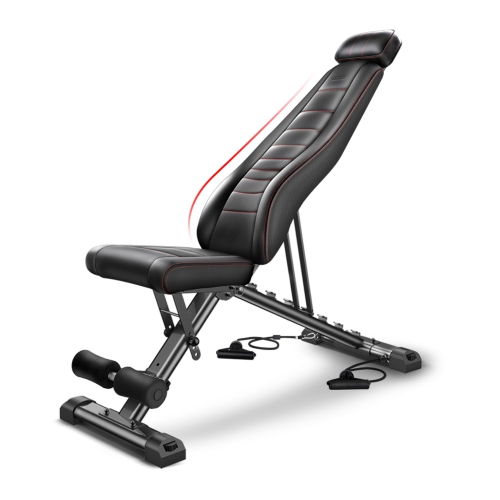
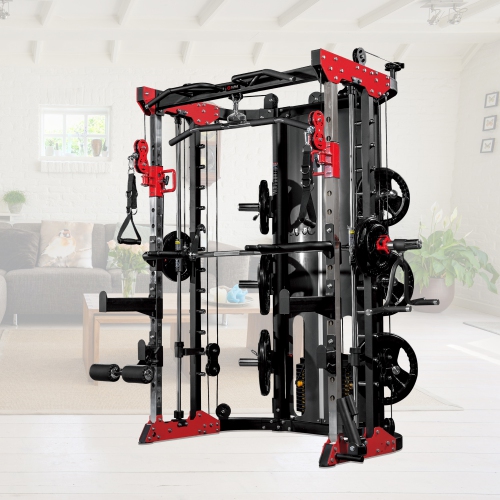
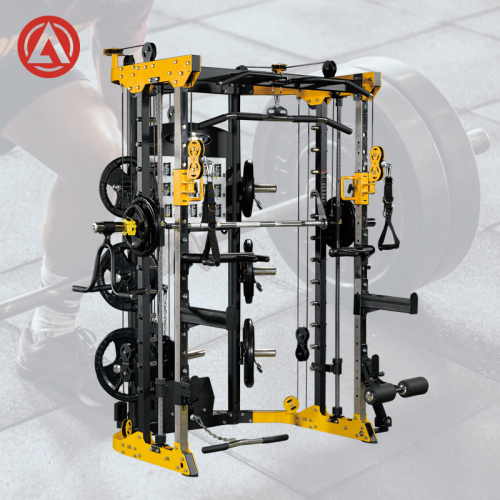
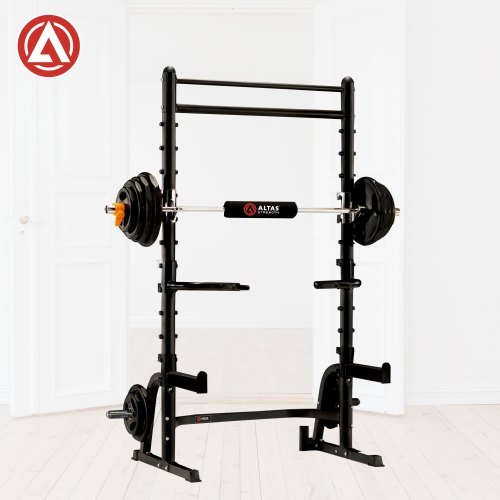
The right support equipment can make a major difference to how comfortably and confidently a workout space functions. A squat rack or power cage provides a stable place to position a barbell for squats, presses, and other lifts, while adjustable safety arms can help create an additional layer of protection when training alone. A weight bench may be flat, incline, or adjustable, and the choice depends on whether the intended exercises include pressing, seated dumbbell work, supported rows, or core movements. Cable machines and functional trainers offer smooth resistance through a range of angles, which can be helpful for exercises such as pulldowns, triceps extensions, face pulls, cable rows, and rotational movements. Selectorized machines can provide a straightforward way to adjust resistance with a pin, while plate-loaded machines may appeal to people who prefer the feel and progression of free-weight plates. When comparing equipment, consider the available floor area, ceiling height, doorway width, storage needs, and the total load that the space can safely accommodate. A rack that fits comfortably on paper may feel restrictive once a bench, plates, and room to move around it are added. Rubber flooring or another suitable gym surface can help protect floors, reduce noise, and provide a more secure base beneath racks, benches, and lifting platforms. Weight storage trees, plate holders, and vertical racks can also help keep equipment organized between sessions, reducing clutter and making it easier to move safely through the room. These practical details are especially important in a busy household, where a workout area may need to be packed away or shared with other activities during the cooler months.
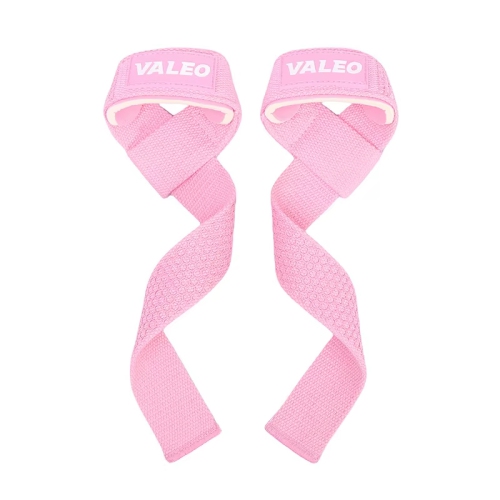
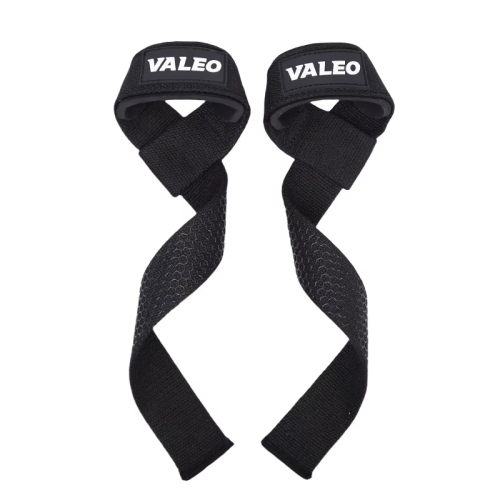
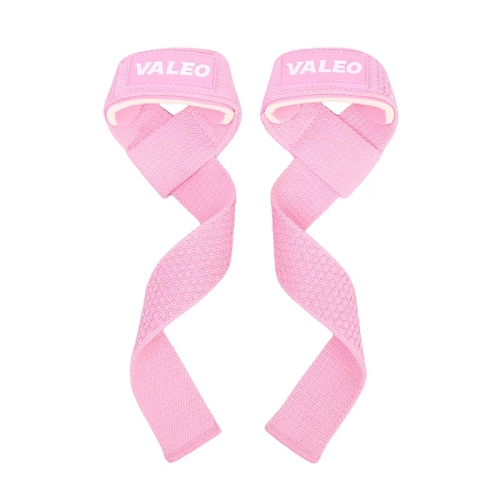
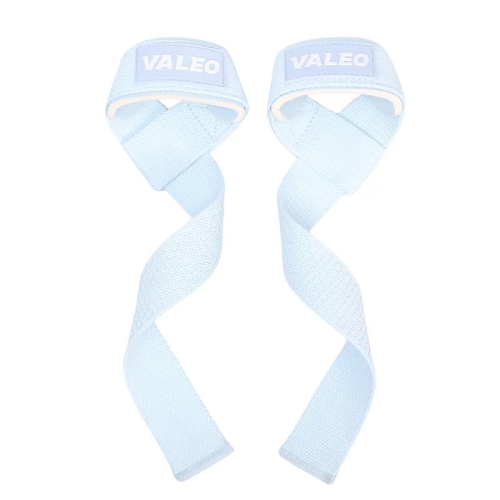
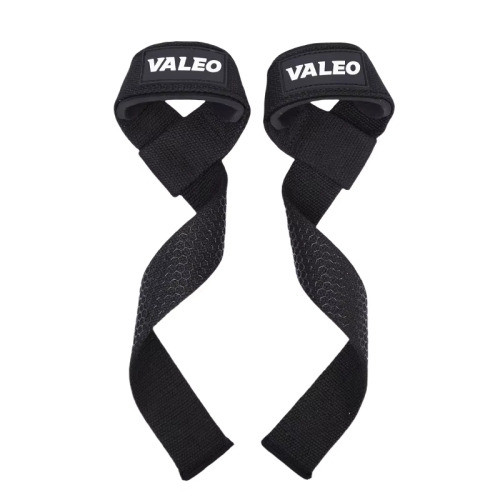
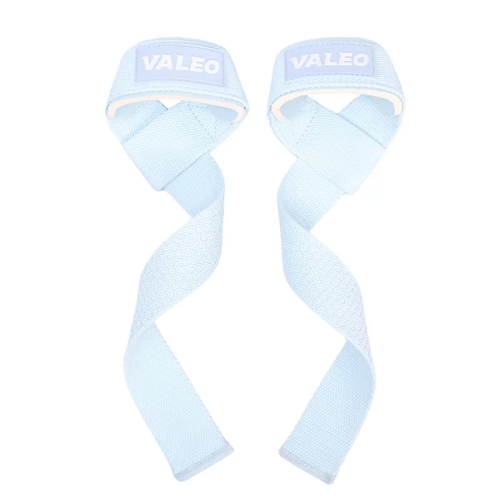
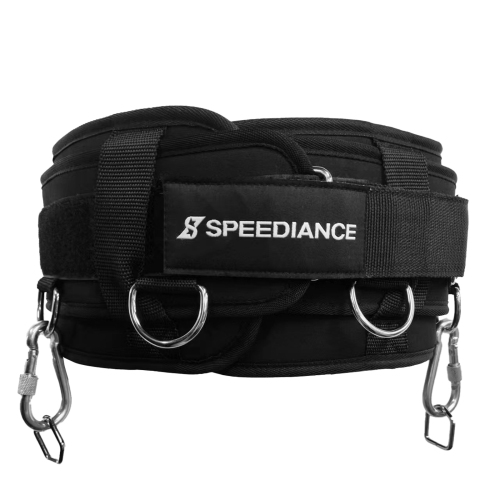
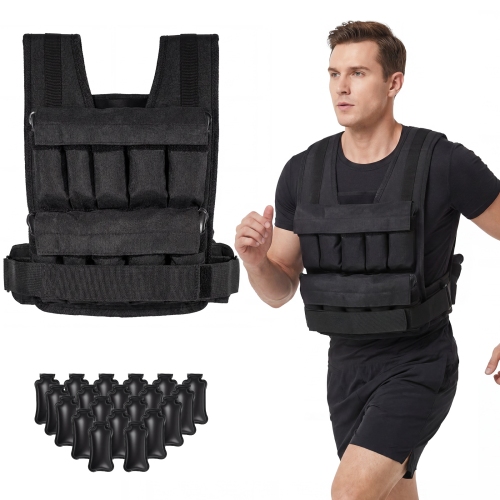
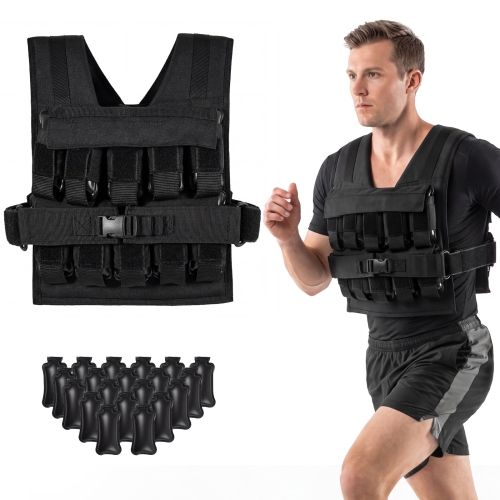
Safety and comfort accessories are also part of a well-considered weight lifting equipment list. A lifting belt may provide additional support and bracing feedback during certain heavy lifts, although it should complement sound technique rather than replace it. Wrist wraps can help stabilize the wrists during demanding pressing movements, while lifting straps may assist with grip during selected pulling exercises when hand fatigue limits the movement. Collars help keep plates secure on a barbell, and chalk can improve grip for some lifters when permitted by the training space. Comfortable footwear with a stable sole can support balance and force transfer, while a mat may be useful for warmups, mobility work, stretching, and floor-based exercises. Beginners, experienced lifters, and people returning to training after time away may all use these products differently. Someone establishing a small home setup may prioritize dumbbells, a bench, and compact storage; a dedicated strength enthusiast may look for a rack, barbell, plates, and flooring; and a larger facility may need durable equipment that can accommodate repeated use by many people. Weight lifting equipment can also make a practical gift for someone building a routine, preparing a training area, or looking for more variety at home, provided the recipient’s available space, experience level, and preferred exercises are considered. As the weather warms or during the cooler months, having suitable equipment close at hand can make it easier to maintain consistent training without travelling to a gym. Before purchasing, review dimensions, weight capacity, adjustment settings, assembly requirements, and compatibility between bars, plates, benches, racks, and attachments. A balanced setup should feel secure, accessible, and suited to the person using it, with enough room for controlled movement and sensible progression from one workout to the next.
The right support equipment can make a major difference to how comfortably and confidently a workout space functions. A squat rack or power cage provides a stable place to position a barbell for squats, presses, and other lifts, while adjustable safety arms can help create an additional layer of protection when training alone. A weight bench may be flat, incline, or adjustable, and the choice depends on whether the intended exercises include pressing, seated dumbbell work, supported rows, or core movements. Cable machines and functional trainers offer smooth resistance through a range of angles, which can be helpful for exercises such as pulldowns, triceps extensions, face pulls, cable rows, and rotational movements. Selectorized machines can provide a straightforward way to adjust resistance with a pin, while plate-loaded machines may appeal to people who prefer the feel and progression of free-weight plates. When comparing equipment, consider the available floor area, ceiling height, doorway width, storage needs, and the total load that the space can safely accommodate. A rack that fits comfortably on paper may feel restrictive once a bench, plates, and room to move around it are added. Rubber flooring or another suitable gym surface can help protect floors, reduce noise, and provide a more secure base beneath racks, benches, and lifting platforms. Weight storage trees, plate holders, and vertical racks can also help keep equipment organized between sessions, reducing clutter and making it easier to move safely through the room. These practical details are especially important in a busy household, where a workout area may need to be packed away or shared with other activities during the cooler months.
Safety and comfort accessories are also part of a well-considered weight lifting equipment list. A lifting belt may provide additional support and bracing feedback during certain heavy lifts, although it should complement sound technique rather than replace it. Wrist wraps can help stabilize the wrists during demanding pressing movements, while lifting straps may assist with grip during selected pulling exercises when hand fatigue limits the movement. Collars help keep plates secure on a barbell, and chalk can improve grip for some lifters when permitted by the training space. Comfortable footwear with a stable sole can support balance and force transfer, while a mat may be useful for warmups, mobility work, stretching, and floor-based exercises. Beginners, experienced lifters, and people returning to training after time away may all use these products differently. Someone establishing a small home setup may prioritize dumbbells, a bench, and compact storage; a dedicated strength enthusiast may look for a rack, barbell, plates, and flooring; and a larger facility may need durable equipment that can accommodate repeated use by many people. Weight lifting equipment can also make a practical gift for someone building a routine, preparing a training area, or looking for more variety at home, provided the recipient’s available space, experience level, and preferred exercises are considered. As the weather warms or during the cooler months, having suitable equipment close at hand can make it easier to maintain consistent training without travelling to a gym. Before purchasing, review dimensions, weight capacity, adjustment settings, assembly requirements, and compatibility between bars, plates, benches, racks, and attachments. A balanced setup should feel secure, accessible, and suited to the person using it, with enough room for controlled movement and sensible progression from one workout to the next.
Top selling and popular products
-
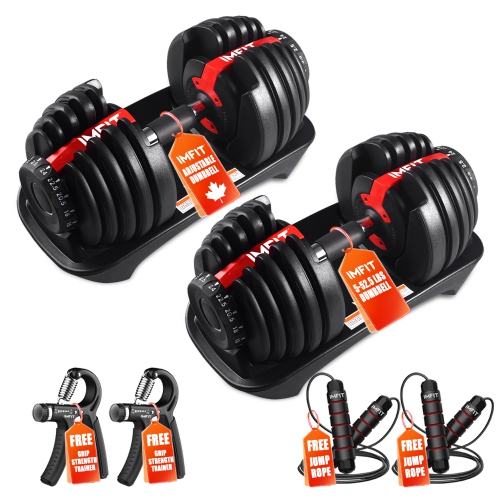 Your price for this item is $249.97
 -
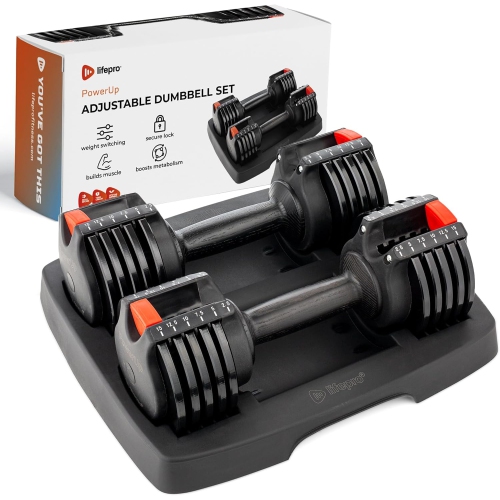 Your price for this item is $159.98
 -
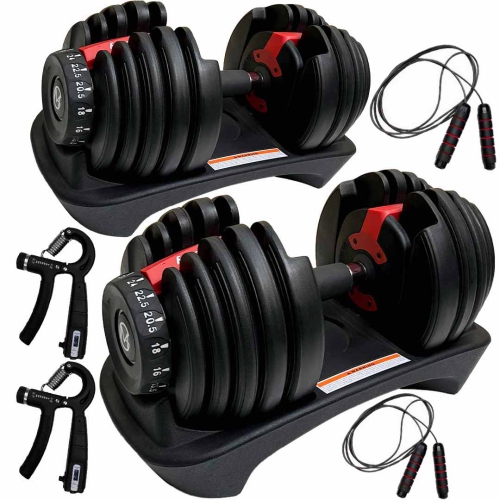 Your price for this item is $143.46
 -
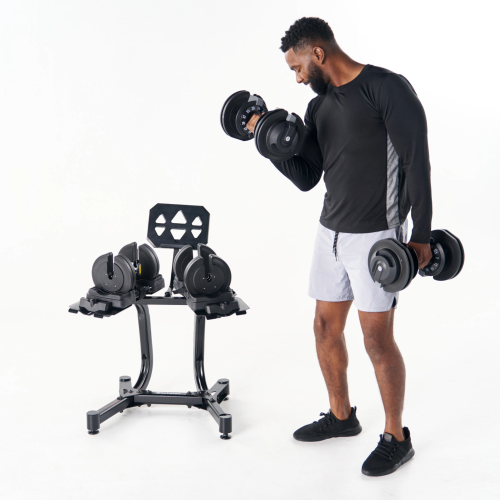 Your price for this item is $684.99
 -
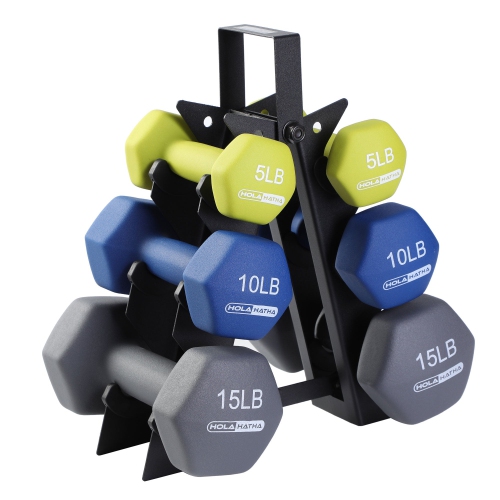 Your price for this item is $268.99
 -
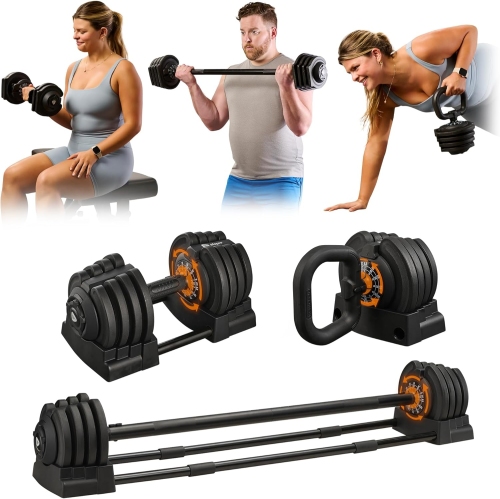 Your price for this item is $329.99
 -
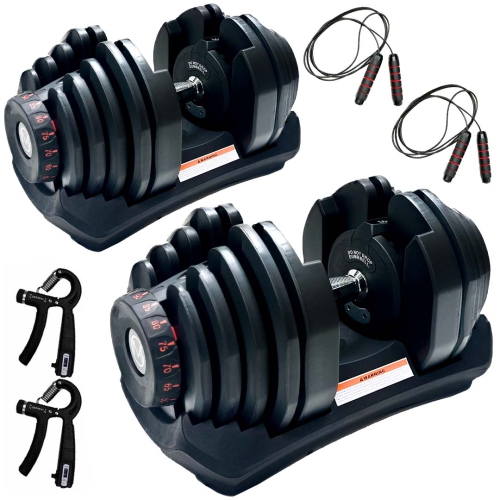 Your price for this item is $449.99
 -
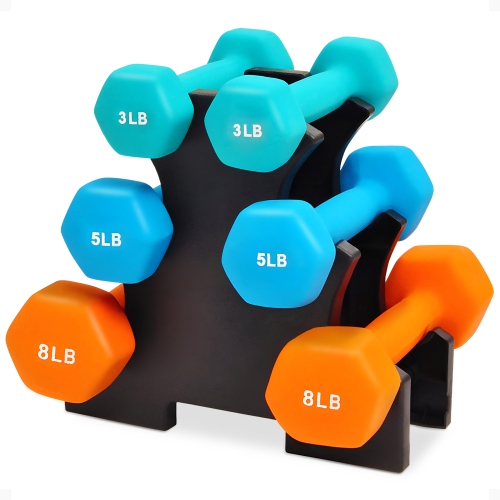 Your price for this item is $120.99
Discover more categories related to Weight Lifting Equipment List
Top Collections:
Pokemon Centers, Best Cameras for Sports Photography, Kindle Devices, Samsung Galaxy Phones, Canon G7X Cameras, Pokémon 30th Celebration Cards, Refurbished Apple Laptops, iPhone 15 Apple, Laptops for Students, Budget Smartphones
Some products may be subject to Environmental Handling Fees
(EHF) depending on your province.
Learn more about EHFs.