Weight Lifting Equipment for Legs
If you're serious about weight training, you'll want to invest in some good weight-lifting equipment. But with so many options out there, how do you know which ones are right for you? We've done the research and found some of the best options for building muscle and burning fat. Here are our top picks for all your weightlifting needs for your legs.
Sort
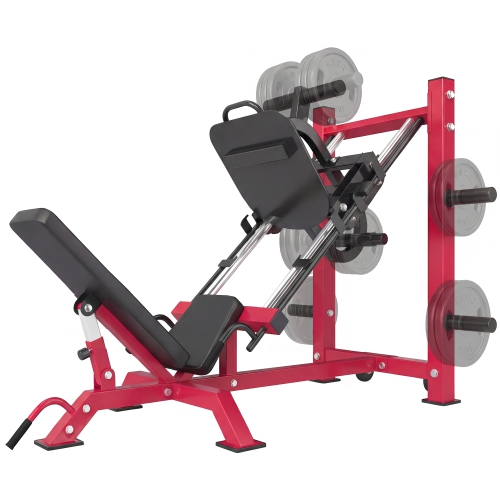
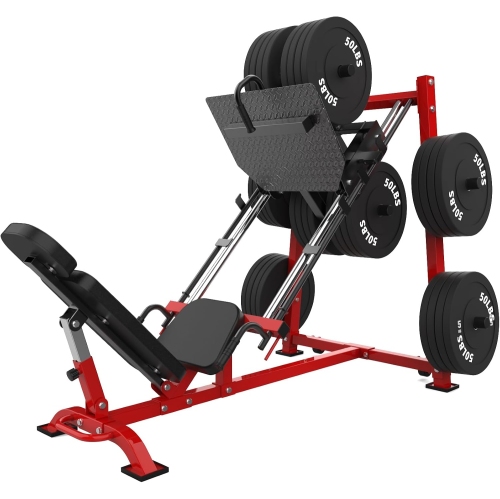
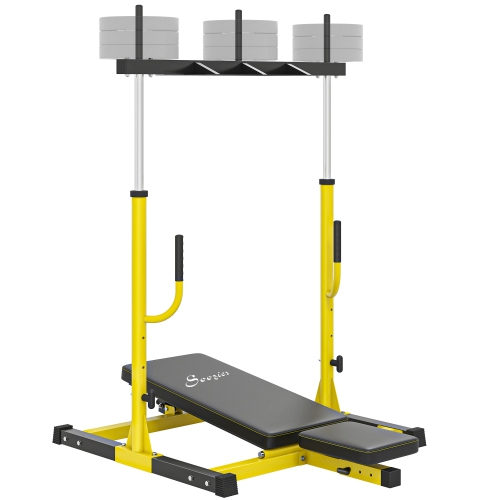
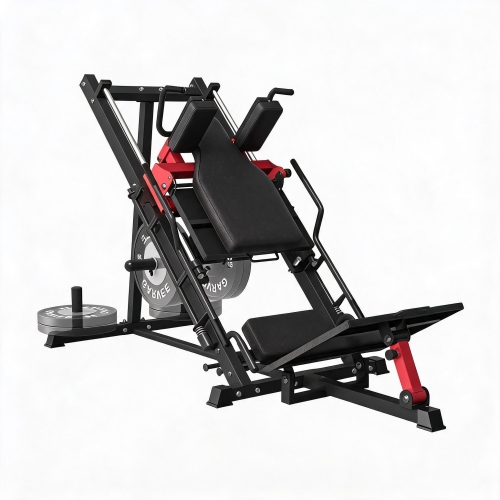
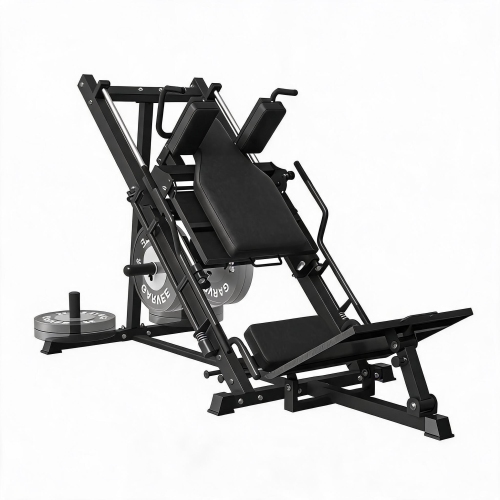
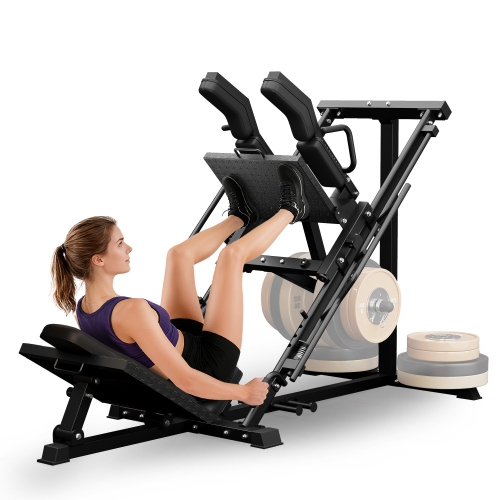
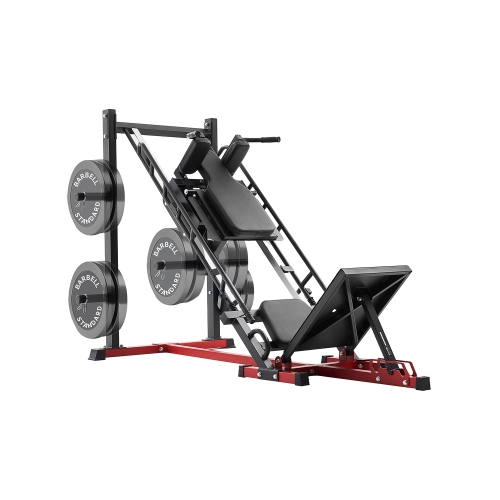
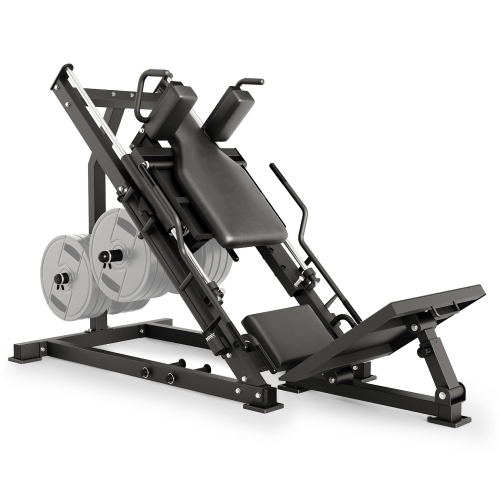
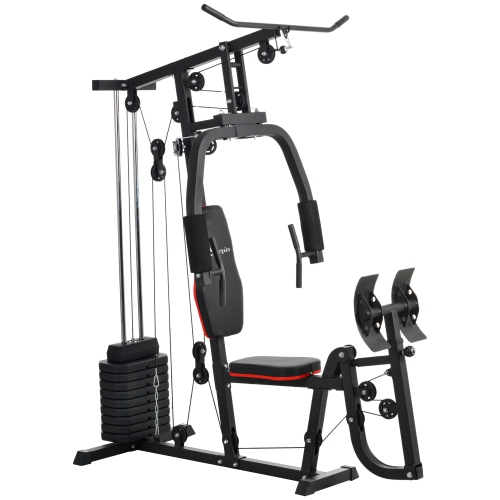

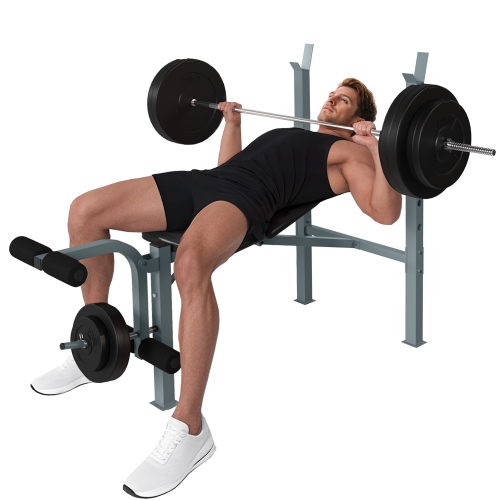
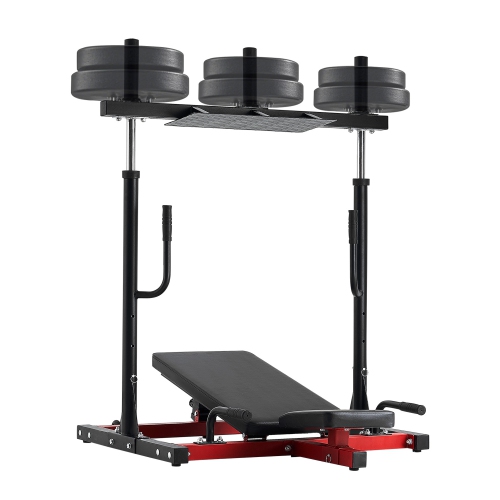
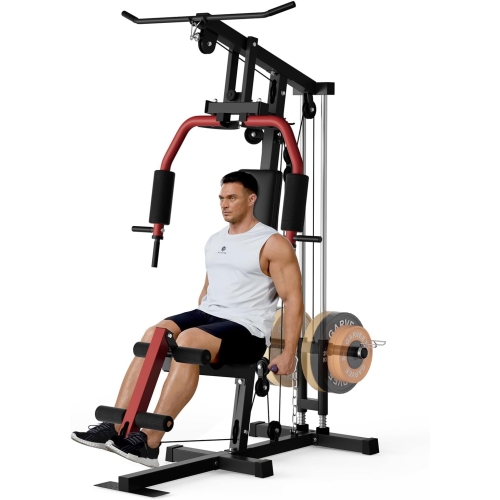
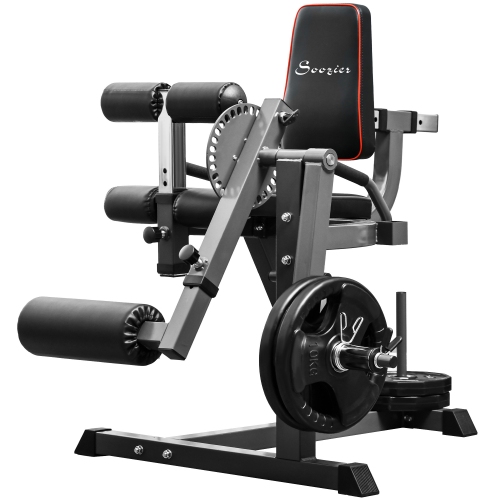
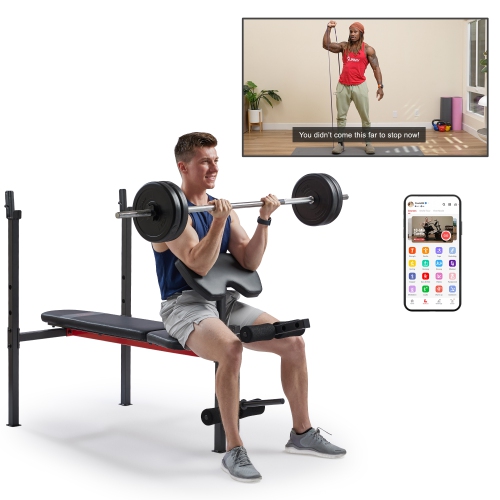
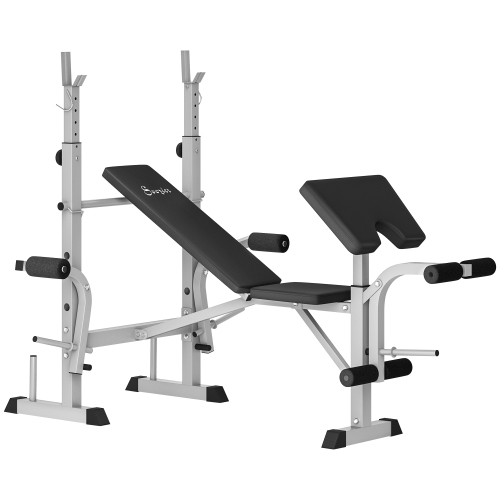
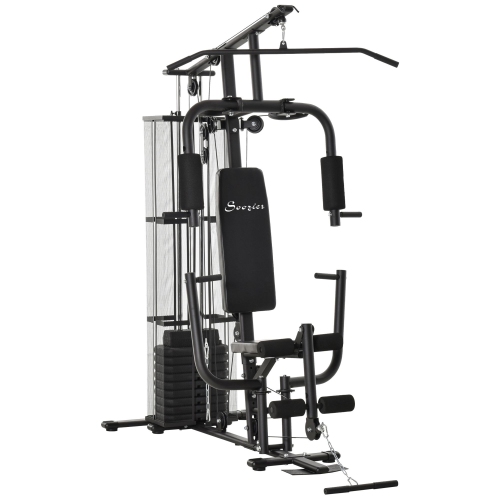
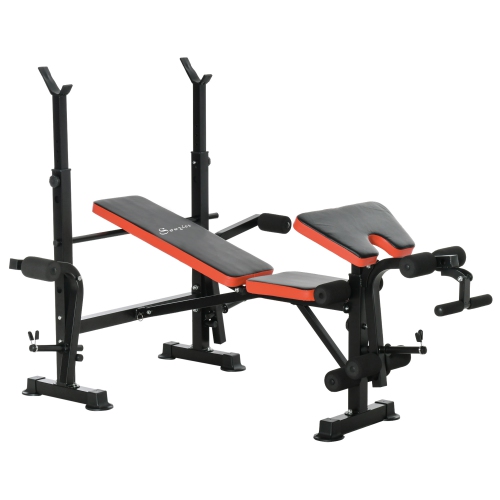
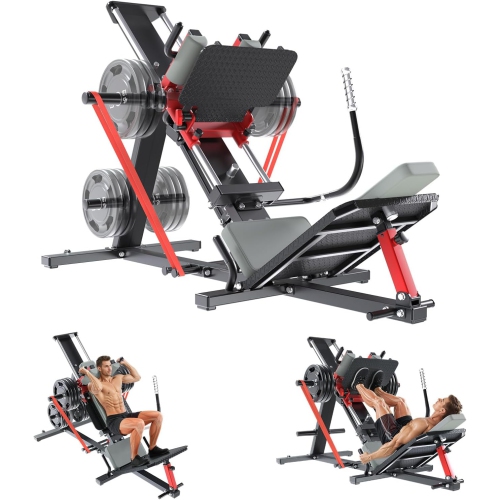
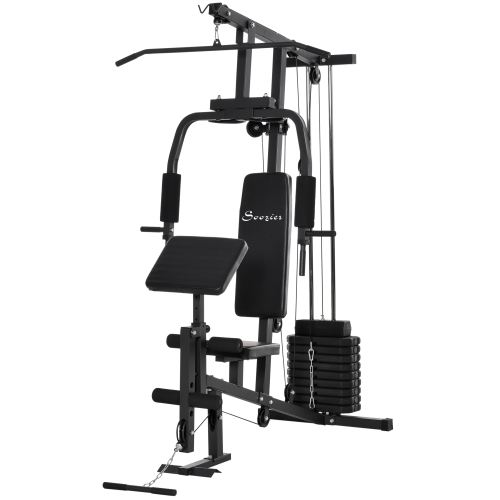
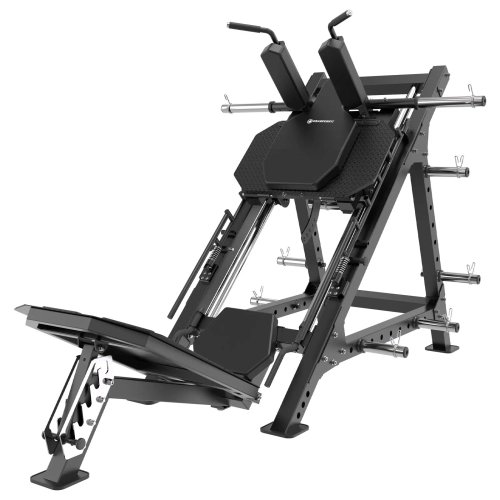
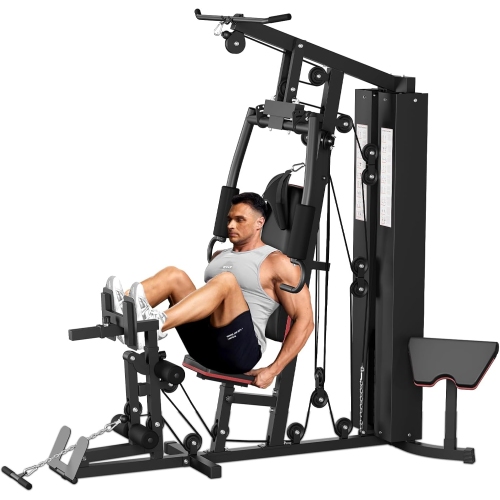
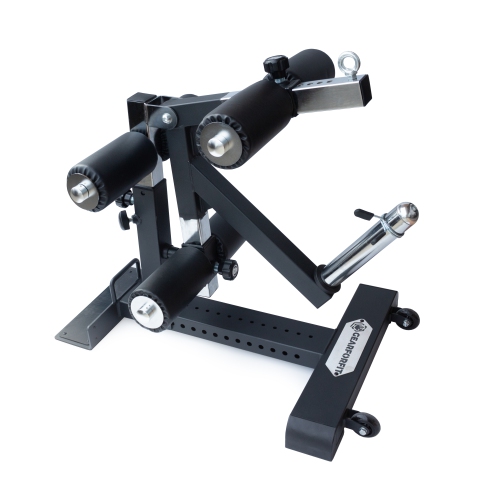

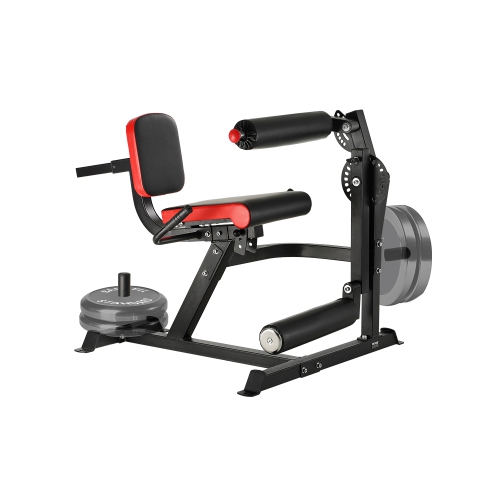
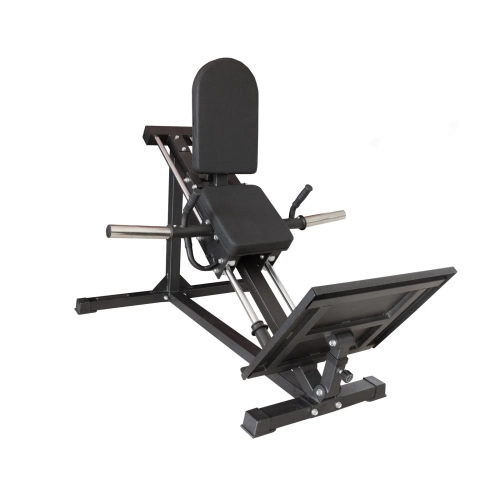
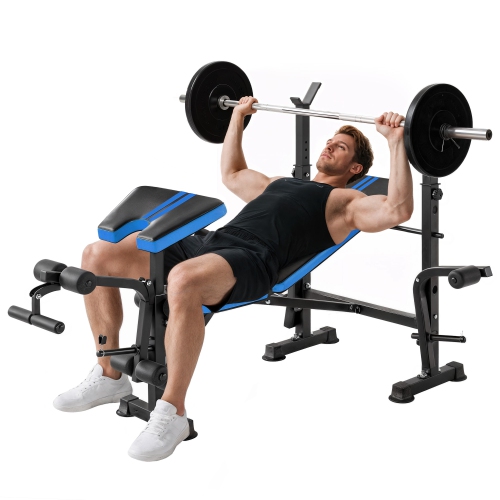
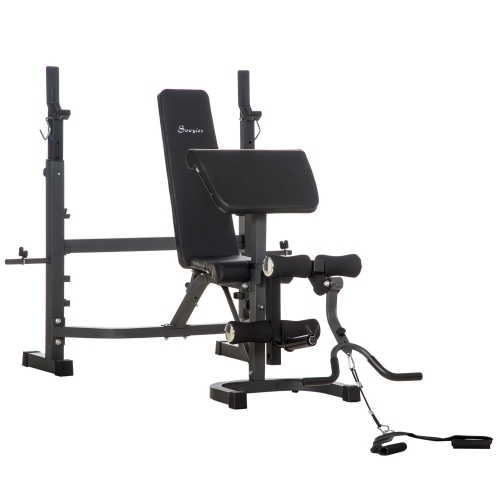
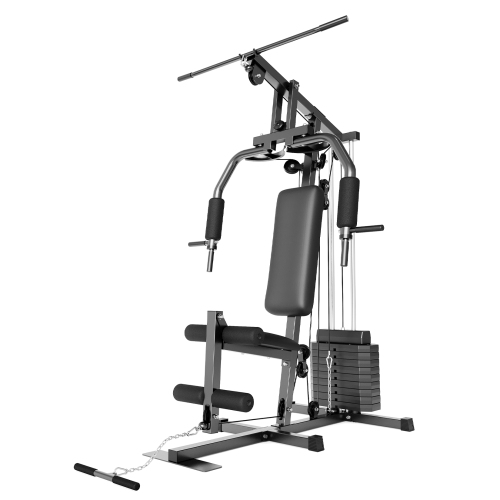
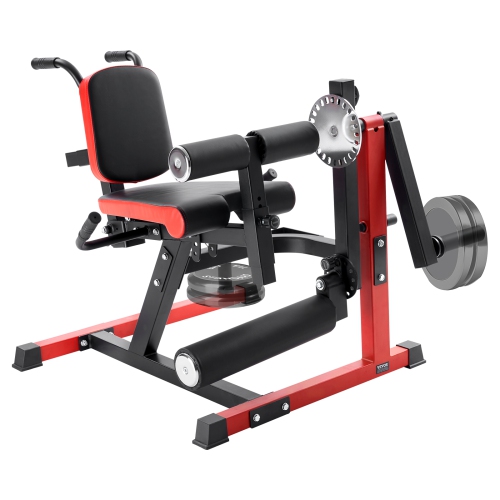
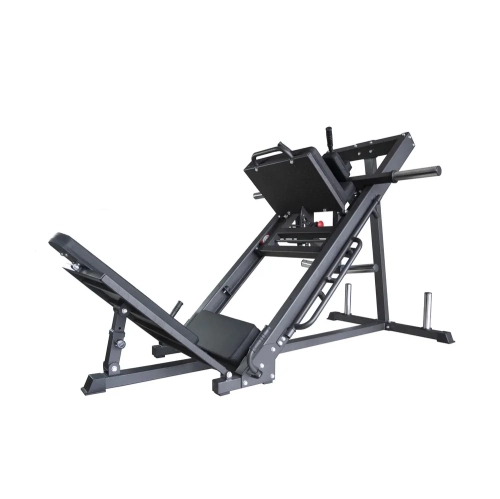
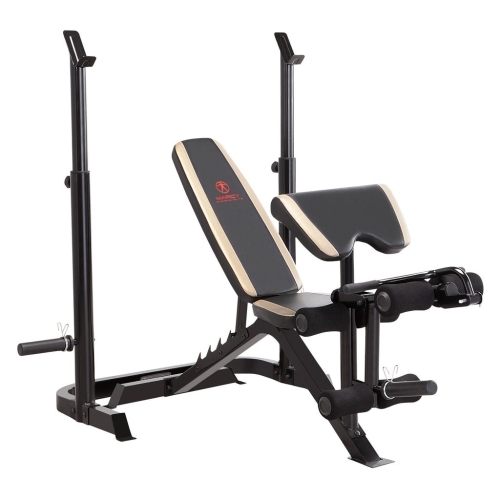
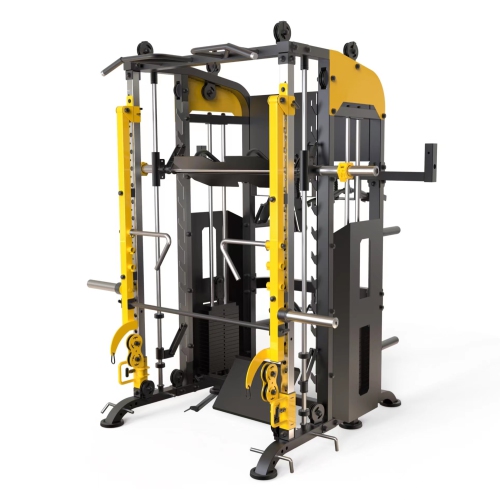
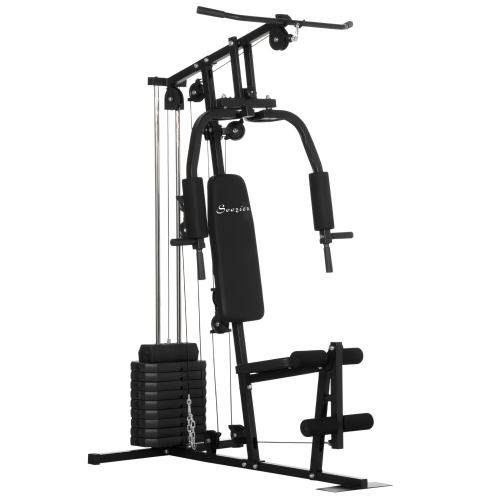
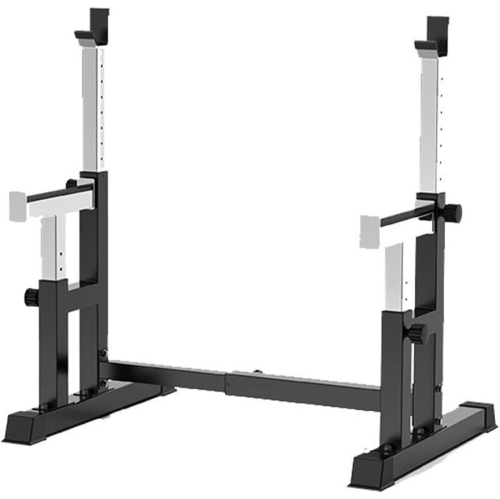
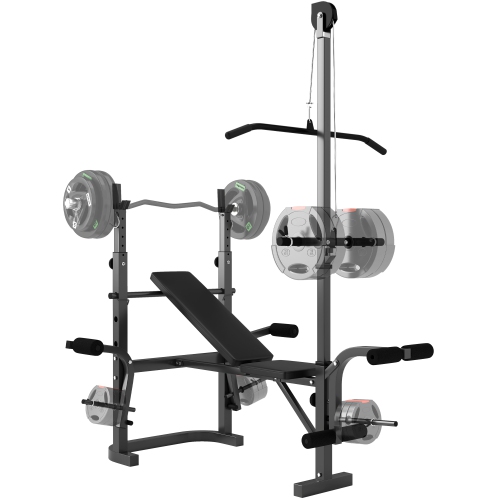
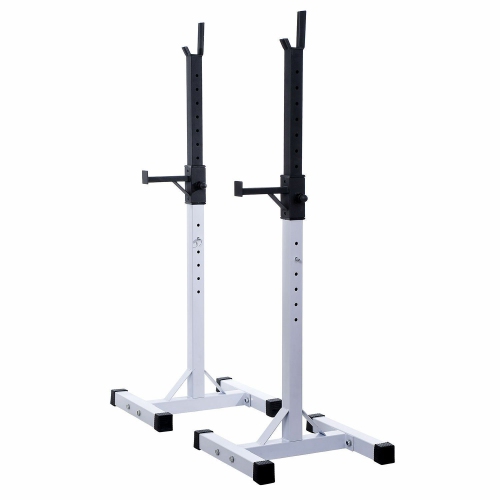
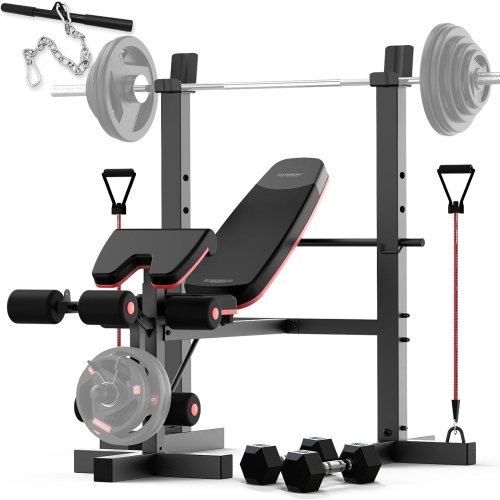
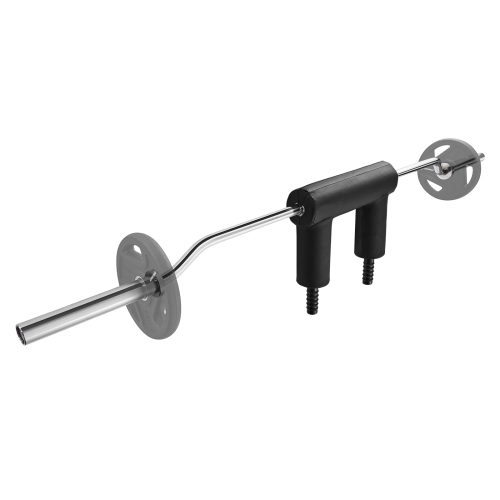
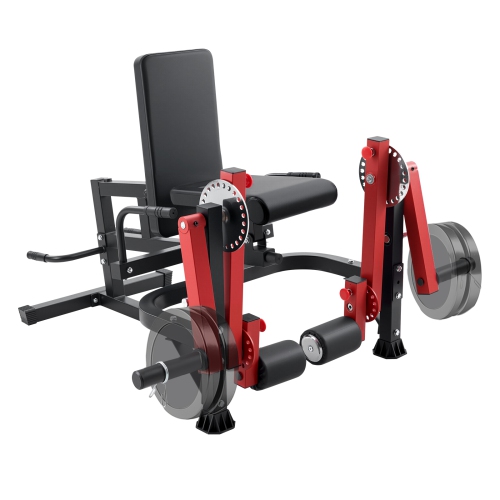
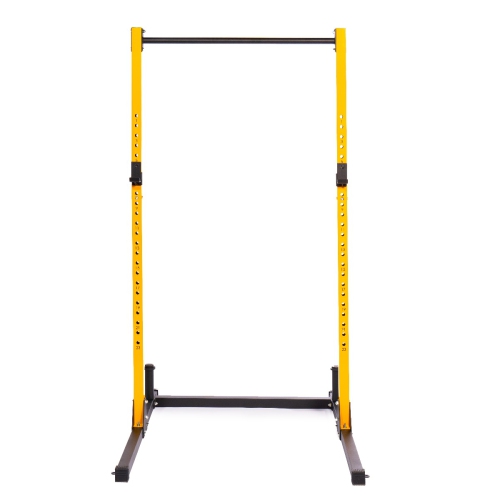
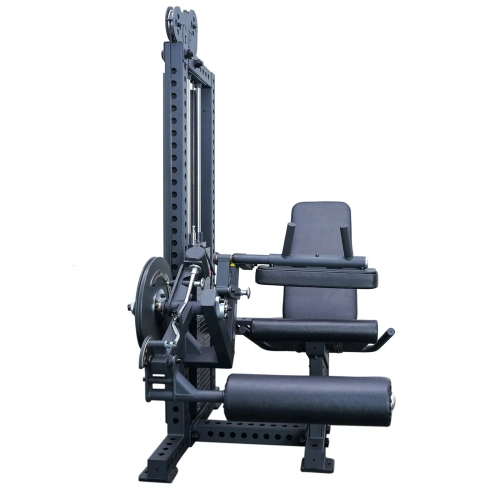
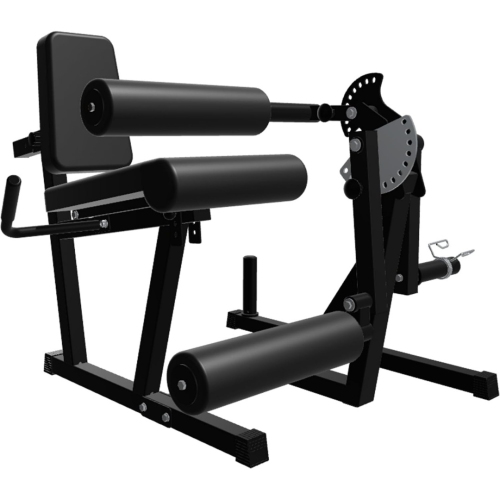
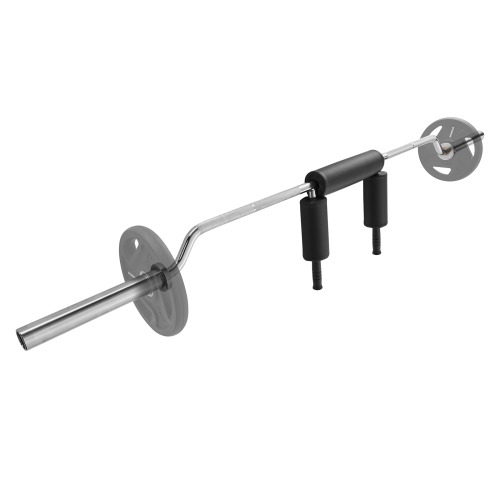
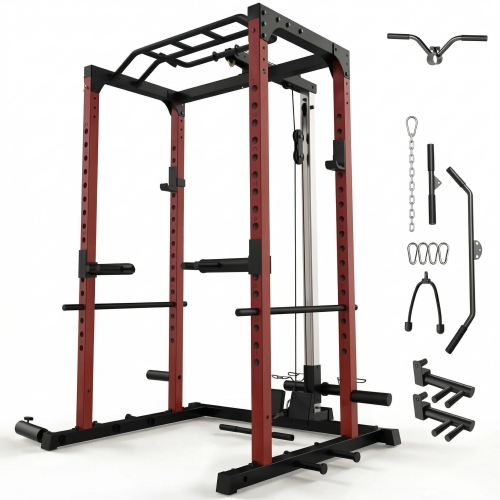
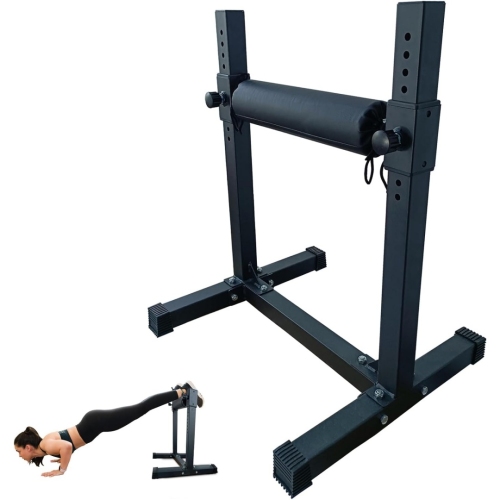
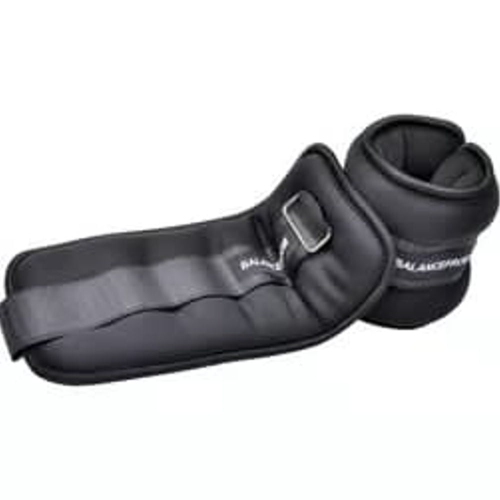
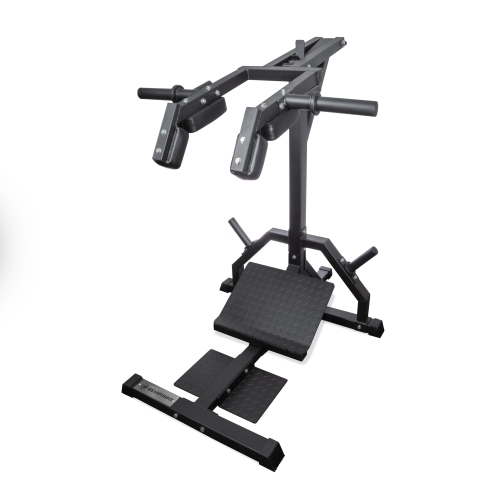
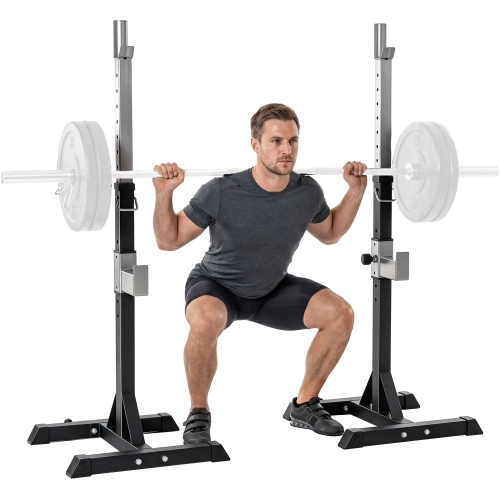
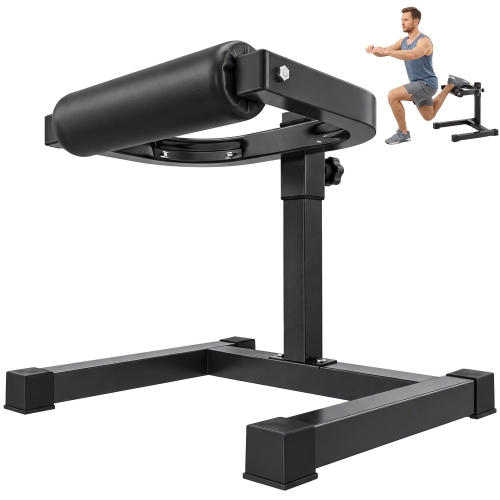
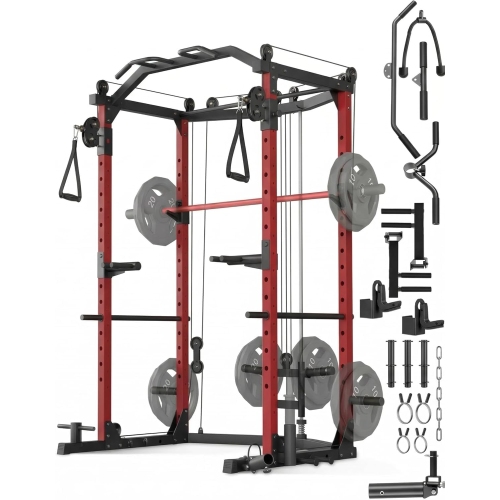
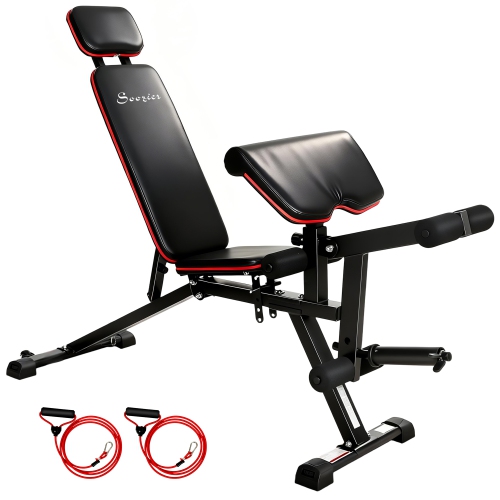
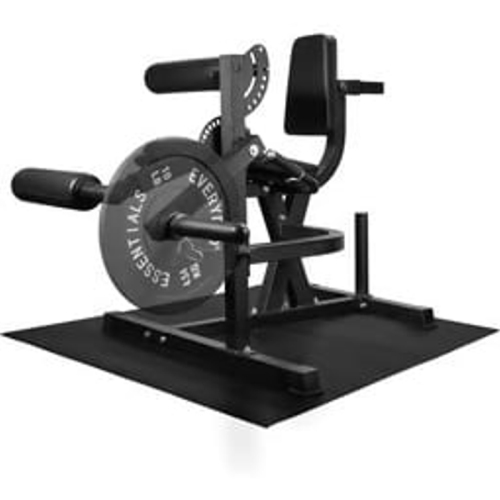
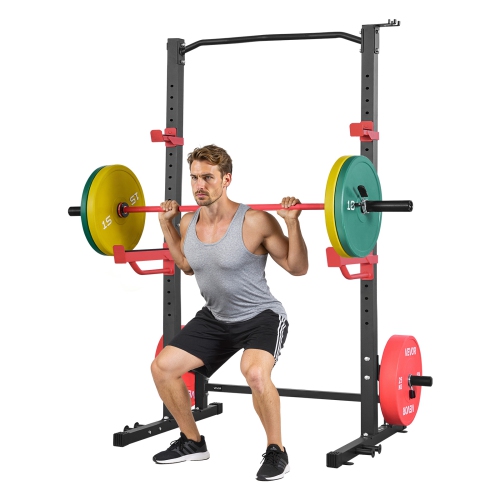
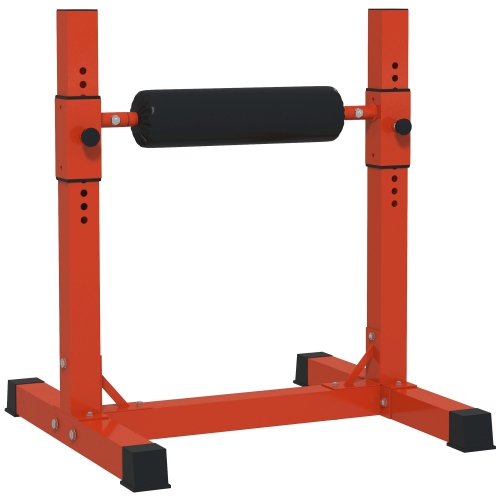
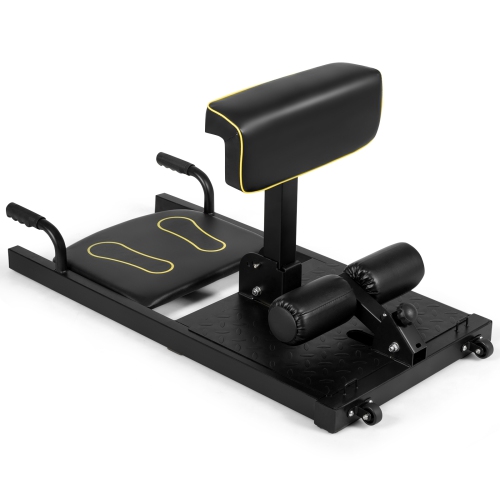
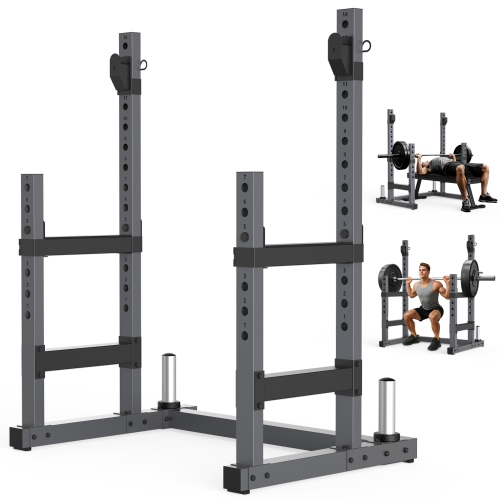
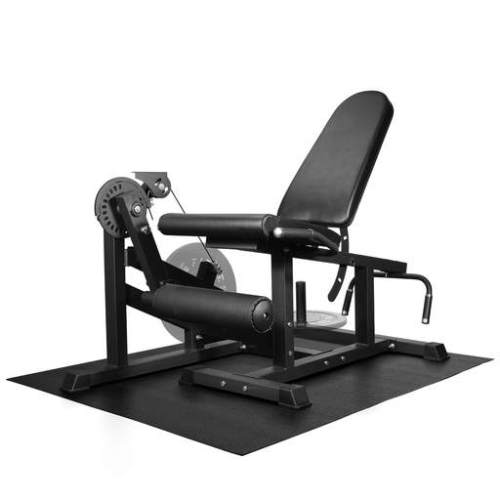
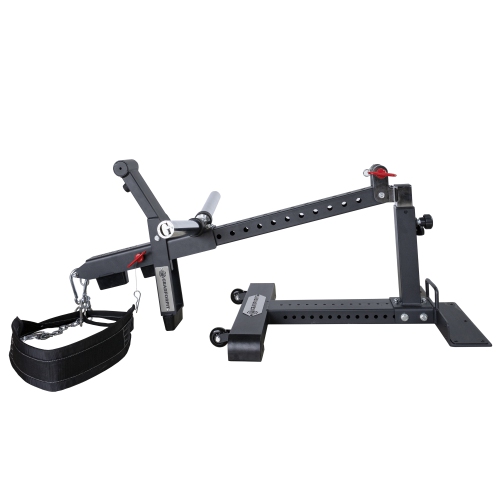
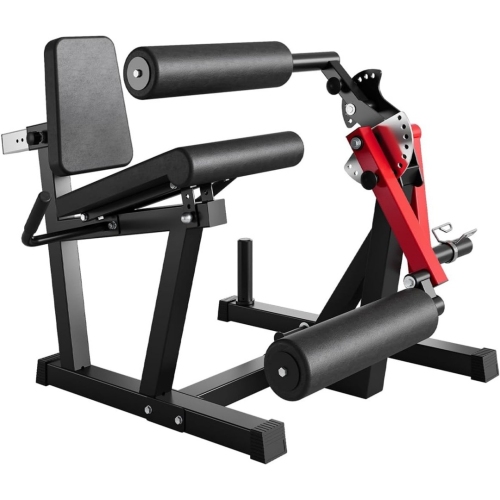
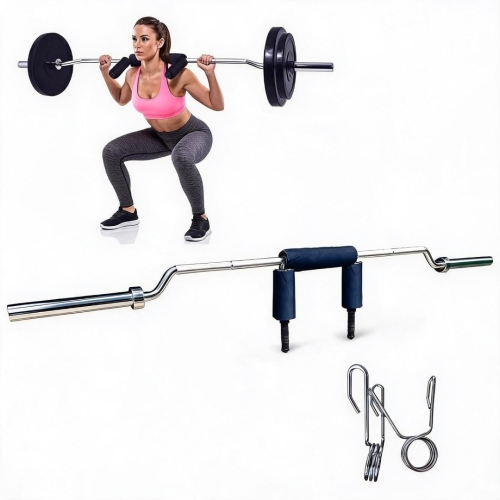
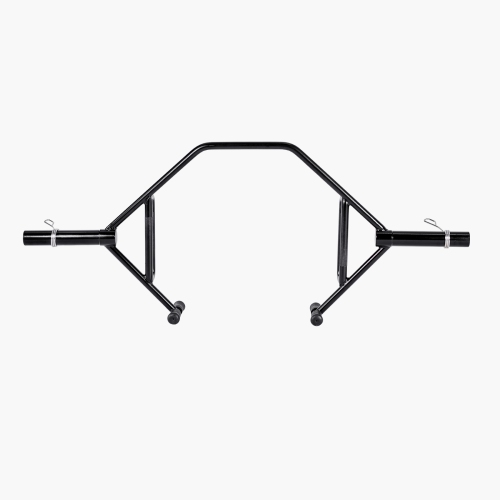
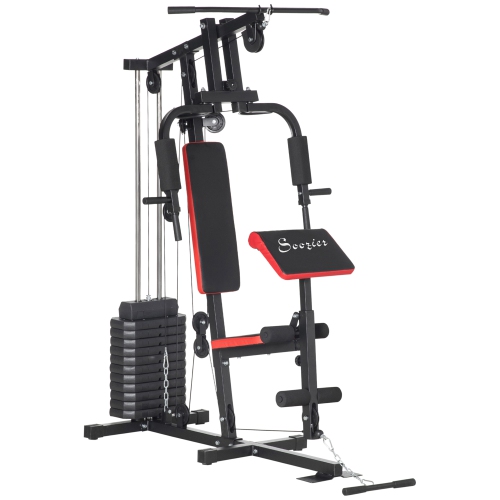
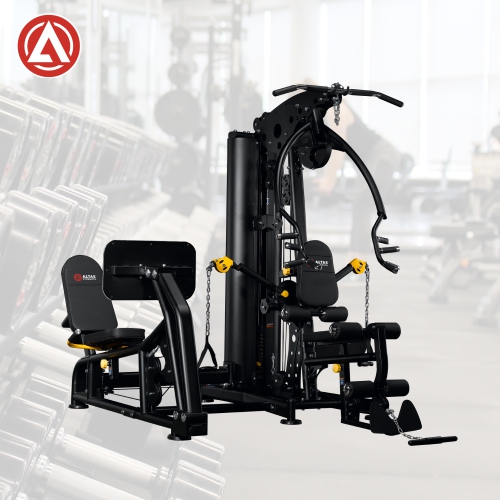
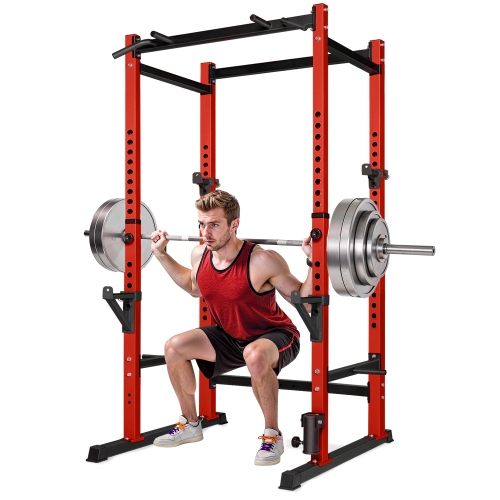
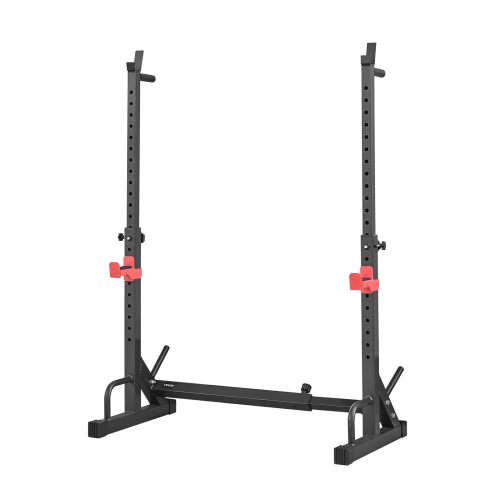
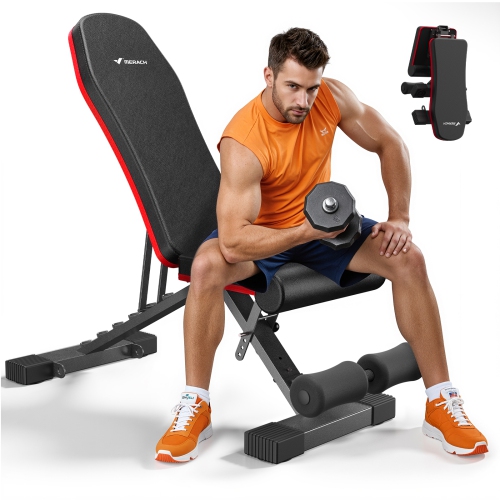
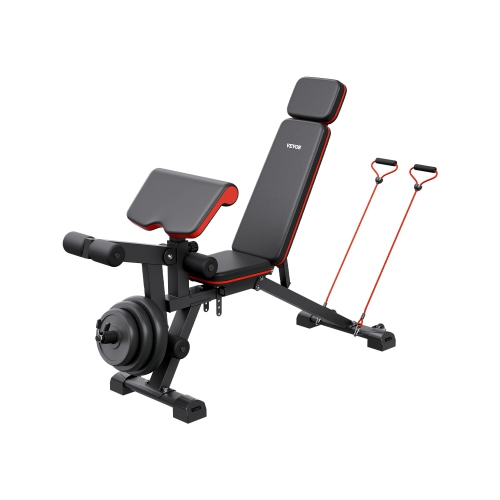
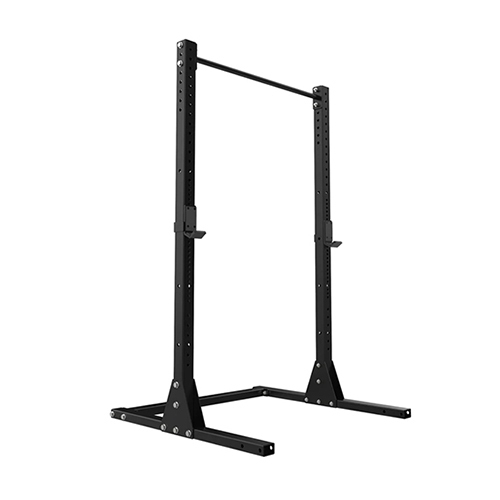
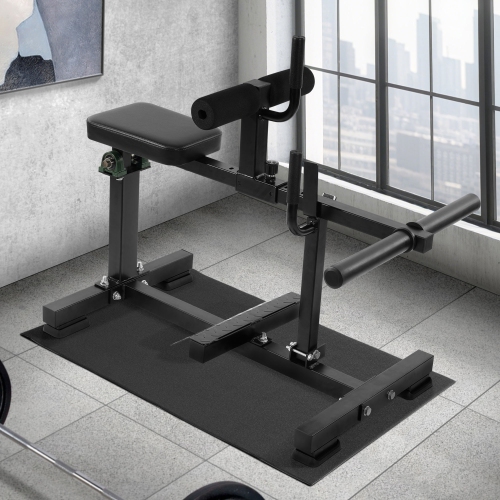
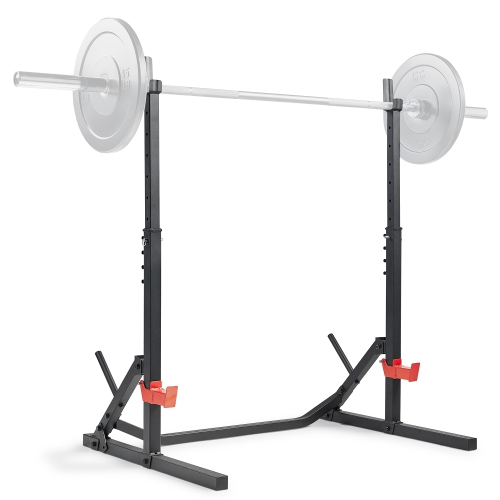
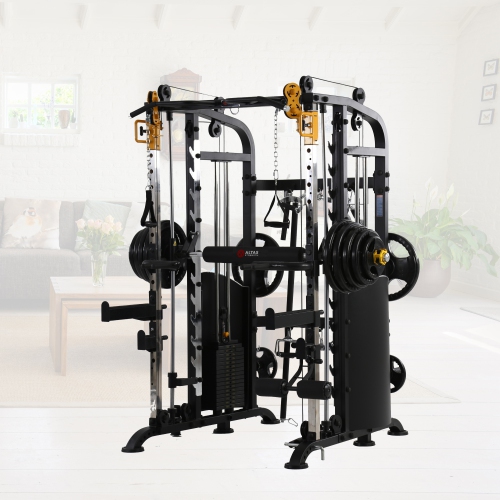
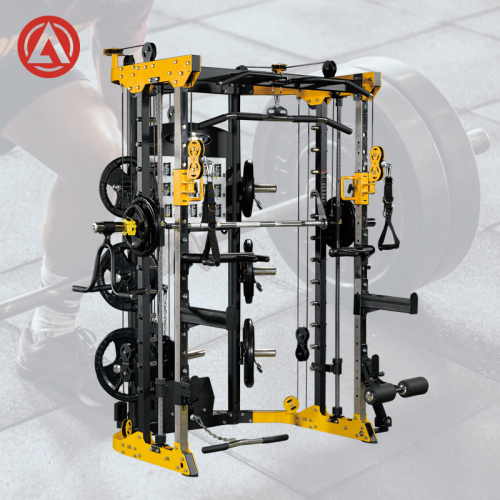
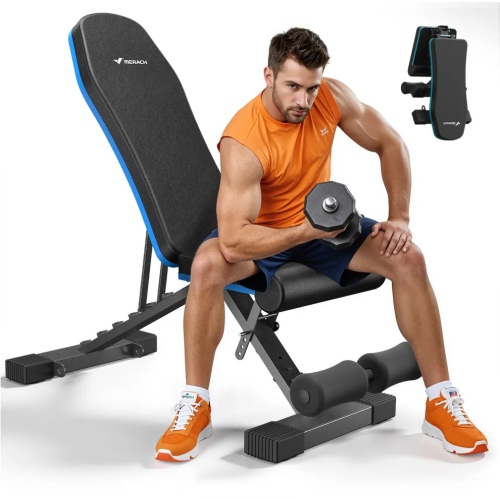
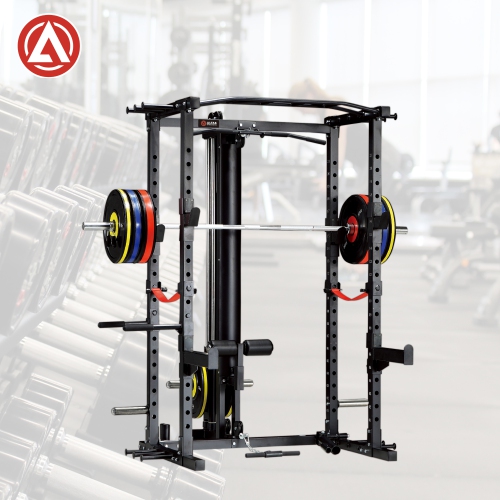
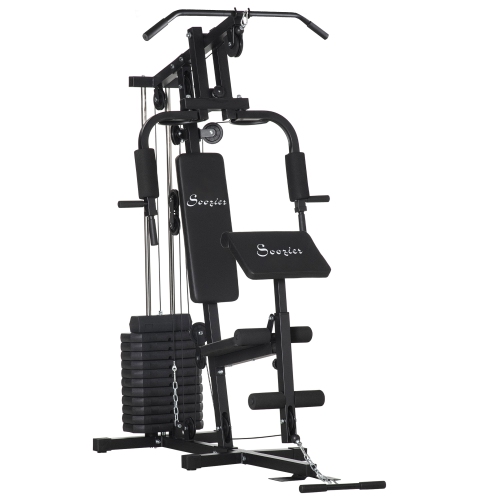
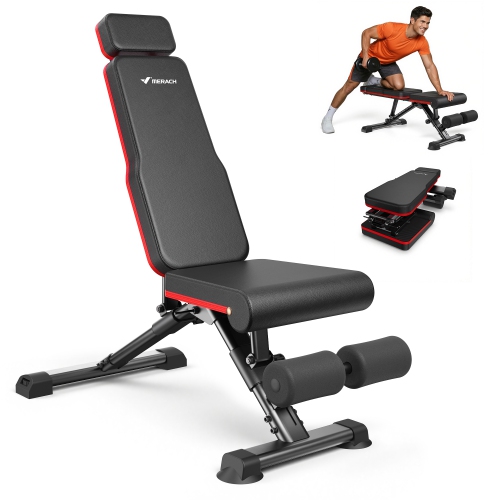
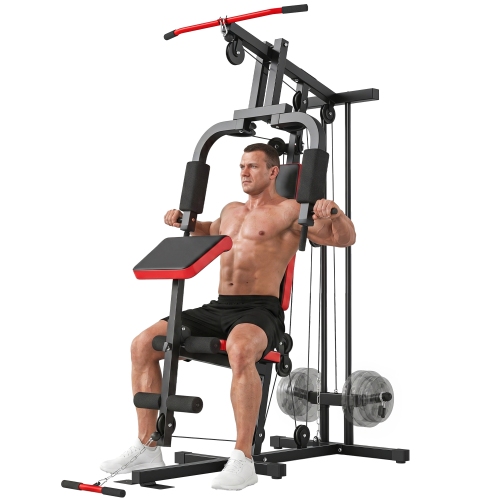
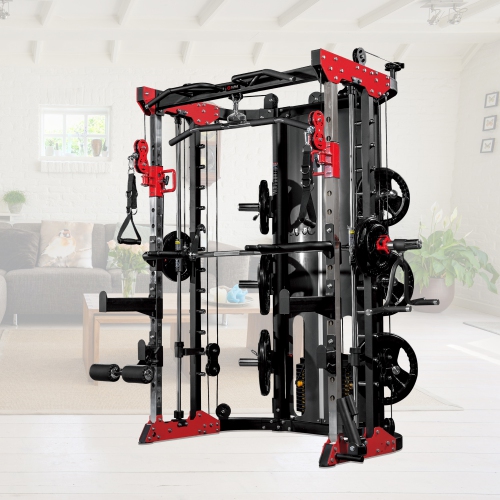
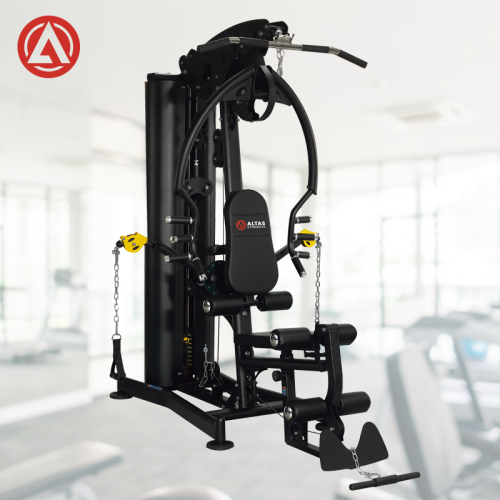

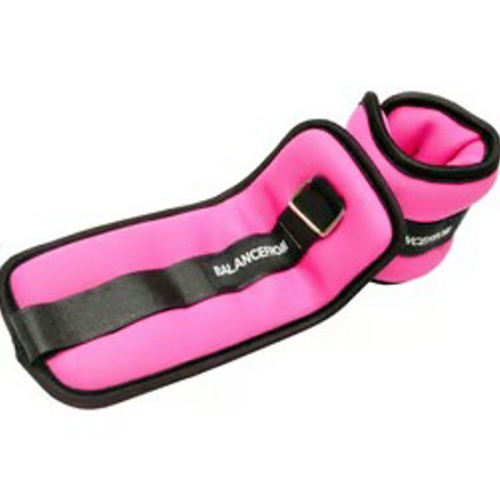
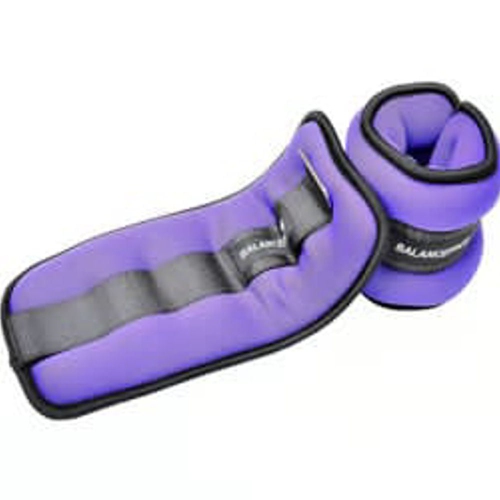
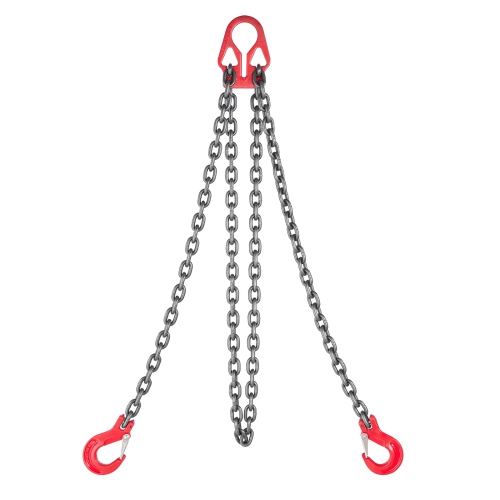
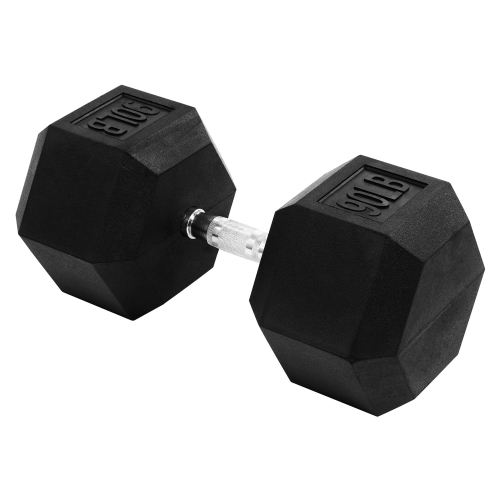
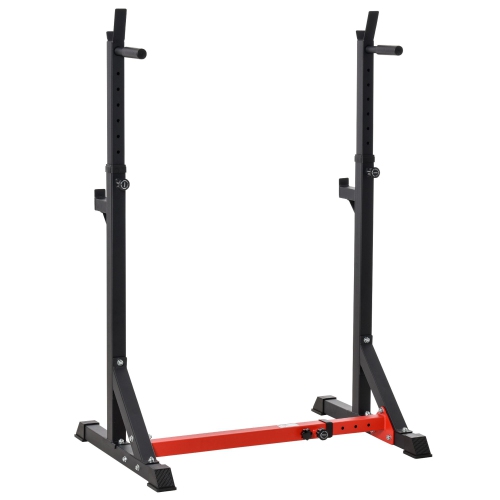
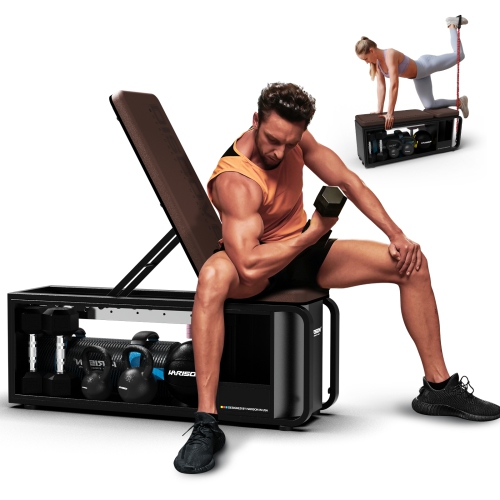
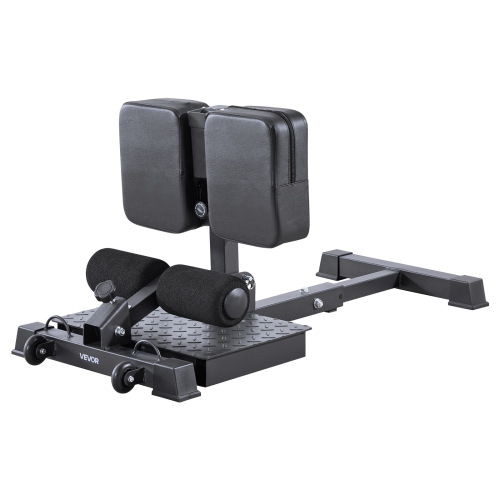
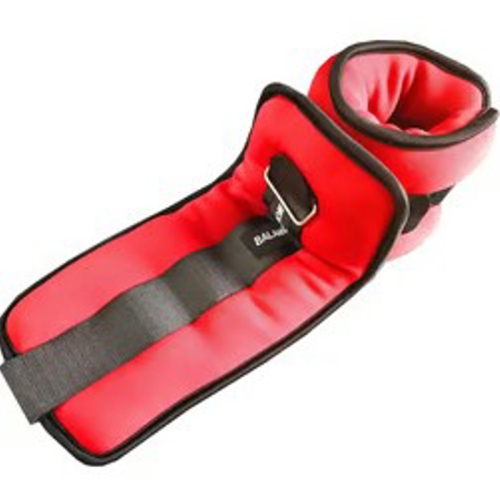
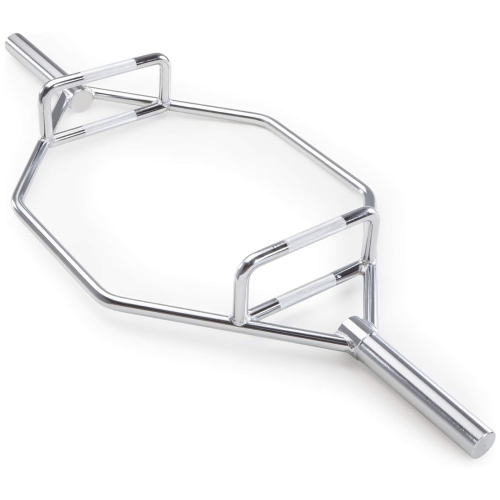
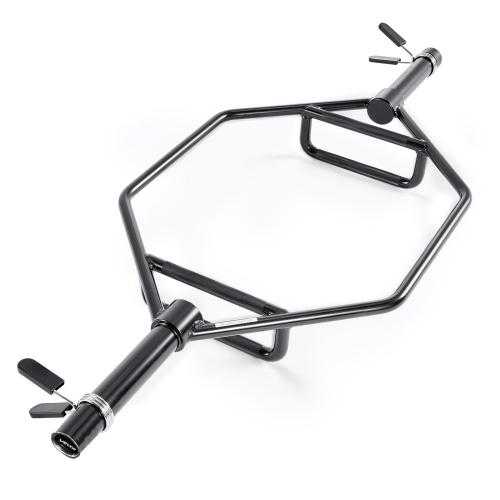
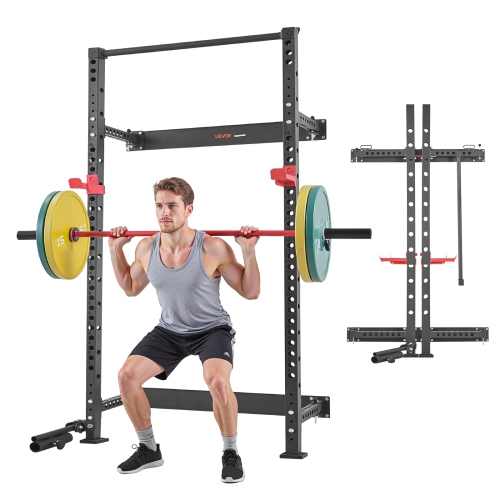
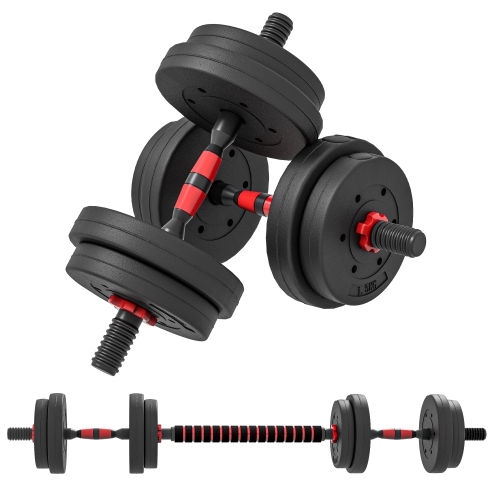
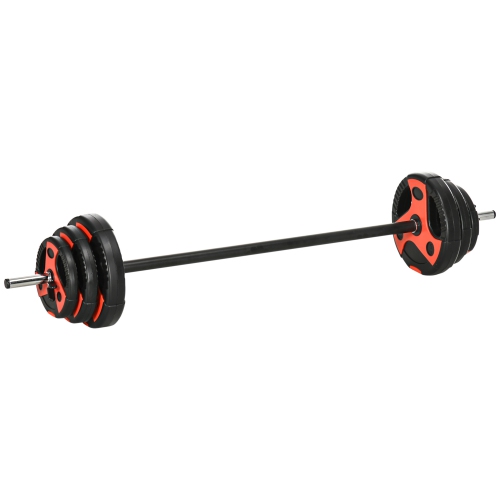
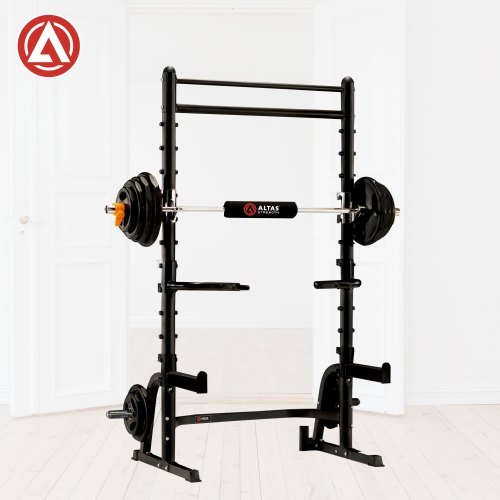
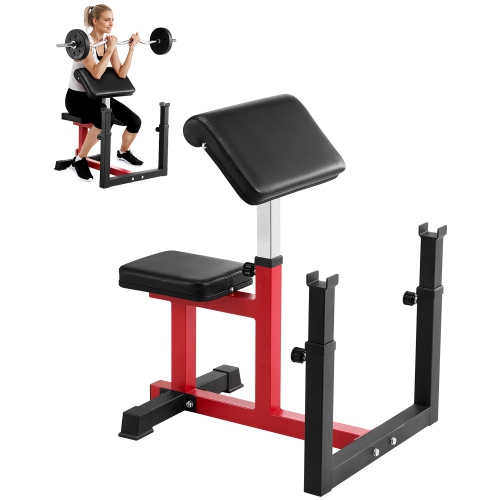
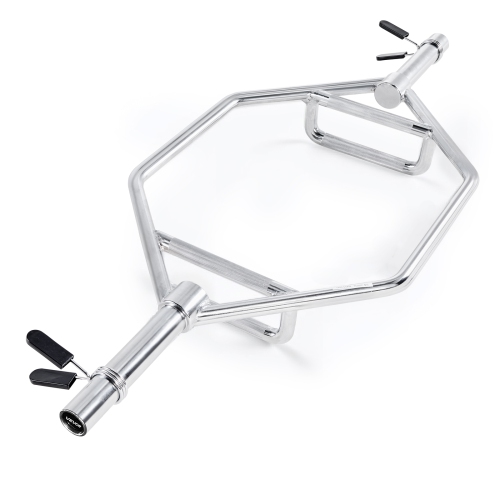
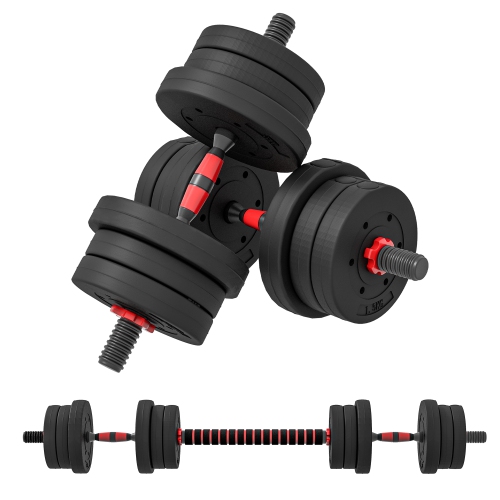
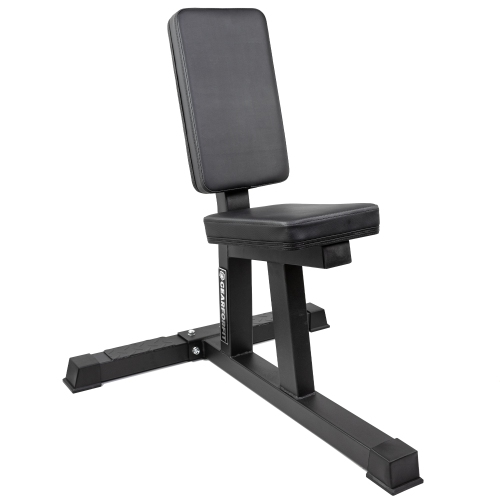
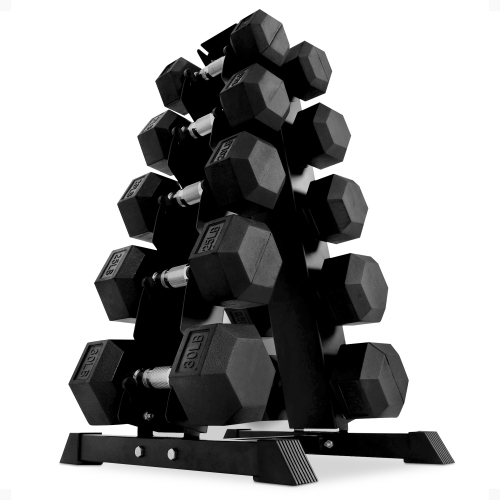
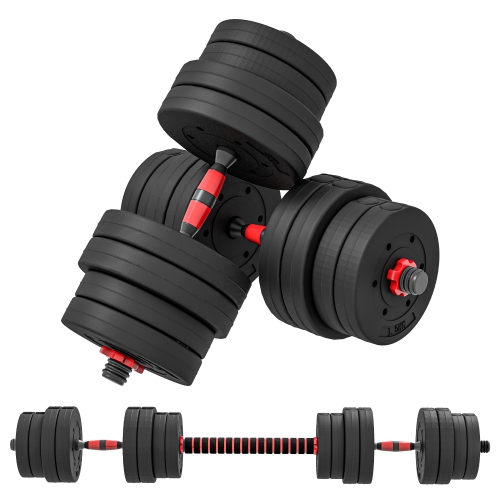
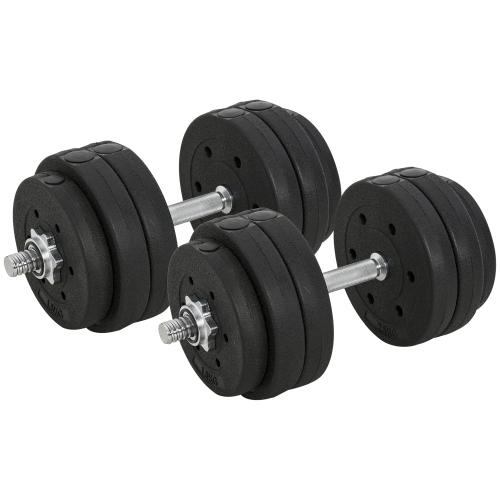
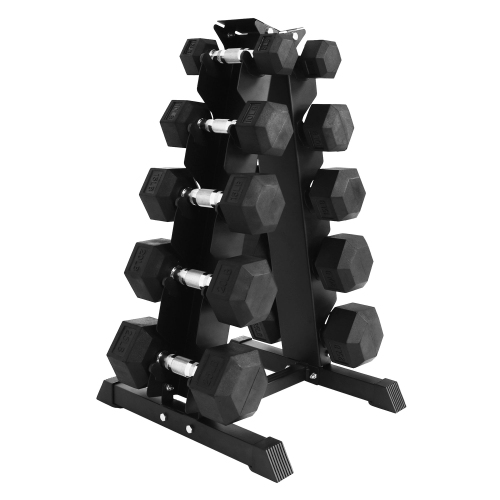
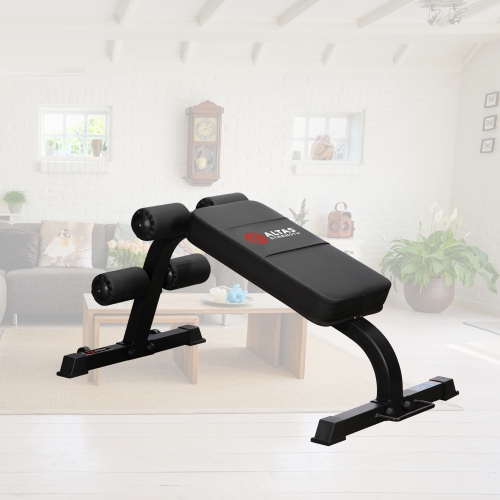
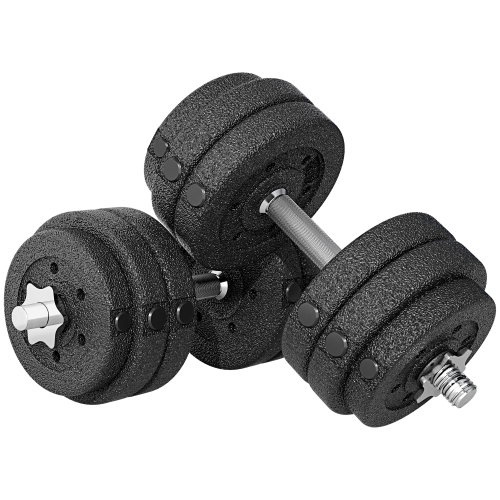
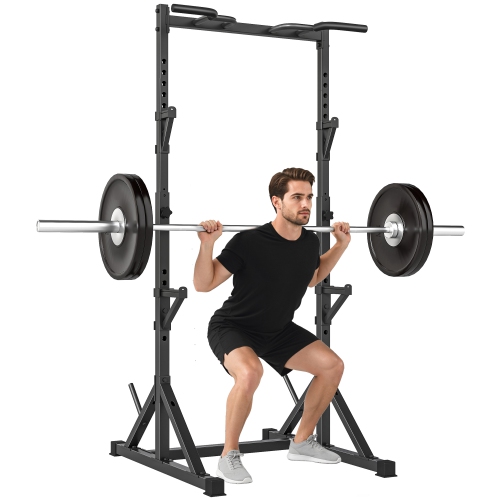
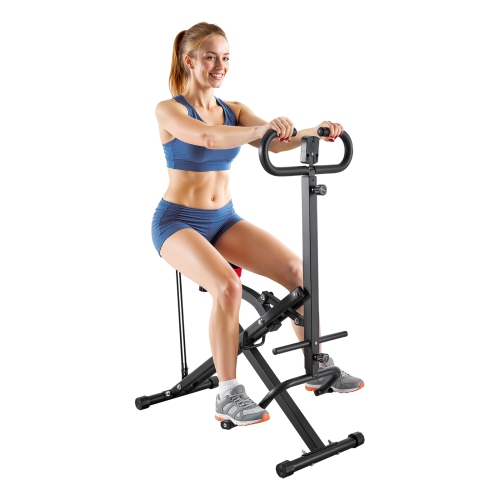
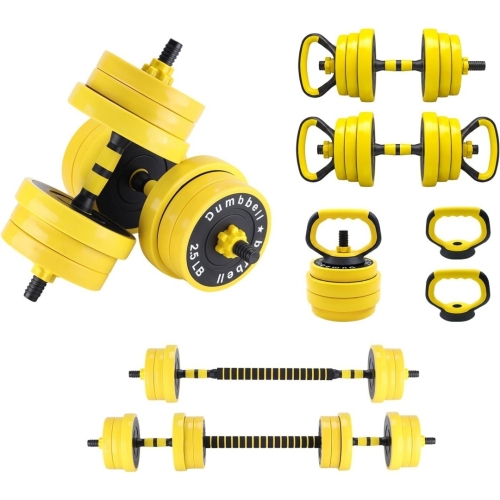
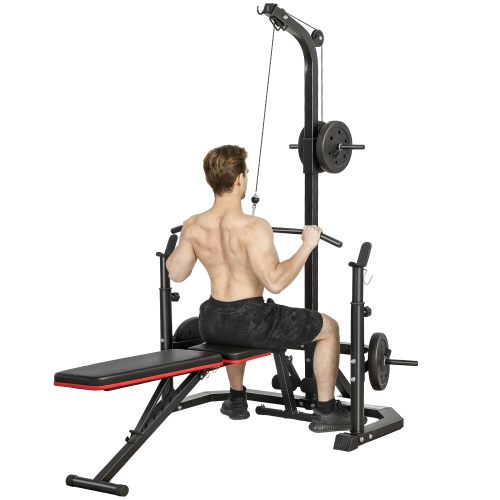
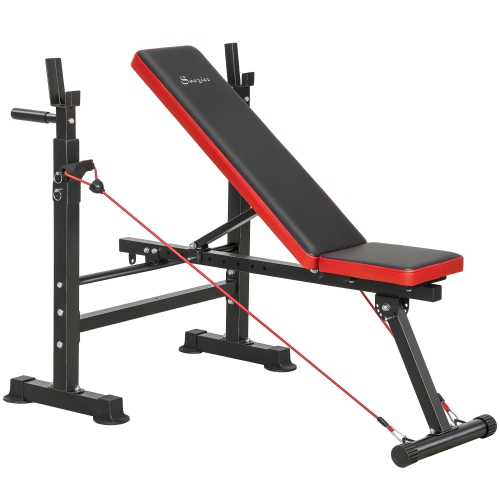
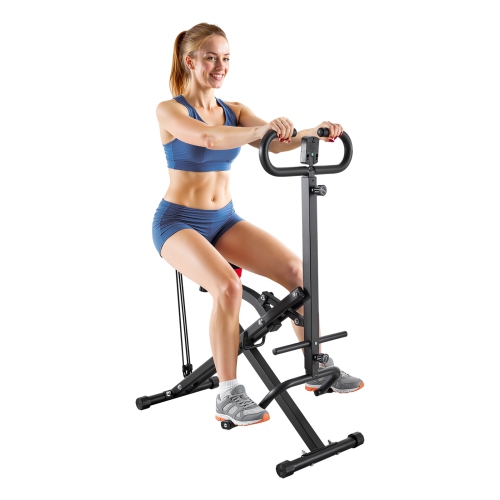
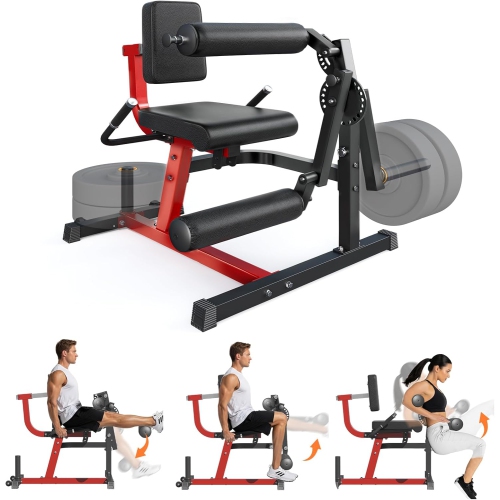
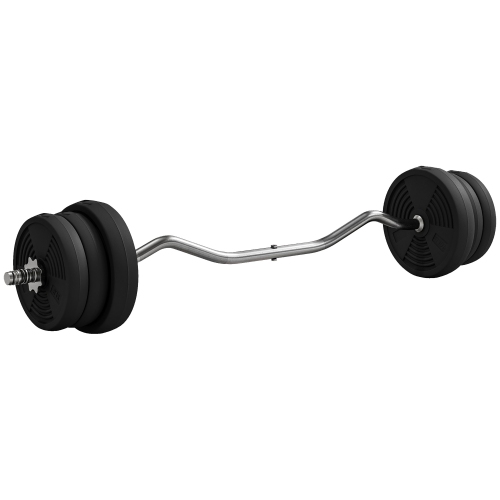
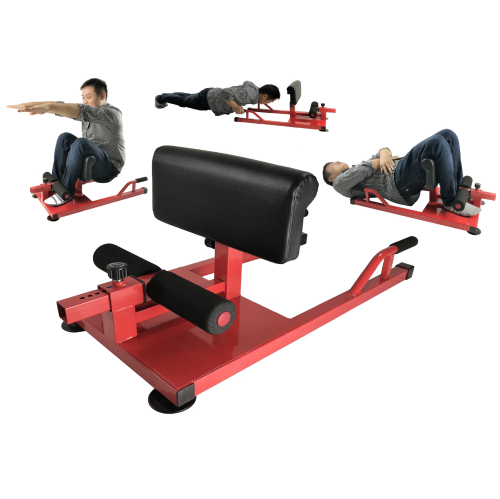
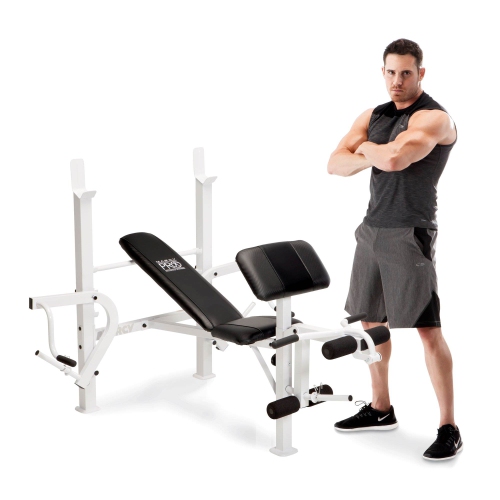
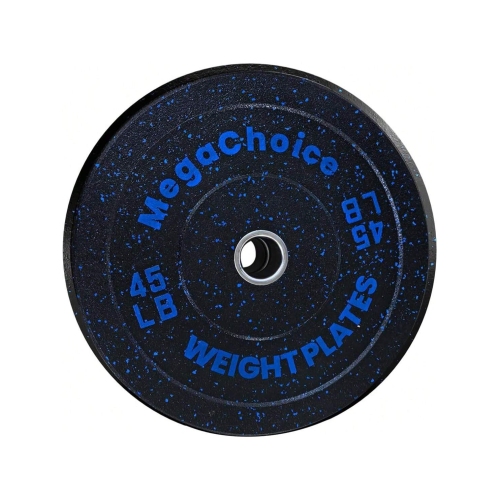
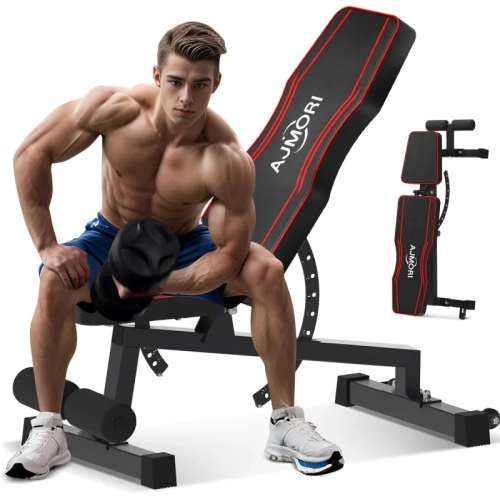
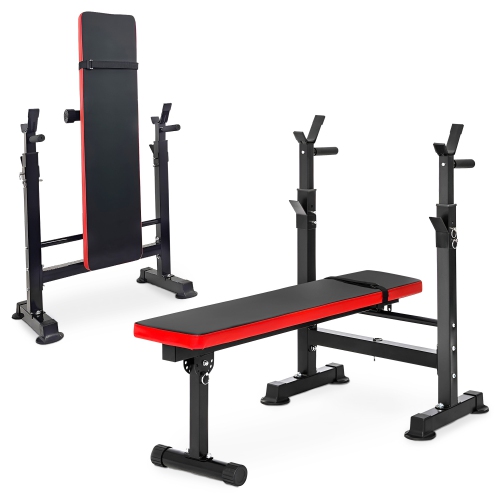
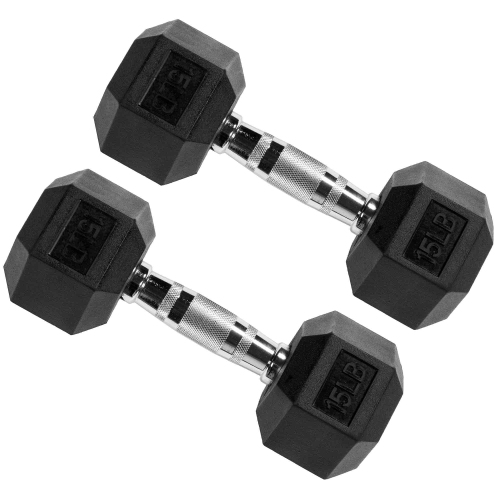
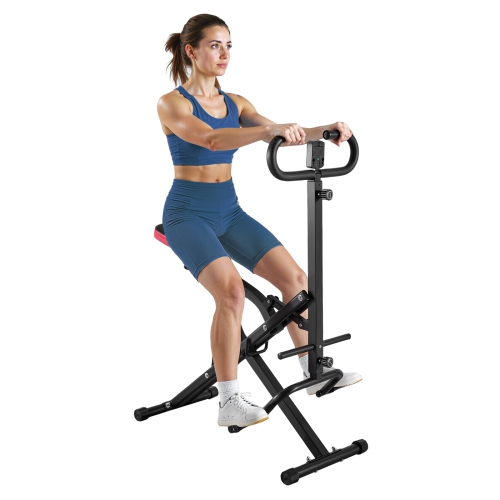
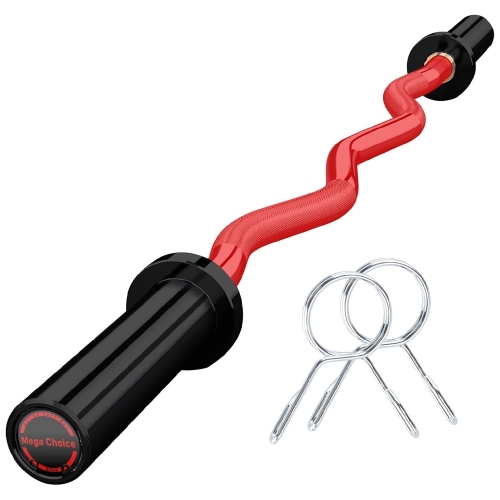
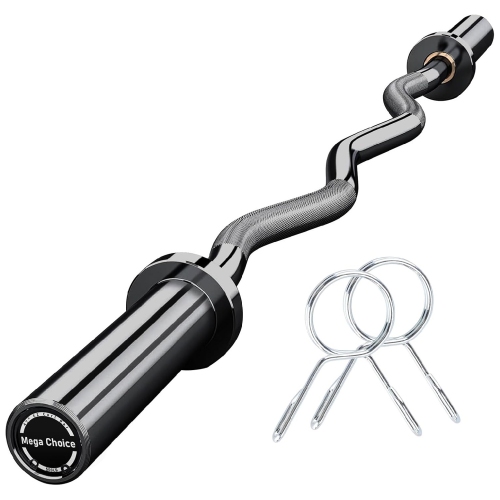
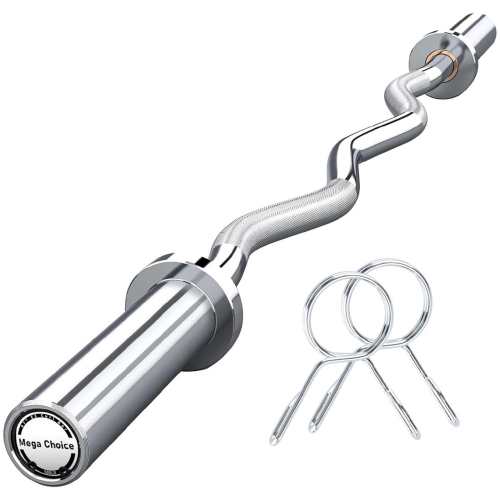
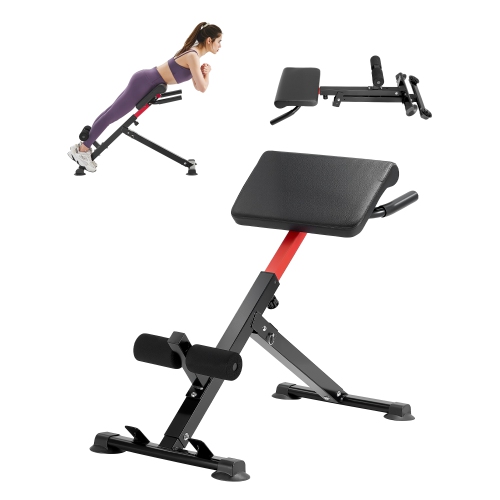
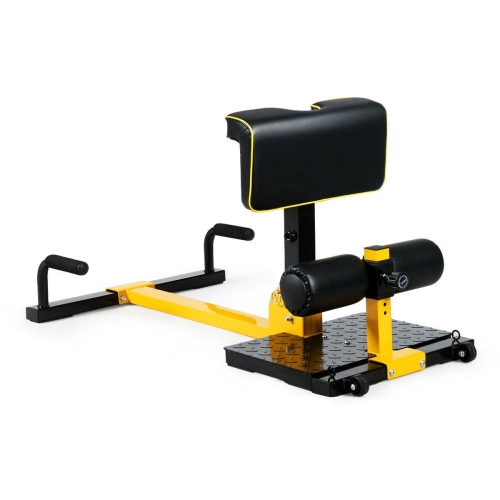
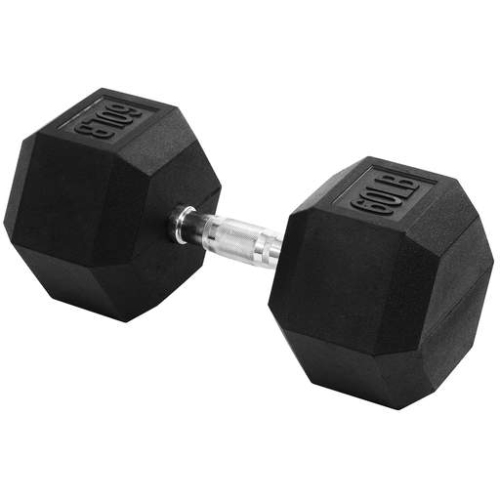
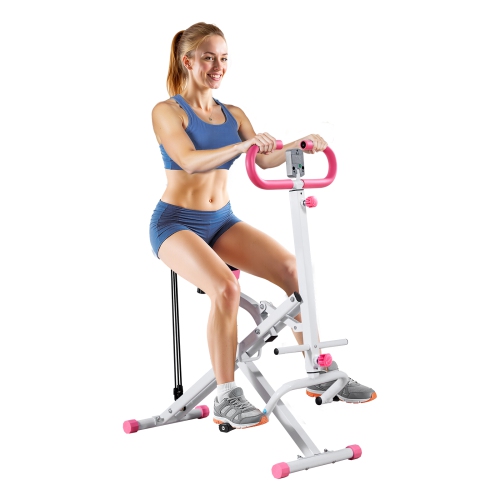
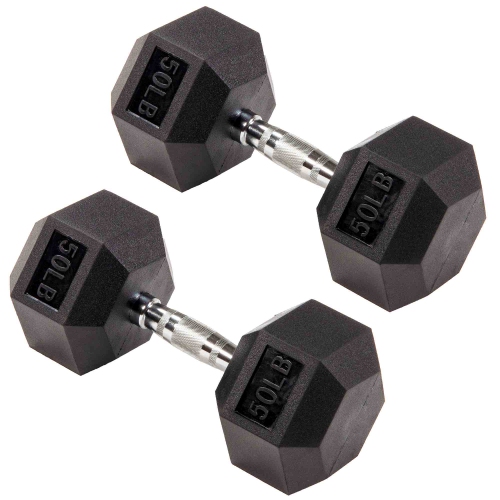

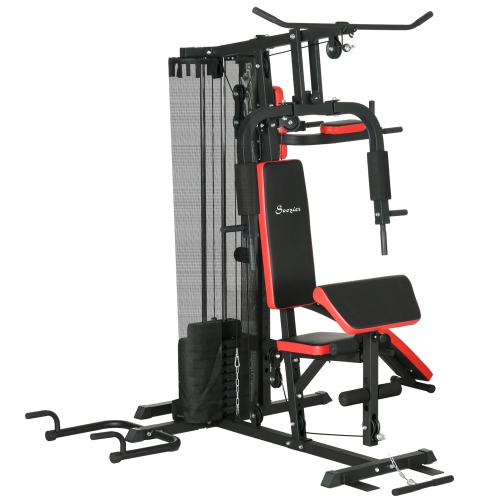
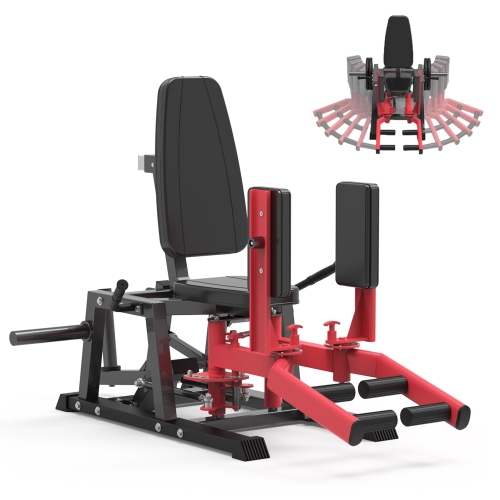
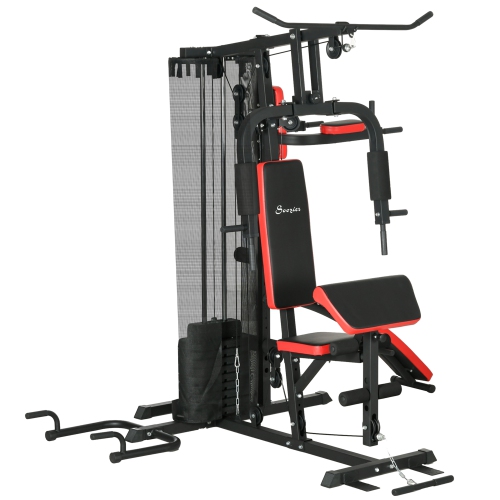
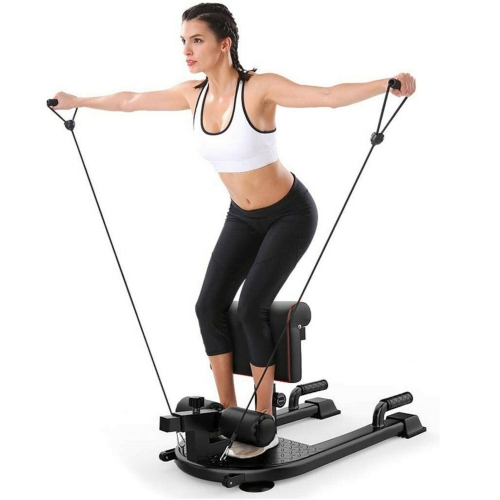
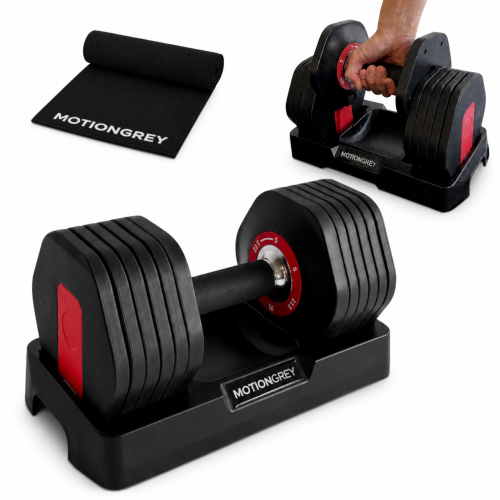
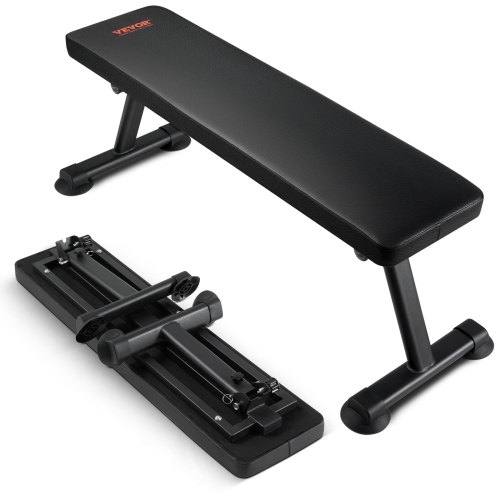
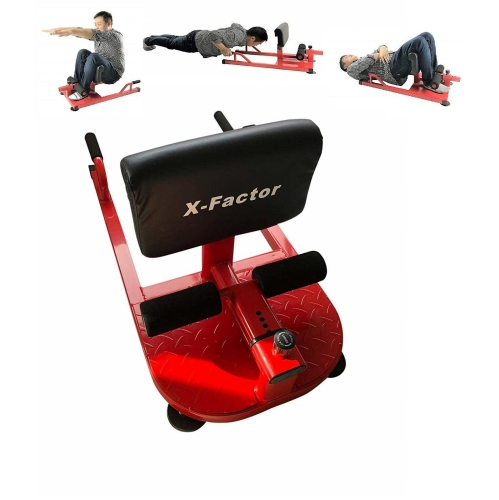
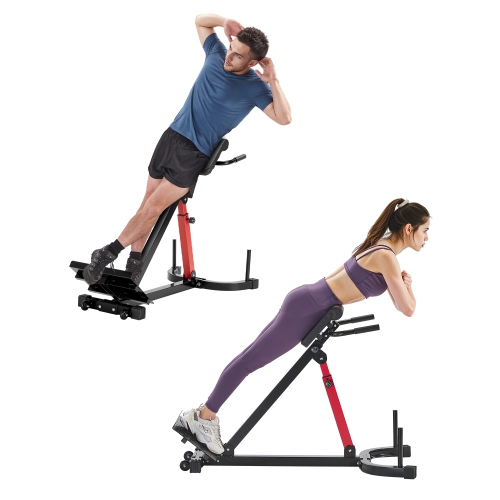
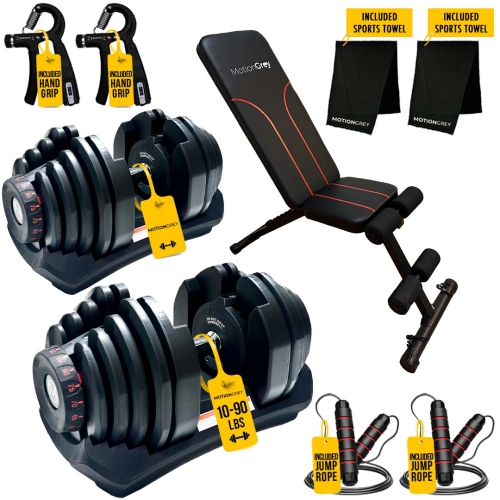
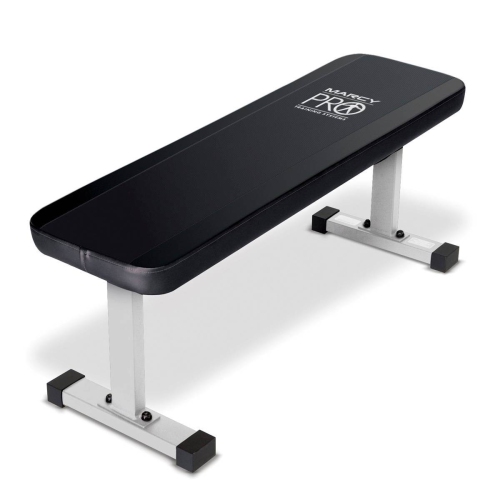
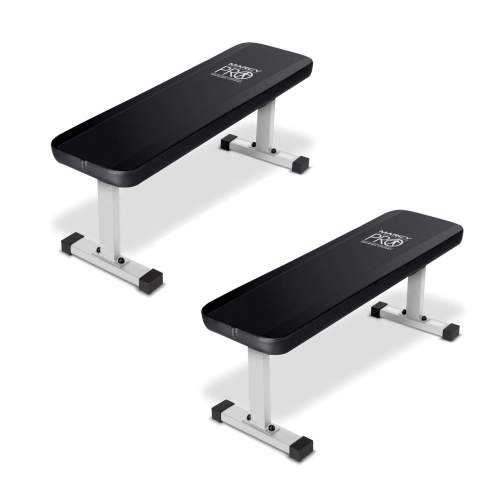

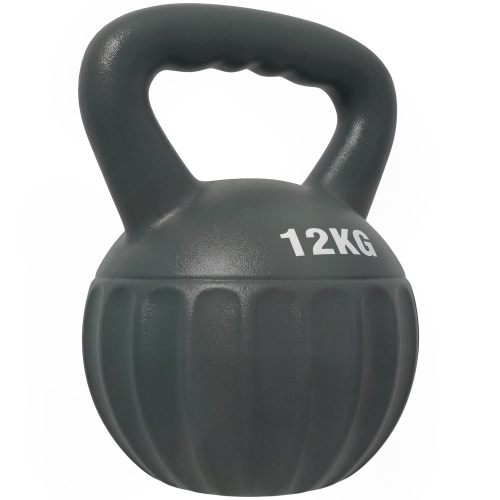
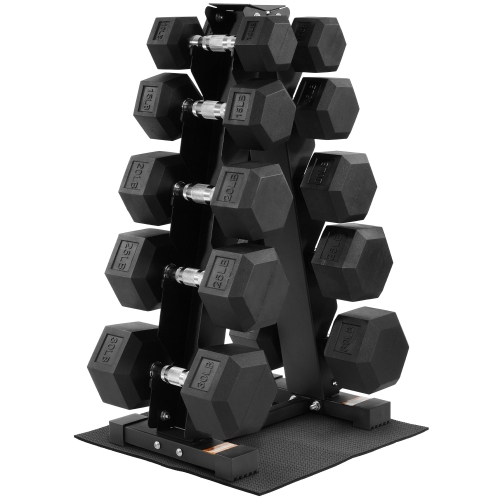
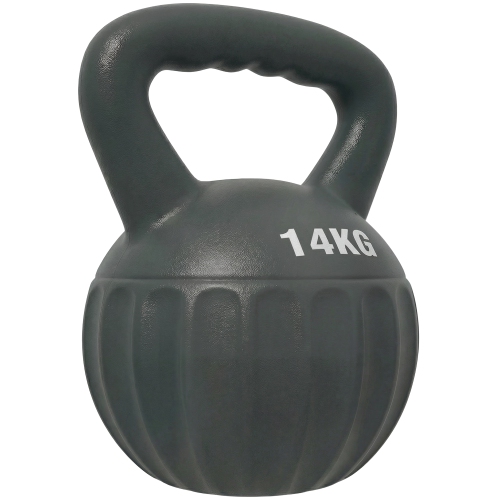
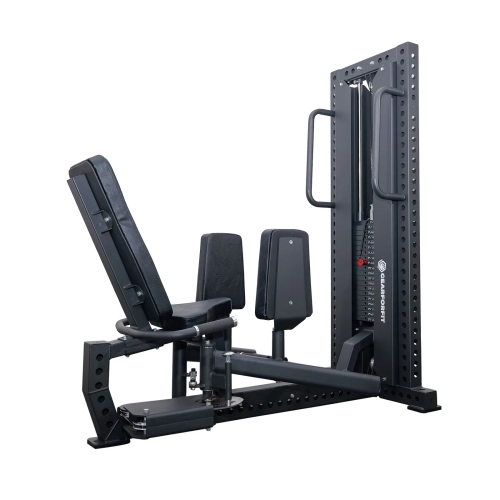
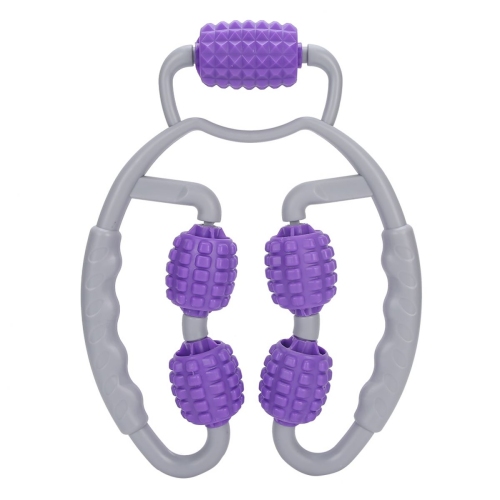
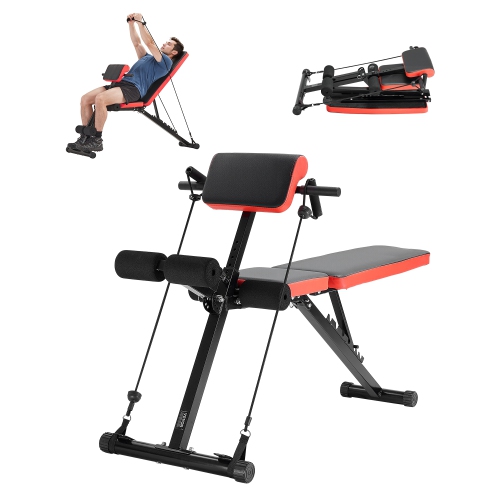
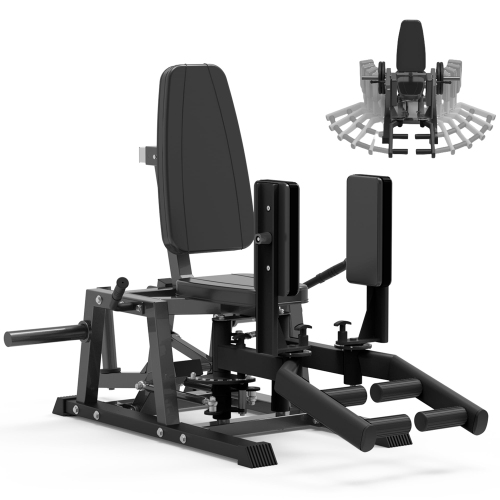
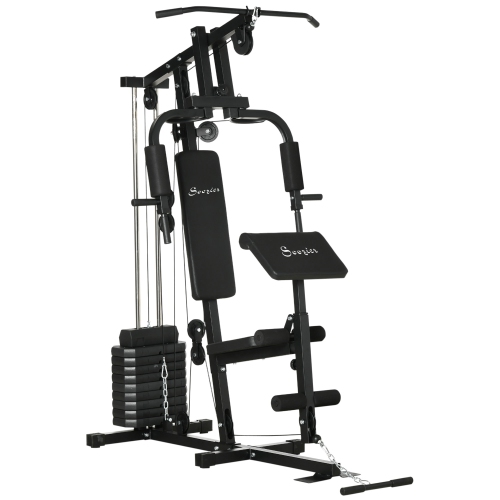
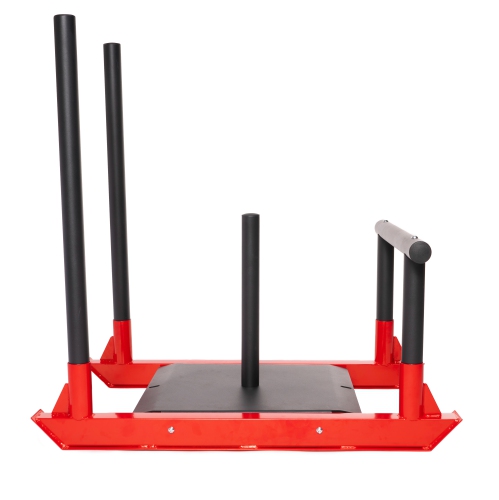
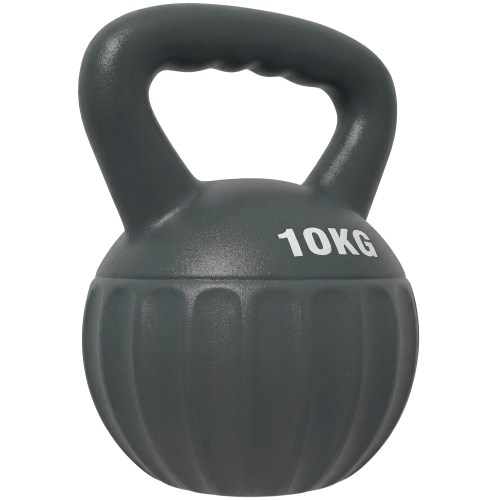
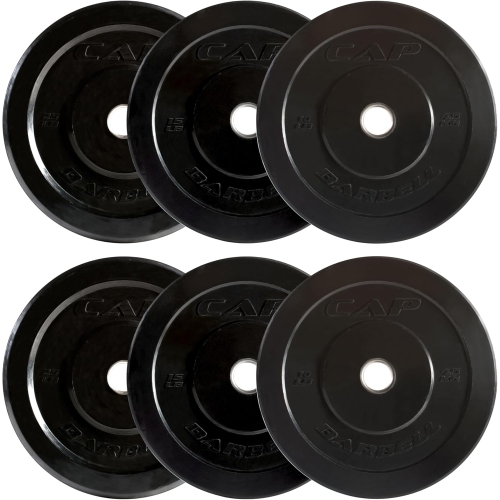
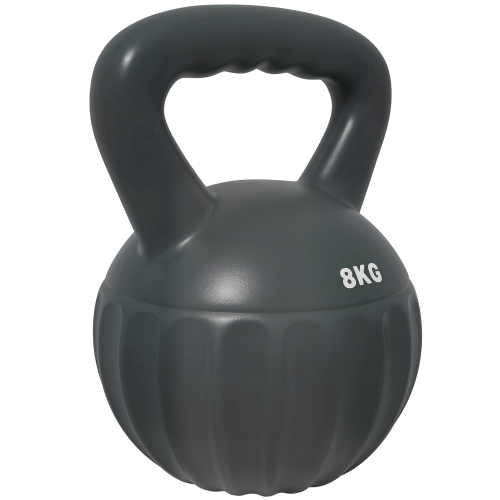
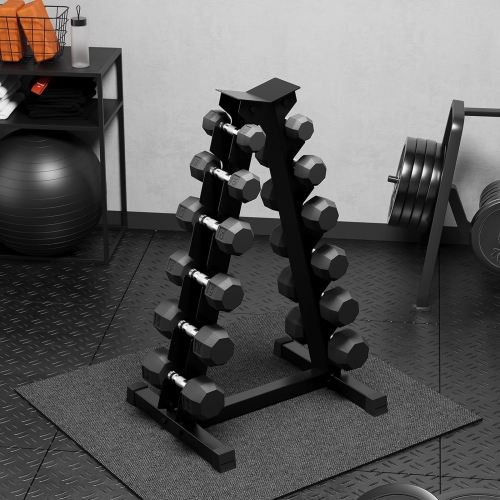
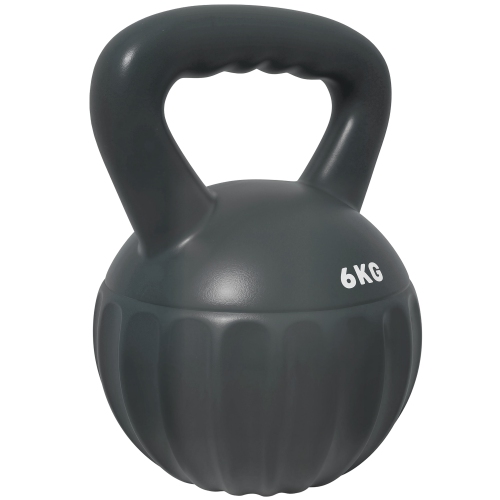
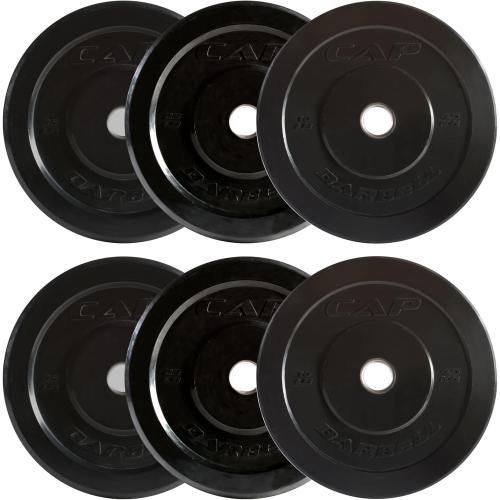
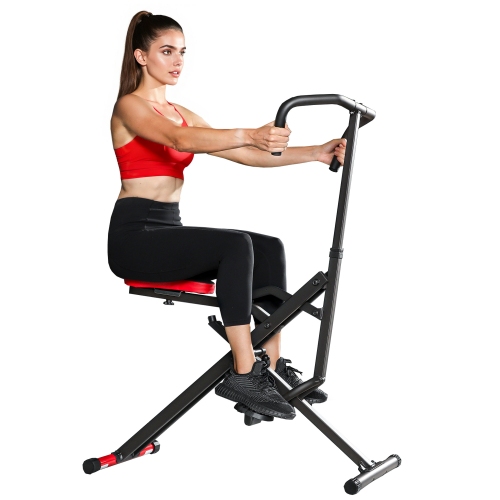
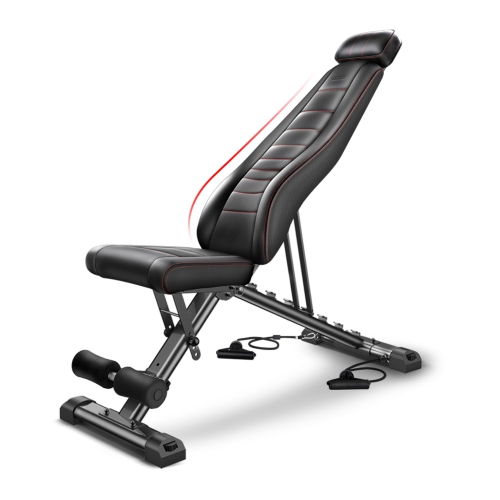
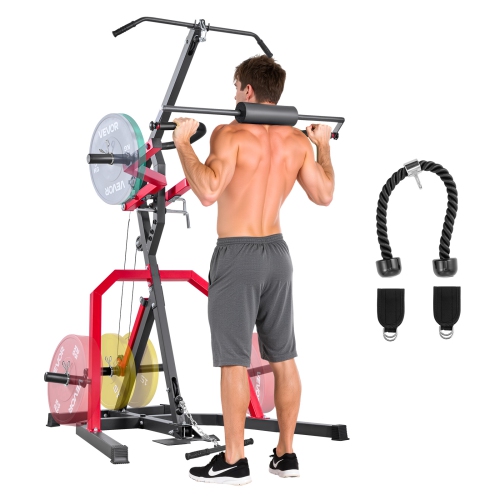
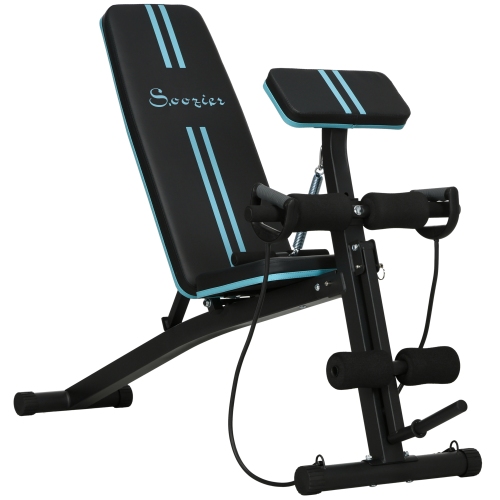
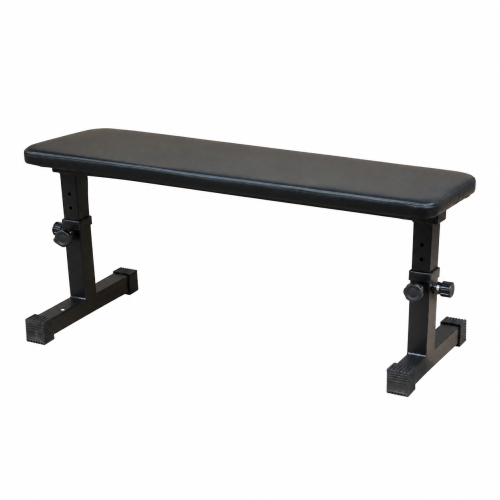
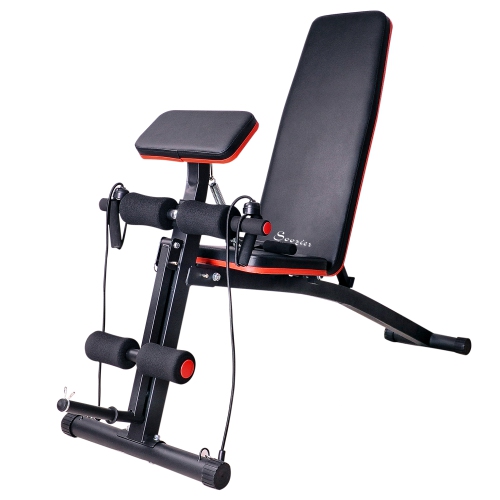
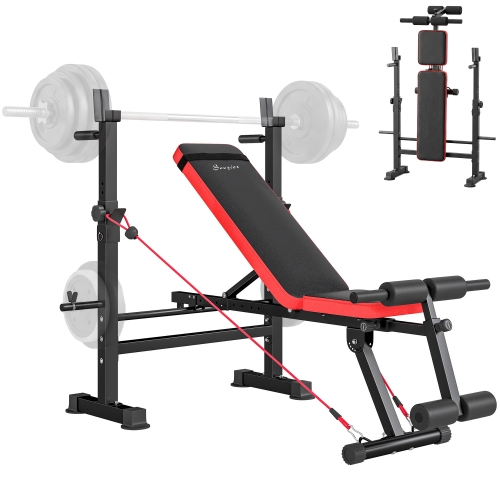
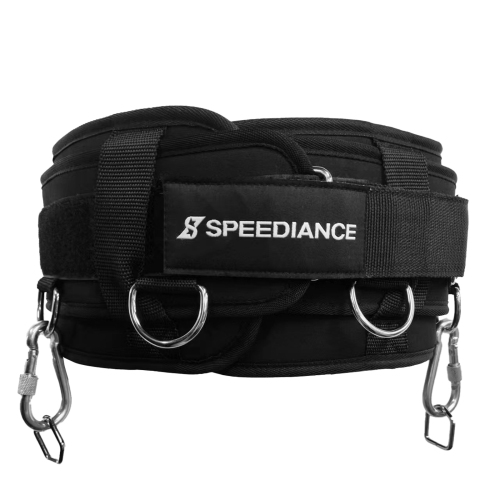
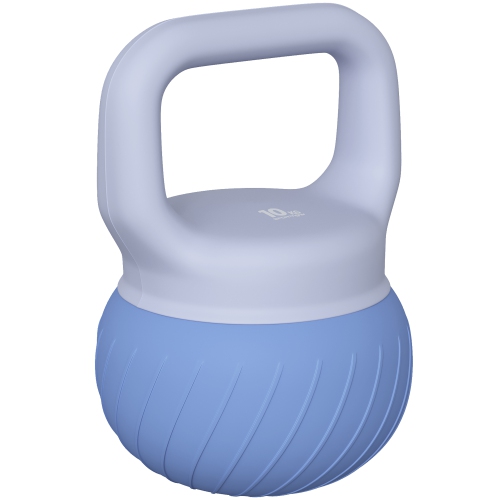
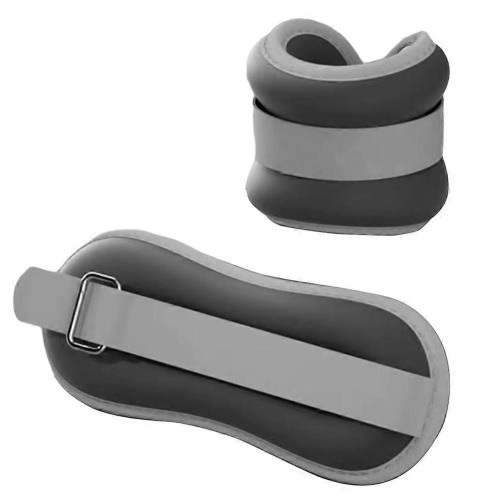
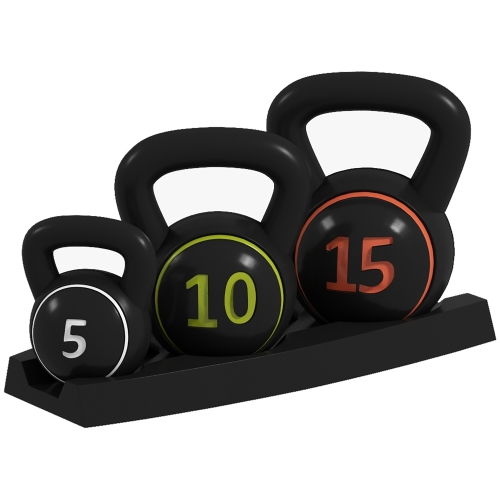
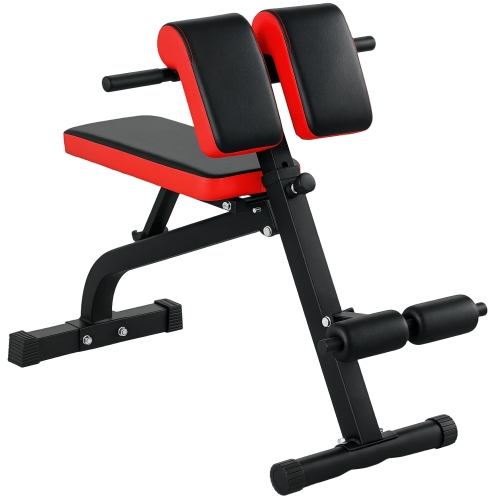
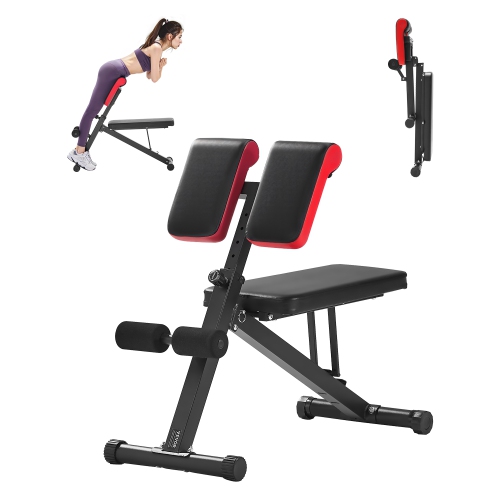
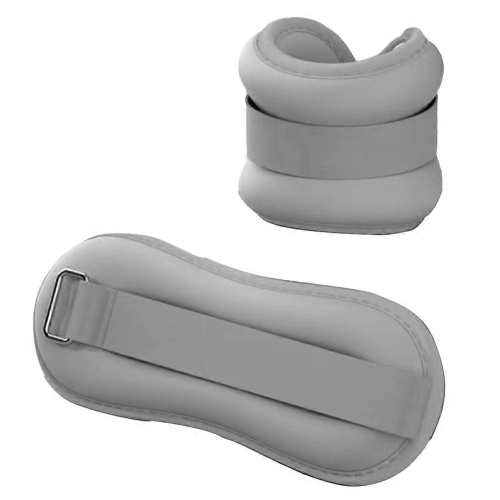
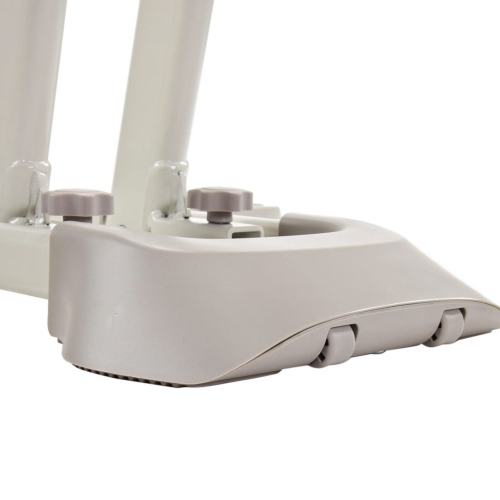
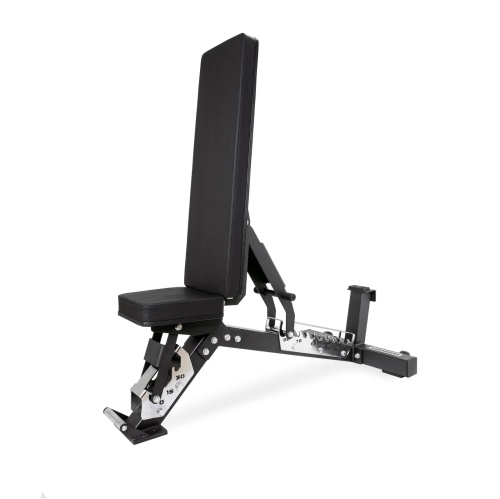
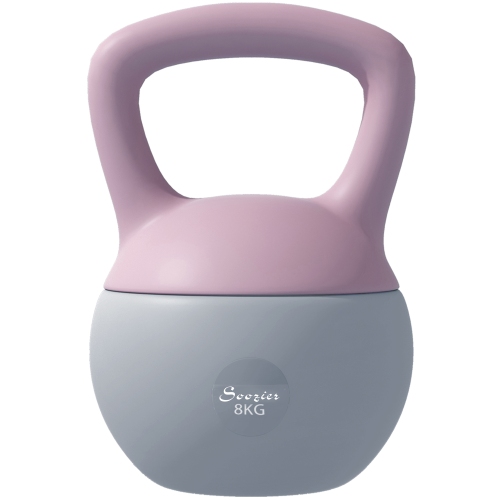
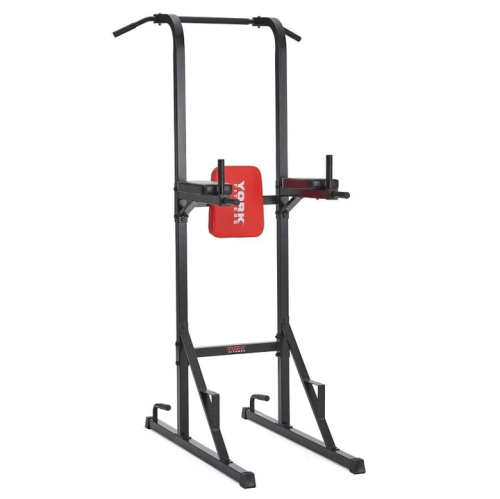
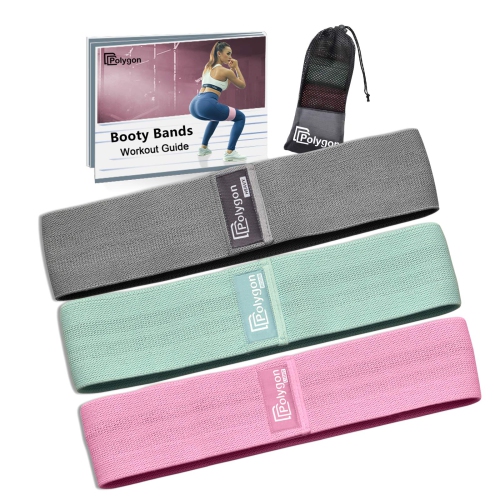
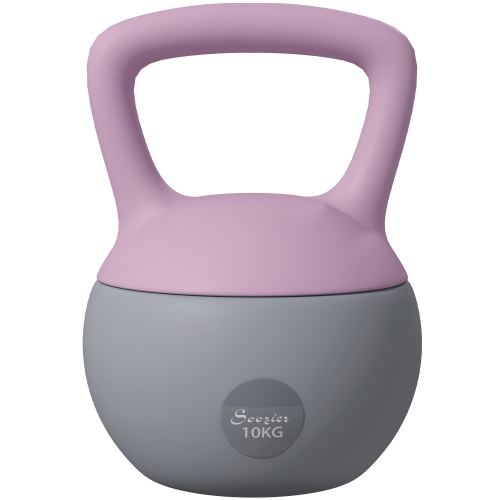
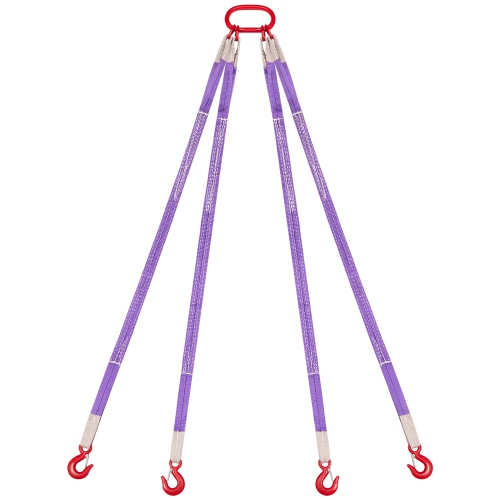
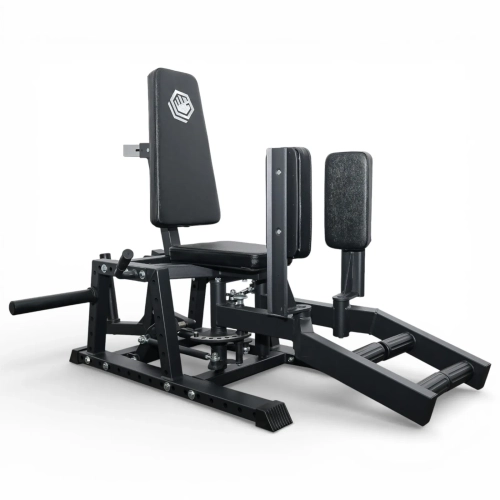
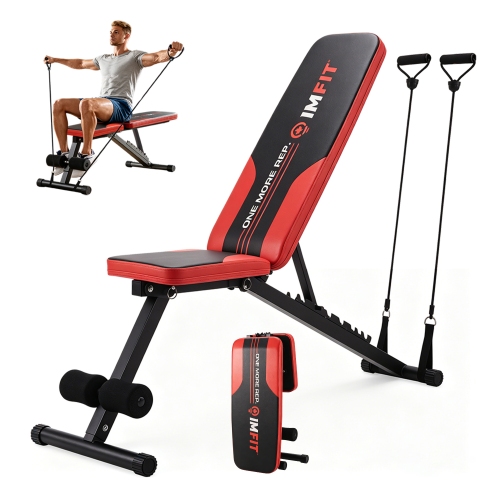
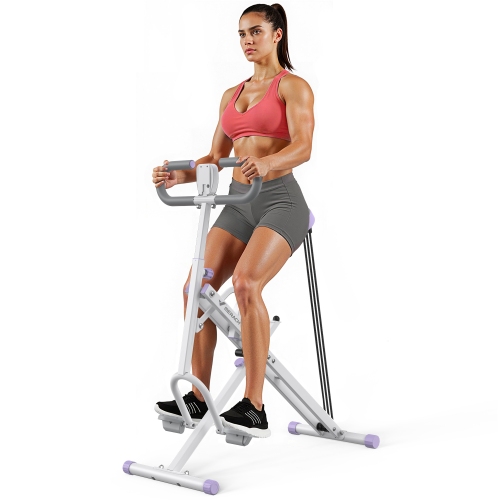
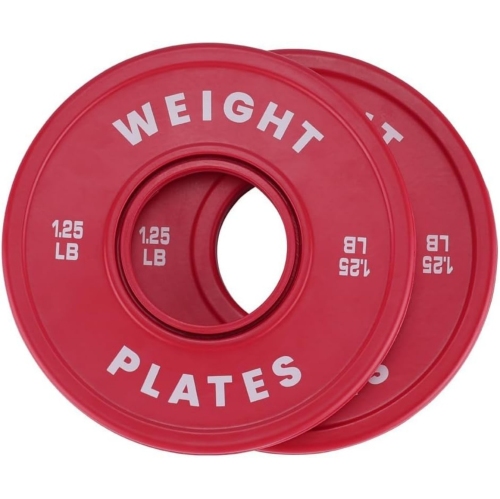
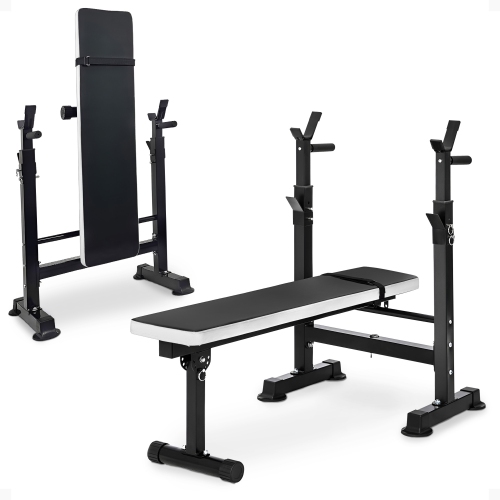
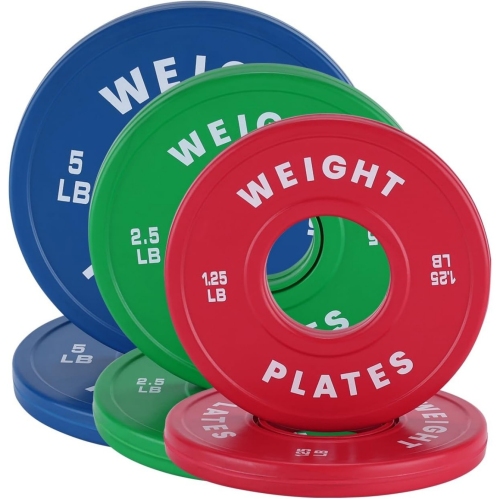
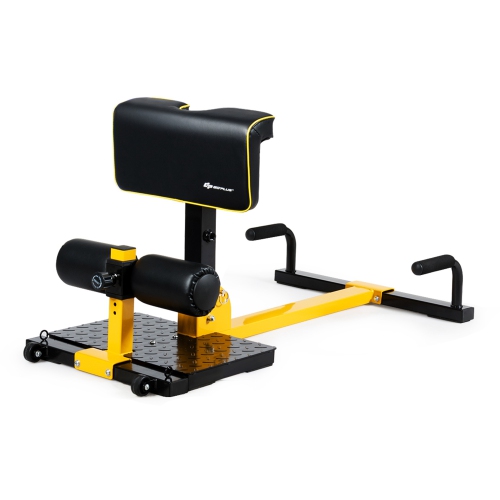
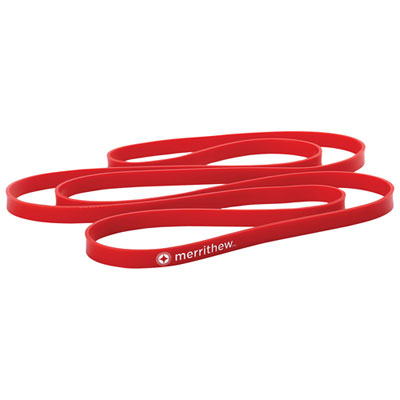
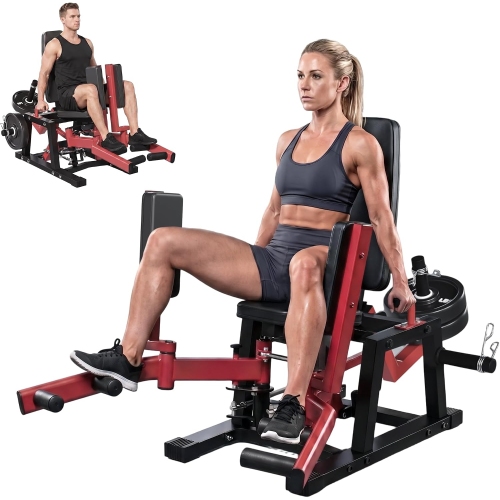
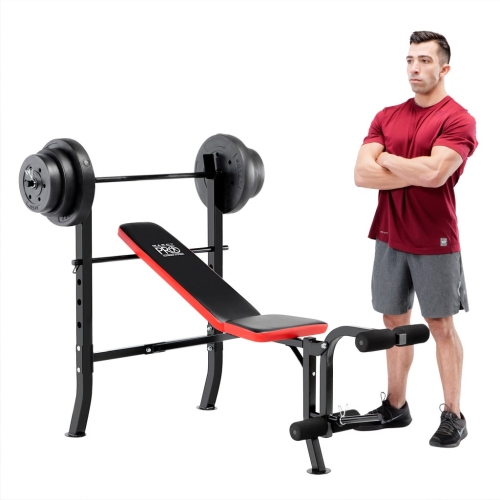
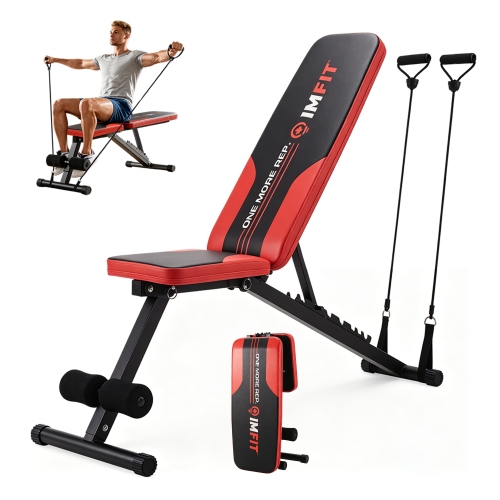
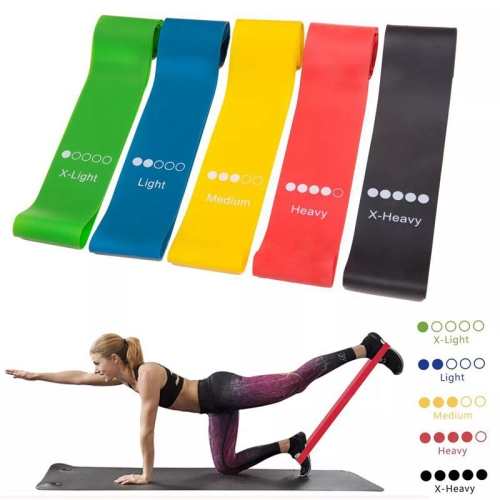
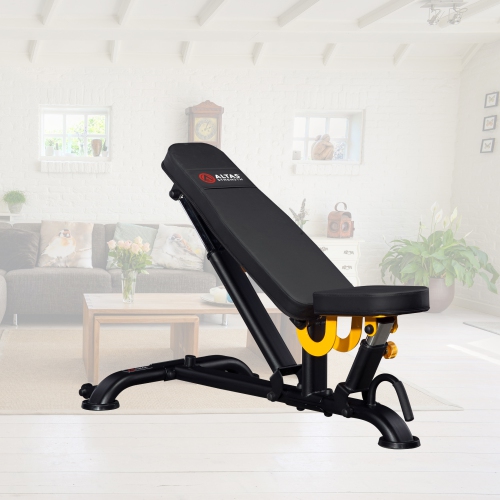
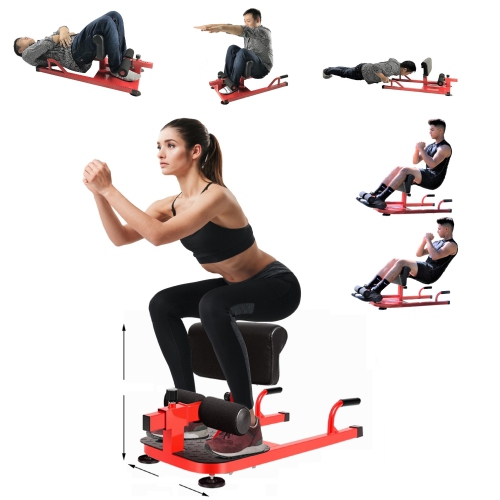
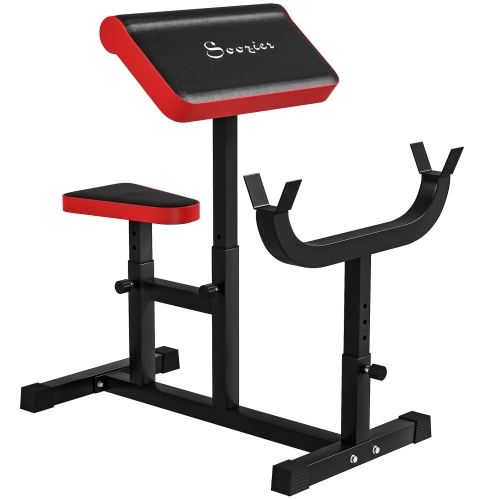
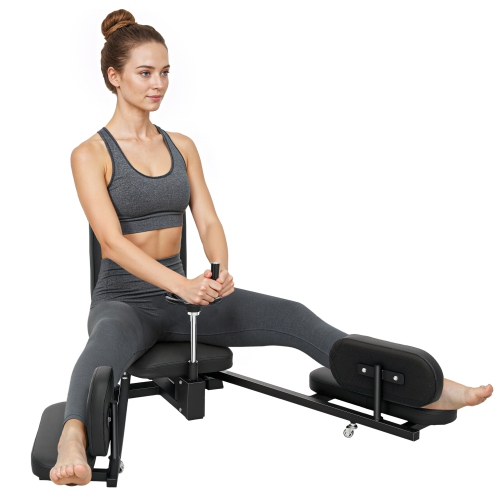
Free weights and machines for balanced lower-body training
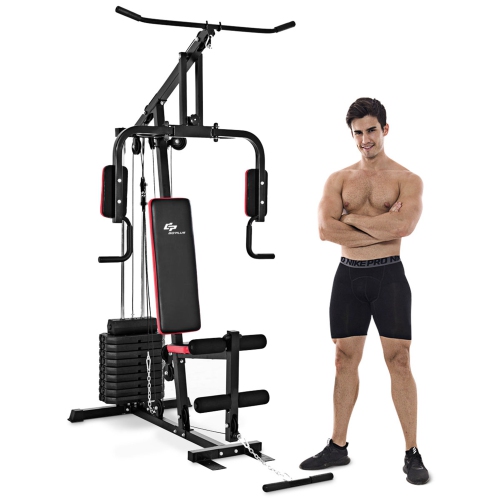
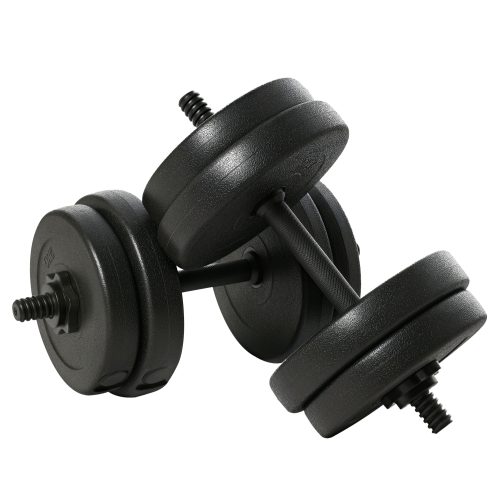
Weight lifting equipment for legs can help build a balanced lower-body routine, whether you are setting up a dedicated home gym, adding strength work to a fitness room, or replacing a few worn pieces of equipment. The right setup depends on your available space, training experience, goals, and preferred style of lifting. Free-weight equipment such as squat racks, cages, Olympic barbells, weight plates, dumbbells, and kettlebells supports compound exercises that work several muscle groups at once. Back squats and front squats place emphasis on the quadriceps, glutes, and hamstrings, while deadlifts, barbell lunges, Bulgarian split squats, goblet squats, step-ups, and loaded carries can add variety to lower-body training. A squat rack or cage is especially useful for people who want to progress gradually with barbell movements, as it provides adjustable supports for unracking and re-racking the bar. Look for a sturdy frame, suitable height settings, safety arms or spotter supports, and a footprint that leaves enough room to move comfortably. Barbells and plates should match the rack and the lifter’s experience, with enough load options to make small, manageable increases over time. Dumbbells and kettlebells are practical choices for compact spaces because they can be used for split squats, walking lunges, sumo squats, swings, and step-ups without requiring a full rack. They are also helpful when more unilateral work is needed; training one leg at a time can reveal differences in balance, control, and strength that may be less noticeable during bilateral lifts. Before choosing any equipment, measure the room carefully, including ceiling height for overhead movements and storage space for plates, bars, and accessories. A clear, stable training area with a suitable floor surface can make sessions feel more comfortable and controlled, particularly when the final repetitions become challenging.
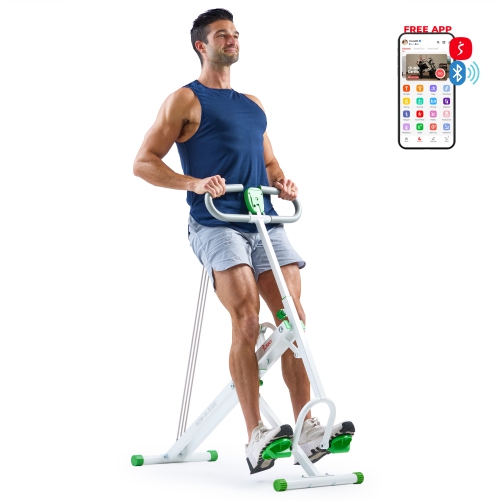
Targeted lower-body machines offer another approach by guiding the movement and helping the user focus on a particular area. A 45-degree leg press supports the back while allowing the user to push a substantial load through the legs, making it a popular option for training the quadriceps, glutes, and hamstrings. A hack squat machine follows a supported squat pattern and can place a strong emphasis on the quadriceps, depending on foot position and depth. Leg extension machines isolate the quadriceps at the front of the thighs, while seated or lying leg curl machines focus on the hamstrings at the back of the legs. Calf raise machines are designed for the lower legs and can help add dedicated work for the calf muscles after larger movements. Selectorized machines use a pin to choose the resistance, which can make transitions simple and convenient, while plate-loaded machines allow the user to adjust the load with weight plates. When comparing machines, pay attention to the adjustment range, padding, footplate size, handle placement, frame stability, and whether the design accommodates the user’s height and body position. Correct setup matters: a seat or pad that is too far forward, too far back, or set at an unsuitable angle can make an exercise feel awkward and reduce control. Beginners may appreciate the straightforward movement path of a machine, while experienced lifters often combine machines with free weights to train through different patterns and rep ranges. For a well-rounded session, a compound exercise can be followed by one or two targeted movements, then lighter accessory work for calves or stability. The goal is not to collect every type of equipment, but to choose pieces that fit naturally into the way you train. Someone who enjoys the rhythm of loading a bar, bracing, and standing tall after a squat may prefer a rack-based setup, while someone who values quick adjustments and a guided movement may get more use from a machine. Reviewing a broader Weight Lifting Equipment List can help compare the categories before narrowing down the best combination for a home or commercial-style workout space.
Leg equipment can suit a wide range of users, from people establishing a consistent strength routine to athletes who need structured lower-body training and families looking for a practical fitness gift. A compact set of dumbbells or kettlebells can be a thoughtful choice for someone who is beginning to train at home, especially when space is limited and the equipment needs to serve several exercises. A barbell, plates, and rack may be better suited to a dedicated lifter with a larger room and a clear plan for progressive training. Larger leg presses, hack squat machines, and curl or extension stations require more floor space, but they can create a focused workout area that feels closer to a professional gym. During the warmer part of the year, portable free weights can make it easier to move sessions between a home gym and another suitable training area, while during cooler months, a reliable indoor setup can keep a routine within easy reach. Regardless of the season, consistency is easier when equipment is comfortable to use, simple to adjust, and stored where it will not become an obstacle. Check the maximum weight capacity, assembly requirements, warranty details, dimensions, and delivery access before making a purchase, particularly for tall racks and heavy machines. New lifters should begin with controlled movements, sensible resistance, and a full range of motion that feels stable rather than forcing depth or speed. Experienced users may want equipment that supports heavier loads, precise adjustments, and accessories such as safety arms, collars, benches, or storage stands. Warming up, keeping the lifting area clear, using appropriate footwear, and following the equipment instructions can all support a more confident session. Over time, the best leg training setup is the one that makes it convenient to practise foundational movements, target specific muscles, and continue progressing without turning each workout into a complicated production.
Targeted lower-body machines offer another approach by guiding the movement and helping the user focus on a particular area. A 45-degree leg press supports the back while allowing the user to push a substantial load through the legs, making it a popular option for training the quadriceps, glutes, and hamstrings. A hack squat machine follows a supported squat pattern and can place a strong emphasis on the quadriceps, depending on foot position and depth. Leg extension machines isolate the quadriceps at the front of the thighs, while seated or lying leg curl machines focus on the hamstrings at the back of the legs. Calf raise machines are designed for the lower legs and can help add dedicated work for the calf muscles after larger movements. Selectorized machines use a pin to choose the resistance, which can make transitions simple and convenient, while plate-loaded machines allow the user to adjust the load with weight plates. When comparing machines, pay attention to the adjustment range, padding, footplate size, handle placement, frame stability, and whether the design accommodates the user’s height and body position. Correct setup matters: a seat or pad that is too far forward, too far back, or set at an unsuitable angle can make an exercise feel awkward and reduce control. Beginners may appreciate the straightforward movement path of a machine, while experienced lifters often combine machines with free weights to train through different patterns and rep ranges. For a well-rounded session, a compound exercise can be followed by one or two targeted movements, then lighter accessory work for calves or stability. The goal is not to collect every type of equipment, but to choose pieces that fit naturally into the way you train. Someone who enjoys the rhythm of loading a bar, bracing, and standing tall after a squat may prefer a rack-based setup, while someone who values quick adjustments and a guided movement may get more use from a machine. Reviewing a broader Weight Lifting Equipment List can help compare the categories before narrowing down the best combination for a home or commercial-style workout space.
Leg equipment can suit a wide range of users, from people establishing a consistent strength routine to athletes who need structured lower-body training and families looking for a practical fitness gift. A compact set of dumbbells or kettlebells can be a thoughtful choice for someone who is beginning to train at home, especially when space is limited and the equipment needs to serve several exercises. A barbell, plates, and rack may be better suited to a dedicated lifter with a larger room and a clear plan for progressive training. Larger leg presses, hack squat machines, and curl or extension stations require more floor space, but they can create a focused workout area that feels closer to a professional gym. During the warmer part of the year, portable free weights can make it easier to move sessions between a home gym and another suitable training area, while during cooler months, a reliable indoor setup can keep a routine within easy reach. Regardless of the season, consistency is easier when equipment is comfortable to use, simple to adjust, and stored where it will not become an obstacle. Check the maximum weight capacity, assembly requirements, warranty details, dimensions, and delivery access before making a purchase, particularly for tall racks and heavy machines. New lifters should begin with controlled movements, sensible resistance, and a full range of motion that feels stable rather than forcing depth or speed. Experienced users may want equipment that supports heavier loads, precise adjustments, and accessories such as safety arms, collars, benches, or storage stands. Warming up, keeping the lifting area clear, using appropriate footwear, and following the equipment instructions can all support a more confident session. Over time, the best leg training setup is the one that makes it convenient to practise foundational movements, target specific muscles, and continue progressing without turning each workout into a complicated production.
Top selling and popular products
-
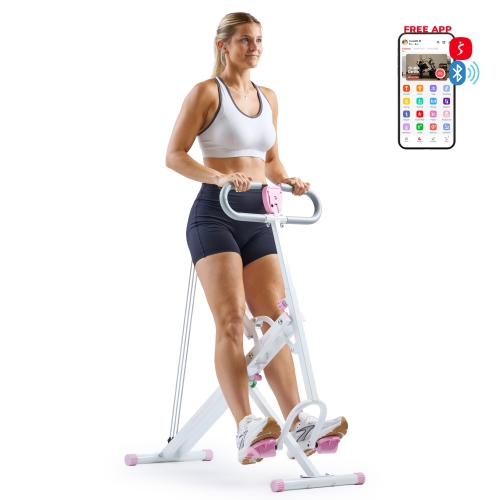 Your price for this item is $179.95
 -
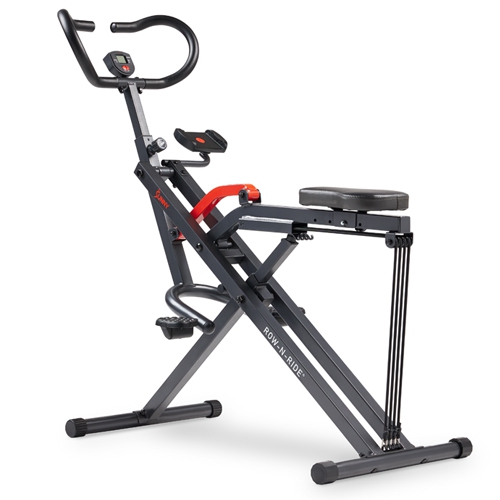 Your price for this item is $249.95
 -
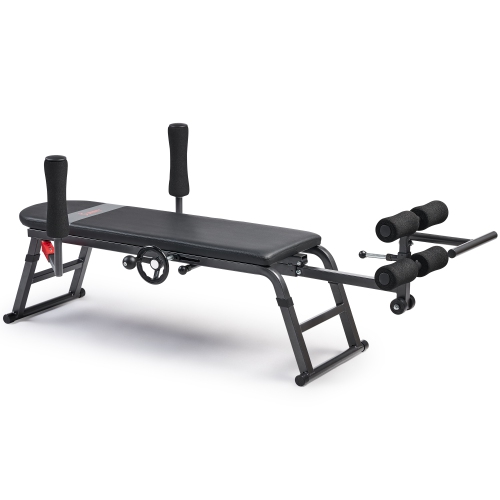 Your price for this item is $419.99
 -
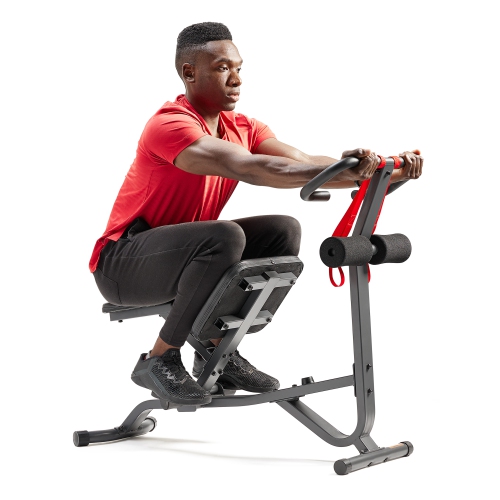 Your price for this item is $419.99
 -
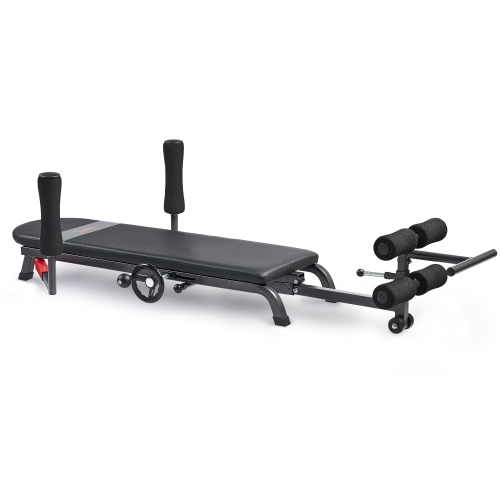 Your price for this item is $369.99
 -
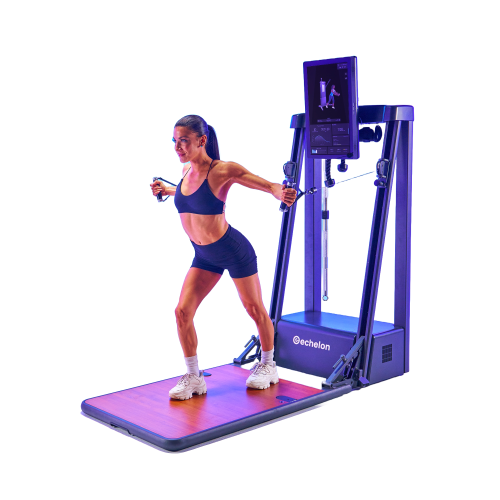 Your price for this item is $4109.99
 -
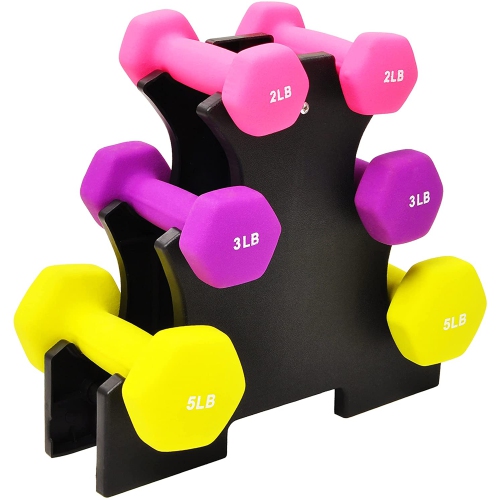 Your price for this item is $90.99
 -
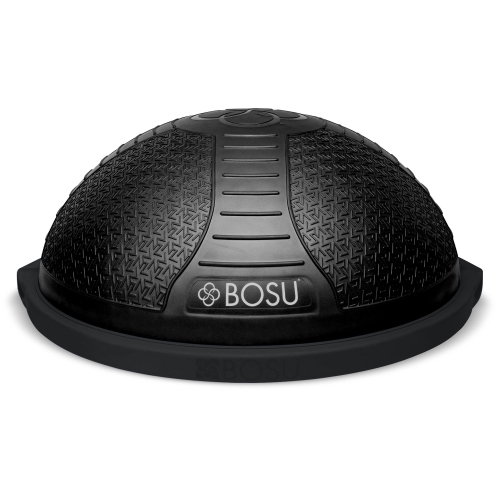 Your price for this item is $481.99
Discover more categories related to Weight Lifting Equipment for Legs
Top Collections:
Pokemon Centers, Best Cameras for Sports Photography, Kindle Devices, Samsung Galaxy Phones, Canon G7X Cameras, Pokémon 30th Celebration Cards, Refurbished Apple Laptops, iPhone 15 Apple, Laptops for Students, Budget Smartphones
Some products may be subject to Environmental Handling Fees
(EHF) depending on your province.
Learn more about EHFs.