Safest Hoverboards
Discover the safest hoverboards available at Best Buy Canada, where innovation meets peace of mind. Whether you're a beginner eager to experience the thrill of gliding effortlessly or a seasoned rider looking for a reliable upgrade, our selection prioritizes your safety without compromising on fun. Each hoverboard is carefully chosen to ensure top-notch quality and performance, giving you confidence with every ride. Explore our range and find the perfect balance of excitement and security with the safest hoverboards on the market.
Sort
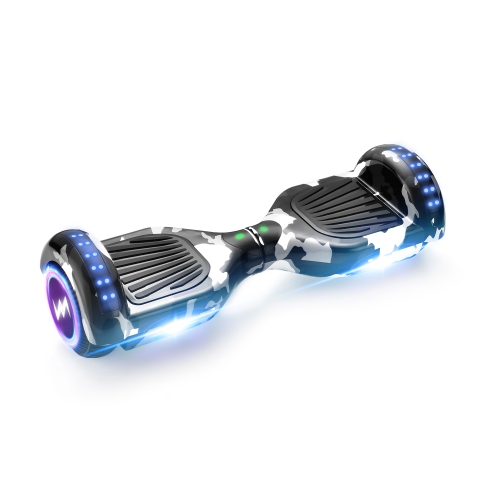
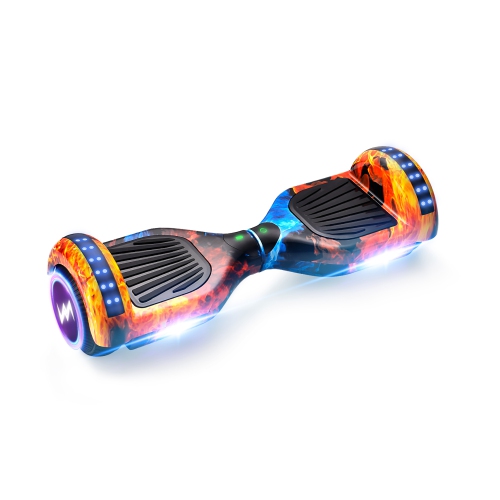
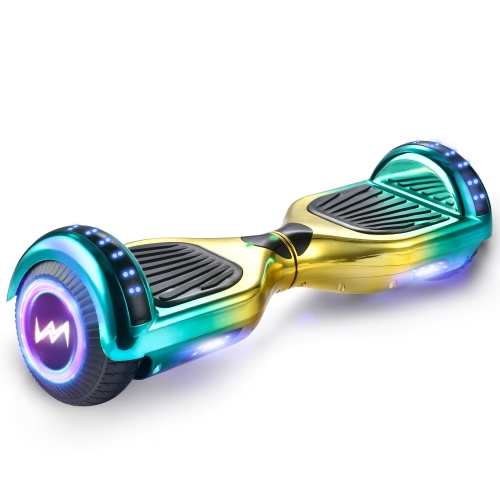
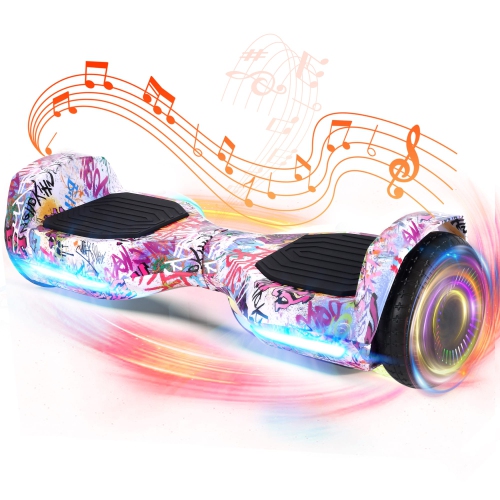
UL certification and habits for safer rides
Choosing one of the safest hoverboards starts with looking beyond colour, styling, or top speed and checking the features that protect the rider and the board’s electrical system. The most important mark to look for is official UL 2272 certification, which indicates that the complete hoverboard electrical system has passed testing for risks related to the battery, charging components, wiring, and overheating. Certification should be clearly identified in the product details and on the device or packaging; a vague statement that a board is “tested” is not the same as a recognized safety certification. A dependable hoverboard should also have a responsive self-balancing system that helps the deck remain level as the rider steps on, shifts weight, slows down, and turns. This technology can make learning more approachable, but it does not replace supervision or practice. Speed modes, beginner settings, low-battery alerts, audible warnings, and automatic shutoff features are also useful for keeping new riders aware of changing conditions. Solid rubber tires can add confidence on smooth pavement because they do not lose air or puncture, while larger wheels and a sturdy frame may provide a steadier ride over minor cracks and uneven outdoor surfaces. Even with these features, hoverboards are best used on dry, level ground away from traffic, steep slopes, puddles, loose gravel, and heavy foot traffic. Before every ride, check that the board powers on normally, the wheels rotate freely, the deck is free from cracks, and the battery or charging port shows no signs of damage. A hoverboard should be charged with the supplied charger in a cool, dry, well-ventilated area, away from bedding, rugs, paper, and other materials that could trap heat. Never charge an unattended board overnight or continue using one that becomes unusually hot, smells burnt, swells, leaks, or behaves unpredictably. These simple checks help turn safety specifications into habits that matter in everyday use.
Hoverboards can be a lively way for older children, teens, and adults to enjoy short rides around a driveway, private path, park walkway, or other permitted area. They may appeal to a child who enjoys learning balance-based activities, a teenager looking for a fun way to move between nearby destinations, or an adult who wants a compact recreational ride for smooth paths. They can also be an exciting gift when the recipient is ready to learn responsibly and has a suitable place to ride. Consider the rider’s age, height, weight, balance, and previous experience before choosing a model, and follow the manufacturer’s age and weight recommendations rather than selecting solely by motor power or advertised speed. A lighter rider may appreciate a gentler learning mode and a manageable deck, while an adult may need a higher weight capacity, stronger construction, and larger wheels for a more stable feel. The riding surface is equally important. Smooth indoor floors and paved sidewalks generally call for a different setup than packed dirt or grass, where wheel size, clearance, traction, and frame durability become more significant. No hoverboard is designed to make every surface safe, and even all-terrain features have limits. Riders should wear a properly fitted certified helmet every time, along with wrist guards, elbow pads, and knee pads, particularly while learning. Closed-toe shoes with good grip can make it easier to control the board, while loose clothing, headphones, and bags that affect balance are best avoided. New riders should begin with an experienced adult nearby, practise mounting and dismounting at low speed, and learn how to stop before attempting turns or longer rides. Keeping both feet centred, looking ahead, maintaining a relaxed posture, and making gradual weight shifts can help prevent sudden movements. Children should be supervised according to their age and ability, and riders should understand local rules governing sidewalks, bike paths, private property, and public spaces.
During the cooler months, riding conditions can change quickly, so a safe routine includes checking for wet pavement, frost, leaves, mud, ice, and reduced daylight before setting out. Moisture can affect traction and may damage electrical components, while cold temperatures can reduce battery performance and shorten riding time. If the board becomes wet, turn it off, move it to a dry area, and follow the manufacturer’s instructions before charging or riding again; never use a damaged or water-exposed battery without professional guidance. As the weather cools, store the hoverboard indoors in a dry location away from direct heat, freezing conditions, and areas where it could be knocked over. Keep the charging cable neatly arranged, inspect it for fraying, and avoid using replacement chargers that are not approved for the board. A useful buying comparison includes certification, battery protections, self-balancing performance, warning systems, tire design, deck grip, weight capacity, ride modes, charge time, estimated range, warranty coverage, and the availability of support or replacement parts. It is also worth considering how easily the rider can carry the board when the battery is depleted or when a route becomes unsuitable. For more help comparing features across recreational electric rideables, explore Best Electric Hoverboards. The safest choice is one that matches the rider and intended setting, carries recognized electrical certification, is used with appropriate protective gear, and is maintained with the same care given to any powered device. A few minutes spent reviewing the instructions, practising in an open area, and checking the board before each outing can make rides feel more controlled, comfortable, and enjoyable throughout the season.
Hoverboards can be a lively way for older children, teens, and adults to enjoy short rides around a driveway, private path, park walkway, or other permitted area. They may appeal to a child who enjoys learning balance-based activities, a teenager looking for a fun way to move between nearby destinations, or an adult who wants a compact recreational ride for smooth paths. They can also be an exciting gift when the recipient is ready to learn responsibly and has a suitable place to ride. Consider the rider’s age, height, weight, balance, and previous experience before choosing a model, and follow the manufacturer’s age and weight recommendations rather than selecting solely by motor power or advertised speed. A lighter rider may appreciate a gentler learning mode and a manageable deck, while an adult may need a higher weight capacity, stronger construction, and larger wheels for a more stable feel. The riding surface is equally important. Smooth indoor floors and paved sidewalks generally call for a different setup than packed dirt or grass, where wheel size, clearance, traction, and frame durability become more significant. No hoverboard is designed to make every surface safe, and even all-terrain features have limits. Riders should wear a properly fitted certified helmet every time, along with wrist guards, elbow pads, and knee pads, particularly while learning. Closed-toe shoes with good grip can make it easier to control the board, while loose clothing, headphones, and bags that affect balance are best avoided. New riders should begin with an experienced adult nearby, practise mounting and dismounting at low speed, and learn how to stop before attempting turns or longer rides. Keeping both feet centred, looking ahead, maintaining a relaxed posture, and making gradual weight shifts can help prevent sudden movements. Children should be supervised according to their age and ability, and riders should understand local rules governing sidewalks, bike paths, private property, and public spaces.
During the cooler months, riding conditions can change quickly, so a safe routine includes checking for wet pavement, frost, leaves, mud, ice, and reduced daylight before setting out. Moisture can affect traction and may damage electrical components, while cold temperatures can reduce battery performance and shorten riding time. If the board becomes wet, turn it off, move it to a dry area, and follow the manufacturer’s instructions before charging or riding again; never use a damaged or water-exposed battery without professional guidance. As the weather cools, store the hoverboard indoors in a dry location away from direct heat, freezing conditions, and areas where it could be knocked over. Keep the charging cable neatly arranged, inspect it for fraying, and avoid using replacement chargers that are not approved for the board. A useful buying comparison includes certification, battery protections, self-balancing performance, warning systems, tire design, deck grip, weight capacity, ride modes, charge time, estimated range, warranty coverage, and the availability of support or replacement parts. It is also worth considering how easily the rider can carry the board when the battery is depleted or when a route becomes unsuitable. For more help comparing features across recreational electric rideables, explore Best Electric Hoverboards. The safest choice is one that matches the rider and intended setting, carries recognized electrical certification, is used with appropriate protective gear, and is maintained with the same care given to any powered device. A few minutes spent reviewing the instructions, practising in an open area, and checking the board before each outing can make rides feel more controlled, comfortable, and enjoyable throughout the season.
Top selling and popular products
-
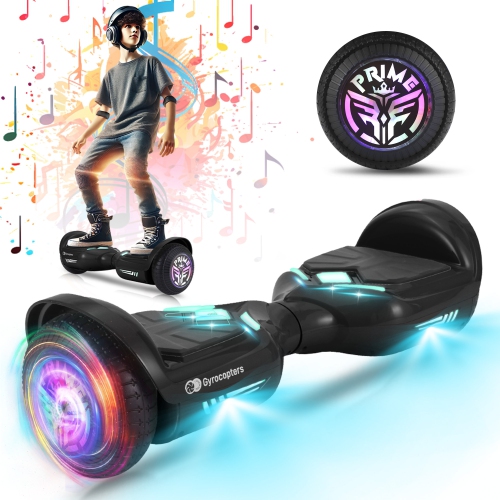 Your price for this item is $159.97
 -
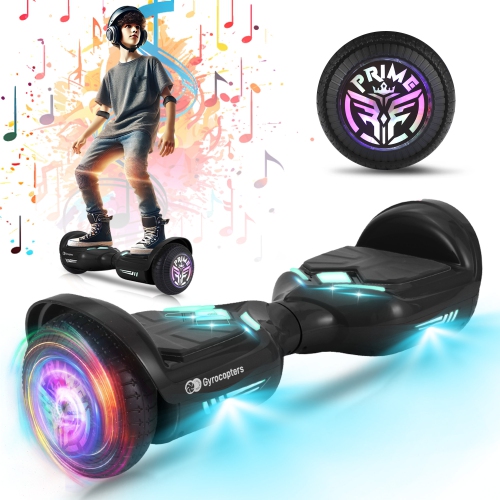 Your price for this item is $159.87
 -
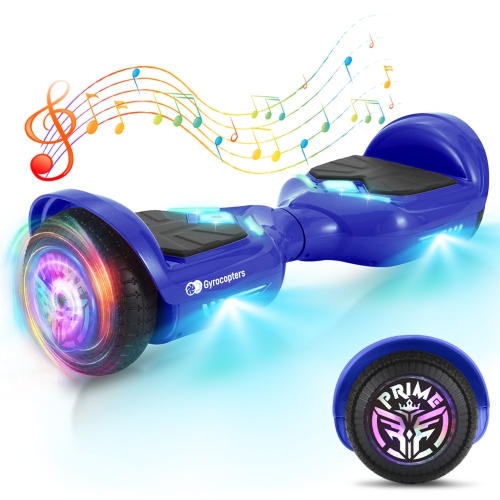 Your price for this item is $219.97
 -
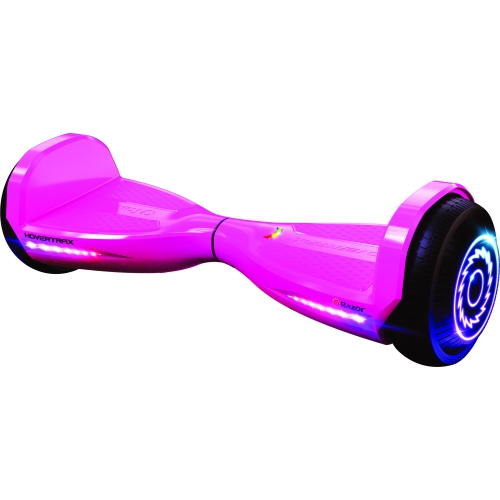 Your price for this item is $239.99
 -
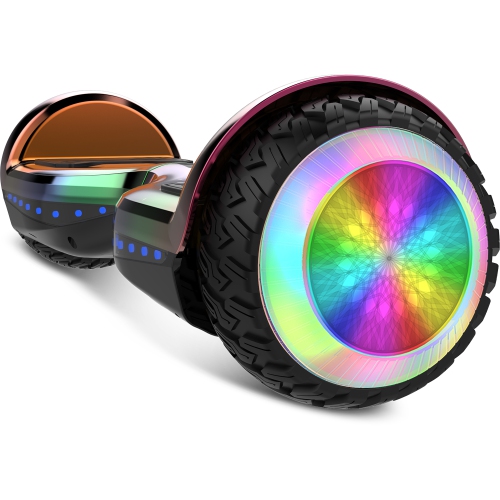 Your price for this item is $229.97
 -
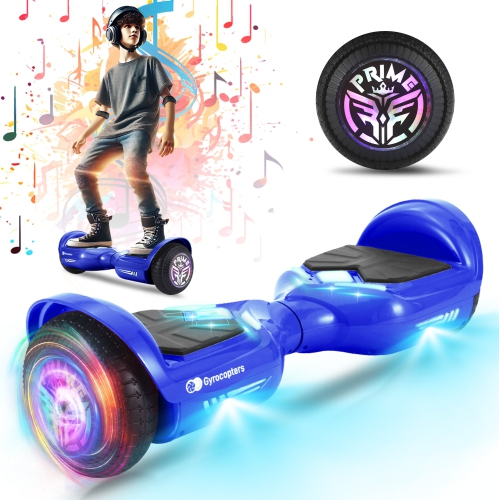 Your price for this item is $159.97
 -
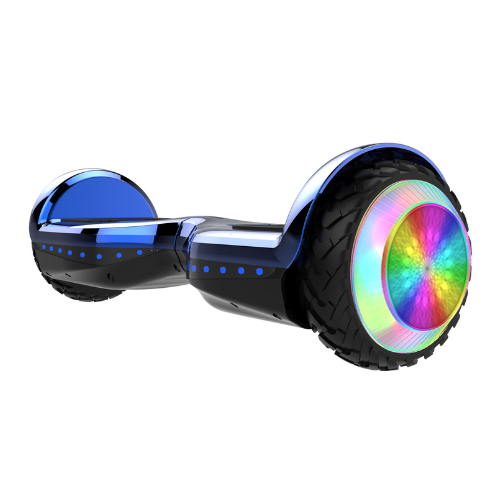 Your price for this item is $99.99
 -
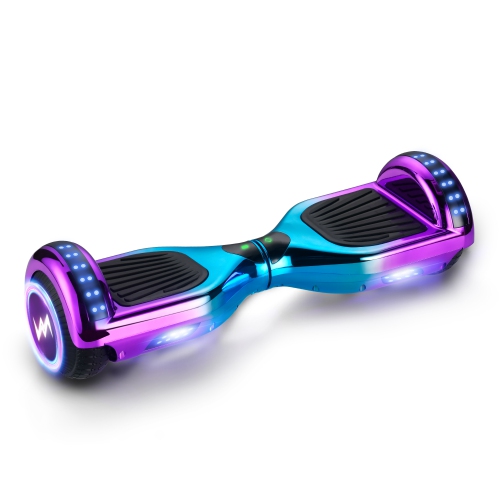 Your price for this item is $159.99
Discover more categories related to Safest Hoverboards
Top Collections:
Pokemon Centers, Kindle Devices, Best Budget Office Chairs, Apple iPhones 16, Canon G7X Cameras, iPhone 15 Apple, Alarm Clock, Refurbished Apple Laptops, Flip Phones, Best Laptops for Writers
Some products may be subject to Environmental Handling Fees
(EHF) depending on your province.
Learn more about EHFs.