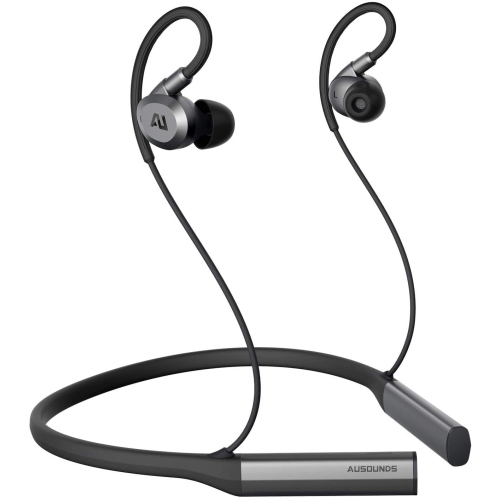
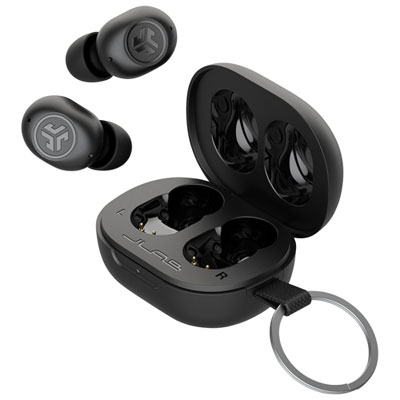
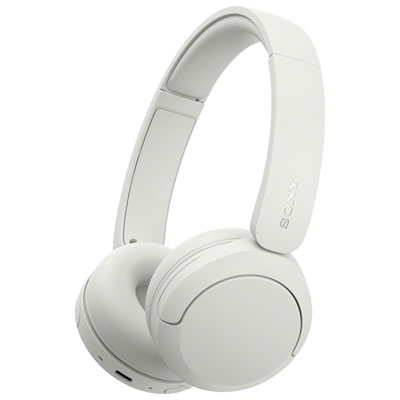
Earphones For Daily Use
Earphones For Daily Use are designed to keep up with your busy lifestyle, providing comfort and convenience whether you’re commuting, working out, or relaxing at home. With a range of styles and options available, it’s easy to find the right fit for your everyday needs. Explore earphones that combine quality sound with practical features to make daily listening more enjoyable and hassle-free.
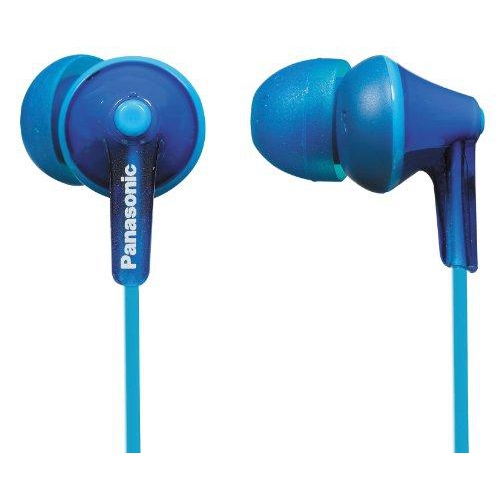






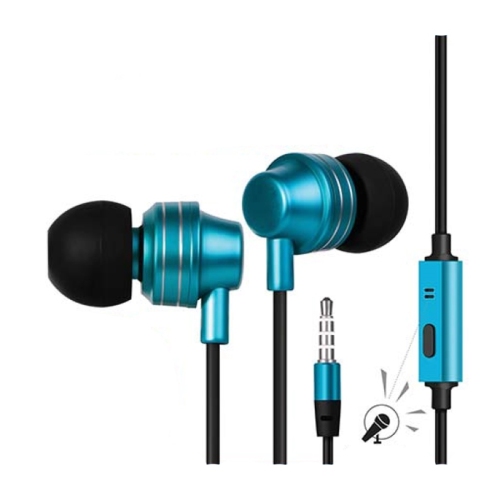

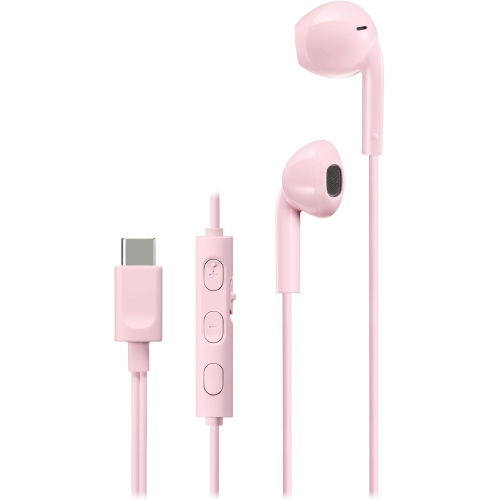

Comfortable listening takes more than a good fit
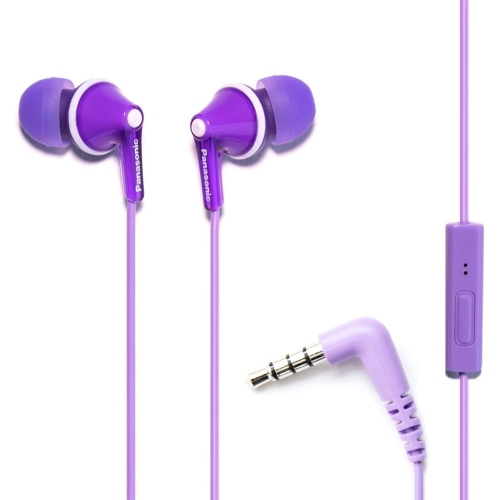
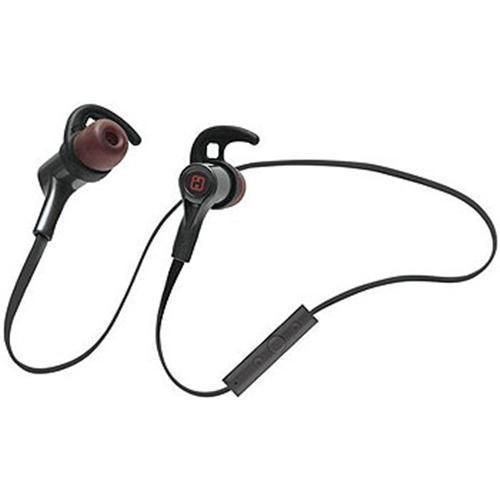
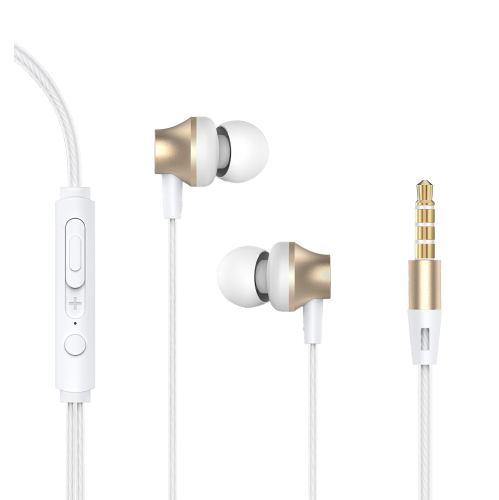
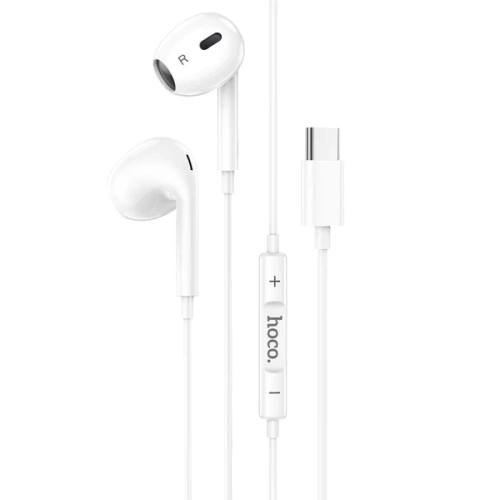
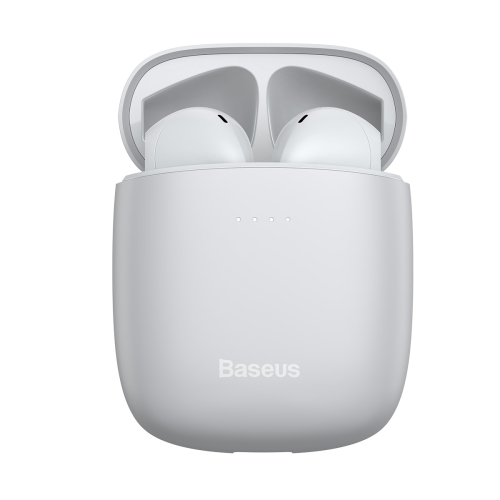
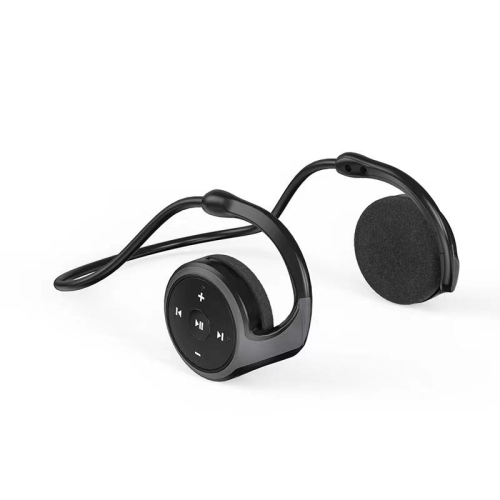
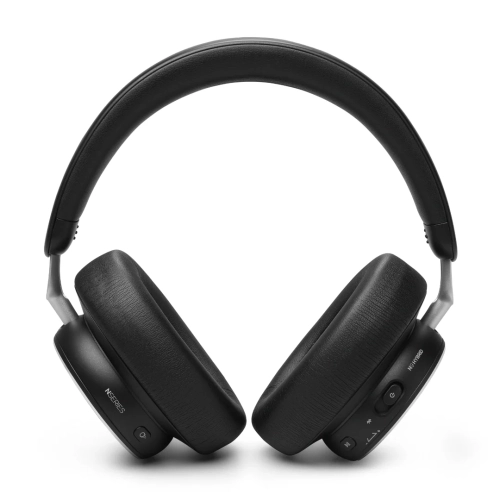
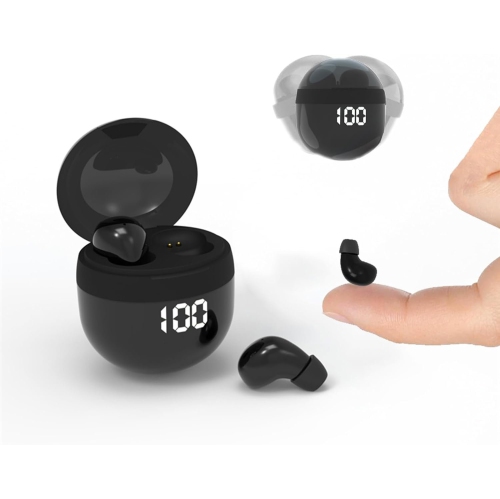
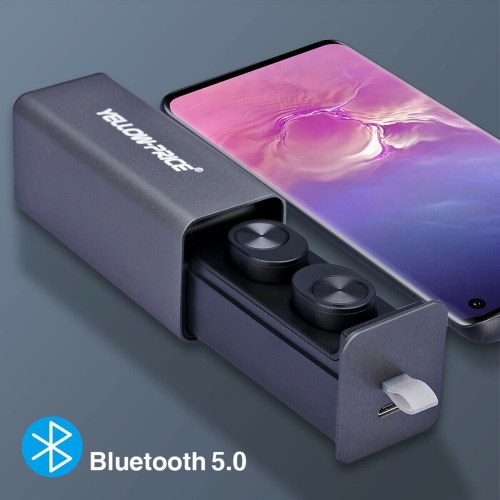
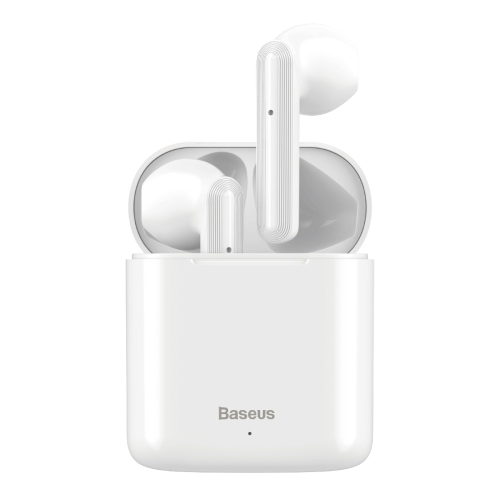
Daily listening also puts practical features into perspective. Active noise cancellation uses microphones and processing to reduce unwanted sound, particularly steady background noise such as ventilation or the low rumble of transit. Passive isolation comes from the physical fit of the earpieces, so a good seal still matters even when noise cancellation is included. Neither feature removes every sound. An ambient or transparency mode lets more surrounding sound through the earphones, which can make a brief conversation or an announcement easier to hear, but it does not replace paying attention near traffic or other hazards. For work and study, microphone performance deserves as much consideration as music playback: a voice that sounds clear in a quiet room may be less distinct beside a busy road or in a crowded café. Call-noise reduction and listening noise cancellation serve different purposes, and having one does not guarantee the other. Controls should also suit the routine. Physical buttons offer a definite click, while touch controls can make playback and call handling convenient without reaching for a phone; either can take some adjustment to use comfortably. Bluetooth multipoint, where supported, allows connections to more than one device, helping with a move from laptop audio to a phone call, though switching behaviour depends on the earphones and connected devices. Compatibility with the operating system and any companion app determines access to features such as equalizer settings, control customization, and firmware updates. Battery figures are worth reading in context: playback time per charge is different from the combined total supplied by a charging case, and noise cancellation, calls, and volume can affect actual runtime. For someone away from a charger for much of the day, a stated six to eight hours per charge can be a useful comparison point rather than a promise of continuous real-world use. Quick charging may help before a commute, while a familiar charging connector simplifies the cables carried in a bag. Comfortable volume levels and regular listening breaks remain important, regardless of battery capacity.
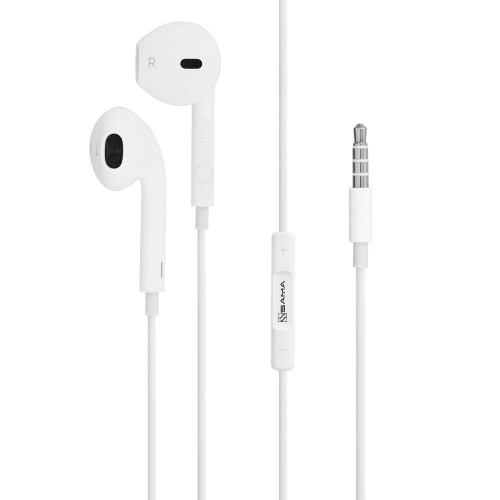
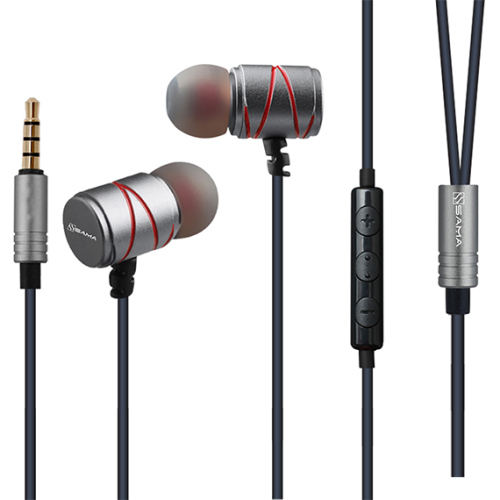
Durability for everyday earphones involves more than surviving an occasional drop. Earpiece housings, cable strain relief, charging contacts, and the case hinge all experience repeated handling as earphones move between pockets, bags, and desks. A protective case helps keep wired earphones from tangling around keys and keeps small wireless earpieces together when not in use. For walking or exercise, a secure fit and a stated sweat or water-resistance rating are useful considerations. An IPX4 rating indicates resistance to splashing water under specified test conditions; it does not mean the earphones are suitable for swimming, and the X does not establish a dust-resistance rating. A charging case may have a different rating or none at all. Moisture should be dried away according to the manufacturer’s directions before charging, and earphones should not be put away damp after a workout. Routine care is straightforward: wipe housings with a soft cloth, clean removable tips as directed, and keep debris away from speaker mesh and charging contacts without pushing it further inside. Harsh cleaners, sharp tools, and pulling wired earphones out by the cable can damage small components. Replaceable tips can help maintain fit as they wear, and storing a cable loosely avoids repeated stress at the connector. These details matter to commuters, students, remote workers, and anyone who reaches for earphones several times a day. They also make daily-use earphones a practical gift when the recipient’s device connection, preferred fit, and listening habits are known. Someone who dislikes an in-ear seal may be happier with a different wearing style; the broader range of Headphones for Everyday Use includes alternatives worth considering alongside compact earphones. For everyday use, the right match combines comfortable wear, suitable sound control, manageable charging or cabling, and care requirements that fit naturally into the listener’s routine.
FAQ
What features should I look for in earphones for daily use?
When choosing earphones for daily use, consider features like comfortable fit, durable build quality, good sound clarity, noise isolation or cancellation, and convenient controls for calls and music playback. Wireless connectivity and long battery life are also important for on-the-go use.
Are wireless or wired earphones better for everyday activities?
Both wireless and wired earphones have their advantages. Wireless earphones offer more freedom of movement and are ideal for commuting or exercising, while wired earphones don't require charging and can provide consistent audio quality. Your choice depends on your lifestyle and preferences.
How do I maintain my earphones to ensure longevity?
To keep your earphones in good condition, store them in a protective case when not in use, avoid exposing them to moisture or extreme temperatures, regularly clean the earbuds and tips, and handle the cables gently to prevent damage.
Can I use daily-use earphones with multiple devices?
Most modern earphones are compatible with a wide range of devices such as smartphones, tablets, laptops, and music players. Wireless models often support Bluetooth pairing with multiple devices, while wired models typically use standard audio jacks or USB connections.
What is the difference between in-ear and on-ear earphones for daily use?
In-ear earphones fit snugly inside the ear canal and provide better noise isolation, making them suitable for busy places. On-ear models rest on the outer ear and may be more comfortable for extended wear but offer less passive noise blocking. The best choice depends on your comfort preference and where you plan to listen.
Top selling and popular products
-
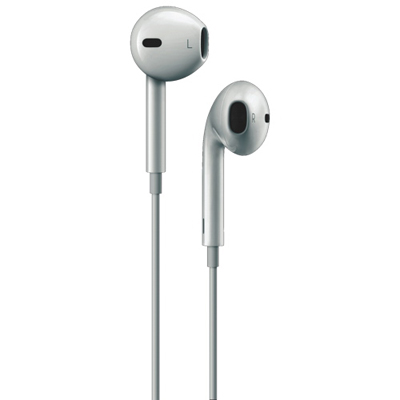 Your price for this item is $25.99
-
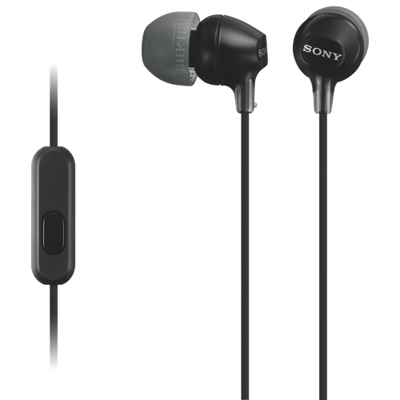 Your price for this item is $15.98
-
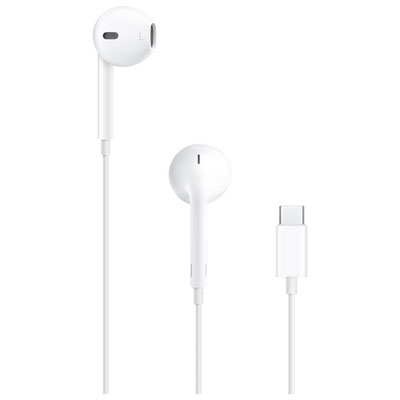 Your price for this item is $25.99
-
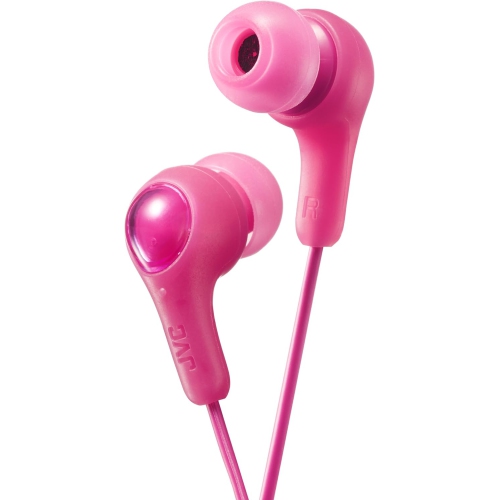 Your price for this item is $25.98
-
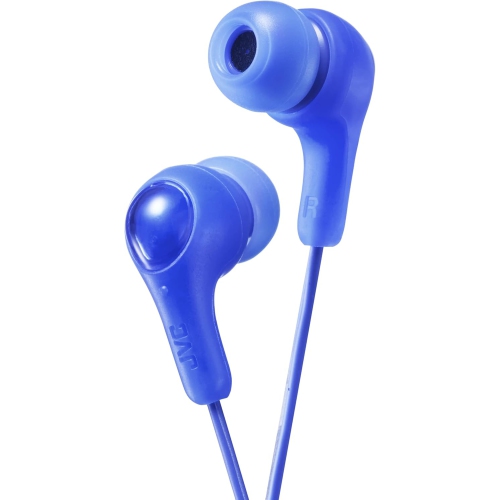 Your price for this item is $25.98
-
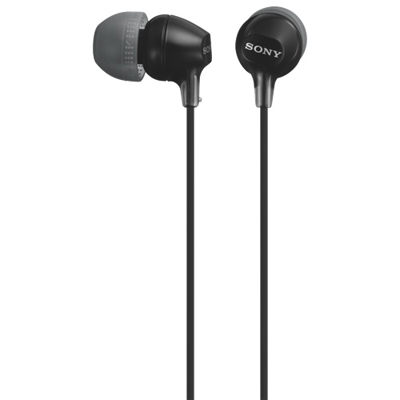 Your price for this item is $12.99
-
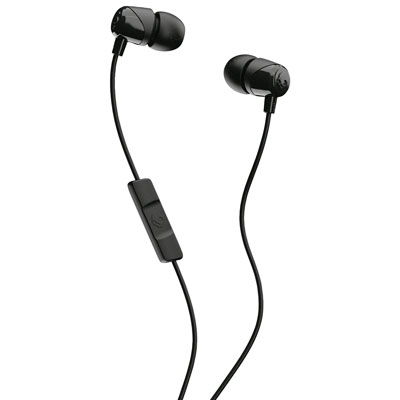 Your price for this item is $14.99
-
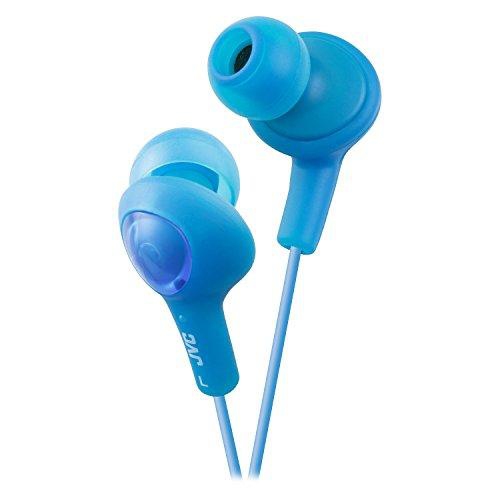 Your price for this item is $19.99