12v Bilge Pumps
When it comes to keeping your boat or RV dry and free of excess water, 12v bilge pumps are an essential piece of equipment to have on board. These compact and powerful pumps are designed to efficiently remove water from the bilge area, helping to prevent flooding and damage to your vessel. Whether you're out on the open water or parked at a campsite, having a reliable 12v bilge pump can provide peace of mind knowing that you can quickly and effectively manage any water accumulation.
Sort
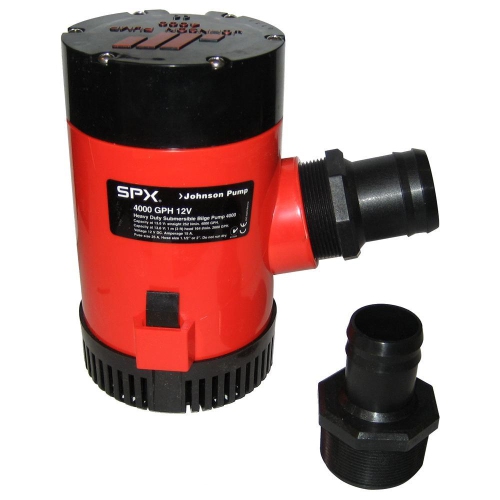
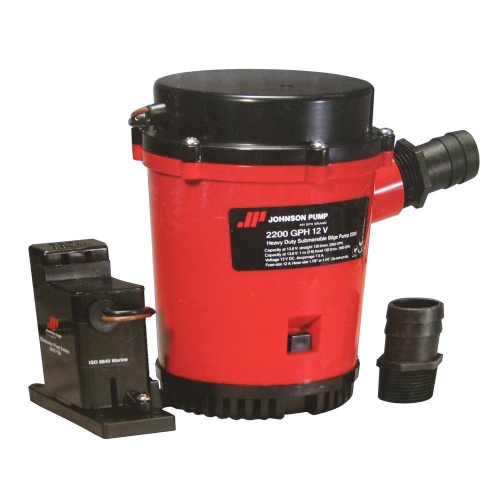

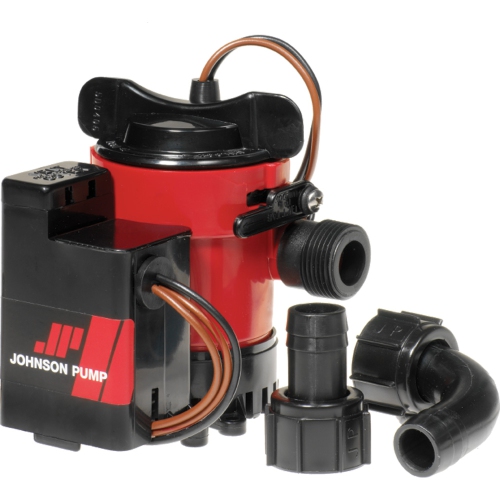
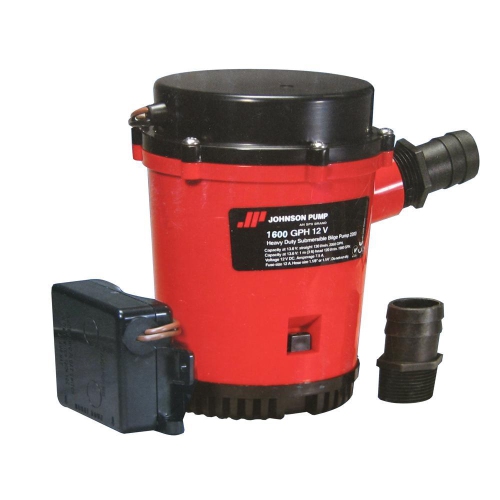




What to consider for reliable onboard water removal
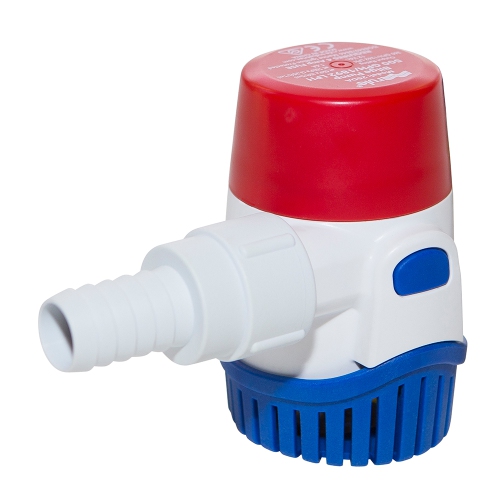
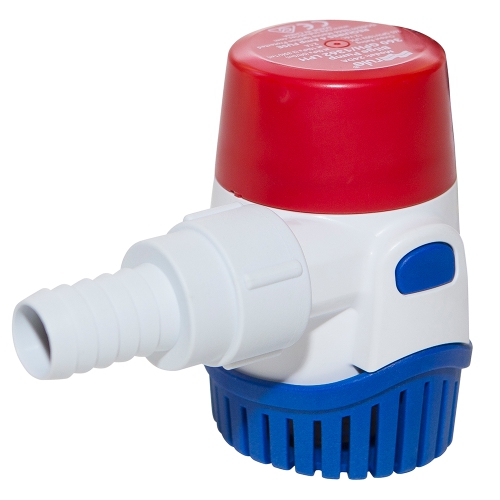
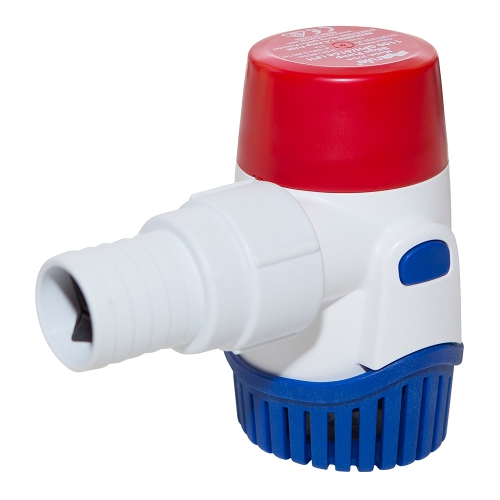
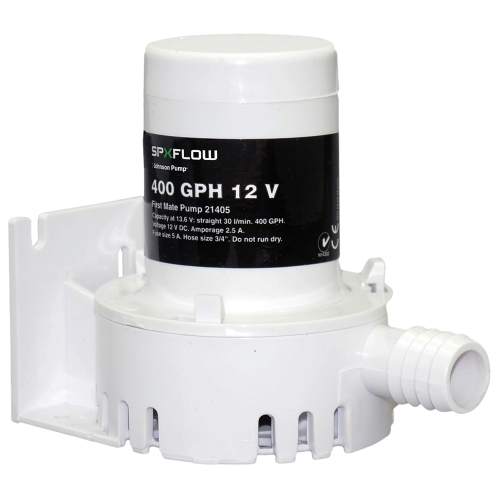
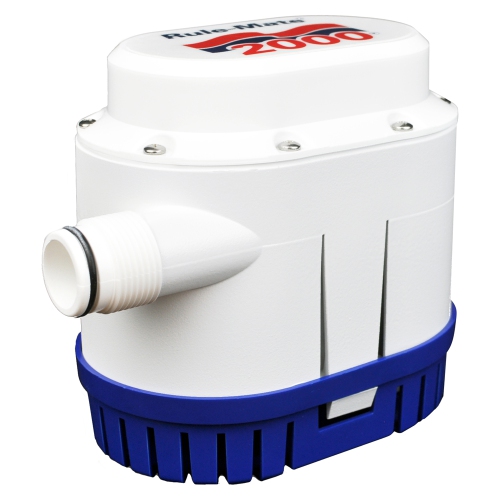
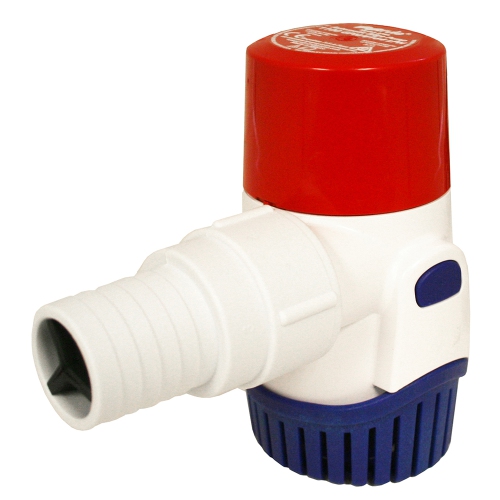
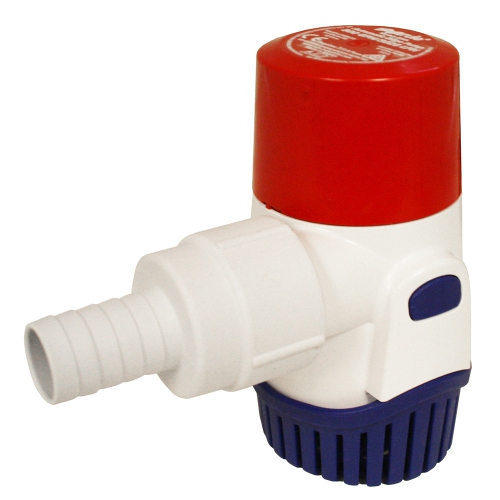
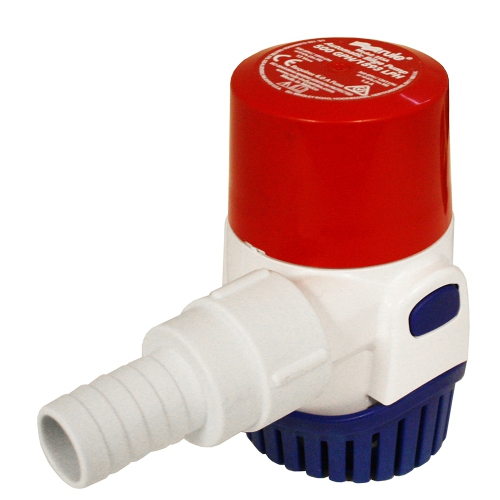
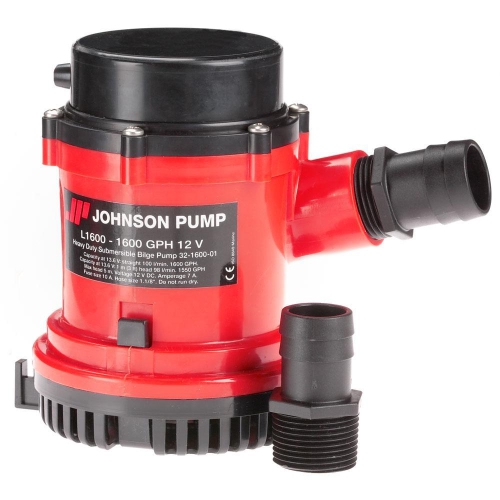
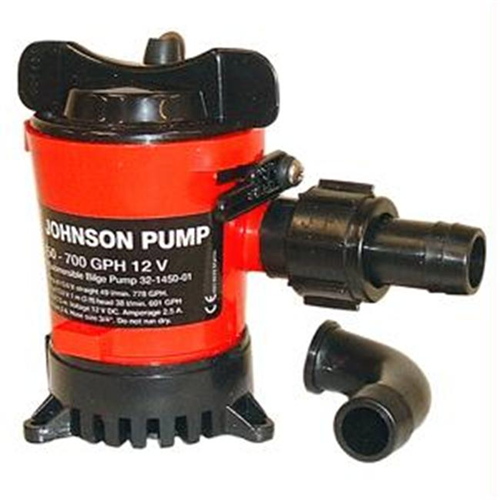
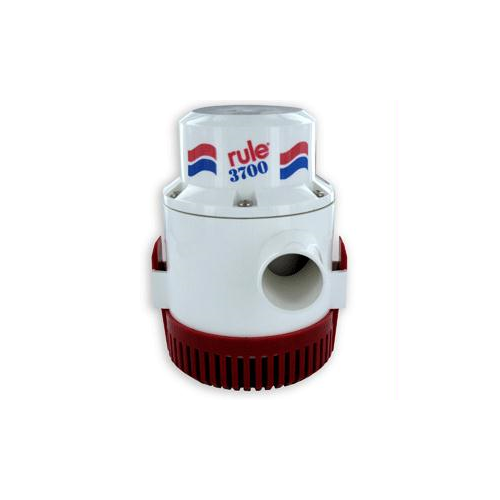
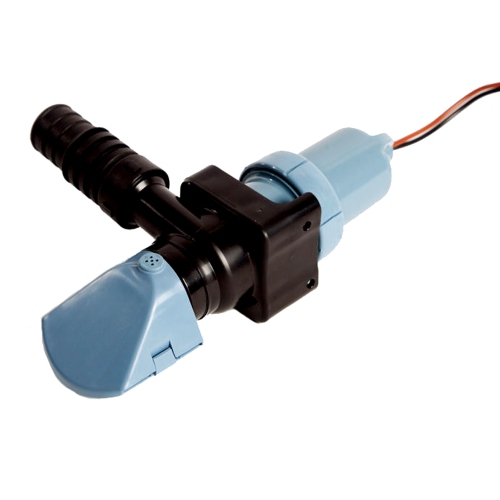
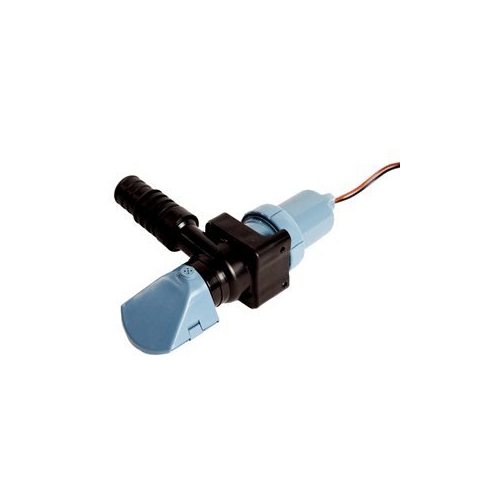
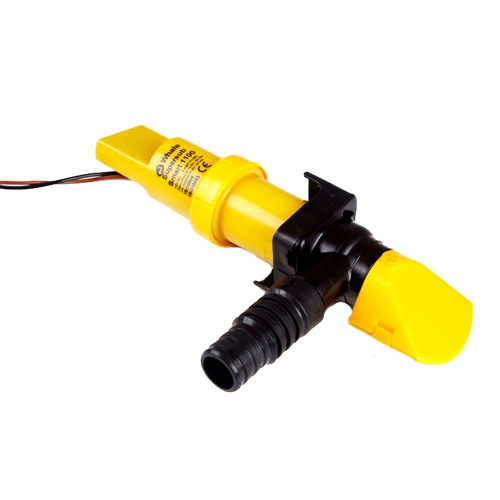
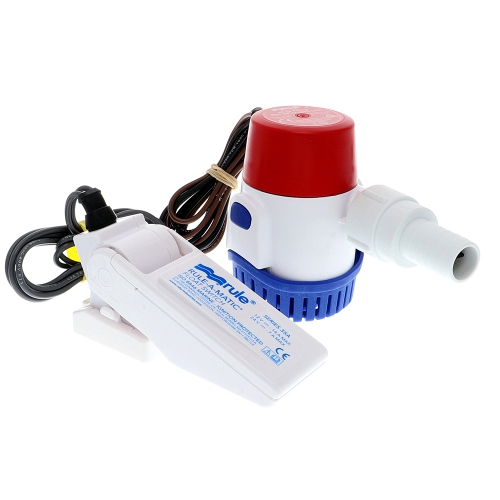
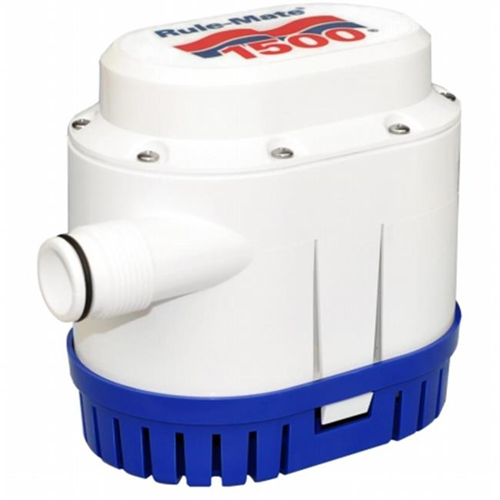
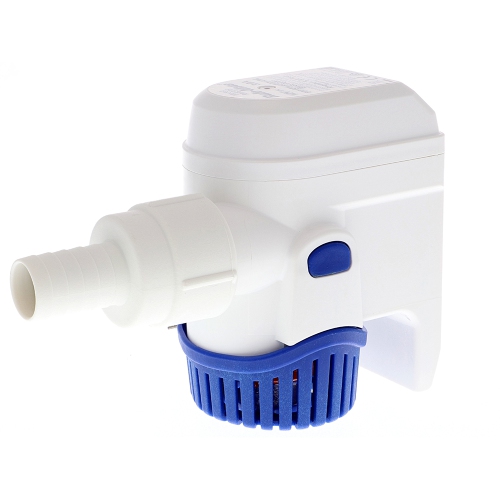
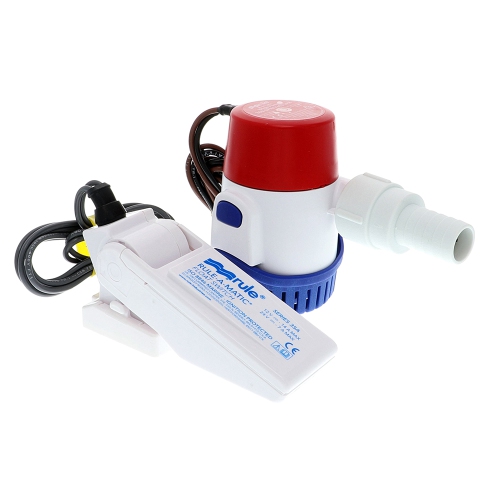
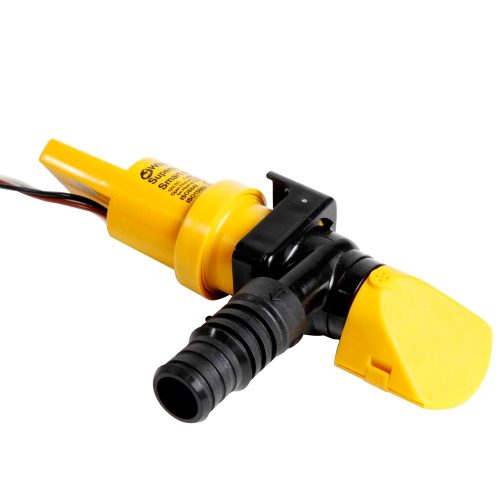
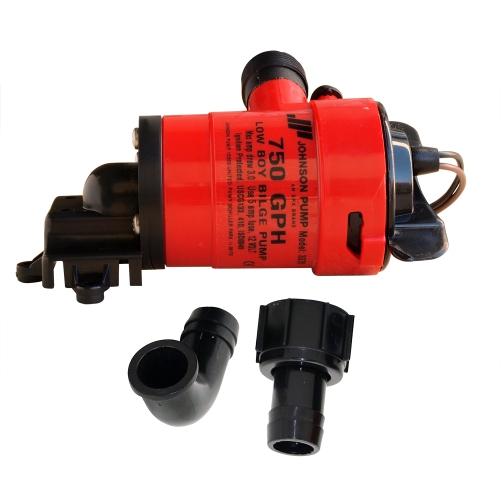
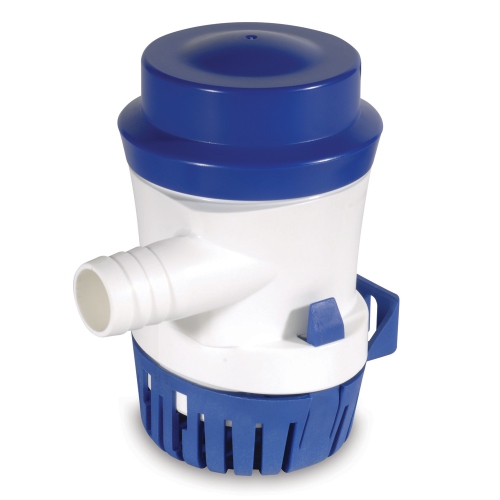
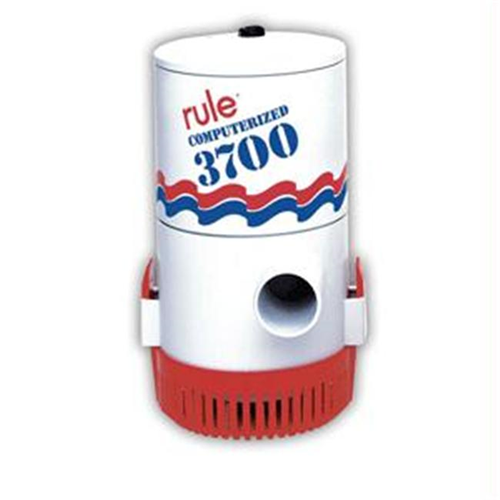
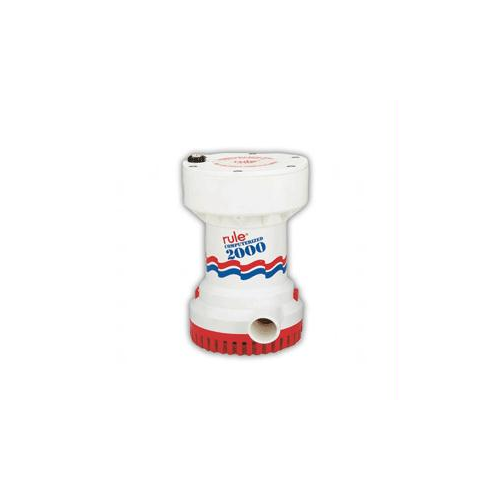
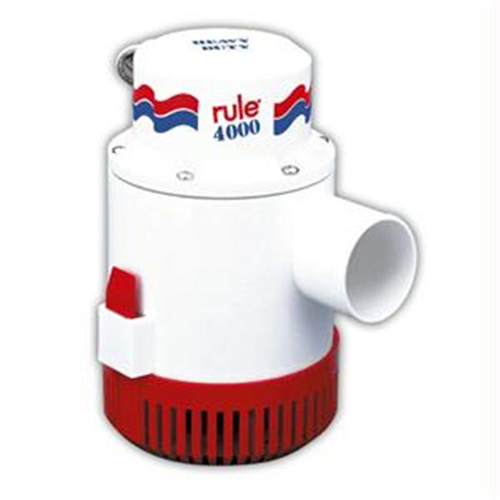
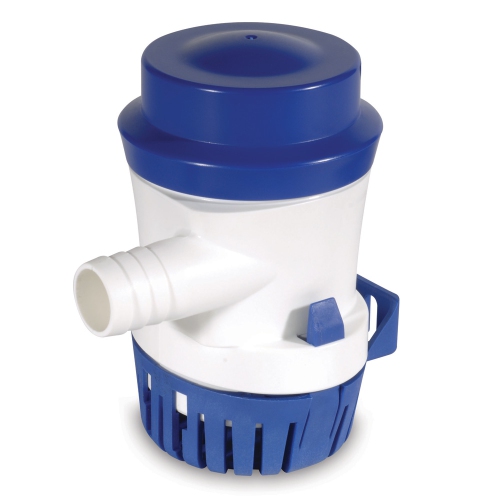
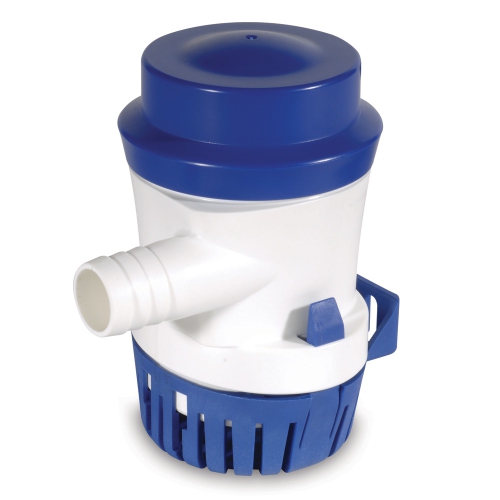
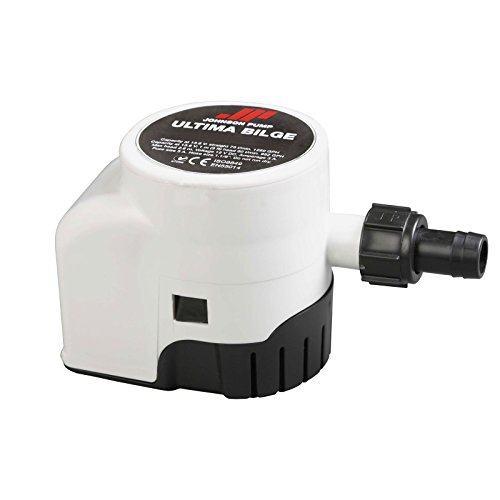
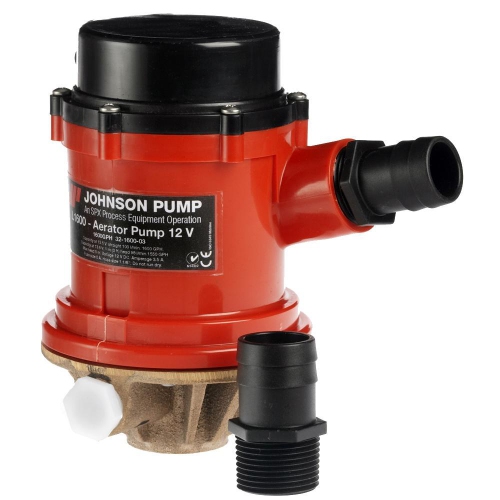
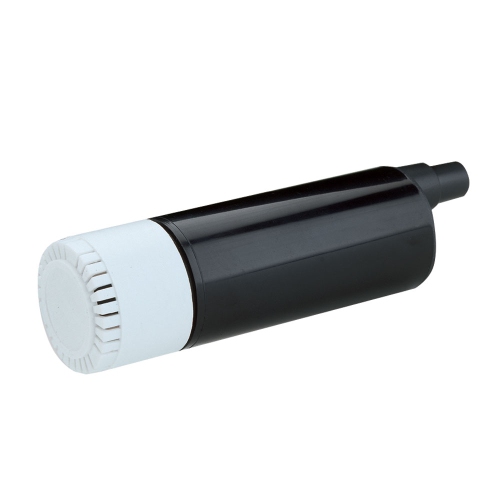
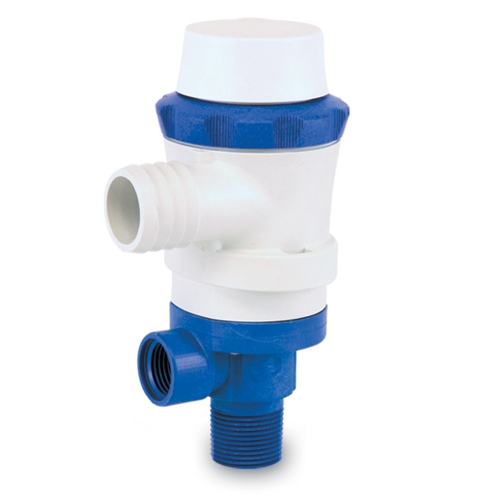
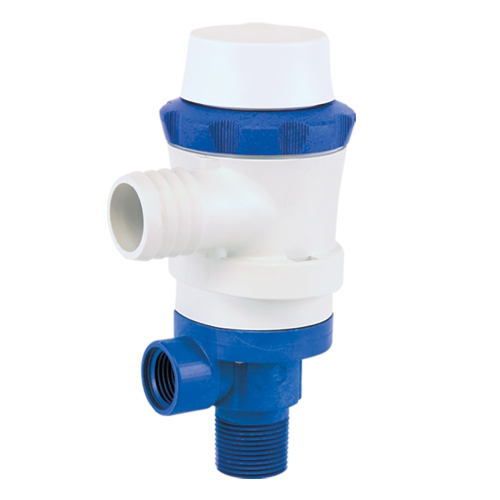
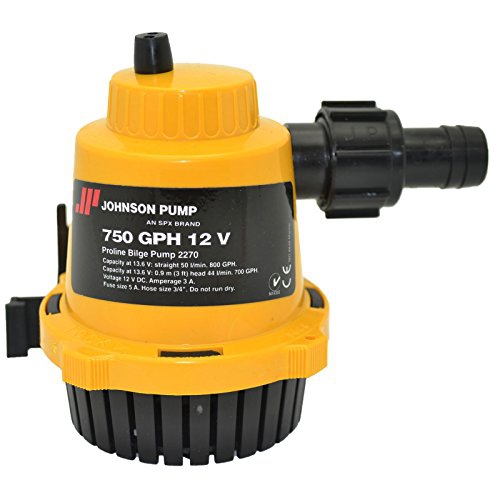
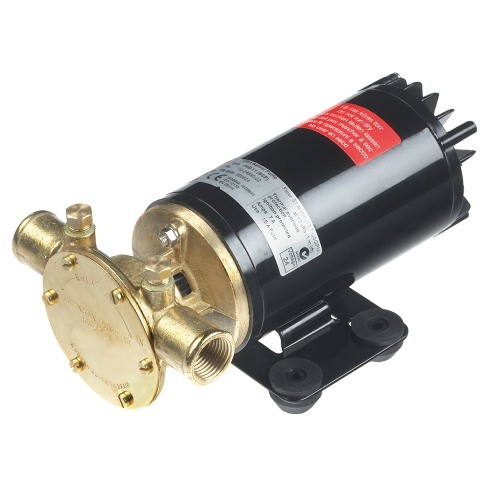
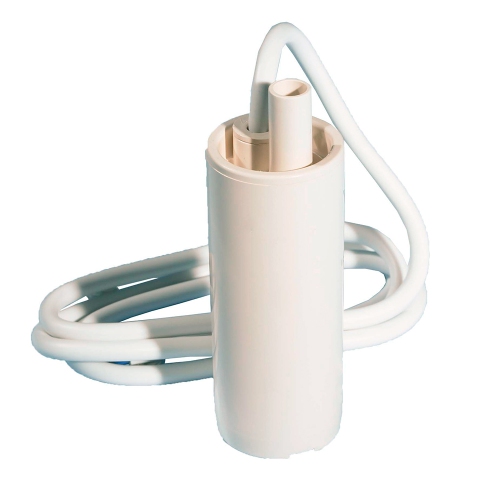
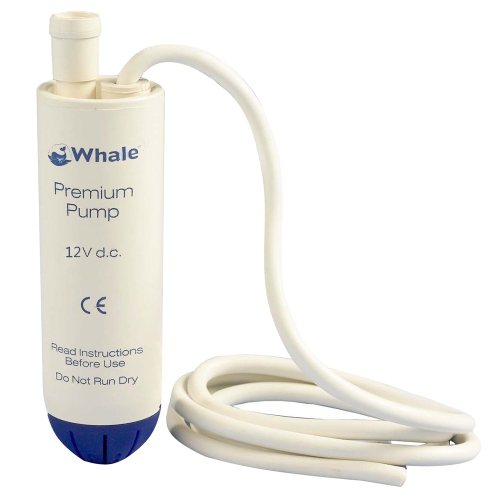
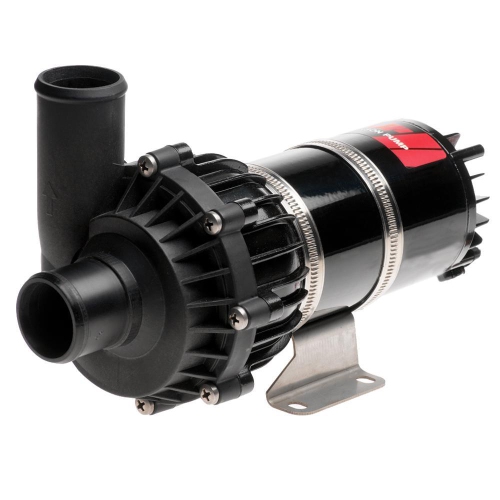
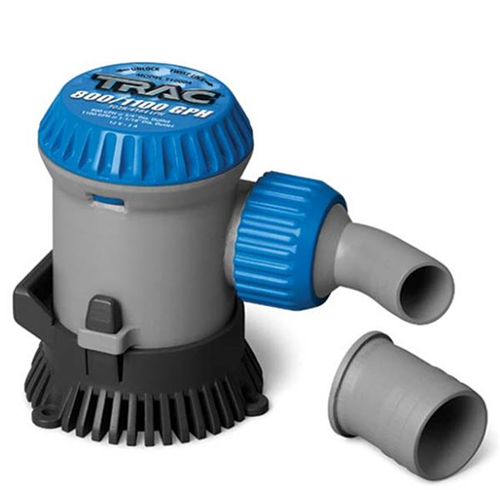
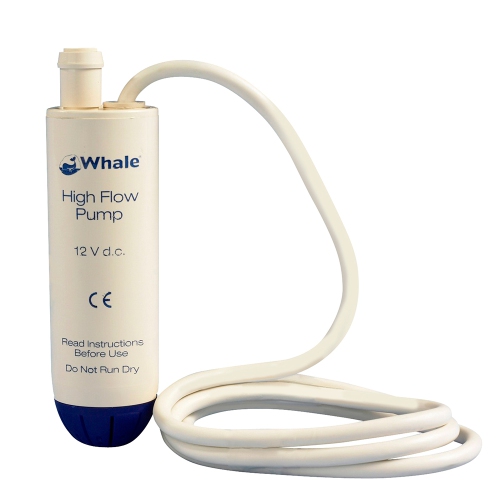
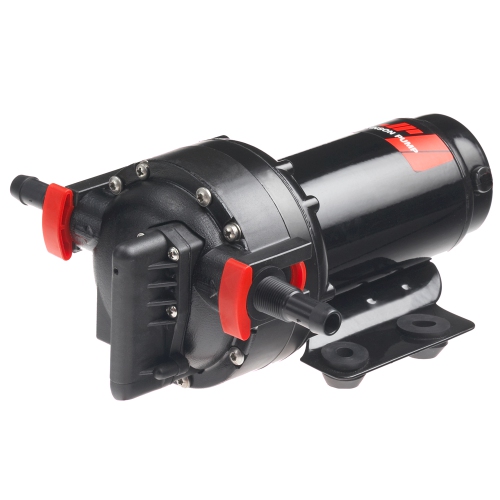
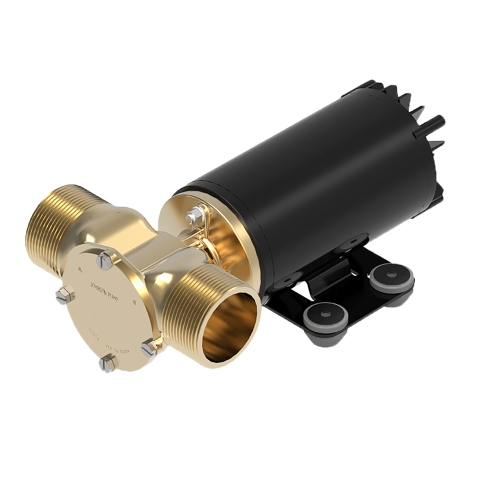
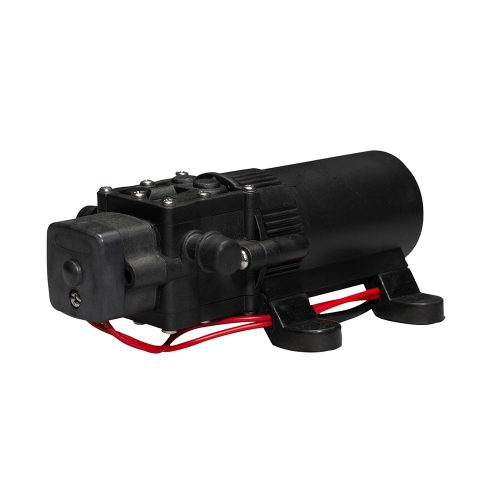
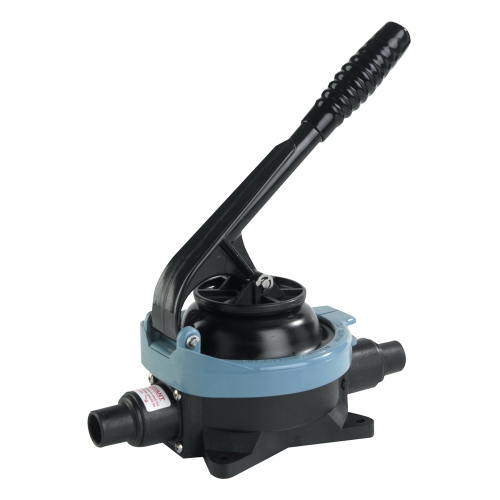
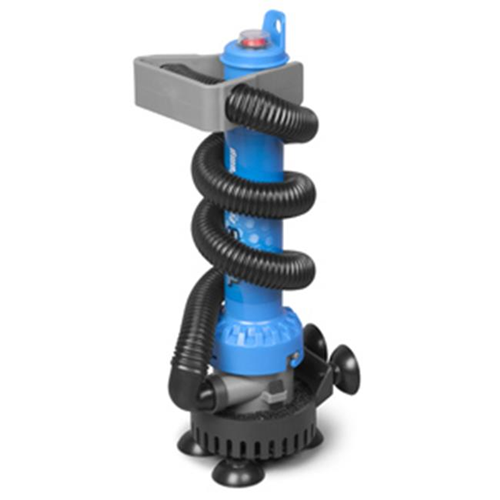
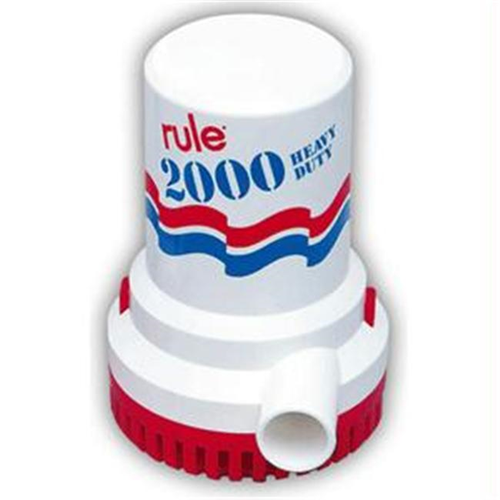
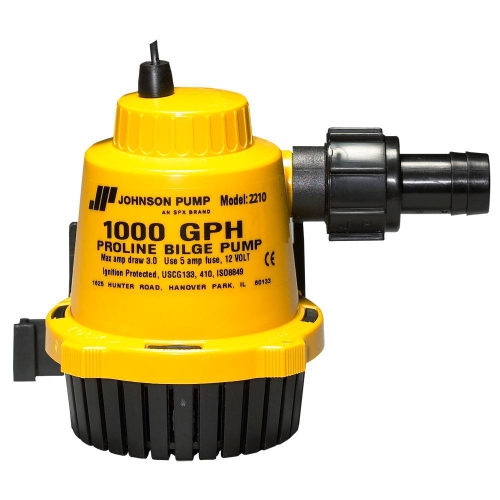
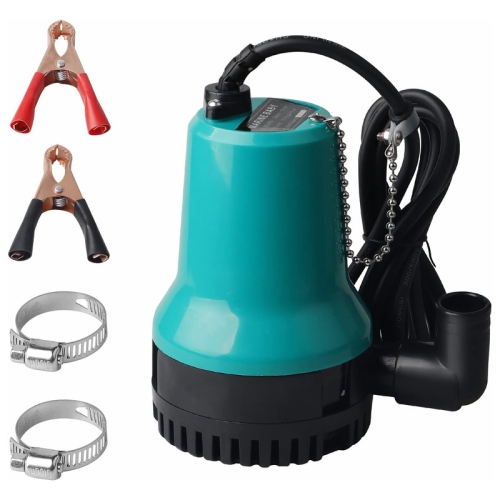
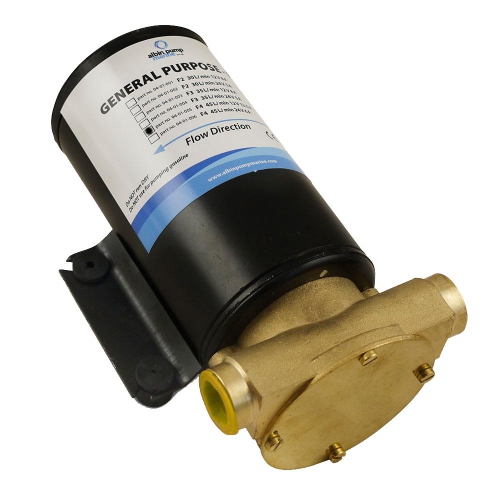
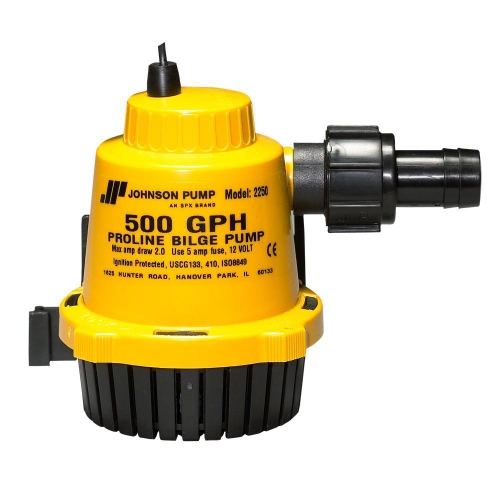
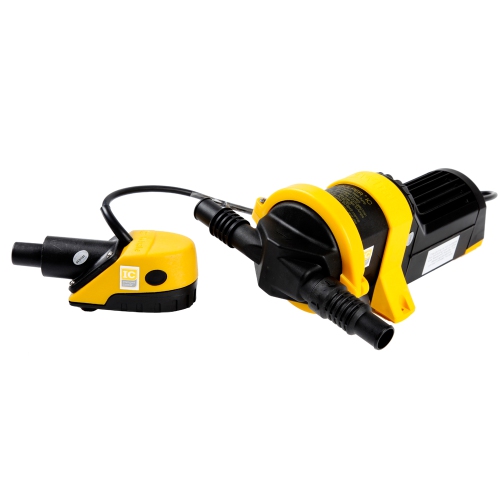
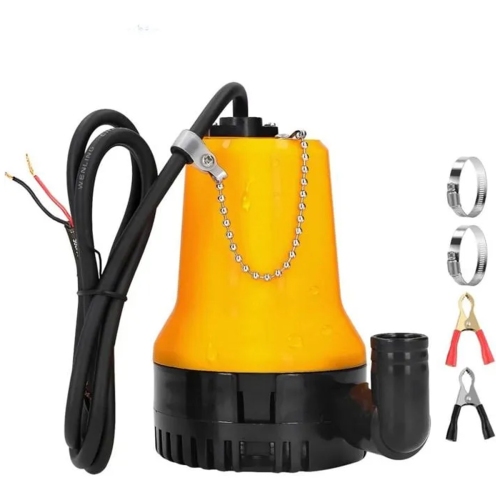
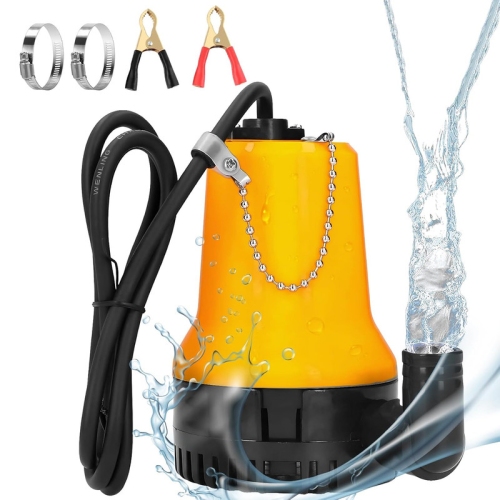
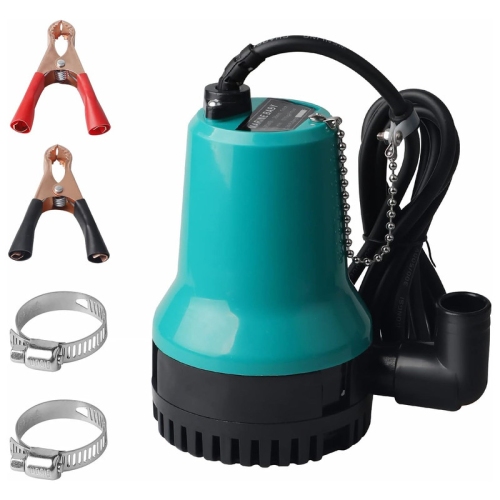
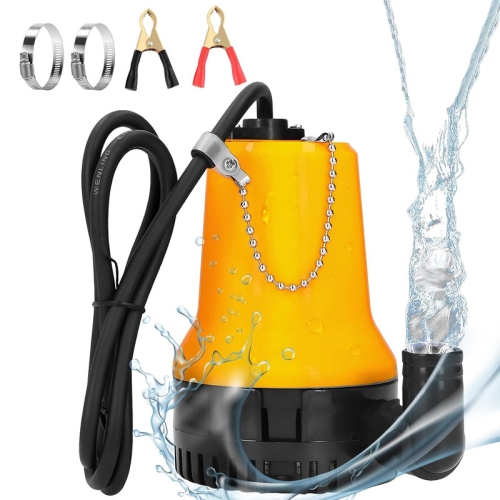
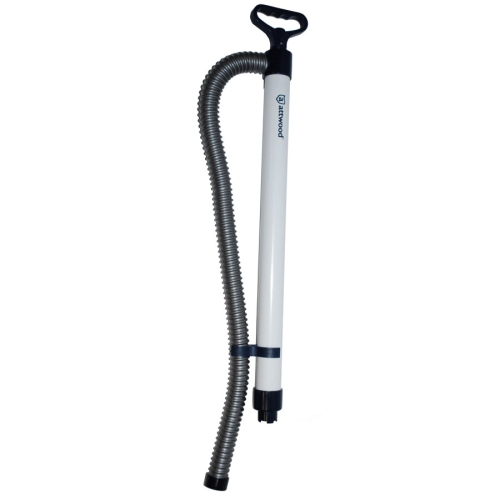
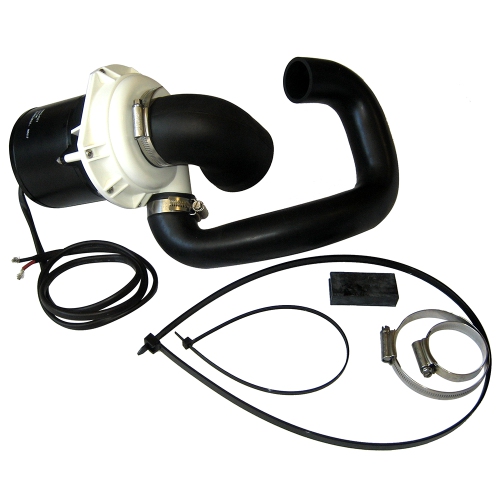
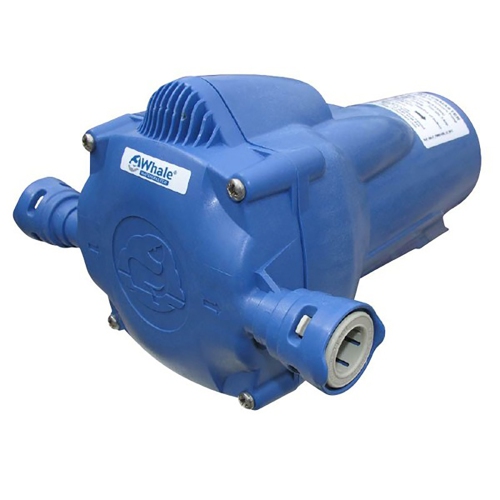
12V bilge pumps are designed to remove unwanted water from the lowest part of a boat or other watercraft, helping keep the bilge area drier during regular use, docking, storage, and changing conditions on the water. They are commonly used in fishing boats, runabouts, sailboats, pontoons, cruisers, personal watercraft, and other vessels equipped with a 12V electrical system. Water can collect in the bilge from rain, spray, condensation, washing down the deck, or minor seepage around fittings and hardware, and even a modest amount can become inconvenient when it gathers below the floorboards. A bilge pump provides a practical way to move that water through a discharge hose and out of the vessel. When choosing among 12v bilge pumps, start by considering the size and layout of the boat, the amount of water that may need to be moved, and the location where the pump will be installed. Compact pumps can suit smaller craft or shallow compartments, while higher-capacity options may be more appropriate for larger boats or areas where water could accumulate quickly. Flow rate is generally listed in gallons per hour, or GPH. A higher GPH rating indicates that the pump can move more water over a given period, but the real-world output can be affected by hose length, bends, lift height, fittings, battery voltage, and the condition of the installation. For that reason, the pump rating should be considered alongside the complete discharge system rather than viewed on its own. Measuring the available space before shopping is also worthwhile, particularly when the bilge is narrow, shallow, or difficult to reach. A low-profile or inline design may fit where a traditional cylindrical pump cannot, making it useful for tight keel areas and compact compartments. The pump’s outlet size should match the discharge hose or the required adapter, and the hose should be routed securely so it does not kink, sag, or allow water to run back into the bilge.
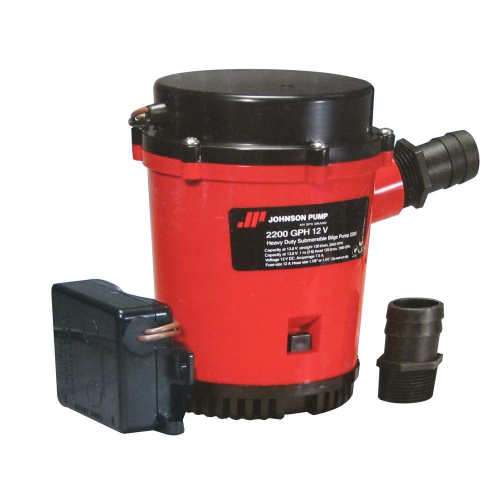
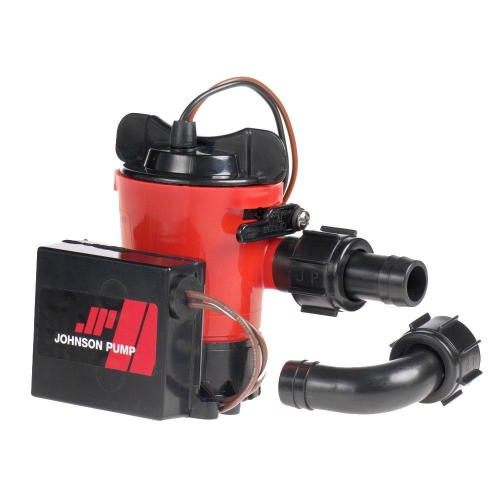
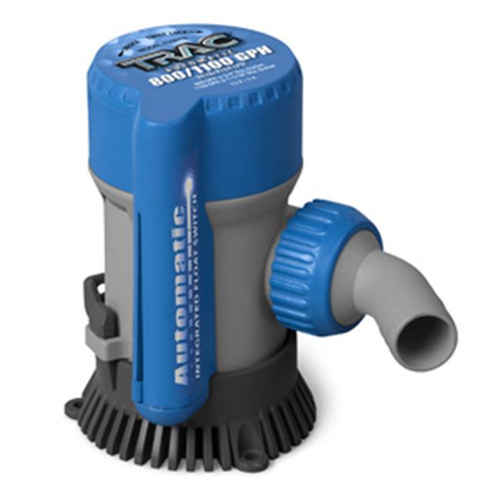
The main operating styles are manual-switch and automatic. A standard submersible pump typically requires a separate dash switch, panel control, or external float switch. This arrangement gives the operator direct control and can work well when the boat is attended, when water removal is part of a routine launch or clean-up, or when the pump is connected to an existing marine switch panel. An automatic model uses an integrated electronic sensor or water-sensing system to detect rising water and activate without requiring a separate external float switch. Some automatic designs periodically check for water, while others respond when the water reaches a particular level. Automatic operation can be helpful when a boat is left at a dock, stored in the water, or exposed to rain during the cooler months, but the system still needs a suitable battery, proper wiring, and regular inspection. Before installation, check the pump’s amperage draw and confirm that the battery, fuse, switch, wire gauge, and connectors are rated for the load. A fuse or circuit breaker near the power source is an important part of a properly planned setup, and marine-rated connections help reduce the chance of loose contacts or corrosion affecting performance. Boats with gasoline engines or fuel vapours require particular care: ignition protection is an essential safety feature for electrical equipment installed in gasoline-powered compartments, where an unintended spark could create a serious hazard. It is also helpful to look for a design that can be removed easily for cleaning. Bilge areas often collect sand, hair, fishing line, leaves, and other debris, and a clogged intake can restrict water flow even when the motor is functioning. A removable strainer or accessible base makes routine checks simpler. Depending on the installation, a check valve may help limit backflow from the discharge hose after the pump stops, although the hose route and outlet position remain important. Positioning the discharge outlet above the waterline and securing every connection can help prevent unwanted water movement back into the vessel. Always follow the manufacturer’s installation instructions and the boat’s electrical requirements, especially when replacing an existing pump or connecting to a shared switch.
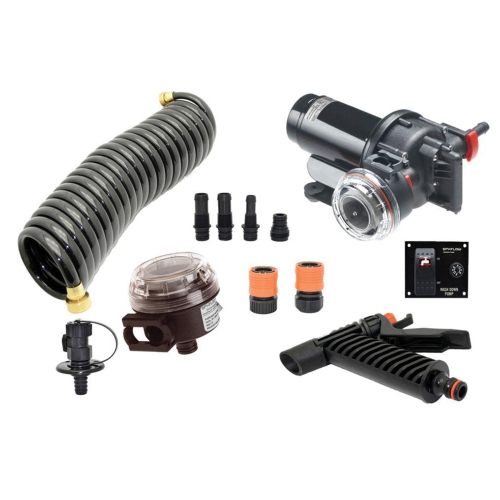
These pumps are practical equipment for boat owners who want dependable water management as the weather warms and throughout the boating season, as well as for people preparing a vessel for storage or occasional use during changing weather. They can also be a thoughtful gift for someone setting up a fishing boat, restoring an older runabout, maintaining a sailboat, or assembling safety equipment for a new watercraft. For a gift, it is useful to know the recipient’s boat type, battery voltage, available installation space, preferred control method, and existing hose size, since these details determine compatibility. A pump may be selected as a replacement for a worn unit, a second pump for another compartment, or part of a broader refresh that includes hose, wiring, a switch, fuse protection, and mounting hardware. Before choosing, inspect the current pump and note its flow rating, outlet diameter, mounting footprint, electrical connections, and whether it operates manually or automatically. If a vessel has more than one bilge compartment, each area may need its own appropriately positioned pump rather than relying on one unit to remove water from the entire hull. It is wise to test the system with clean water while the boat is safely on land, checking that the pump starts as intended, the discharge hose carries water freely, and no connections leak. Avoid running a submersible pump dry for extended periods, and disconnect power before servicing, cleaning, or changing wiring. A 12V bilge pump is not a replacement for finding and repairing a leak, and it should not be treated as the only onboard safety measure; regular inspections of through-hull fittings, hoses, drain plugs, seacocks, and battery condition are equally important. For broader water-moving needs around a boat, trailer, cabin, or other 12V setup, shoppers can also explore 12v Water Pumps while comparing the required voltage, flow rate, construction, controls, and intended use. With the right capacity and a carefully matched installation, 12V bilge pumps can provide convenient water removal whenever rain, spray, or normal boating activity leaves water below deck.
The main operating styles are manual-switch and automatic. A standard submersible pump typically requires a separate dash switch, panel control, or external float switch. This arrangement gives the operator direct control and can work well when the boat is attended, when water removal is part of a routine launch or clean-up, or when the pump is connected to an existing marine switch panel. An automatic model uses an integrated electronic sensor or water-sensing system to detect rising water and activate without requiring a separate external float switch. Some automatic designs periodically check for water, while others respond when the water reaches a particular level. Automatic operation can be helpful when a boat is left at a dock, stored in the water, or exposed to rain during the cooler months, but the system still needs a suitable battery, proper wiring, and regular inspection. Before installation, check the pump’s amperage draw and confirm that the battery, fuse, switch, wire gauge, and connectors are rated for the load. A fuse or circuit breaker near the power source is an important part of a properly planned setup, and marine-rated connections help reduce the chance of loose contacts or corrosion affecting performance. Boats with gasoline engines or fuel vapours require particular care: ignition protection is an essential safety feature for electrical equipment installed in gasoline-powered compartments, where an unintended spark could create a serious hazard. It is also helpful to look for a design that can be removed easily for cleaning. Bilge areas often collect sand, hair, fishing line, leaves, and other debris, and a clogged intake can restrict water flow even when the motor is functioning. A removable strainer or accessible base makes routine checks simpler. Depending on the installation, a check valve may help limit backflow from the discharge hose after the pump stops, although the hose route and outlet position remain important. Positioning the discharge outlet above the waterline and securing every connection can help prevent unwanted water movement back into the vessel. Always follow the manufacturer’s installation instructions and the boat’s electrical requirements, especially when replacing an existing pump or connecting to a shared switch.
These pumps are practical equipment for boat owners who want dependable water management as the weather warms and throughout the boating season, as well as for people preparing a vessel for storage or occasional use during changing weather. They can also be a thoughtful gift for someone setting up a fishing boat, restoring an older runabout, maintaining a sailboat, or assembling safety equipment for a new watercraft. For a gift, it is useful to know the recipient’s boat type, battery voltage, available installation space, preferred control method, and existing hose size, since these details determine compatibility. A pump may be selected as a replacement for a worn unit, a second pump for another compartment, or part of a broader refresh that includes hose, wiring, a switch, fuse protection, and mounting hardware. Before choosing, inspect the current pump and note its flow rating, outlet diameter, mounting footprint, electrical connections, and whether it operates manually or automatically. If a vessel has more than one bilge compartment, each area may need its own appropriately positioned pump rather than relying on one unit to remove water from the entire hull. It is wise to test the system with clean water while the boat is safely on land, checking that the pump starts as intended, the discharge hose carries water freely, and no connections leak. Avoid running a submersible pump dry for extended periods, and disconnect power before servicing, cleaning, or changing wiring. A 12V bilge pump is not a replacement for finding and repairing a leak, and it should not be treated as the only onboard safety measure; regular inspections of through-hull fittings, hoses, drain plugs, seacocks, and battery condition are equally important. For broader water-moving needs around a boat, trailer, cabin, or other 12V setup, shoppers can also explore 12v Water Pumps while comparing the required voltage, flow rate, construction, controls, and intended use. With the right capacity and a carefully matched installation, 12V bilge pumps can provide convenient water removal whenever rain, spray, or normal boating activity leaves water below deck.
Top selling and popular products
-
 Your price for this item is $31.34
 -
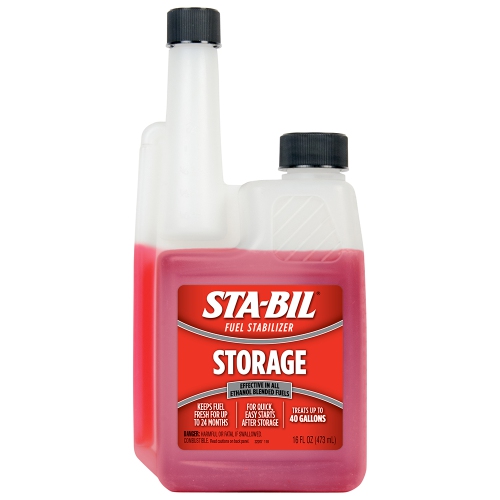 Your price for this item is $30.54
 -
 Your price for this item is $38.85
 -
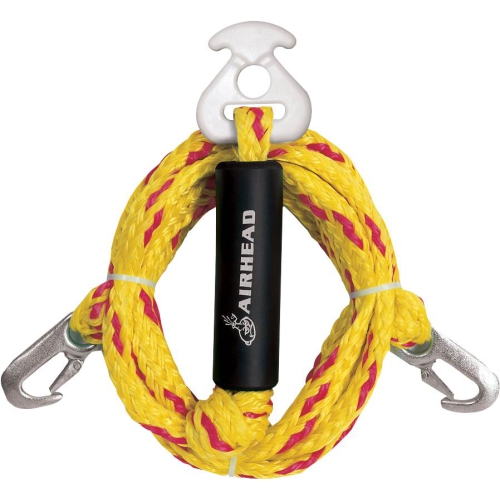 Your price for this item is $63.99
 -
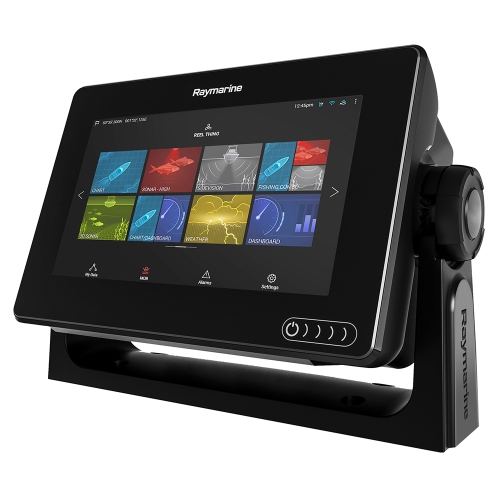 Your price for this item is $844.91
 -
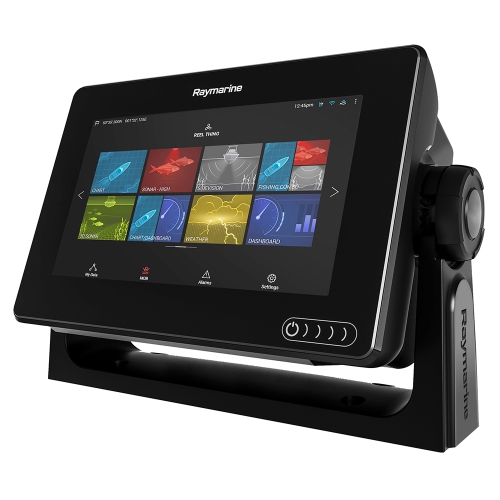 Your price for this item is $909.33
 -
 Your price for this item is $31.38
 -
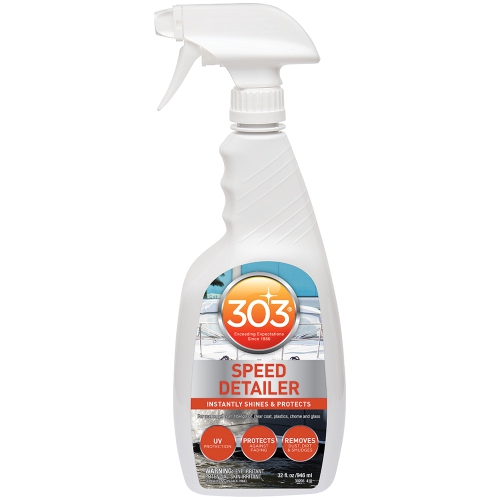 Your price for this item is $35.35
Discover more categories related to 12v Bilge Pumps
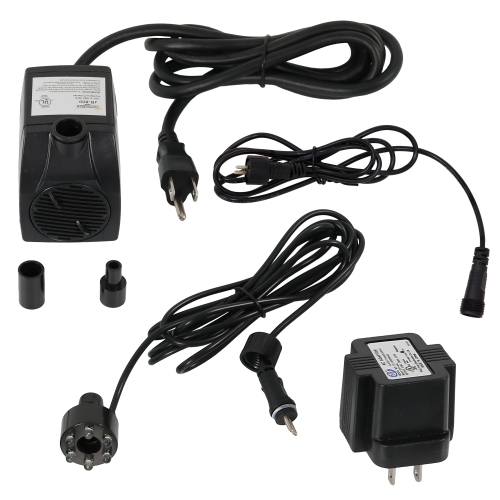
Top Collections:
Pokemon Centers, Best Cameras for Sports Photography, Kindle Devices, Samsung Galaxy Phones, Canon G7X Cameras, Pokémon 30th Celebration Cards, Refurbished Apple Laptops, iPhone 15 Apple, Laptops for Students, Budget Smartphones
Some products may be subject to Environmental Handling Fees
(EHF) depending on your province.
Learn more about EHFs.