Boat Bilge Pumps
Whether you're a seasoned sailor or just starting to navigate the waters, having a reliable boat bilge pump is essential for keeping your vessel safe and dry. At Best Buy, we understand the importance of having quality equipment on board, which is why we offer a wide selection of boat bilge pumps to suit every boating need. Shop from our collection today and find the perfect bilge pump to keep your boat afloat in any situation.
Sort
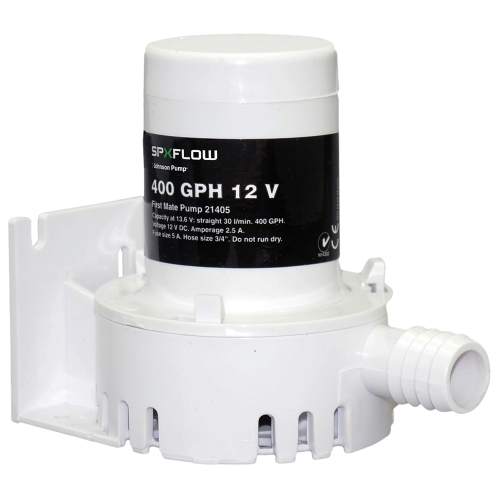
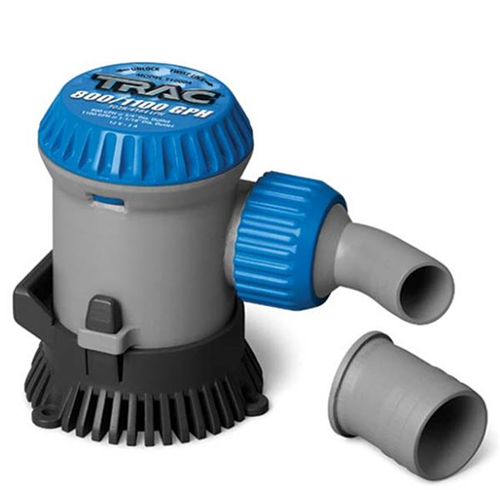
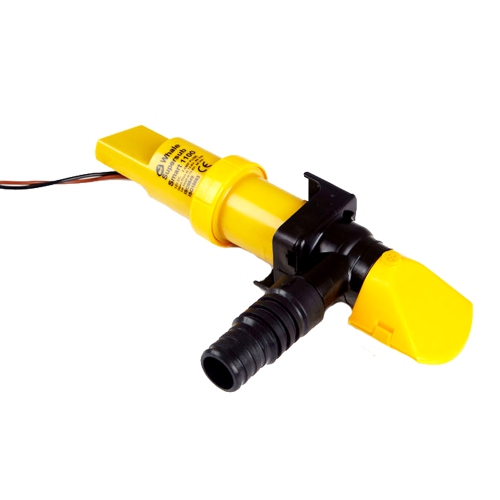
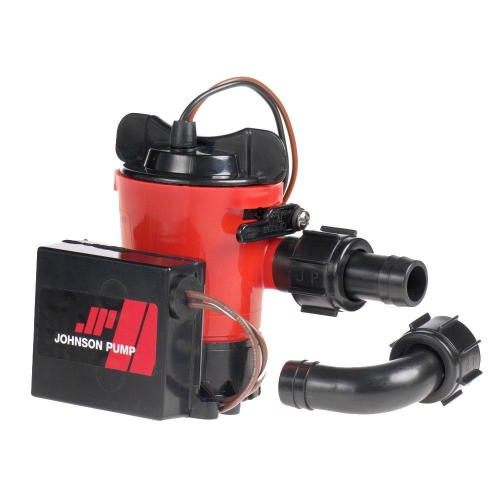
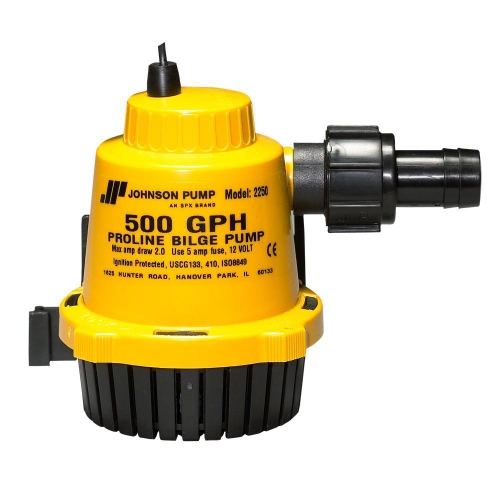
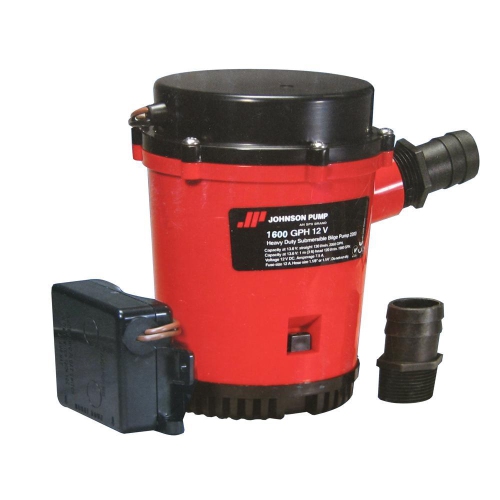
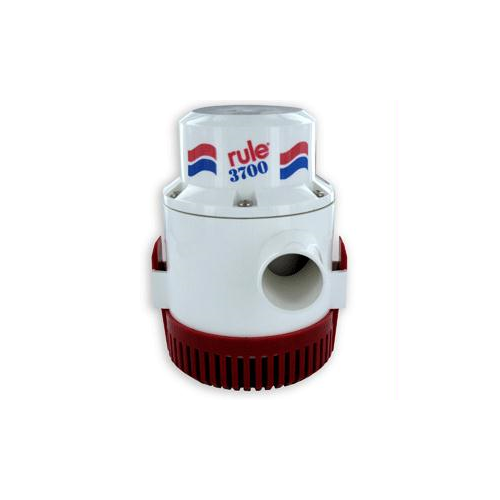
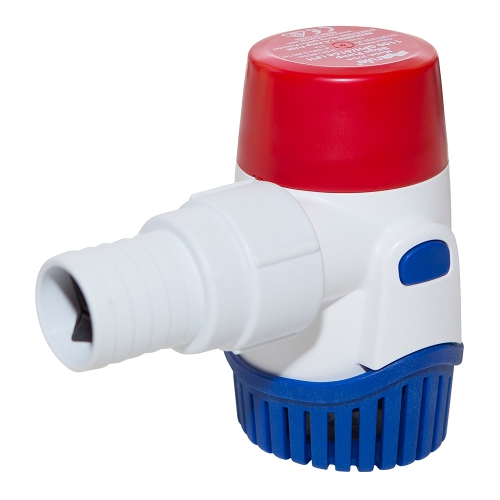
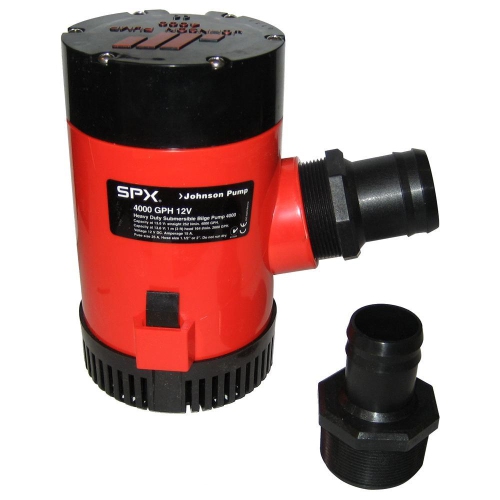

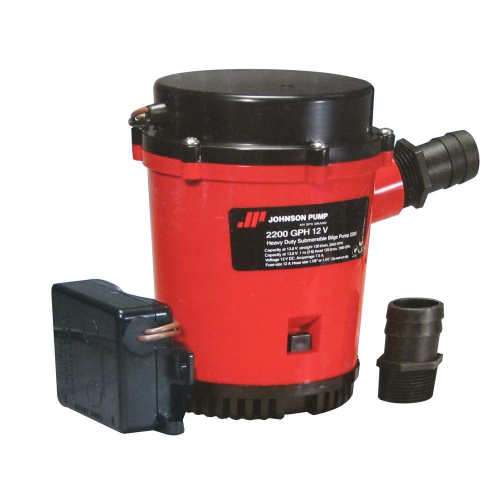
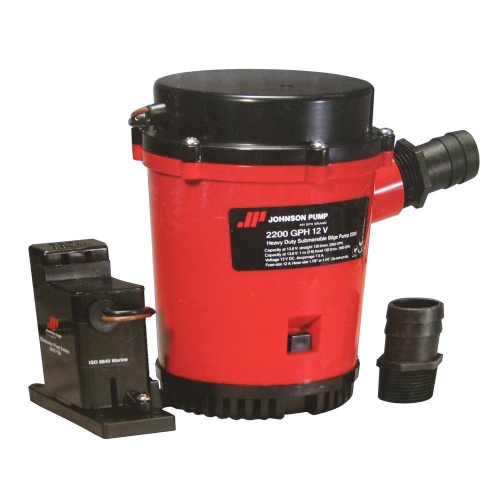
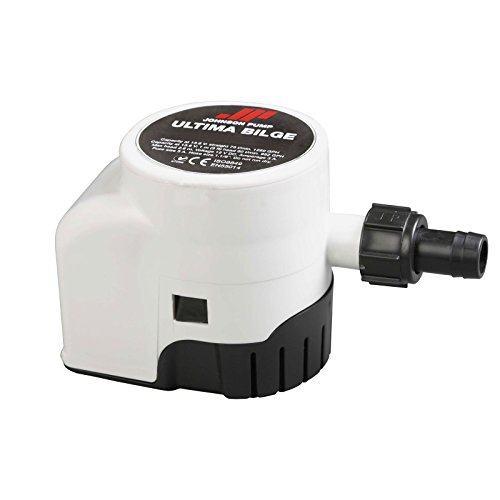


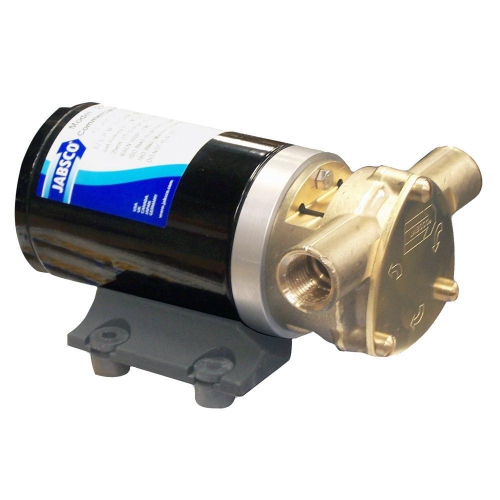
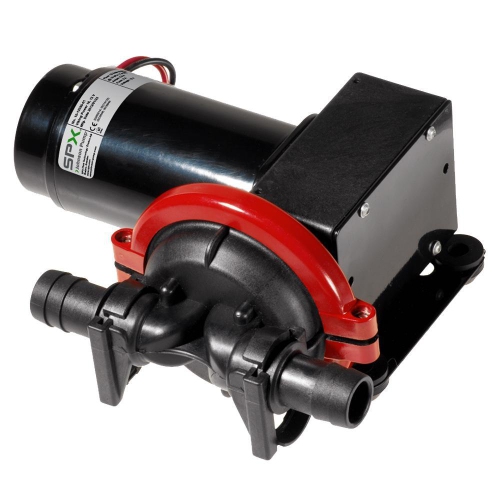
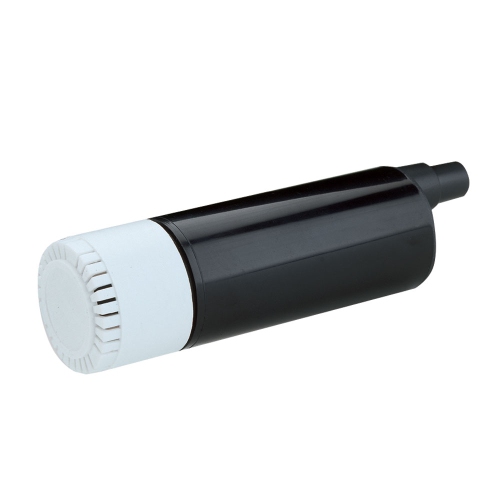
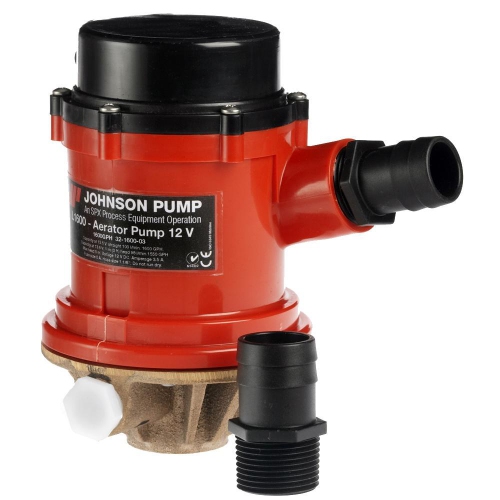
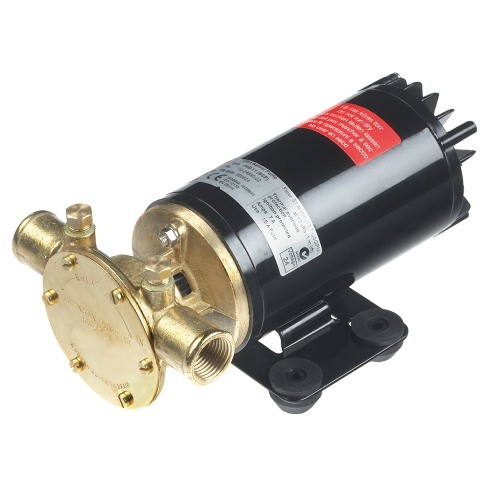
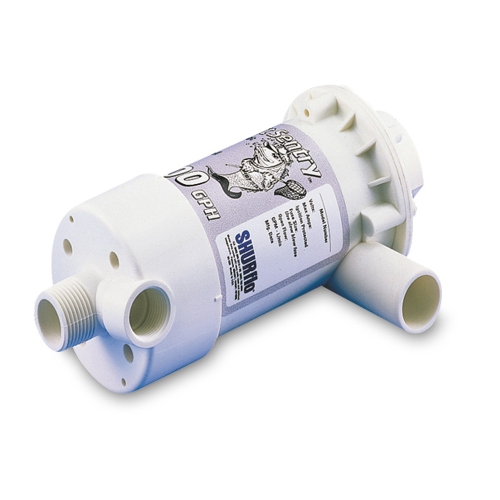
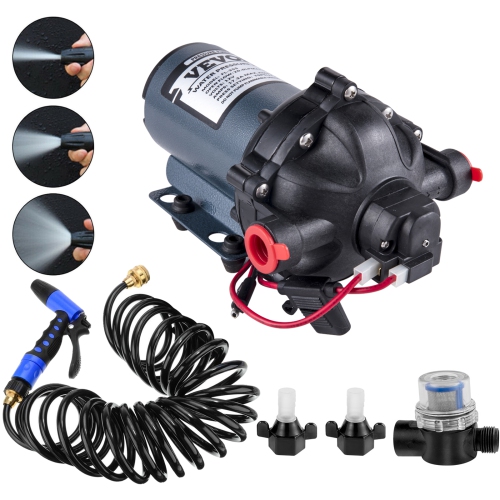


Key considerations for reliable pumping and safer boating
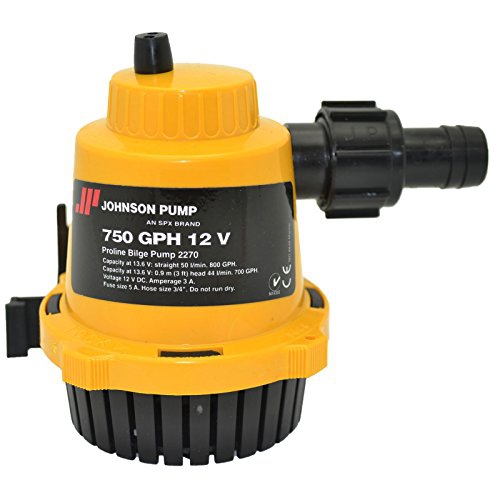
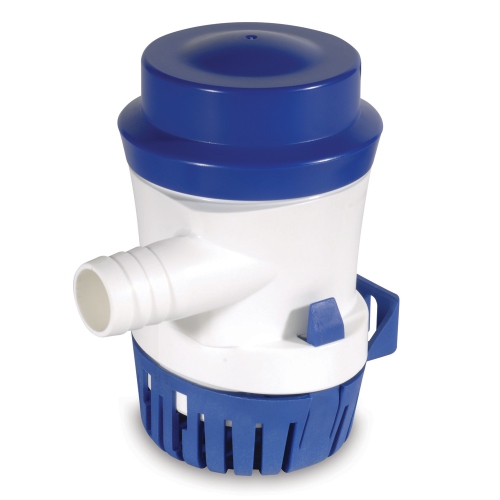
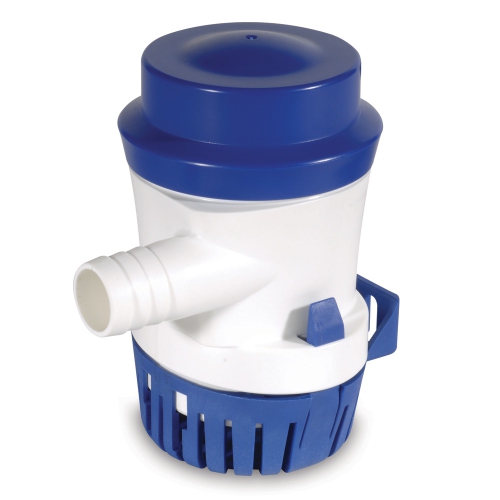
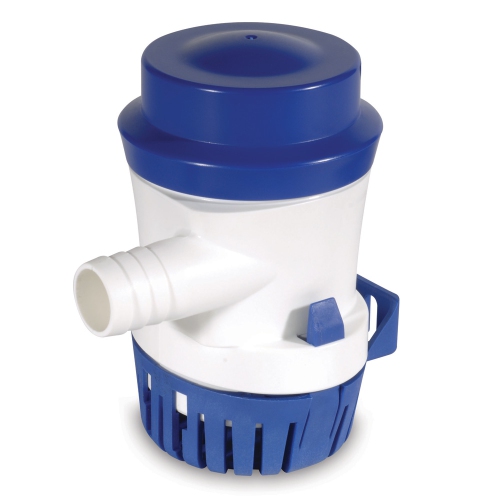
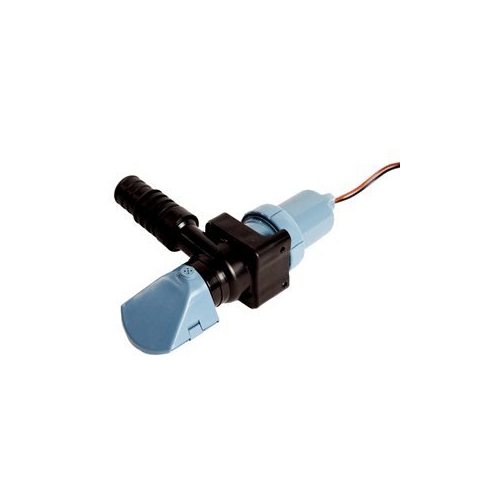
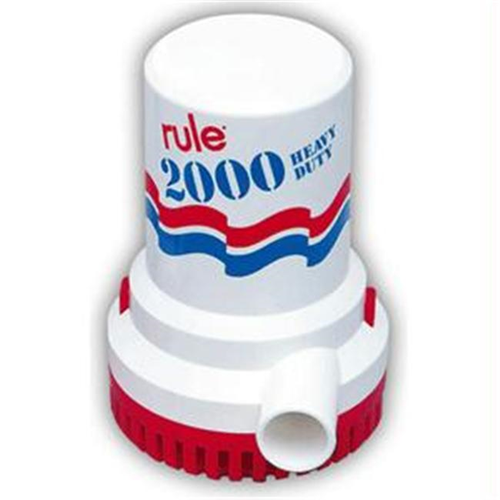
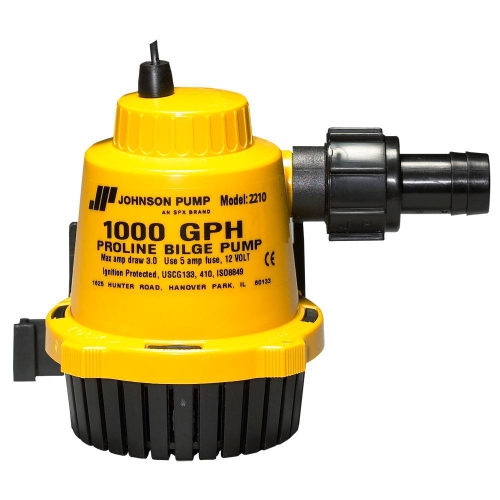
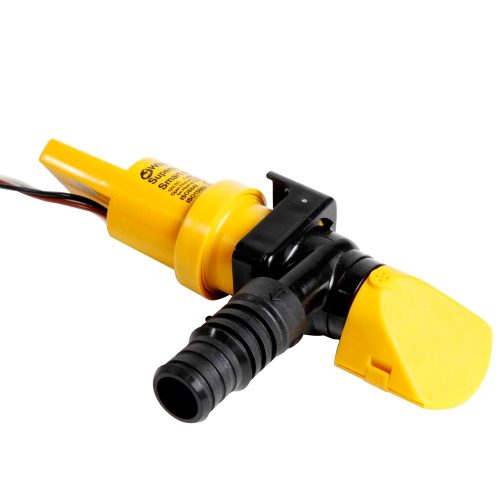
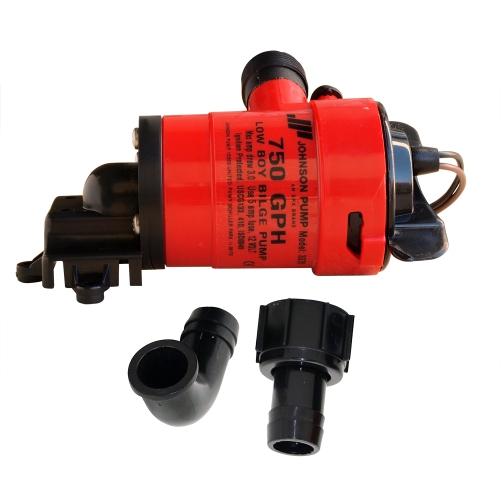
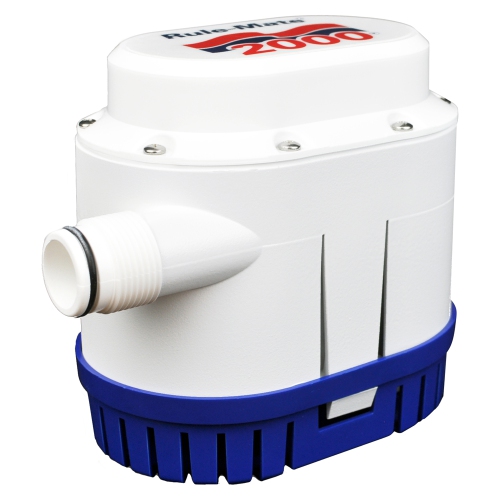
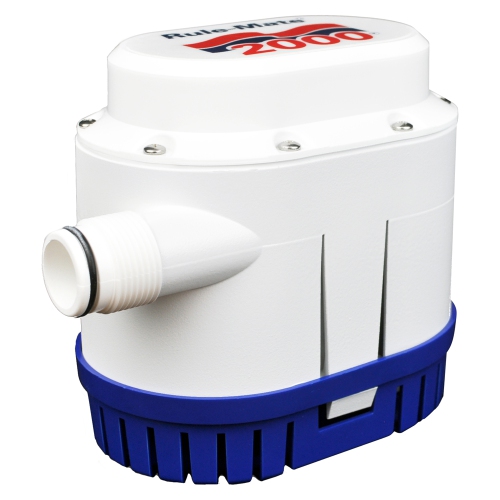
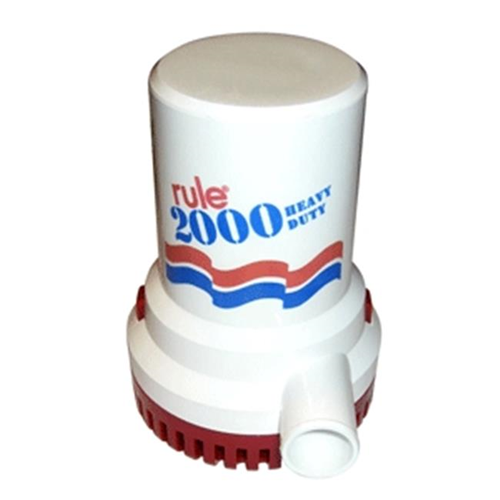
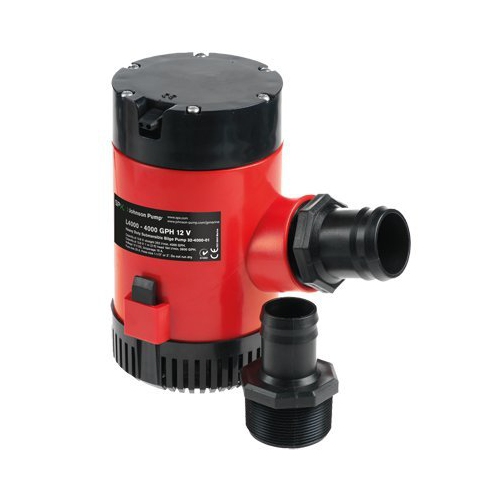
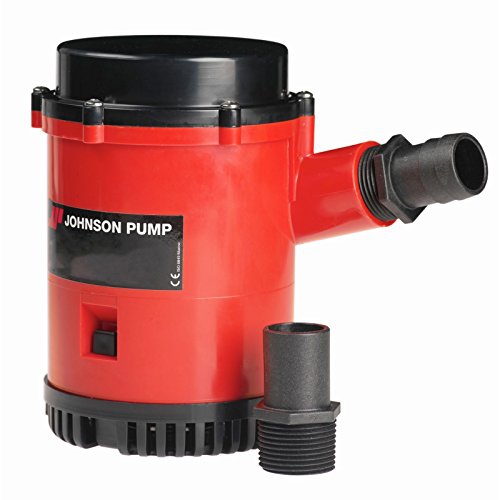
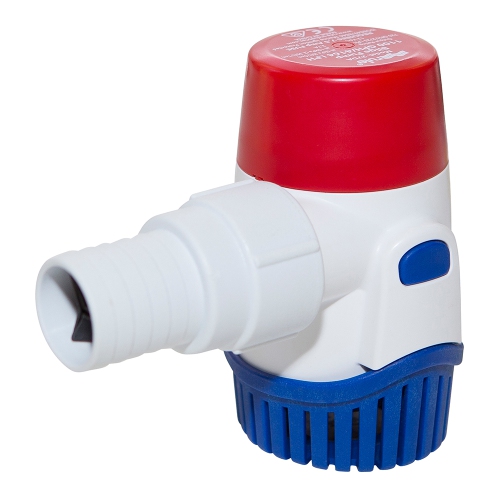
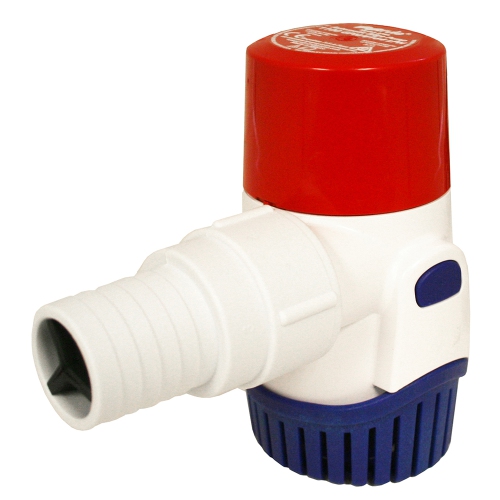
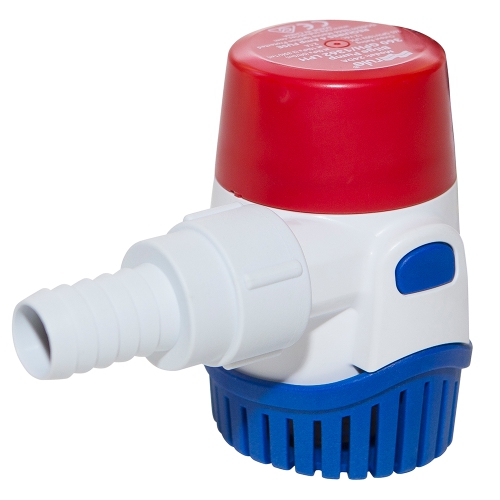
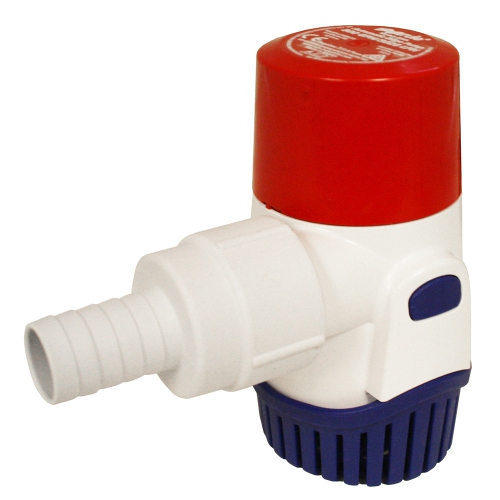
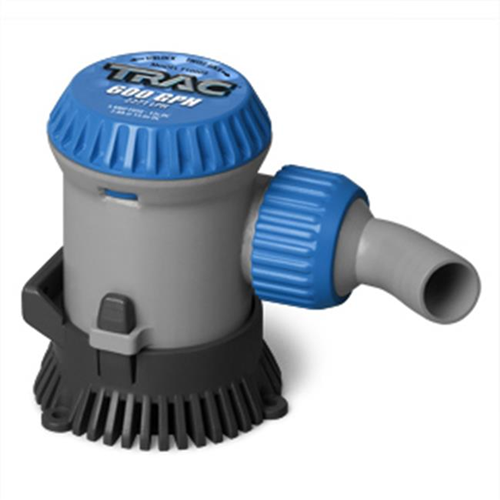
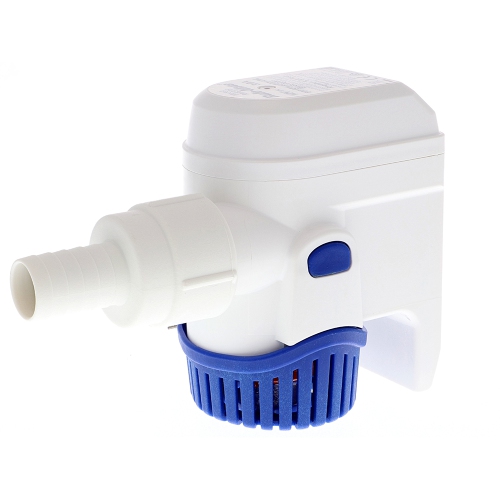
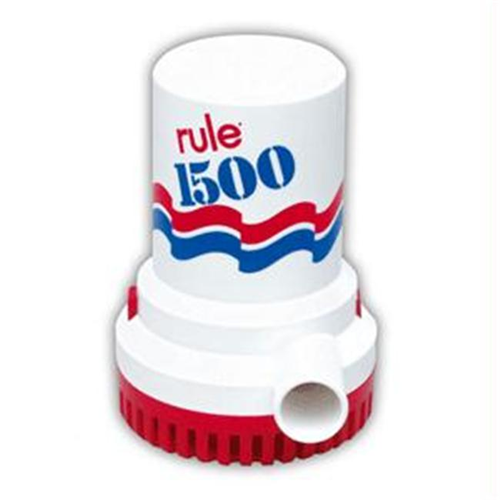
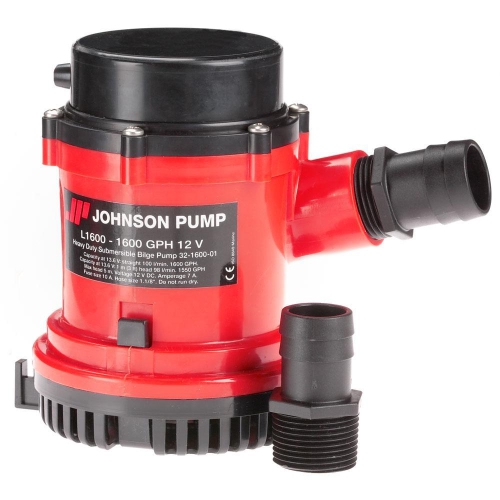
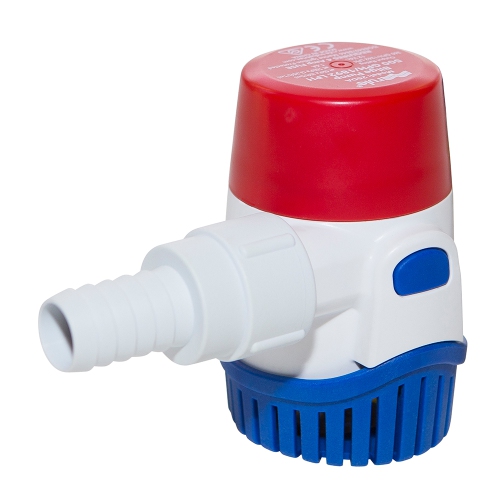
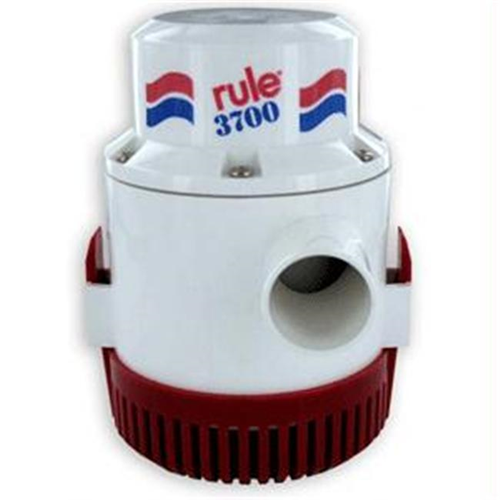
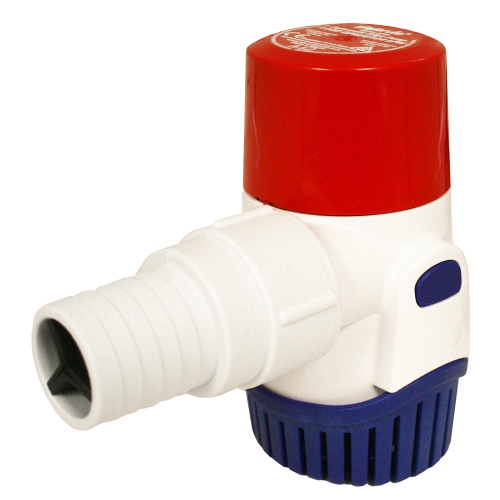
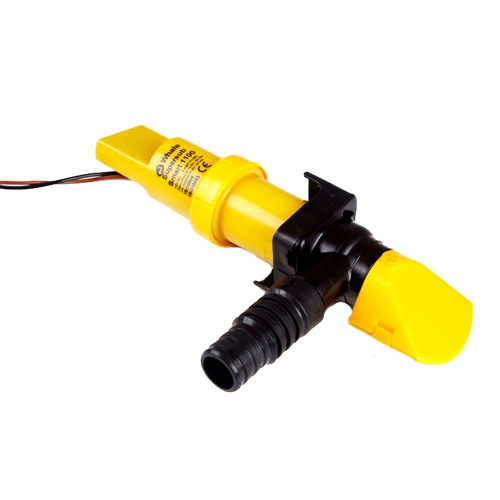
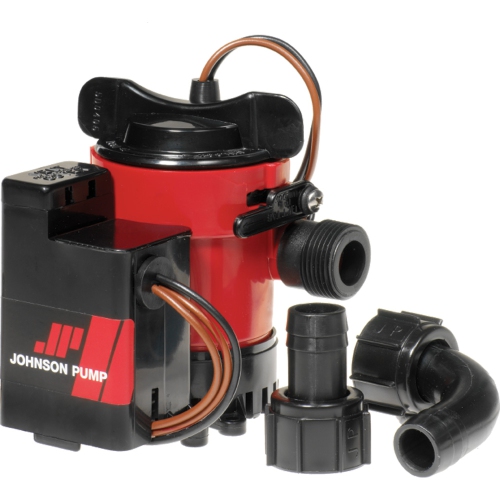
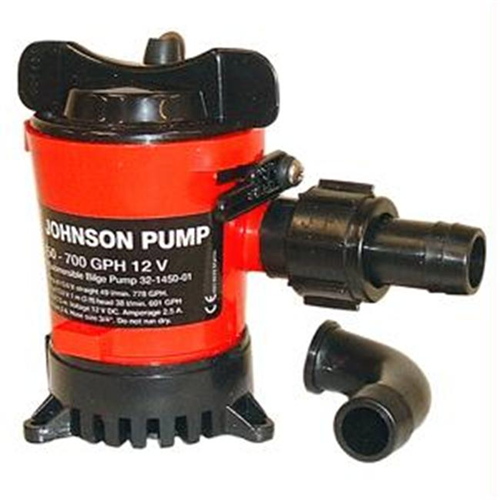
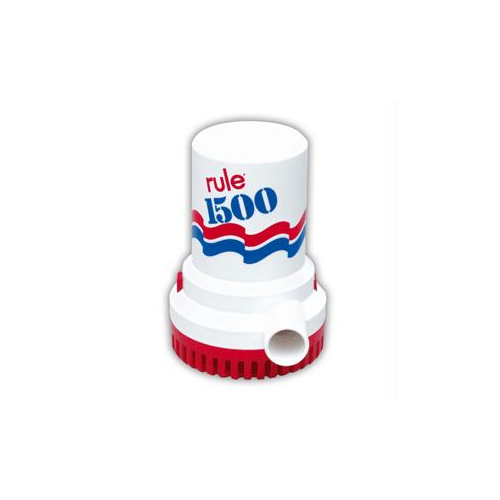
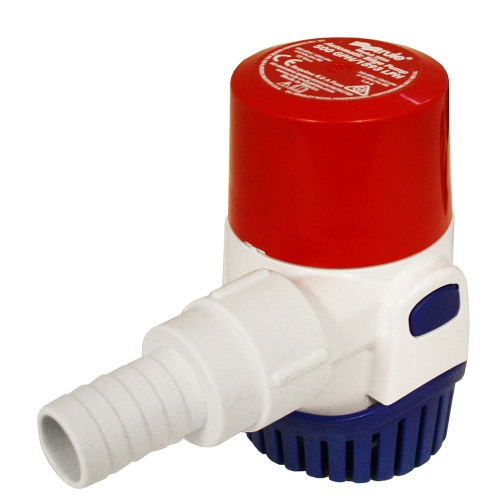
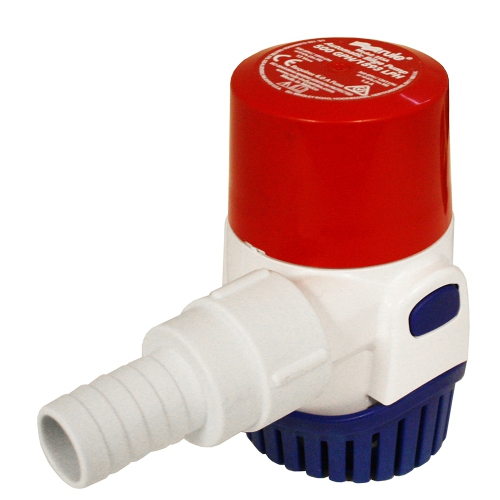
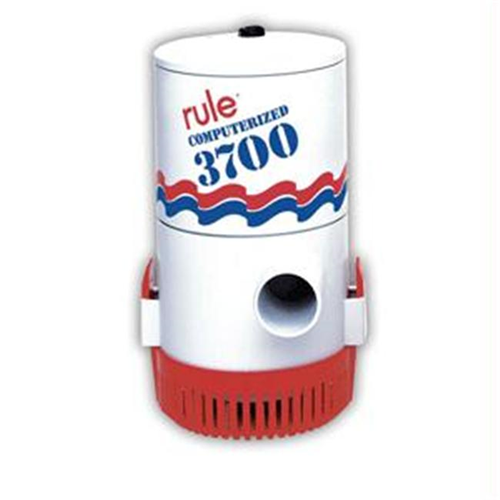
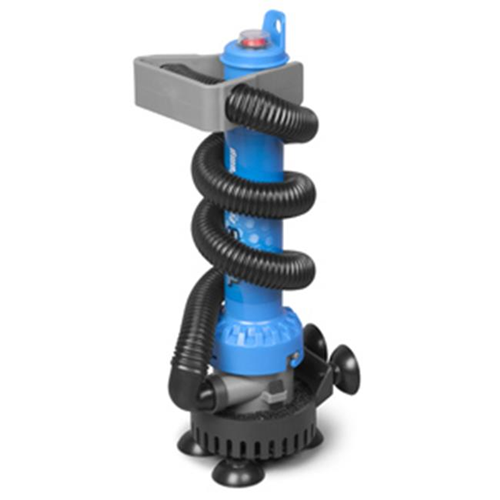
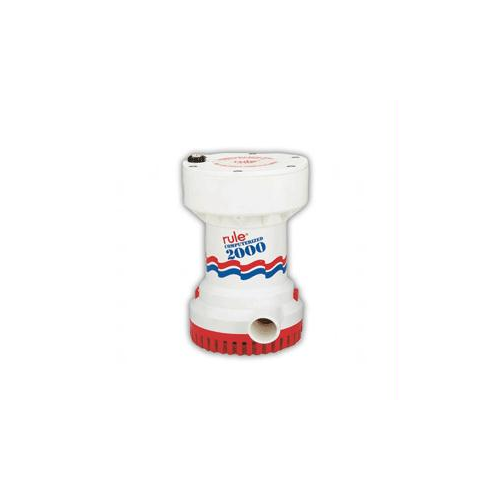
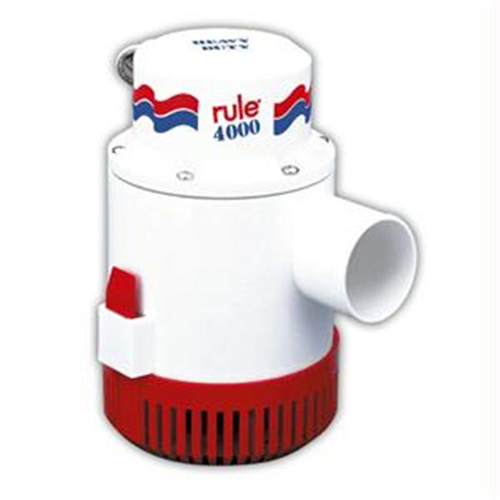
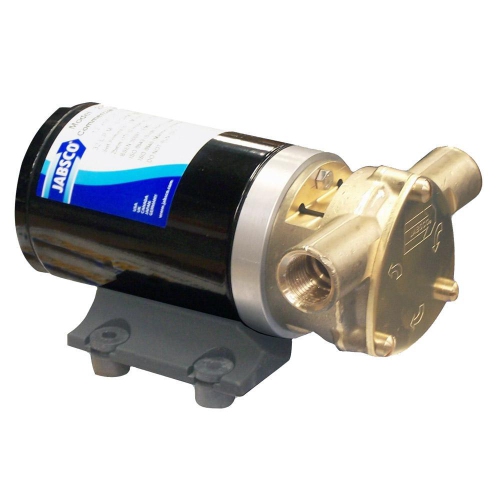
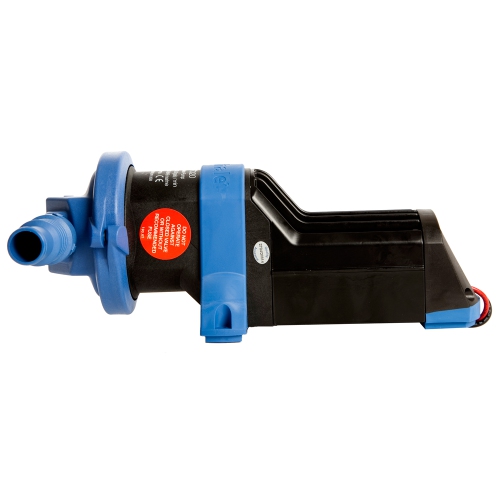
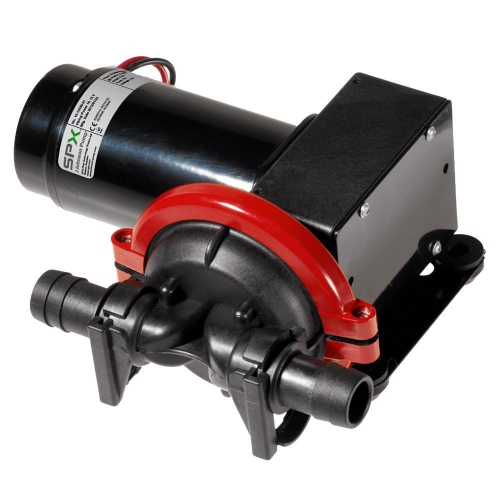
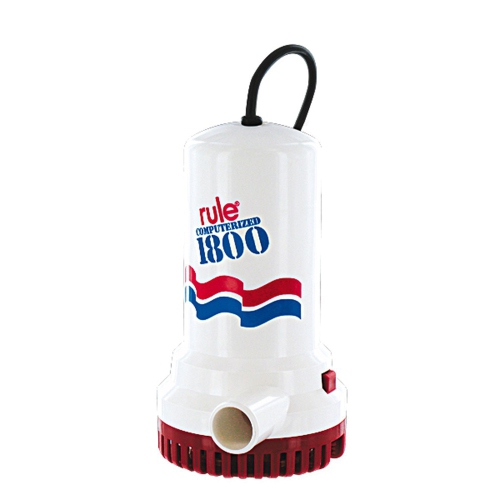
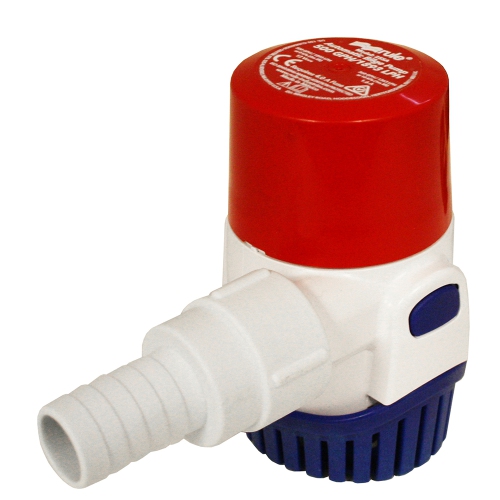
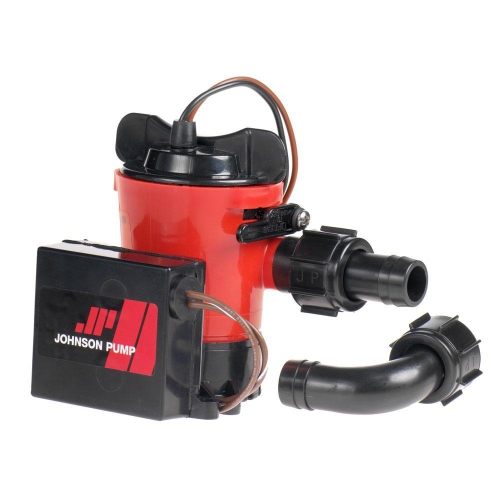
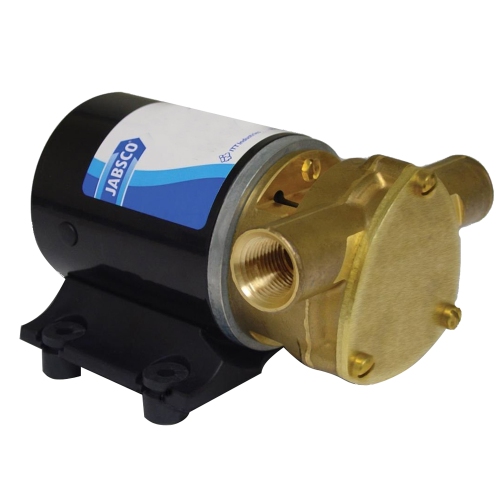
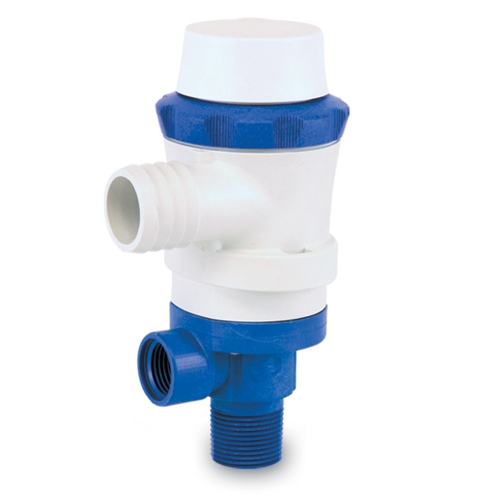
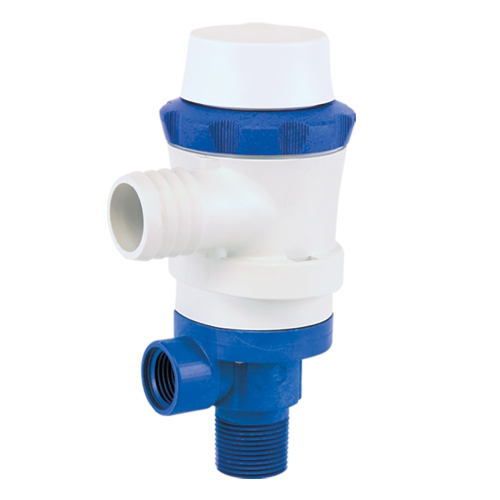
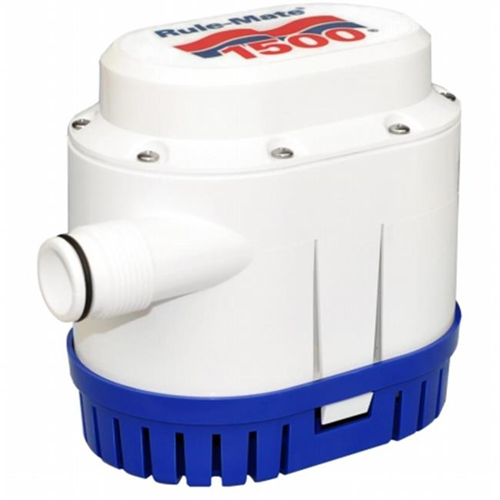
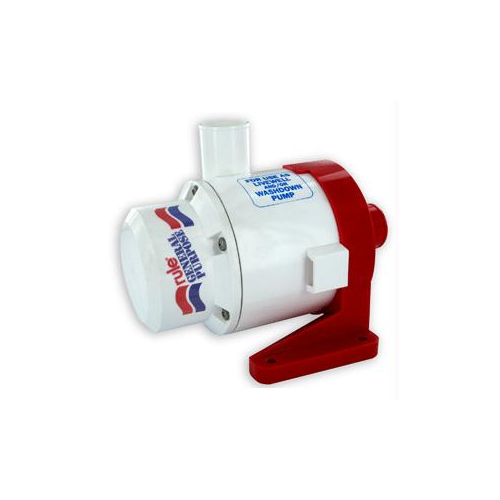
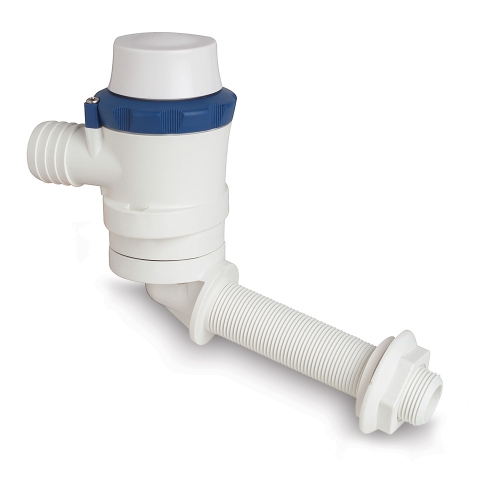
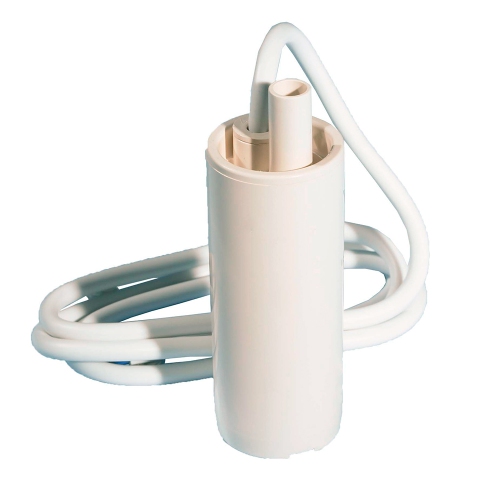
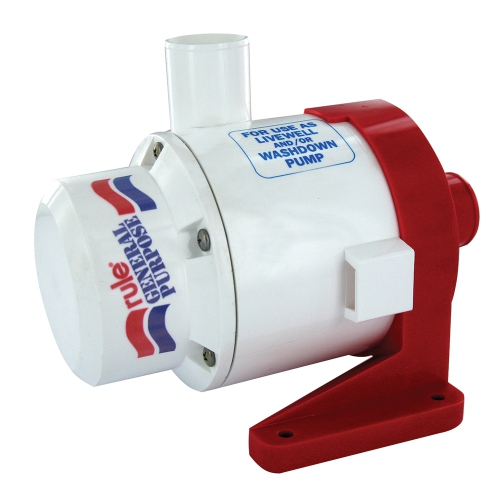
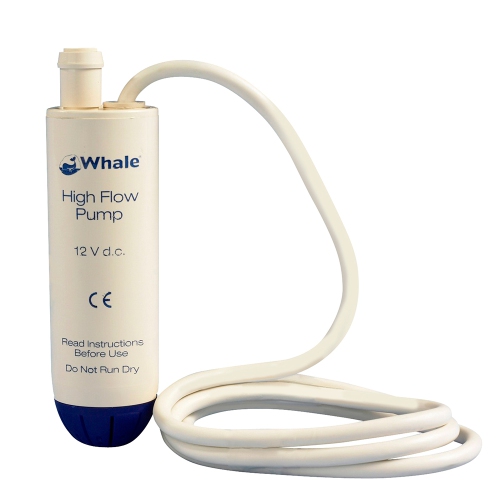
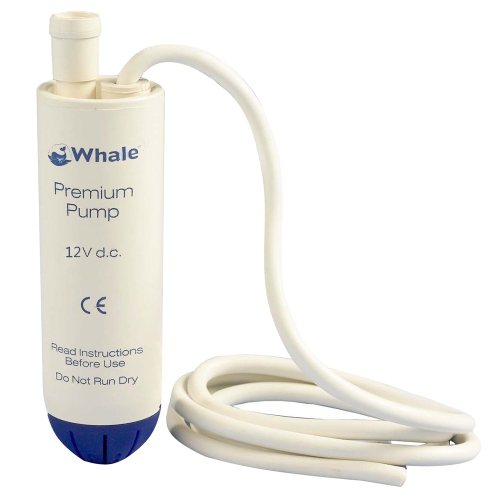
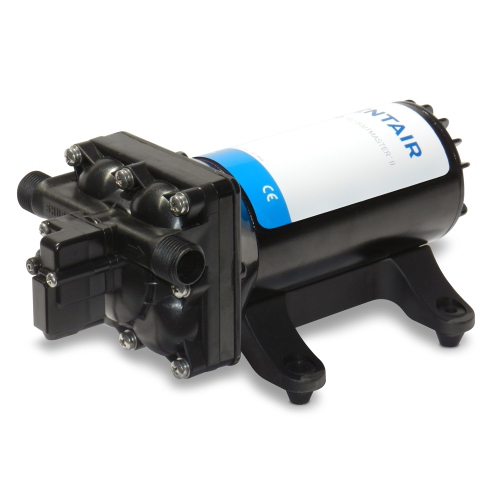
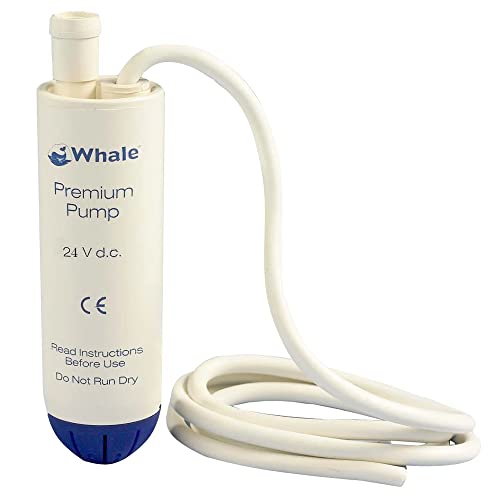
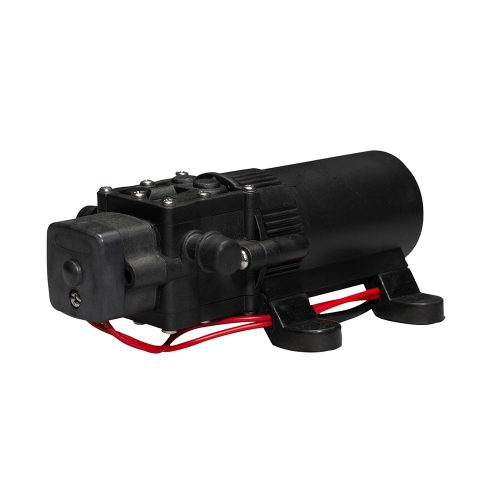
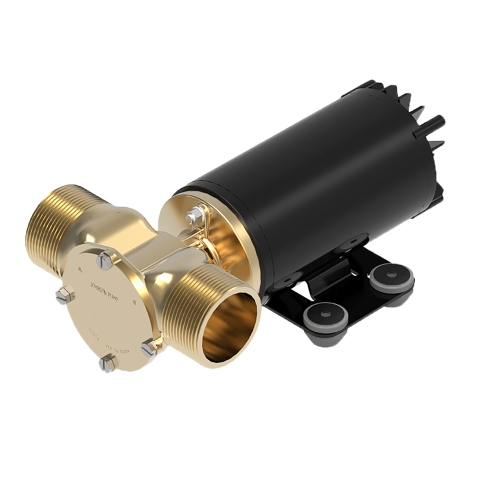
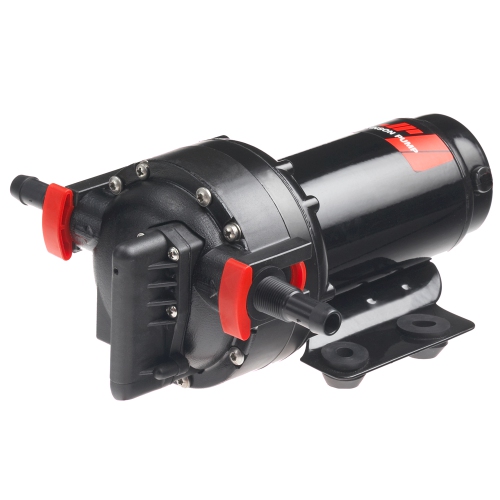
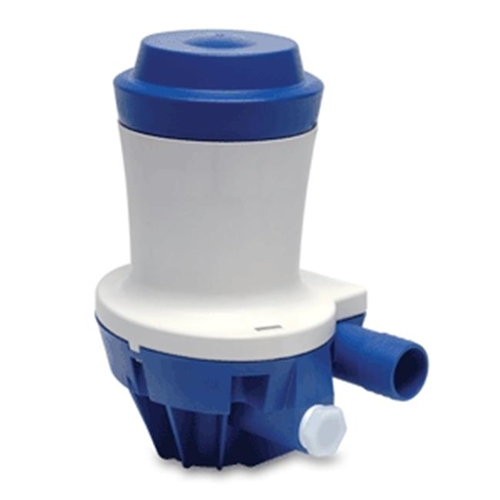
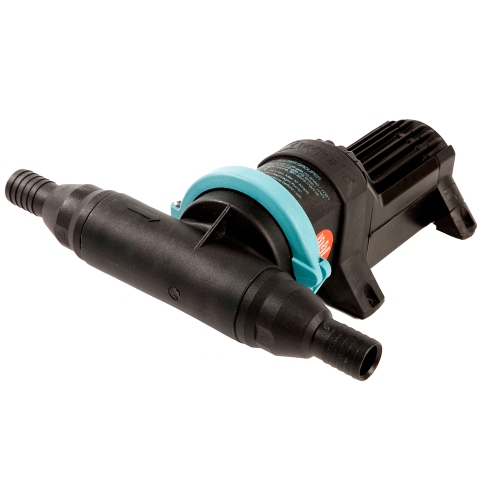
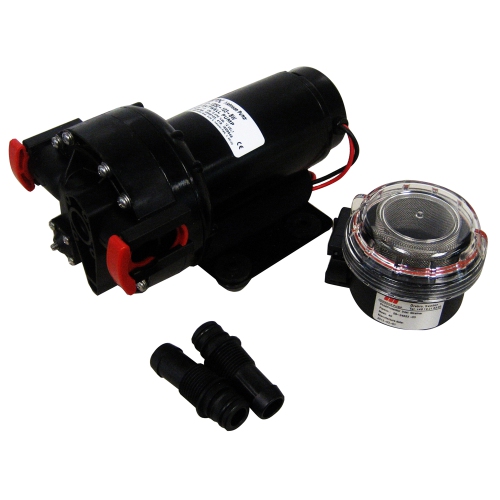
Boat bilge pumps are an important part of a boat’s onboard safety equipment, helping remove water that collects in the lowest part of the hull. Rain, spray, condensation, waves over the gunwale, a loose fitting, or a small leak can all allow water into the bilge, where it may be difficult to see until the level has risen. A properly selected pump moves that water through a discharge hose and out above the waterline, helping keep the hull drier while the boat is underway, moored, or left unattended. Most recreational boats use a submersible electric pump positioned in or near the bilge, where it can sit below the water level and activate when needed. When choosing from boat bilge pumps, start by checking the boat’s electrical system, available space, hose size, and the pump’s rated capacity in gallons per hour (GPH). A pump’s advertised rating is usually measured under ideal conditions, so the actual flow may be lower once hose length, bends, wiring, lift height, and fittings are taken into account. The right capacity depends on the size and design of the boat, the amount of water it may take on, and whether the pump is intended as a primary unit or a backup. A compact runabout, fishing boat, personal watercraft, sailboat, or larger cruiser may each require a different installation, even when the pumps appear similar at first glance. Measuring the existing hose and mounting area before ordering can prevent an awkward installation, while checking the boat’s manual or consulting a qualified marine technician can help confirm the appropriate capacity and connection requirements. For boats using a 12-volt electrical system, explore the selection of 12v Bilge Pumps to find options suited to common marine setups.
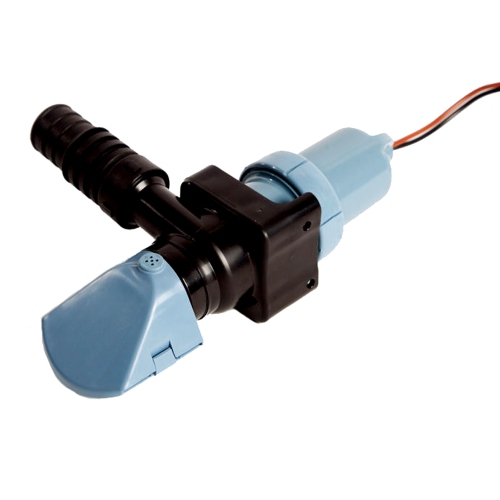
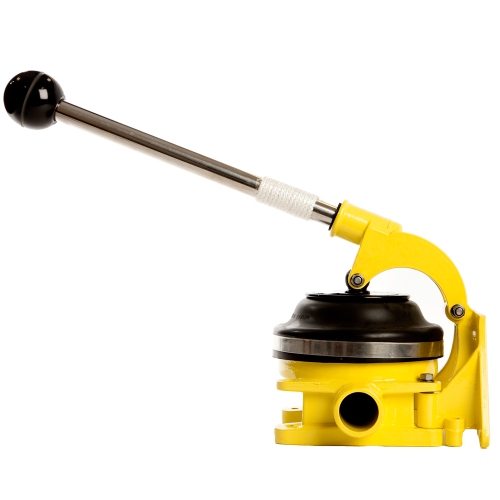
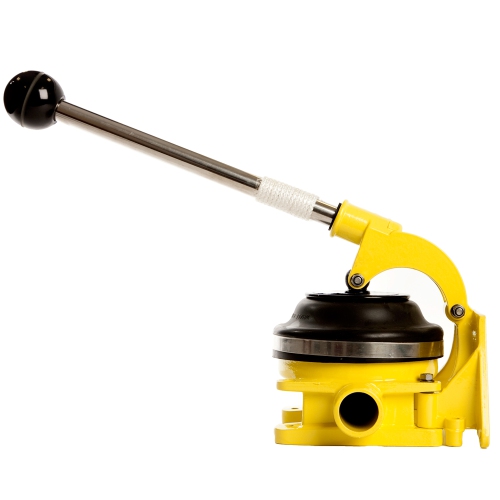
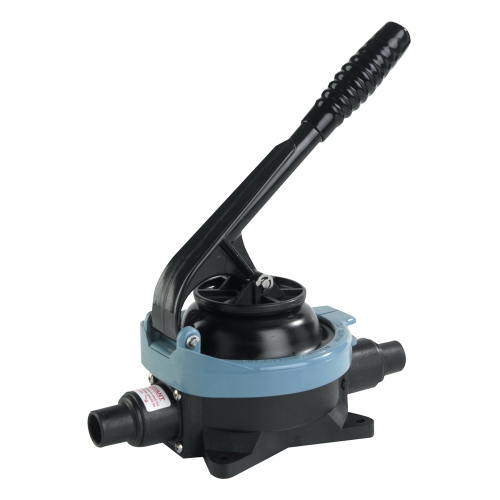
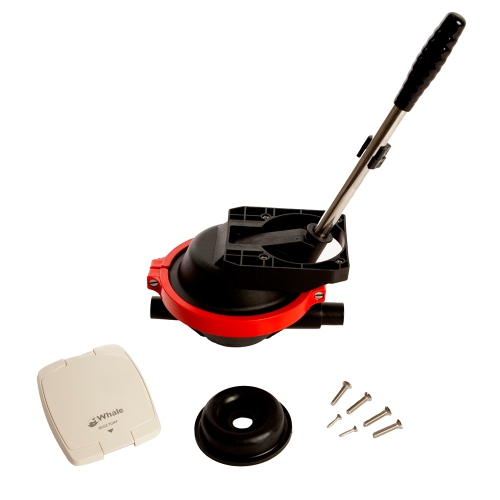
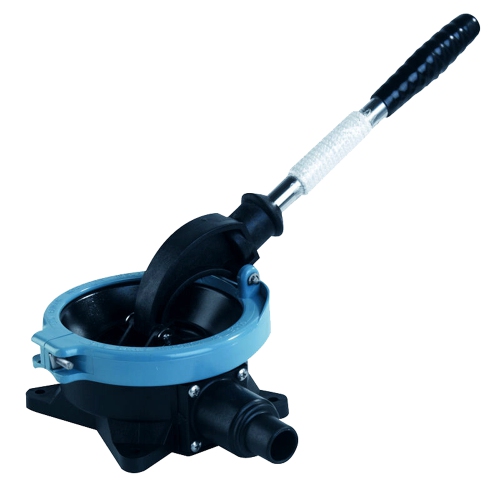
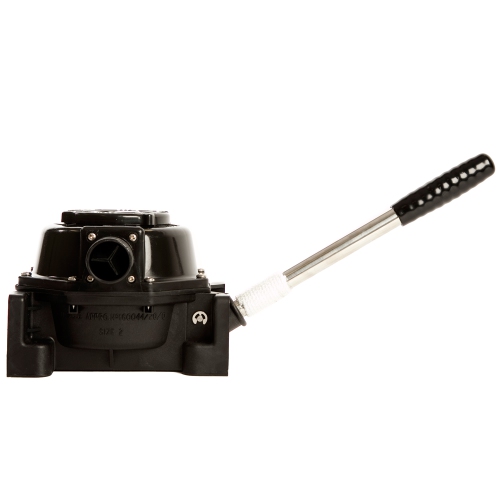
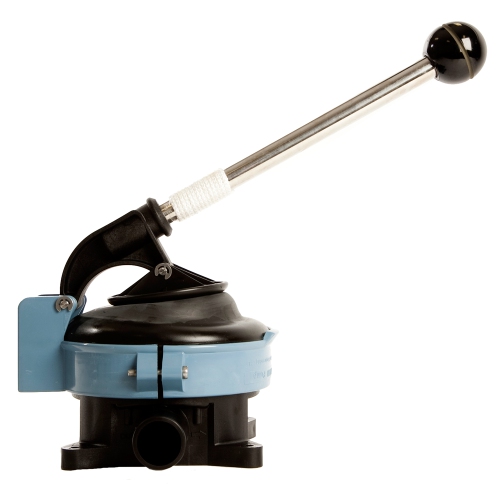
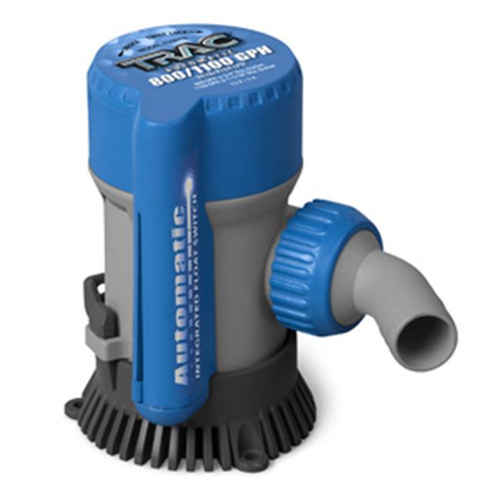
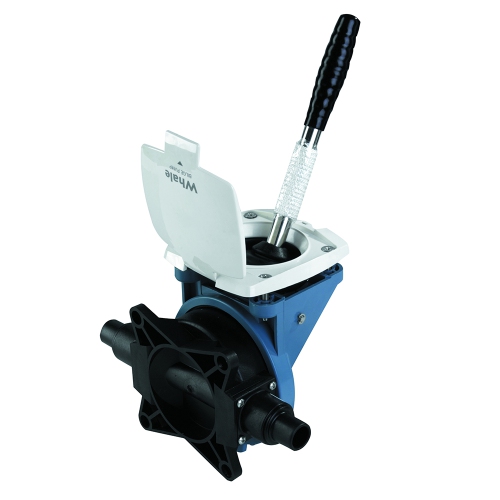
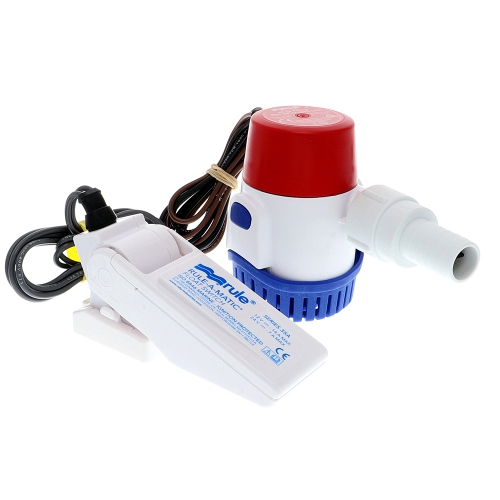
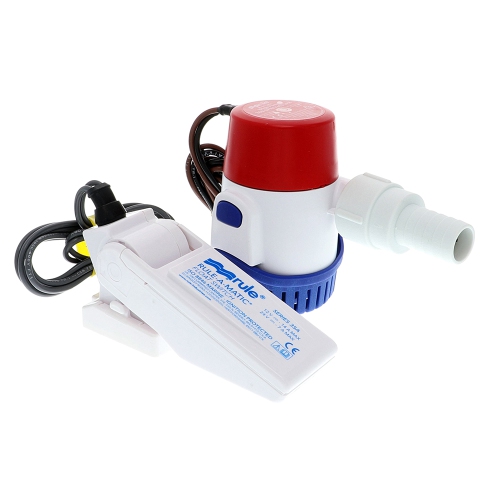
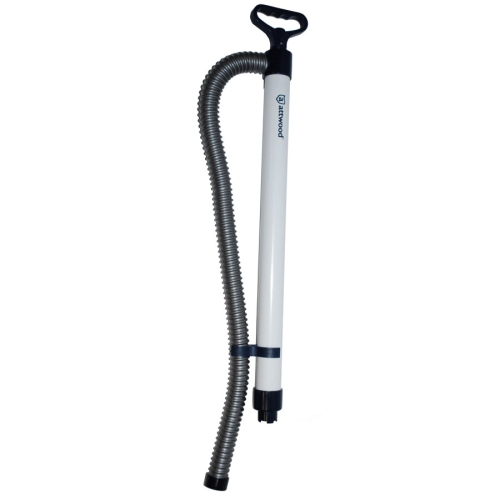
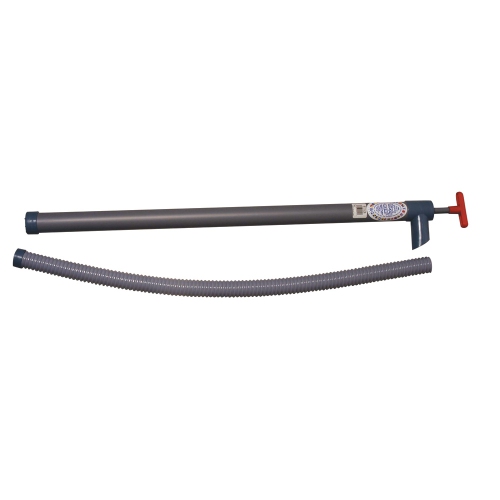
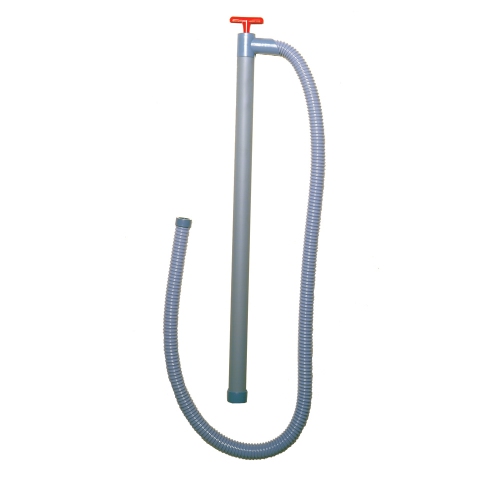
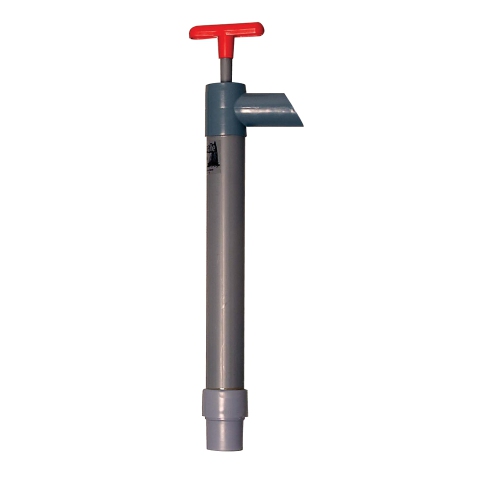
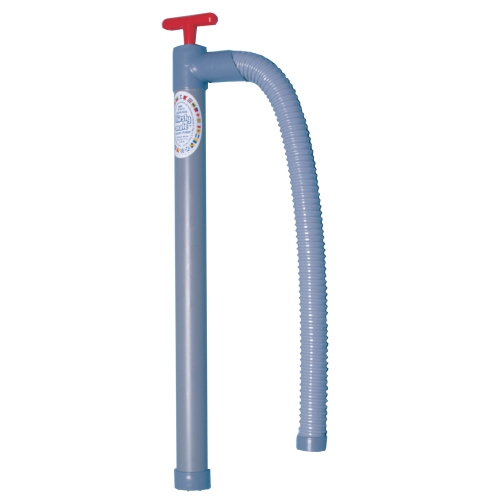
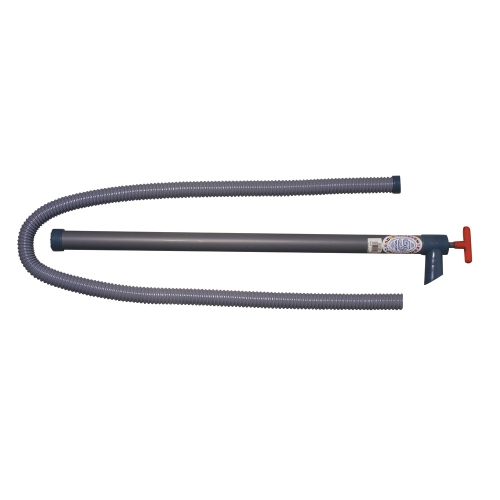
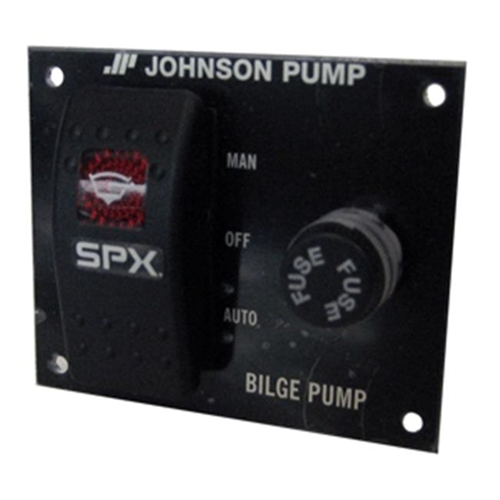
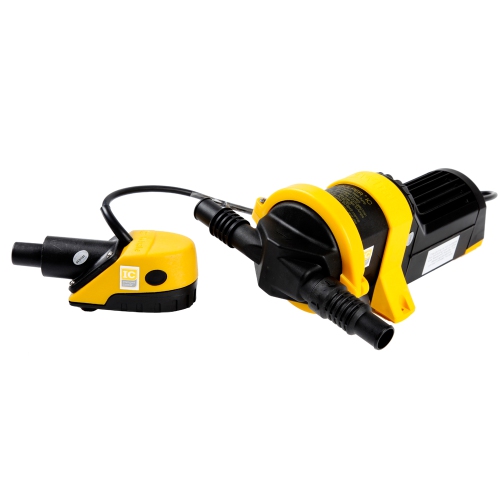
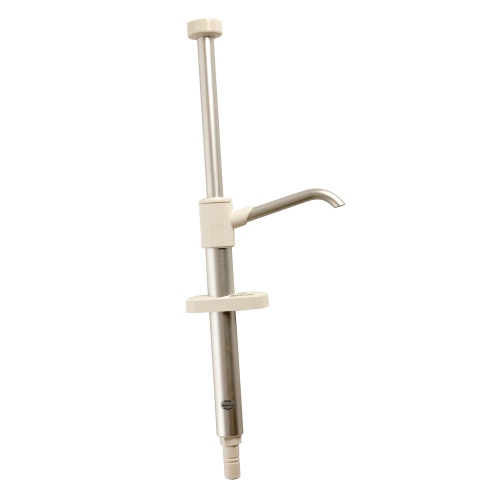
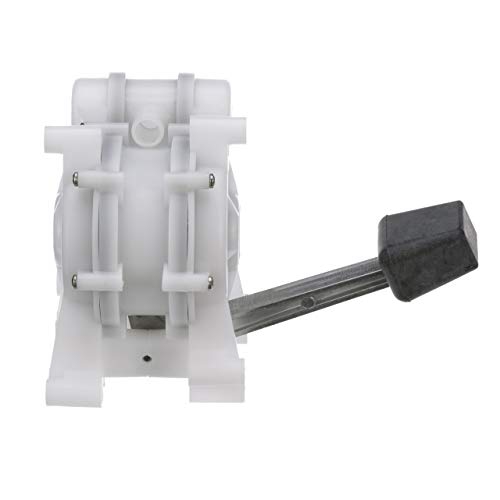
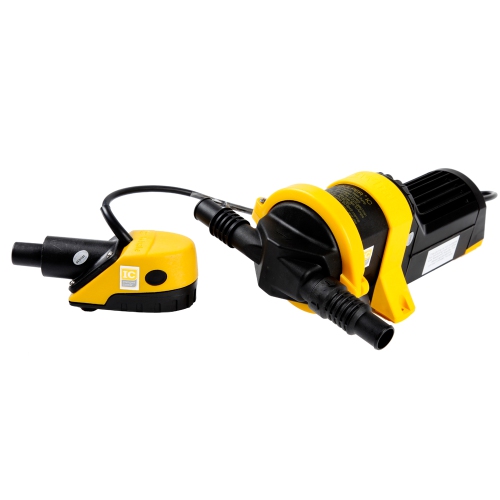
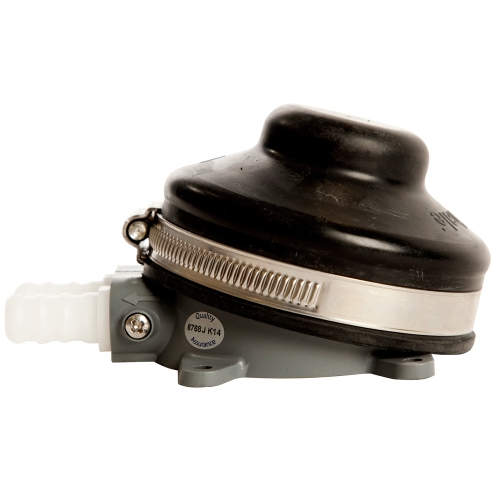
Automatic and manual operation are the two main control styles to consider. An automatic bilge pump may use a built-in electronic water sensor or a separate float switch. With a float-switch setup, the pump starts when rising water lifts the switch and stops after the water level falls. A pump with integrated electronic sensing may check for water at regular intervals without requiring a separate float switch, which can be useful when installation space is limited. Automatic operation is especially helpful when a boat is stored in the water or left at a dock, since the pump can respond to rain or seepage even when no one is aboard. It still requires a charged battery, correctly sized fuse, sound wiring, and regular testing. Manual pumps are activated by a dashboard switch or another control, giving the operator direct control while monitoring the bilge. They can be practical for boats where water collection is occasional, or as a second pumping method alongside an automatic unit. A hand-operated pump can also provide valuable backup if the electrical system loses power, although it may take more effort and time to remove a significant amount of water. When comparing options, look for clear information about the operating mode, current draw, flow rating, outlet diameter, and recommended fuse size. Installation should include marine-rated wiring and secure, corrosion-resistant connections, with the pump mounted where it can be reached for inspection and cleaning. The discharge hose should be routed with smooth bends and supported along its path, avoiding kinks that restrict flow. Its outlet should sit above the waterline and remain clear of blockages. Before returning to the water, pour a small amount of clean water into the bilge to confirm that the pump turns on, the float or sensor responds properly, and water exits through the intended outlet. Listening for an unusual rattle, prolonged running, or a weak stream can reveal a clogged strainer, obstruction, worn impeller, or electrical issue before it becomes a more serious problem.
Boat bilge pumps are useful for many owners, including anglers, families who spend weekends on the water, sailors, boat club members, and anyone maintaining a vessel through changing conditions. They can also be a practical gift for a new boat owner, a cottage owner with a small fishing boat, or a friend who enjoys hands-on marine maintenance. A bilge pump may not have the ceremony of a traditional gift, but dependable safety equipment is often remembered on the day it is needed. During the cooler months, boats may face heavier rain, rougher conditions, and longer periods in storage, making inspection and preparation especially worthwhile. Before putting a boat away, remove debris from the bilge area, check that the intake screen is clear, examine the hose for splits or loose clamps, and test both automatic and manual controls. If the vessel remains in the water, inspect the battery and charging system and make sure the pump cannot be disabled by an accidentally switched-off circuit. If the boat is being stored on land, follow the manufacturer’s guidance for removing, drying, or protecting the pump and related plumbing. A quick check with a flashlight can reveal leaves, fishing line, sand, or small pieces of dock debris around the intake. It is also worth confirming that the pump’s capacity suits the boat’s needs rather than choosing solely by the smallest price or highest advertised number. Keep a compatible replacement fuse, suitable connectors, and a backup pumping method on board where appropriate, and record the pump model, hose diameter, and wiring arrangement for future servicing. Whether replacing a failed unit or adding a second line of defence, the best choice is one that fits the bilge, matches the boat’s voltage and plumbing, and can be tested and maintained without difficulty. A well-installed bilge pump works quietly in the background, helping turn an unseen accumulation of water into a manageable part of responsible boat ownership.
Automatic and manual operation are the two main control styles to consider. An automatic bilge pump may use a built-in electronic water sensor or a separate float switch. With a float-switch setup, the pump starts when rising water lifts the switch and stops after the water level falls. A pump with integrated electronic sensing may check for water at regular intervals without requiring a separate float switch, which can be useful when installation space is limited. Automatic operation is especially helpful when a boat is stored in the water or left at a dock, since the pump can respond to rain or seepage even when no one is aboard. It still requires a charged battery, correctly sized fuse, sound wiring, and regular testing. Manual pumps are activated by a dashboard switch or another control, giving the operator direct control while monitoring the bilge. They can be practical for boats where water collection is occasional, or as a second pumping method alongside an automatic unit. A hand-operated pump can also provide valuable backup if the electrical system loses power, although it may take more effort and time to remove a significant amount of water. When comparing options, look for clear information about the operating mode, current draw, flow rating, outlet diameter, and recommended fuse size. Installation should include marine-rated wiring and secure, corrosion-resistant connections, with the pump mounted where it can be reached for inspection and cleaning. The discharge hose should be routed with smooth bends and supported along its path, avoiding kinks that restrict flow. Its outlet should sit above the waterline and remain clear of blockages. Before returning to the water, pour a small amount of clean water into the bilge to confirm that the pump turns on, the float or sensor responds properly, and water exits through the intended outlet. Listening for an unusual rattle, prolonged running, or a weak stream can reveal a clogged strainer, obstruction, worn impeller, or electrical issue before it becomes a more serious problem.
Boat bilge pumps are useful for many owners, including anglers, families who spend weekends on the water, sailors, boat club members, and anyone maintaining a vessel through changing conditions. They can also be a practical gift for a new boat owner, a cottage owner with a small fishing boat, or a friend who enjoys hands-on marine maintenance. A bilge pump may not have the ceremony of a traditional gift, but dependable safety equipment is often remembered on the day it is needed. During the cooler months, boats may face heavier rain, rougher conditions, and longer periods in storage, making inspection and preparation especially worthwhile. Before putting a boat away, remove debris from the bilge area, check that the intake screen is clear, examine the hose for splits or loose clamps, and test both automatic and manual controls. If the vessel remains in the water, inspect the battery and charging system and make sure the pump cannot be disabled by an accidentally switched-off circuit. If the boat is being stored on land, follow the manufacturer’s guidance for removing, drying, or protecting the pump and related plumbing. A quick check with a flashlight can reveal leaves, fishing line, sand, or small pieces of dock debris around the intake. It is also worth confirming that the pump’s capacity suits the boat’s needs rather than choosing solely by the smallest price or highest advertised number. Keep a compatible replacement fuse, suitable connectors, and a backup pumping method on board where appropriate, and record the pump model, hose diameter, and wiring arrangement for future servicing. Whether replacing a failed unit or adding a second line of defence, the best choice is one that fits the bilge, matches the boat’s voltage and plumbing, and can be tested and maintained without difficulty. A well-installed bilge pump works quietly in the background, helping turn an unseen accumulation of water into a manageable part of responsible boat ownership.
Top selling and popular products
-
 Your price for this item is $31.34
 -
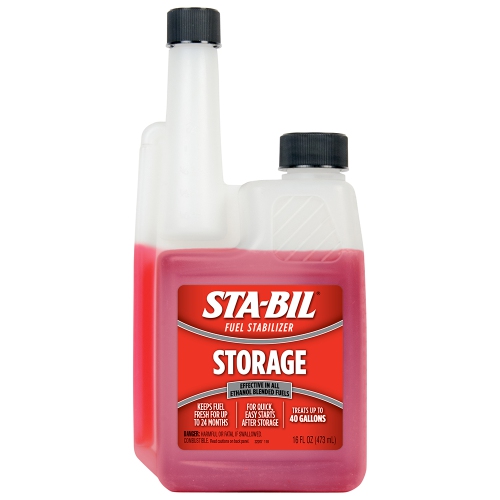 Your price for this item is $30.54
 -
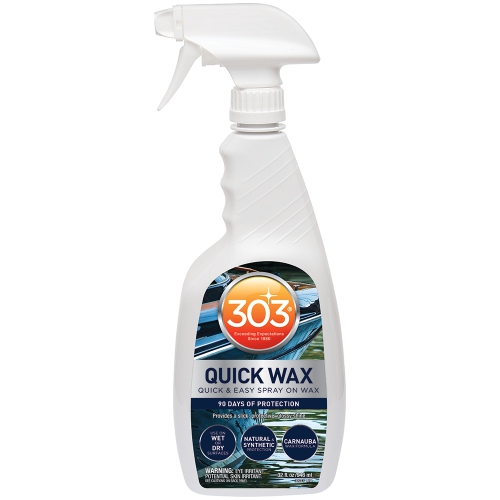 Your price for this item is $38.85
 -
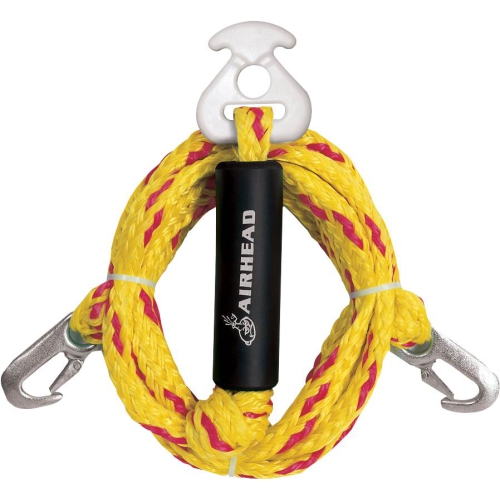 Your price for this item is $63.99
 -
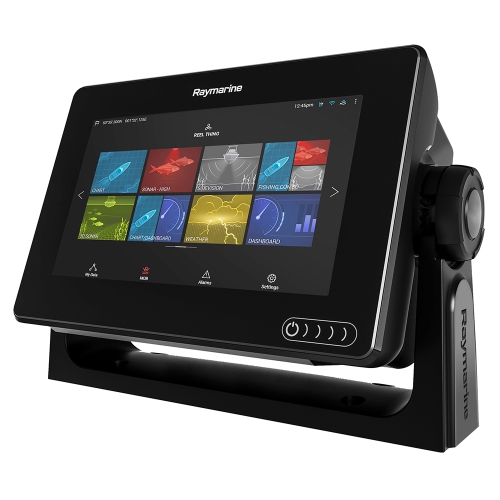 Your price for this item is $917.79
 -
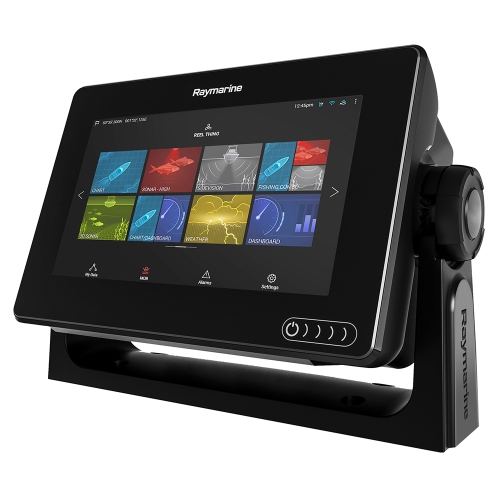 Your price for this item is $844.31
 -
 Your price for this item is $31.38
 -
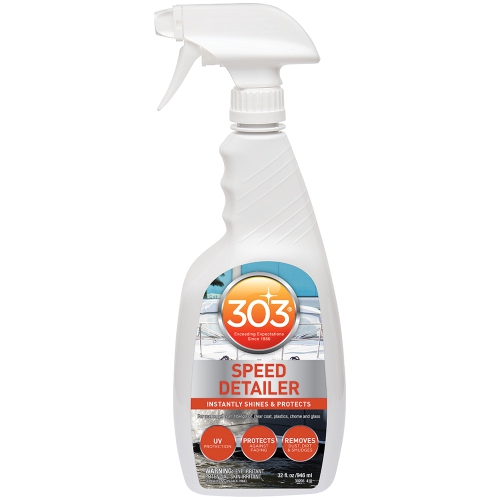 Your price for this item is $35.35
Discover more categories related to Boat Bilge Pumps
Top Collections:
Pokemon Centers, Kindle Devices, Best Budget Office Chairs, Canon G7X Cameras, Apple iPhones 16, Samsung Galaxy Phones, Refurbished Apple Laptops, Laptops for Students, iPhone 15 Apple, Budget Smartphones
Some products may be subject to Environmental Handling Fees
(EHF) depending on your province.
Learn more about EHFs.