Most Efficient Clothes Dryers
Clothes dryers are one of the most necessary items in homes. They allow us to quickly and easily dry our clothes after washing them, which is especially useful during the rainy season. Here are some of the most efficient clothes dryers available today.
Sort
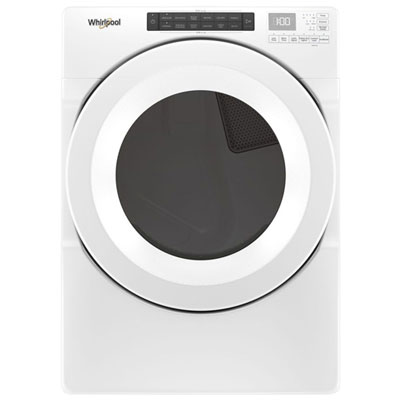
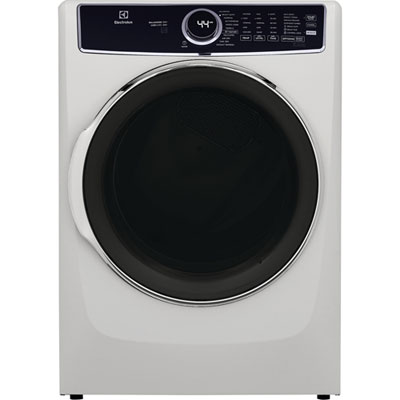
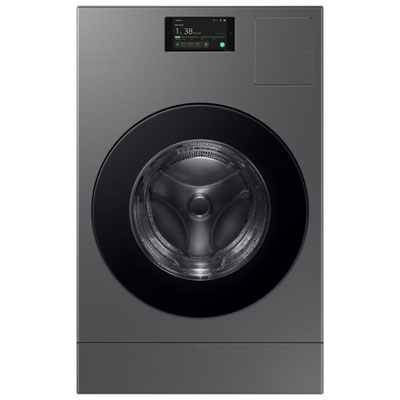
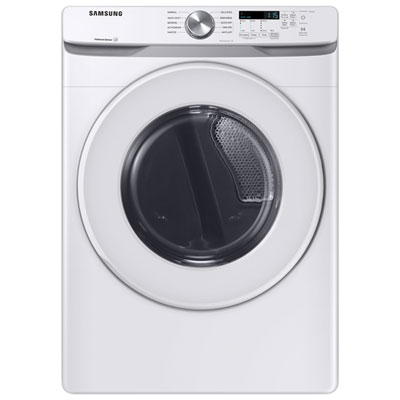
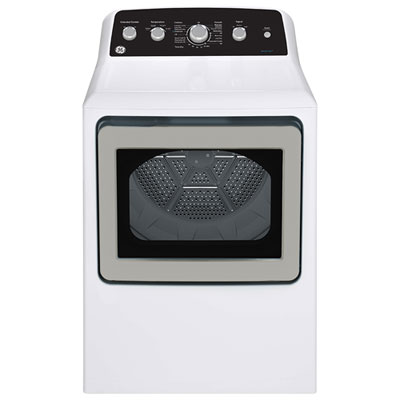
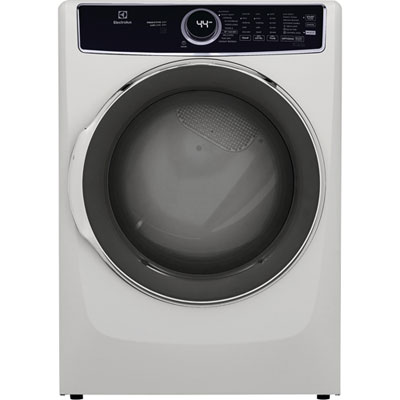
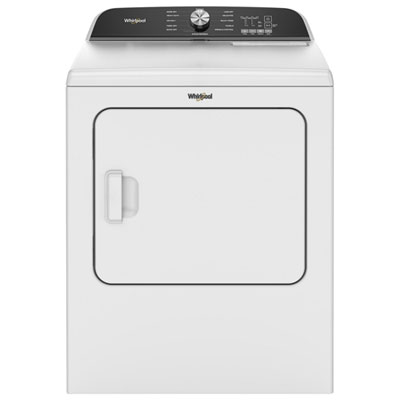
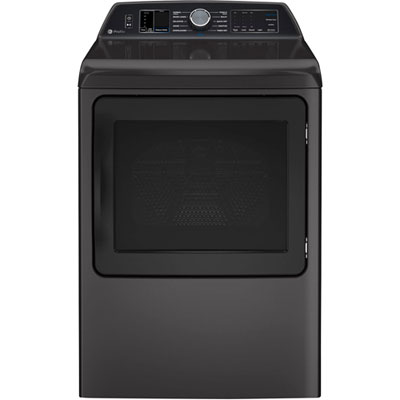
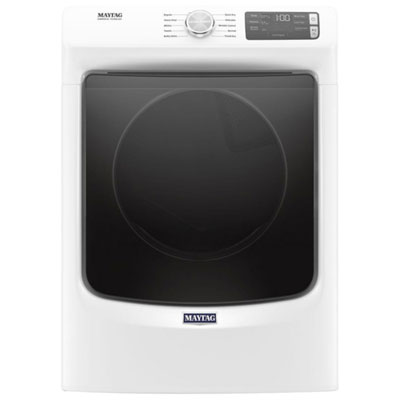
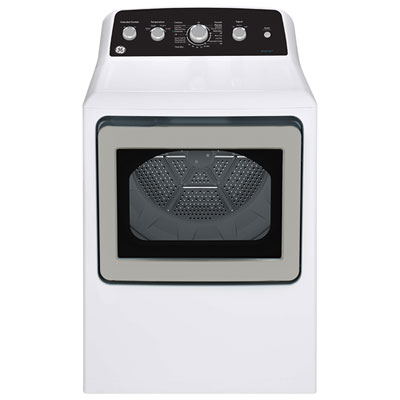
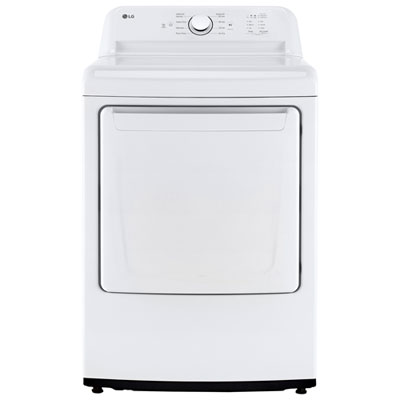
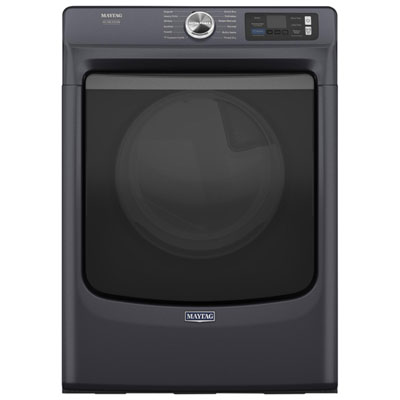
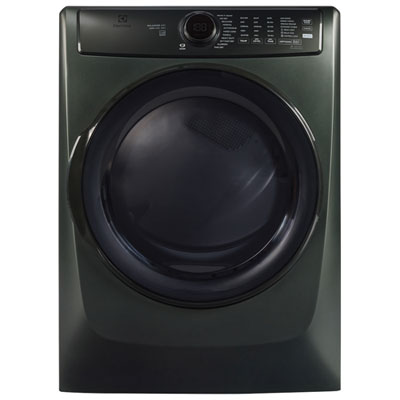
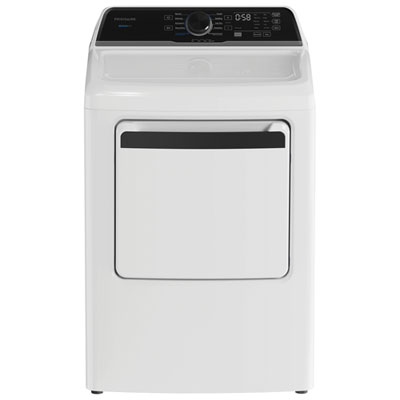
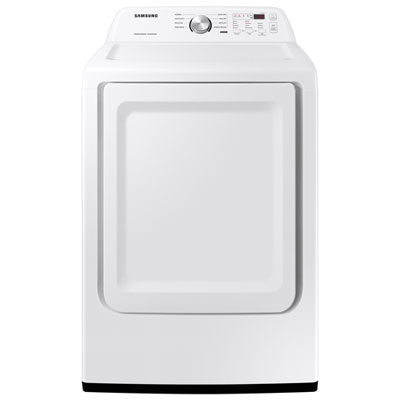

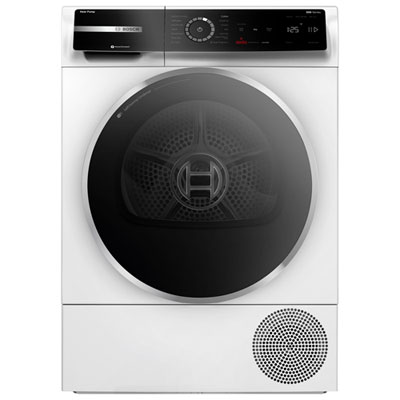
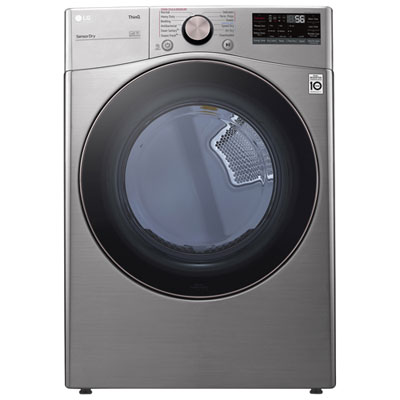
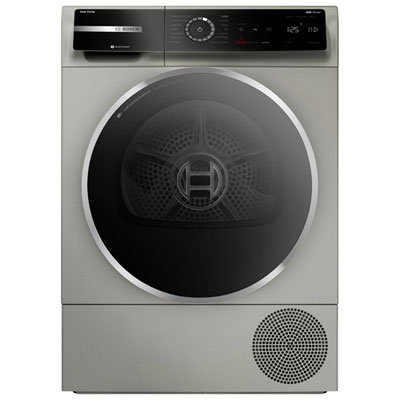
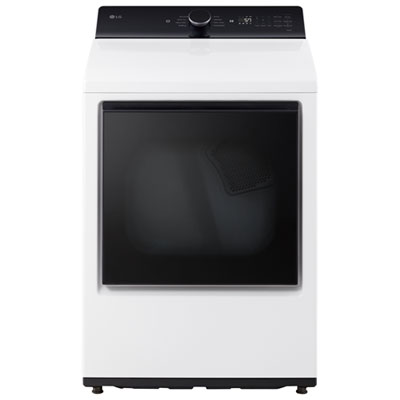
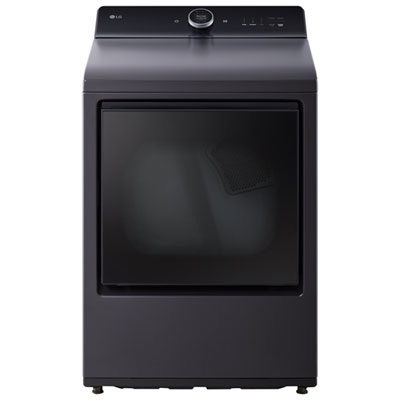
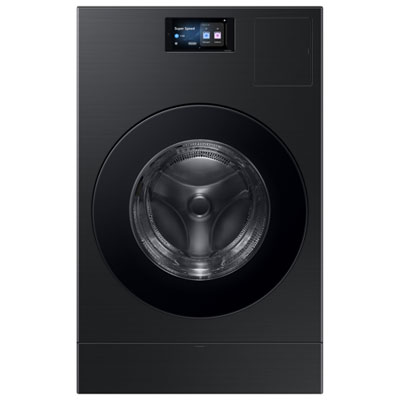
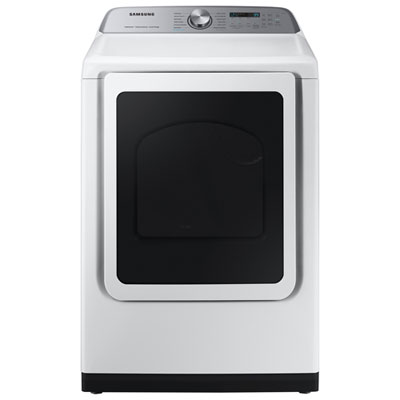
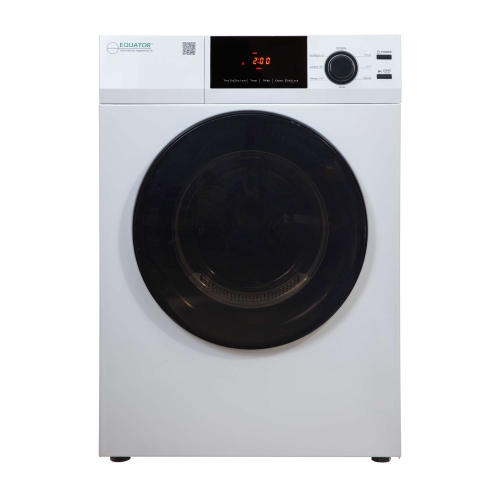
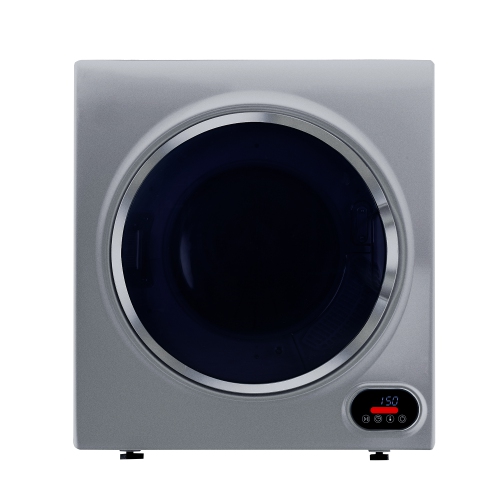
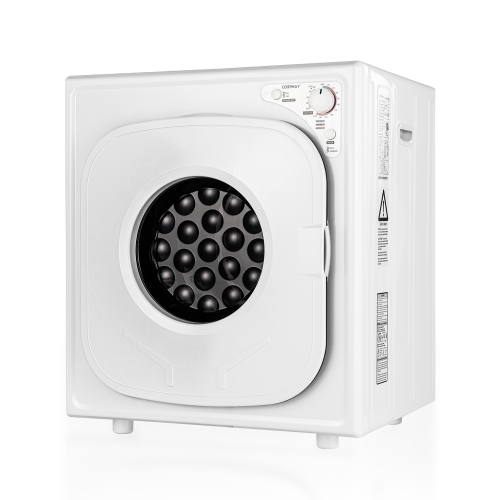
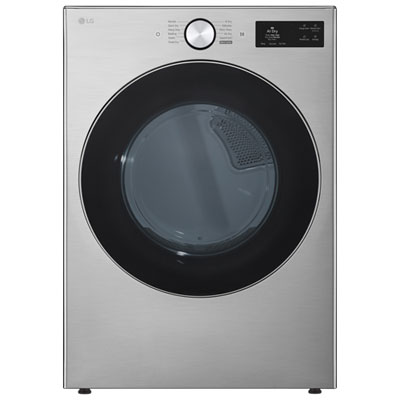
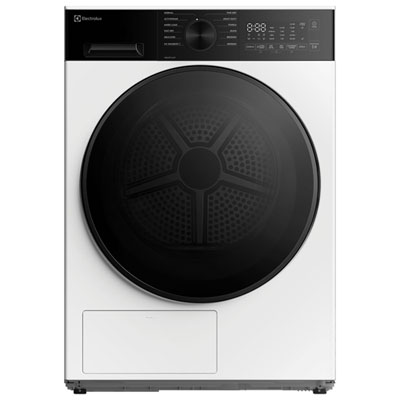
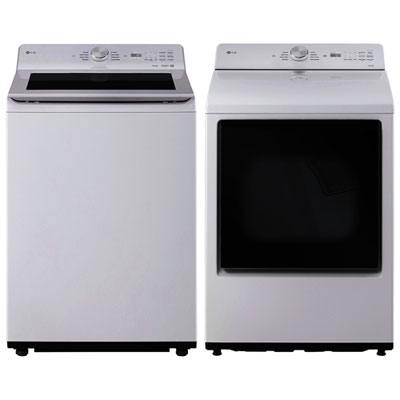
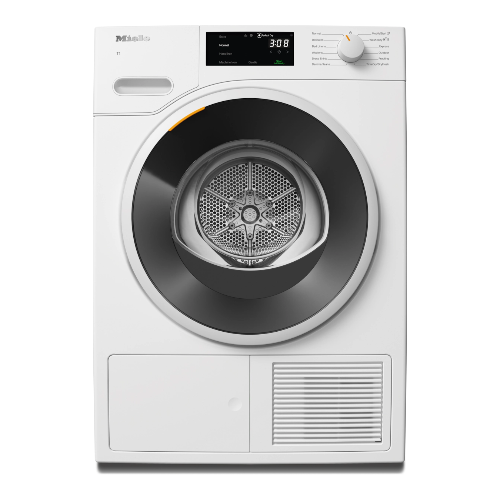
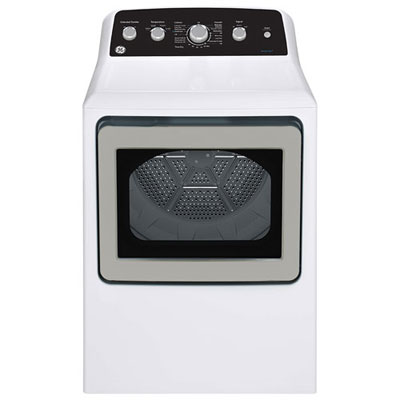
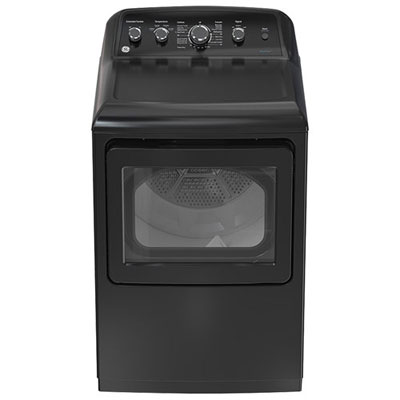
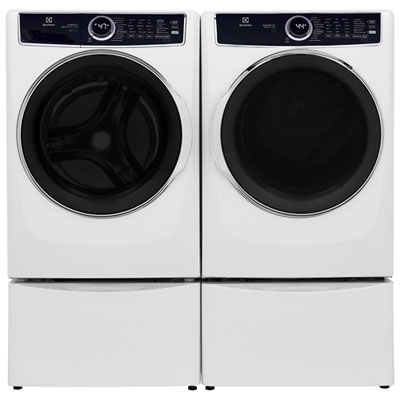
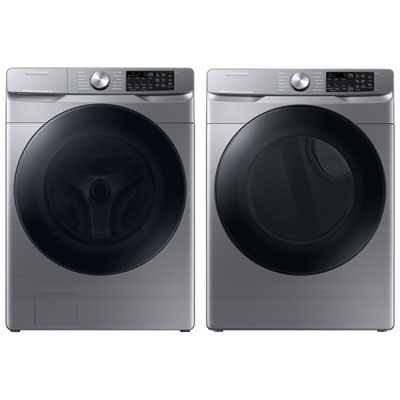
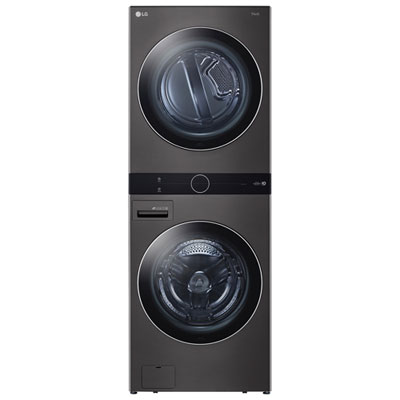
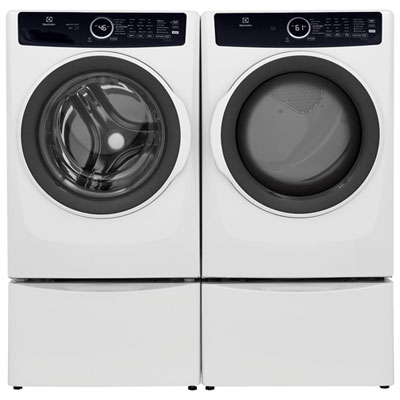
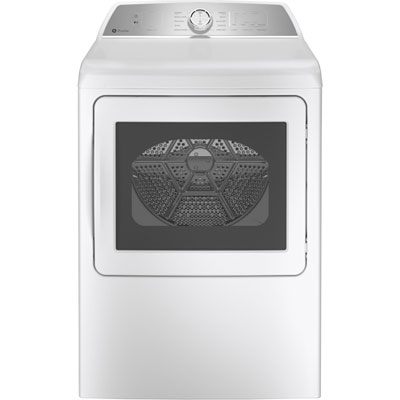
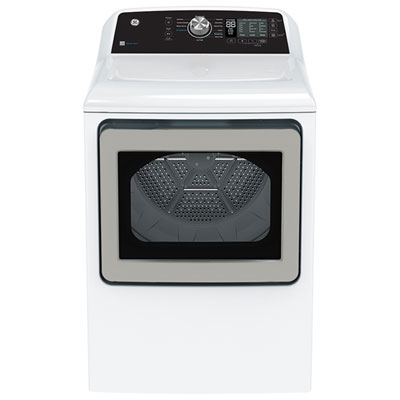
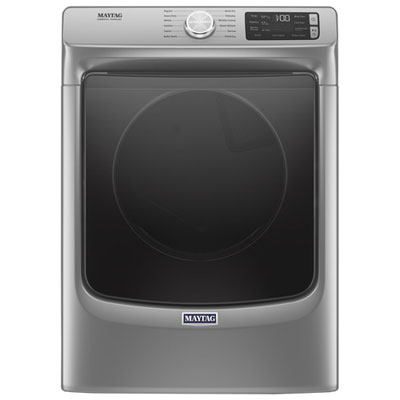
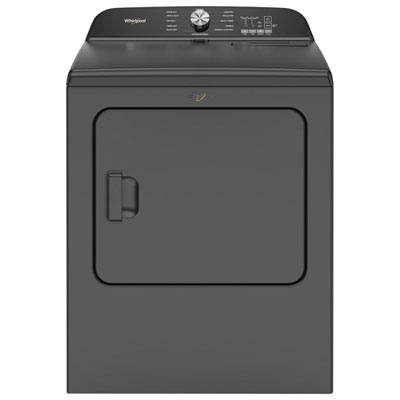
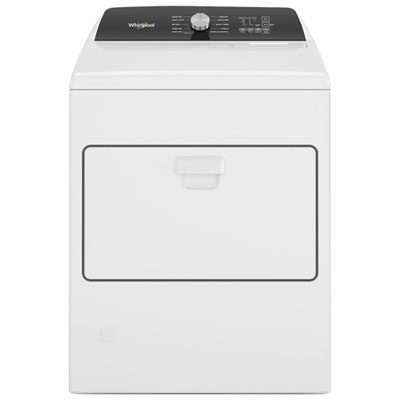
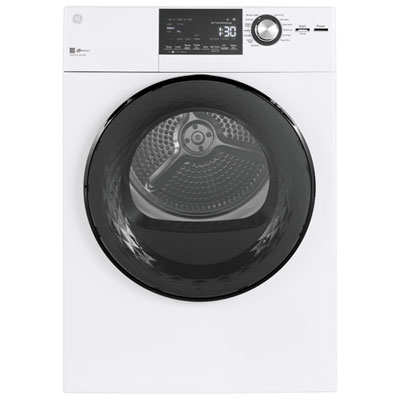
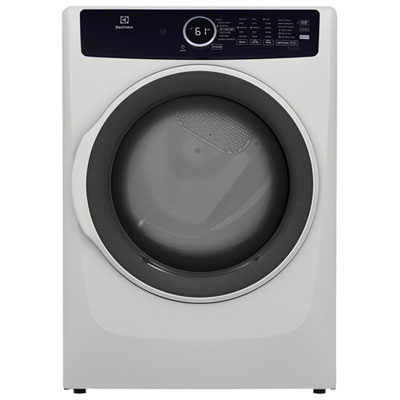
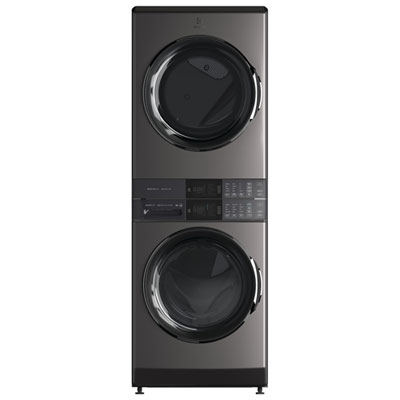
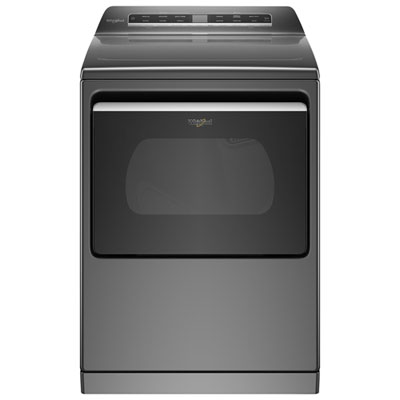
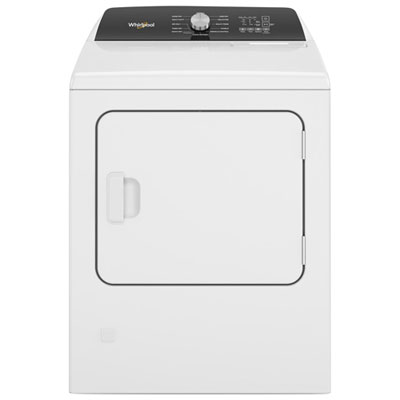
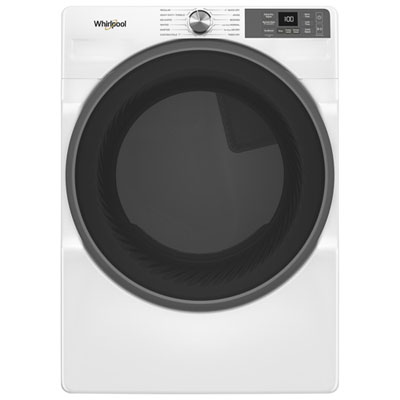
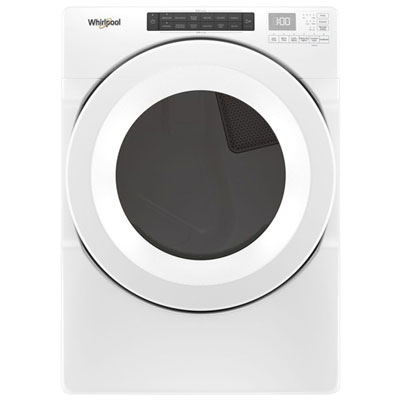
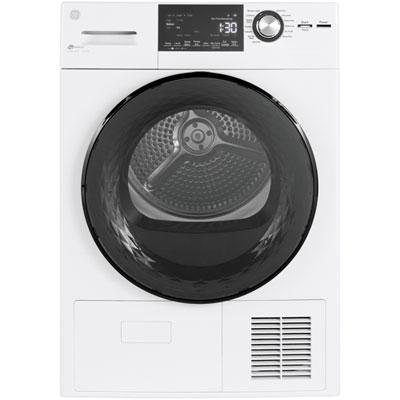
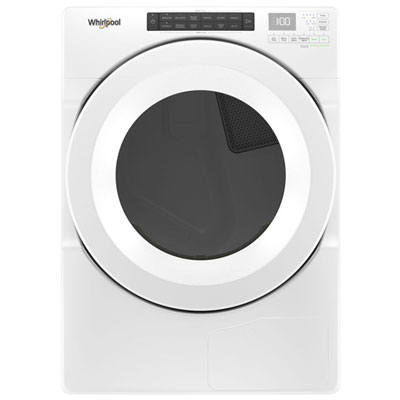
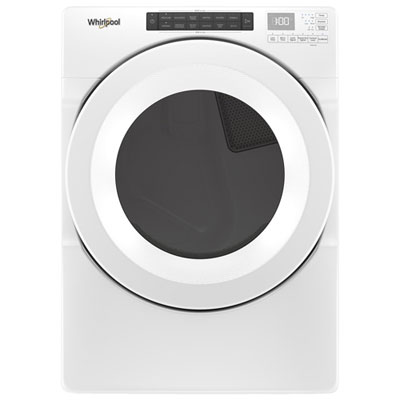
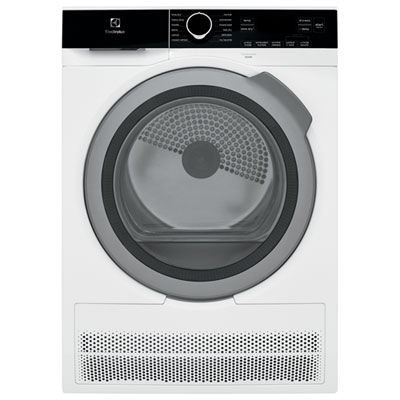
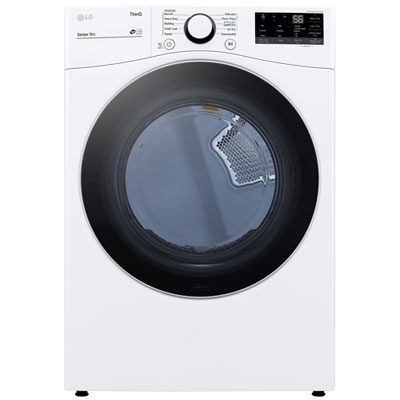
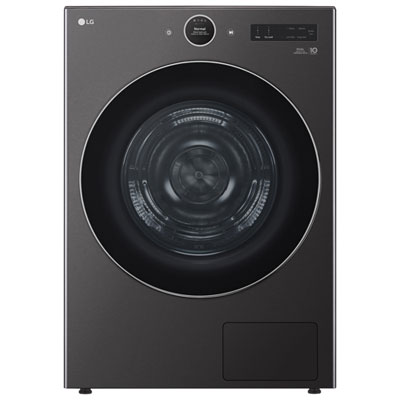
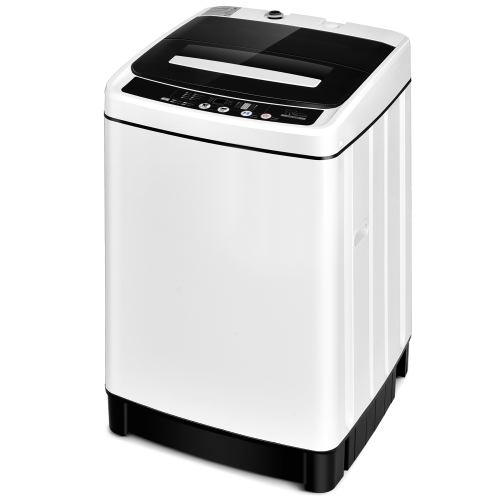
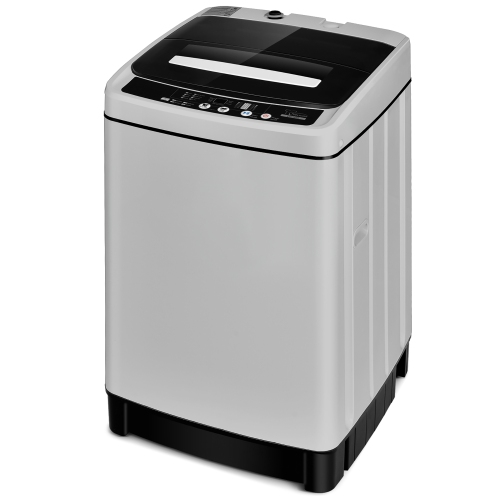
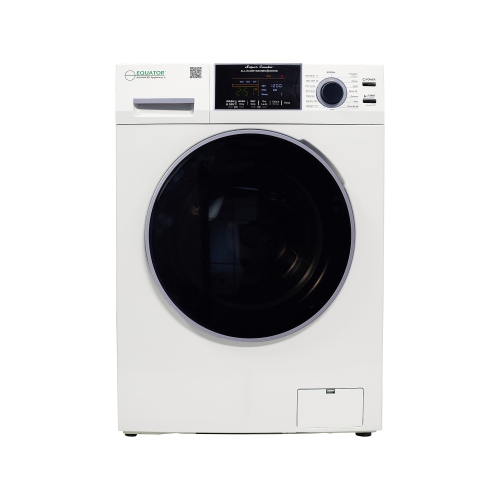
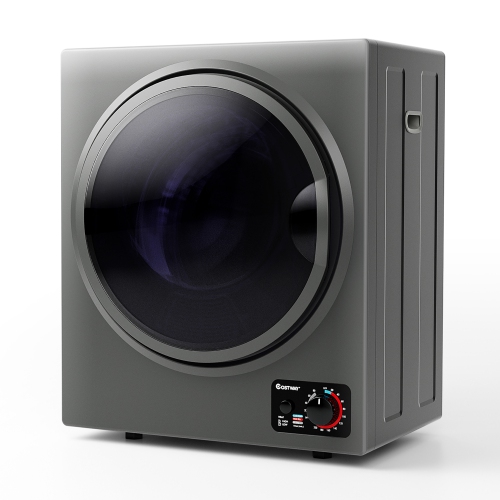
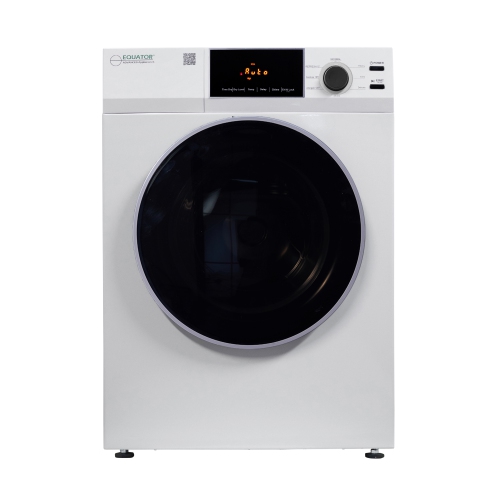
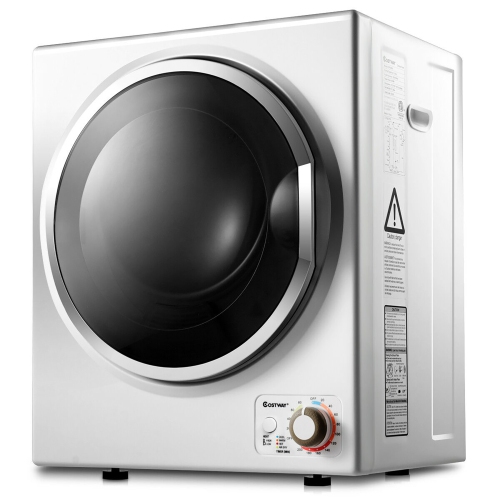
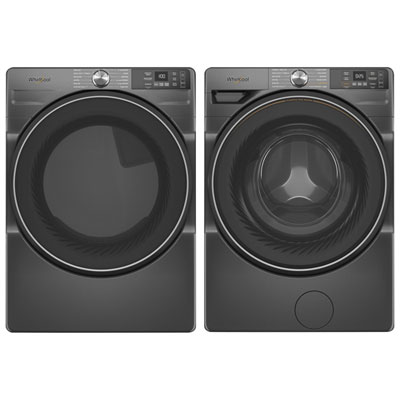
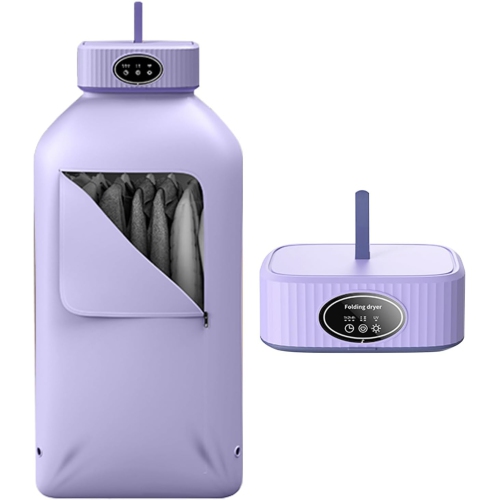
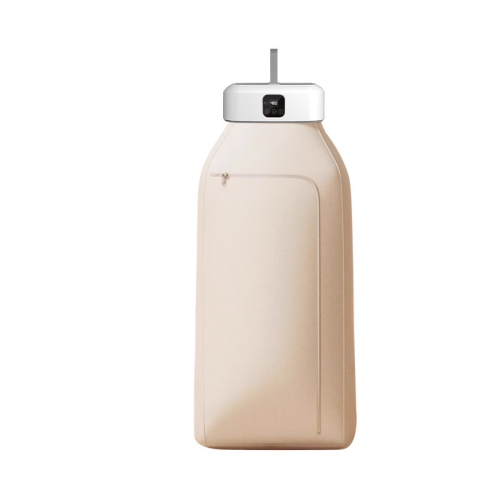
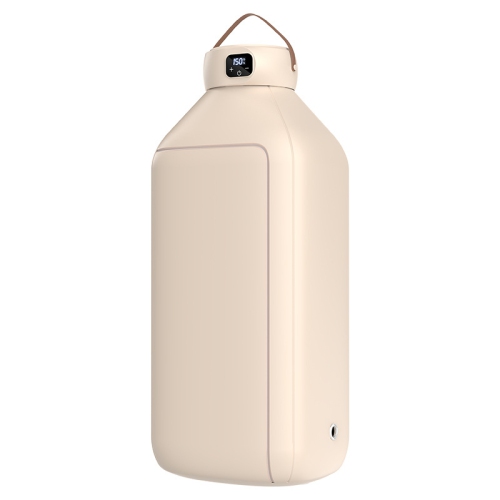
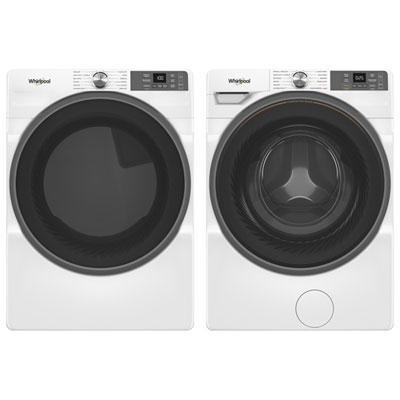
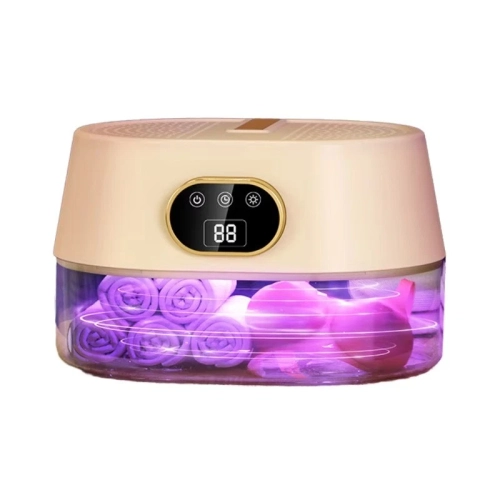

How heat pump technology and sensors improve drying efficiency
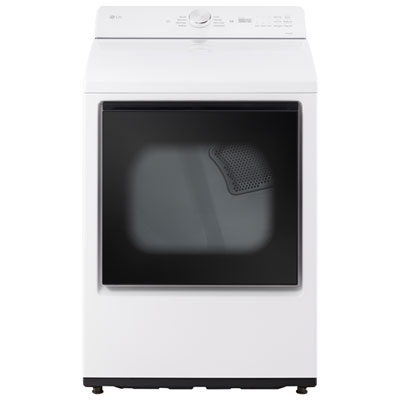
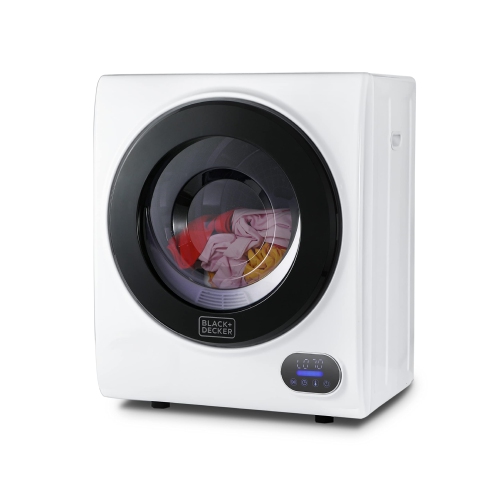
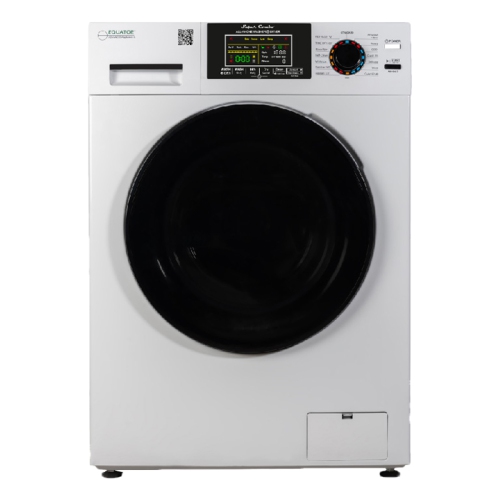
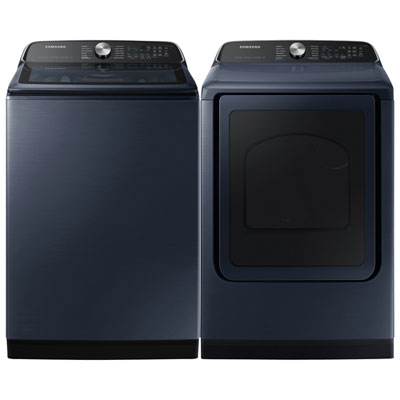
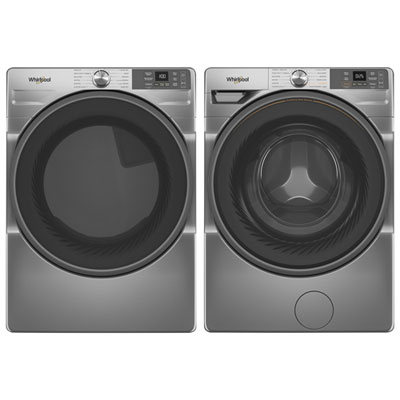
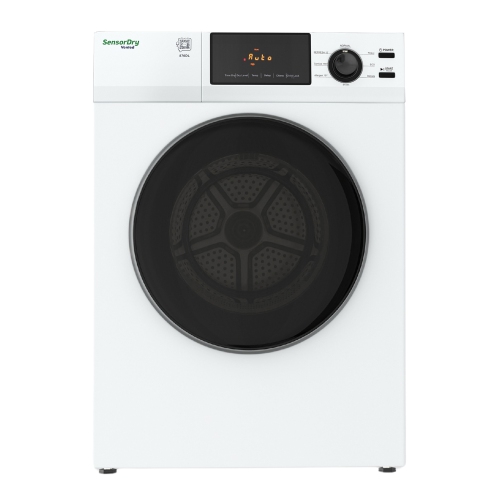
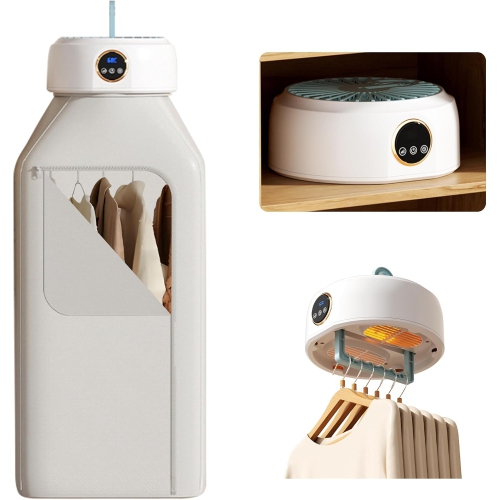
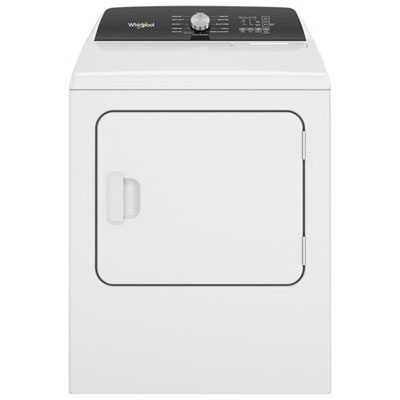
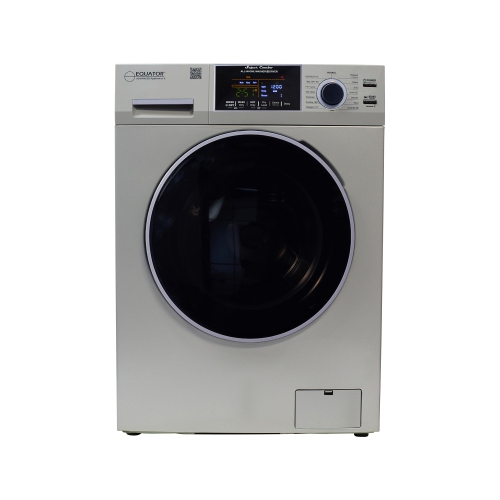
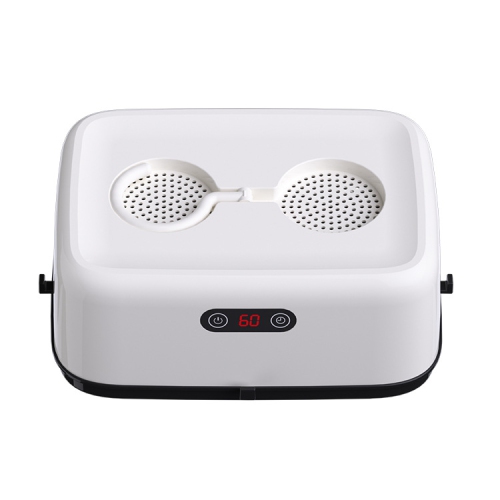
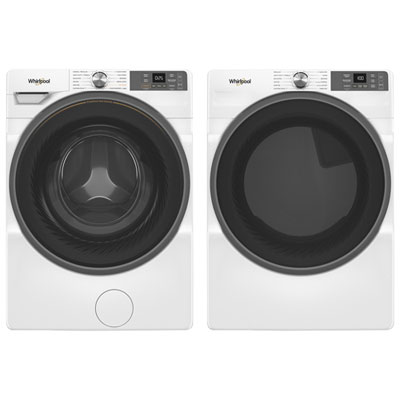
Most efficient clothes dryers are designed to get laundry thoroughly dry while using heat, airflow, and moisture sensing as effectively as possible. For many households, heat pump dryers are the leading option because they recycle warm air within the drum rather than continuously drawing in room air and exhausting heated air outdoors. This process can use up to 70% less energy than some traditional vented models, although actual results depend on load size, fabric type, cycle selection, room conditions, and how often the dryer is used. Heat pump models are typically ventless, which can make them a practical choice for condos, apartments, laundry closets, and rooms without a convenient exterior vent. They also operate at lower temperatures, helping reduce the intense heat that can leave certain garments feeling rough, faded, or shrunken. The trade-off is that lower-temperature drying may take longer, particularly for dense loads such as towels, bedding, and denim. For a busy family that values shorter cycles and has a suitable vent connection, a conventional electric dryer with advanced moisture sensing may still be a strong fit. These models can offer generous drum capacity, straightforward controls, and dependable performance for large loads. Homes with an existing gas connection can also compare High-Efficiency Gas Dryers when selecting a dryer that matches their laundry room setup and preferred fuel type. Before choosing, check the available space carefully, including clearance for doors, hoses, power cords, and ventilation. Measure the doorway, hallway, and stairwell as well as the laundry area, since a full-size appliance must pass through each point during delivery. Stackable and compact models can help make better use of vertical space, while an all-in-one washer-dryer combo may suit smaller homes where every square foot matters. A combo can wash and dry without transferring clothes between machines, though a single continuous load may take longer than separate washer and dryer cycles. For households that regularly process bedding, sports uniforms, workwear, or children’s clothing, drum capacity deserves close attention. A larger drum allows garments to tumble more freely, which can support even drying and reduce the need to divide bulky loads.
Moisture sensors are one of the most useful features to look for when comparing efficient clothes dryers. Rather than operating for a fixed period, sensor drying detects the remaining moisture in the load and adjusts or ends the cycle when clothing reaches the selected dryness level. This helps prevent a small load from tumbling long after it is dry, and it can reduce the heat exposure that contributes to overdrying. Look for settings such as damp dry, iron dry, normal dry, and extra dry so the machine can match the cycle to the task. Damp dry is useful when clothing will be hung immediately, while extra dry can be helpful for thick towels or winter layers. Delicate, low-heat, air-dry, and wrinkle-control options add flexibility for knitwear, athletic fabrics, dress shirts, and items that have been left in the drum while the household is busy. A reverse-tumble function periodically changes the drum direction to help untangle sheets and reduce bunching, while interior lighting makes it easier to spot a small sock or sleeve at the back. Noise levels may also influence the best choice, especially when the laundry area is near a bedroom, home office, or living space. Families with varying schedules may appreciate delay-start functions, cycle notifications, and remote monitoring, while simpler controls can be preferable for anyone who wants an appliance that is easy to operate at a glance. Some connected dryers can send an alert when a load is finished or remind you to clean the lint filter, but the most important feature remains a cycle system that matches the fabrics and load sizes you handle most often. Efficient drying also depends on everyday habits. Clean the lint filter after every load to maintain airflow and help the dryer work properly. If the model has a condenser or heat exchanger that requires periodic cleaning, follow the care instructions and keep that maintenance on schedule. For vented dryers, inspect the exterior vent and ductwork for restricted airflow, and keep the area around the appliance clear. A blocked or kinked vent can extend drying times and place unnecessary strain on the machine. Sort laundry by weight and fabric rather than putting towels, jeans, lightweight tops, and delicate items together. Heavy articles hold moisture longer and can keep thinner pieces tumbling after they are already dry. Untangling garments, closing zippers, and checking care labels can also help create more consistent results.
The best efficient clothes dryer depends on the way laundry moves through your home. A couple in a compact apartment may favour a ventless heat pump model that can be installed in a closet and run without a traditional exterior duct. A family with several loads each day may prioritize a roomy drum, fast cycle options, durable construction, and a washer-dryer configuration that keeps up with school clothes, bedding, and towels. Someone replacing an older appliance may appreciate sensor drying and a more precise range of temperature settings without changing the rest of the laundry routine. These appliances can also make thoughtful housewarming or wedding gifts when the recipient is moving into a new home, provided the dimensions, electrical requirements, fuel type, and installation conditions are confirmed first. In homes where laundry accumulates during warmer weather and then increases during cooler months, features such as a large capacity, wrinkle reduction, and reliable drying of bulky layers can make the routine feel less demanding. Keep in mind that a dryer’s stated capacity is measured by drum volume, not by the weight of wet clothing, so filling it to the top is not always the best approach. Garments need room to lift and tumble through the warm airflow; an overstuffed drum can leave pockets of dampness and lead to another cycle. Conversely, running very small loads repeatedly may not make the best use of time or operating costs. Select a cycle based on the material, separate items that need different care, and remove clothing promptly when the signal sounds to reduce creases. Before purchase, compare installation requirements, electrical outlets, door swing, venting, drainage for ventless systems, warranty coverage, and available service in your area. Consider whether the controls are clear enough for everyone in the household, whether the lint filter is easy to reach, and whether the door opening accommodates bulky items. With the right combination of dryer technology, capacity, installation, and laundry habits, efficient clothes dryers can deliver dependable results while giving each load the appropriate amount of heat, airflow, and time.
Moisture sensors are one of the most useful features to look for when comparing efficient clothes dryers. Rather than operating for a fixed period, sensor drying detects the remaining moisture in the load and adjusts or ends the cycle when clothing reaches the selected dryness level. This helps prevent a small load from tumbling long after it is dry, and it can reduce the heat exposure that contributes to overdrying. Look for settings such as damp dry, iron dry, normal dry, and extra dry so the machine can match the cycle to the task. Damp dry is useful when clothing will be hung immediately, while extra dry can be helpful for thick towels or winter layers. Delicate, low-heat, air-dry, and wrinkle-control options add flexibility for knitwear, athletic fabrics, dress shirts, and items that have been left in the drum while the household is busy. A reverse-tumble function periodically changes the drum direction to help untangle sheets and reduce bunching, while interior lighting makes it easier to spot a small sock or sleeve at the back. Noise levels may also influence the best choice, especially when the laundry area is near a bedroom, home office, or living space. Families with varying schedules may appreciate delay-start functions, cycle notifications, and remote monitoring, while simpler controls can be preferable for anyone who wants an appliance that is easy to operate at a glance. Some connected dryers can send an alert when a load is finished or remind you to clean the lint filter, but the most important feature remains a cycle system that matches the fabrics and load sizes you handle most often. Efficient drying also depends on everyday habits. Clean the lint filter after every load to maintain airflow and help the dryer work properly. If the model has a condenser or heat exchanger that requires periodic cleaning, follow the care instructions and keep that maintenance on schedule. For vented dryers, inspect the exterior vent and ductwork for restricted airflow, and keep the area around the appliance clear. A blocked or kinked vent can extend drying times and place unnecessary strain on the machine. Sort laundry by weight and fabric rather than putting towels, jeans, lightweight tops, and delicate items together. Heavy articles hold moisture longer and can keep thinner pieces tumbling after they are already dry. Untangling garments, closing zippers, and checking care labels can also help create more consistent results.
The best efficient clothes dryer depends on the way laundry moves through your home. A couple in a compact apartment may favour a ventless heat pump model that can be installed in a closet and run without a traditional exterior duct. A family with several loads each day may prioritize a roomy drum, fast cycle options, durable construction, and a washer-dryer configuration that keeps up with school clothes, bedding, and towels. Someone replacing an older appliance may appreciate sensor drying and a more precise range of temperature settings without changing the rest of the laundry routine. These appliances can also make thoughtful housewarming or wedding gifts when the recipient is moving into a new home, provided the dimensions, electrical requirements, fuel type, and installation conditions are confirmed first. In homes where laundry accumulates during warmer weather and then increases during cooler months, features such as a large capacity, wrinkle reduction, and reliable drying of bulky layers can make the routine feel less demanding. Keep in mind that a dryer’s stated capacity is measured by drum volume, not by the weight of wet clothing, so filling it to the top is not always the best approach. Garments need room to lift and tumble through the warm airflow; an overstuffed drum can leave pockets of dampness and lead to another cycle. Conversely, running very small loads repeatedly may not make the best use of time or operating costs. Select a cycle based on the material, separate items that need different care, and remove clothing promptly when the signal sounds to reduce creases. Before purchase, compare installation requirements, electrical outlets, door swing, venting, drainage for ventless systems, warranty coverage, and available service in your area. Consider whether the controls are clear enough for everyone in the household, whether the lint filter is easy to reach, and whether the door opening accommodates bulky items. With the right combination of dryer technology, capacity, installation, and laundry habits, efficient clothes dryers can deliver dependable results while giving each load the appropriate amount of heat, airflow, and time.
Top selling and popular products
-
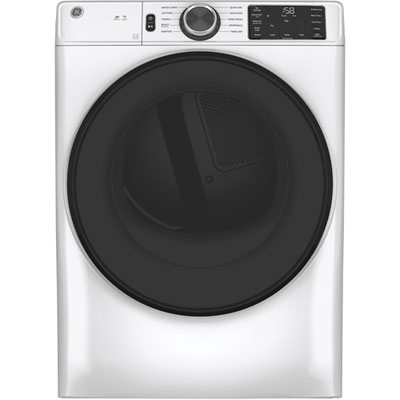 Your price for this item is $1999.99
 -
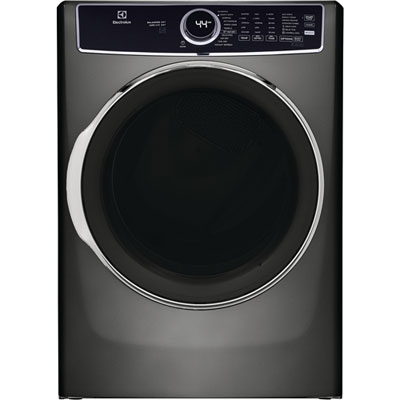 Your price for this item is $1169.99
 -
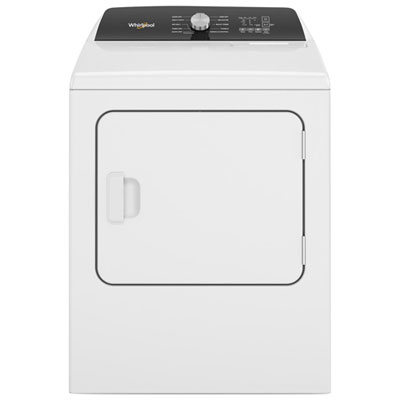 Your price for this item is $849.99
 -
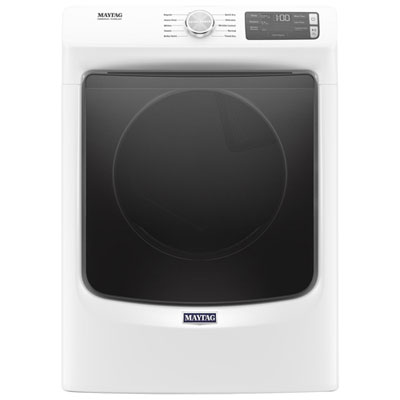 Your price for this item is $999.99
 -
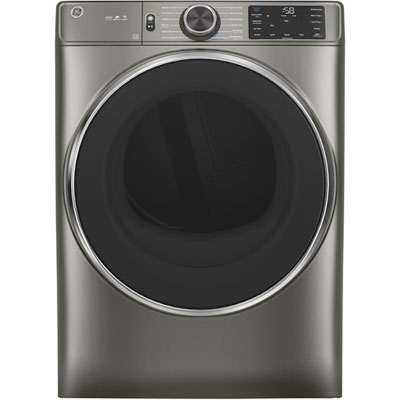 Your price for this item is $1949.99
 -
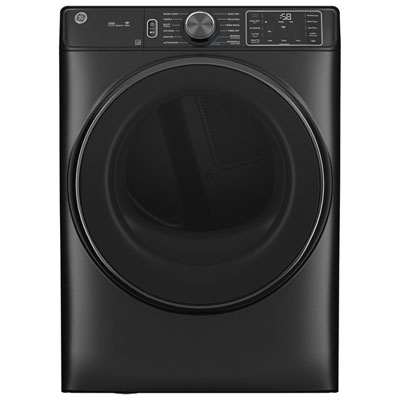 Your price for this item is $1199.99
 -
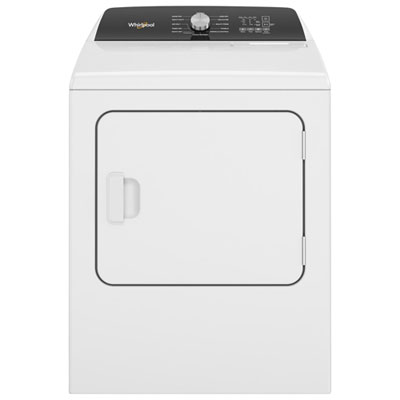 Your price for this item is $799.99
 -
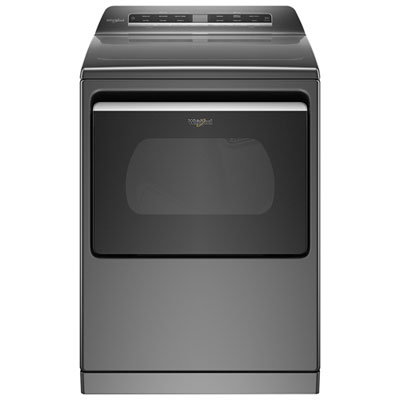 Your price for this item is $1149.97
Discover more categories related to Most Efficient Clothes Dryers
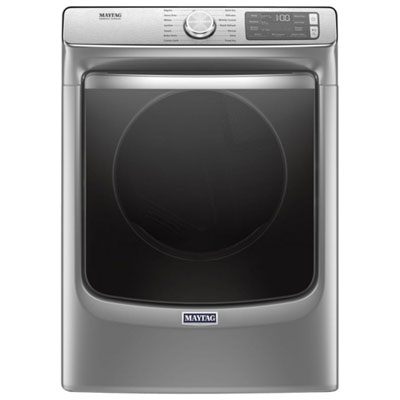
Top Collections:
Pokemon Centers, Kindle Devices, Best Budget Office Chairs, Apple iPhones 16, Best Laptops for Writers, iPhone 15 Apple, Canon G7X Cameras, Refurbished Apple Laptops, Alarm Clock, Motorola Razr Phones
Some products may be subject to Environmental Handling Fees
(EHF) depending on your province.
Learn more about EHFs.