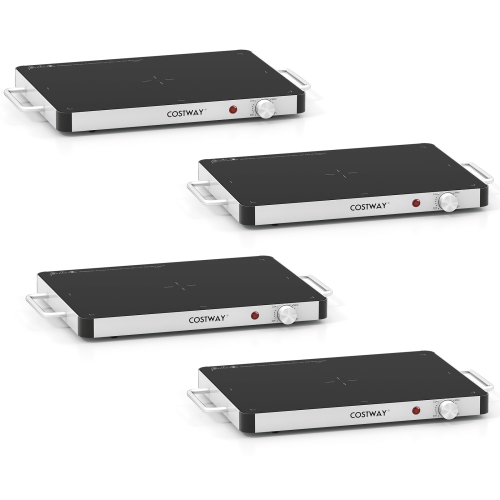
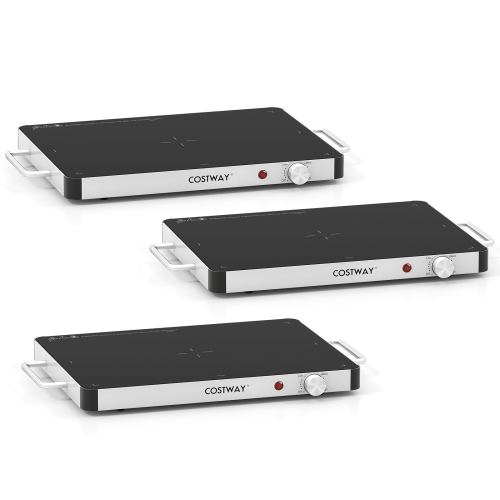
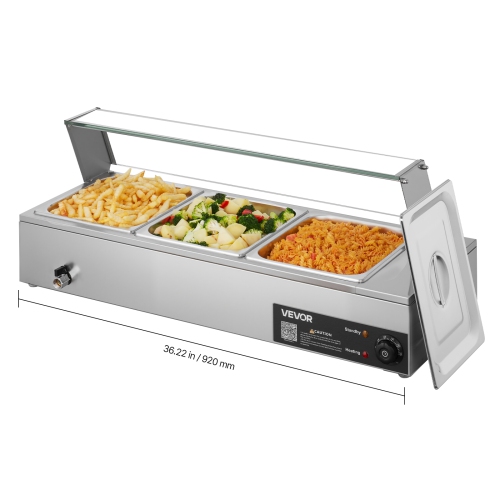
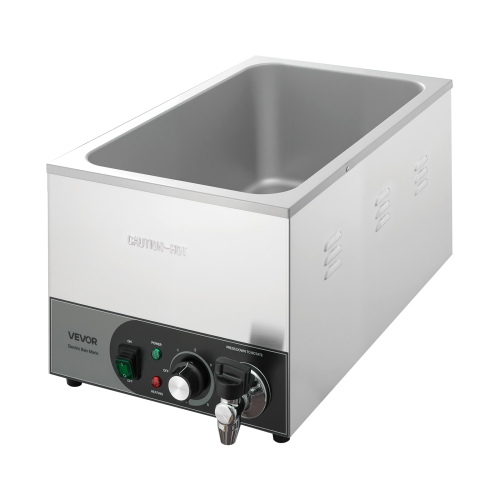
Electric Food Warming Mats

Electric food warming mats help keep prepared dishes warm while you serve, whether at family meals, buffets, or gatherings. Browse warming mats for your serving setup, and compare dimensions, temperature controls, and compatible dishware to find an option that suits your space and the food you plan to serve.
Sort

Flexible warmth for family dinners and buffet spreads

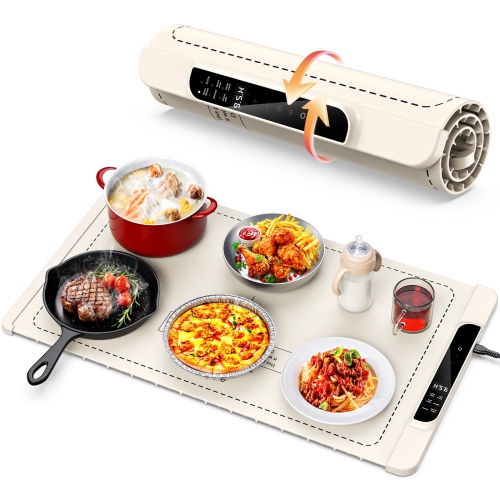
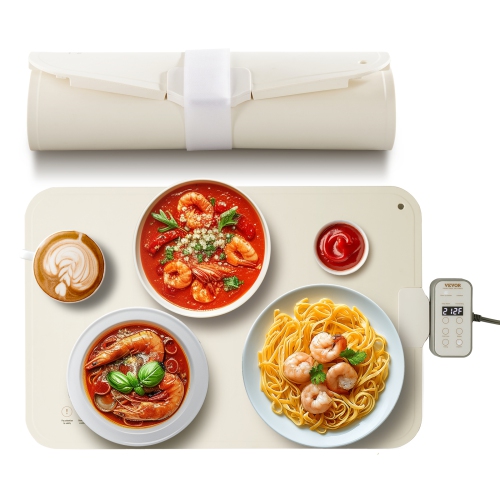
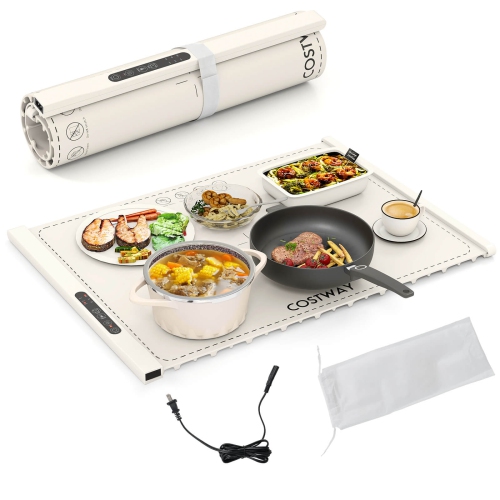
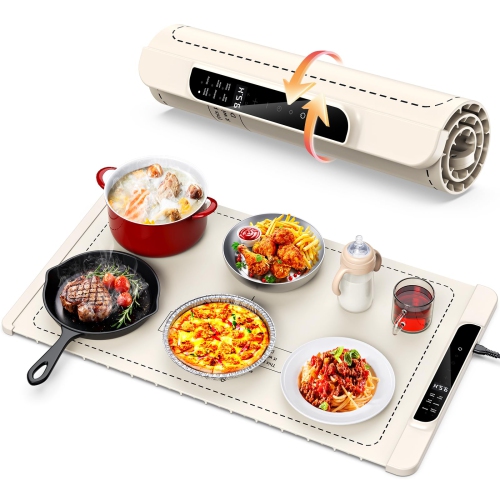
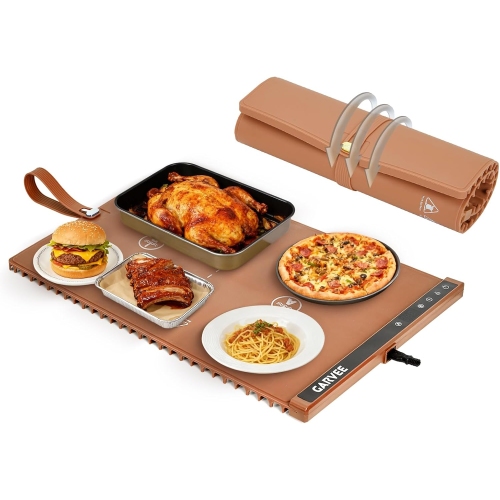
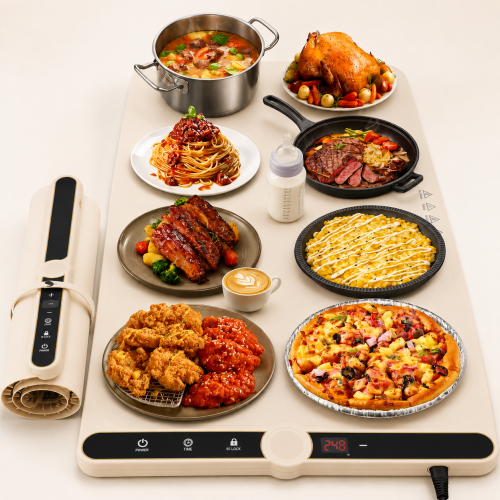
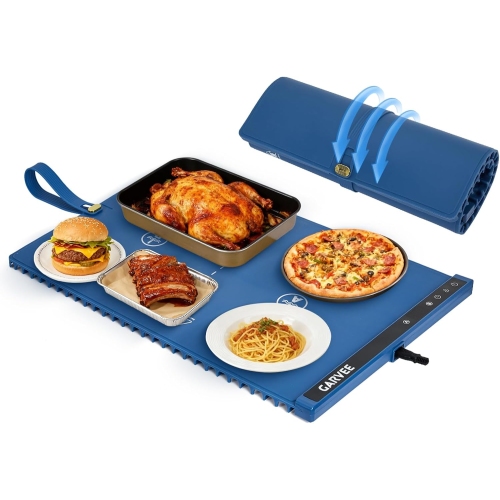
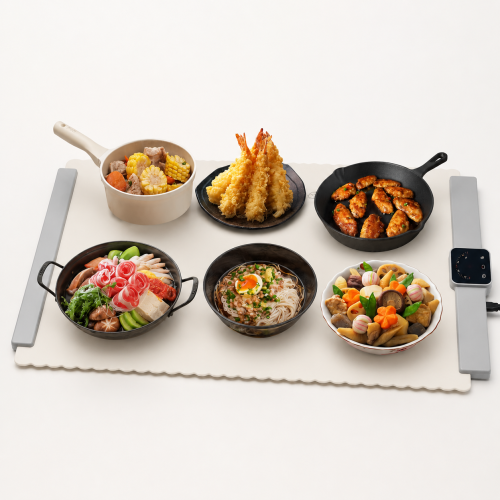
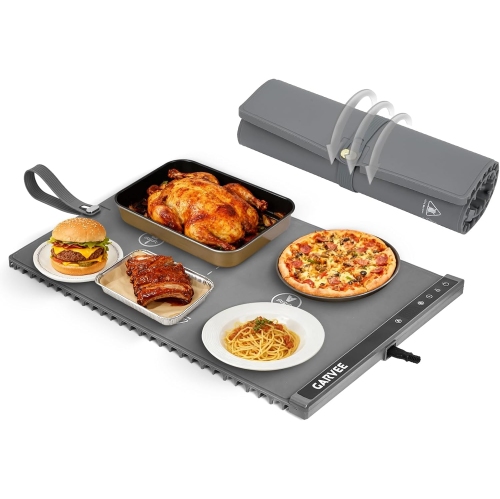
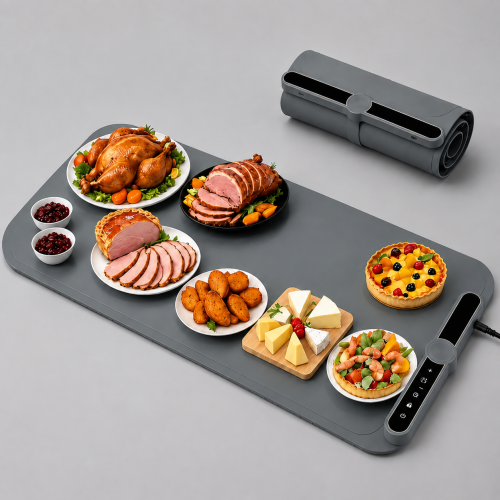
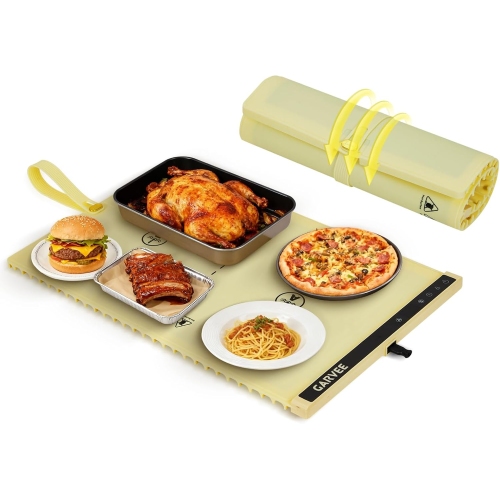
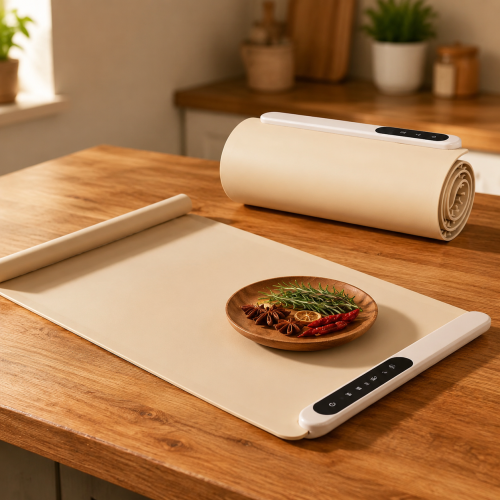
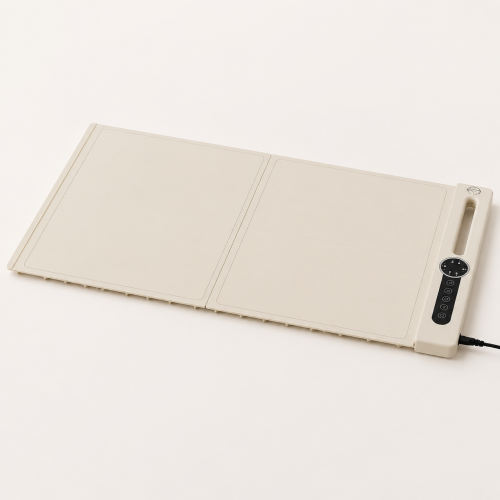
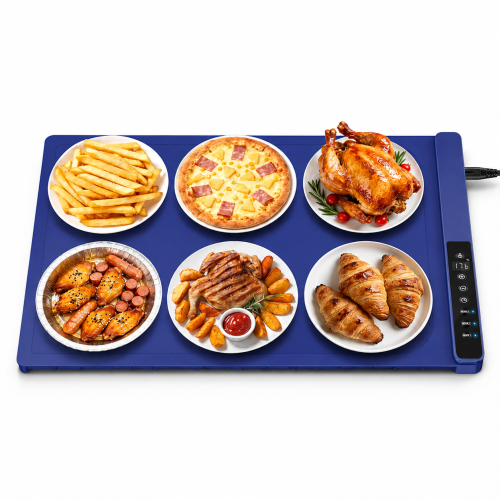
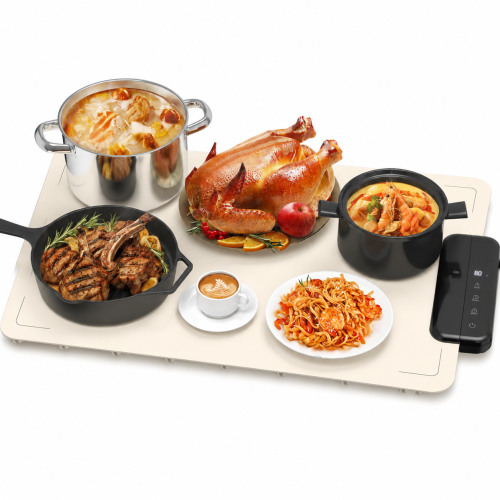
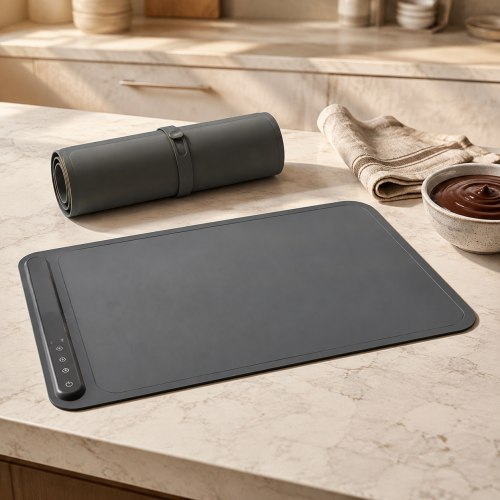
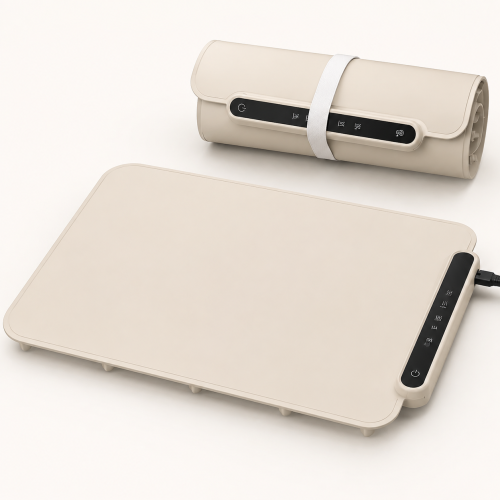
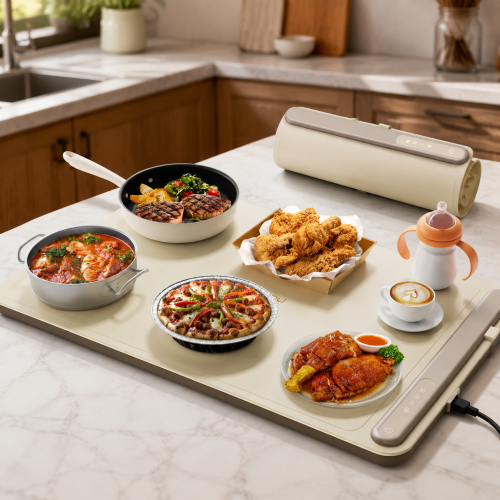
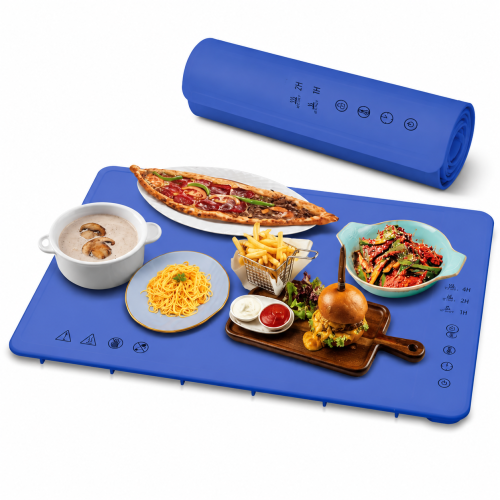
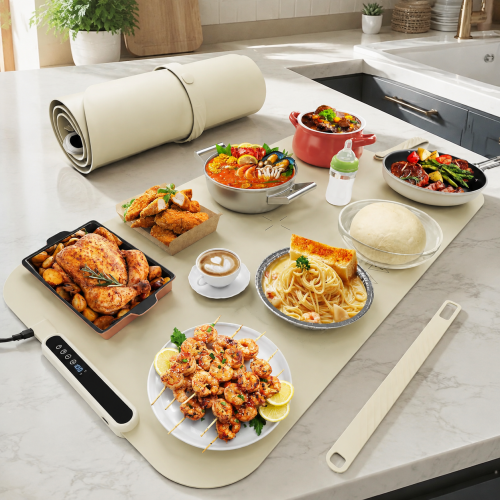
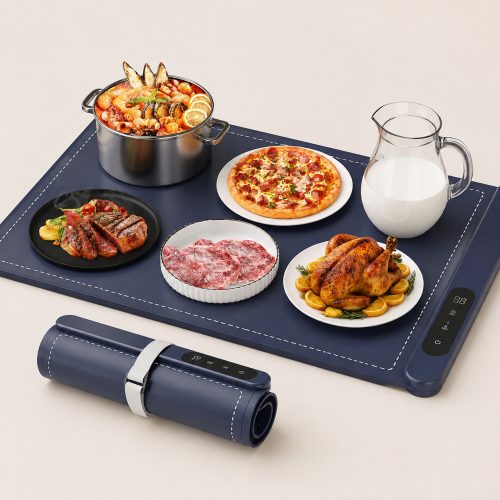
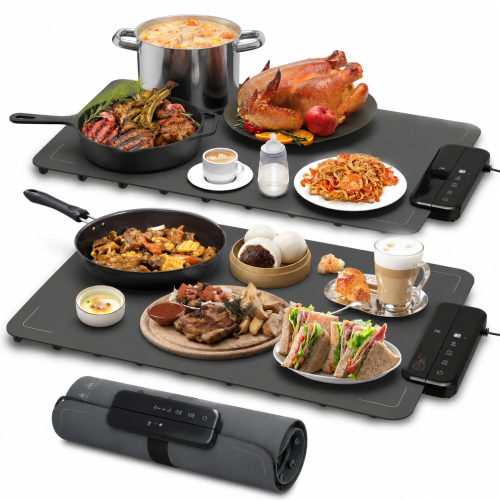
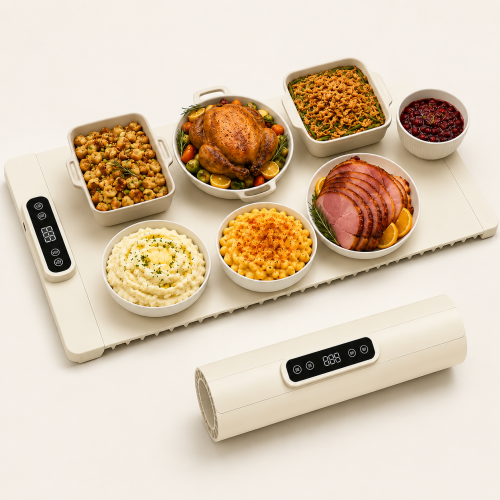
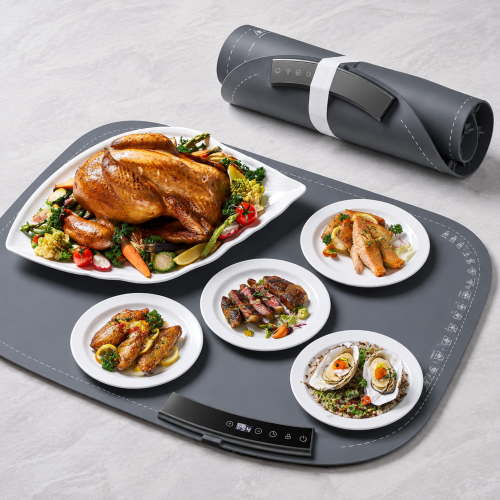
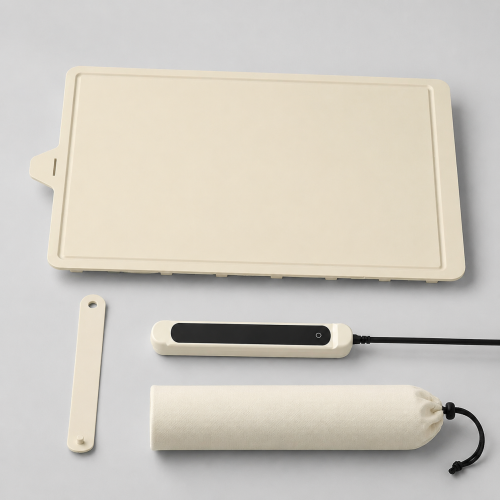
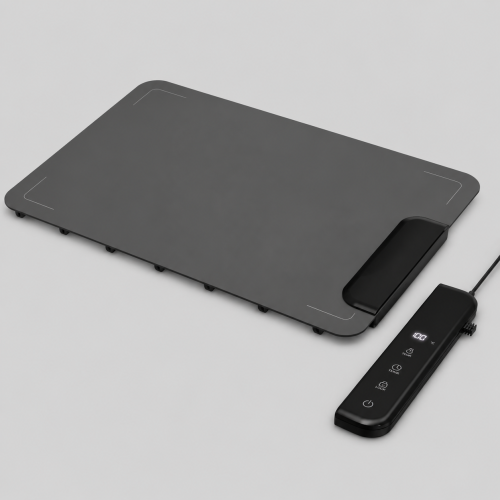
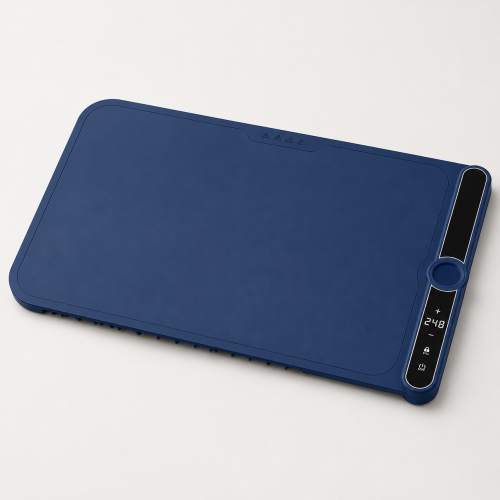
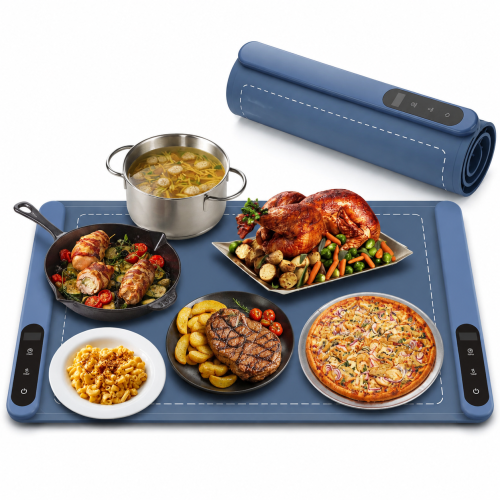
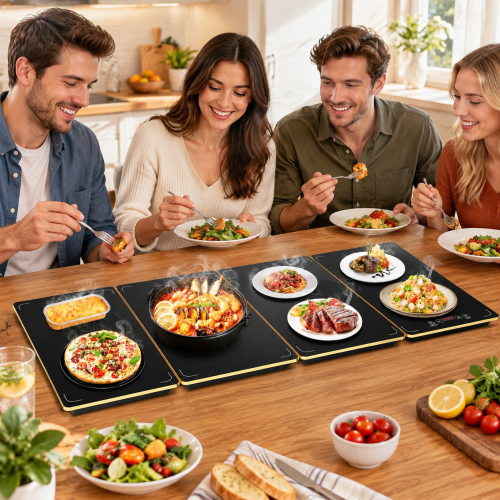
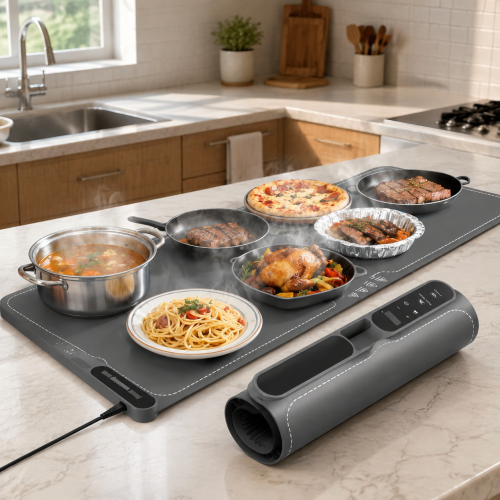
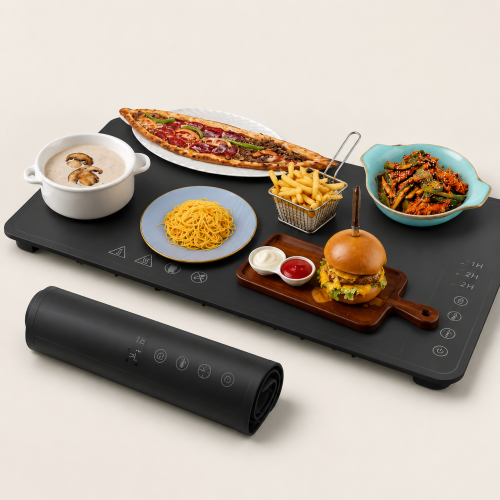
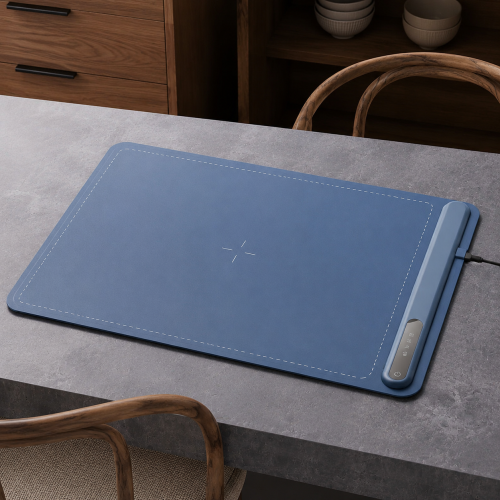
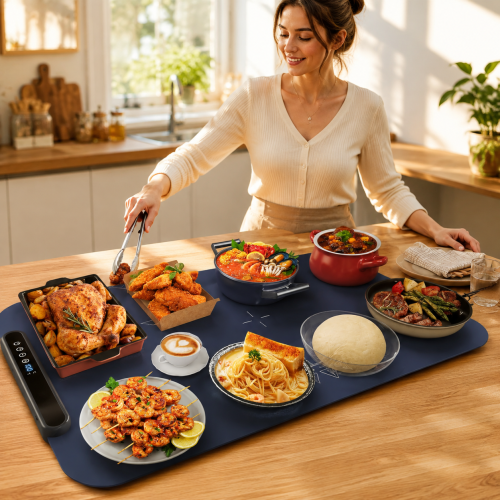
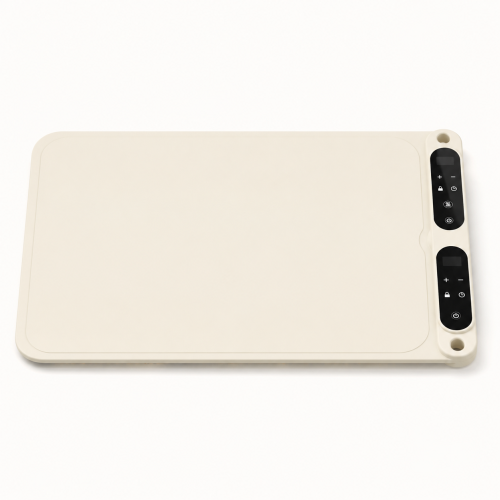
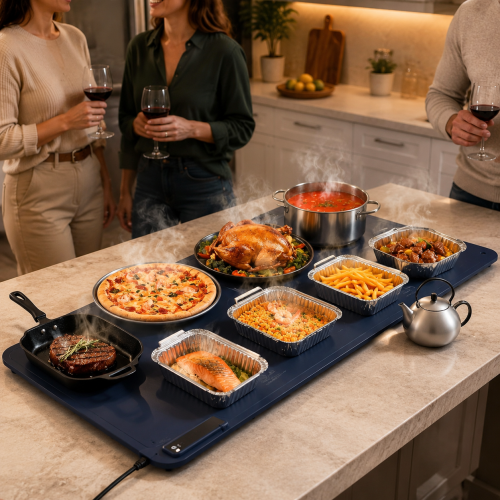
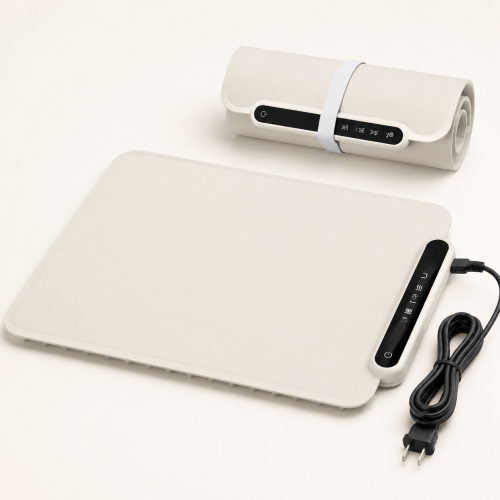
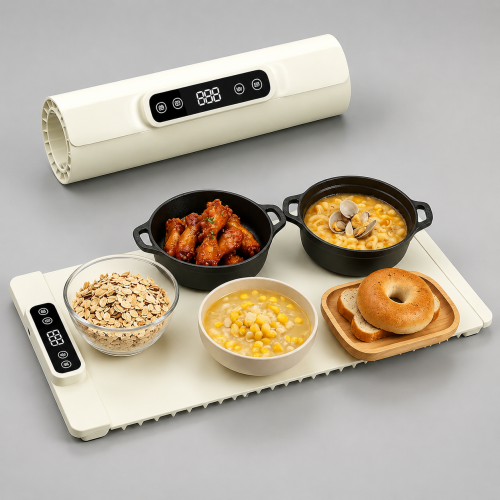
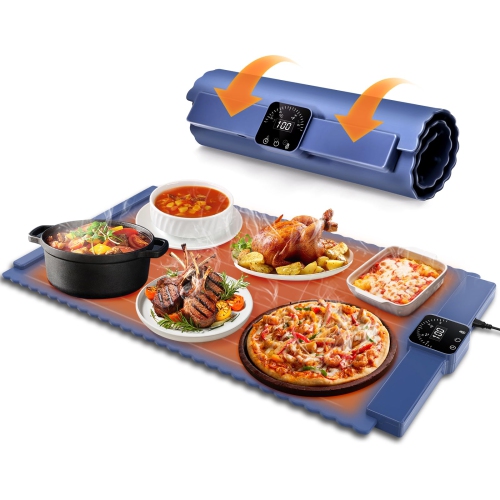
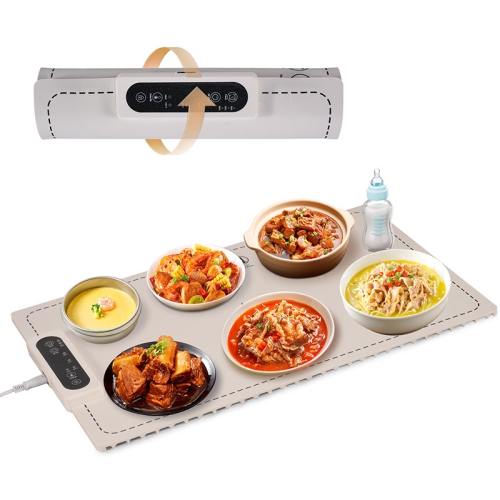
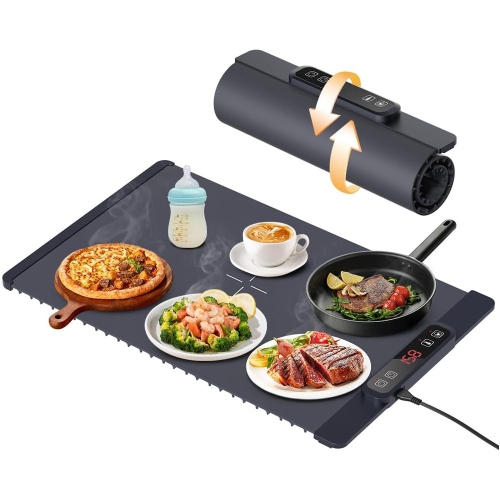
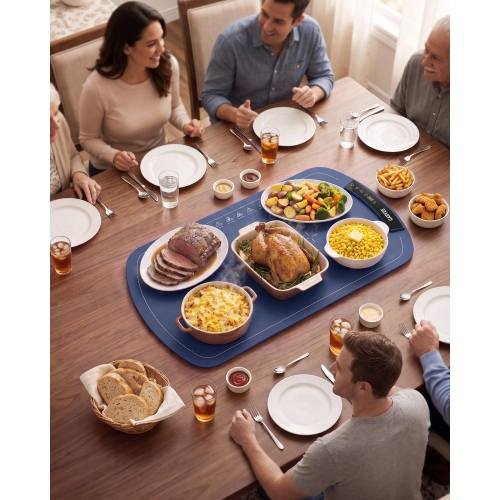
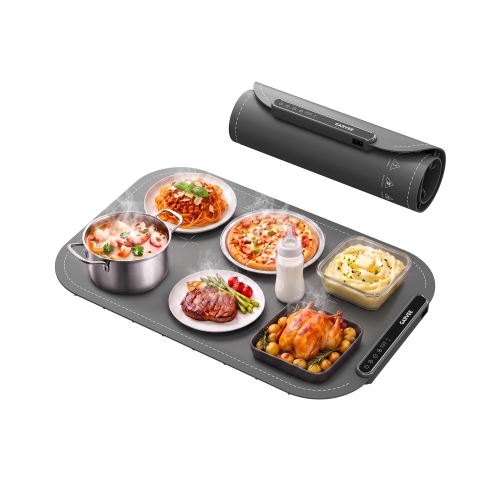
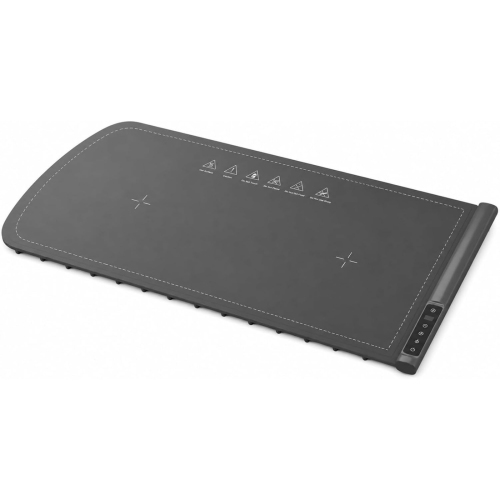
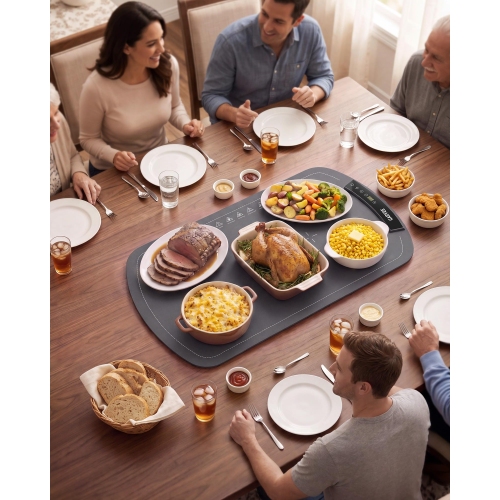
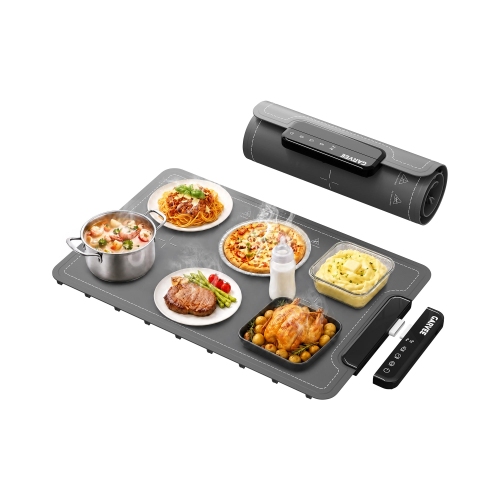
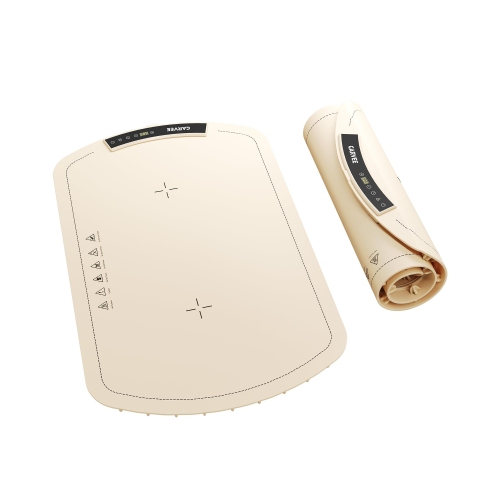
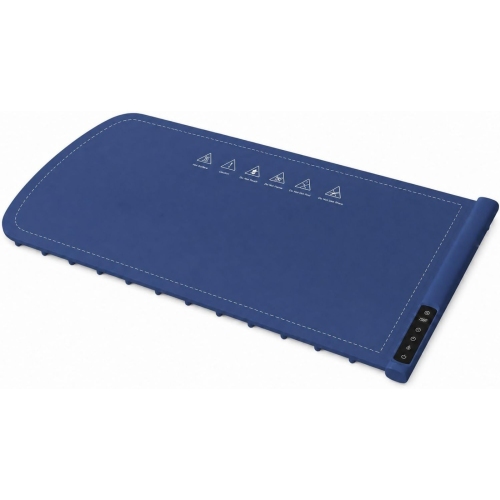
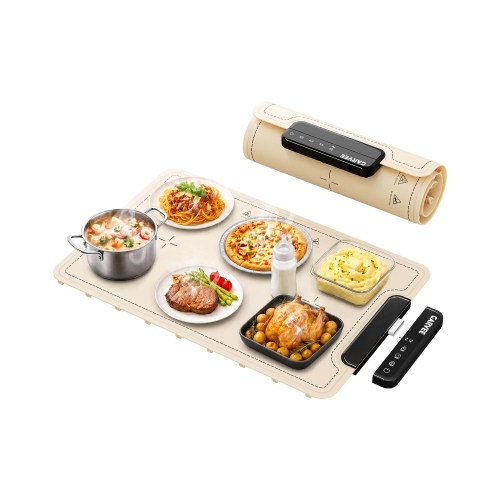
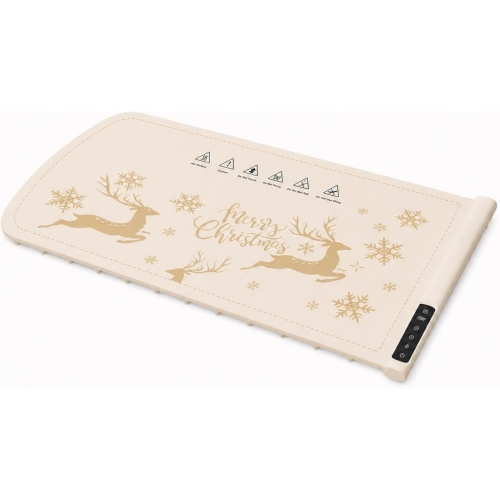
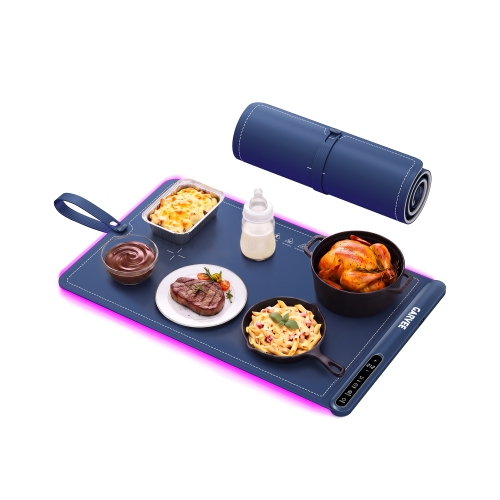
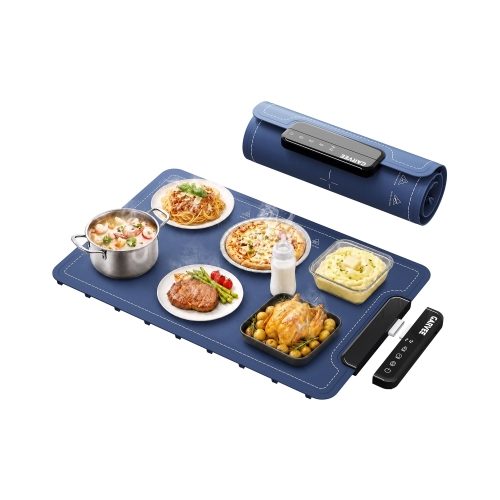
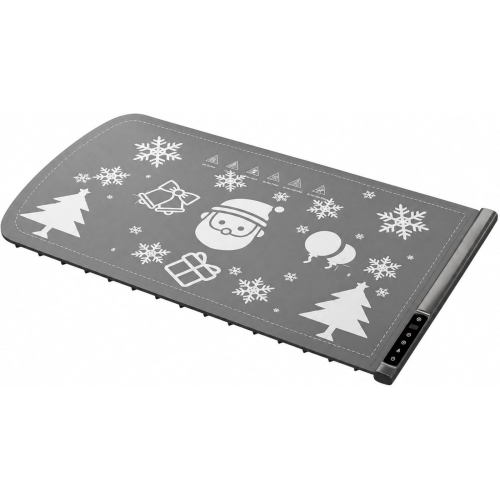
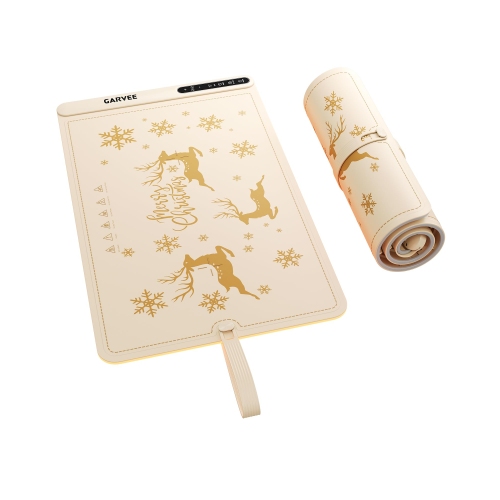
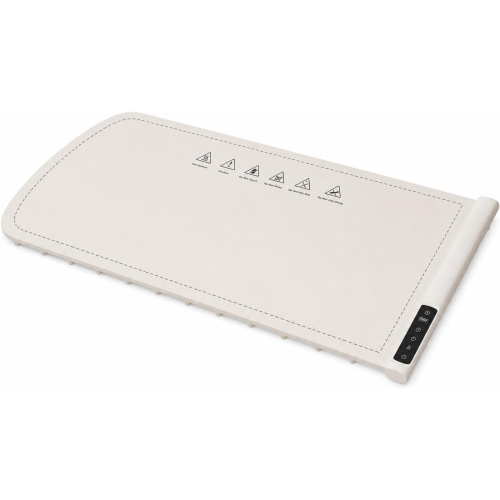
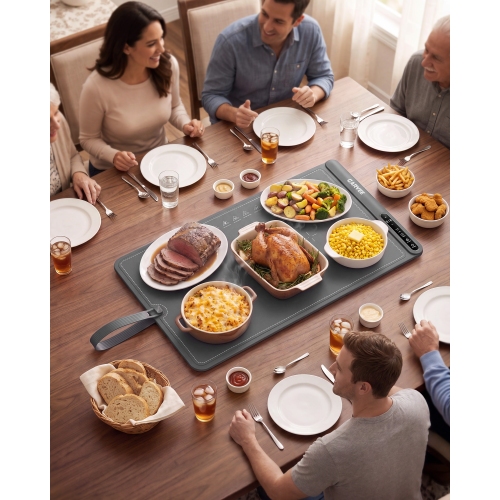
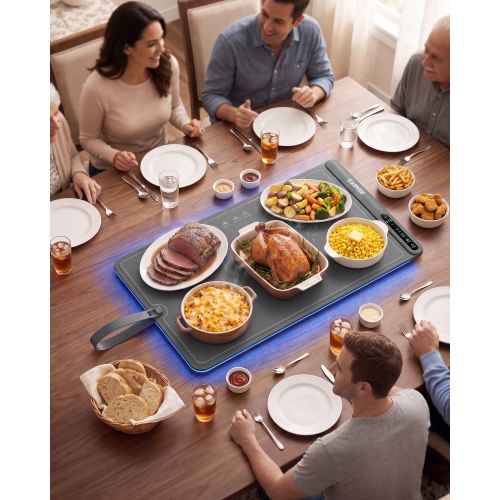
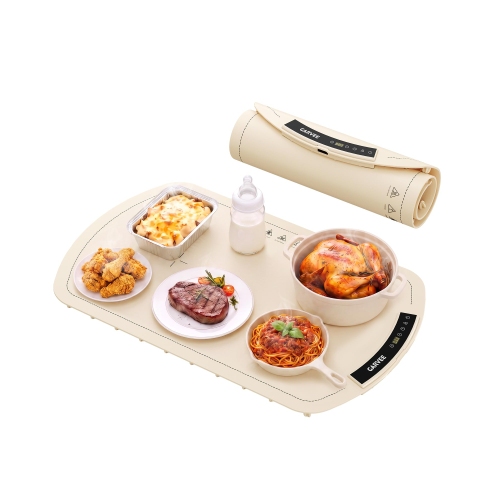
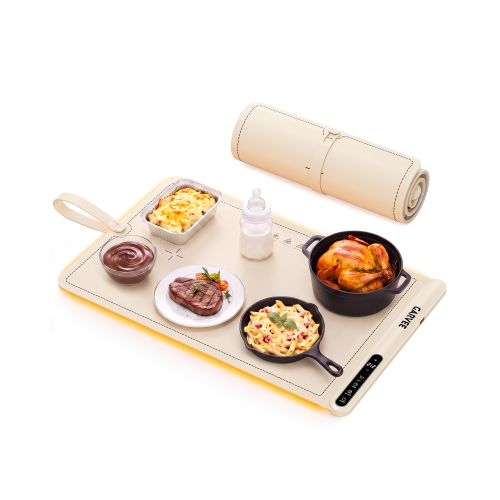
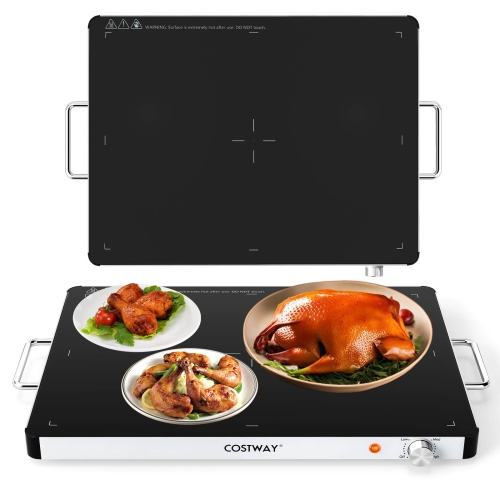
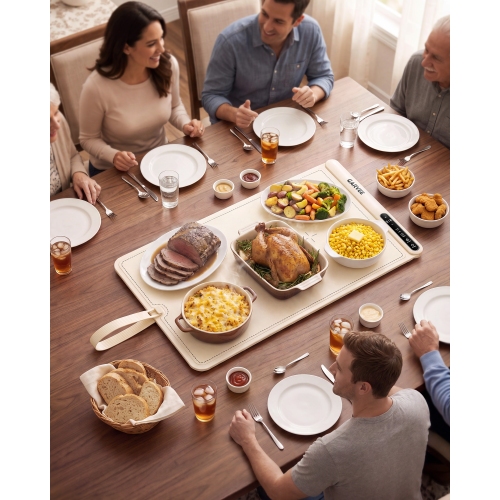
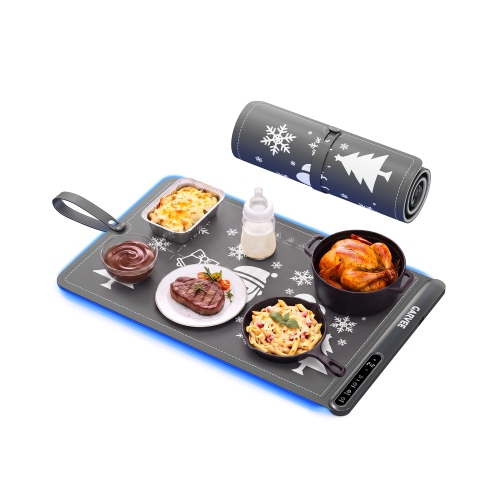
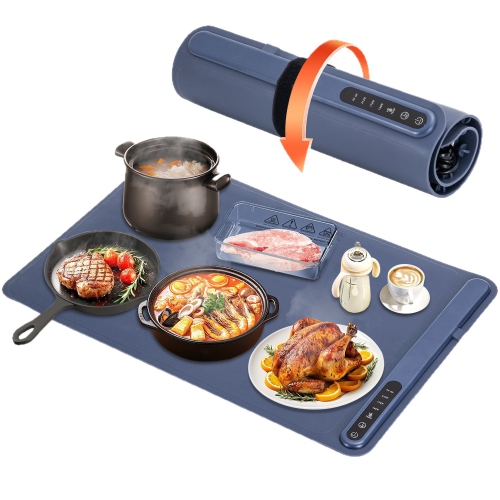
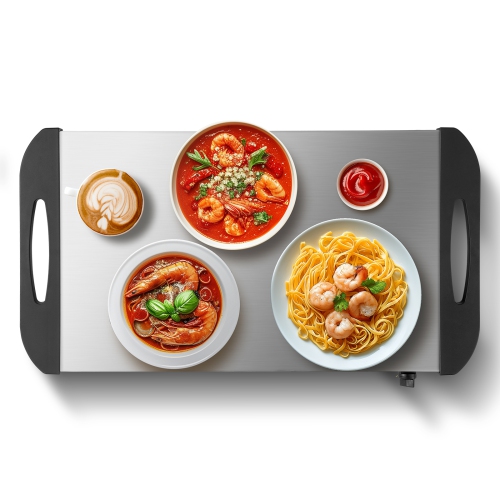
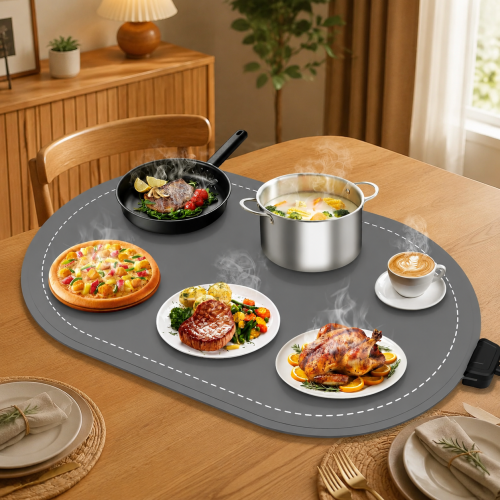
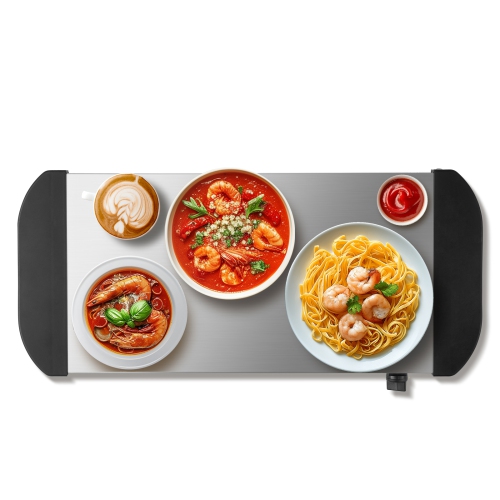
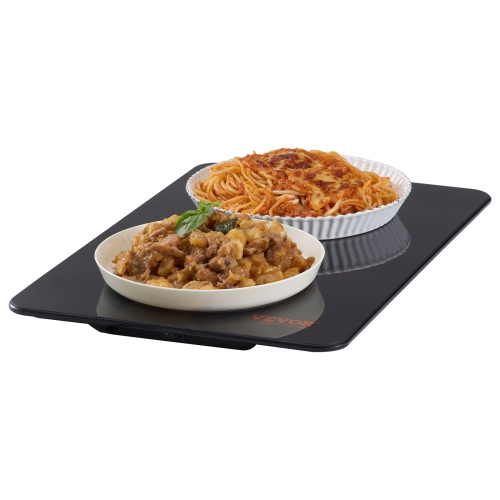
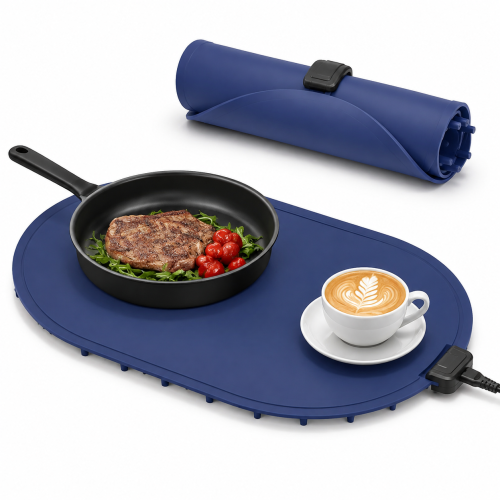
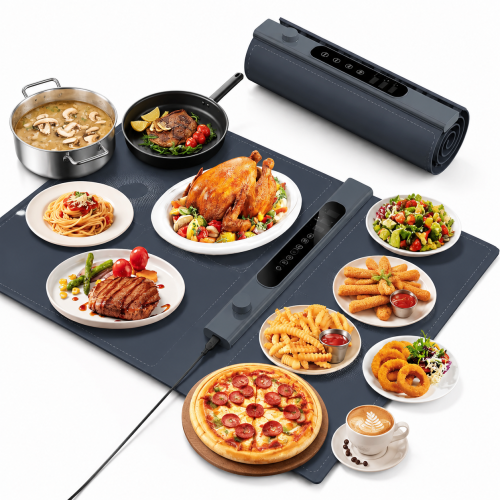
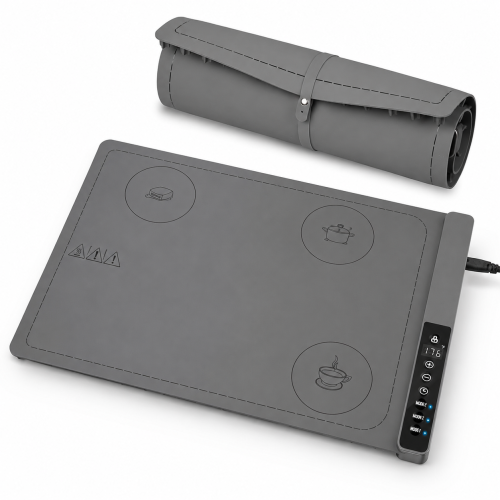
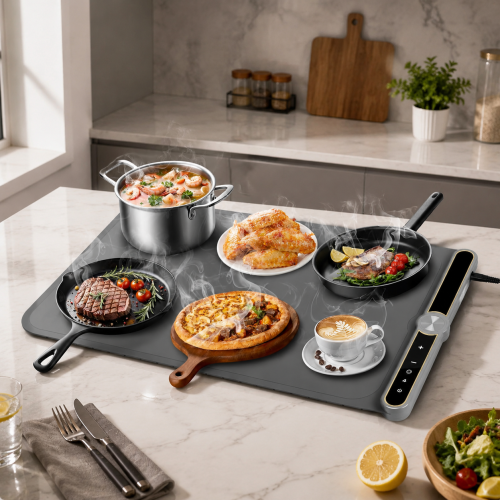
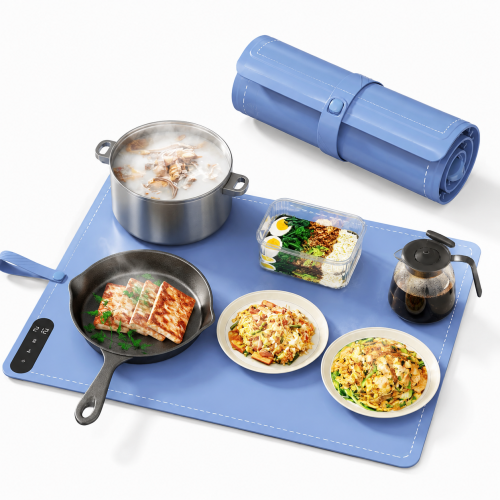
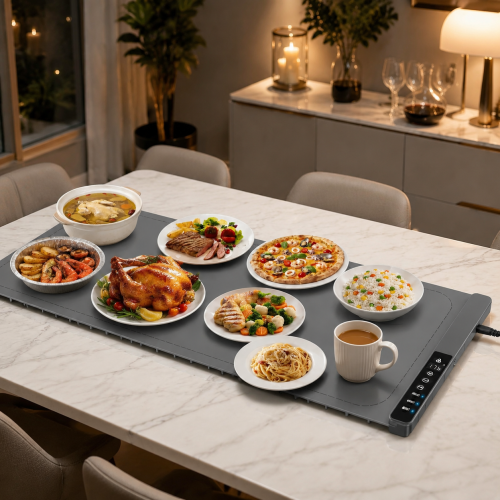
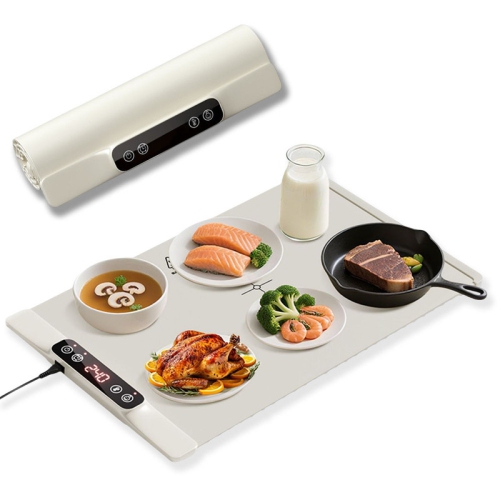
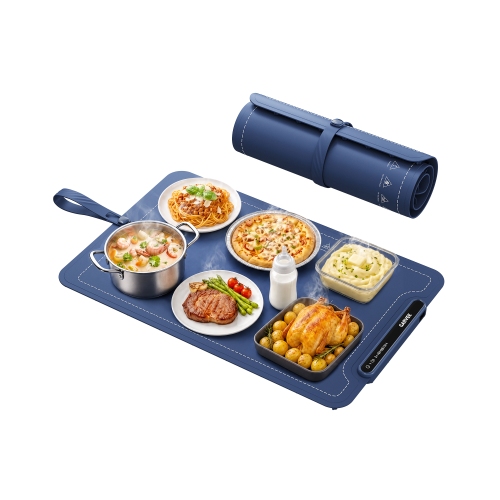
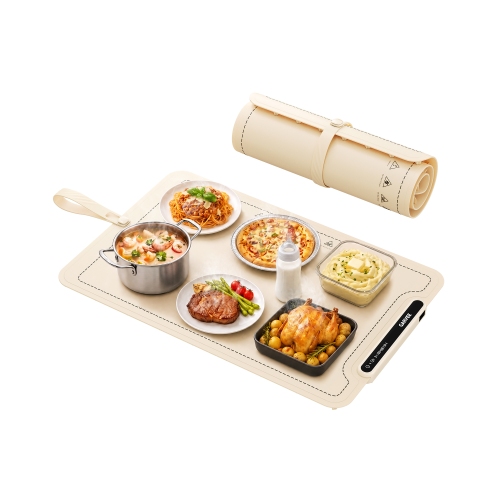
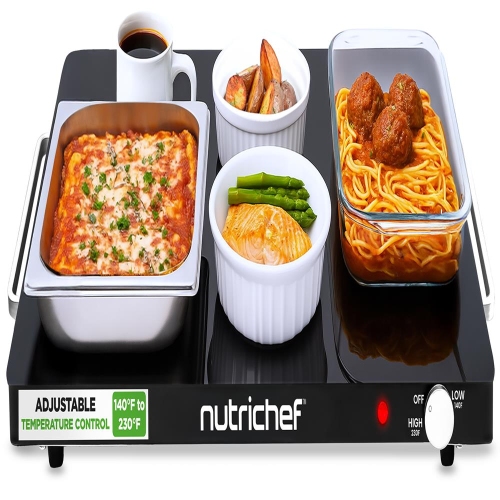
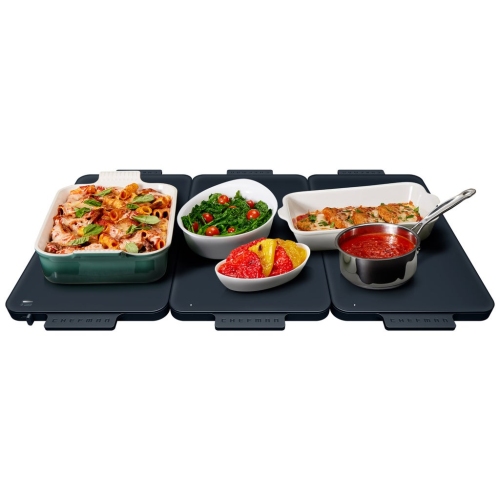
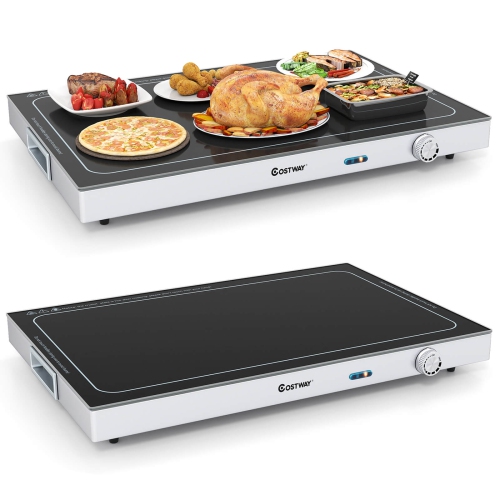
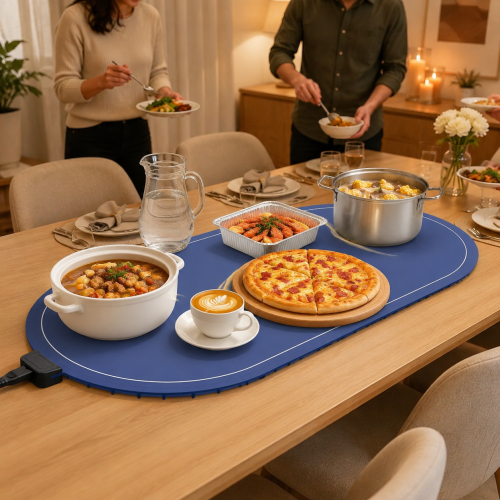
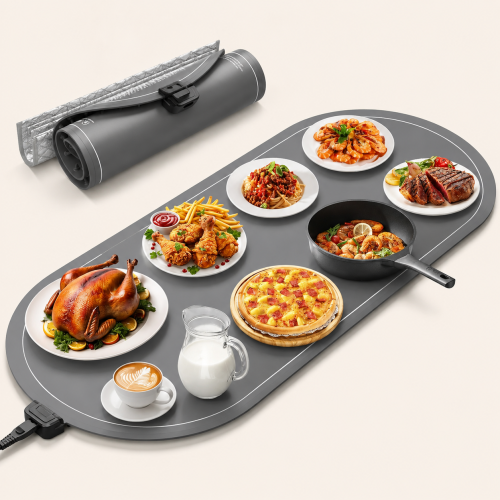
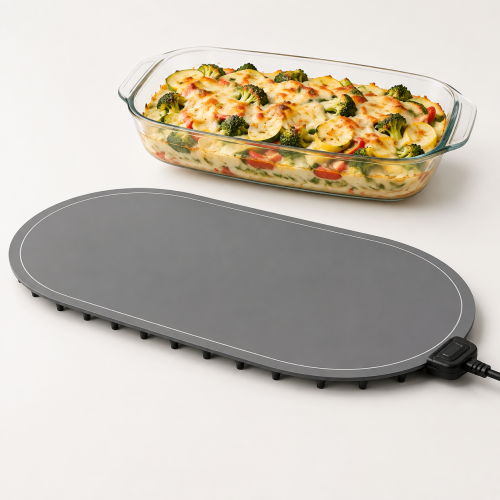
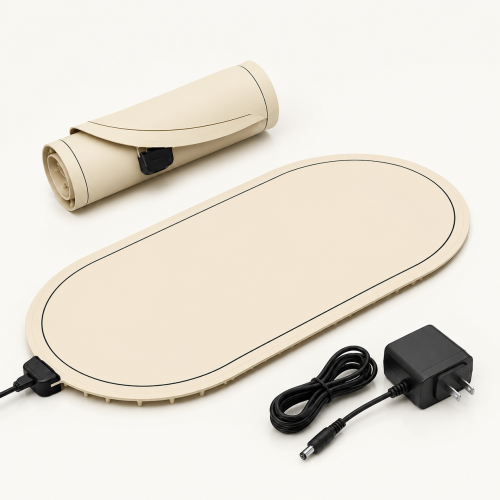
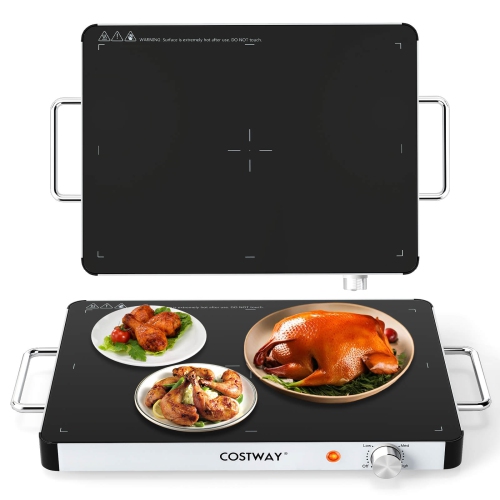
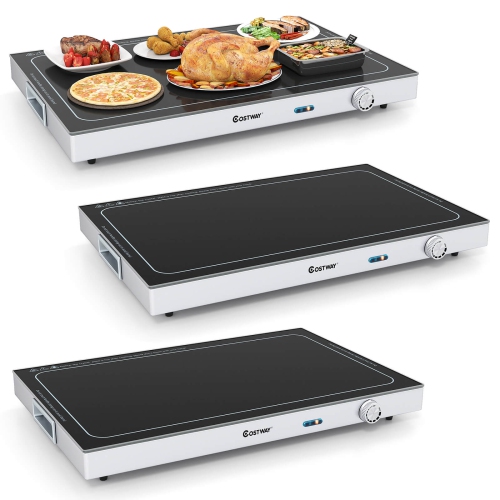
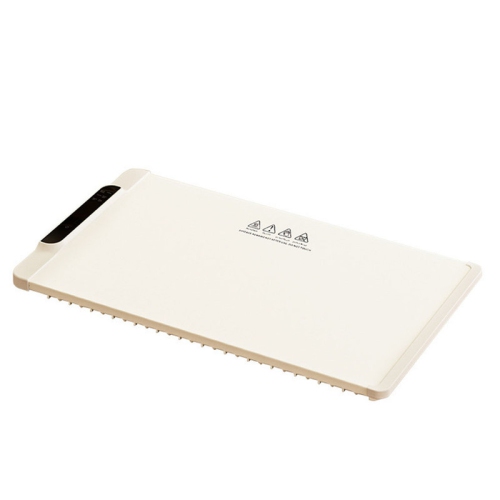
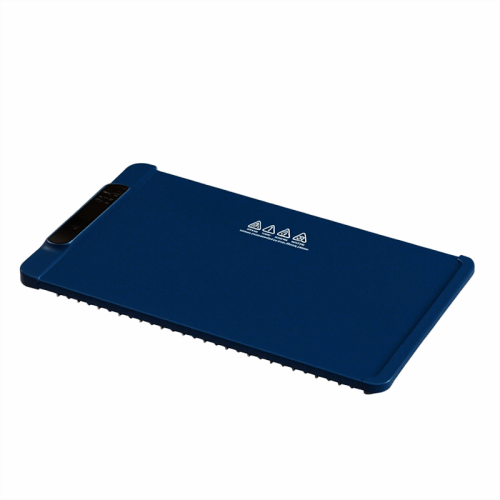
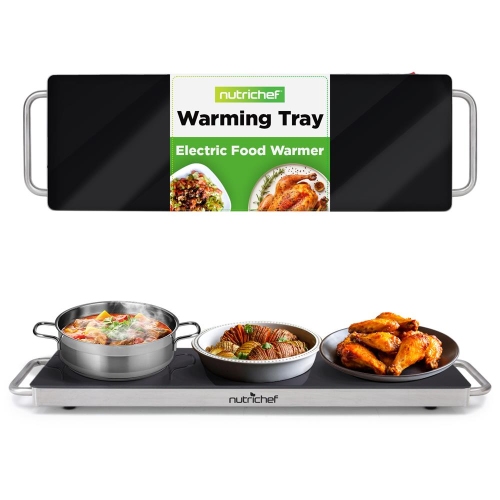
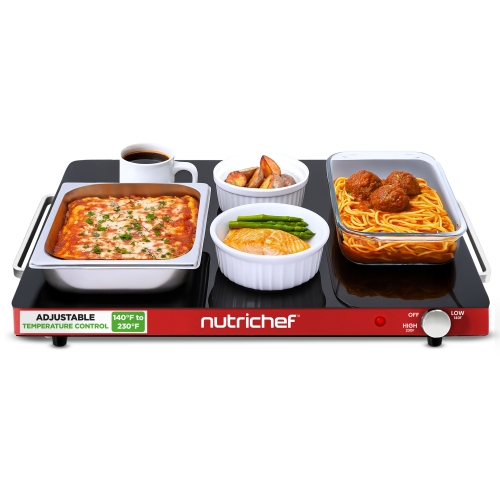
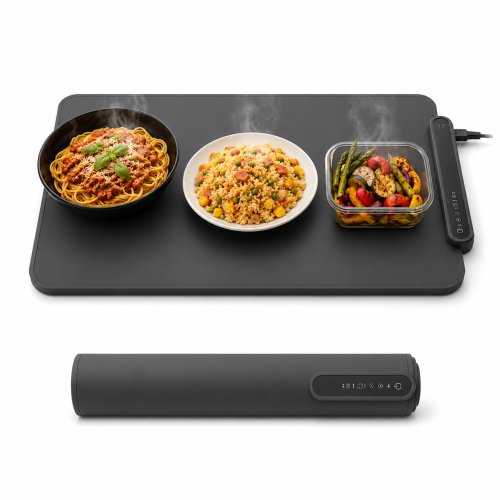
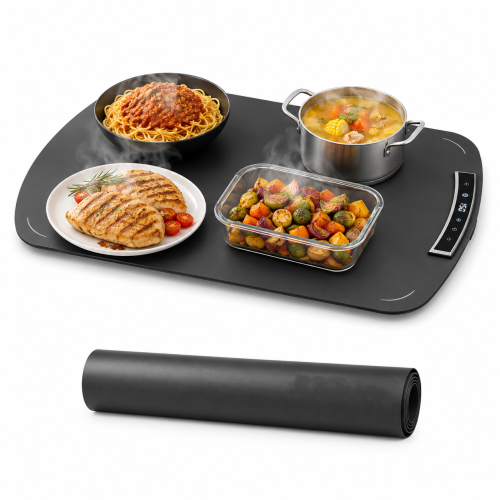
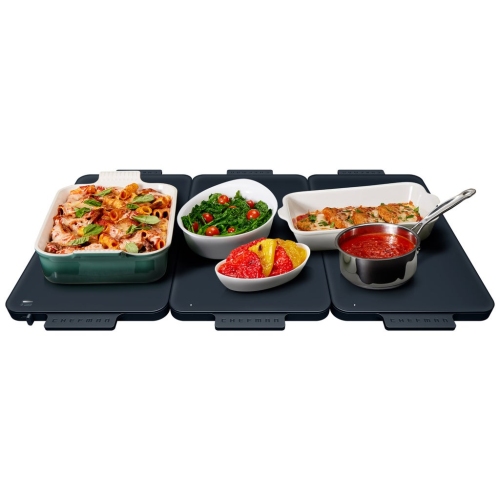
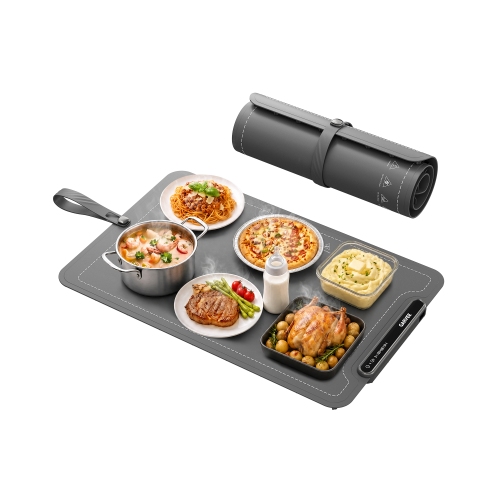
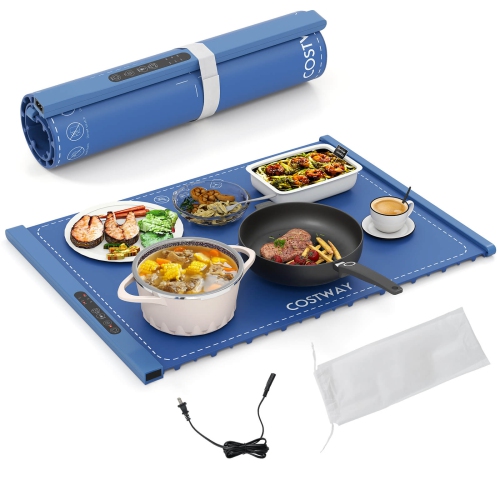
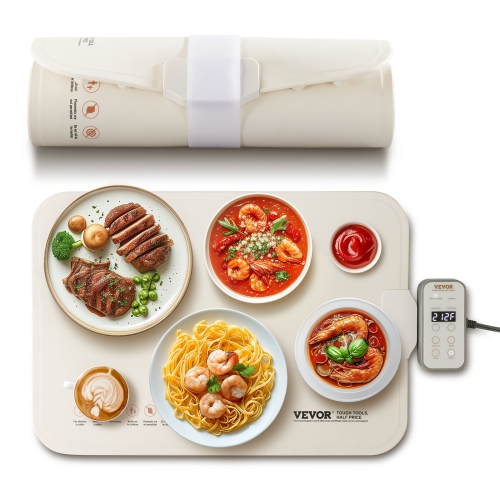
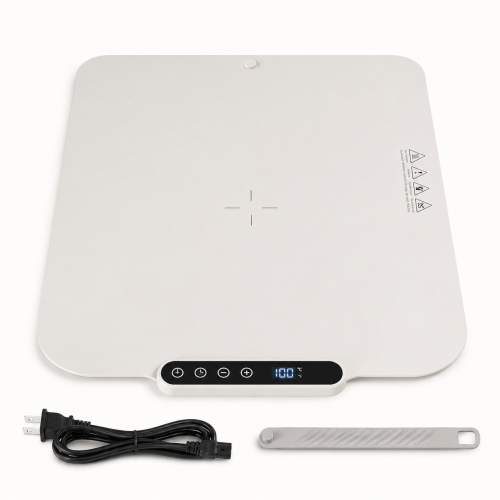
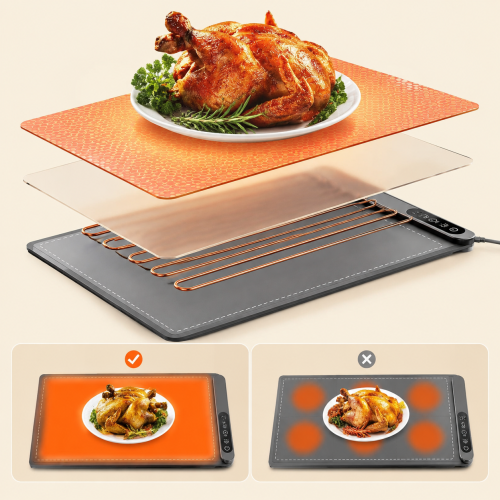
Electric food warming mats are plug-in heated surfaces designed to help keep prepared food warm in suitable serving dishes. Many feature a flexible silicone body with built-in heating elements, creating a low-profile warming area that can sit beneath several bowls or platters at once. Their main purpose is holding food for serving, rather than cooking raw ingredients or reheating chilled leftovers. At a family dinner, that might mean keeping a dish of mashed potatoes warm while vegetables and gravy make their way to the table. At a buffet, a mat can provide a shared warming surface for dishes that guests return to throughout the meal. Unlike a conventional hot plate intended for cooking, a warming mat generally provides controlled heat for holding and serving, with capabilities that vary by model. Adjustable heat settings allow the surface warmth to be selected within the appliance’s operating range, while timers, indicator lights, and automatic shut-off functions are features to look for when comparing designs. Some mats have separate heating zones, although others warm the entire usable surface together. Flexible construction is a particular appeal in kitchens where cupboard space is limited: once unplugged, cleaned, and fully cooled, a rollable design can take up less storage space than a rigid warming surface. Compared with rigid Food Warming Trays, mats may offer a different balance of portability, storage convenience, and usable surface area; the better fit depends on the serving arrangement and the dishes involved. Not every mat folds or rolls in the same way, and the control housing usually remains rigid. The useful comparison is therefore not simply the overall size, but how much heated space is available, where the controls sit, and how comfortably the appliance fits into everyday meals or occasional entertaining. A broad, flat mat can suit a spread of side dishes, while a smaller footprint may make more sense beside a main serving platter.

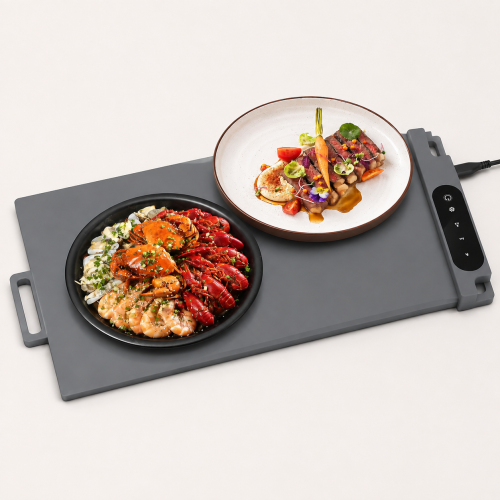
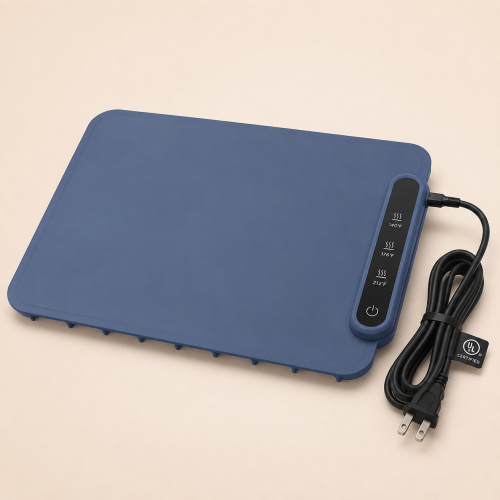
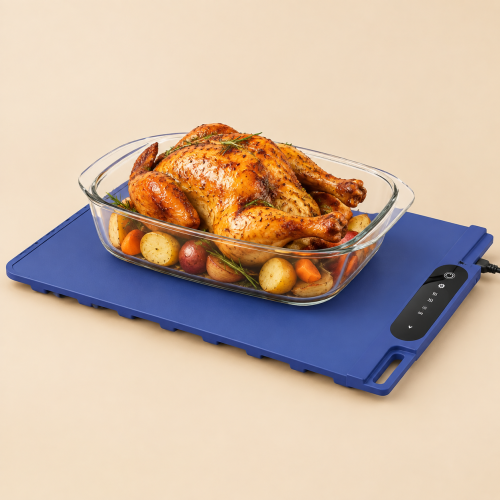
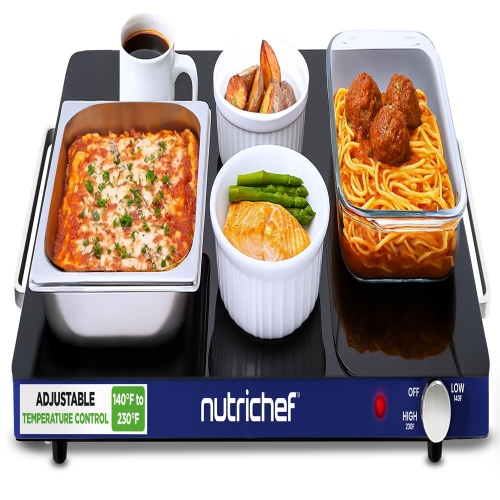
Materials and dish compatibility matter because heat must pass from the mat through the base of the container to the food inside. Silicone is common on flexible warming mats because it can provide a pliable, wipeable outer surface, but its presence alone does not establish the appliance’s temperature limits or suitability for every countertop. Ceramic, heat-resistant glass, stainless steel, and other metal serving dishes may be compatible when both the mat manufacturer and the dish manufacturer permit that use. Plastic containers, melamine dishes, decorative platters, and glassware without a suitable heat rating should not be assumed safe. Food generally stays in its container rather than being placed directly on the mat, unless the appliance is expressly designed for direct food contact. A broad, flat dish base can make better contact with the warming surface than a deeply footed bowl, and a large platter should not extend beyond the supported area unless the instructions allow it. For a realistic sense of fit, consider the bases of the dishes used most often, not just the width of their rims. Two generous casserole dishes can occupy far more space than several small bowls, especially when room is needed to lift handles without brushing against another hot container. The surrounding setup deserves equal attention: a stable, level location, a suitable electrical outlet within reach, and a cord route away from walkways all contribute to a more practical serving area. Follow the manufacturer’s requirements for countertop materials, clearance, ventilation, and any permitted protective layer. Raised feet or a textured underside may help with spacing or grip, but they do not mean every table finish is protected from heat. Controls positioned along an accessible edge can be easier to adjust when the mat is full, and clearly marked settings are useful when several people are helping serve. For use in Canada, check the stated voltage and power requirements, along with electrical certification suitable for Canadian use.
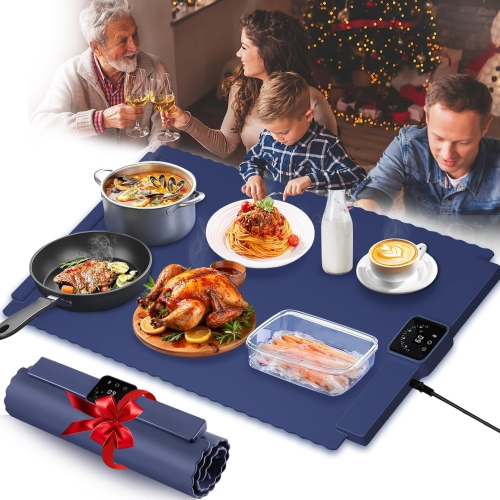
Good results depend as much on serving habits as on the warming surface itself. Prepared food should arrive at the mat already hot, and any required preheating should follow the appliance instructions. For hot holding, food needs to remain at 60°C or above; a surface setting is not a measurement of the food’s internal temperature. A food thermometer is the useful check, particularly with deep dishes, thick sauces, or a buffet that stays out for an extended period. Heat reaches the bottom of a dish first, so the top of a large portion may not stay equally warm. Suitable lids can help retain heat and moisture, while occasional stirring, where appropriate, can help distribute warmth through the contents. Smaller portions replenished from a properly heated source may be more manageable than one oversized bowl. A timer or automatic shut-off can be convenient, but it does not replace attention to food temperature or safe handling, and a control lock does not make a hot surface safe to touch. After serving, switch off and unplug the mat, let it cool completely, and clean it according to its care instructions. A soft cloth and an approved mild cleaner are often appropriate for wipeable surfaces; abrasive pads, sharp utensils, and harsh cleaners can damage the outer layer. Spill resistance should never be treated as permission to immerse an electrical appliance or put it in the dishwasher. Keep plugs, connectors, and control housings dry, and inspect the surface and cord for damage before use. For rollable designs, following the specified rolling direction and avoiding tight creases can help protect the internal components during storage. These practical details make warming mats especially relevant to frequent hosts, households that serve several dishes together, and people who prefer a buffet arrangement to repeated trips back to the stove. As a housewarming or wedding gift for someone who enjoys entertaining, the most thoughtful choice is one that suits their counter space, serving dishes, and storage habits rather than simply offering the largest heating area.
FAQ

Some products may be subject to Environmental Handling Fees (EHF) depending on your province. Learn more about EHFs.