Waterproof Electric Scooters
If you're looking for a convenient and eco-friendly way to navigate through your daily commute, rain or shine, look no further than these waterproof electric scooters. Designed to withstand the elements without compromising on performance, these sleek and innovative scooters are perfect for zipping around town, whether it's a drizzly morning or a wet afternoon. With their advanced waterproof features and powerful electric motors, these scooters offer a reliable and efficient mode of transportation that's both fun and practical.
Sort
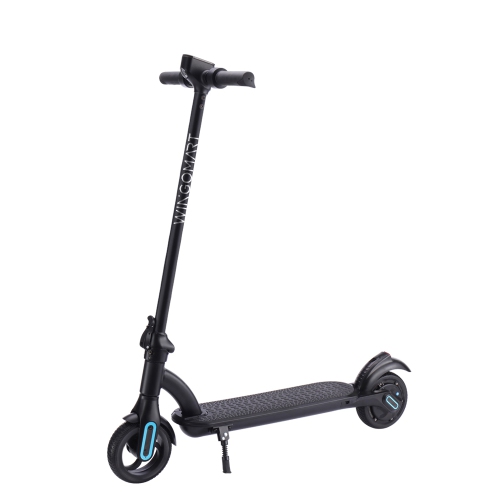
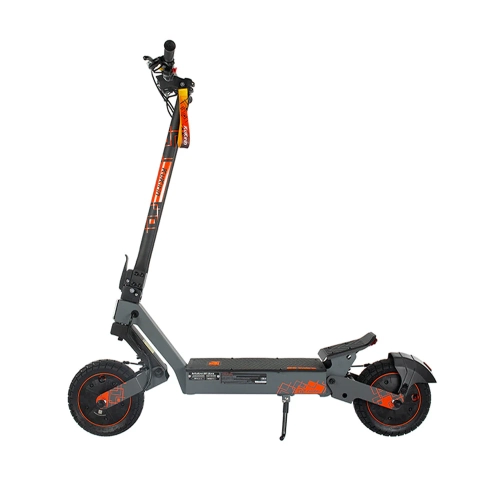
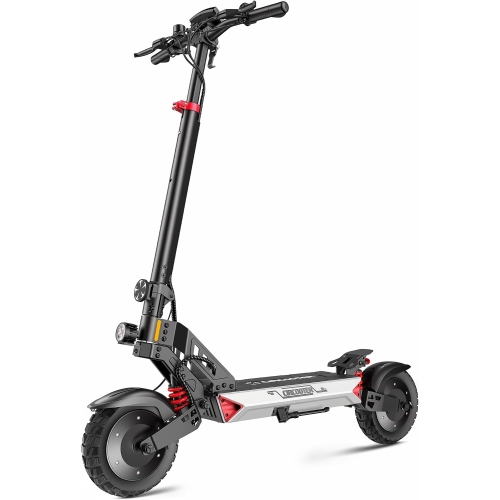
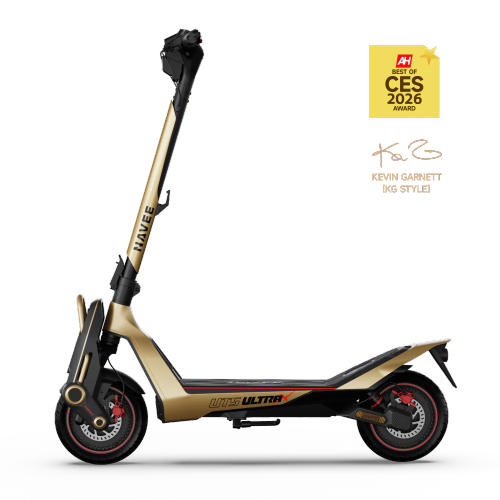
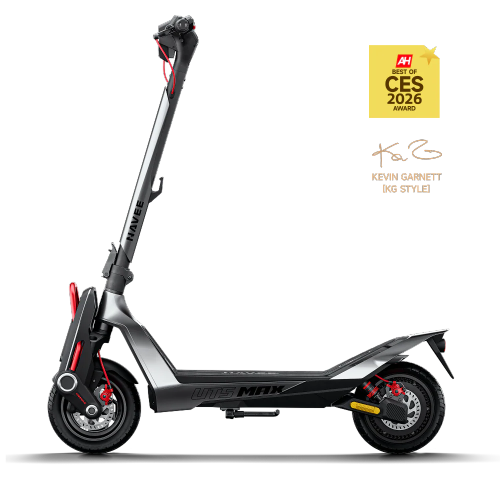
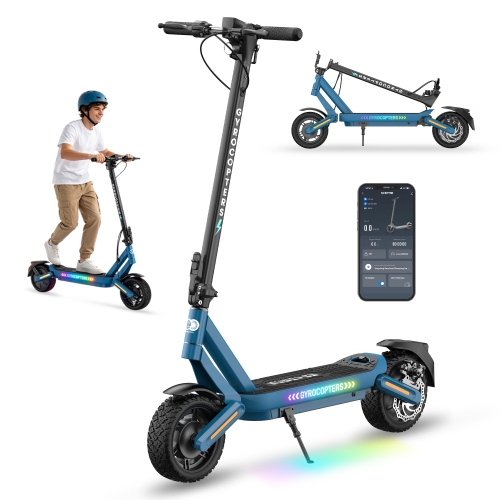
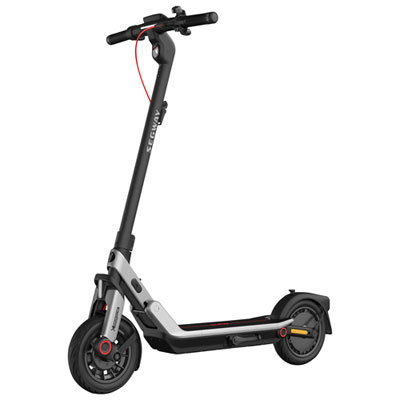
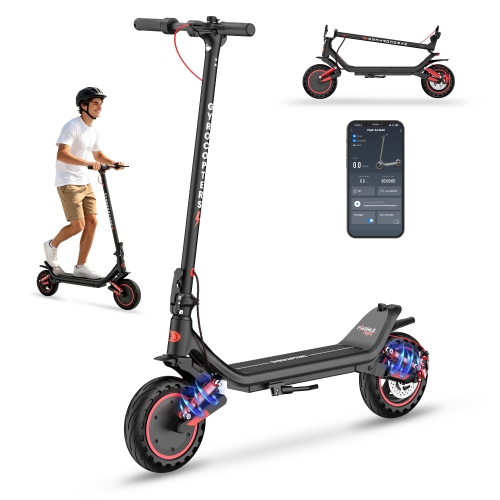
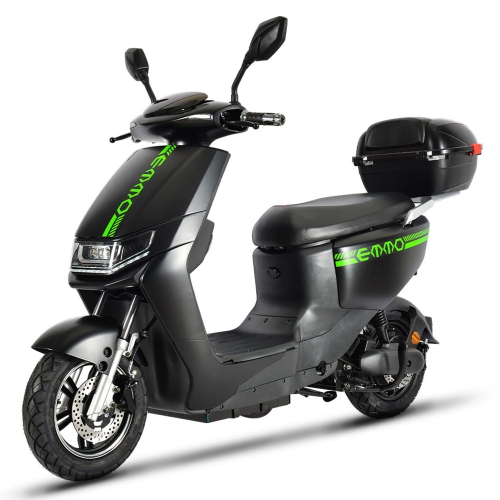
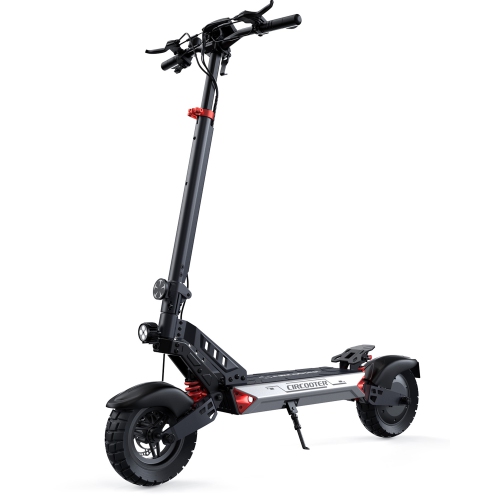
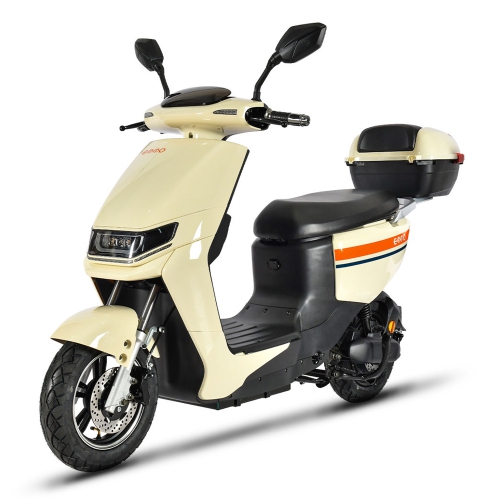
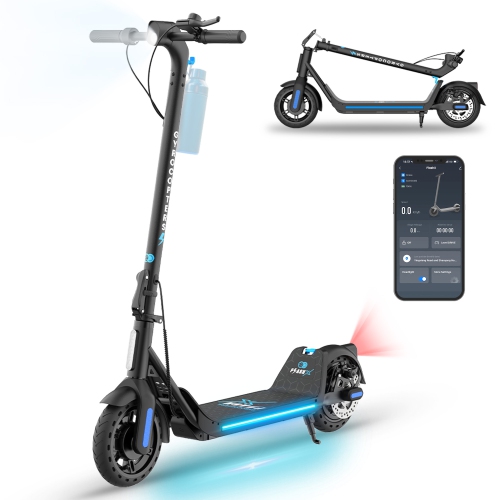
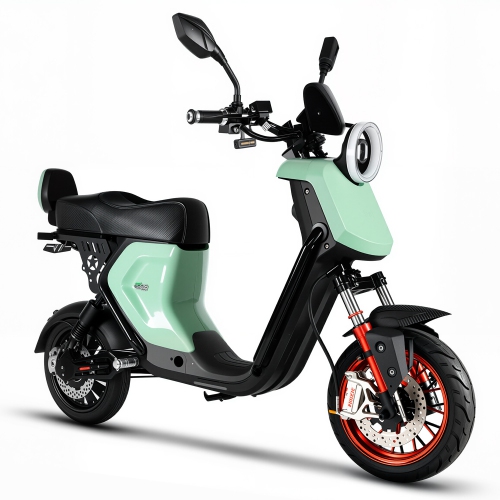
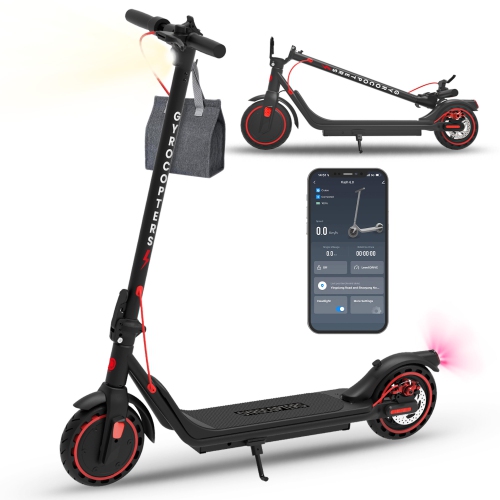
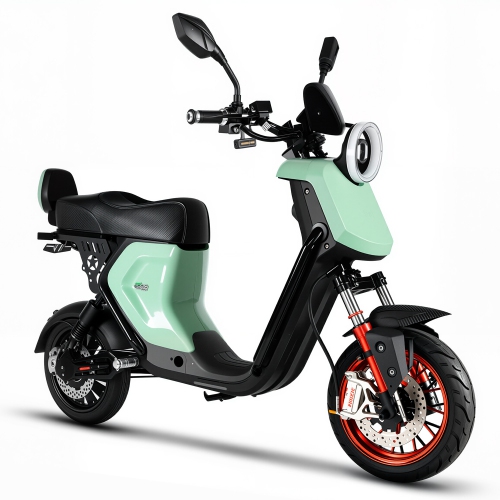
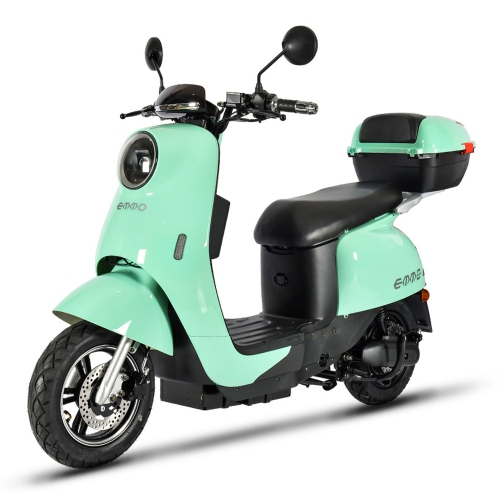
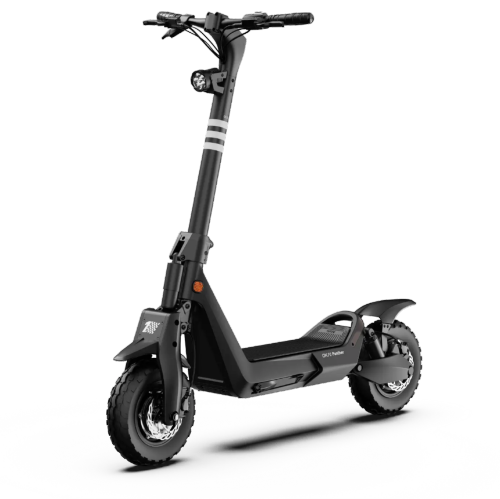
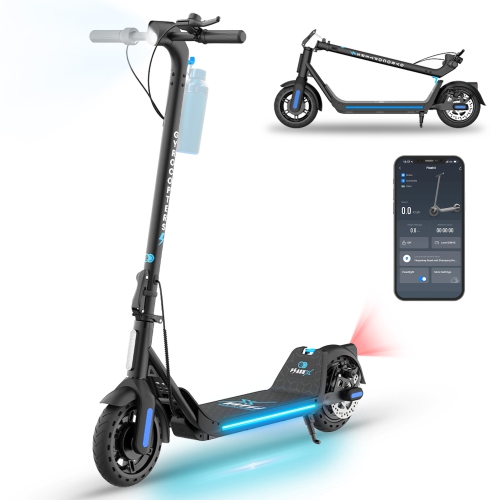
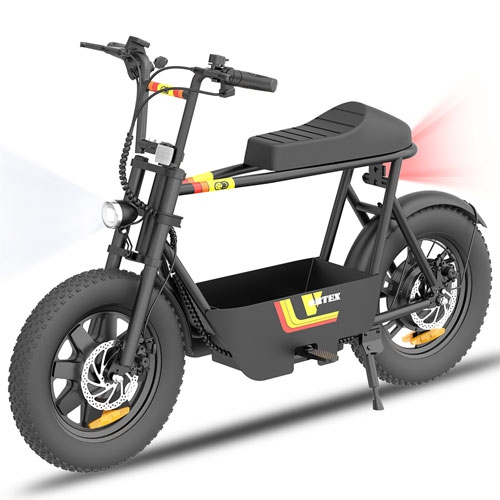
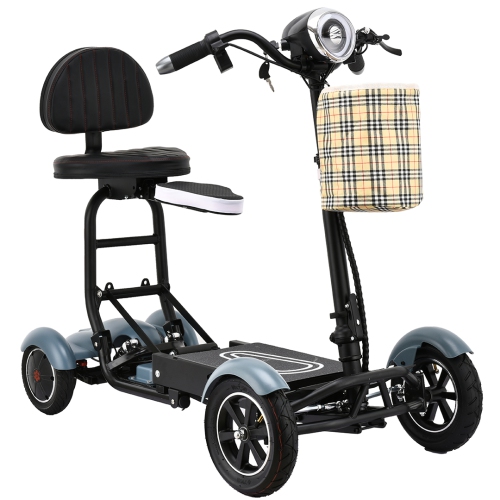
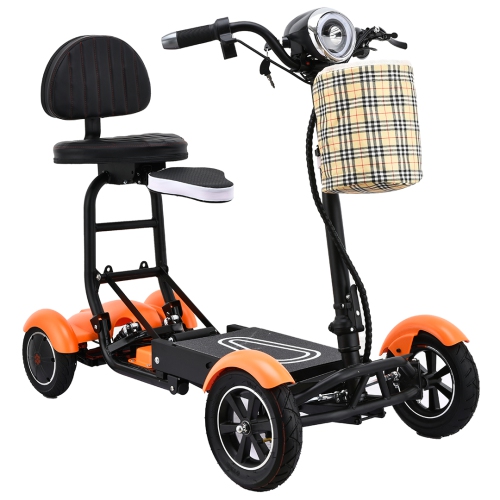
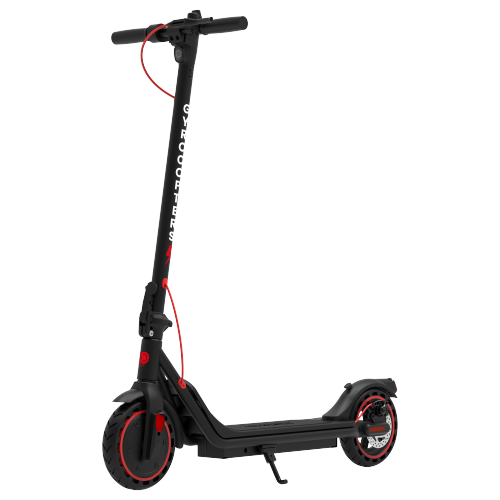
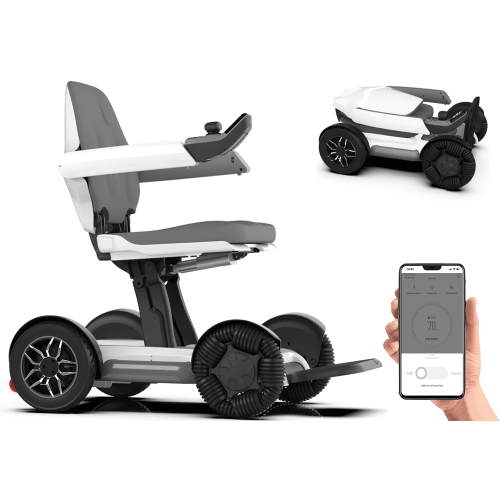
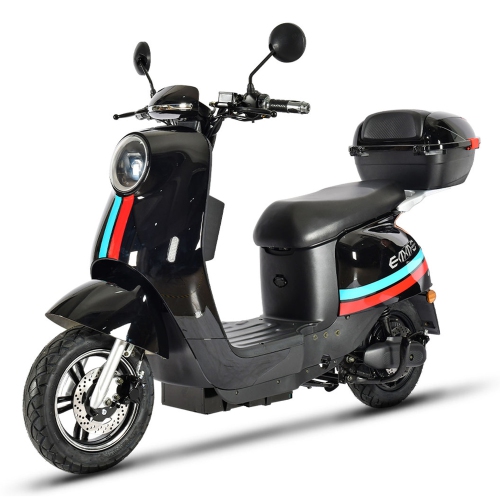
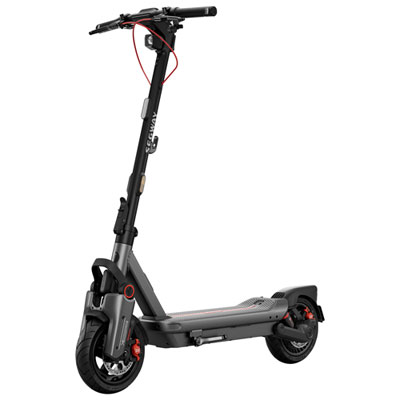
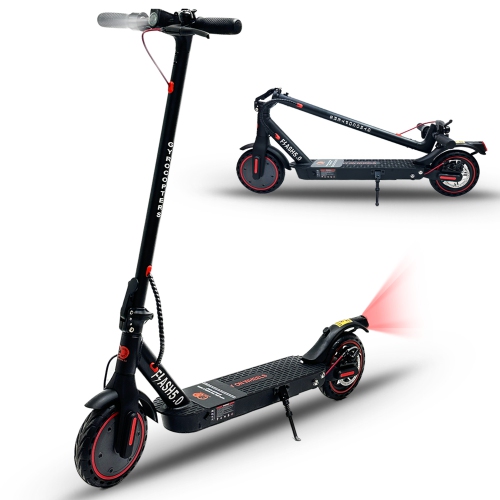
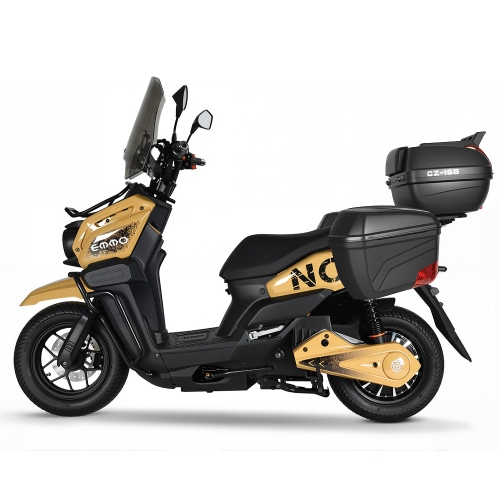
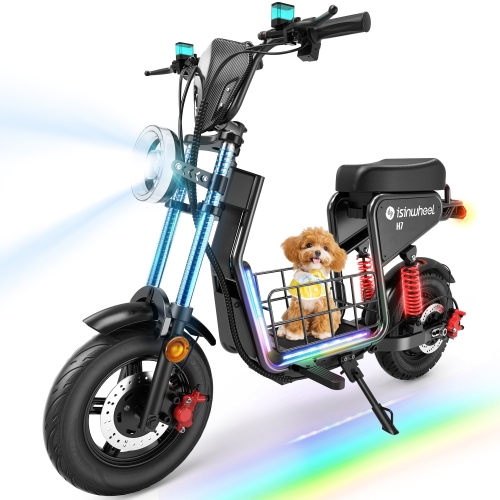
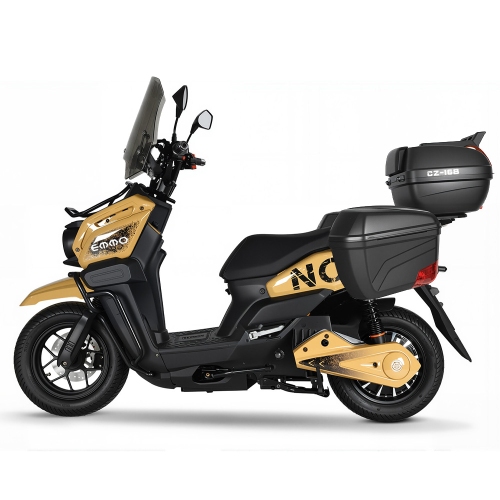
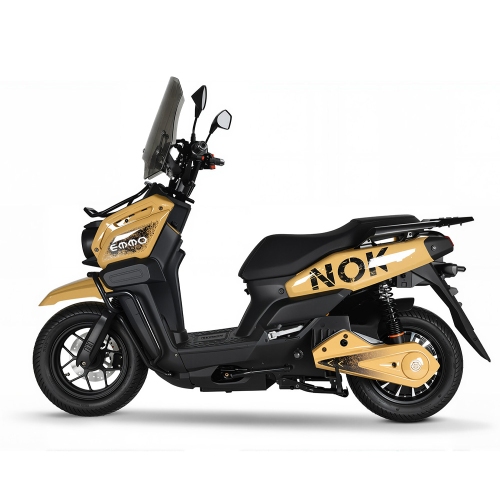
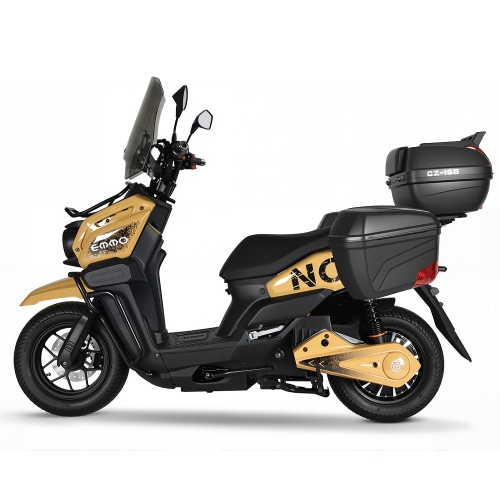
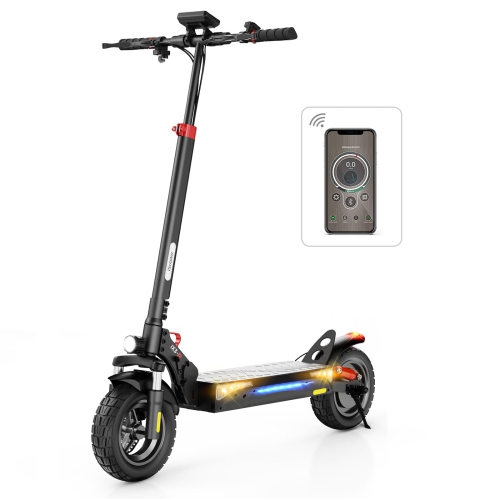
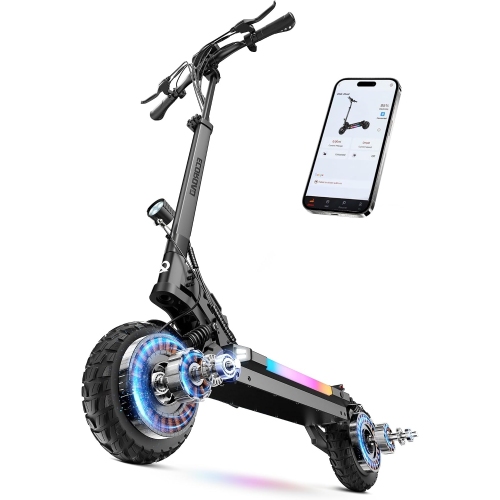
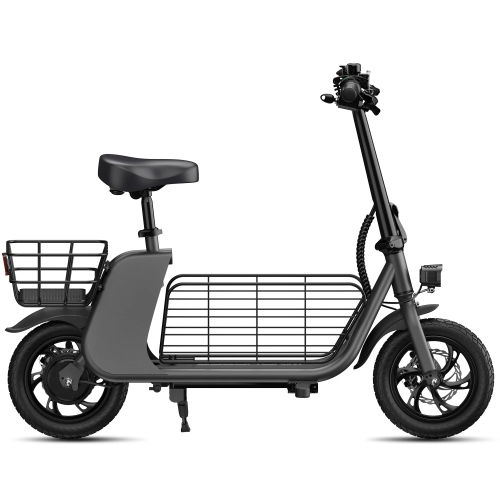
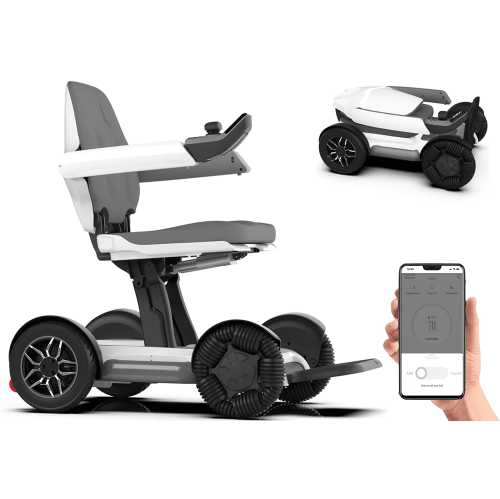
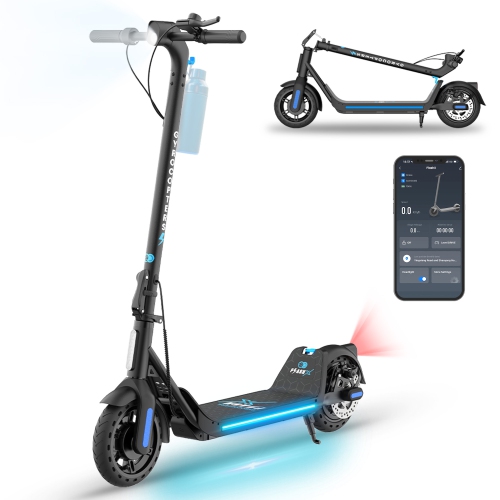
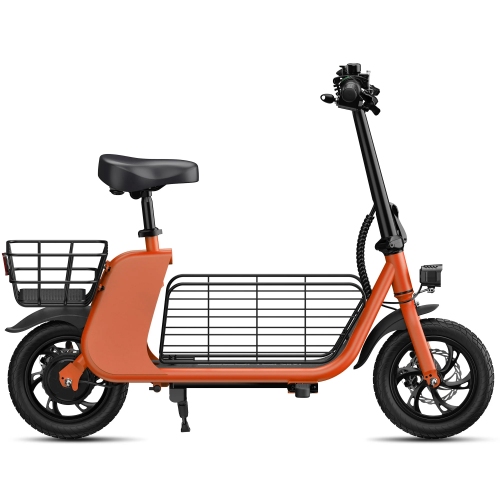
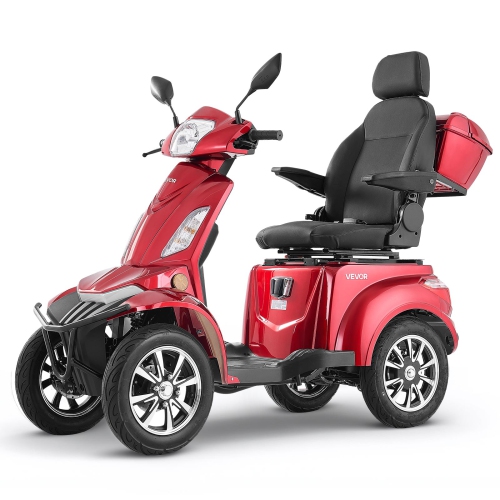
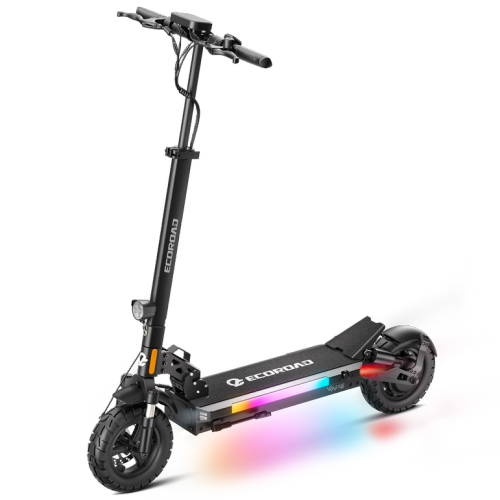
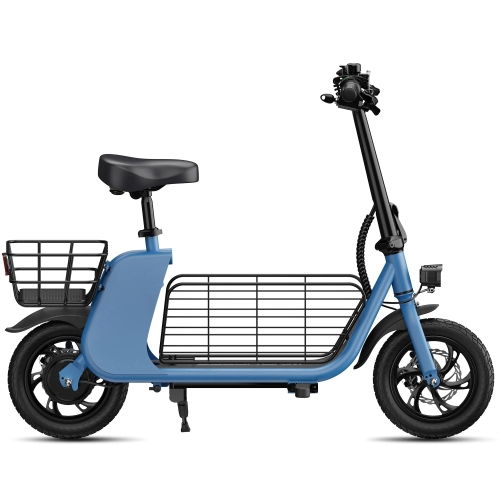
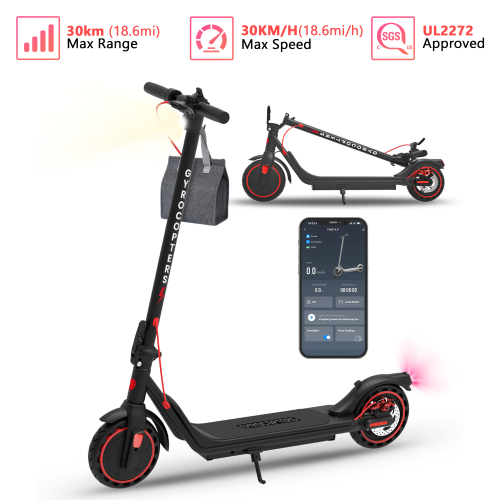
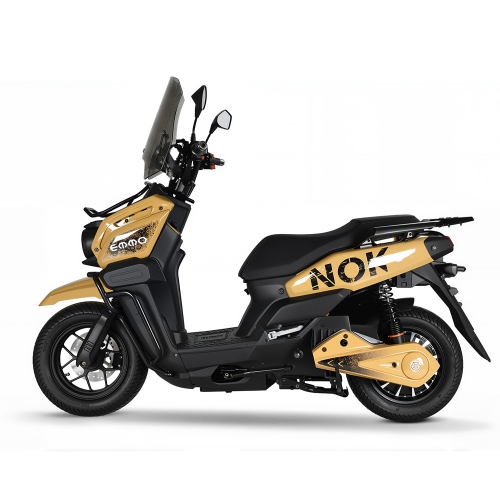
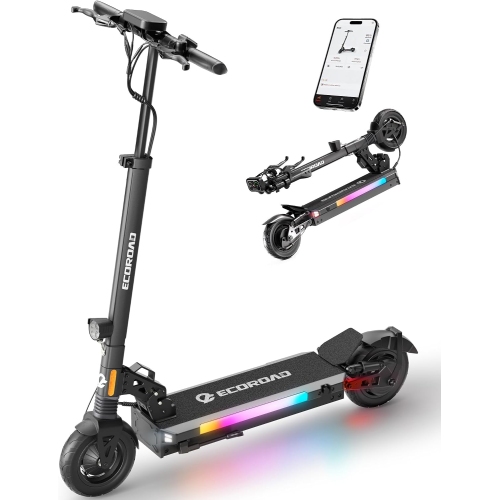
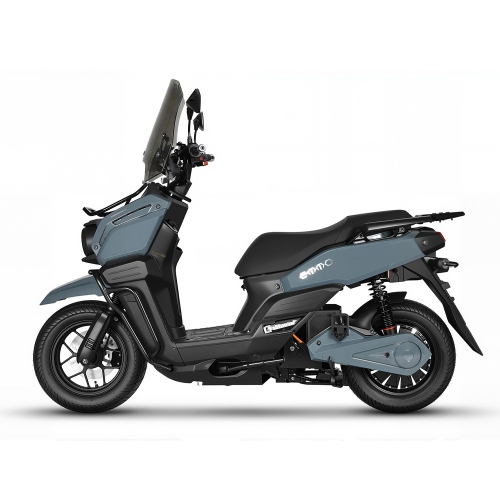
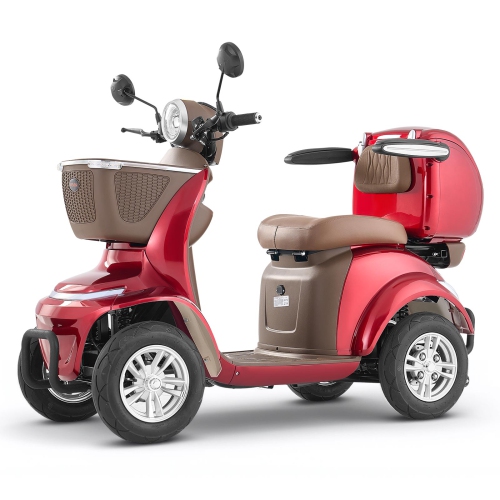
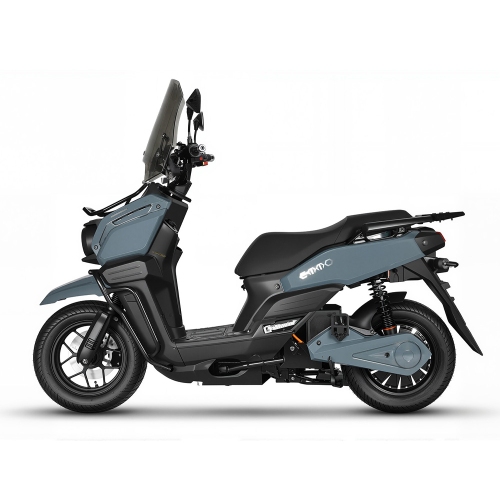
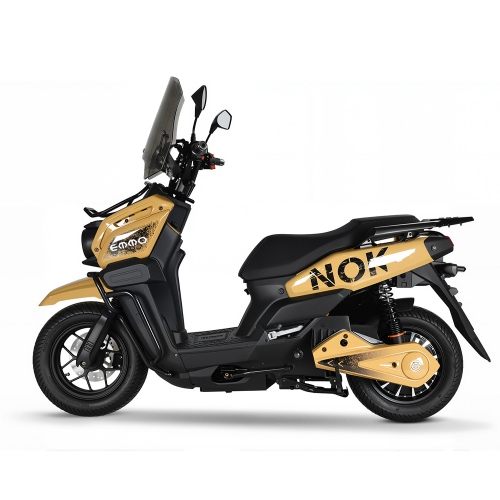
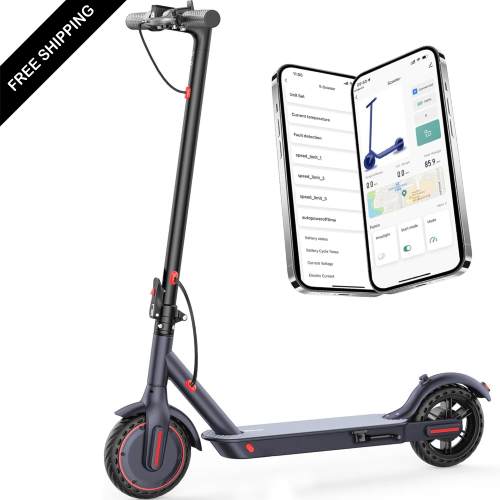
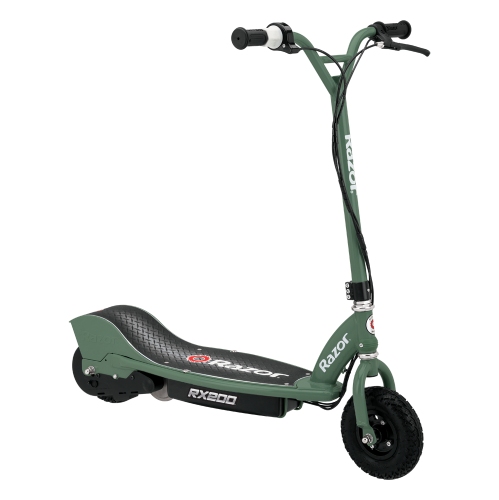
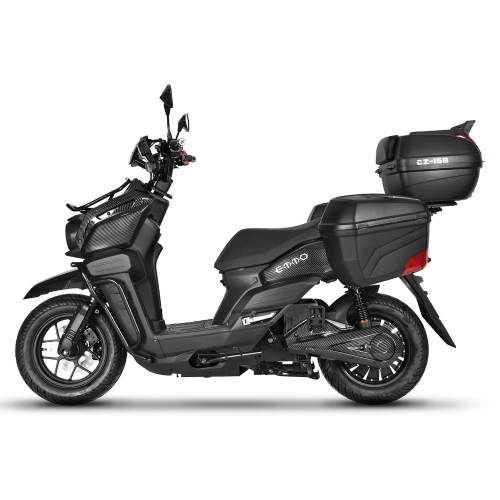
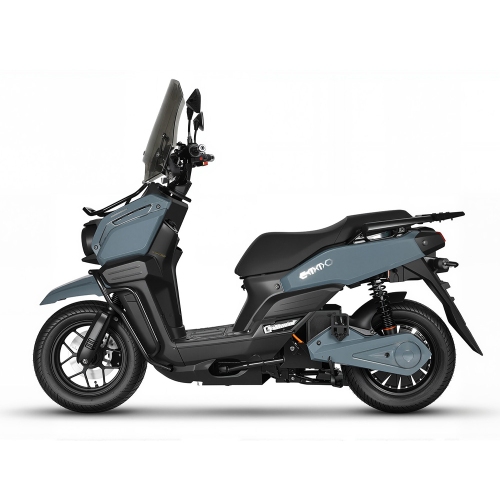
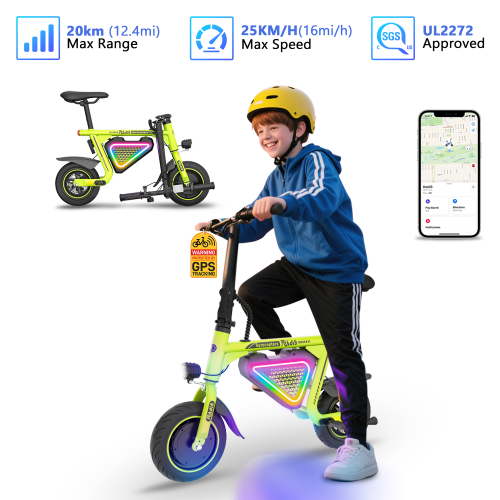
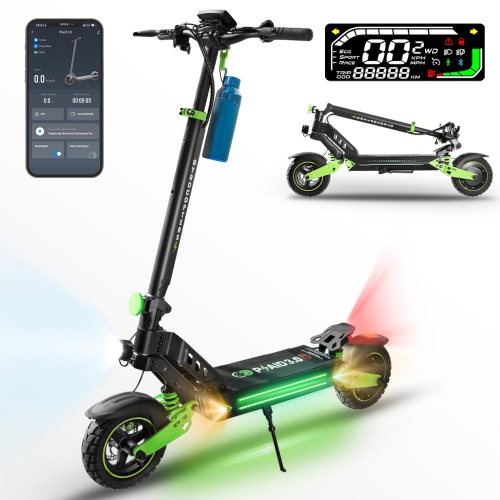
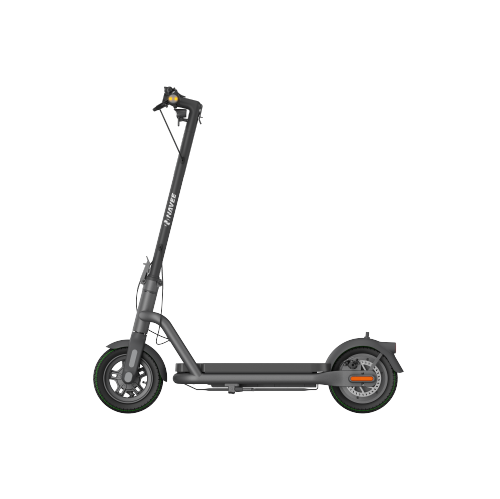
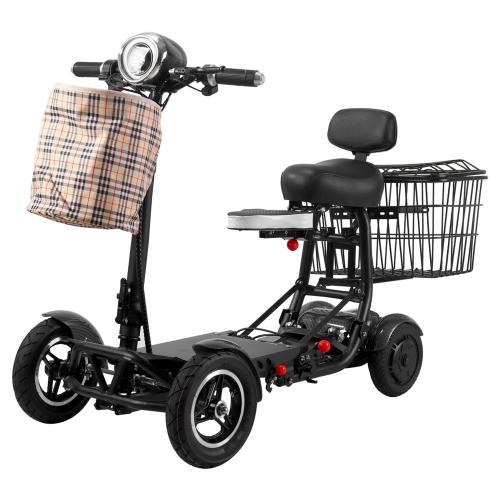
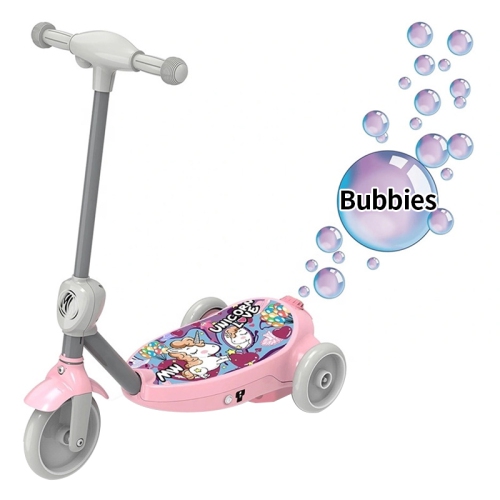
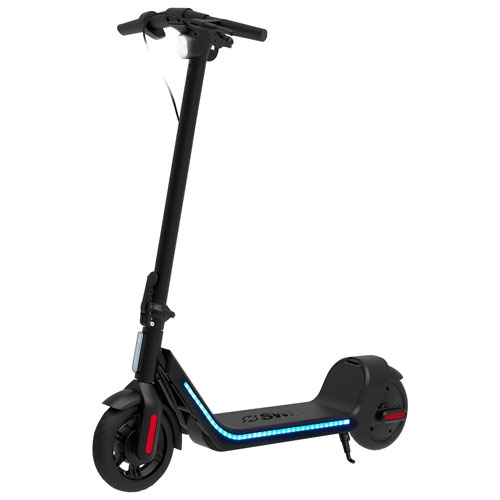
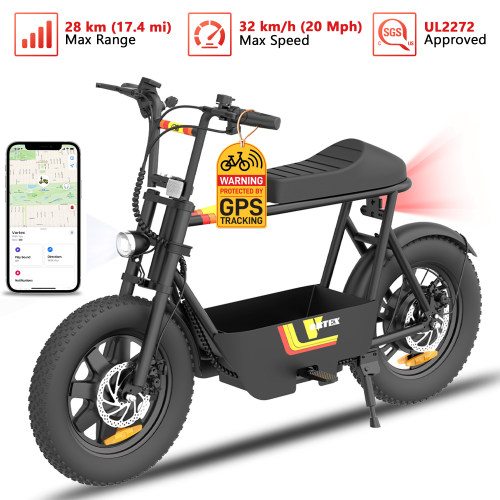
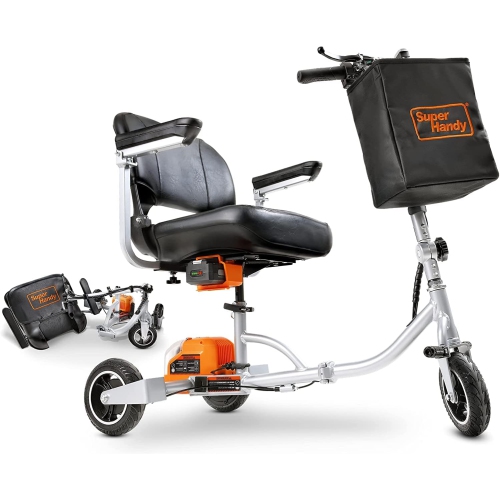
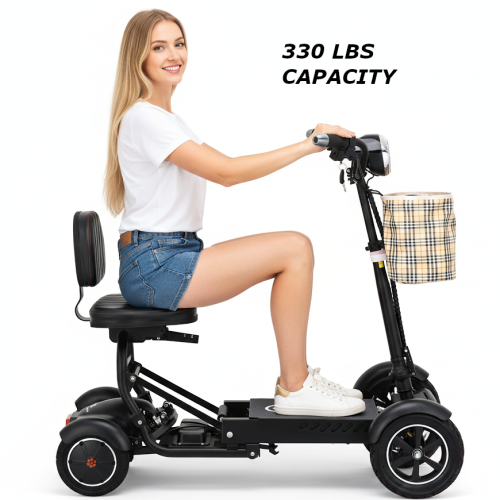
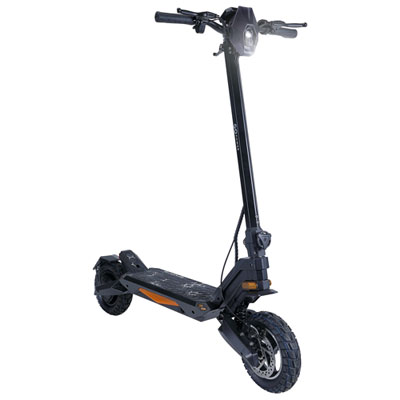
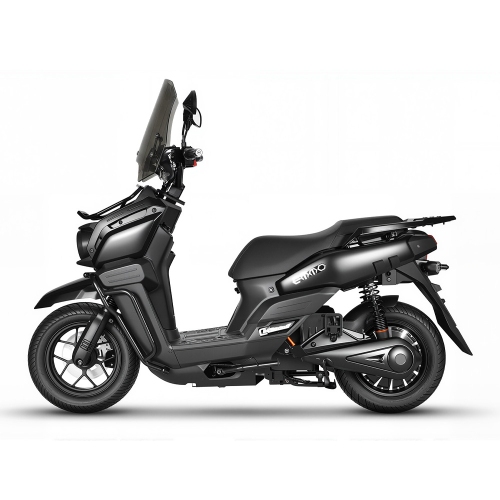
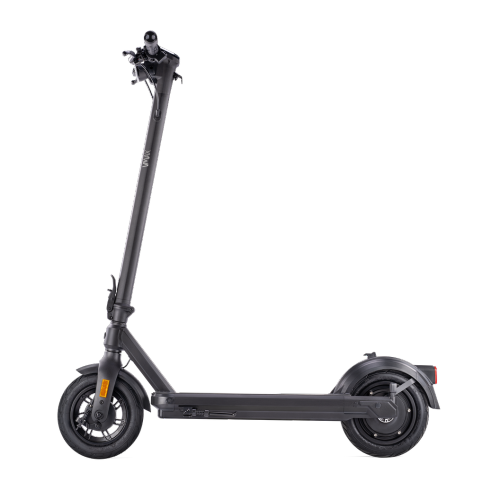
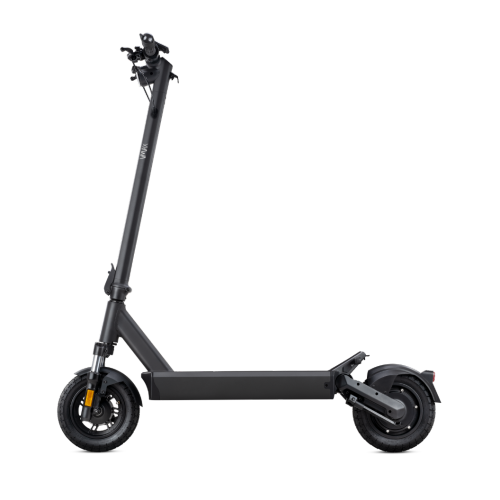
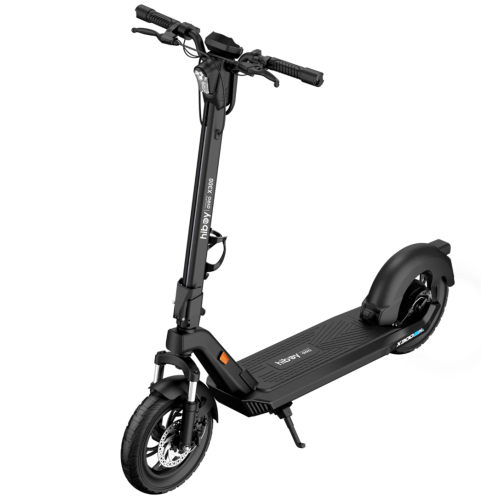
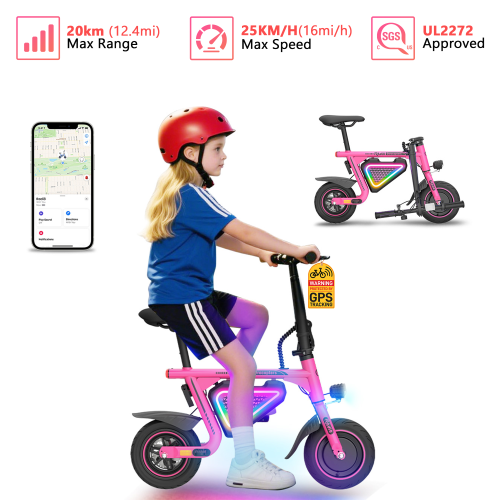
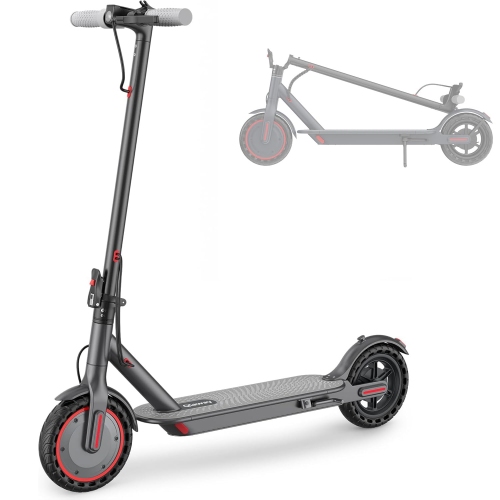
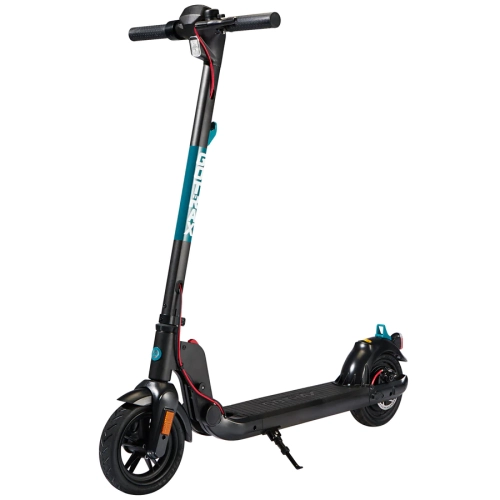
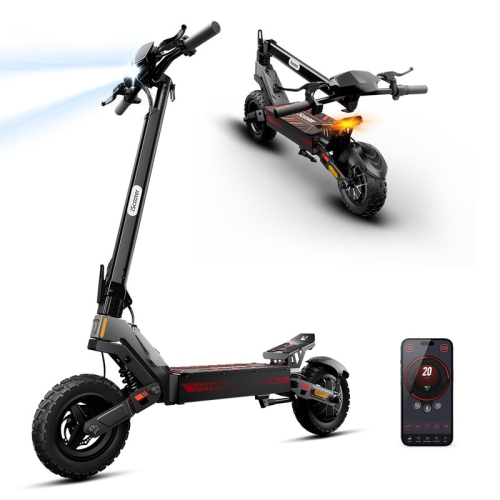
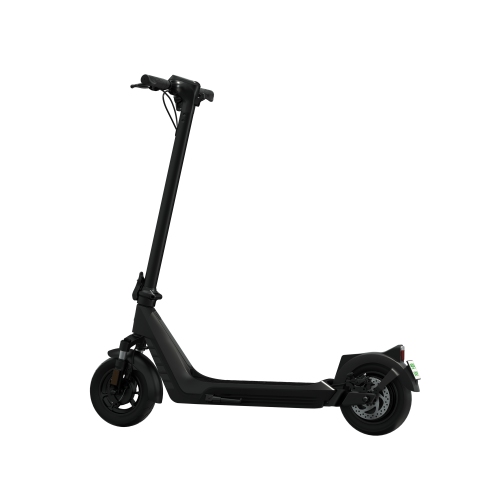
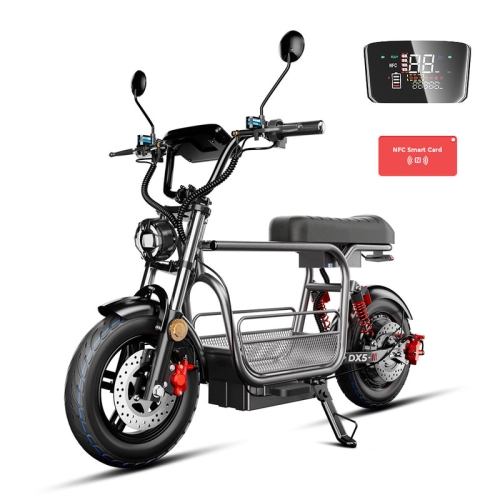

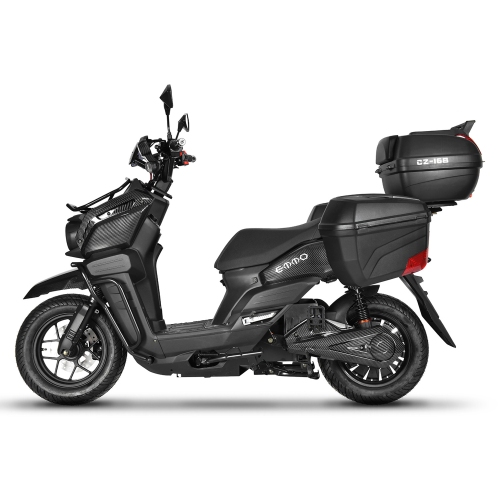
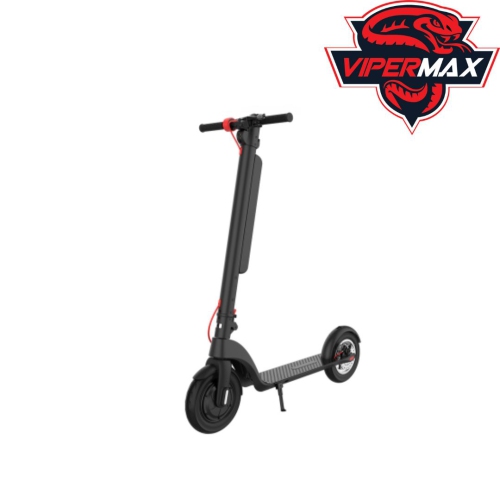
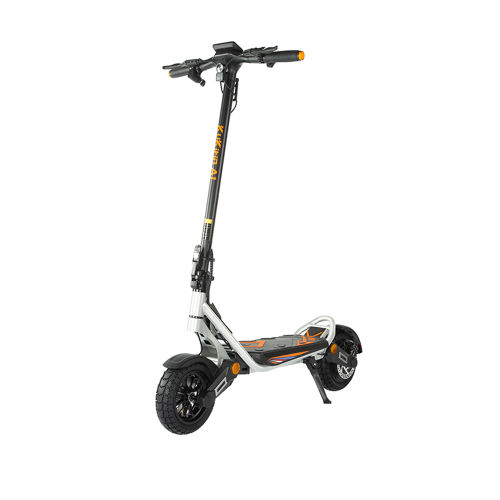
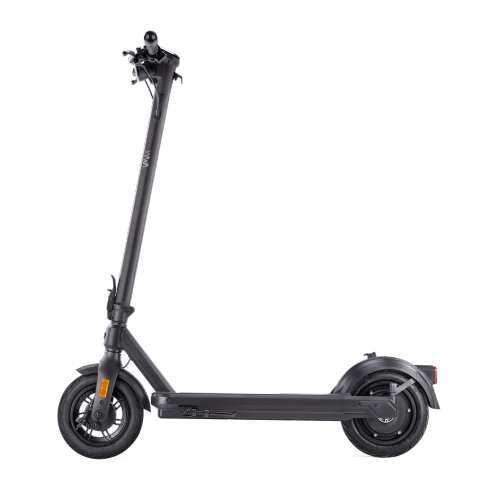
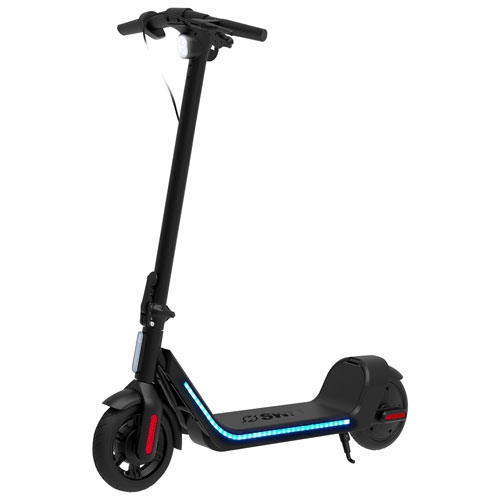
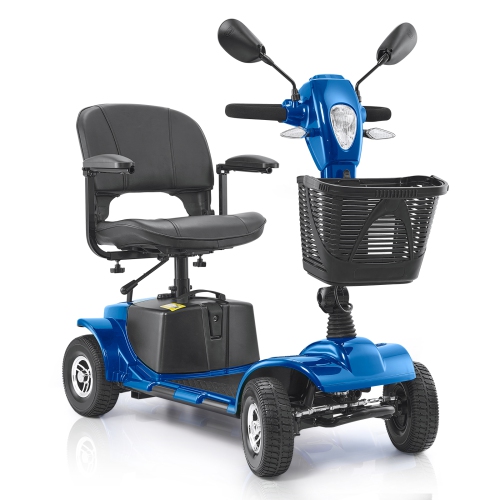
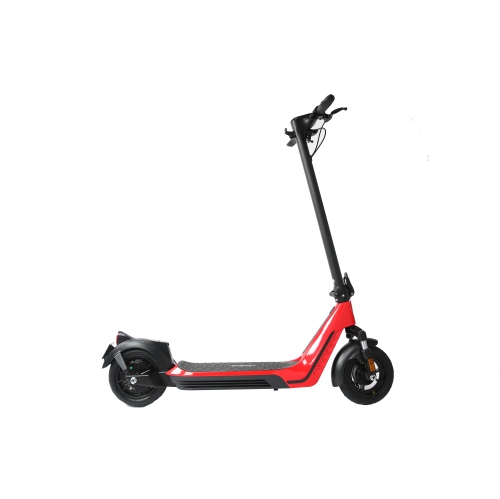
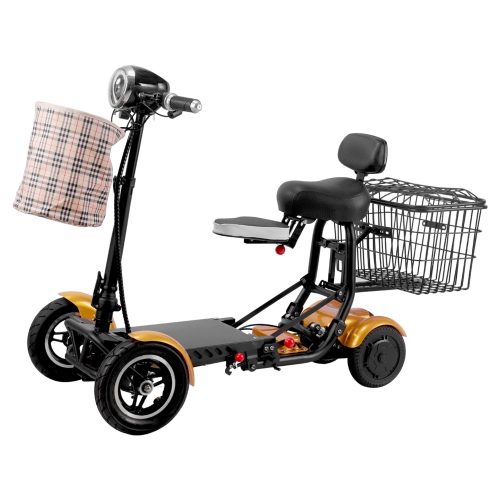
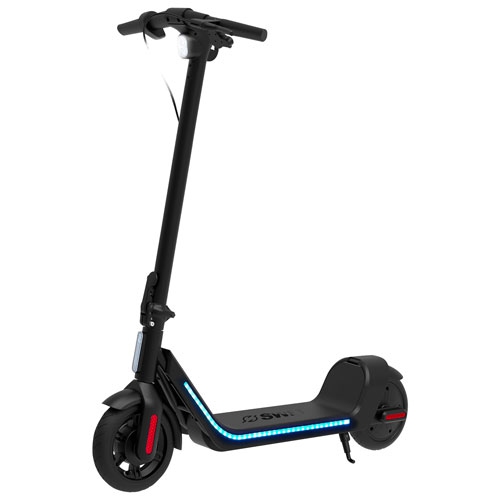
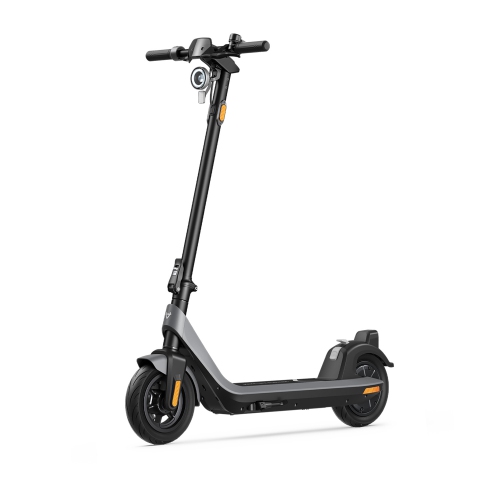
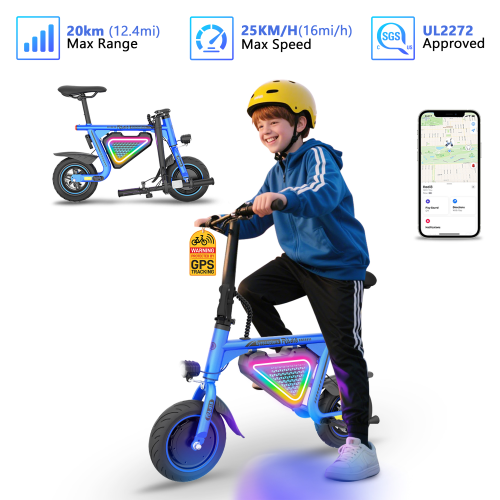
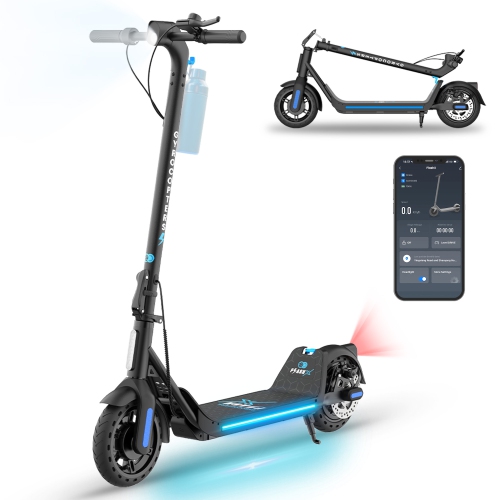
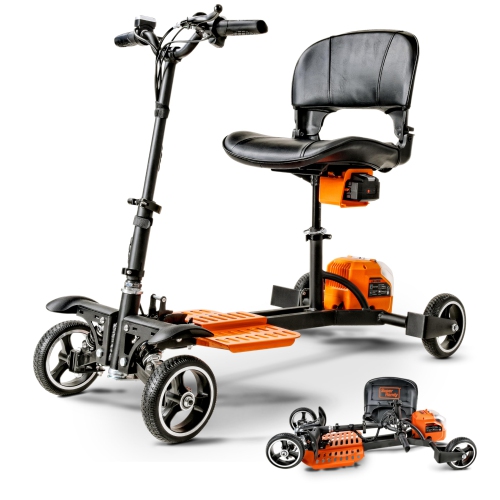

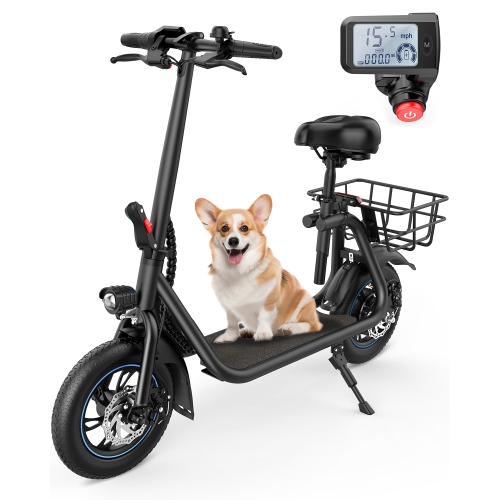
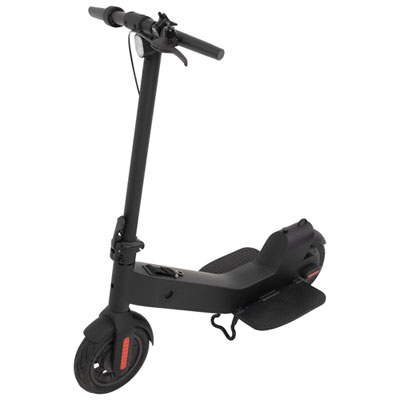
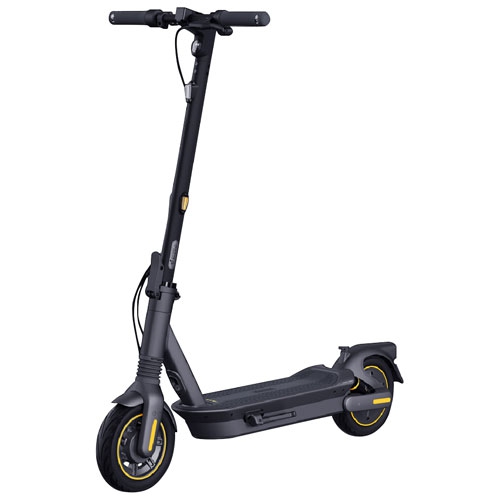
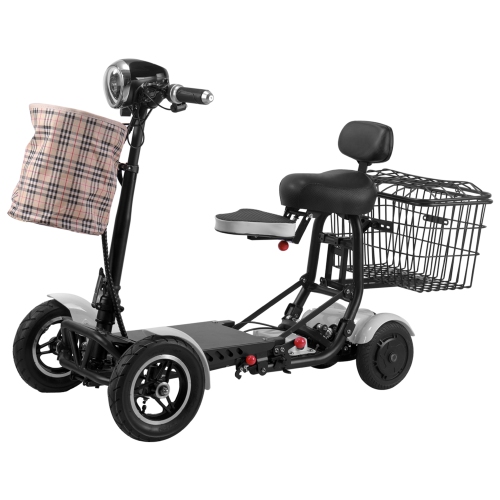
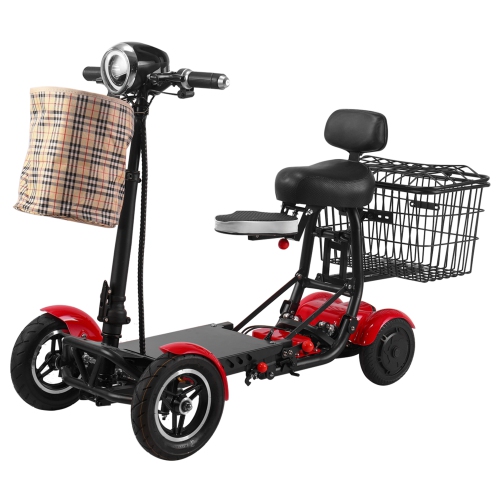
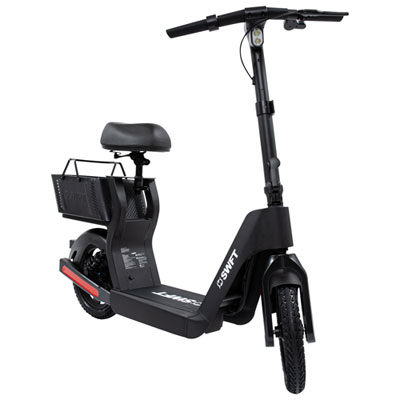
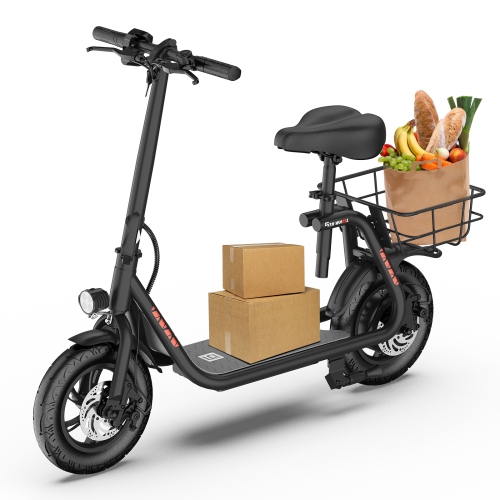
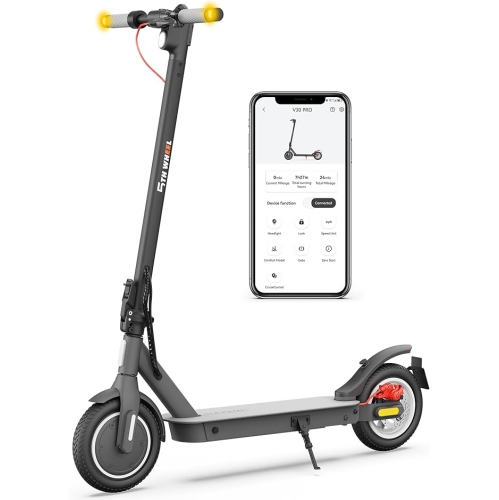
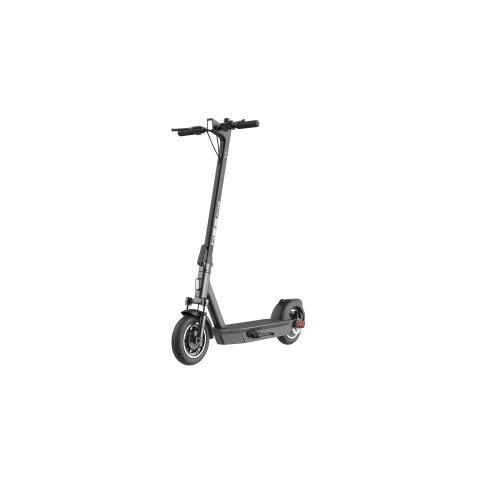
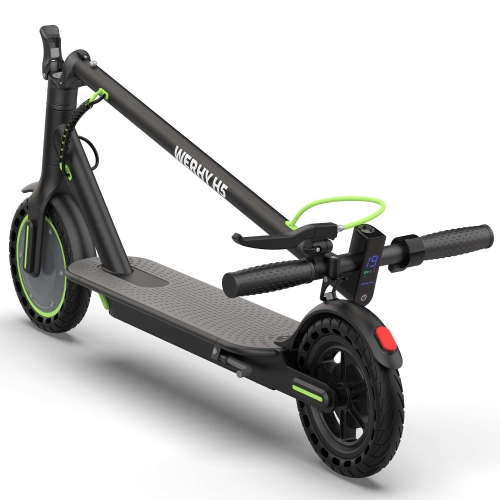
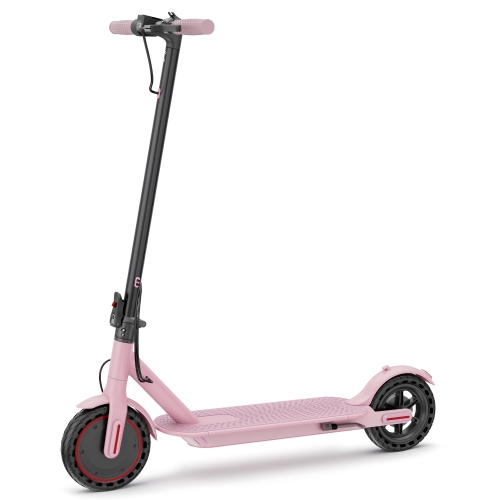
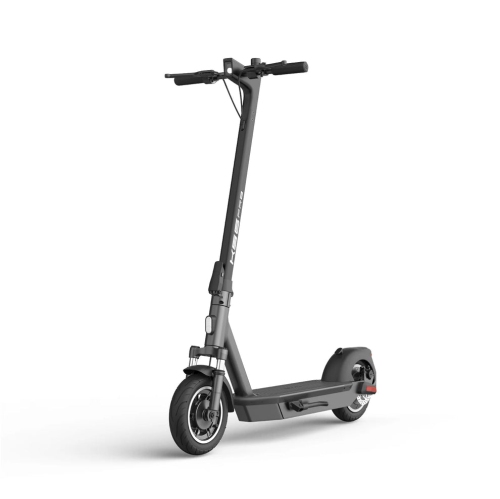
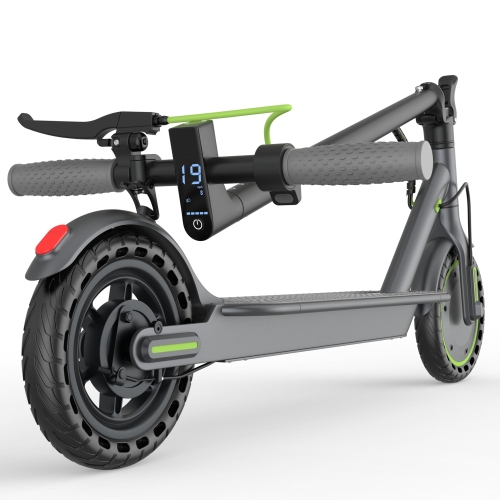
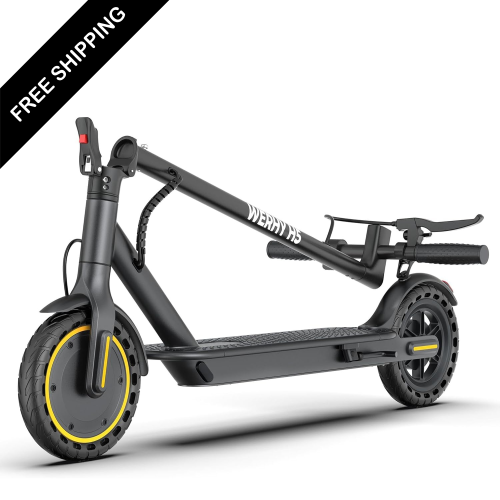
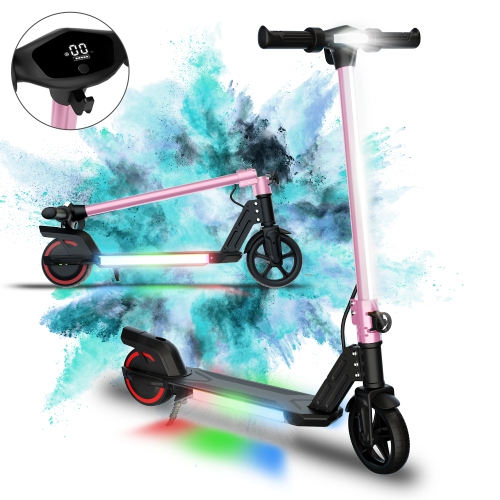
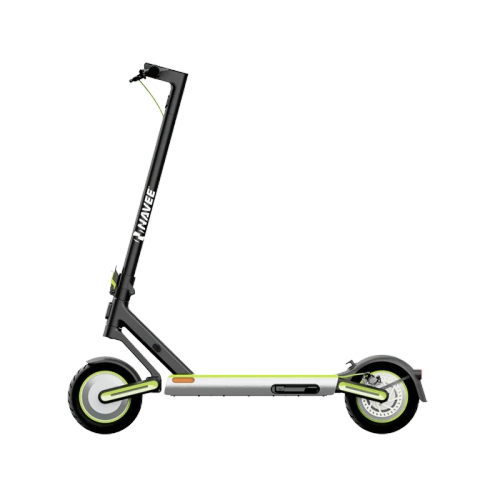
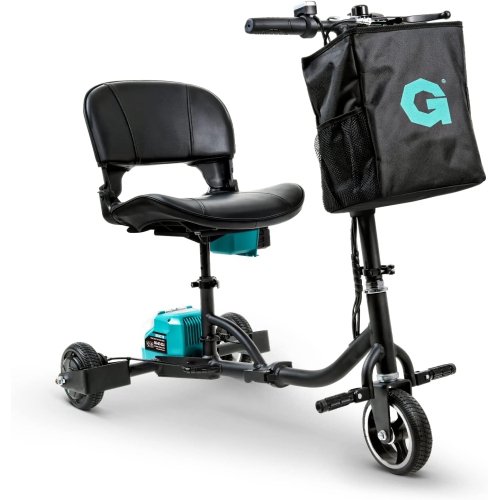
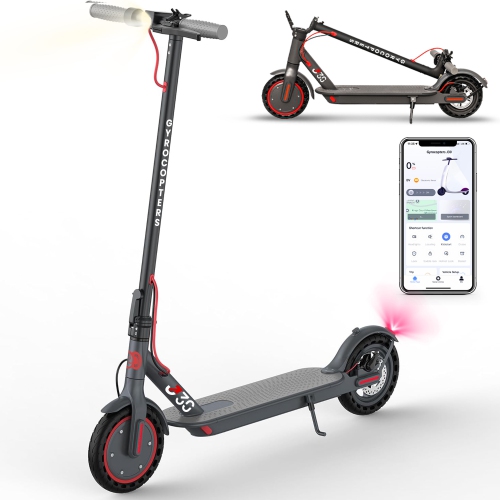
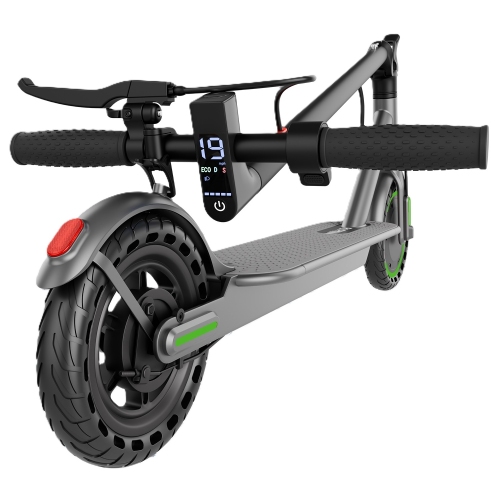
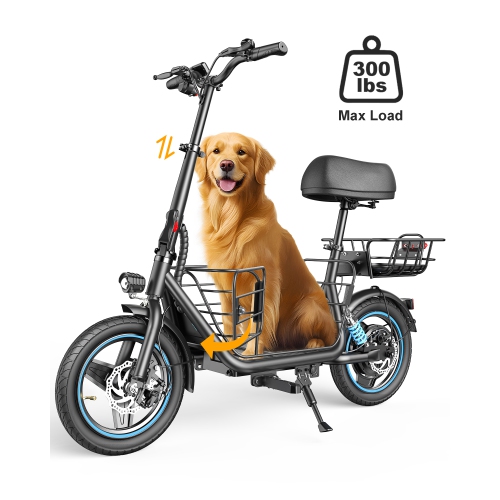
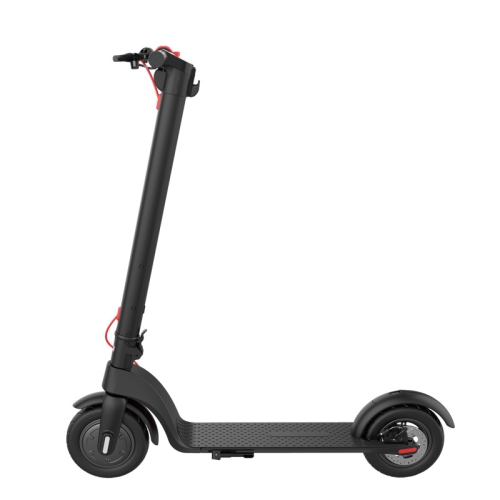
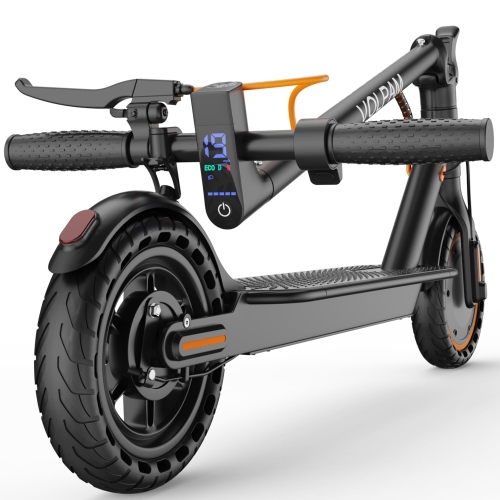
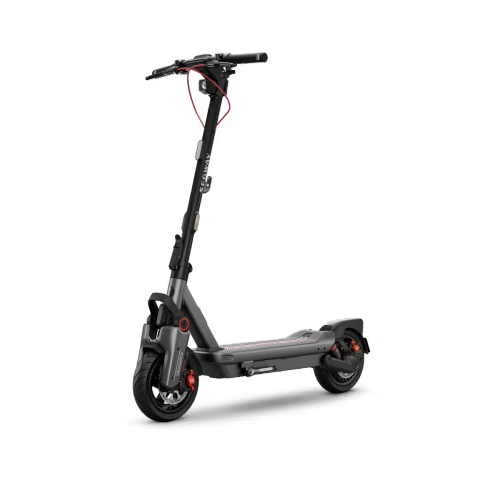
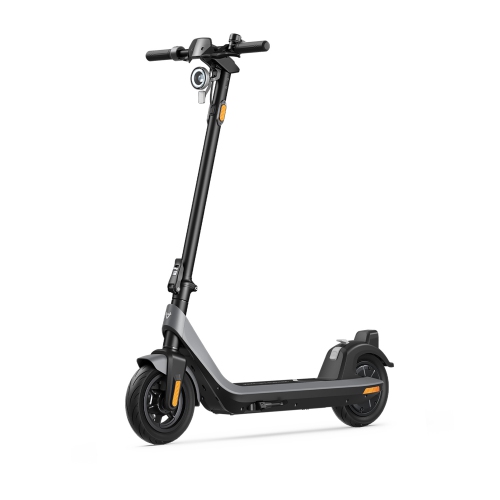
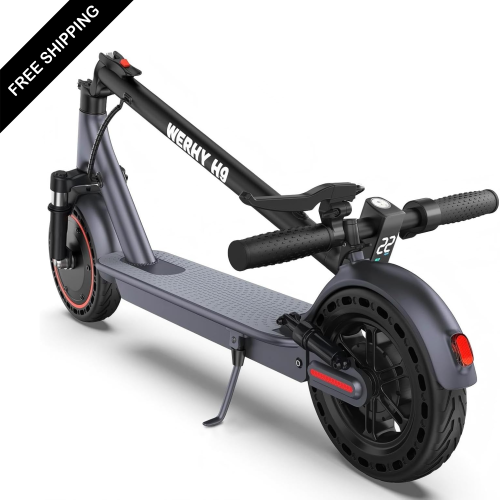
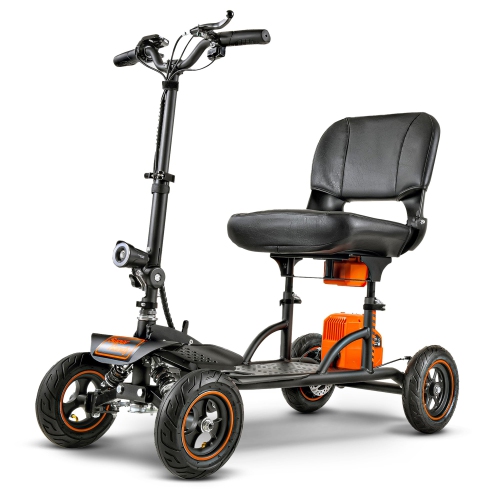
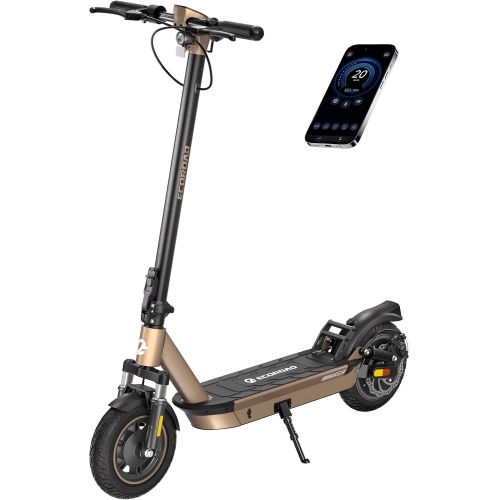
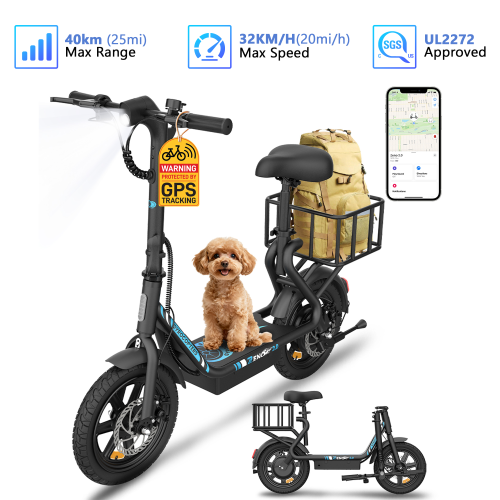
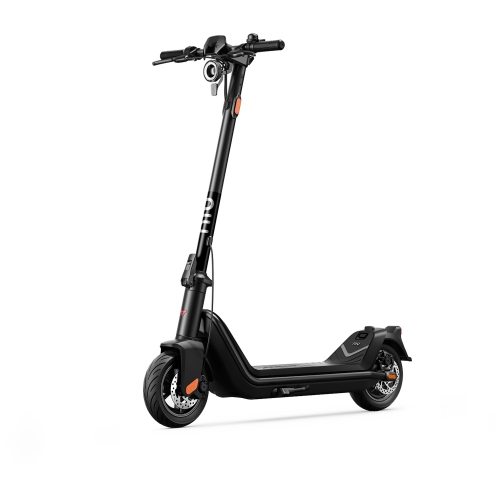
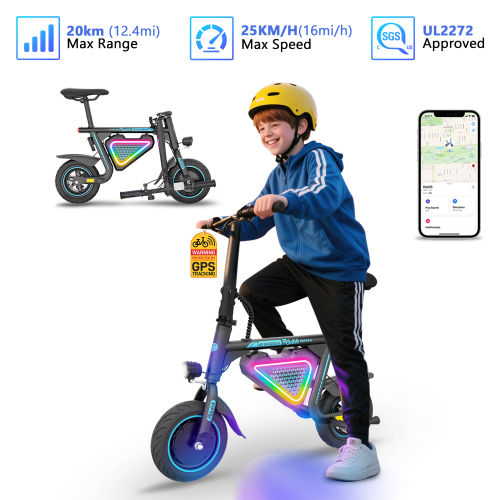
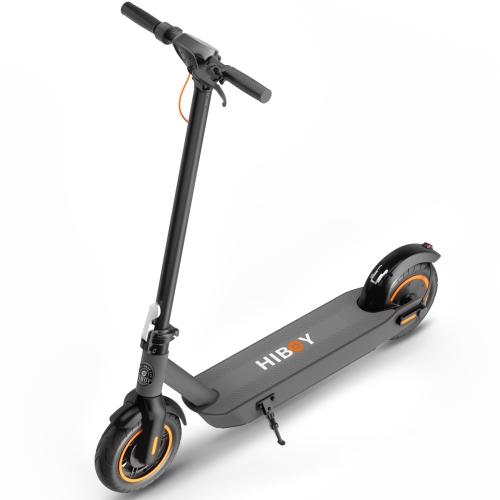
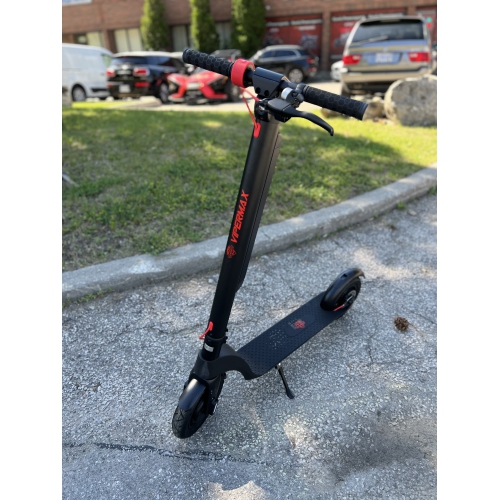
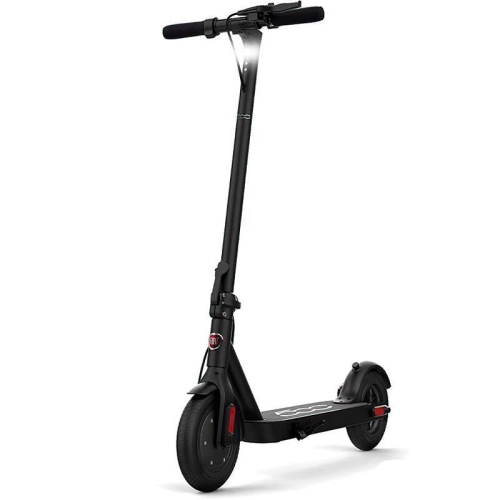
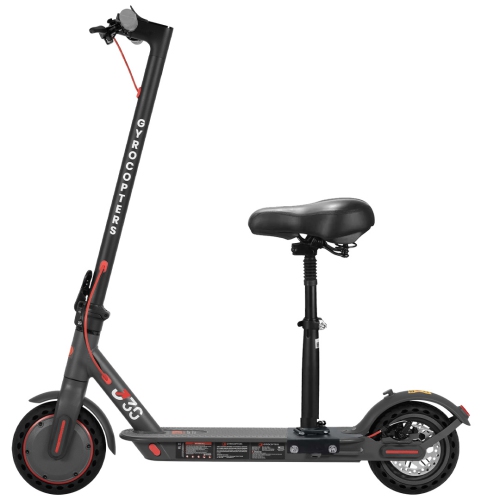
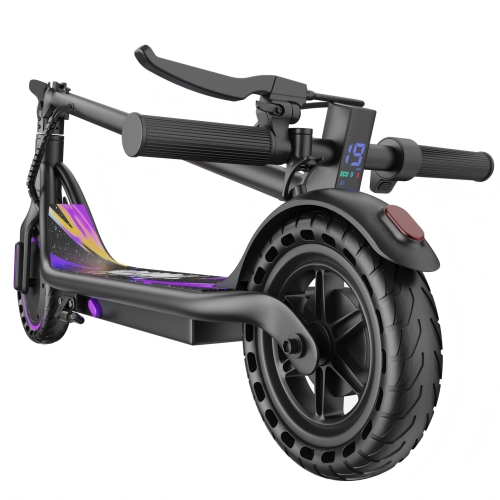
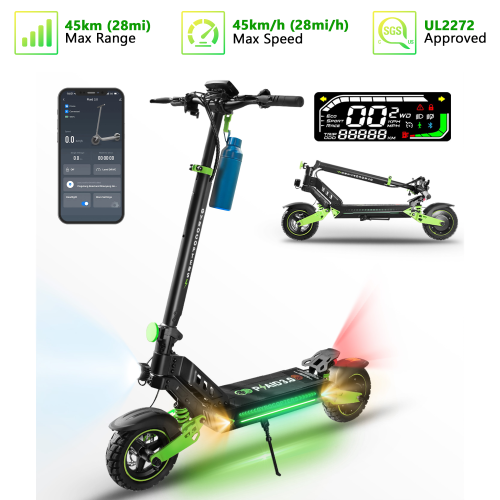
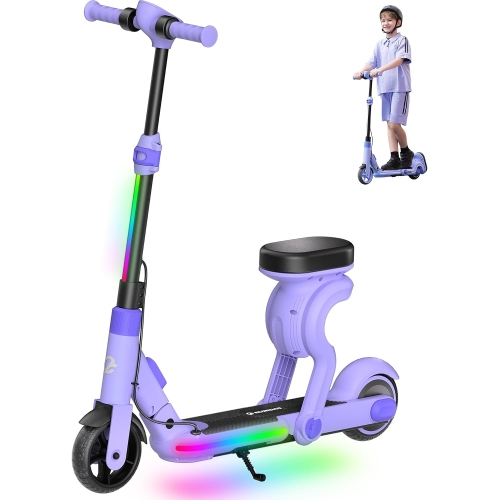
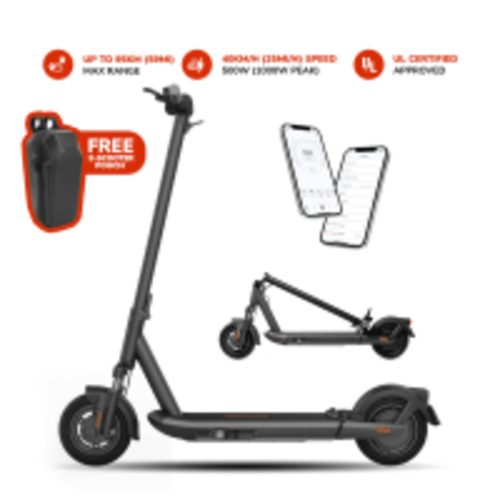
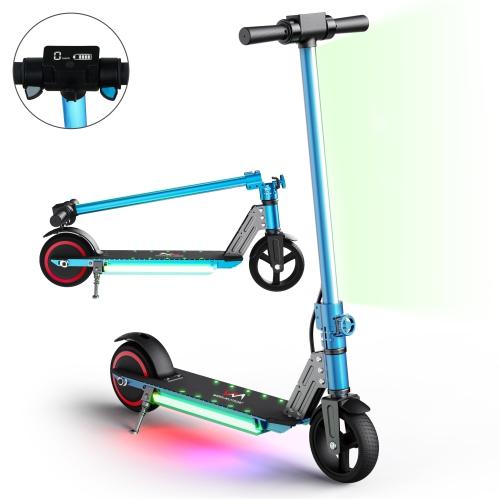
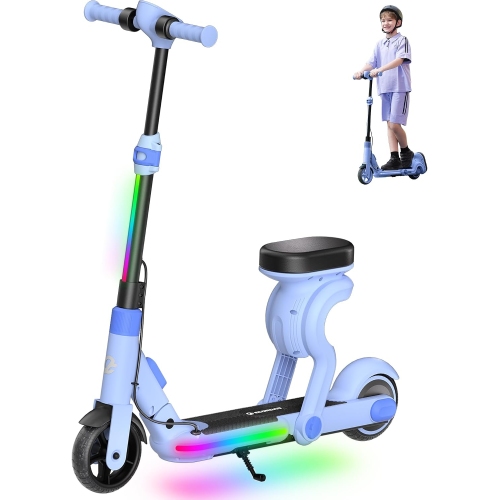
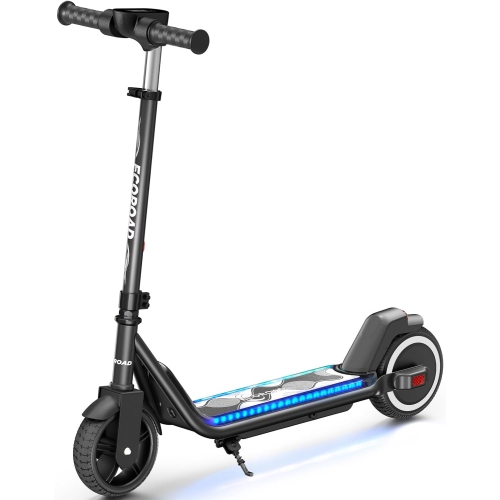
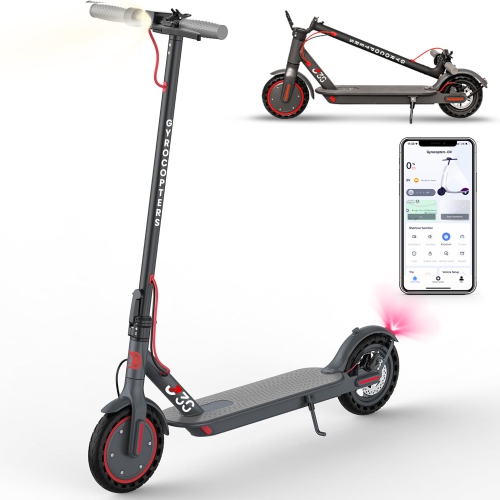
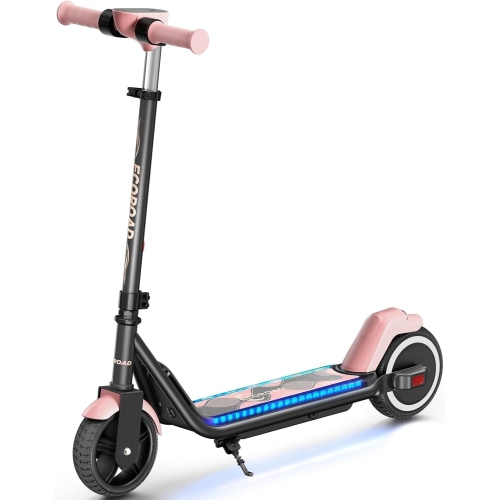
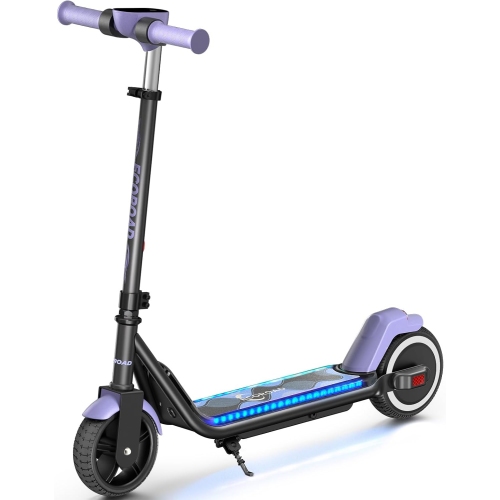
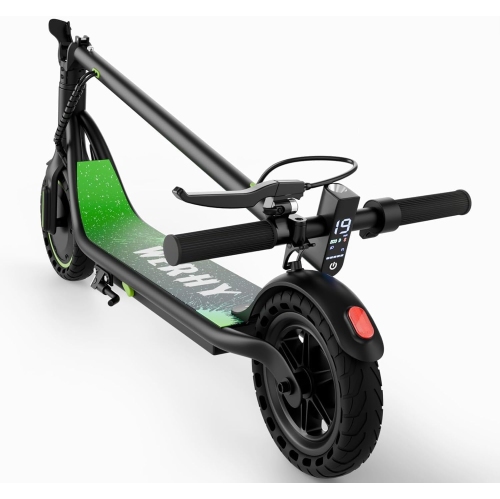
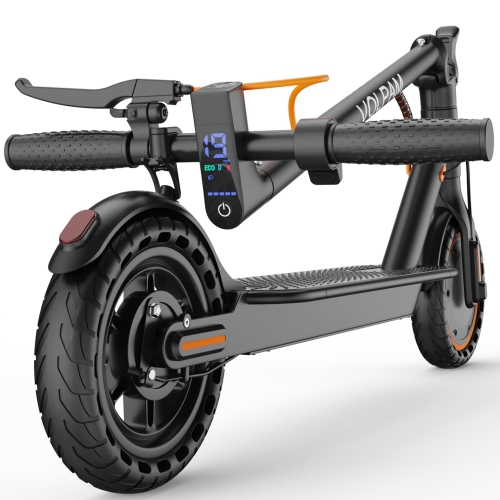
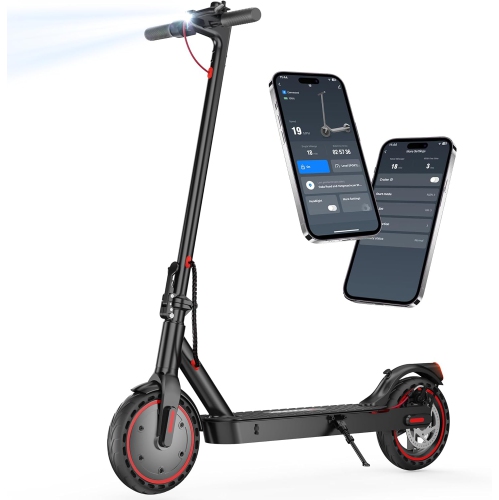
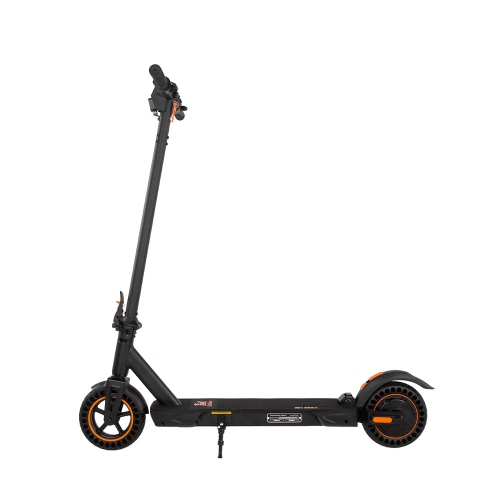
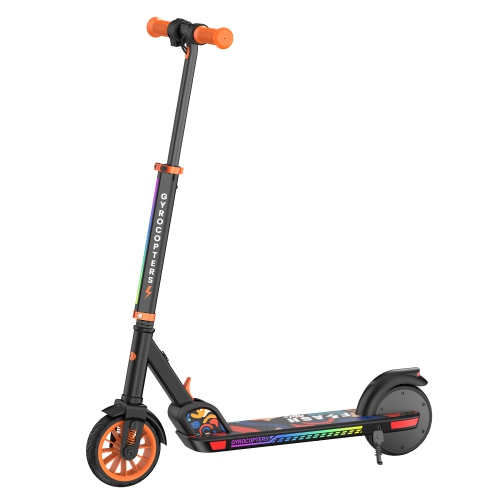
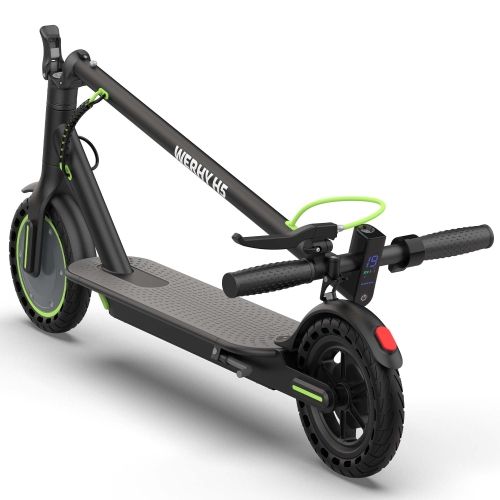
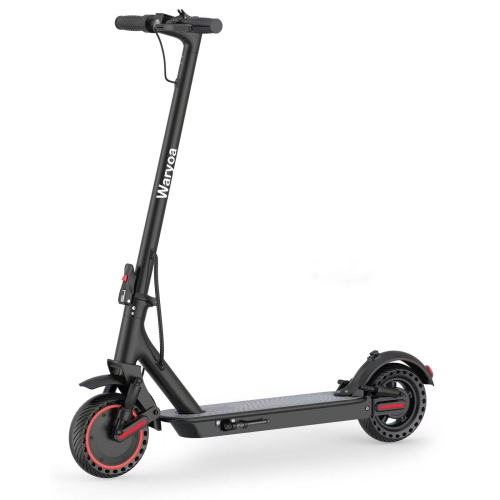
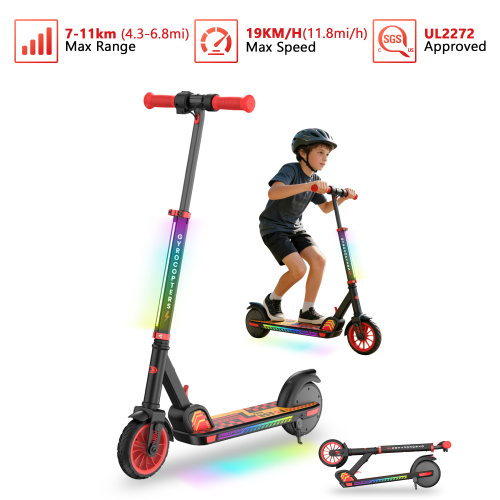
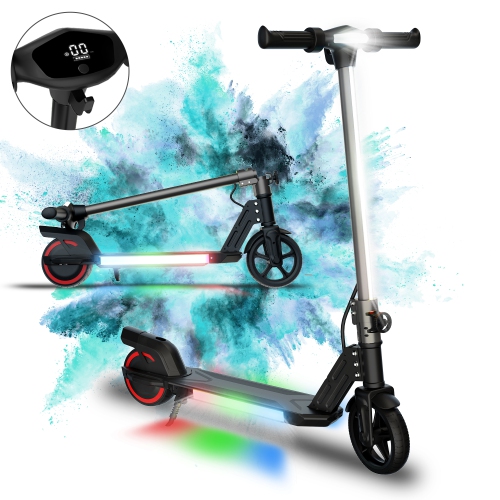
What IP ratings mean for safer wet-weather riding
Waterproof electric scooters are designed to provide added protection against wet conditions, but no consumer electric scooter should be treated as completely waterproof. In most cases, “waterproof” describes a scooter with water-resistant construction and an Ingress Protection (IP) rating that indicates how well its electrical components are protected from dust and moisture. An IP rating uses two numbers: the first refers to protection from solid particles such as dust, while the second indicates resistance to water. For example, an IP54 rating generally means the scooter can handle limited dust exposure and light splashes, making it more suitable for an unexpected drizzle than a sustained rainy commute. Ratings such as IP65 or IP66 offer a higher level of protection from rain and water jets, although they still do not make it safe to ride through deep puddles or standing water. An IP67 rating can indicate protection against temporary immersion under controlled test conditions, but that does not mean the scooter should be submerged or ridden through flooded streets. Look for the IP rating in the product specifications and consider whether it applies to the complete scooter, the battery compartment, or only particular components. A sealed deck, protected charging port, covered controls, and enclosed wiring can all help reduce the chance of moisture reaching sensitive electronics, but careful use remains essential. Even a scooter with a strong water-resistance rating can be affected by prolonged exposure, especially when rain enters through an open charging port or collects around the display, brakes, motor hubs, or folding mechanism.
When choosing among waterproof electric scooters, match the scooter’s weather protection and performance to the conditions you expect to encounter. Someone travelling a short distance on paved streets may prioritize a reliable IP rating, responsive brakes, bright front and rear lights, and a comfortable deck over maximum speed. For longer commutes, range, charging time, hill-climbing ability, tyre design, suspension, and rider weight capacity become equally important. Pneumatic tyres can provide a smoother ride over uneven pavement, while solid or puncture-resistant tyres may reduce maintenance concerns; either type requires suitable traction and careful braking on wet surfaces. Larger wheels and a stable deck can help the scooter feel more composed over damp pavement, but they cannot eliminate the risk of slipping on painted road markings, metal utility covers, leaves, gravel, or slick wooden surfaces. A bright headlight, rear light, reflectors, and a clearly visible riding position are particularly useful during the darker parts of the day. Riders should also check local rules for electric scooters, including age requirements, helmet use, permitted roads or paths, speed limits, and whether certain equipment is mandatory. Wet-weather riding calls for a slower pace, extra stopping distance, smooth steering, and a wider buffer around cars, cyclists, pedestrians, and curb edges. A helmet that fits correctly, along with reflective clothing or accessories, can improve visibility during overcast conditions. For additional guidance when comparing features related to rider protection and everyday use, browse Safe Electric Scooters.
Water-resistant electric scooters can be useful for commuters, students, campus riders, and anyone who wants a convenient way to cover short urban distances without relying entirely on a car or public transit. They can carry a rider from home to a transit stop, across a large campus, along a paved multi-use path, or between nearby appointments, provided local regulations permit their use. They can also be a thoughtful gift for an older teen or adult who has a practical transportation need, enjoys getting outdoors, or appreciates compact personal mobility equipment. Before giving one as a gift, consider the recipient’s height, weight, typical route, storage space, access to an indoor charging area, and comfort with balancing and braking. A scooter should be stored indoors in a dry location, particularly during cooler months when condensation and freezing temperatures can affect the battery and controls. After riding through rain or light spray, switch the scooter off, wipe the frame and deck with a dry towel, and pay close attention to the area around the charging port, brakes, display, and folding joints. Do not charge it while it is wet, and allow the scooter and charging connection to dry fully before plugging it in. Avoid pressure washing, hosing down, or immersing the scooter, even when the product carries a high IP rating. Deep puddles can conceal potholes and may submerge the motor hub or deck, while icy patches, slush, and fallen leaves can sharply reduce traction as the weather cools. If the forecast calls for heavy rain, snow, freezing conditions, or standing water along the route, leaving the scooter at home is usually the safer choice. Check the owner’s manual for cleaning, charging, storage, temperature, and warranty instructions, since many manufacturer warranties exclude damage caused by water despite a stated water-resistance rating. With realistic expectations and consistent care, a water-resistant electric scooter can remain a practical option for everyday trips through changing weather.
When choosing among waterproof electric scooters, match the scooter’s weather protection and performance to the conditions you expect to encounter. Someone travelling a short distance on paved streets may prioritize a reliable IP rating, responsive brakes, bright front and rear lights, and a comfortable deck over maximum speed. For longer commutes, range, charging time, hill-climbing ability, tyre design, suspension, and rider weight capacity become equally important. Pneumatic tyres can provide a smoother ride over uneven pavement, while solid or puncture-resistant tyres may reduce maintenance concerns; either type requires suitable traction and careful braking on wet surfaces. Larger wheels and a stable deck can help the scooter feel more composed over damp pavement, but they cannot eliminate the risk of slipping on painted road markings, metal utility covers, leaves, gravel, or slick wooden surfaces. A bright headlight, rear light, reflectors, and a clearly visible riding position are particularly useful during the darker parts of the day. Riders should also check local rules for electric scooters, including age requirements, helmet use, permitted roads or paths, speed limits, and whether certain equipment is mandatory. Wet-weather riding calls for a slower pace, extra stopping distance, smooth steering, and a wider buffer around cars, cyclists, pedestrians, and curb edges. A helmet that fits correctly, along with reflective clothing or accessories, can improve visibility during overcast conditions. For additional guidance when comparing features related to rider protection and everyday use, browse Safe Electric Scooters.
Water-resistant electric scooters can be useful for commuters, students, campus riders, and anyone who wants a convenient way to cover short urban distances without relying entirely on a car or public transit. They can carry a rider from home to a transit stop, across a large campus, along a paved multi-use path, or between nearby appointments, provided local regulations permit their use. They can also be a thoughtful gift for an older teen or adult who has a practical transportation need, enjoys getting outdoors, or appreciates compact personal mobility equipment. Before giving one as a gift, consider the recipient’s height, weight, typical route, storage space, access to an indoor charging area, and comfort with balancing and braking. A scooter should be stored indoors in a dry location, particularly during cooler months when condensation and freezing temperatures can affect the battery and controls. After riding through rain or light spray, switch the scooter off, wipe the frame and deck with a dry towel, and pay close attention to the area around the charging port, brakes, display, and folding joints. Do not charge it while it is wet, and allow the scooter and charging connection to dry fully before plugging it in. Avoid pressure washing, hosing down, or immersing the scooter, even when the product carries a high IP rating. Deep puddles can conceal potholes and may submerge the motor hub or deck, while icy patches, slush, and fallen leaves can sharply reduce traction as the weather cools. If the forecast calls for heavy rain, snow, freezing conditions, or standing water along the route, leaving the scooter at home is usually the safer choice. Check the owner’s manual for cleaning, charging, storage, temperature, and warranty instructions, since many manufacturer warranties exclude damage caused by water despite a stated water-resistance rating. With realistic expectations and consistent care, a water-resistant electric scooter can remain a practical option for everyday trips through changing weather.
Top selling and popular products
-
 Your price for this item is $269.97
 -
 Your price for this item is $1199.99
 -
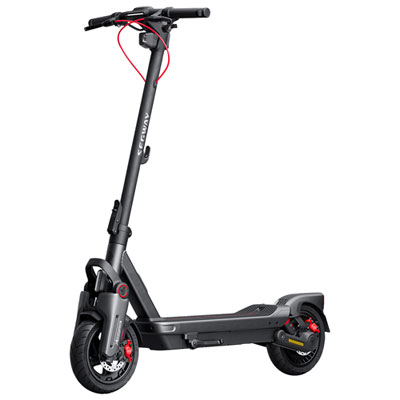 Your price for this item is $1599.99
 -
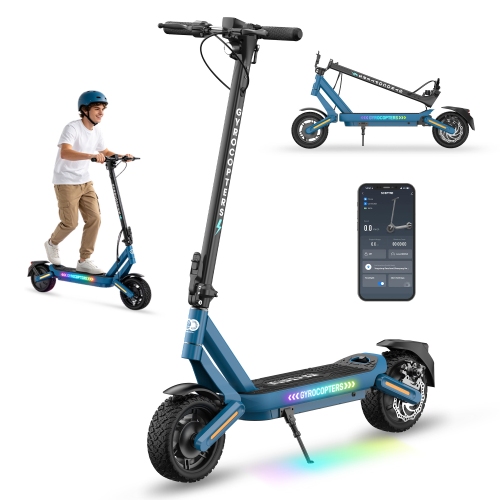 Your price for this item is $699.97
 -
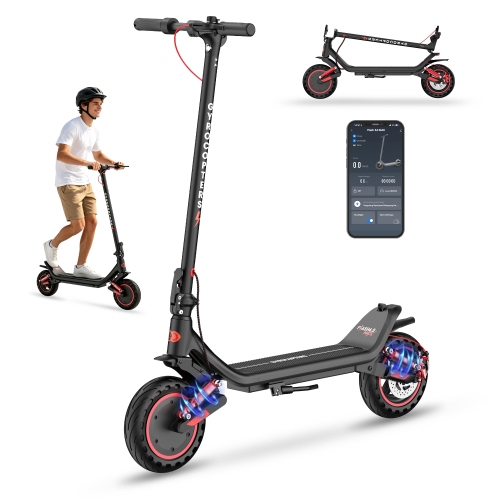 Your price for this item is $499.97
 -
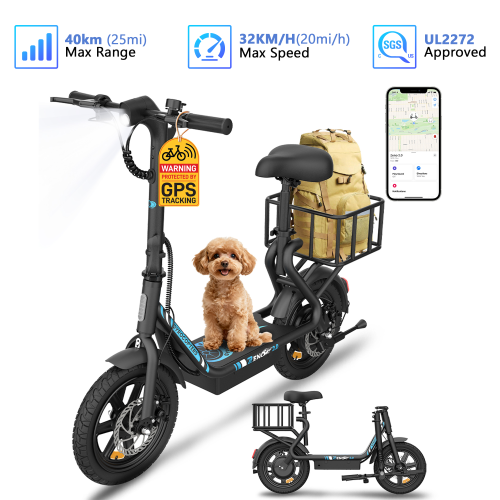 Your price for this item is $499.97
 -
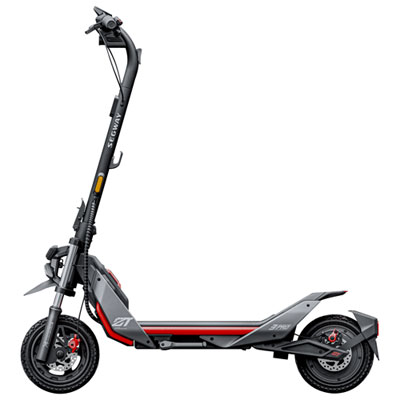 Your price for this item is $1599.99
 -
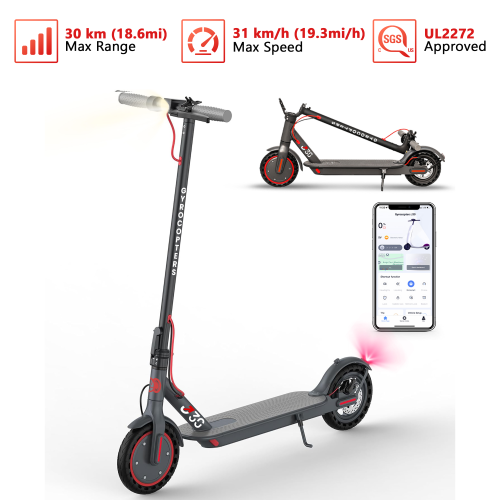 Your price for this item is $319.97
Discover more categories related to Waterproof Electric Scooters
Top Collections:
Pokemon Centers, Best Cameras for Sports Photography, Kindle Devices, Samsung Galaxy Phones, Canon G7X Cameras, Pokémon 30th Celebration Cards, Refurbished Apple Laptops, iPhone 15 Apple, Laptops for Students, Budget Smartphones
Some products may be subject to Environmental Handling Fees
(EHF) depending on your province.
Learn more about EHFs.