Facial Hair Shavers
A facial hair shaver is a device that is used to remove hair from the face. These facial hair shavers can be used to shave off hair from the face, including the beard, mustache, sideburns, and eyebrows. These hair shavers are comfortable and have great performance. Here are some great facial hair shavers on the market today.
Sort
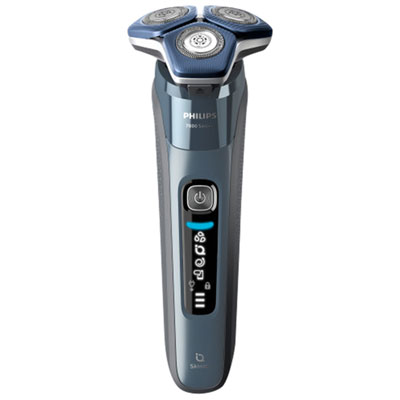
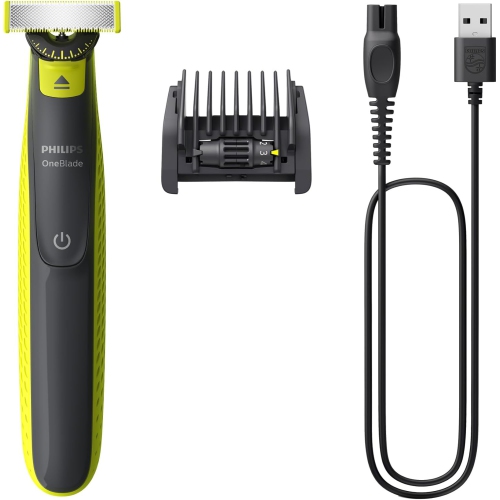
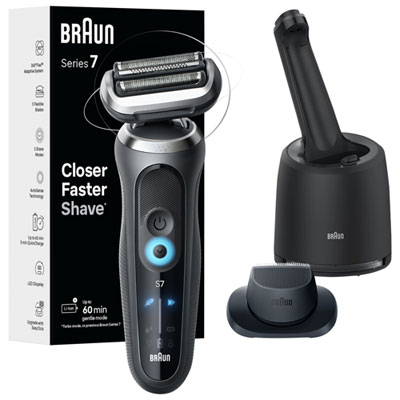
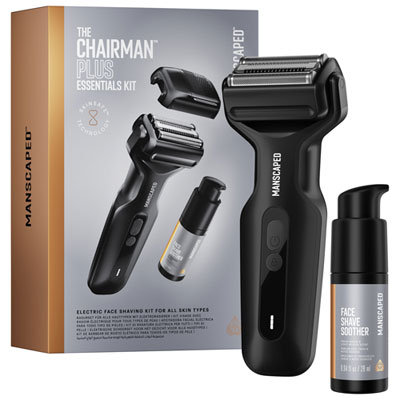

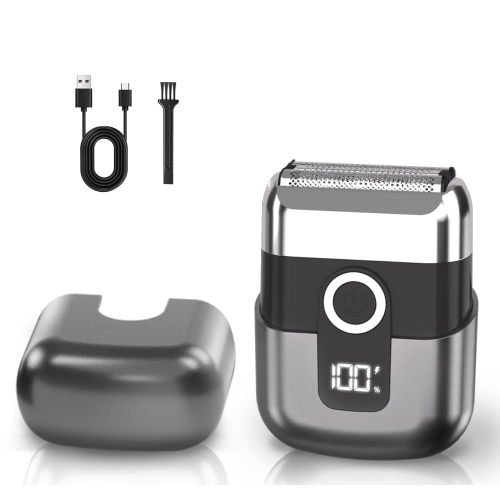
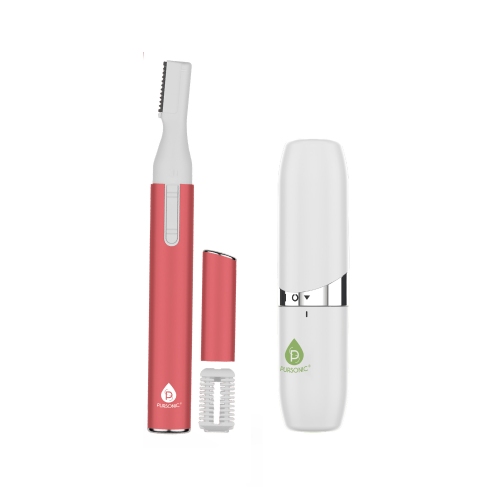
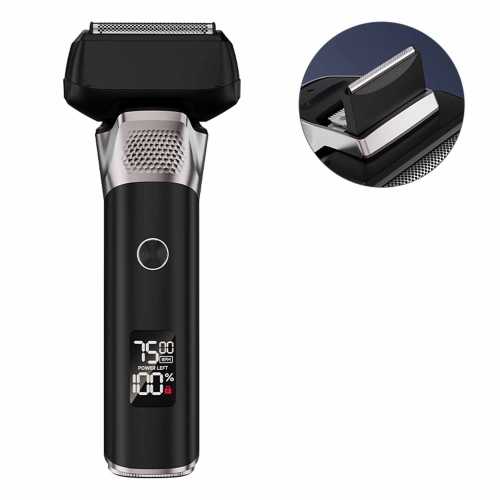
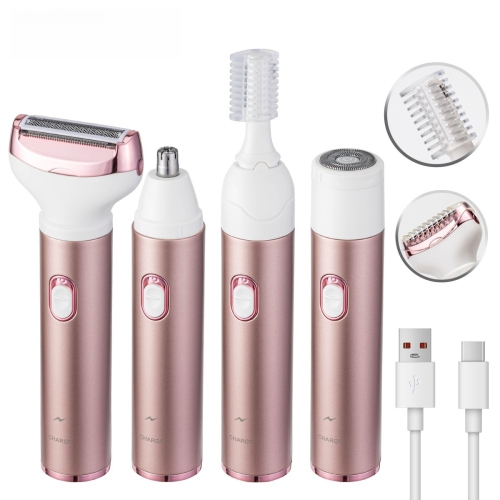
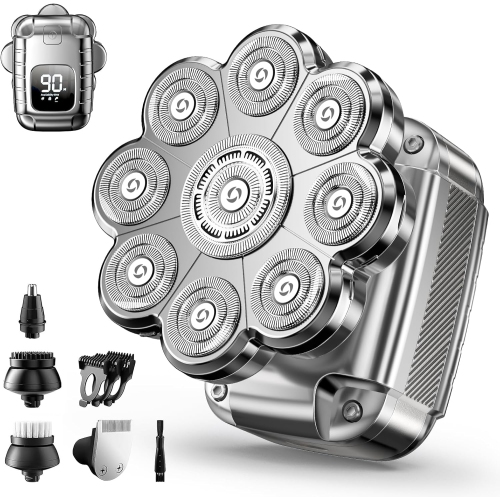
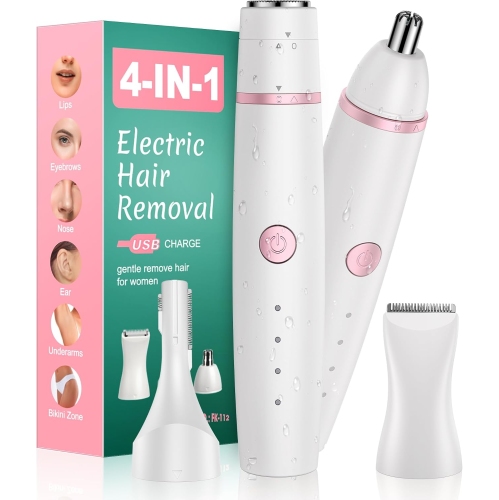
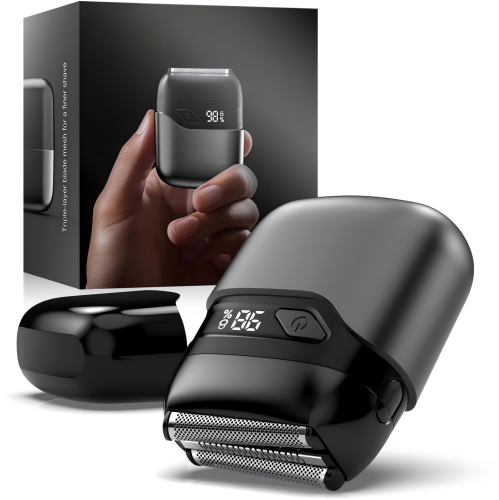
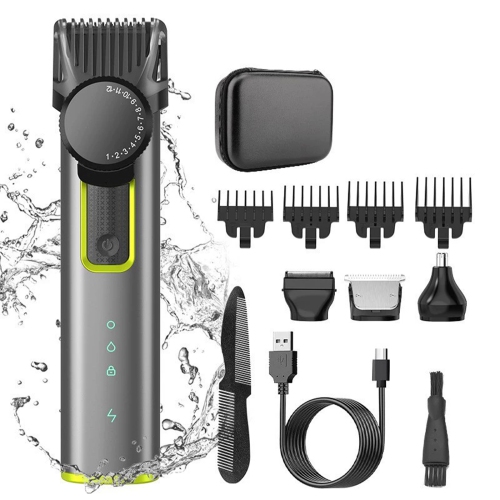
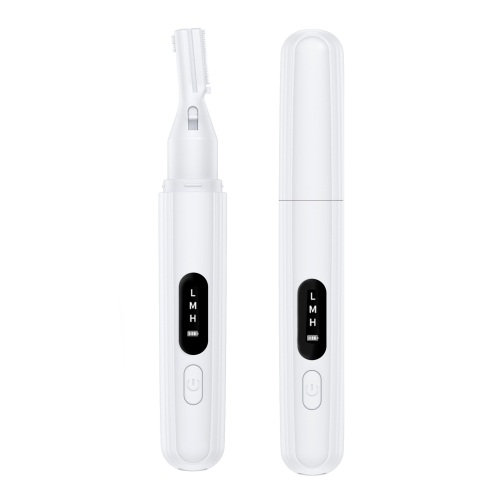
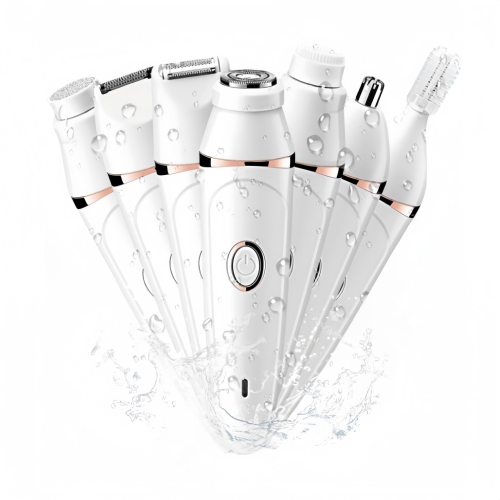
How shaver design affects closeness and comfort
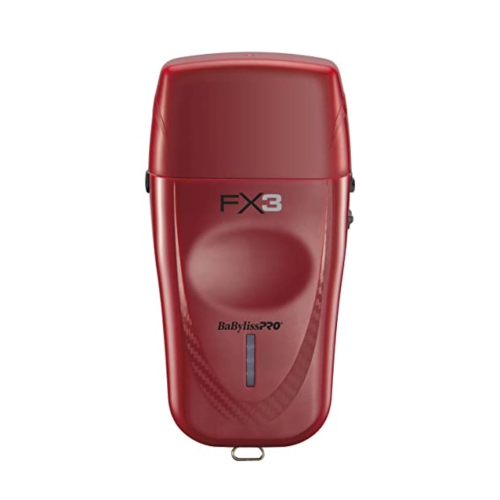
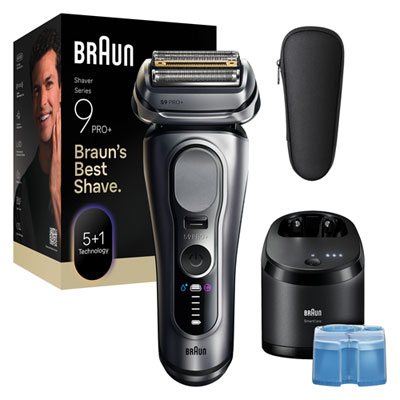
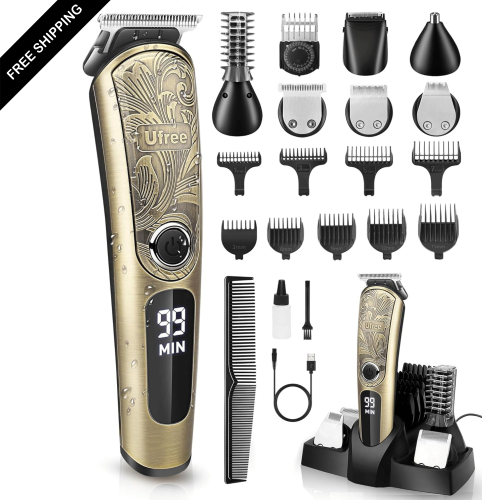
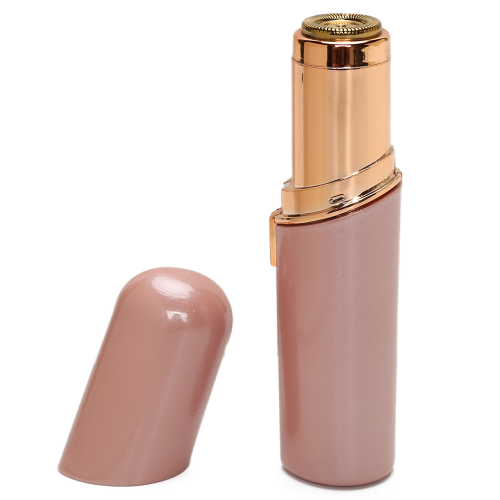
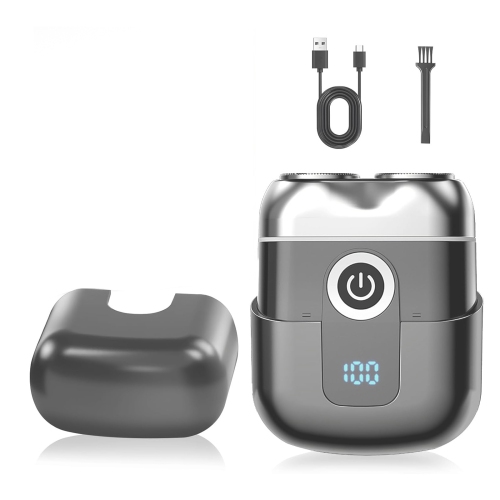
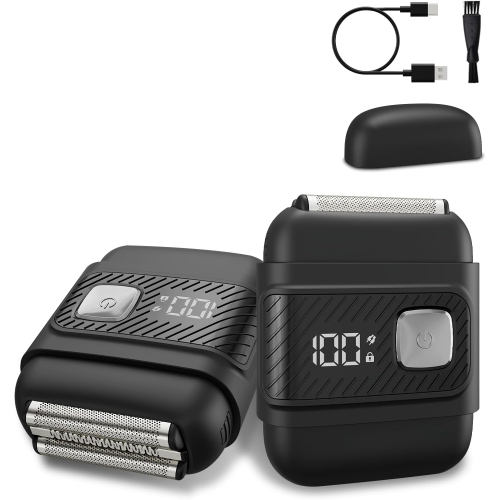
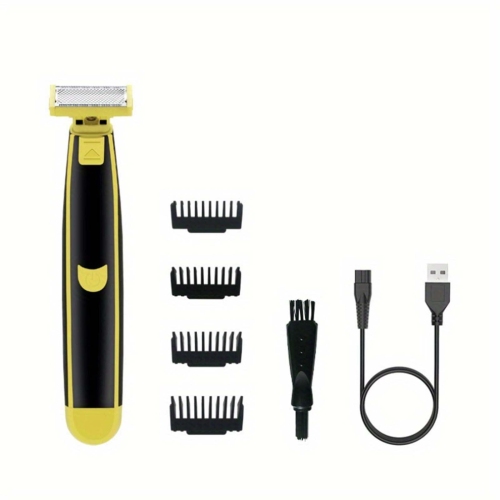
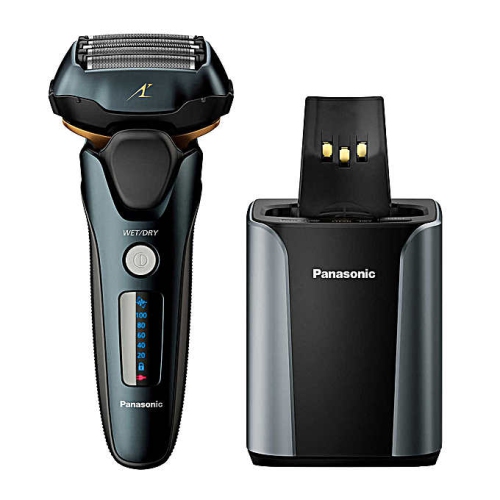
Facial hair shavers are grooming tools designed to remove facial hair close to the skin, whether the goal is a clean-shaven face, a smooth neckline, or a quick touch-up around the chin and upper lip. The main options include electric foil shavers, rotary shavers, compact precision shavers, and manual facial razors. Each approaches hair removal differently, so the most useful choice depends on hair texture, the area being shaved, and the finish someone prefers. Foil shavers use moving cutters beneath a thin, perforated metal screen that separates the blades from the skin. Their straight shaving surfaces can suit regular shaving and defined areas such as sideburn edges. Rotary shavers use circular cutting heads that move across the contours of the face, with flexible designs that can help maintain contact around the jaw and chin. Compact facial shavers have smaller heads for working around limited areas, while precision trimmers shorten and shape hair rather than necessarily removing it at skin level. That distinction matters for anyone who wants to maintain stubble instead of shaving it away. A beard trimmer with adjustable guards serves a different purpose from a close-cutting shaver, although some grooming tools combine both functions through separate attachments. Hair length also affects how a shaver performs: longer growth may need trimming before a close shave, particularly when moving from a beard to a smooth finish. For someone who shaves frequently, easy handling and consistent contact may matter most. For occasional touch-ups, a compact head and straightforward controls may be more useful than numerous attachments. Facial hair shavers can suit adults with different grooming routines, from removing a few visible hairs to maintaining a clean-shaven appearance across the cheeks, chin, and neck. The intended treatment area is important, since a tool designed for facial hair is not automatically suitable for every other part of the body.
Comfort comes from the combination of shaving design, skin response, and how naturally the handle fits in the hand. A broad head can cover the cheeks efficiently, while a narrower cutting surface may be easier to position beneath the nose or beside a carefully shaped moustache. Pivoting heads and flexible foils are intended to follow facial contours, but their movement and range vary by design. Weight, balance, button placement, and a textured grip all influence control, particularly when hands are damp. Someone with limited hand strength may appreciate a handle that feels secure without a tight grip, along with controls that are easy to identify and operate. Cutting assemblies commonly use metal blades and protective screens, while housings may combine plastic, metal, and grip materials. The material touching the skin deserves attention for anyone with a known sensitivity; a protective foil does not necessarily mean that every metal component is suitable for that person. Wet-and-dry capability is another practical distinction. Some electric shavers support use with compatible shaving gel or foam, while others are intended only for dry shaving. A washable head, a waterproof body, and approval for shower use are separate features, so the stated care and usage details matter more than appearance alone. Dry shaving offers a straightforward option for a brief grooming session, whereas wet shaving may suit someone who prefers the glide of a shaving preparation. Manual razors provide another approach to a close finish, and Facial Razors for Men offer a related category for those who prefer direct blade contact or a traditional shaving routine. Skin comfort remains individual with either method. Light pressure, a clean cutting surface, and avoiding repeated passes over the same patch can help reduce unnecessary friction. Persistent discomfort is a reason to pause rather than keep shaving the affected area.
Daily convenience and long-term care are just as important as the initial shave. Cordless facial shavers allow more freedom of movement, but battery runtime, charging time, and charging connections vary. A quick-charge function may provide enough power for a short session, although its duration depends on the design. Some rechargeable shavers cannot operate while plugged in, especially models designed for wet use, so corded operation should not be assumed. A clear battery indicator can help prevent an interrupted shave, while a travel lock reduces the chance of accidental activation inside a bag. Protective caps and fitted cases help shield delicate foils and cutting heads from pressure during storage or travel. For frequent travellers, a compact shape and a compatible charging setup may be more useful than a bulky collection of accessories. At home, an included stand or cleaning station can simplify storage and maintenance, though stations may require their own cleaning solution or replacement components. Regular removal of trapped hair helps keep the cutting assembly working as intended. Rinsing is appropriate only where the manufacturer permits it, and washable parts need time to dry before enclosed storage. Some cutting systems also require occasional lubrication with a suitable oil. Foils, blades, and rotary heads are wear parts rather than permanent components; pulling, reduced cutting performance, or visible damage can indicate that attention or replacement is needed. A damaged protective screen should not remain in contact with the skin. The ability to obtain the correct replacement head is therefore a meaningful consideration for continued use. Shared households may also benefit from keeping personal shaving heads separate for hygiene. As a gift, a facial hair shaver is most thoughtful when it matches an established preference, such as close daily shaving, maintaining neat facial hair edges, or managing small touch-up areas. Familiarity with the recipient’s preferred shaving method, comfort needs, and tolerance for maintenance is more useful than simply choosing the largest accessory set. A well-matched shaver fits easily into an ordinary routine, with handling, cleaning, and storage that remain manageable after the novelty has passed.
Top selling and popular products
-
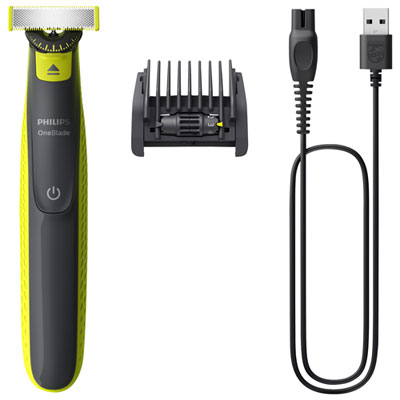 Your price for this item is $49.99
-
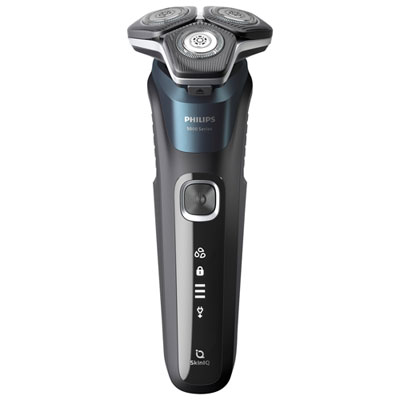 Your price for this item is $149.99
-
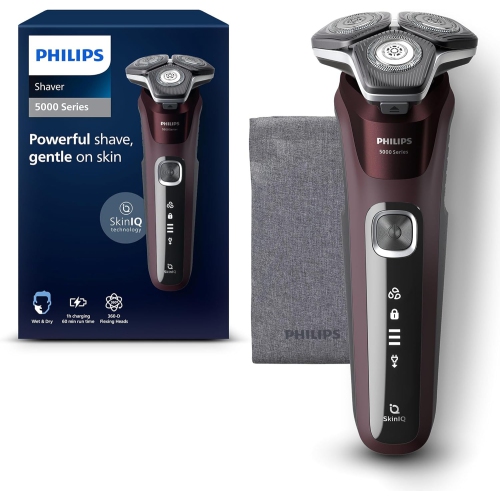 Your price for this item is $99.97
-
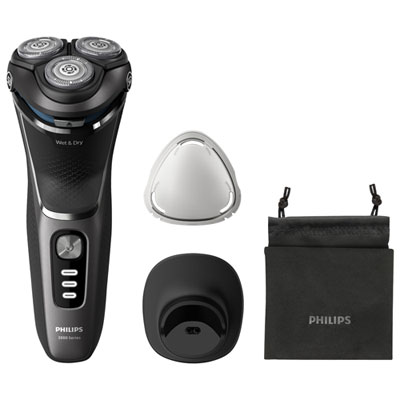 Your price for this item is $69.99
-
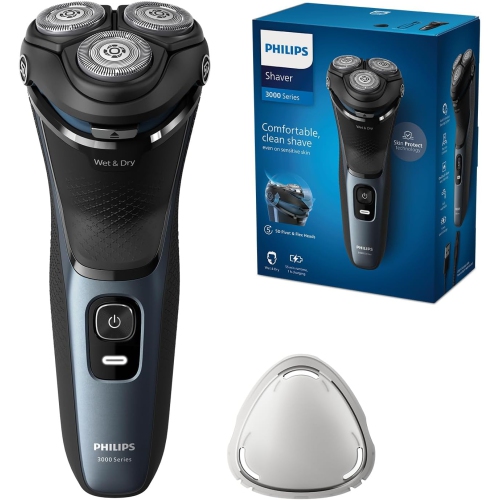 Your price for this item is $99.97
-
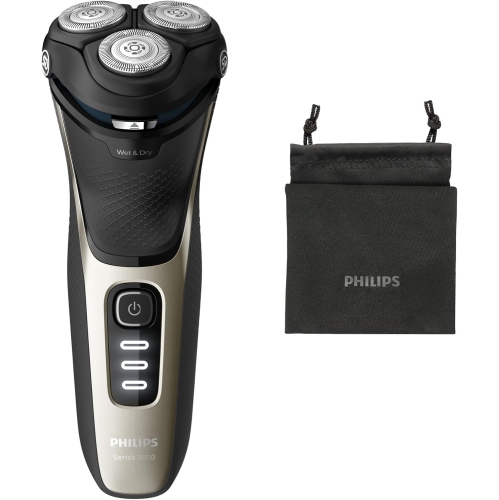 Your price for this item is $47.95
-
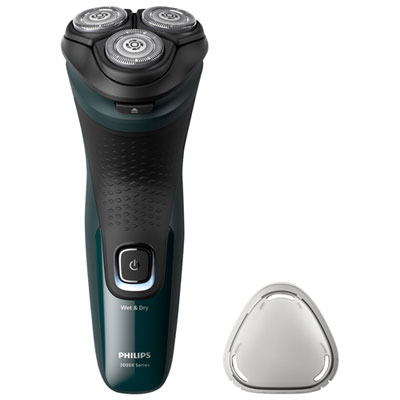 Your price for this item is $39.99
-
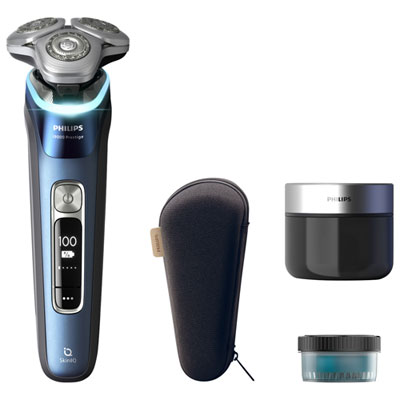 Your price for this item is $299.99
Discover more categories related to Facial Hair Shavers

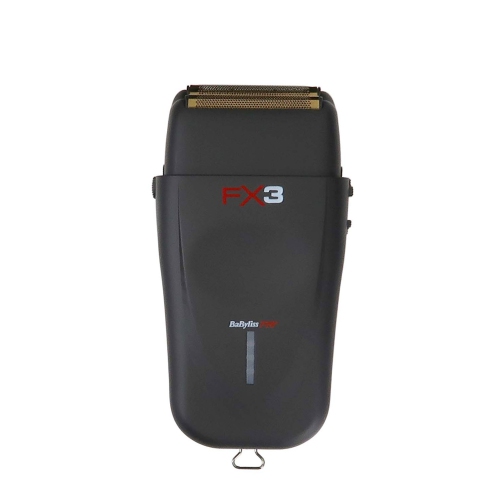
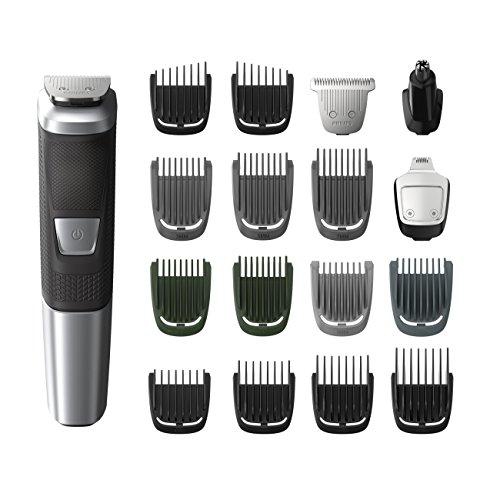
Top Collections:
Best Black Friday Deals This Year, Best Black Friday Deals On Electronics, Kindle Devices, Pokemon Centers, Best Black Friday Deals On Apple Products, Best Cameras for Sports Photography, Dyson Airwrap, Pokémon 30th Celebration Cards, Apple iPhone 17 Pro, Canon G7X Cameras
Some products may be subject to Environmental Handling Fees
(EHF) depending on your province.
Learn more about EHFs.