Beard And Hair Trimmers
Beard and hair trimmers are essential tools for almost any man who likes to maintain a well-groomed appearance. These tools are designed to help men keep their facial and head hair well-trimmed and neat. With the right trimmer, you can easily achieve the look you desire without the hassle of having to go to a barber or stylist. Here are some great options available.
Sort
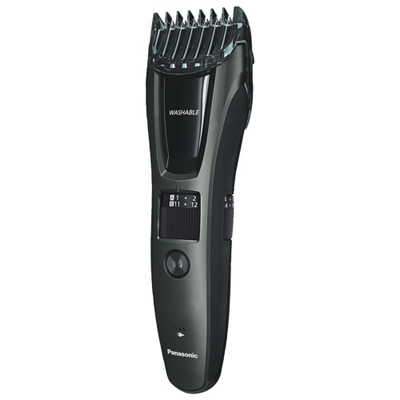

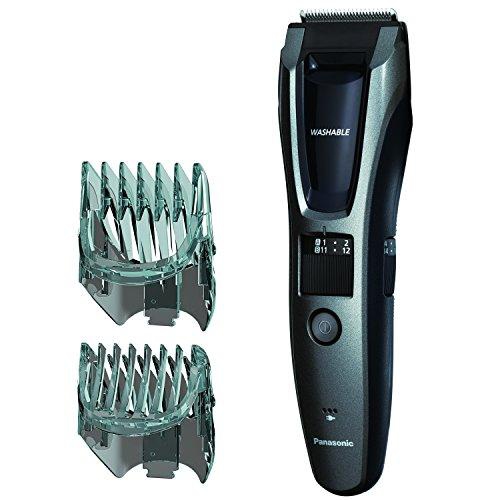
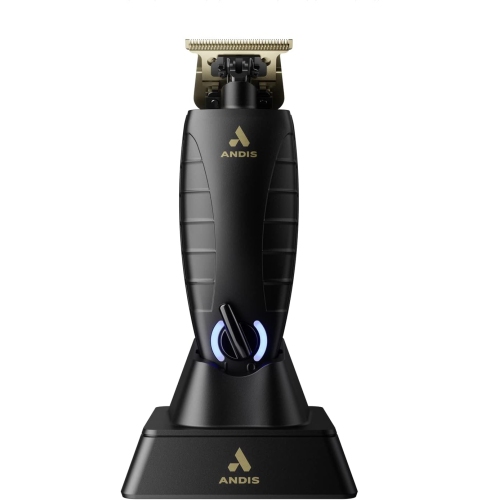
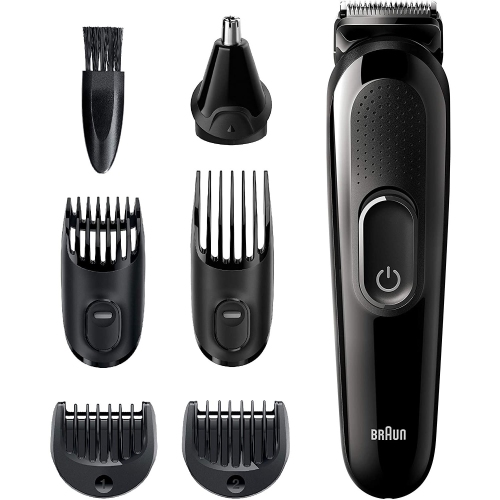
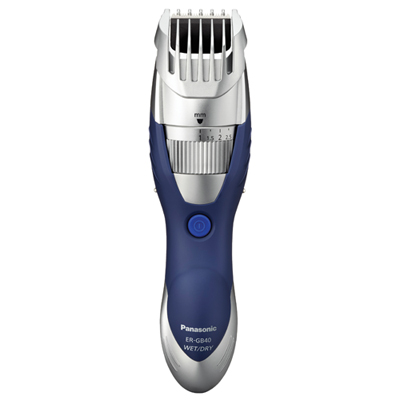
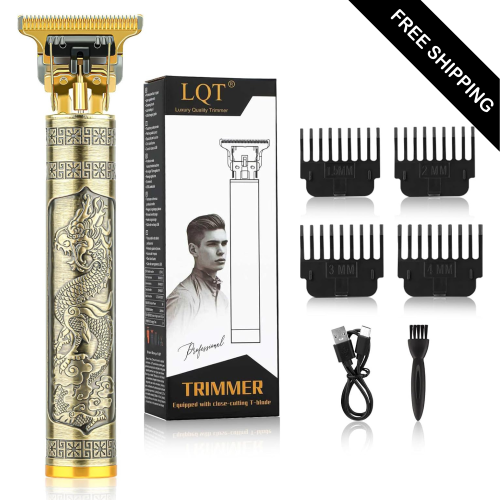
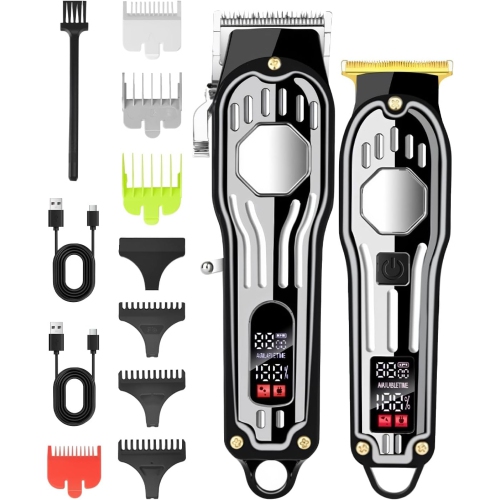
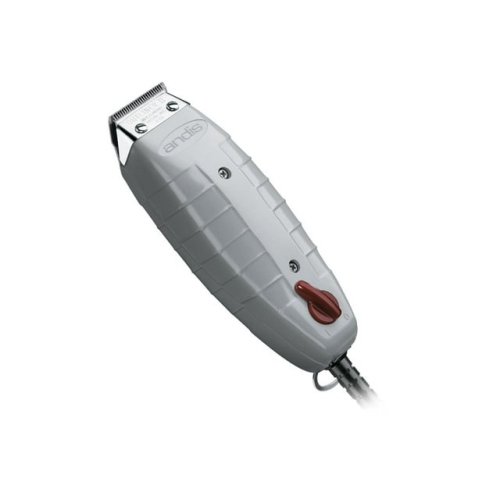
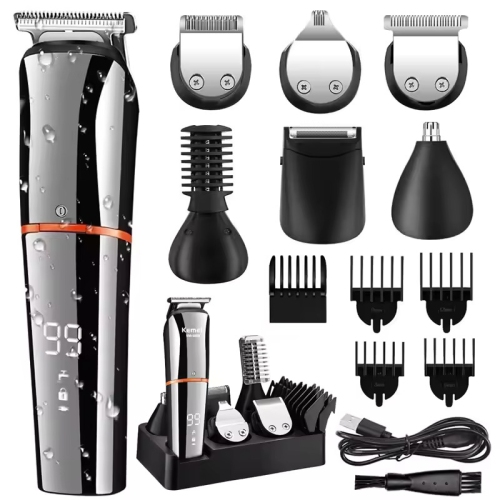
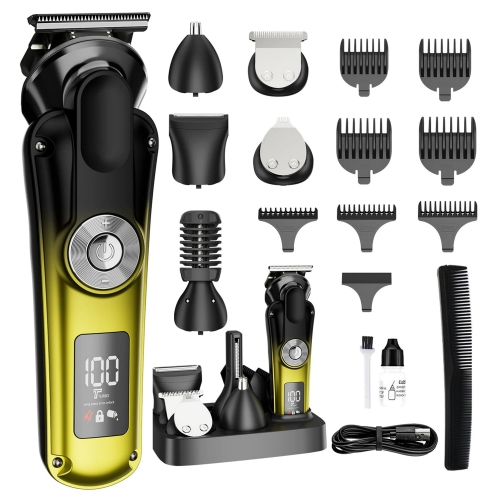
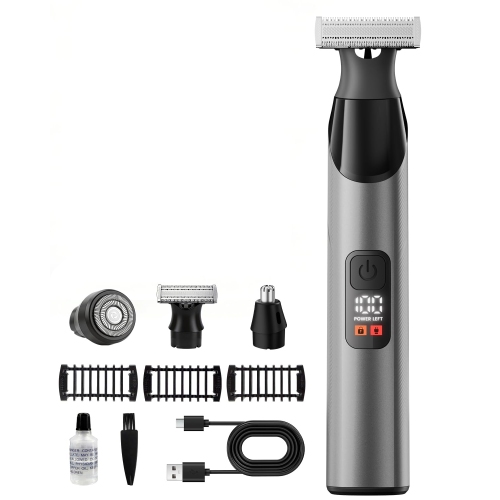
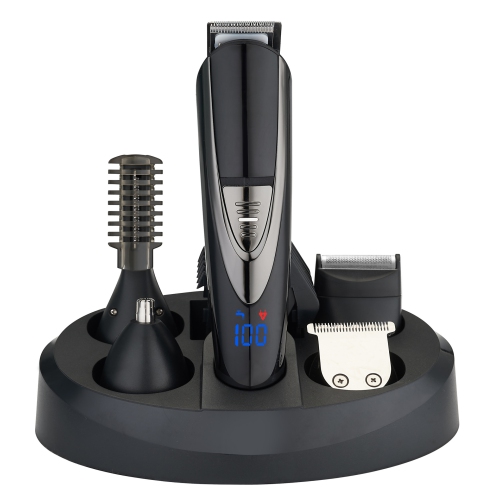
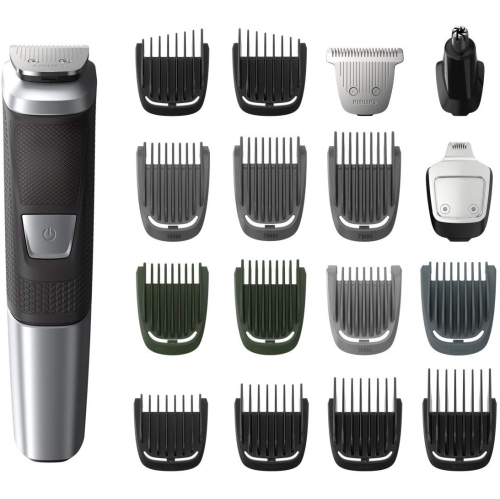
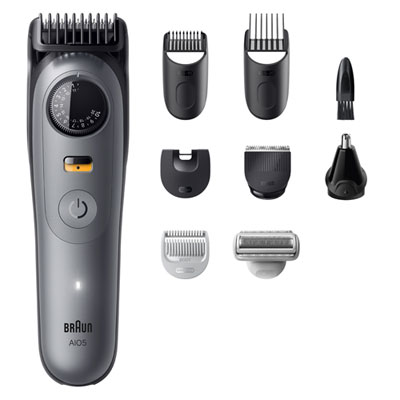
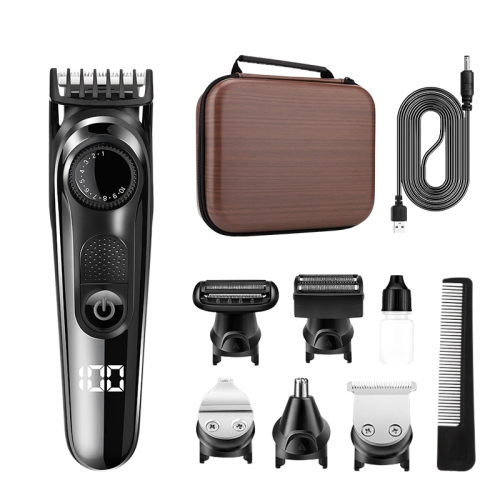
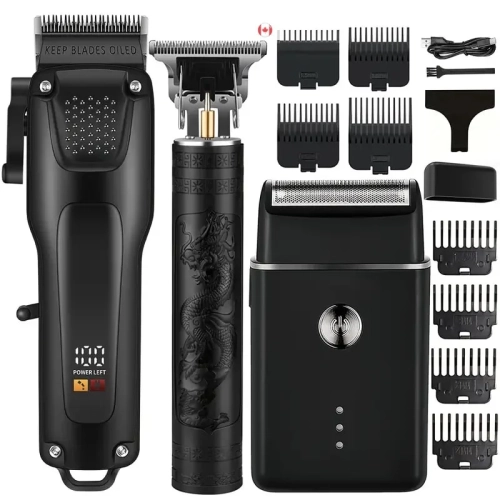
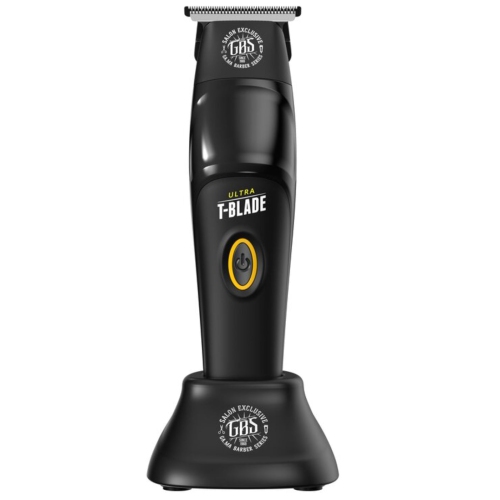
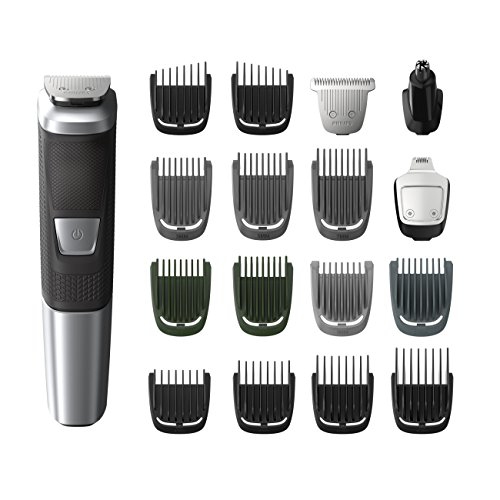
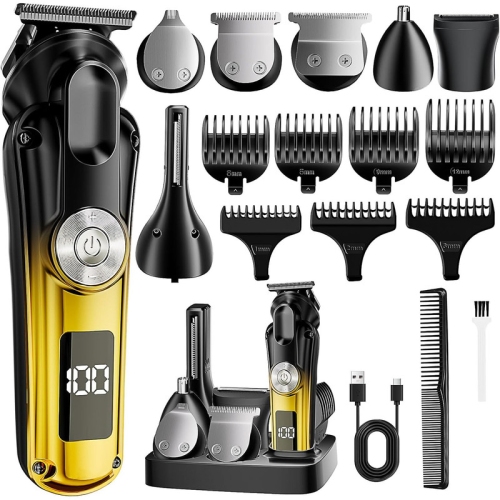
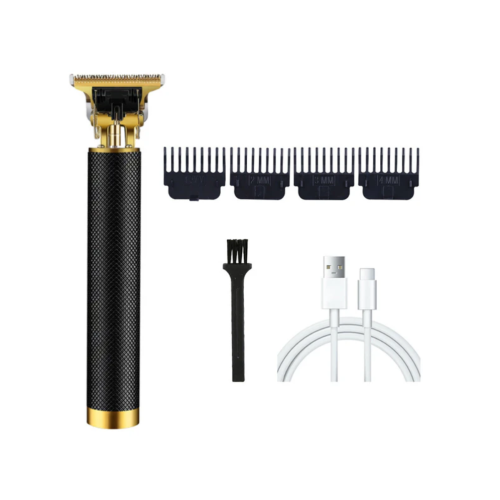
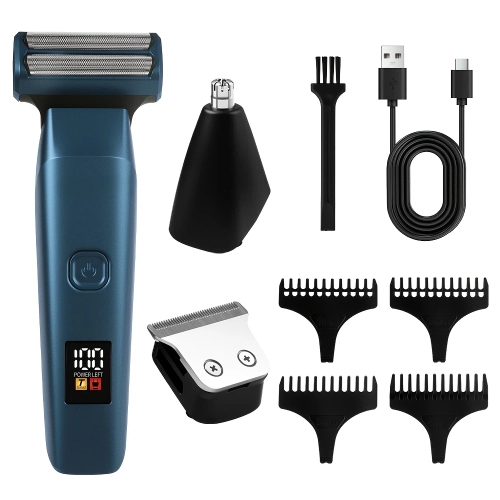
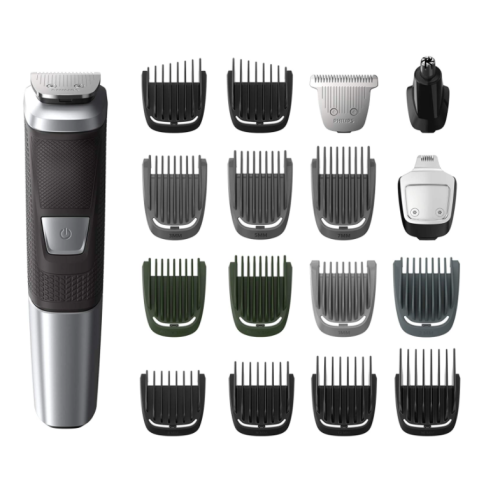
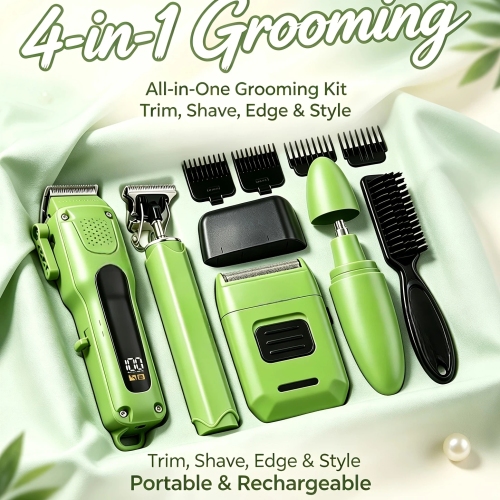
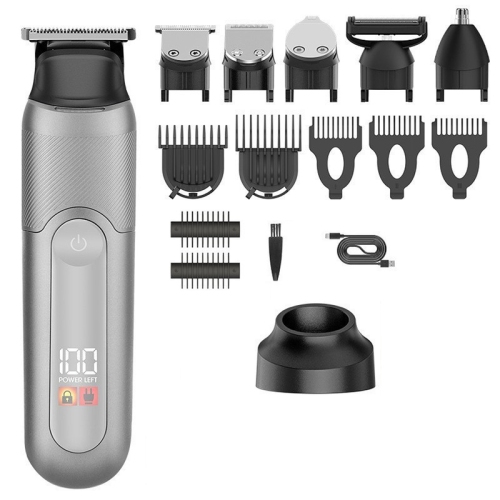
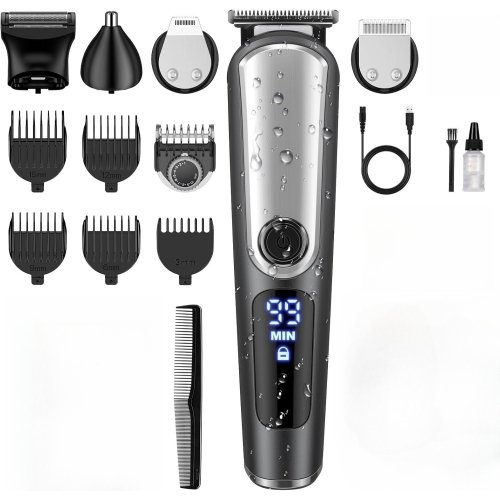
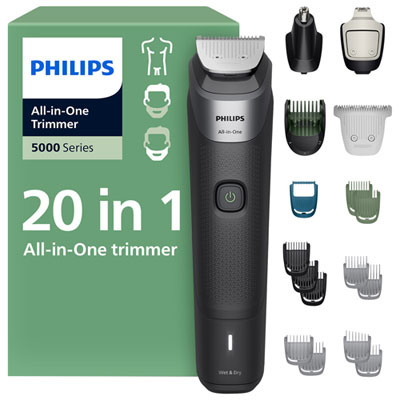
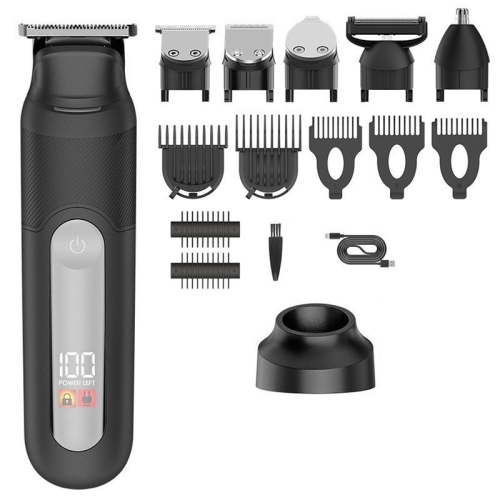
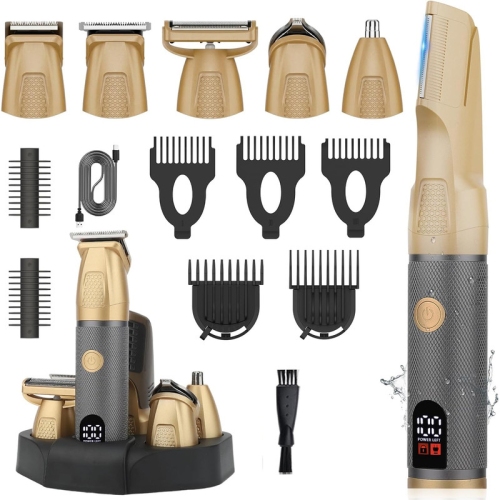
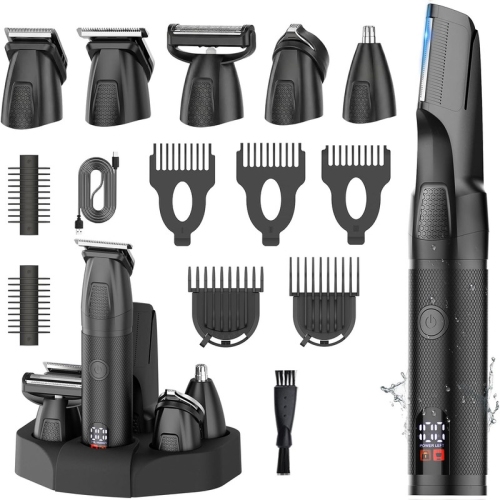
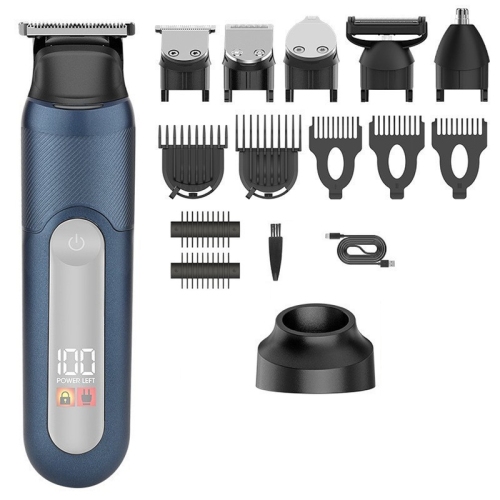
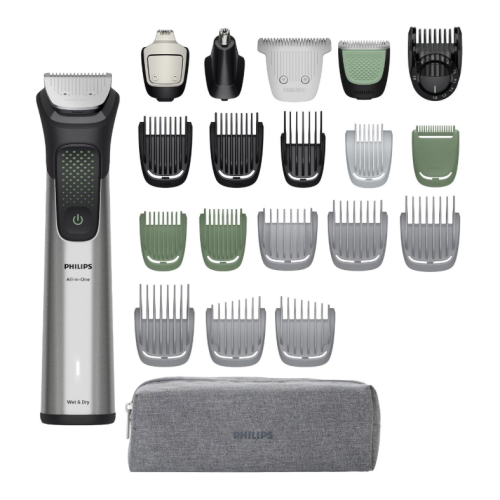
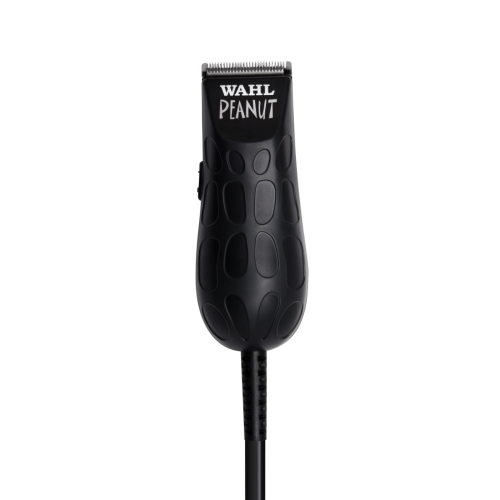
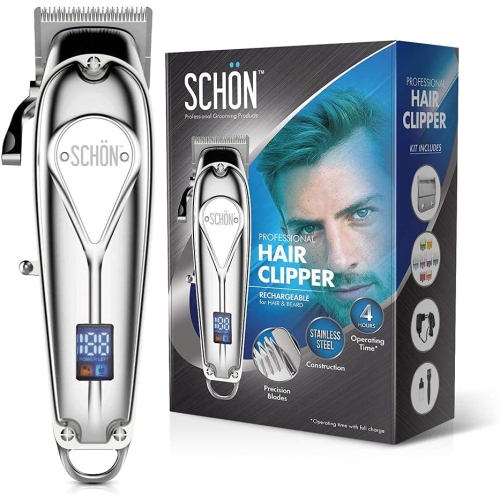
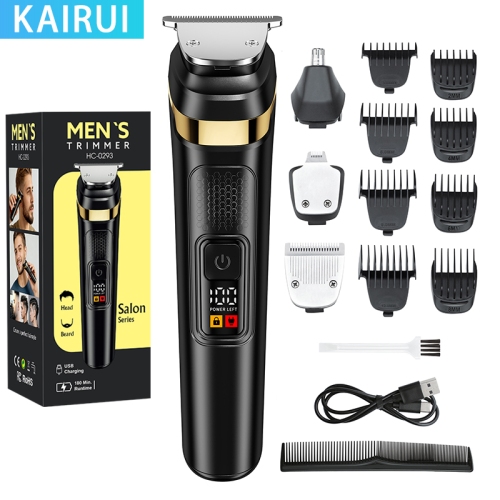


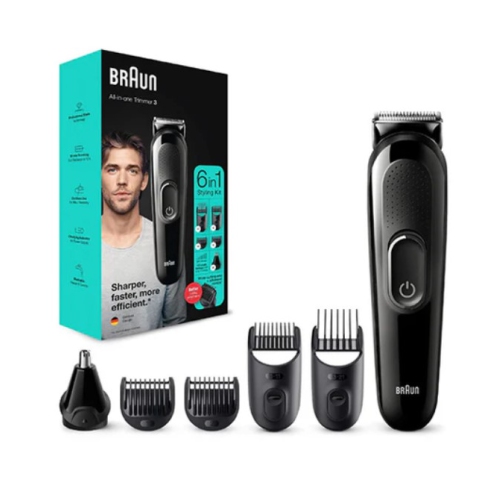
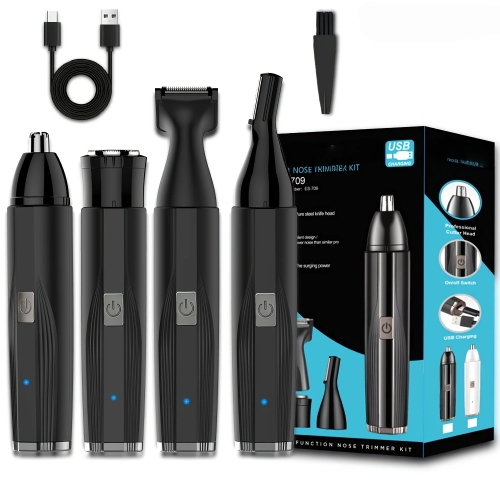
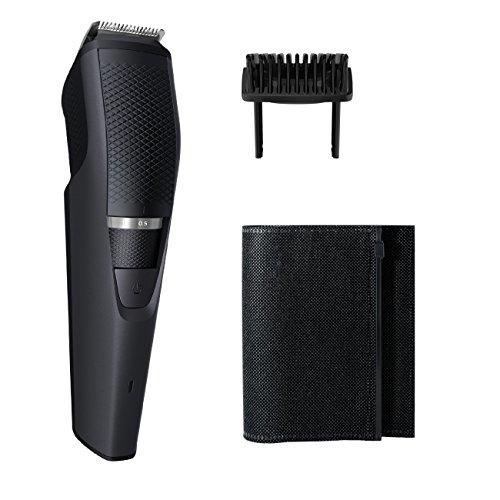
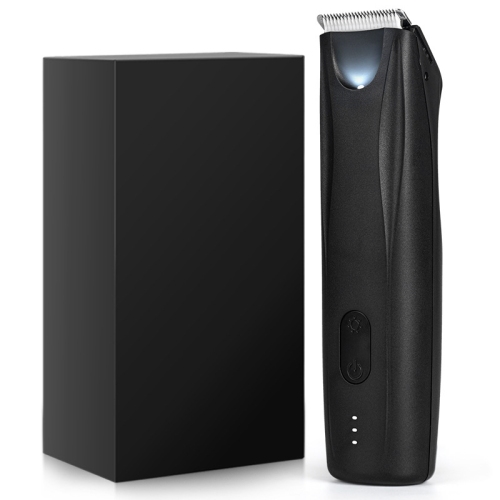
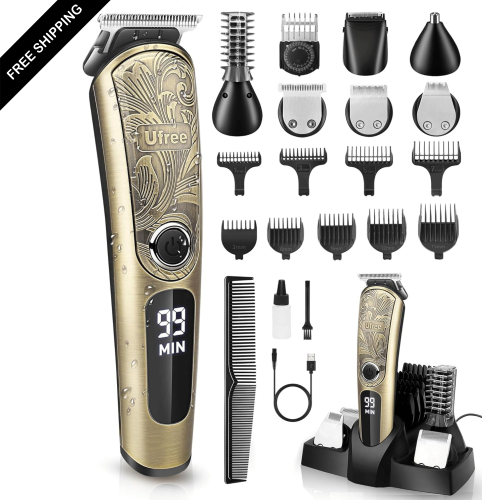

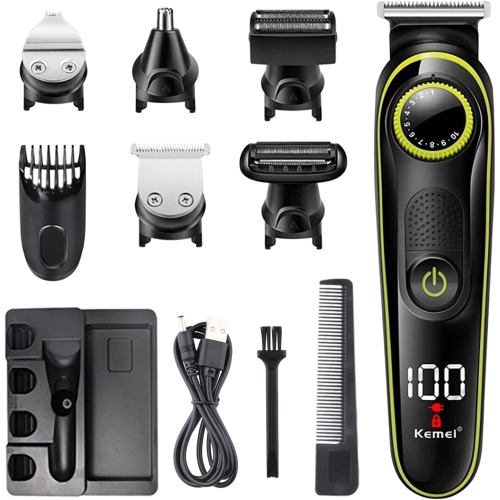
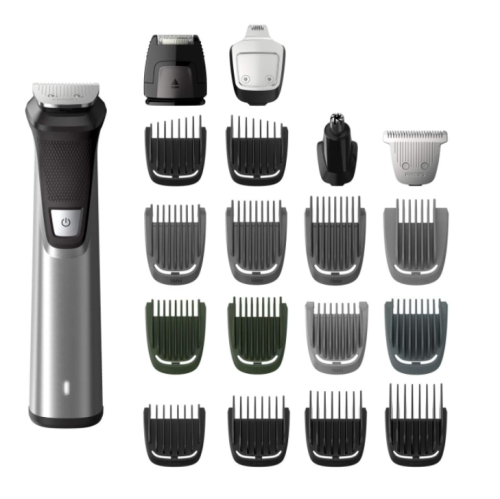
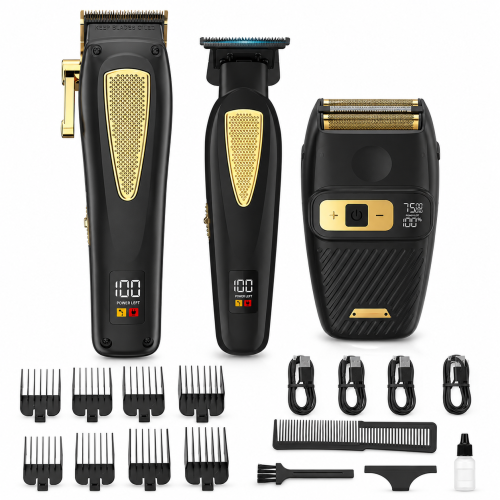
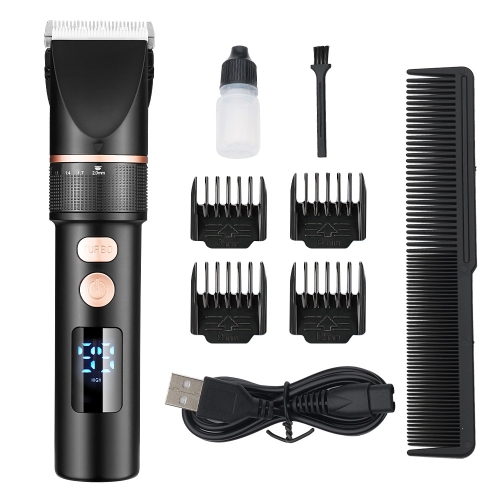
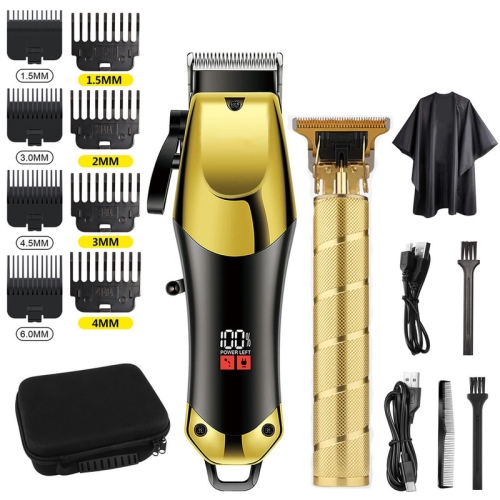
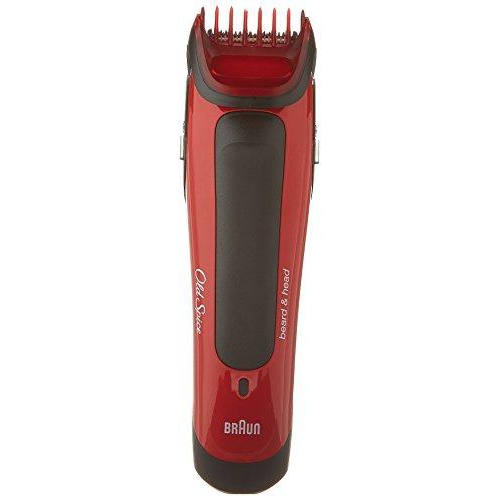
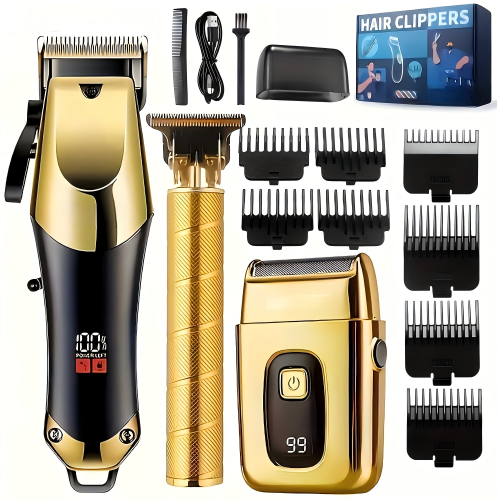
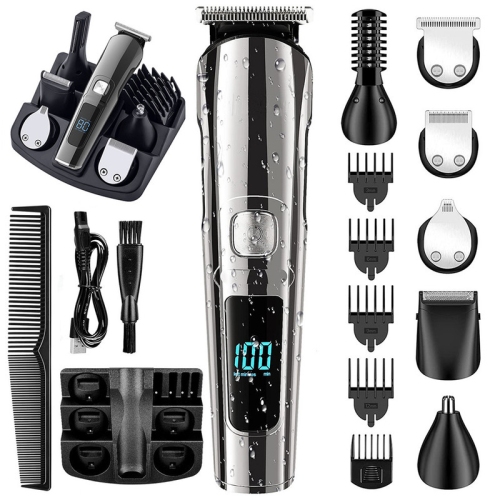
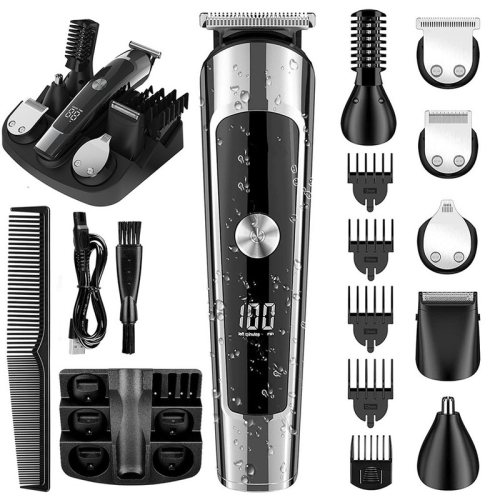

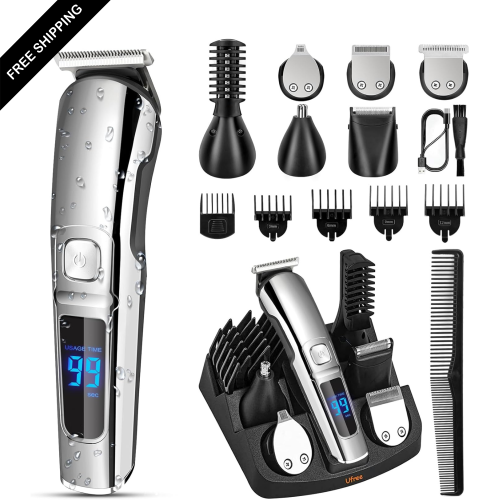
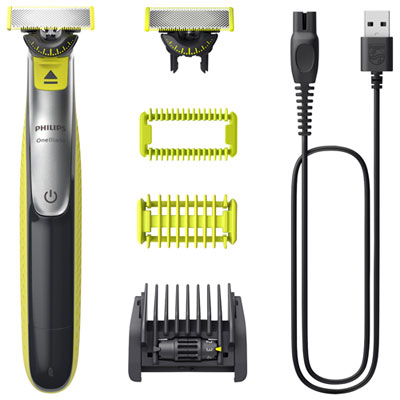
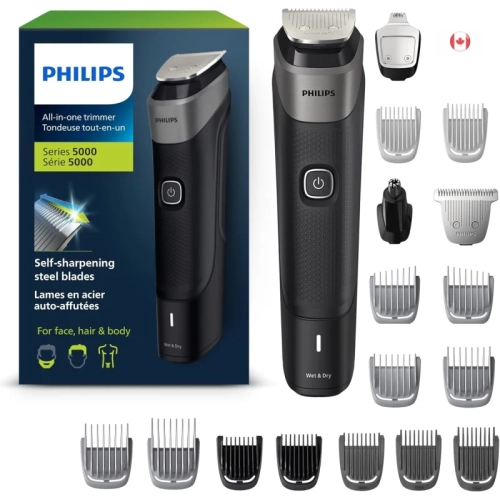
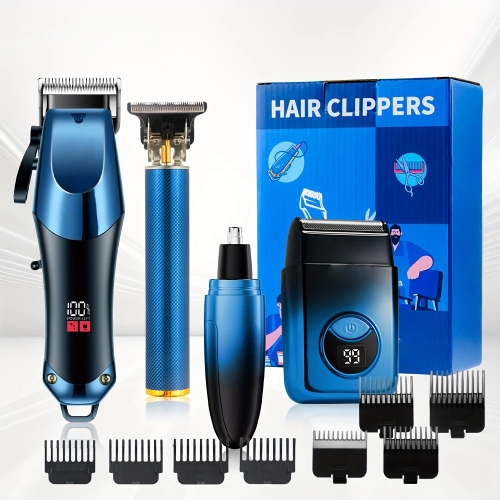
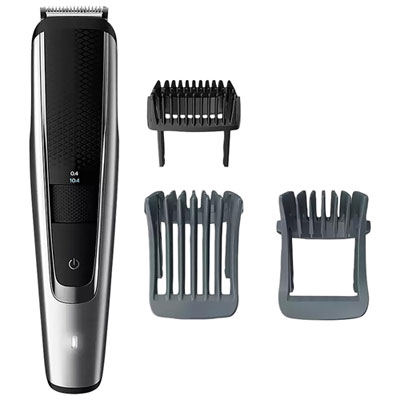
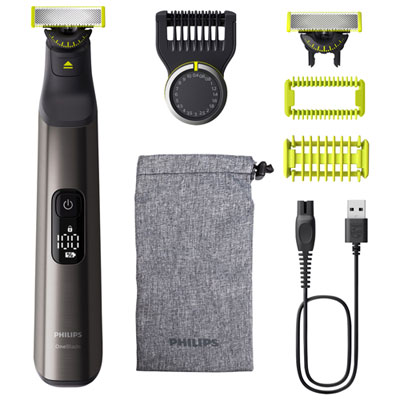
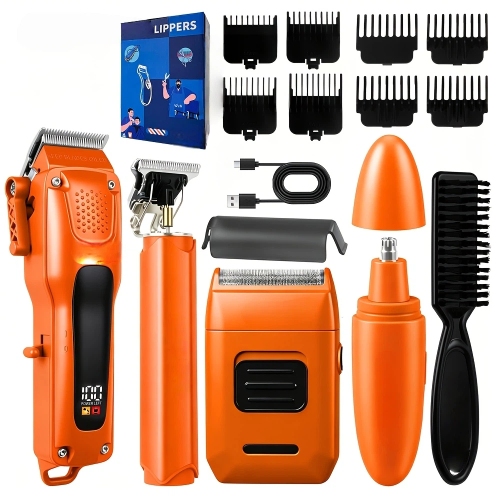
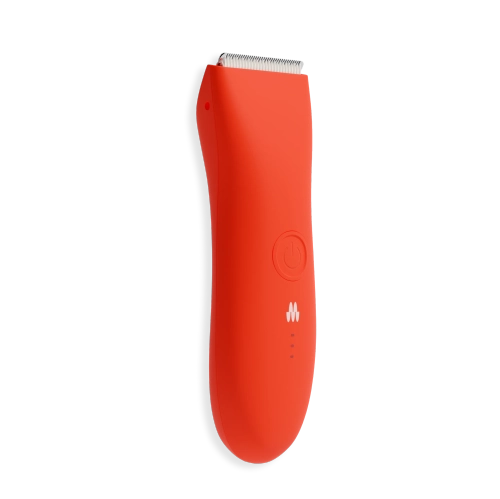
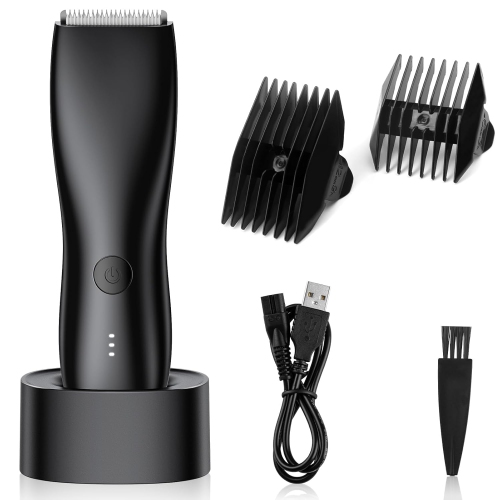
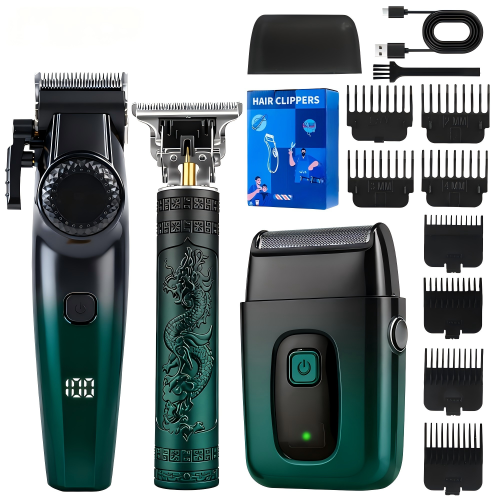
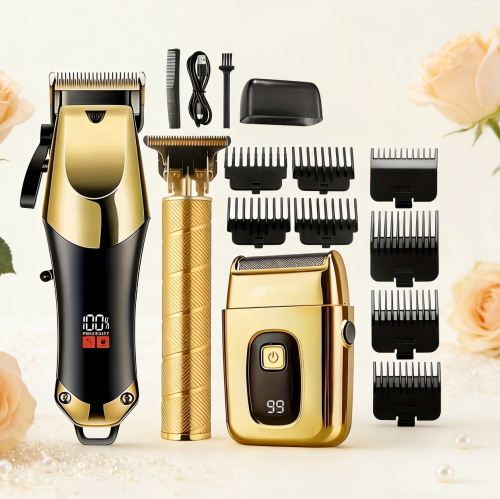
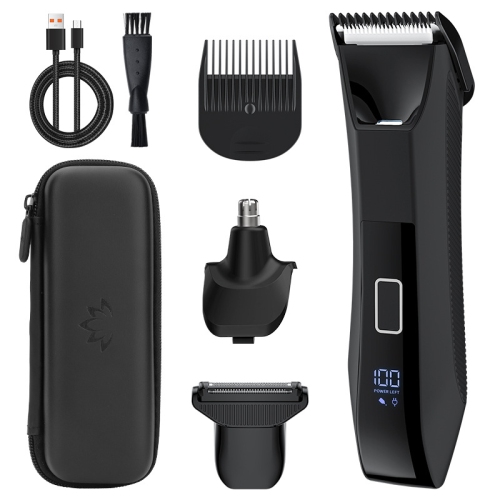
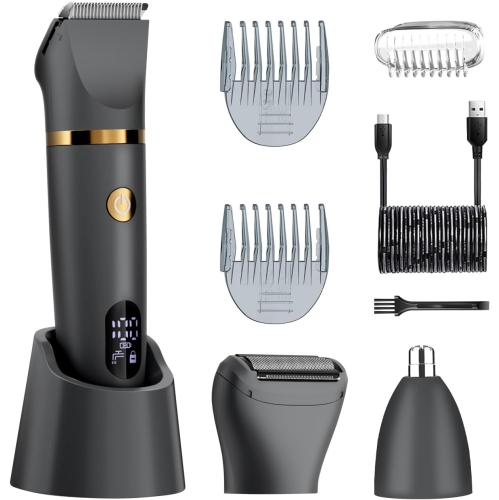
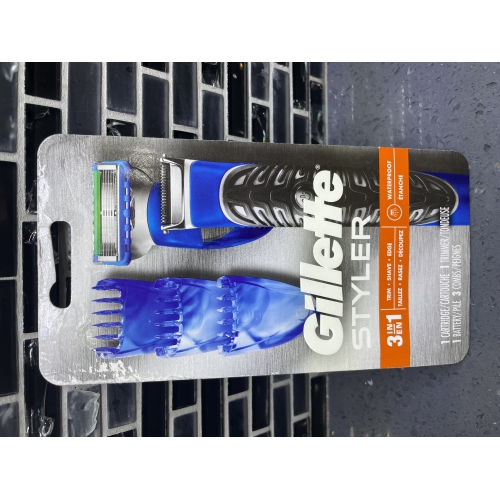
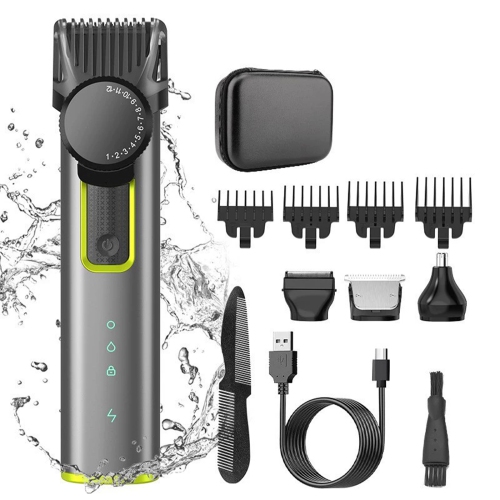
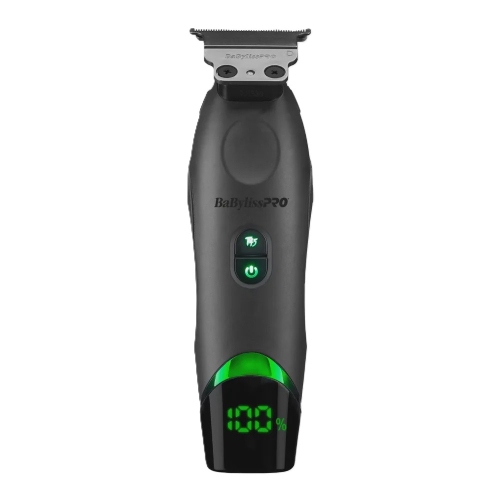
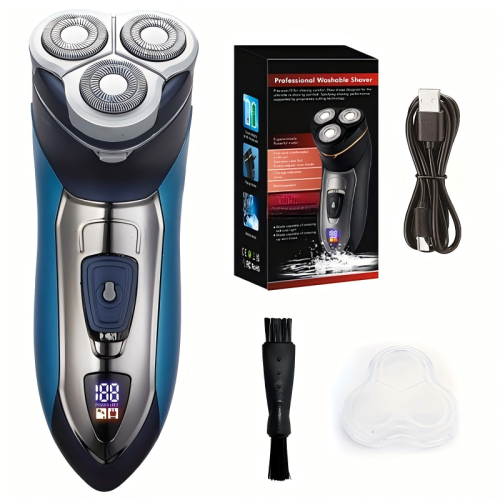
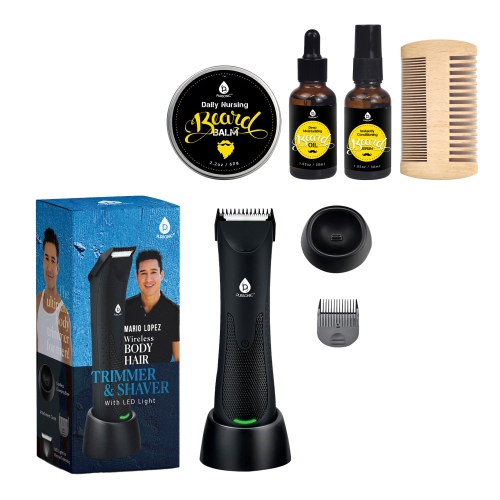
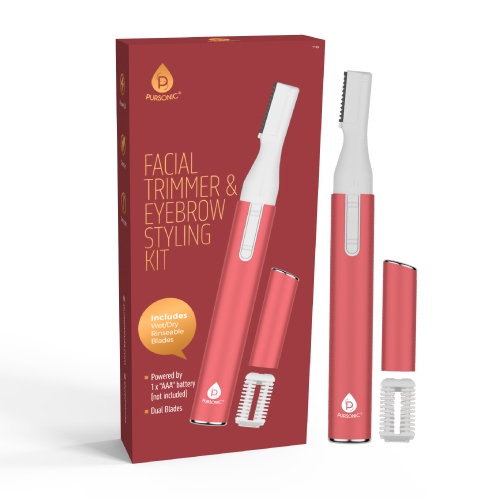
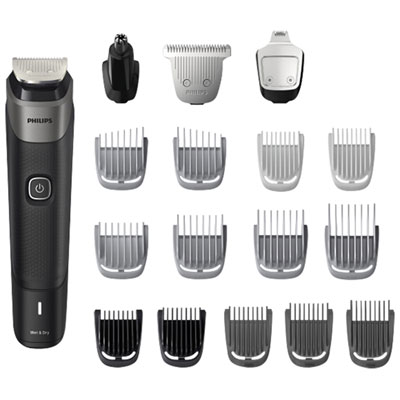

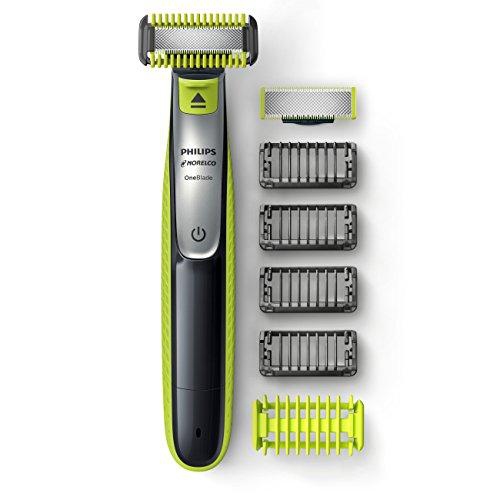
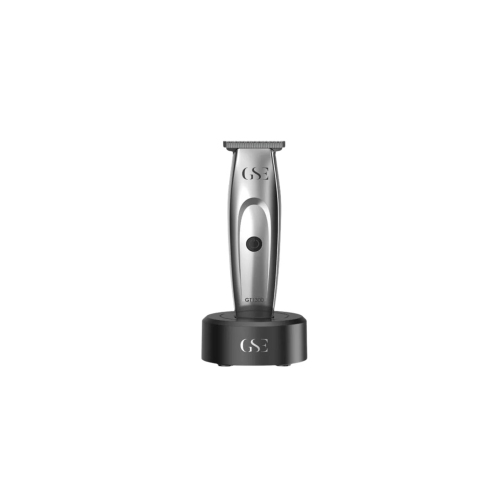
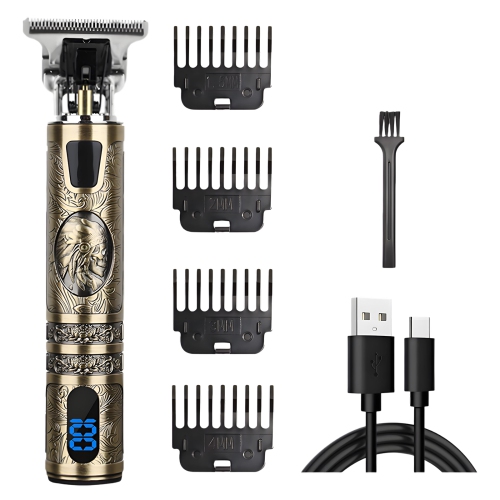
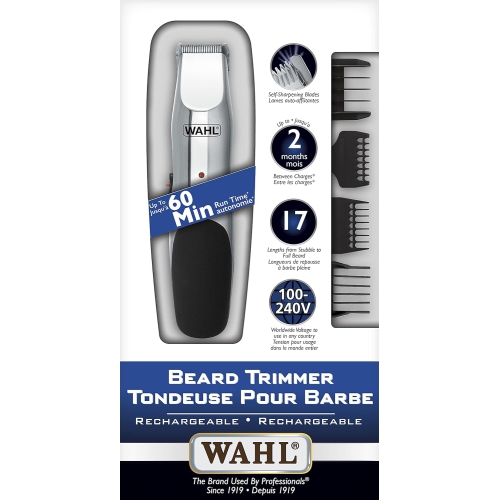
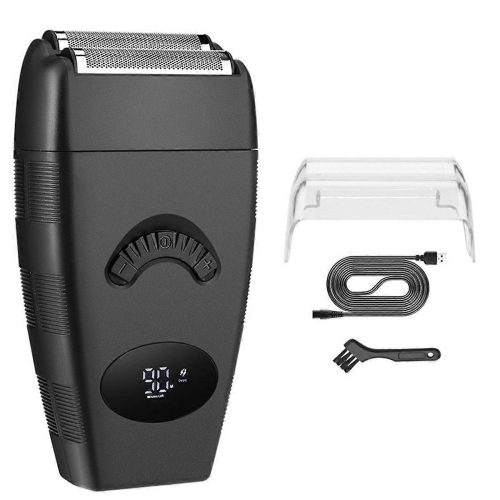
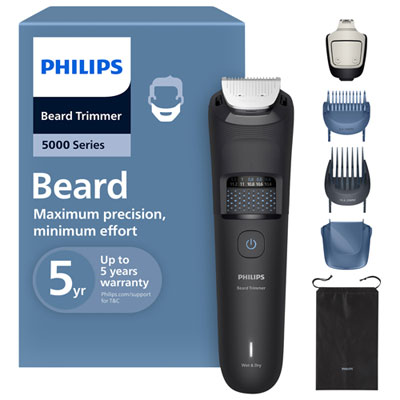
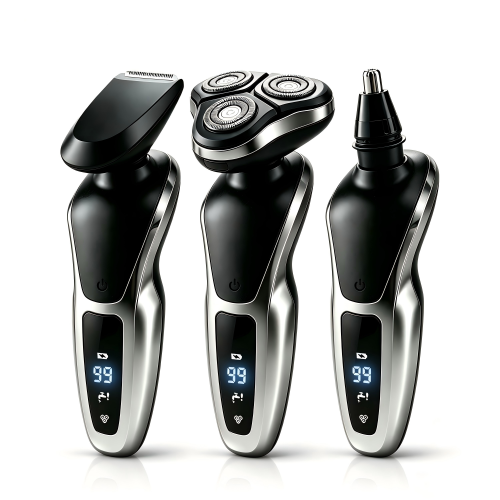
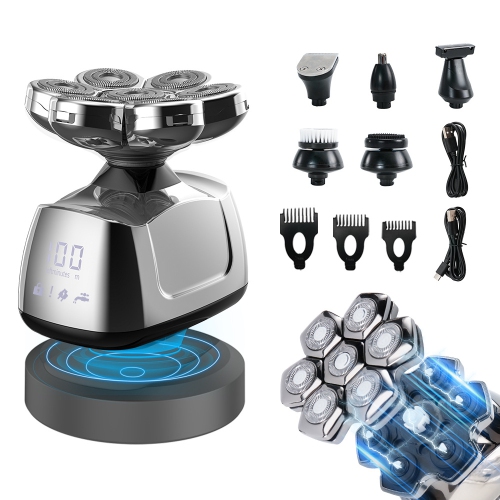
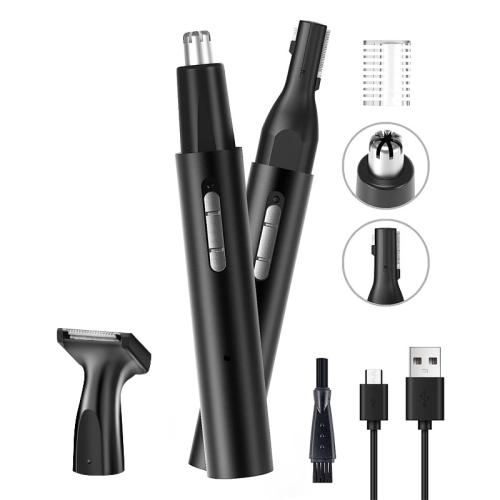
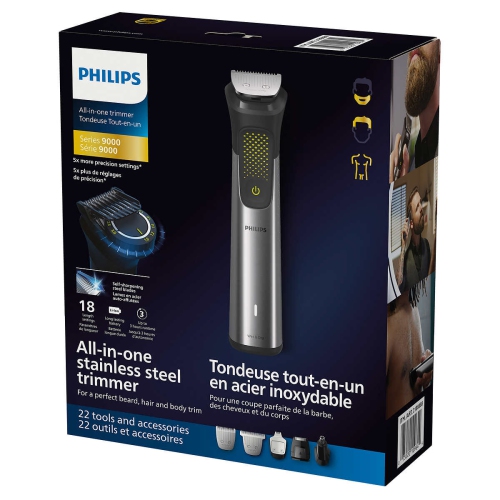
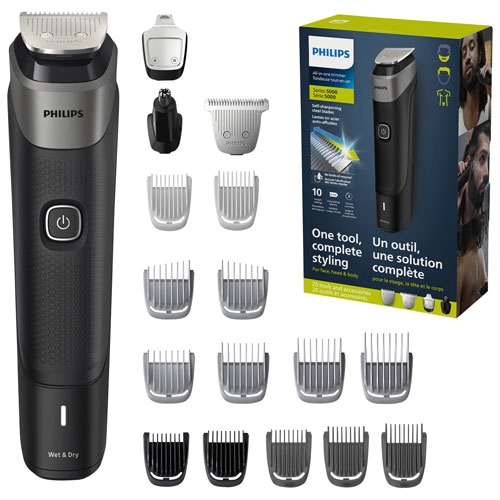
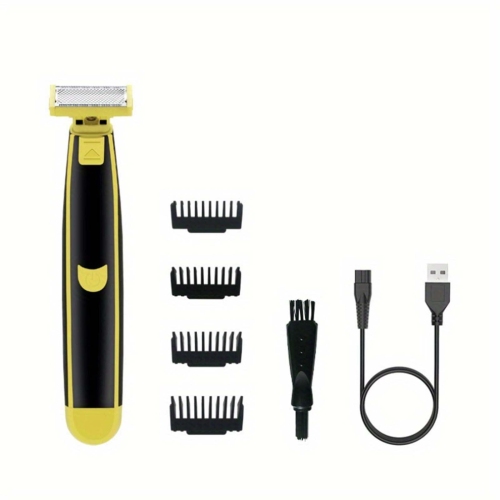
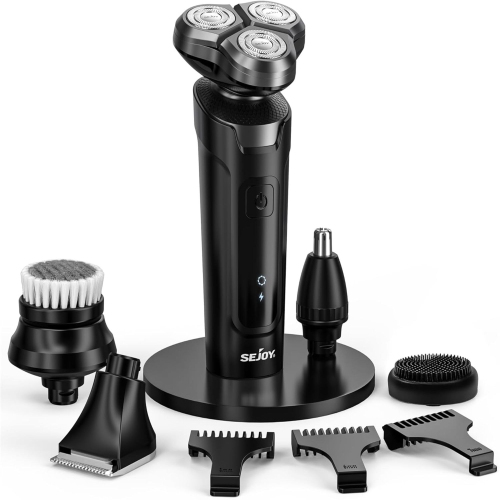
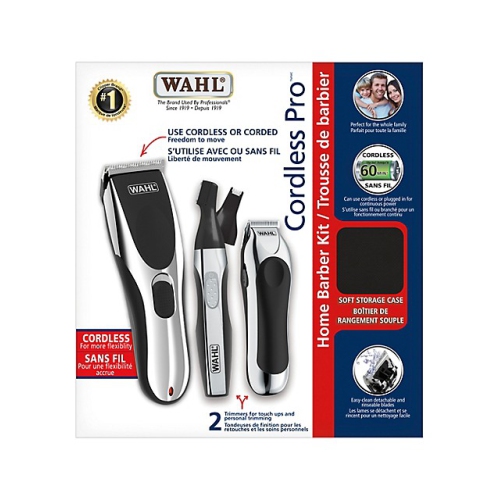
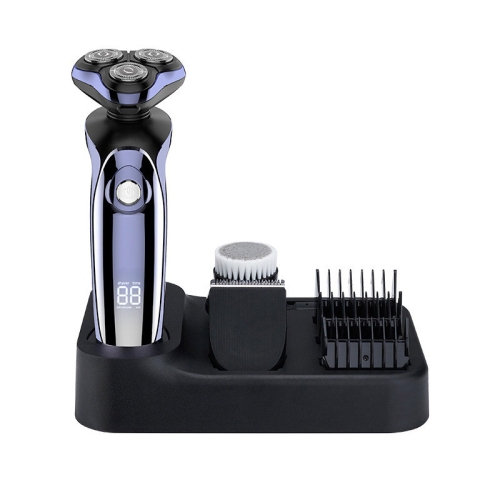
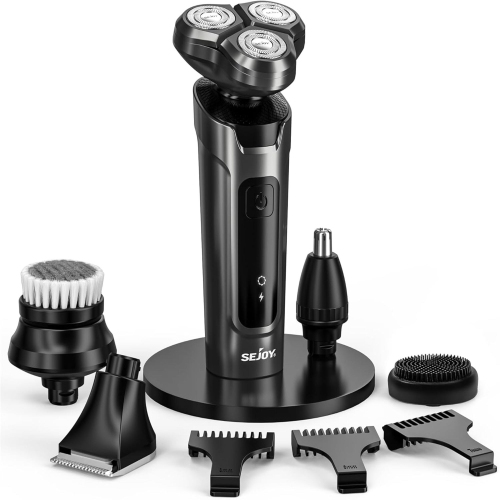
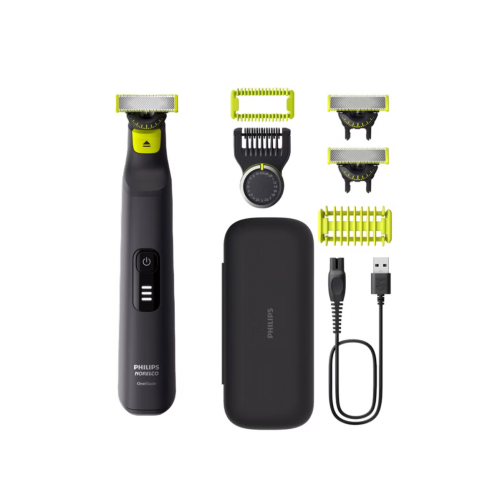

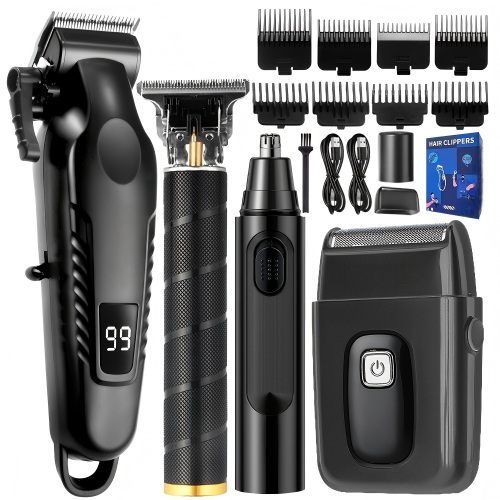
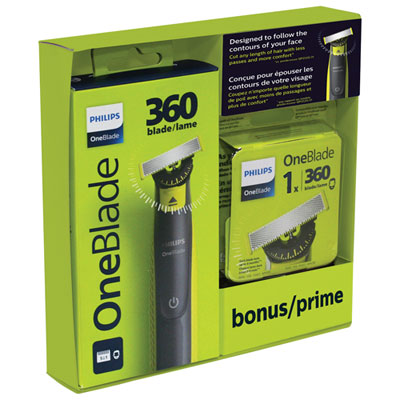
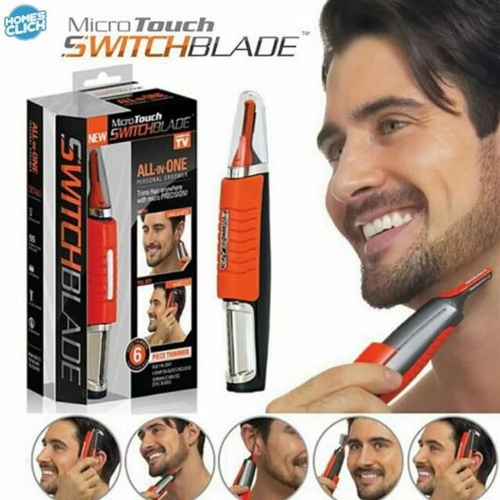
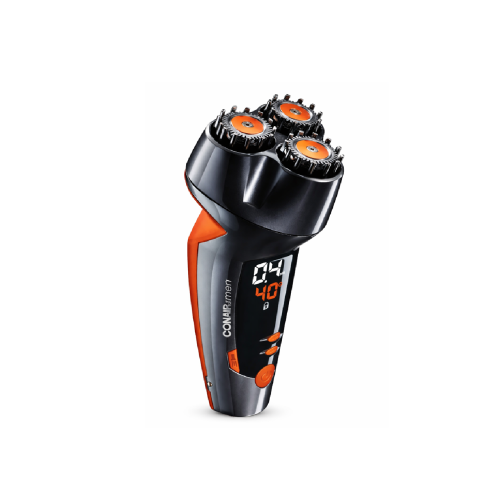

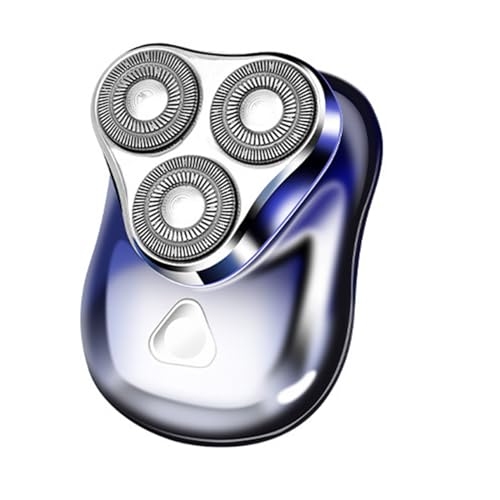
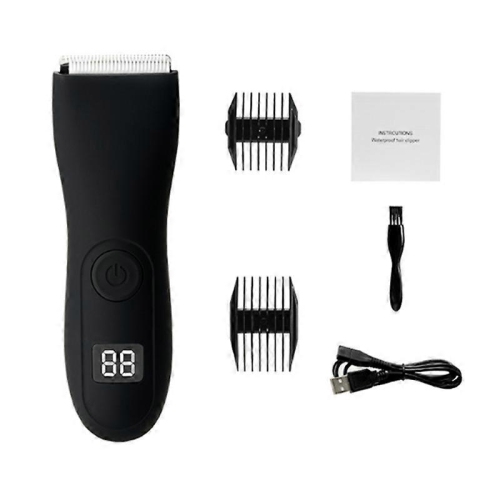
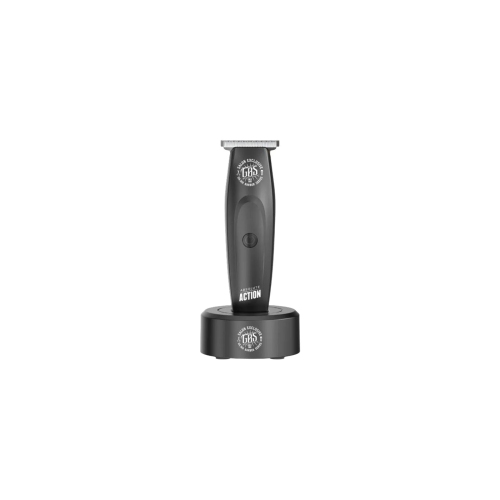
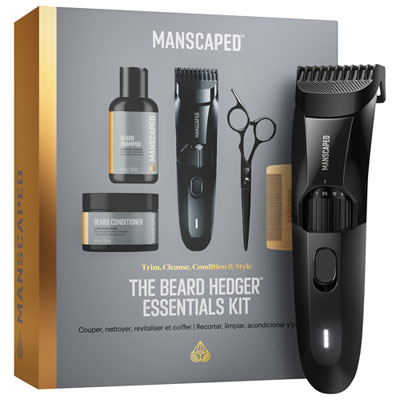
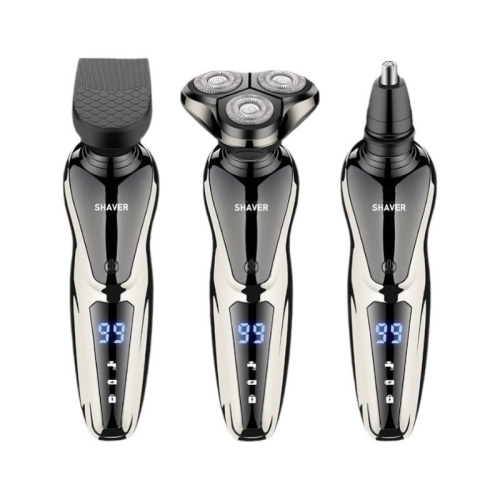
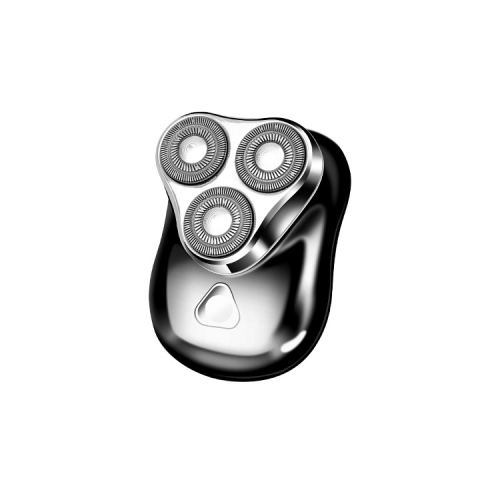

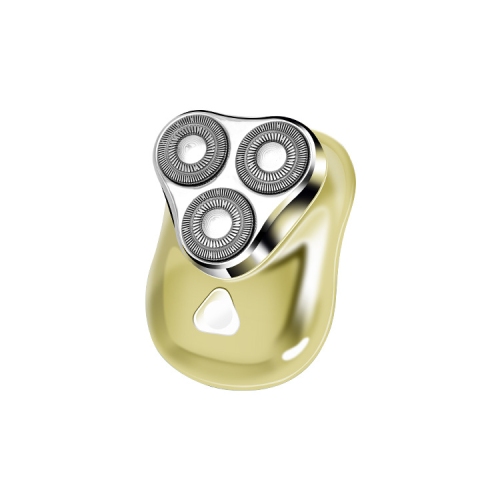
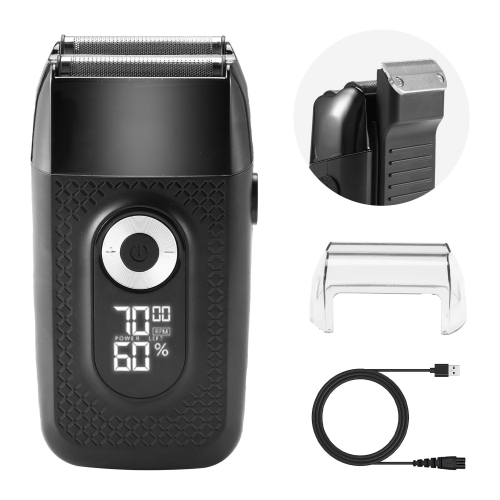
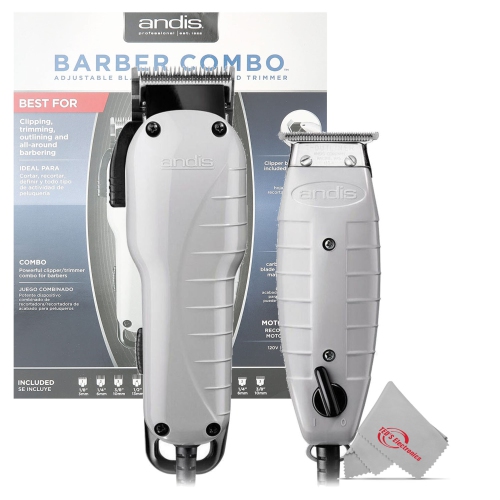
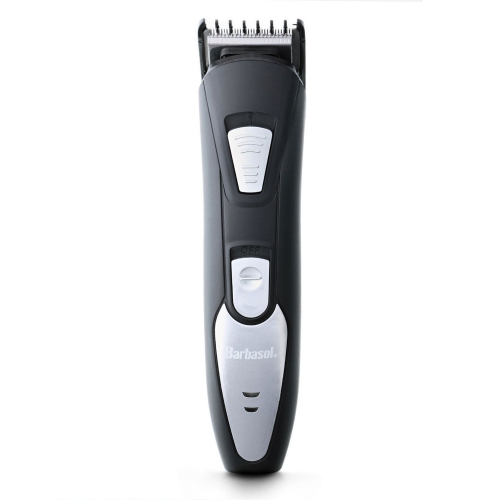
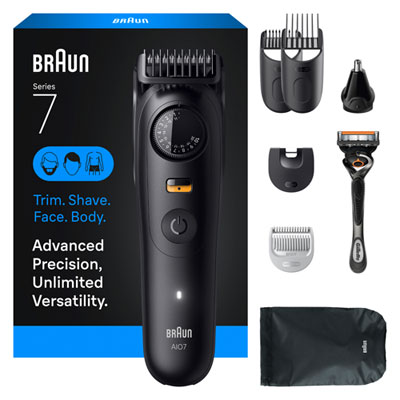
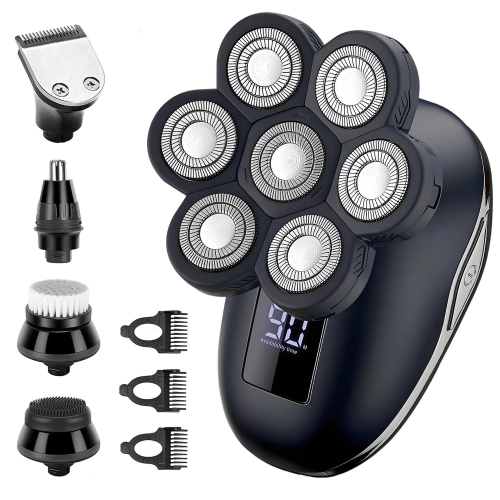
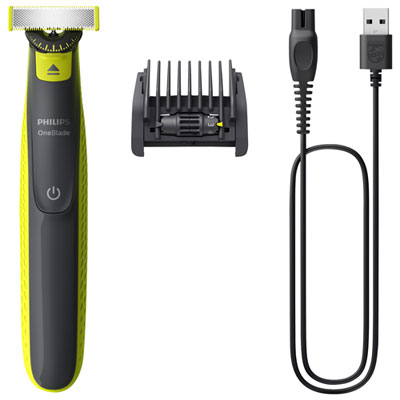
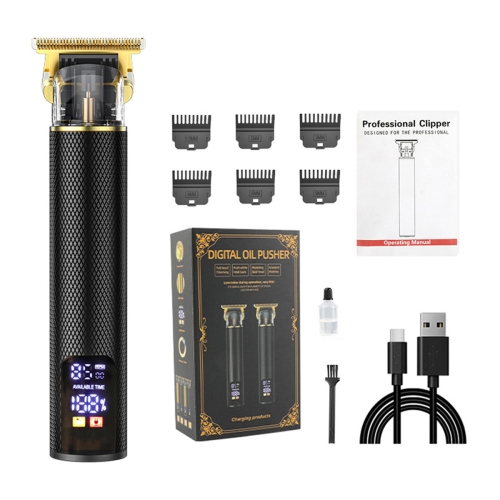

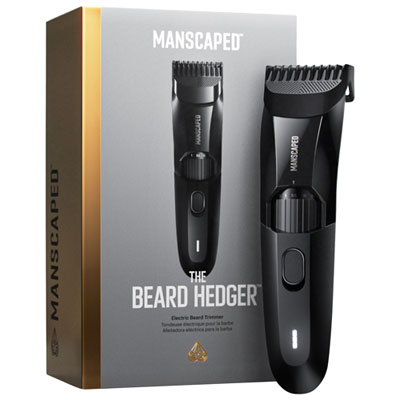
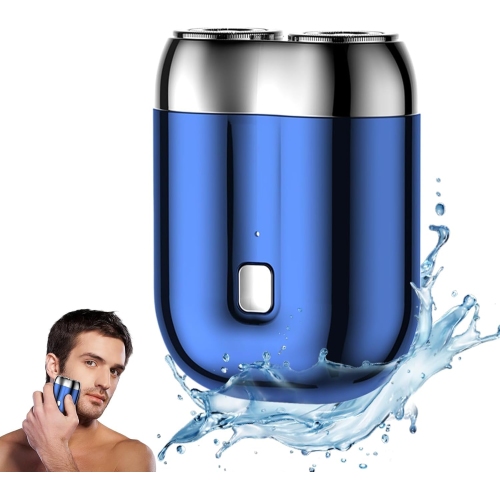

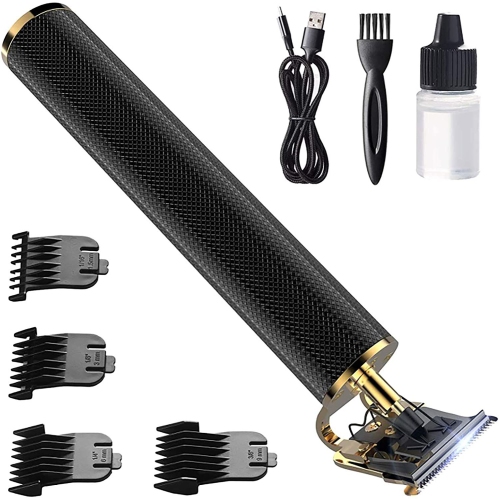

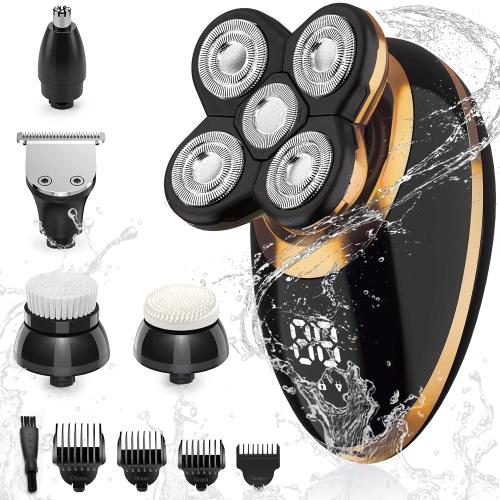
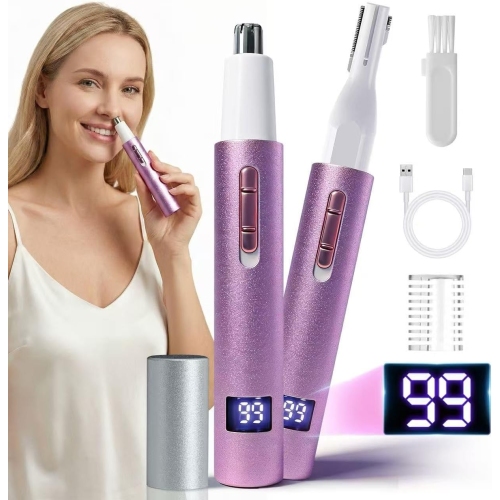

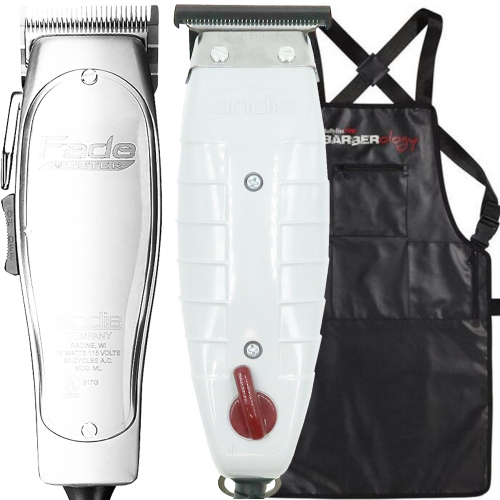
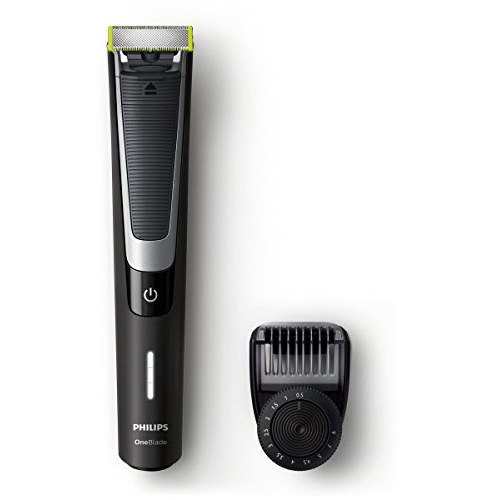
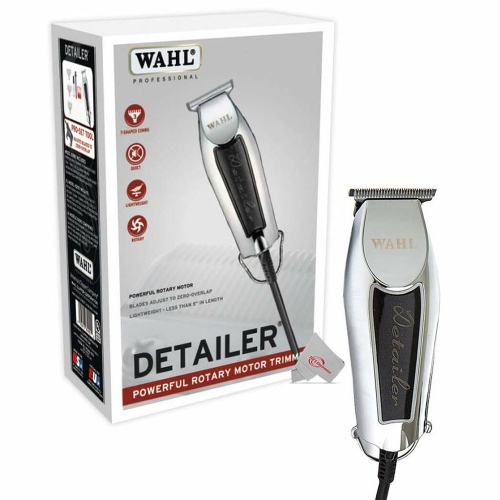
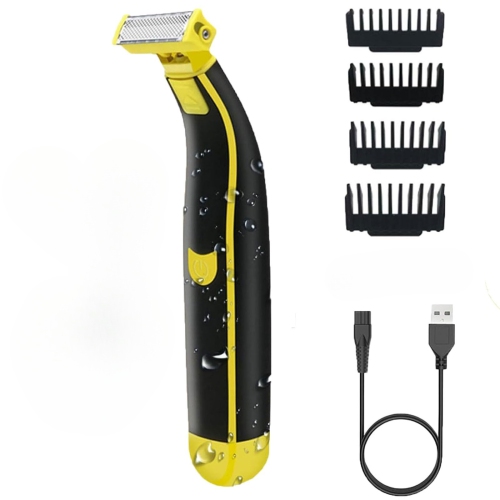
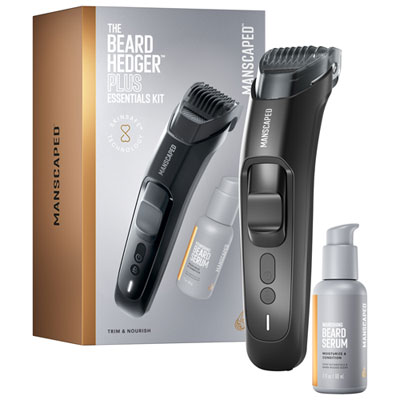

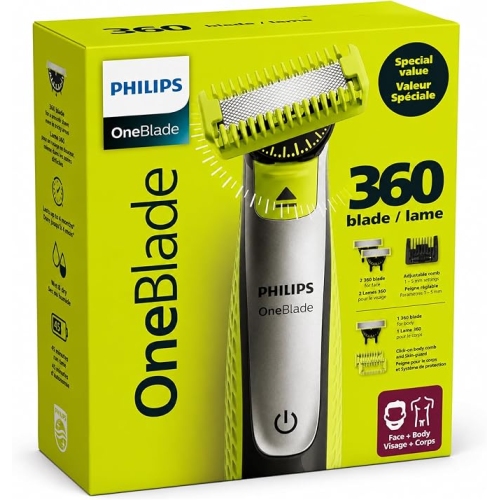

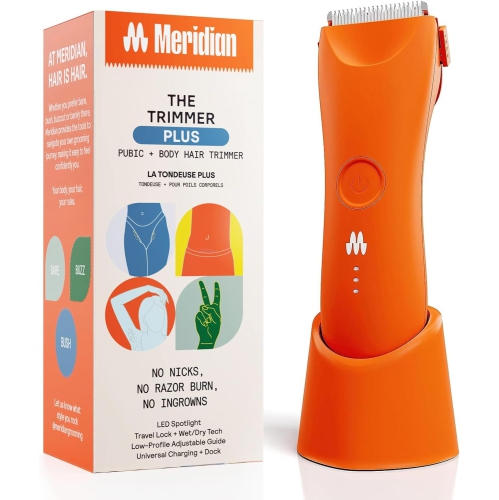
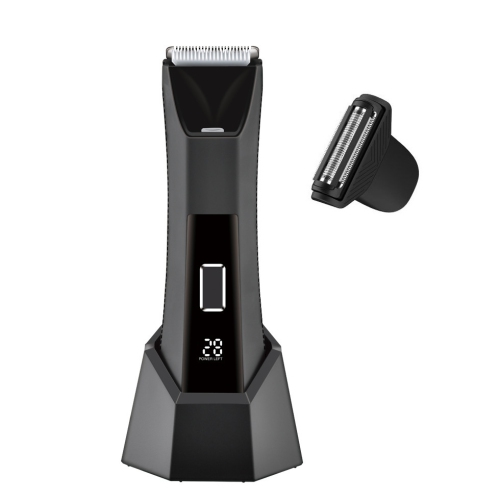
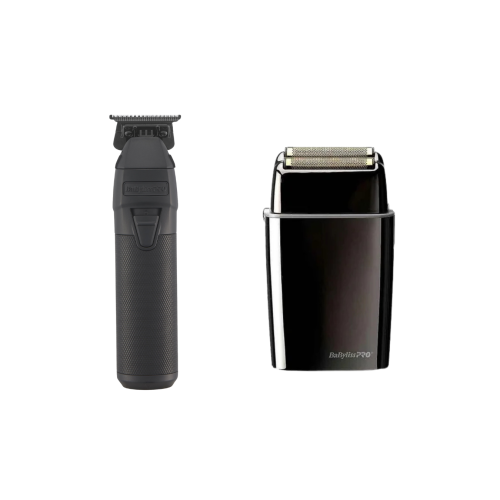
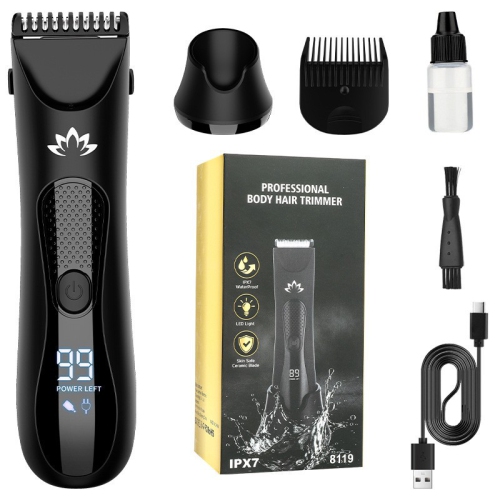
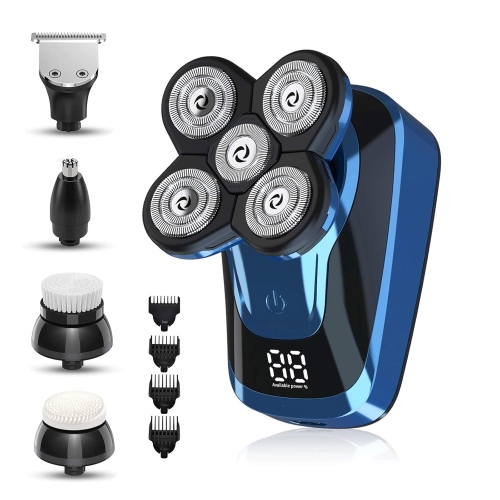
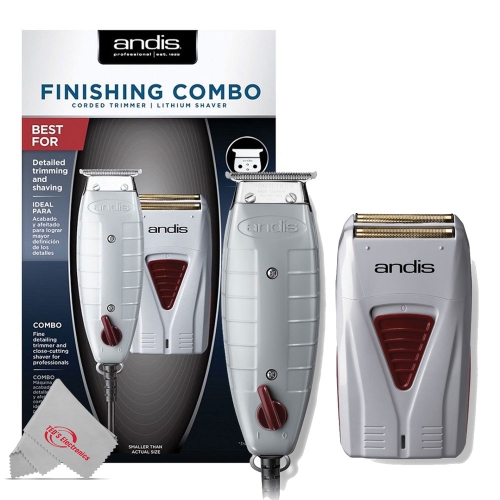
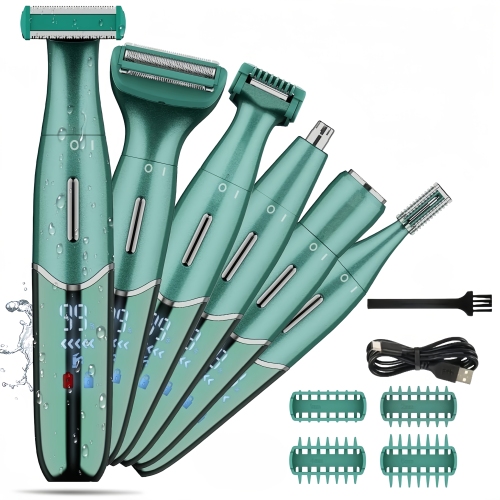
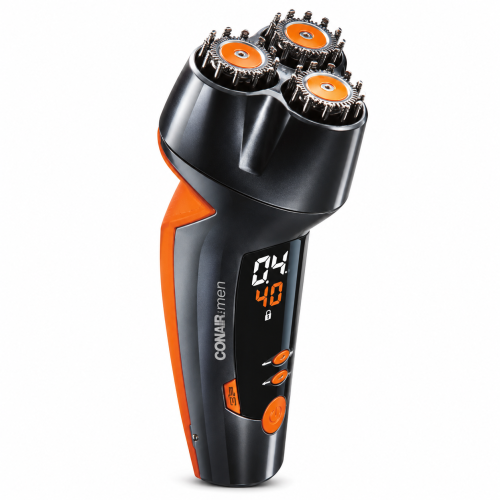
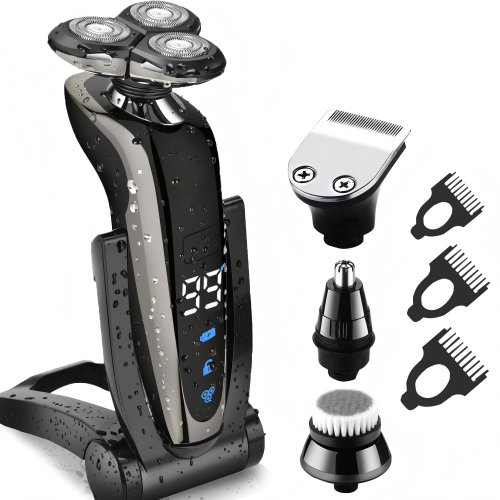
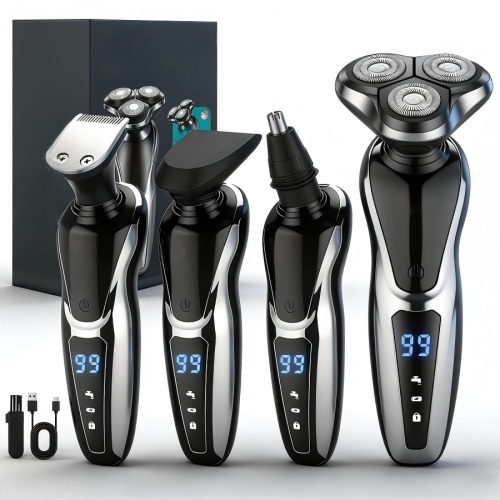
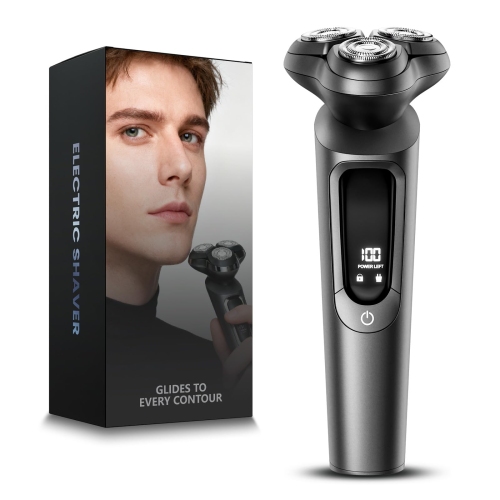
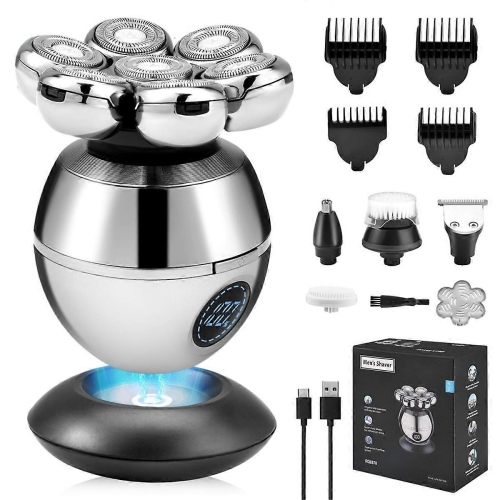
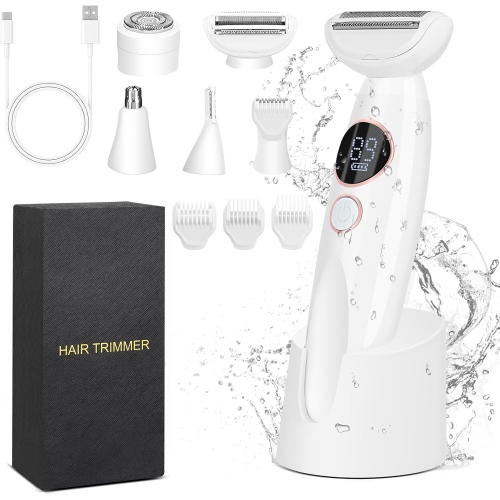
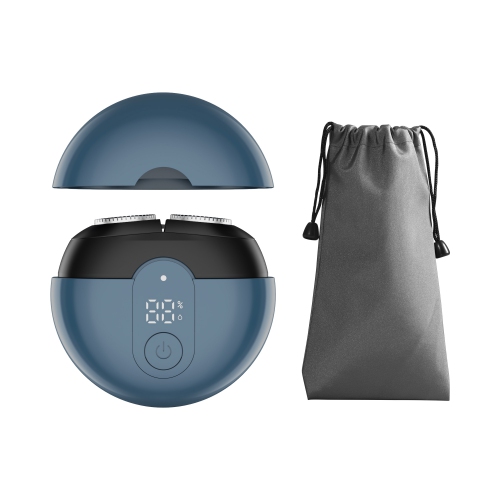
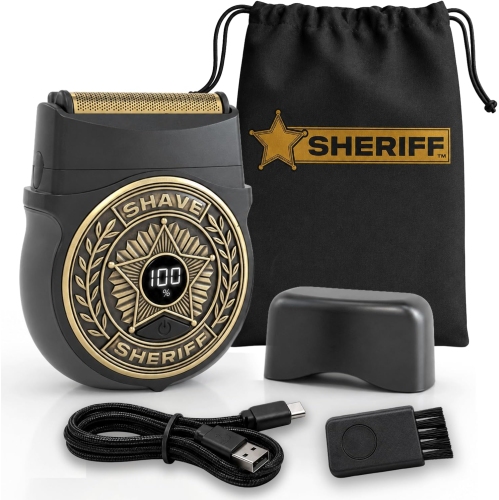
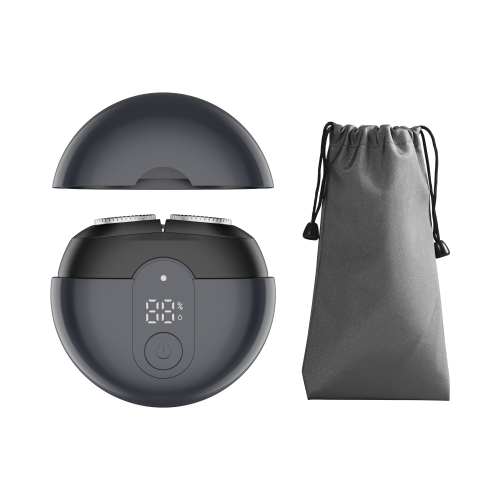
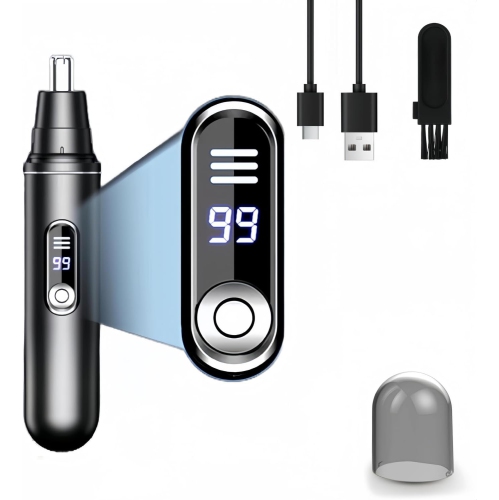

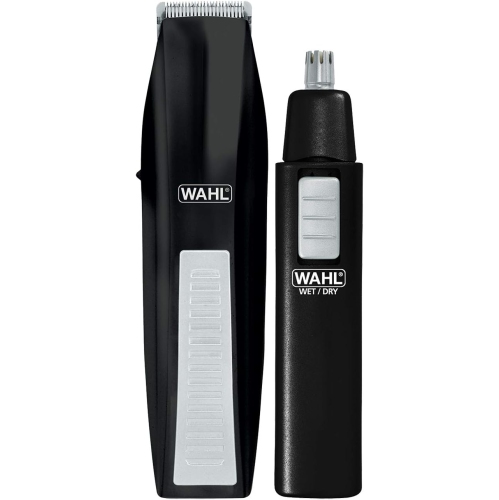
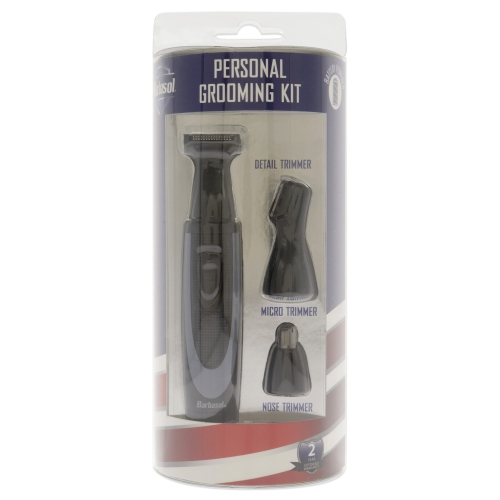
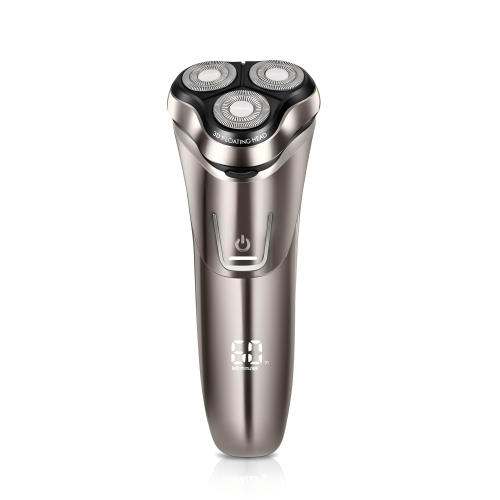

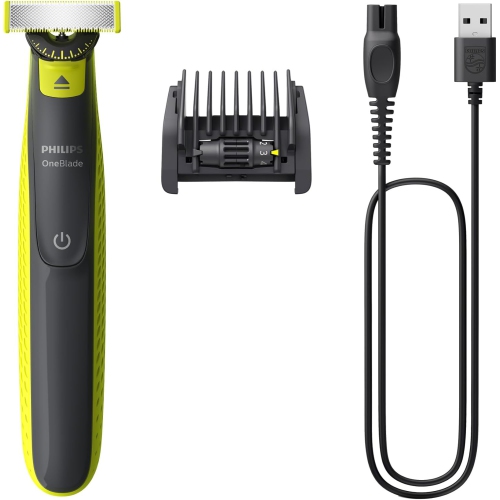
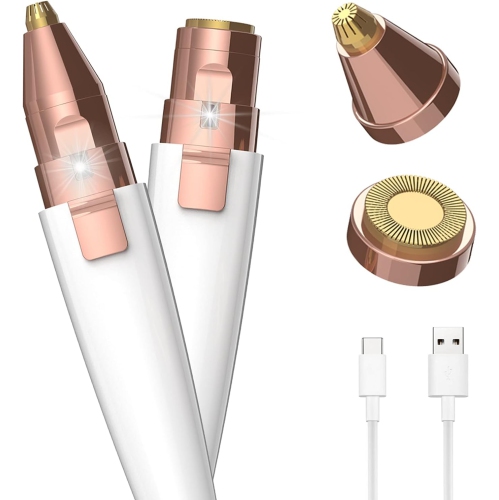
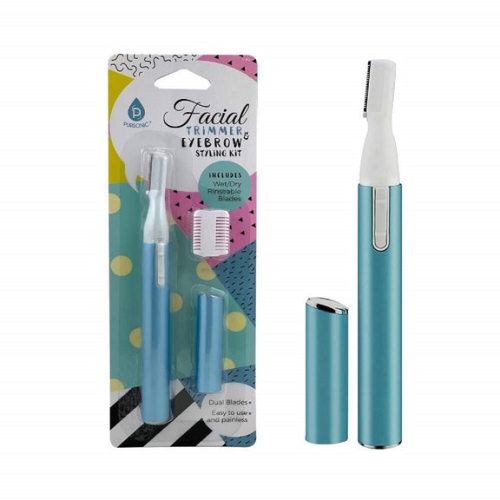
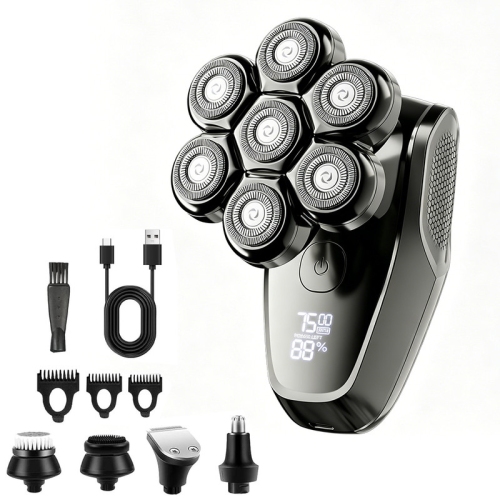
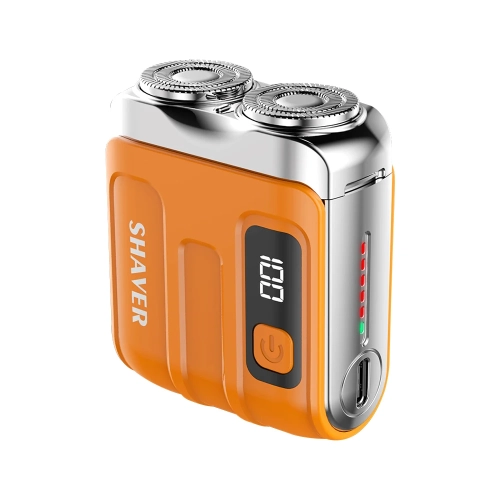
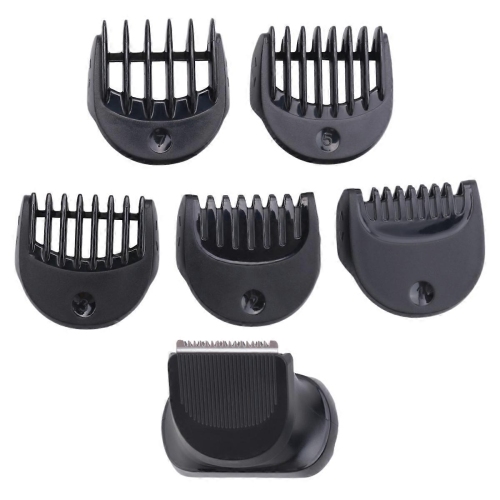
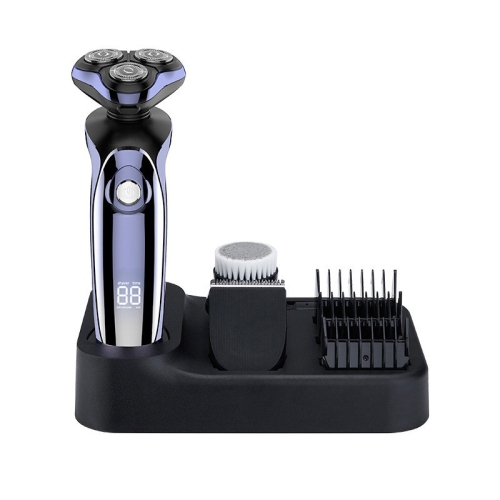
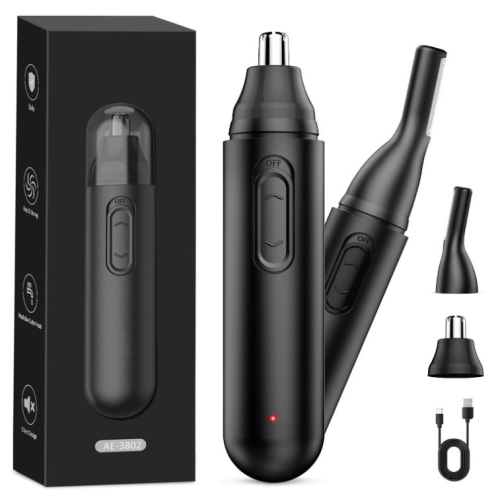
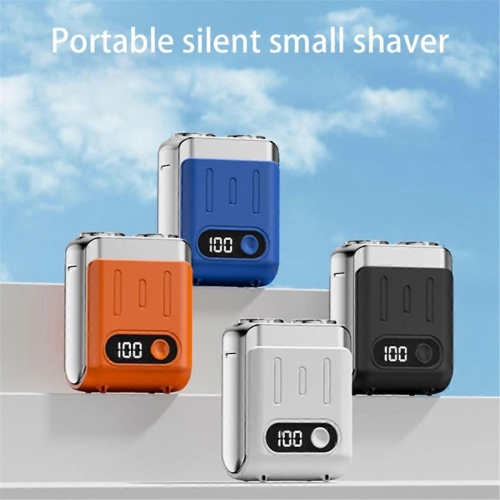
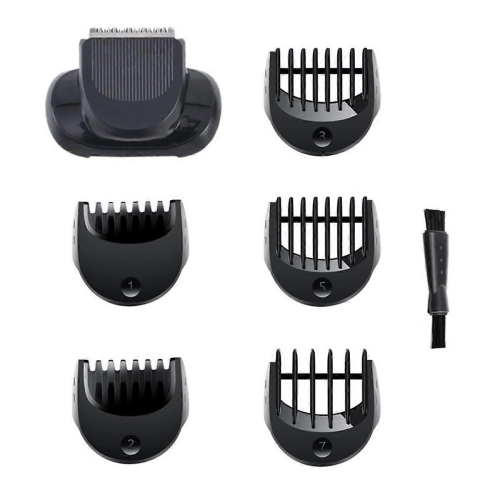
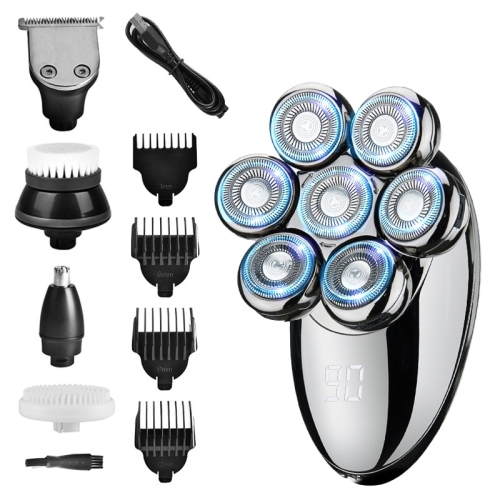

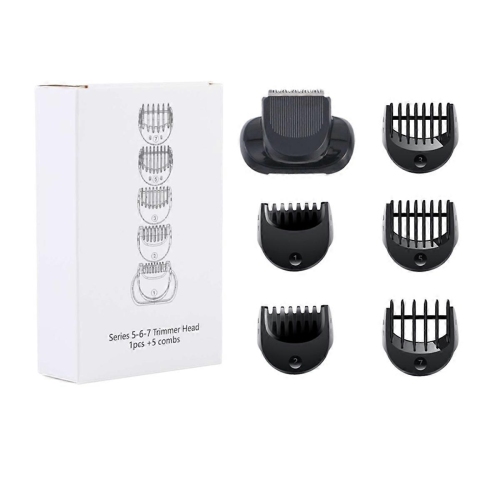
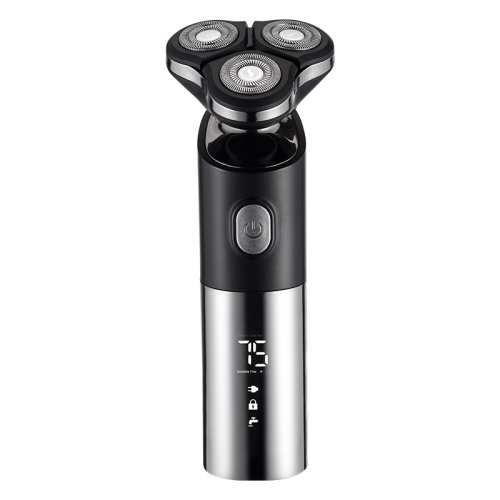
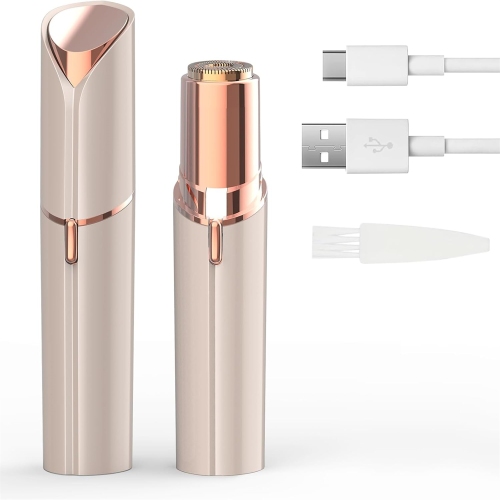
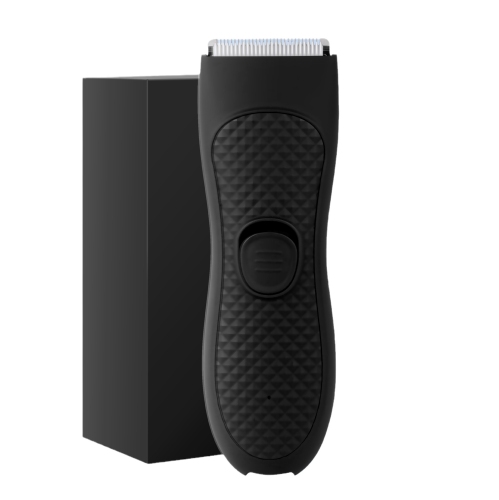


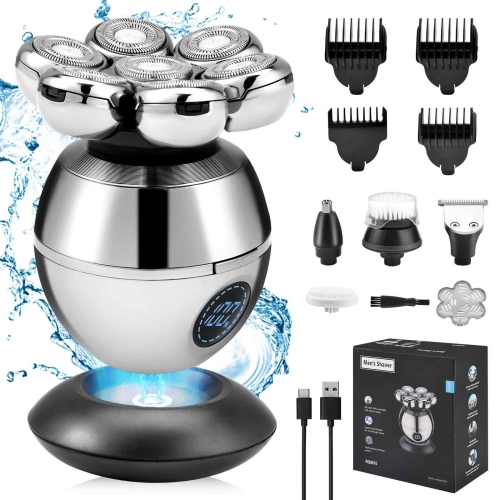
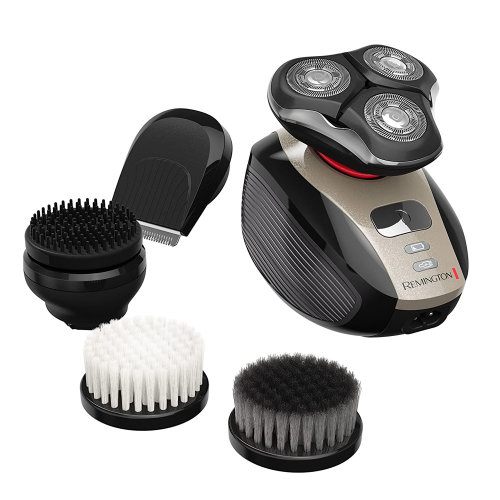
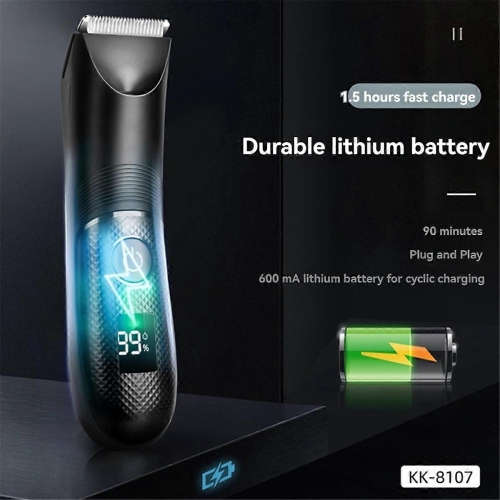
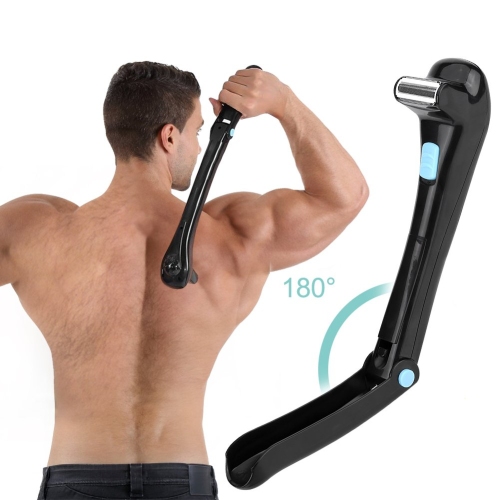
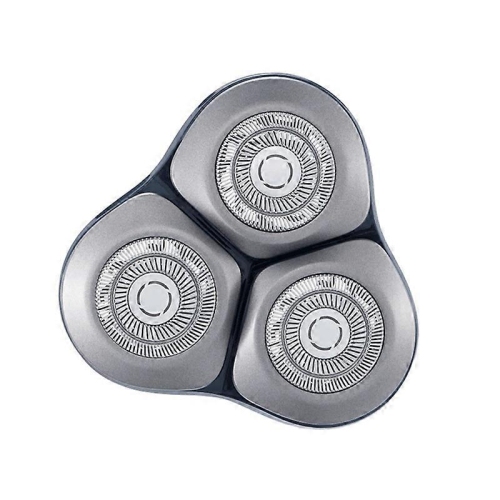

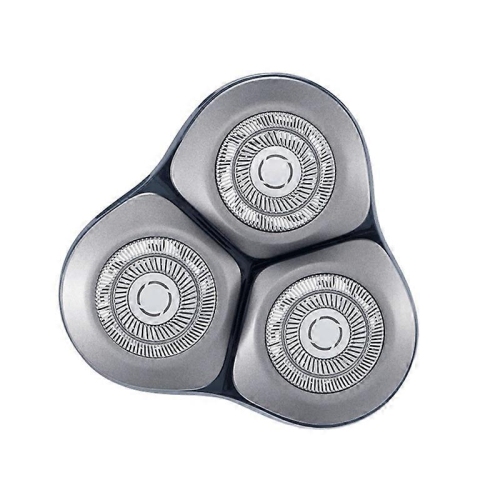
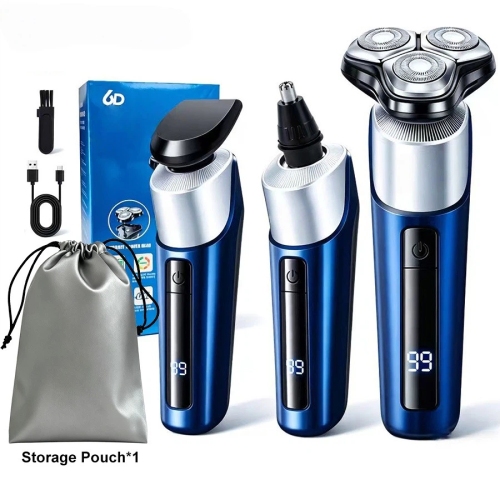
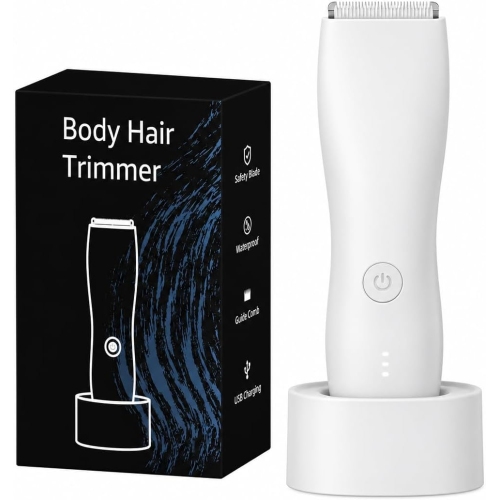
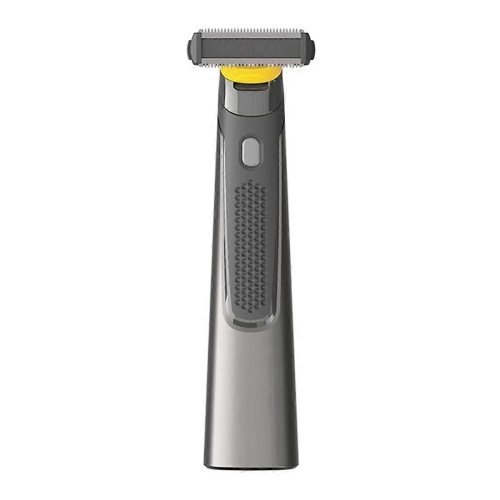
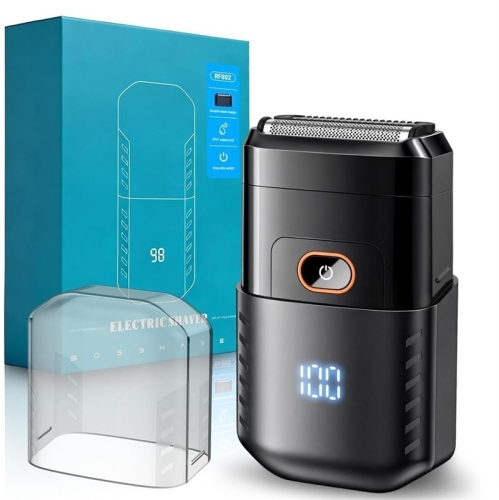
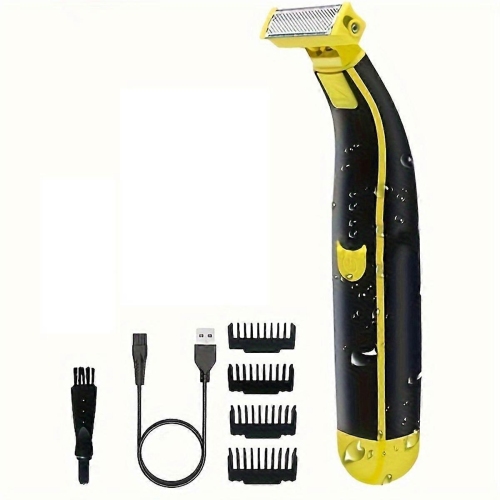
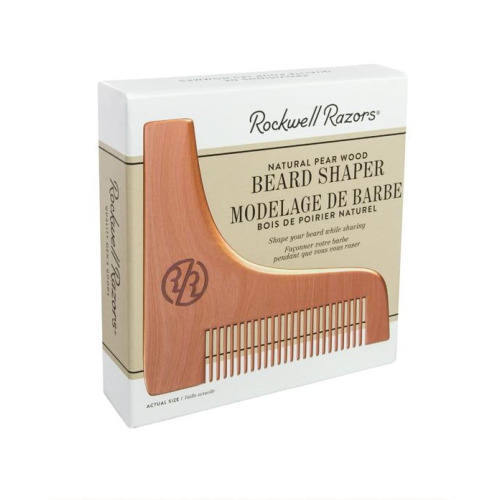
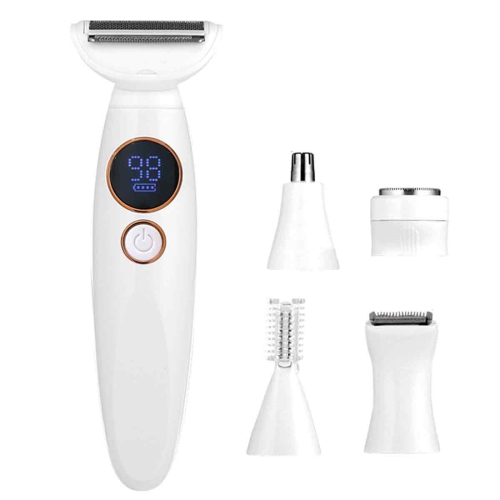
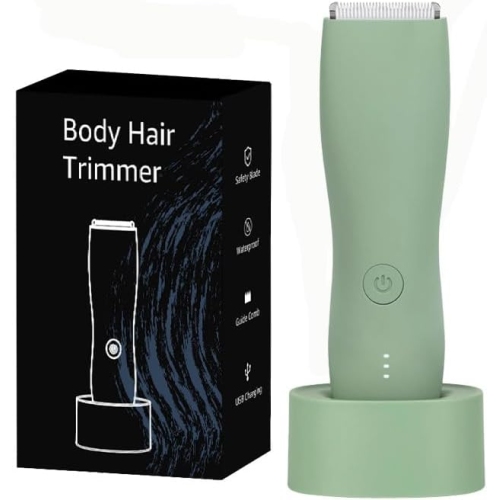
Different grooming jobs call for different trimming tools
Beard and hair trimmers cover a range of grooming tasks, from keeping stubble even to tidying a neckline or maintaining a short haircut. Although the names are sometimes used interchangeably, beard trimmers and hair clippers generally have different strengths. Beard trimmers typically have narrower cutting heads and finer length adjustments for facial hair, while hair clippers usually have wider blades and comb attachments suited to removing more hair across the scalp. A detail trimmer offers a smaller cutting surface for shaping sideburns, defining a moustache, or cleaning up the edges of a beard. Multipurpose grooming sets may combine several of these functions through interchangeable heads, making them useful for someone who maintains both facial hair and a cropped hairstyle at home. The right combination depends on the jobs the tool will actually handle: keeping a short beard uniform calls for different attachments than cutting through thick hair or blending the sides of a haircut. For shoppers whose main focus is facial hair, beard and mustache trimmers offer a more focused category for comparing shaping and length-control features. Longer beards benefit from combs that reach the desired length without flattening the hair excessively, while short stubble places more importance on fine adjustment near the blade. A trimmer without a guard can create a close outline, but it does not necessarily leave the same smooth finish as a razor or foil shaver. That distinction matters when deciding whether the goal is a defined beard line, an even shadow, or a clean-shaven patch beneath the neckline. For home haircuts, a wider cutting head can make larger areas more manageable, while a compact head is easier to position around ears and corners. A single tool can suit a simple routine well, but separate cutting and detailing tools may feel more practical for someone who regularly changes styles. Looking at beard and hair trimmers by their intended use helps distinguish useful versatility from attachments that would rarely leave the storage case.
Blade construction, length settings, and handling all influence how a trimmer feels in regular use. Stainless steel blades are common, while some designs use ceramic cutting components or additional surface treatments; the material alone does not determine cutting quality or maintenance needs. Blade alignment, motor performance, and a suitable comb also affect whether a tool moves steadily through dense facial hair or needs repeated passes. A sharp, well-maintained cutting assembly should cut rather than tug, although tangled hair, a clogged head, or an unsuitable attachment can affect the result. Adjustable combs offer several lengths in one attachment, while individual guards provide fixed settings that are easy to identify and return to. Clearly marked lengths are particularly helpful for maintaining a familiar beard shape or repeating a haircut without relying on memory. Small increments can make a noticeable difference on short facial hair, whereas a longer beard may need greater reach and a comb that remains stable as it moves through fuller sections. Some hair clippers also have a taper lever for changing the cutting length within a limited range, which can help soften transitions between sections. The feel of the handle deserves just as much attention as the attachment list. A balanced body, secure grip, and controls positioned away from the natural resting place of the fingers can make precise work less awkward. Someone trimming the back of their head with a mirror may value a lighter tool, while someone maintaining a dense beard may place more emphasis on steady cutting performance. Textured surfaces can improve grip, though a comfortable shape remains important when the tool is held at different angles. Secure attachment connections, sturdy comb teeth, and an accessible cutting head also contribute to long-term usefulness. A travel lock or protective cap can prevent accidental activation or protect exposed cutting surfaces, depending on the design. These practical details often matter more in daily use than a large accessory count, especially when the same few settings are used every time.
Power options and cleaning requirements shape how easily beard and hair trimmers fit into a routine. Corded tools provide continuous operation near an outlet, making them useful for longer haircutting sessions without planning around a battery charge. Cordless designs allow more freedom around the head and face, particularly when reaching behind an ear or checking a neckline in a handheld mirror. Some tools support both corded and cordless operation, while others cannot be used during charging, so those functions should not be assumed to be interchangeable. Battery runtime is most useful when considered alongside charging time, since a brief beard touch-up and a full haircut place different demands on the tool. Charge indicators can make remaining power easier to judge, and a quick-charge function, where included, may provide enough power for a short session rather than a complete recharge. Cleaning features vary just as much. A removable, rinsable blade head is not the same as a fully washable housing, and neither automatically means a trimmer is intended for shower use. Following the stated water-resistance and cleaning instructions helps protect the motor, charging connection, and cutting assembly. Loose hair can collect beneath combs and around moving blades, so easy access to those areas makes routine care more manageable. Where blade oil is specified, using it as directed helps the cutting surfaces move smoothly; self-sharpening blades do not necessarily eliminate that requirement. Drying washable components before storage and keeping attachments together in a pouch or stand also helps preserve the kit between uses. Replacement blades and compatible combs are useful considerations for someone expecting to keep a tool for years. For travel, a compact case, secure attachments, and charging compatibility at the destination can matter more than extra grooming heads. As a gift, a beard or hair trimmer is best suited to someone whose grooming preferences are already known, whether that means maintaining a carefully shaped beard, keeping a buzz cut consistent, or handling quick touch-ups between barber visits. A comfortable tool with the appropriate cutting range, straightforward care, and attachments that match those habits can become a dependable part of everyday grooming.
Top selling and popular products
-
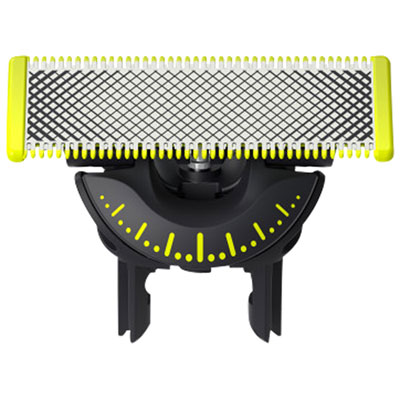 Your price for this item is $19.99
-
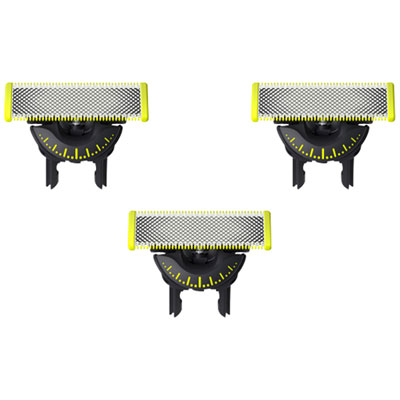 Your price for this item is $44.99
-
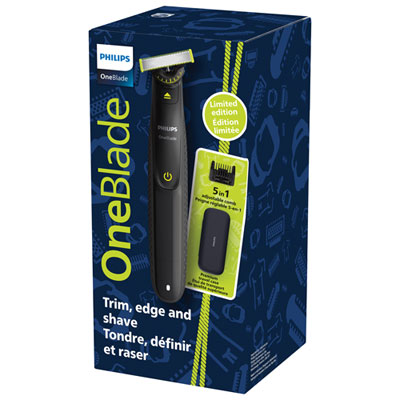 Your price for this item is $74.99
-
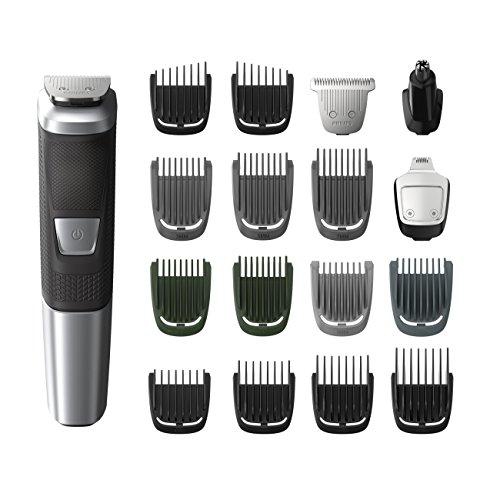 Your price for this item is $35
-
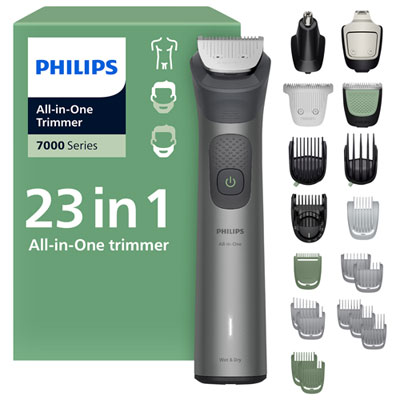 Your price for this item is $89.99
-
 Your price for this item is $21.99
-
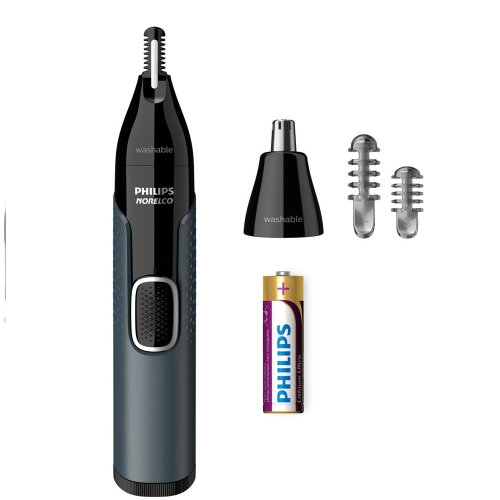 Your price for this item is $34.99
-
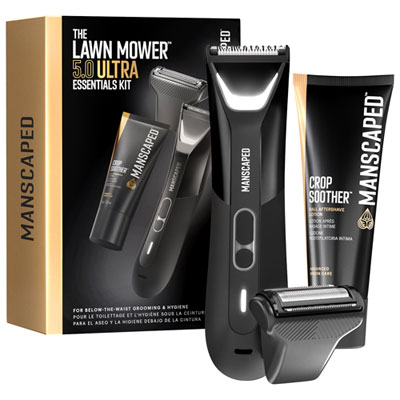 Your price for this item is $149.99
Discover more categories related to Beard And Hair Trimmers
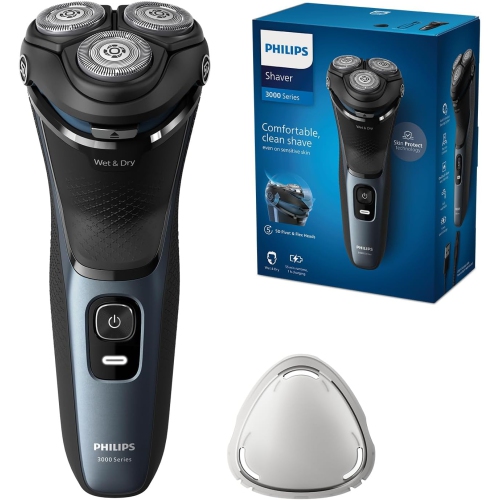
Top Collections:
Best Black Friday Deals This Year, Best Black Friday Deals On Electronics, Kindle Devices, Pokemon Centers, Best Black Friday Deals On Apple Products, Best Cameras for Sports Photography, Dyson Airwrap, Pokémon 30th Celebration Cards, Apple iPhone 17 Pro, Canon G7X Cameras
Some products may be subject to Environmental Handling Fees
(EHF) depending on your province.
Learn more about EHFs.