Samsung S10 Wireless Chargers
Wireless charging is a convenient way to charge your phone. If you're looking for a wireless charger to use for your Samsung S10, consider these options. These chargers can provide efficient and reliable charging for your device. They come in a variety of shapes and sizes, so you can find one that fits your lifestyle. Here are some great Samsung s10 wireless changer options.
Sort





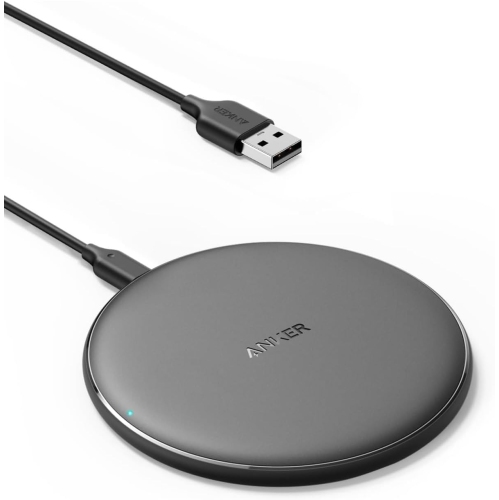
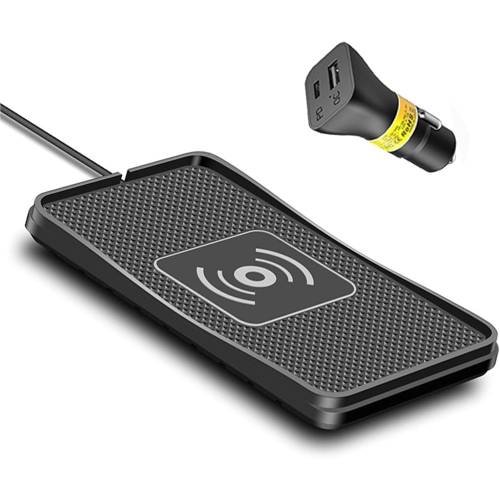

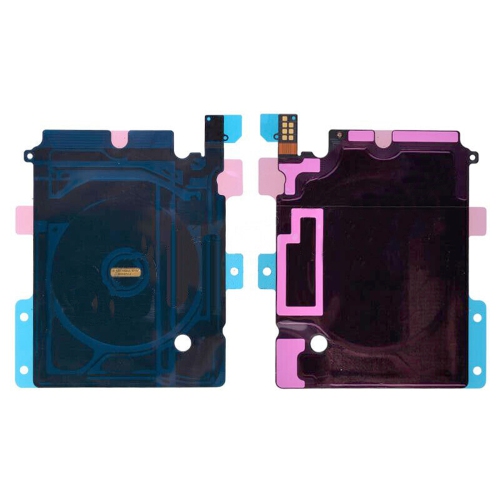
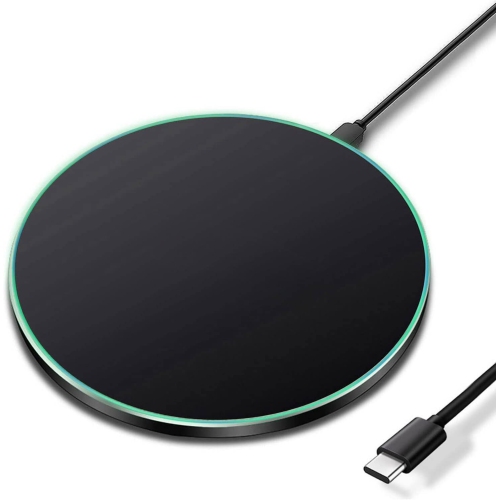








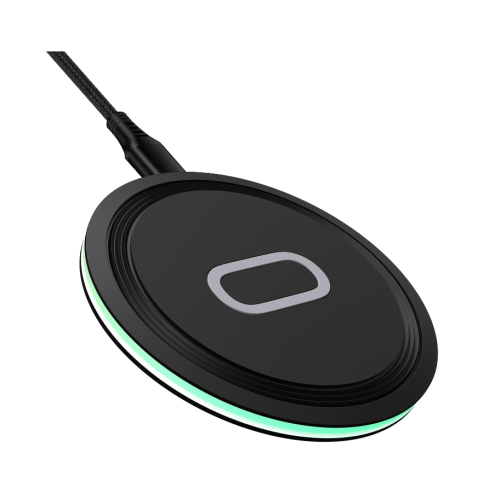
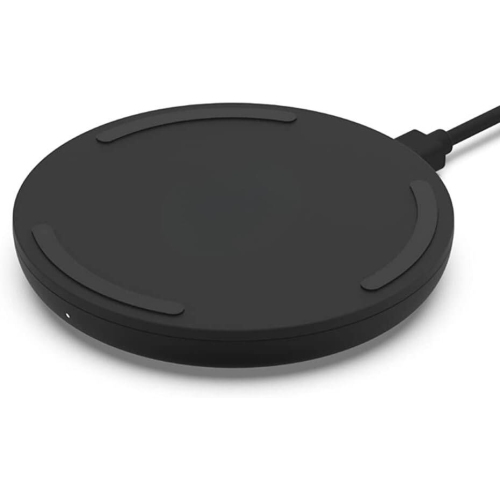


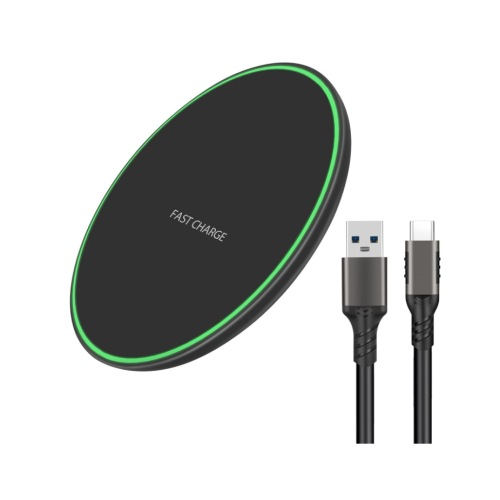


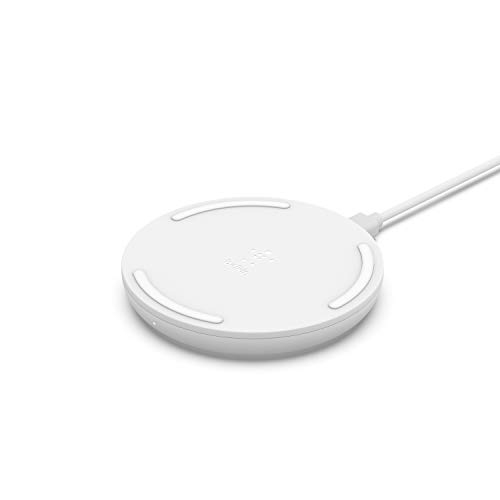



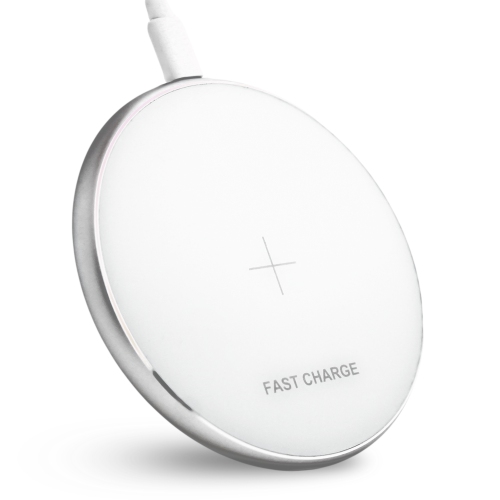

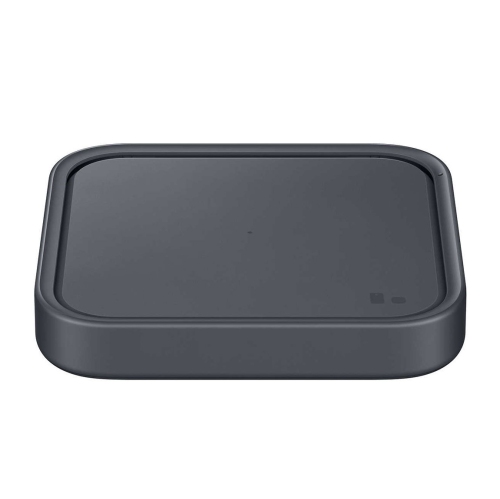
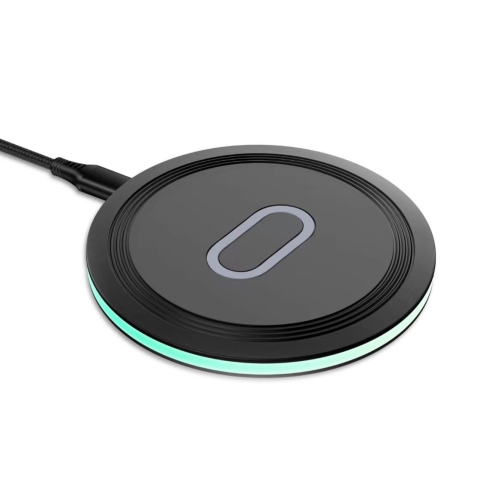
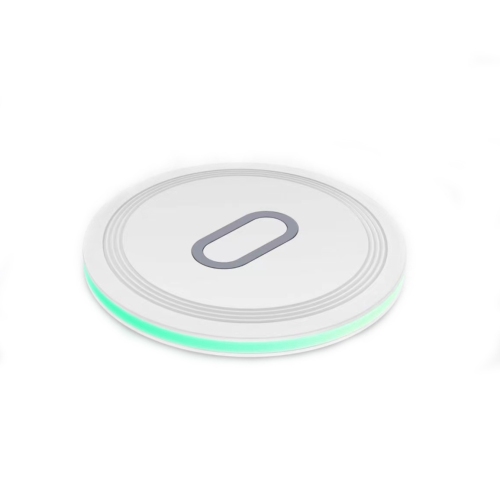




Why wireless charging depends on more than wattage
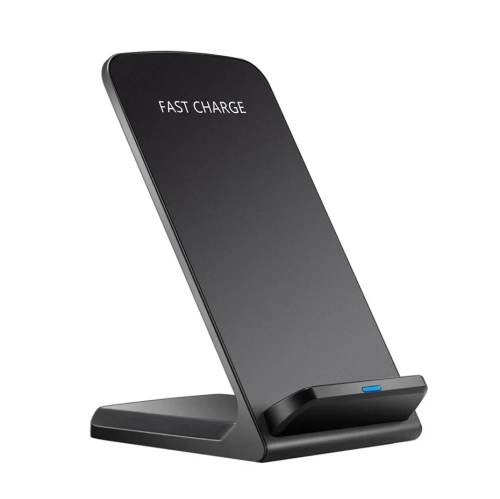
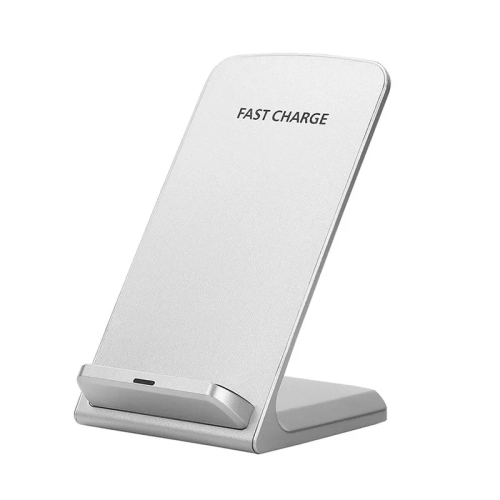
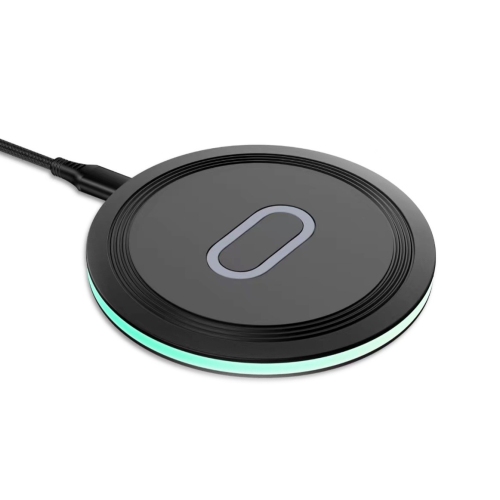
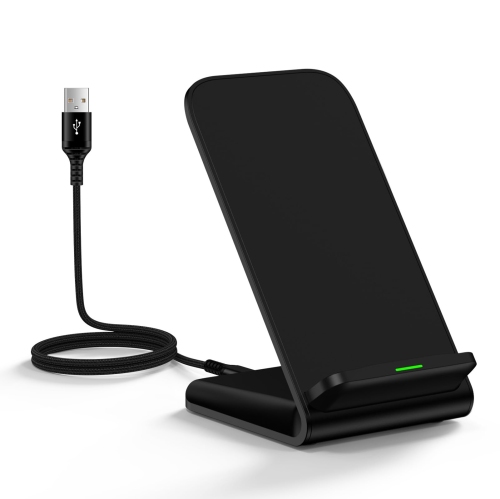
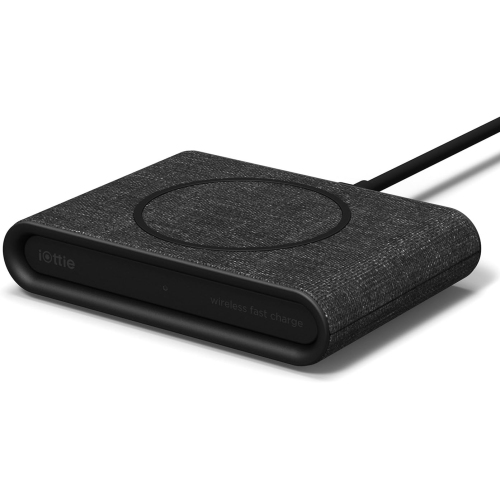
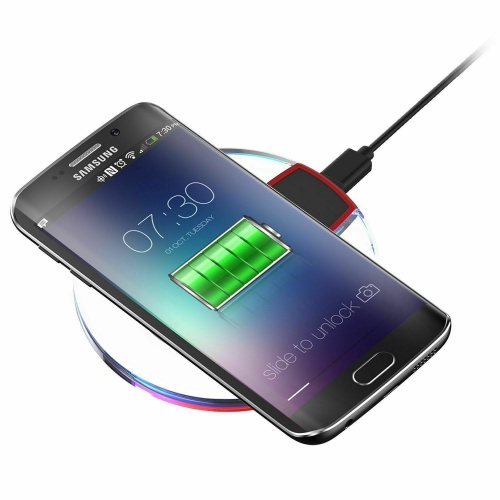
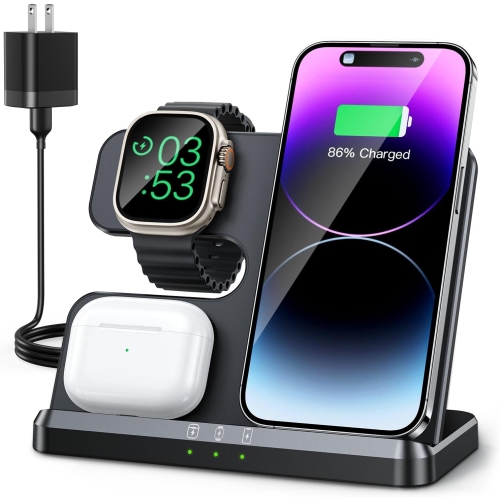
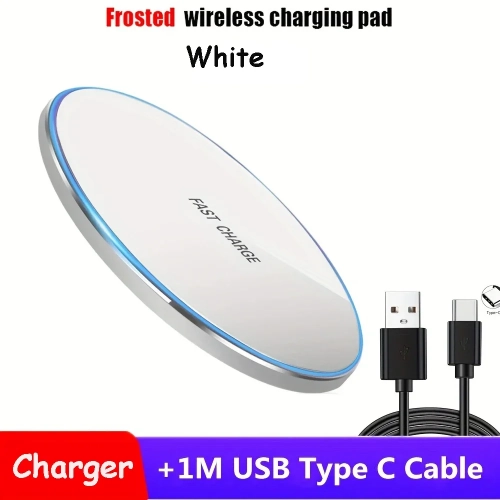
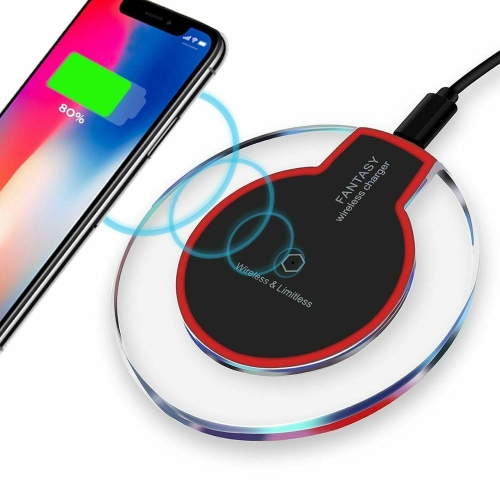
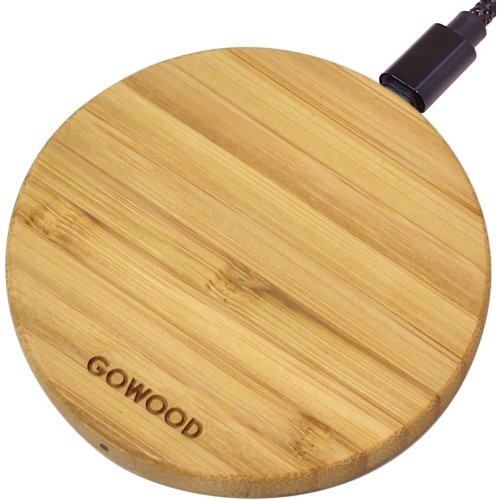
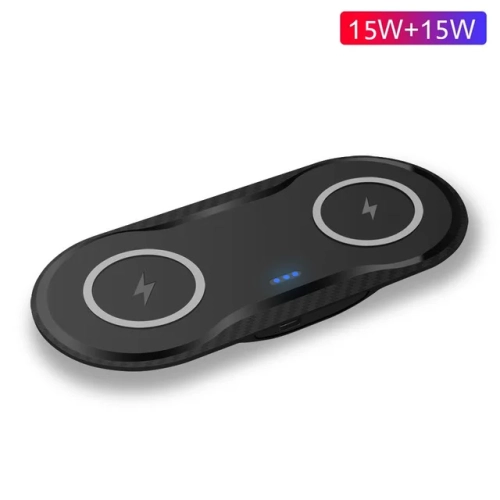
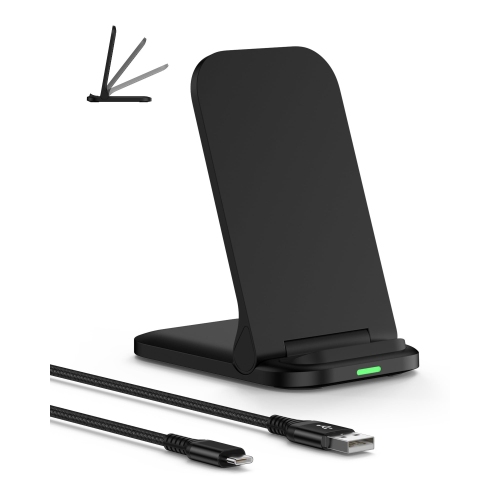
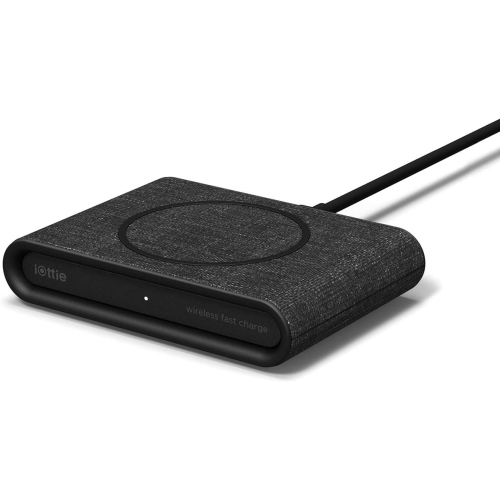
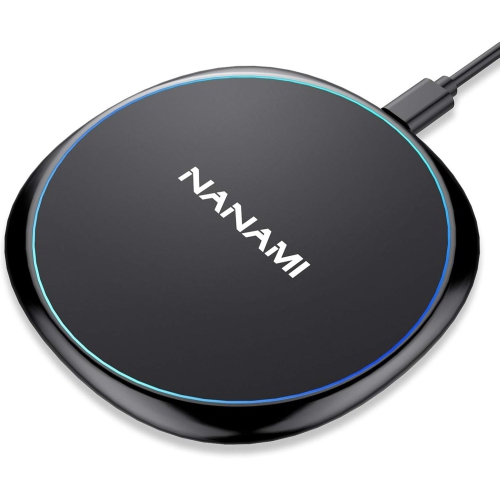
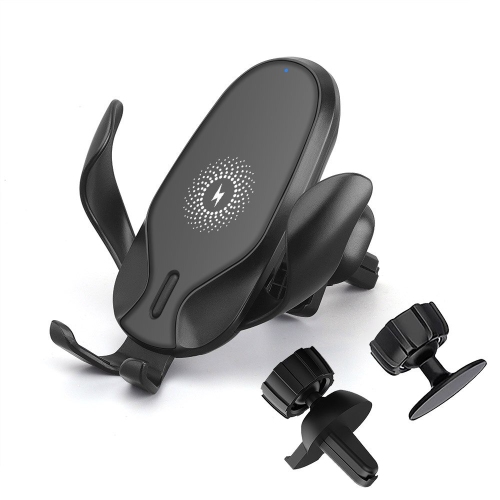
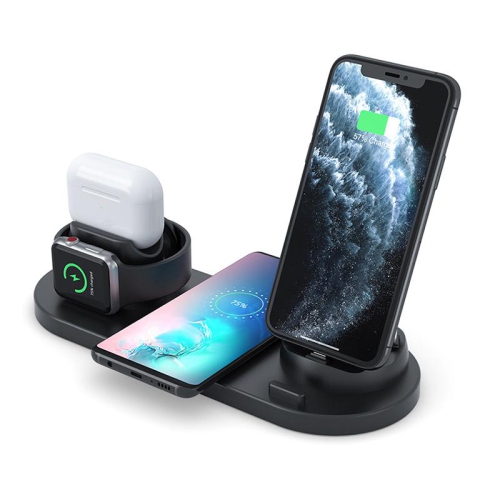
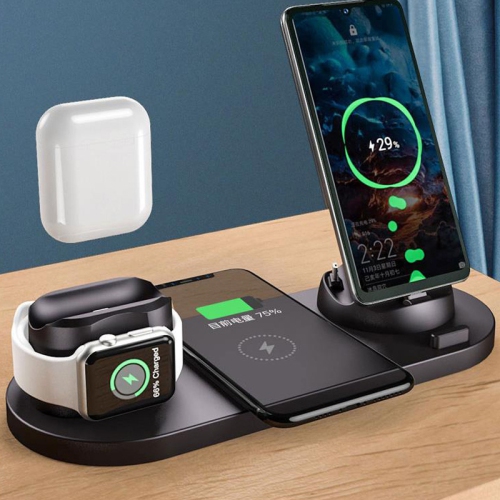
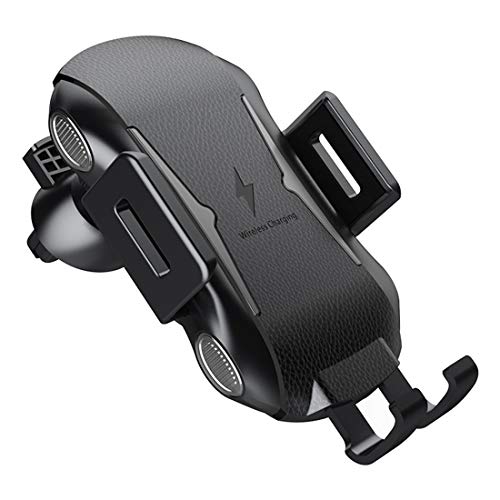
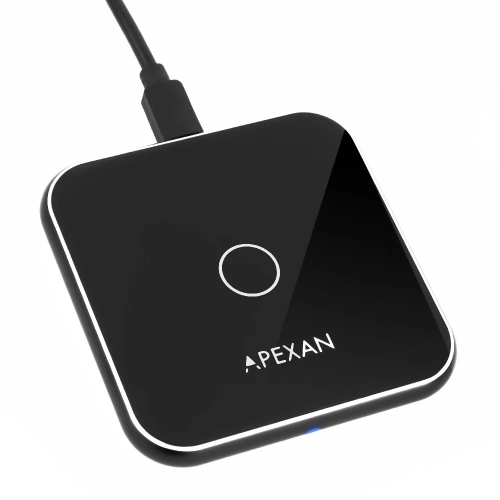
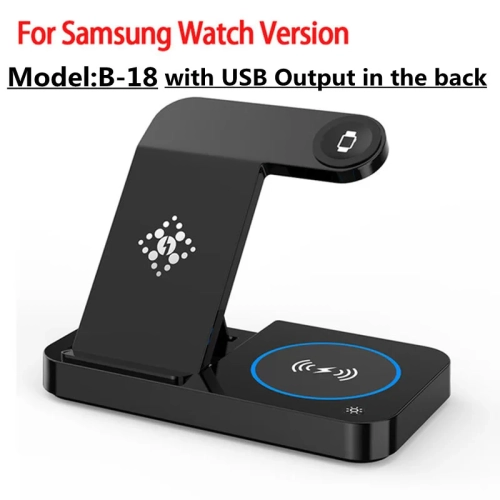
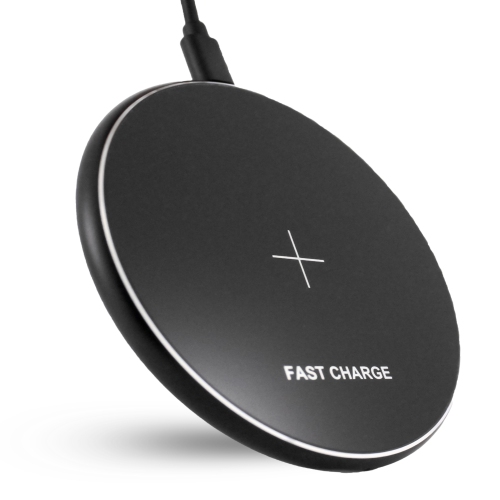
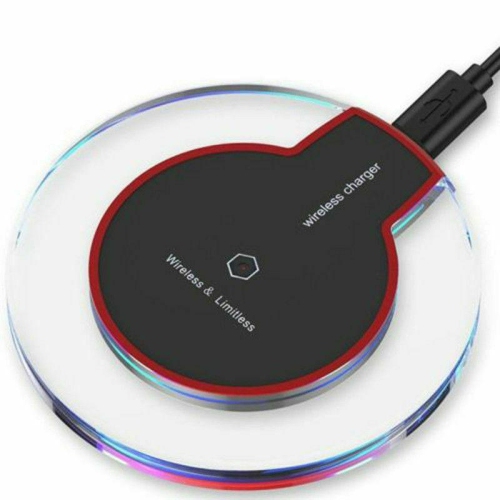
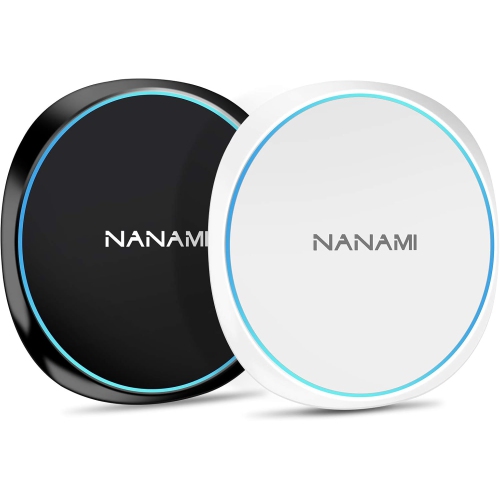
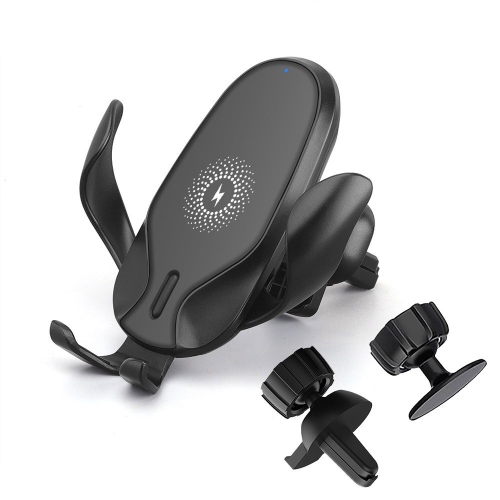
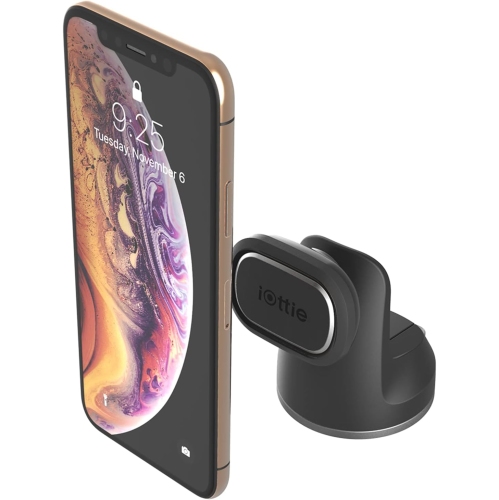
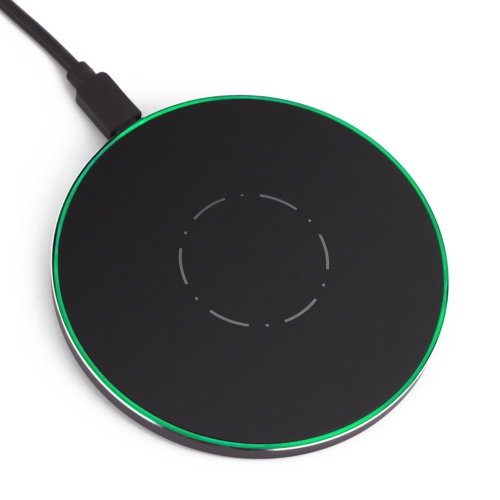
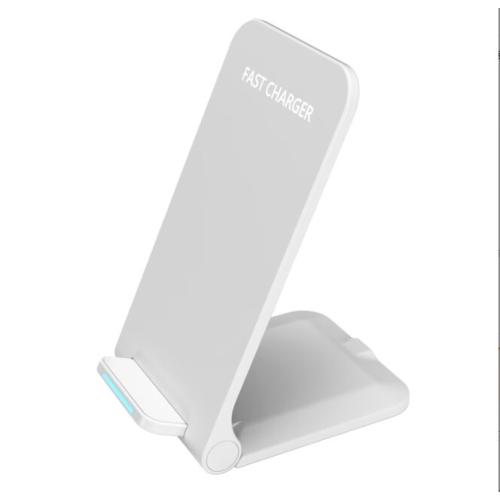
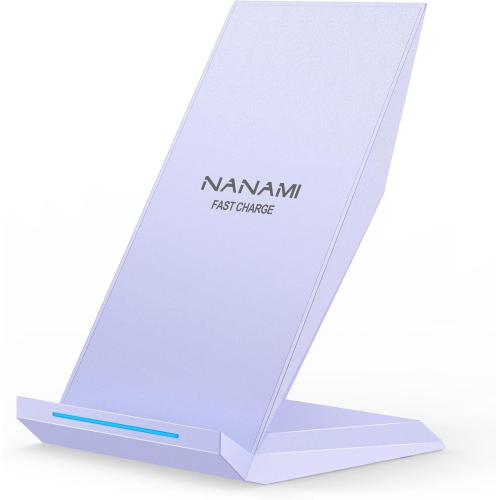
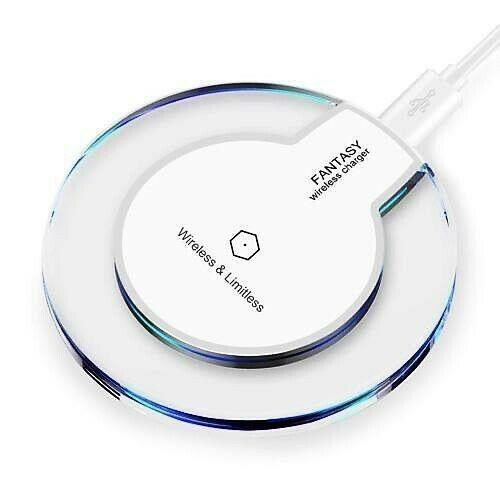
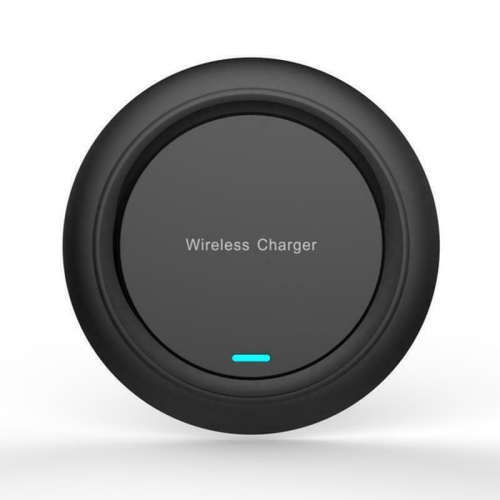
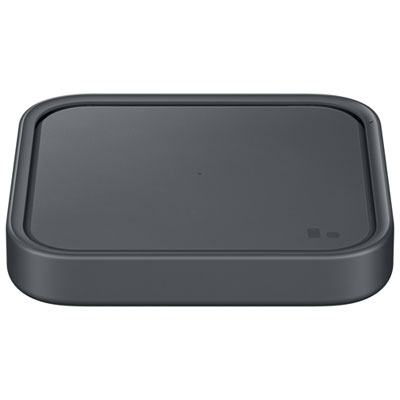
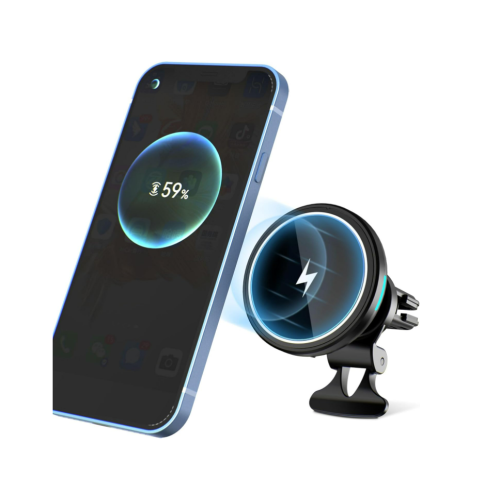
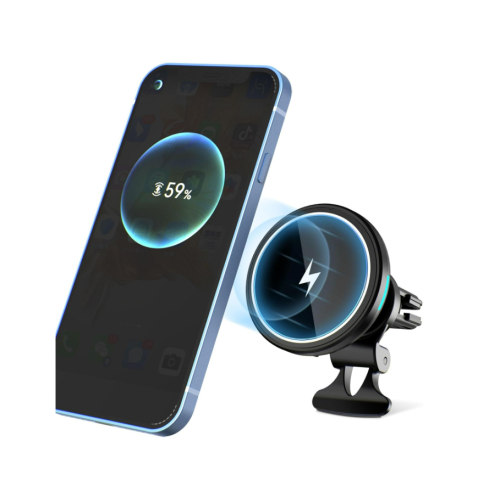
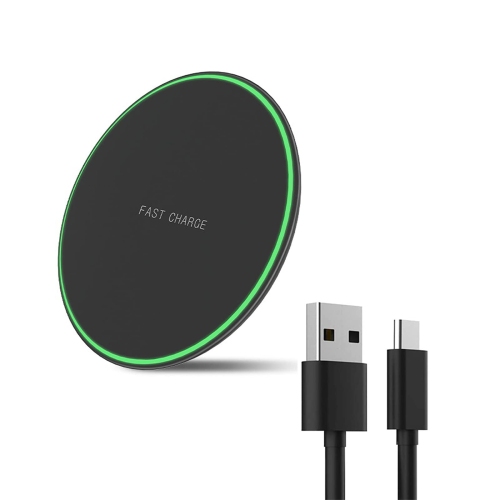
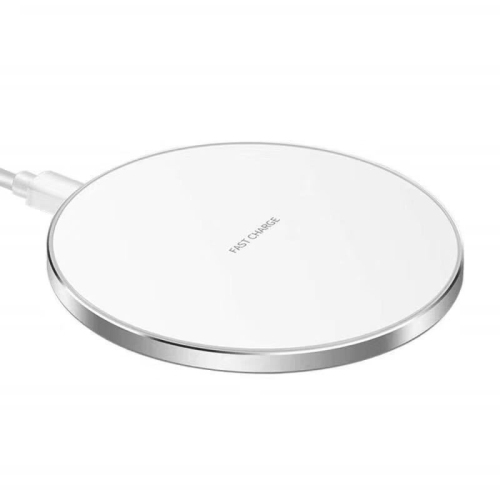
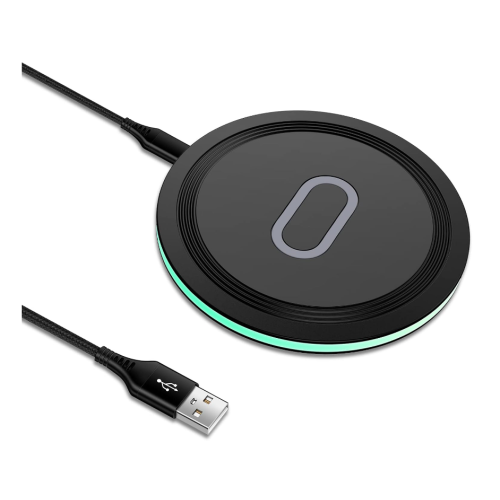
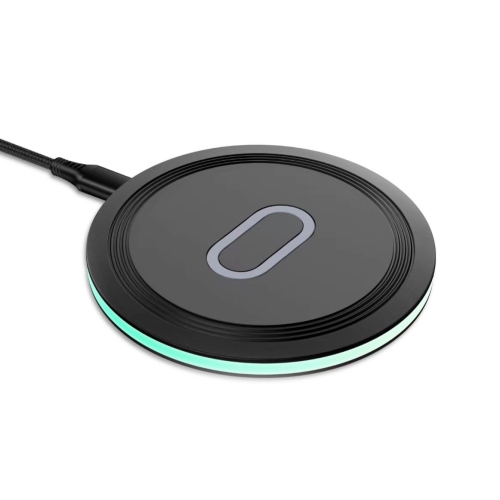
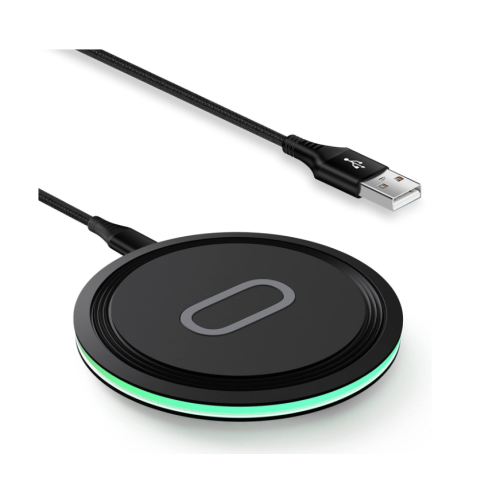
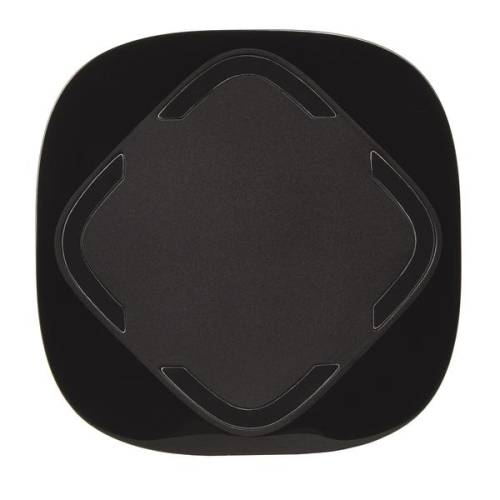
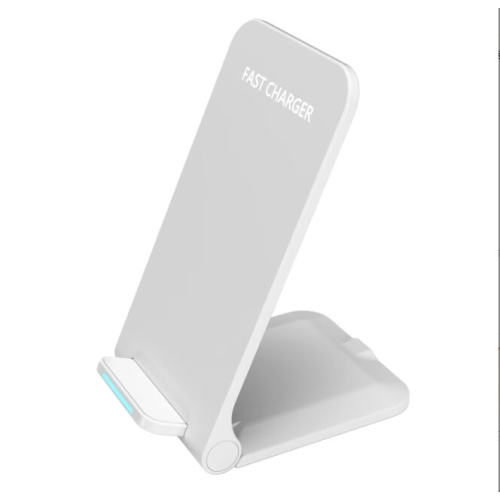
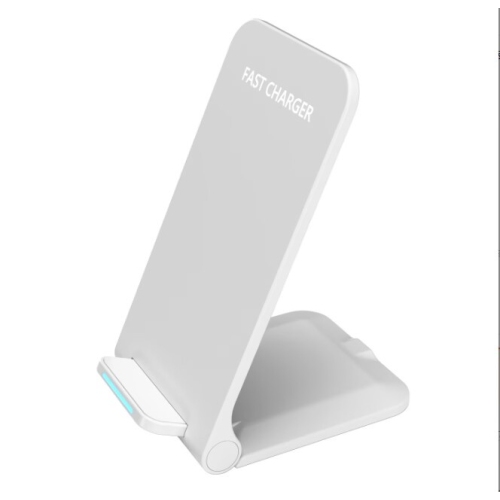
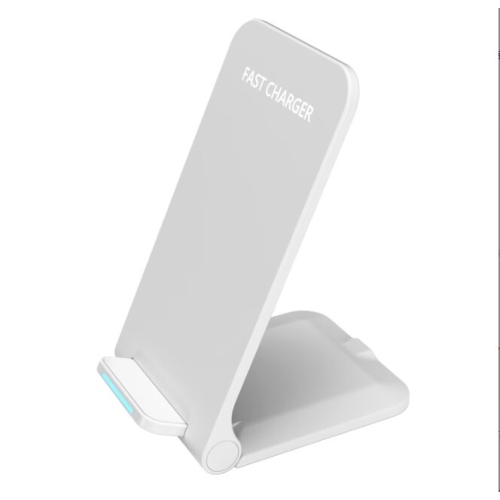
Wireless phone chargers give a compatible handset a regular place to recharge without plugging a cable into the phone each time. For phones with built-in Qi support, a compatible charging pad or stand transfers power through closely aligned coils in the charger and handset. The charger itself still connects to a power source, so wireless charging removes the cable connection at the phone rather than eliminating cables altogether. This arrangement suits a bedside table, a desk beside a keyboard, or an entryway shelf where a phone naturally lands between outings. Flat charging pads keep the setup low and unobtrusive, with the screen facing upward for a quick glance at notifications. Angled stands hold the display upright, making messages, incoming calls, and calendar reminders easier to see while seated. Some stands support both portrait and landscape placement, although the coil layout and phone dimensions determine whether charging works in either position. A broad base and non-slip contact points help keep a stand steady when the screen is tapped, while a raised lip can support the lower edge of the phone. On a flat pad, a grippy surface helps the handset stay centred rather than sliding away from the charging area. Case fit matters with either design. Many wireless chargers work through slim, non-metallic cases, but the permitted thickness varies, and bulky covers can increase the distance between the charging coils. Wallet cases, card holders, metal mounting plates, and some attached grips may interfere with charging or prevent the phone from resting properly. The most useful fit is one that accommodates the handset in its everyday case without forcing it into an awkward position. A clearly defined resting area can make placement more repeatable, especially when setting down a phone without looking closely. For someone who frequently picks up a handset to answer messages, an open pad or stand offers a simple drop-and-lift routine without repeatedly handling the phone’s charging port.
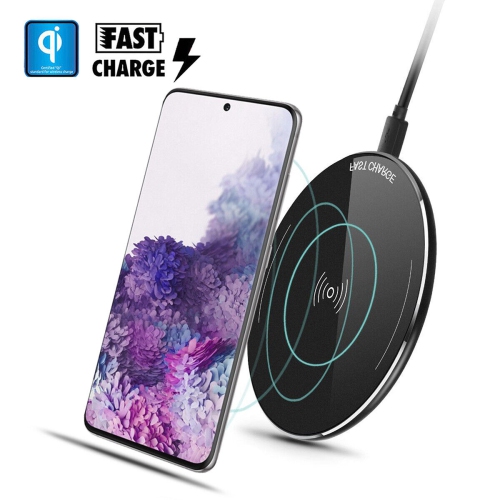
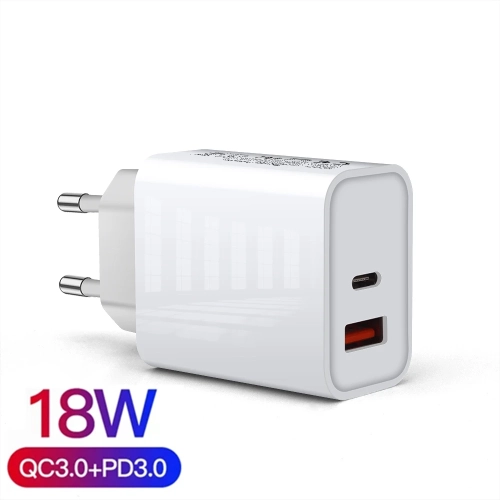
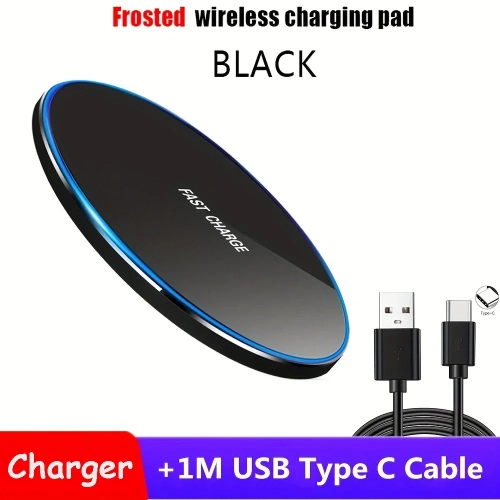
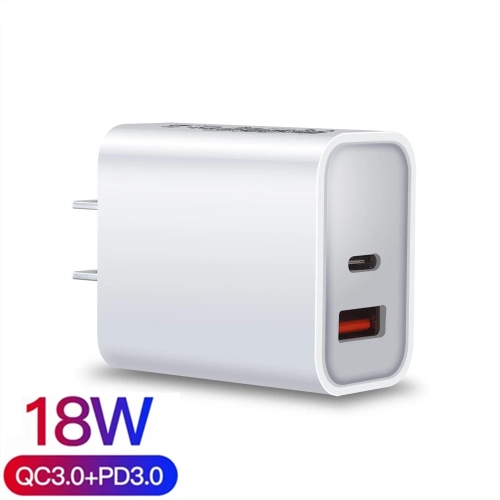
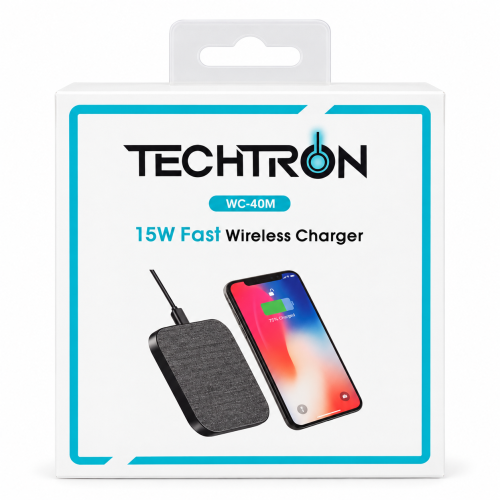
Charging speed depends on the complete setup, not just the highest wattage printed on a charger. The phone’s supported wireless charging rate, the charger’s compatible charging modes, the power adapter, and the connecting cable all affect the power delivered. A higher-output charging pad does not force a phone to accept more power than it supports, and a charger’s maximum rating may apply only to certain compatible devices. Qi certification provides a useful baseline for compatibility and safety testing, but it does not mean every phone will receive the same charging speed. Fast wireless charging requires support from both the handset and charger, along with an adapter that meets the charger’s input requirements. Some charging pads include a wall adapter, while others supply only a cable or require both components separately. The connector type and cable length also influence how neatly the charger fits into its intended space. A cable that reaches a desk outlet without stretching is more practical than one pulled taut behind a monitor, and a compact adapter can leave neighbouring sockets accessible. For overnight charging or regular top-ups between calls, stable placement and dependable power delivery may matter more than maximum speed. A phone running navigation, streaming video, or handling a lengthy video call can use a substantial portion of the incoming power, so its battery may replenish more slowly during use. Wireless charging can also generate warmth, and charging systems may reduce output to manage it. An uncovered charging surface with room around it supports normal operation; a pad buried beneath papers or bedding does not provide the same conditions. Status lights vary between designs: some briefly confirm placement, while others remain illuminated or signal an alignment problem. A subtle indicator can suit a bedside setup, whereas a more visible light may be helpful on a busy desk. Features such as foreign-object detection and protective power controls add reassurance, although coins, keys, and other loose metal objects still belong away from the charging surface.
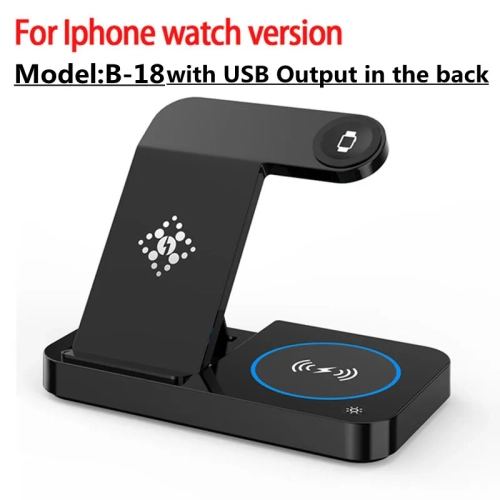
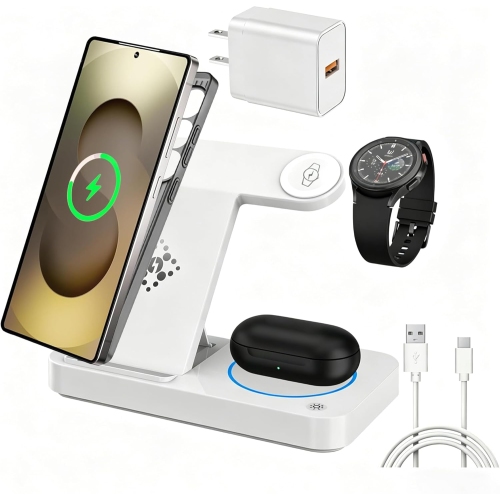
Materials and construction influence how a wireless charger feels in daily use as much as its shape does. Moulded plastic housings can keep a pad lightweight, while metal trim or a weighted base may give a stand a more substantial feel. Silicone or rubber contact areas help cushion the phone and reduce movement, particularly on smooth furniture. Fabric-covered surfaces offer a softer appearance but can collect dust, while smooth finishes are generally easier to wipe clean. Routine care is straightforward: with the charger disconnected from power, a soft, dry cloth can remove dust and fingerprints without introducing moisture into ports or seams. Cables benefit from gentle bends rather than tight folds, and a charger with damaged wiring, a loose connector, or a cracked housing should not remain in use. For travel between home and work, a slim pad takes up little room in a bag, while a folding stand can combine portability with a useful viewing angle. Charging stations with multiple positions can reduce cable clutter in shared spaces, but each position needs to support the device placed on it. A phone charging area does not automatically charge every watch or set of earbuds, and a station’s total output may be shared across several devices. For households using different phone generations, Wireless Chargers for Galaxy S7 provides a related category for another handset, with compatibility still dependent on the charging accessories involved. Wireless chargers can also make practical gifts for someone who keeps a phone close during work, uses it as a bedside alarm, or prefers a consistent place to leave it at home. The recipient’s phone compatibility, usual case, available space, and preference for a flat or upright screen all help determine whether the charger will fit naturally into that routine. A discreet finish, stable footing, and manageable cable routing can make the charging area feel like part of the room rather than another loose accessory.
Top selling and popular products
-
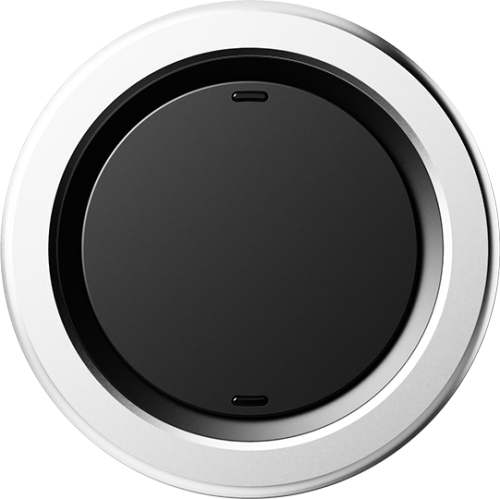 Your price for this item is $34.99
-
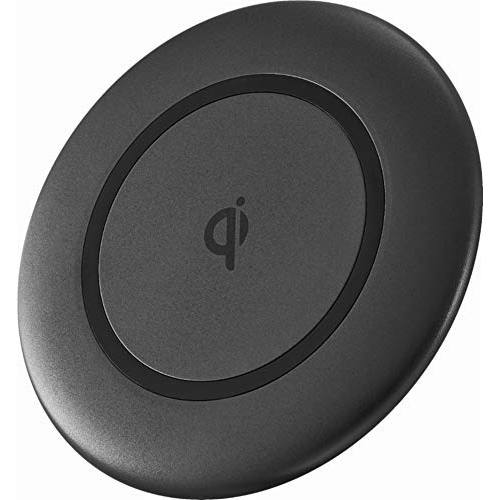 Your price for this item is $39
-
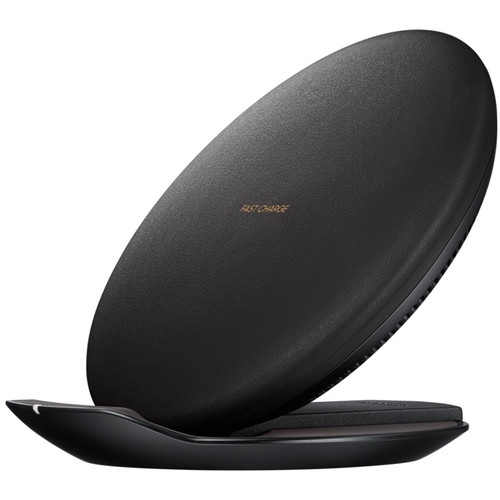 Your price for this item is $73.92
-
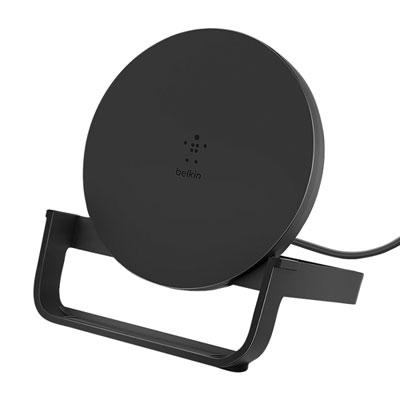 Your price for this item is $39.95
-
 Your price for this item is $179.95
-
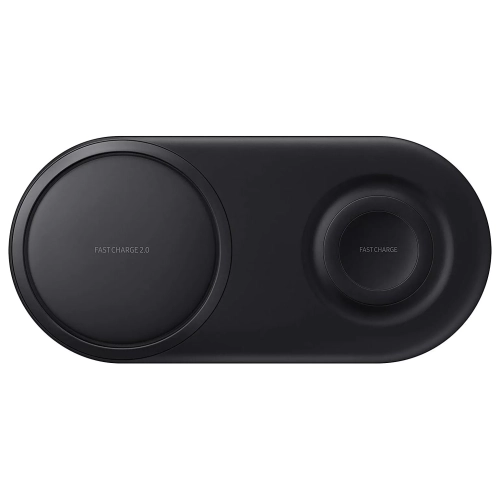 Your price for this item is $74.99
-
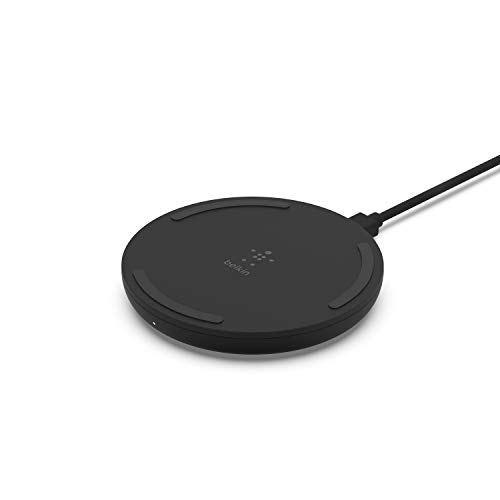 Your price for this item is $39.99
-
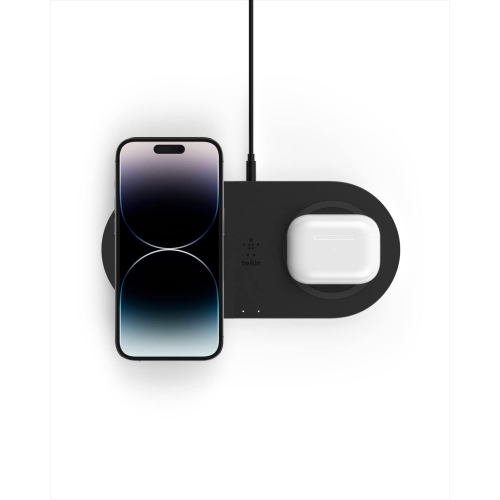 Your price for this item is $36.99
Discover more categories related to Samsung S10 Wireless Chargers
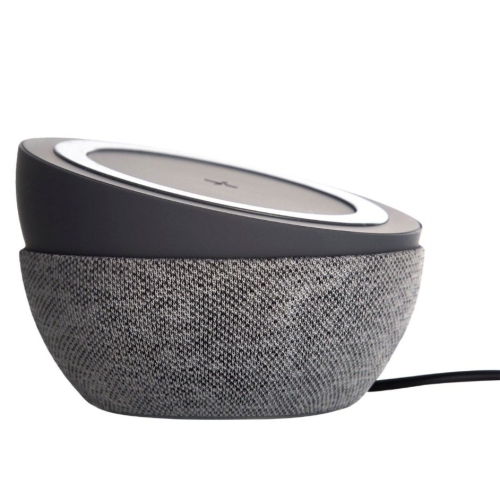
Top Collections:
Pokemon Centers, Kindle Devices, Best Cameras for Sports Photography, Pokémon 30th Celebration Cards, Apple iPhones 16, Canon G7X Cameras, iPhone 15 Apple, Flip Phones, Samsung Galaxy Phones, Alarm Clock
Some products may be subject to Environmental Handling Fees
(EHF) depending on your province.
Learn more about EHFs.