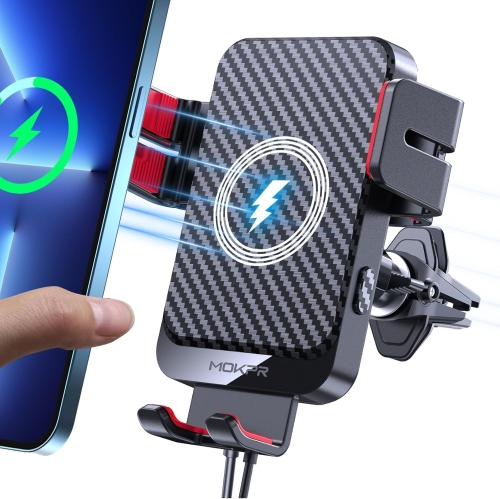
Samsung S20 Plus Wireless Chargers

Find wireless chargers for your Samsung Galaxy S20 Plus to power your phone without plugging a cable into it. Compare Qi-compatible options by supported charging speed and power adapter requirements, and check whether an adapter is included before choosing.
Read More

Sort

Why a 15W rating is only the starting point

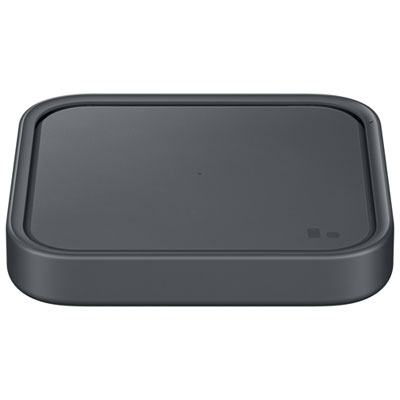
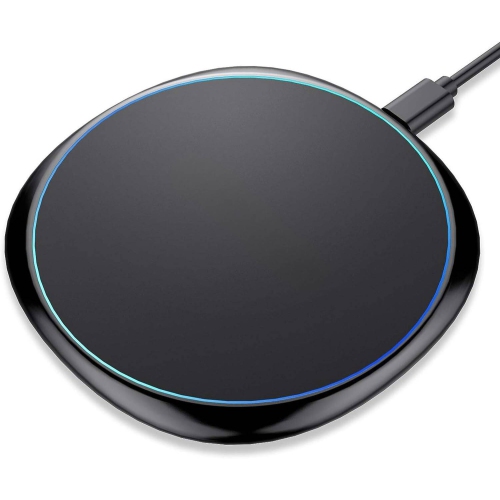
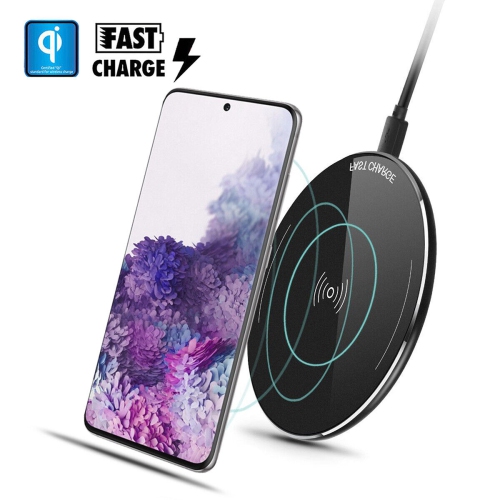
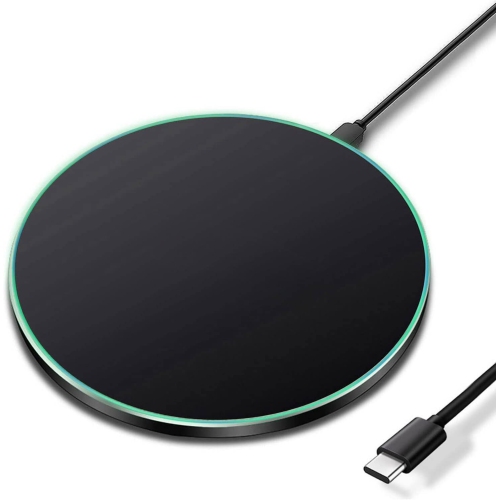
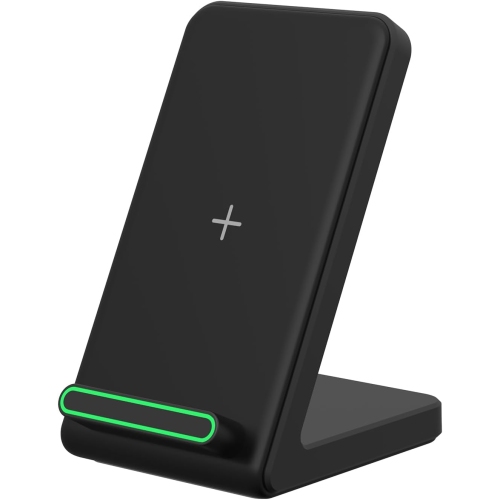
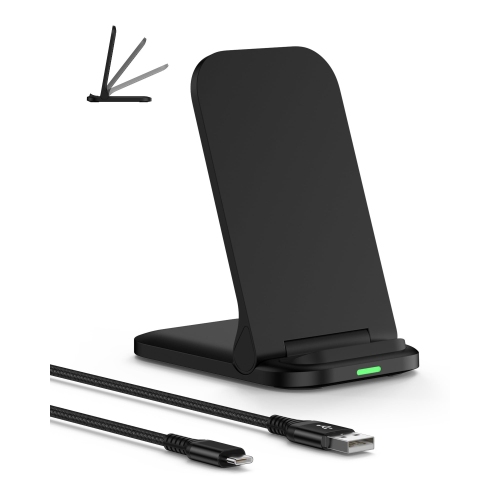
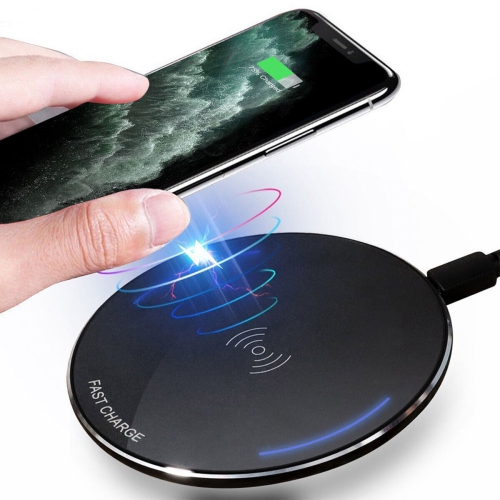
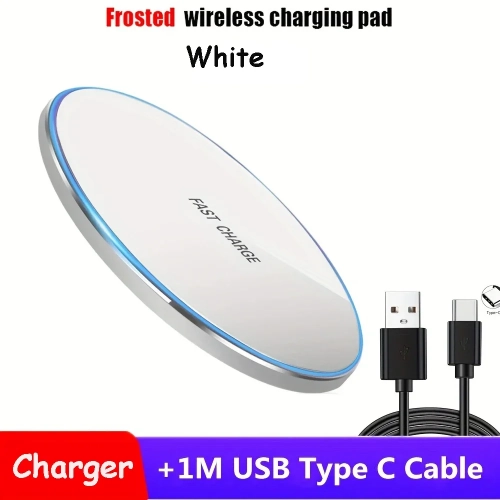
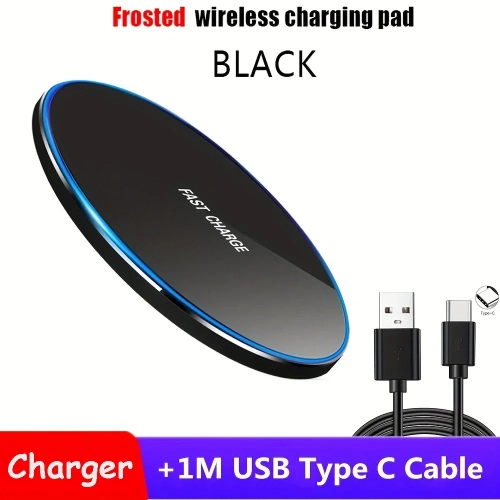
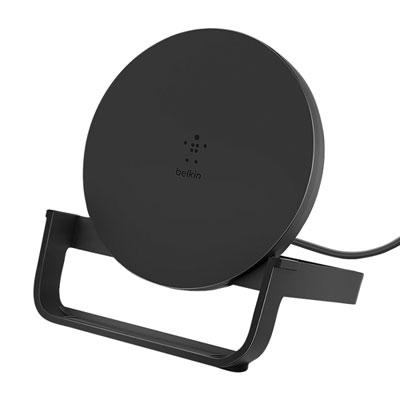
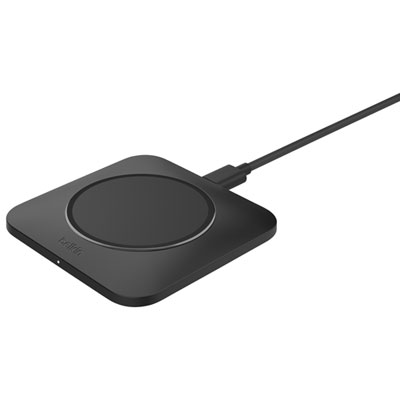
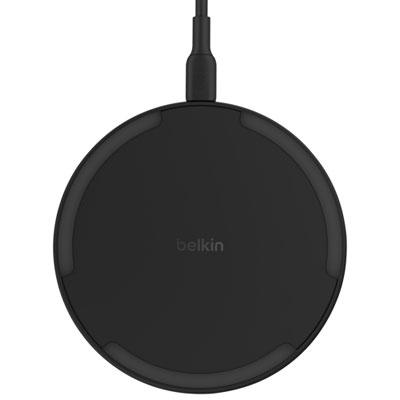
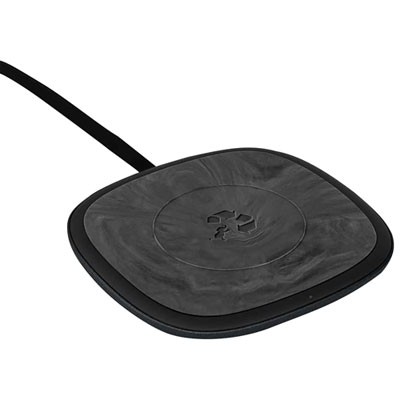
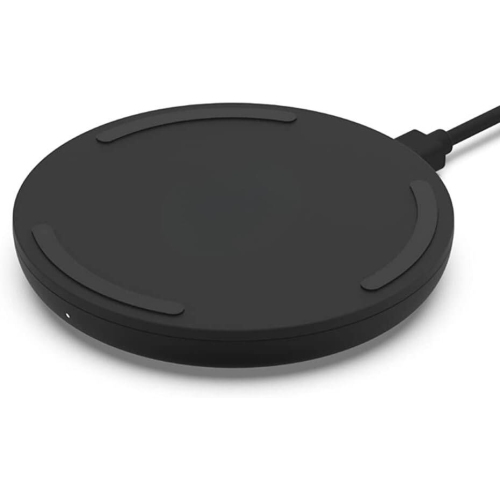
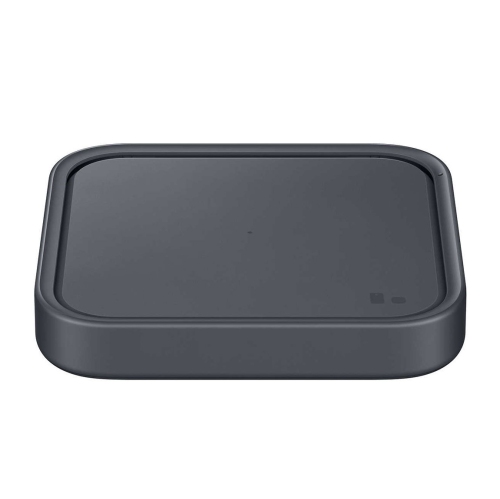
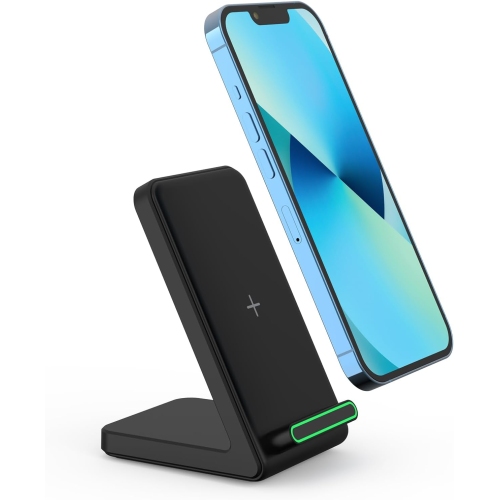
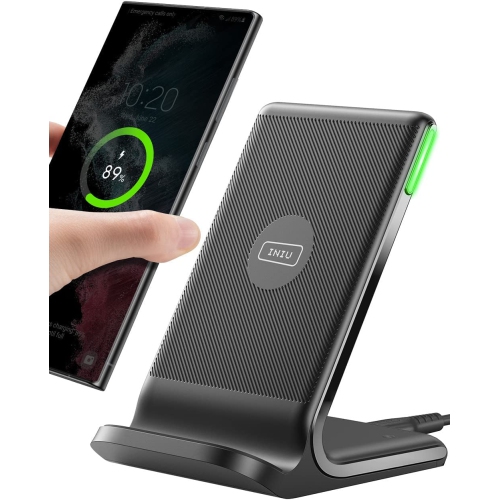
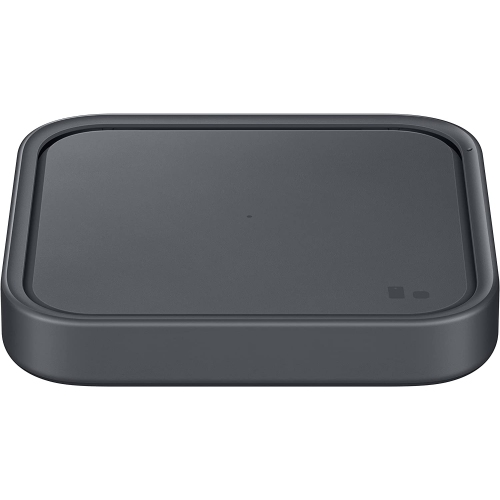
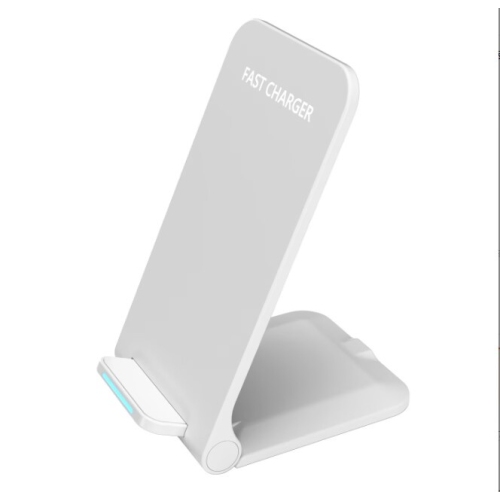
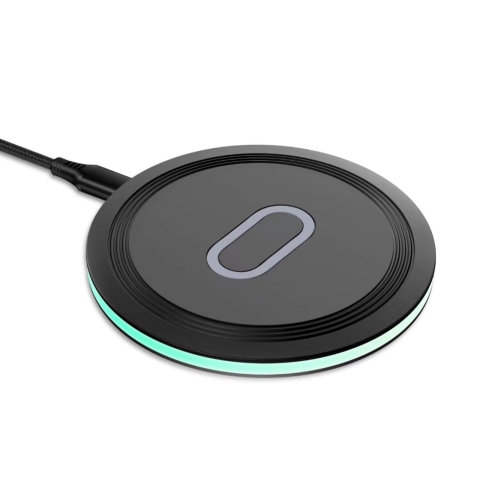
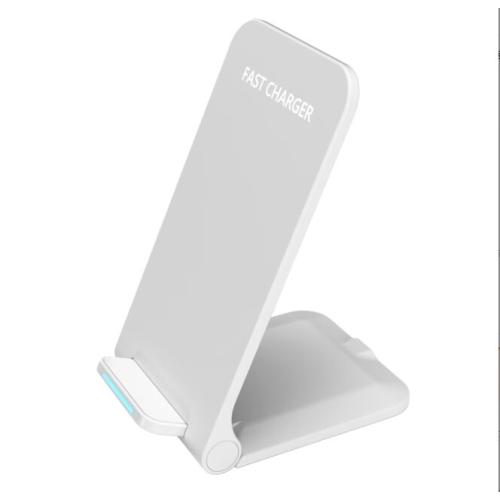
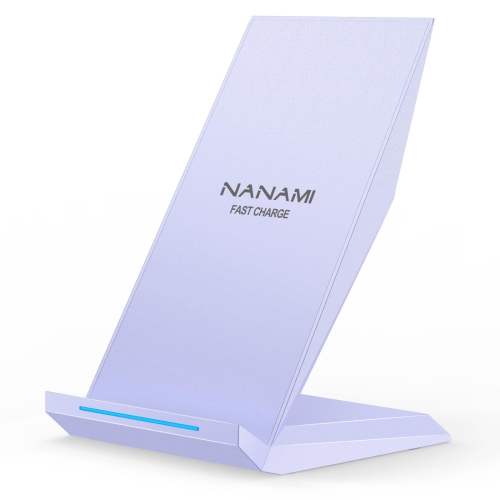
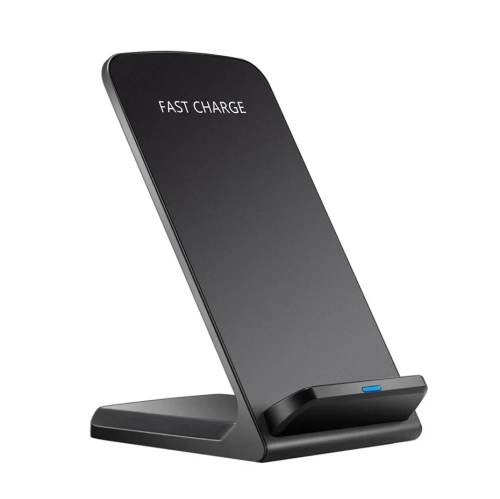
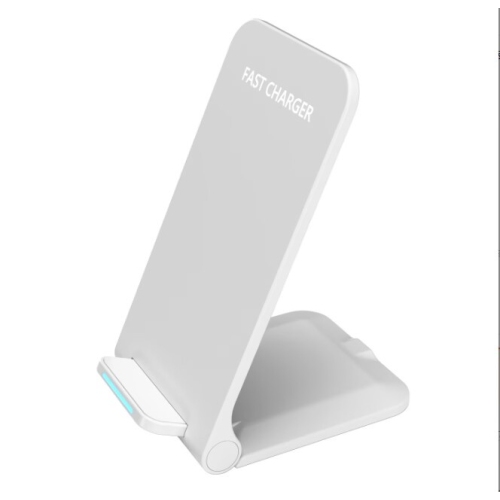
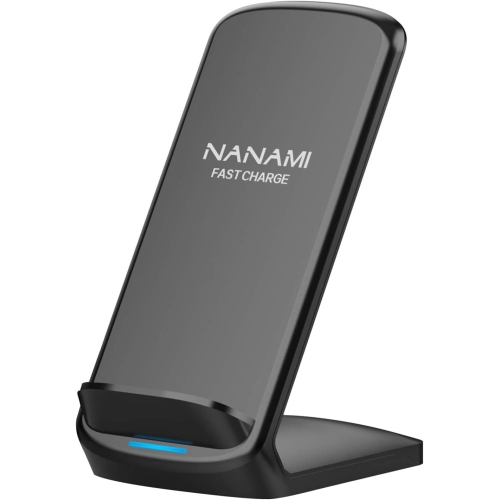
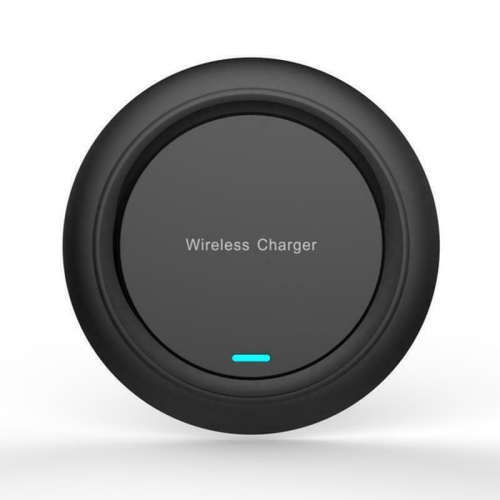
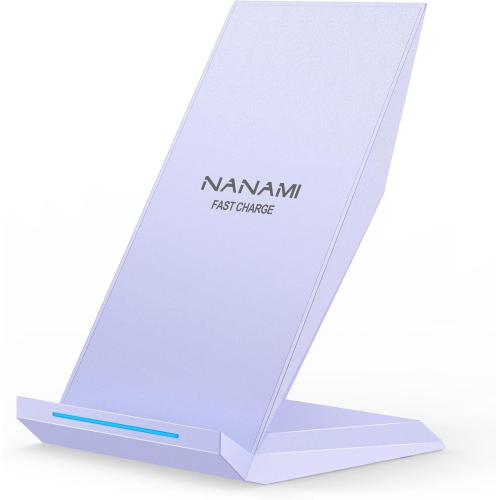
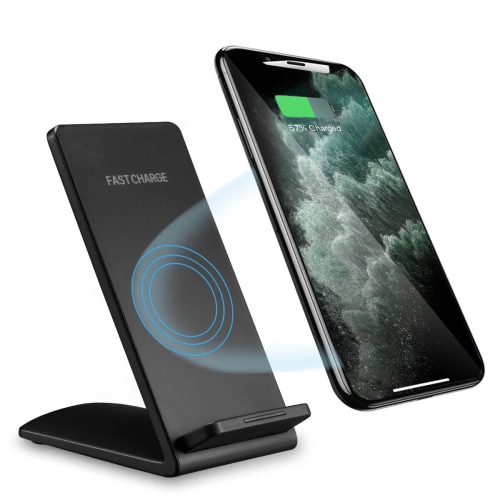
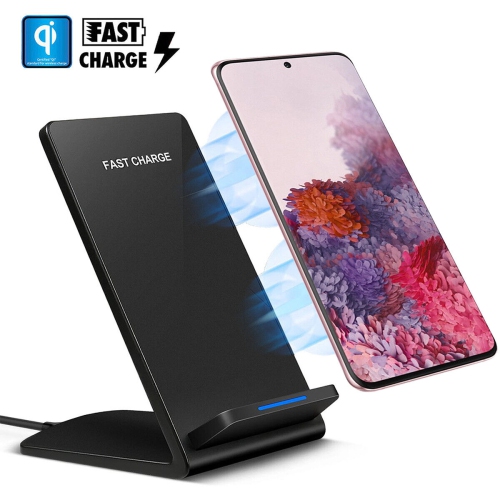
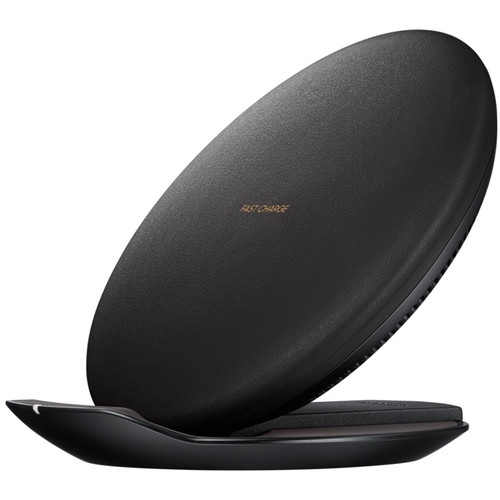
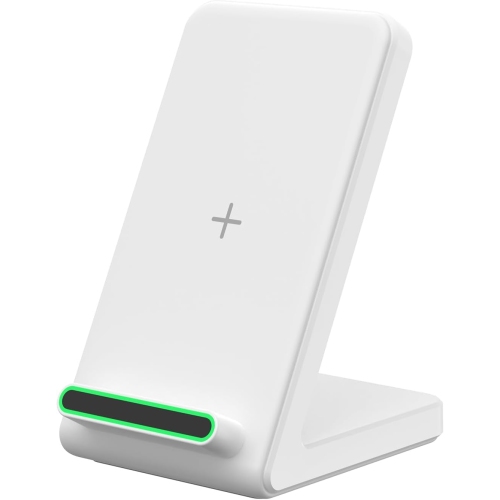
Wireless chargers for the S20 Plus use the Qi charging standard, with compatible fast wireless charging setups supporting up to 15W. Reaching that maximum depends on the charger’s support for the phone’s fast wireless charging requirements, the power adapter, and the charging cable—not simply a 15W rating printed on the packaging. A charger may deliver different power levels to different phones, so explicit compatibility matters more than its highest advertised output. Actual charging speed also varies with battery level, alignment, case construction, and whether the phone is being used. For everyday use, wireless charging offers a straightforward routine: place the phone on a powered pad or stand, check that charging has started, and lift it away when needed. This makes it useful on a bedside table, beside a keyboard, or near the spot where keys and a phone usually land after arriving home. The charger still needs a wired connection to a power source; the wireless part is the connection between the charging surface and the handset. Flat pads provide a low-profile resting place and suit people who prefer to leave their phone face up. Stands keep the screen visible for incoming messages, video calls, or checking a recipe without repeatedly picking up the handset. Some stands accommodate both portrait and landscape placement, but their coil arrangement and supported phone dimensions determine whether charging continues in either position. A wireless charger is particularly convenient for short top-ups between calls or while working at a desk, although a suitable wired connection may be more practical when the shortest possible charging time is the priority. For shared spaces, a clearly defined charging position helps everyone place the phone correctly without searching for a cable end. The best fit is a charger that matches both the handset’s requirements and the way the surface around it is used, whether that means a compact pad tucked beside a lamp or an angled stand within easy view of a workstation.

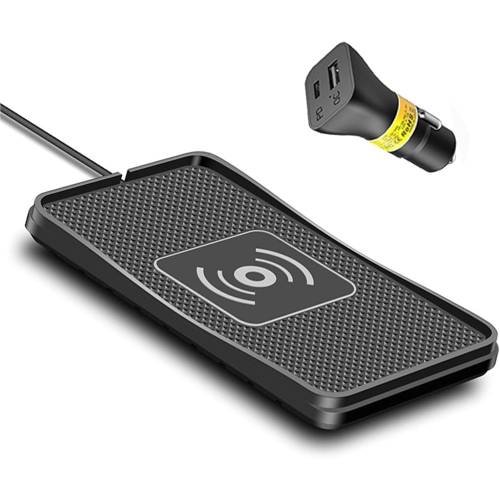
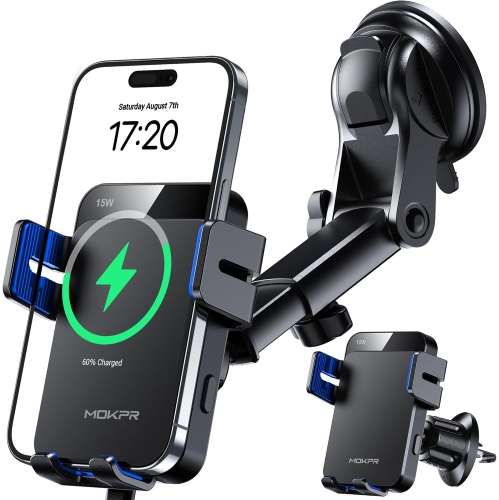
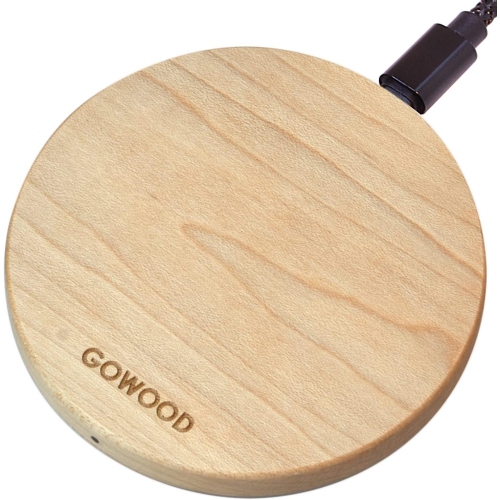
Physical fit deserves as much attention as electrical compatibility. The phone’s charging coil needs to align with the charger’s coil, and a handset resting slightly off-centre may charge slowly, stop charging, or fail to begin. A broad pad can provide a stable landing area, while a stand needs a support ledge deep enough to hold the phone securely without pushing it away from the charging surface. Case thickness and materials also affect the connection. Many thin, non-metallic cases allow wireless charging, but there is no single thickness limit that applies to every combination of phone, case, and charger. Check the charger’s stated case compatibility, and remove the case if charging is unreliable. Wallet attachments, payment cards, metal plates used with some vehicle mounts, and other objects between the phone and charging surface should be removed before charging. A raised camera area or bulky protective corners can also change how evenly the handset rests. Wireless charging does not, by itself, mean that a phone will attach magnetically to a charging surface; magnetic mounting requires a specifically compatible setup. Materials influence everyday handling as well as appearance. Moulded plastic housings are common, while some designs incorporate aluminium, fabric coverings, or silicone contact points. Grippy surfaces and non-slip feet help keep a charger from sliding when the phone vibrates or is lifted with one hand. On a bedside table, a charging indicator that dims or switches off can be more comfortable than a bright, continuously illuminated light. At a desk, a stable base and a cable routed towards the back help preserve usable space around a keyboard or notebook. Fan-assisted designs may introduce audible sound, which matters more beside a bed than in a busy room. These small differences often determine whether a charger feels convenient after repeated daily use, particularly for someone who regularly moves between a home office, living area, and bedroom.

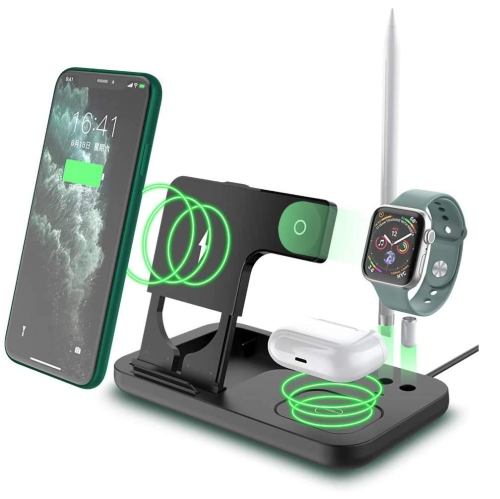
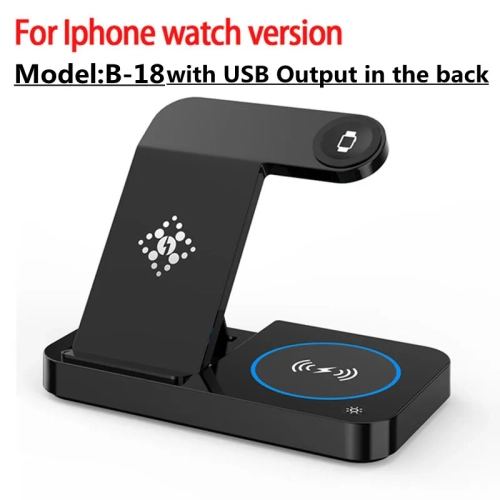
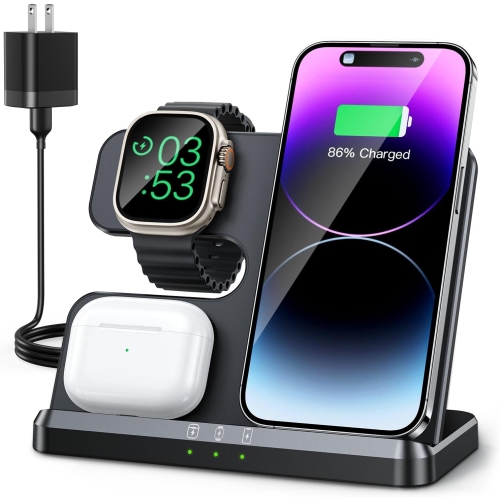
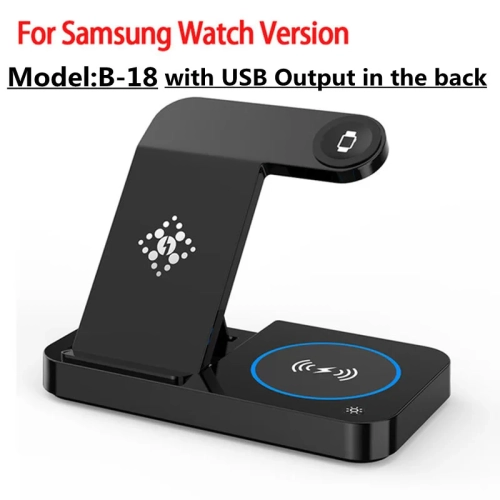
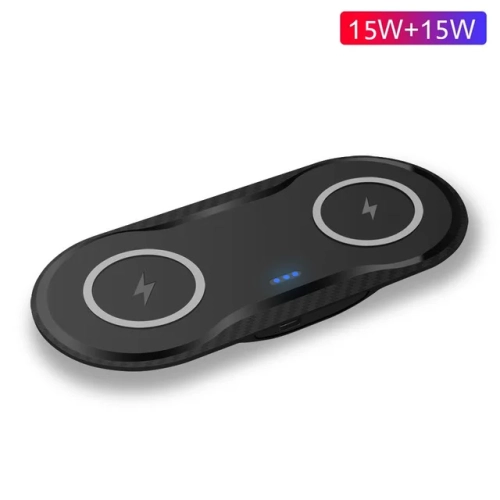
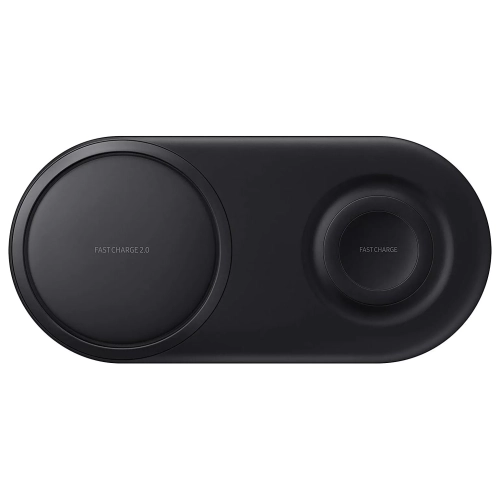
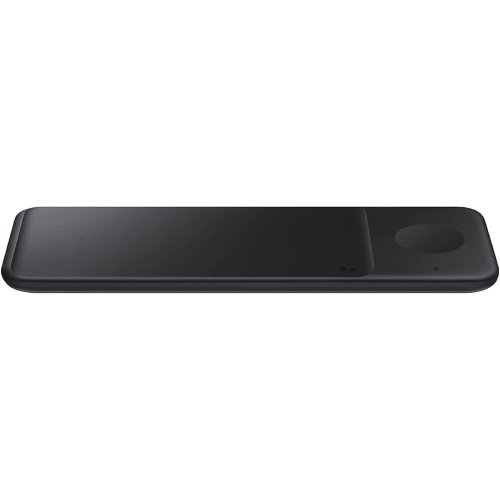
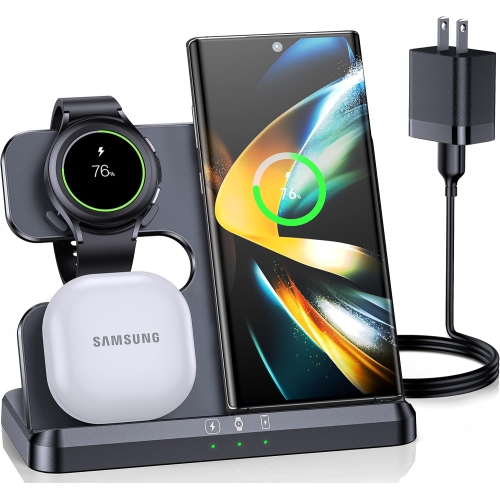
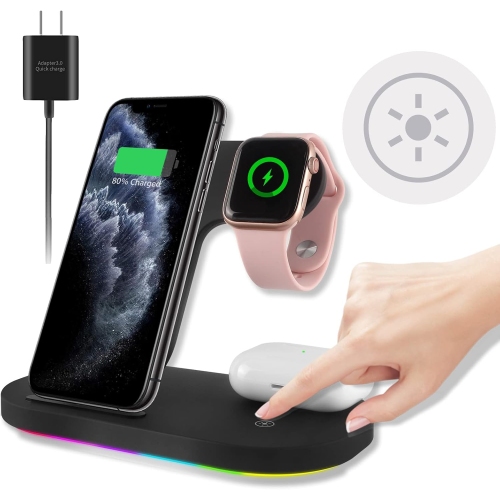
Power connections, care, and the number of devices being charged round out the practical considerations. A wireless charging pad needs an adapter that meets its specified input requirements, including the required USB power standard; an adapter with a high wattage rating is not automatically a suitable match. The cable must also support the charger’s requirements, and its length should reach the outlet without pulling across a walkway or leaving the charging surface under tension. For a permanent setup, a little cable slack makes it easier to reposition the charger for cleaning. For travel between workspaces, a compact pad with a detachable cable can be easier to pack, provided the necessary adapter travels with it. Multi-device charging stations can reduce separate charging points on a table, but each position needs to support the device placed there. A phone charging area may work with compatible wireless earbuds, while a watch position may require a particular charging system. The station’s total output and power-sharing behaviour also matter when several devices are connected at once. Households matching accessories to another handset can also explore Samsung S10 Wireless Chargers, checking that phone’s supported charging rates and physical fit separately. To keep a charging surface in good condition, disconnect it before cleaning and follow its care instructions, typically using a soft, dry cloth rather than spraying liquid onto the housing. Keep connectors dry, avoid covering the charger with bedding or papers, and leave any ventilation openings clear. If charging repeatedly stops, check alignment, remove interfering accessories, and confirm that the cable and adapter meet the stated requirements. As a gift, a wireless charger works well for someone who already uses a compatible phone and appreciates a dedicated place to set it down. Matching the format to their habits—a screen-facing stand for a desk or a discreet pad for a bedside table—makes the accessory more useful than choosing on appearance alone.
Read More

FAQ

Some products may be subject to Environmental Handling Fees (EHF) depending on your province. Learn more about EHFs.