Student Electronics
These electronics for students are the ones that help you learn. These electronics are designed to help you do your homework, stay in touch with friends and family, and get some studying in too. Whether you're a student looking to get a new laptop or tablet or a parent shopping for a child heading off to college, here are some great options for you.
Sort
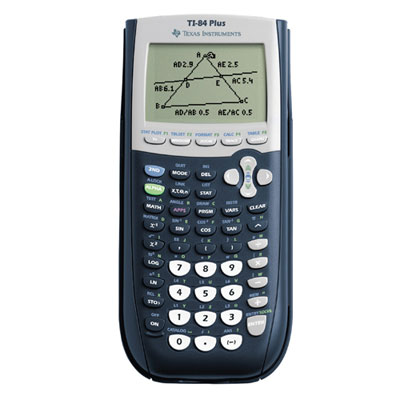
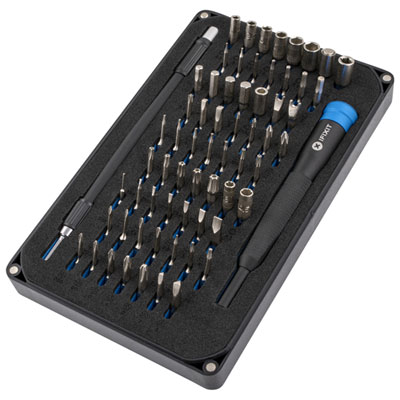
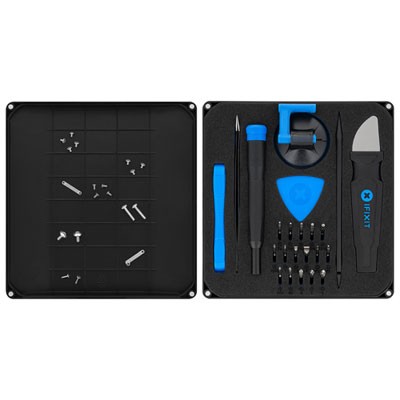
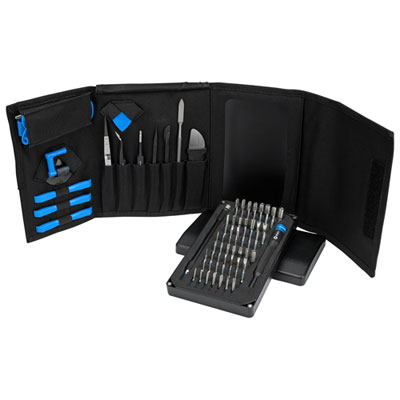
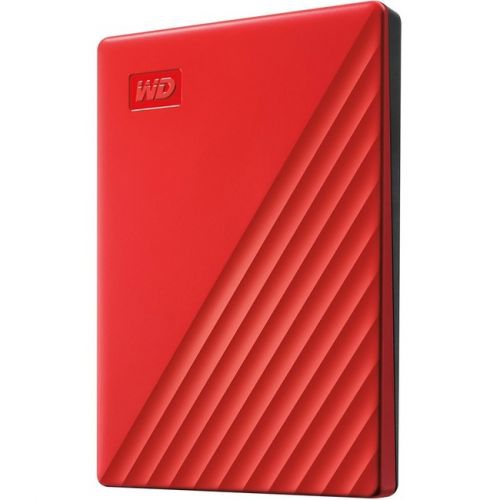
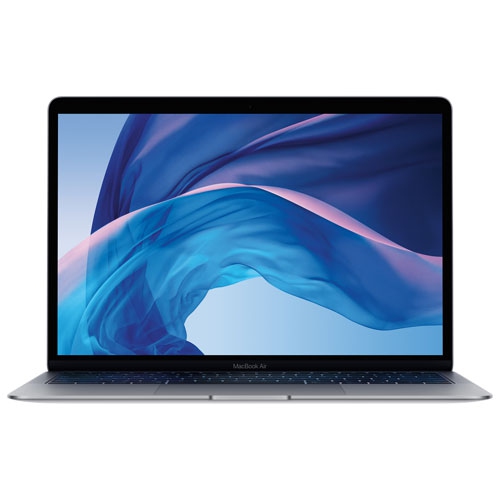



Technology choices that support study, travel, and downtime
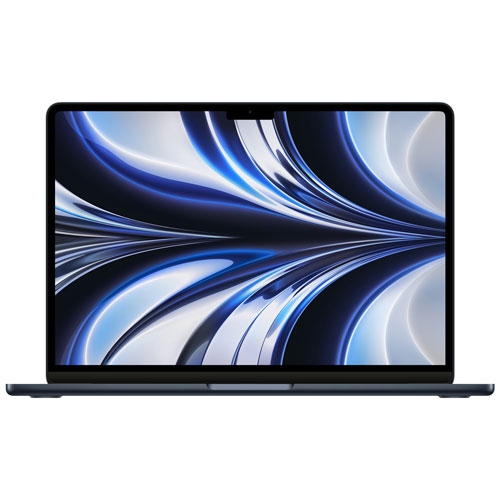
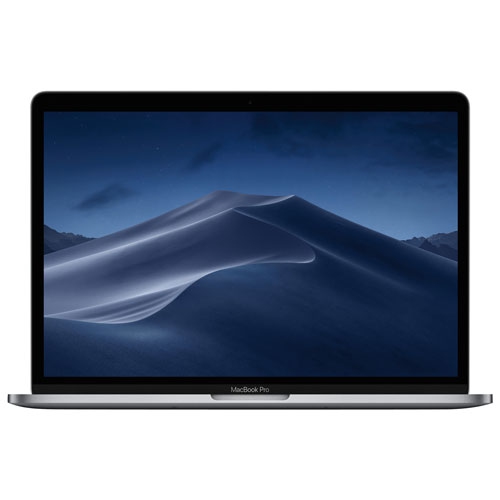
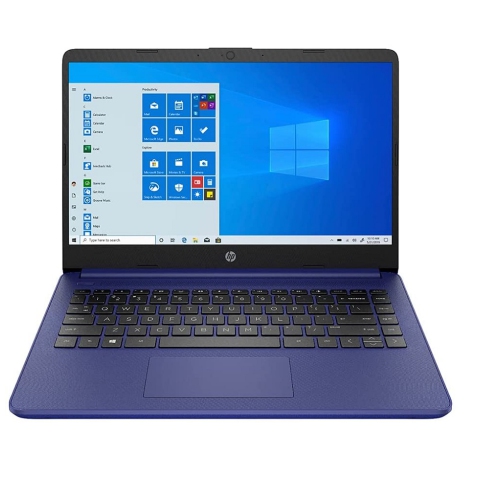
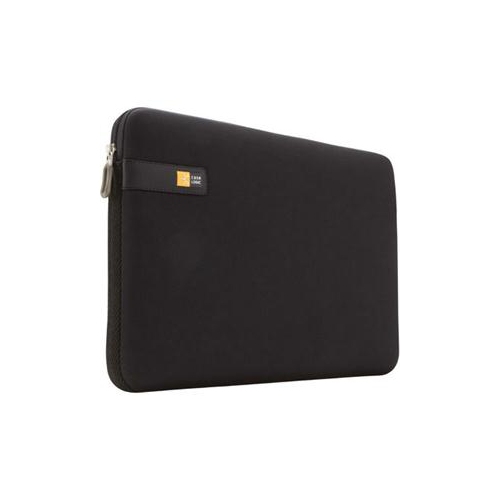
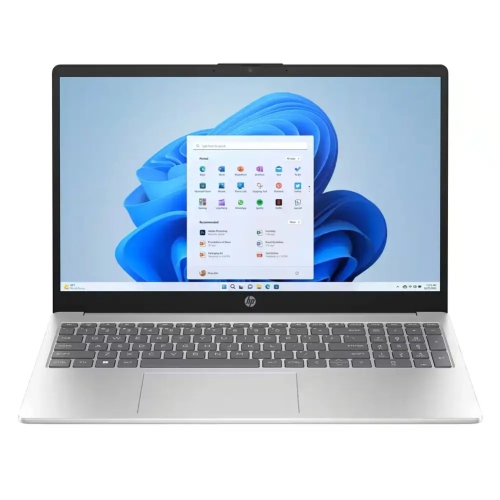
Student electronics can make campus life more organized, comfortable, and connected, whether they are being used in a residence room, a shared apartment, a lecture hall, or a library study space. The right technology depends on a student’s program, schedule, and daily routine, but a dependable laptop is often the foundation. Look for a model that feels comfortable to carry between classes while still offering enough performance for research, video calls, presentations, spreadsheets, creative projects, and several browser tabs at once. Battery life matters just as much as processing power when a student spends long stretches away from a wall outlet, and a clear display, responsive keyboard, built-in camera, and reliable Wi-Fi can make everyday coursework smoother. Storage capacity is another practical consideration, especially for students who keep lecture recordings, design files, downloaded readings, or large project folders on their device. A tablet can complement a laptop by providing a lightweight way to read digital textbooks, review slides, annotate documents, and take handwritten notes with a compatible stylus. Some students appreciate having a smaller screen for commuting or moving between classrooms, while others use a tablet as a second screen during research and writing sessions. When choosing between device types, consider the student’s program requirements, the software they need to run, the size and weight they are comfortable carrying, and whether accessories such as a keyboard, protective case, or stylus will be part of the setup. Students who study in busy homes, residence lounges, cafés, or open library areas may also benefit from noise-cancelling headphones. They can help soften the hum of ventilation systems, nearby conversations, and hallway activity, making it easier to concentrate on a recorded lecture, edit audio, read, or settle into a focused study block. Comfort is important for extended use, so cushioned earcups, an adjustable fit, simple controls, and a battery that can last through a full day are worth considering. Wireless headphones offer freedom of movement, while models with wired connectivity can be useful when conserving battery power or connecting to certain computers and classroom equipment.
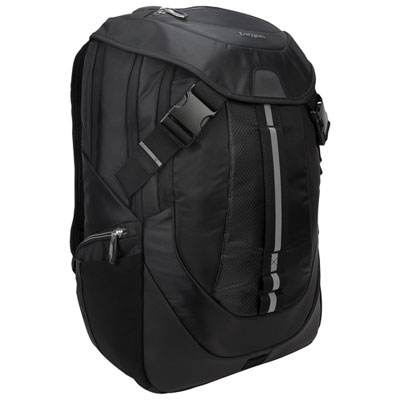
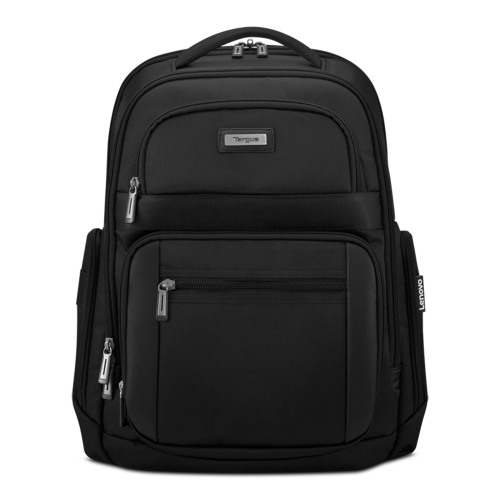
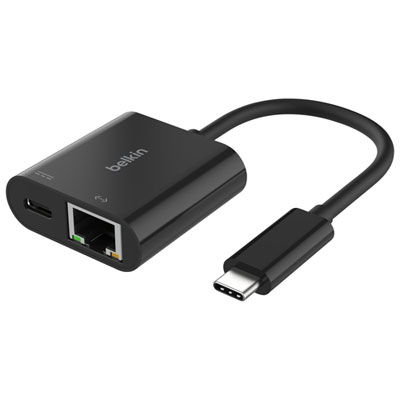
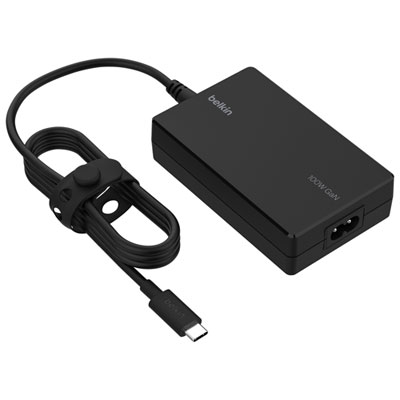
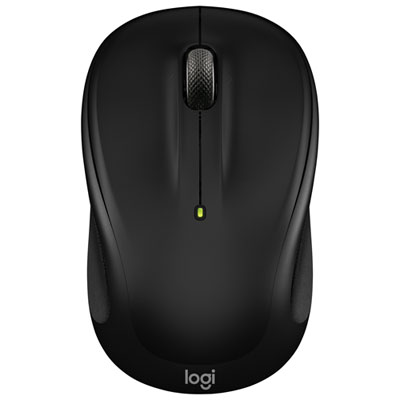
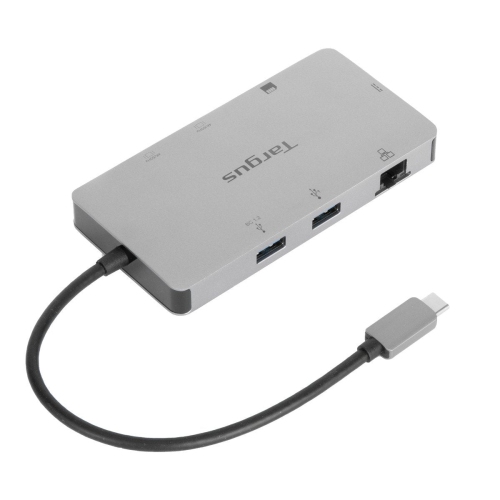
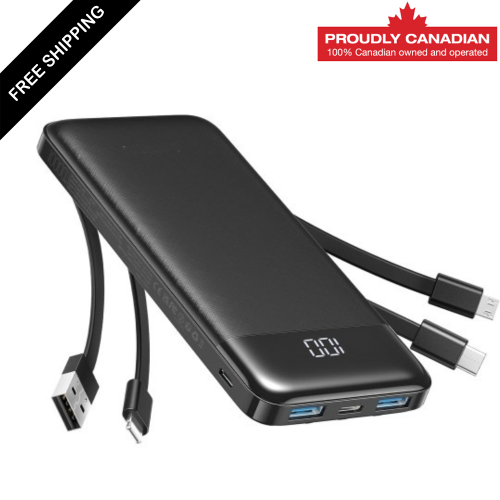
Small accessories can have an outsized effect on a student’s day. A portable power bank can provide extra power during a long commute, a day of classes, or an evening group project, helping keep a phone, tablet, or other compatible device available when outlets are occupied. Capacity, size, charging speed, and the number of ports all deserve attention; a compact option may suit someone who carries only a small bag, while a higher-capacity model may be better for students who spend most of the day on campus. Charging cables and wall chargers are equally easy to overlook, and having an extra set for a backpack, desk, or residence room can prevent unnecessary searching when the battery icon turns red. Bluetooth tracking tags can be useful for keeping tabs on commonly misplaced belongings such as keys, backpacks, pencil cases, or luggage, particularly in shared living spaces or during a busy move between classes. Compatibility with the student’s phone is essential, as is checking the tag’s range, alert features, and battery design. A compact keyboard, mouse, webcam, or monitor can also improve a study area, especially for students who alternate between coursework, virtual meetings, and collaborative projects. A larger screen can make it easier to compare documents side by side, while an ergonomic mouse and comfortable keyboard can make long writing or coding sessions feel more natural. Students living in smaller rooms may prefer accessories that are easy to store or move, such as foldable stands, compact speakers, or cable-management solutions. For students who enjoy music, films, gaming, photography, or creative work outside class, electronics can also support relaxation and personal interests during downtime. A pair of headphones may become a regular companion on a bus ride, a portable speaker may add atmosphere to a residence gathering, and a camera accessory or drawing device may help turn a personal hobby into a class project. These products can make thoughtful gifts for a student beginning a new program, moving into residence, returning to school after a break, or preparing for a demanding term. Gift-givers who are unsure of a student’s preferred operating system or software can focus on widely useful accessories, such as a power bank, protective case, charging station, desk light, or comfortable headphones.
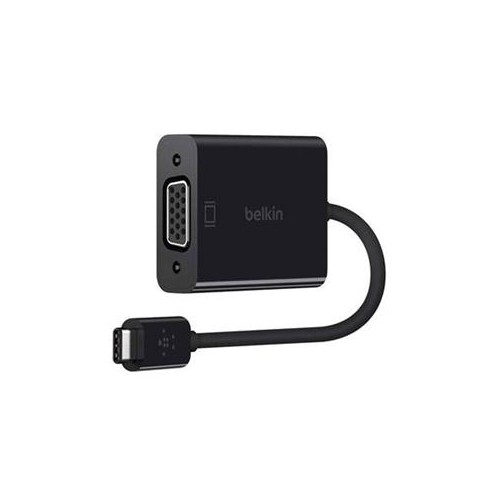
When shopping for student electronics, it helps to balance immediate needs with the realities of student life. A device that looks impressive on a desk may be less useful if it is too heavy for daily travel, difficult to charge, or incompatible with required coursework. Check operating system requirements for the program, confirm available ports and connectivity, and consider whether the student will need to connect to projectors, external drives, printers, or classroom networks. Warranty coverage, return policies, customer support, and the availability of replacement accessories can also provide useful peace of mind over the length of a school year. For shared accommodation, privacy features such as a physical camera cover, secure sign-in options, and adjustable notification settings may be especially welcome. For students studying during the cooler months, a well-organized desk setup can make a room feel more inviting, with a monitor at a comfortable height, chargers within reach, and headphones ready for quiet concentration. As the weather warms, lightweight devices and portable accessories can be convenient for studying outdoors, travelling between campus buildings, or working from a patio or café. Students can also explore Smart Electronics for connected technology that fits into a study space or everyday routine. Whether the goal is to complete assignments, attend online classes, keep notes in order, stay reachable across campus, or create a comfortable place to unwind, the best choice is the one that matches the student’s habits. Thoughtful selection can turn a collection of electronics into a practical system: a computer for demanding work, a tablet for flexible reading and notes, headphones for focus, portable power for busy days, and accessories that help keep everything close at hand.
Small accessories can have an outsized effect on a student’s day. A portable power bank can provide extra power during a long commute, a day of classes, or an evening group project, helping keep a phone, tablet, or other compatible device available when outlets are occupied. Capacity, size, charging speed, and the number of ports all deserve attention; a compact option may suit someone who carries only a small bag, while a higher-capacity model may be better for students who spend most of the day on campus. Charging cables and wall chargers are equally easy to overlook, and having an extra set for a backpack, desk, or residence room can prevent unnecessary searching when the battery icon turns red. Bluetooth tracking tags can be useful for keeping tabs on commonly misplaced belongings such as keys, backpacks, pencil cases, or luggage, particularly in shared living spaces or during a busy move between classes. Compatibility with the student’s phone is essential, as is checking the tag’s range, alert features, and battery design. A compact keyboard, mouse, webcam, or monitor can also improve a study area, especially for students who alternate between coursework, virtual meetings, and collaborative projects. A larger screen can make it easier to compare documents side by side, while an ergonomic mouse and comfortable keyboard can make long writing or coding sessions feel more natural. Students living in smaller rooms may prefer accessories that are easy to store or move, such as foldable stands, compact speakers, or cable-management solutions. For students who enjoy music, films, gaming, photography, or creative work outside class, electronics can also support relaxation and personal interests during downtime. A pair of headphones may become a regular companion on a bus ride, a portable speaker may add atmosphere to a residence gathering, and a camera accessory or drawing device may help turn a personal hobby into a class project. These products can make thoughtful gifts for a student beginning a new program, moving into residence, returning to school after a break, or preparing for a demanding term. Gift-givers who are unsure of a student’s preferred operating system or software can focus on widely useful accessories, such as a power bank, protective case, charging station, desk light, or comfortable headphones.
When shopping for student electronics, it helps to balance immediate needs with the realities of student life. A device that looks impressive on a desk may be less useful if it is too heavy for daily travel, difficult to charge, or incompatible with required coursework. Check operating system requirements for the program, confirm available ports and connectivity, and consider whether the student will need to connect to projectors, external drives, printers, or classroom networks. Warranty coverage, return policies, customer support, and the availability of replacement accessories can also provide useful peace of mind over the length of a school year. For shared accommodation, privacy features such as a physical camera cover, secure sign-in options, and adjustable notification settings may be especially welcome. For students studying during the cooler months, a well-organized desk setup can make a room feel more inviting, with a monitor at a comfortable height, chargers within reach, and headphones ready for quiet concentration. As the weather warms, lightweight devices and portable accessories can be convenient for studying outdoors, travelling between campus buildings, or working from a patio or café. Students can also explore Smart Electronics for connected technology that fits into a study space or everyday routine. Whether the goal is to complete assignments, attend online classes, keep notes in order, stay reachable across campus, or create a comfortable place to unwind, the best choice is the one that matches the student’s habits. Thoughtful selection can turn a collection of electronics into a practical system: a computer for demanding work, a tablet for flexible reading and notes, headphones for focus, portable power for busy days, and accessories that help keep everything close at hand.
Top selling and popular products
-
 Your price for this item is $199.99
 -
 Your price for this item is $169.99
 -
 Your price for this item is $319.99
 -
 Your price for this item is $189.99
 -
 Your price for this item is $113.98
 -
 Your price for this item is $549
 -
 Your price for this item is $49.98
 -
 Your price for this item is $49.95
Discover more categories related to Student Electronics

Top Collections:
Pokemon Centers, Kindle Devices, Best Budget Office Chairs, Apple iPhones 16, Canon G7X Cameras, iPhone 15 Apple, Alarm Clock, Refurbished Apple Laptops, Flip Phones, Best Laptops for Writers
Some products may be subject to Environmental Handling Fees
(EHF) depending on your province.
Learn more about EHFs.