Emergency Power Essentials
Stay prepared for unexpected outages and keep your devices powered with a range of emergency power essentials. Whether you need to support critical electronics during a storm or ensure your home stays connected in challenging situations, these solutions offer reliable backup options. Find portable generators, backup batteries, power stations, and other emergency power essentials designed to help you stay safe and connected when it matters most.
Sort
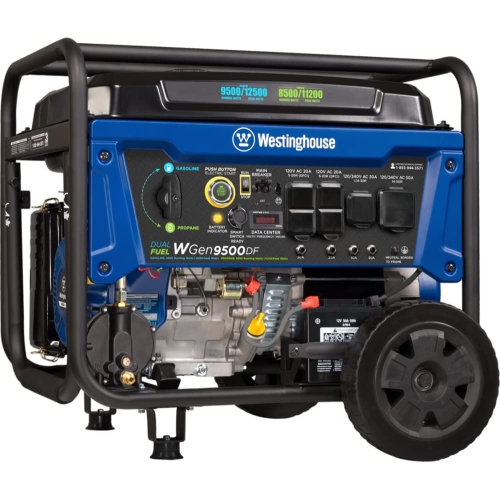
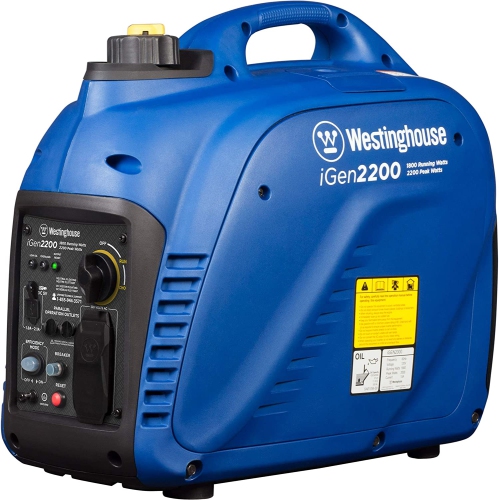
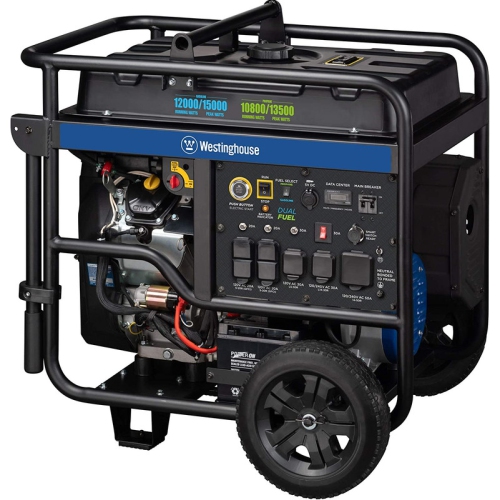
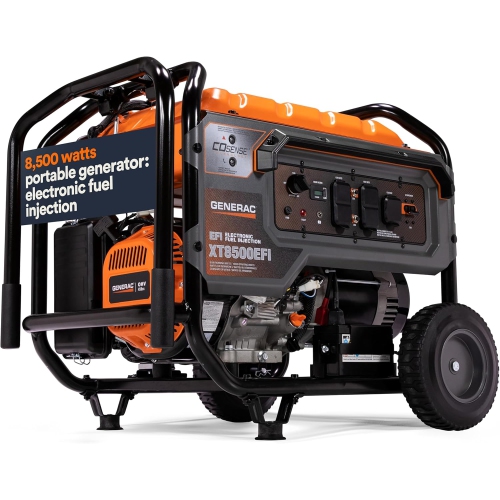
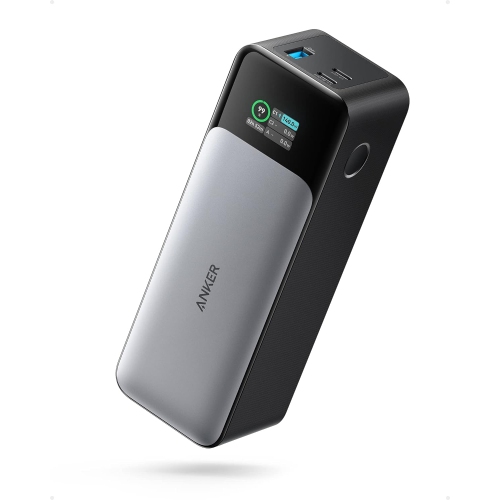
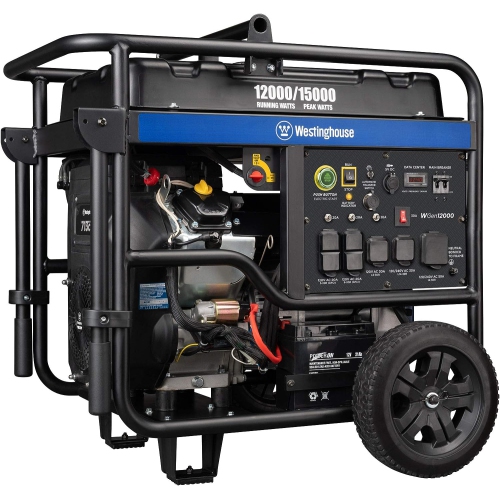
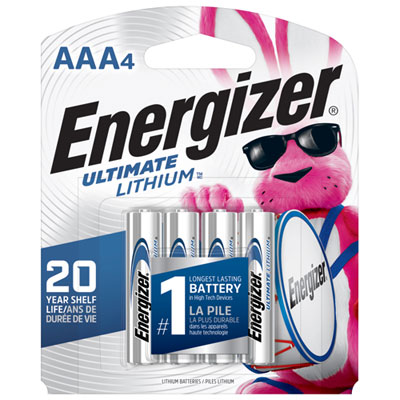
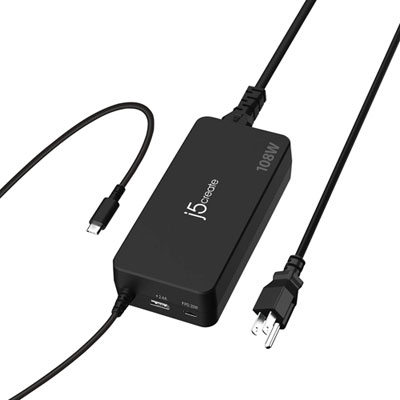
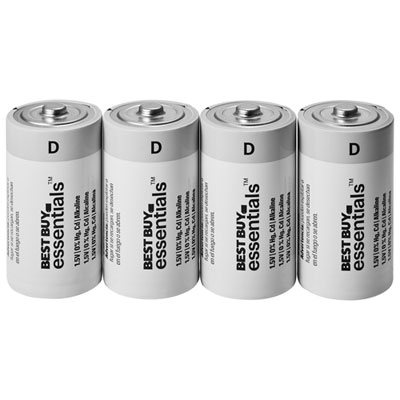
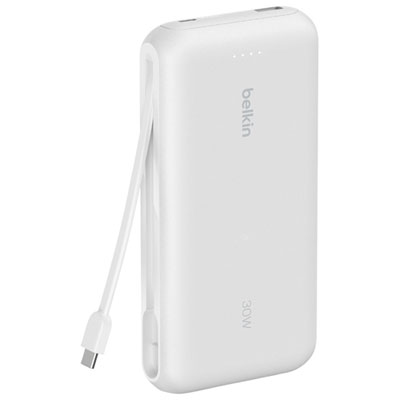
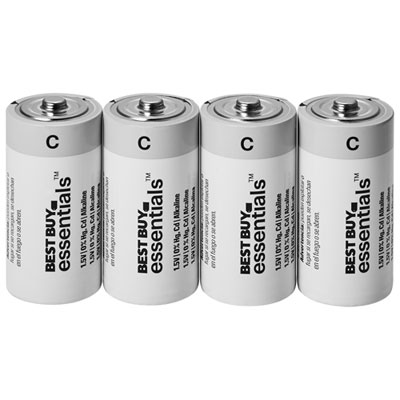
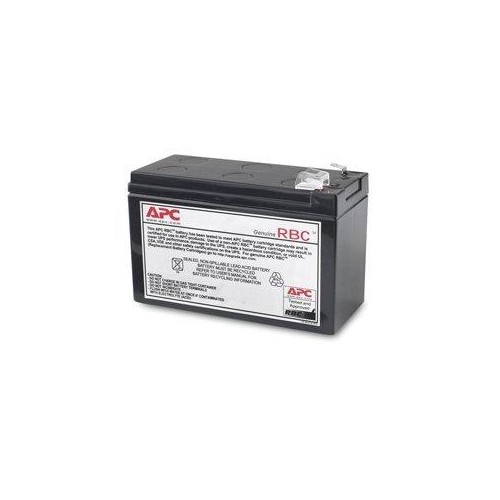
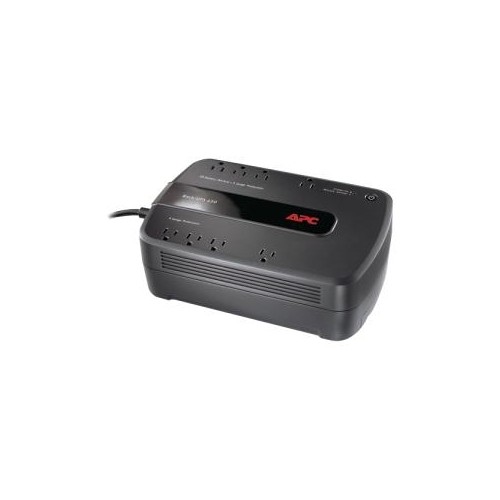
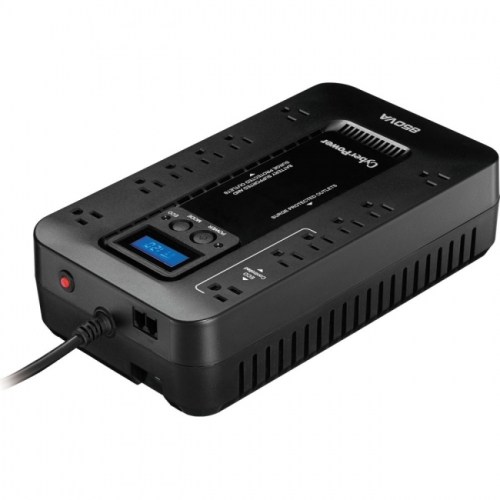
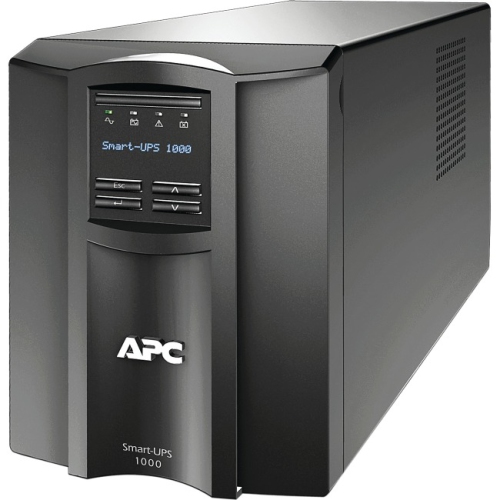
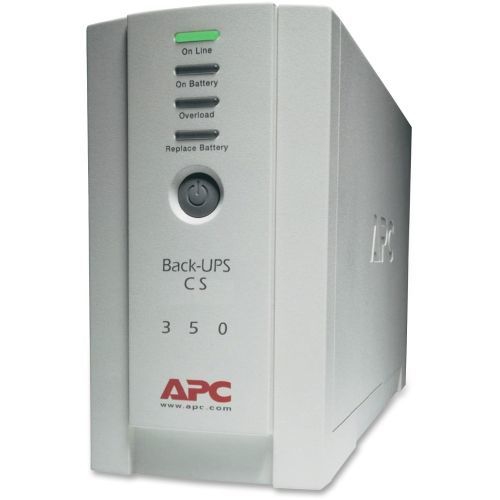
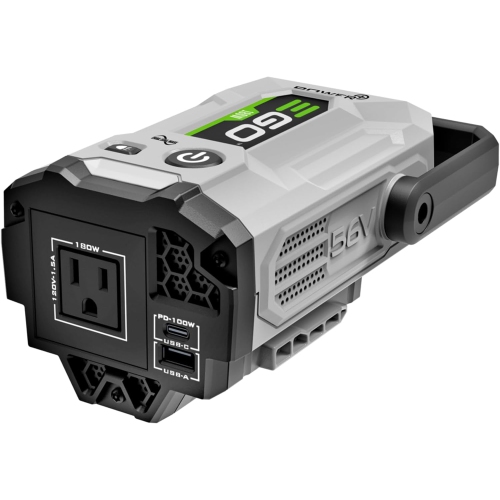
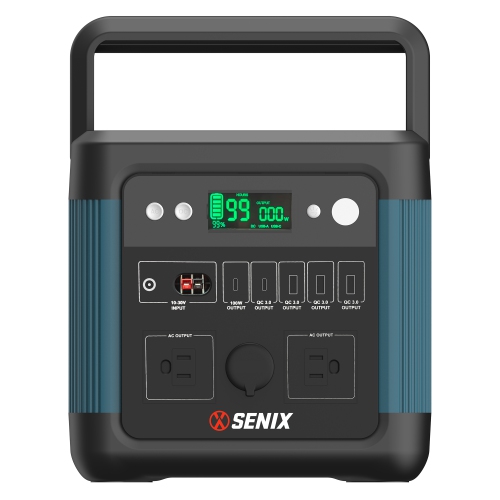
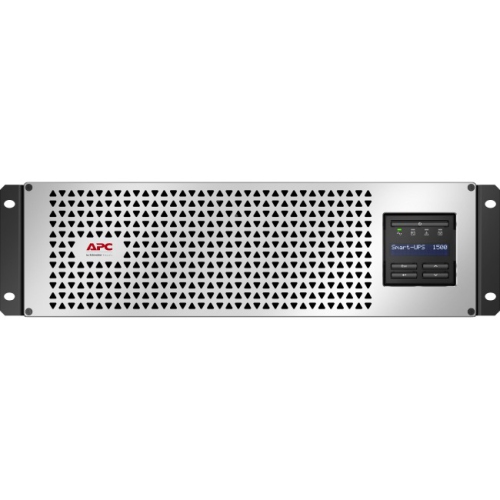
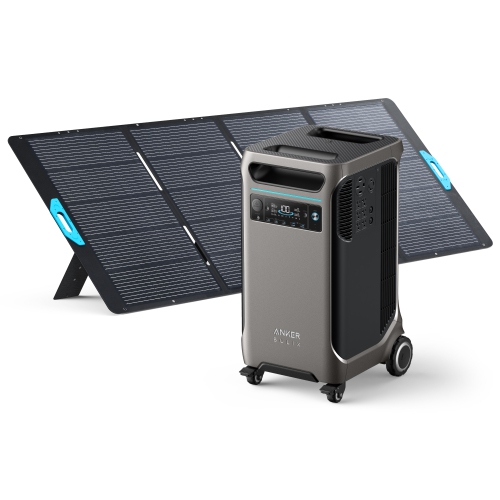
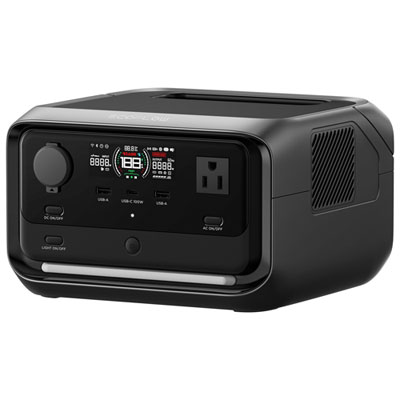
Reliable backup power for charging, lighting and communication
Emergency power essentials help households stay connected, comfortable and informed when an outage interrupts everyday routines. A well-chosen backup power station or battery generator can keep phones, tablets, lamps, routers, small fridges and other lower-power devices running without the noise or fumes associated with fuel-powered equipment. When comparing options, look at the battery capacity in watt-hours, the continuous and peak wattage, the number and type of outlets, USB charging ports, recharge time and the devices you need to support. A larger capacity may be useful for extended outages or several people sharing one unit, while a compact model can be easier to store and carry between rooms, a vehicle, a campsite or a cottage. Make a short list of essential devices before shopping, including any medical equipment that must remain powered, and check each device’s wattage requirements against the power station’s specifications. Some appliances draw more power when starting than they use during normal operation, so the starting or surge wattage matters as much as the running wattage. Battery-powered and hand-crank lighting should be part of the same plan. LED lanterns can illuminate a kitchen, hallway or central room, while flashlights are useful for checking a breaker panel, moving around a dark yard or finding supplies in a cupboard. Placing a lantern in a familiar central location, with a flashlight beside each bed, avoids searching through drawers when the lights go out. Keep extra batteries in compatible sizes and store them in a dry, room-temperature location, separate from devices that may be used only occasionally. Rechargeable batteries and charging accessories can reduce the need to hunt for replacements, but it is still wise to keep a charged lighting option available if a wall outlet is unavailable.
Communication and charging deserve their own place in an emergency setup. A battery-powered or hand-crank radio can provide local weather information, public safety notices and outage updates when home internet or mobile service becomes unreliable. Choose a radio that is simple to operate and keep it where everyone in the household can find it. A centralized charging hub with multiple USB ports can make it easier to charge several phones at once and prevent a tangle of individual adapters from being misplaced. Add the cables used by the people in your home, including the appropriate USB connections for phones, tablets, rechargeable lights and other everyday devices. A surge-protective power bar can help protect computers, televisions, networking equipment and other sensitive electronics from voltage spikes when service is restored, although it should not be treated as a substitute for a properly rated backup power system. For longer outages, compatible solar charging panels may provide another way to recharge a portable power station when grid power is unavailable; confirm that the panel’s output and connector are compatible with the power station before buying. Inverter generators can supply more power for selected household equipment, but they require careful handling: operate them outdoors only, well away from doors, windows and vents, and never run one inside a home, garage, shed or other enclosed area. Carbon monoxide can build up quickly and cannot be reliably detected by smell. Follow the manufacturer’s instructions, use the correct fuel and extension equipment, allow hot components to cool before storage and keep fuel away from heat sources. Portable battery units also need sensible placement, ventilation where specified and protection from moisture. Keep all power equipment away from standing water, inspect cords for damage and avoid overloading outlets or daisy-chaining power bars. During an outage, prioritize medical devices, communications, lighting, refrigeration and other essentials rather than trying to operate every appliance at once. A simple written checklist beside the equipment can help family members make safe decisions when the house is quiet, the refrigerator is warming and the usual routines have been disrupted.
A practical emergency power collection can suit a wide range of households. It may help apartment residents who need compact equipment that can be stored in a closet, homeowners preparing for storms or utility interruptions, students living away from home, travellers heading to a remote campsite, and cottage owners who want dependable charging away from the grid. It can also be a thoughtful gift for someone moving into a first home, a relative who spends time on the road or a friend who enjoys camping and outdoor activities. Look for portability, durable handles, clear battery indicators and controls that are easy to understand without an app. If more than one person may use the equipment, straightforward labels and a visible instruction card are valuable features. As the weather warms, these supplies can support road trips, boating, camping and outdoor gatherings; during the cooler months, they become especially useful for keeping communication devices charged and providing light during storms or unexpected service interruptions. Store the collection together in a dry, accessible place rather than scattering batteries, cables and lights throughout the home. Check the charge level periodically, replace batteries according to the manufacturer’s guidance, test radios and lanterns, and make sure cables still match the devices your household uses. It is also helpful to keep a manual can opener, blankets, bottled water and a small amount of cash with the power equipment, since card terminals and ATMs may be unavailable during a widespread outage. For more ways to prepare a home, vehicle or recreation space, browse Power Outage Supplies and build a setup around the situations you are most likely to face. The right combination of backup power, lighting, communication tools, charging accessories and safe operating habits can turn a stressful blackout into a more manageable interruption.
Communication and charging deserve their own place in an emergency setup. A battery-powered or hand-crank radio can provide local weather information, public safety notices and outage updates when home internet or mobile service becomes unreliable. Choose a radio that is simple to operate and keep it where everyone in the household can find it. A centralized charging hub with multiple USB ports can make it easier to charge several phones at once and prevent a tangle of individual adapters from being misplaced. Add the cables used by the people in your home, including the appropriate USB connections for phones, tablets, rechargeable lights and other everyday devices. A surge-protective power bar can help protect computers, televisions, networking equipment and other sensitive electronics from voltage spikes when service is restored, although it should not be treated as a substitute for a properly rated backup power system. For longer outages, compatible solar charging panels may provide another way to recharge a portable power station when grid power is unavailable; confirm that the panel’s output and connector are compatible with the power station before buying. Inverter generators can supply more power for selected household equipment, but they require careful handling: operate them outdoors only, well away from doors, windows and vents, and never run one inside a home, garage, shed or other enclosed area. Carbon monoxide can build up quickly and cannot be reliably detected by smell. Follow the manufacturer’s instructions, use the correct fuel and extension equipment, allow hot components to cool before storage and keep fuel away from heat sources. Portable battery units also need sensible placement, ventilation where specified and protection from moisture. Keep all power equipment away from standing water, inspect cords for damage and avoid overloading outlets or daisy-chaining power bars. During an outage, prioritize medical devices, communications, lighting, refrigeration and other essentials rather than trying to operate every appliance at once. A simple written checklist beside the equipment can help family members make safe decisions when the house is quiet, the refrigerator is warming and the usual routines have been disrupted.
A practical emergency power collection can suit a wide range of households. It may help apartment residents who need compact equipment that can be stored in a closet, homeowners preparing for storms or utility interruptions, students living away from home, travellers heading to a remote campsite, and cottage owners who want dependable charging away from the grid. It can also be a thoughtful gift for someone moving into a first home, a relative who spends time on the road or a friend who enjoys camping and outdoor activities. Look for portability, durable handles, clear battery indicators and controls that are easy to understand without an app. If more than one person may use the equipment, straightforward labels and a visible instruction card are valuable features. As the weather warms, these supplies can support road trips, boating, camping and outdoor gatherings; during the cooler months, they become especially useful for keeping communication devices charged and providing light during storms or unexpected service interruptions. Store the collection together in a dry, accessible place rather than scattering batteries, cables and lights throughout the home. Check the charge level periodically, replace batteries according to the manufacturer’s guidance, test radios and lanterns, and make sure cables still match the devices your household uses. It is also helpful to keep a manual can opener, blankets, bottled water and a small amount of cash with the power equipment, since card terminals and ATMs may be unavailable during a widespread outage. For more ways to prepare a home, vehicle or recreation space, browse Power Outage Supplies and build a setup around the situations you are most likely to face. The right combination of backup power, lighting, communication tools, charging accessories and safe operating habits can turn a stressful blackout into a more manageable interruption.
Top selling and popular products
-
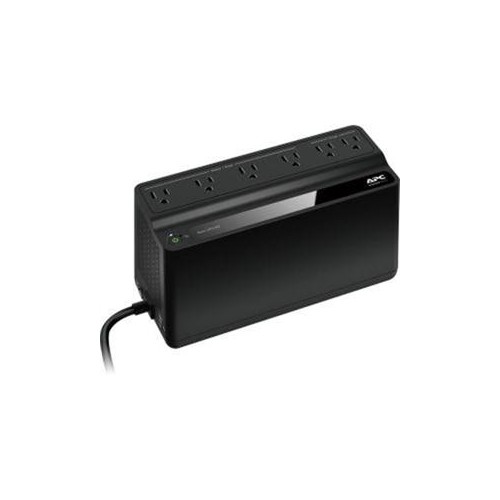 Your price for this item is $121.68
 -
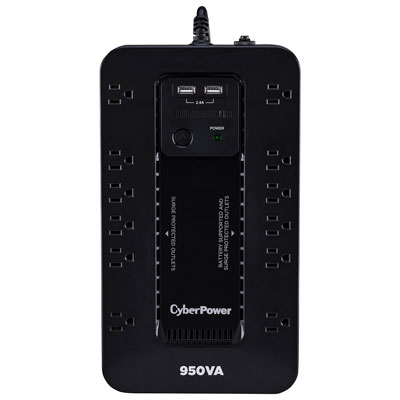 Your price for this item is $149.99
 -
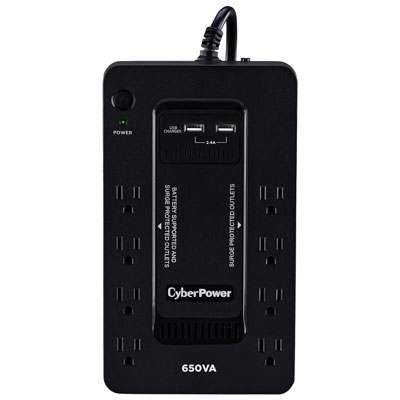 Your price for this item is $99.99
 -
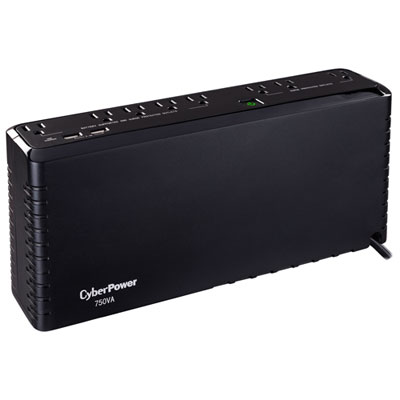 Your price for this item is $119.99
 -
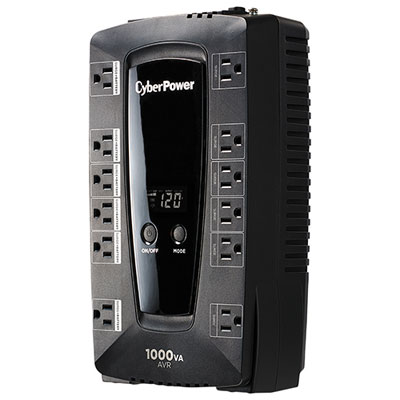 Your price for this item is $149.99
 -
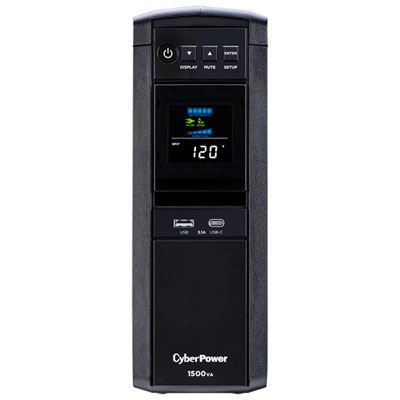 Your price for this item is $299.99
 -
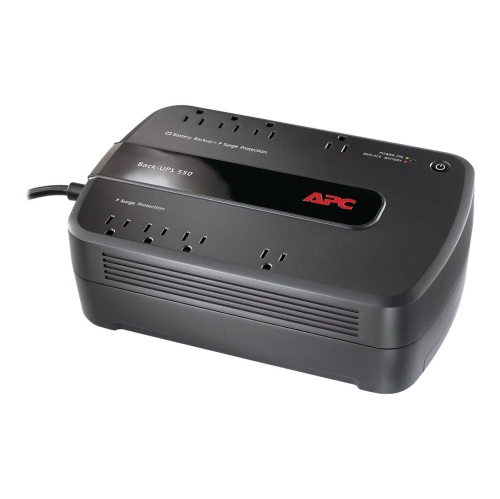 Your price for this item is $170.69
 -
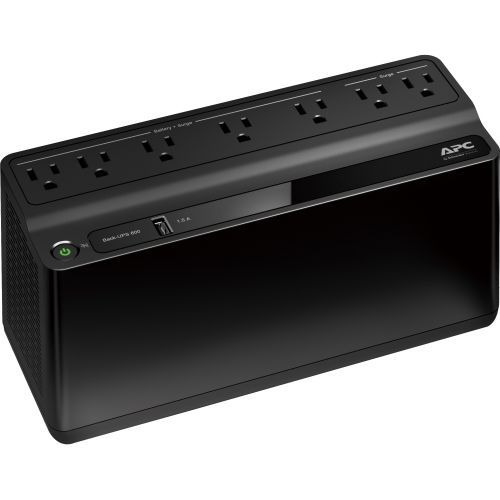 Your price for this item is $171.53
Discover more categories related to Emergency Power Essentials
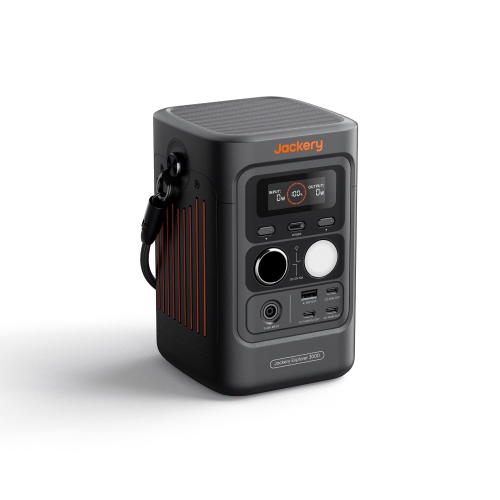
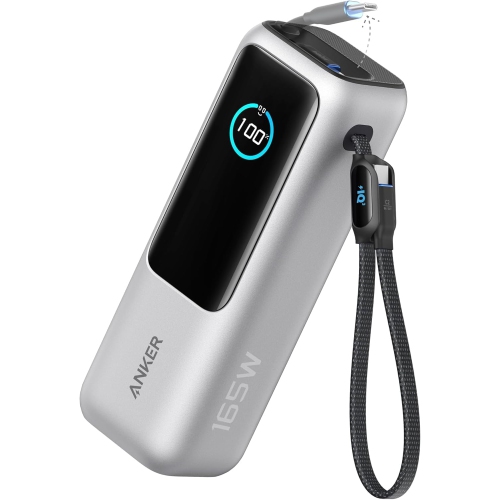
Top Collections:
Pokemon Centers, Kindle Devices, Best Budget Office Chairs, Apple iPhones 16, Canon G7X Cameras, iPhone 15 Apple, Alarm Clock, Refurbished Apple Laptops, Flip Phones, Best Laptops for Writers
Some products may be subject to Environmental Handling Fees
(EHF) depending on your province.
Learn more about EHFs.