Emergency Power Systems
In today's fast-paced world, ensuring you have a reliable source of power during unexpected outages is essential for maintaining peace of mind. Emergency power systems provide the perfect solution for keeping your home or business running smoothly when the grid goes down. From compact portable options to robust backup solutions, these systems are designed to deliver the energy you need, exactly when you need it most. Whether you're preparing for severe weather conditions or simply want to safeguard against unforeseen disruptions, investing in an emergency power system is a smart choice to keep your essential devices and appliances powered up and ready to go.
Sort





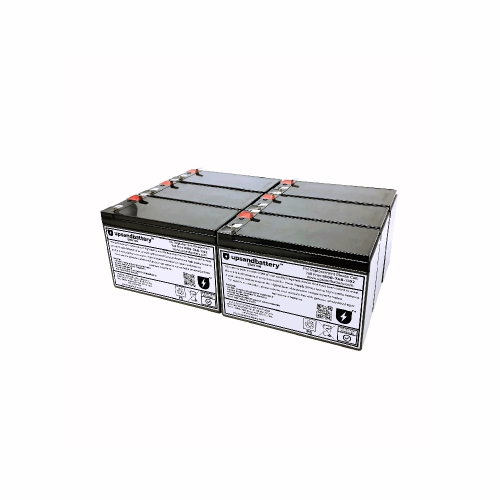
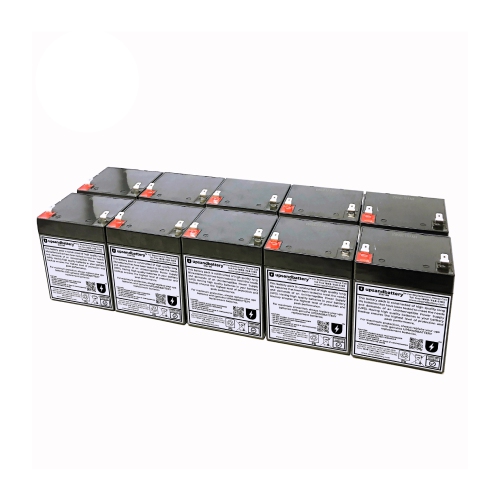
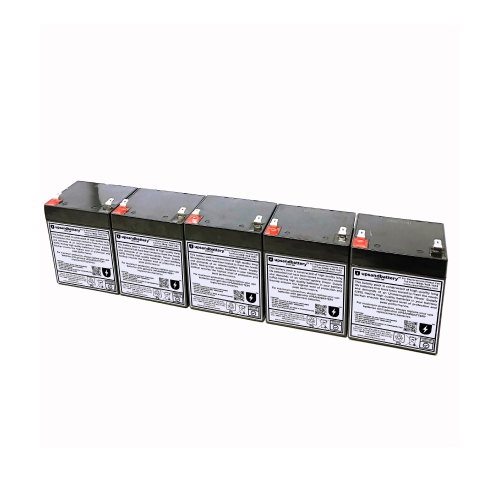
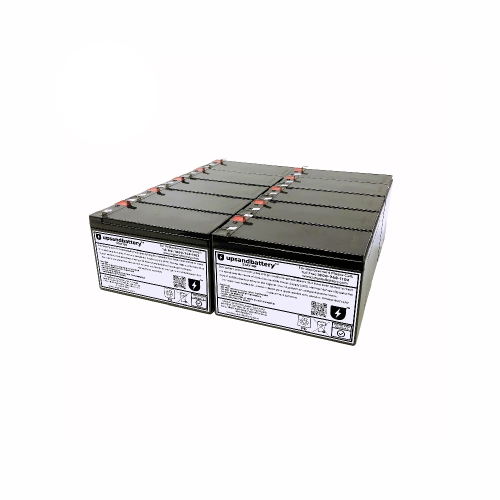
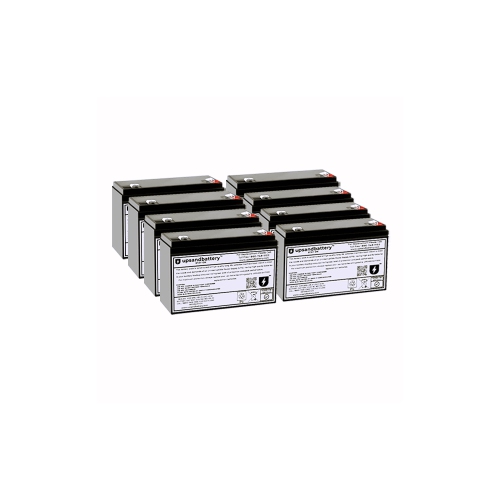
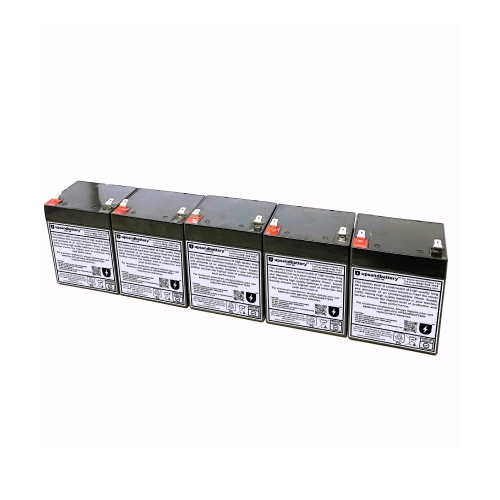
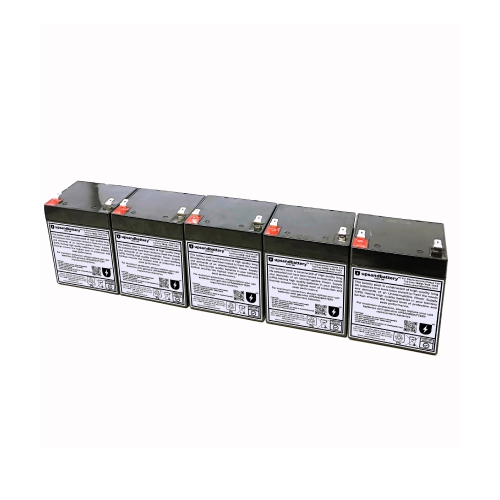
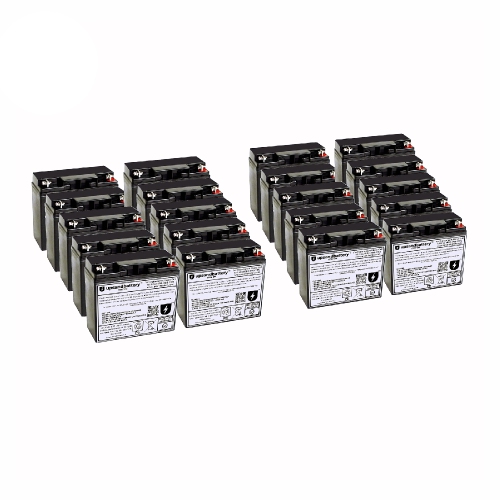

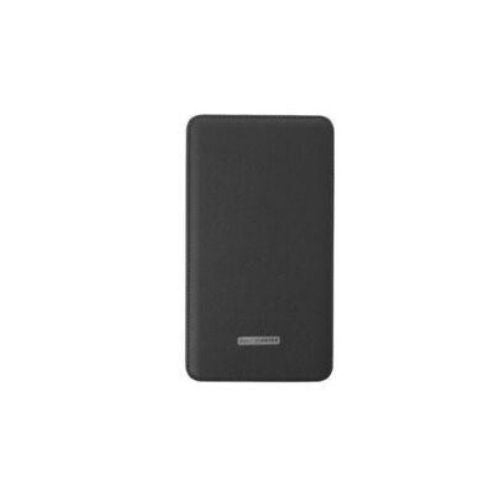
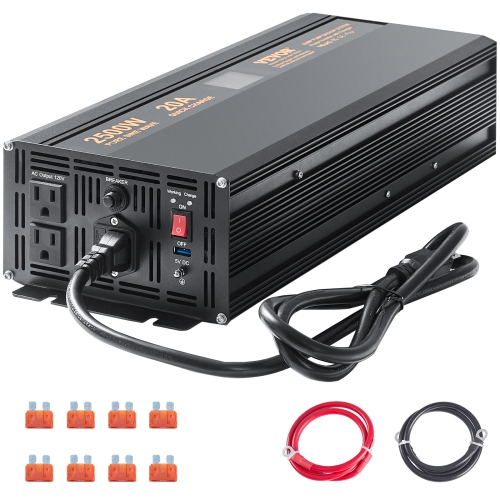
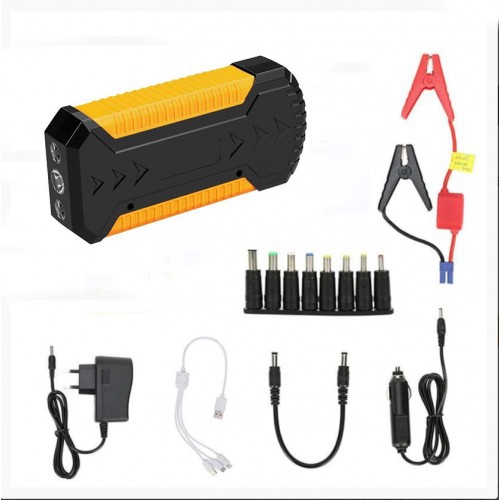
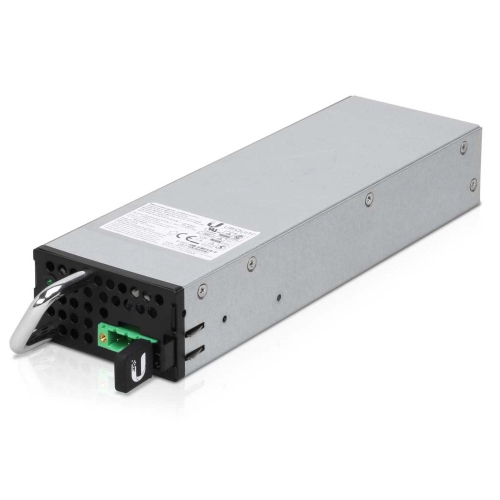
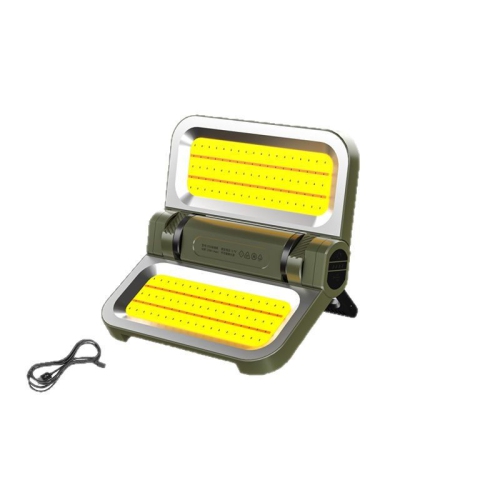
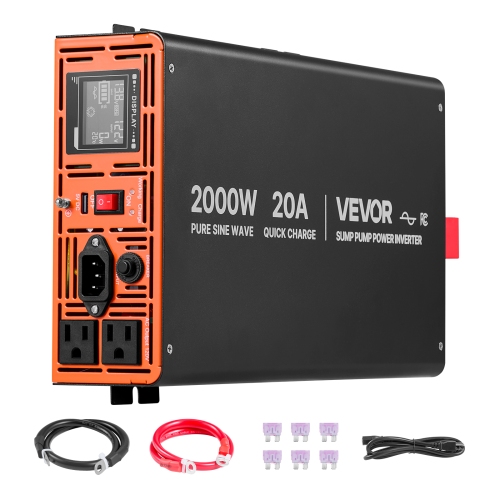
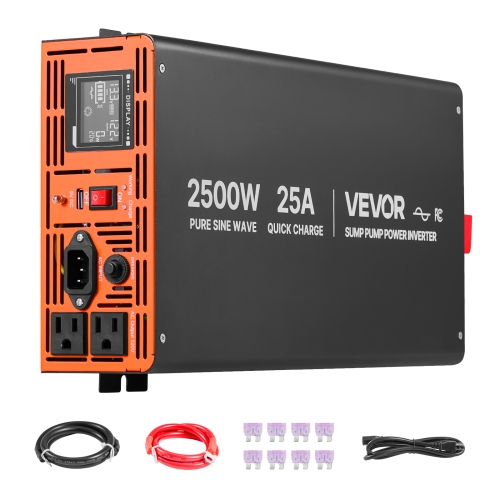
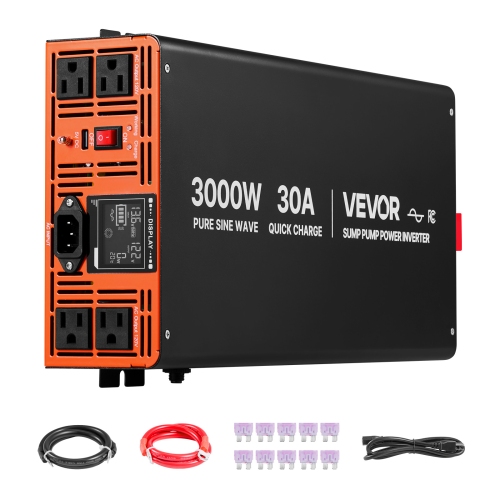
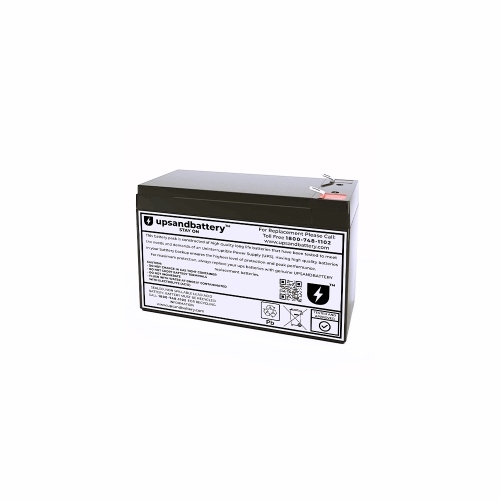
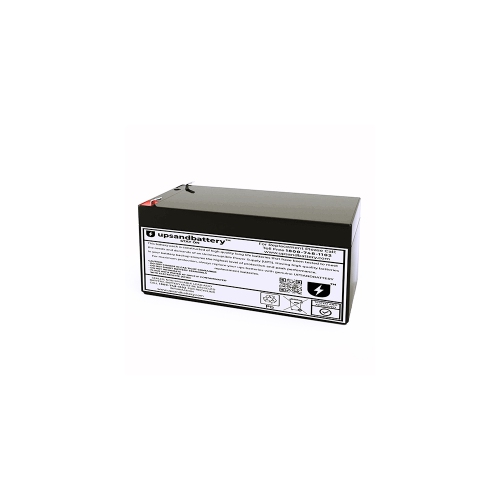
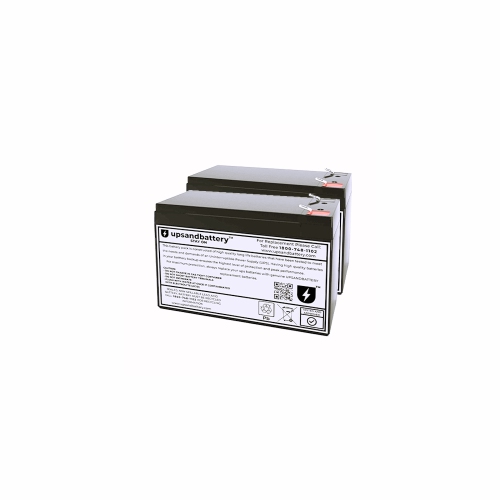
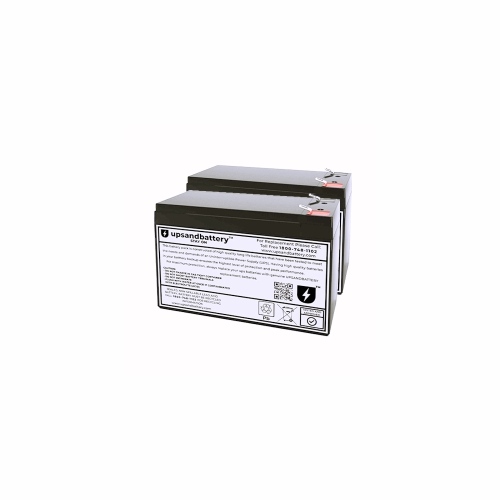
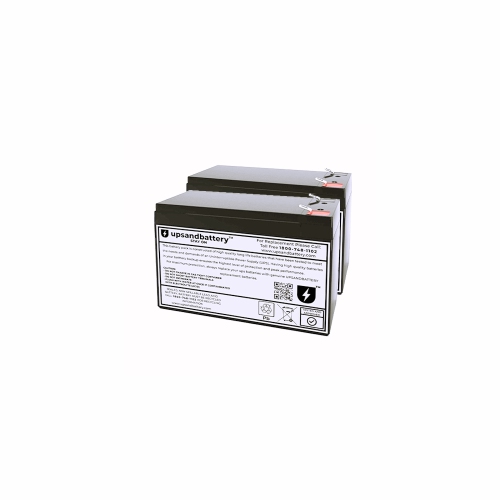

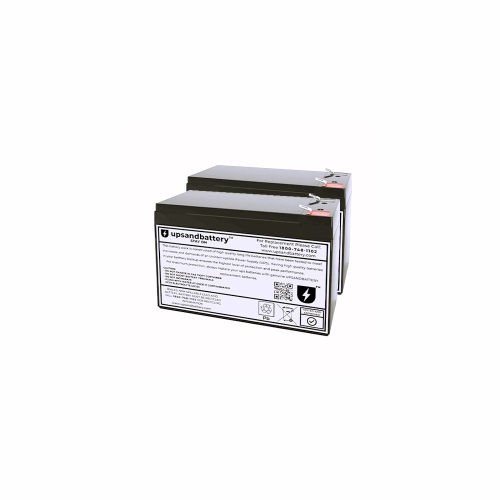
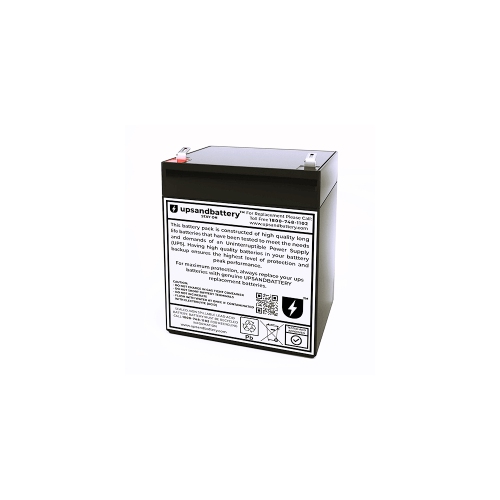


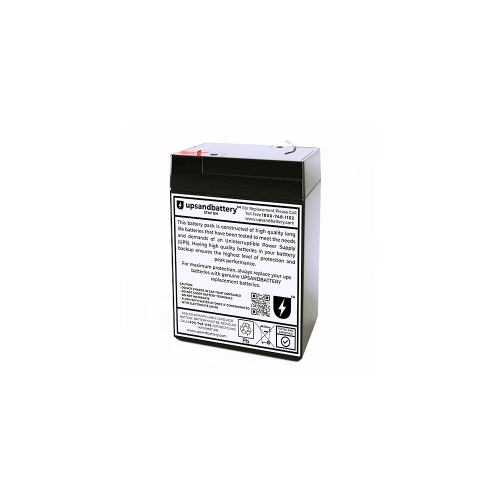
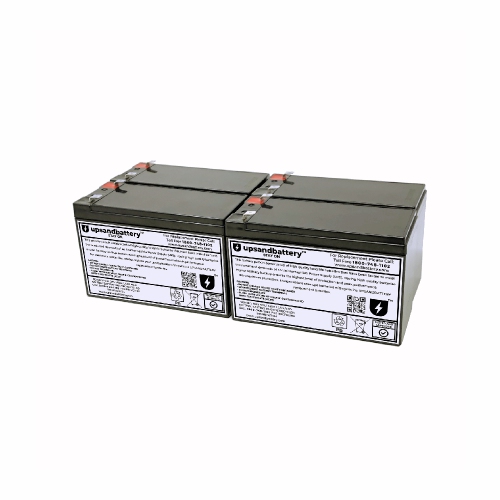
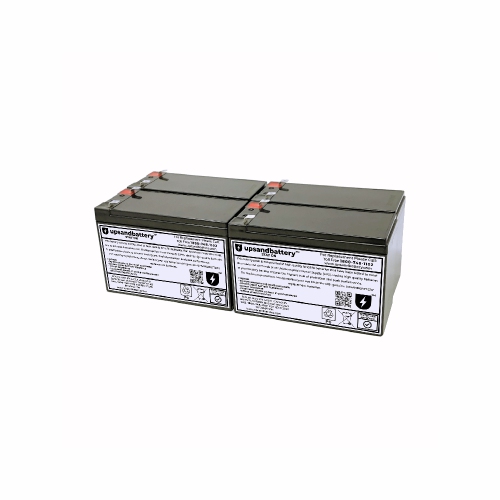
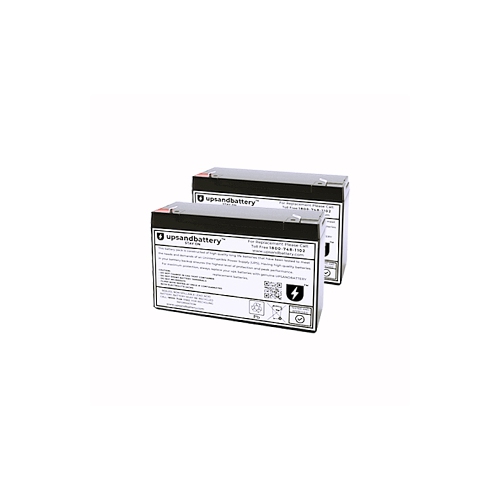
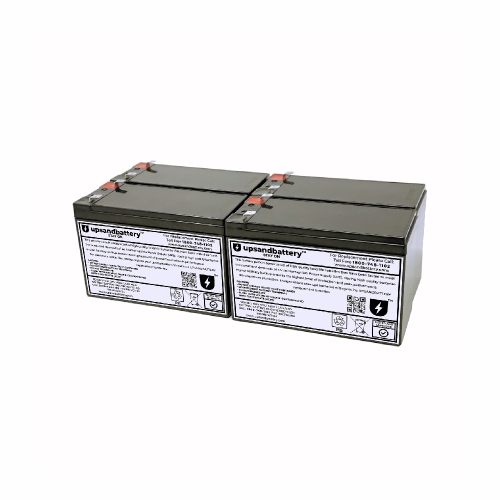
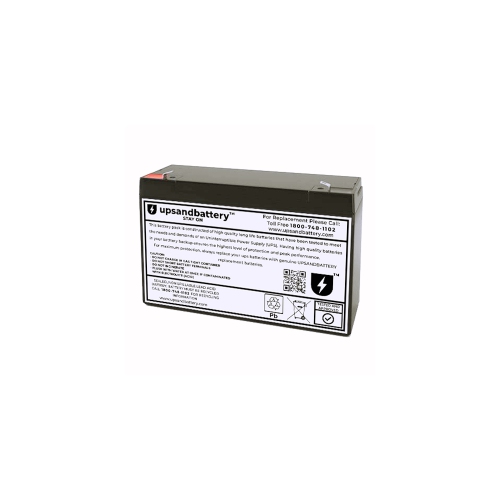

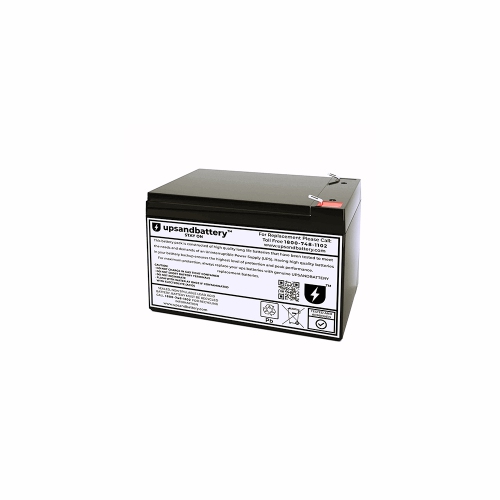
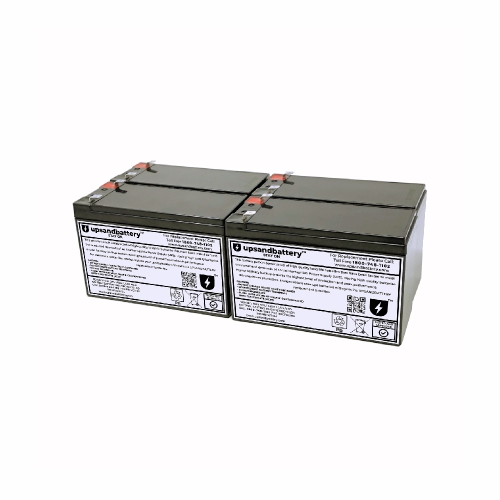
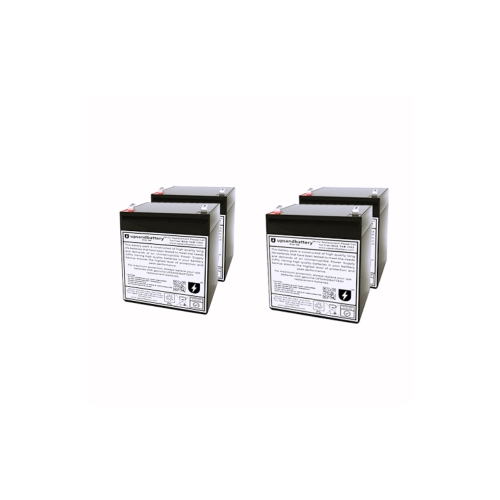

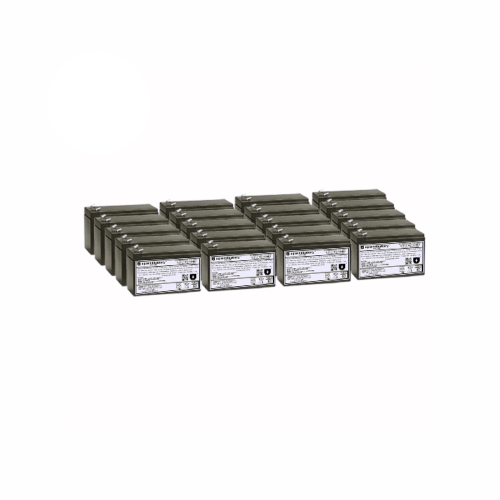
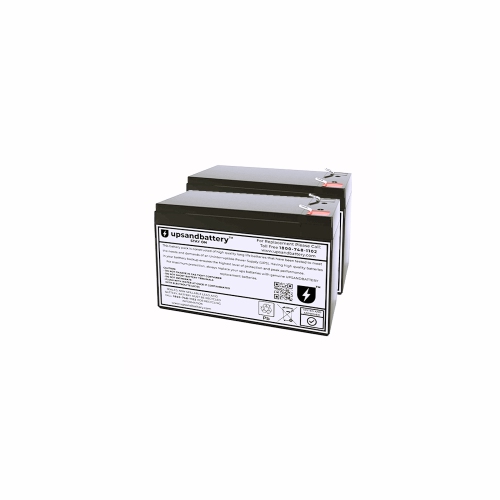
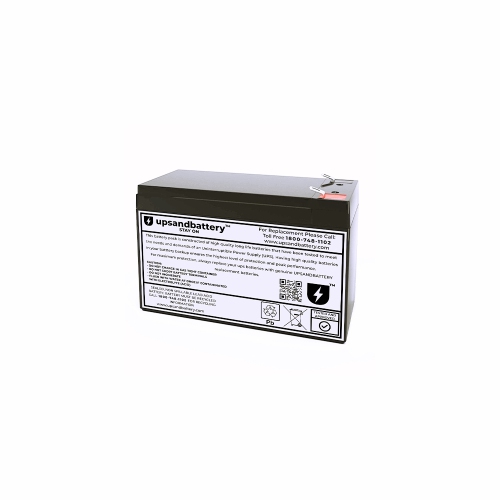
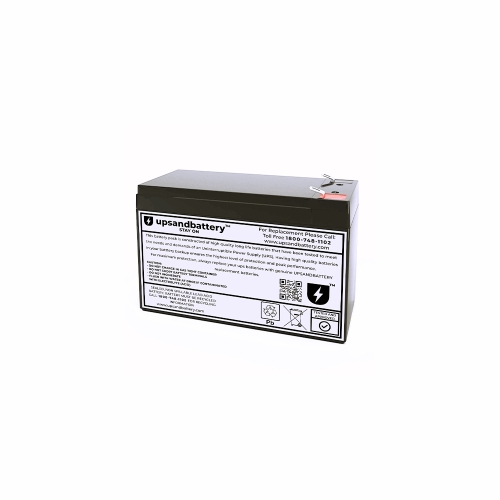
Backup options for homes, businesses and essential equipment
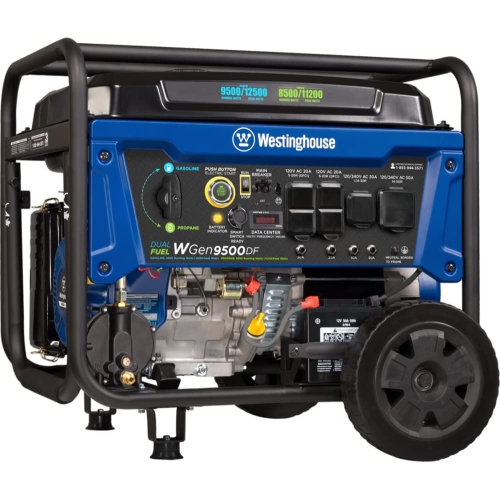
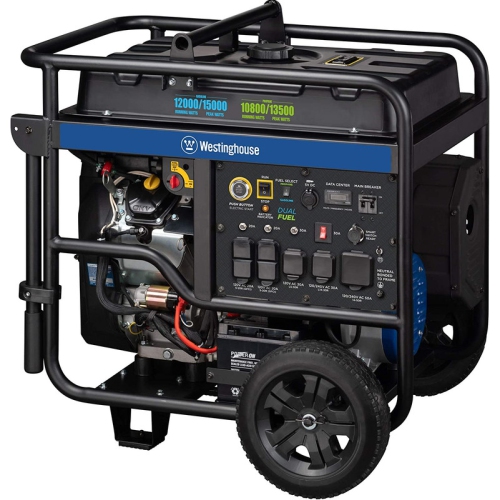
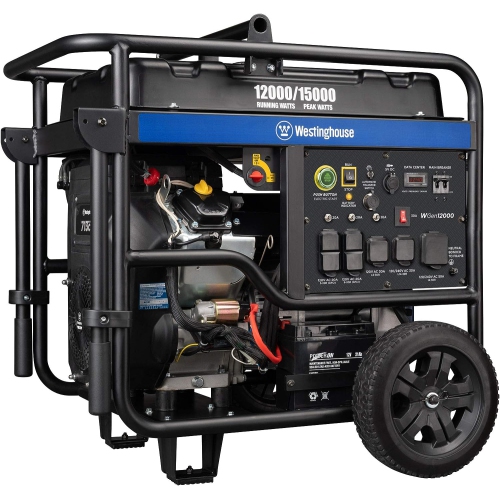
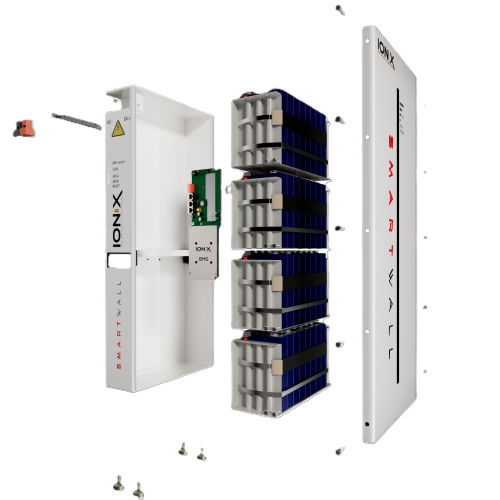
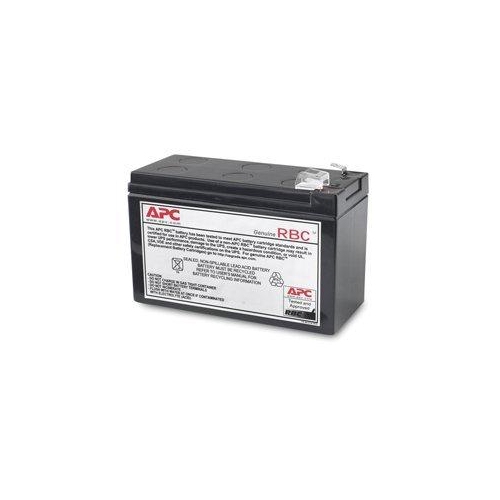
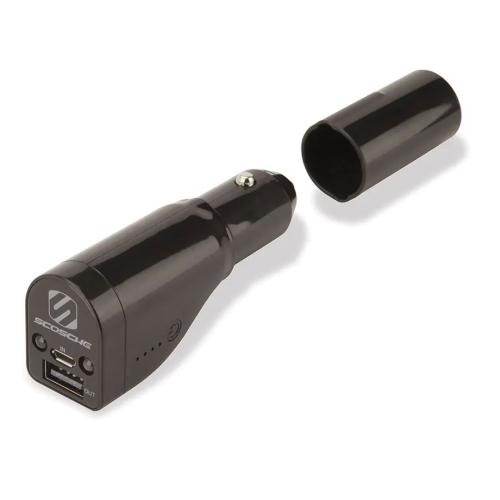
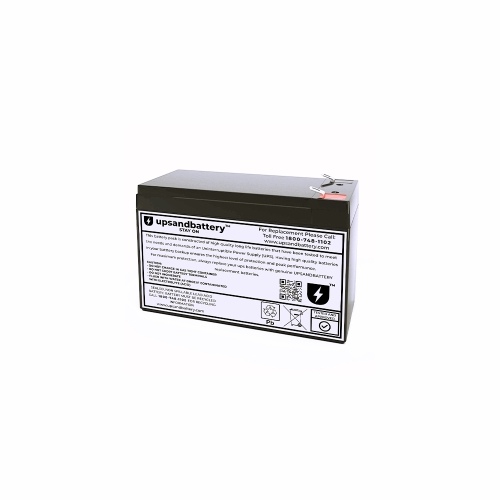
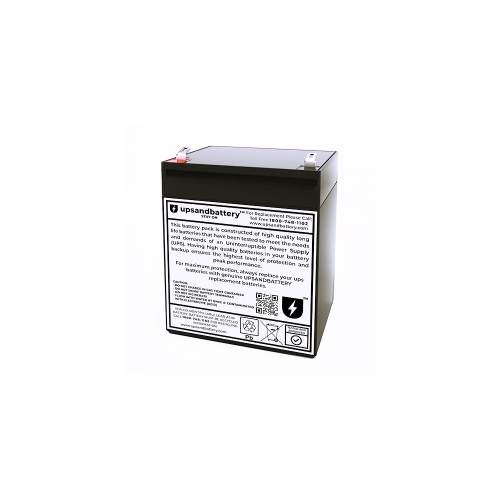
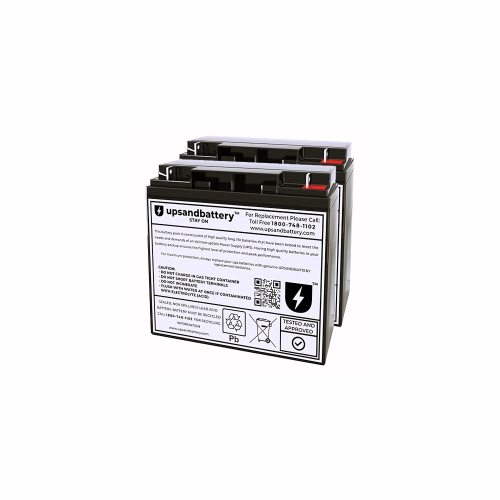
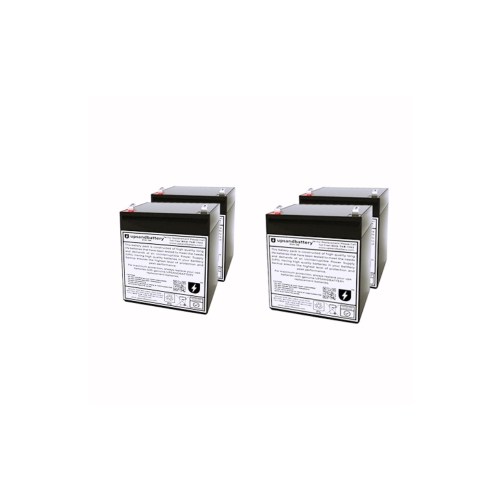
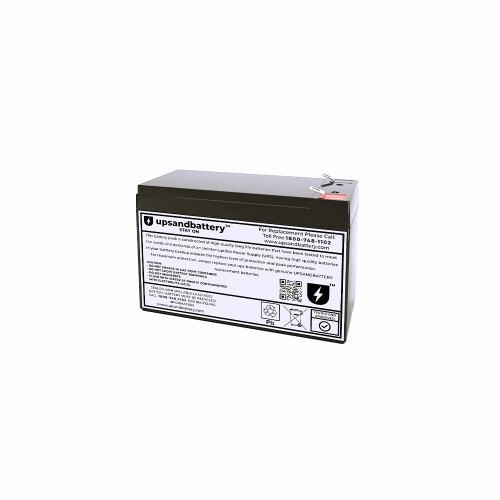
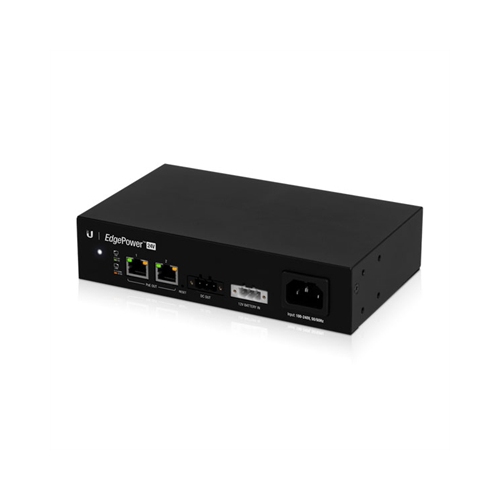
Emergency power systems provide an independent source of electricity when the primary utility grid fails, helping keep essential equipment operating through an outage. They are used in homes, businesses, recreational vehicles, workshops, farms, medical settings, data centres and other facilities where an interruption could cause inconvenience, damage or a serious safety concern. For residential use, emergency power may support a refrigerator, freezer, furnace controls, sump pump, lighting, internet equipment, security system and phone-charging station. During the cooler months, maintaining heat controls, circulation pumps and communication devices can be especially important, while a refrigerator or freezer may be the priority during an outage at any time of year. The right system depends on the equipment you want to run, how long you need it to operate and whether you want selected circuits or an entire building powered. A practical starting point is to make a list of essential loads, note each device’s running wattage and account for the higher starting wattage required by motors in appliances such as refrigerators, freezers, pumps and some heating equipment. A system that is too small may overload or shut down, while a larger-capacity solution can provide more flexibility but may require additional space, wiring and budget. The Emergency Power Essentials assortment brings together options for different backup needs, from compact systems intended for individual electronics to larger solutions designed to support several household or workplace loads.
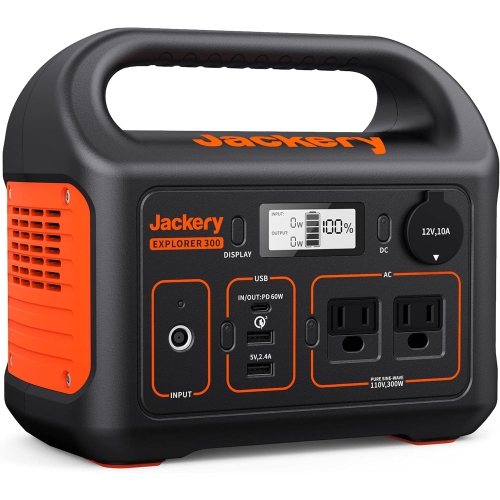
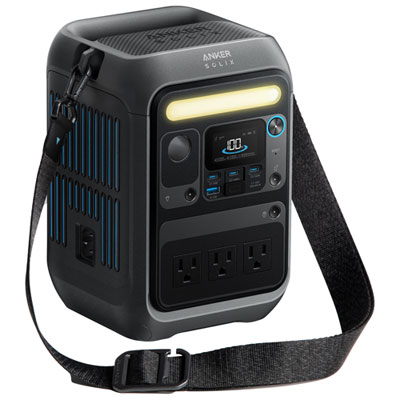
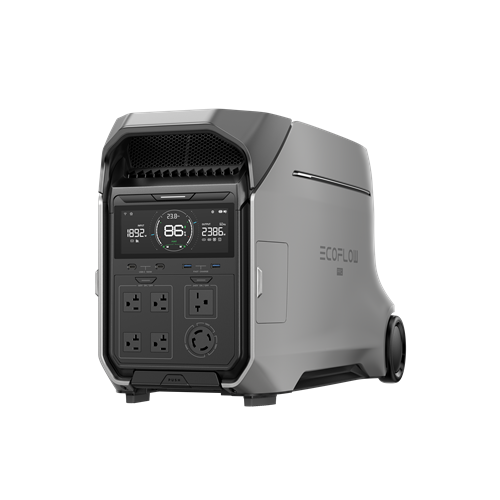
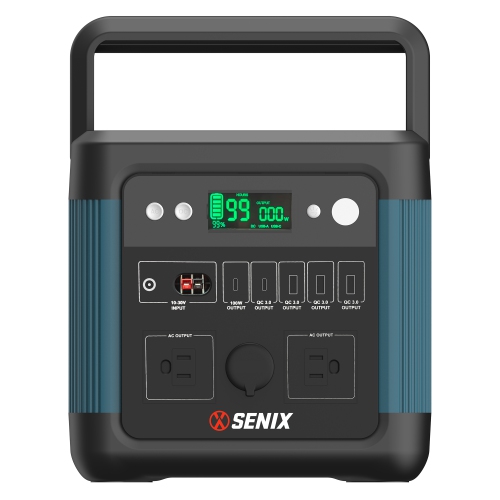
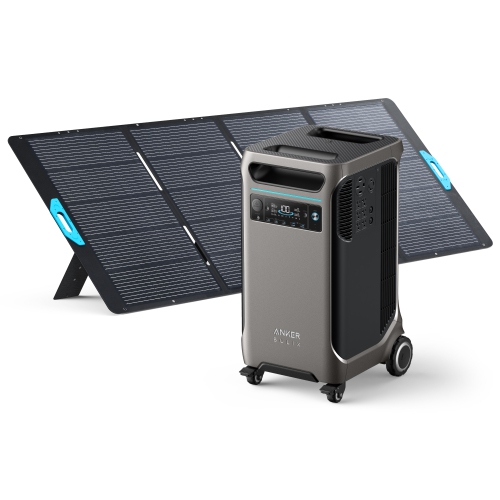
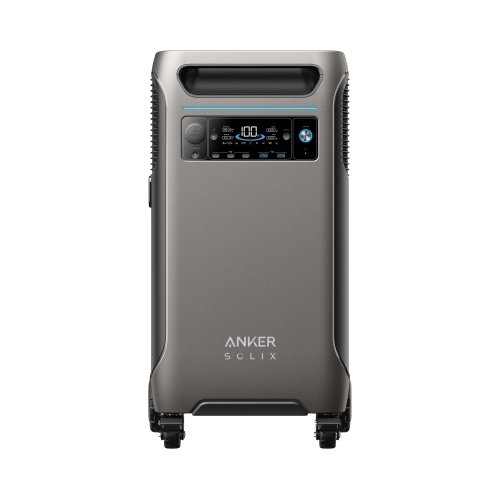
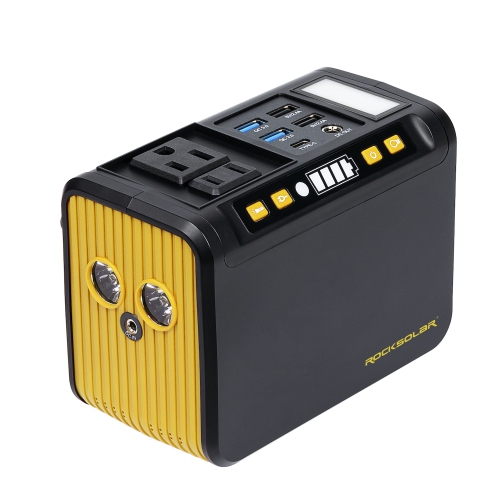
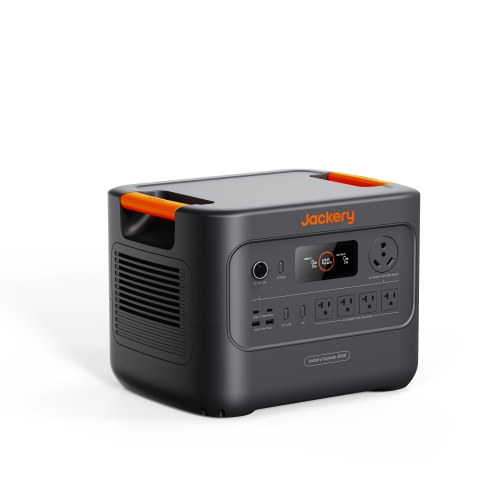
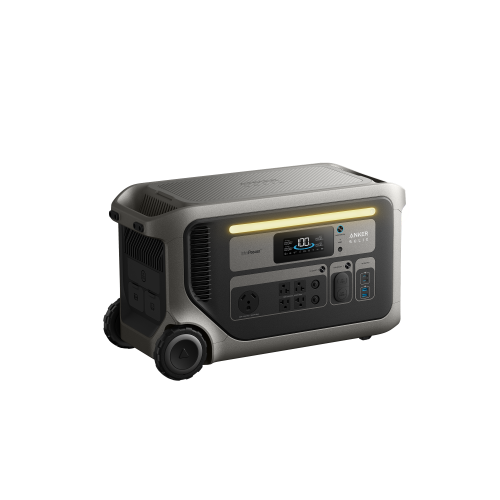
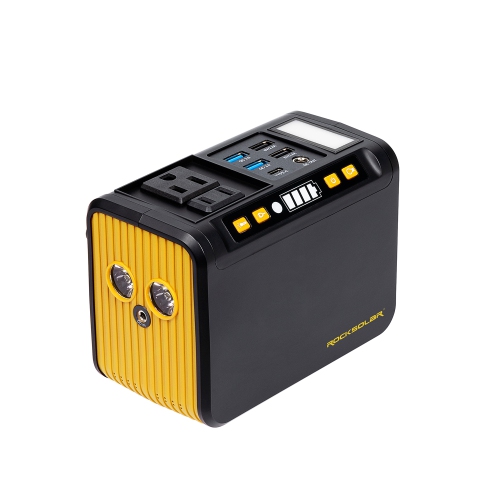
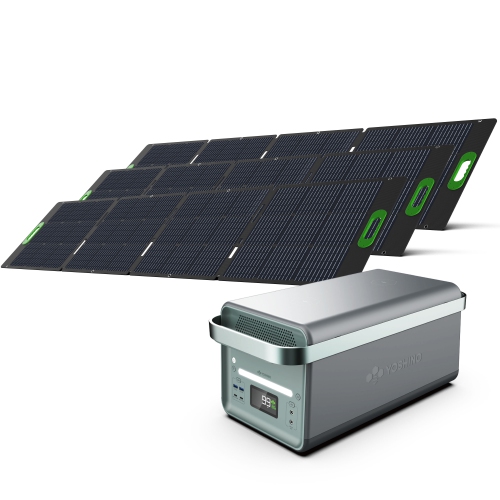
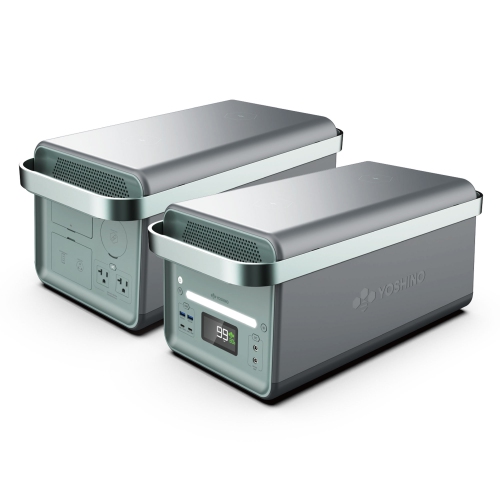
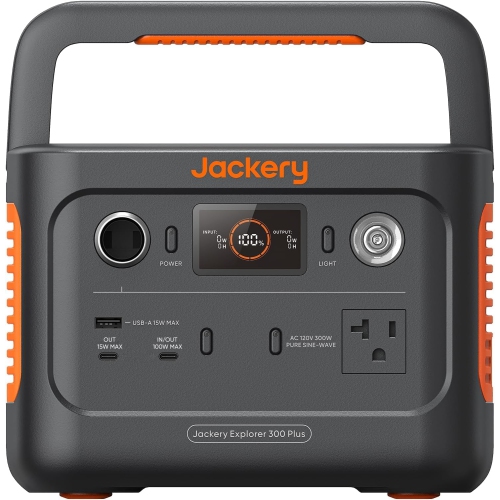
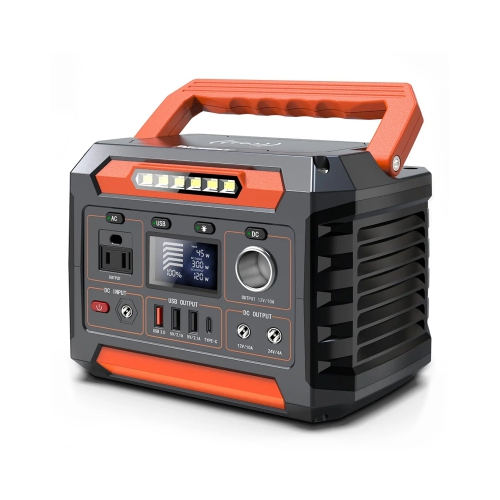
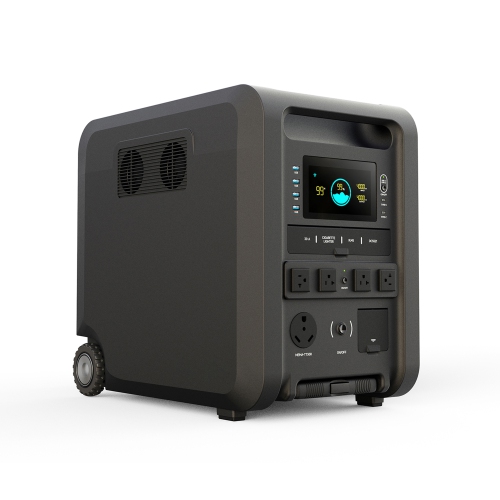
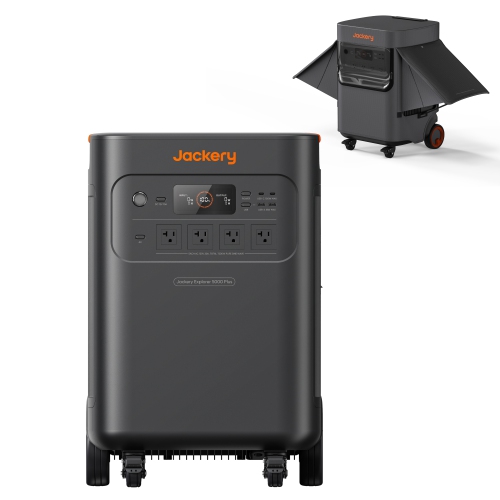
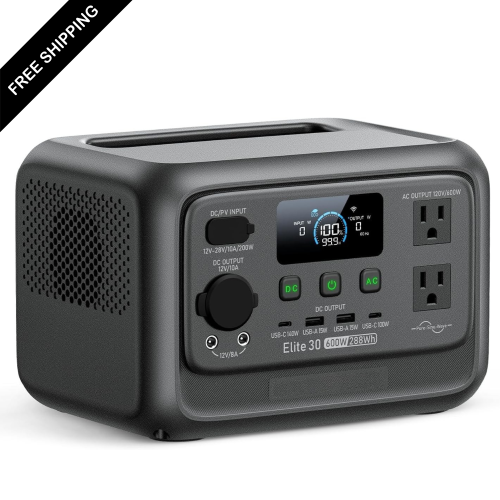
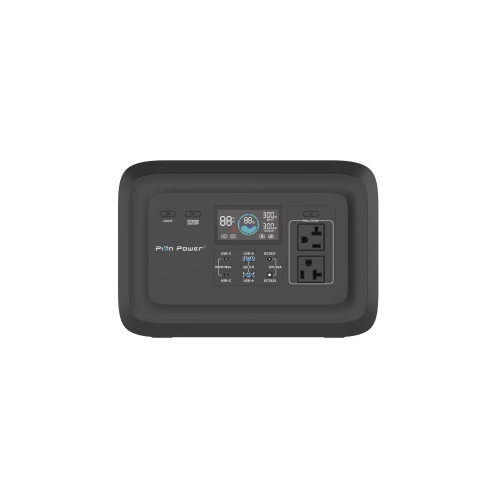
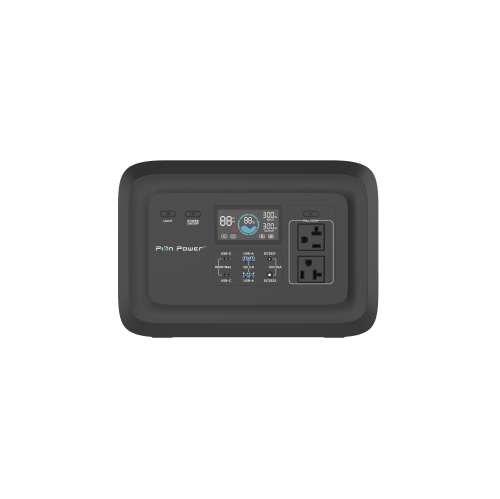
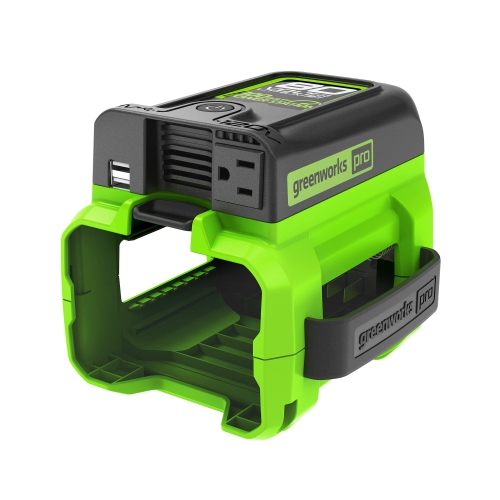
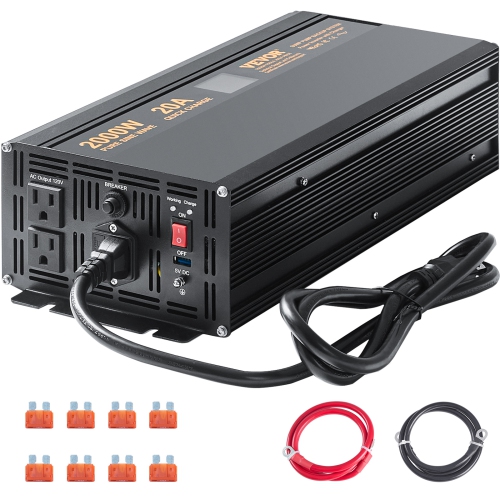
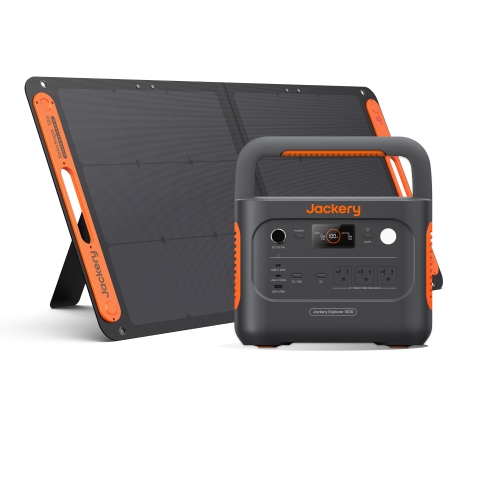
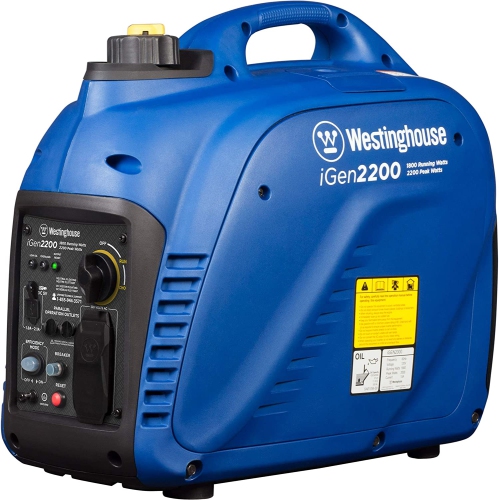
Standby generators are fuel-driven emergency power systems that can be connected to a transfer switch and configured to start automatically when utility power is interrupted. Depending on the setup, they may run on natural gas, propane or diesel and can supply selected circuits or a substantial portion of a home, facility or commercial property. Automatic operation is useful when an outage occurs while nobody is home, and a transfer switch helps prevent power from being sent back into utility lines. Generator installation, fuel storage, ventilation, placement and electrical connections should be handled according to local codes and by a qualified professional. Portable battery power stations offer a different approach, storing energy for use when needed and providing a convenient way to power smaller appliances, lights, routers, laptops, displays, chargers and other electronics. They are often useful in apartments, cottages, workshops, RVs and homes where a permanently installed generator is not practical. Capacity is usually expressed in watt-hours, while output ratings indicate the type and amount of equipment the system can support at one time. Look for the number and type of outlets, charging methods, recharge time, display information, portability and compatibility with the devices you plan to use. A battery system with pure sine wave output can be a suitable choice for sensitive electronics, but the requirements of medical equipment should always be confirmed with the device manufacturer or a qualified care professional. Runtime varies with the connected load, so using lower-power lights and charging devices one at a time can help extend available power. These systems can also be thoughtful practical gifts for new homeowners, cottage owners, frequent campers or anyone assembling a household emergency kit, particularly when the recipient values reliable access to lighting, communication and basic conveniences.
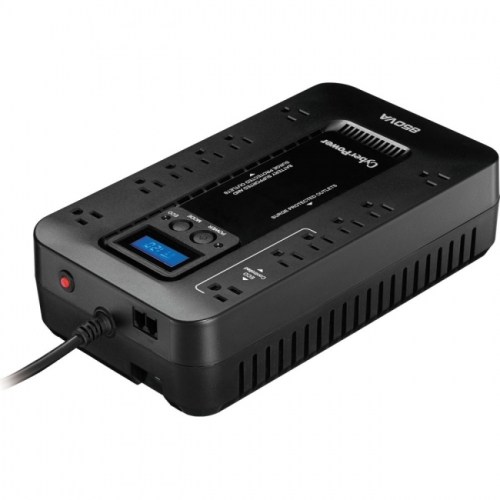
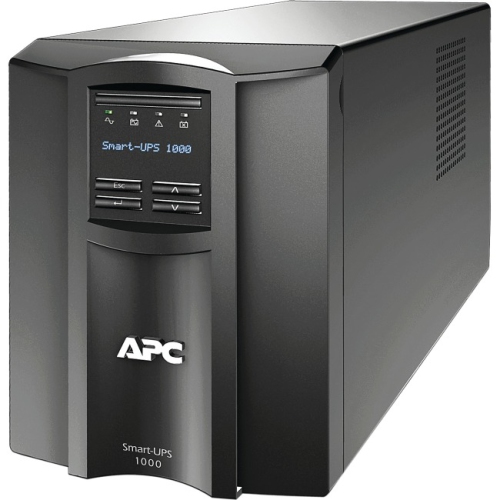
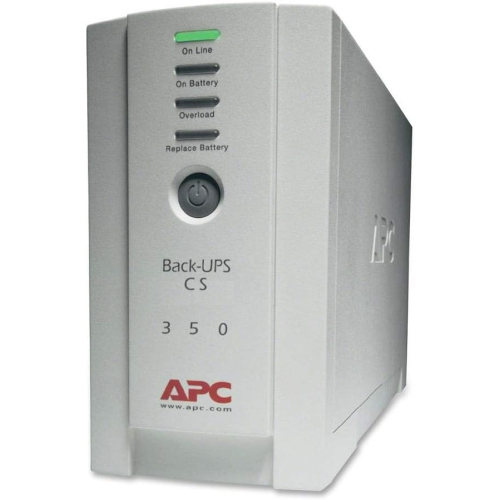
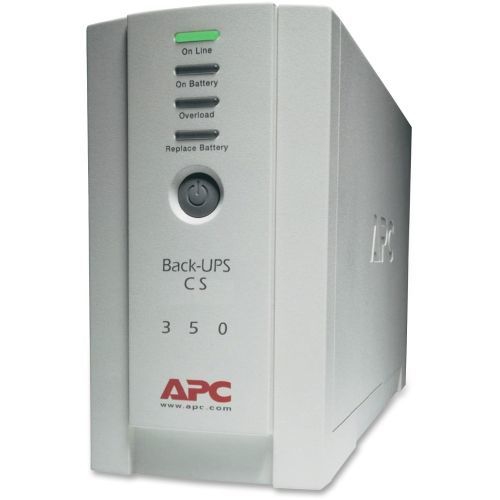
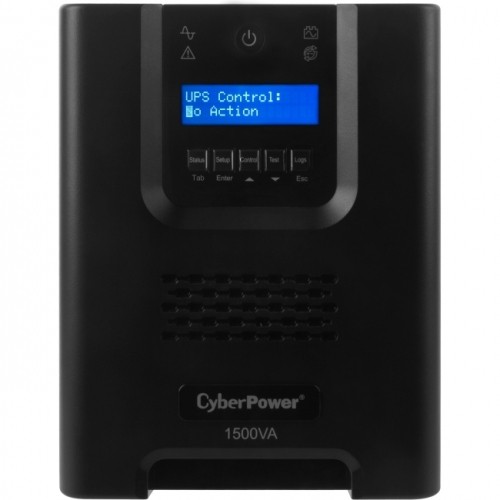
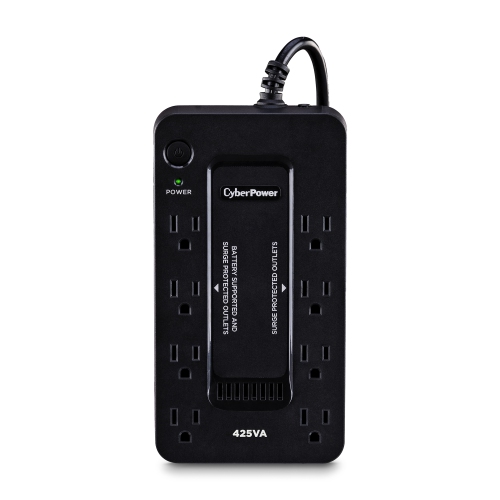
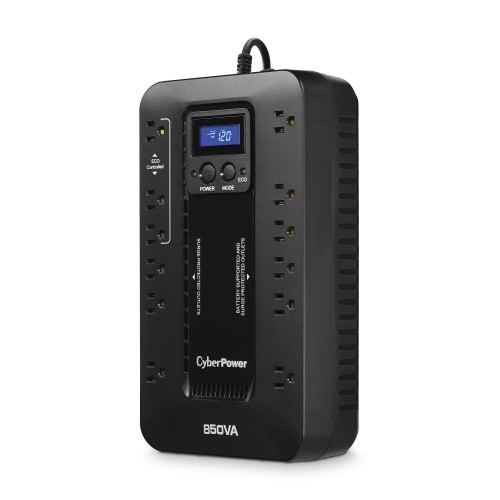
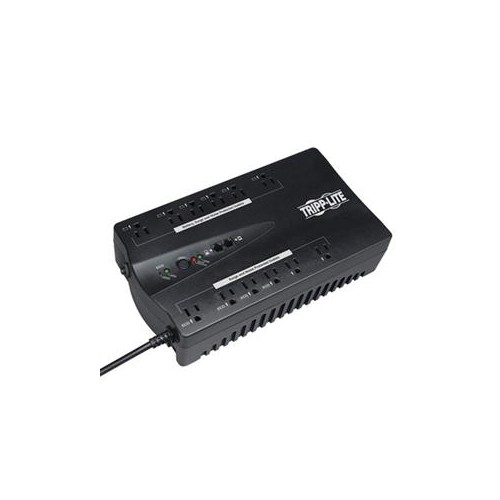
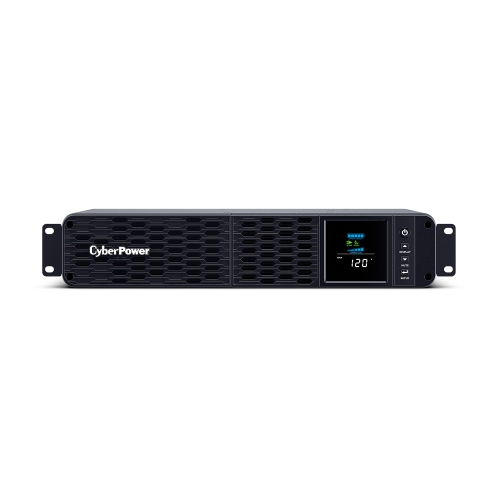
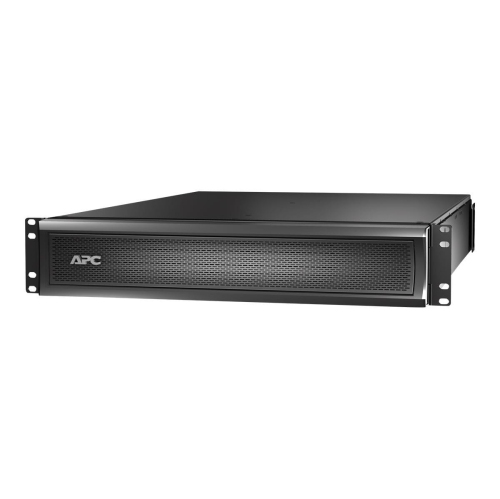
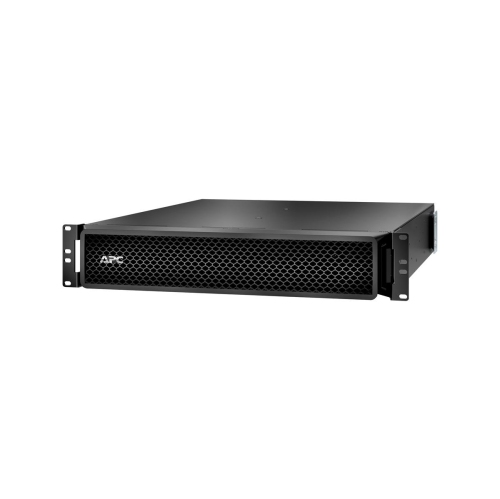
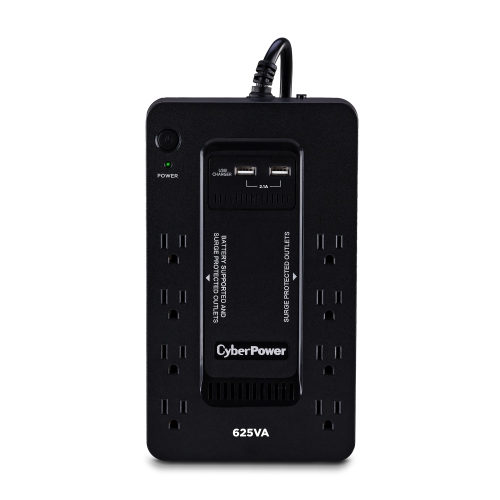
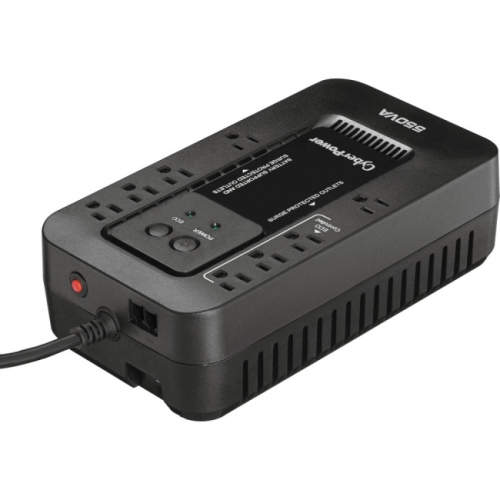
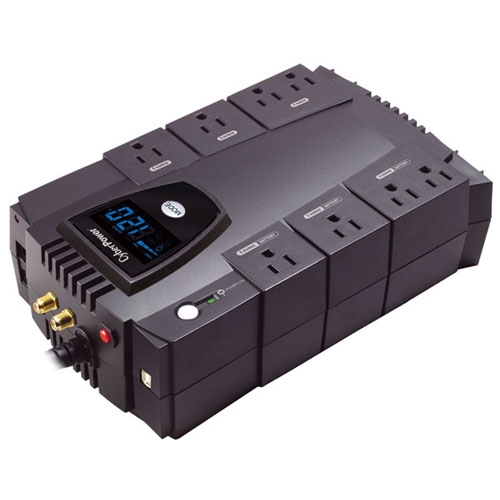
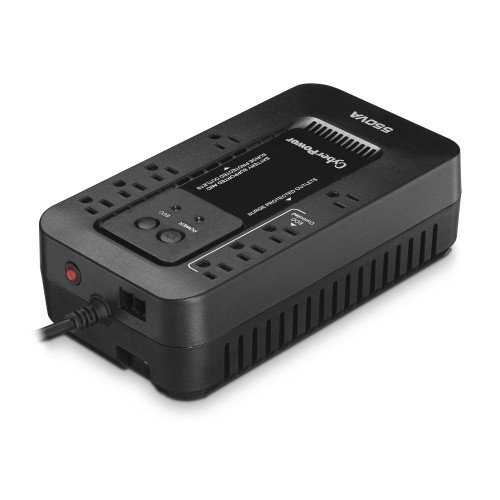
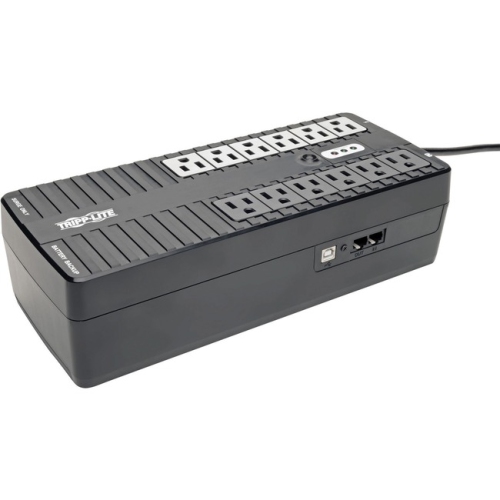
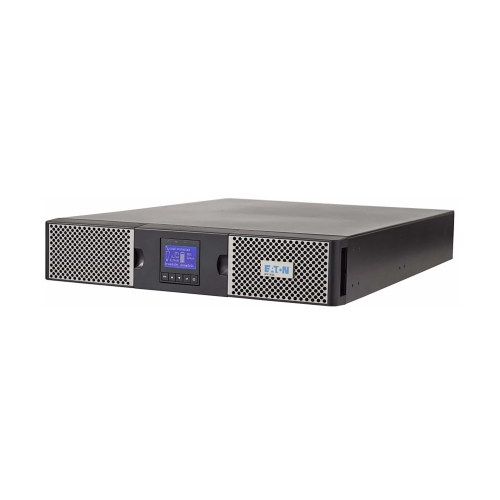
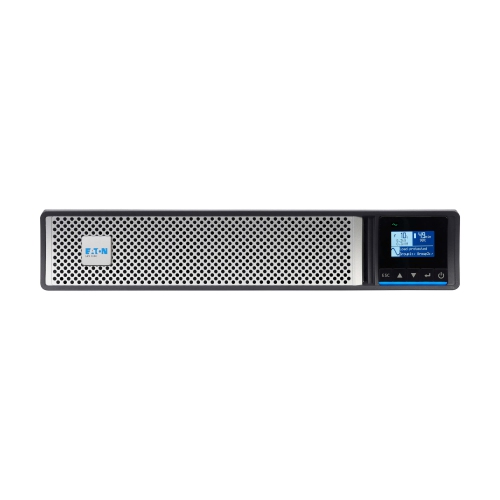
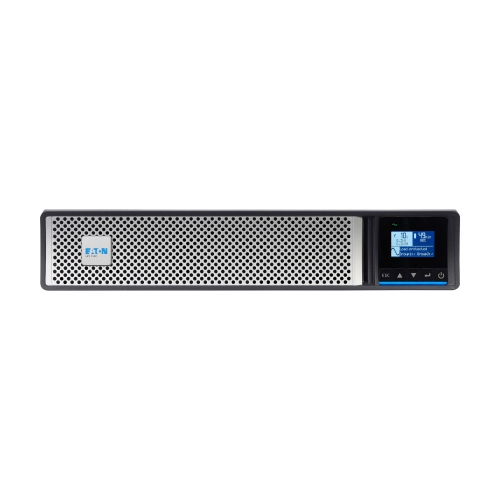
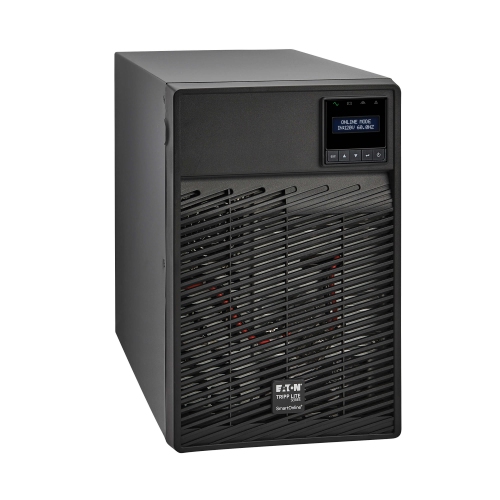
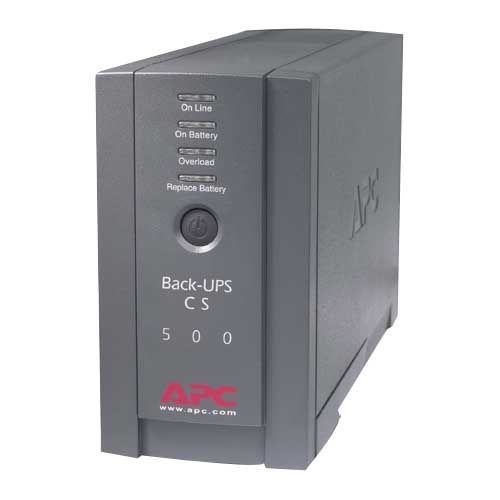
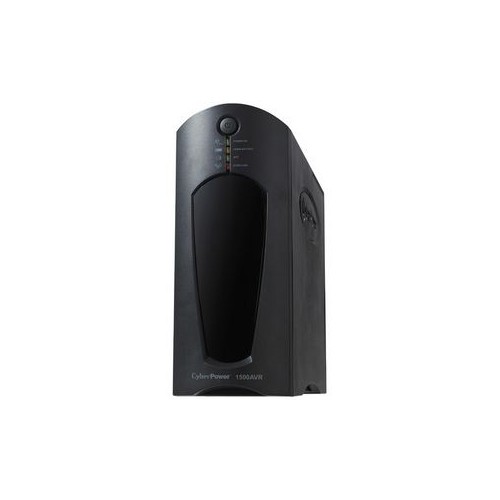
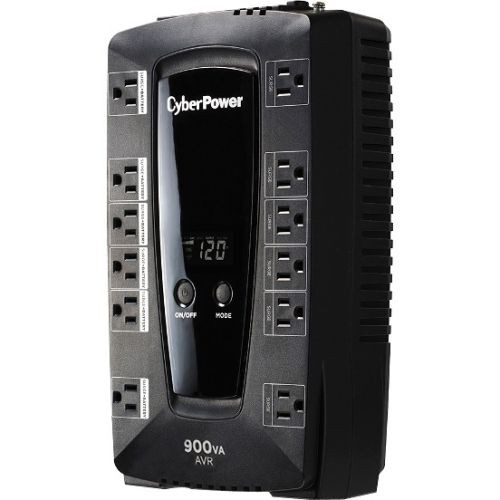
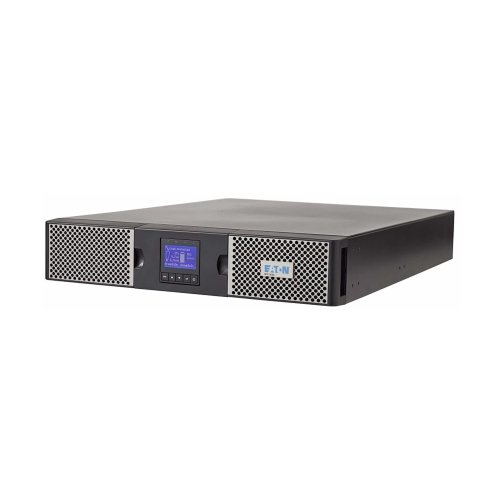
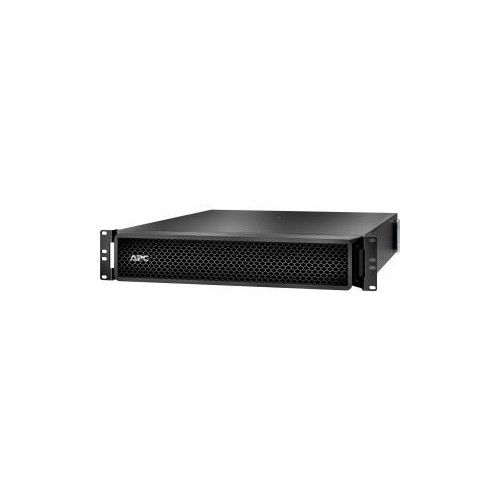
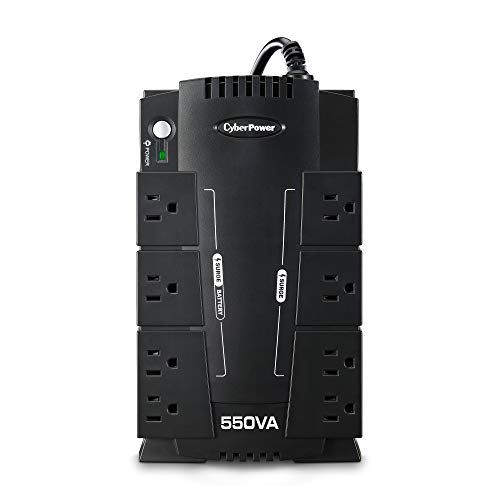
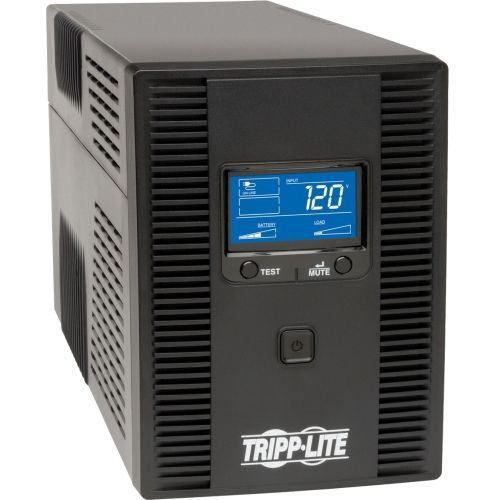
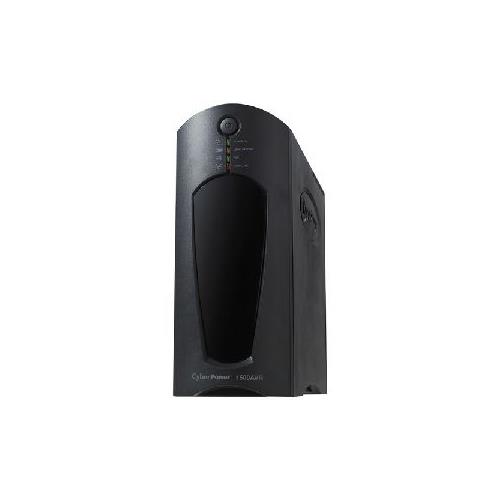
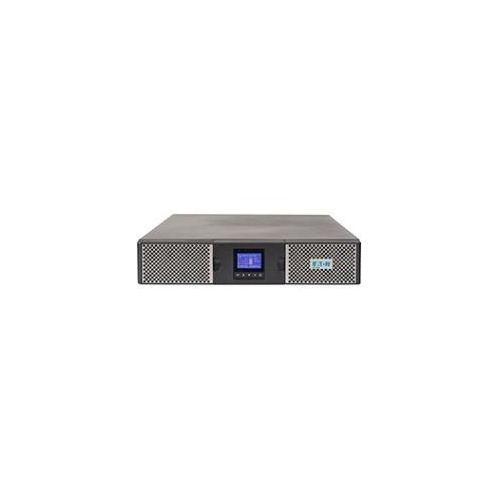
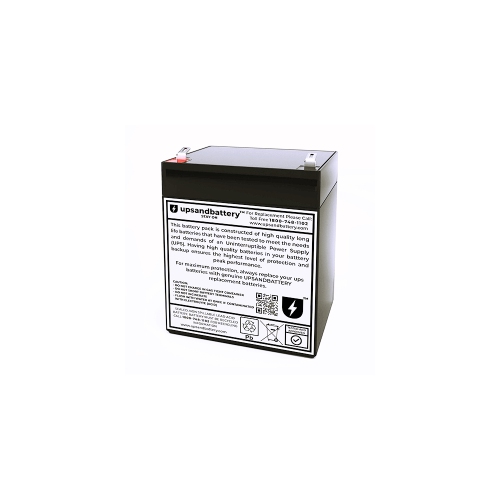
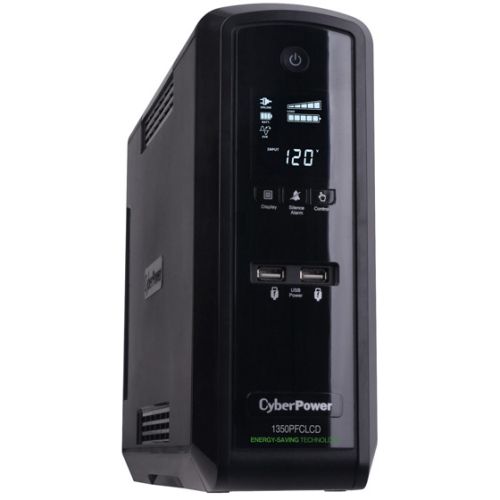
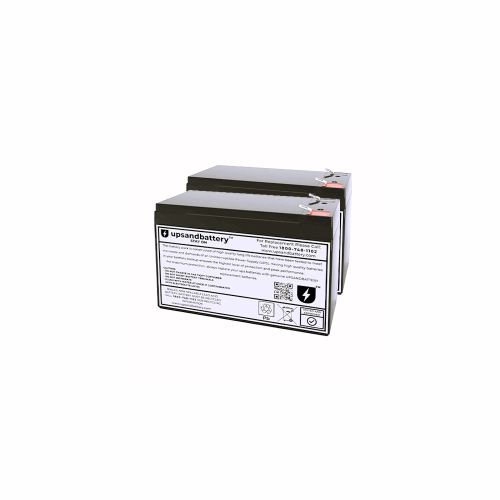
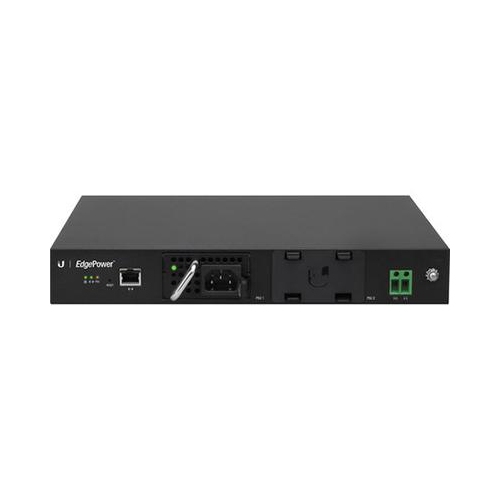
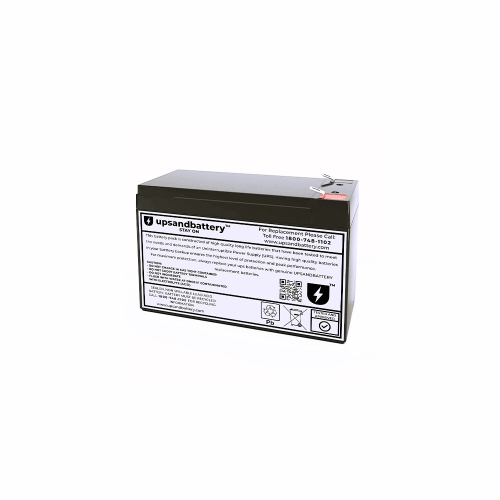
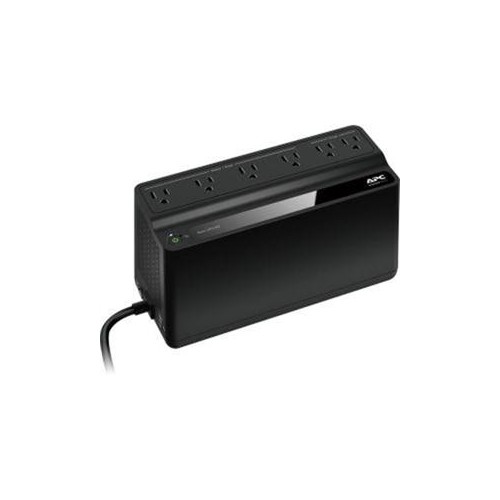
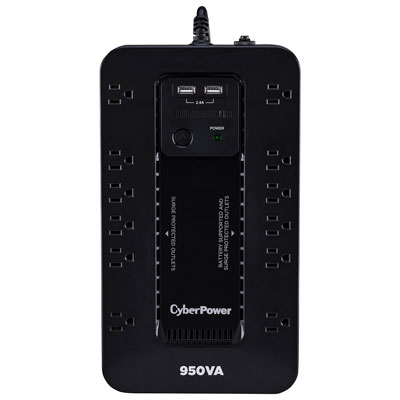
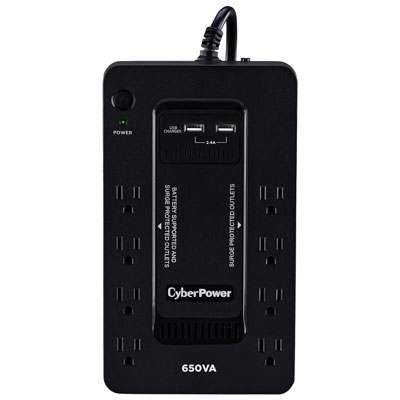
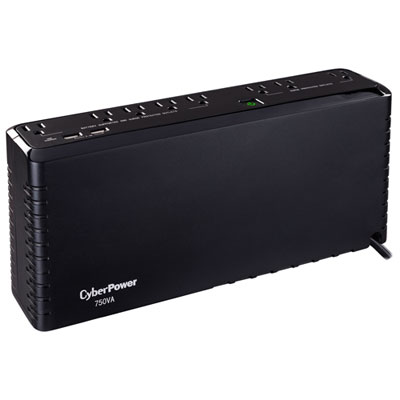
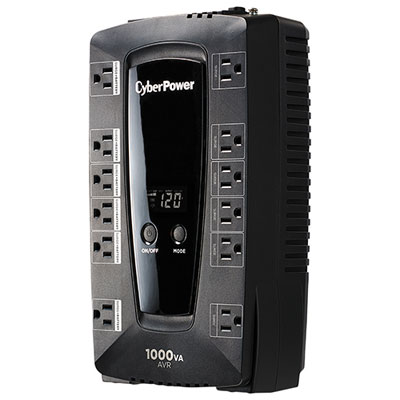
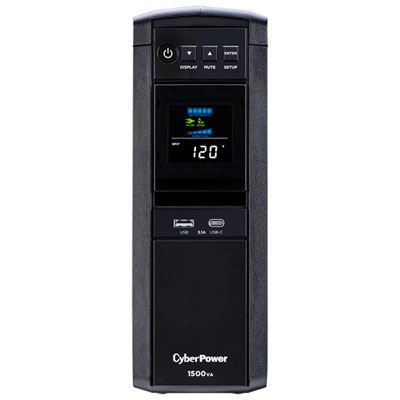
Uninterruptible power supplies, commonly called UPS systems, are designed to protect and support electronics during brief interruptions, voltage fluctuations and longer outages when paired with an appropriate shutdown plan or secondary power source. A UPS can switch to its internal battery with little or no interruption, helping protect computers, networking equipment, storage devices, point-of-sale systems and other electronics from losing power while files are being saved or equipment is safely shut down. When selecting one, consider the total wattage of the connected equipment, the desired runtime, the number of battery-backed outlets, surge protection, USB or network connections and whether the unit can communicate with a computer for automatic shutdown. In offices and commercial environments, emergency power systems may maintain communications, data integrity, security equipment, lighting and essential operating systems. Larger facilities may use generator systems and automatic transfer equipment to support life-safety systems, fire alarms, elevators and other critical loads. Hospitals, telecommunications sites and industrial operations typically require carefully engineered backup arrangements with redundancy, monitoring and maintenance schedules. For any emergency power setup, keep the system accessible, inspect cables and connections, follow charging and storage instructions, and test the equipment periodically under safe conditions. A written priority list can make an outage less stressful: identify which circuits or devices must remain powered, which can be disconnected, and how fuel, batteries or recharge access will be managed. With the right capacity and a clear setup, an emergency power system can help a household or organization stay connected, protect important equipment and maintain essential services when the electrical grid is unavailable.
Standby generators are fuel-driven emergency power systems that can be connected to a transfer switch and configured to start automatically when utility power is interrupted. Depending on the setup, they may run on natural gas, propane or diesel and can supply selected circuits or a substantial portion of a home, facility or commercial property. Automatic operation is useful when an outage occurs while nobody is home, and a transfer switch helps prevent power from being sent back into utility lines. Generator installation, fuel storage, ventilation, placement and electrical connections should be handled according to local codes and by a qualified professional. Portable battery power stations offer a different approach, storing energy for use when needed and providing a convenient way to power smaller appliances, lights, routers, laptops, displays, chargers and other electronics. They are often useful in apartments, cottages, workshops, RVs and homes where a permanently installed generator is not practical. Capacity is usually expressed in watt-hours, while output ratings indicate the type and amount of equipment the system can support at one time. Look for the number and type of outlets, charging methods, recharge time, display information, portability and compatibility with the devices you plan to use. A battery system with pure sine wave output can be a suitable choice for sensitive electronics, but the requirements of medical equipment should always be confirmed with the device manufacturer or a qualified care professional. Runtime varies with the connected load, so using lower-power lights and charging devices one at a time can help extend available power. These systems can also be thoughtful practical gifts for new homeowners, cottage owners, frequent campers or anyone assembling a household emergency kit, particularly when the recipient values reliable access to lighting, communication and basic conveniences.
Uninterruptible power supplies, commonly called UPS systems, are designed to protect and support electronics during brief interruptions, voltage fluctuations and longer outages when paired with an appropriate shutdown plan or secondary power source. A UPS can switch to its internal battery with little or no interruption, helping protect computers, networking equipment, storage devices, point-of-sale systems and other electronics from losing power while files are being saved or equipment is safely shut down. When selecting one, consider the total wattage of the connected equipment, the desired runtime, the number of battery-backed outlets, surge protection, USB or network connections and whether the unit can communicate with a computer for automatic shutdown. In offices and commercial environments, emergency power systems may maintain communications, data integrity, security equipment, lighting and essential operating systems. Larger facilities may use generator systems and automatic transfer equipment to support life-safety systems, fire alarms, elevators and other critical loads. Hospitals, telecommunications sites and industrial operations typically require carefully engineered backup arrangements with redundancy, monitoring and maintenance schedules. For any emergency power setup, keep the system accessible, inspect cables and connections, follow charging and storage instructions, and test the equipment periodically under safe conditions. A written priority list can make an outage less stressful: identify which circuits or devices must remain powered, which can be disconnected, and how fuel, batteries or recharge access will be managed. With the right capacity and a clear setup, an emergency power system can help a household or organization stay connected, protect important equipment and maintain essential services when the electrical grid is unavailable.
Top selling and popular products
-
 Your price for this item is $121.68
 -
 Your price for this item is $149.99
 -
 Your price for this item is $99.99
 -
 Your price for this item is $119.99
 -
 Your price for this item is $149.99
 -
 Your price for this item is $299.99
 -
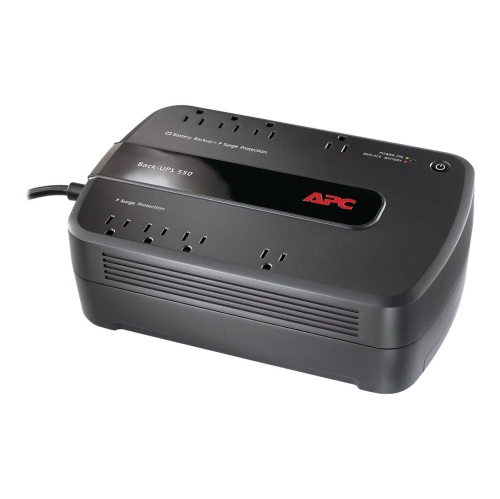 Your price for this item is $170.69
 -
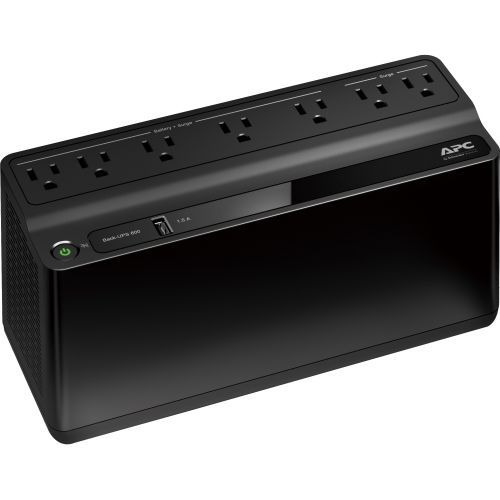 Your price for this item is $171.53
Discover more categories related to Emergency Power Systems
Top Collections:
Pokemon Centers, Kindle Devices, Best Budget Office Chairs, Apple iPhones 16, Canon G7X Cameras, iPhone 15 Apple, Alarm Clock, Refurbished Apple Laptops, Flip Phones, Best Laptops for Writers
Some products may be subject to Environmental Handling Fees
(EHF) depending on your province.
Learn more about EHFs.