Glass End Tables
Elevate your living space with the sophisticated charm of glass end tables, a perfect blend of modern elegance and functional design. These versatile pieces seamlessly complement almost any decor style, adding a touch of contemporary flair to your home. Whether you're looking to enhance your living room, bedroom, or office, glass end tables offer an ideal solution for displaying decorative items or keeping essentials within easy reach. Discover a variety of styles and finishes that cater to your unique taste and transform your space into a chic haven.
Sort
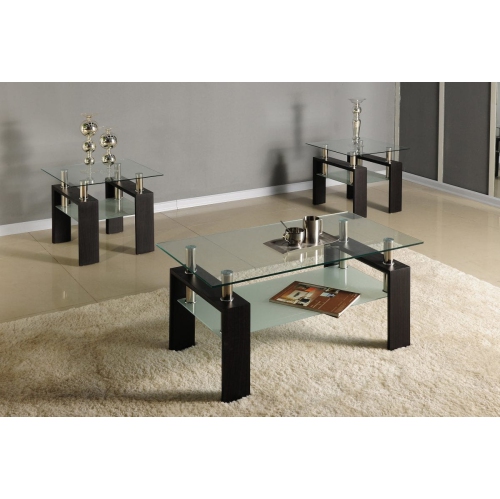


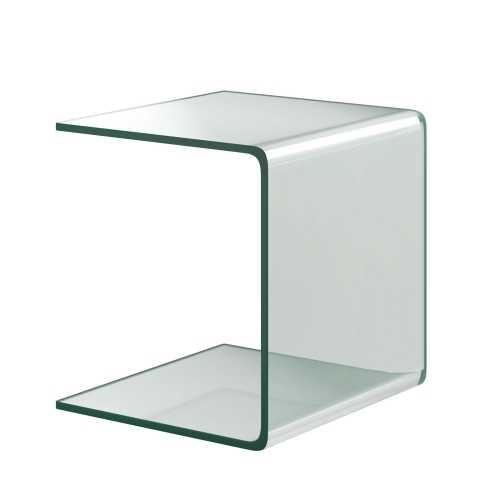
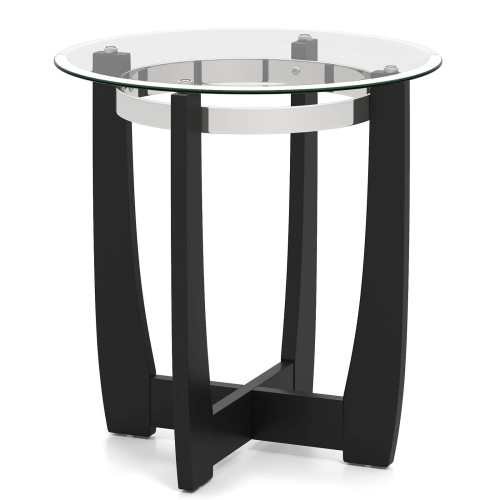
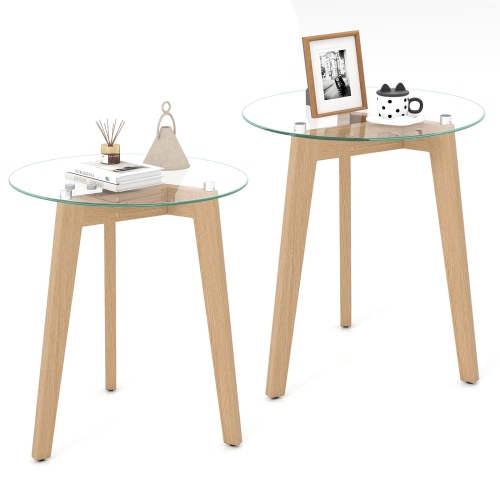
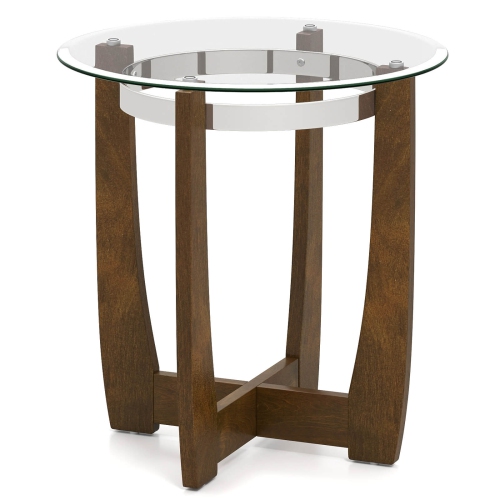
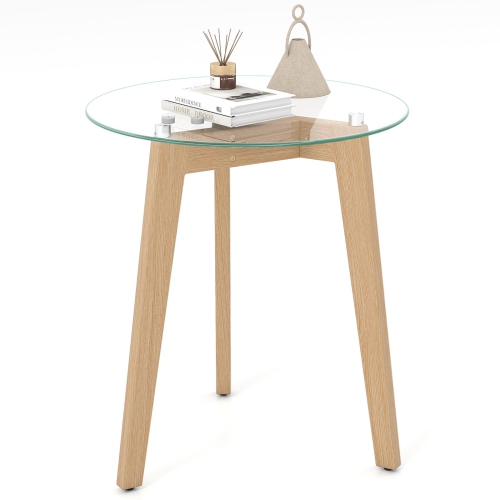
Useful surfaces that leave your furnishings in view
Glass end tables are compact accent tables with glass tops or glass bodies, designed to sit beside a sofa, armchair, or bed and keep everyday essentials within reach. Their transparent surfaces bring a lighter visual presence to a room than solid tabletops, making them especially useful where furniture sits close together or a patterned rug deserves to remain visible. A clear glass top can hold a reading lamp and a cup of tea without hiding the texture of the flooring beneath it. The effect varies with the construction: a slim frame keeps the outline understated, while a substantial base gives the table more visual weight. Clear glass suits an open, unobtrusive look; smoked or tinted glass introduces depth and can soften the contrast between a dark sofa and a pale wall. Frosted glass offers a more diffused appearance, although it is less transparent and may have different cleaning requirements. Round tops add curves beside square sofa arms, rectangular tops follow the line of upholstered furniture, and square tables can make practical use of the space between two seats. The base contributes just as much to the overall character. Wood introduces visible grain and warmth, while metal can create crisp lines, slender legs, or sculptural shapes. For a defined frame with an open surface, glass and metal end tables combine the transparency of glass with finishes that can coordinate with lighting, shelving, and cabinet hardware. Black frames provide contrast, brushed finishes tend to look softer than highly polished ones, and warm metallic tones can complement wood furniture. An all-glass form has a different effect, allowing the table’s edges, curves, and thickness to become the main details. Because glass leaves more of the surrounding room visible, the arrangement beneath and behind the table matters too: neatly routed lamp cords and a little breathing room help preserve that uncluttered appearance.
The most useful glass end tables fit both the furniture beside them and the habits of the people using them. A tabletop close to the height of a sofa or chair arm generally makes it easier to set down a mug without reaching awkwardly up or down. A deep, low sofa may call for a different proportion than a compact upright armchair, even when both occupy a similar amount of floor space. Width and depth matter beyond the outline of the tabletop: splayed legs, projecting feet, and broad bases can extend into a walking route. Leaving room to pass comfortably is particularly important beside a doorway, between a sofa and a media unit, or along the route to a balcony. In a smaller living room, a modest round top can provide a landing place without introducing a corner beside someone’s knee. A larger surface makes more sense when it needs to accommodate a lamp base, reading glasses, a drink, and a book at the same time. The lamp should sit securely within the usable surface rather than crowding the edge, with its cord positioned away from feet and moving furniture. Lower shelves provide extra space for books or a basket, but their contents remain visible through a clear top, so the storage becomes part of the room’s appearance. Nesting designs offer separate surfaces that can be spread out when guests visit and tucked together afterwards. C-shaped designs may slide partly beneath a seat, provided the base fits the available clearance and does not interfere with a recliner mechanism. Beside a bed, a glass end table can serve as a light-looking alternative to a conventional nightstand, especially when enclosed storage is not essential. For a reading corner, its main job may simply be keeping a drink and a bookmark close to hand. Matching pairs can frame a sofa neatly, while different shapes can work together when their height, finishes, or proportions share a clear connection.
Glass brings its own practical considerations, particularly in busy households. Tempered glass is heat-treated for greater strength than comparable untreated glass and is designed to break into small pieces rather than long, sharp shards, but it is not unbreakable or scratchproof. Glass type, thickness, edge treatment, support placement, and the manufacturer’s stated weight capacity all deserve attention; thickness alone does not establish how much a table can safely hold. A polished or bevelled edge changes the feel and appearance of a top, while rounded corners can reduce sharp projections without eliminating the need for care around children and pets. A table should sit steadily on a level surface, with any supplied pads, brackets, or fasteners installed as directed. Heavy objects placed near an unsupported edge, impacts from hard objects, and dragging the table by its top can put unnecessary stress on the construction. When repositioning it, lifting from the points specified by the manufacturer helps protect both the glass and its supports. Everyday care is usually straightforward: a soft, lint-free cloth removes dust, and a suitable glass cleaner can lift fingerprints and smudges. Applying cleaner to the cloth rather than spraying generously over the table helps keep liquid away from joints, wood, and metal finishes. Abrasive pads and gritty cloths can mark surfaces, while decorative objects with rough undersides may need protective pads. Coasters provide a useful barrier beneath drinks, and hot cookware should stay off the tabletop unless the manufacturer expressly permits it. Regular checks for chips, cracks, loose fittings, or shifting supports are worthwhile, particularly after a move or a hard knock. For a housewarming gift, dimensions and the recipient’s existing furniture matter more than a striking finish alone. A well-proportioned glass end table can suit a first apartment, an established living room, or a quiet reading space, offering a useful surface while leaving the surrounding furnishings in view.
Top selling and popular products
-
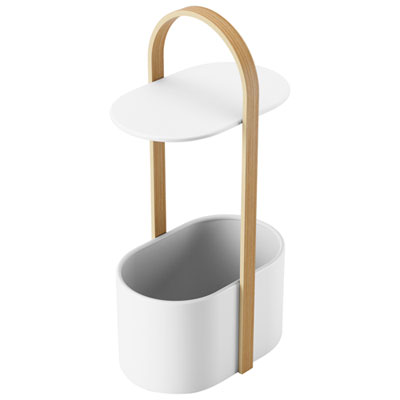 Your price for this item is $69.98
-
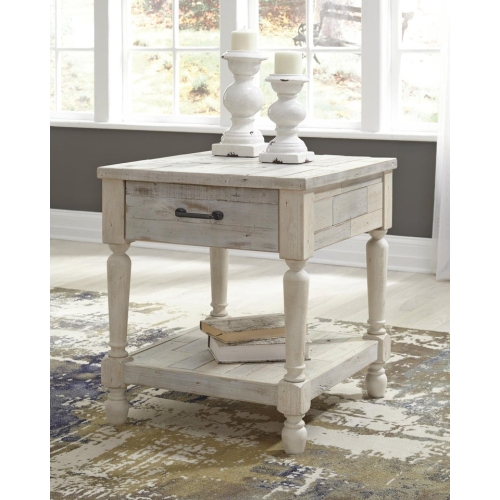 Your price for this item is $159
-
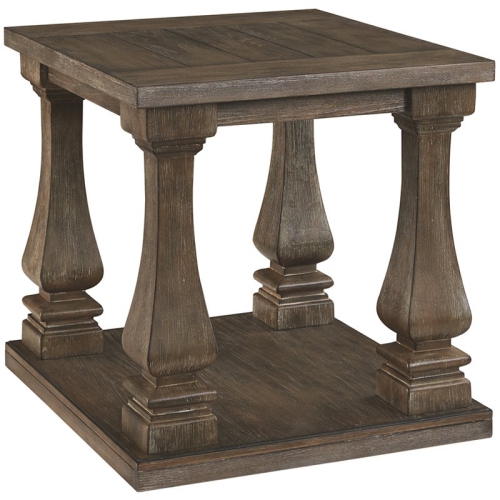 Your price for this item is $375
-
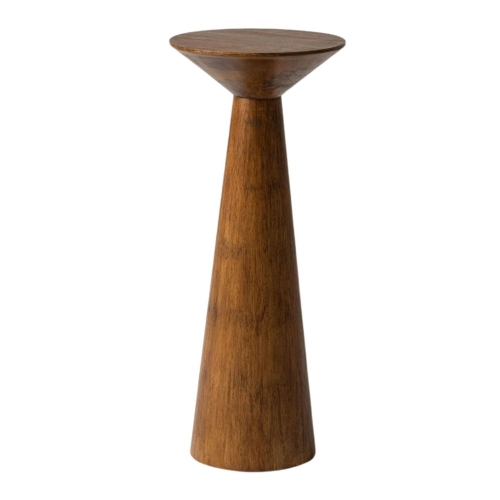 Your price for this item is $181.99
-
 Your price for this item is $199
-
 Your price for this item is $211.99
-
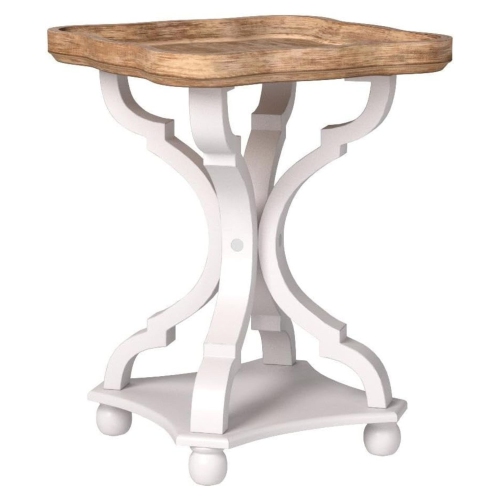 Your price for this item is $233.99
-
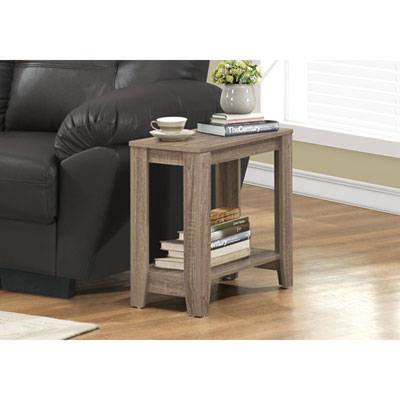 Your price for this item is $121.99
Discover more categories related to Glass End Tables

Top Collections:
Best Black Friday Deals This Year, Best Black Friday Deals On Electronics, Kindle Devices, Dyson Airwrap, Best Cameras for Sports Photography, Best Budget Office Chairs, Canon G7X Cameras, PS5 Pro Consoles, Best Black Friday Deals On Apple Products, XBOX One S Consoles
Some products may be subject to Environmental Handling Fees
(EHF) depending on your province.
Learn more about EHFs.