Ergonomic Office Chairs With Armrests
Ergonomic Office Chairs With Armrests are designed to help you create a comfortable and supportive workspace, whether you're working from home or in a professional setting. These chairs offer a blend of style and practicality, making it easy to find the perfect fit for your office décor and daily routine. Explore a wide selection of Ergonomic Office Chairs With Armrests to discover options that can enhance your seating experience and keep you focused throughout the day.
Sort

Why armrest fit matters more than adjustment labels
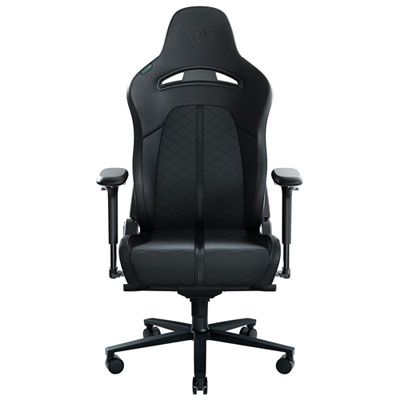
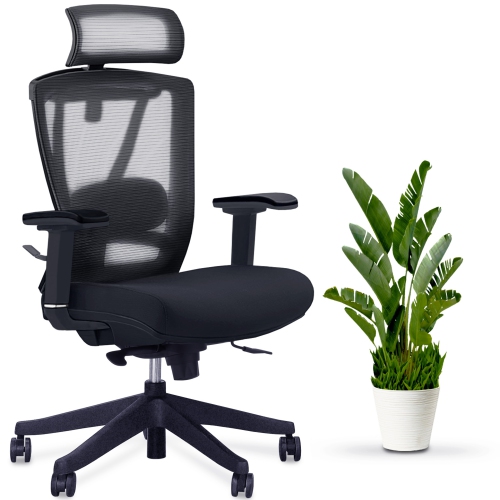
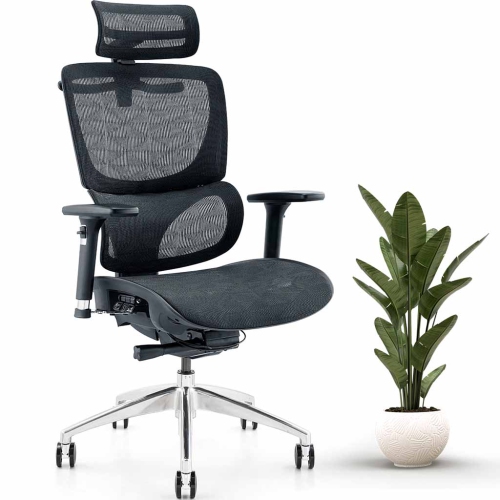
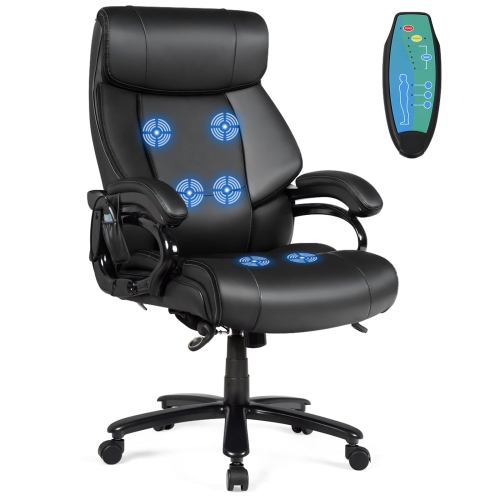
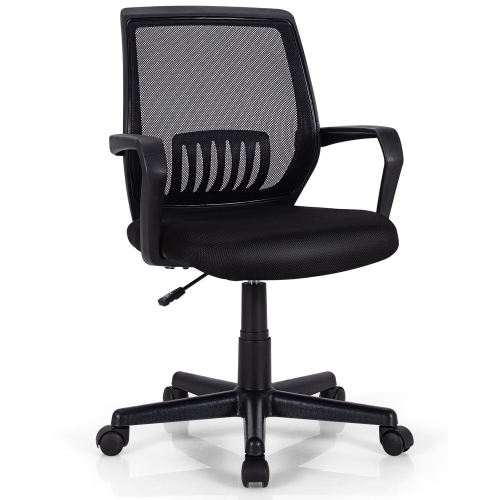
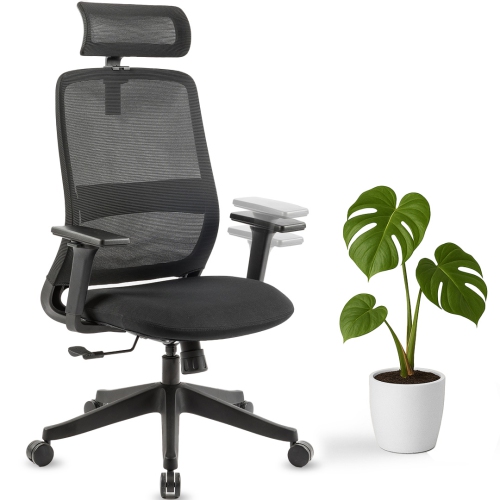
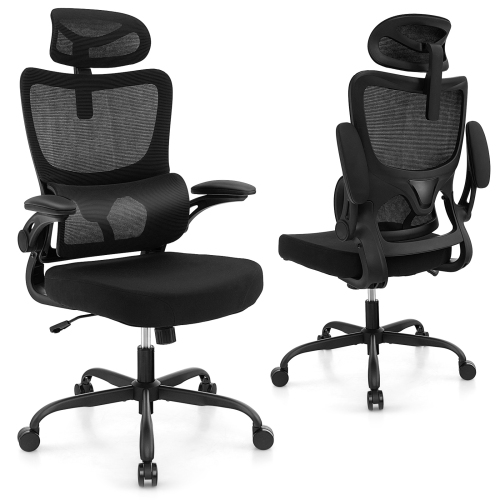
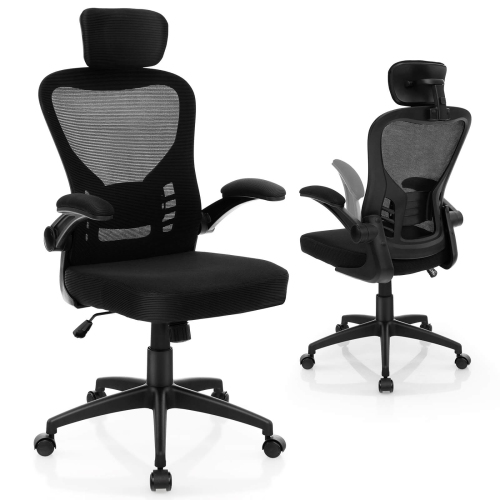
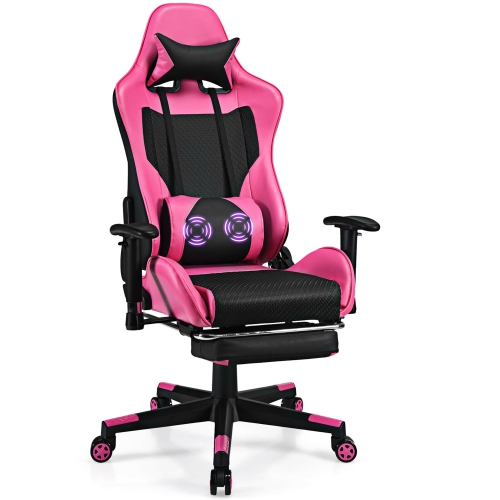
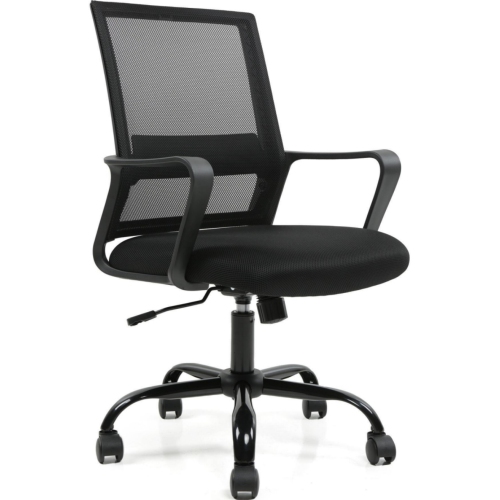
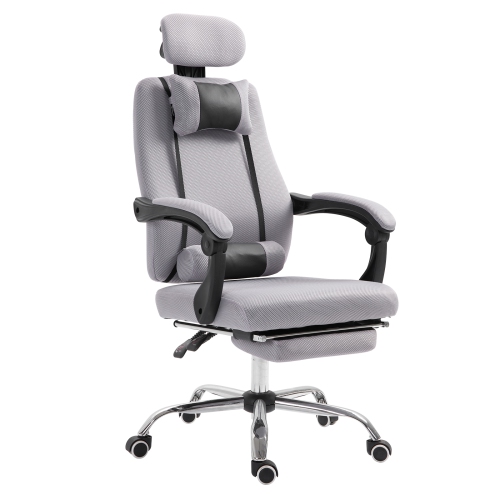
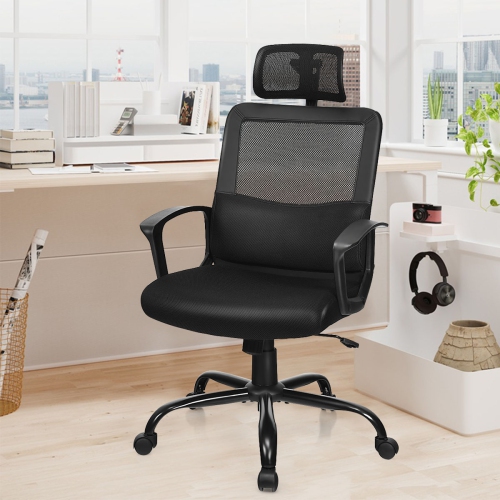
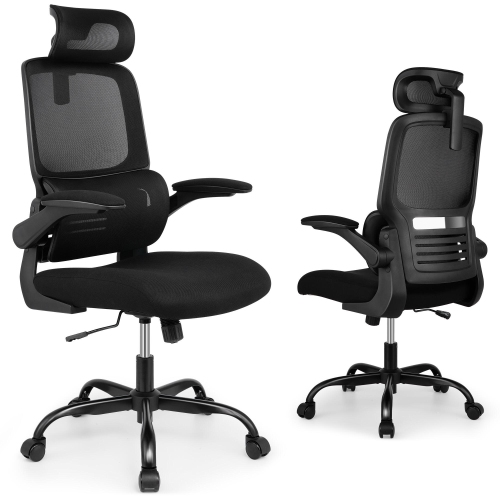
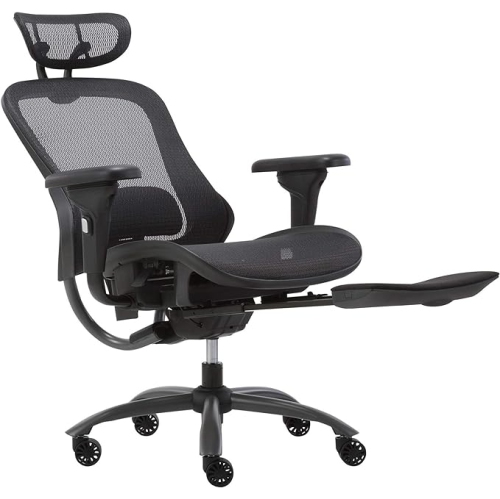
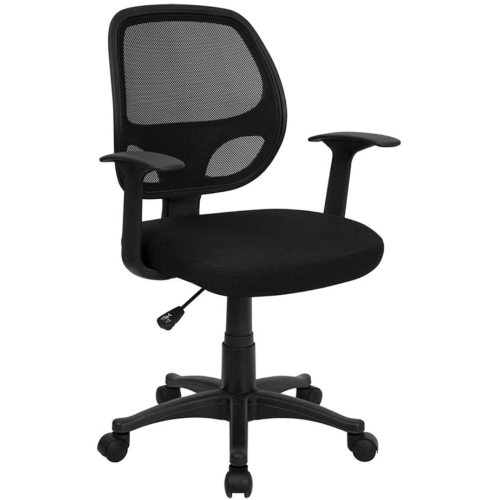
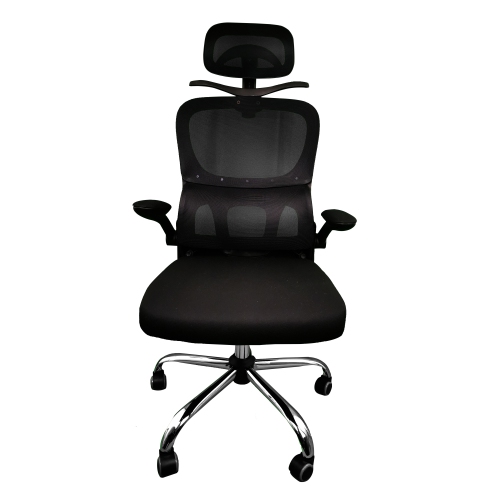
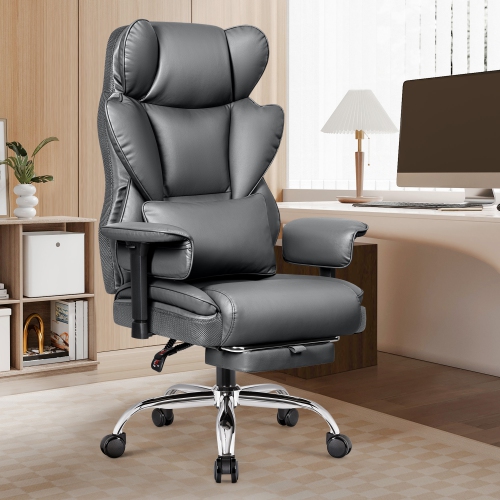
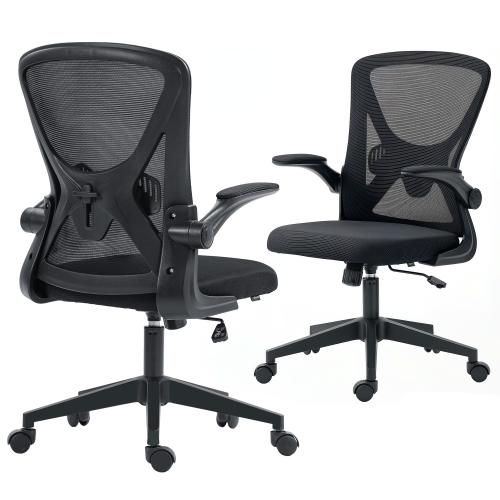
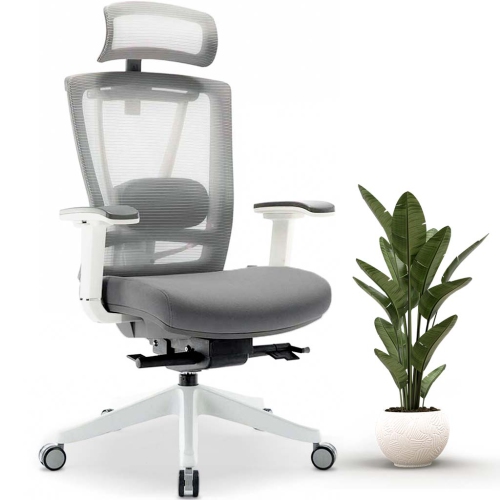
Ergonomic office chairs with armrests combine adjustable seating with forearm support to help make desk work more comfortable. Their defining features often include adjustable seat height, lumbar support, a reclining backrest, and armrests that support the arms without pushing the shoulders upward. The value of these features depends on how well the chair fits both the person and the workstation. At a computer desk, a suitable fit lets the feet rest on the floor or a footrest, keeps the shoulders relaxed, and allows the elbows to stay comfortably near the body. Armrests can provide a resting place between typing sessions, during calls, or while reading a document, but they should not prevent the chair from moving close enough to the keyboard. Height-adjustable armrests help accommodate different torso lengths and desk heights, while width adjustment brings the pads closer to or farther from the body. Pads that slide forward and backward can support the forearms without extending too far beneath a desk, and pivoting pads can follow the angle of the arms when using a keyboard or mouse. Labels such as 2D, 3D, and 4D generally describe different directions of adjustment, though the exact movements vary by chair. The listed adjustment functions are therefore more useful than the label alone. Fixed armrests offer a straightforward design when their height and spacing already suit the user. Flip-up armrests can make it easier to slide a chair beneath a compatible desk or move the supports aside for tasks that need more elbow room. For someone who spends the morning entering figures and the afternoon on video calls, adjustable arms and a responsive backrest can accommodate those changes in position. No chair needs to hold the body in one rigid pose throughout the day; comfort also involves changing position and taking regular breaks from sitting. Armrests are most useful when they complement that movement rather than dictate where the arms must stay.
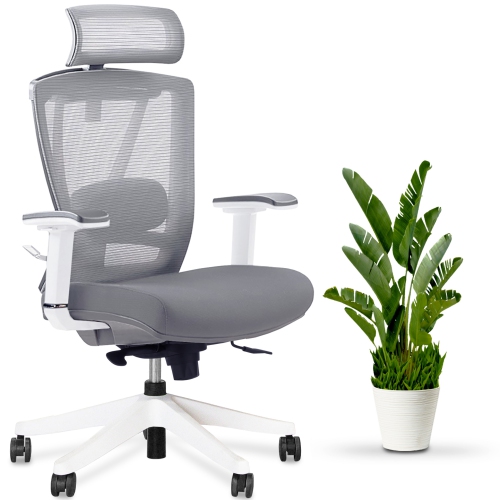
Seat shape, back support, and overall dimensions are just as important as the armrest design. A seat should provide enough width for comfortable movement without placing the armrests too far apart to use naturally. Seat depth affects whether someone can sit against the backrest while leaving a small gap behind the knees. An adjustable seat pan can be particularly helpful for people with shorter or longer thighs, or for a shared workstation used by people of different heights. A contoured backrest supports the shape of the back, while adjustable lumbar support allows the lower-back contact point to move to a more suitable position. Some designs also let the user change how firmly that support presses against the body. A high backrest offers contact over a larger area of the back, while a mid-back chair may feel less bulky at a compact desk. Headrests are an optional feature rather than a requirement: their usefulness depends on their height, angle, and whether the person spends time reclining. Recline tension controls how much force it takes to lean back, and a tilt lock can hold the chair at supported angles where that function is included. These details matter during everyday transitions, such as leaning back to review a presentation before returning to the keyboard. Beyond the seat itself, the chair’s total width, base diameter, and armrest height influence how easily it fits into a room. Desk drawers and keyboard trays can reduce clearance, even when the desktop appears high enough. A compact study nook may call for a narrower frame or arms that fold away, whereas a dedicated office may have room for a wider seat and a greater reclining range. If unrestricted side access or minimal arm clearance matters more than forearm support, ergonomic armless desk chairs offer a different seating layout. For chairs with arms, matching the adjustment range to the user’s measurements and the desk’s usable space helps distinguish a genuinely practical fit from a chair that simply looks comfortable.
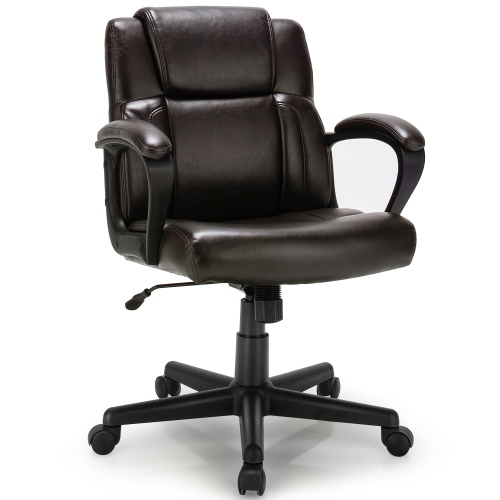
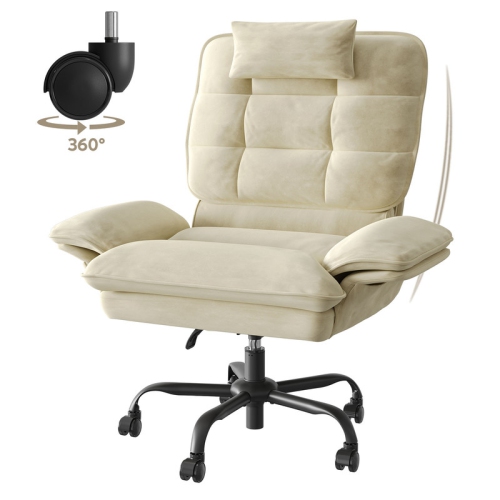
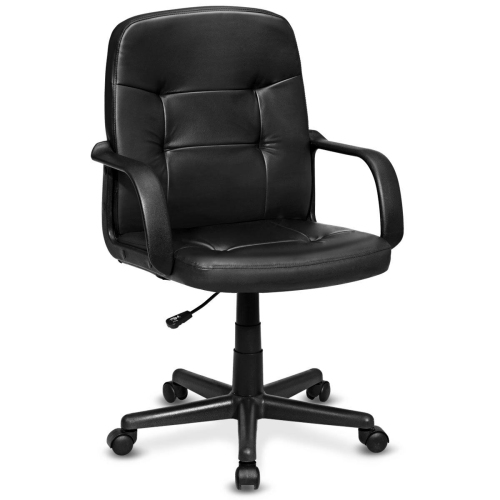
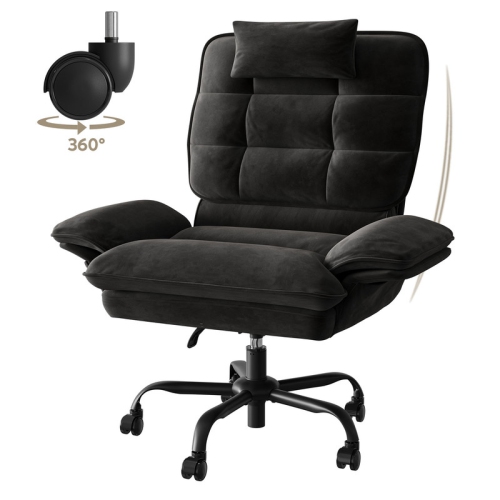
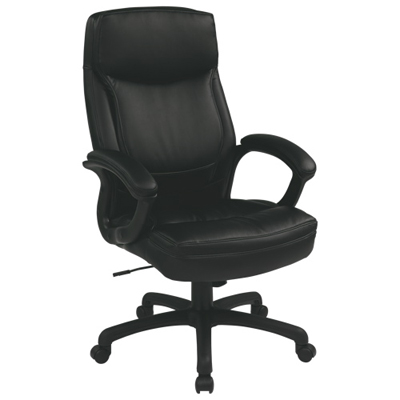
Materials affect how an ergonomic office chair feels, how it wears, and the care it needs over time. Mesh backrests allow airflow and offer a flexible support surface, although their firmness and texture vary with the weave and tension. A mesh seat has a different feel from a padded one, so its edge shape and support deserve attention alongside the backrest. Fabric upholstery provides a textured surface and a broad choice of colours, while cushioned seats vary in firmness, thickness, and how evenly they distribute weight. Leather and synthetic upholstery offer a smoother finish, but their composition and cleaning requirements differ; bonded leather, polyurethane coverings, and genuine leather should not be treated as interchangeable materials. Armrest pads deserve the same consideration as the seat because they receive frequent contact throughout the day. Smooth edges and suitable padding can make resting the forearms more comfortable, especially during long calls or detailed mouse work. Durability depends on the complete construction, including the frame, base, upholstery, adjustment mechanisms, and the chair’s stated weight capacity. A stable base and casters suited to the flooring support everyday movement between a desk and nearby storage. Hard floors and carpet may need different caster types or a compatible chair mat, and a swivel seat makes it easier to turn towards another work surface without repeatedly twisting at the waist. Routine care generally involves removing dust and crumbs, addressing spills promptly, and following the manufacturer’s cleaning directions rather than applying a general-purpose cleaner to every surface. Checking accessible fasteners and keeping hair or debris clear of the casters can also help maintain smooth operation. These chairs suit home offices, study spaces, shared workstations, and desks used for creative projects or household paperwork. Their usefulness comes from the combination of fit, support, and straightforward controls: a chair that adjusts easily is better suited to the small changes in posture and activity that happen across an ordinary working day.
Seat shape, back support, and overall dimensions are just as important as the armrest design. A seat should provide enough width for comfortable movement without placing the armrests too far apart to use naturally. Seat depth affects whether someone can sit against the backrest while leaving a small gap behind the knees. An adjustable seat pan can be particularly helpful for people with shorter or longer thighs, or for a shared workstation used by people of different heights. A contoured backrest supports the shape of the back, while adjustable lumbar support allows the lower-back contact point to move to a more suitable position. Some designs also let the user change how firmly that support presses against the body. A high backrest offers contact over a larger area of the back, while a mid-back chair may feel less bulky at a compact desk. Headrests are an optional feature rather than a requirement: their usefulness depends on their height, angle, and whether the person spends time reclining. Recline tension controls how much force it takes to lean back, and a tilt lock can hold the chair at supported angles where that function is included. These details matter during everyday transitions, such as leaning back to review a presentation before returning to the keyboard. Beyond the seat itself, the chair’s total width, base diameter, and armrest height influence how easily it fits into a room. Desk drawers and keyboard trays can reduce clearance, even when the desktop appears high enough. A compact study nook may call for a narrower frame or arms that fold away, whereas a dedicated office may have room for a wider seat and a greater reclining range. If unrestricted side access or minimal arm clearance matters more than forearm support, ergonomic armless desk chairs offer a different seating layout. For chairs with arms, matching the adjustment range to the user’s measurements and the desk’s usable space helps distinguish a genuinely practical fit from a chair that simply looks comfortable.
Materials affect how an ergonomic office chair feels, how it wears, and the care it needs over time. Mesh backrests allow airflow and offer a flexible support surface, although their firmness and texture vary with the weave and tension. A mesh seat has a different feel from a padded one, so its edge shape and support deserve attention alongside the backrest. Fabric upholstery provides a textured surface and a broad choice of colours, while cushioned seats vary in firmness, thickness, and how evenly they distribute weight. Leather and synthetic upholstery offer a smoother finish, but their composition and cleaning requirements differ; bonded leather, polyurethane coverings, and genuine leather should not be treated as interchangeable materials. Armrest pads deserve the same consideration as the seat because they receive frequent contact throughout the day. Smooth edges and suitable padding can make resting the forearms more comfortable, especially during long calls or detailed mouse work. Durability depends on the complete construction, including the frame, base, upholstery, adjustment mechanisms, and the chair’s stated weight capacity. A stable base and casters suited to the flooring support everyday movement between a desk and nearby storage. Hard floors and carpet may need different caster types or a compatible chair mat, and a swivel seat makes it easier to turn towards another work surface without repeatedly twisting at the waist. Routine care generally involves removing dust and crumbs, addressing spills promptly, and following the manufacturer’s cleaning directions rather than applying a general-purpose cleaner to every surface. Checking accessible fasteners and keeping hair or debris clear of the casters can also help maintain smooth operation. These chairs suit home offices, study spaces, shared workstations, and desks used for creative projects or household paperwork. Their usefulness comes from the combination of fit, support, and straightforward controls: a chair that adjusts easily is better suited to the small changes in posture and activity that happen across an ordinary working day.
Top selling and popular products
-
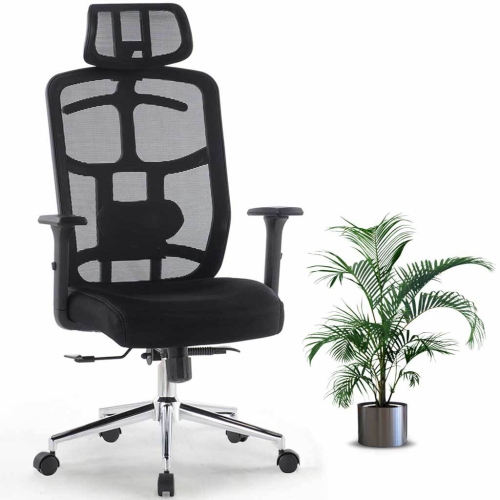 Your price for this item is $114.99
 -
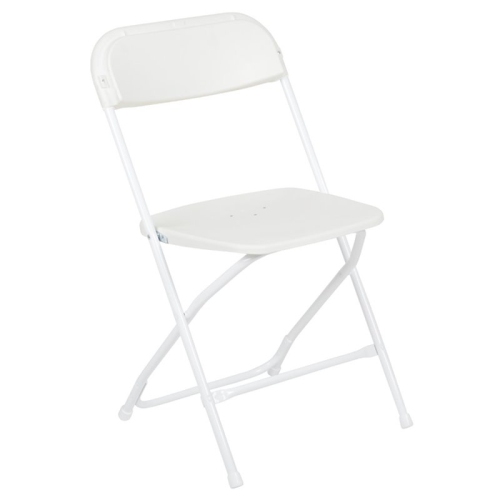 Your price for this item is $123
 -
 Your price for this item is $139.99
 -
 Your price for this item is $139.99
 -
 Your price for this item is $203.98
 -
 Your price for this item is $379.99
 -
 Your price for this item is $379.99
 -
 Your price for this item is $594.99
Discover more categories related to Ergonomic Office Chairs With Armrests
Top Collections:
Pokemon Centers, Kindle Devices, Best Budget Office Chairs, Apple iPhones 16, Best Laptops for Writers, iPhone 15 Apple, Canon G7X Cameras, Refurbished Apple Laptops, Alarm Clock, Motorola Razr Phones
Some products may be subject to Environmental Handling Fees
(EHF) depending on your province.
Learn more about EHFs.