Ergonomic Armless Desk Chairs
Discover the perfect seating solution for your workspace with ergonomic armless desk chairs. Designed to fit seamlessly into any home office or professional environment, these chairs offer a streamlined look while maximizing comfort and flexibility. Whether you're setting up a new workstation or upgrading your current setup, ergonomic armless desk chairs provide the support you need without sacrificing valuable space. Explore a variety of styles and finishes to find the ideal match for your décor and work habits.
Sort
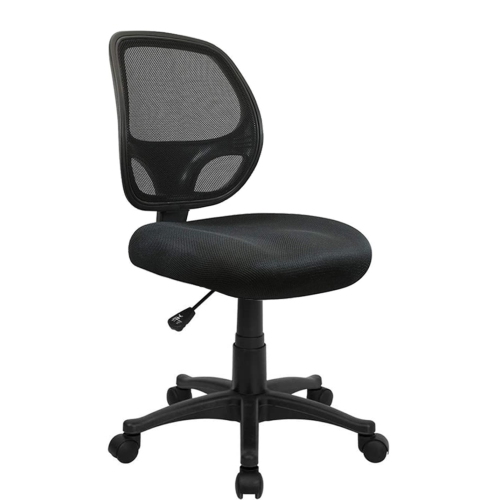
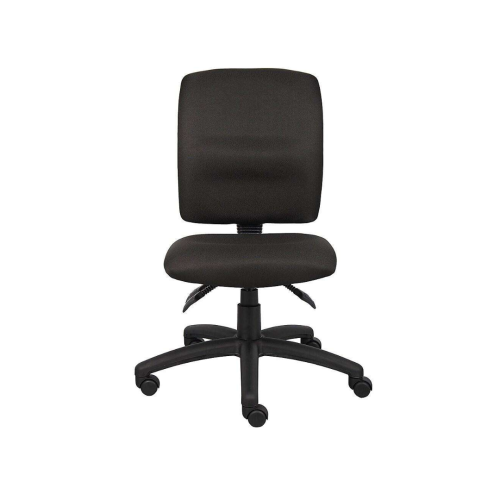
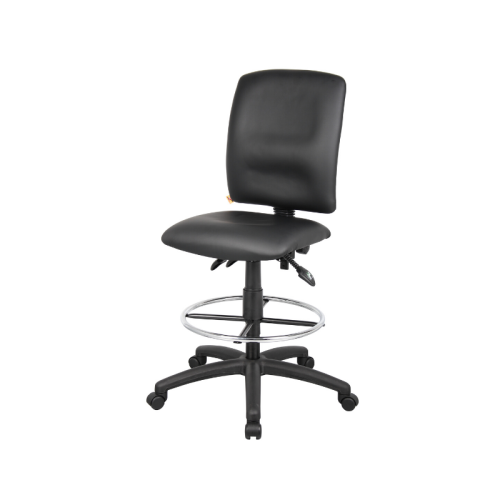
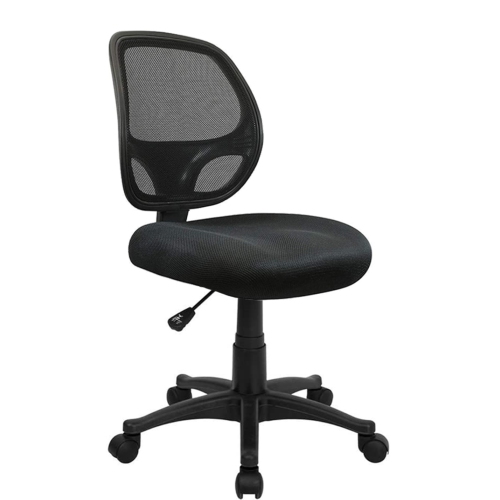
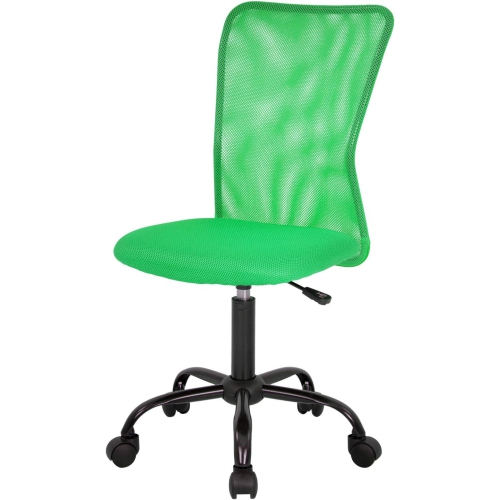
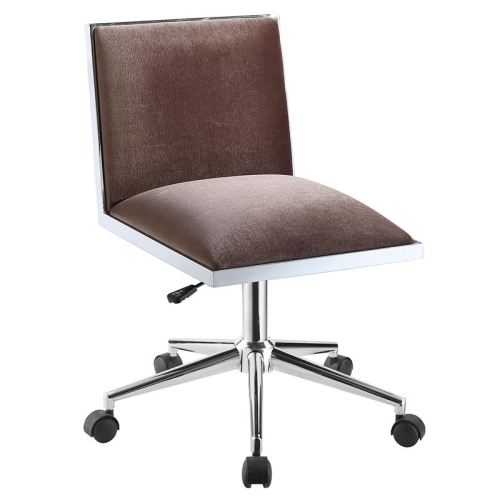
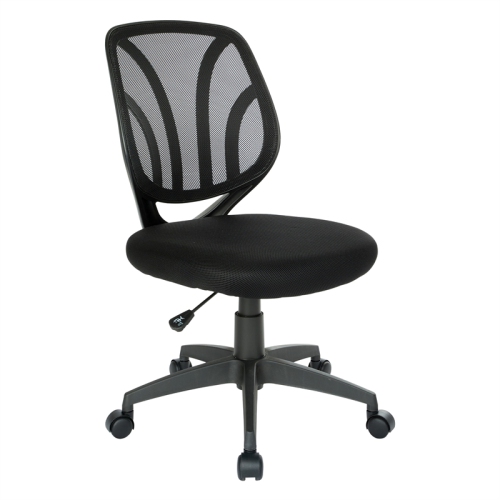
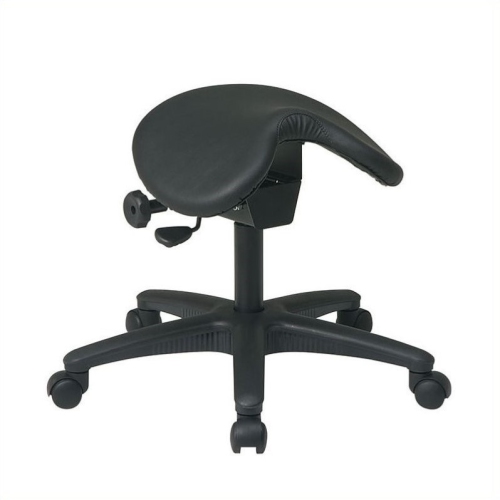
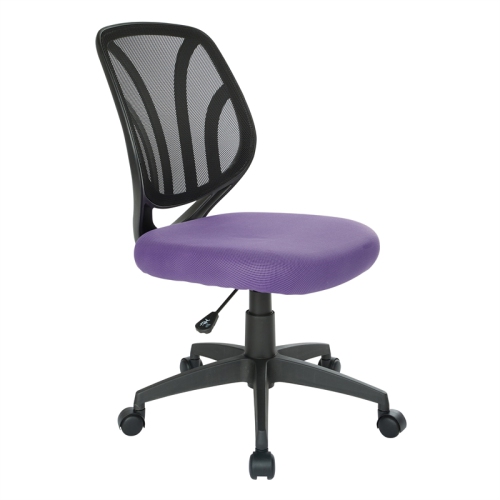
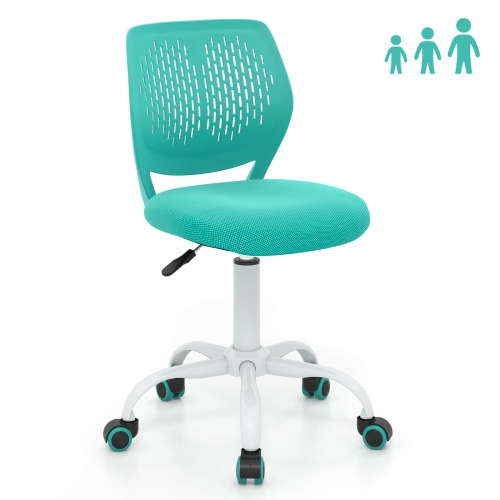
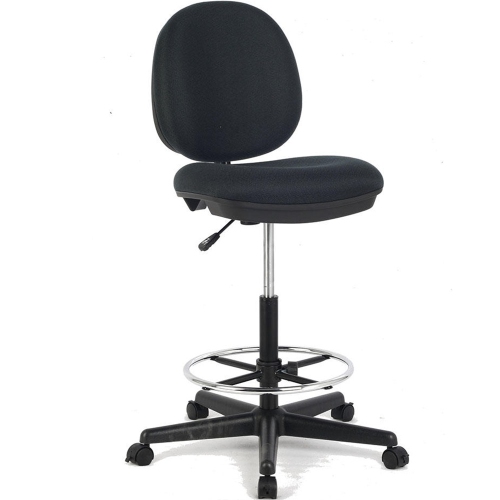
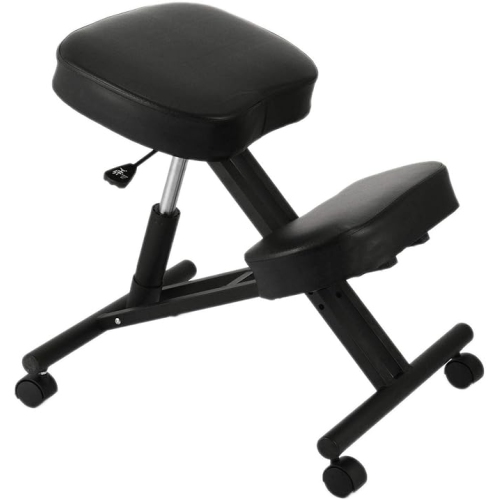
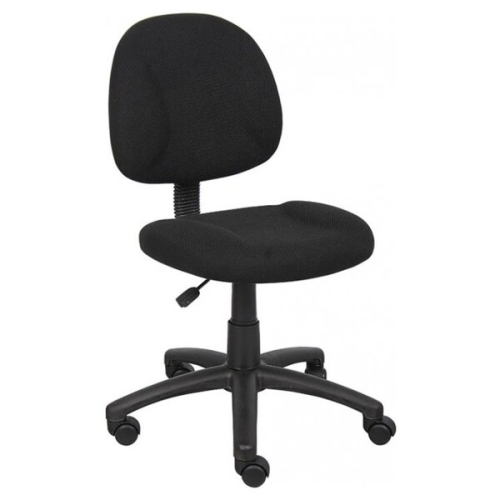
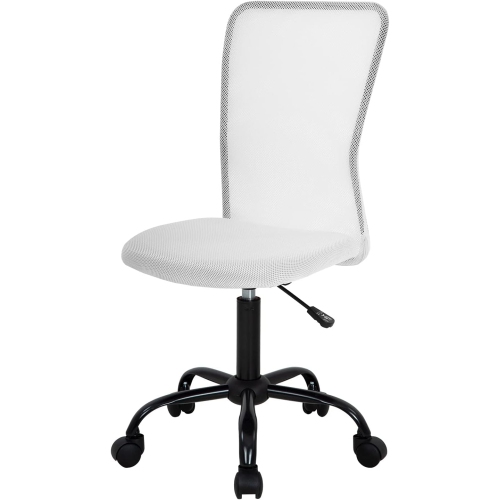
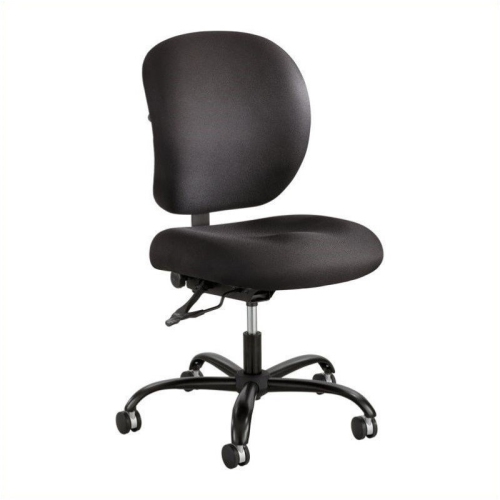
Room to move with support that fits
Ergonomic armless desk chairs combine an open-sided seat with features designed to support a comfortable working position, such as adjustable seat height, a shaped backrest, or lumbar support. Without armrests, there is more room to move the arms freely, turn towards a nearby filing cabinet, or bring the chair closer to a desk without arm pads catching on the edge. That makes this style useful in compact home offices, student study areas, and shared rooms where a workstation sits alongside other furniture. An armless design can also tuck neatly beneath a work surface, although the backrest height, seat height, base width, and space beneath the desk still determine how far it will slide in. The absence of arms alone does not make a chair ergonomic: comfort depends on how well its dimensions and adjustments suit the person using it and the work being done. A supportive seated position generally allows the feet to rest flat on the floor or a footrest, with the shoulders relaxed and the keyboard within easy reach. The seat should support the thighs without pressing into the backs of the knees, while the backrest should make contact without forcing the body forward. For someone typing throughout the day, the desk and chair need to work together so that the elbows can stay near the body without the shoulders lifting. Someone who alternates between sketching, writing, and computer work may particularly appreciate the unobstructed space at either side of the seat. Armless chairs can make side access easier, but people who rely on armrests for support when sitting down or standing up may prefer a different configuration. Their compact appearance is appealing, yet the most useful measurements are practical ones: the seat’s usable width and depth, its height adjustment range, and the clearance around the desk legs. In a narrow workspace, the caster base may extend farther than the seat, so its footprint matters just as much as the upholstery dimensions.
Materials influence how an ergonomic armless desk chair feels, looks, and holds up to regular use. Mesh backrests allow airflow and often have a lighter visual presence, which can suit a small room where a bulky chair would dominate the space. Their support depends on the mesh tension, frame shape, and any separate lumbar feature; mesh construction does not automatically mean the backrest will fit every user. Fabric upholstery offers a softer texture and a wide range of colours, while tightly woven surfaces can be more straightforward to maintain than deeply textured finishes that trap crumbs or lint. Faux leather has a smooth surface that can often be wiped clean according to the care instructions, though its finish may wear or peel over time depending on its construction and use. Genuine leather, where used, has its own care requirements and should be maintained with suitable products. Beneath the surface, padding density, seat contours, and the supporting structure help determine whether a chair remains comfortable after more than a brief sit. A generously padded seat may feel inviting at first, but cushioning that compresses too far can provide less consistent support. A shaped seat edge may help limit pressure behind the knees, provided the seat depth is appropriate. Adjustment features deserve equal attention: seat height helps match the desk, adjustable lumbar support can refine backrest contact, and seat-depth adjustment can accommodate different thigh lengths. Some chairs also offer tilt or tension controls, allowing the backrest or seat to move with a change in position; the exact movement varies by design. A wider seat can offer extra room to reposition, but it also takes up more space and may not suit a narrow desk opening. Width should not be confused with weight capacity, which needs to be checked separately. For a restrained colour scheme, Black Armless Desk Chairs can sit comfortably alongside wood desks, pale shelving, or metal storage furniture. Colour and texture help a chair blend into a room, while fit and adjustability remain central to everyday comfort.
Intended use helps distinguish a chair for occasional paperwork from one suited to longer stretches at a desk. A small study corner used for homework may call for easy height adjustment and a manageable footprint, especially when different family members share the same surface. A dedicated home workstation may place greater importance on back support, accessible controls, and cushioning that feels consistent through repeated sitting sessions. Creative tasks such as sewing or drawing can benefit from clear space around the elbows, although the chair still needs to match the working height and allow stable foot support. A swivel seat can make it easier to turn towards supplies without repeatedly twisting the torso, while casters help with repositioning around a desk. Caster suitability varies with the flooring: wheels intended for carpet may not be appropriate for every hard surface, and a compatible chair mat can help protect the floor and provide a more even rolling surface. A stable base, secure fasteners, and a clearly stated weight capacity are useful durability considerations, particularly in a chair that will be adjusted and moved frequently. Routine care also makes a difference. Vacuuming fabric with an upholstery attachment, removing dust from mesh, and treating spills promptly according to the manufacturer’s directions help keep everyday wear manageable. Harsh cleaners can damage upholstery or finishes, so cleaning methods should match the material rather than relying on one spray for every surface. Hair and debris around caster axles can interfere with movement, and periodic checks for loose hardware can help keep the chair steady. If assembly is required, all structural parts should be installed as directed; a chair with removable-looking arms is not necessarily designed to be used without them. For a student or someone setting up a home office, an ergonomic armless desk chair can be a thoughtful gift when their measurements and preferences are known. Whatever the setting, even a well-fitted chair works best alongside changes in position and regular breaks from sitting, rather than as a reason to stay in one posture all day.
Materials influence how an ergonomic armless desk chair feels, looks, and holds up to regular use. Mesh backrests allow airflow and often have a lighter visual presence, which can suit a small room where a bulky chair would dominate the space. Their support depends on the mesh tension, frame shape, and any separate lumbar feature; mesh construction does not automatically mean the backrest will fit every user. Fabric upholstery offers a softer texture and a wide range of colours, while tightly woven surfaces can be more straightforward to maintain than deeply textured finishes that trap crumbs or lint. Faux leather has a smooth surface that can often be wiped clean according to the care instructions, though its finish may wear or peel over time depending on its construction and use. Genuine leather, where used, has its own care requirements and should be maintained with suitable products. Beneath the surface, padding density, seat contours, and the supporting structure help determine whether a chair remains comfortable after more than a brief sit. A generously padded seat may feel inviting at first, but cushioning that compresses too far can provide less consistent support. A shaped seat edge may help limit pressure behind the knees, provided the seat depth is appropriate. Adjustment features deserve equal attention: seat height helps match the desk, adjustable lumbar support can refine backrest contact, and seat-depth adjustment can accommodate different thigh lengths. Some chairs also offer tilt or tension controls, allowing the backrest or seat to move with a change in position; the exact movement varies by design. A wider seat can offer extra room to reposition, but it also takes up more space and may not suit a narrow desk opening. Width should not be confused with weight capacity, which needs to be checked separately. For a restrained colour scheme, Black Armless Desk Chairs can sit comfortably alongside wood desks, pale shelving, or metal storage furniture. Colour and texture help a chair blend into a room, while fit and adjustability remain central to everyday comfort.
Intended use helps distinguish a chair for occasional paperwork from one suited to longer stretches at a desk. A small study corner used for homework may call for easy height adjustment and a manageable footprint, especially when different family members share the same surface. A dedicated home workstation may place greater importance on back support, accessible controls, and cushioning that feels consistent through repeated sitting sessions. Creative tasks such as sewing or drawing can benefit from clear space around the elbows, although the chair still needs to match the working height and allow stable foot support. A swivel seat can make it easier to turn towards supplies without repeatedly twisting the torso, while casters help with repositioning around a desk. Caster suitability varies with the flooring: wheels intended for carpet may not be appropriate for every hard surface, and a compatible chair mat can help protect the floor and provide a more even rolling surface. A stable base, secure fasteners, and a clearly stated weight capacity are useful durability considerations, particularly in a chair that will be adjusted and moved frequently. Routine care also makes a difference. Vacuuming fabric with an upholstery attachment, removing dust from mesh, and treating spills promptly according to the manufacturer’s directions help keep everyday wear manageable. Harsh cleaners can damage upholstery or finishes, so cleaning methods should match the material rather than relying on one spray for every surface. Hair and debris around caster axles can interfere with movement, and periodic checks for loose hardware can help keep the chair steady. If assembly is required, all structural parts should be installed as directed; a chair with removable-looking arms is not necessarily designed to be used without them. For a student or someone setting up a home office, an ergonomic armless desk chair can be a thoughtful gift when their measurements and preferences are known. Whatever the setting, even a well-fitted chair works best alongside changes in position and regular breaks from sitting, rather than as a reason to stay in one posture all day.
Top selling and popular products
-
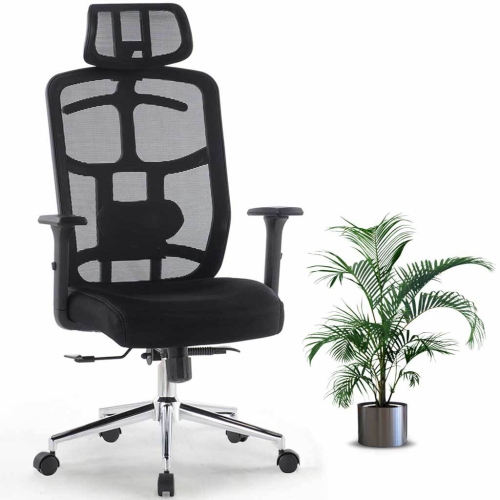 Your price for this item is $114.99
 -
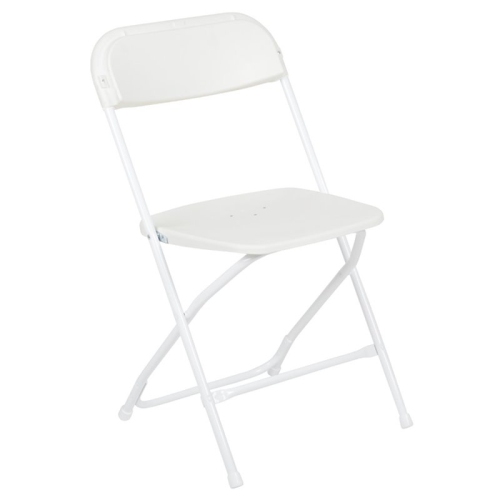 Your price for this item is $123
 -
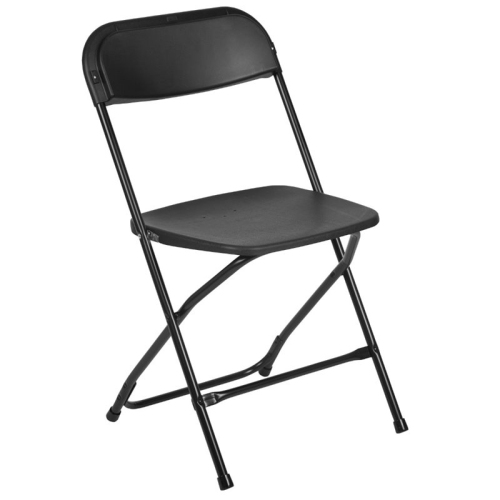 Your price for this item is $139.99
 -
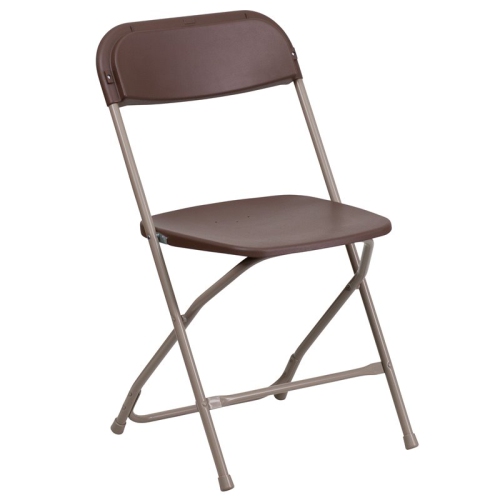 Your price for this item is $139.99
 -
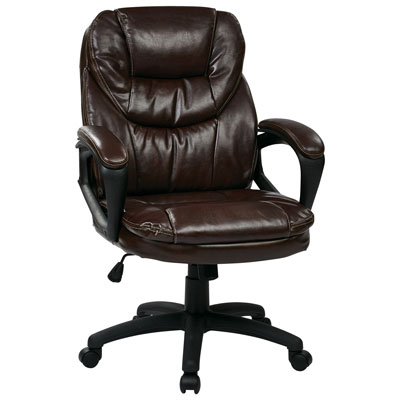 Your price for this item is $203.98
 -
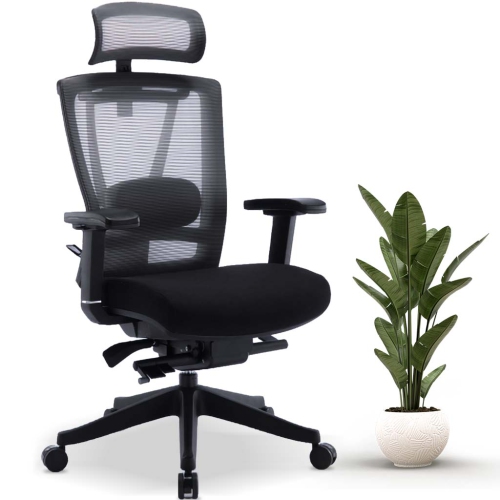 Your price for this item is $379.99
 -
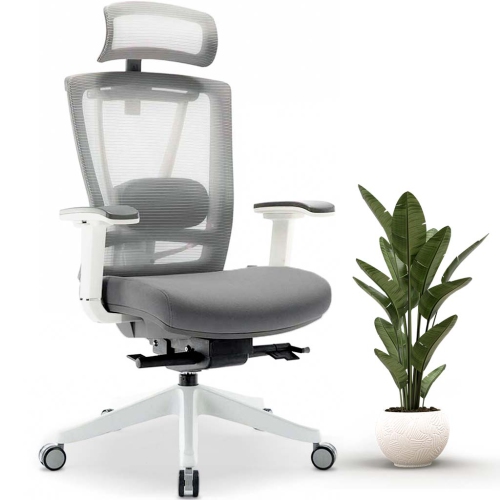 Your price for this item is $379.99
 -
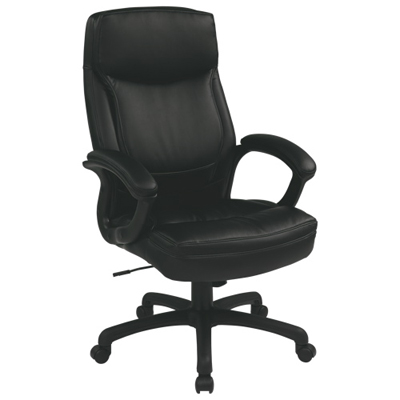 Your price for this item is $594.99
Discover more categories related to Ergonomic Armless Desk Chairs
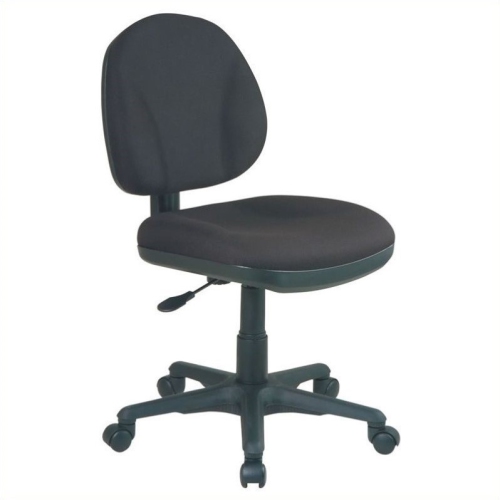
Top Collections:
Pokemon Centers, Kindle Devices, Best Budget Office Chairs, Apple iPhones 16, Best Laptops for Writers, iPhone 15 Apple, Canon G7X Cameras, Refurbished Apple Laptops, Alarm Clock, Motorola Razr Phones
Some products may be subject to Environmental Handling Fees
(EHF) depending on your province.
Learn more about EHFs.