Most Comfortable Exercise Bike Seats
A good exercise bike seat is a must for any cyclist. Whether you're training for a triathlon or just trying to get in shape, a comfortable seat will make your time on the bike more enjoyable. Here are some great options available on the market.
Sort

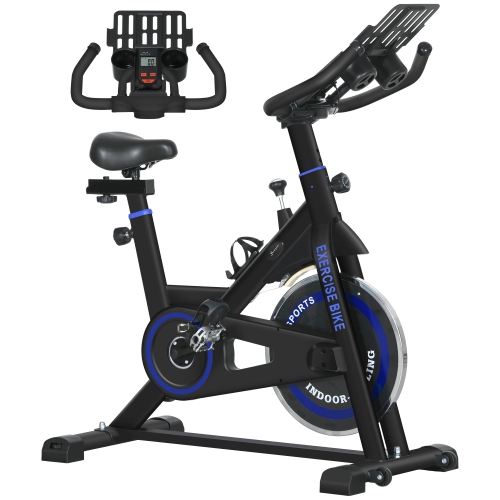
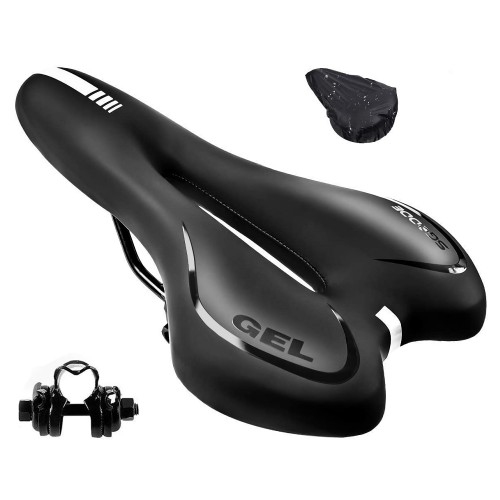
Why softer bike seats aren’t always more comfortable
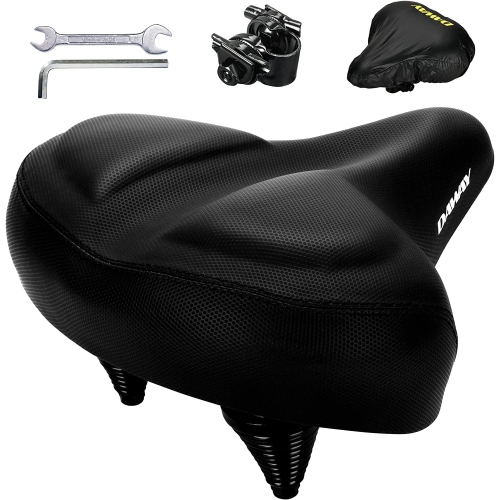
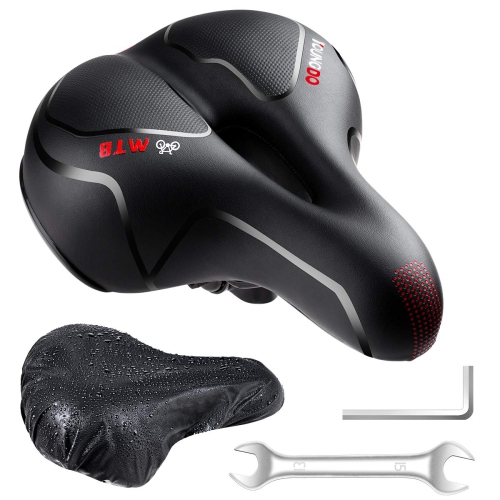
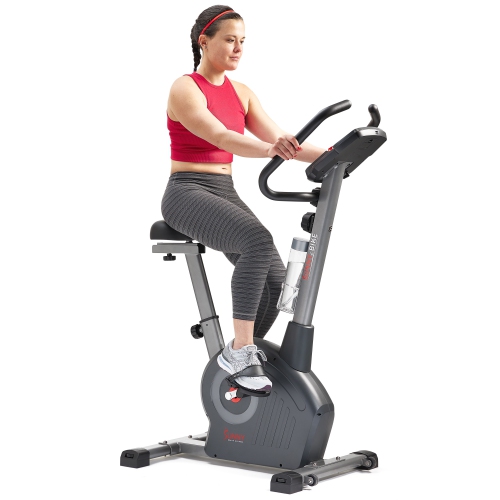
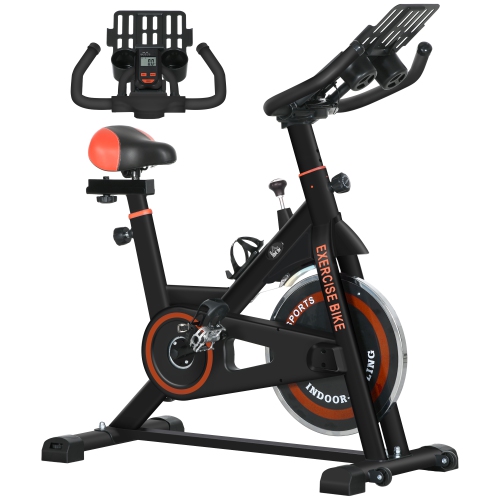
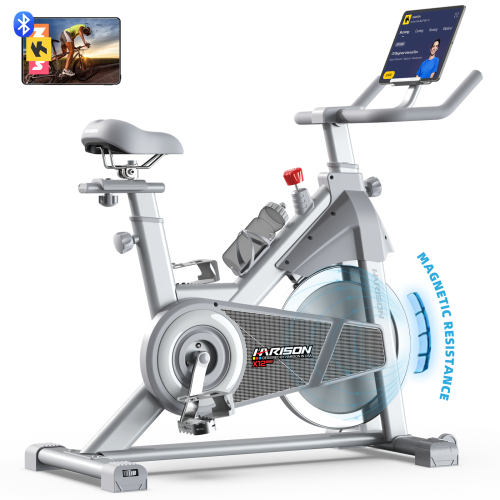
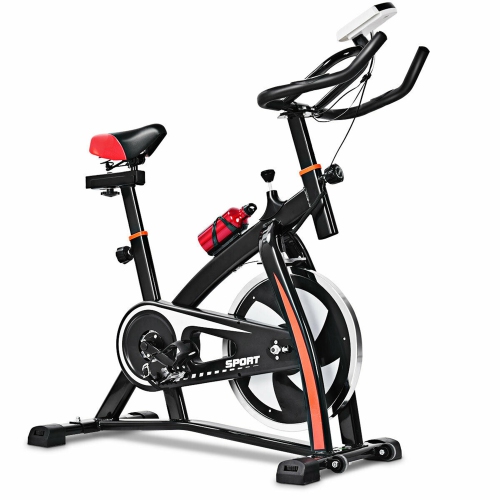
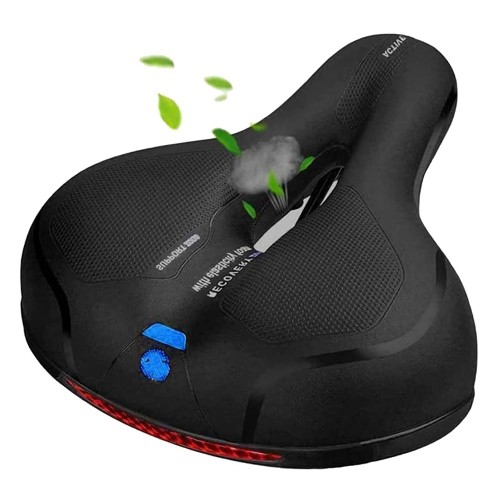
The most comfortable exercise bike seats combine a supportive shape, suitable cushioning, and a secure fit on the bike. Comfort is personal: a saddle that feels generous during an easy upright ride may feel restrictive when leaning forward for a faster workout. The main point of support should be the sit bones, rather than soft tissue, with enough room to settle into a natural pedalling position. Wider seats often suit upright exercise bikes, where more body weight rests directly on the saddle. A more streamlined shape can suit indoor cycling bikes and riders who lean towards the handlebars, allowing the thighs to move without rubbing against broad edges. Width alone does not determine comfort, and an oversized seat can interfere with an otherwise smooth pedal stroke. The shape of the nose, the transition from the rear platform to the front, and the contour of the top surface all affect how a seat feels in motion. A gently curved profile may feel supportive to one rider, while another prefers a flatter surface that leaves more freedom to shift position. Central grooves and cut-outs are designed to reduce contact in particular areas, but their usefulness depends on how well the surrounding saddle supports the rider. No single design can guarantee freedom from pressure or numbness. For someone spending twenty minutes on a stationary bike between work and dinner, balanced padding and an easy-to-clean cover may matter most. A rider following longer training sessions may place greater value on stable support, unobstructed leg movement, and a shape that remains comfortable after the first few minutes. These differences make exercise bike seat comfort less about finding the softest surface and more about matching the saddle to the rider, posture, and length of the workout. A well-matched seat should support the intended riding position without forcing the rider to slide forward, perch on an edge, or continually shift to find a comfortable spot.
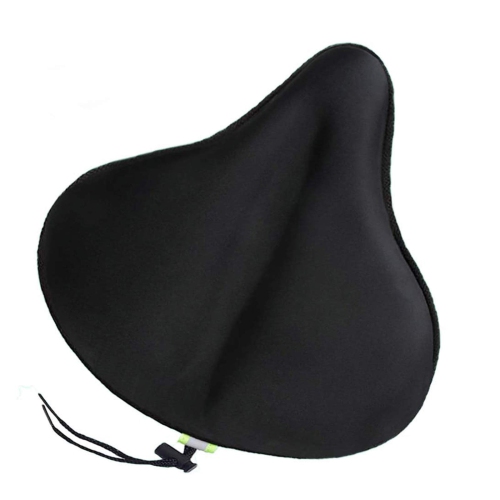
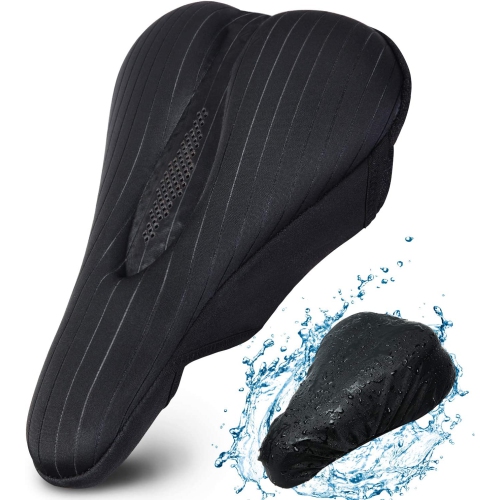
Materials influence both the initial feel of an exercise bike saddle and how consistently it supports the rider during repeated use. Memory foam gradually conforms under pressure, creating a cushioned feel that some riders enjoy for relaxed sessions. Denser foam generally provides a firmer platform, helping the seat retain its shape under load rather than compressing deeply. Gel padding can offer a yielding surface and help distribute contact pressure, although its performance depends on the amount of gel, the construction beneath it, and the overall saddle shape. Extra thickness is not automatically an advantage: very soft padding can allow the rider to sink in, creating more contact around areas that would otherwise remain clear. Layered designs may combine a softer top layer with a firmer base, balancing a welcoming feel with underlying support. Covers also make a noticeable difference. Smooth synthetic surfaces are often straightforward to wipe clean, while textured finishes can help limit sliding. Too much grip, however, may make small changes in position less comfortable, particularly when clothing catches against the surface. Seams, piping, and raised details deserve attention because they can become noticeable where the inner thighs pass the saddle repeatedly. Breathable fabrics and ventilation channels may improve airflow around the contact surface, but they do not replace a good fit or routine cleaning after a workout. Replacement seats and add-on cushions serve different purposes. A replacement saddle changes the underlying shape and support platform; a cushion adds a layer over an existing seat and retains much of its original geometry. Exercise Bike Seat Cushions offer another approach when the existing saddle shape is suitable but the surface feels too firm. Their fit matters just as much as their filling: a cover that bunches, rotates, or extends beyond the seat can create friction instead of comfort. Secure attachment and closely matched dimensions help keep the added cushioning where it belongs through steady pedalling and changes in pace.
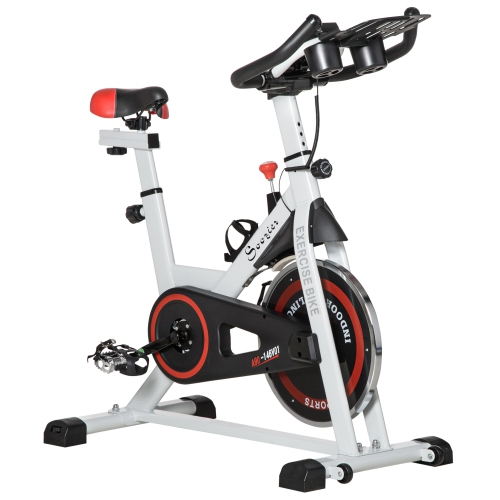
Compatibility is essential for any exercise bike seat replacement, since indoor bikes do not all use the same mounting system. Some accept conventional saddle rails and a compatible clamp, while others have dedicated brackets or integrated seat assemblies. A description such as universal fit still needs to be checked against the bike’s attachment type, measurements, and manufacturer requirements. Recumbent exercise bikes usually have a broader seat base and a separate or integrated backrest, making their seating needs different from those of upright and indoor cycling bikes. Seat dimensions, mounting hardware, and any stated weight limit all matter, especially for shared household equipment. Adjustment also affects the experience after installation. Saddle height influences how far the leg reaches at the bottom of each pedal stroke, while fore-and-aft position changes the relationship between the hips, pedals, and handlebars. A seat tilted sharply upwards or downwards can create pressure or cause sliding, even when its padding and width are otherwise suitable. Following the bike and seat manufacturers’ setup directions helps preserve a stable connection and appropriate adjustment. For everyday ownership, durable covers, tidy stitching, a sound base, and corrosion-resistant hardware are useful qualities, particularly on equipment exposed to perspiration. Wiping the surface with a soft cloth and a cleaner permitted by the manufacturer helps remove residue without damaging the finish. Fabric cushions may have different washing requirements from wipe-clean saddles, and removable covers should be fully dry before reuse. Regular checks for loose fasteners, compressed padding, cracked surfaces, or movement at the mounting point can help identify wear before it disrupts a workout. Comfortable stationary bike seats can be useful for beginners building a routine, regular riders refreshing worn equipment, or households adapting a bike for different users. They can also make a thoughtful gift for a home fitness enthusiast when the bike model and rider’s preferences are known. Lasting comfort comes from the combination of suitable support, dependable construction, and a fit that works with the rider’s usual movement.
Materials influence both the initial feel of an exercise bike saddle and how consistently it supports the rider during repeated use. Memory foam gradually conforms under pressure, creating a cushioned feel that some riders enjoy for relaxed sessions. Denser foam generally provides a firmer platform, helping the seat retain its shape under load rather than compressing deeply. Gel padding can offer a yielding surface and help distribute contact pressure, although its performance depends on the amount of gel, the construction beneath it, and the overall saddle shape. Extra thickness is not automatically an advantage: very soft padding can allow the rider to sink in, creating more contact around areas that would otherwise remain clear. Layered designs may combine a softer top layer with a firmer base, balancing a welcoming feel with underlying support. Covers also make a noticeable difference. Smooth synthetic surfaces are often straightforward to wipe clean, while textured finishes can help limit sliding. Too much grip, however, may make small changes in position less comfortable, particularly when clothing catches against the surface. Seams, piping, and raised details deserve attention because they can become noticeable where the inner thighs pass the saddle repeatedly. Breathable fabrics and ventilation channels may improve airflow around the contact surface, but they do not replace a good fit or routine cleaning after a workout. Replacement seats and add-on cushions serve different purposes. A replacement saddle changes the underlying shape and support platform; a cushion adds a layer over an existing seat and retains much of its original geometry. Exercise Bike Seat Cushions offer another approach when the existing saddle shape is suitable but the surface feels too firm. Their fit matters just as much as their filling: a cover that bunches, rotates, or extends beyond the seat can create friction instead of comfort. Secure attachment and closely matched dimensions help keep the added cushioning where it belongs through steady pedalling and changes in pace.
Compatibility is essential for any exercise bike seat replacement, since indoor bikes do not all use the same mounting system. Some accept conventional saddle rails and a compatible clamp, while others have dedicated brackets or integrated seat assemblies. A description such as universal fit still needs to be checked against the bike’s attachment type, measurements, and manufacturer requirements. Recumbent exercise bikes usually have a broader seat base and a separate or integrated backrest, making their seating needs different from those of upright and indoor cycling bikes. Seat dimensions, mounting hardware, and any stated weight limit all matter, especially for shared household equipment. Adjustment also affects the experience after installation. Saddle height influences how far the leg reaches at the bottom of each pedal stroke, while fore-and-aft position changes the relationship between the hips, pedals, and handlebars. A seat tilted sharply upwards or downwards can create pressure or cause sliding, even when its padding and width are otherwise suitable. Following the bike and seat manufacturers’ setup directions helps preserve a stable connection and appropriate adjustment. For everyday ownership, durable covers, tidy stitching, a sound base, and corrosion-resistant hardware are useful qualities, particularly on equipment exposed to perspiration. Wiping the surface with a soft cloth and a cleaner permitted by the manufacturer helps remove residue without damaging the finish. Fabric cushions may have different washing requirements from wipe-clean saddles, and removable covers should be fully dry before reuse. Regular checks for loose fasteners, compressed padding, cracked surfaces, or movement at the mounting point can help identify wear before it disrupts a workout. Comfortable stationary bike seats can be useful for beginners building a routine, regular riders refreshing worn equipment, or households adapting a bike for different users. They can also make a thoughtful gift for a home fitness enthusiast when the bike model and rider’s preferences are known. Lasting comfort comes from the combination of suitable support, dependable construction, and a fit that works with the rider’s usual movement.
Top selling and popular products
-
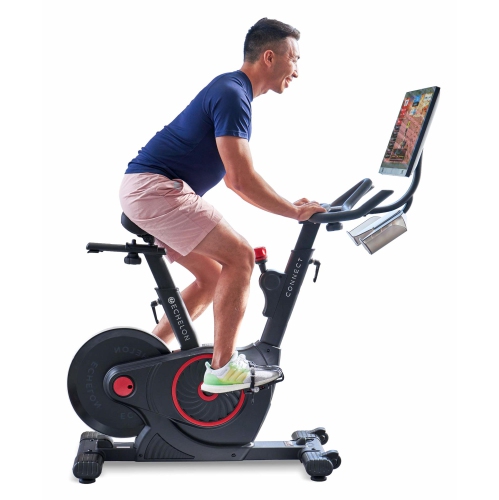 Your price for this item is $1899.99
 -
 Your price for this item is $1299.99
 -
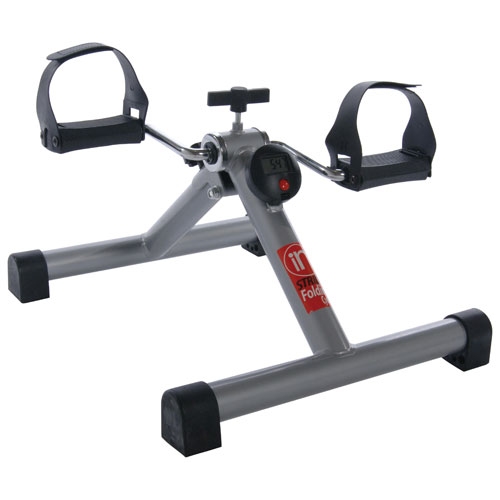 Your price for this item is $104.99
 -
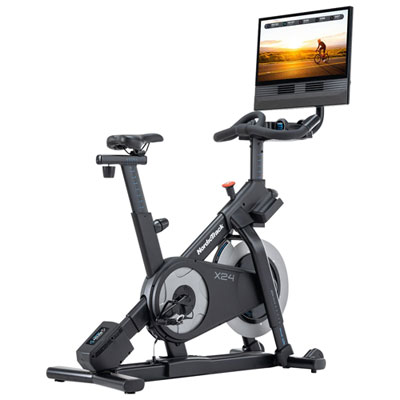 Your price for this item is $2701.98
 -
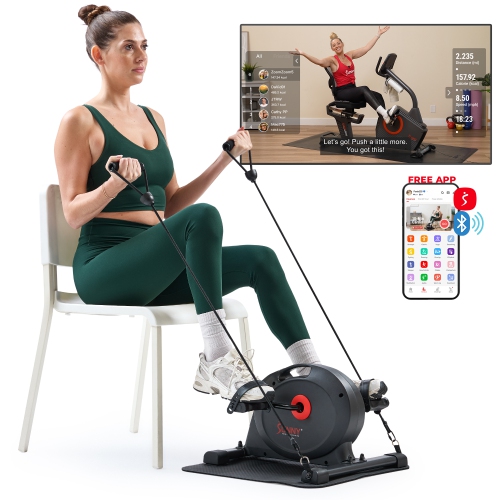 Your price for this item is $159.99
 -
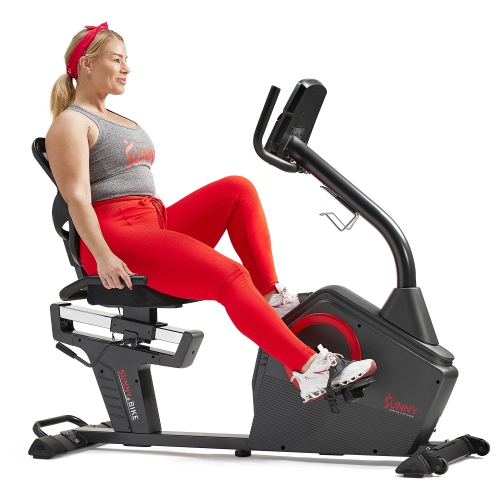 Your price for this item is $799.95
 -
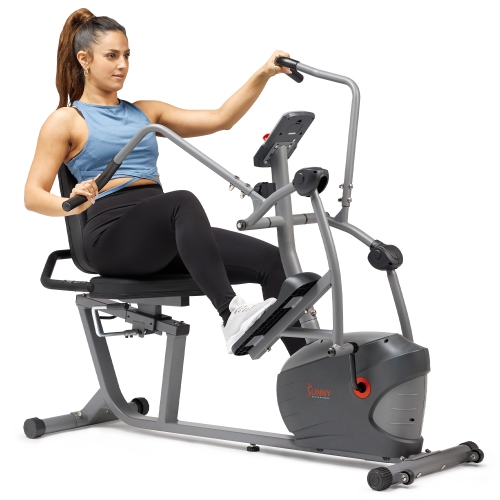 Your price for this item is $769.99
 -
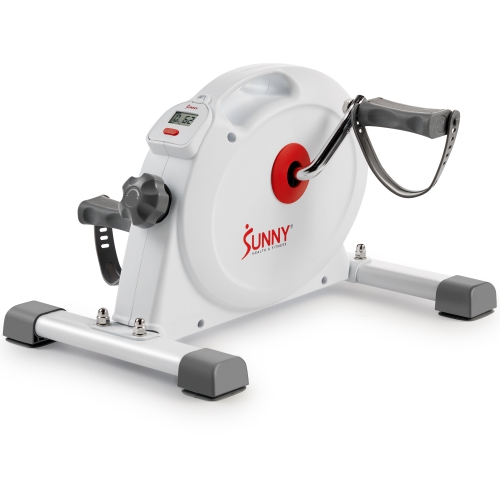 Your price for this item is $112.95
Discover more categories related to Most Comfortable Exercise Bike Seats
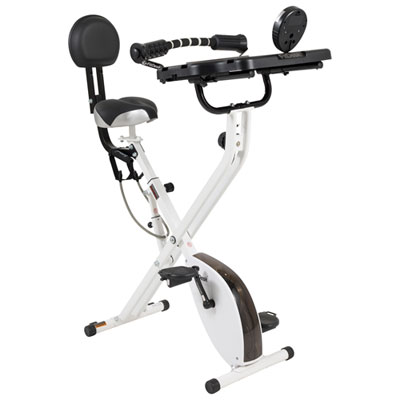
Top Collections:
Pokemon Centers, Kindle Devices, Best Budget Office Chairs, Apple iPhones 16, Canon G7X Cameras, iPhone 15 Apple, Alarm Clock, Refurbished Apple Laptops, Flip Phones, Best Laptops for Writers
Some products may be subject to Environmental Handling Fees
(EHF) depending on your province.
Learn more about EHFs.