Accessory Exercises
If you're looking for a way to get more out of your workouts, consider adding some accessory exercises. These are supplemental movements that can help you build strength, improve balance, and increase flexibility. They also have the added benefit of being fun! Here are some accessory exercises you can do to make your workouts more enjoyable.
Sort

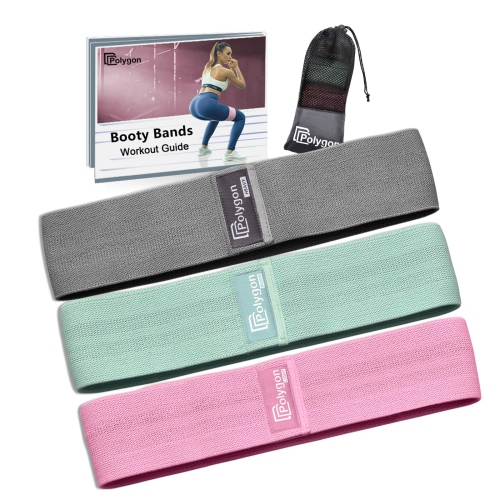


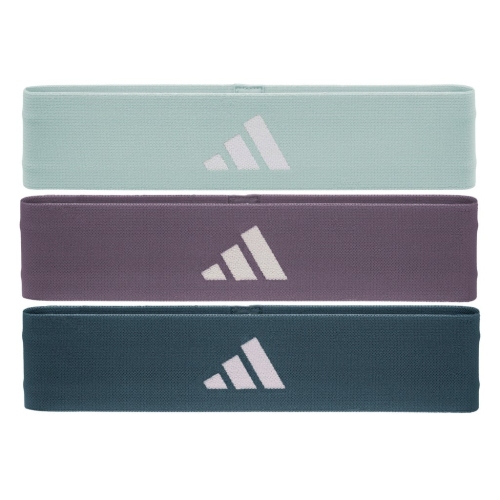
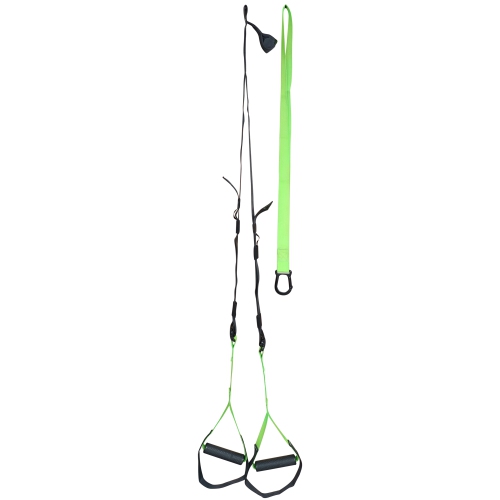


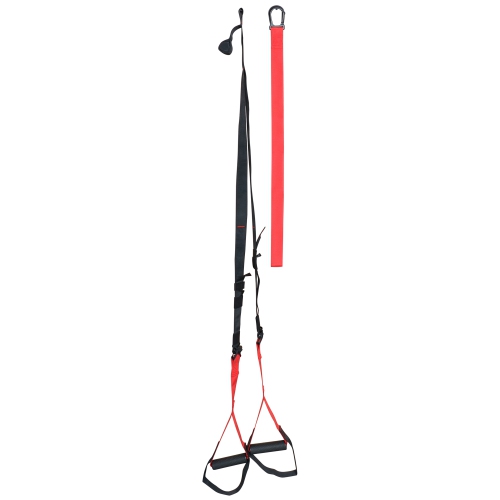

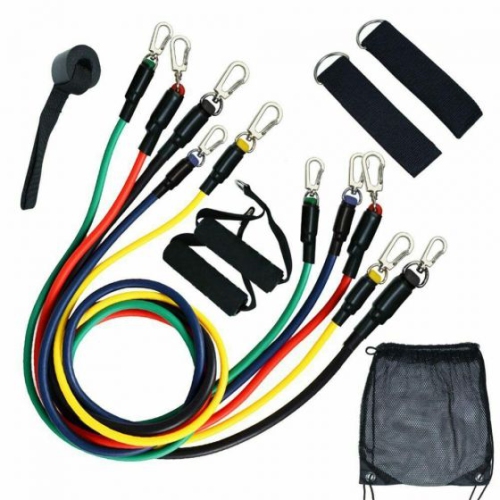


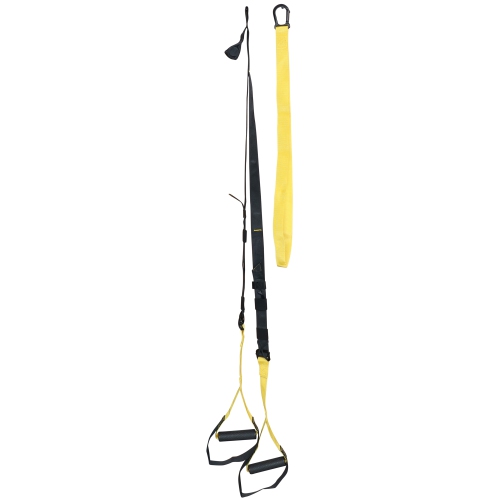


Focused tools for balanced strength and steadier progress
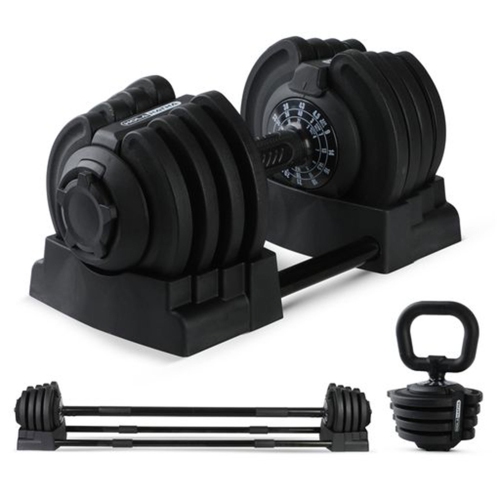
Accessory exercises are supplementary movements that support the main lifts in a structured workout. While compound exercises such as squats, deadlifts, presses and rows train several muscle groups at once, accessory work lets you add focused volume where it is most useful. A well-chosen selection of exercise accessories can help develop muscle size, improve unilateral balance, strengthen the core, build joint stability and address weak points that may limit progress. For example, split-stance leg movements and hamstring-focused exercises can complement squatting, while hip-hinge variations and back-focused movements can support deadlift training. Pressing routines may benefit from targeted triceps, shoulder and upper-back work, and simple core exercises can help you maintain a steady, controlled position during larger lifts. The products gathered in our Exercise Accessories selection are designed to make these supplementary movements easier to perform at home, in a dedicated training space or alongside a regular gym routine. Depending on your goals, this may include resistance-based equipment for adding manageable tension, compact weights for progressive loading, supports that improve positioning and comfort, or training surfaces that provide a stable place to move. Accessory exercises typically create useful training volume without the same whole-body demand as repeatedly lifting at maximum effort, making them practical for building a more balanced routine. They can also be adjusted to suit different experience levels: beginners may start with bodyweight movements, light resistance or fewer repetitions, while experienced lifters may choose heavier loads, slower tempos or more challenging variations. The right equipment does not replace sound technique, rest and gradual progression, but it can make a thoughtfully planned programme more versatile and enjoyable.
When choosing products for accessory exercises, start with the movement patterns and muscle groups you want to train, then consider the space, load range and adjustment options that fit your routine. If you are supporting squat training, look for equipment that works comfortably for single-leg strength, glute activation and hamstring development, with enough room to step, lunge or brace securely. For deadlift-focused training, products that help build the posterior chain, upper back and grip can add variety without requiring another maximal lift. If bench pressing is a priority, consider accessories that allow controlled work for the chest, shoulders, triceps and upper back. Core training equipment can also be useful for anti-rotation, bracing and stability exercises, particularly when you want to develop control rather than simply perform high numbers of repetitions. Resistance levels matter: a product that is too light may not provide enough challenge, while one that is too heavy can make it difficult to maintain alignment and a smooth range of motion. Adjustable options can be helpful when more than one person uses the same home gym or when your strength changes over time. Pay attention to handle shape, grip, padding, texture, fasteners and weight markings, as small details can make a difference during repeated sets. Size and storage are equally important in a multipurpose room; a compact accessory that can be stored in a closet or under furniture may be used more often than a larger item that is difficult to put away. A stable mat or training surface can help define your workout area, while a bench or support should feel steady at every contact point. Before adding a new movement, check the manufacturer’s recommended use and choose a load that allows you to move with control. If you are returning from an injury, managing discomfort or unsure how to modify an exercise, seek advice from a qualified health or fitness professional.
Accessory exercise equipment can suit a wide range of people, from someone building a first home workout space to an experienced lifter refining a detailed strength programme. It can be a practical gift for a friend who enjoys training, a student setting up a compact room, a family member preparing for cooler months indoors or anyone who prefers short sessions that can fit around work and home commitments. Products with flexible resistance, adjustable loading or multiple exercise applications are especially useful when you are not certain of the recipient’s exact routine, while smaller accessories can complement equipment they already own. As the weather warms, portable options can make it easier to move a workout between a home gym, garage or outdoor area; during cooler months, compact equipment helps keep regular movement within reach when outdoor activities become less convenient. Accessory exercises also work well for people who enjoy varied training rather than repeating the same workout every day. A few carefully selected additions can turn a basic strength session into a more complete routine by providing options for unilateral work, controlled isolation, mobility-focused movements and stability training. Use them after your main exercises when you have the energy to concentrate on a specific area, or place lighter accessory movements into a shorter session on their own. Keep the focus on consistent form, a comfortable range of motion and gradual increases in challenge rather than rushing to use the heaviest available load. Whether your aim is to strengthen a sticking point, build confidence with a new movement, support balanced muscle development or make home training more convenient, the right accessories can help create a routine that feels purposeful and easy to maintain.
Top selling and popular products
-
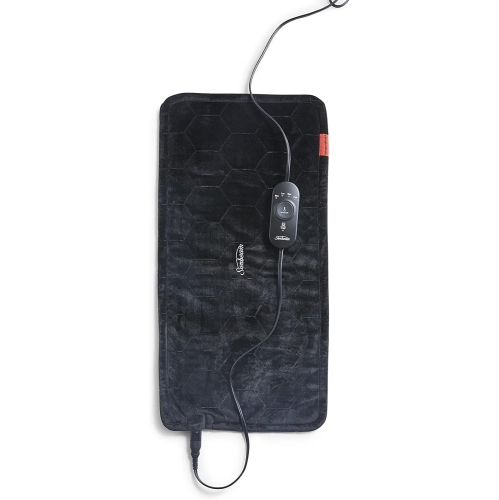 Your price for this item is $200
-
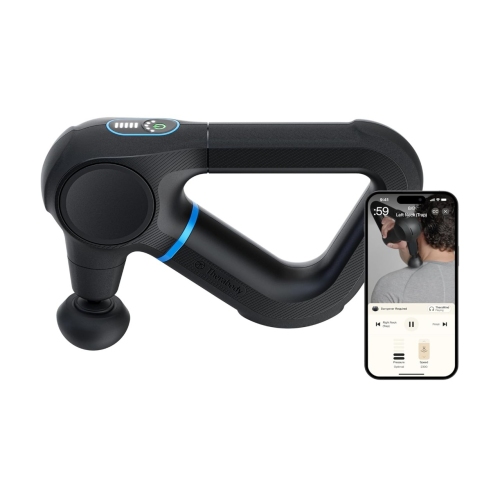 Your price for this item is $399.99
-
 Your price for this item is $99.99
-
 Your price for this item is $119.99
-
 Your price for this item is $115.99
-
 Your price for this item is $199.99
-
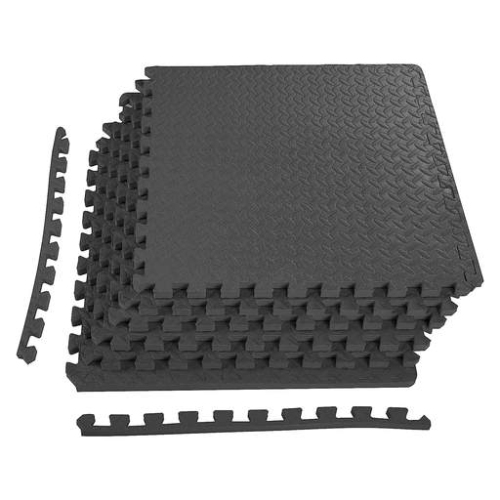 Your price for this item is $82.99
-
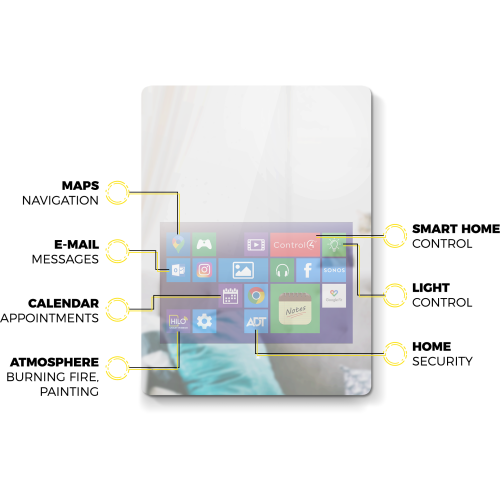 Your price for this item is $1990
Discover more categories related to Accessory Exercises

Top Collections:
Pokemon Centers, Best Cameras for Sports Photography, Kindle Devices, Samsung Galaxy Phones, Canon G7X Cameras, Pokémon 30th Celebration Cards, Refurbished Apple Laptops, iPhone 15 Apple, Laptops for Students, Budget Smartphones
Some products may be subject to Environmental Handling Fees
(EHF) depending on your province.
Learn more about EHFs.