Flexibility Exercises
Our selection of flexibility exercises is designed to help you increase your range of motion, reduce muscle tightness, and prevent injuries. Whether you're a fitness enthusiast, an athlete, or simply looking to incorporate more movement into your daily routine, these exercises cater to all levels of flexibility. From dynamic stretches to yoga poses, discover a variety of techniques that will leave you feeling more limber and energized. Start your journey towards improved flexibility today!
Sort
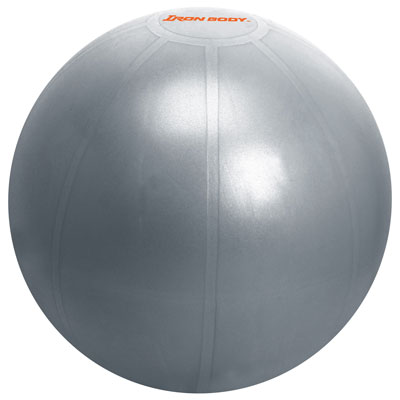
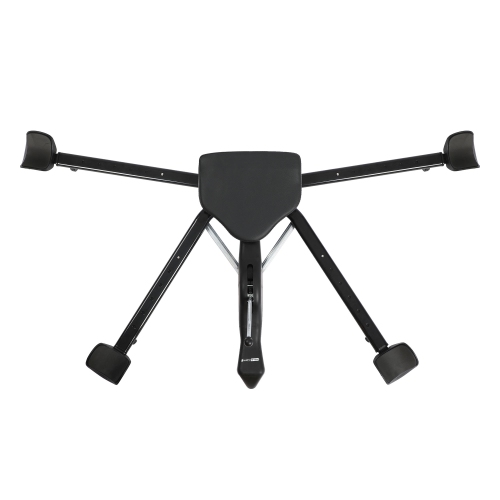

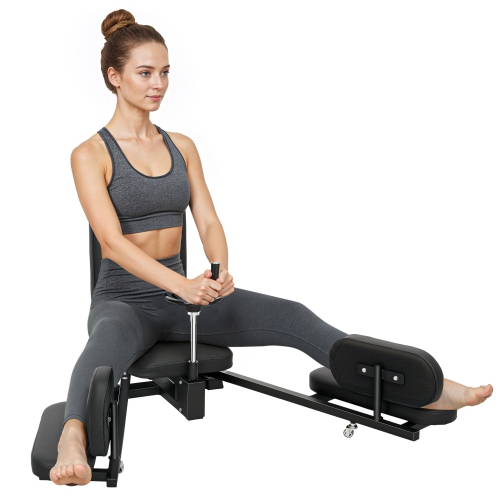


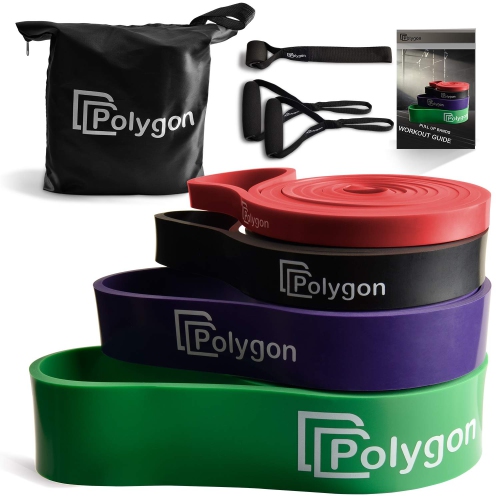


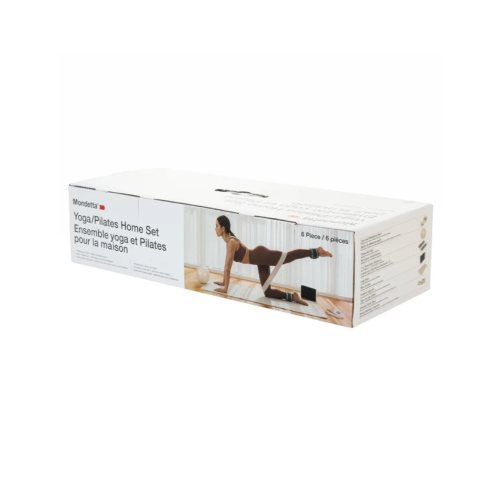
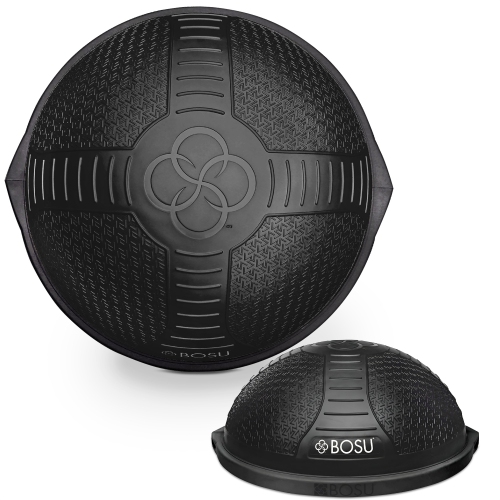
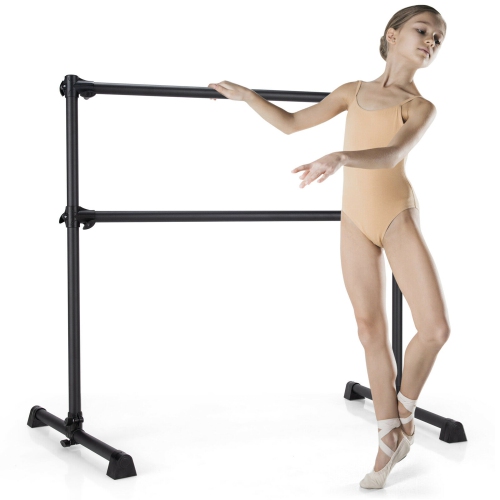
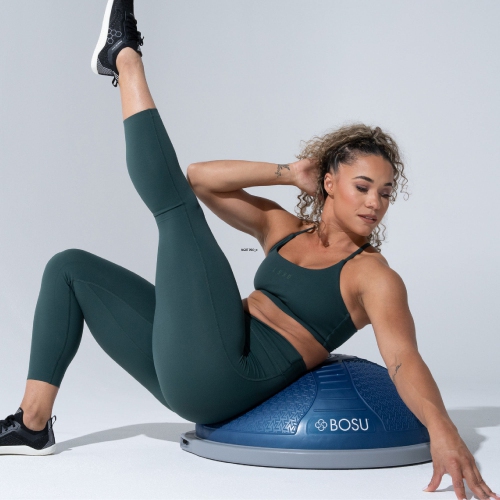
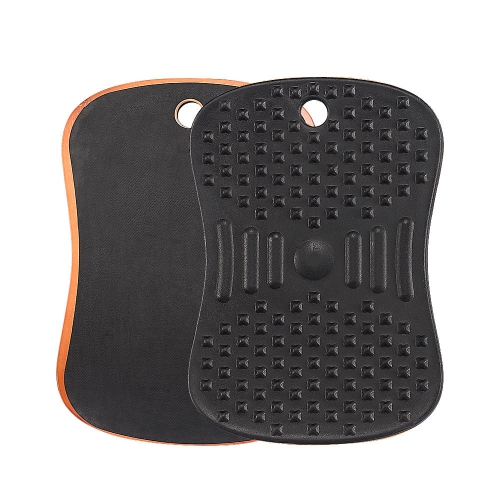
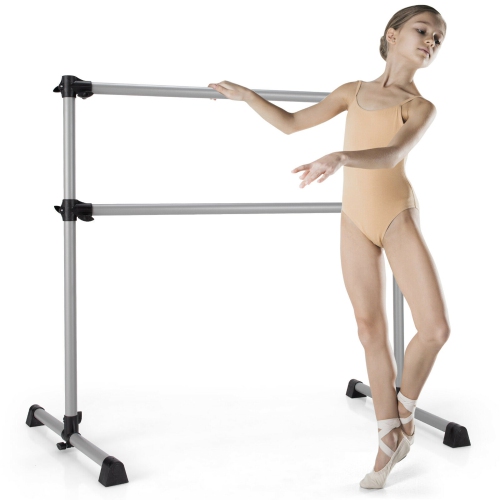
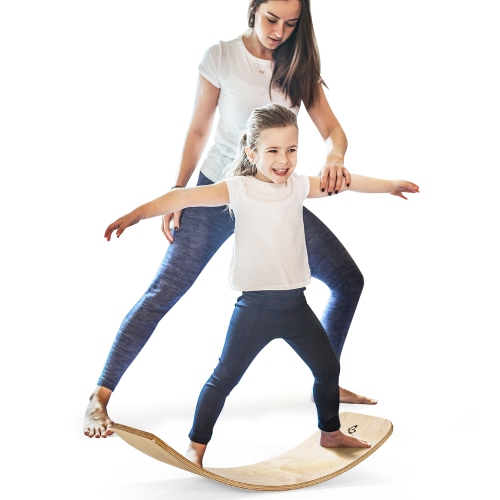
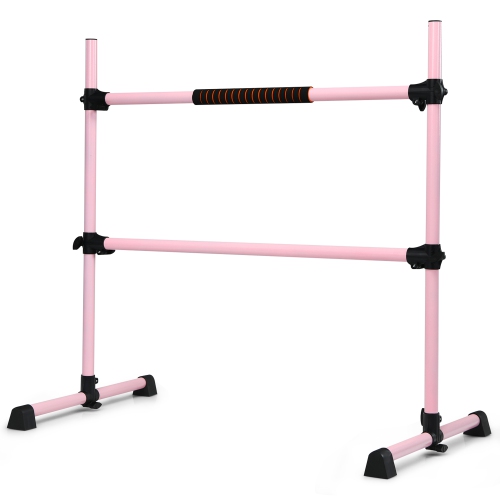

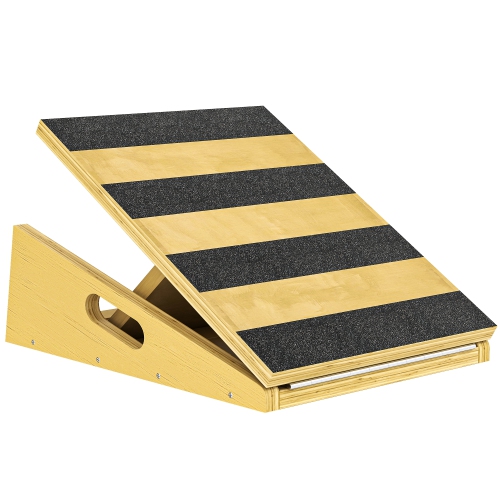


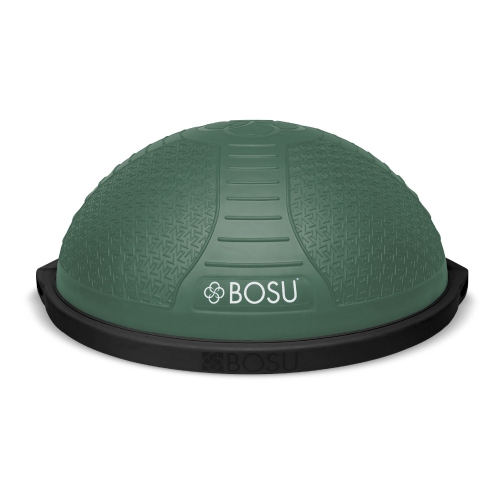


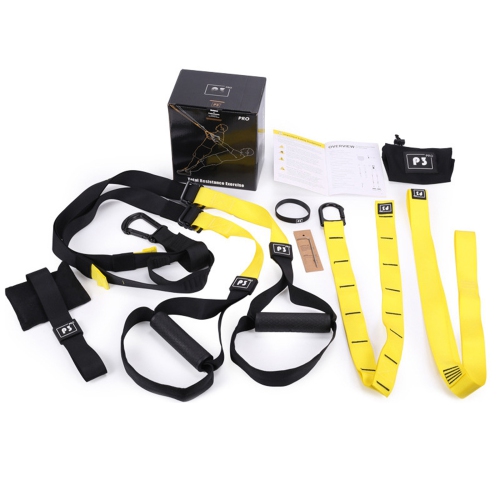



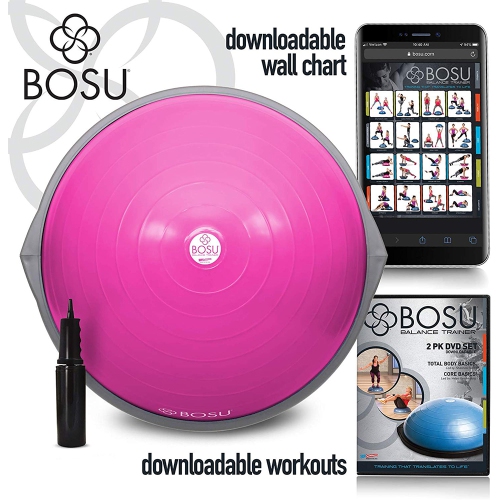
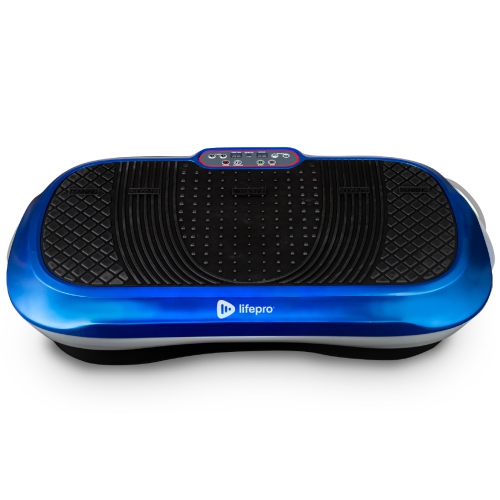

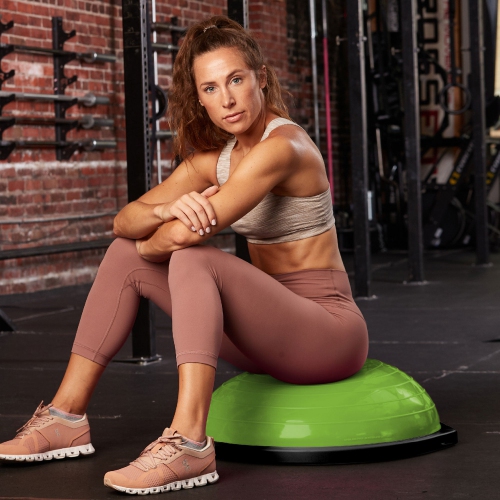
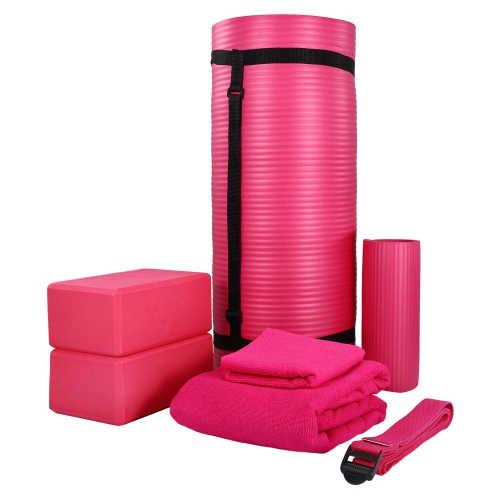


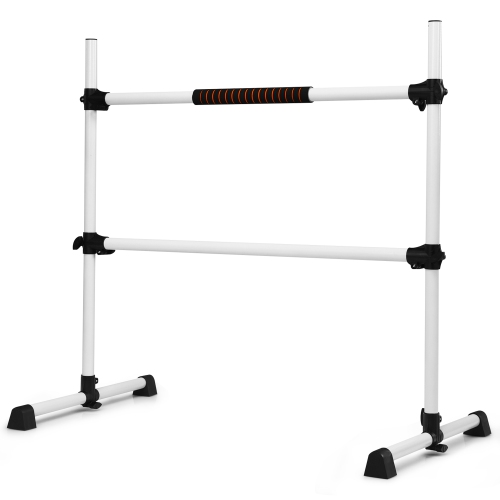
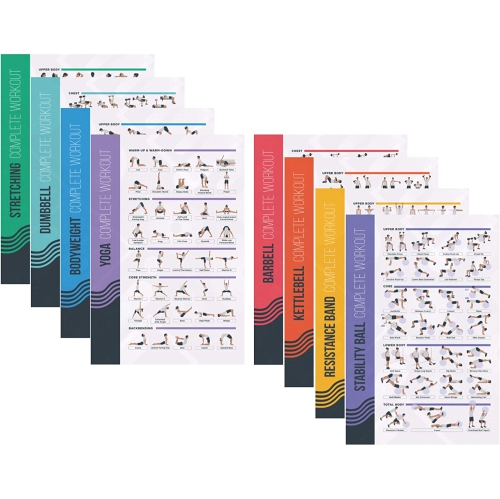

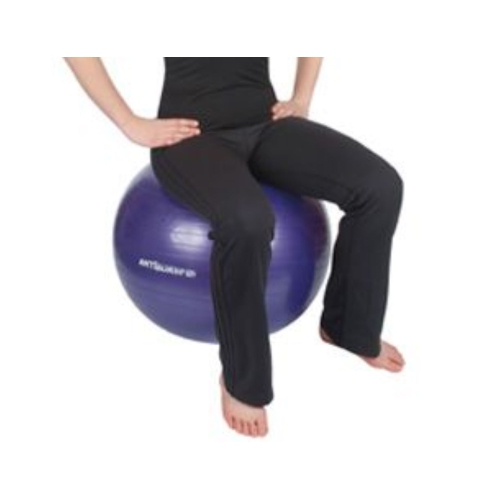

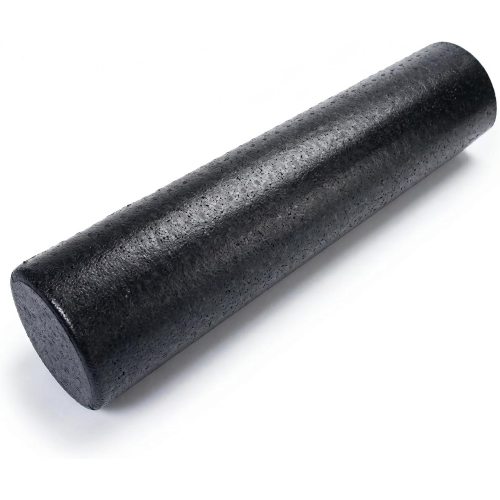












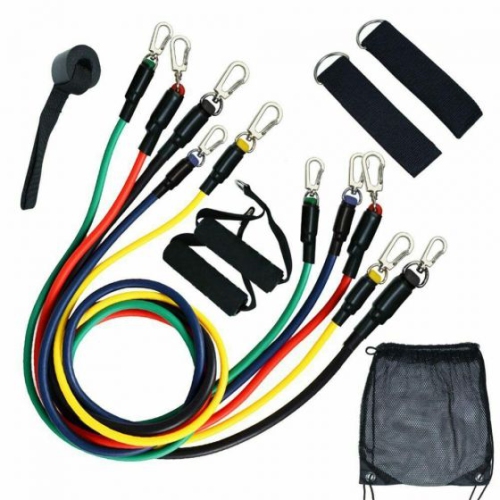
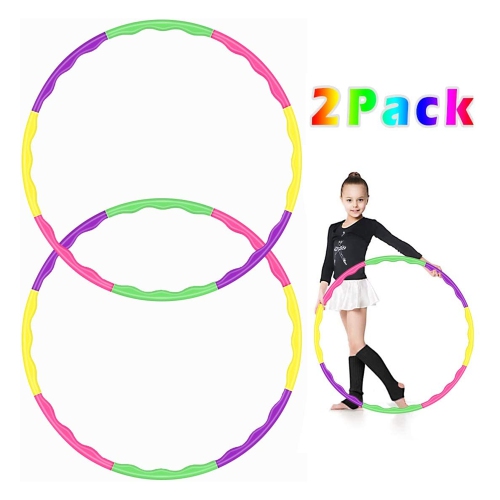


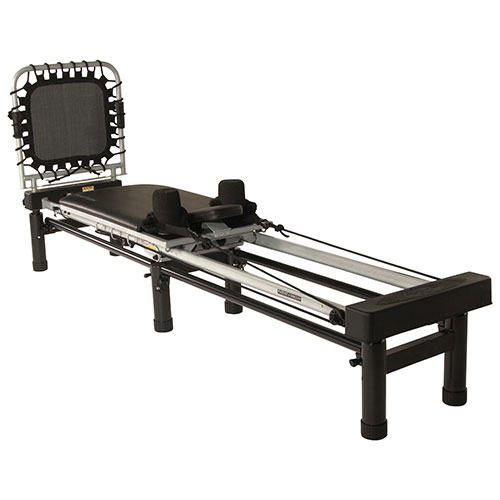


Comfortable equipment for stretching at home or away
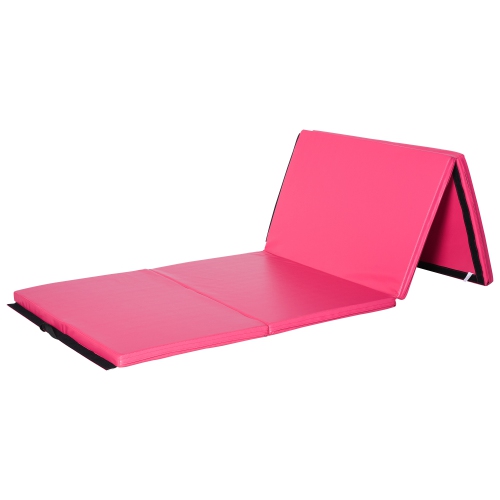
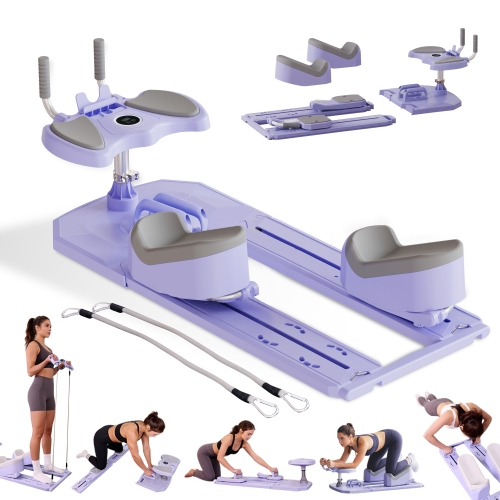
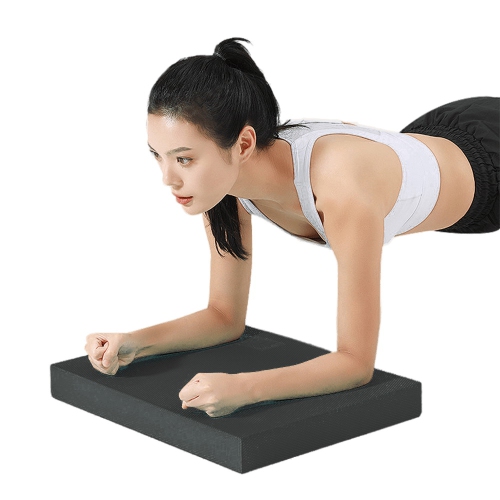
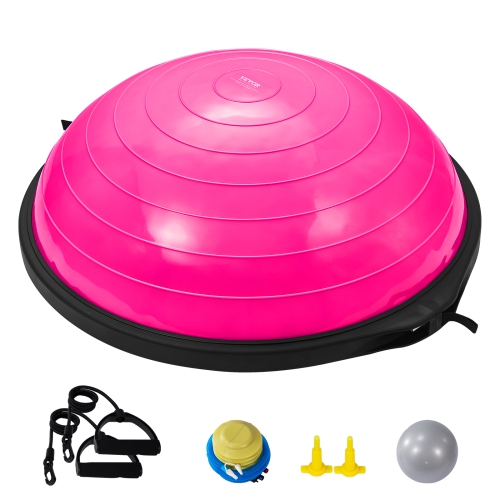
Flexibility exercises can be part of many different movement routines, from a few gentle stretches after a walk to a dedicated mobility session at home. The products collected on this page are designed to make those routines more comfortable, consistent, and easier to adapt to different spaces and ability levels. A supportive exercise mat can provide cushioning for kneeling hip flexor stretches, seated spinal twists, and floor-based mobility work, while a stretching strap can help extend the reach during hamstring, shoulder, and quad stretches without forcing the body into an uncomfortable position. Foam rollers and massage tools may also be useful before or after stretching, particularly for people who spend long hours sitting, standing, travelling, or participating in other forms of exercise. When choosing flexibility equipment, consider the surface where it will be used, how easily it can be stored, and whether the material feels stable under hands, knees, and feet. A mat with enough length and cushioning can make a noticeable difference in a living room, bedroom, or home gym, while lightweight accessories are convenient to move between rooms or pack for a weekend away. People who are starting a stretching routine may appreciate simple, versatile equipment that supports a range of movements rather than a collection of specialised pieces. More experienced users may look for adjustable resistance, different levels of support, or compact accessories that allow them to refine their warm-up and cooldown. These items can also make thoughtful gifts for someone setting up a home workout area, returning to regular activity, preparing for recreational sports, or looking for a more comfortable way to move during the cooler months.
A well-rounded flexibility routine often gives attention to the hips, legs, back, shoulders, and calves, since these areas can feel restricted after repetitive activity or long periods in one position. Gentle hip flexor stretches can be performed from a kneeling position with one foot forward, keeping the front knee comfortably bent and shifting the hips ahead without arching the lower back. A standing calf stretch against a wall can help create a steady position for pressing the back heel toward the floor, while a quad stretch can be performed standing with support nearby to help maintain balance. Hamstring forward folds are generally more comfortable when they begin with a hinge at the hips and soft knees rather than a forced reach toward the floor. A seated spinal twist can add controlled rotation to a routine, provided the movement remains easy and the shoulders stay relaxed. For static stretches, a common approach is to hold a comfortable position for about 30 seconds, breathe steadily, and avoid bouncing. Before activity, dynamic movements such as controlled leg swings, arm circles, gentle marching, or slow bodyweight movements can help prepare the body without holding a deep stretch for a prolonged period. The right equipment can support these distinctions: straps and blocks can provide reach or stability, mats can reduce pressure on joints, and resistance accessories can add controlled movement for people who already have a suitable foundation. Those shopping for complementary gear may also wish to browse Accessory Exercises for equipment that can broaden a home routine beyond stretching. Flexibility products are not a replacement for professional assessment, and anyone recovering from an injury, managing ongoing pain, living with a medical condition, or unsure how to perform a movement should seek advice from a qualified health professional before beginning or changing an exercise routine.
The best flexibility setup is one that encourages regular use without making the routine feel complicated. A person who works at a desk may keep a mat and strap near a quiet corner for short movement breaks, focusing on the hips, chest, shoulders, and calves after sitting. Someone who walks, runs, cycles, dances, or plays recreational sports may use mobility accessories as part of a warm-up and then reserve longer, comfortable static stretches for the end of the session. Older adults and beginners may value equipment that offers balance support, extra cushioning, and an easy way to control range of motion, while active households may prefer durable, easy-to-store items that can be shared. Travellers can look for lightweight, packable accessories that fit into a suitcase or carry-on, and people with limited floor space may benefit from equipment that rolls, folds, or stores neatly in a cupboard. During warmer weather, a flexible routine can complement outdoor walks and activities; as the weather becomes cooler, it can provide a practical way to keep moving indoors. Comfort, fit, grip, adjustability, and cleaning requirements are all useful details to compare before making a purchase. It is also worth considering the intended user’s experience level: a beginner may benefit from clear positioning support and gentle resistance, whereas someone with an established practice may prefer greater versatility. Whether purchased for personal use or given as a gift, flexibility equipment can help create a welcoming space for mindful movement, steady breathing, and gradual progress. Small sessions performed consistently are often easier to maintain than occasional strenuous efforts, and a carefully chosen mat or accessory can make it simpler to turn that intention into a comfortable part of everyday life.
Top selling and popular products
-
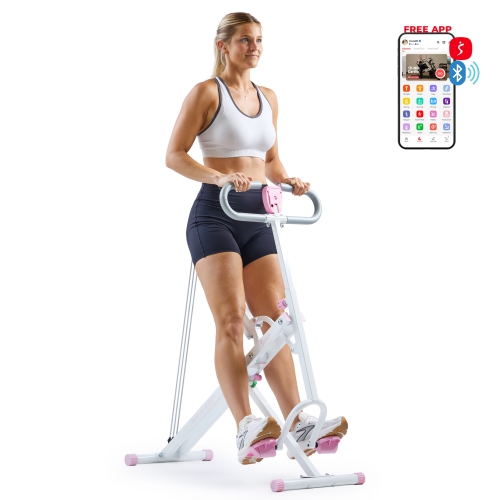 Your price for this item is $179.95
-
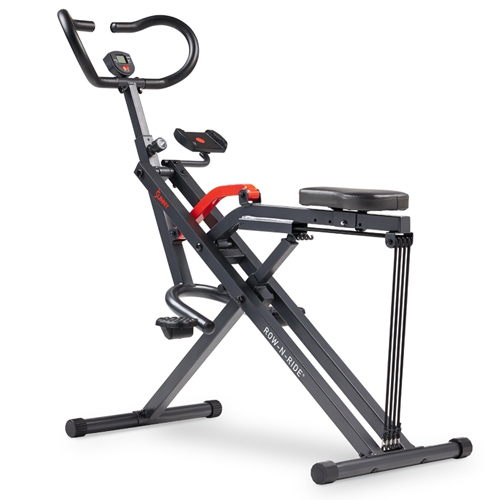 Your price for this item is $249.95
-
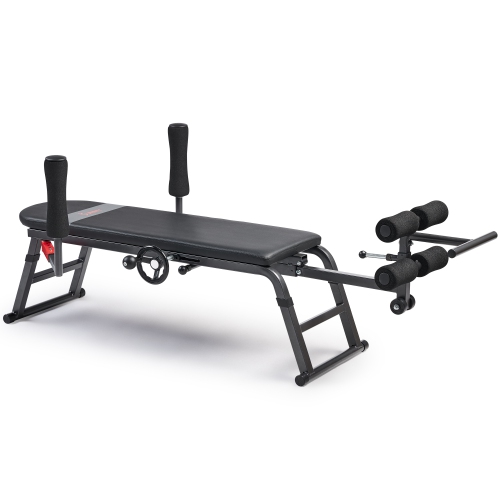 Your price for this item is $419.99
-
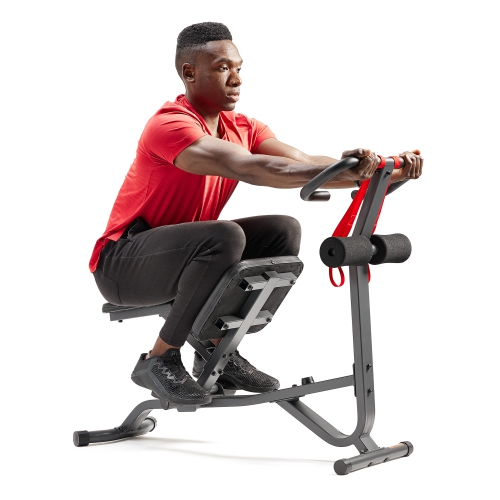 Your price for this item is $419.99
-
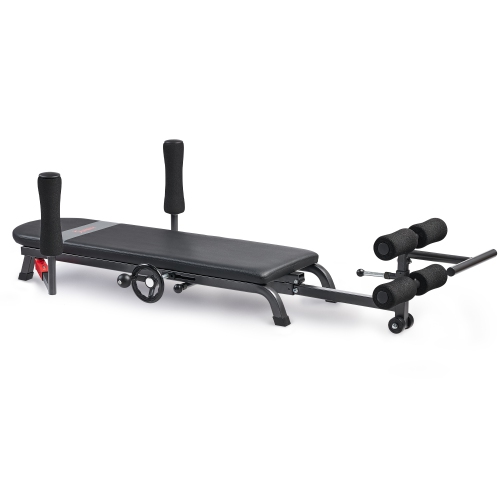 Your price for this item is $369.99
-
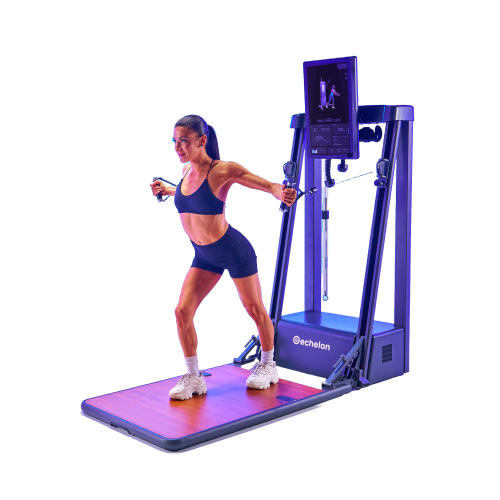 Your price for this item is $4109.99
-
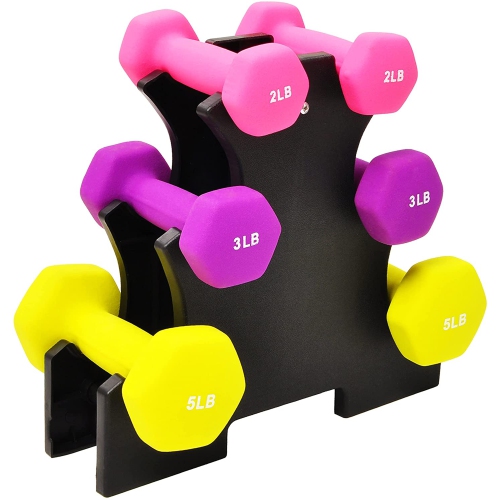 Your price for this item is $90.99
-
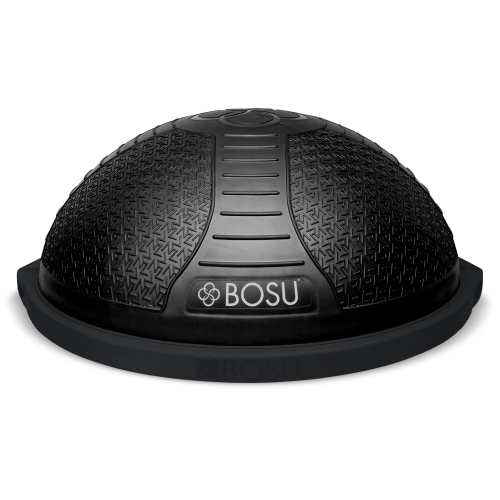 Your price for this item is $481.99
Discover more categories related to Flexibility Exercises


Top Collections:
Pokemon Centers, Best Cameras for Sports Photography, Kindle Devices, Samsung Galaxy Phones, Canon G7X Cameras, Pokémon 30th Celebration Cards, Refurbished Apple Laptops, iPhone 15 Apple, Laptops for Students, Budget Smartphones
Some products may be subject to Environmental Handling Fees
(EHF) depending on your province.
Learn more about EHFs.