Full-Motion Rowers
Rowing machines are a great way to get a full-body workout. They're also one of the most efficient ways to burn calories. A rowing machine uses your body weight as resistance, so it's easy to do and doesn't require any additional equipment. Row machines can be used at home or in the gym. Here are some of the best rowers on the market today.
Sort


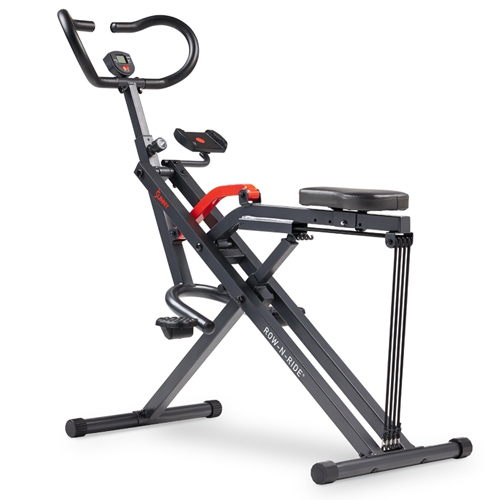


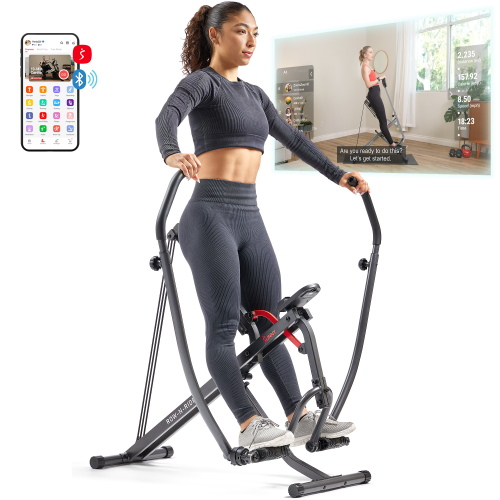


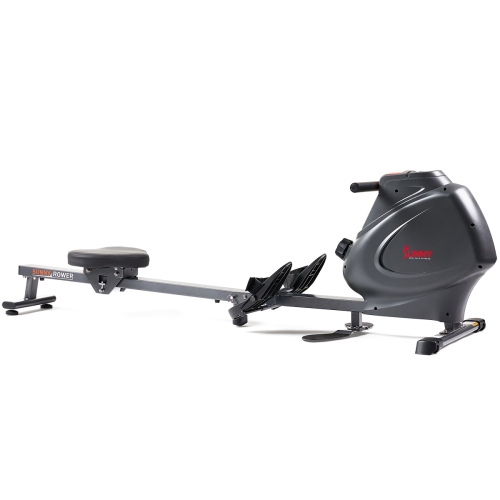


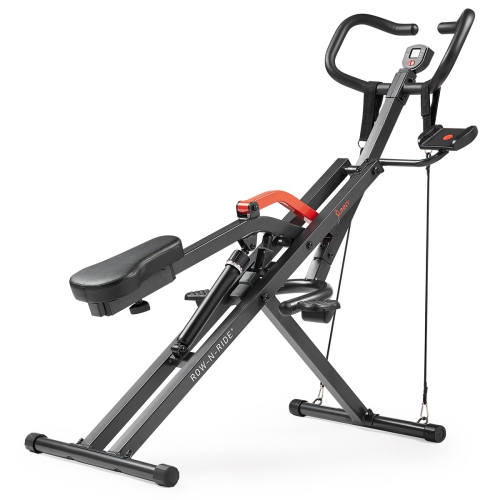


Independent arm action adds variety to home workouts
Full-motion rowers bring a distinctive movement to home workouts through independent arms that pivot through a wide, natural arc rather than pulling a single handle along a fixed path. Each arm can move separately or together, allowing you to vary your stroke and involve the shoulders, upper back, chest, arms and core in a more dynamic way. This design can feel closer to the broad arm action used in sculling or swimming than the straight-line pull of a conventional indoor rower. It also gives you room to experiment with different tempos and arm paths as your fitness routine develops. For many people, that range of movement is the main attraction: the workout can feel less repetitive, and the separate arms encourage each side of the body to contribute rather than allowing one side to do most of the work. Full-motion rowers are often a practical choice for apartments, spare bedrooms and compact home gyms because their frames tend to take up less floor space than larger air- or water-resistance machines. Before choosing one, measure the space where you intend to use it, including enough clearance around the arms for a complete stroke. Check the folded or stored dimensions if you plan to put the rower away between sessions, and consider the machine’s weight if it will need to be moved across flooring or carried up stairs. A stable seat, comfortable foot supports and handles that are easy to grip can make a noticeable difference, particularly when a workout lasts longer than a few minutes.
Resistance is another important consideration when comparing full-motion rowers. Many models use hydraulic cylinders, which provide resistance as the arms are pushed and pulled and can help keep the overall design compact. Some machines may offer adjustable resistance settings, allowing a beginner to start gently and gradually increase the challenge, while others use magnetic systems for a different feel. Read the specifications carefully to understand how resistance is adjusted and whether the motion is intended for lighter steady sessions, interval training or more demanding workouts. Hydraulic mechanisms can become warm during extended, high-effort exercise, so it is sensible to follow the manufacturer’s guidance on session length, rest periods and care. A quick inspection of pivots, bolts, foot straps and cylinder connections can help keep the machine feeling secure over time. Full-motion rowers are suitable for a broad range of users, from someone building a simple indoor routine to an experienced exerciser looking for a compact way to add upper-body variety. They can support low-impact cardiovascular training because the feet remain supported and there is no running impact, although the intensity still depends on pace, resistance and technique. Start with a controlled stroke: sit tall, brace the midsection gently, push through the feet, and let the arms follow a smooth path without forcing the shoulders beyond a comfortable range. Avoid rushing the return or pulling with only the arms. Short sessions with consistent form are often more useful than long sessions performed with tired, uneven movements. Anyone returning to exercise, managing an injury or dealing with a health concern should choose an appropriate level of effort and seek professional advice when needed.
A full-motion rower can also be a thoughtful gift for someone creating a home gym, especially when cooler weather makes indoor exercise more appealing or when a busy schedule makes travelling to a fitness facility difficult. It may suit a relative who enjoys compact equipment, a friend training for general fitness, or a household that wants an option multiple people can use without dedicating an entire room to exercise gear. Because the ideal machine depends on height, available space, preferred intensity and storage needs, it is helpful to confirm those details before giving one as a surprise. Look for practical features such as an easy-to-read display, clear resistance controls, a seat that moves smoothly, non-slip footrests and a frame that feels steady during both slow and fast strokes. If the recipient enjoys tracking progress, check whether the console records useful information such as time, stroke count, distance estimates or calories. These figures are best used as general training references rather than exact measurements, but they can help make a routine more consistent. Full-motion rowers can be used for a gentle warm-up, a short interval workout or a longer session at a manageable pace. They can also fit into circuits alongside body-weight movements, stretching and strength exercises, with the rower providing a rhythmic burst of cardio between activities. When comparing this category with other equipment, browsing Total Fitness Rowers can help clarify which style best matches your space and training preferences. With regular care, sensible progression and attention to comfortable arm paths, a full-motion rower can become an inviting part of a home routine: a place to settle into a steady rhythm, feel the back and shoulders working, and finish a workout without needing to leave home.
Top selling and popular products
-
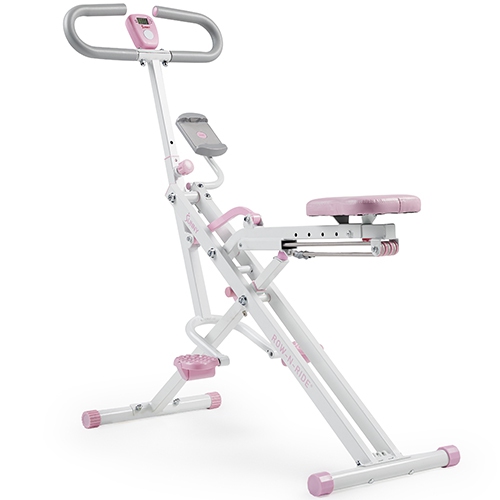 Your price for this item is $214.99
-
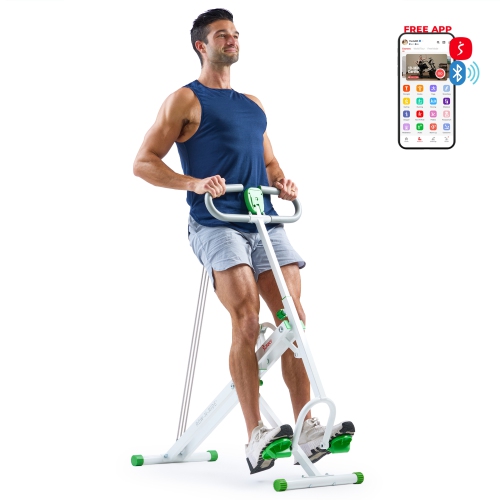 Your price for this item is $199.95
-
 Your price for this item is $1799.99
-
 Your price for this item is $338.99
-
 Your price for this item is $2701.98
-
 Your price for this item is $284.95
-
 Your price for this item is $259.99
-
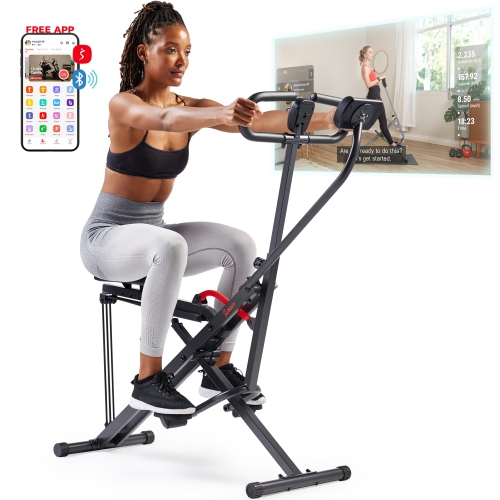 Your price for this item is $194.95
Discover more categories related to Full-Motion Rowers
Top Collections:
Pokemon Centers, Kindle Devices, Best Budget Office Chairs, Canon G7X Cameras, Apple iPhones 16, Samsung Galaxy Phones, Refurbished Apple Laptops, Laptops for Students, iPhone 15 Apple, Budget Smartphones
Some products may be subject to Environmental Handling Fees
(EHF) depending on your province.
Learn more about EHFs.