Total Fitness Rowers
A rowing machine has been one of the staple items in fitness centers for decades. It's an effective way to work out, and it's also a great way to relieve stress. The rowing machine works your entire body, from your arms to your legs to your back and shoulders. It can also help you burn calories and build muscle. Here are some great options for rowers.
Sort
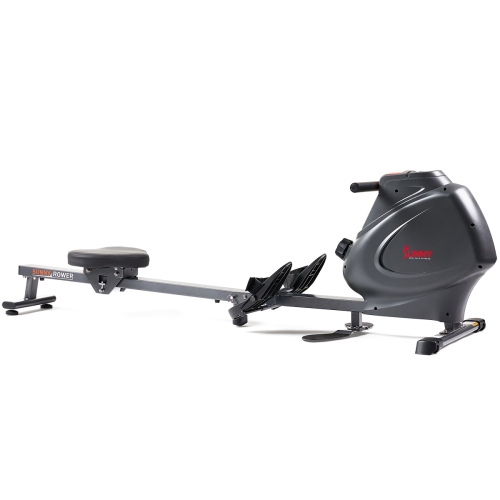


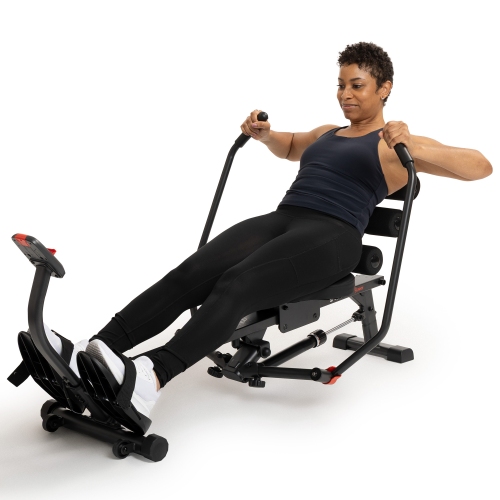


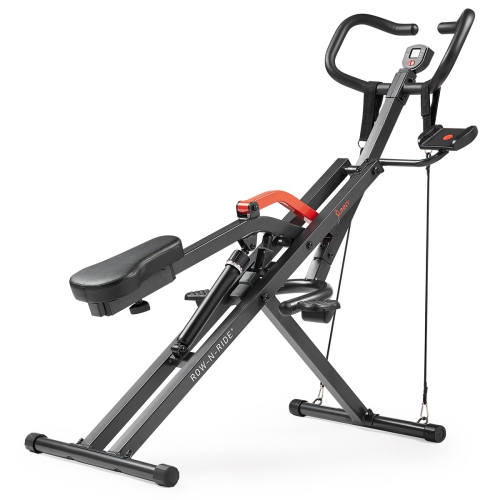


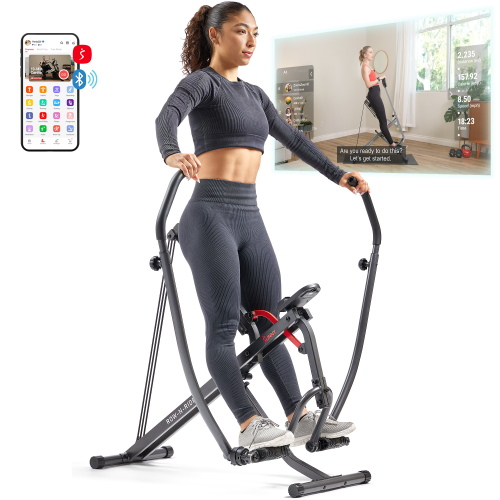


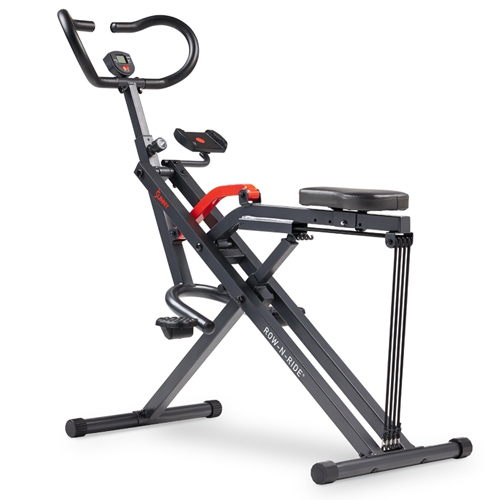

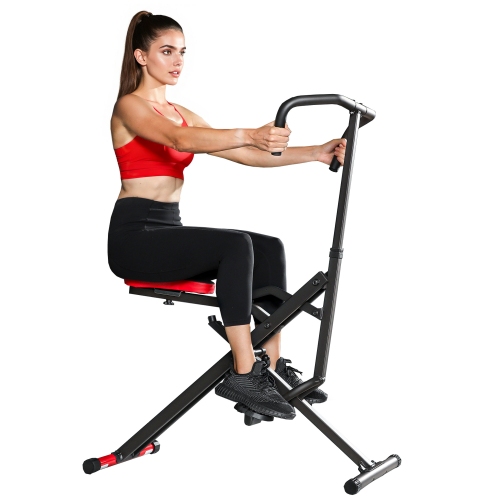
How incline rowers turn bodyweight into workout resistance
Rowers bring cardiovascular exercise and muscular effort together in a compact movement pattern, making them a practical centrepiece for a home fitness space. Incline rowers take a distinctive approach: rather than relying solely on a flywheel, water tank, or magnetic braking system, they use an inclined track and a portion of the user’s bodyweight to create resistance. Pulling through the rowing motion moves the carriage along the slope, while the return calls for a controlled release rather than simply letting the seat slide back. On adjustable designs, changing the incline changes how much bodyweight contributes to the effort, so the same machine can accommodate different workout goals without a separate stack of weights. This combination suits people who enjoy rhythmic cardio but also want a noticeable resistance component in each repetition. A steady session can emphasize comfortable, continuous movement, while shorter bouts at a more demanding setting can put greater emphasis on muscular effort. Rowing is generally considered low impact because it does not involve the repeated foot strikes of running or jumping, although low impact does not mean effortless or suitable for every joint condition. Comfort depends on the machine’s geometry, the resistance setting, and how the movement is performed. Depending on the design and technique, the legs, back, shoulders, arms, and trunk can all contribute, with different rowers placing different demands on each area. Some incline designs also support additional pulling or arm exercises, but that versatility depends on the manufacturer’s approved movements and attachments. A machine intended for rowing should not be assumed to support every exercise that appears possible on its frame. For anyone considering other resistance styles alongside incline equipment, Rowing Workout Machines provides a broader category to explore. The most useful distinction is how the resistance feels through the stroke and whether the machine supports the kind of exercise that will become a regular part of daily life.
Physical fit has as much influence on the experience as the resistance mechanism. The seat, handle, foot supports, and usable track length need to work together for the person using the rower. Someone with longer legs needs sufficient travel to complete the intended movement without reaching the end of the rail prematurely, while a shorter user needs a comfortable starting position without excessive reaching. Adjustable foot straps help keep footwear secure, and a stable platform gives each repetition a more consistent foundation. Seat shape and padding matter during longer sessions, but thicker cushioning is not automatically more comfortable; support, posture, and freedom of movement are equally important. Handle diameter and surface texture can affect grip comfort, particularly when hands become damp during exercise. A neutral, comfortable wrist position and relaxed shoulders are more useful than gripping tightly or forcing a longer reach. Getting on and off also deserves attention. A low carriage may be awkward for someone who finds deep bending difficult, whereas a higher seat can make access easier if the frame remains stable. Weight capacity, user-height guidance, and intended usage are separate specifications, and each matters when equipment will be shared. A sturdy-looking frame is not proof that a rower is rated for continuous use in a shared fitness room. Steel and aluminium are common frame materials, but durability also depends on the quality of the joints, rail alignment, rollers, cables, and moving connections. Smooth carriage travel should feel consistent rather than catching or shifting from side to side. Where a display is fitted, its position and legibility can matter more than the number of readings it offers. Time and stroke information can help structure a session, while any estimated distance or calorie figures are best treated as machine-generated indicators rather than precise measurements. Straightforward controls are particularly helpful in a household where one person prefers a gentle, sustained pace and another likes brief, more demanding efforts.
The space around a rower shapes how convenient it is to use and maintain. Its full operating footprint includes more than the length of the frame: there must also be room for the handle path, moving carriage, safe access, and any additional movements specifically permitted by the manufacturer. An incline track adds height as well as length, so clearance should be assessed in the position used for exercise, not just when the machine is stored. Folding frames and transport wheels can make a multipurpose room easier to manage, but folding capability, upright storage, and safe lifting requirements vary by design. A machine that folds is only convenient if the person using it can release the mechanism, move it, and secure it without strain. Storage locks and other restraints should be used as directed, especially in homes with children or pets. A level surface helps the frame sit securely, and a suitable equipment mat can protect flooring and reduce some transmitted vibration, though it will not eliminate mechanical sound. Rollers, cables, seat movement, and the resistance system can all contribute to the sound heard in an adjacent room. Routine care is usually straightforward: wipe perspiration from contact surfaces with a manufacturer-approved cloth or cleaner, keep the track clear of dust and debris, and inspect accessible fasteners and wear points according to the manual. Lubrication should follow the equipment’s instructions, since the wrong product can attract dirt or affect components that are designed to run dry. For beginners, an easy resistance setting and a manageable session length leave room to develop a smooth rhythm before increasing the workload. More experienced exercisers may use a rower for a focused cardio session or as one element of a broader strength routine. It can also be a thoughtful fitness gift when the recipient has expressed interest and their space, fit, and exercise preferences are known. Above all, a rower earns its place through comfortable movement, dependable construction, and a setup that makes regular use feel practical rather than cumbersome.
Top selling and popular products
-
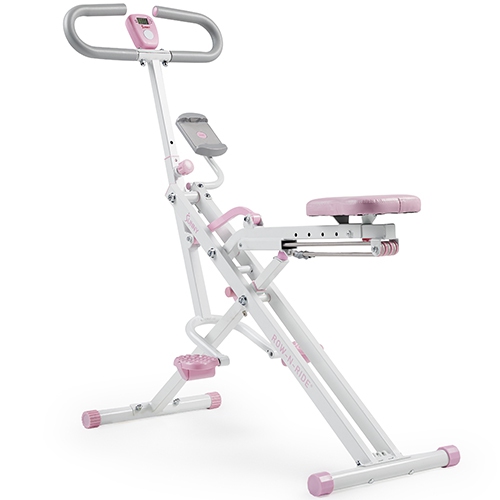 Your price for this item is $214.99
-
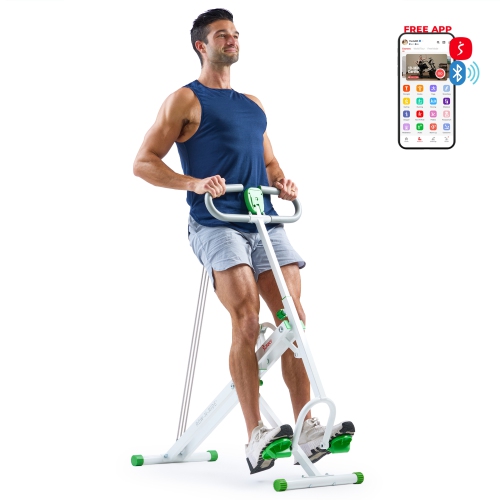 Your price for this item is $199.95
-
 Your price for this item is $1799.99
-
 Your price for this item is $338.99
-
 Your price for this item is $2701.98
-
 Your price for this item is $284.95
-
 Your price for this item is $259.99
-
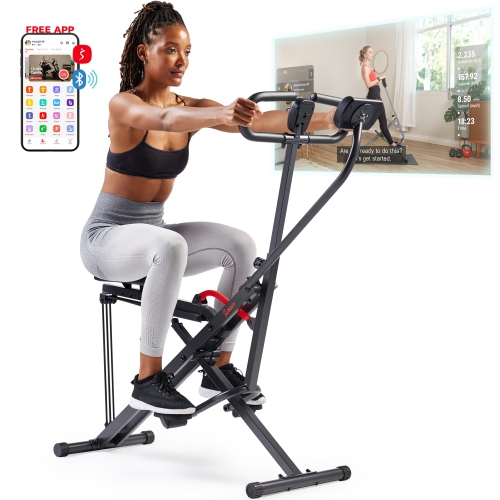 Your price for this item is $194.95
Discover more categories related to Total Fitness Rowers
Top Collections:
Pokemon Centers, Kindle Devices, Best Budget Office Chairs, Canon G7X Cameras, Apple iPhones 16, Samsung Galaxy Phones, Refurbished Apple Laptops, Laptops for Students, iPhone 15 Apple, Budget Smartphones
Some products may be subject to Environmental Handling Fees
(EHF) depending on your province.
Learn more about EHFs.