Home Gym Mats
If you're looking to build a home gym, you'll want to make sure that your workout space is as comfortable and safe as possible. A good home gym mat will protect your body from the hard floor, and it'll also help keep you from sliding around while you're trying to work out. Here are some of the best home gym mats available today.
Sort
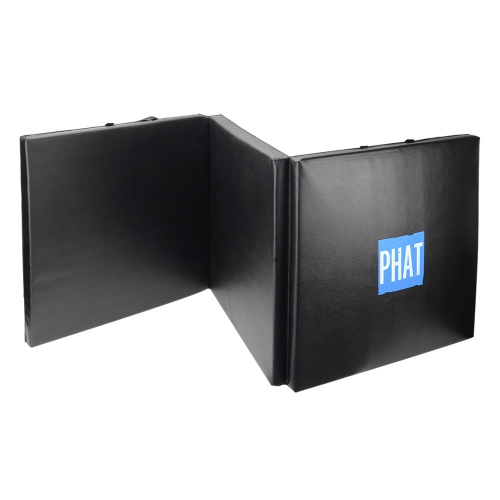
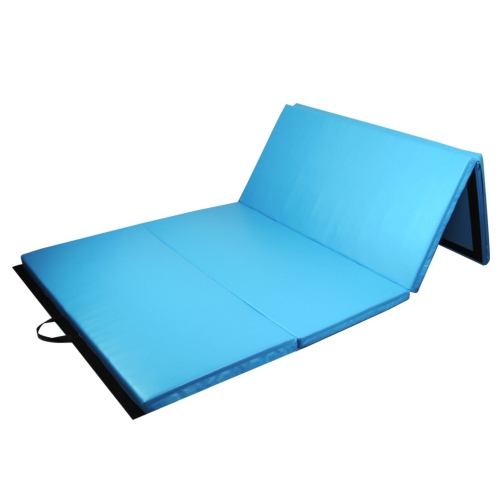
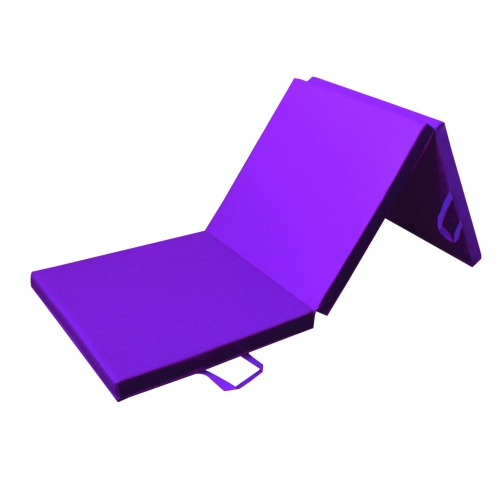
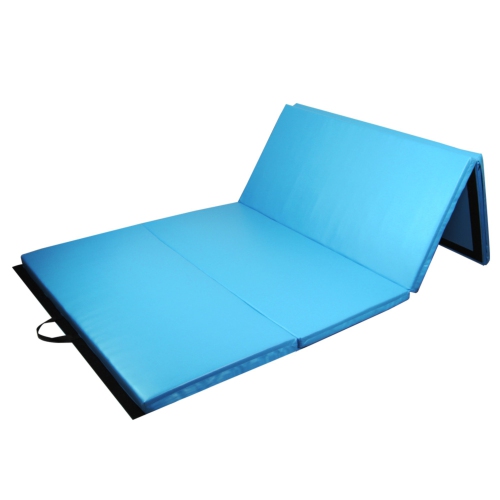
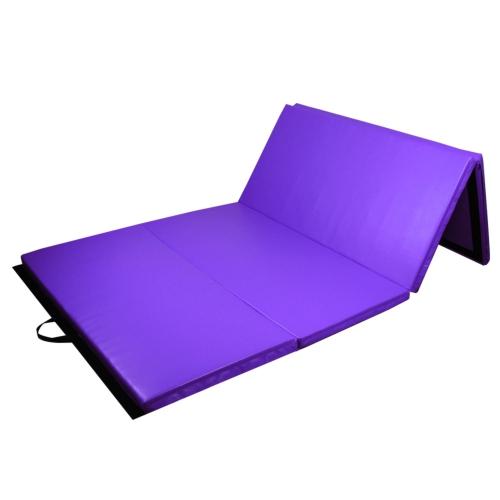
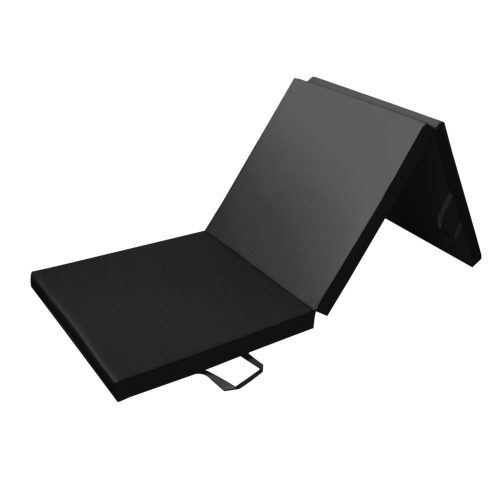
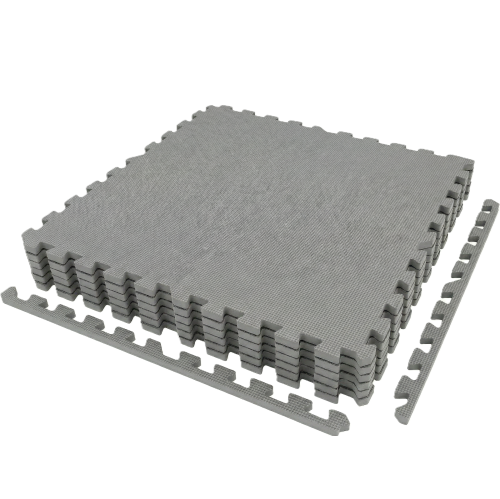
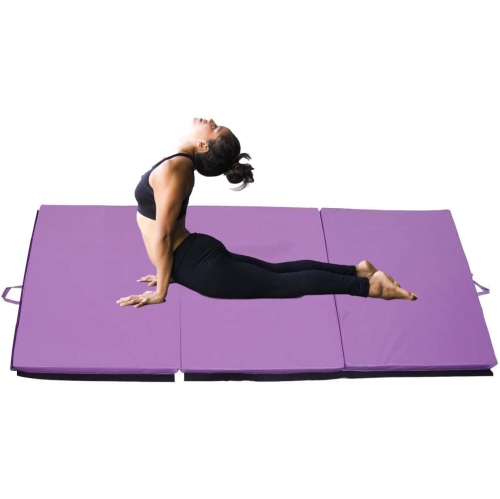

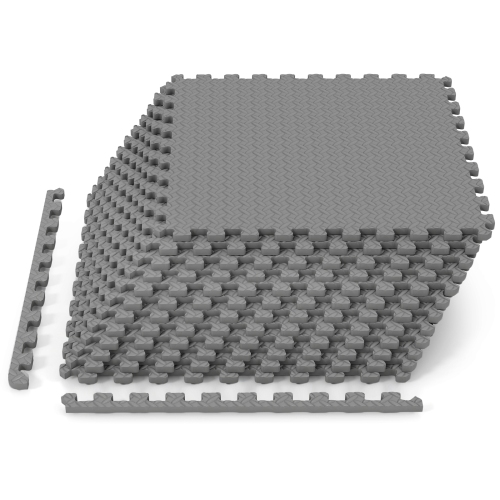


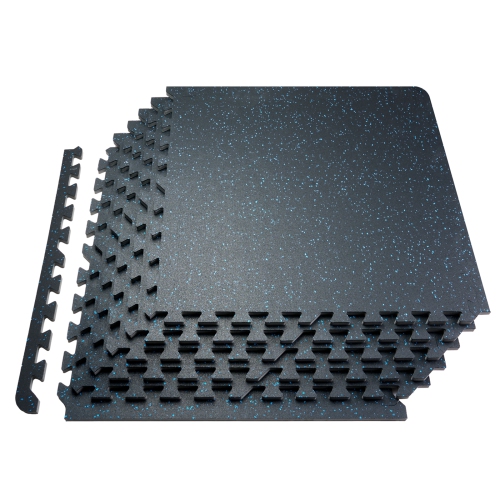

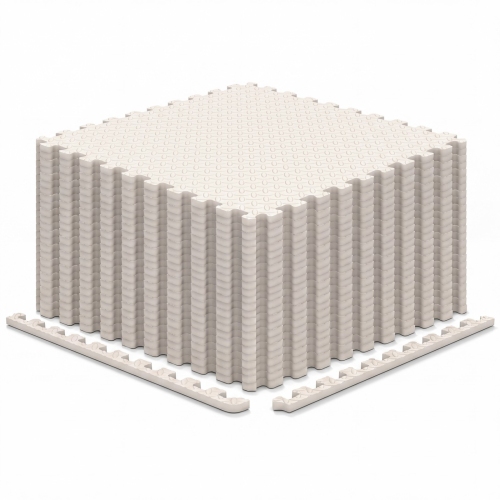
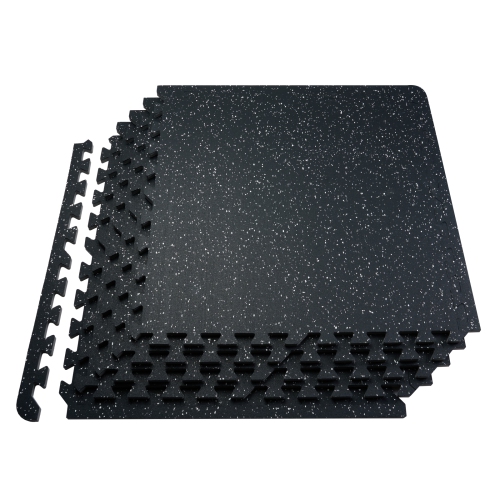


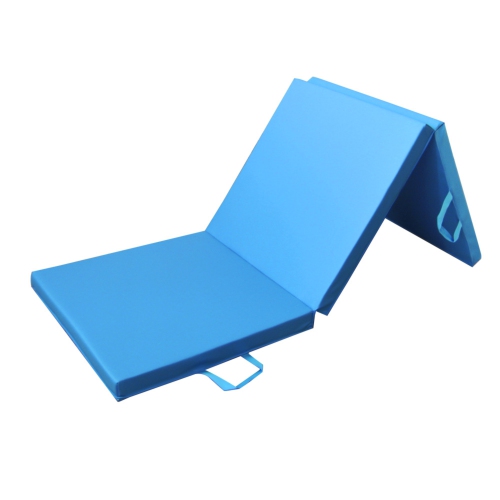

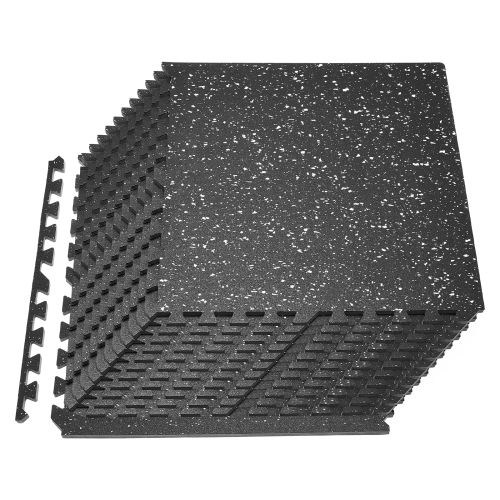
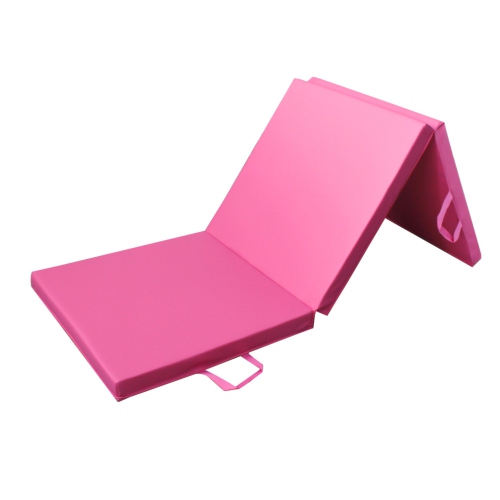
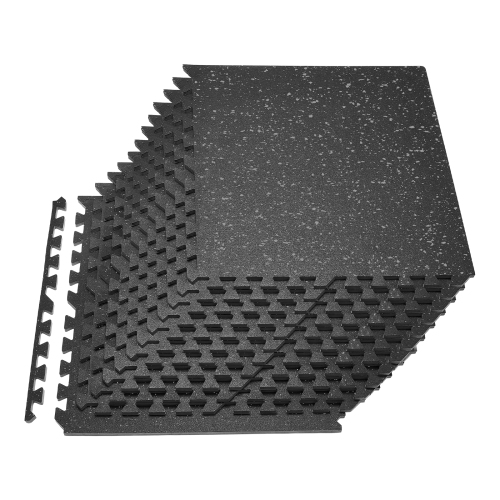
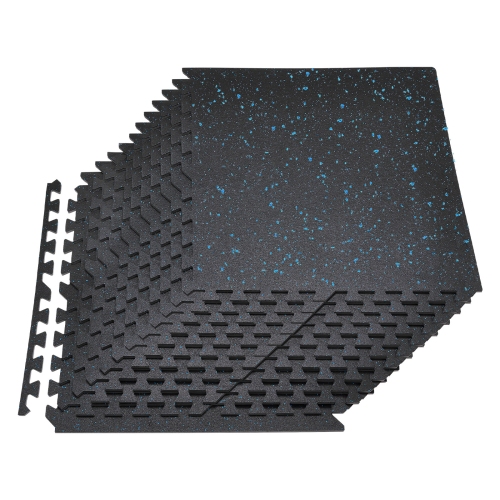


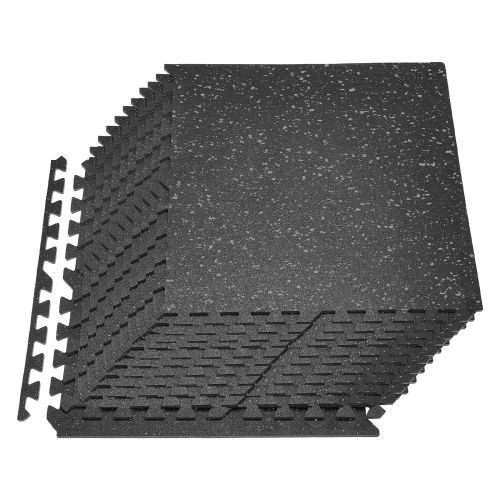
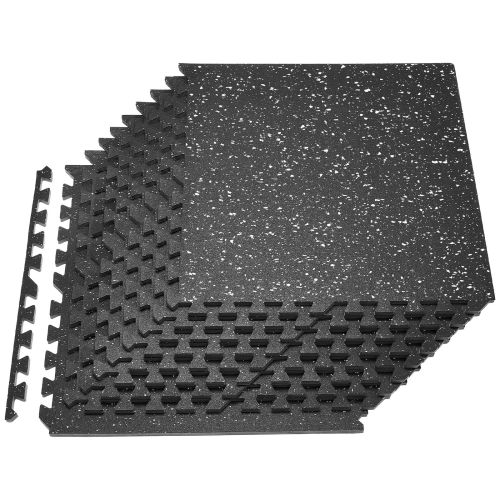
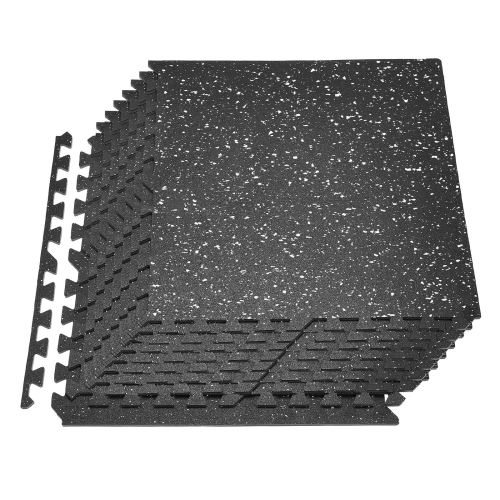

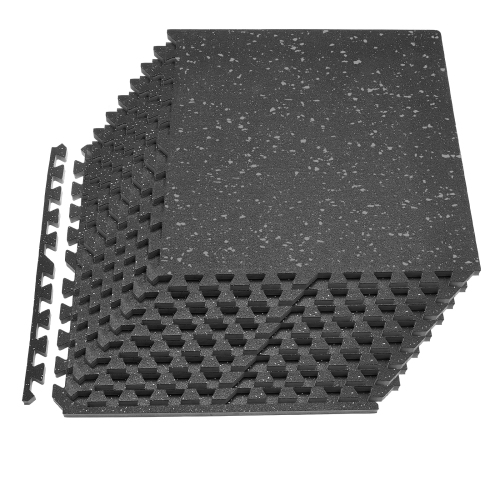
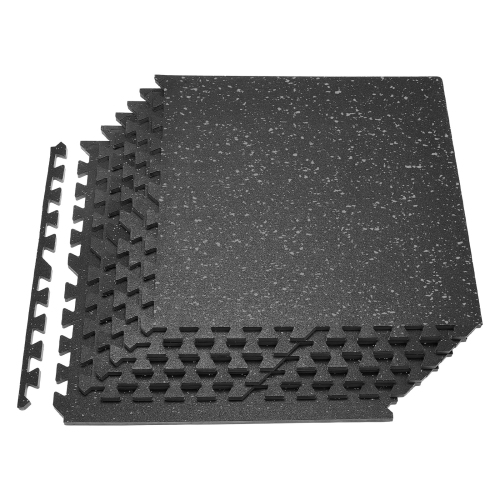
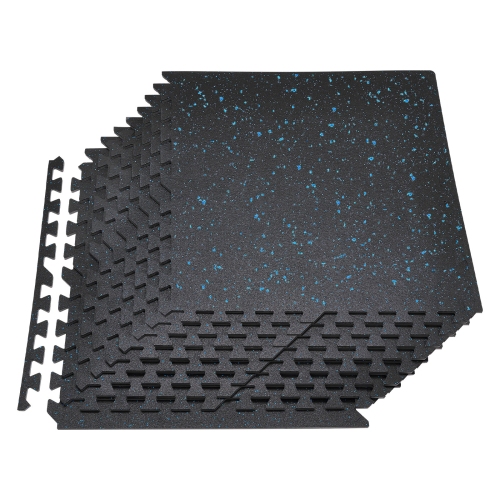
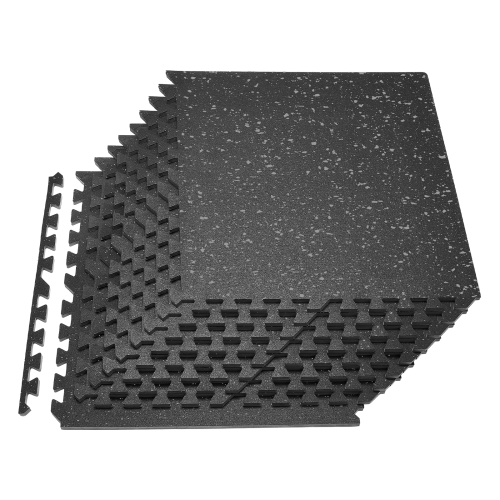
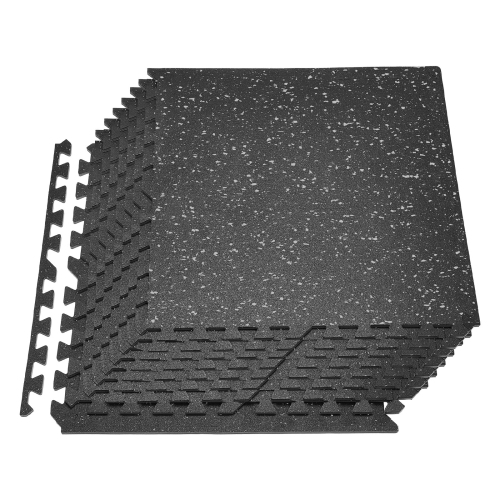
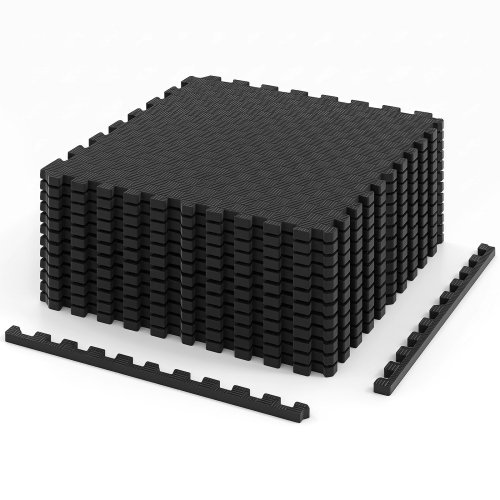
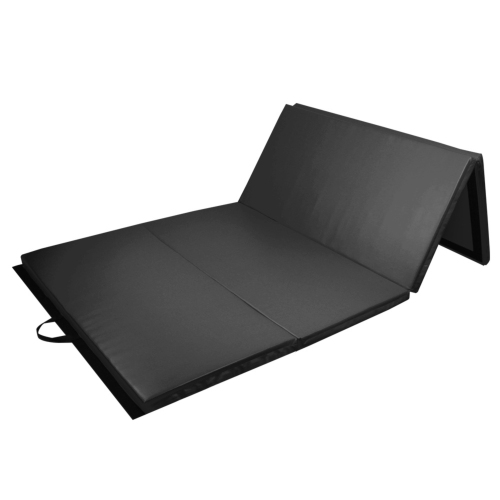
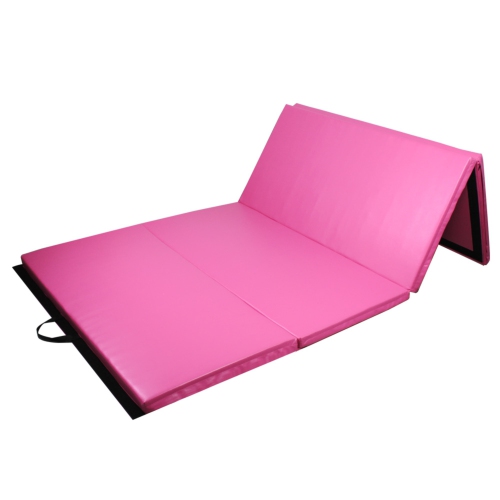
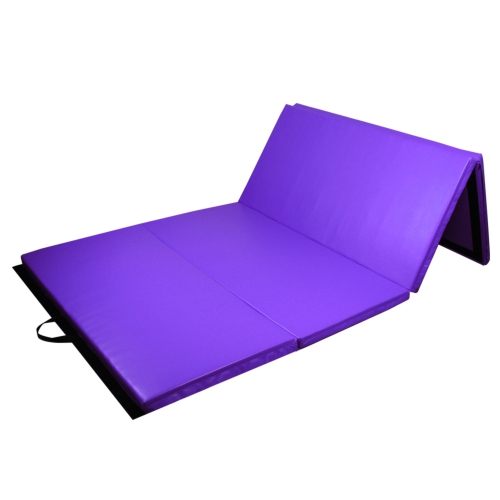
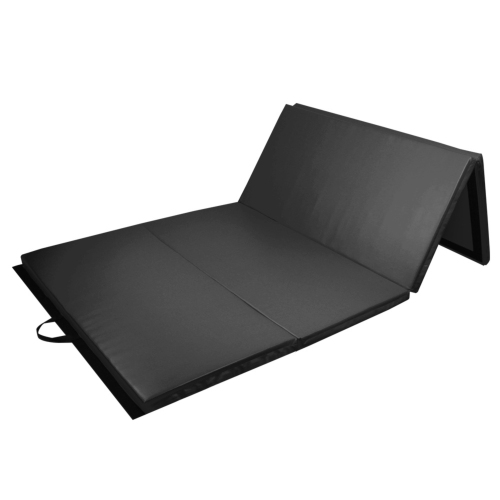
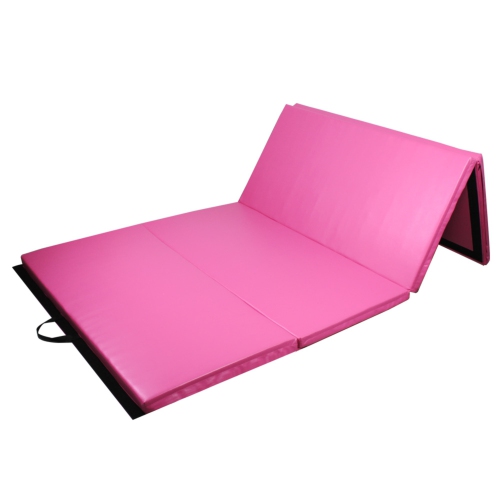
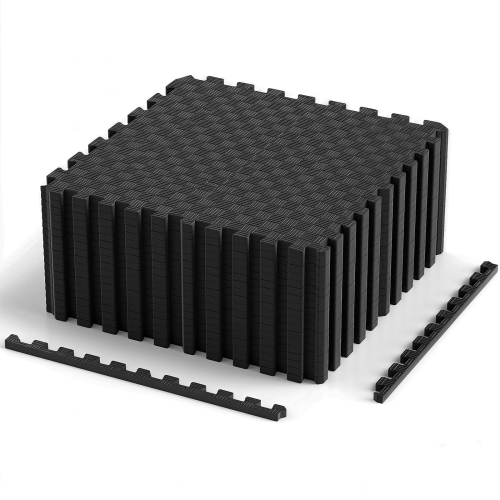

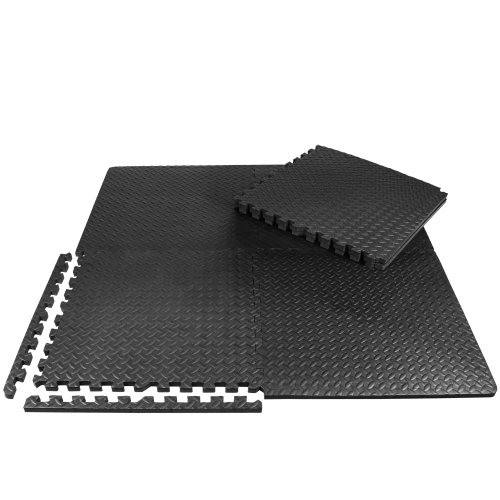
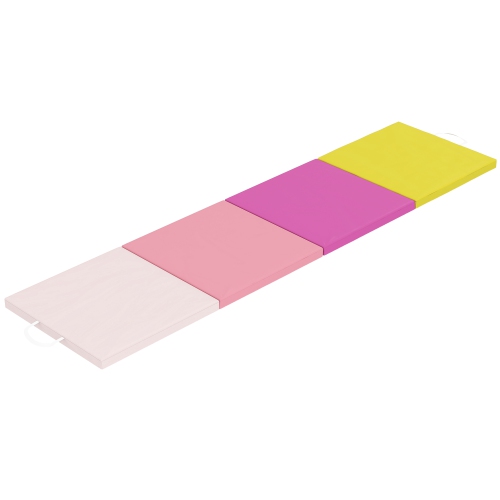
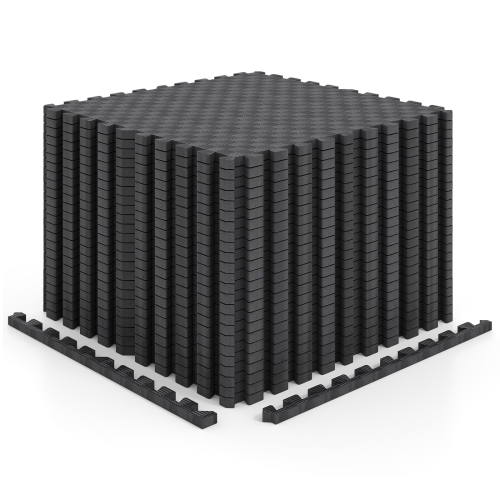
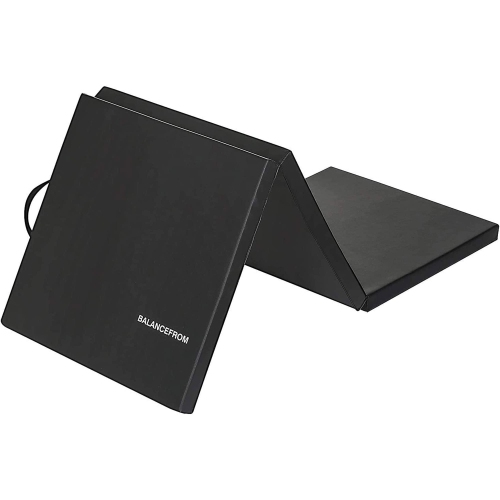
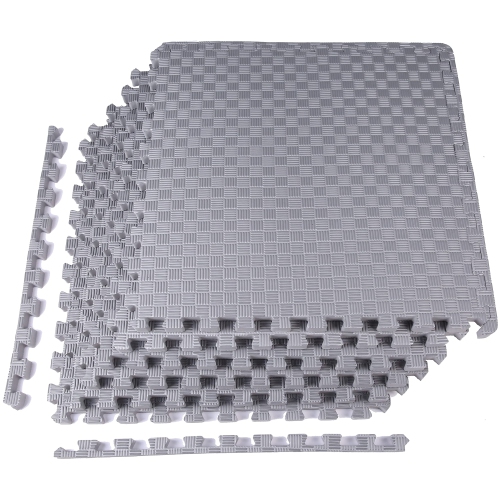
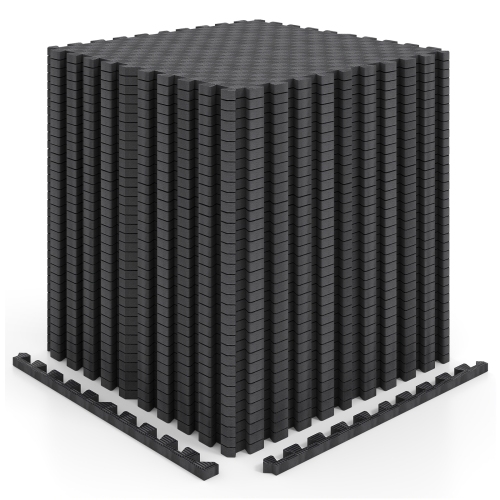
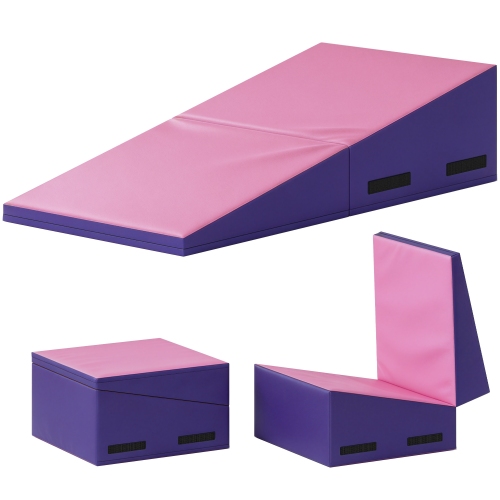
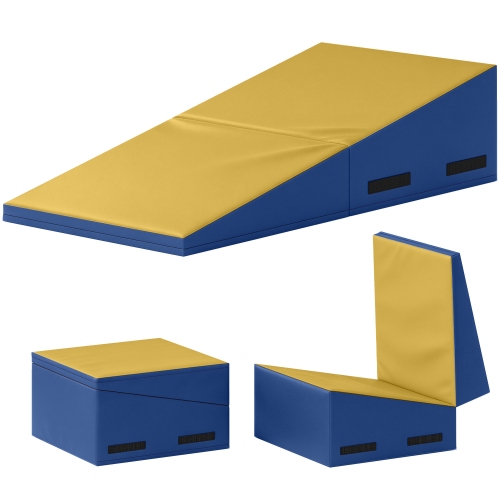
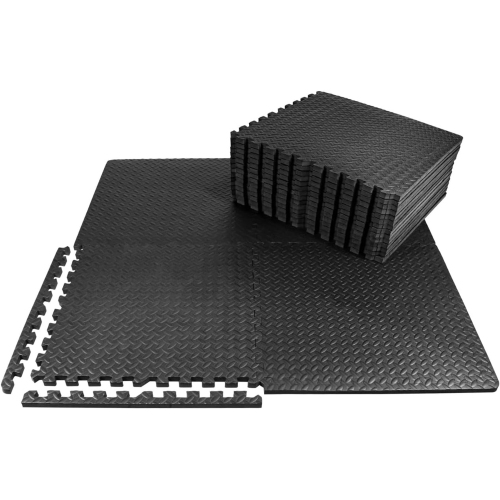
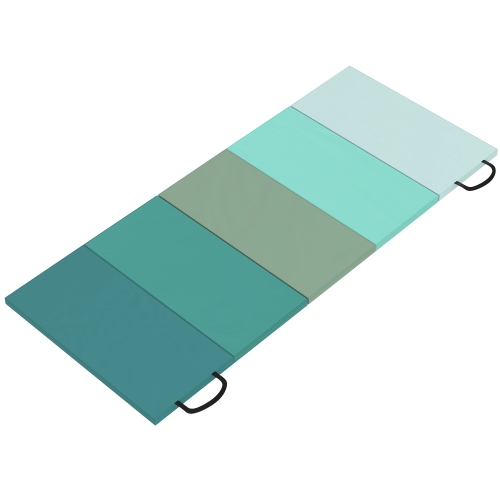
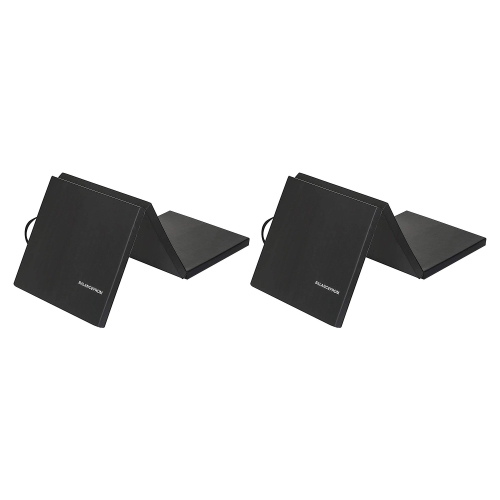


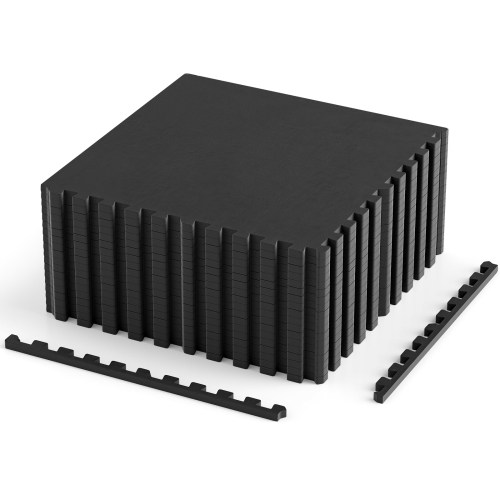
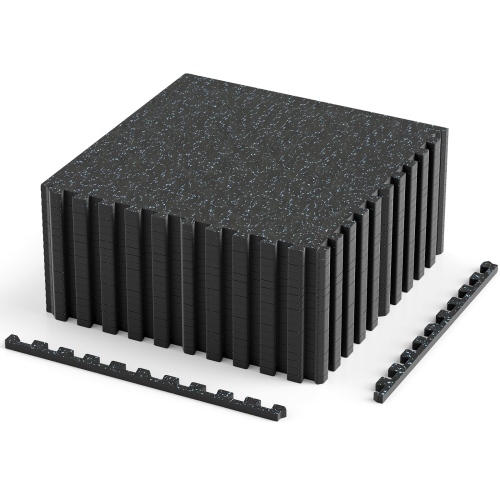

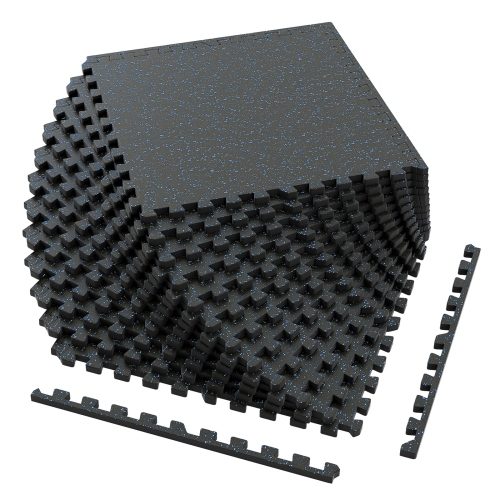
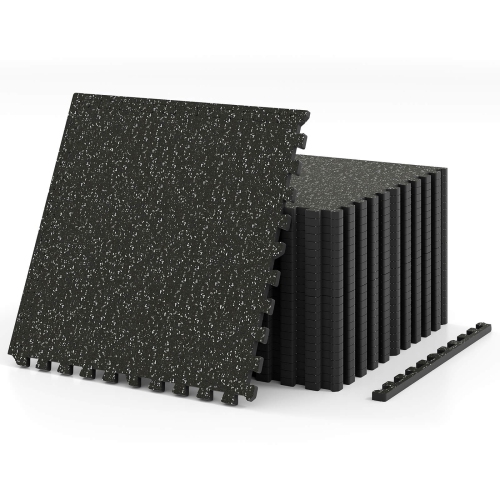
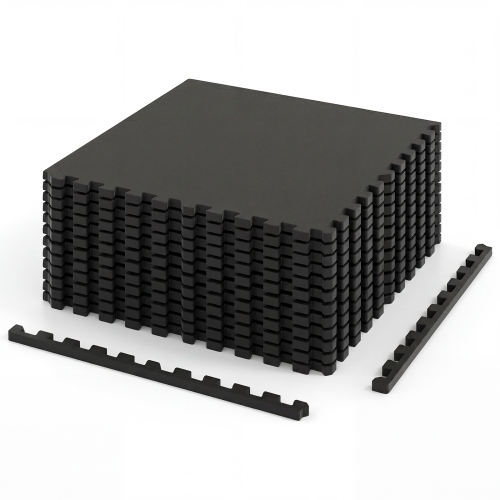
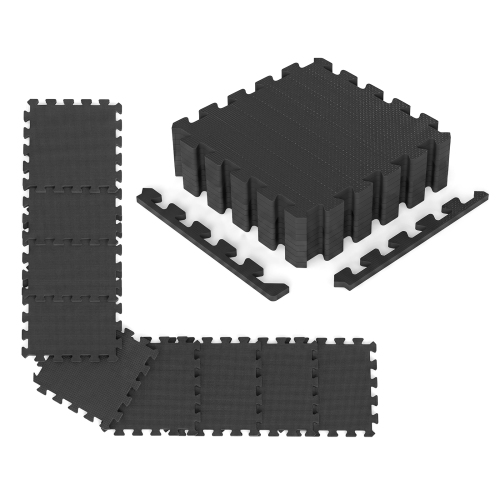

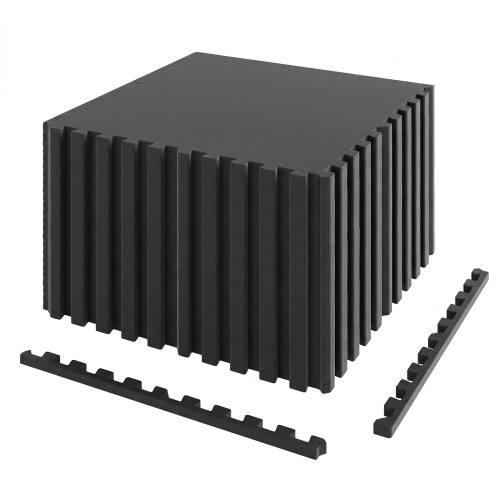

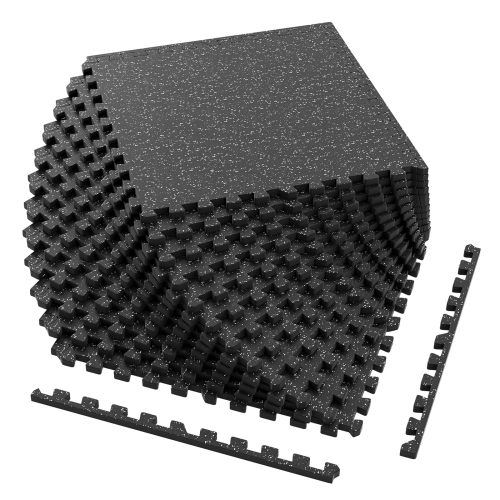
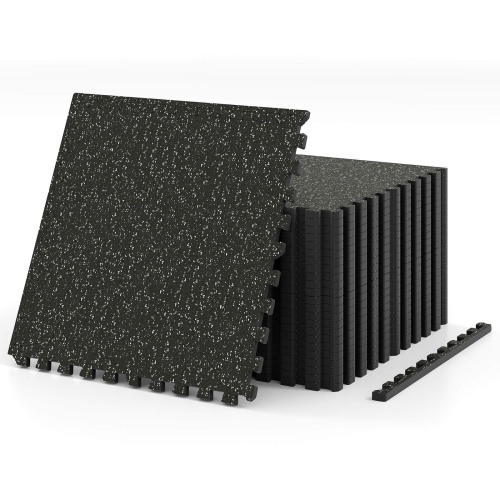
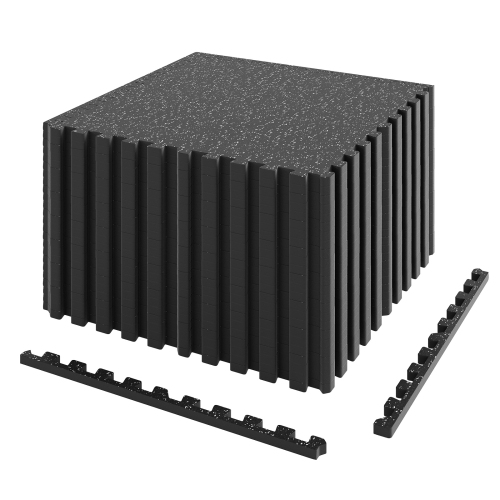
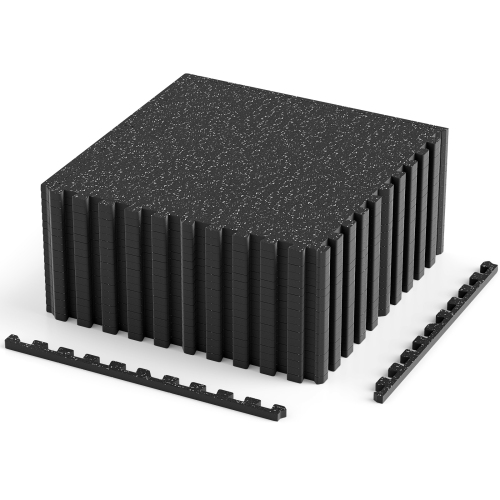
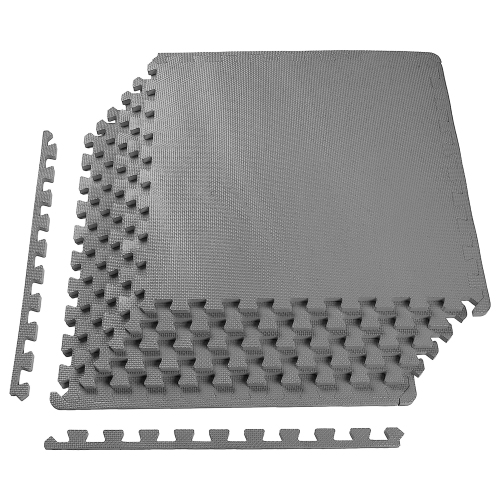
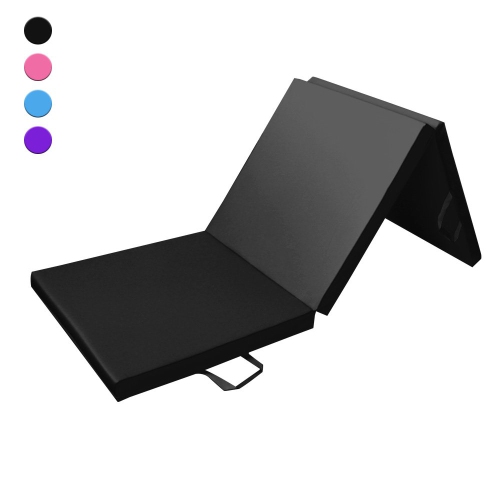
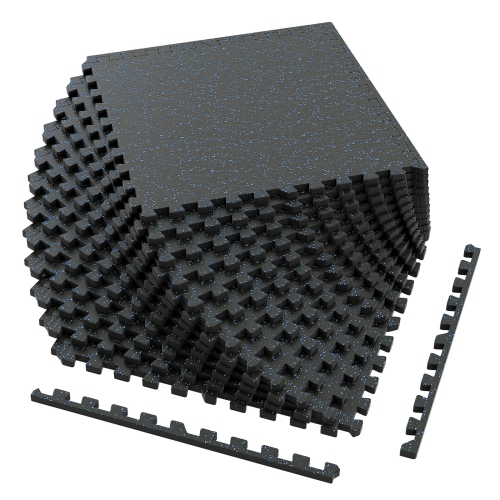


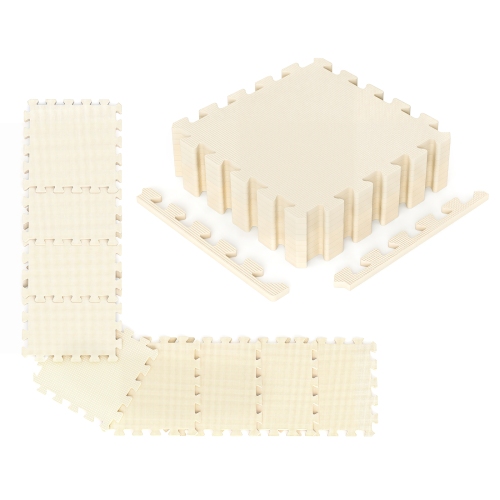
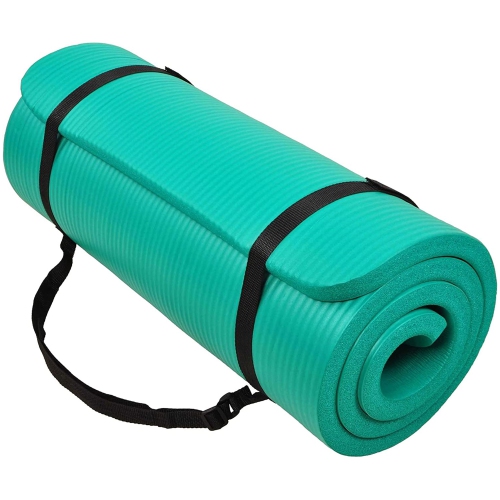


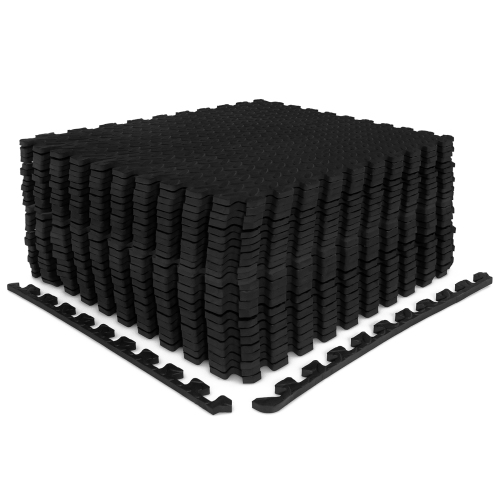
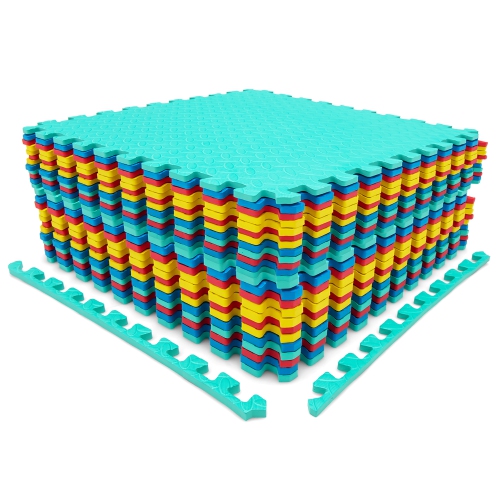
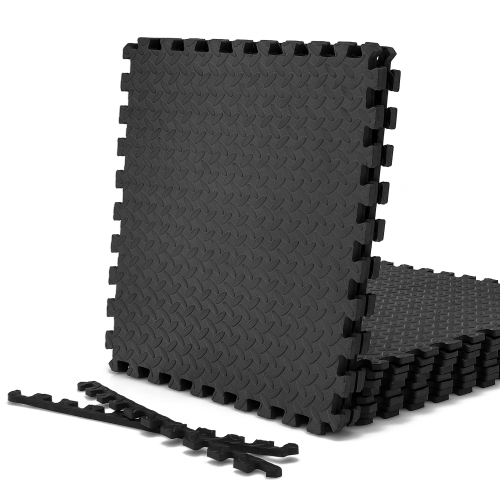
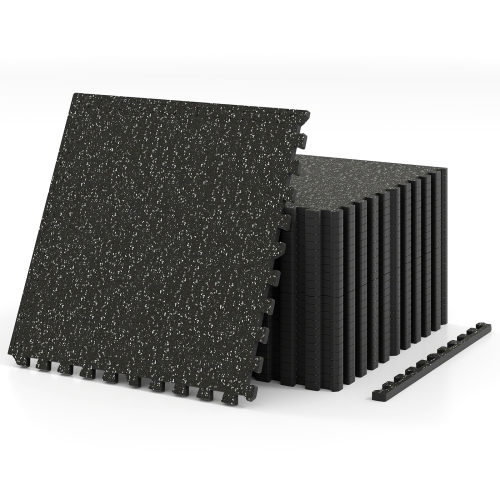
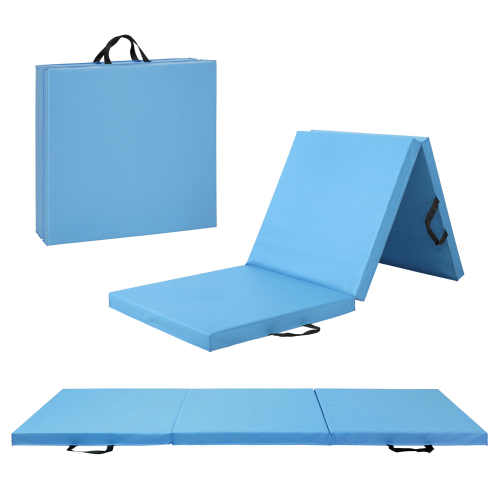
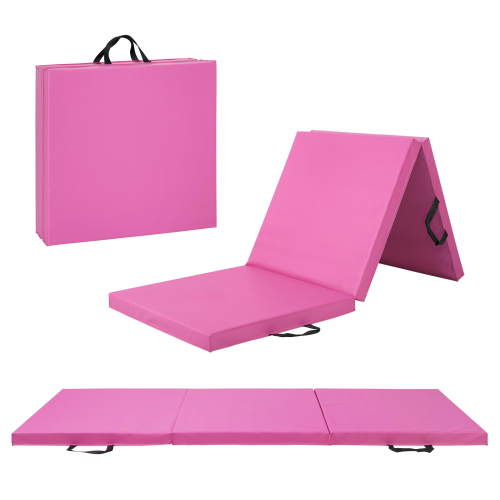
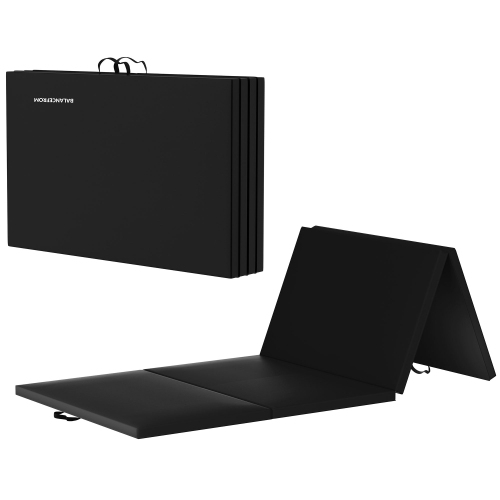
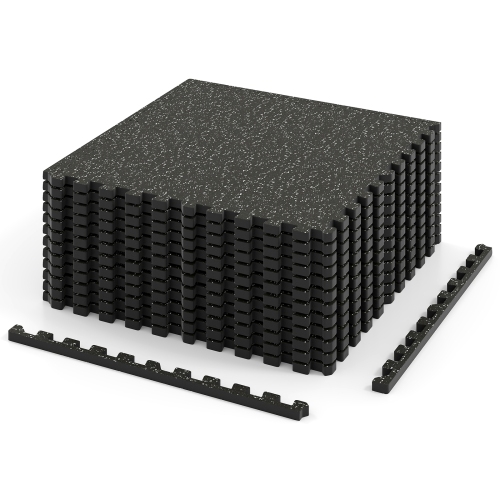


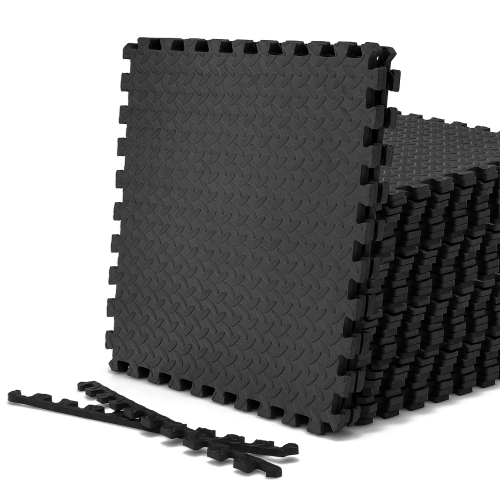
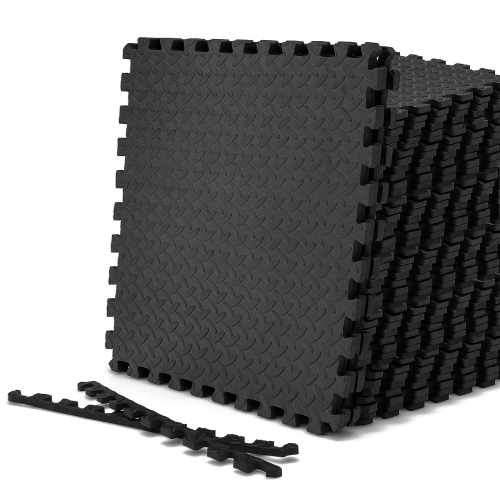
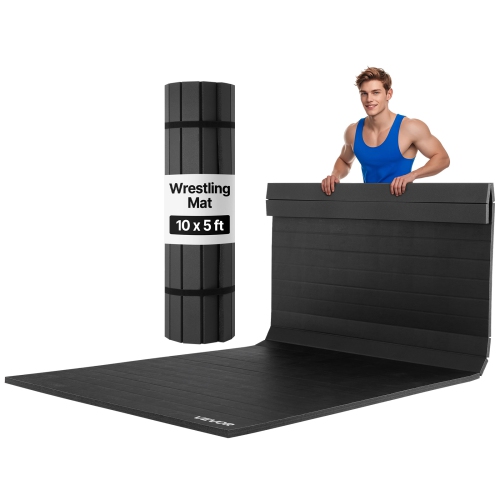
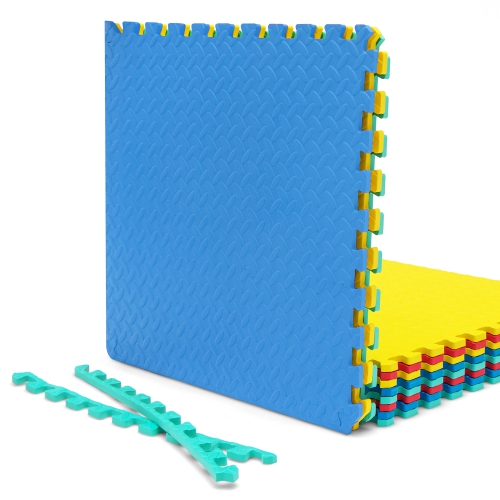
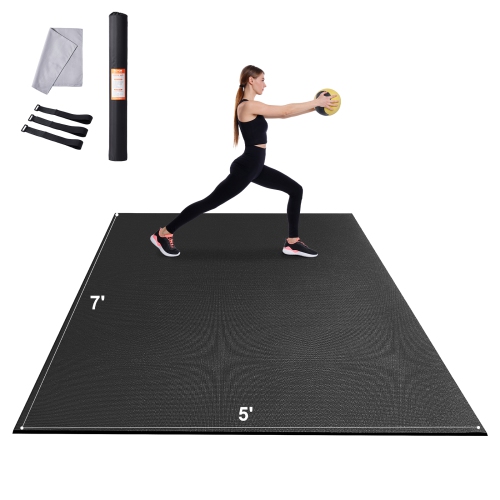

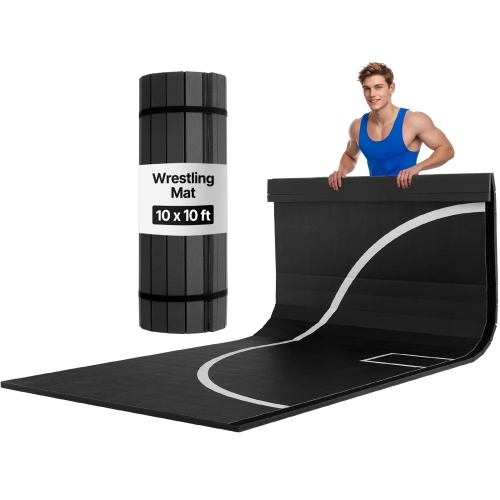
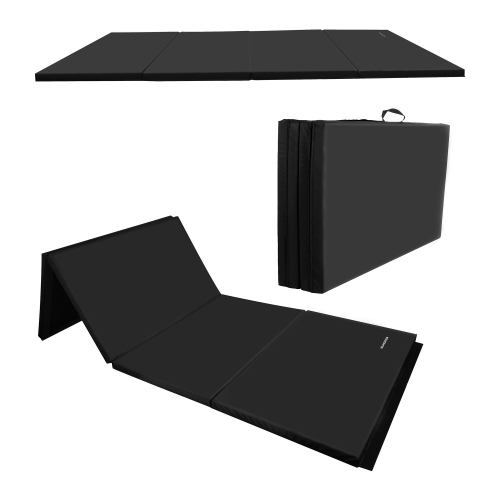
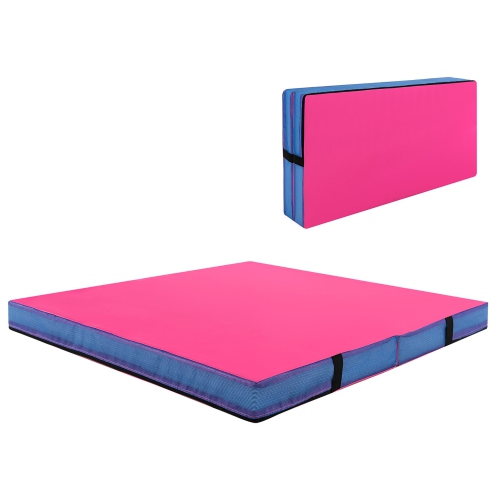
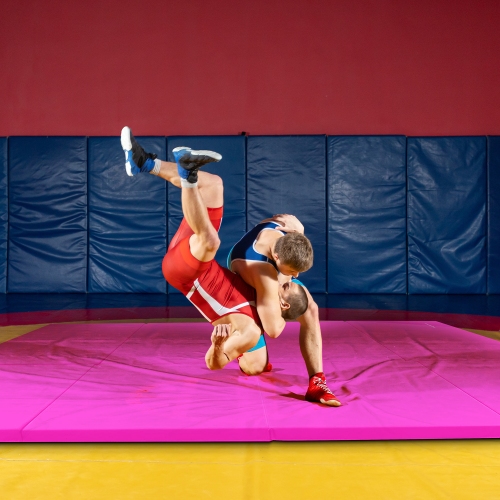
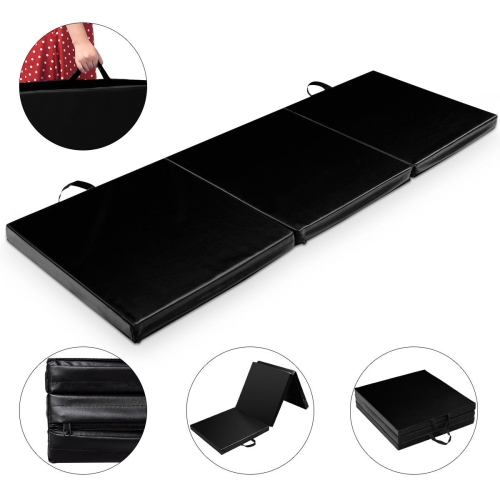
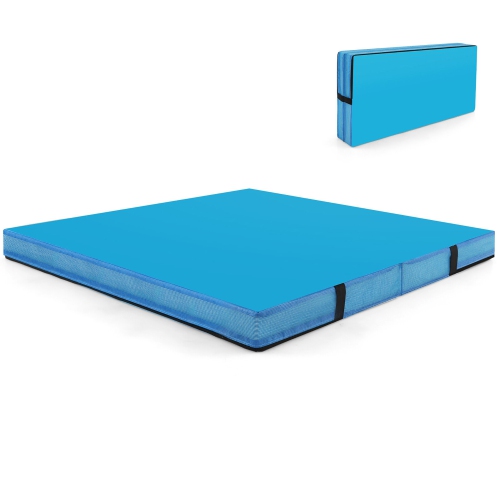


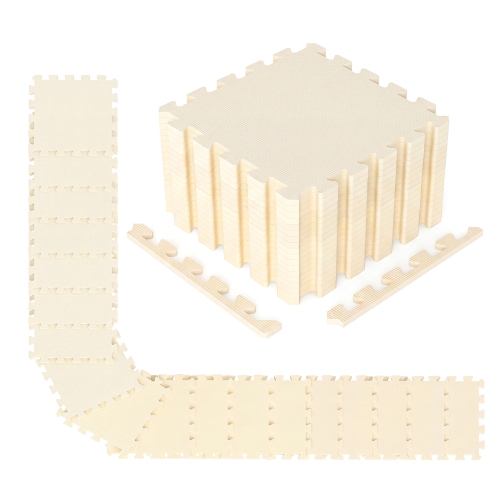
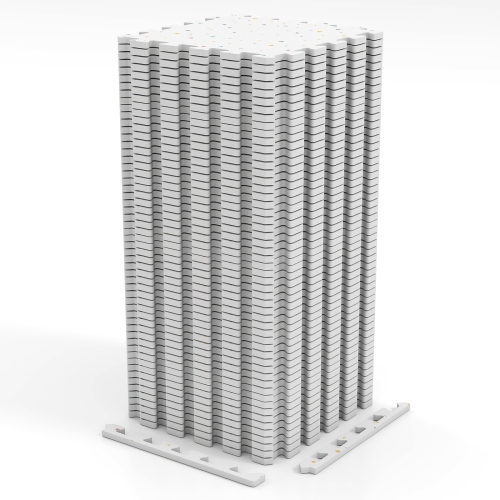
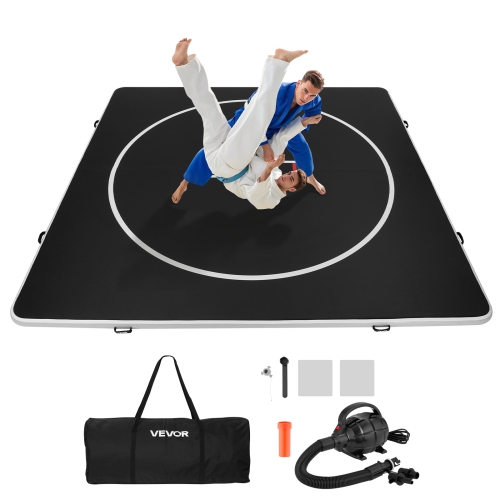
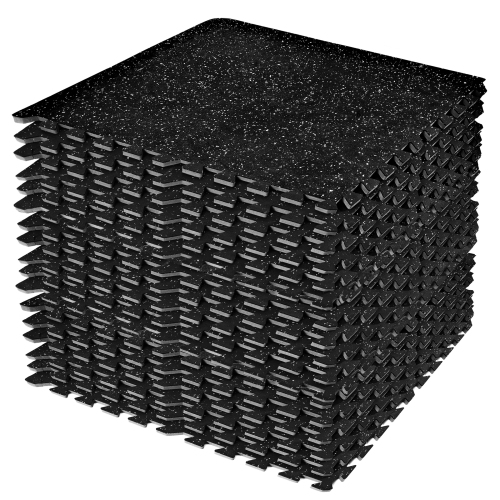
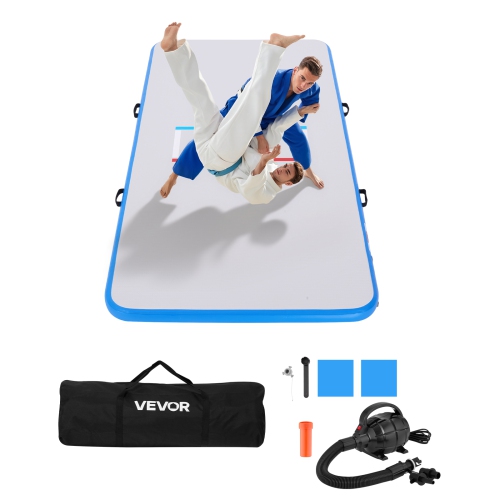
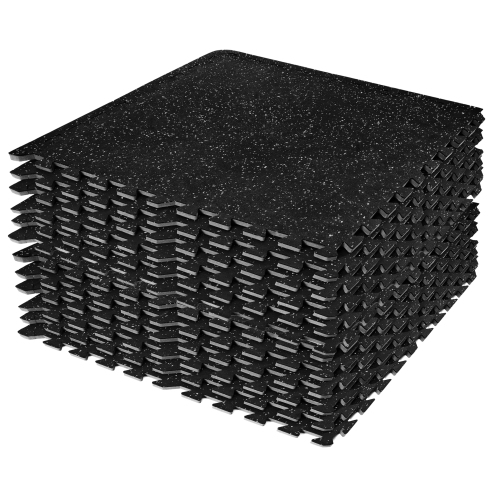
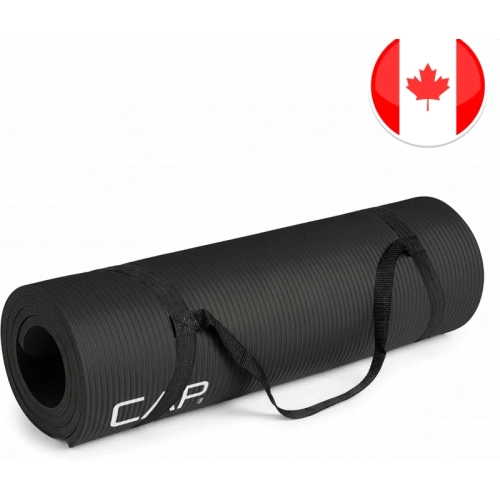


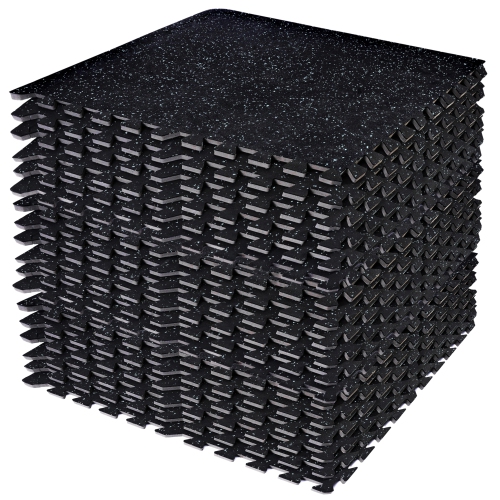
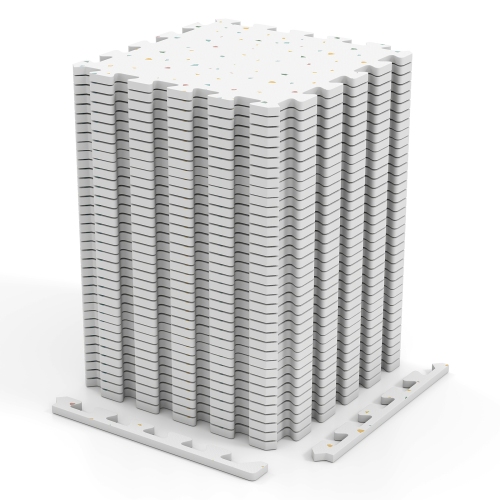
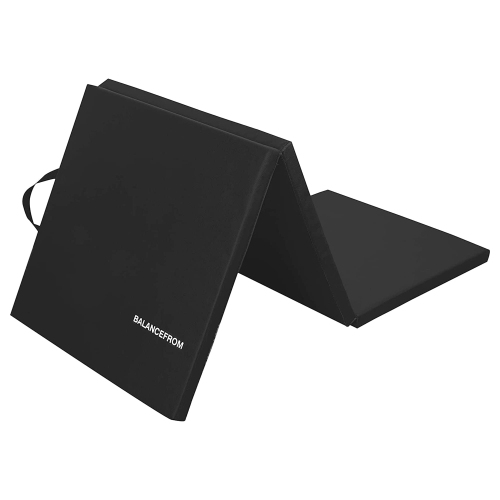
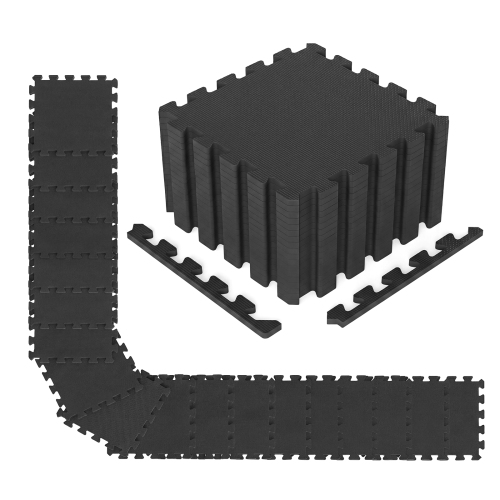
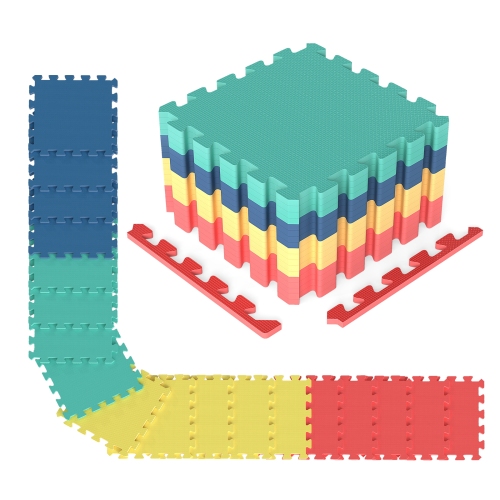

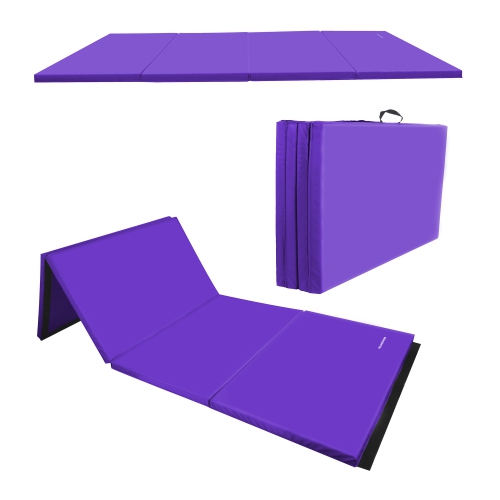
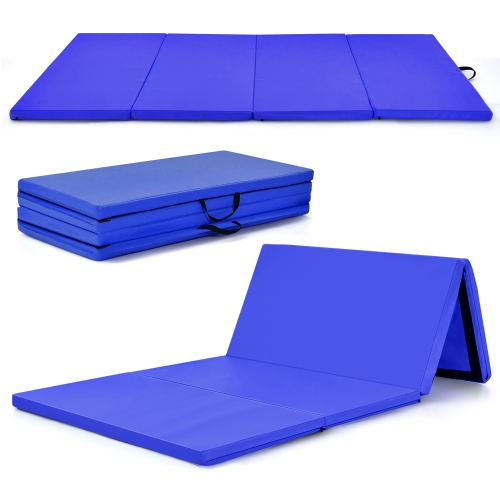
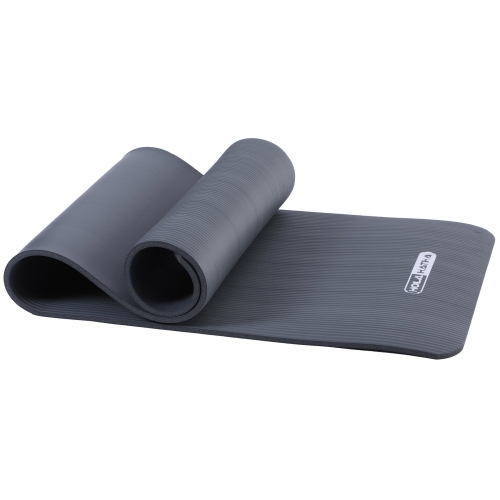


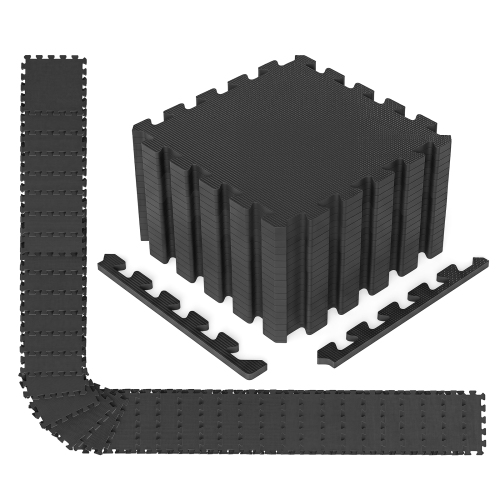

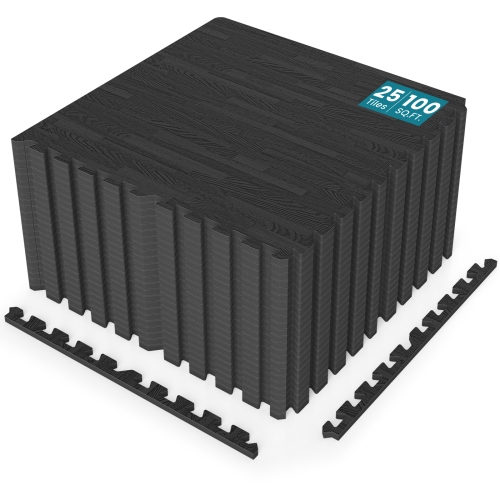



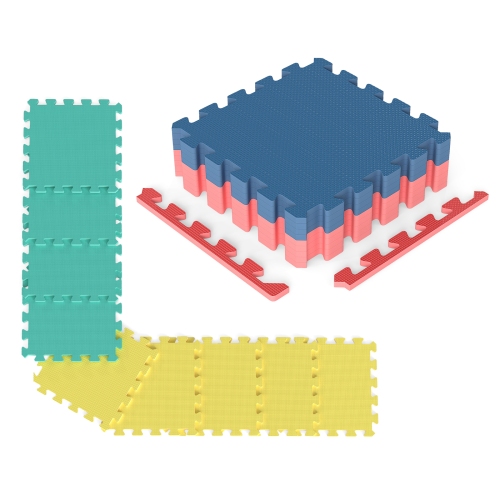
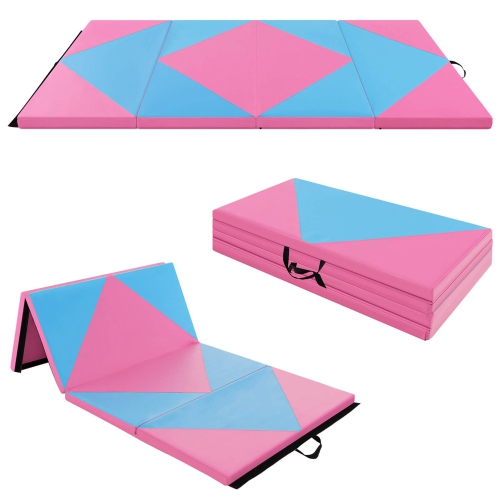


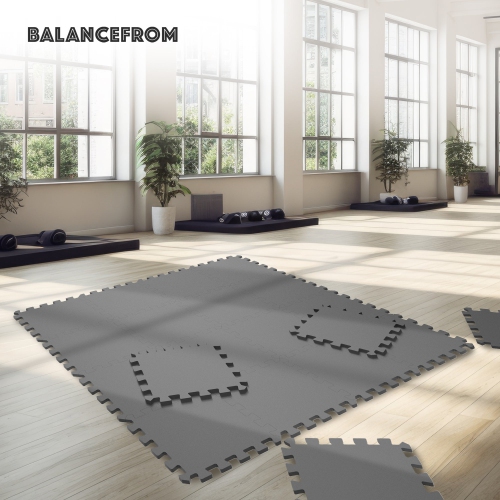
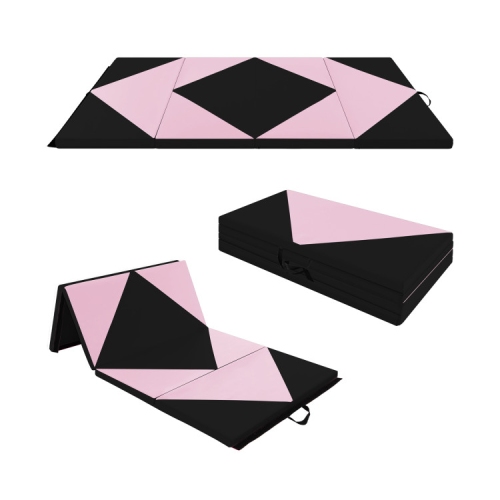
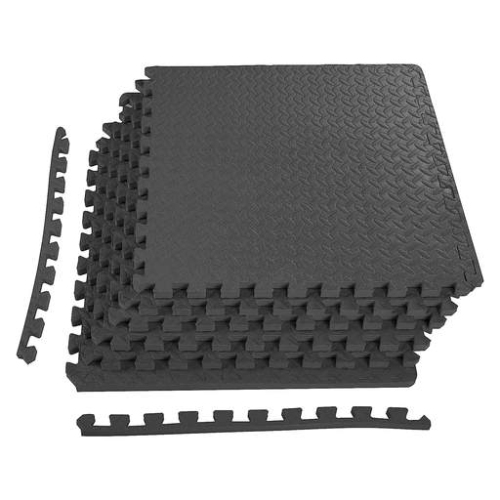
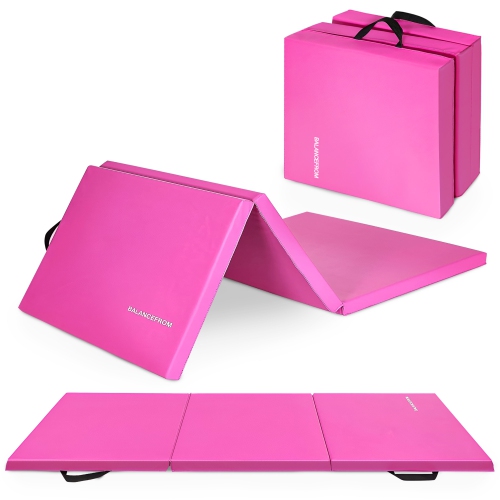
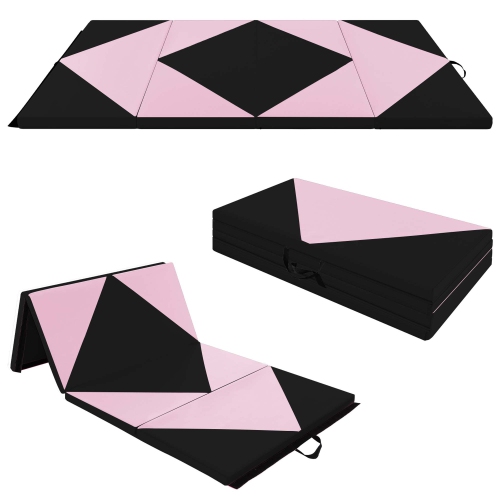

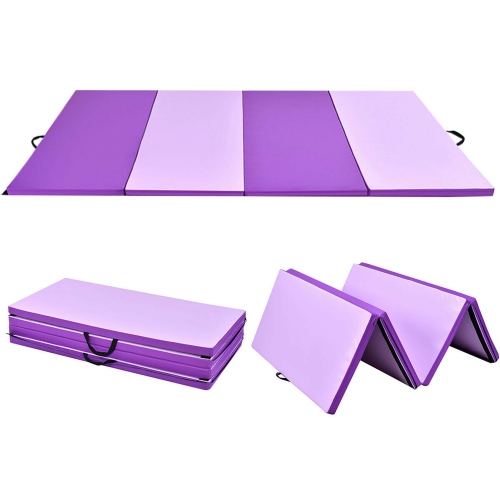
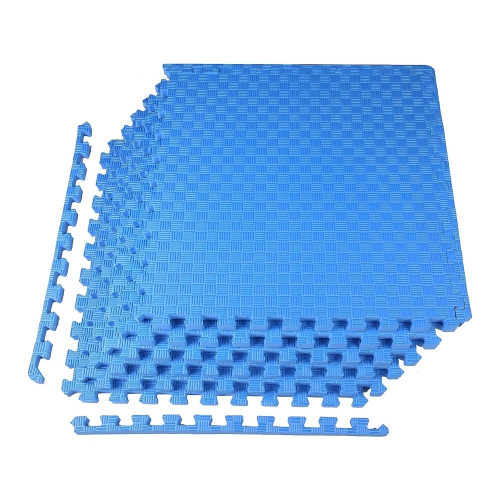


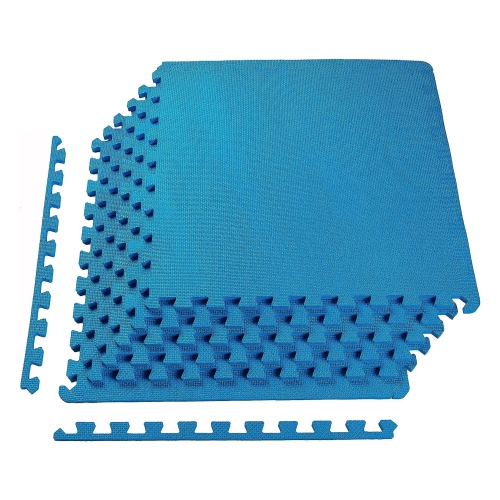

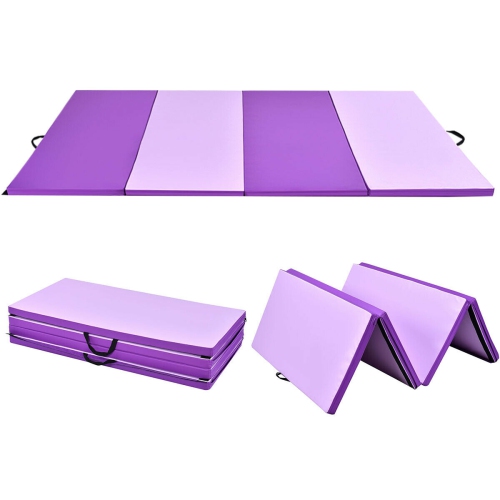

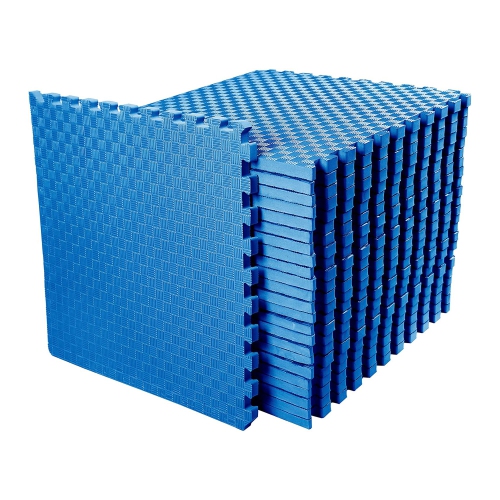

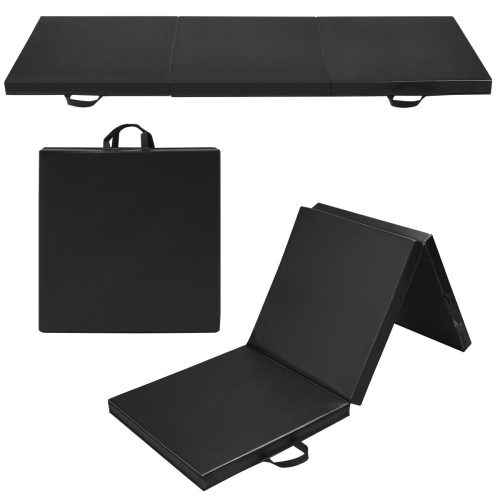
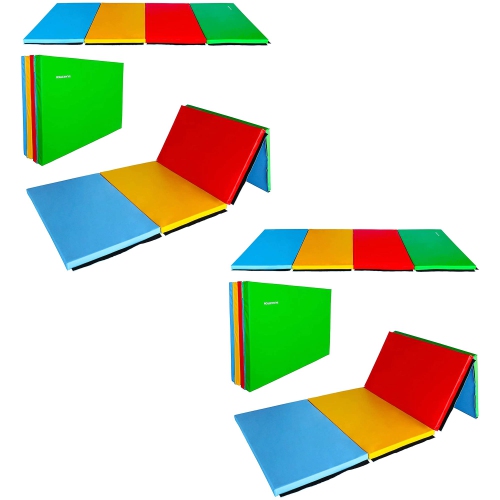

The right mat supports workouts and protects floors
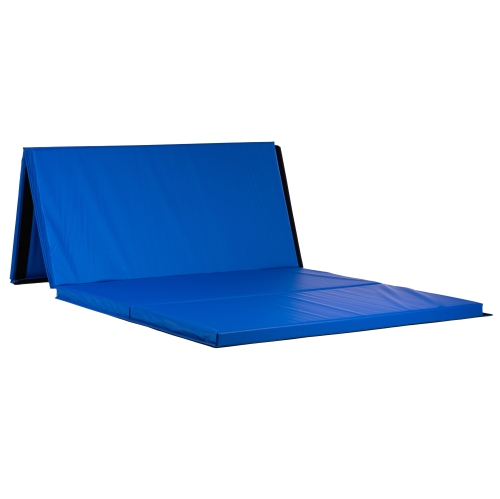
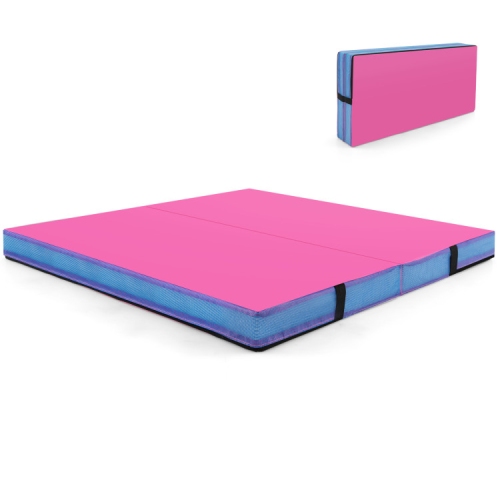
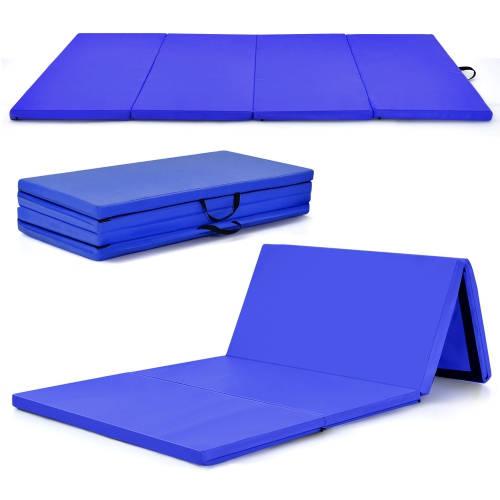
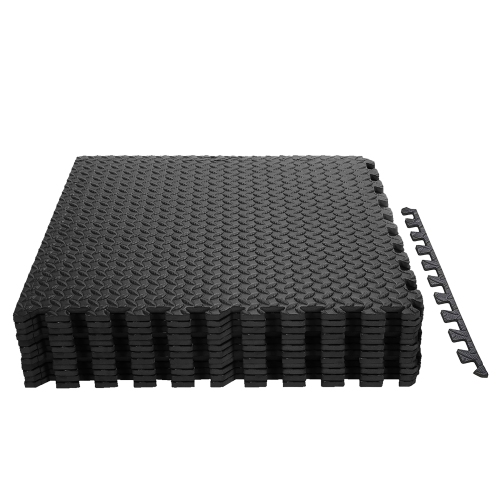
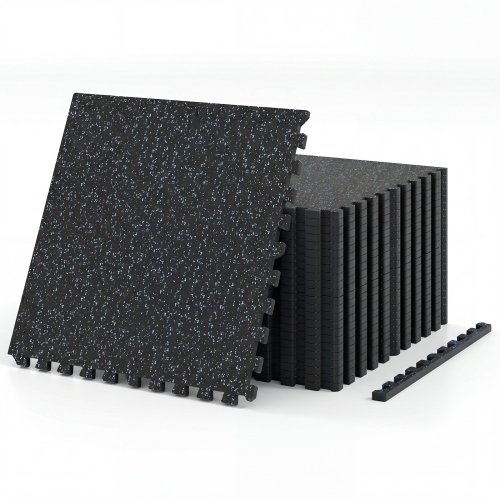
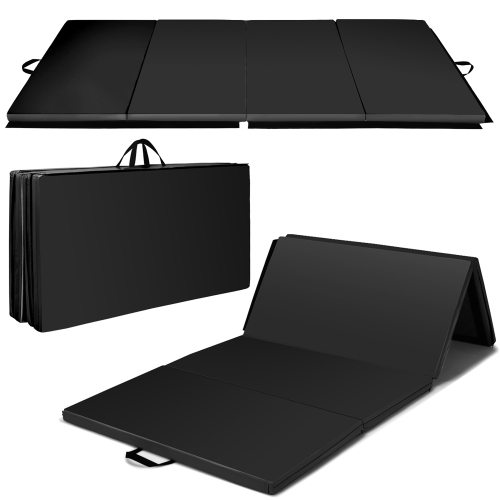
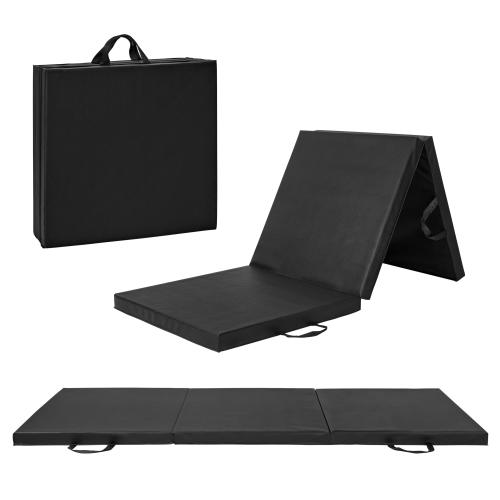
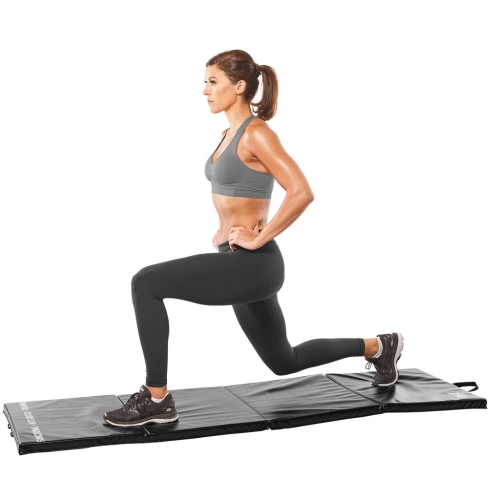
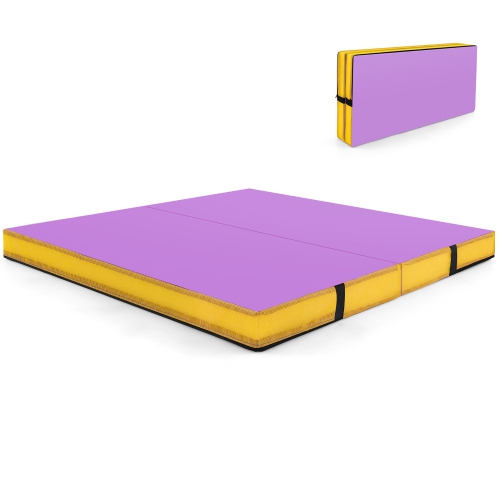
Home gym mats help turn an open area into a more comfortable, protected, and dependable place to exercise. They can be used in a basement, spare bedroom, garage, den, or any other room with enough space for movement, and the right choice depends largely on the type of workout and the floor underneath. A mat can provide traction during squats, lunges, planks, and stretching, while also helping to protect hardwood, laminate, tile, concrete, or carpet from sweat, scuffs, vibration, and equipment marks. It is useful to think about the mat as part of the workout setup rather than as an afterthought. A compact exercise mat may be all that is needed for yoga, Pilates, mobility work, or bodyweight training, while a larger surface can create a defined area for dumbbells, resistance training, cardio equipment, and recovery exercises. Someone setting up a first home gym may appreciate a versatile mat that can be rolled up or moved between rooms, while a dedicated fitness enthusiast may prefer full-coverage flooring that stays in place and gives the room a more permanent training feel. During the cooler months, when outdoor walks and activities may be less appealing, a well-prepared indoor workout space can make it easier to keep moving without travelling to a fitness facility. Mats can also be a practical gift for someone building a home workout area, returning to exercise, taking online classes, or adding a stationary bike, rowing machine, treadmill, weight bench, or other equipment to their routine. Before choosing, measure the available floor area and consider whether the mat should sit beneath one person, a single machine, or an entire training zone. Leave enough room around the edges for safe movement, especially when exercises involve stepping, swinging, lifting, or changing direction.
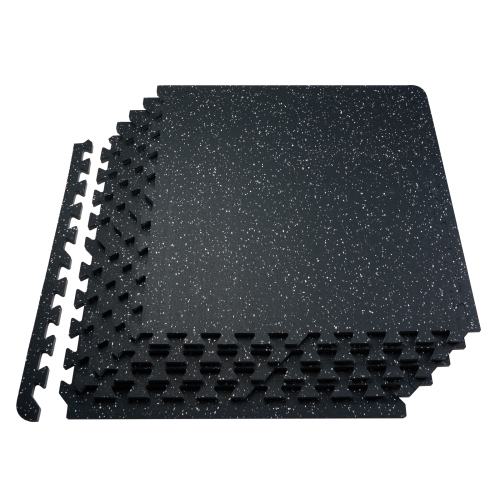
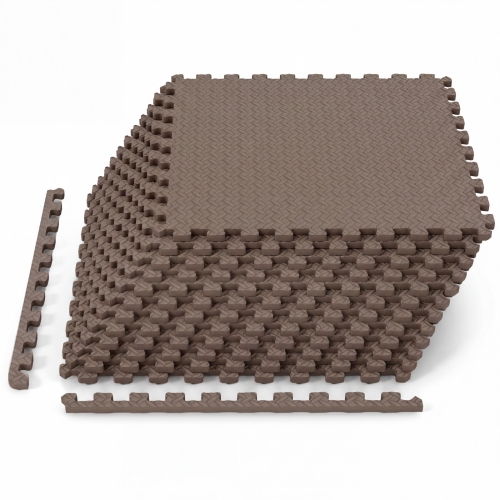
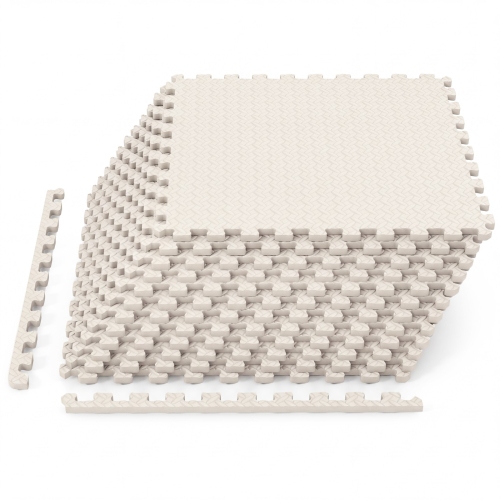
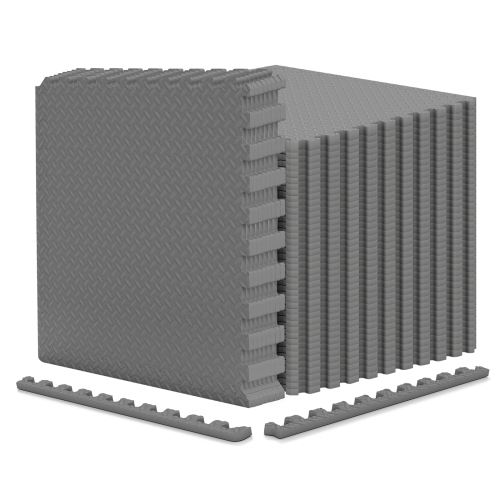
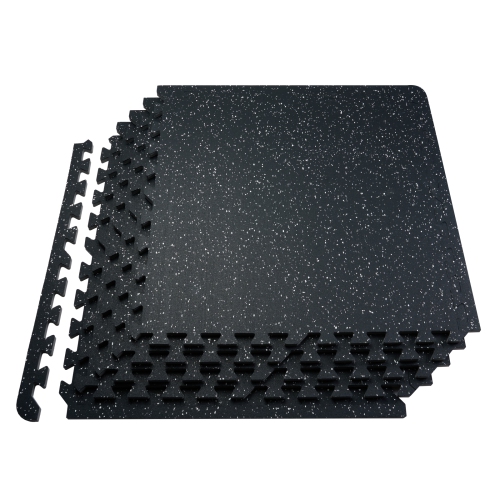
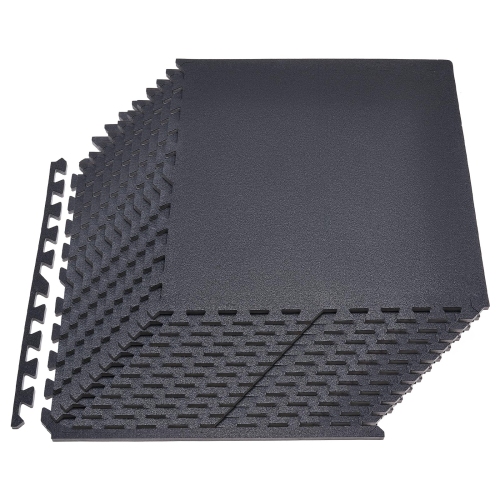
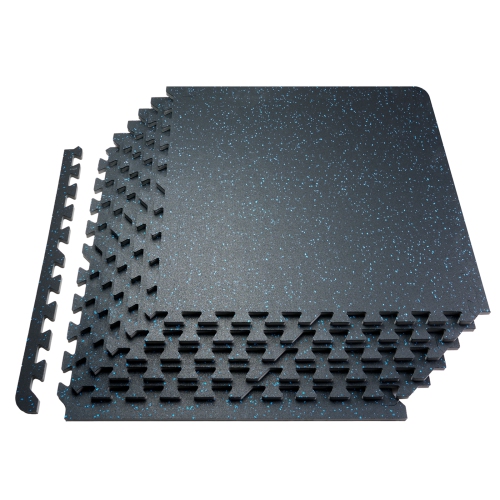
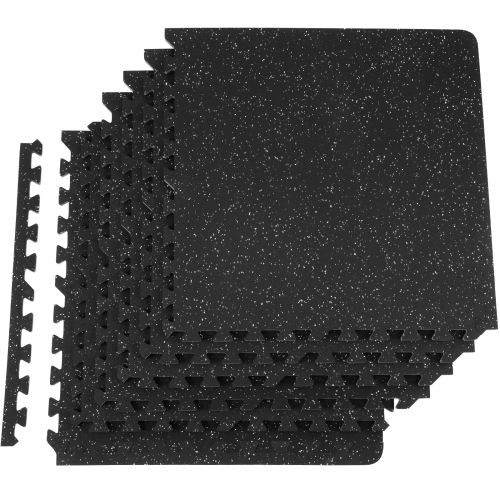
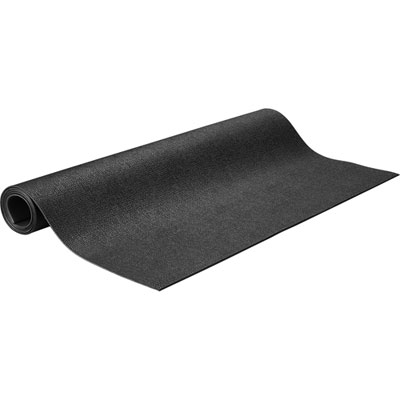
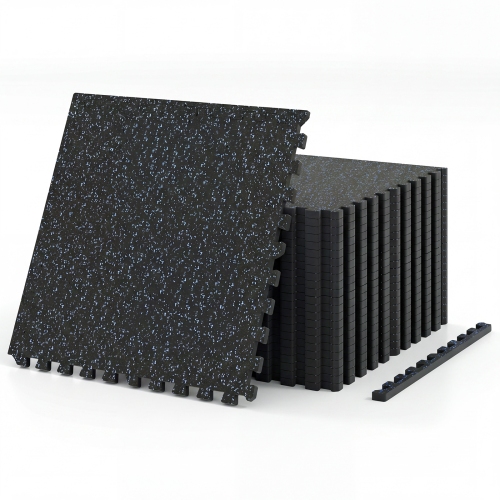
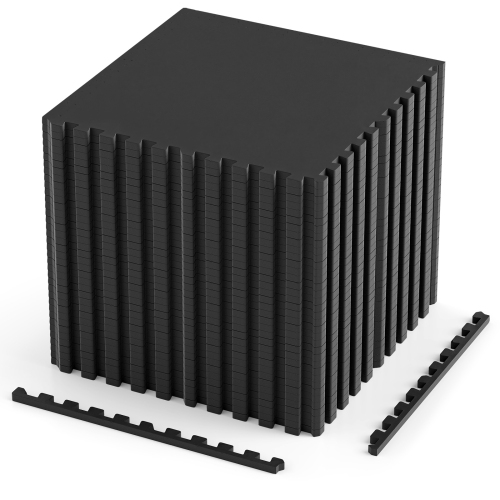
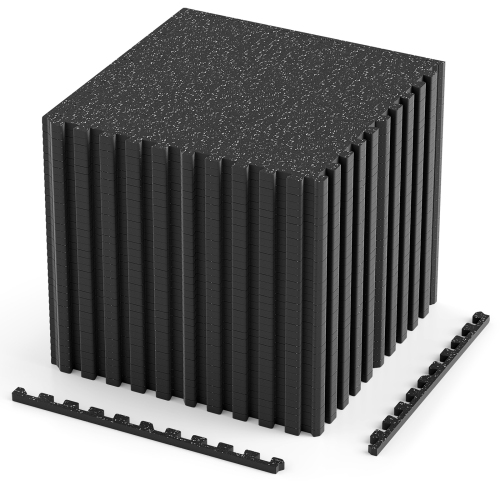
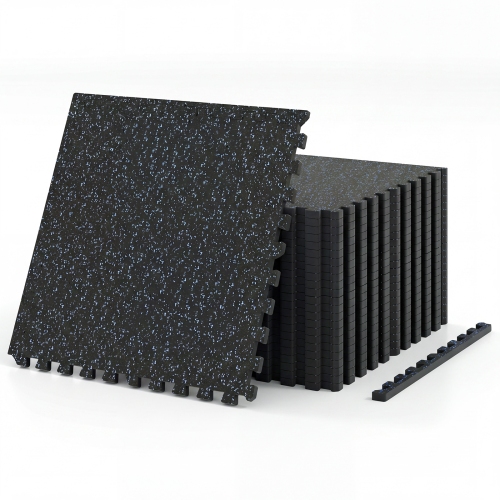
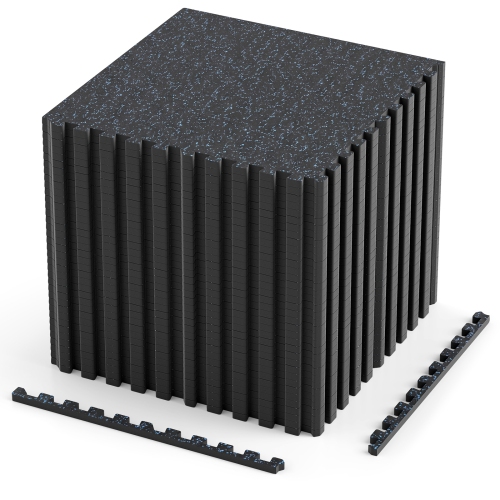
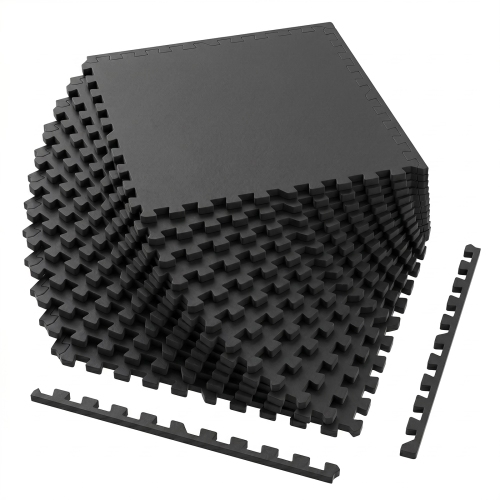
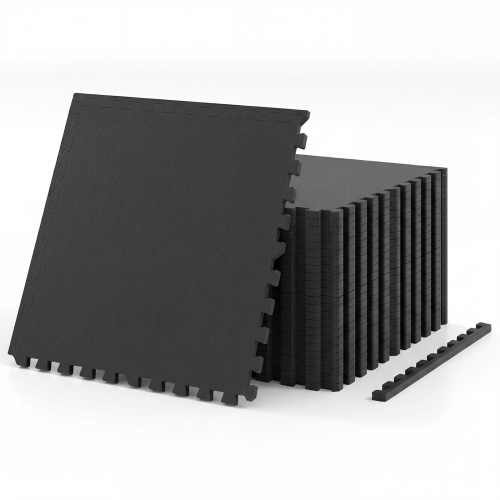
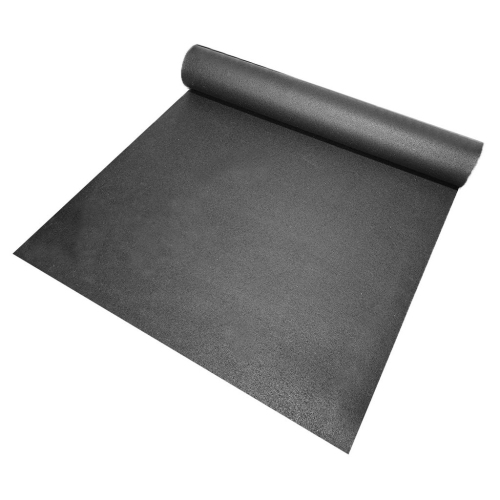
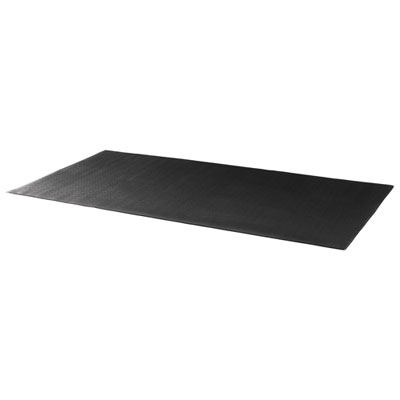
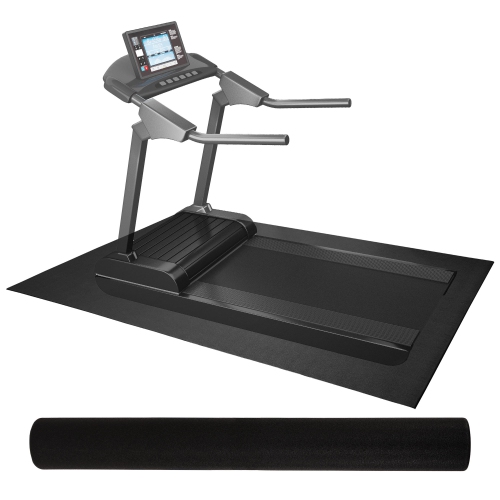
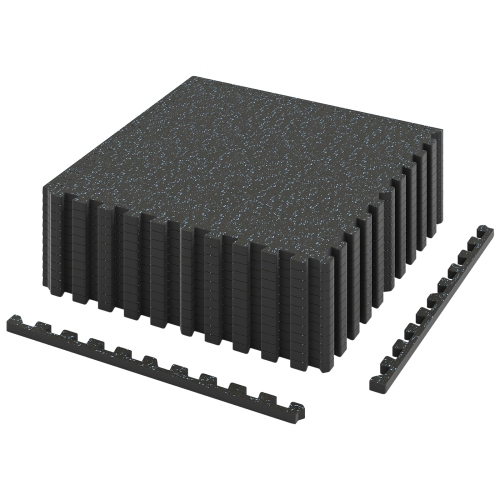
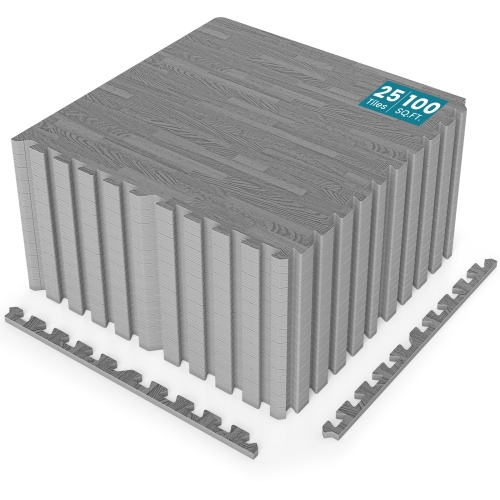
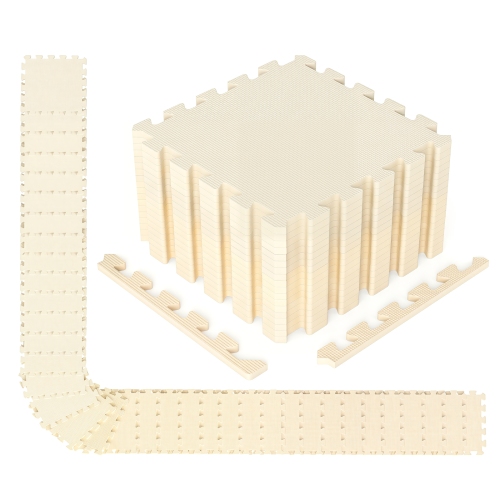
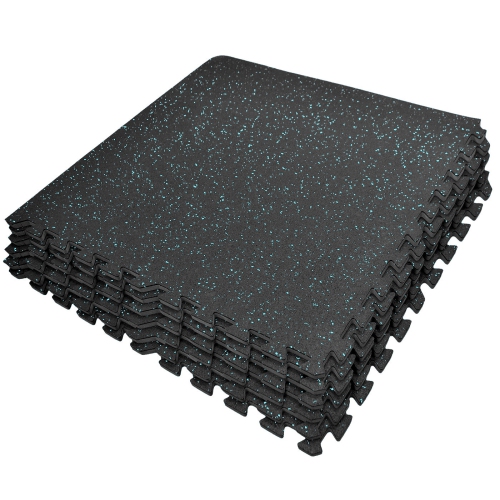
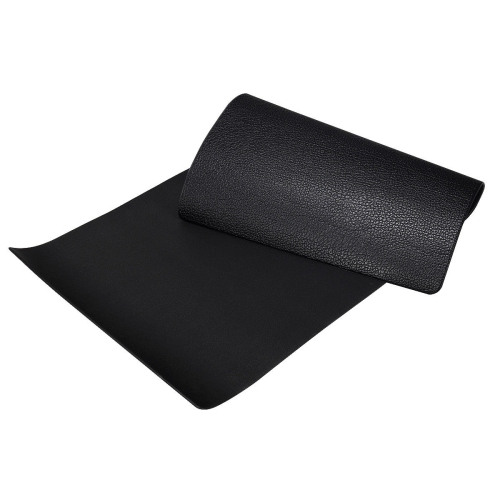
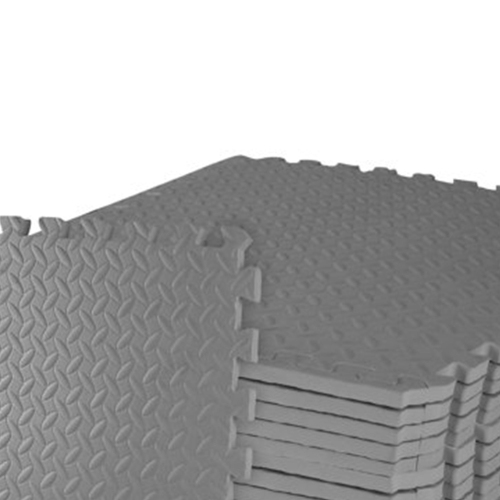
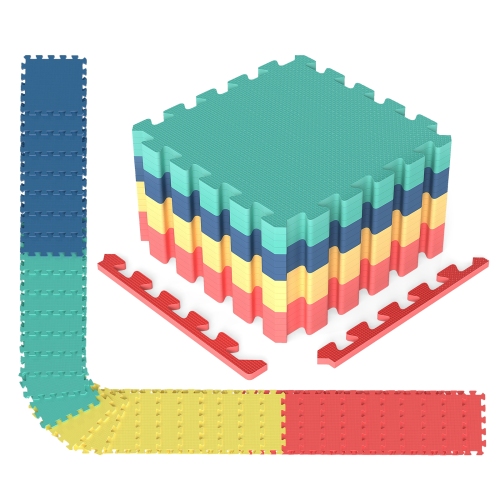
Material and thickness are important because different workouts place different demands on the surface. Dense rubber mats are well suited to strength training and heavy free weights because they offer high traction, absorb impact, and help dampen some of the sound and vibration created by loaded bars or dropped equipment. Thick rubber, including 3/4-inch options, is often preferred beneath squat racks, benches, weight trees, and lifting platforms, particularly on concrete floors where impact can feel harsh. These mats are durable and stable, but they can be very heavy, so it is worth planning the layout before carrying them into place. Some rubber products also have a noticeable smell when new; placing them in a well-ventilated area and allowing time for the odour to fade can make the setup more comfortable. Interlocking rubber tiles offer another option for strength areas, combining a firm surface with sections that are easier to transport, arrange, and replace than one large piece. For yoga, Pilates, stretching, calisthenics, and general bodyweight exercises, EVA foam puzzle mats provide a softer feel under knees, elbows, hips, and hands. They are lightweight and simple to configure, although softer foam can compress beneath heavy racks or concentrated equipment weight. Large vinyl or PVC mats are useful beneath cardio machines such as treadmills, bikes, and rowers. Their broad, smooth surface can catch perspiration, help prevent equipment from shifting, and provide a barrier between the machine and the floor. A thinner protective mat may be enough for a machine with a stable base, while a thicker, denser mat can be more suitable where vibration or repeated footfall is a concern. Texture matters as well: a lightly patterned or non-slip surface can provide confidence during movement, whereas a smooth finish may be easier to wipe clean beneath equipment. Check that doors can open, storage drawers can slide, and the mat will not create an awkward raised edge in a busy walkway.
Installation and everyday care also affect how enjoyable a home gym mat is to use. Interlocking tiles should fit closely together on a clean, reasonably level floor, and loose edges or gaps should be corrected before beginning a workout. Roll-out mats should be laid flat and given time to settle if they arrive curled. Placing mats on a dry surface helps prevent trapped moisture, while regular wiping removes sweat, dust, and bits of grit that can affect traction or mark the floor. If equipment sits on top, occasionally checking underneath makes it easier to spot moisture, shifting, or uneven pressure before it becomes a problem. In a multipurpose room, a lighter mat that can be rolled and stored may be the most convenient choice; in a garage or dedicated workout space, heavier tiles or broad rubber flooring can create a stable foundation that is ready whenever training begins. Consider noise as well as impact, especially in an apartment, upper-floor room, or shared household where early-morning and evening workouts may be heard nearby. A suitable mat will not eliminate every sound, but dense material can reduce the sharp clatter and vibration associated with weights and machines. Matching the mat to the activity is the most reliable approach: cushioned foam for floor-based movement, protective vinyl or PVC beneath cardio equipment, and dense rubber for lifting and high-impact training. Explore Fitness Floor Mats to compare surfaces and formats that can help create a more comfortable, secure, and functional space for exercising at home.
Top selling and popular products
-
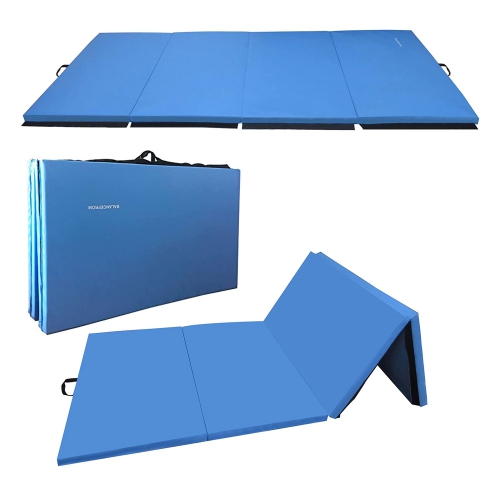 Your price for this item is $212.99
-
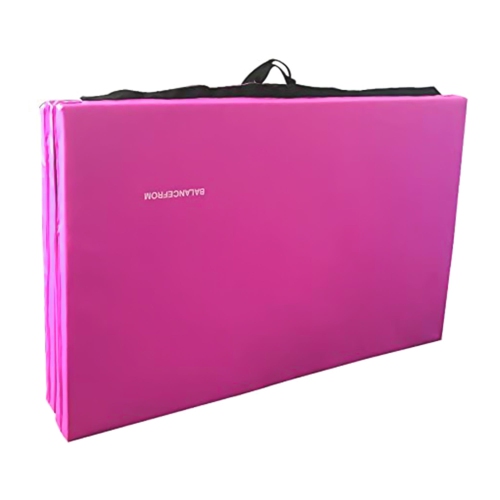 Your price for this item is $225.99
-
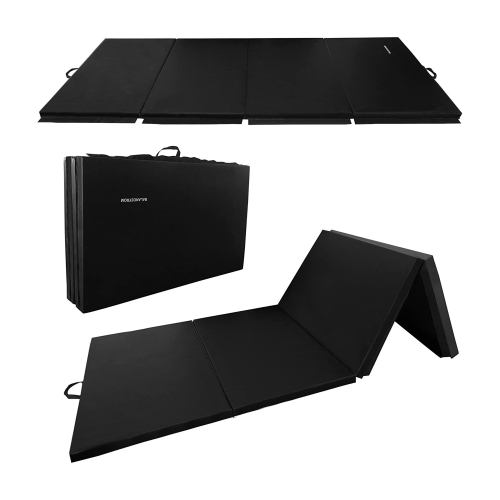 Your price for this item is $251.99
-
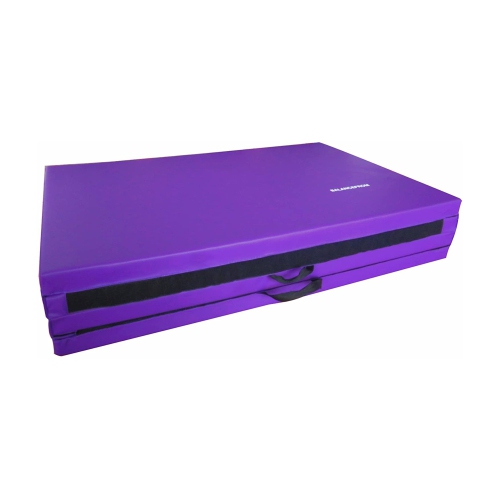 Your price for this item is $220.99
-
 Your price for this item is $229.99
-
 Your price for this item is $84.99
-
 Your price for this item is $227.99
-
 Your price for this item is $259.99
Discover more categories related to Home Gym Mats

Top Collections:
Pokemon Centers, Kindle Devices, Best Budget Office Chairs, Canon G7X Cameras, Apple iPhones 16, Samsung Galaxy Phones, Refurbished Apple Laptops, Laptops for Students, iPhone 15 Apple, Budget Smartphones
Some products may be subject to Environmental Handling Fees
(EHF) depending on your province.
Learn more about EHFs.