Fitness Floor Mats
Fitness floor mats are designed to help you exercise more efficiently and effectively. They can help you with your workouts by providing a non-slip surface, keeping your equipment in place, and cushioning your joints. Here are some of the best options.
Sort






















































Why the softest surface isn’t right for every workout
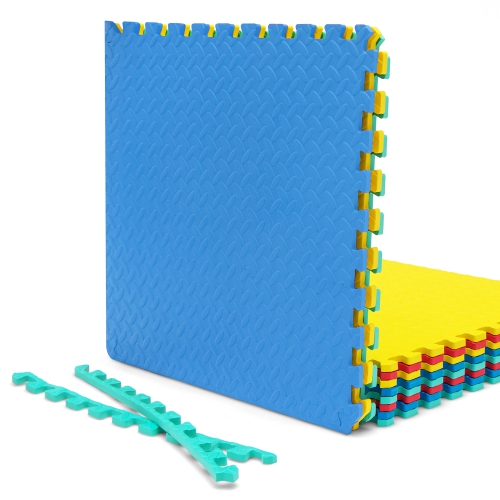
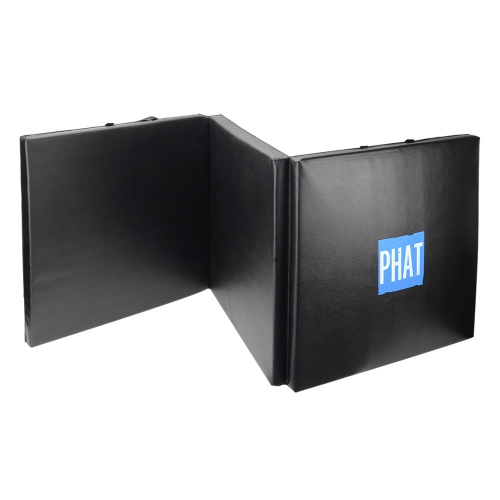
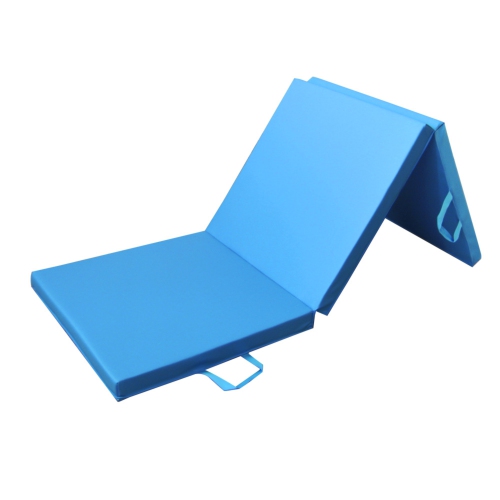
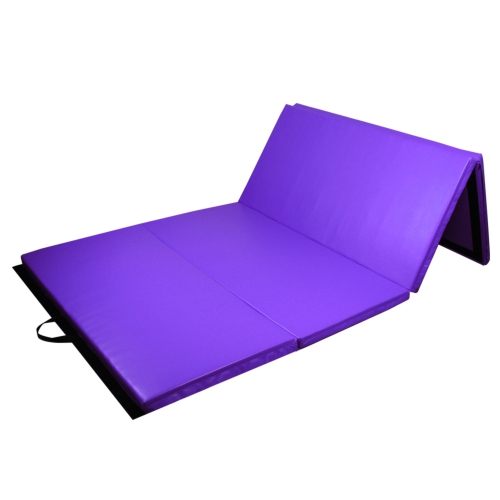
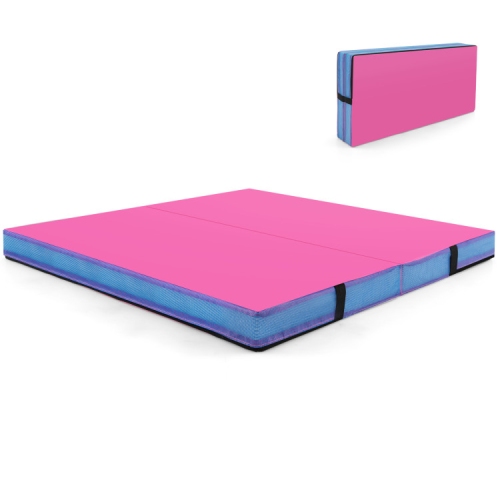
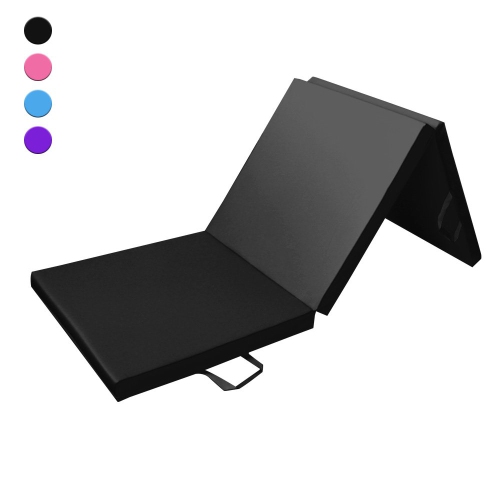
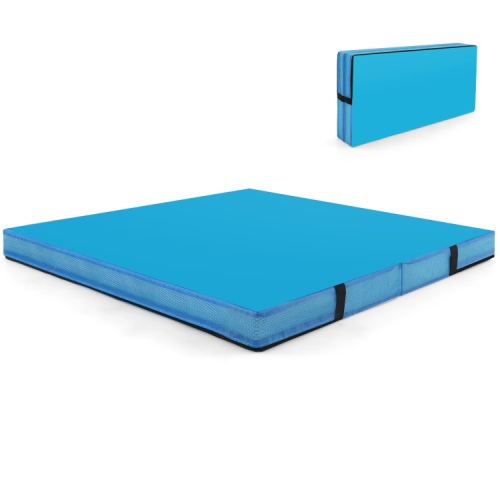
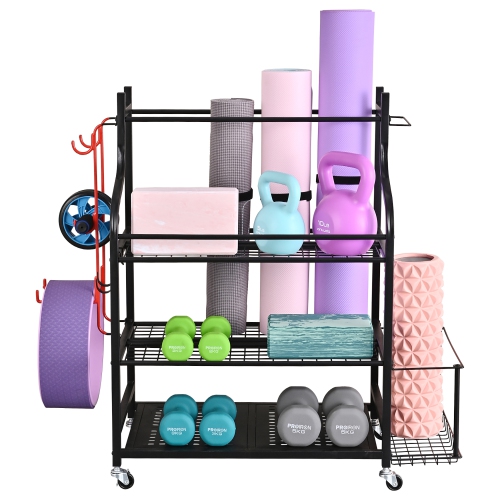
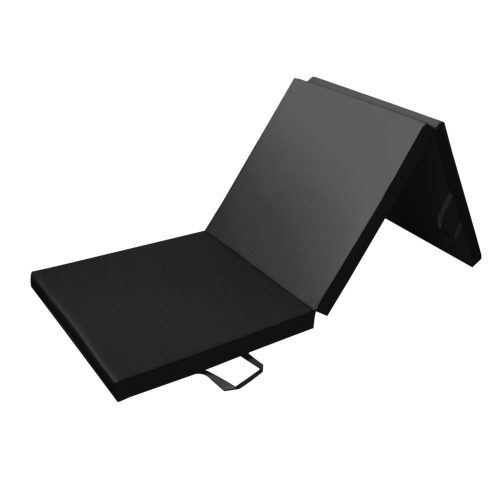
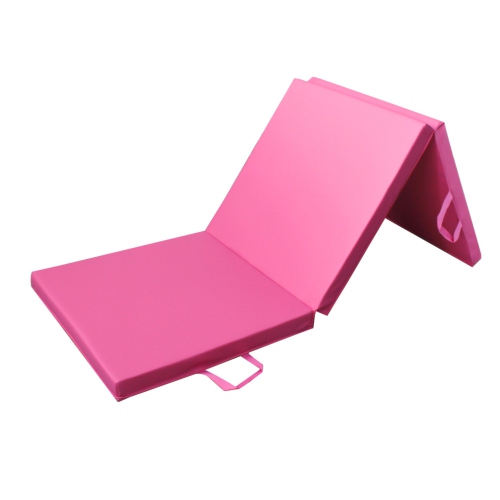
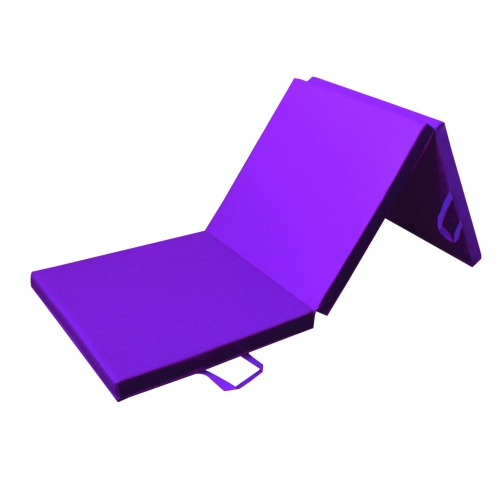
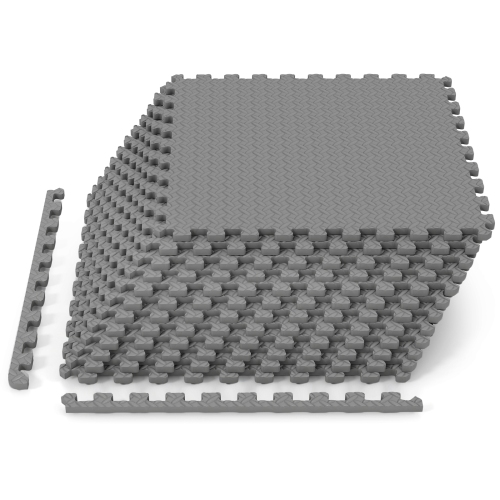
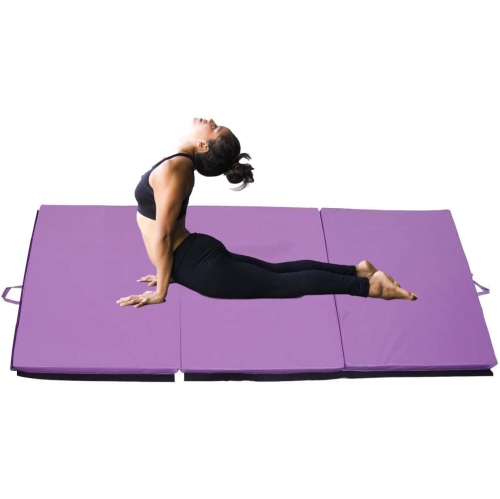
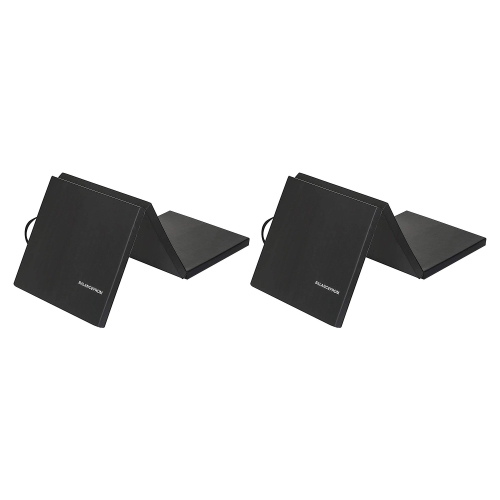
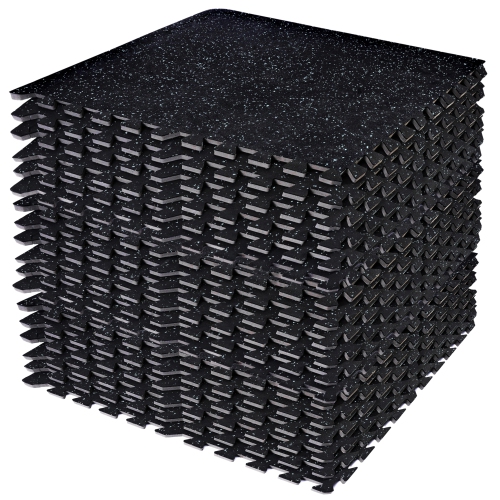
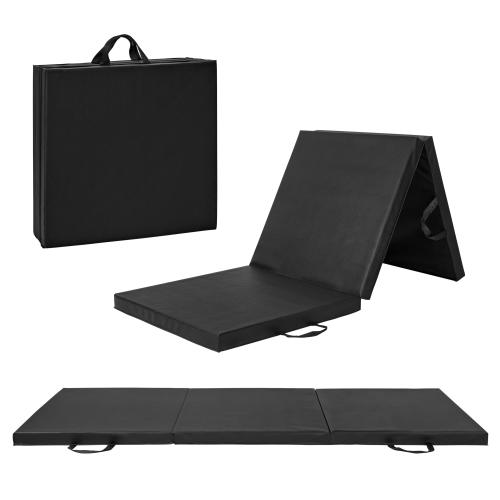
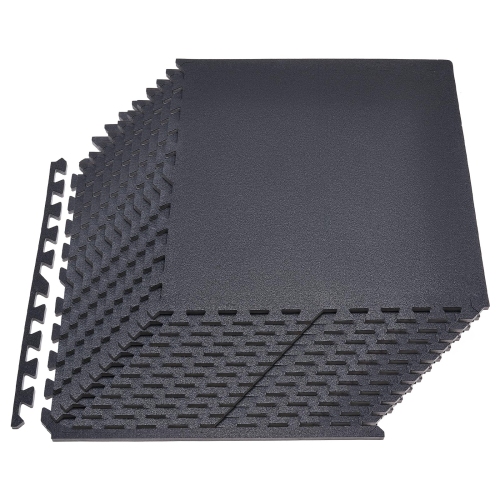
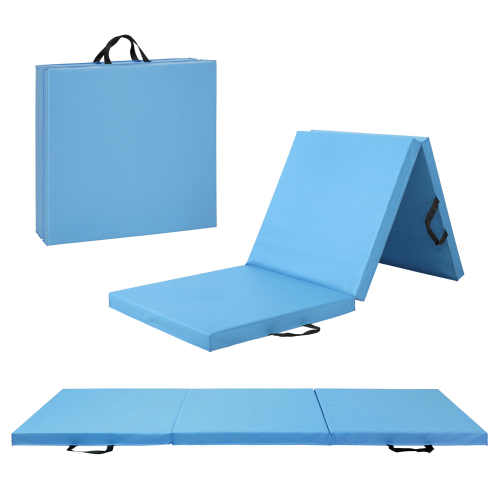
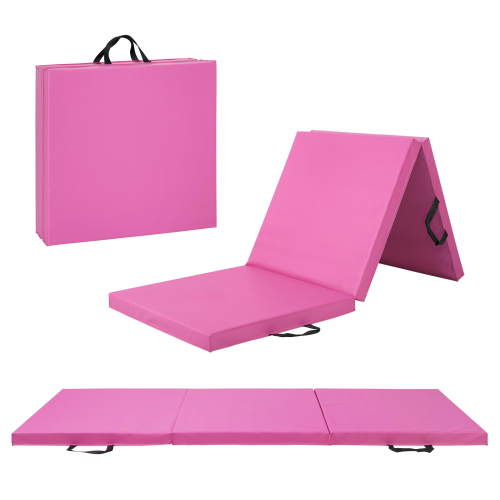
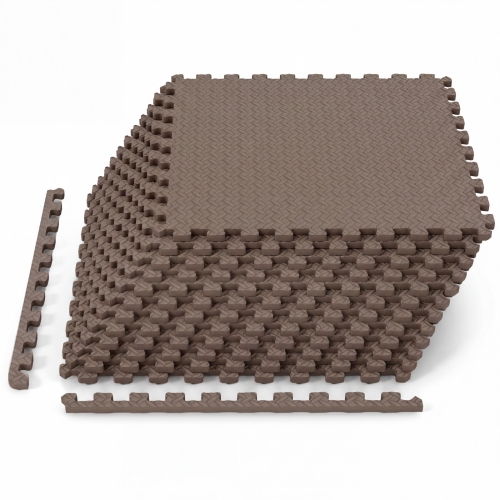
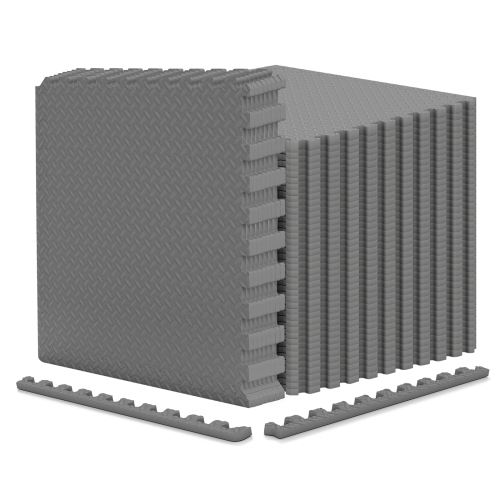
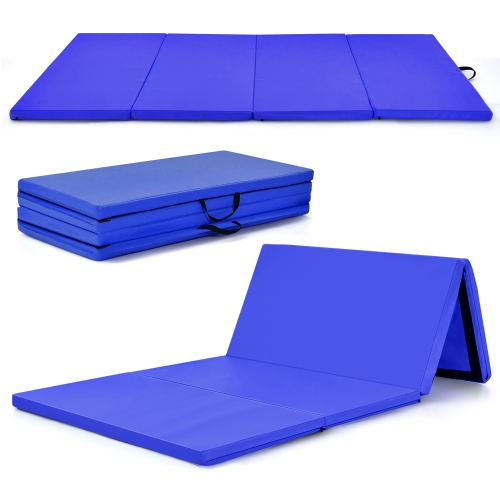
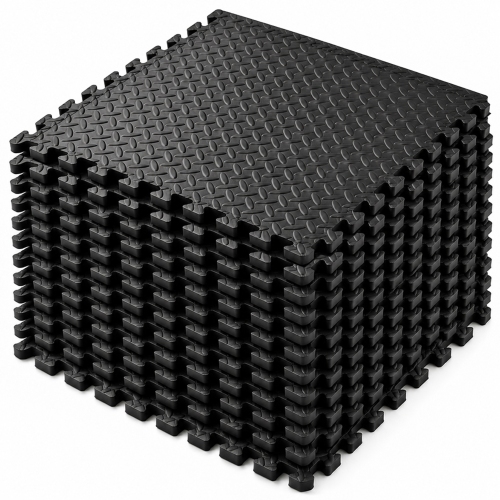
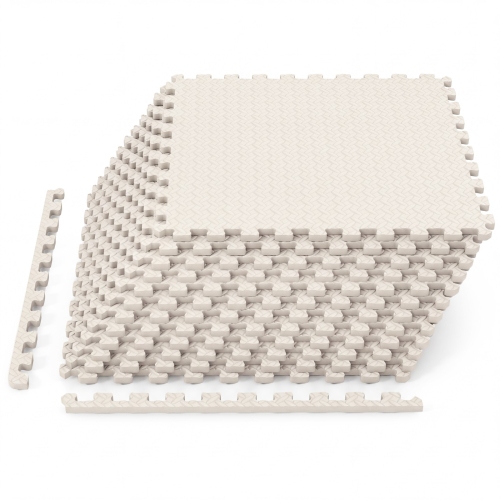
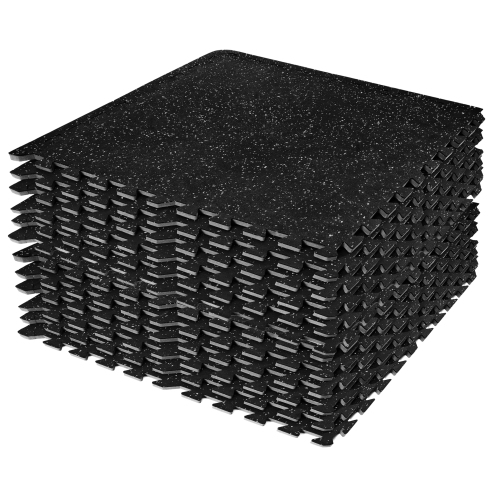
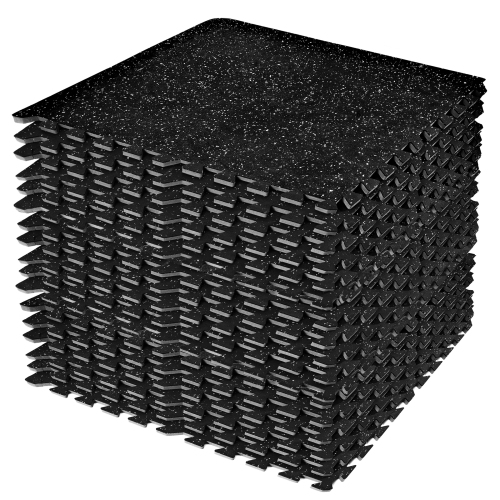
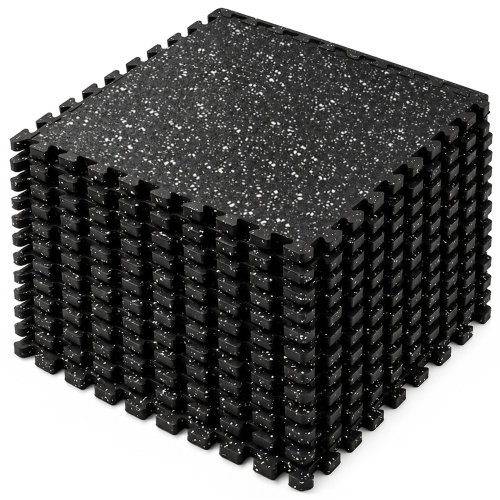
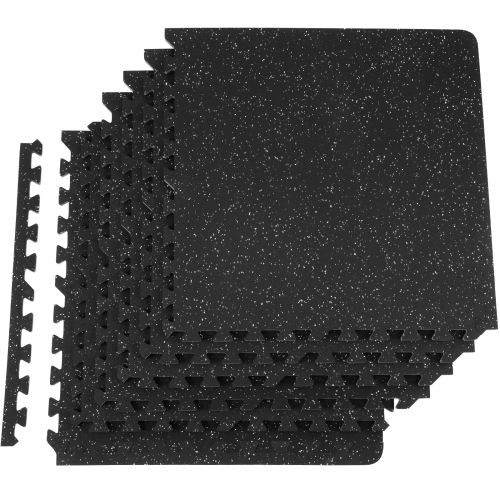
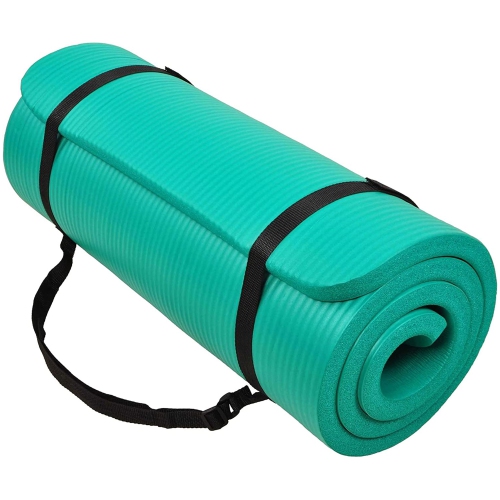
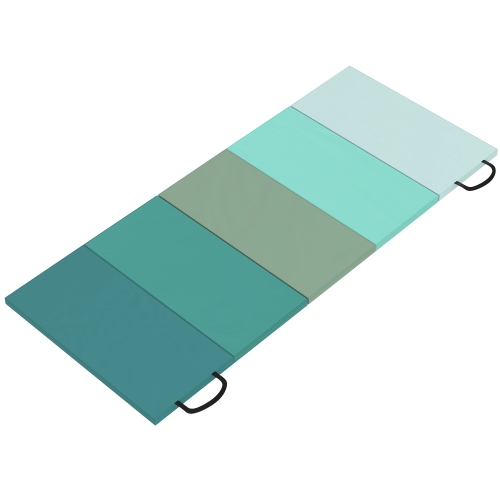
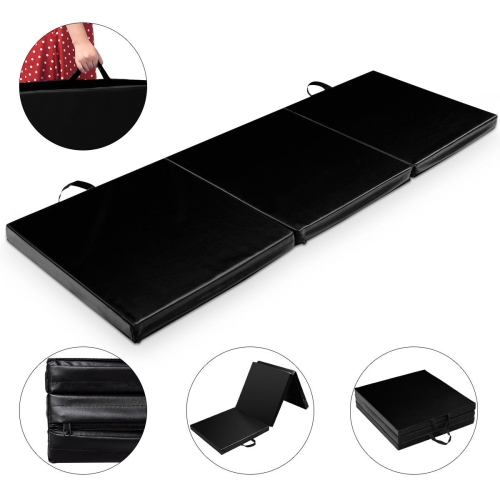
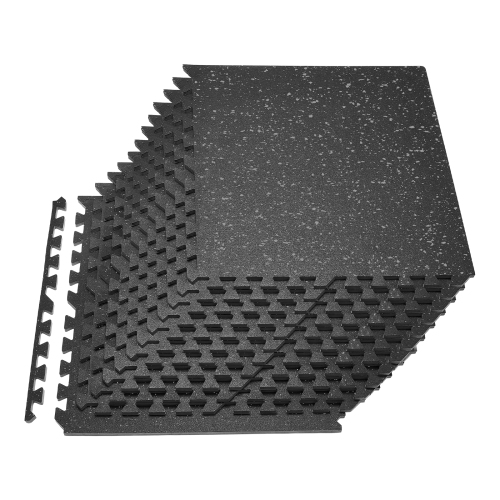
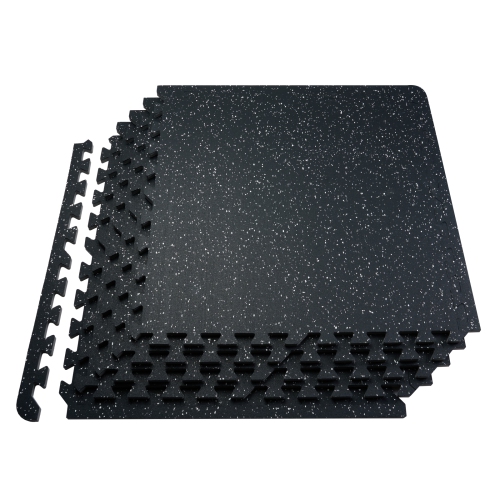
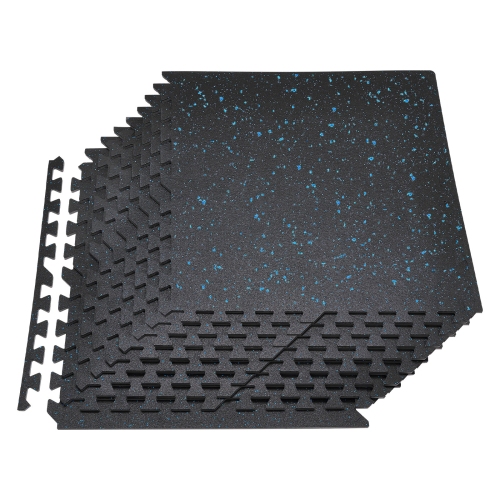
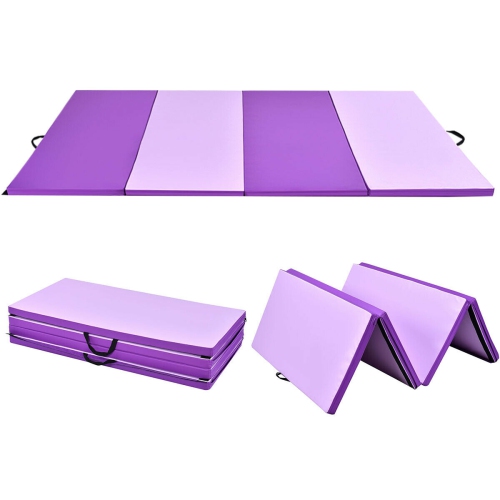
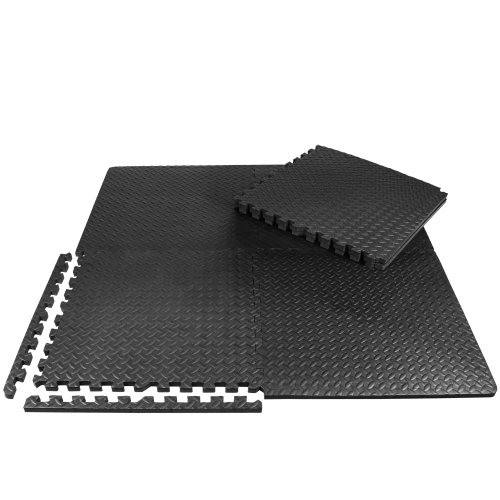
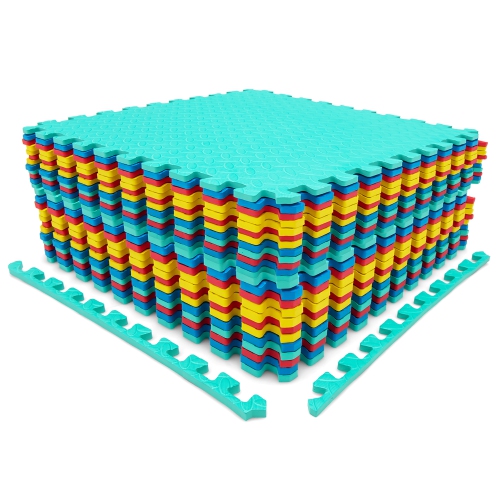
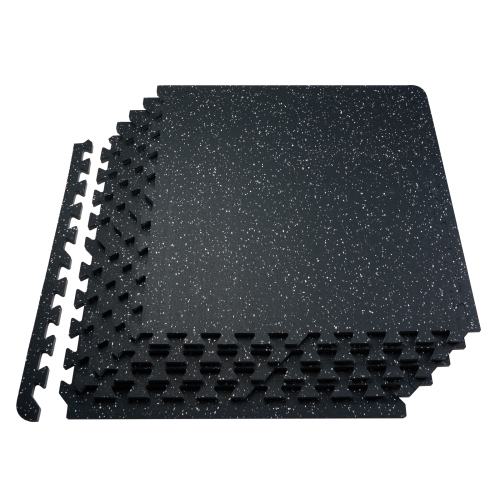
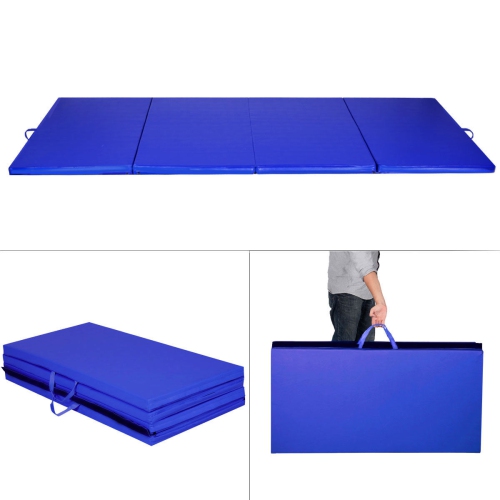
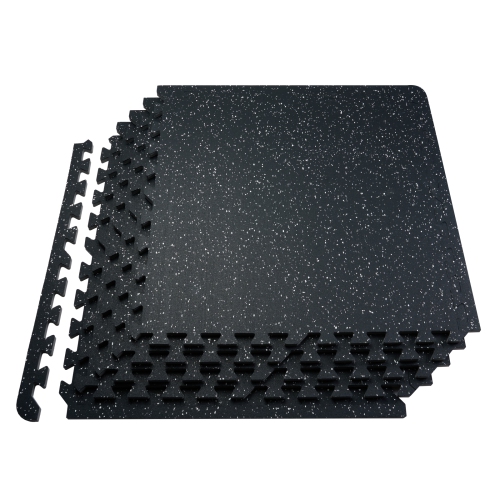
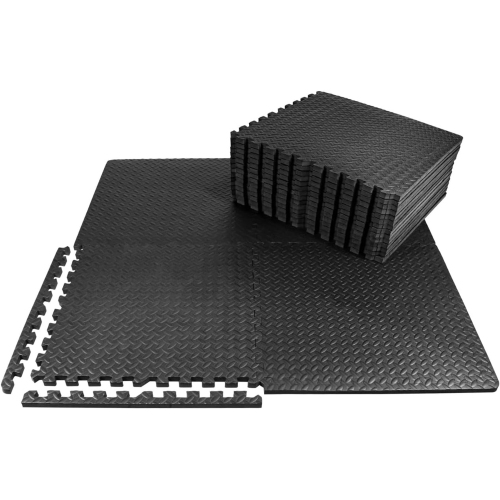
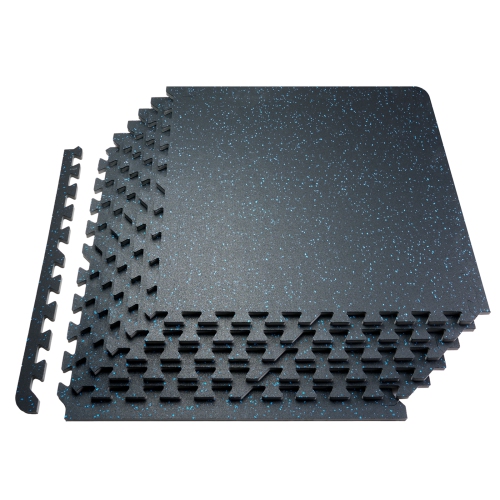
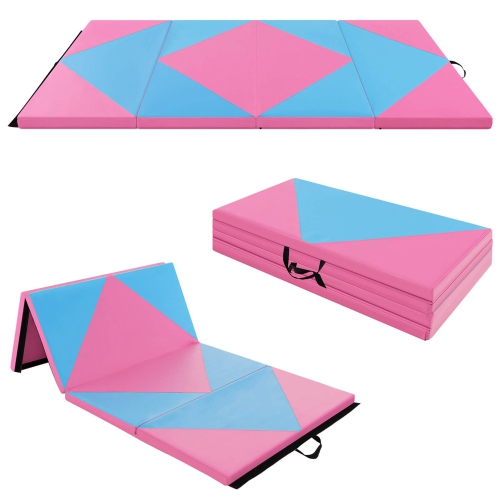
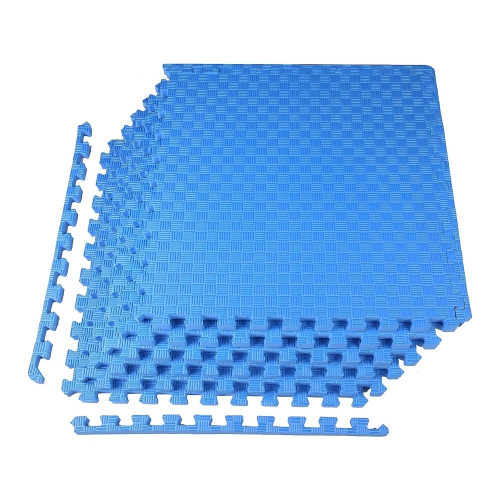
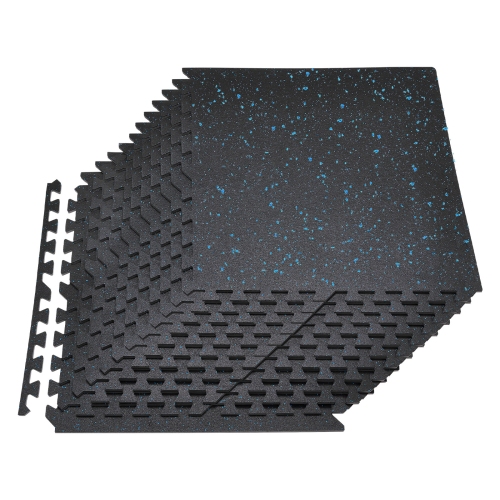
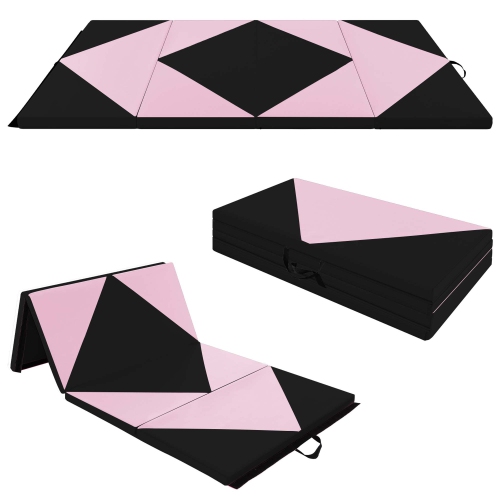
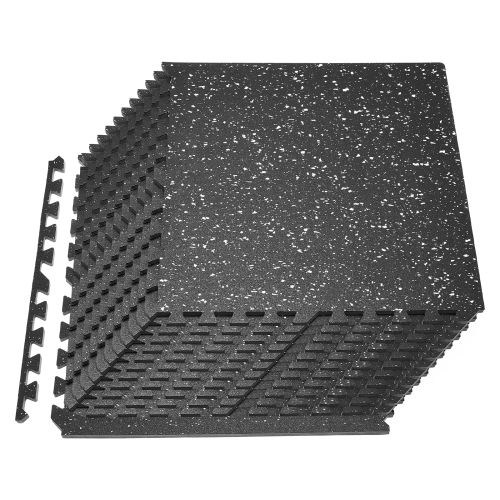
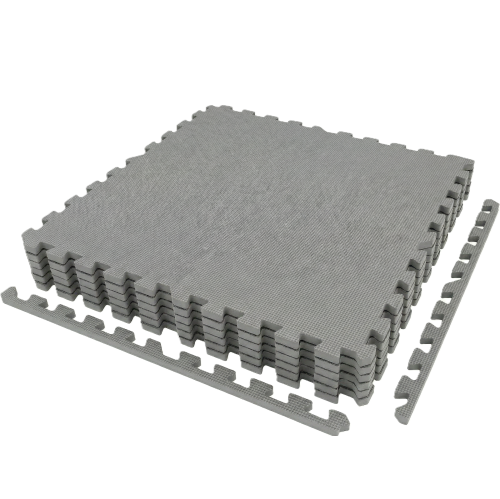
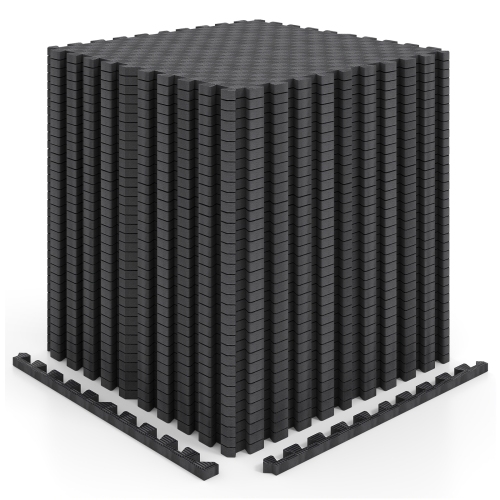
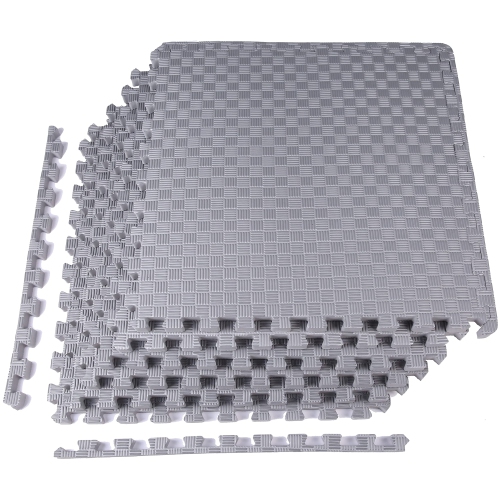
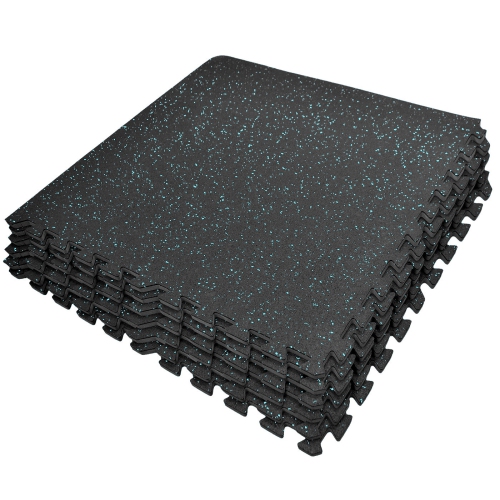
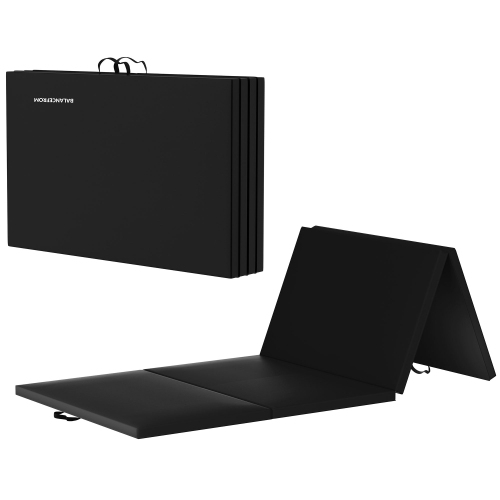
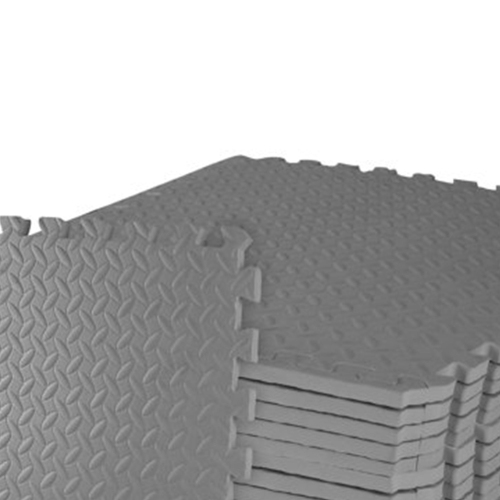
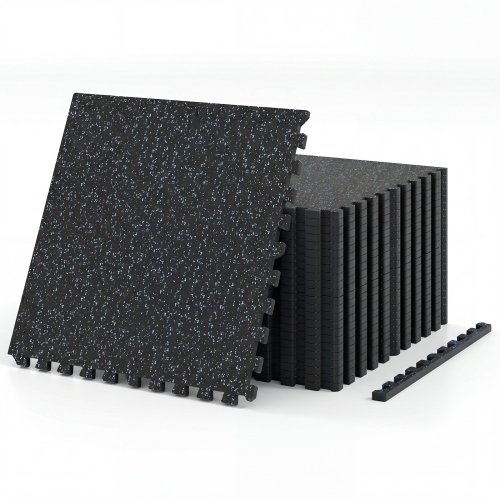
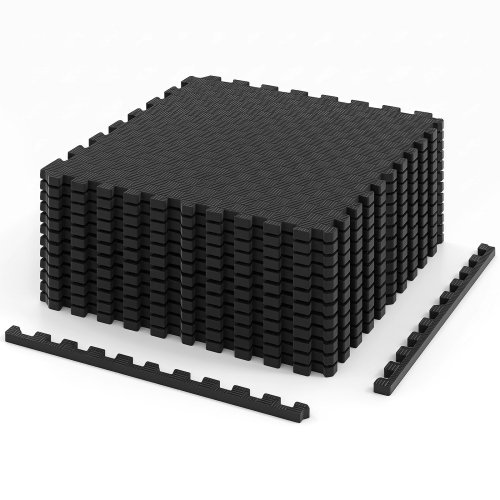
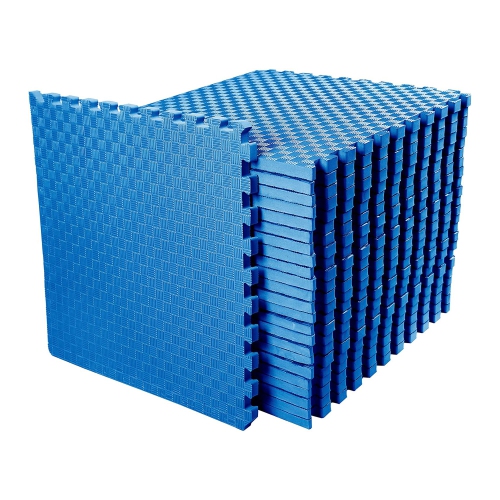
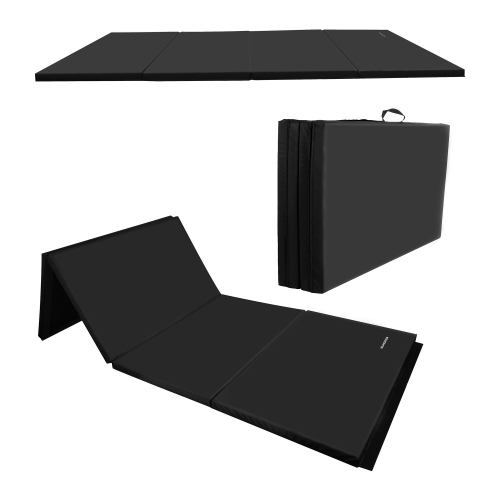
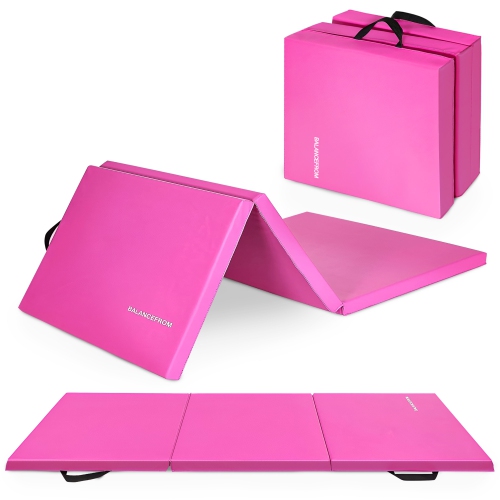
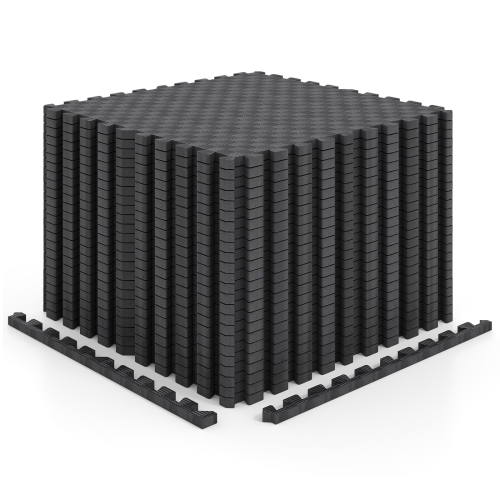
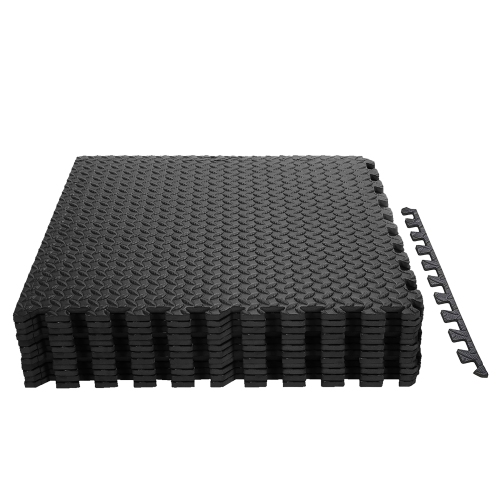
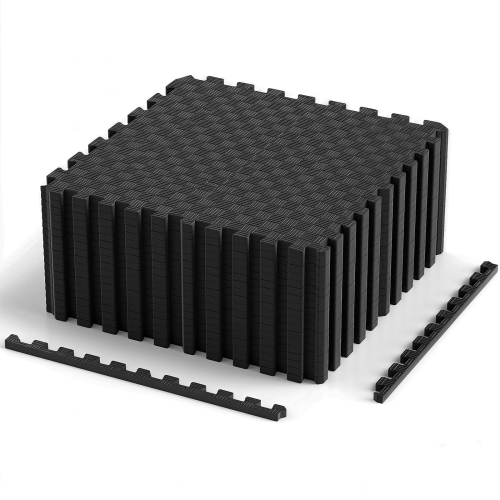
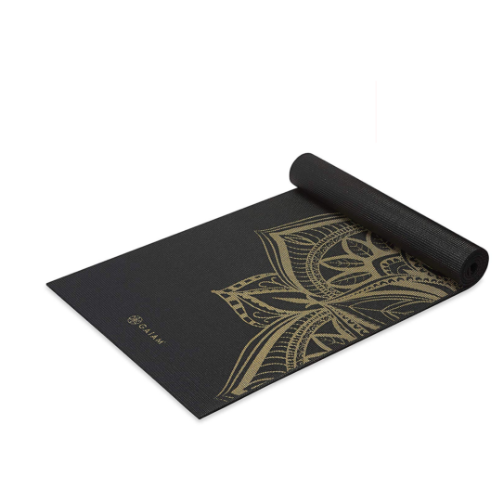
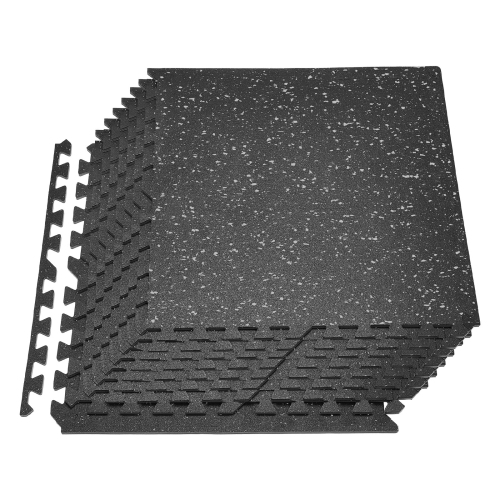
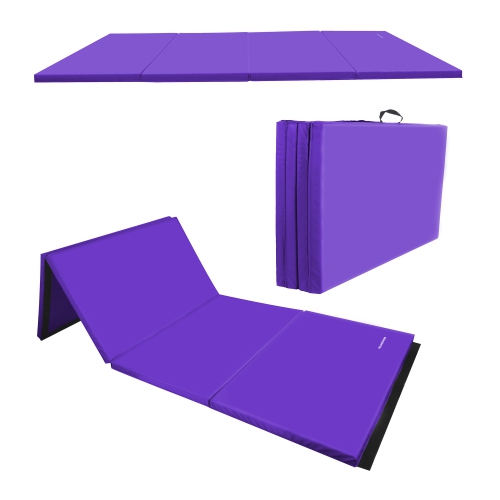
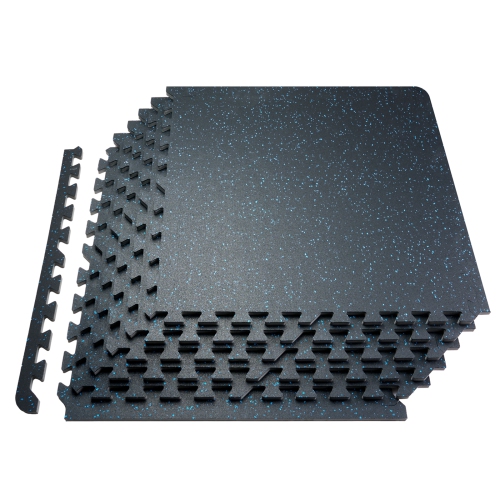
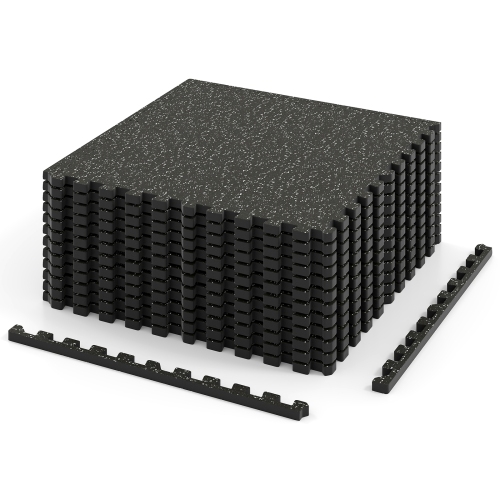
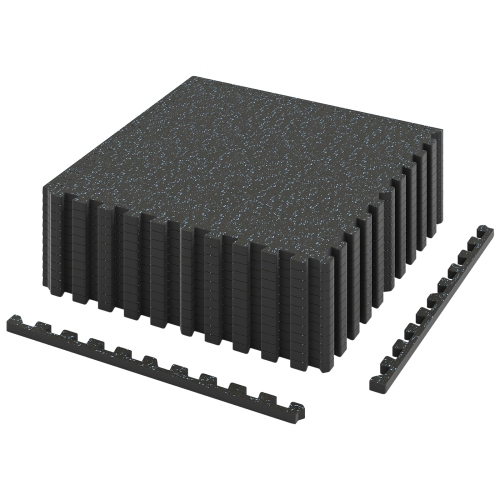
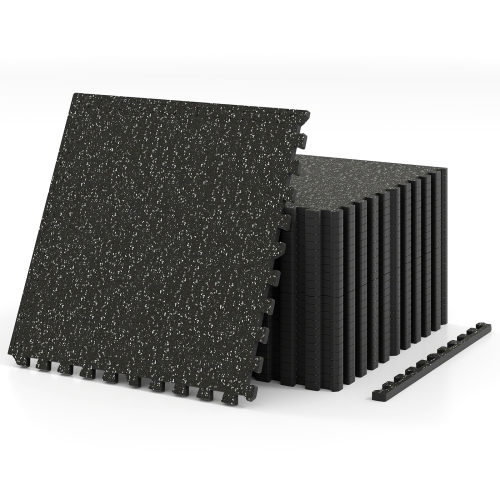
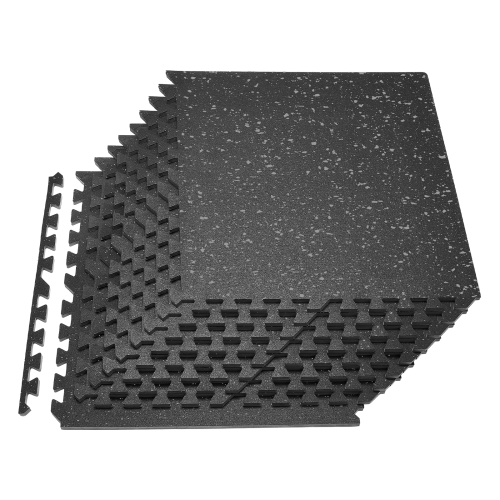
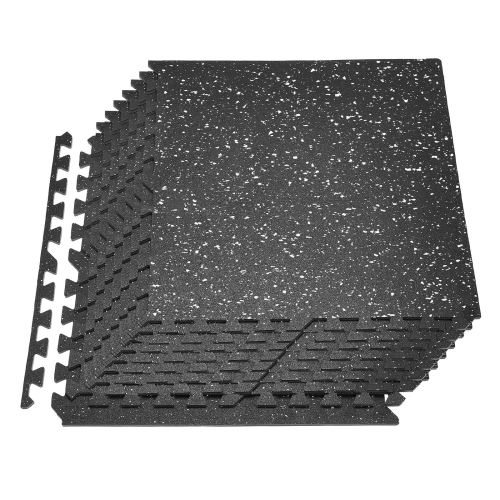
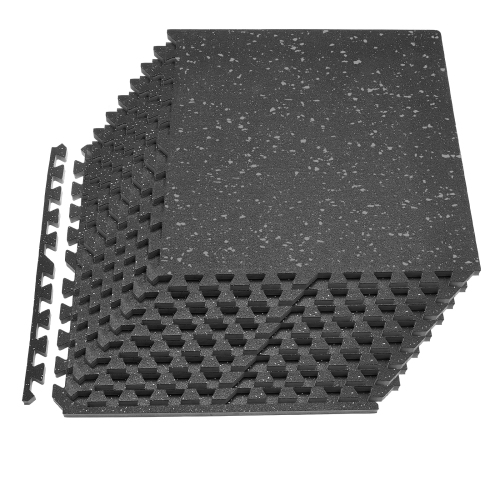
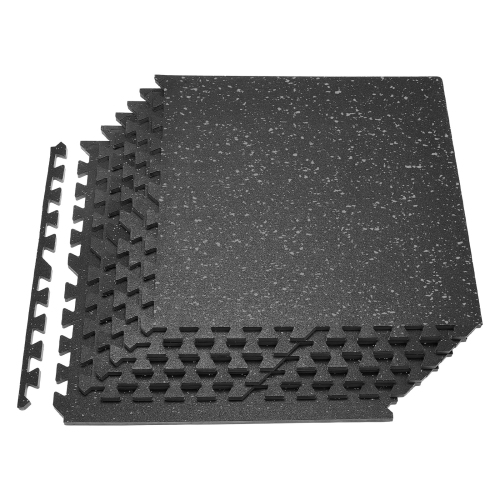
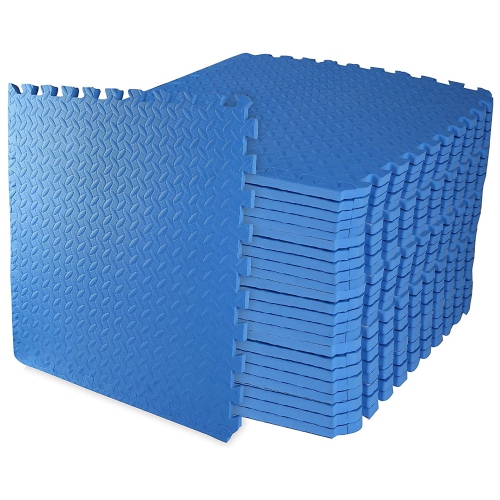
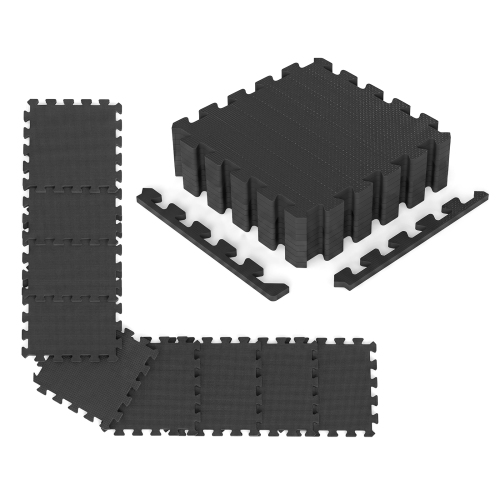
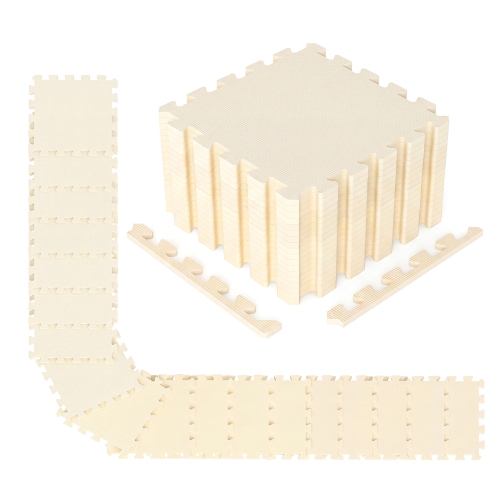
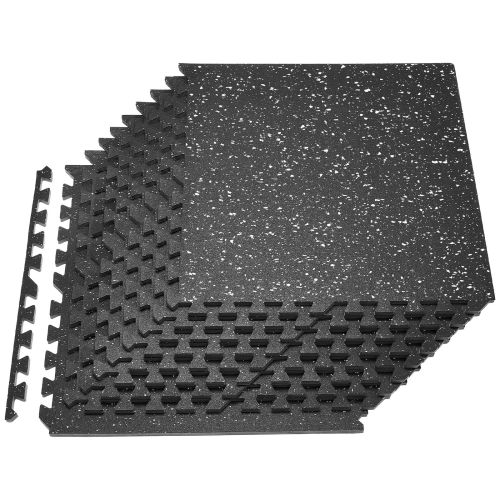
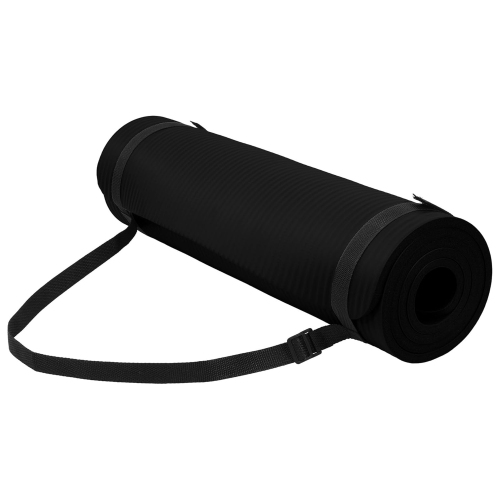
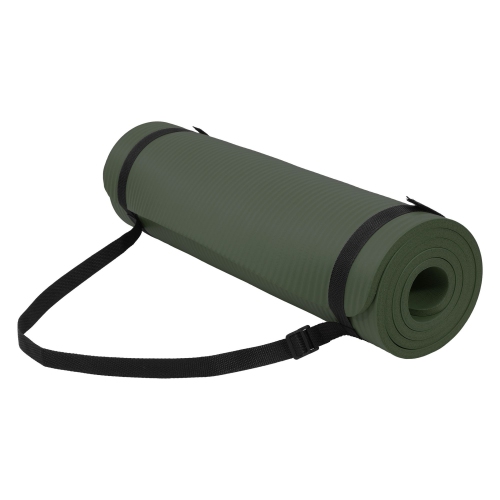
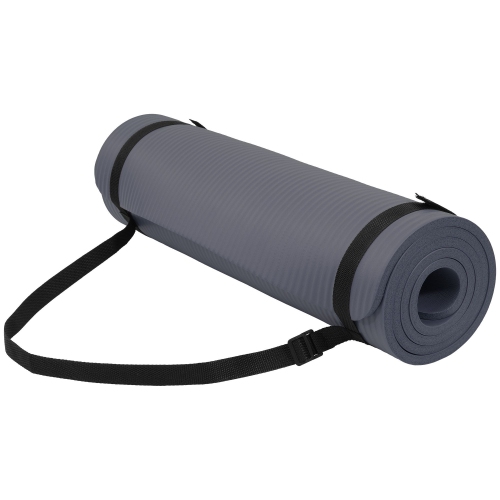
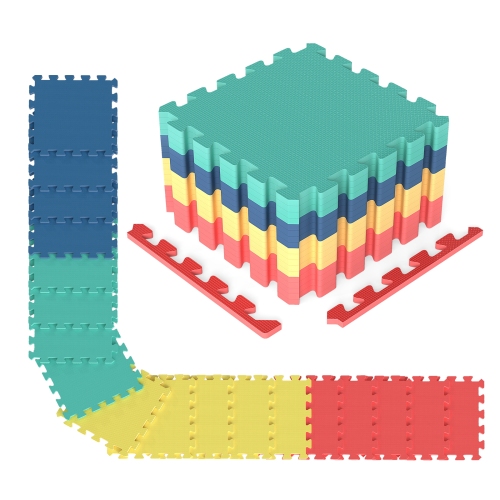
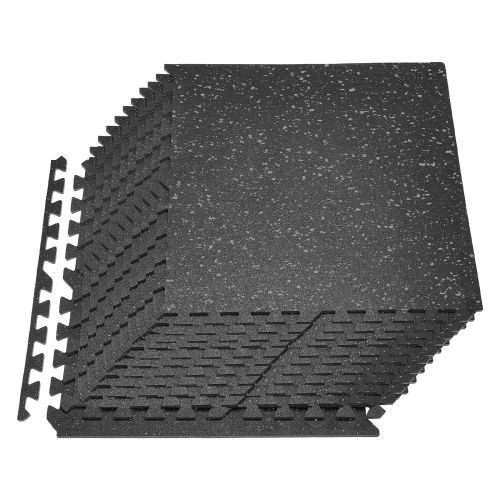
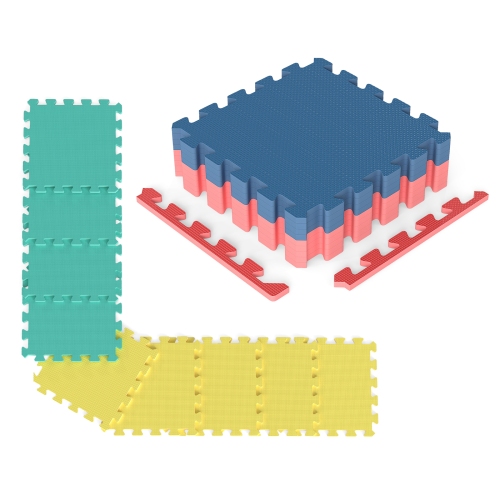
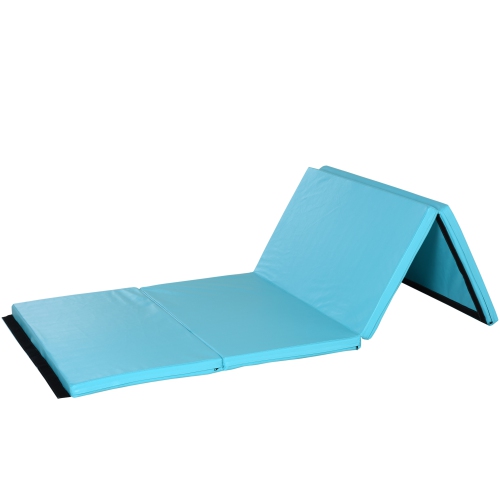
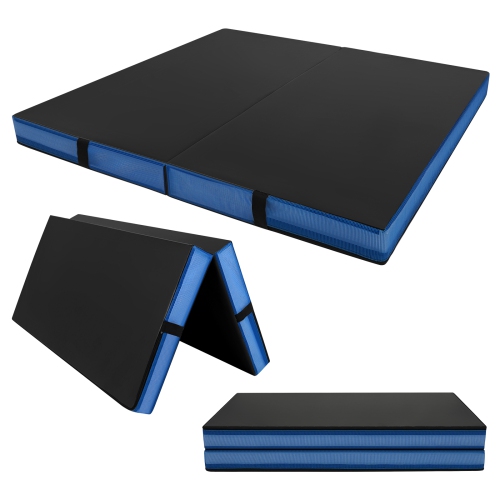
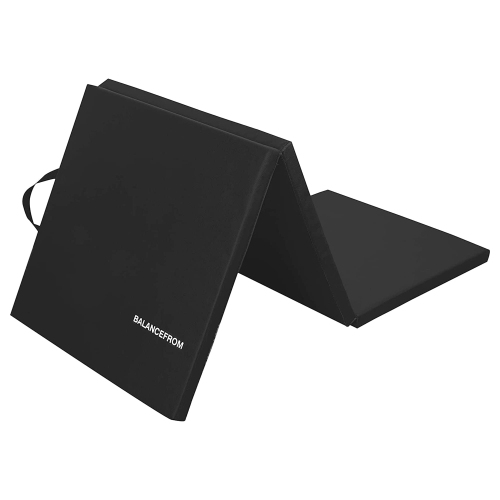
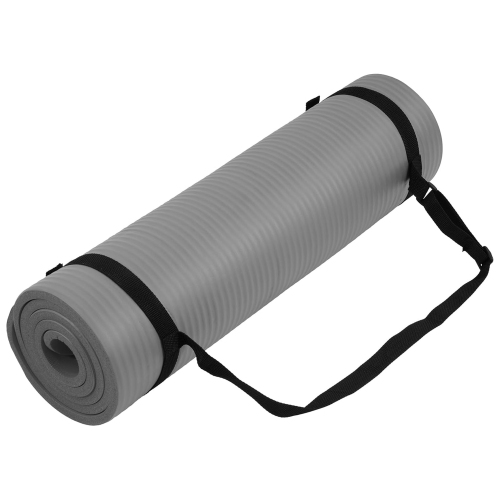
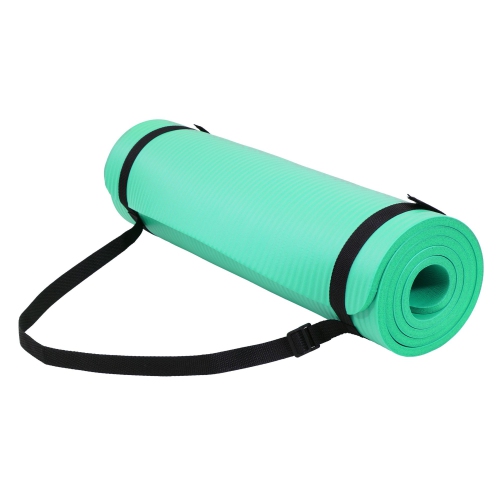
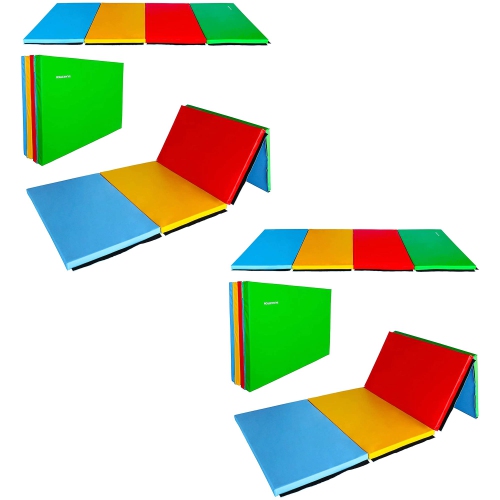
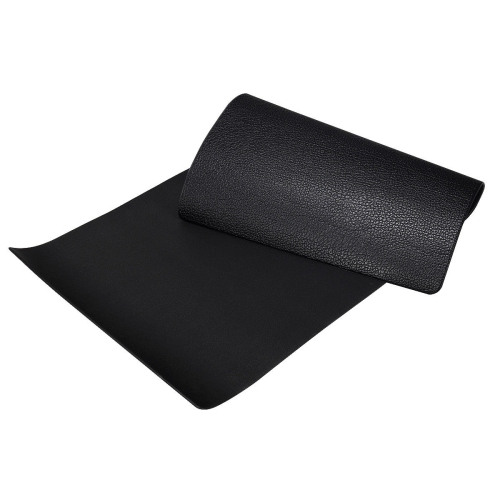
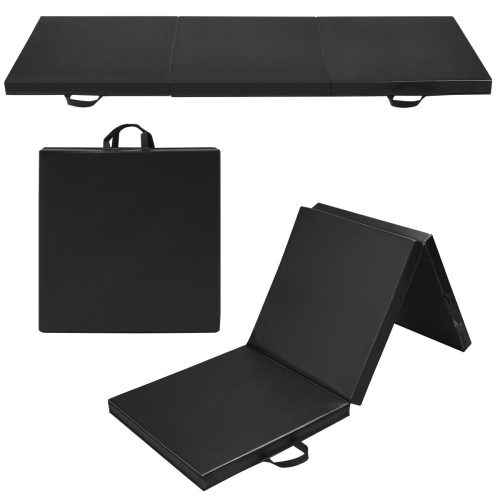
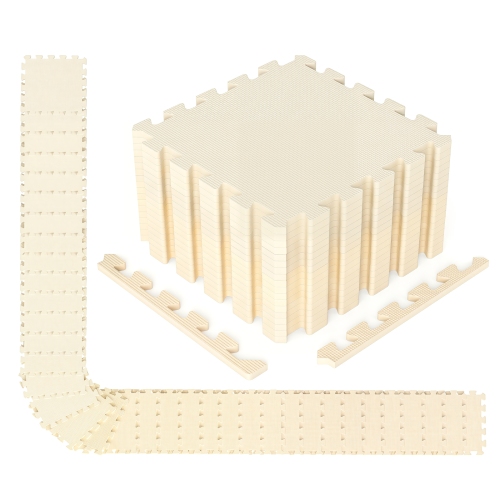
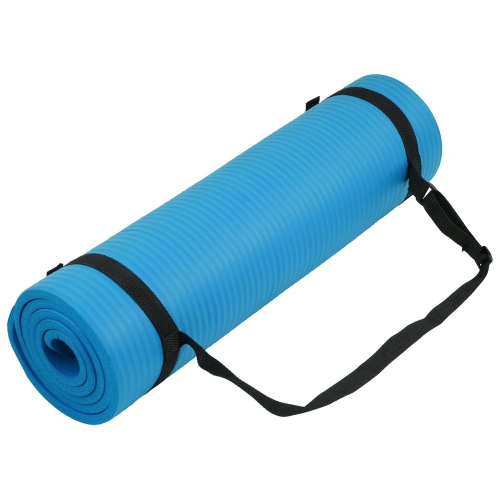
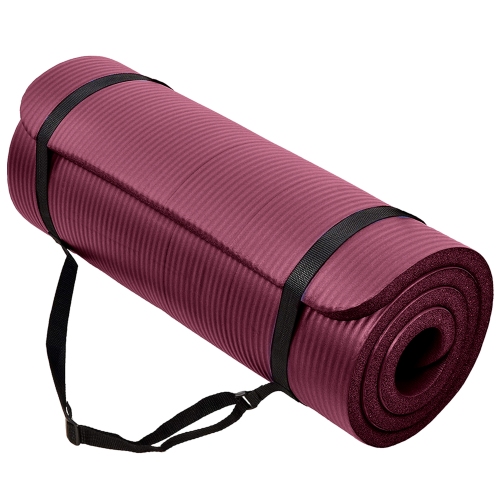
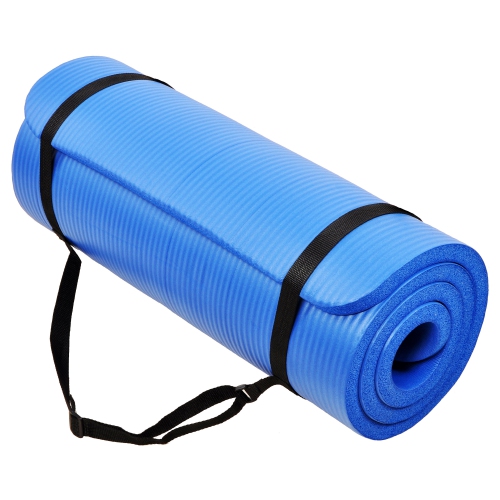
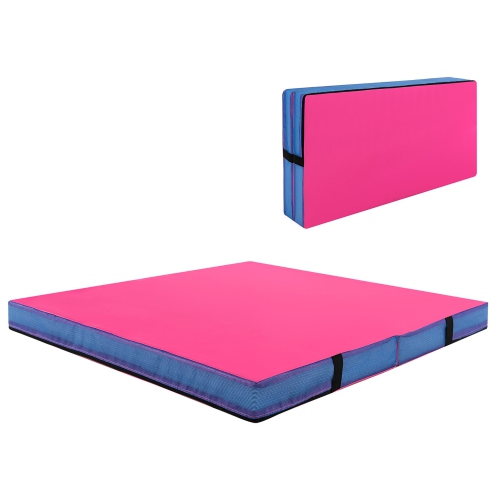
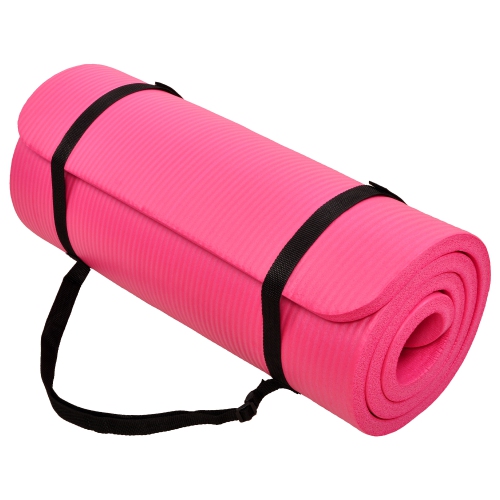
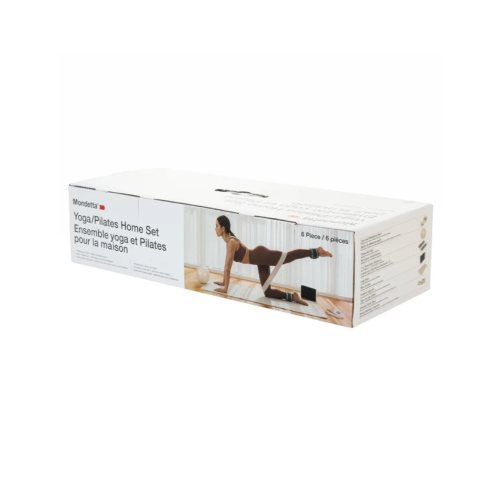
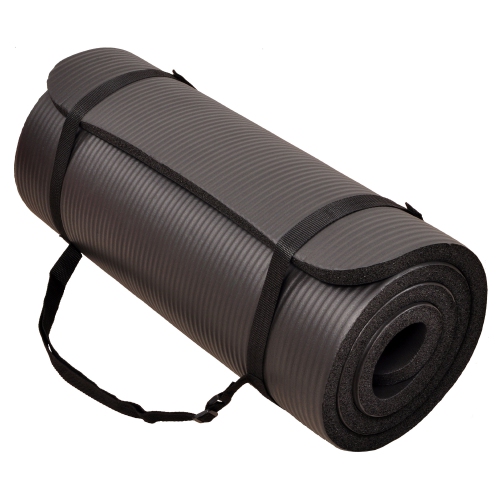
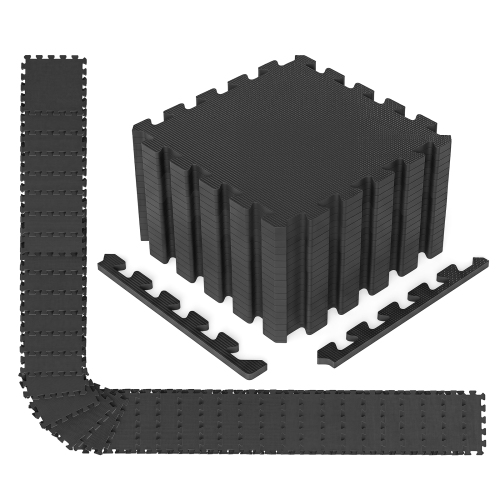
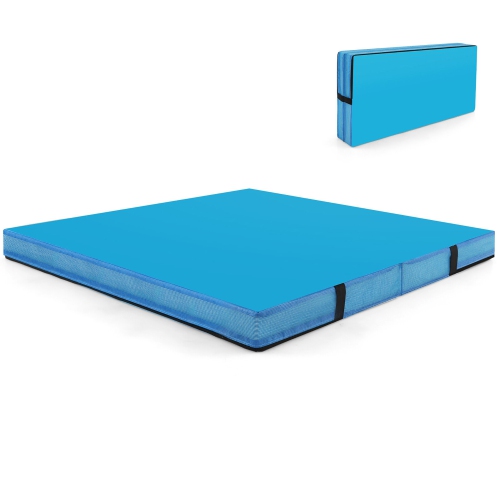
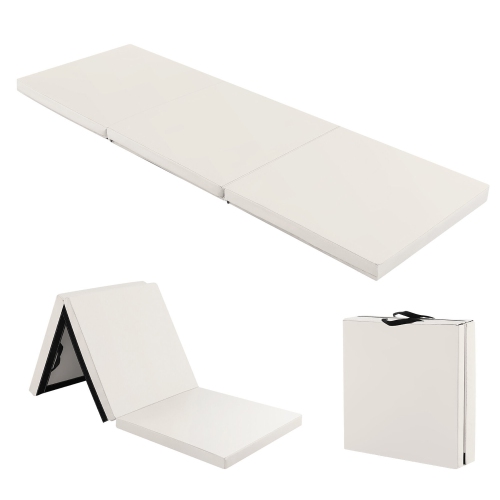
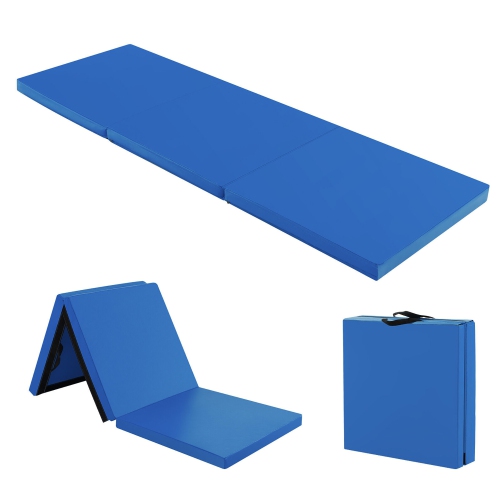
Fitness floor mats create a defined workout space while adding a layer between exercise activities and the floor beneath them. Depending on their construction, they can provide cushioning for floor exercises, traction for standing movements, or a durable base beneath fitness equipment. The main types include lightweight EVA foam tiles, dense rubber mats and tiles, and hybrid mats that pair a foam base with a rubber top layer. Each suits a different kind of activity, so the softest surface is not necessarily the best match for every workout. EVA foam offers a comfortable surface for kneeling stretches, seated movements, and many bodyweight exercises. Interlocking foam tiles are also relatively easy to lift and rearrange, which makes them practical for a shared room where exercise space needs to be packed away. Dense rubber generally holds up better under repeated foot traffic and equipment loads, with a firmer feel that can suit strength training. Hybrid construction combines some of the cushioning of foam with a tougher wearing surface, although its load capacity and suitability still depend on the mat’s specifications. A person doing gentle mobility exercises beside a desk has different needs from someone setting up a dumbbell bench or an exercise bike. For hands-and-knees movements, cushioning and surface comfort matter; for standing lifts, a stable base that does not compress excessively is more important. Texture also affects how a mat feels against bare feet, palms, or training shoes. A pronounced pattern may offer useful traction under shoes but feel rough during forearm-supported exercises. No surface is slip-proof, particularly when wet, and grip depends on the mat, footwear, floor, and activity. Fitness floor mats work best when their intended use matches the movements taking place on them, rather than simply filling an empty patch of floor. They can help make an exercise corner feel purposeful without requiring a whole room to be dedicated to training.
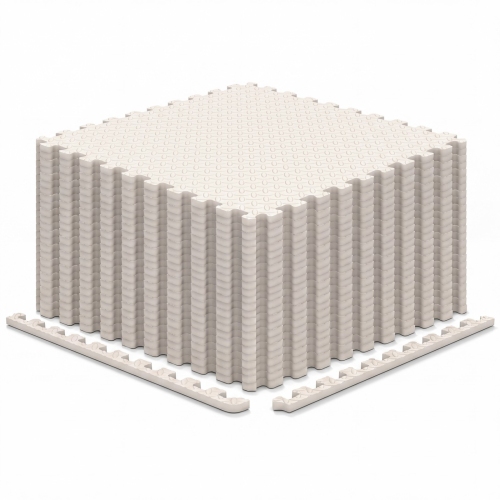
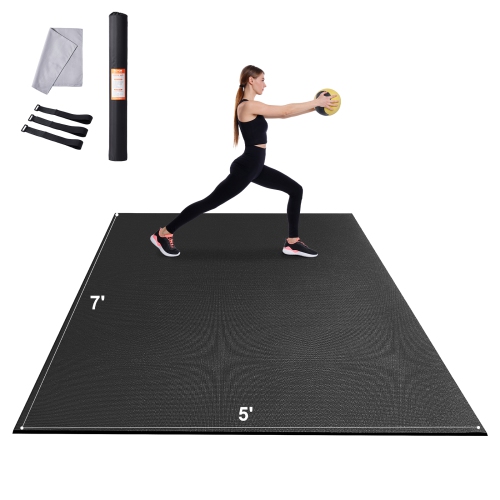
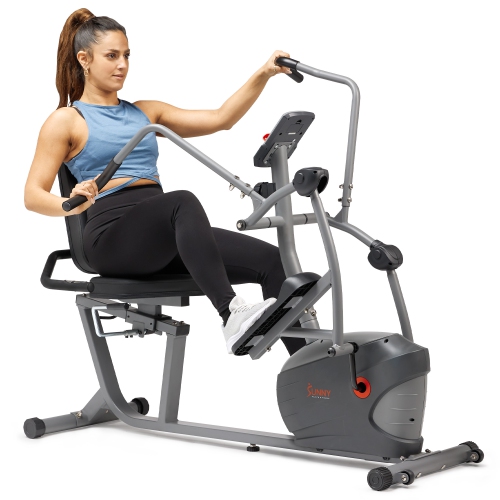
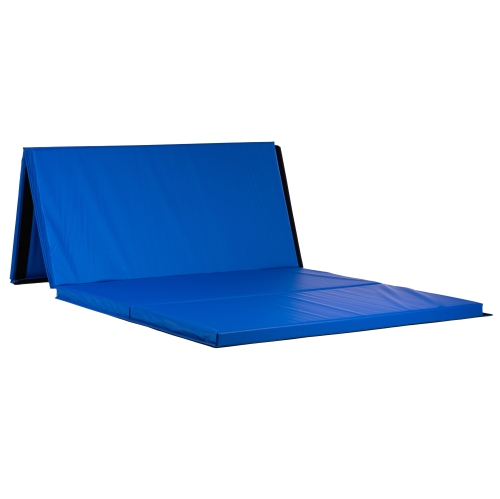
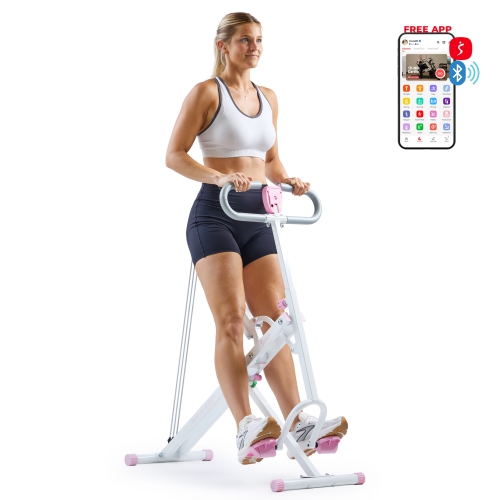
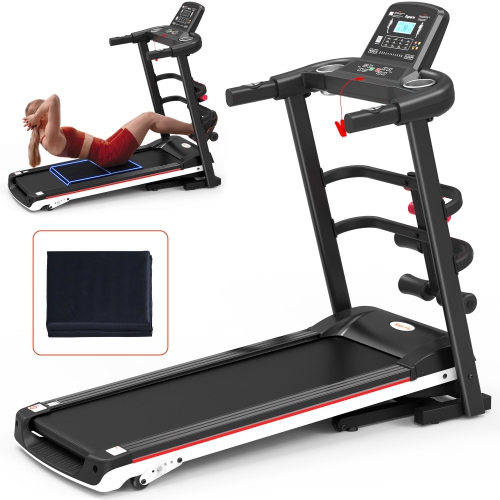
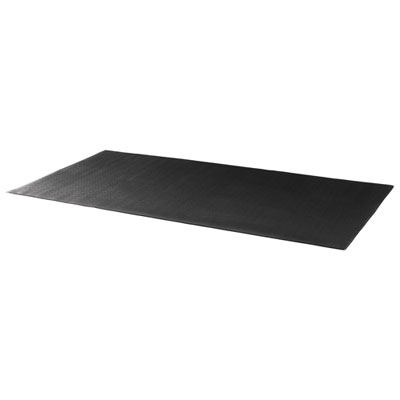
Thickness, density, and coverage all influence how fitness flooring performs in everyday use. A thicker foam tile may feel comfortable beneath knees and elbows, yet compress under the narrow feet of a heavy machine. A thinner, denser rubber mat may provide a firmer equipment base, but thickness alone does not establish whether it can handle a particular load. Manufacturer guidance on equipment weight and intended activities is more useful than judging by appearance. For a treadmill, stationary bike, or elliptical, Floor Mats for Gym Equipment focuses on the type of surface used beneath exercise machines, where dimensions and load compatibility are especially relevant. The full equipment footprint includes all contact points, not just the central frame, and the surrounding space still needs to accommodate safe access and any clearances specified by the equipment manufacturer. An exercise area for lunges, stretches, or mat-based routines needs enough room for extended arms and legs without repeatedly crossing an edge. Interlocking tiles offer flexible coverage for these larger spaces, while a single-piece mat avoids joins and may be simpler to move as one unit. Tile dimensions can be misleading if the stated size includes connector tabs, so usable assembled coverage matters when fitting a corner or a narrow room. Securely joined seams and finished edge pieces help create a more continuous surface, although edges should still sit flat and clear of doorways and walking routes. The supporting floor matters just as much. Thick carpet can allow some mats to shift or feel unstable, while uneven hard flooring can leave sections unsupported. Rubber and certain backing materials may mark or discolour some floor finishes, making compatibility with vinyl, hardwood, or other surfaces worth confirming before placement. Mats intended to soften ordinary exercise contact should not be assumed to protect a floor from dropped weights. Heavy lifting and deliberate weight drops may require purpose-built flooring or a lifting platform rather than a general exercise mat.
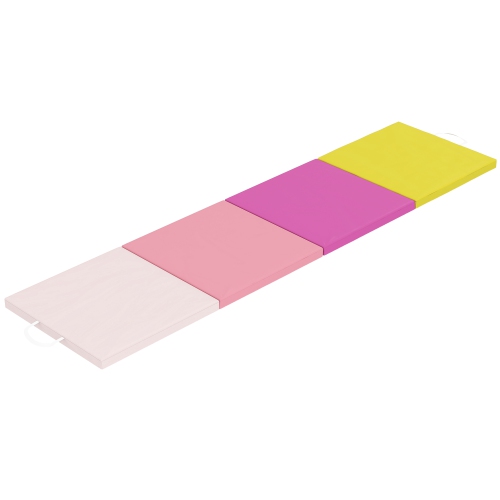
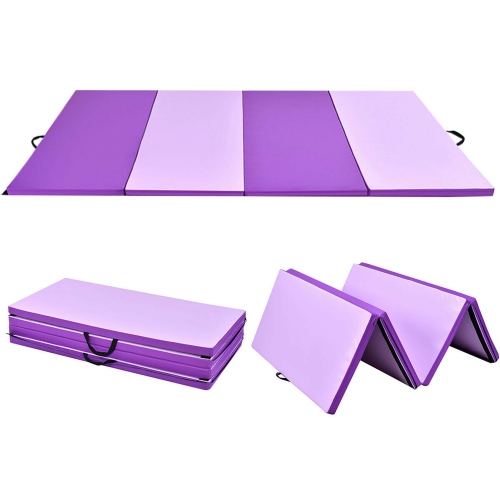
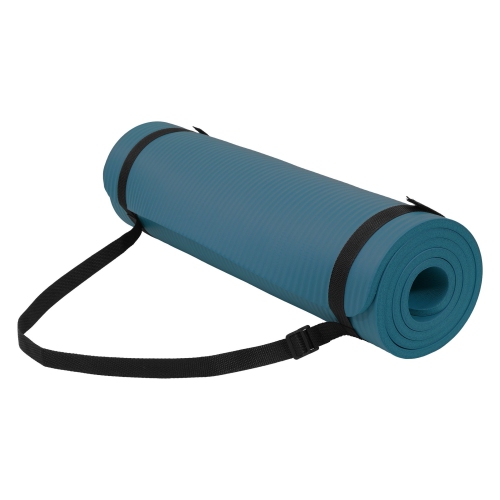
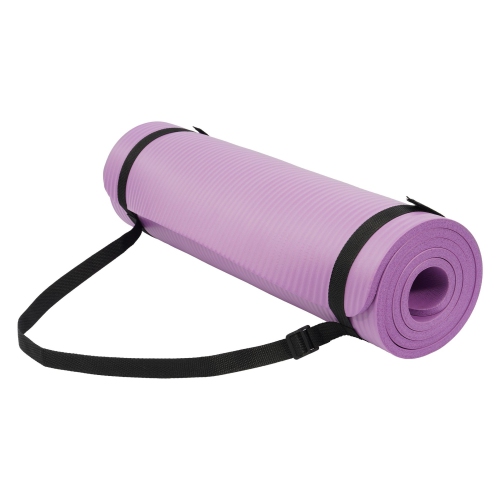
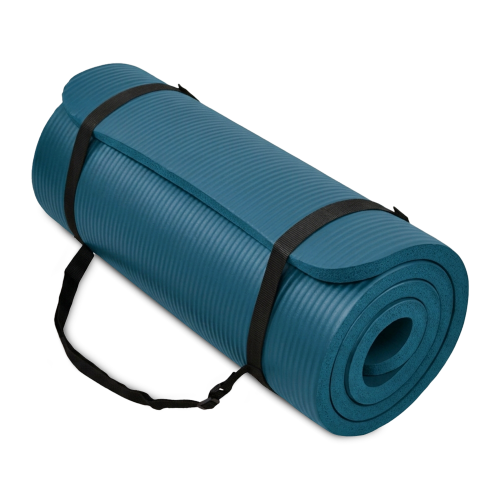
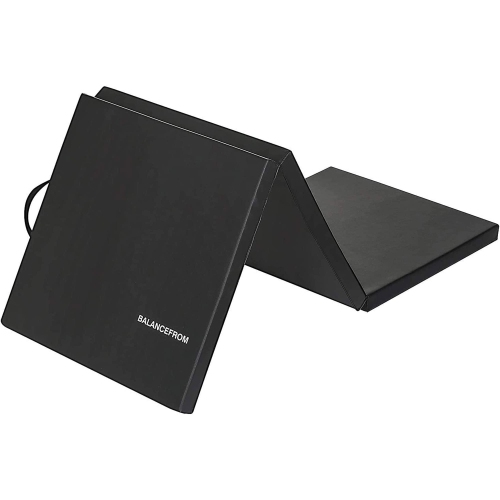
Daily wear and care often determine how useful a fitness mat remains after the initial setup. Shoes, bench feet, repeated stepping patterns, and frequent assembly can all affect its surface and edges. Foam may develop dents beneath concentrated loads or show wear where footwear repeatedly pivots, while rubber is generally more resistant to abrasion but is not immune to cuts, indentations, or damage from unsuitable cleaners. On layered mats, the bond between the top surface and base also matters, especially where edges are regularly bent or lifted. For a multipurpose room, manageable weight and storage dimensions can be just as important as durability. Tiles that stack neatly may suit someone who clears the floor after each session; a larger rubber mat may be better left in place beneath a machine. Rollable mats should only be rolled if their construction allows it, and they need to lie flat again before use. Routine cleaning usually starts with removing grit and dust that could scratch the floor underneath or make the top surface slippery. A damp cloth or mop with a manufacturer-approved cleaner can remove sweat and everyday marks, while soaking, harsh chemicals, or steam may damage some materials. Both the mat and the underlying floor should be dry before the area is put back together. Seams and textured surfaces deserve extra attention because they can hold fine debris, and periodically lifting movable mats makes it easier to check for trapped moisture or floor marking. Mats may help reduce some equipment vibration or contact noise, but they do not soundproof a room or eliminate noise travelling through a building. For apartment workouts, controlled movements and equipment placement still matter. Fitness floor mats can also make a thoughtful gift for someone building a home workout space, particularly when their preferred activities, room measurements, and flooring type are known. Whether used for a short stretching routine, regular strength sessions, or a dedicated cardio setup, a well-matched mat provides a practical surface that fits both the exercise and the home around it.
Top selling and popular products
-
 Your price for this item is $212.99
-
 Your price for this item is $225.99
-
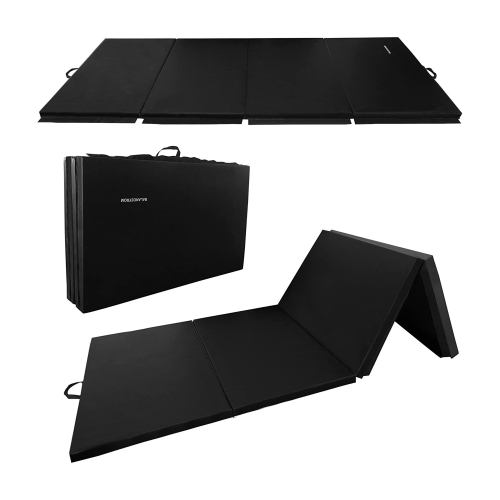 Your price for this item is $251.99
-
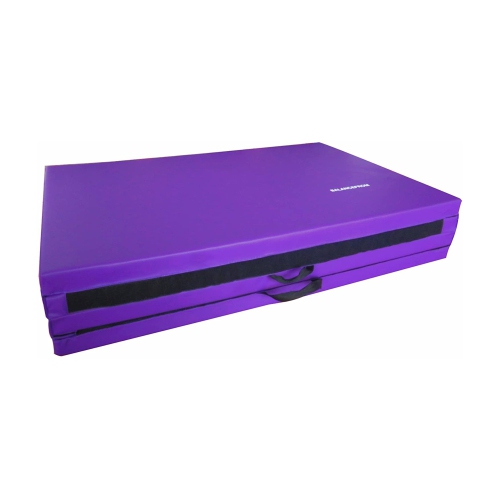 Your price for this item is $220.99
-
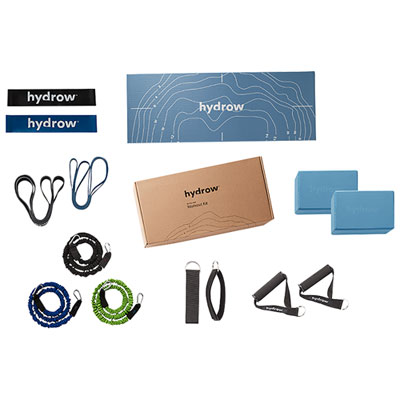 Your price for this item is $229.99
-
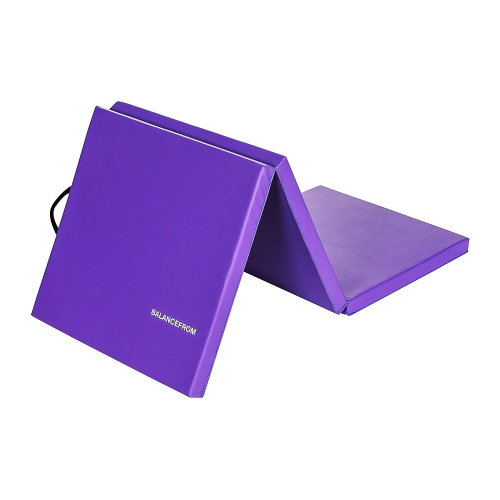 Your price for this item is $79.99
-
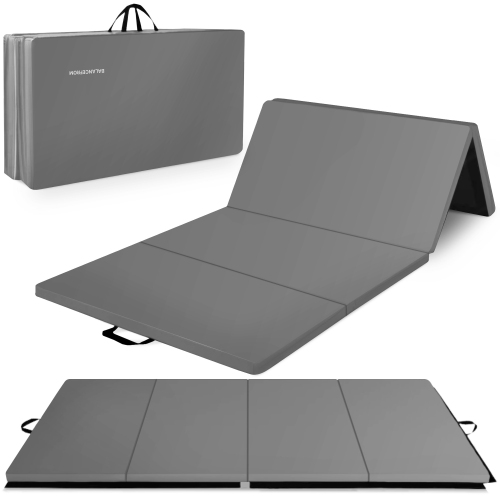 Your price for this item is $227.99
-
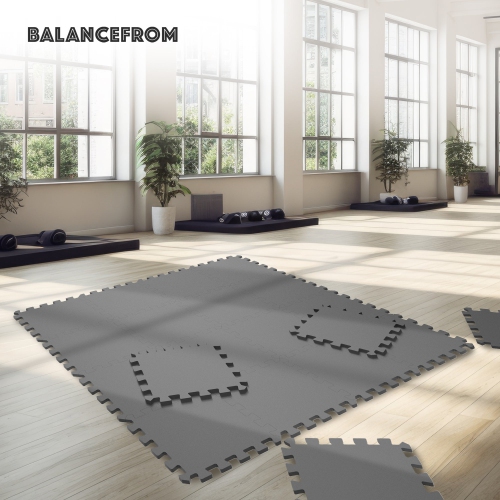 Your price for this item is $84.99
Discover more categories related to Fitness Floor Mats

Top Collections:
Pokemon Centers, Best Cameras for Sports Photography, Kindle Devices, Samsung Galaxy Phones, Canon G7X Cameras, Pokémon 30th Celebration Cards, Refurbished Apple Laptops, iPhone 15 Apple, Laptops for Students, Budget Smartphones
Some products may be subject to Environmental Handling Fees
(EHF) depending on your province.
Learn more about EHFs.