Floor Mats for Gym Equipment
A floor mat is a must-have for almost any home gym. It protects the floor from scratches and scuffs, and it keeps the gym equipment clean and tidy. A good mat will also prevent injuries, as it cushions the impact of weights on the floor. Here are some of our favorites.
Sort

























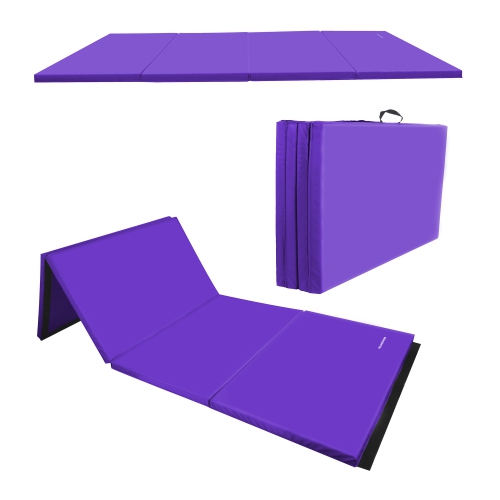
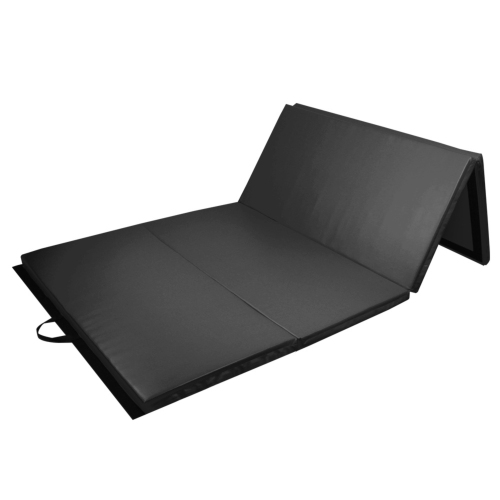
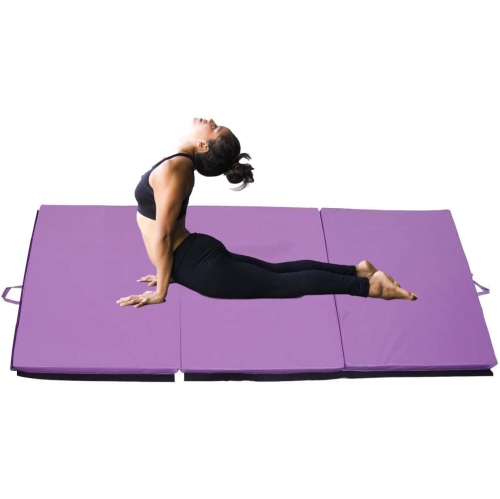


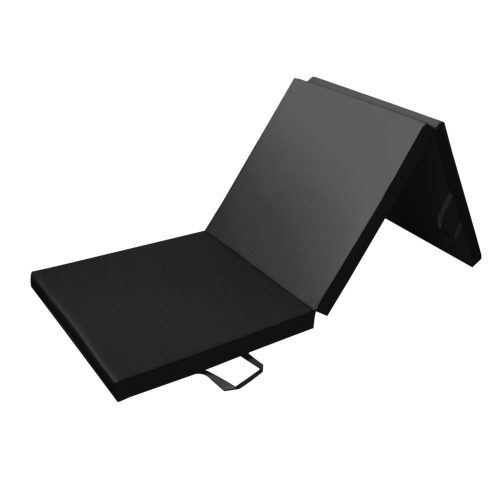












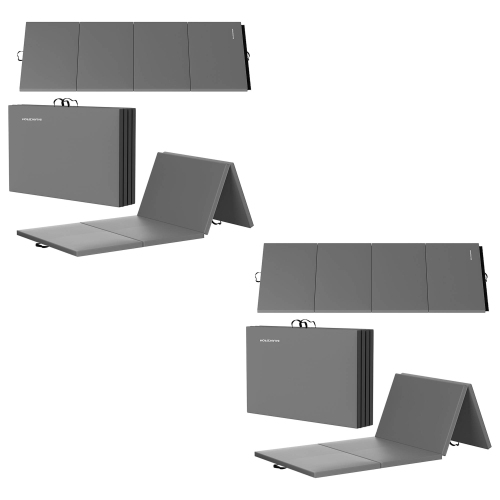
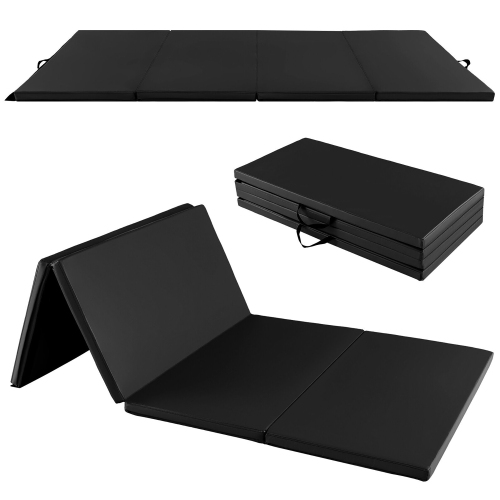
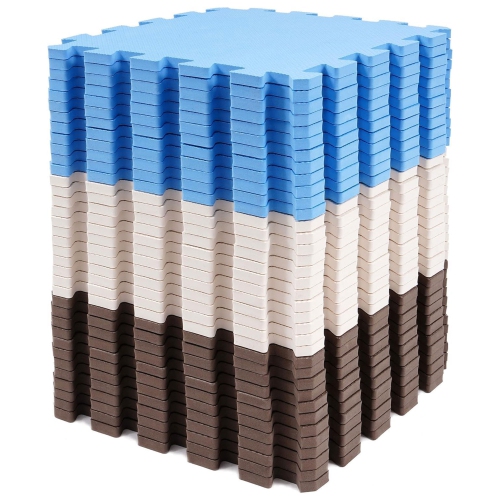
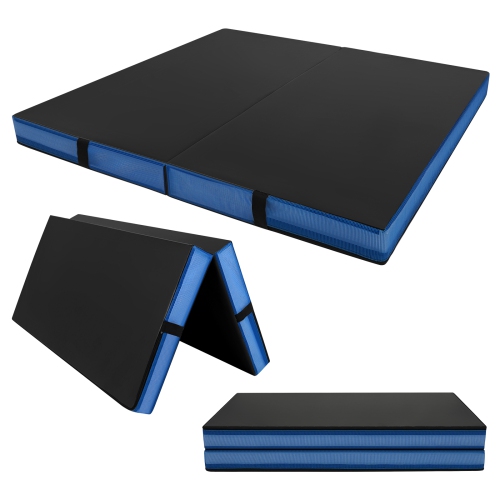








Why thicker mats aren't always better for equipment
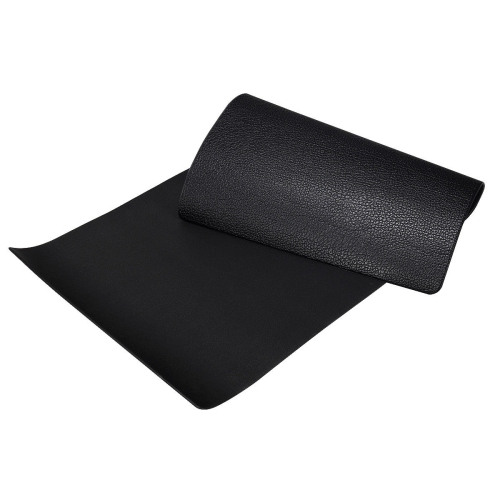
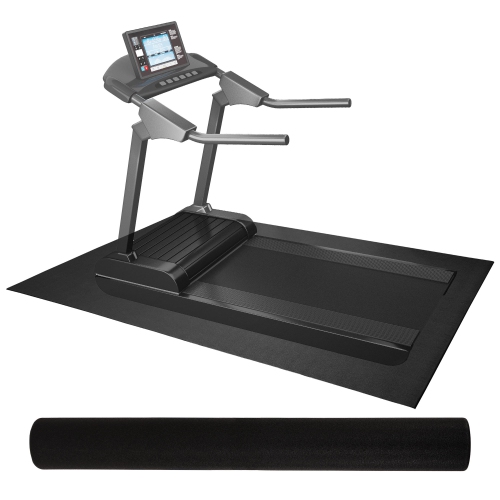
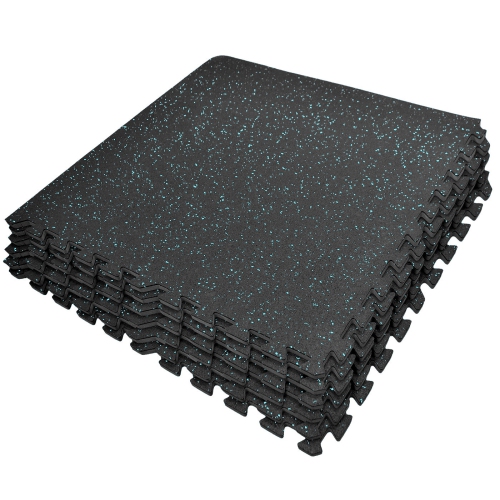
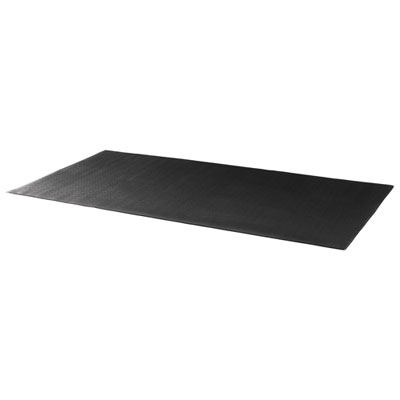
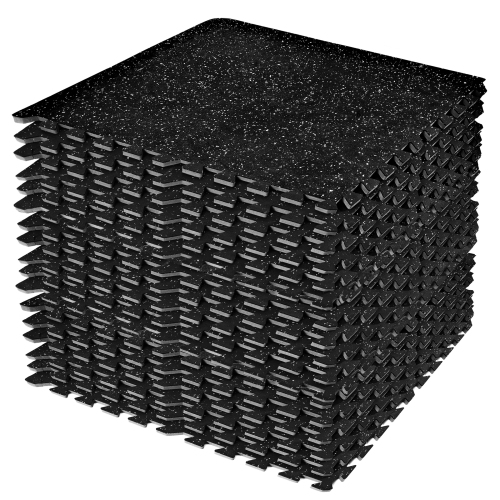
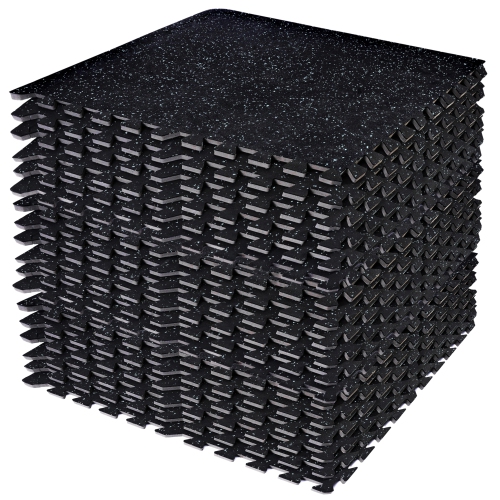
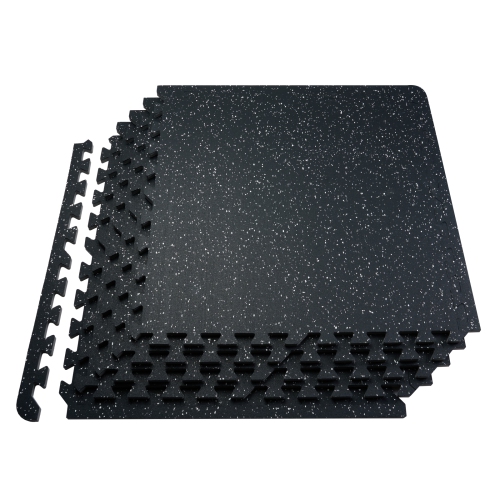
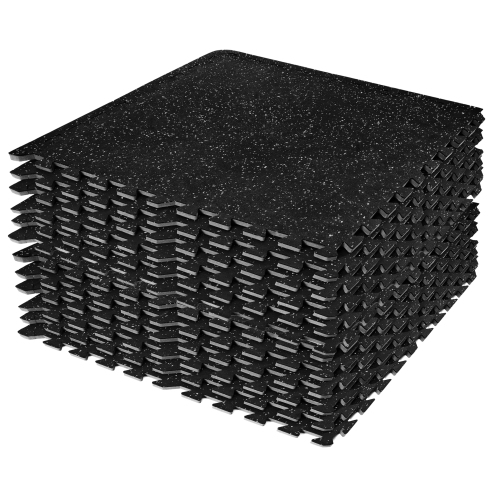
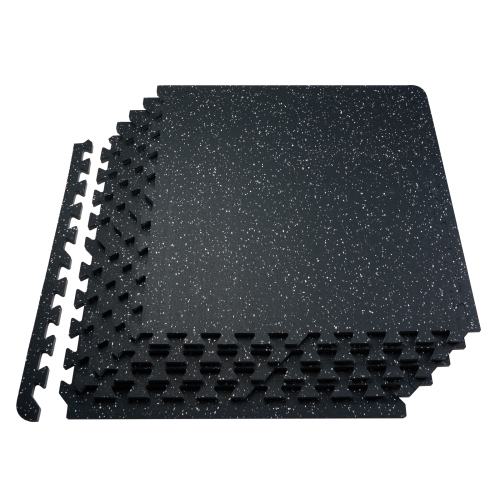
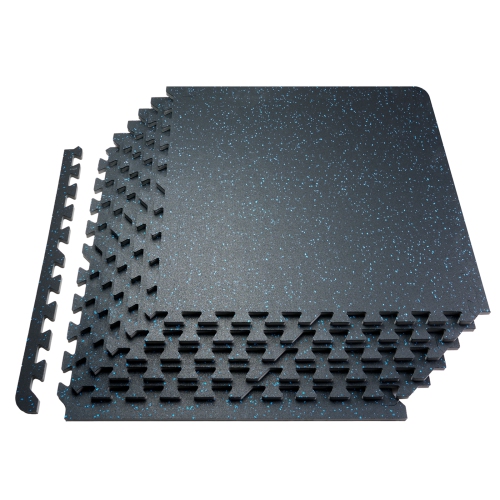
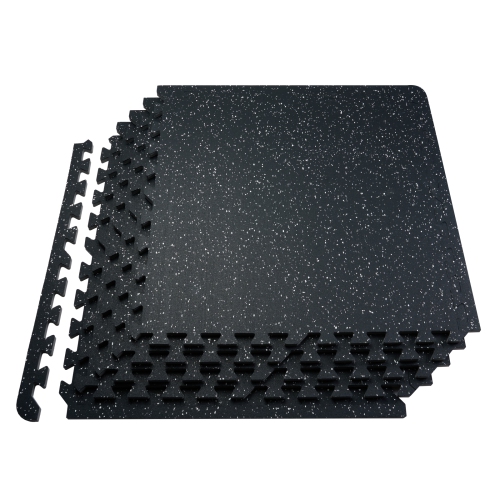
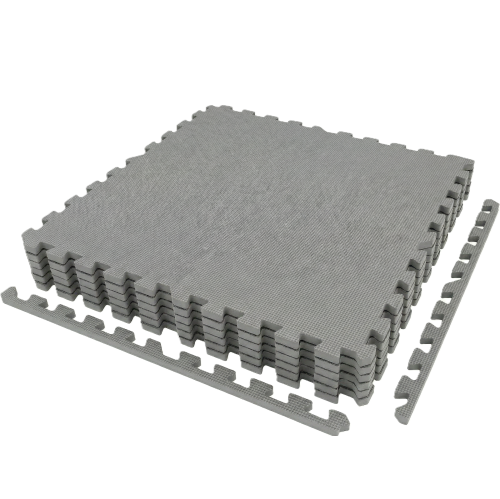
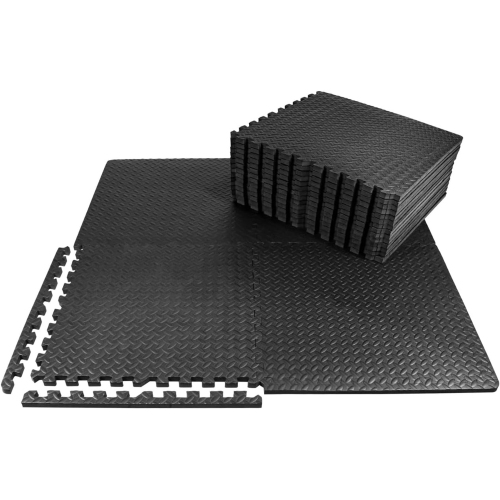
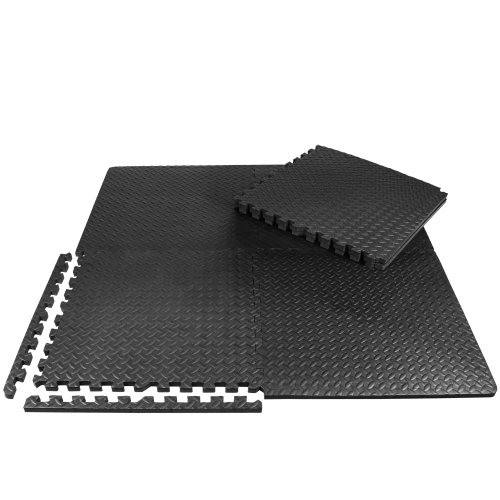
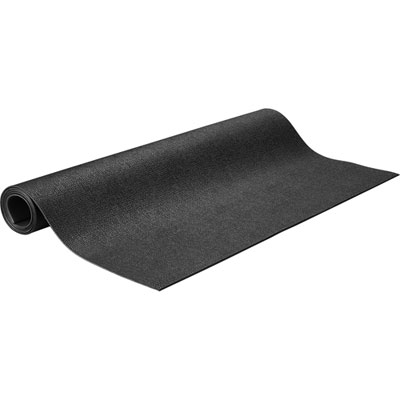
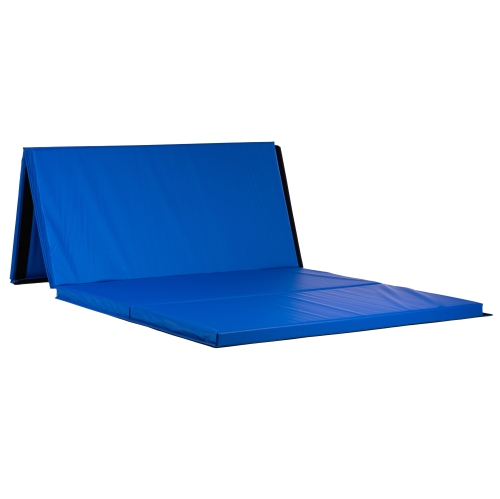
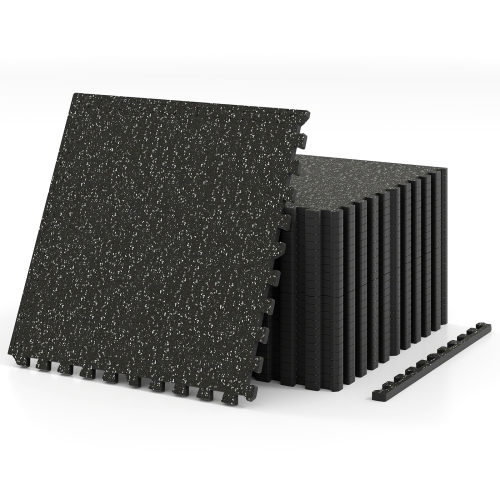
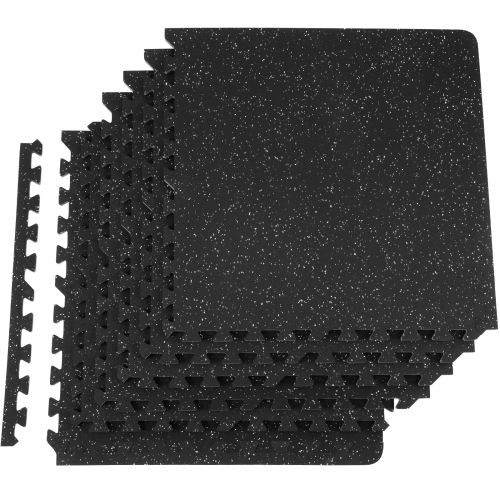
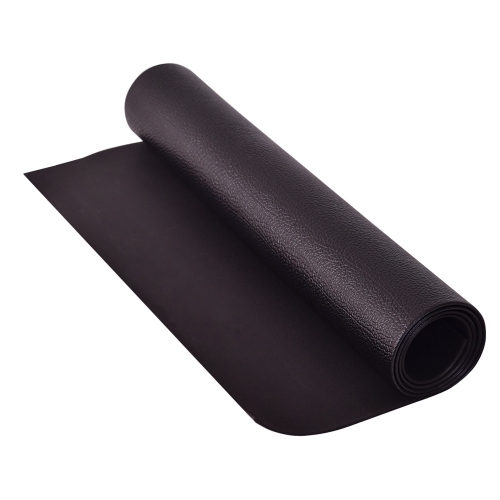
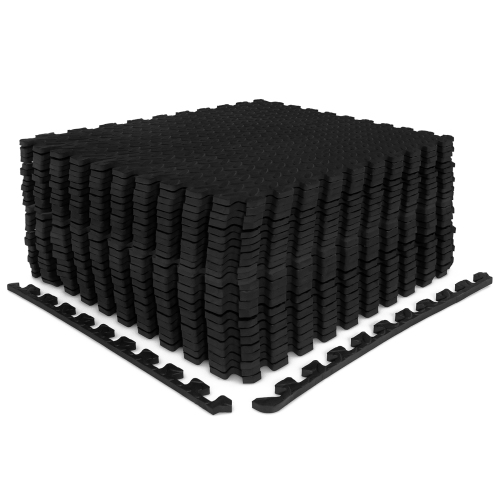
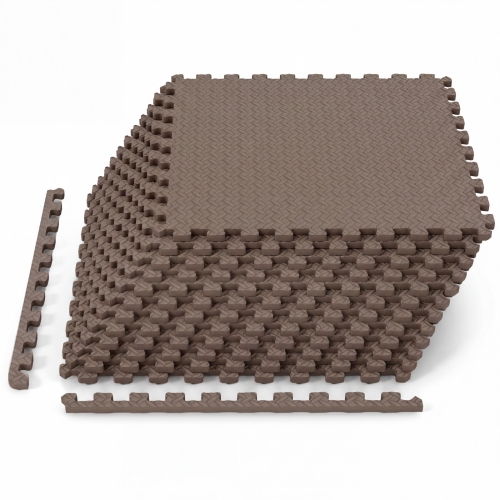
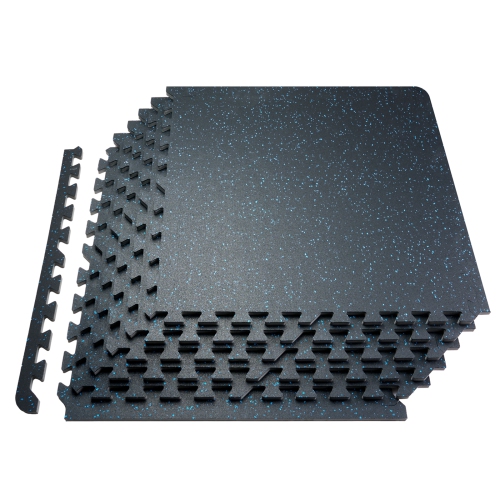
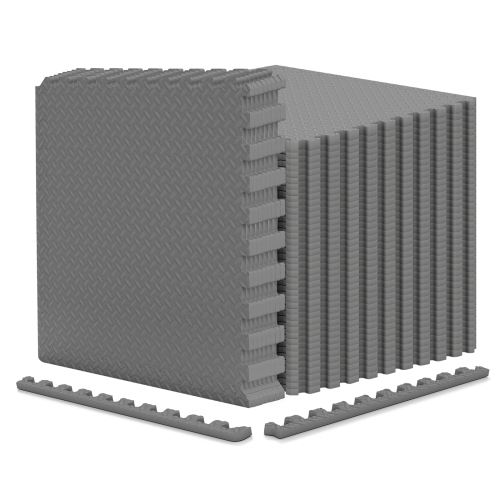
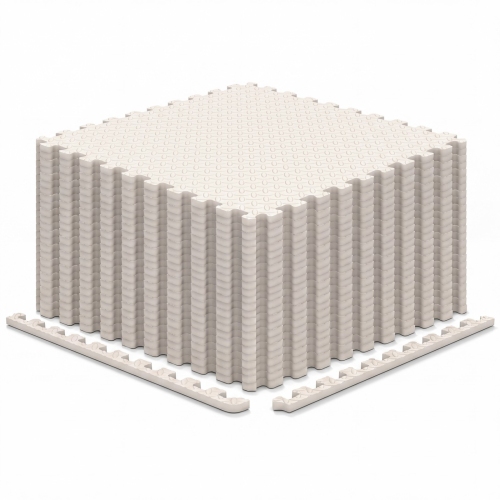
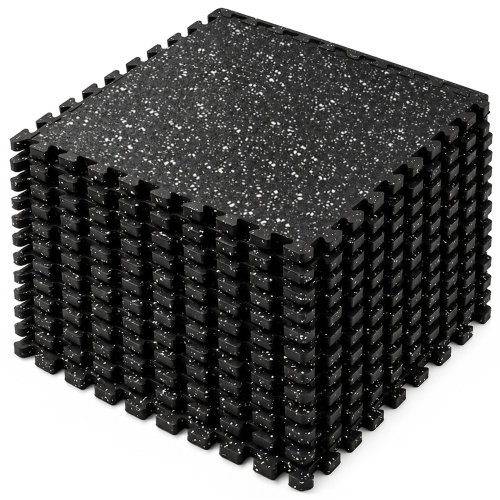
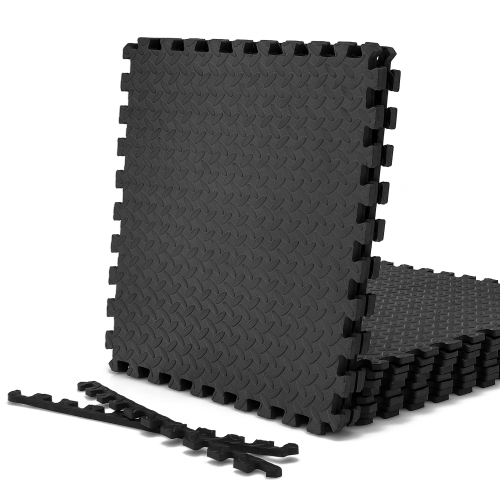
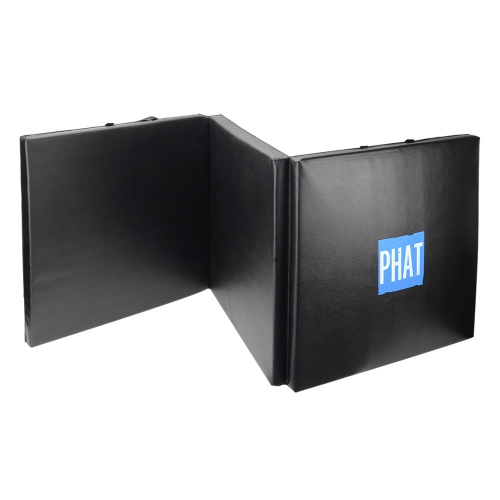
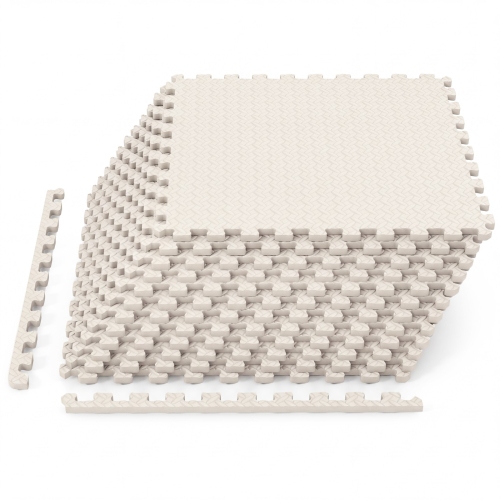
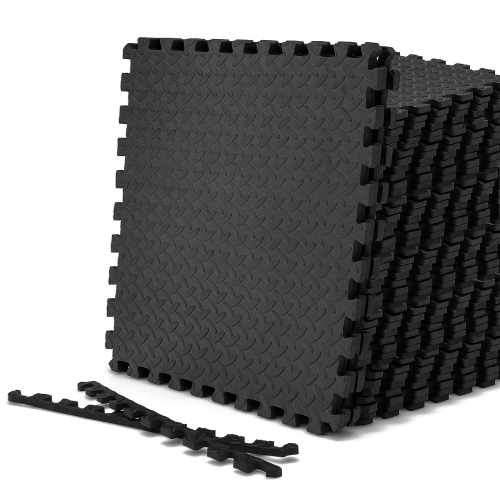
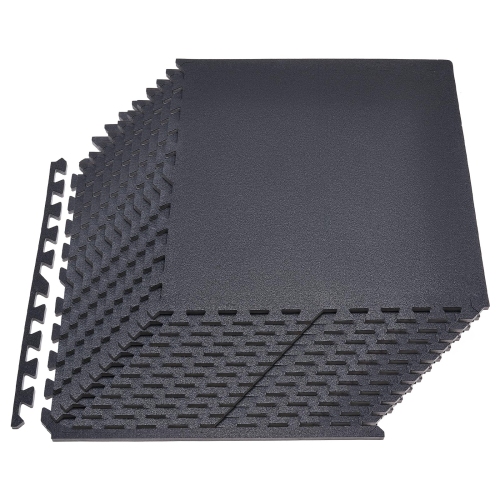
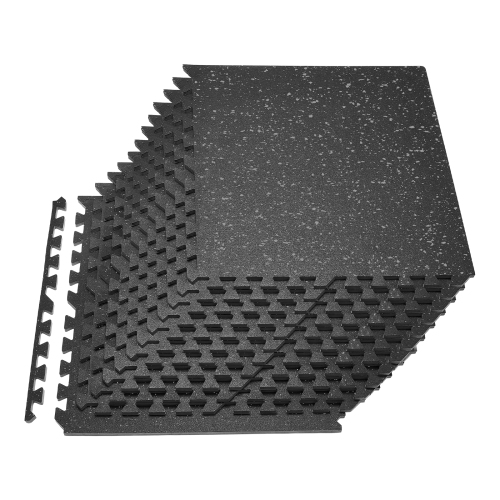
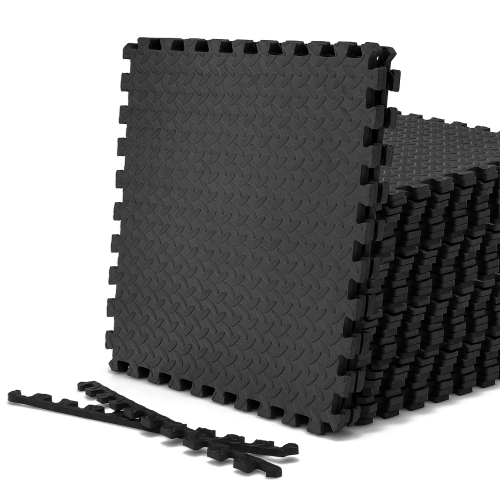
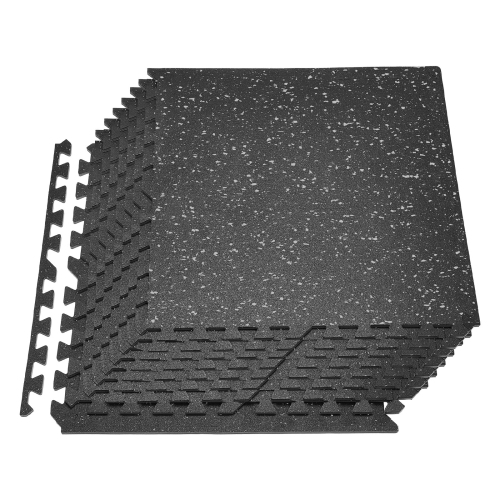
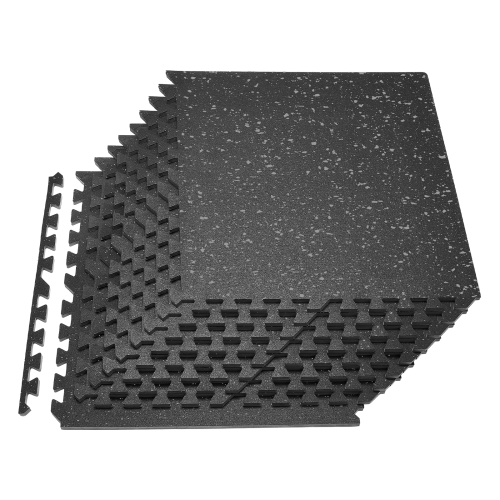
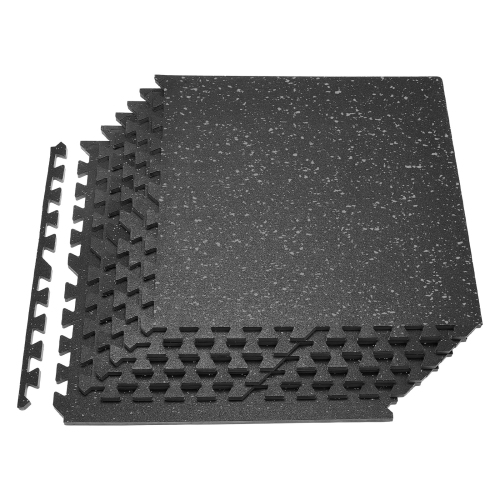
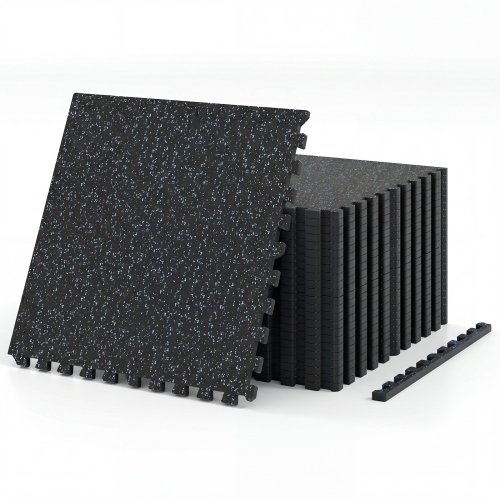
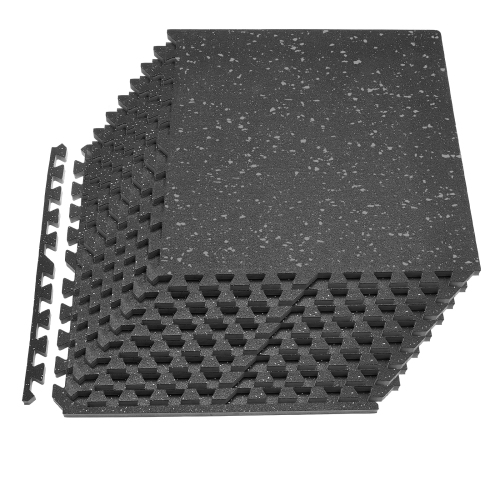
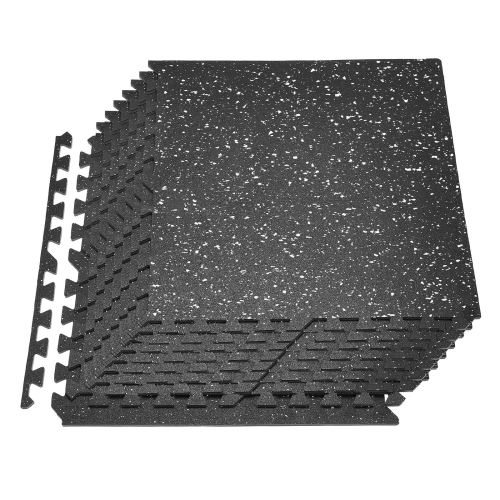
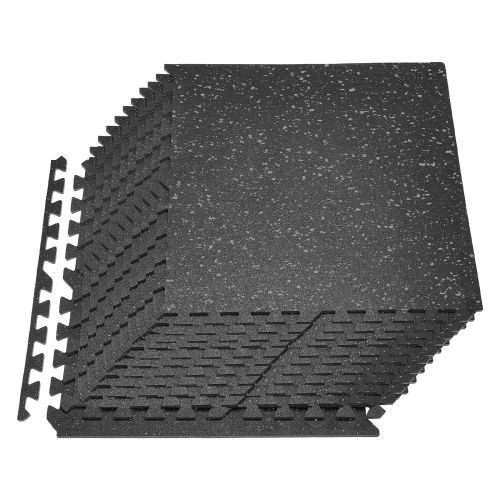
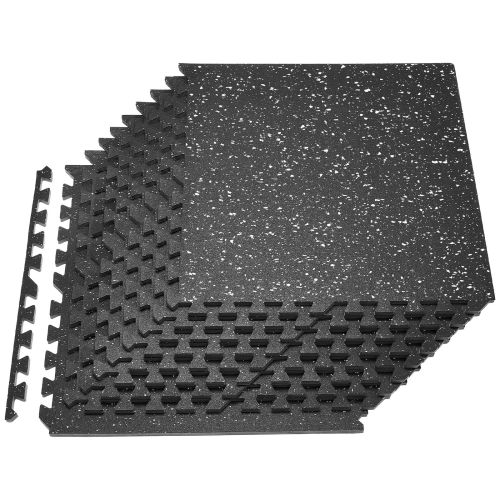
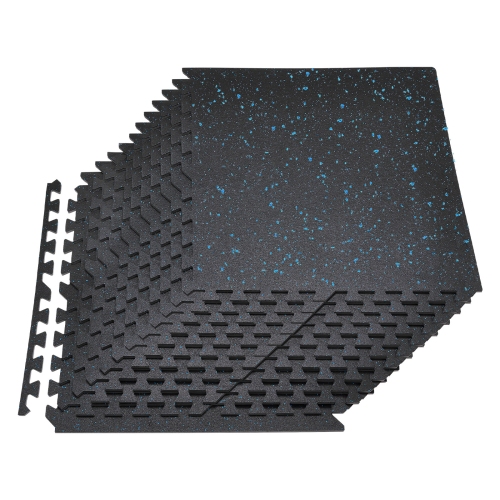
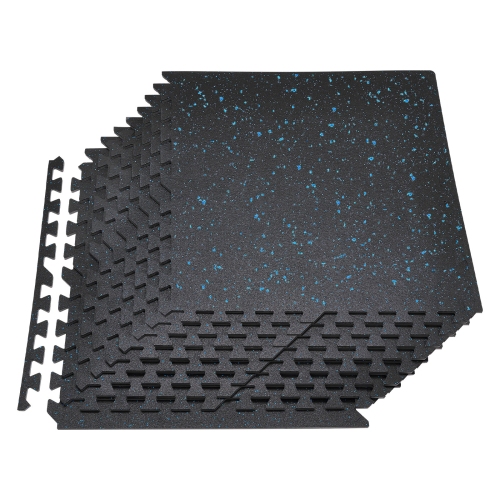
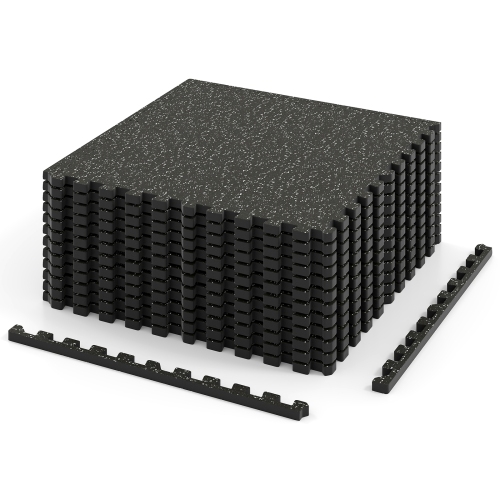
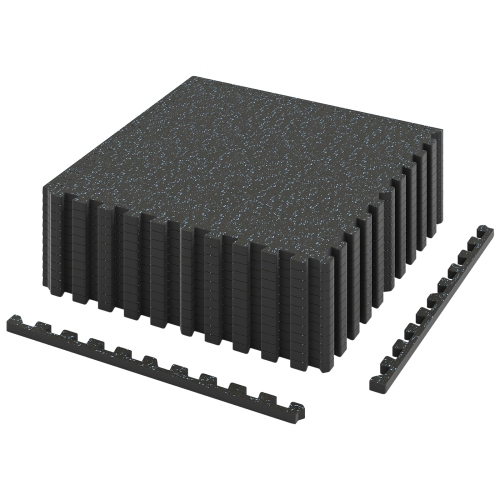
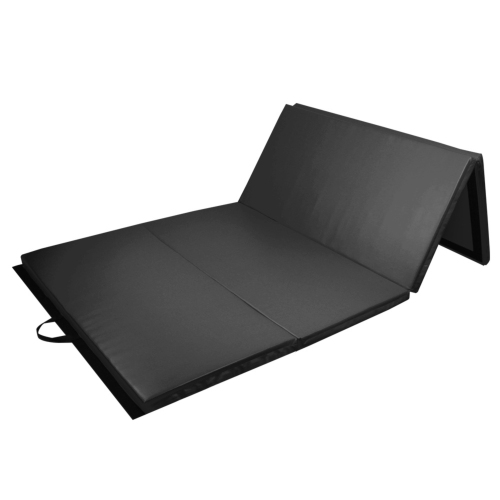
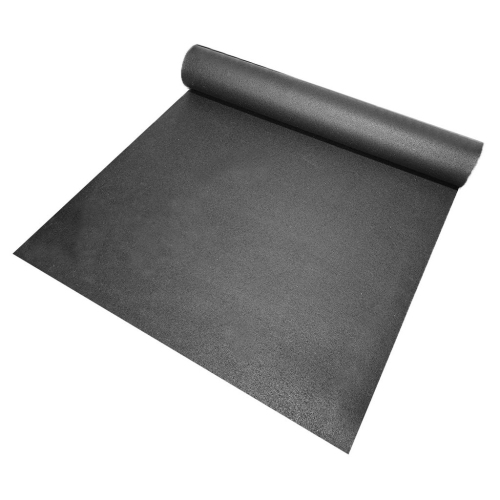
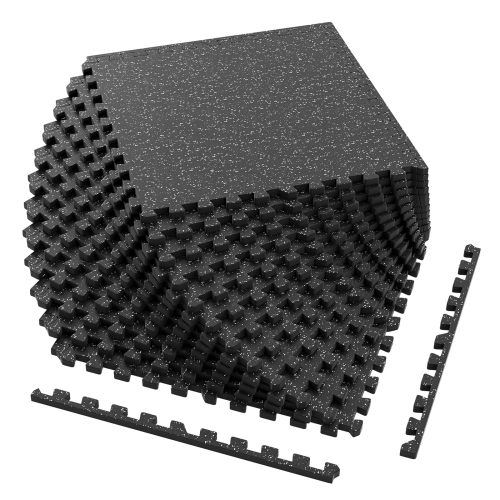
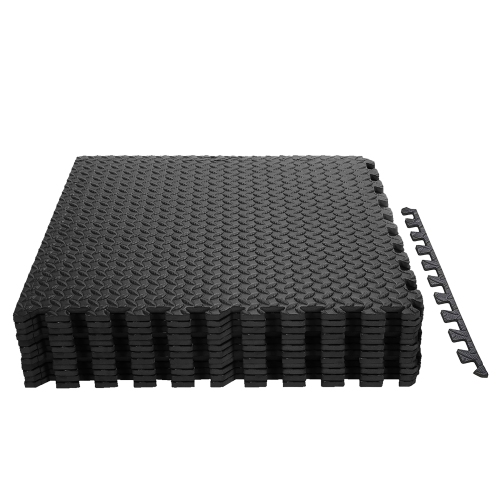
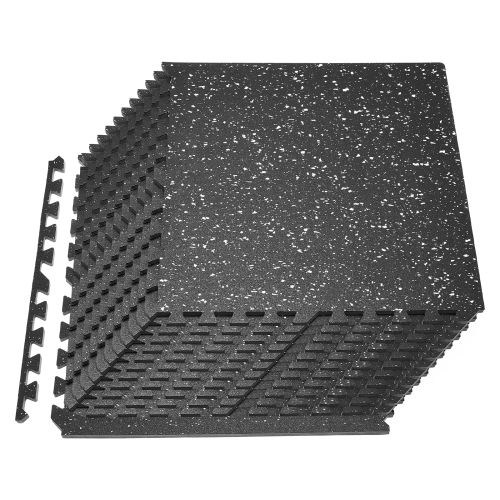
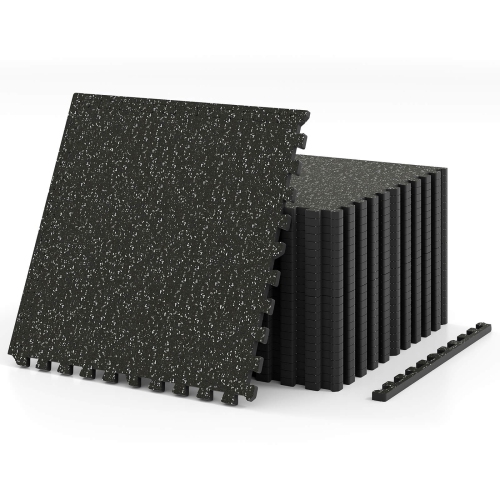
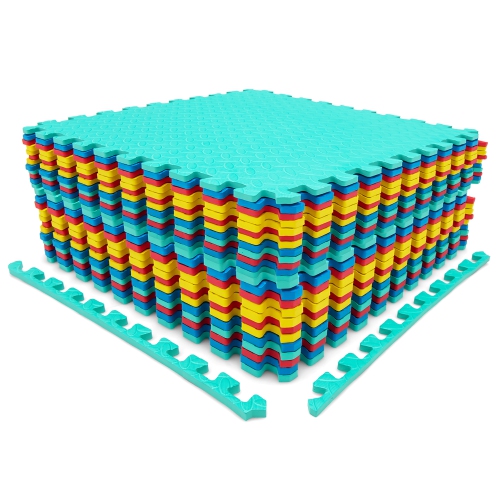
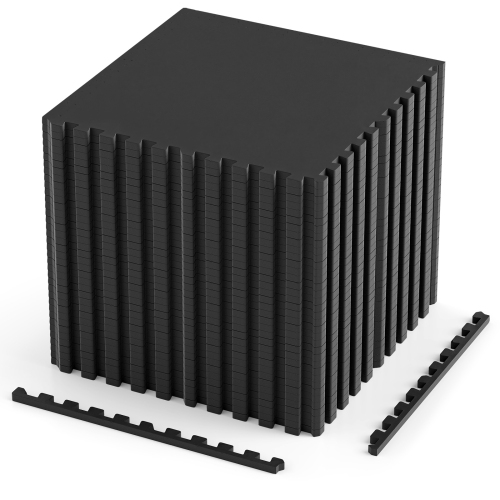
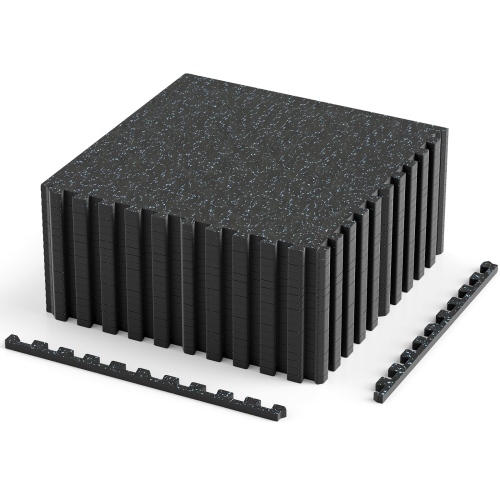
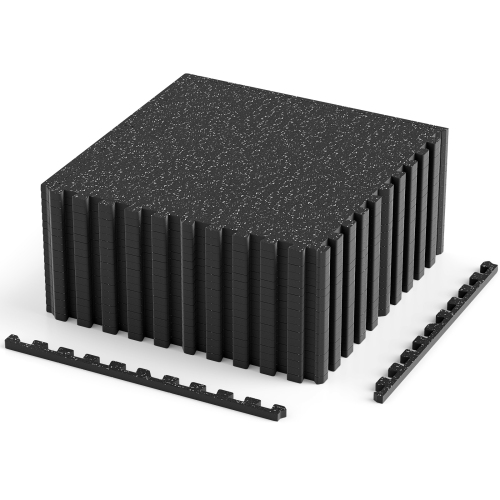
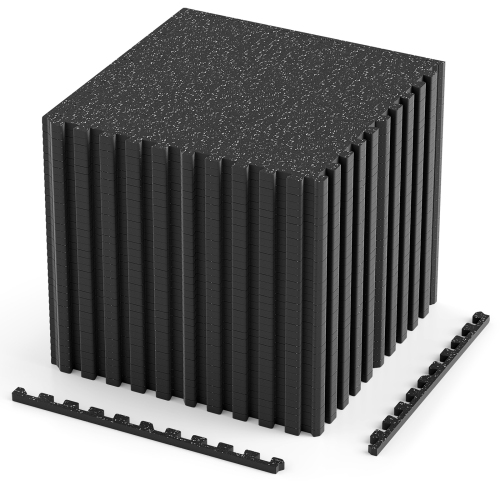
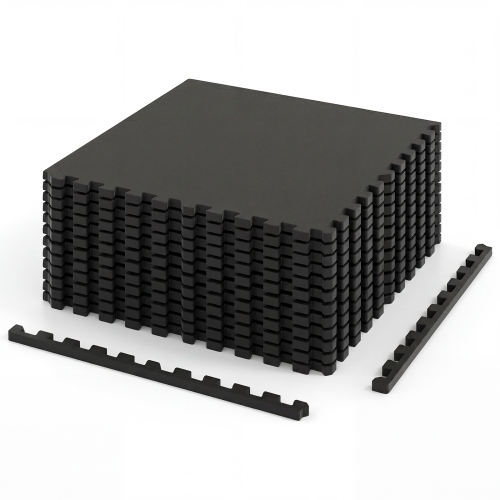
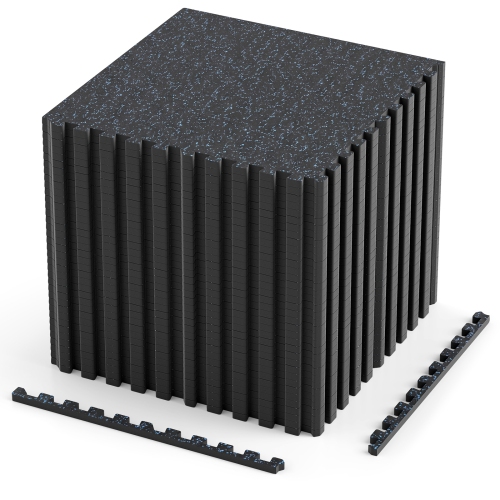
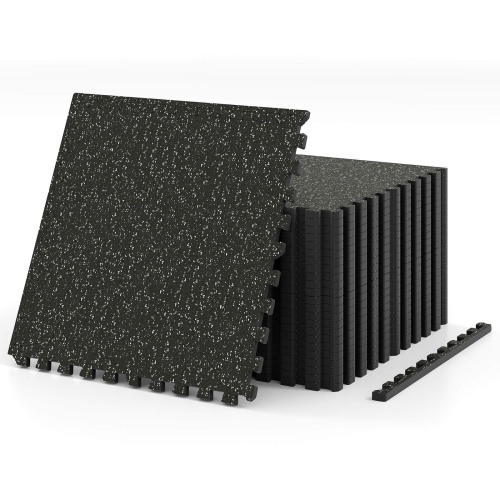
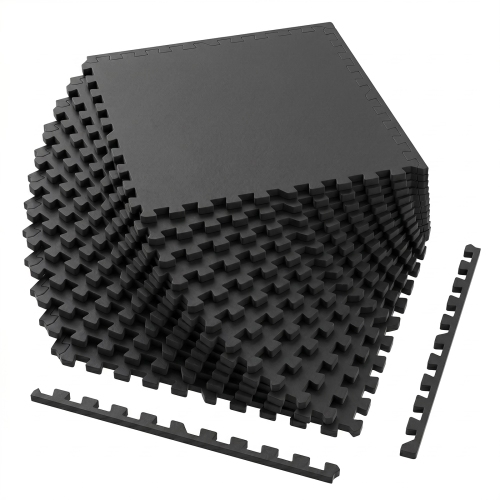
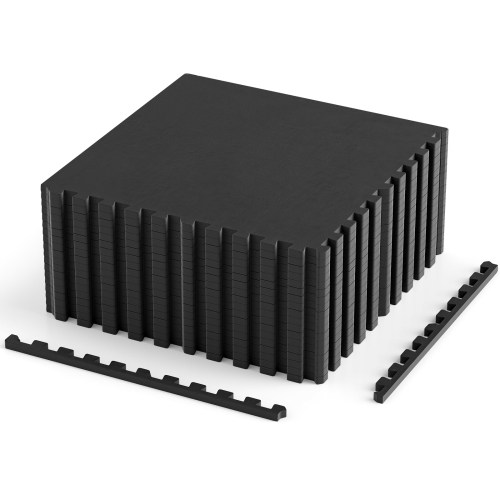
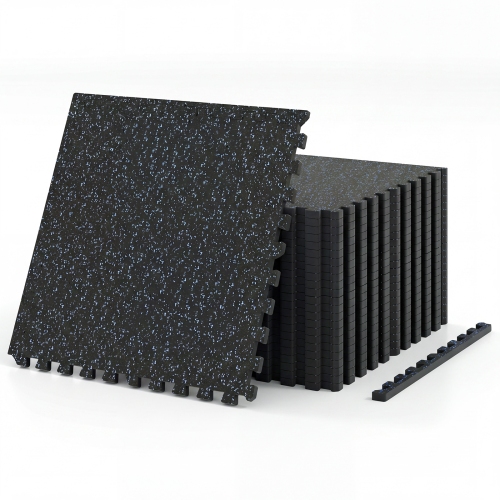
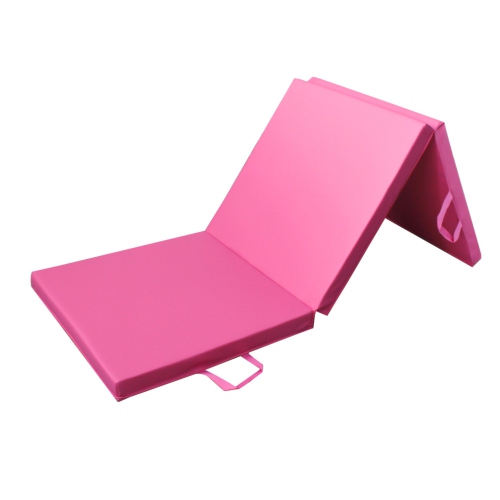
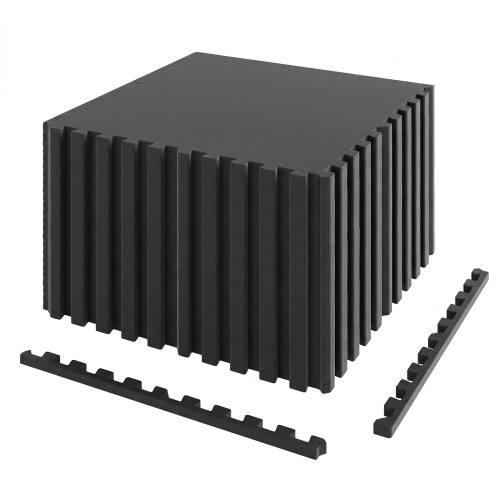
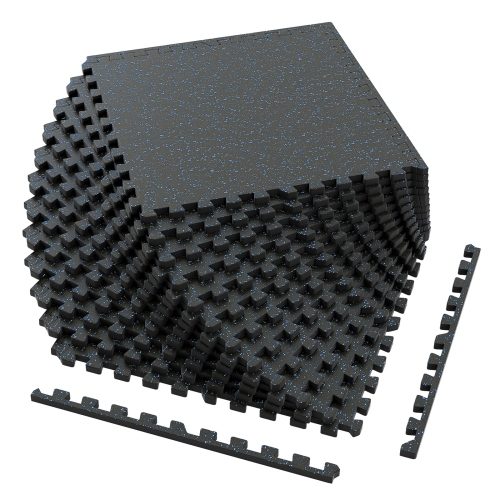
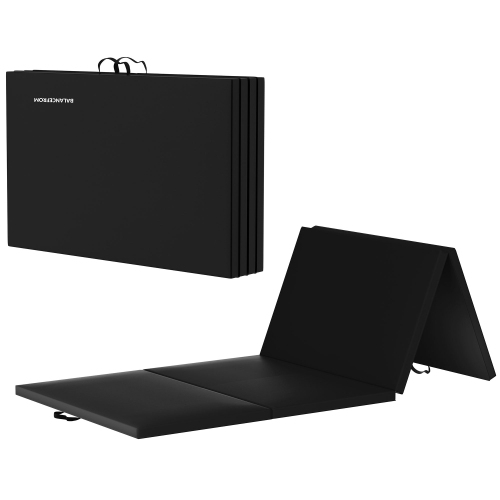
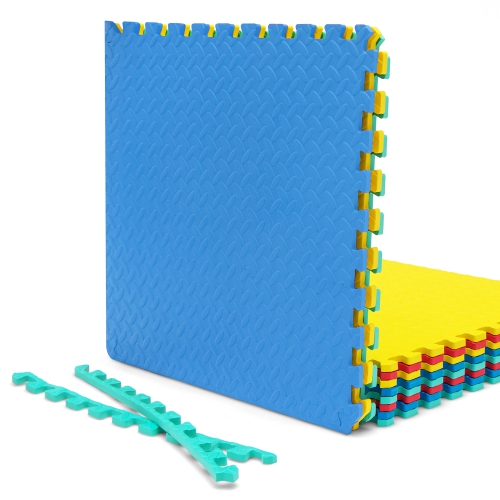
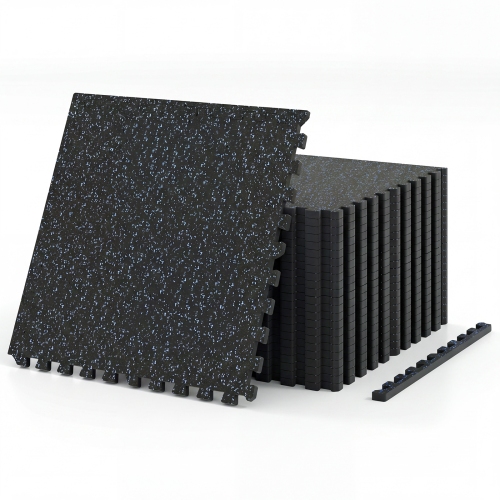
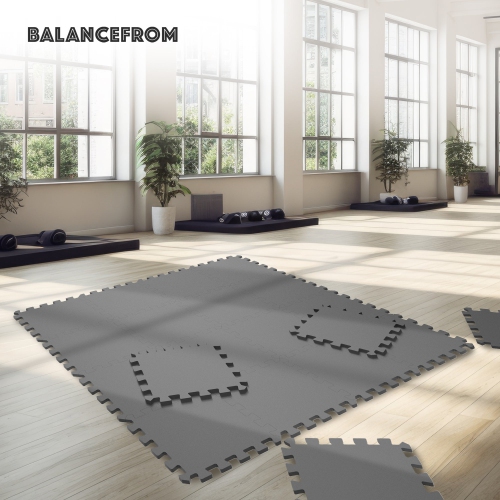
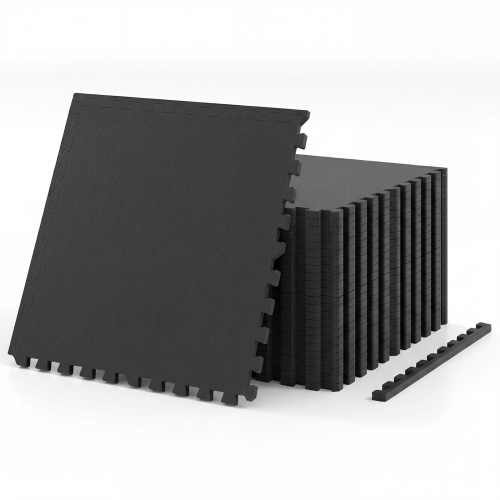
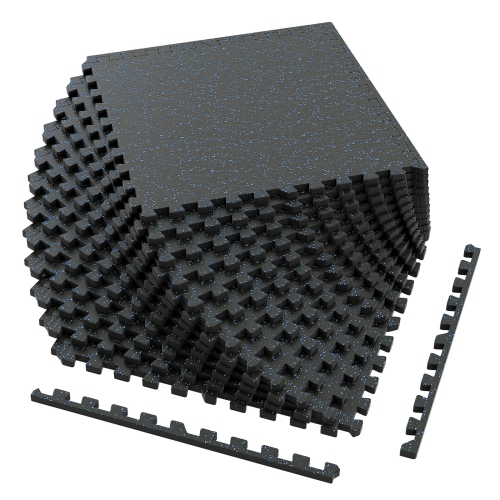
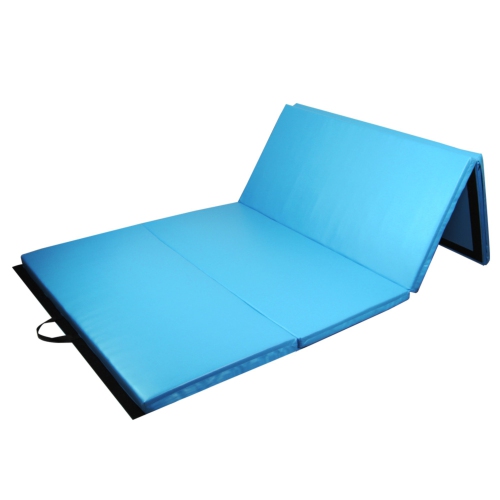
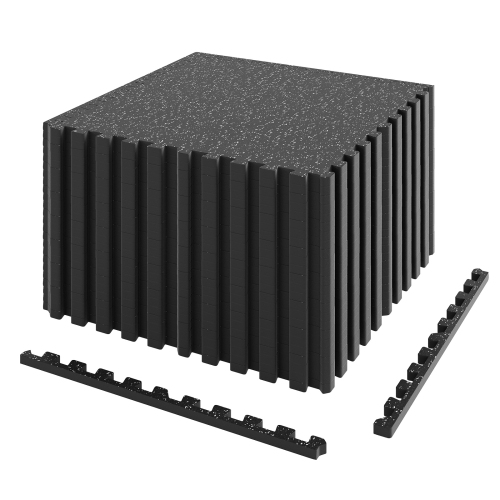
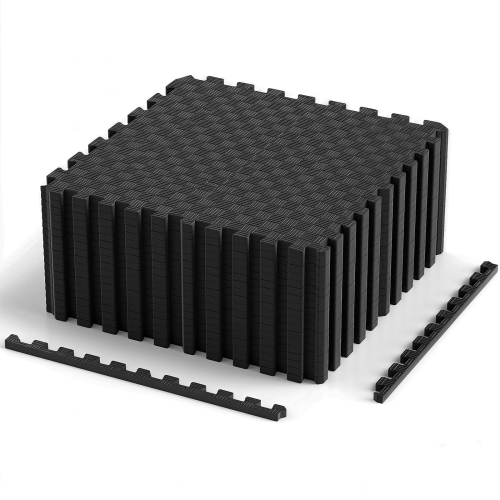
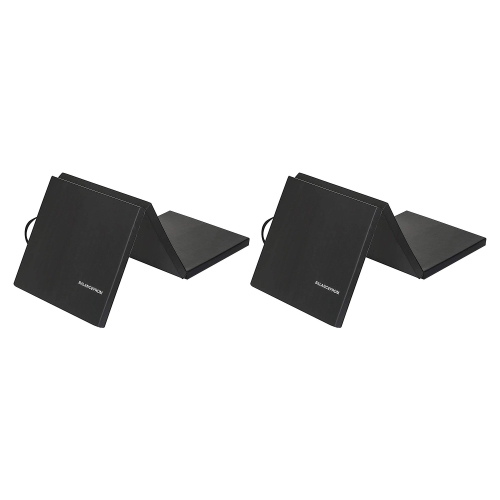
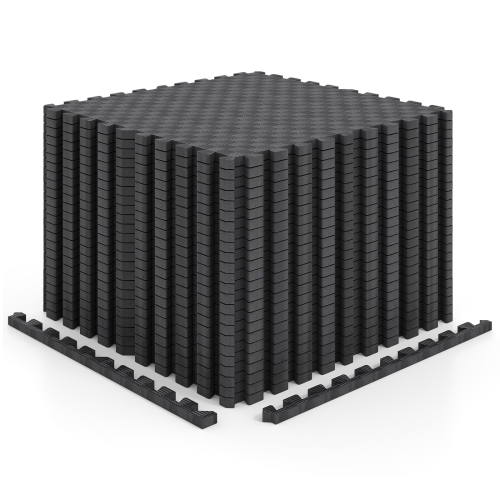
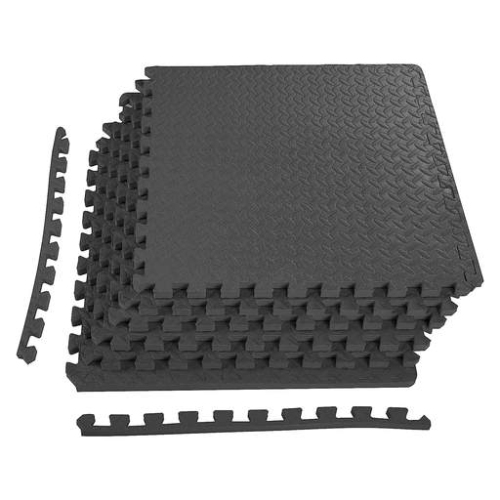
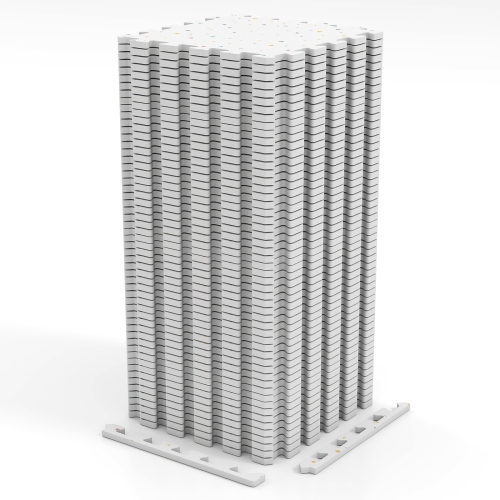
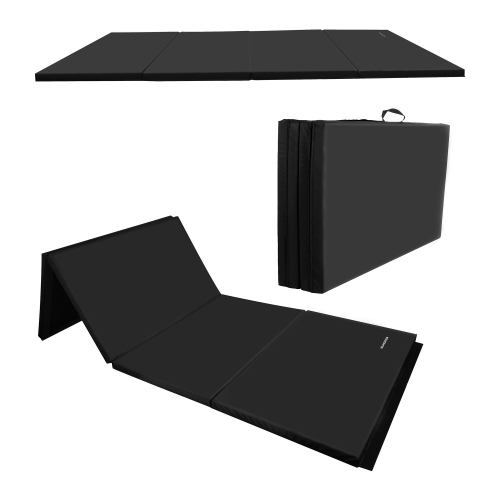
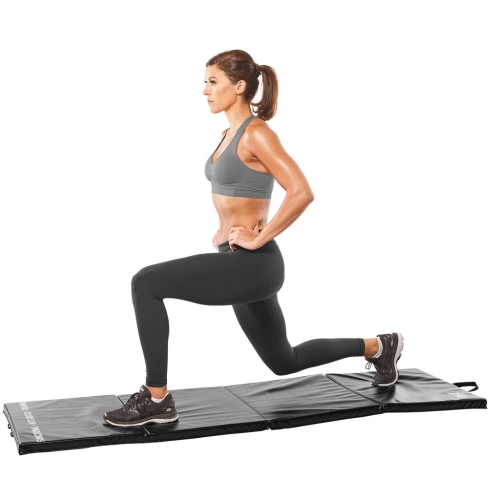
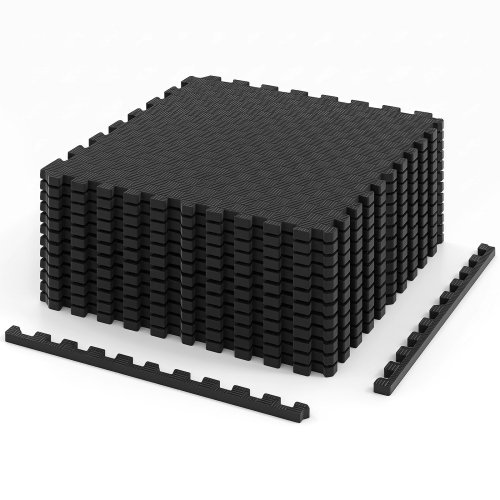
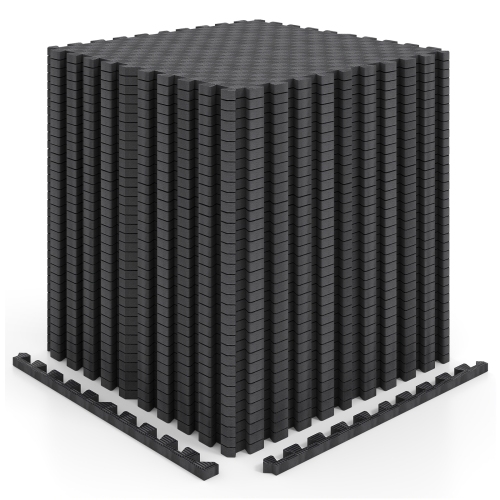
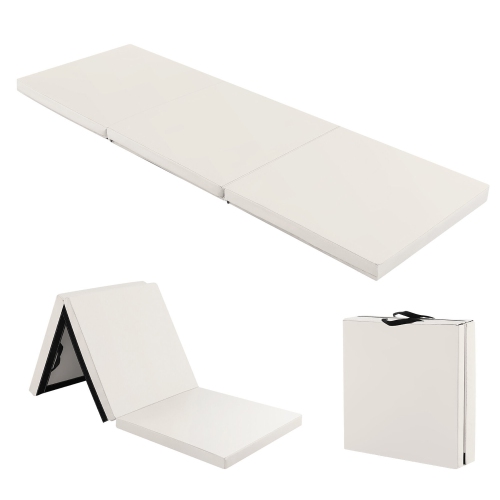
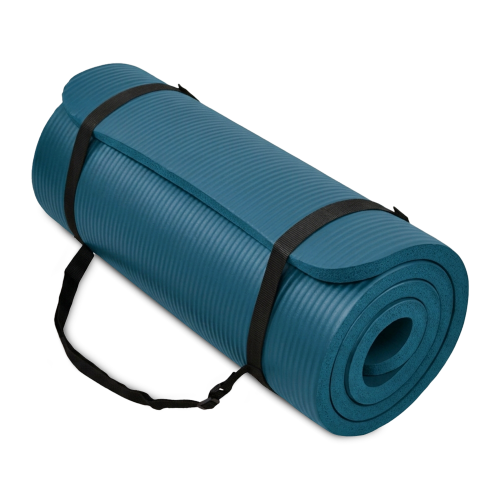
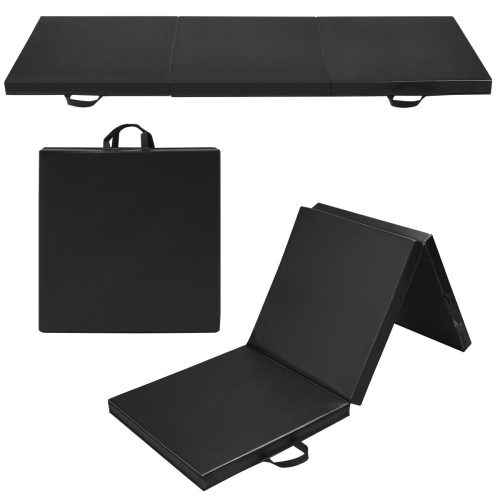
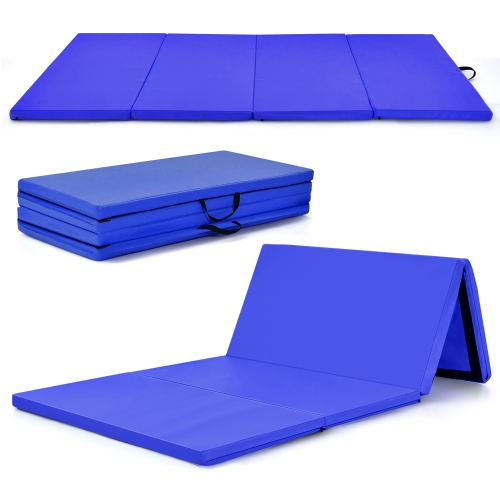
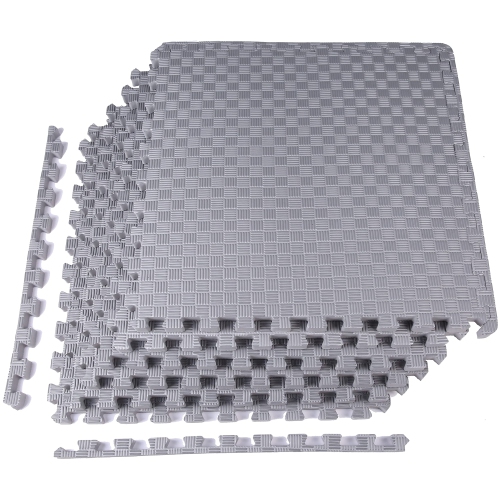
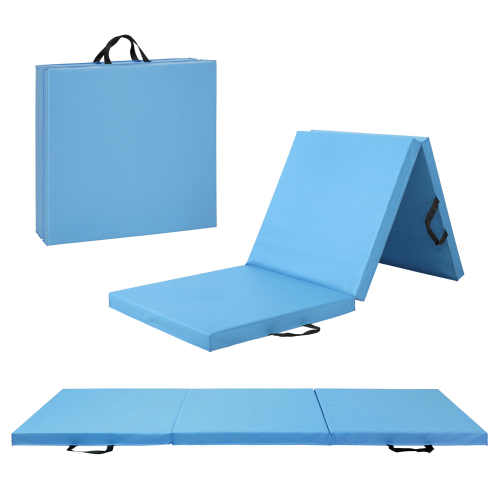
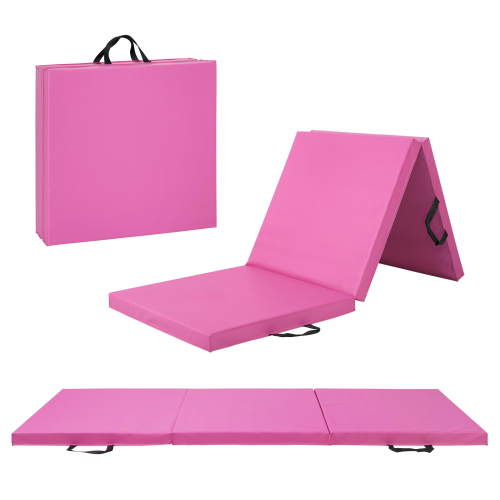
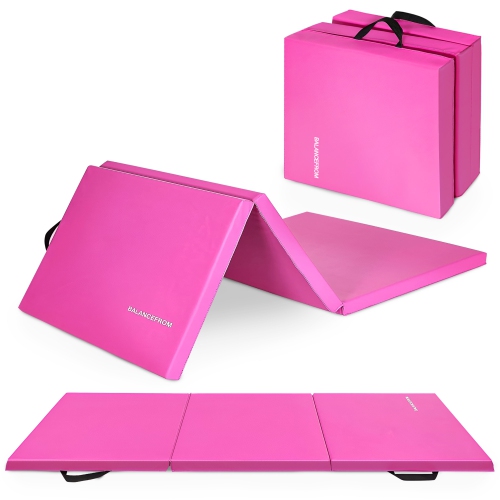
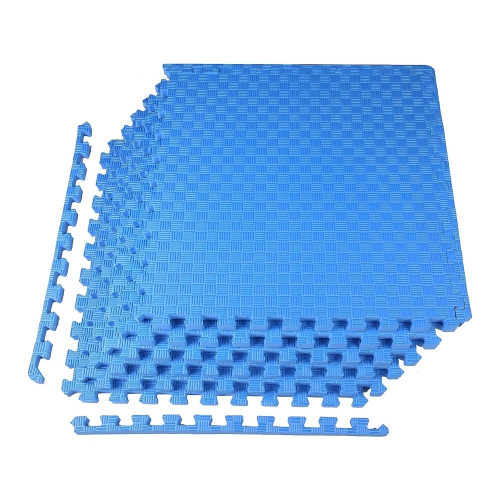
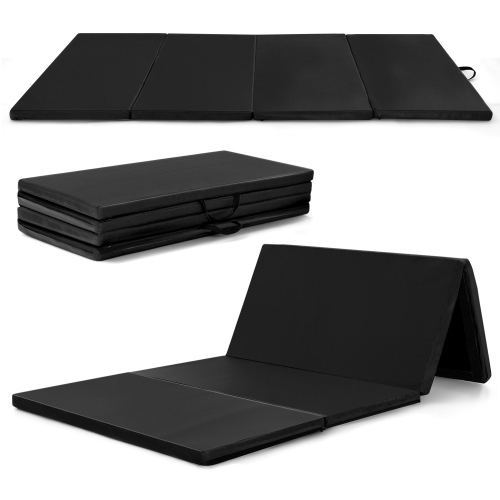
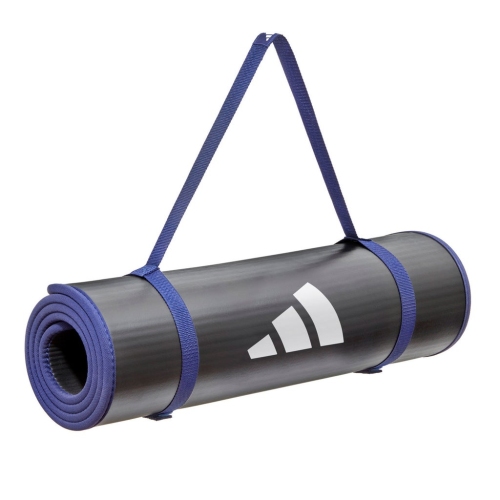
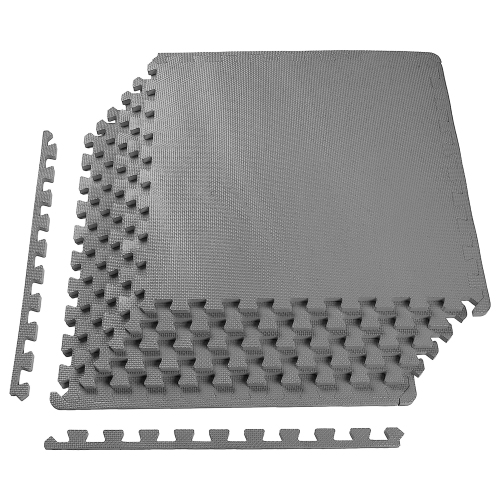
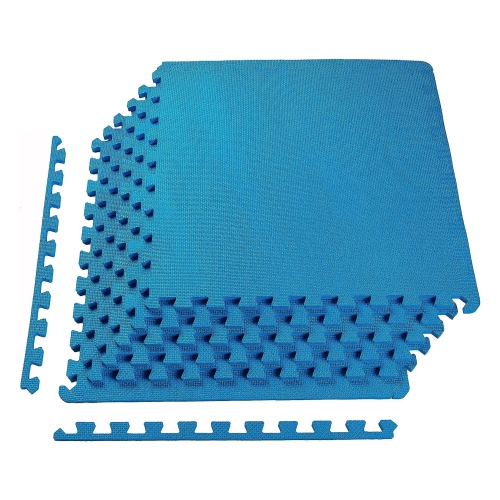
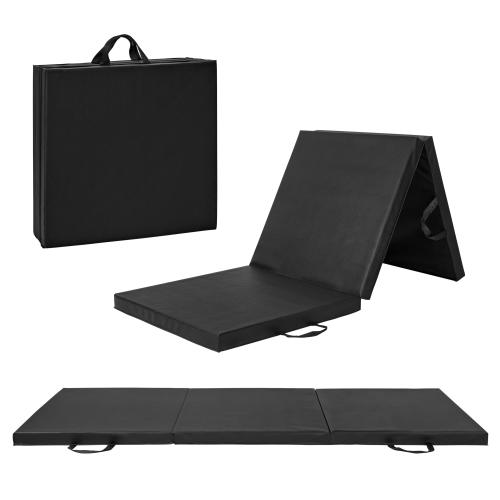
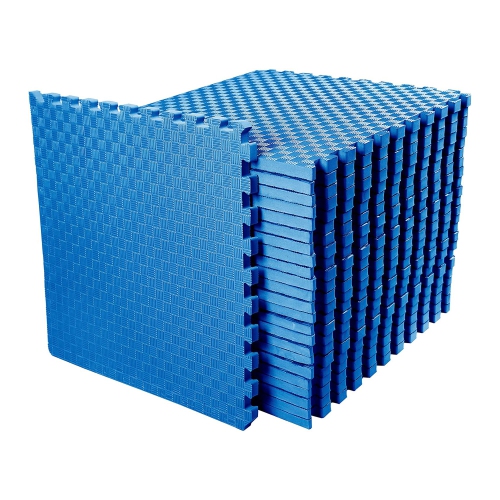
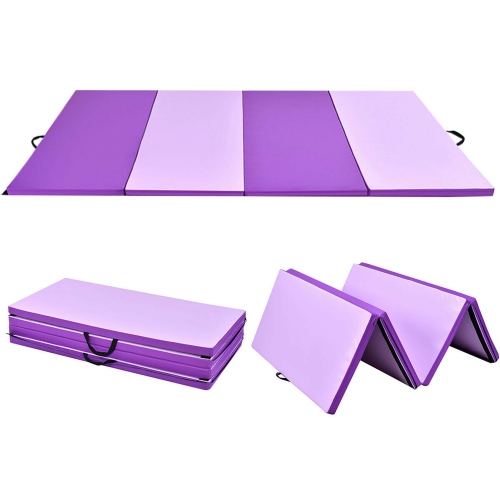
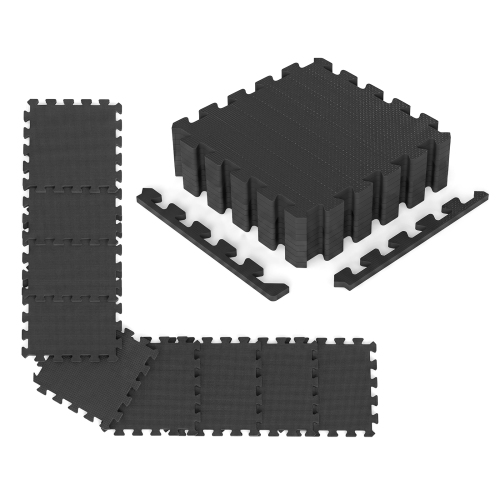
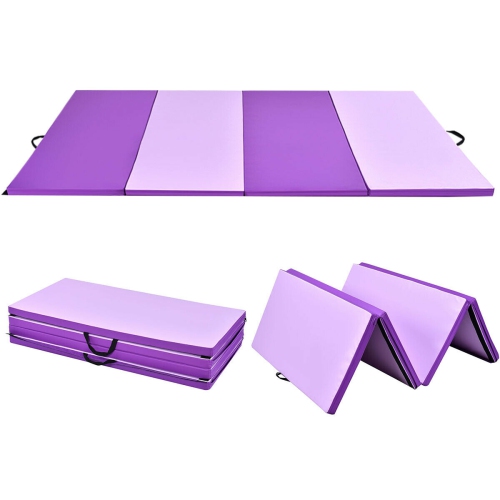
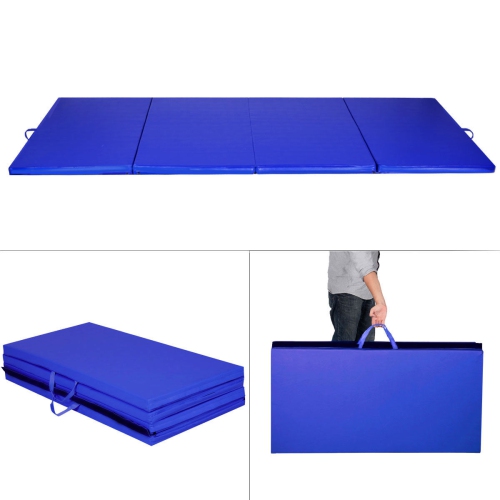
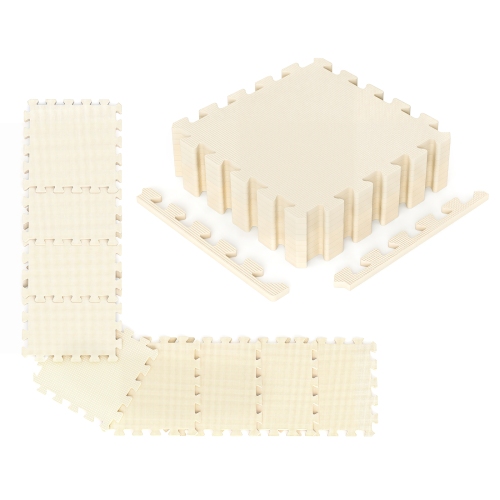
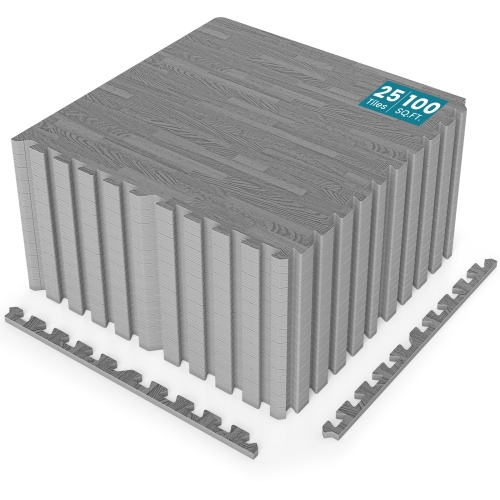
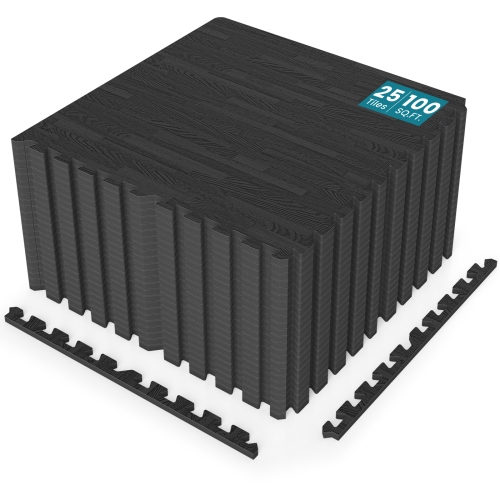
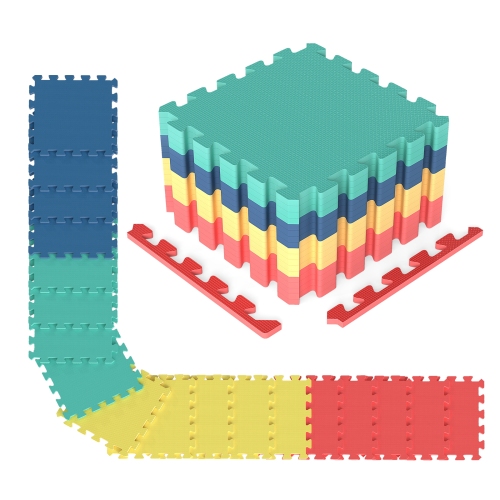
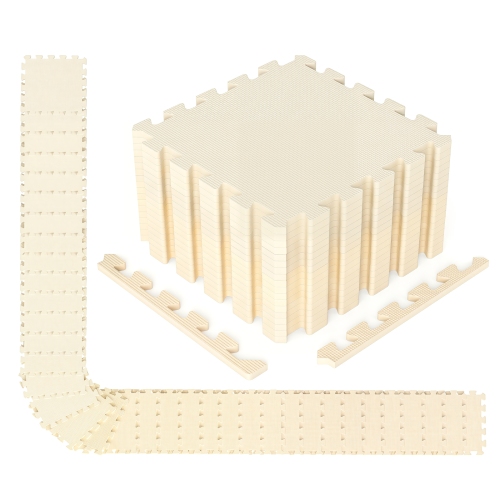
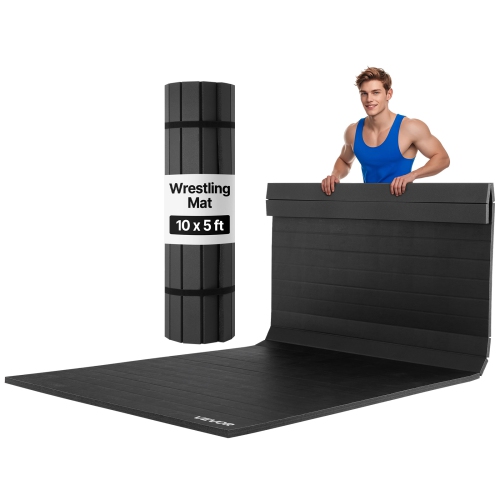
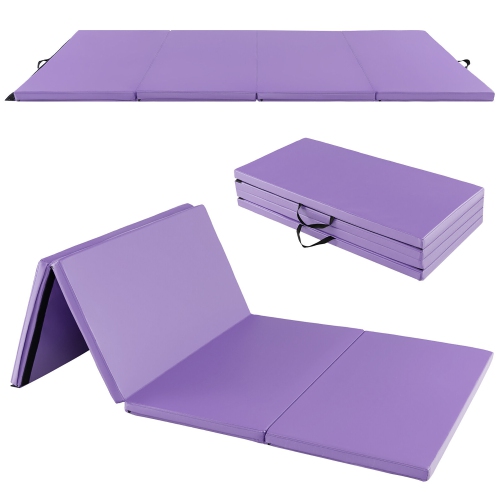
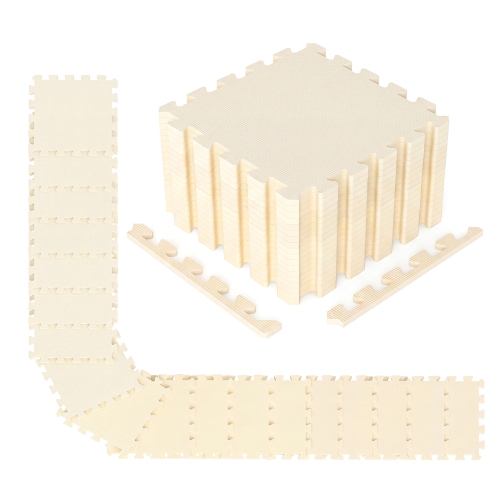
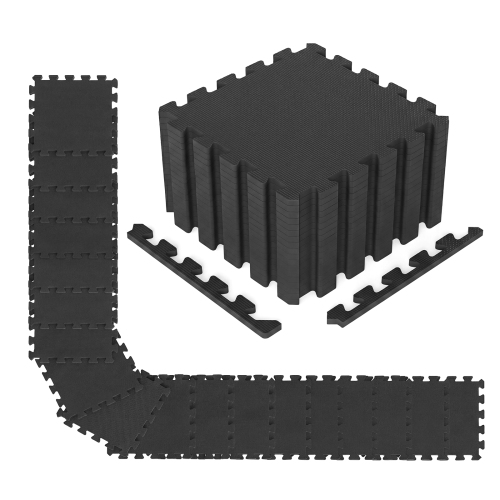
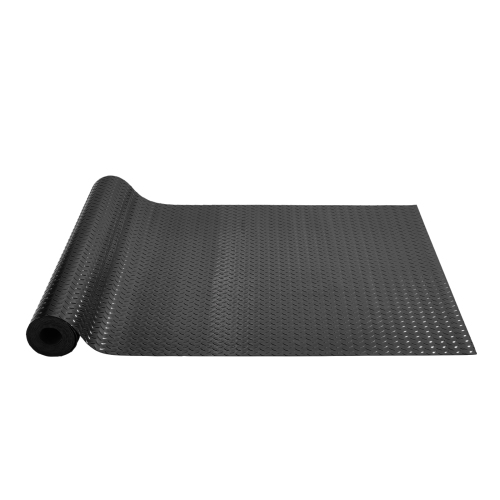
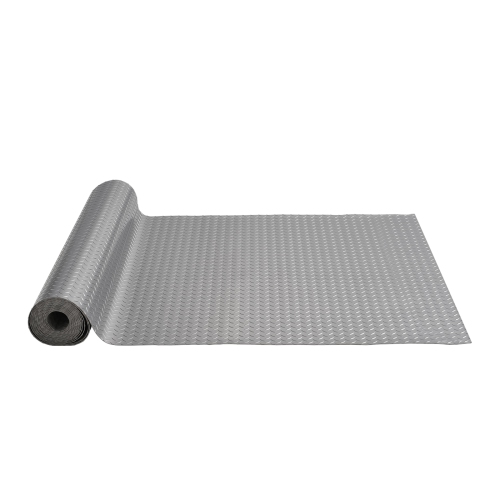
Floor mats for gym equipment create a protective layer between exercise machines, weights, and the surface beneath them. The right material depends on the equipment’s weight, the way it moves during use, and whether the area also serves as a space for floor exercises. Dense rubber is a practical choice beneath weight benches, strength-training stations, and free-weight areas because it resists compression and helps absorb everyday impact. Rubber mats around 3/8-inch to 3/4-inch thick are commonly used in strength-training spaces, although thickness alone does not establish how much weight or impact a mat can handle. Material density, construction, and the manufacturer’s intended use matter just as much. Dropping loaded barbells requires flooring or a lifting platform specifically designed for that activity; an ordinary equipment mat should not be treated as sufficient protection for the floor or building structure. For treadmills, stationary bikes, ellipticals, and rowing machines, a firm equipment mat can help protect against scuffs, collect sweat, and reduce some vibration without introducing excessive softness beneath the machine’s feet. A thicker mat is not automatically better for cardio equipment, since a soft surface may compress unevenly and affect stability. EVA foam offers more cushioning for stretching, mobility work, and bodyweight exercise, but it can develop lasting indentations beneath heavy equipment. Rubber-top foam tiles combine a more resilient surface with a cushioned base, making them useful for some mixed-use workout spaces when their load rating suits the equipment. PVC and other synthetic equipment mats can provide a wipe-clean barrier for lighter-duty use, with performance varying by construction. The underlying floor also deserves attention: hardwood, laminate, vinyl, tile, and concrete have different sensitivities to moisture, pressure, and contact with mat materials. Some rubber compounds can mark or discolour certain finishes, so compatibility with both the flooring and equipment is worth confirming. On carpet, a mat cannot necessarily create the firm, level support a machine needs, especially where the carpet or underlay is plush.
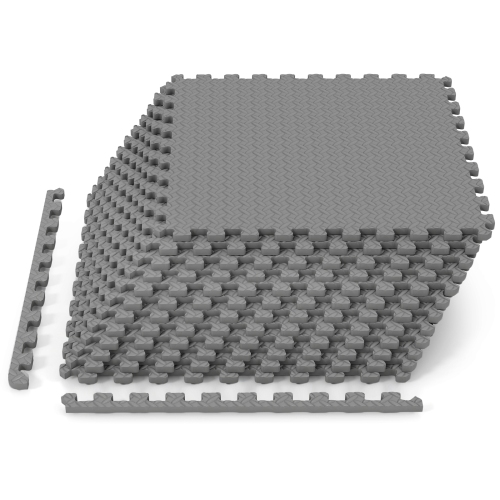
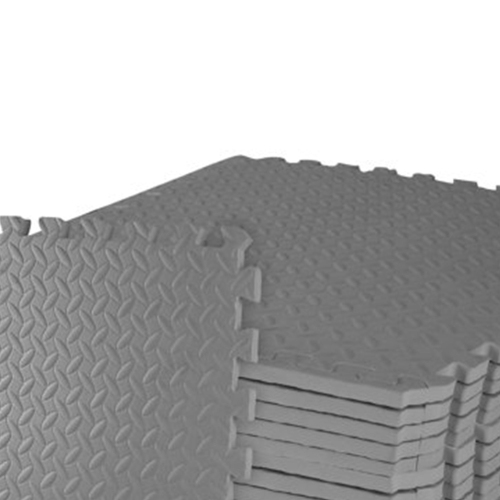
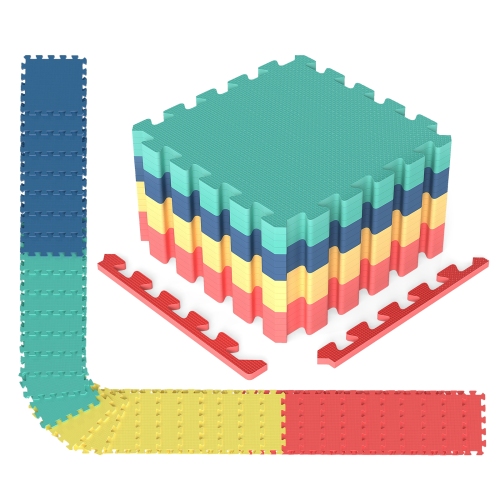
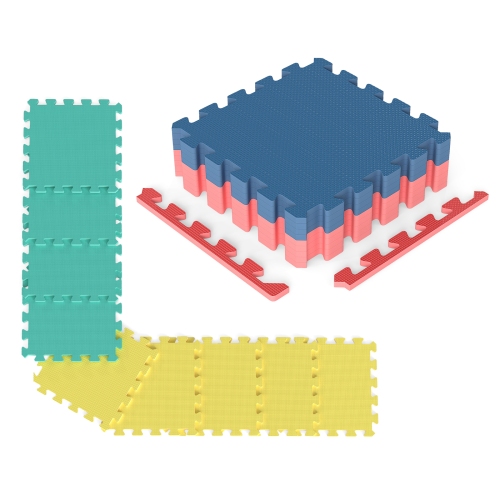
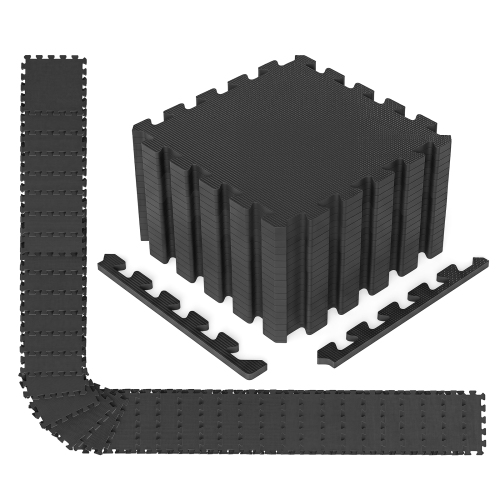
Fit involves more than matching a mat to the dimensions shown for a machine. A suitable equipment mat supports every contact point, including stabilizer feet, while leaving enough room for normal movement during a workout. A stationary bike may need space around its base to catch sweat, whereas a treadmill needs a mat that accommodates its full frame without interfering with the clearances required behind and beside it. Rowing machines have long footprints, and some change position or fold for storage, so their resting and working dimensions can differ. For a weight bench, the area used to lift, reposition, or set down dumbbells may extend well beyond the bench itself. Measuring the usable floor area and checking the equipment manual helps distinguish a protective footprint from the larger clear space needed for safe exercise. Single-piece mats provide a continuous surface beneath an individual machine and avoid joins directly under its feet. Interlocking tiles allow a workout area to expand around a bench, exercise station, or open stretching space, but secure joins and level edges are important where equipment and people move across them. Softer tiles may separate or compress under loads they were not designed to support. A textured surface can offer useful traction, although it still needs to be kept clean and dry, and a grippy underside works best on a compatible, clean floor. Raised corners, curled edges, and gaps between tiles can become tripping hazards, particularly in a room that also serves as an office or living area. Rounded or bevelled edges can make transitions easier where the design includes them. Colour and surface finish can help a workout corner blend into the room, while texture affects how easily dust and sweat wipe away. For spaces that combine equipment with stretching or floor-based exercise, Fitness Floor Mats can also suit the broader workout area, provided the surface supports each intended activity.
Durability becomes most noticeable in the small details of daily use: the indentation beneath a bike’s rear stabilizer, the patch where a bench is repeatedly moved, or the edge crossed every time someone steps onto a treadmill. Dense, well-constructed mats generally hold their shape better under sustained loads, while softer materials may offer comfort at the cost of greater compression. A durable surface should suit the type of wear it will encounter, whether that means stationary machine feet, frequent repositioning, or shoes turning during exercise. Equipment should be moved according to its instructions rather than dragged across the mat, which can tear the surface, pull apart tile connections, or scratch the floor underneath. Care is usually straightforward, but the cleaning method should match the material. Dust and grit can be removed with a vacuum or soft brush, followed by a lightly damp cloth and a manufacturer-approved cleaner where appropriate. Harsh solvents, abrasive tools, and excessive water may damage a mat or its finish. Sweat should be wiped up after exercise, and moisture should not be left trapped beneath the mat, especially on wood-based flooring. Periodic checks underneath help reveal dampness, transferred colour, accumulated debris, or changes in the floor finish before they become harder to address. Mats that arrive rolled may need time to lie flat according to their care instructions, and only flexible designs intended for rolling should be stored that way. For apartment residents and households with shared living spaces, a mat may soften some equipment vibration and contact noise, but it will not soundproof a room or eliminate the impact transmitted by running or dropped weights. Its main role remains providing a suitable interface between equipment and flooring. A well-matched mat can be a thoughtful gift for someone setting up a home workout space, especially when the equipment dimensions and floor type are known. Whether supporting a compact bike in a spare room or a larger strength-training area, the most useful mat balances floor compatibility, stable support, manageable care, and the demands of regular exercise.
Top selling and popular products
-
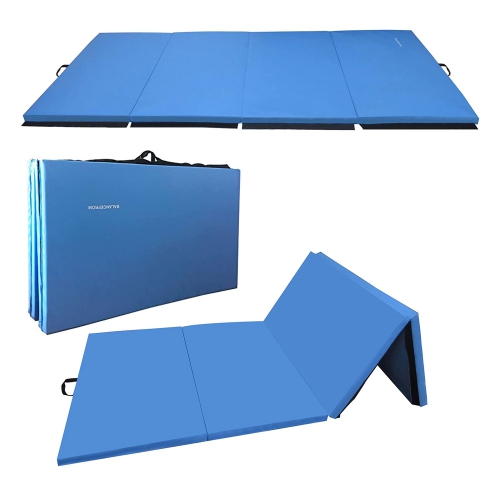 Your price for this item is $212.99
-
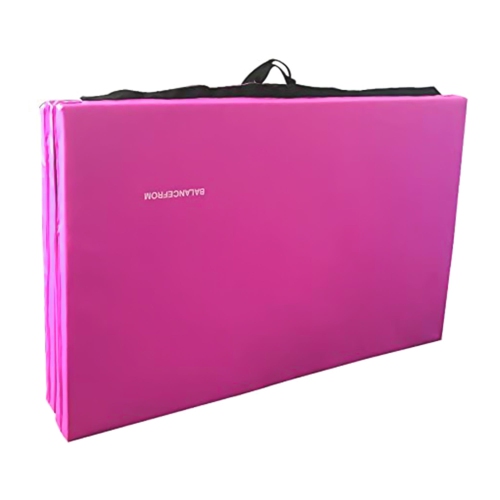 Your price for this item is $225.99
-
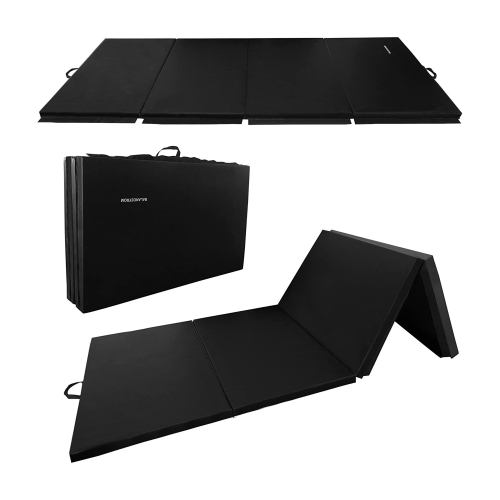 Your price for this item is $251.99
-
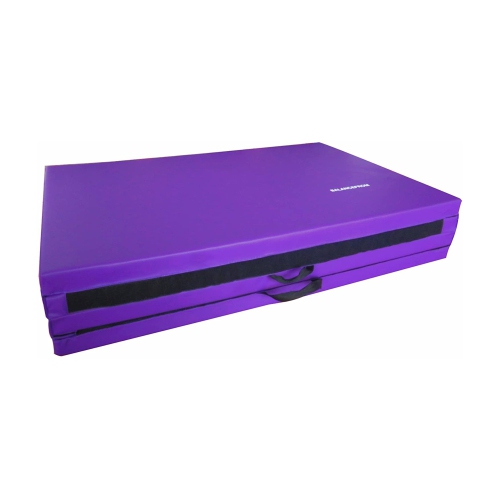 Your price for this item is $220.99
-
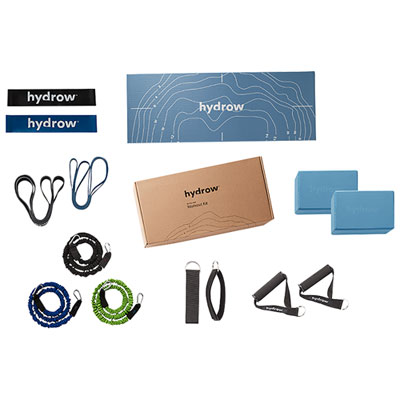 Your price for this item is $229.99
-
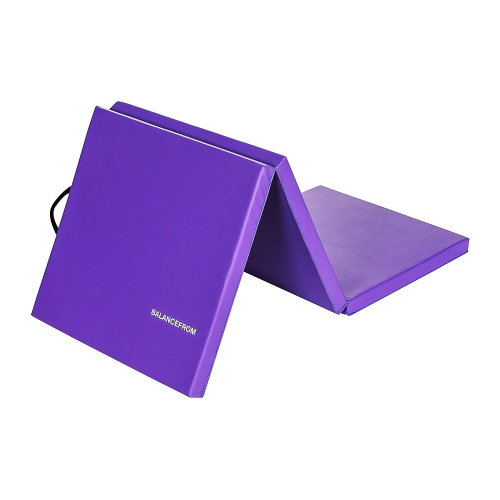 Your price for this item is $84.99
-
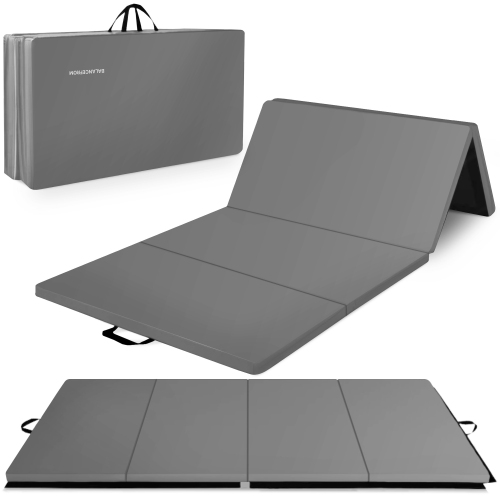 Your price for this item is $227.99
-
 Your price for this item is $259.99
Discover more categories related to Floor Mats for Gym Equipment

Top Collections:
Pokemon Centers, Kindle Devices, Best Budget Office Chairs, Canon G7X Cameras, Apple iPhones 16, Samsung Galaxy Phones, Refurbished Apple Laptops, Laptops for Students, iPhone 15 Apple, Budget Smartphones
Some products may be subject to Environmental Handling Fees
(EHF) depending on your province.
Learn more about EHFs.