Genuine Leather Belts
Crafted with the finest materials and expert craftsmanship, these belts are designed to enhance your style and stand the test of time. Whether dressing up for a formal occasion or adding a touch of sophistication to your everyday look, our genuine leather belts offer the perfect blend of functionality and fashion-forward design. Explore our wide range of options and find the perfect belt that fits your style and complements your wardrobe effortlessly.
Sort
A leather label tells only part of the story
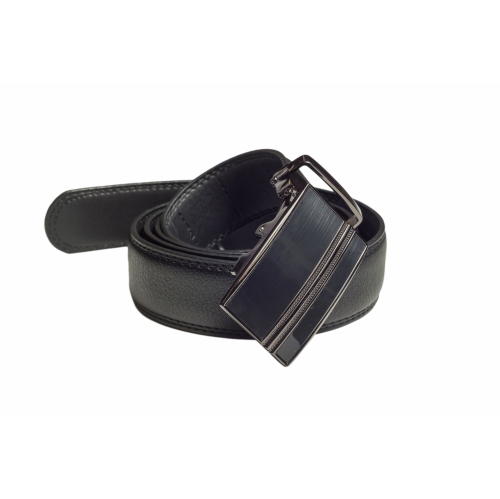
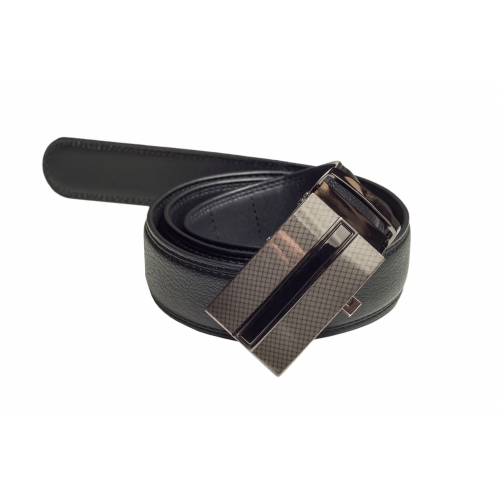
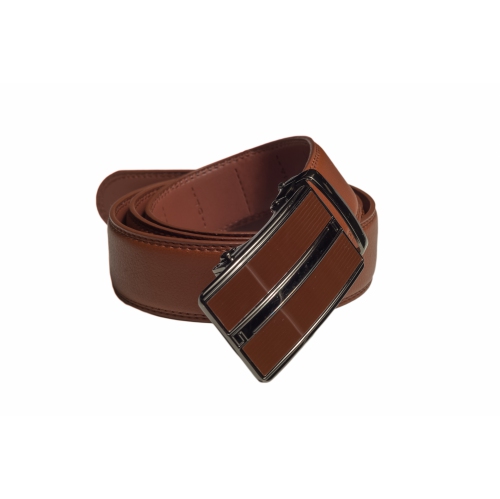
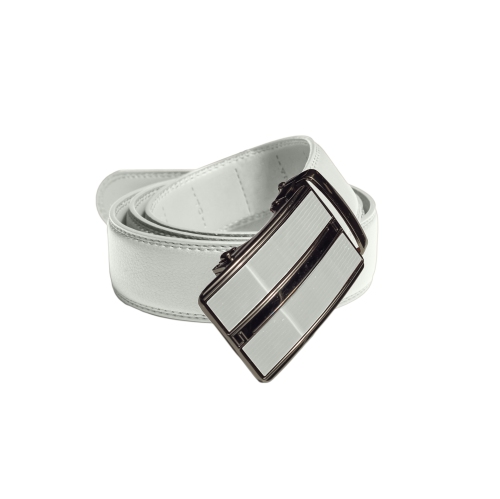
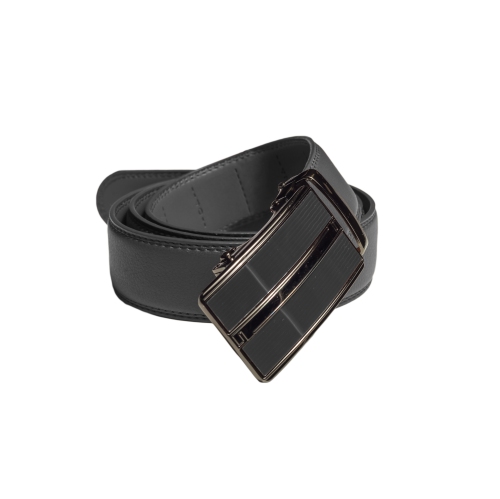
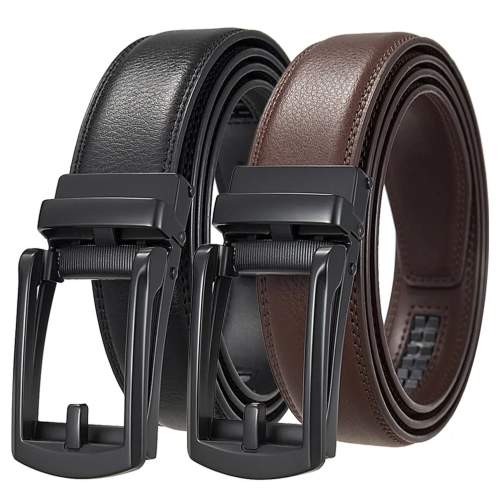
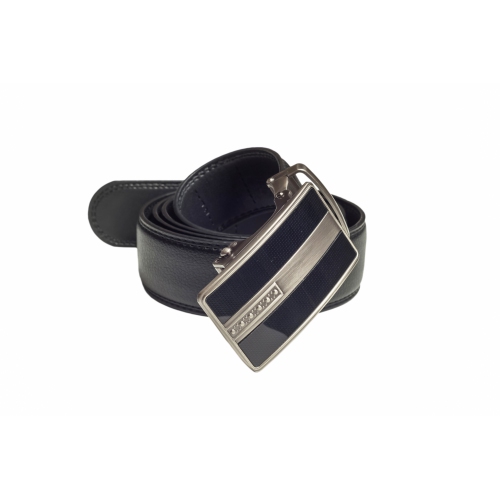
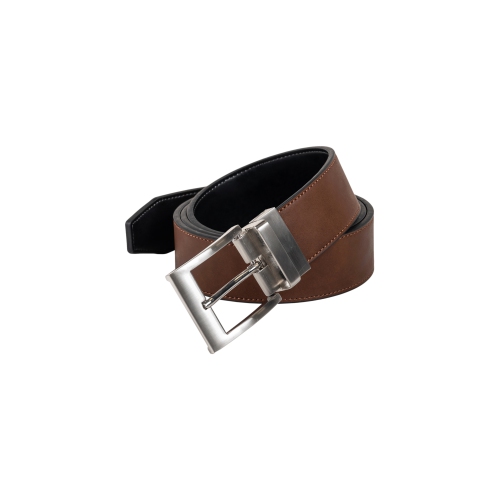
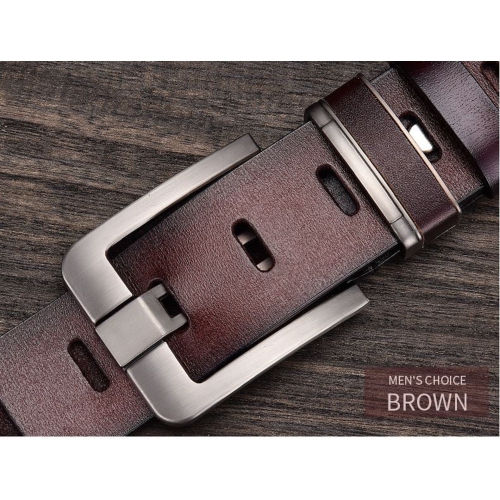
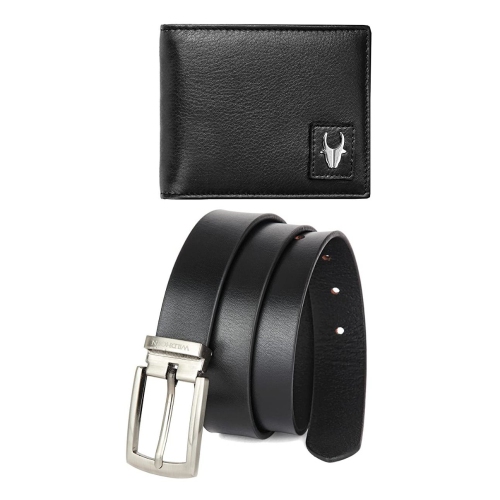
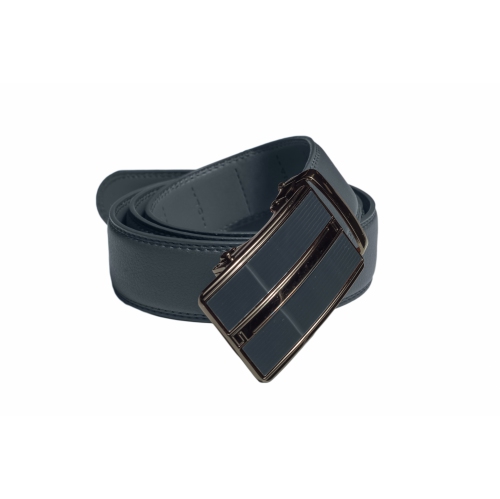
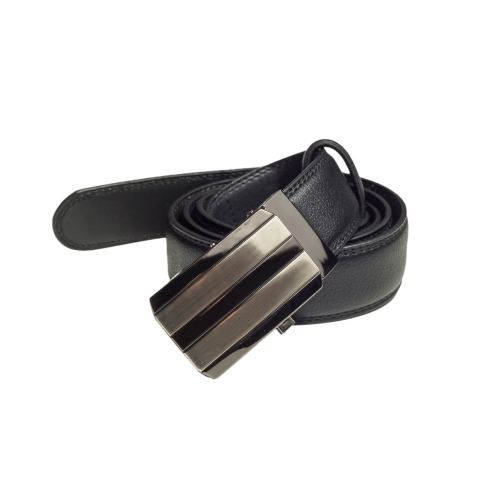
Genuine leather belts bring together a practical fit and the finishing detail that makes an outfit feel complete. A belt can hold jeans comfortably at the waist, give tailored trousers a clean line, or add definition over a relaxed dress or long cardigan. Leather appeals to many wearers because of its substantial feel, varied textures, and ability to soften with regular use. However, “genuine leather” identifies a material rather than guaranteeing a particular quality level. It does not automatically mean full-grain leather, nor does it tell you how the strap is built. Full-grain leather retains the hide’s natural grain surface, while top-grain leather has generally been sanded or otherwise refined for a more uniform appearance. Split leather comes from layers beneath the grain and may have an applied finish. Bonded leather is a different material made with leather fibres or scraps and a binding agent, so it should not be confused with a solid leather strap. These distinctions matter more than a broad leather label when comparing belts for frequent wear. A clearly described leather type, strap construction, and buckle material provide a stronger basis for choosing than promises that a belt will never crack or peel. Even well-made leather can dry out, stretch, or show damage if it is repeatedly soaked or sharply bent. Natural variations in grain and colour can give leather character, although surface texture alone is not proof of quality; an embossed finish can imitate a natural grain. For someone building a small, useful wardrobe, a smooth black or brown belt often offers plenty of flexibility. A textured or distressed finish creates a more relaxed impression with denim and heavier fabrics. Browsing Leather Belts with a particular outfit in mind makes those differences easier to assess: the neat waistband of office trousers calls for a different balance of width, flexibility, and hardware than a favourite pair of weekend jeans.
Fit is usually the most important purchase consideration, and the size printed inside your trousers is only a starting point. Belt sizing varies between makers: some measurements describe the distance from the buckle to a particular hole, while others refer to the strap’s overall length. Check the stated sizing method before choosing. One practical approach is to lay a belt that already fits flat and measure from the point where the strap meets the buckle to the hole you use most, then compare that measurement with the new belt’s size chart. Measuring around the waistband where you intend to wear the belt is also useful, particularly if you alternate between high-rise trousers and styles that sit lower on the hips. For a conventional belt with holes, fastening near the middle of the adjustment range leaves room for everyday changes in fit without an excessively long tail. Width deserves equal attention. Dress belts are often approximately 1 to 1.25 inches wide, while casual belts commonly sit around 1.5 inches, but the belt loops on your own clothing should determine what works. A substantial strap that looks right with denim may bunch or struggle to pass through narrower trouser loops. Thickness affects comfort too. Firm leather can offer reassuring support, but a very thick strap may feel bulky when you sit at a desk or spend time driving. Supple leather generally bends more easily with your movements. Look closely at the edges, stitching, and buckle attachment where details are available. Even stitching, smoothly finished edges, and a secure attachment are useful signs of careful assembly, though none alone guarantees longevity. A single-piece strap avoids the possibility of laminated layers separating, while a well-made lined belt can provide a smooth underside and a refined finish. Neither construction should be judged by thickness alone. Removable screws may make buckle replacement possible, provided the design allows it; riveted or stitched attachments are generally less interchangeable. The best choice balances fit, comfort, and construction with the way you actually dress.
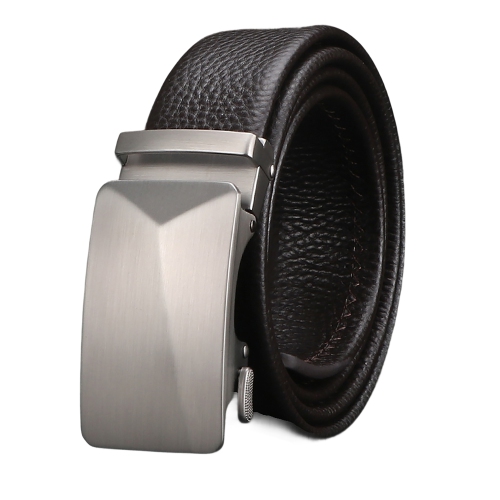
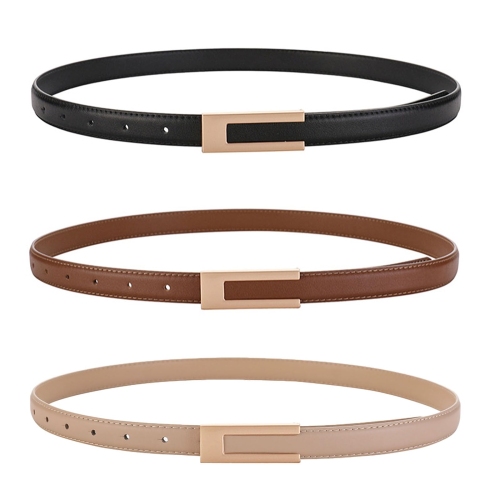
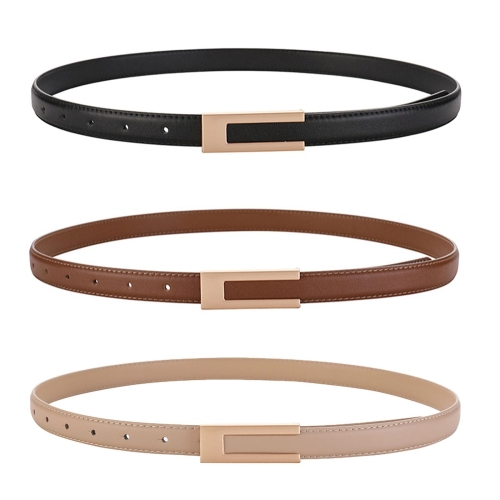
Colour and hardware give genuine leather belts much of their versatility. Black leather with a restrained buckle works well with charcoal trousers, darker denim, and polished footwear. Brown shades range from pale tan to deep chocolate, offering different effects beside navy, grey, olive, and cream clothing. For dressier occasions, keeping the belt and shoes in a similar colour family usually creates a cohesive appearance, but they do not need to be an exact match. Casual outfits leave more room for contrast, especially when leather boots already have variations in tone from wear. A brushed buckle tends to look understated, while a polished finish adds a sharper accent. Buckle size matters as much as colour: a low-profile shape sits neatly beneath a shirt or knit, whereas larger hardware draws attention to the waist. During the cooler months, that distinction is noticeable when pairing a belt with textured trousers, heavier denim, or a loosely tucked jumper. For workdays that move from a desk to dinner, a medium-width belt with simple hardware can bridge the two settings without feeling overly formal. Leather belts can also make thoughtful gifts for a partner, parent, adult child, or friend who appreciates practical wardrobe accessories. An existing belt provides useful clues about their preferred width, buckle style, and size; without those details, an adjustable design or a straightforward exchange option may be helpful. Someone who wears tailored clothing regularly may value a discreet dress belt, while a frequent jeans wearer may prefer a firmer, more casual strap. Once chosen, modest care helps preserve the leather’s feel and appearance. Wipe away surface dirt with a soft cloth, follow the maker’s cleaning instructions, and test any suitable leather conditioner on a hidden area before wider use. If a belt gets wet, let it dry naturally away from direct heat. Hanging it straight or storing it in a loose coil helps avoid sharp creases. A comfortable fit, rather than constant overtightening, also reduces strain around the holes and buckle, helping an everyday accessory wear more gracefully over time.
Fit is usually the most important purchase consideration, and the size printed inside your trousers is only a starting point. Belt sizing varies between makers: some measurements describe the distance from the buckle to a particular hole, while others refer to the strap’s overall length. Check the stated sizing method before choosing. One practical approach is to lay a belt that already fits flat and measure from the point where the strap meets the buckle to the hole you use most, then compare that measurement with the new belt’s size chart. Measuring around the waistband where you intend to wear the belt is also useful, particularly if you alternate between high-rise trousers and styles that sit lower on the hips. For a conventional belt with holes, fastening near the middle of the adjustment range leaves room for everyday changes in fit without an excessively long tail. Width deserves equal attention. Dress belts are often approximately 1 to 1.25 inches wide, while casual belts commonly sit around 1.5 inches, but the belt loops on your own clothing should determine what works. A substantial strap that looks right with denim may bunch or struggle to pass through narrower trouser loops. Thickness affects comfort too. Firm leather can offer reassuring support, but a very thick strap may feel bulky when you sit at a desk or spend time driving. Supple leather generally bends more easily with your movements. Look closely at the edges, stitching, and buckle attachment where details are available. Even stitching, smoothly finished edges, and a secure attachment are useful signs of careful assembly, though none alone guarantees longevity. A single-piece strap avoids the possibility of laminated layers separating, while a well-made lined belt can provide a smooth underside and a refined finish. Neither construction should be judged by thickness alone. Removable screws may make buckle replacement possible, provided the design allows it; riveted or stitched attachments are generally less interchangeable. The best choice balances fit, comfort, and construction with the way you actually dress.
Colour and hardware give genuine leather belts much of their versatility. Black leather with a restrained buckle works well with charcoal trousers, darker denim, and polished footwear. Brown shades range from pale tan to deep chocolate, offering different effects beside navy, grey, olive, and cream clothing. For dressier occasions, keeping the belt and shoes in a similar colour family usually creates a cohesive appearance, but they do not need to be an exact match. Casual outfits leave more room for contrast, especially when leather boots already have variations in tone from wear. A brushed buckle tends to look understated, while a polished finish adds a sharper accent. Buckle size matters as much as colour: a low-profile shape sits neatly beneath a shirt or knit, whereas larger hardware draws attention to the waist. During the cooler months, that distinction is noticeable when pairing a belt with textured trousers, heavier denim, or a loosely tucked jumper. For workdays that move from a desk to dinner, a medium-width belt with simple hardware can bridge the two settings without feeling overly formal. Leather belts can also make thoughtful gifts for a partner, parent, adult child, or friend who appreciates practical wardrobe accessories. An existing belt provides useful clues about their preferred width, buckle style, and size; without those details, an adjustable design or a straightforward exchange option may be helpful. Someone who wears tailored clothing regularly may value a discreet dress belt, while a frequent jeans wearer may prefer a firmer, more casual strap. Once chosen, modest care helps preserve the leather’s feel and appearance. Wipe away surface dirt with a soft cloth, follow the maker’s cleaning instructions, and test any suitable leather conditioner on a hidden area before wider use. If a belt gets wet, let it dry naturally away from direct heat. Hanging it straight or storing it in a loose coil helps avoid sharp creases. A comfortable fit, rather than constant overtightening, also reduces strain around the holes and buckle, helping an everyday accessory wear more gracefully over time.
Top selling and popular products
-
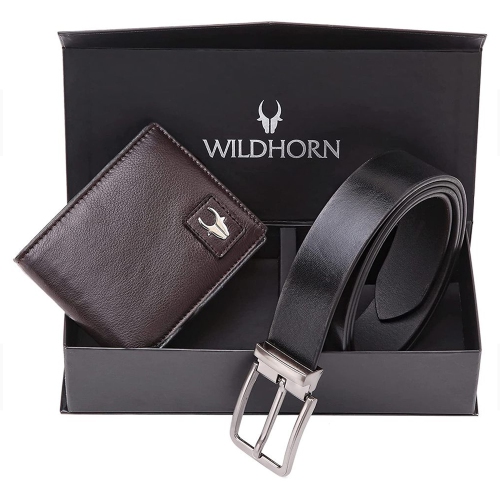 Your price for this item is $30.99
 -
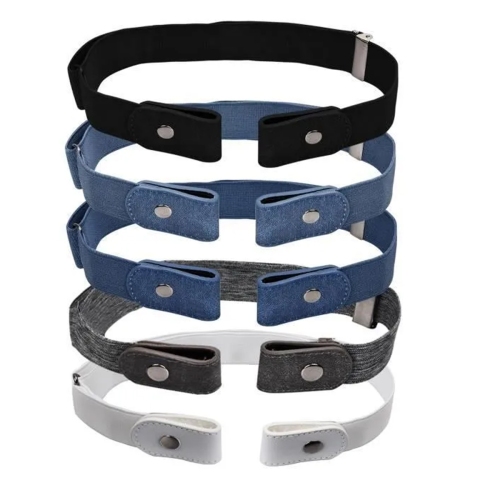 Your price for this item is $25.83
 -
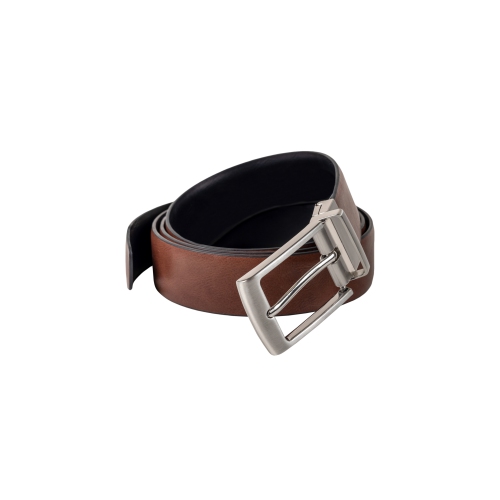 Your price for this item is $34.99
 -
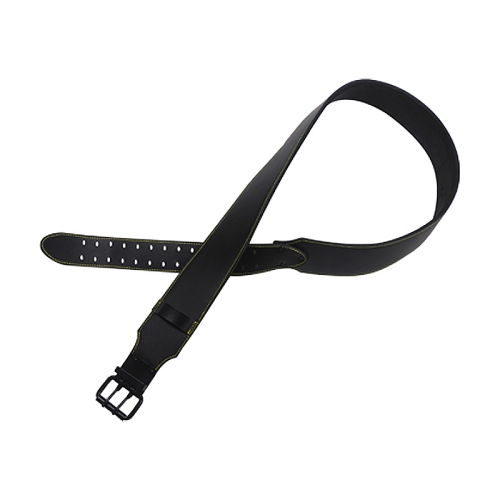 Your price for this item is $8.74
 -
 Your price for this item is $8.99
 -
 Your price for this item is $23.48
 -
 Your price for this item is $20.99
 -
 Your price for this item is $26.33
Discover more categories related to Genuine Leather Belts
Top Collections:
Pokemon Centers, Kindle Devices, Best Budget Office Chairs, Apple iPhones 16, Canon G7X Cameras, iPhone 15 Apple, Alarm Clock, Refurbished Apple Laptops, Flip Phones, Best Laptops for Writers
Some products may be subject to Environmental Handling Fees
(EHF) depending on your province.
Learn more about EHFs.