Black Leather Belts
Black leather belts are a timeless accessory that can add a classic touch to almost any outfit. Whether worn by a man or woman, black leather belts can be used to add sophistication and style to almost any look. It is a versatile accessory that can be dressed up or down, depending on the occasion. Here are some great options available.
Sort
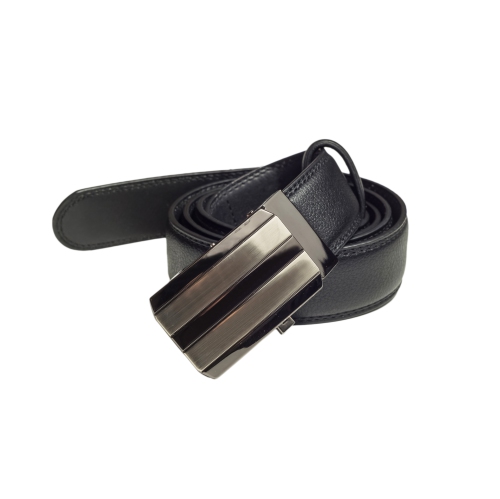
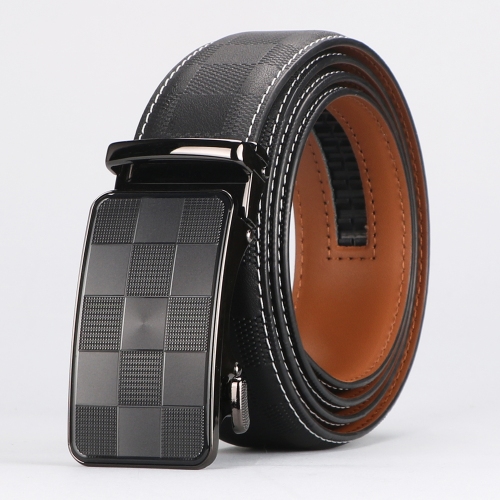
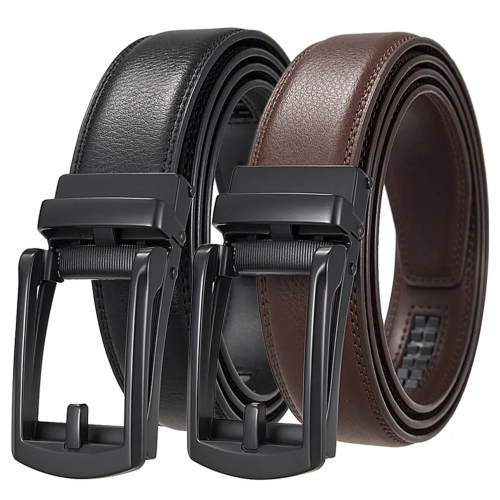
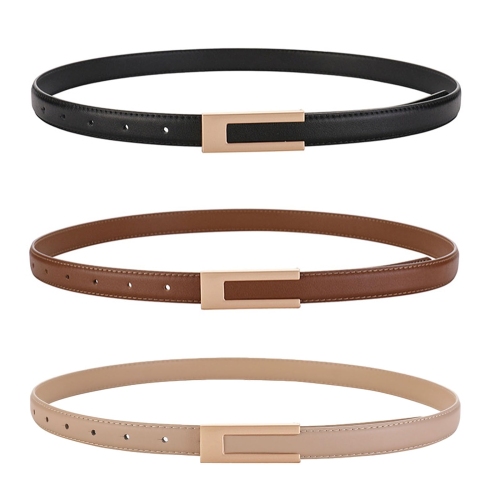
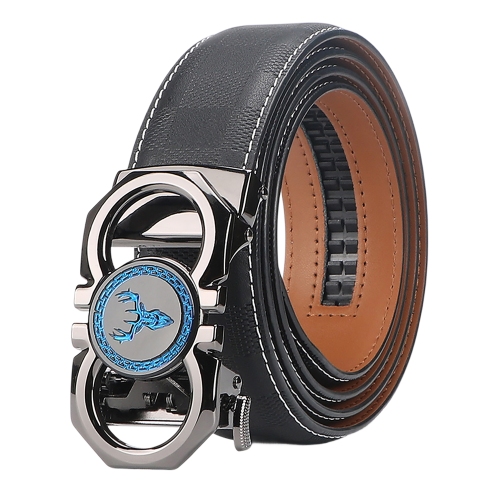
How belt width and finish shape your outfit
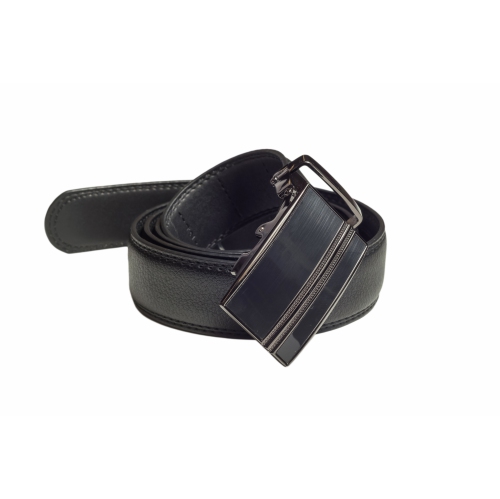
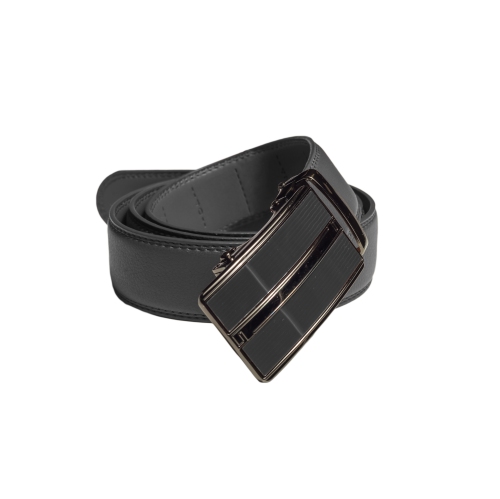
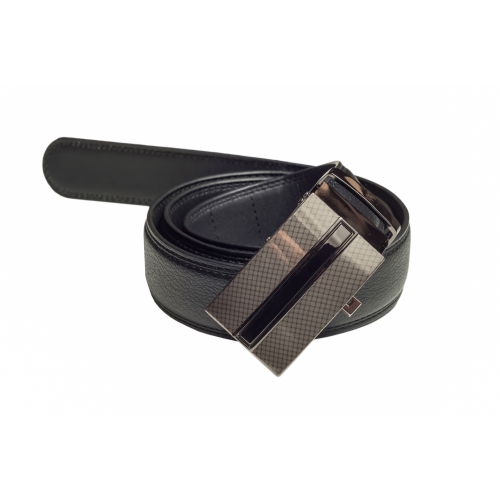
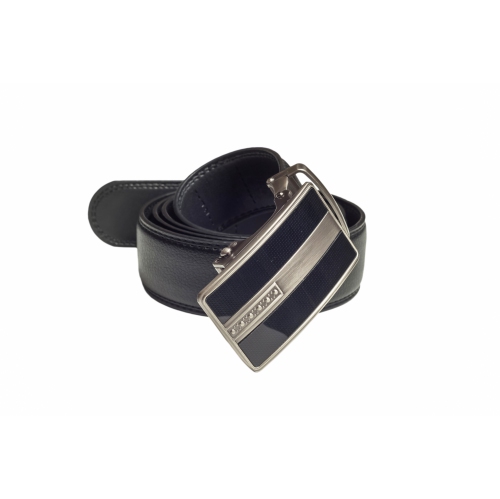
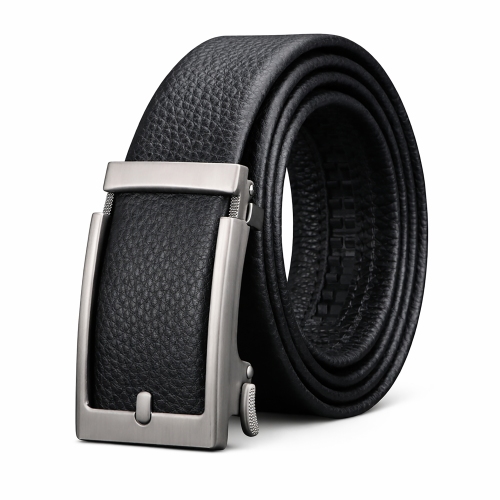
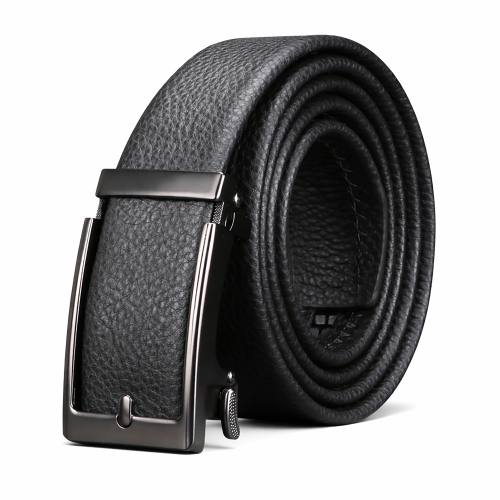
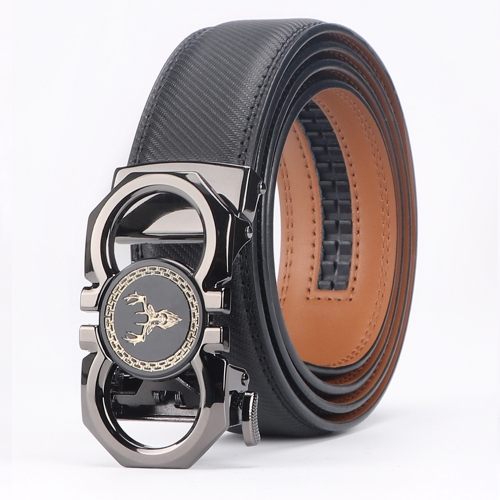
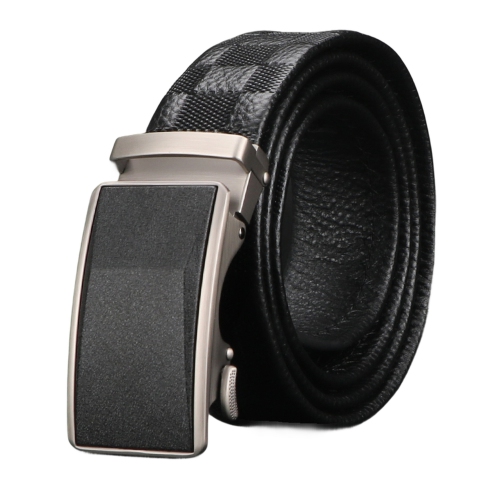
Black leather belts bring a clean, versatile finish to clothing while helping trousers, jeans, and other belted garments sit comfortably. Their dark colour pairs naturally with charcoal tailoring, blue denim, grey chinos, and many patterned fabrics, making them useful for office outfits, casual gatherings, and dressier occasions. Within the broader range of leather belts, black styles can look understated or distinctive depending on their width, surface texture, stitching, and hardware. A slim strap with a small polished buckle sits neatly against tailored trousers, while a wider strap with a brushed buckle has more visual weight alongside denim. Smooth leather generally creates a more formal impression; pebbled, grained, braided, or embossed textures add detail without introducing another colour. The finish matters as much as the shade: a softly matte surface blends into an everyday outfit, whereas a higher sheen draws attention to the waist. Silver-tone hardware gives a crisp contrast against black leather, while gold-tone hardware adds warmth. Matching a buckle loosely to a watch, jewellery, or bag hardware can make an outfit feel coordinated without requiring every metal finish to be identical. For traditional business or formal clothing, a black belt and black leather shoes create a straightforward pairing, especially when their finishes are similar. Casual dressing leaves more room for contrast, including black belts worn with lighter denim or textured footwear. Beyond holding up trousers, a belt can define the waist over a dress, shape a loose shirt, or give a tucked-in top a more finished appearance. The intended placement changes the proportions: a belt worn through trouser loops needs to fit those openings, while one worn over clothing may be chosen more for its silhouette. These differences make black leather belts practical accessories for people with quite different wardrobes, from someone who wears tailored clothing most days to someone whose everyday outfit starts with jeans and a plain T-shirt.
Leather type and construction influence how a belt feels at first and how it wears with repeated use. Full-grain leather retains the hide’s grain surface and may show small natural variations; with suitable care, a well-made strap can develop softness and character rather than remaining completely uniform. Top-grain leather has had its surface refined and can offer a smoother, more consistent appearance. The term genuine leather identifies leather content but does not, on its own, establish a particular quality level or construction method. Bonded leather contains leather fibres held together with binders and can wear differently from a strap cut from a continuous piece of hide, particularly where it bends around the buckle. A single-piece leather strap and a stitched, layered strap can both serve everyday needs, but their thickness, flexibility, lining, and edge finishing affect comfort and longevity. Even stitching, neatly finished edges, and securely attached hardware are useful construction details to consider. A belt should have enough body to support its purpose without feeling excessively rigid when sitting at a desk or driving. Fit depends on both length and width, and the labelled size is not always the strap’s total length. Many belts are measured from the buckle attachment or a specified buckle point to a particular fastening hole, though methods vary by maker. Comparing the stated measurements with a comfortable belt, using the same measuring points, is more reliable than assuming a trouser waist label will translate directly. For a belt worn over a dress or shirt, measuring around the intended position over that clothing gives a more relevant starting point. Fastening near the middle of the adjustment range usually leaves room for small changes in fit, with enough tail to pass through the keeper without wrapping too far around the body. Narrow belt loops need a suitably narrow strap, while larger denim loops can accommodate a broader profile. Traditional prong buckles offer familiar adjustment through punched holes; ratchet closures can provide smaller increments when their design permits. Braided constructions may also offer flexible fastening positions, depending on how the strap is made. Buckle size deserves attention too, since a bulky frame can press into the waist when seated even if the belt’s length is otherwise comfortable.
Regular wear puts the most stress on the fastening holes, the area folded around the buckle, and any section repeatedly bent through belt loops. Leather may soften with use, but a belt that must be pulled tight to reach its last hole is unlikely to become a comfortable fit simply through stretching. Releasing the buckle fully before removing the strap helps avoid dragging hardware across the surface or straining the holes. Routine care is usually simple: a soft, dry cloth removes dust, and a lightly dampened cloth can lift minor surface dirt when the care instructions allow it. Leather should not be soaked, and any dampness should dry naturally away from direct heat. Conditioners and cleaners need to suit the leather’s particular finish; testing on a concealed area helps check for changes in colour, sheen, or texture before treating the visible surface. Suede, coated leather, and highly polished finishes may need different care from smooth, uncoated leather. Excess conditioner can leave residue, so more is not necessarily better. Buckles can usually be wiped separately with a soft cloth, taking care to keep unsuitable metal cleaners off the strap. Between wears, hanging a belt straight or storing it in a loose coil helps avoid sharp folds. When packing it in luggage, keeping the buckle from rubbing against the leather can reduce scratches. For frequent use, alternating belts gives each strap a break from repeated bending and allows any absorbed moisture to dissipate. These small habits help preserve both appearance and function, whether the belt is part of a work wardrobe or an occasional finishing touch. A black leather belt can also make a thoughtful gift for someone starting a new job, building a tailored wardrobe, or replacing a well-used accessory. The most personal details are often practical ones: the recipient’s preferred buckle tone, usual strap width, waist or hip placement, and preference for a smooth or textured finish. Knowing those details, along with an accurate measurement, makes it easier to choose a belt that feels familiar from the first wear and works naturally with clothing already in regular rotation.
Top selling and popular products
-
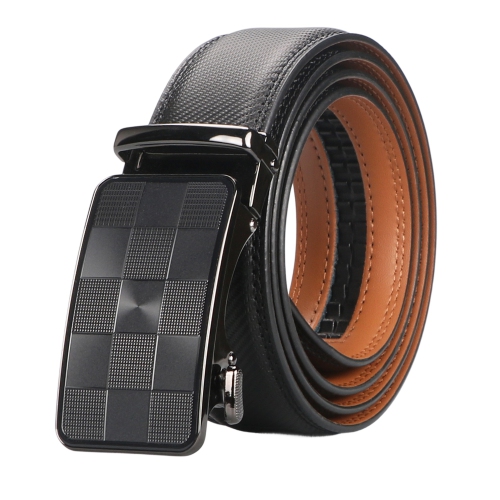 Your price for this item is $8.99
-
 Your price for this item is $32.34
-
 Your price for this item is $28.39
-
 Your price for this item is $28.17
-
 Your price for this item is $29.13
-
 Your price for this item is $17.42
-
 Your price for this item is $18.12
-
 Your price for this item is $31.3
Discover more categories related to Black Leather Belts

Top Collections:
Best Black Friday Deals This Year, Best Black Friday Deals On Electronics, Kindle Devices, Pokemon Centers, Best Black Friday Deals On Apple Products, Best Cameras for Sports Photography, Dyson Airwrap, Pokémon 30th Celebration Cards, Apple iPhone 17 Pro, Canon G7X Cameras
Some products may be subject to Environmental Handling Fees
(EHF) depending on your province.
Learn more about EHFs.